
Loading...
Loading...


Pharmaceutical active compounds are a contemporary and growing micropollutant detected in the environment from pharmaceutical industries, hospital wastewater streams, and agricultural wastes [1]. The utilisation of pharmaceutical active compounds has increased 2.5 times over the last decade, with studies showing their chronic adverse impacts on natural wildlife and human health [2]. Without appropriate intervention, resistance to pharmaceutical active compounds is predicted to be one of the major challenges to long-term human health and societal development [1]. With the high costs of deploying sustainable technologies, integrating a sustainable circular economy aligned with the UN Sustainable Development Goals is important for the future of technological development.
According to the UN World Commission on Environment and Development, sustainable development is defined as “development that meets the needs of the present without compromising the ability of future generations to meet their own needs” [3]. Although this profound statement thoroughly encapsulates the core idea of sustainability, it does not showcase its hidden complexity. The three-pillar sustainable development model (environmental, social and economic) best showcases this intricacy [4]. This Venn diagram encapsulates the coupled nature of the values we consider as contributions to sustainable development. Only at the narrow intersection of all three values do we see progressive sustainable development.
The Sustainable Development Model
For instance, as determined by the United Nations, human health and healthy environments are considered basic human rights [5]. However, within those rights, there are preconceived rankings in which society prioritises those rights. Ask yourself: would you prioritise population health or the environment first? From our interactions with the public, patients, healthcare staff and environmental specialists, most people would agree that human health comes first at the cost of our environment.
We explored this idea throughout our iGEM project SHELLter, which sits at the intersection between healthcare and the environment. Our objective to filter out cytotoxic platinum-based residues from cisplatin targeted a contemporary and growing issue of pharmaceutical pollution [6]. However, by intervening within oncological treatment, we inadvertently create an additional burden on patients and staff in healthcare, as additional barriers, regulations and technical expertise are needed to integrate our solution. Our team grappled with this conundrum throughout our project, and through our stakeholder interactions, we came to our own conclusion.
Human health and the environment are intrinsically linked. As a society, we have always known this, but we have not necessarily integrated this within our policies, regulations and healthcare systems. We found through our interactions with healthcare and sustainability staff in the UK's NHS that there is rightly a focus on direct patient treatment but no further downstream consideration of external impacts of that prescribed medication. This can lead to severe unintended harm, with one famous case study being diclofenac poisoning of a vulture species in India. The widespread prescribing of this non-steroidal anti-inflammatory drug (NSAID) to treat pain and inflammation in livestock led to widespread kidney failure and death among the vulture population, due to their scavenger nature [7]. Without this critical ecological assessment, vulture populations collapsed and resulted in the proliferation of bacteria and feral dog populations [7].
Throughout our project, we hope to account for these externalities and consider the downstream impact of our design, wet-lab, human practices and outreach decisions. By taking note of these trade-offs, we hope to understand the impact of our actions on sustainable development across all three pillars of sustainability.
By 2030, reduce by one third premature mortality from non-communicable diseases through prevention and treatment and promote mental health and well-being.
Achieve universal health coverage, including financial risk protection, access to quality essential health-care services and access to safe, effective, quality and affordable essential medicines and vaccines for all.
Our project SHELLter utilises a two-pronged approach and directly contributes to Target 3.4 whilst indirectly contributing to Target 3.8 by protecting the continued environmental viability of cisplatin as a treatment by managing its downstream harm. In a review conducted by Kharrazian [8], exposure to persistent organic pollutants, toxic metals, solvents and endocrine disruptors in the environment was identified as a possible significant contributor to the rise in autoimmune disease, whose incidence and prevalence were reported to have increased by a net 19.1% per year over the past 30 years [8]. Hence, by actively building a project which aims to prevent such toxic metals from entering the environment, our team can make a significant contribution to Target 3.9. Simultaneously, our project has a central focus on remediating excreted cisplatin, a medicine classified as essential to satisfying the healthcare priorities of a population by the World Health Organization [9]. By investing in technologies which can actively remediate the negative environmental impact of the drug, this creates a sustainable future for cisplatin as an affordable, effective and high-quality chemotherapy medication, thereby indirectly contributing to Target 3.8.
By 2030, substantially reduce the number of deaths and illnesses from hazardous chemicals and air, water and soil pollution and contamination.
Our project SHELLter advertises itself as a platform technology for heavy metal remediation with a specific focus on capturing platinum-based cytotoxic residues at hospital wastewater outflows. This objective to reduce pharmaceutical cytotoxics from entering surface water discharge directly contributes to reducing “hazardous chemicals and water pollution and contamination” of Target 3.9. According to a review conducted by Queirós et al. [10] on the impact of antineoplastic drugs and cisplatin on the aquatic environment, it was reported that advanced biological treatment methods such as membrane bioreactors could only remove up to 51% of the drug from wastewater. Laboratory studies have not been conducted to investigate the impact on human health from consumption of such cytotoxic-contaminated water. However, in four known studies evaluating their impact on marine invertebrate species, the mussel M. galloprovincialis was shown to receive significant induced oxidative stress and DNA damage over a period of 14 days at a 1000 ng L−1 concentration of cyclophosphamide, a chemotherapy drug, thereby showcasing the potential for similar consequences on human health in the long term and a need for environmental remediation technologies [11] to advance Target 3.9.
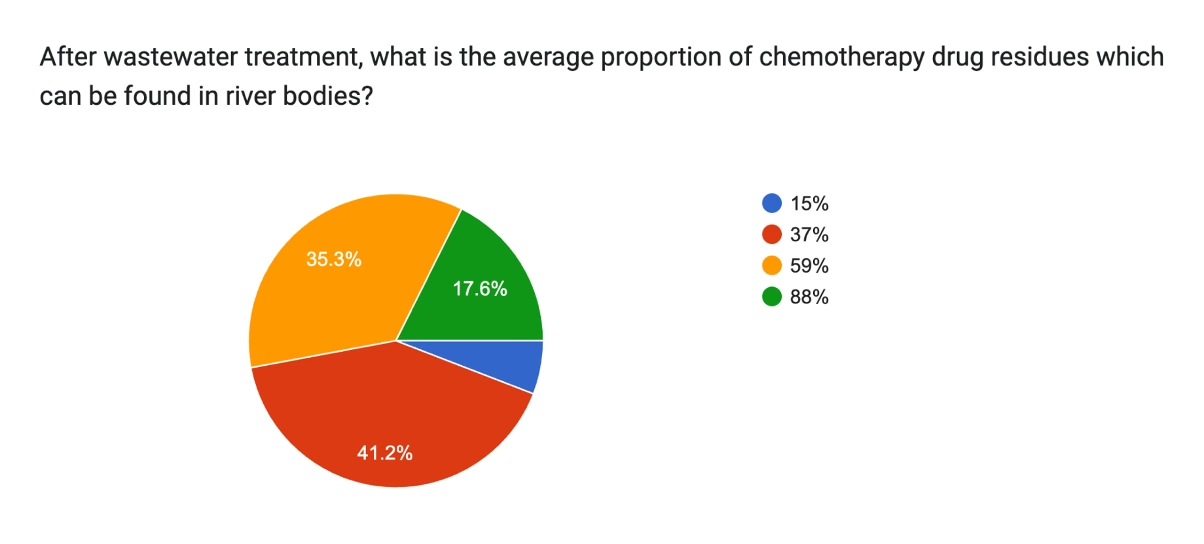
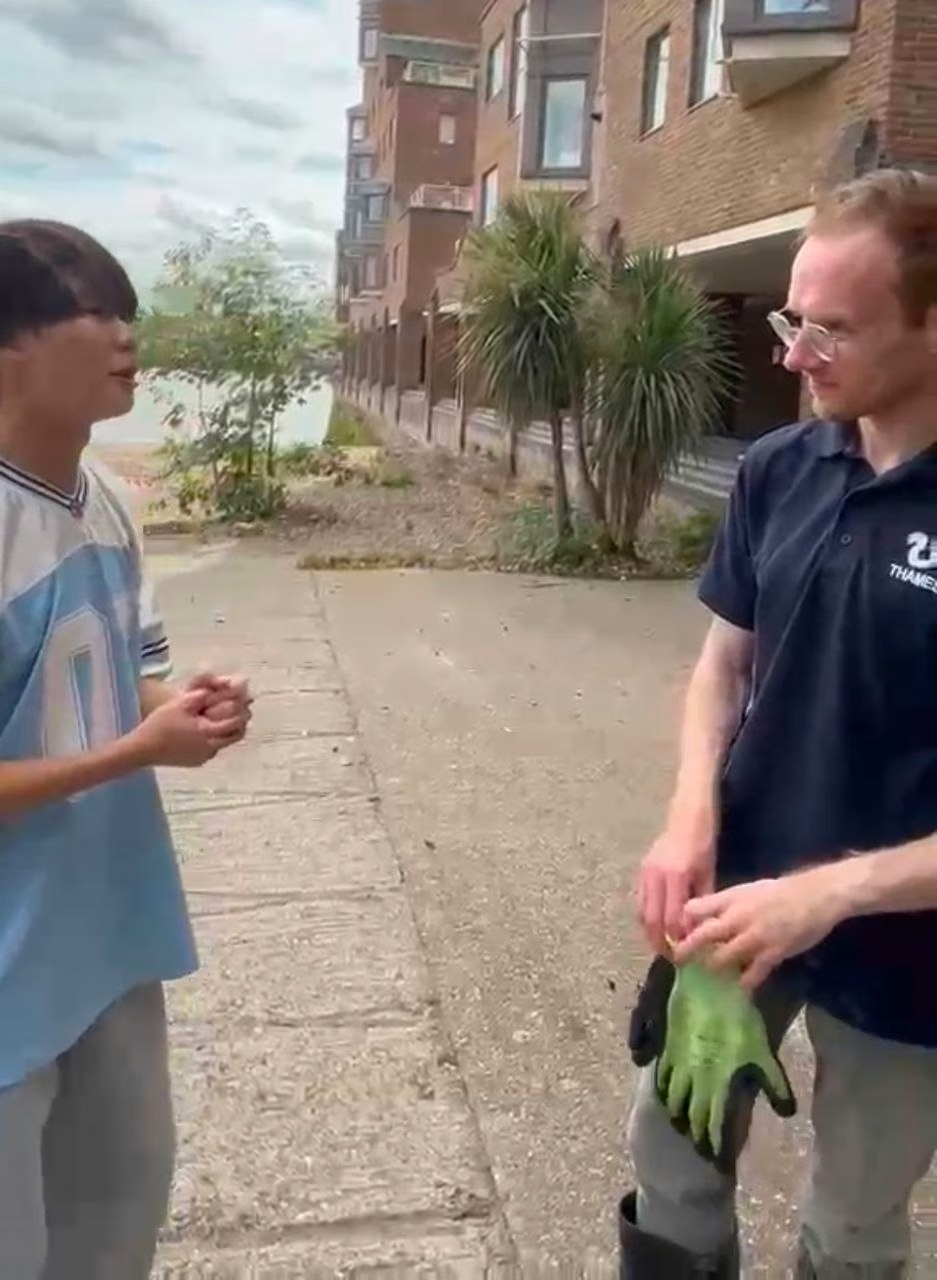
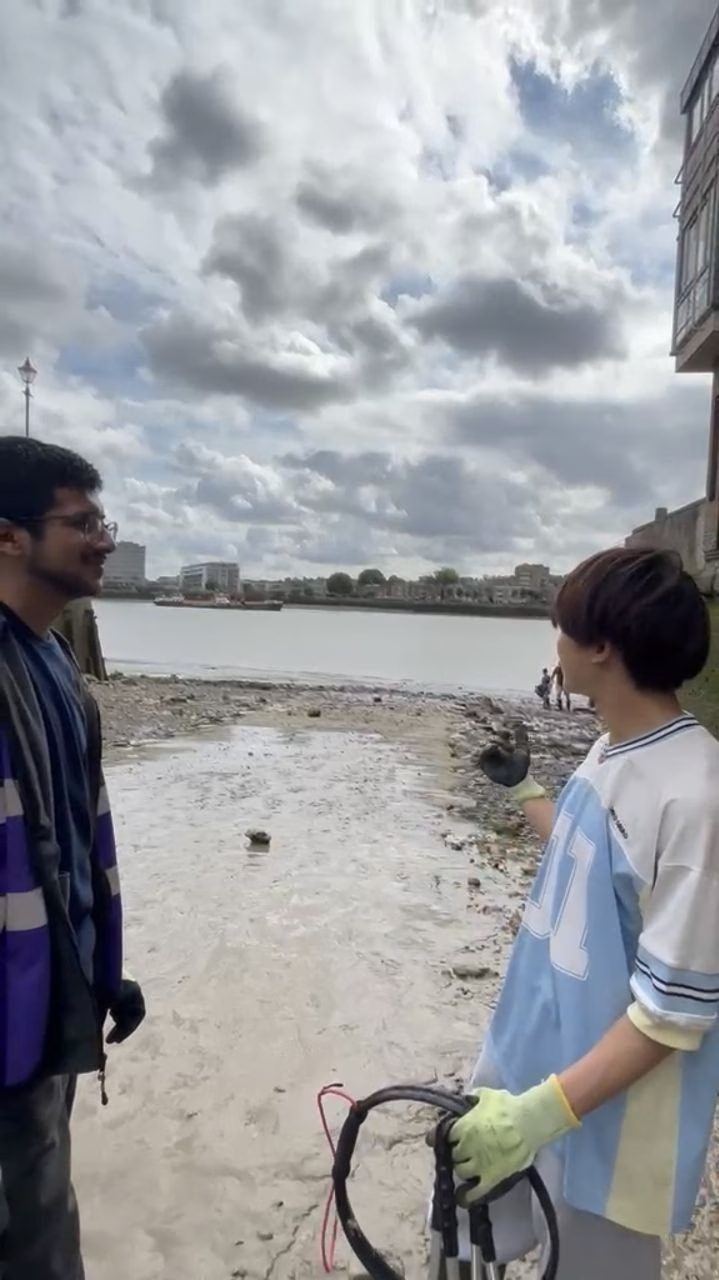
The long-term and invisible impact of this cytotoxic exposure became our team's primary concern as academic research on the subject was not being translated to practical solutions. Our team realised one part of this problem was the little awareness the public and water protection organisations had of pharmaceutical pollution. Through our partnership work with Thames21, a river health and citizen science charity, we found that a majority of the volunteers, although aware of pharmaceutical pollution, severely underestimated the impact on human health and the environment. This was corroborated with our UCL Open Day statistics survey, where a majority of participants underestimated how much active drug reaches surface water. By raising awareness of the impact of pharmaceutical pollution, the team hopes to directly advance Target 3.9 by creating a society which strives to actively eliminate this issue.
By 2030, substantially increase the number of youth and adults who have relevant skills, including technical and vocational skills, for employment, decent jobs and entrepreneurship.
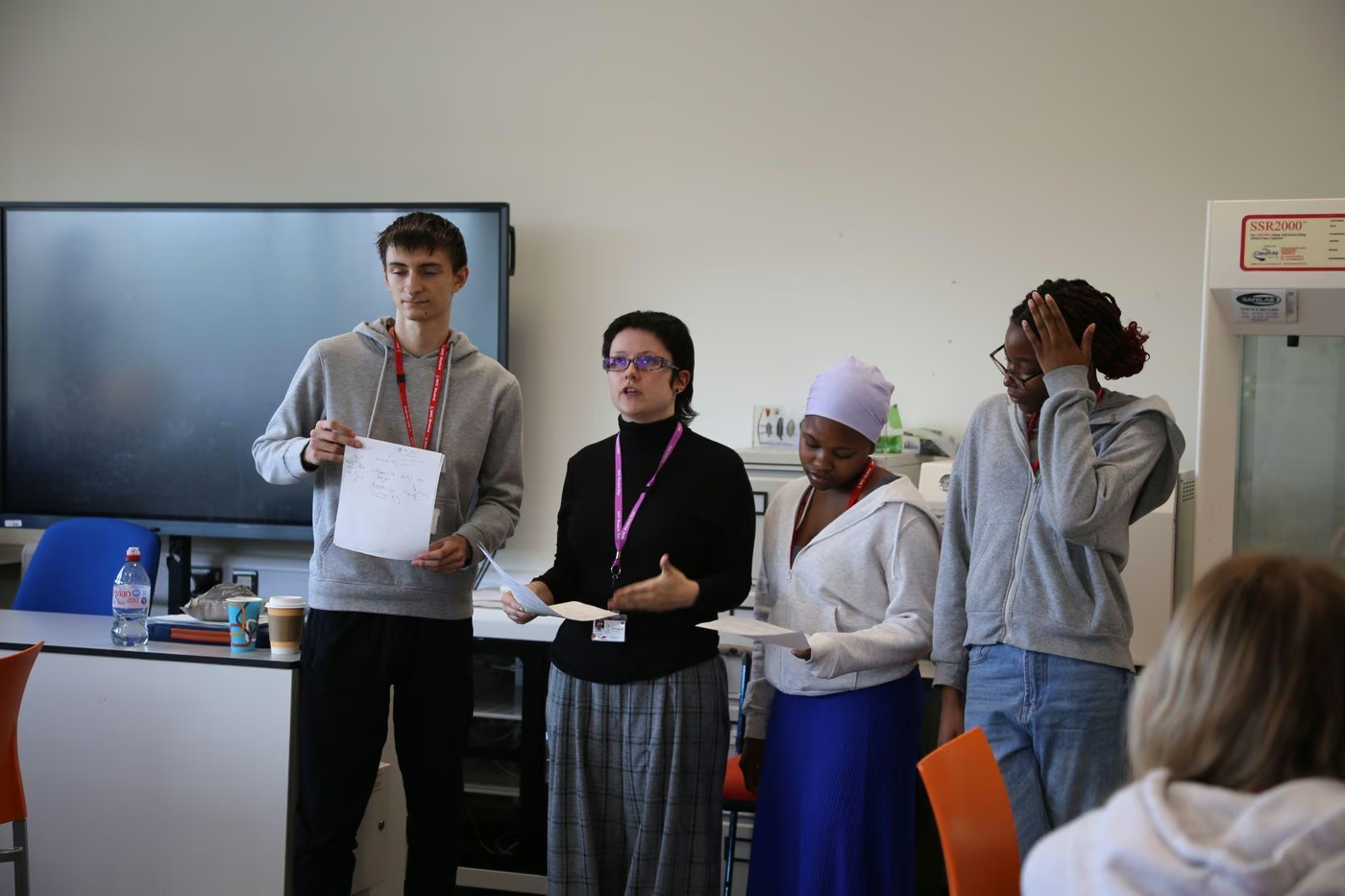
Alongside our public awareness activities, our team crafted several sustainability and synthetic biology educational activities to build relevant scientific soft skills and critical thinking skills among high school-level students. We decided to integrate the sustainability framework our team has been practising into workshop materials which could educate students about the role of the circular economy and upcycling within synthetic biology projects. We put this to the test when we delivered our SynBio & Sustainability workshop to T-level high school students at North Hertfordshire College. This audience was deliberately chosen for their practical-based curriculum, where students typically undergo vocational technical qualifications to head towards apprenticeships in industry. Hence, we felt that by delivering a practical, technical and interactive workshop, we could support them with their technical and vocational skills development.
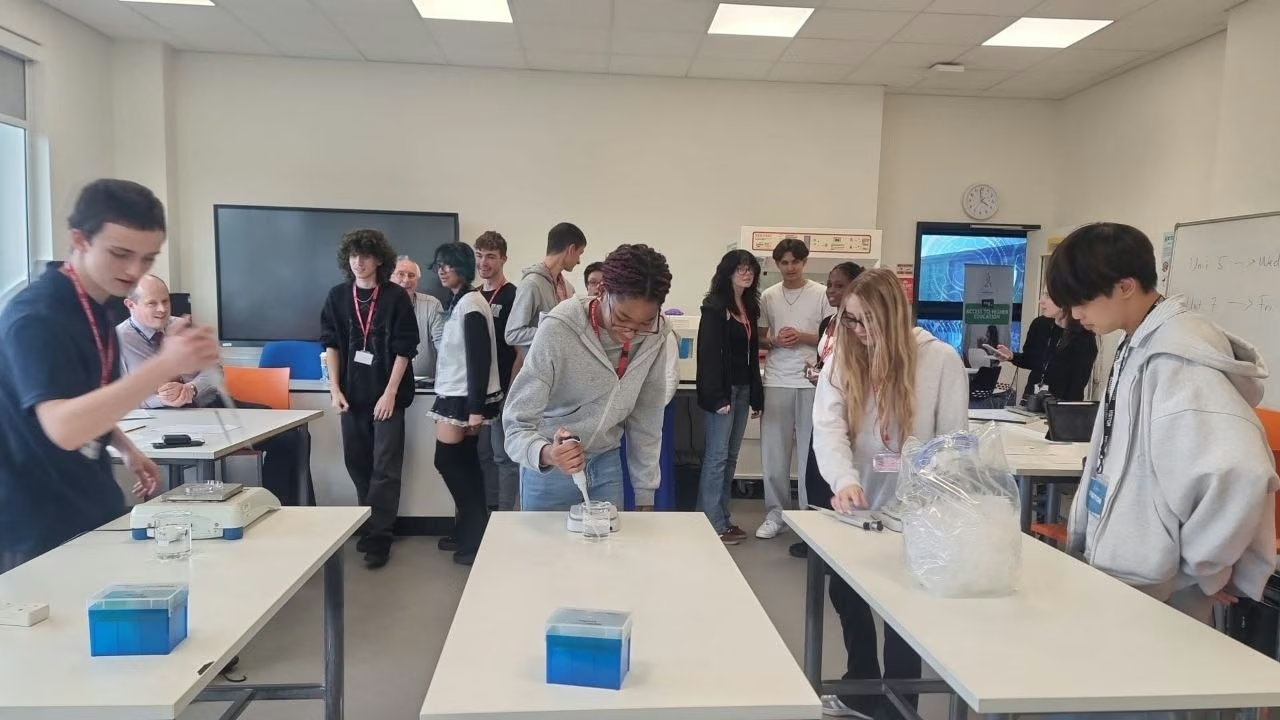
Given that a majority of the students had no prior experience in microbiological techniques, we delivered an introductory lesson to a core wet-lab technique through a timed, competitive pipetting exercise. We believed that the skill to use a micropipette was highly valued, foundational and employable for a vocational cohort who are potentially aspiring to work in wet-lab roles. Hence, rather than explaining the science, we created a fun and meaningful technical exercise which would directly develop their skills by capitalising on their competitive spirit. This timed and competitive environment was also a strong learning point, as we educated them on the importance of accuracy and speed when working in the laboratory environment. In doing so, we delivered an important and meaningful message through a fun, technical and interactive activity. These materials are publicly available on our Education page of our Wiki for any future teams to deliver technical expertise in their own educational workshops.
By 2030, ensure that all learners acquire the knowledge and skills needed to promote sustainable development, including, among others, through education for sustainable development and sustainable lifestyles, human rights, gender equality, promotion of a culture of peace and non-violence, global citizenship and appreciation of cultural diversity and of culture's contribution to sustainable development.
Beyond teaching students core synthetic biology techniques, we wanted to get them to start developing a sustainability design mindset and feel the weight of their decisions on the environment. We put this into practice at the workshop we held at North Hertfordshire College through our “Design your own Synbio” activity, where students were presented with two problems, and they had to research and develop a biological solution which could utilise one problem to solve the other. This activity developed their critical thinking skills and introduced a waste-to-resource design mindset. Doing so, we managed to shape their perspective on the definition of “waste”, educate them about upcycling principles and reframe their knowledge about sustainable design by showing the environmental impact of their design choices. The overall circular economy thinking we introduced also strongly connects to SDG Goal 12: Responsible Consumption & Production, which forms one of the core pillars of our team's sustainable development practices.
To extend the impact of our work beyond our workshop session, our team has made all our workshop materials, which include the sustainable design activity, pipetting game and introduction to BioBricks and synthetic biology, publicly and openly available for future iGEM teams to make use of. We hope that by doing so, we can not only uphold the collaborative ethos of iGEM but also inspire other teams to make educational materials that delve deeper into sustainable practices and mindset, which help nurture the youth to design projects with the future in mind.
By 2030, improve water quality by reducing pollution, eliminating dumping and minimising release of hazardous chemicals and materials, halving the proportion of untreated wastewater and substantially increasing recycling and safe reuse globally.
Our project has a strong core contribution to Target 6.3 by fulfilling, phrase by phrase, each of the aspects the target aims to cover. SHELLter reduces a form of pollution (pharmaceutical waste) by capturing platinum-based cytotoxic residues, thereby minimising the release of a hazardous chemical into water bodies. Subsequently, the circular economy initiative it applies advances recycling, reduces dumping and promotes safe reuse by valorising shellfish waste into a chelating material and opening a route to recovering platinum from the spent agent. This evolving and contemporary waste issue was validated by experts in the water industry.
Chiara Coleman, a senior scientist at Thames Water, highlighted that such trace pharmaceutical residues (aside from cisplatin) are able to bypass wastewater treatment and end up in our local water bodies. She explained that this has already been identified as a pressing issue in the UK and has formed the basis of the Chemical Investigations Programme [12], a 3-phase programme, to target trace chemical substances in the environment by adapting technology and modifying current and emerging legislation. This knowledge reinforced our team's focus on a long-term and sustainable solution. A successful environmental technology is not wholly dependent on its ability to improve water quality and reduce pollution. Our team needed to also consider its ability to be integrated within current wastewater infrastructure systems and regulations, as well as determine its long-term feasibility in a world where resources are becoming increasingly scarce. This reinforced our idea of developing a sustainable solution which utilises an upcycling initiative at the interface of the environment, healthcare and food waste.
By 2030, expand international cooperation and capacity-building support to developing countries in water- and sanitation-related activities and programmes, including water harvesting, desalination, water efficiency, wastewater treatment, recycling and reuse technologies.
Our team placed a great focus on understanding the UK healthcare system and how we could integrate our heavy-metal filtration system within it. Ultimately, we wanted SHELLter to be accessible and feasible for wastewater treatment deployment in any region. We first became aware of our project's regional limitations when we spoke to Miguel Chalermkiart Youngthong, a postdoctoral researcher in Thailand working on shrimp-shell chitin extraction. In his local wet market, the shellfish and crustacean waste stream he accessed arrived pre-segregated and clean. However, when we spoke to MacAlister Elliott & Partners Aquaculture Consultants, Dr Sophie Fridman and Alex Senechal, we learned that this was not the case in the UK, where crustacean waste is often mixed and inconsistent with other forms of food waste. Our team built upon this knowledge and explored a decentralised manufacturing model where the chitin supply chain would be obtained from different forms of crustacean waste. This included the potential of using oyster and mollusc shells in the UK, where salt-water bivalve waste is abundant in comparison to Asian regions where shellfish waste is more abundant. We hope that by exploring these different supply-chain modes we can make SHELLter a globally accessible platform technology which can be built upon in every region.
Support and strengthen the participation of local communities in improving water and sanitation management.
The support of local communities and grassroots initiatives was part of our team's central mantra as we worked towards redefining the management of pharmaceutical waste from the ground-up. As seen from our Human Practices page, as our team progressively engaged more stakeholders, we became increasingly aware of a need to evaluate their feedback and extend the feedback integration beyond our project if we truly wanted to make a change in pharmaceutical waste management. This was reflected through our partnership with the Thames21 community. With their support, we participated in the Thames21 Isle of Dogs foreshore beach clean, working alongside local volunteers to directly contribute to community water-management efforts. Through this experience, we not only learned how Thames21 mobilises Londoners to improve their local river health, but we also gained a better understanding of how the public perceives the pollution our project targets. We learned that even citizens already active in water stewardship did not recognise the invisible contamination our project addresses. This meant that if we wanted to engage the public with pharmaceutical waste, we needed to make an assumption of a near-zero baseline awareness and lead with an introduction to the topic before highlighting our project's specific focus. This became central to our project pitch and future outreach events as we better understood how we could lower the barrier to entry for local communities to engage with a new issue such as pharmaceutical pollution.
By 2025, prevent and significantly reduce marine pollution of all kinds, in particular from land-based activities, including marine debris and nutrient pollution.
By 2020, sustainably manage and protect marine and coastal ecosystems to avoid significant adverse impacts, including by strengthening their resilience, and take action for their restoration in order to achieve healthy and productive oceans.
Across our interactions with the public at the Isle of Dogs foreshore, Tidefest and among students on the UCL campus, we found a recurring pattern that the public generally equated marine pollution with plastic and physical debris. It was rare to see someone recognise and intuitively mention pharmaceutical pollution from land-based sources reaching our sea. However, upon mentioning pharmaceutical pollution, many people did recognise and understand what the general concept was. This pattern made our team realise that there was a significant gap between knowledge regarding pharmaceutical pollution and lifestyle habits which contribute to the issue. Since we were young, we've always been taught how to recycle general waste such as plastic and cardboard. However, given the contemporary nature of pharmaceutical waste, not many people knew how their lifestyle habits may be contributing to this issue. This single bridge shaped our communication with the public by bringing to light an invisible pollution and informing what the sources of pollution are and how they could individually help to mitigate this issue. This included simple explanations of excreted cytotoxics and medication during urination to general medication usage, such as proper disposal of antibiotics. By doing so, we hoped to extend beyond educating the public about synthetic biology and inspire them to forgo preconceived notions they had about medication disposal and pollution in the environment.

Professor Laurence Lovat also highlighted that we needed to target companies and investors by framing the aquatic damage in economic terms if we wanted to see a reduction in marine pollution at all levels. He highlighted that presenting this information as a measurable cost through cost modelling and a life cycle assessment would provide impactful metrics for firms to be moved to make changes to meet their ESG goals. Dr Sharon Pfleger also highlighted that we could create analogies or bring up similar stories such as the diclofenac poisoning in rivers that wiped out most of a vulture population in India. These real-life examples show the stark reality of the situation and can serve as evidence for a need to make changes to prevent real ecological collapse.
By 2030, achieve the sustainable management and efficient use of natural resources.
Our project SHELLter makes use of the waste by-product of the shellfish industry, which is discarded shellfish shells. By utilising a non-virgin material, we promote efficient use of natural resources by redefining what society classifies as waste. In our engagement with aquaculture consultants Dr Sophie Fridman and Alex Senechal, we learned that repurposing of shellfish waste is already done in seafood industries. However, upcycling initiatives usually convert the waste into low-value products such as fertiliser, where little treatment is required to make the product, thereby keeping it cost-effective. Our project, which produces a much higher-value product and requires multiple pre-treatment steps, would struggle with isolating the discharged shellfish waste and ensuring pre-treatment and treatment steps were sustainable enough to allow third-party vendors to feasibly work with us. We realised that although it may not be fully possible to outcompete low-value feedstocks such as fertiliser, we can provide comprehensive information on what makes our product worth it by showcasing its sustainability in terms of easy-to-comprehend metrics. This spurred the development of our project's life cycle assessment, which can be utilised to allow potential investors to understand what sustainable benefit our project brings and why the higher-cost disposal route for discarded shellfish waste is worth it through working with us. This concurrently serves as an inspiration for future environmental projects as a methodology for achieving sustainable management by converting difficult-to-understand metrics into impact which can be realised by any individual.
By 2020, achieve the environmentally sound management of chemicals and all wastes throughout their life cycle, in accordance with agreed international frameworks, and significantly reduce their release to air, water and soil in order to minimise their adverse impacts on human health and the environment.
In the development of SHELLter, our team was mindful to ensure we practised sustainability throughout all stages of our project instead of merely focusing on the outcome. Our interactions with sustainability stakeholders in the NHS, such as Joe Burton during the early stages of our project, informed us that each and every step of our project contributes to additional environmental burden and cost, even if we were creating an environmentally friendly product. This constant reminder was eventually reflected by our team's life cycle assessment, which brings awareness to all chemical and waste streams produced from our project. We tried to take steps to minimise waste creation through our outreach initiatives by utilising biodegradable and recyclable infocards. However, realistically, lab practices have to be changed as a whole to make more significant contributions to reduce energy consumption and waste generated. Dr Sharon Pfleger, who heads the One Health Breakthrough Partnership in Scotland, and Dr Anne Woolridge, who provides waste management consulting to the University College Hospital in London, highlighted this importance in their work managing the life cycle of healthcare waste. It was important to track each chemical and medication from prescription/utilisation to disposal in order to identify what aspects in the process can be modified to become more eco-friendly. We hope that by creating this life cycle assessment, we can make a significant long-term contribution to the management of chemicals and wastes by highlighting the processes which have the potential to create adverse impacts on human health and the environment. This can be built upon in further projects and serve as a reminder to other iGEM teams of the importance of integrating sustainable practices within their workflow.
By 2030, substantially reduce waste generation through prevention, reduction, recycling and reuse.
Our project SHELLter reduces two waste streams at once by utilising a circular economy framework. Our feedstock reutilises discarded shellfish waste, which is ultimately converted into a chelating agent that can prevent and reduce heavy metals and cytotoxic pharmaceuticals from entering water bodies. Aquaculture consultant Dr Sophie Fridman grounded this claim by highlighting the viability of working with shellfish waste through existing projects which reuse discharged seafood waste as fertiliser and energy sources. Hence, this project would serve as a competitor within food waste reuse schemes, which has the potential to generate greater investment in the field, creating a long-term and stable market for upcycling technologies.
Aside from creating a sustainable product, our team wanted to embody the core ideology behind SDG Goal 12 by modifying our workflow and outreach to be one that is sustainable as well. We believe that by solely creating a sustainable product, meaningful changes don't take place overnight. Real sustainable development occurs when each individual takes small steps to redefine their habits and incorporate ideas of waste prevention, reduction and reuse. This was shown when we developed our biodegradable and plantable seed paper infocards. These infocards not only taught the public about pharmaceutical pollution, but their physical embodiment demonstrated waste-to-resource reuse by practising the sustainability it preached.
By 2030, ensure that people everywhere have the relevant information and awareness for sustainable development and lifestyles in harmony with nature.
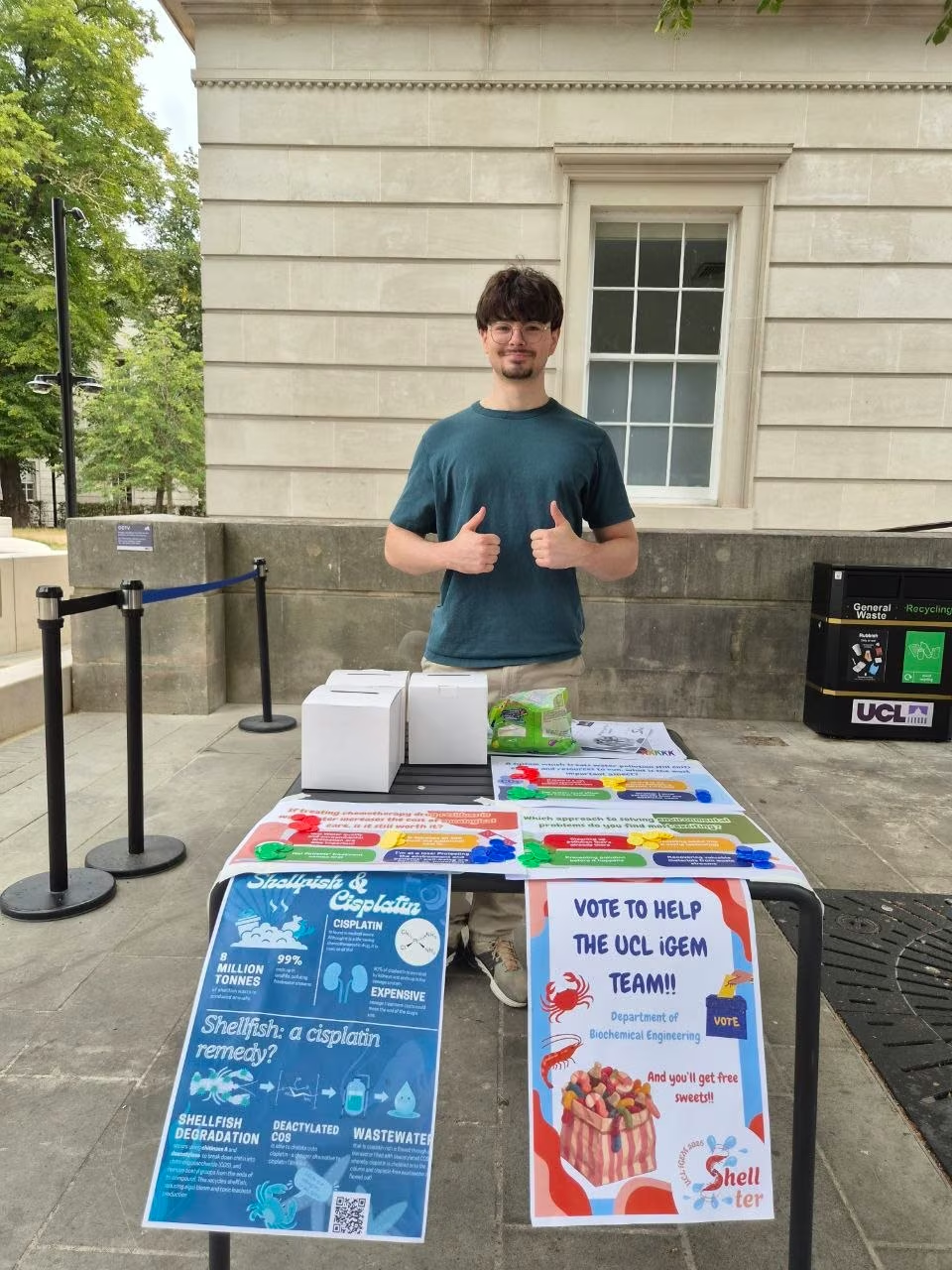
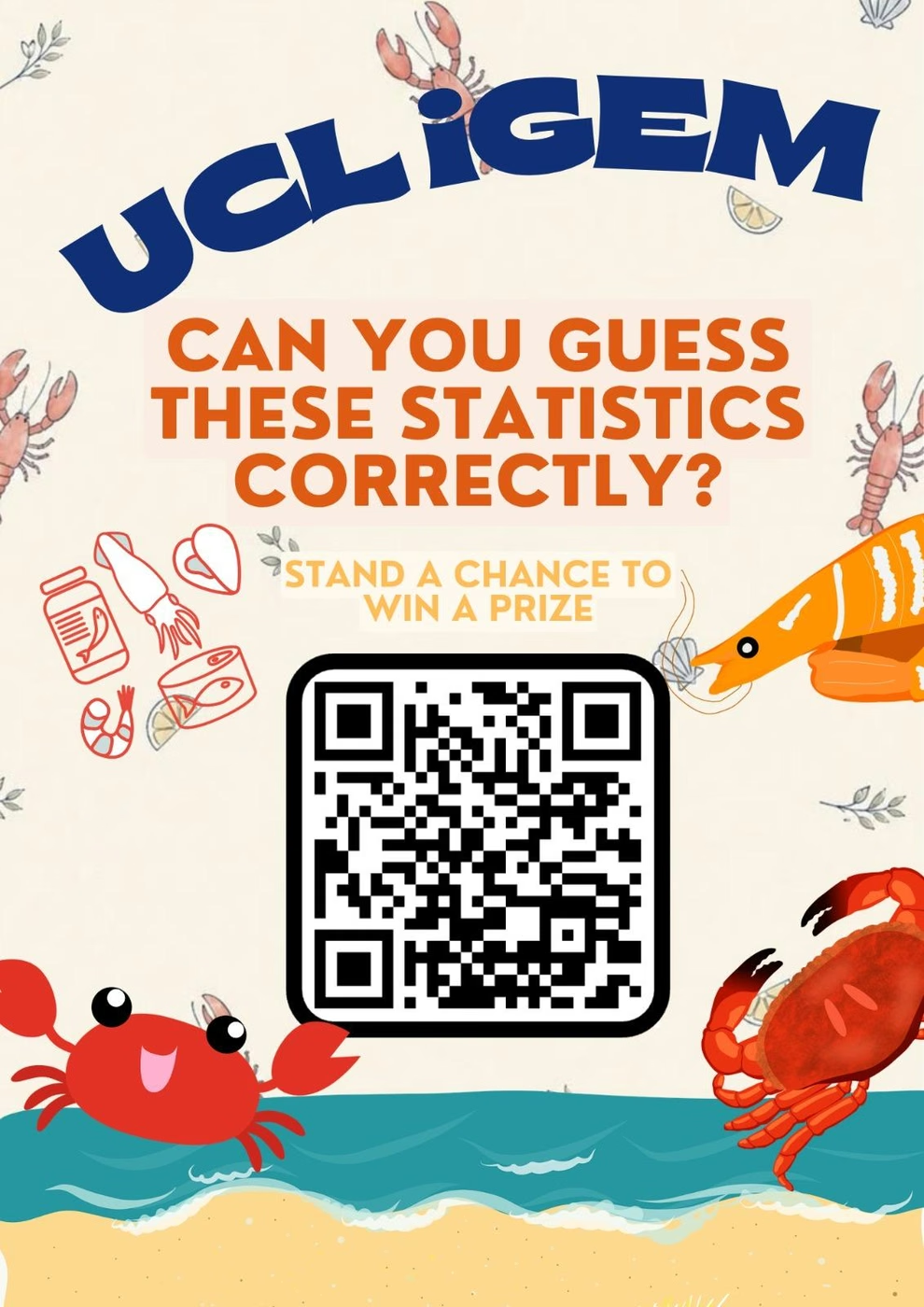
Aside from educating students and the public about synthetic biology, our team felt it was important to teach people about sustainability. We found from our initial conversation with stakeholders and the public that sustainability was a term many people generally understood. However, when we introduced concepts such as pharmaceutical pollution and how to create a sustainable project, people were largely unaware of where to begin and what the problem meant to them as a society. We realised that there was a surprisingly large barrier to information behind the problem and solution, given its contemporary and intimidating nature. Hence, we felt that the outreach material we created had to lower this barrier to entry. This was incorporated within our guess-the-statistic survey we held at the UCL Open Day. By creating a friendly, suspenseful and competitive environment where participants competed with one another to guess real pharmaceutical pollution statistics, we inadvertently taught the public the severity of the issue.
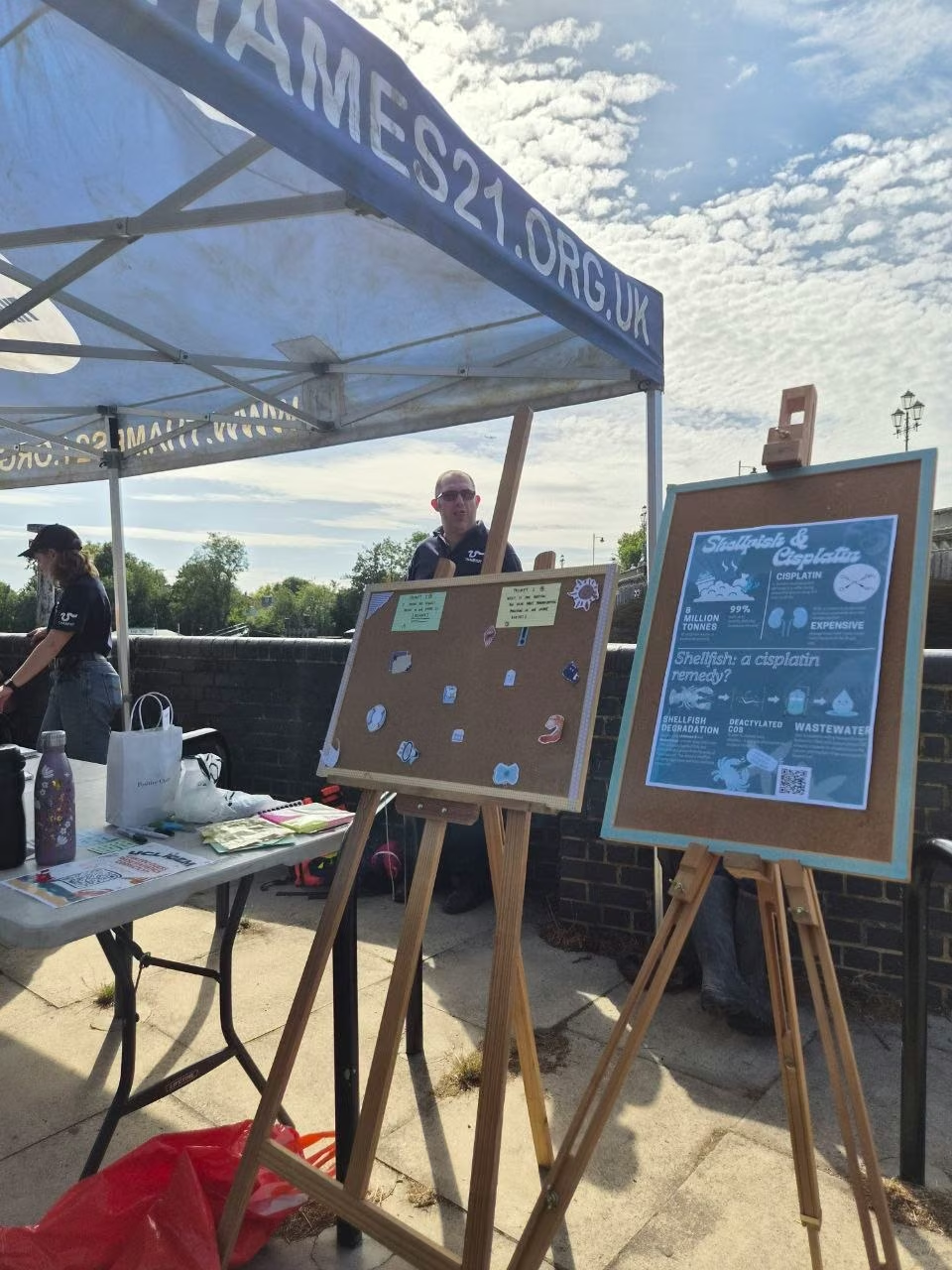
At Tidefest, in collaboration with Thames21, we utilised an opinion board format which invited participants to raise and write simple questions they had on pharmaceutical pollution and threats to aquatic bodies. This inadvertently spurred them to critically think about the environment around them and the impact of our individual actions, sparking curiosity about the topic. A cascading effect was then produced through this community-based approach as more and more participants began to write new questions, and new participants would see and reflect on the existing questions. This system helped to bring awareness to an invisible sustainability problem by incrementally asking people to build up their thoughts on the issue, thereby creating a cohesive and friendly environment where people are not afraid to ask questions and can equally spur each other to make changes to their lifestyle habits by working together in camaraderie.
Responsible sustainable development is not perfect in every project. In reality, the sustainable decisions our team made throughout the project had an opportunity cost associated with each stage, whether we knowingly or unknowingly acknowledged it. As we explored at the start of the project, advancing sustainable development is complex because the Sustainable Development Goals are interdependent. By improving one target, we may inherently increase the burden or barrier of another. Our team decided we needed to evaluate our sustainable decisions as the project came to a close to provide a comprehensive overview of the impact of our actions.
Throughout our project, our interactions with stakeholders across the water, healthcare and environmental industries highlighted one complication that our team would face. That is, the trade-off between marine protection and carbon emissions. Dr Anne Woolridge made this apparent throughout our discussions with her as a pivotal struggle for environmental technologies to succeed. On one hand, we were making advances in SDG Goal 3: Good Health & Well-Being, SDG Goal 6: Clean Water & Sanitation, and SDG Goal 14: Life Below Water by removing a cytotoxic chemical harmful to human and aquatic life from water bodies. However, when we evaluated our process overview, life cycle assessment and techno-economic analysis, the operation of our treatment system carried a significant energy and carbon cost, which is in direct contention with SDG Goal 13: Climate Action. This conflict brings to light a common problem with water adsorbent technologies, as highlighted by Niaz et al. [13]: energy costs have a significant impact on the sustainability of a system. Our team tried to limit this by utilising a natural, waste-derived adsorbent, in the form of discarded shellfish shells, thereby minimising the material footprint. We consistently explored this feasibility throughout our project as we spoke to Miguel, Sophie and Alex, with their wealth of experience working with shellfish. We determined that by exploring a low-carbon energy source and a centralised manufacturing model for the region, we could work towards offsetting the negative impact of our project on the climate. This was integrated within our life cycle assessment to evaluate the impact of the remedy we implemented.
Our project makes the assumption that we have a definitive and consistent supply chain of discarded shellfish waste to enable reliable production of our chelating agent. However, in reality, the valorisation of shellfish waste is not a new concept, and it is already being utilised for animal feed and fertiliser [14]. We discussed this difficulty with our stakeholders, Sophie and Alex, who highlighted the competitive nature of the aquaculture industry and the importance of cost modelling and individuality when competing in this market. We integrated these competitive challenges within our techno-economic analysis and accounted for the fact that we would not feasibly achieve a fully circular economy.
SHELLter utilises a filtration system which captures chelated platinum concentrates onto loaded and spent beads. Although we have safely removed the heavy metal residue from entering wastewater streams, our team is now left with solid heavy metal-contaminated hazardous waste. Hence, our advancement of SDG Goal 6: Clean Water & Sanitation and SDG Goal 14: Life Below Water comes at the risk of creating a new chemical waste management problem in SDG Goal 12: Responsible Consumption & Production. Our team explored this issue by interacting with patients and staff at the Cancer Patient & Public Advisory Group Meeting in the UCLH Macmillan Cancer Centre. We discussed the hazardous waste management practices in the hospital, mitigation strategies and potentially the use of a solid absorbent to more effectively store and dispose of the chelated platinum. However, this strategy conflicted with our initial plan of platinum recovery from the spent beads. Professor Luiza Campos pushed us to identify the necessity and impact of recovering the spent platinum and to consider the carbon emissions associated with recovery. The team decided to move forward with a complete disposal strategy, acknowledging the trade-offs created by increasing the management of hazardous waste disposal.