Loading...
Loading...

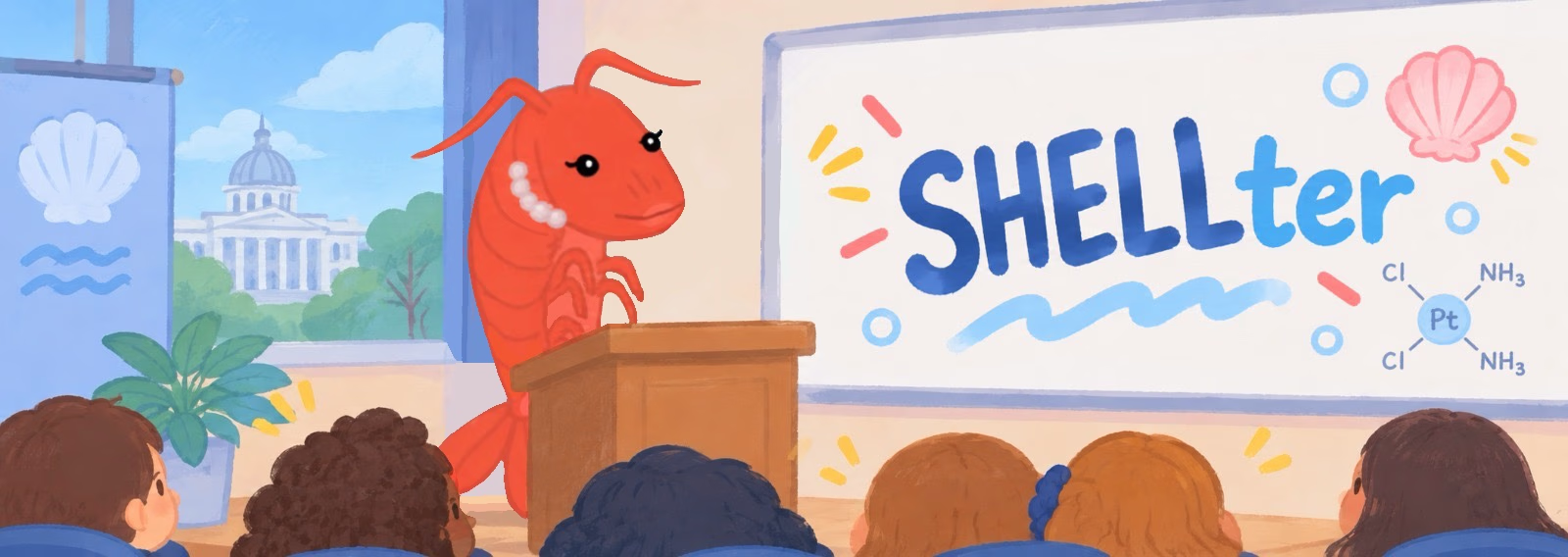
Our project tackles a problem that often goes unseen.
Hidden beneath the surface, it runs deep through our aquatic ecosystems.
Our mission was to bring this invisible threat to light.
Platinum-based chemotherapy drugs are able to pass through conventional wastewater treatment without any visible traces to the naked eye. As a result, we found through our stakeholder interactions that even members of the public who care deeply about the environment were largely unaware of its impact and what we could do to combat it. Hence, our team decided that scientific communication was integral to making this invisible problem visible for an international community. We hope that by making sustainable synthetic biology projects approachable, we can inspire others to continue our work.
Our team set out to develop a broad range of outreach activities that could reach as many people as possible. We started small with surveys and activities such as pop-ups at our campus’s very own hub to find out what the people wanted, what the people knew, and what the people were interested in regarding synthetic biology, pharmaceutical pollution, and sustainability. This formed the core foundation of our outreach activities as we built upon feedback to design and conduct activities that people wanted and our project needed. Ultimately, this two-way dialogue helped shape our final wet-lab and dry-lab results and allowed our team to make meaningful contributions to the United Nations Sustainable Development Goals.
Across our interactions with members of the public, particularly through the UCL Main-Quad Pop-Up Booth and the Isle of Dogs foreshore clean-up, we realised that baseline awareness and impact of pharmaceutical pollution were generally quite low. Although our team had been making efforts to verbally communicate and highlight this plight, we realised there were still two strikingly clear problems. Firstly, our reach was solely limited to the people we spoke to, and hence there was still a large audience our message could not reach. Secondly, we could not verify whether our messages were internalised by our audiences, as our conversation is only one part of the many they have throughout the day. Hence, we decided to develop and design a four-page info card to communicate our project and the problem behind it to a general audience.
Our decision to print the card on biodegradable seed paper directly contributes to Target 12.8: By 2030, ensure that people everywhere have the relevant information and awareness for sustainable development and lifestyles in harmony with nature, by practicing what we preach. Our team wanted to go beyond providing the public with clear, concise, and reliable information about pharmaceutical pollution and the circular-economy thinking behind our solution. We wanted to incorporate this ideology within the delivery medium itself as a symbol of sustainable transformation. The ability for the card to be planted and germinated into British wildflowers rather than becoming waste was a small but genuine example of how we can incorporate sustainability within our project workflows and how we communicate. We hoped that, by doing so, we demonstrated the importance of reducing waste generation at all scales and incentivised the public to start thinking about their own sustainable habits and how they can make small but meaningful environmentally friendly changes to their lifestyle habits.
The information card follows a deliberate structure which is informative yet engaging. The card first opens with a hook which poses a rhetorical yet borderline absurd question. This incentivises the reader to browse the card in search of the answer to this question. Following this, the problem is presented using bold statistics to emphasise the severity and its importance. We deliberately chose statistics that could be understood by the public and ones which impacted their local environment. For instance, informing them that “24 hours” is all that is needed for the “platinum compounds to cause irreversible genetic damage to aquatic organisms in the environment”. This links the problem of pharmaceutical drug waste and cytotoxics directly to an impact they can feel and comprehend.
We then proceed to highlight our solution and how it addresses the problems we have presented. We employed this communication format as highlighted by feedback from the judges at the UK-EU Mini Jamboree at Imperial College London and stakeholder Laurence Lovat, who highlighted the importance of breaking down the problem before describing the solution to effectively communicate our iGEM project. We distributed this card to members of the public at all our outreach events (UCL Open Day, Tidefest, Festival of the Girl) and plan to continue doing so at the Grand Jamboree, where we can bring awareness to this problem and our solution to an international community.
8th July 2026
UCL Biochemical Engineering
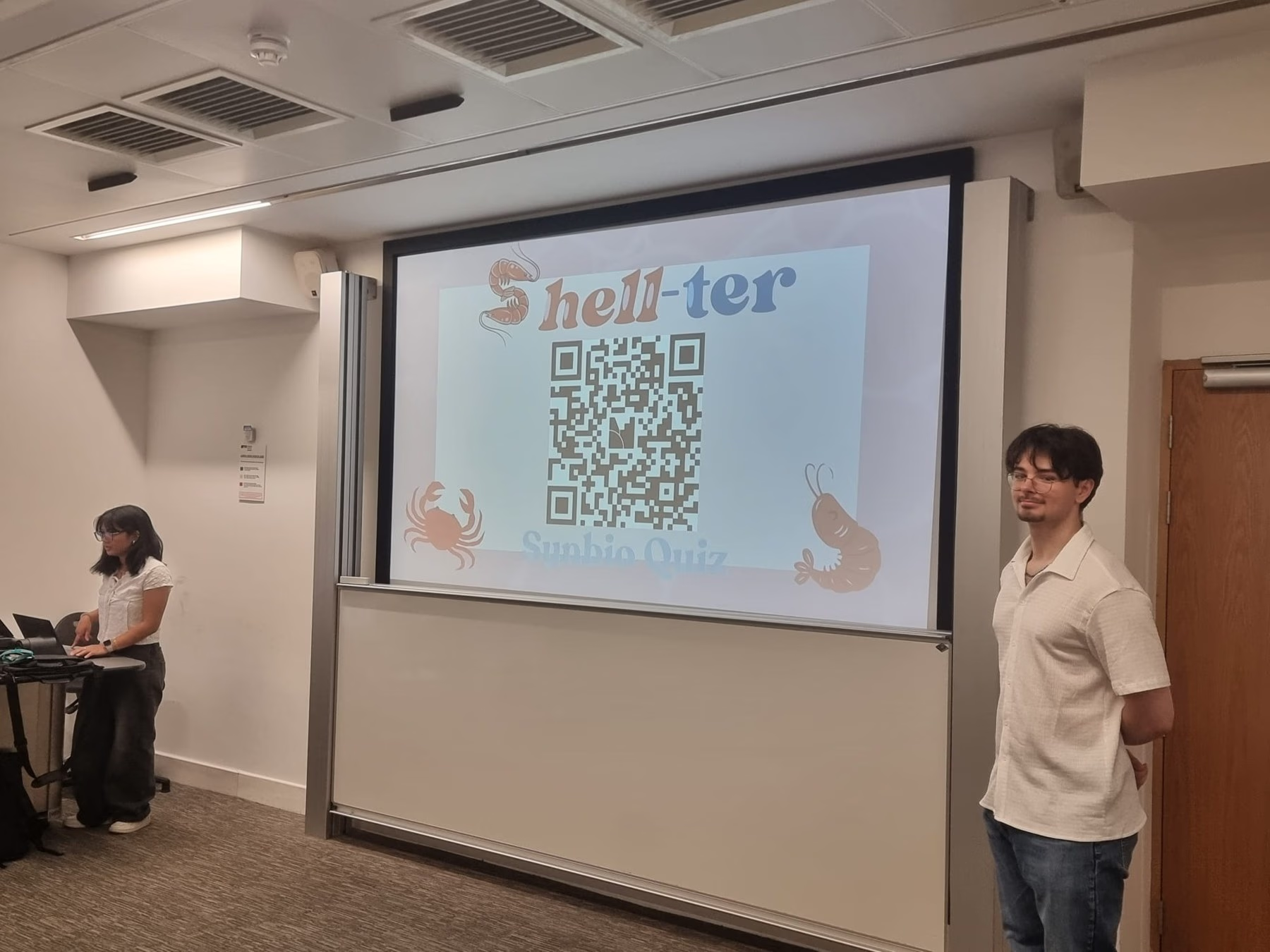
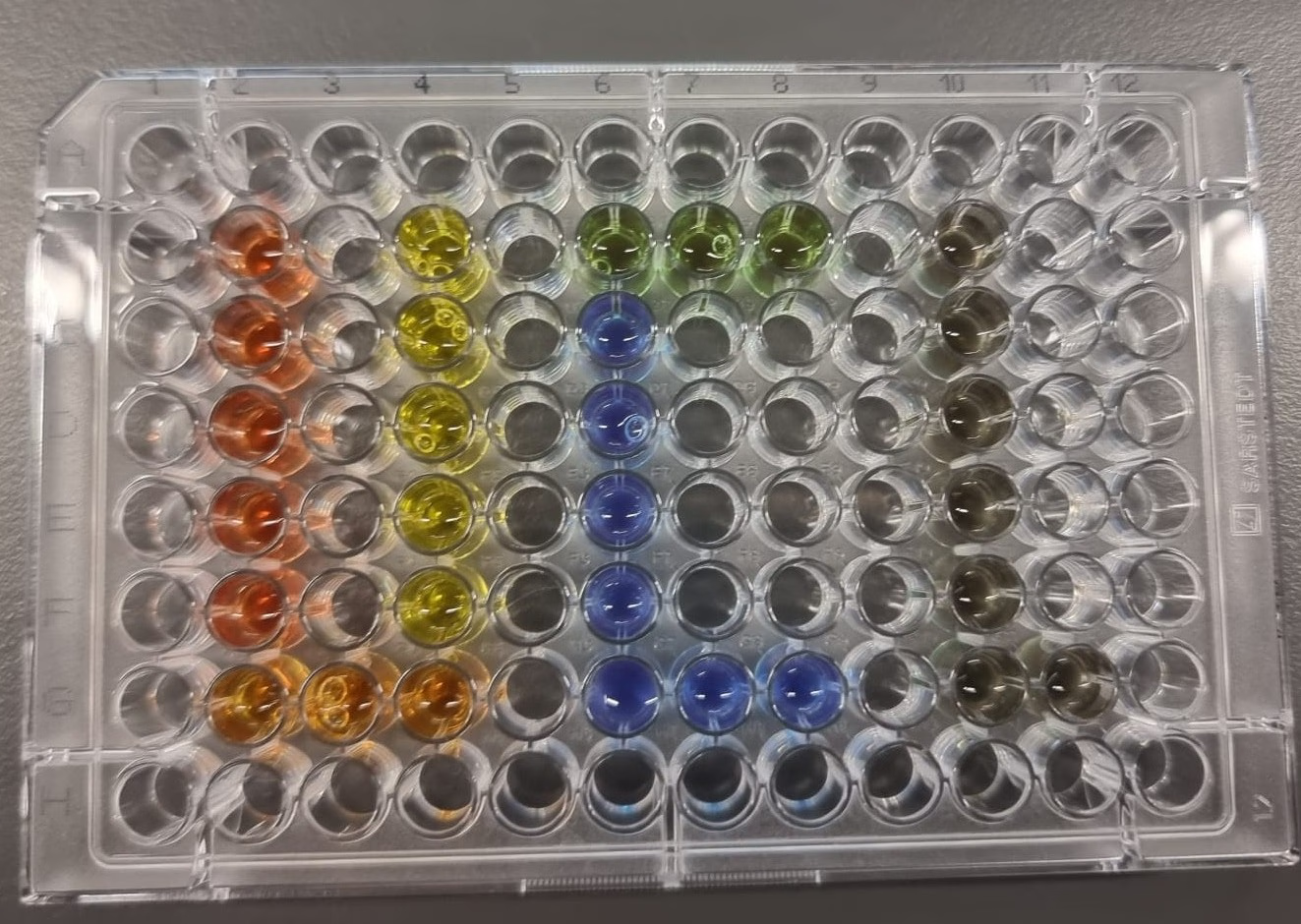
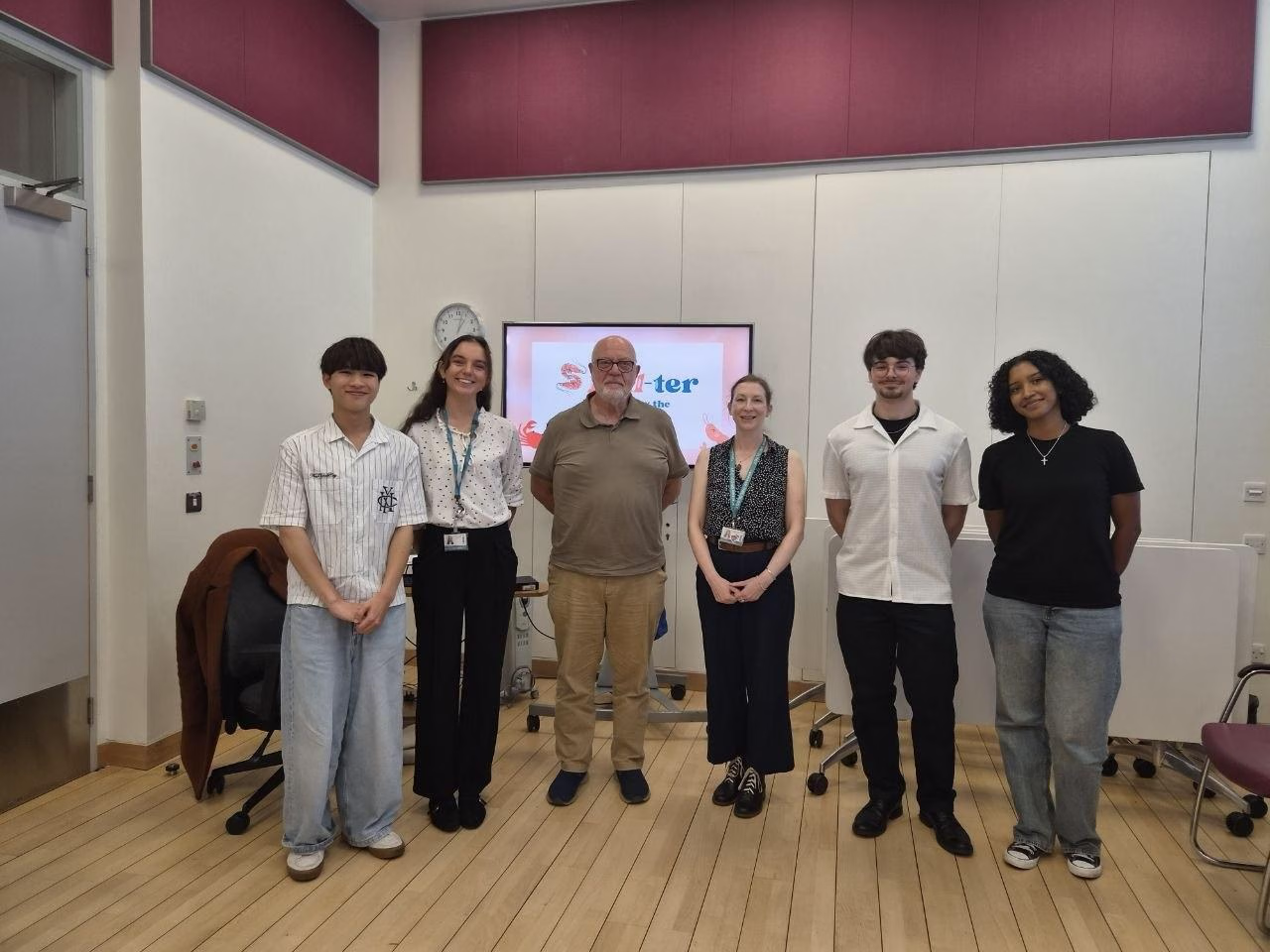
The “Building with Biology” UOL Taster event hosted by the UCL department of Biochemical Engineering was an opportunity for high school students interested in synthetic biology to learn more about the field. At this event we presented SHELLter and had the participants partake in a Synbio Quiz. This allowed us to simultaneously teach foundational synthetic biology concepts and gain insight on their prior knowledge. We hosted a fun pipetting activity to teach useful laboratory pipetting skills. By pipetting specified volumes of coloured water, the students created a rainbow UCL sign in a microwell plate. They learned good pipetting practice and ‘raced against a robot’ to compare the speed and accuracy of their pipetting to that of a liquid handling robot.
27th–31st July and 17th–21st August 2026
UCL iGEM
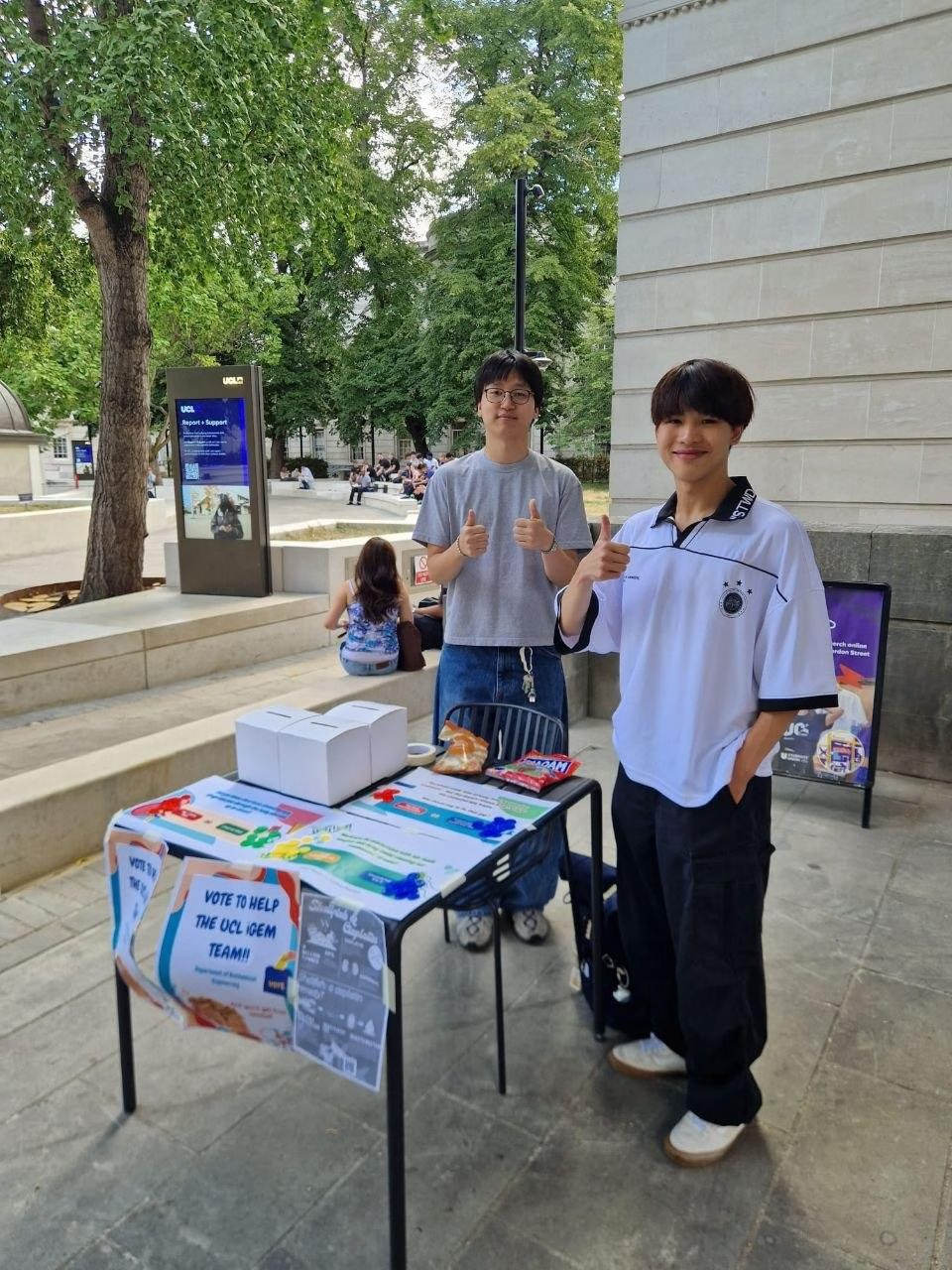
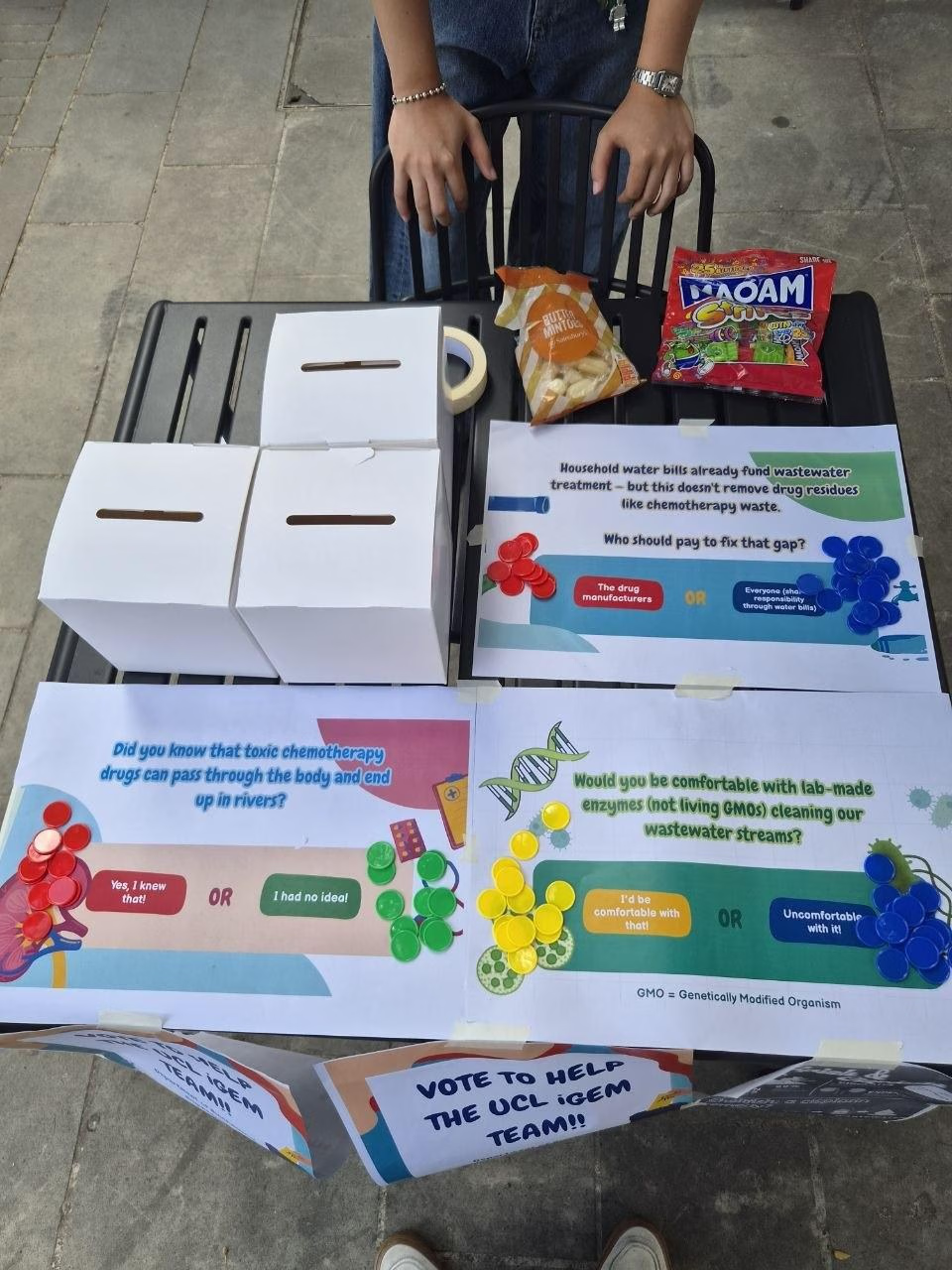
Over the summer, the UCL iGEM team ran a pop-up voting booth in the UCL Main Quad across two separate weeks, timed to coincide with UCL’s summer schools so that we could reach a diverse audience with a wide range of backgrounds, interests and outlooks. Throughout both weeks, we spoke to UCL students, prospective students attending summer school, parents, and staff from various departments across UCL.
Our booth had two aims. Firstly, we wanted to understand how a non-specialist audience perceives synthetic biology. Is the field exciting, or is it something people are apprehensive about? Secondly, we wanted to gather public opinion on chemotherapy waste and the wider sustainability issues framed in our project, so that we could address any concerns raised through SHELLter.
Passersby were invited to answer a series of questions using coloured counters, with each colour representing a different answer, which they then dropped into a ballot box. As no one could see how others had voted, each answer reflected the participant’s own opinion rather than being influenced by what others had already chosen. Alongside the voting, we displayed a poster explaining our project and a QR code linking to our Instagram, where we share educational posts on synthetic biology. You can read more about these in Education.
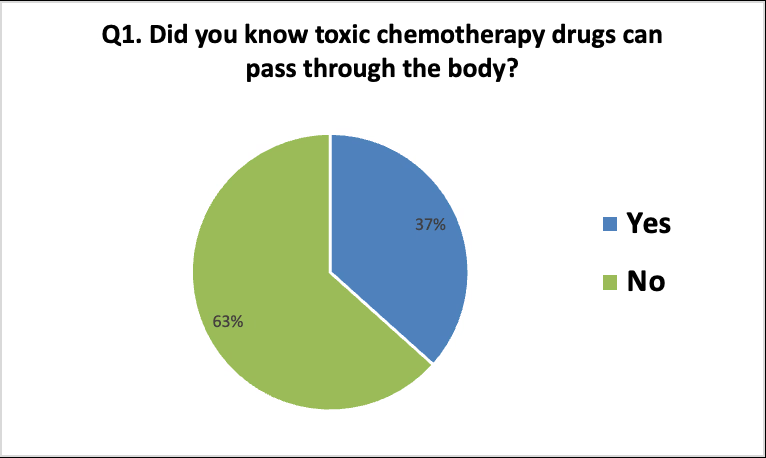
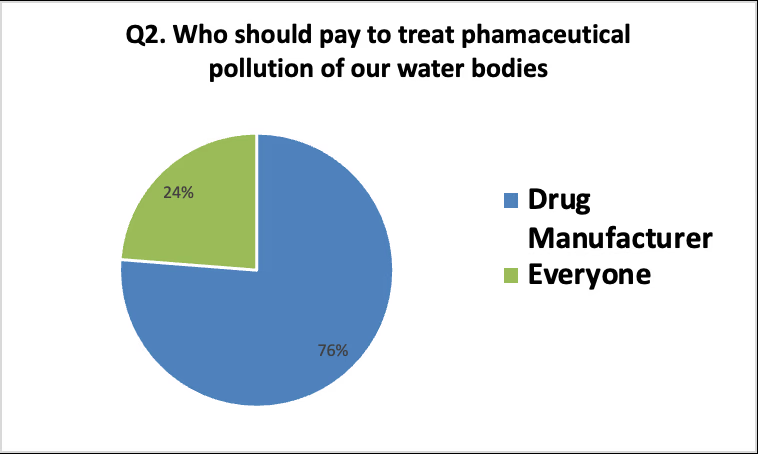
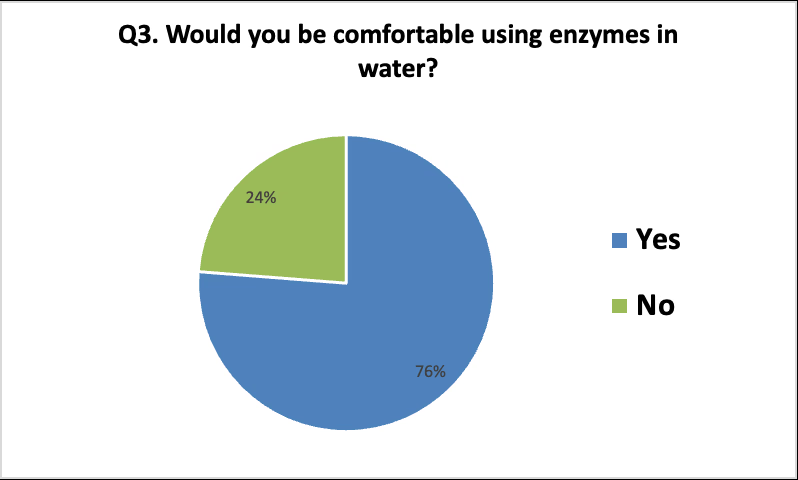
We treated our first week as a trial, posing simple two-option questions to 101 participants. Most strikingly, nearly two-thirds of participants did not know that chemotherapy drugs can pass through the body and end up in our water bodies. However, we noticed that many people struggled to choose between “yes” and “no”, as their opinions often landed somewhere in the middle. Rather than forcing a choice, we used this feedback to redesign the booth for our second week.
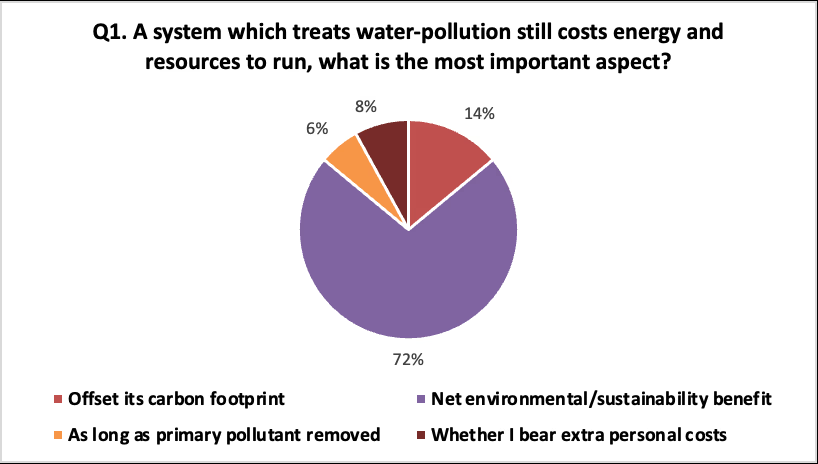
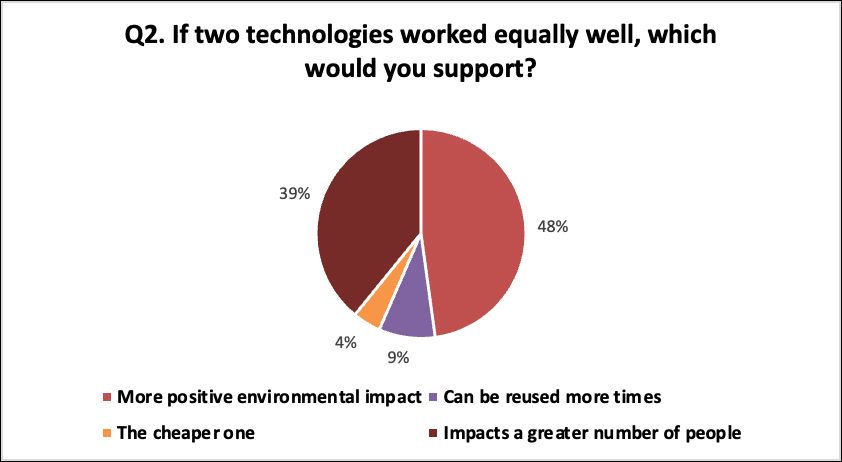
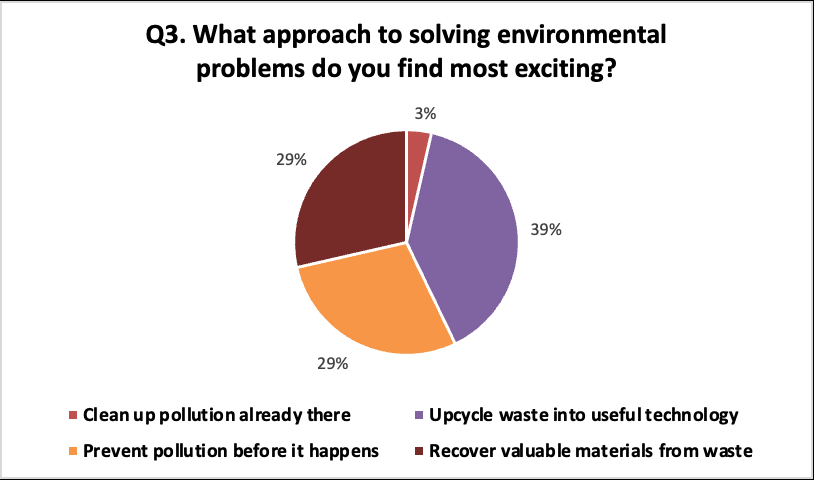
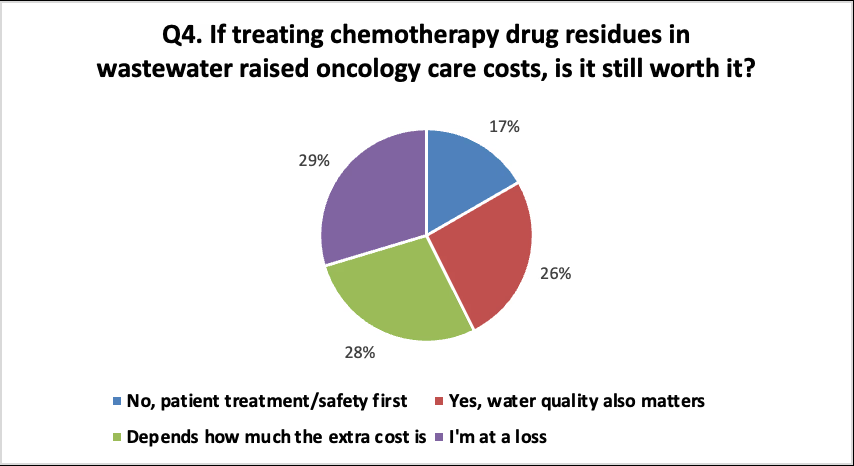
For the second week, we expanded each question to four options to allow for more nuanced answers, and two results stood out above the rest. 72% of participants said the most important aspect of a water treatment system is that it delivers a net environmental or sustainability benefit, while upcycling waste into a useful technology was voted the most exciting approach to solving environmental problems.
These findings reshaped how we present SHELLter. While shellfish waste and pharmaceutical pollution are both important issues, the public is far less aware of pharmaceutical pollution, so we gave it greater emphasis on our wiki and took extra care to explain it in a way that is both engaging and informative. As participants also valued a net sustainability benefit and were drawn to waste upcycling, we made sure to highlight how SHELLter transforms shellfish waste into something valuable.
We also used stand-out results as the foundation for our UCL Open Day games, building the games around one result so that what the public told us they cared about became a hands-on activity.
Thank you to everyone who stopped by and shared their views with us!
24th August 2026
iGEM Community
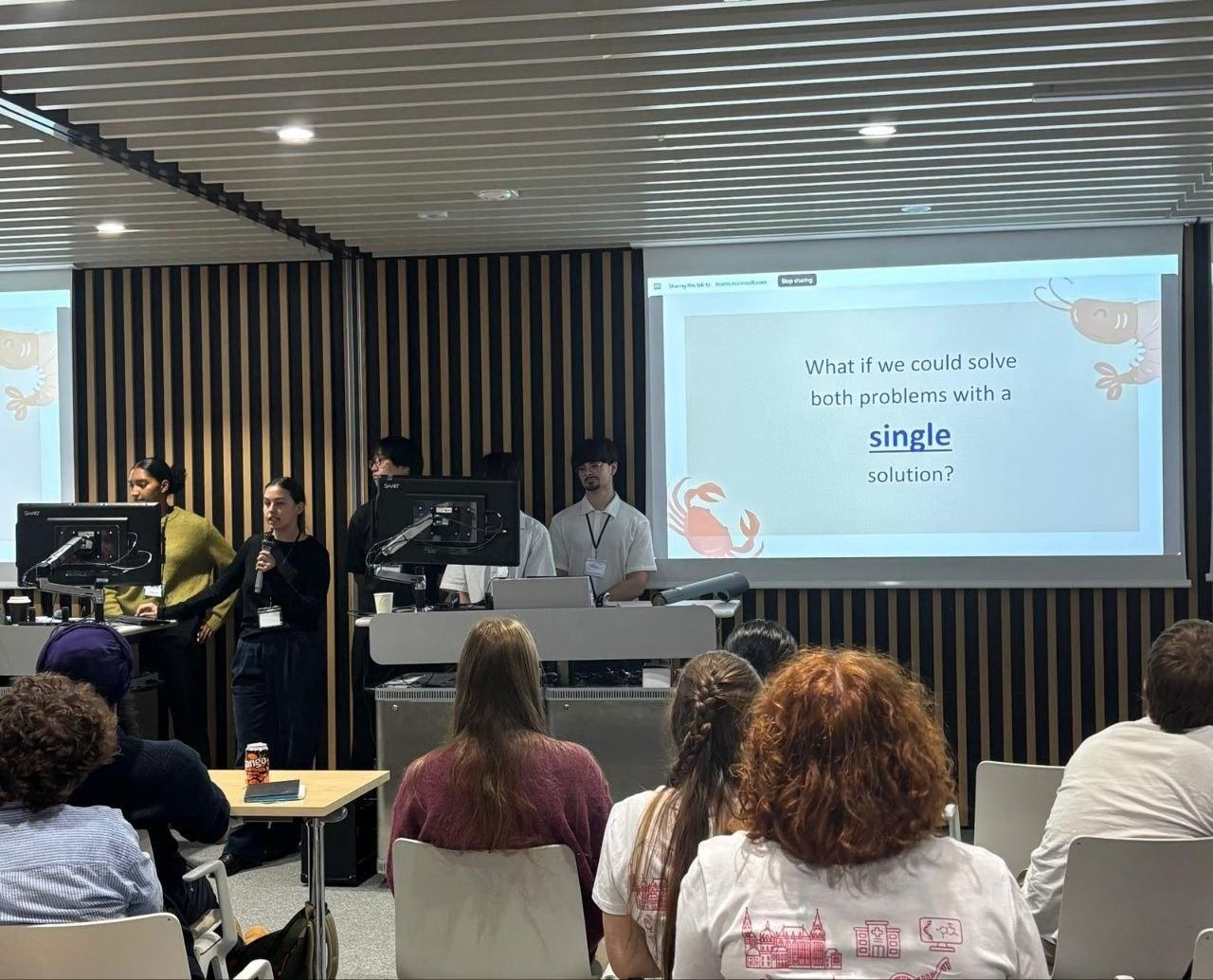
The UCL iGEM team was invited to Imperial College London for the UK-EU Mini Jamboree and was given the opportunity to connect with teams around the region, discuss contemporary synthetic biology issues, and practice our project pitch in preparation for the Grand Jamboree in Paris. We were also connected with invited industrial speakers and panelists such as Tom Ellis, Connie O’Donnell, Rodrigo Ledesma-Amaro, and Henrik Hagemann. They provided us with insights into the future of synthetic biology, shared their current work in the field, and provided some key insights for our hardware development.
We were ecstatic to be announced as the runners-up for Best Overall Presentation with the Oxford team, and received concrete feedback from our judges, Kyle Jonsson, Sonja Billerbeck, and Amritpal “Amrit” Singh on the weaknesses and strengths of our project and pitch.
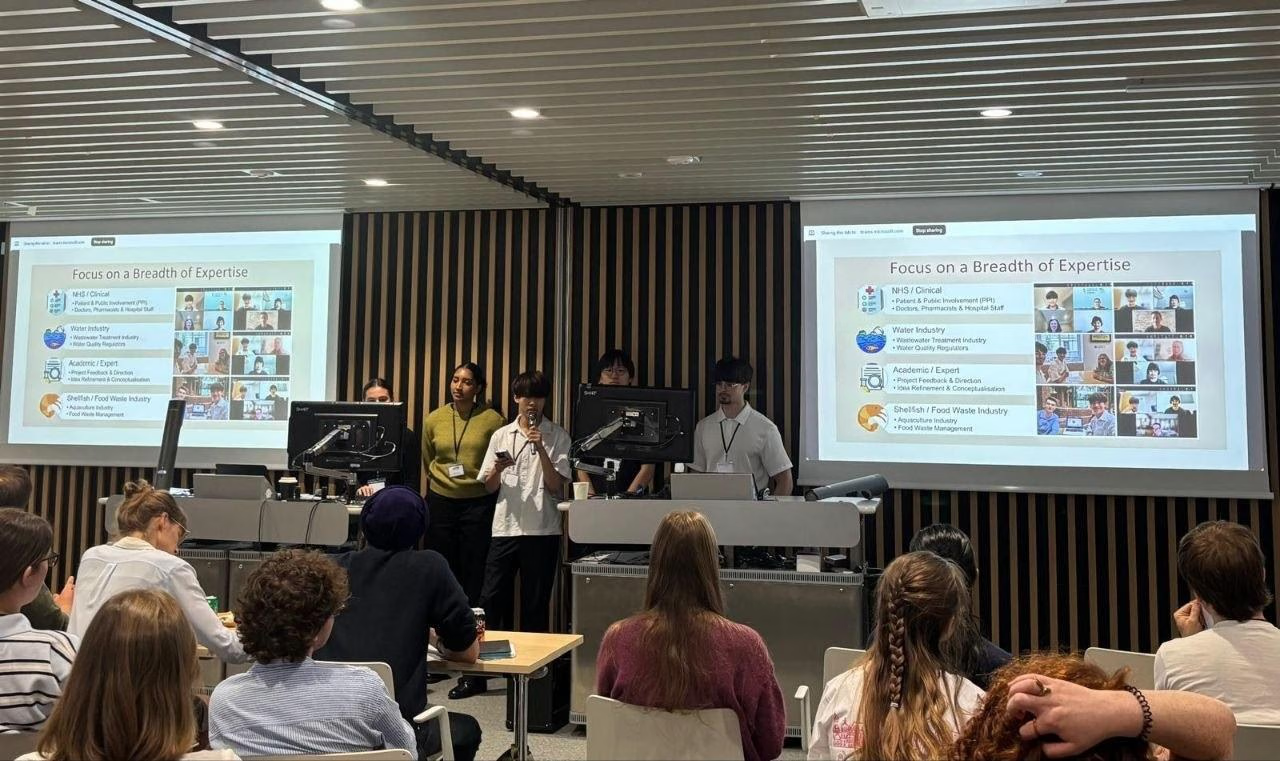
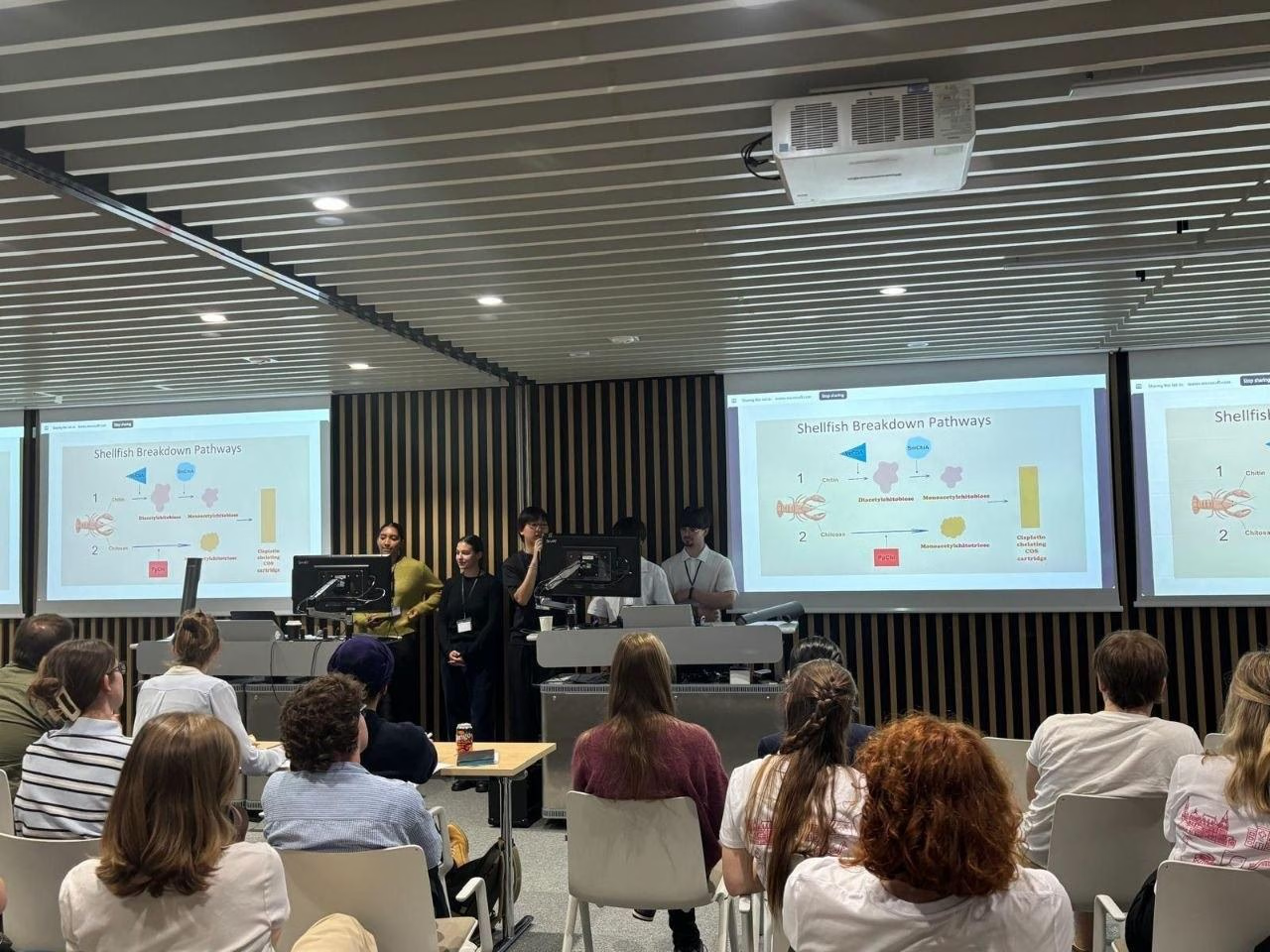
One of the key feedback points and takeaways our team reflected upon was the importance of communicating the problem and impact in a cohesive and logical manner. Leading up to the presentation, our team had been so focused on presenting “good” results and insights that we had overlooked how we communicated those ideas to an audience who had no context on our work. The judges emphasised that we needed to treat our project as a pitch rather than a presentation. This meant drafting an overarching story which encompassed the problem, the solution and the benefit clearly and concisely to allow audience members to logically understand the meaning behind our wet-lab research and associated data.
Additionally, during the project pitches, we were especially inspired by the Human Practices of the Imperial iGEM Team. The “Three R’s Framework: Responsibility, Reach and Receptivity” they pitched directly inspired our team’s project values. Their approach to receptivity was deeply admirable as they were able to accept and apply feedback critically rather than cherry-picking, and they were steadfast in resolving contradictory statements from stakeholders. We built upon this honesty and dedication throughout our own project by highlighting the pivots of our project, the limitations and how we kept a patient-centric mindset in all of our wet-lab and dry-lab decisions.
Responsibility
Gather consent. Be transparent. Show respect.
Reach
Engage with diverse perspectives. Go interdisciplinary.
Receptivity
Apply feedback critically. Do not cherry-pick. Be open-minded.
This feedback was critical in the development of our team’s final presentation. We reflected upon the feedback and condensed our key learnings into three core aspects: scientific communication, problem framing and data visualisation. We evaluated that incorporating these three values would enable the judges to grasp the technical rationale and interpretation of our results whilst reducing the barrier to layman understanding across audience members.
30th August 2026
Thames21
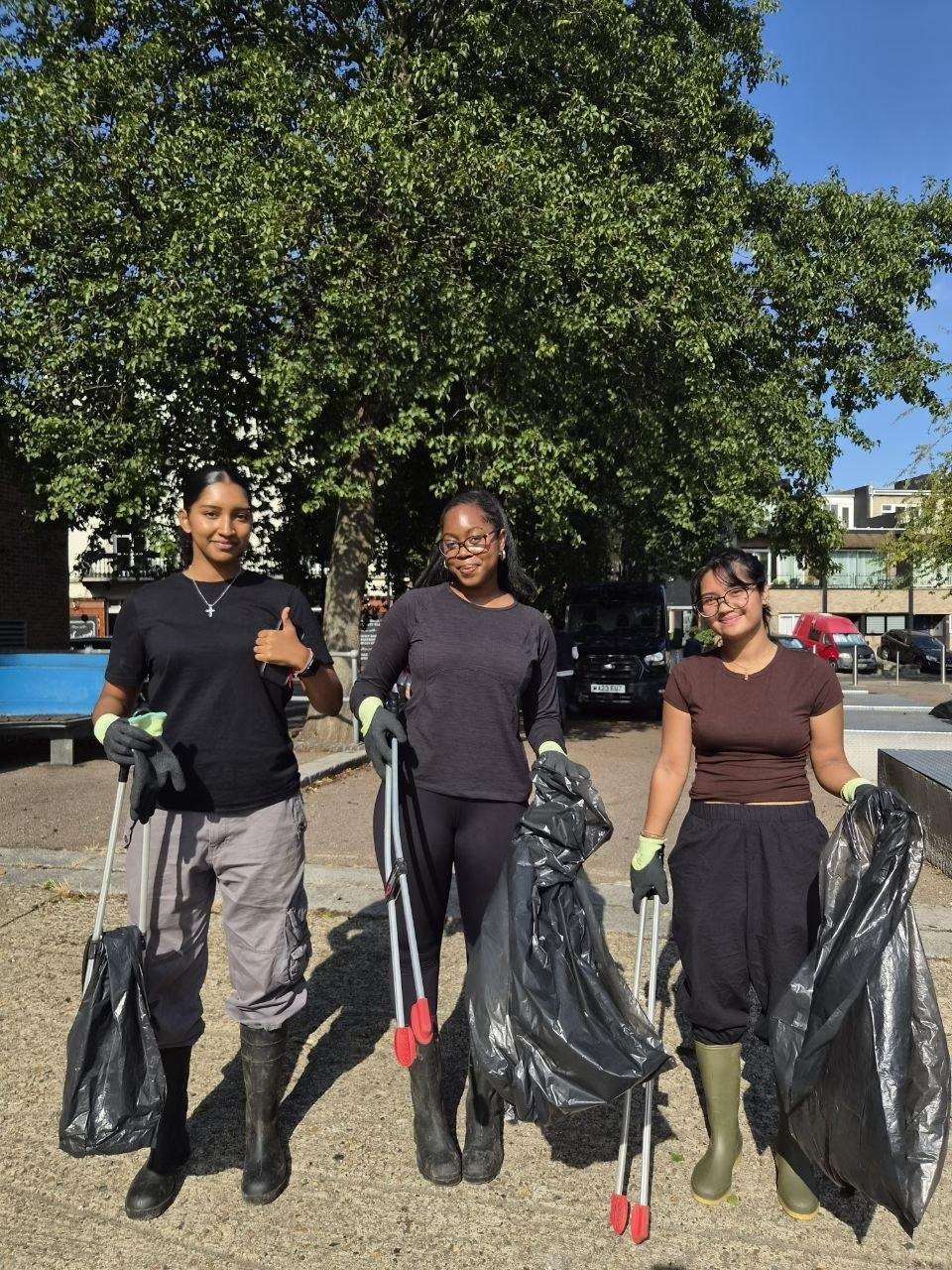
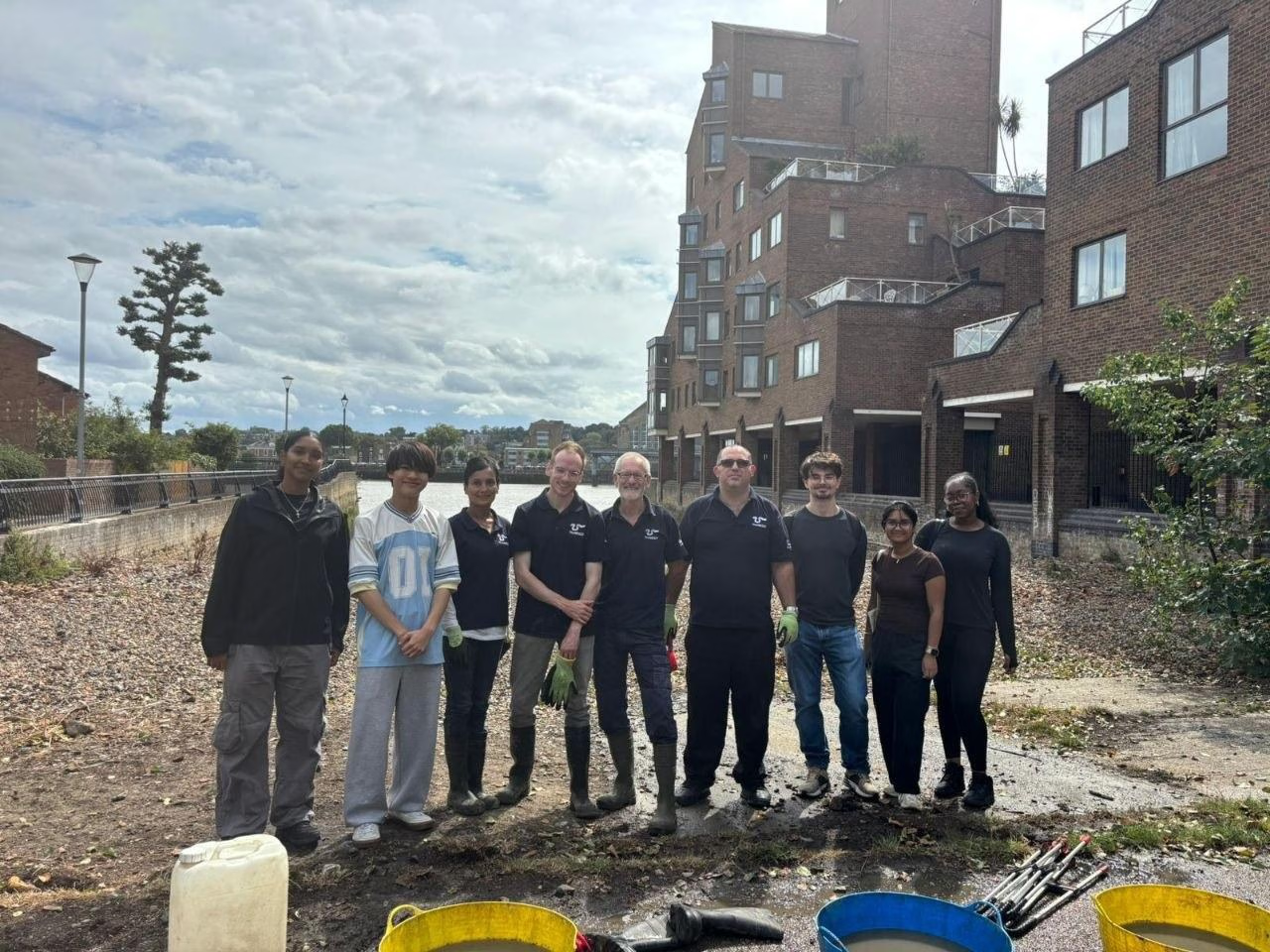
Our discussions with stakeholders such as Luiza Campos, Louis Grandjean and Anne Woolridge on pharmaceutical pollution revealed an information gap between academia and the public. We realised that the solution we were pitching was not well understood because the problem was not understood. This inspired our team to take charge and discover a way to reshape pharmaceutical pollution education from the ground up.
The UCL iGEM team collaborated with Thames21, a non-profit organisation which restores rivers across London, tackles climate and biodiversity issues, and mobilises communities in citizen science projects to improve their local river health. We initially reached out to Thames21 Programme Manager Felicity Rhodes with our interest in supporting their water quality improvement efforts and our goal to improve awareness of pharmaceutical pollution. She was moved by our team’s work in developing a sustainable and environmentally friendly bioremediation system and our motivations to participate in proactive community work to directly contribute to the United Nations’ Sustainable Development Goals (Goal 6: Clean Water & Sanitation and Goal 14: Life Below Water). She connected us with Matt Dawson, event organiser of the Isle of Dogs foreshore Community Clean-up, to provide the team with an opportunity to engage with their community of volunteers and actively contribute to community water-management efforts directly.
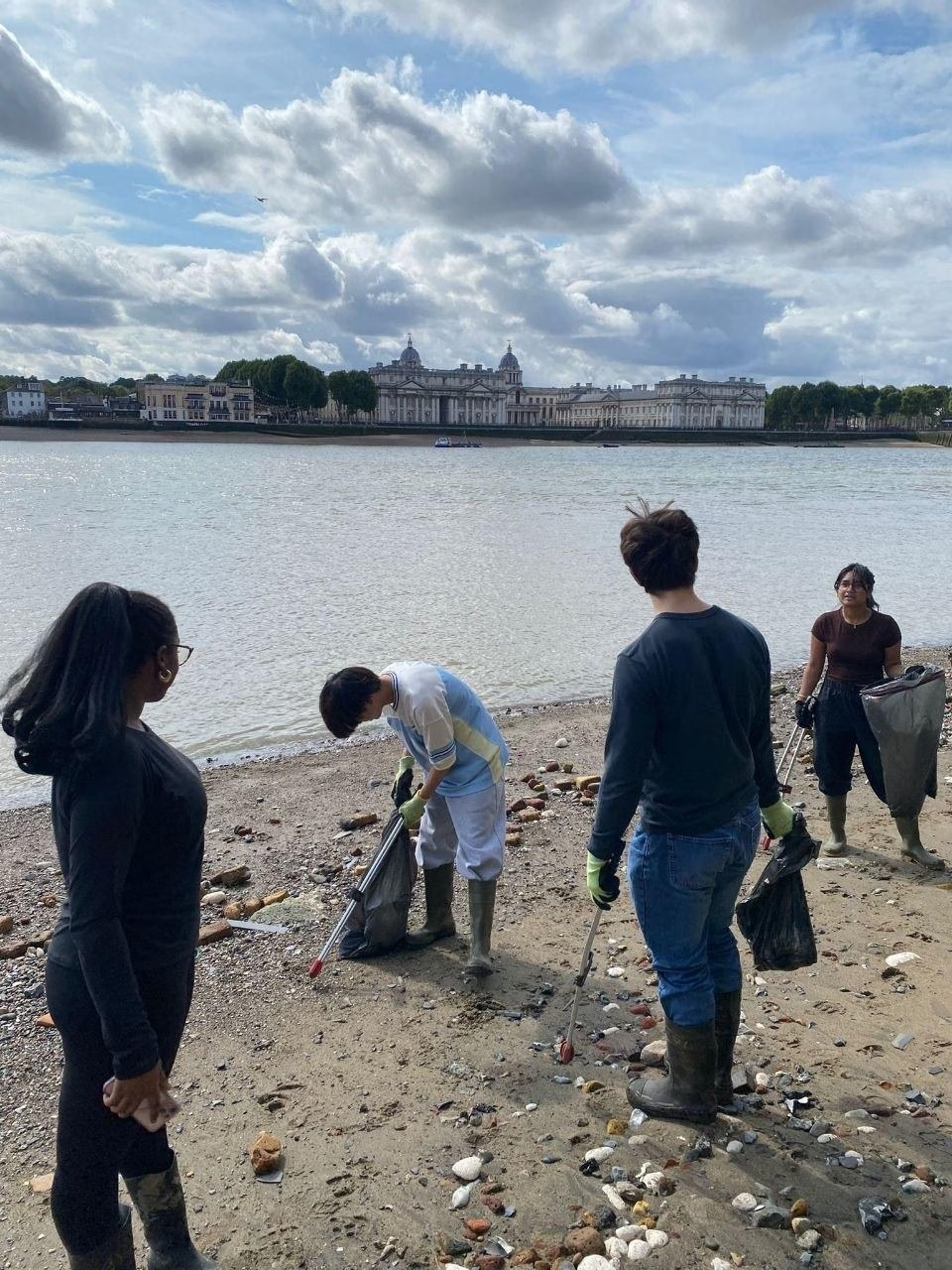
Throughout the morning, our team focused on learning and working alongside local volunteers both young and old to clean up discarded trash along the beach and better understand the water pollution context in London. During lunch, our team interviewed the event organiser, a student volunteer and a local filmmaker who was documenting the clean-up effort. We were especially inspired by the youths who were present. They had strong motivations to proactively participate in environmental protection work and had a clear stance and mission to advocate for on-the-ground community work. However, when we asked them about their awareness regarding pharmaceutical pollution, no one had connected hospitals or medicines to river pollution before. This showed us that even citizens who were proactive in water stewardship work were largely unaware of the invisible pollution our project addresses and even more uncertain of the extent of that impact and their role to play.
This knowledge gap made the team realise that there needs to be an improvement in the way we educate the public about the invisible pollution of drug residues. This could be as simple as understanding how to properly dispose of unused/expired medication and cultivating those strong habits. This fed into our project pitch as we realised we needed to begin our scientific communication with an assumption of a near-zero baseline awareness and lead people with the problem first before focusing on the solution. Furthermore, we decided we needed to continue our collaboration with Thames21 and focus on working on the ground and spreading such awareness bit by bit. Slowly but surely, we can begin to transform communities and make meaningful contributions in redefining the treatment of pharmaceutical waste in the UK.
5th September 2026
University College London
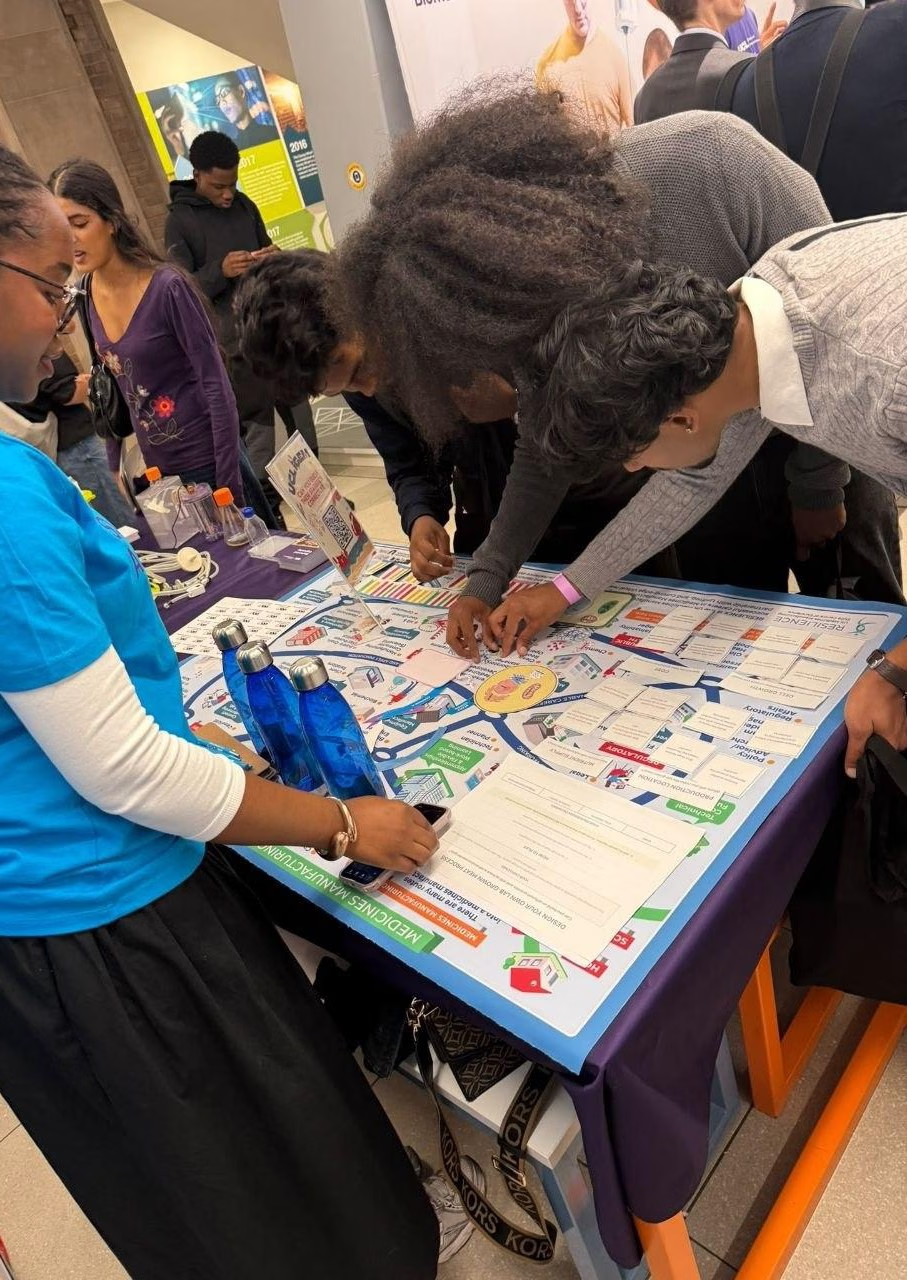
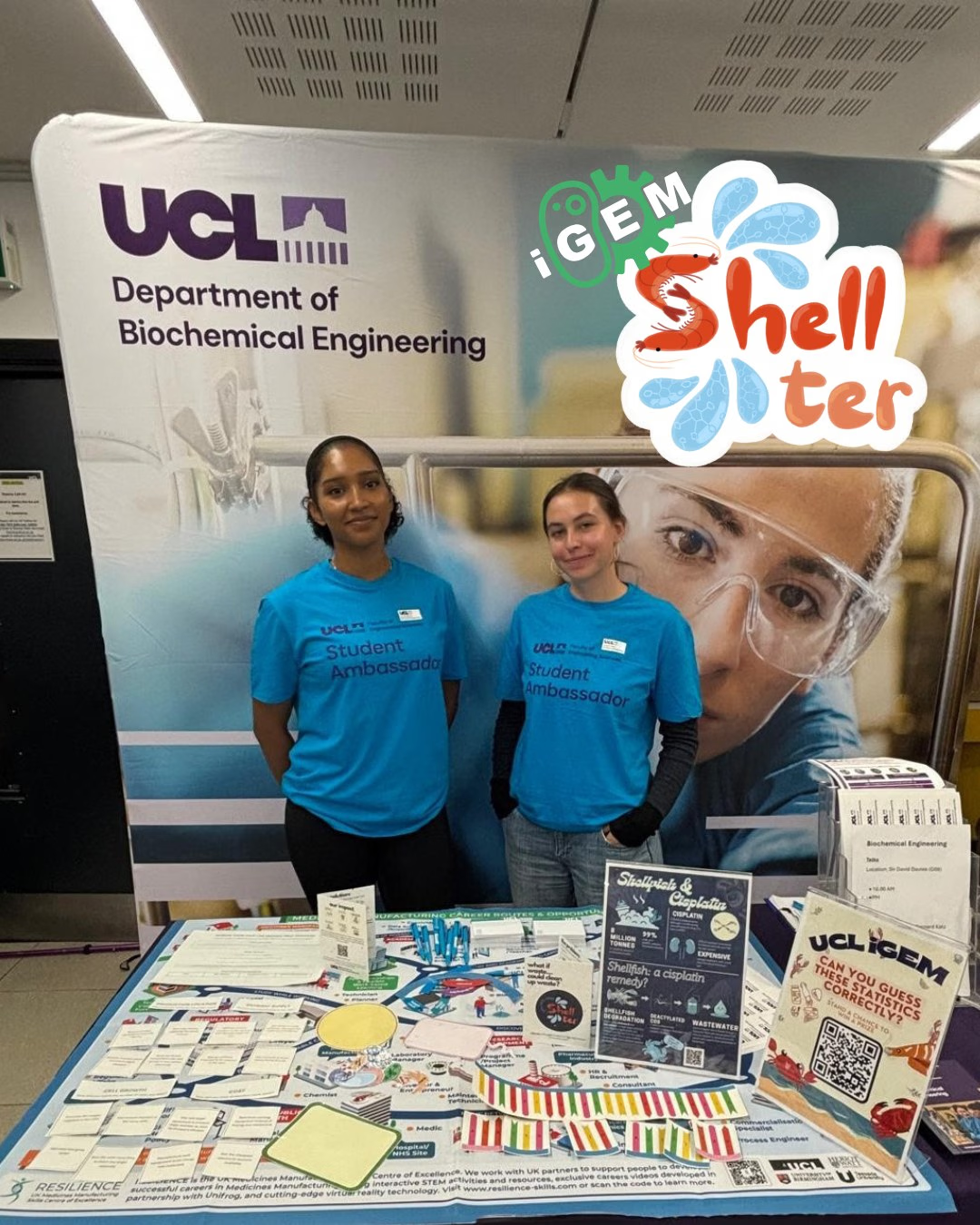
The UCL iGEM team participated in the University College London Open Day with the UCL Biochemical Engineering Department. Our objective was to utilise this opportunity to make synthetic biology and process engineering approachable for prospective students, families and the public. We designed and ran three interactive activities which were appealing and educational to all age groups based on the feedback we received from our UCL Main-Quad Pop-Up Booth.
For our younger visitors, we ran a competitive cell labelling race where participants were expected to label components of a typical animal, plant, and bacterial cell. By creating friendly competition among the visitors, we hoped this would lighten the mood, draw people to our booth, and allow our team to follow up with teaching aspects of synthetic biology. For our second game, we created our very own game where participants were expected to design their very own lab-grown meat process. We provided players with different options around four aspects of biological process design: COST, CELL GROWTH, NUTRIENT SUPPLY, and PRODUCTION LOCATION. We built this game around a survey finding from our pop-up booth at the UCL Main Quad earlier in the month, where members of the public informed us that they cared most about projects that delivered a net sustainability benefit. We took that feedback and decided to design a simple interactive activity that allowed participants to understand the trade-offs that need to be made when developing a sustainable process. This showcased and educated them about the complexity of making sustainable process design decisions. This directly links to our efforts to contribute to SDG Target 12.8 as part of our contributions to SDG Goal 12: Responsible Consumption & Production.
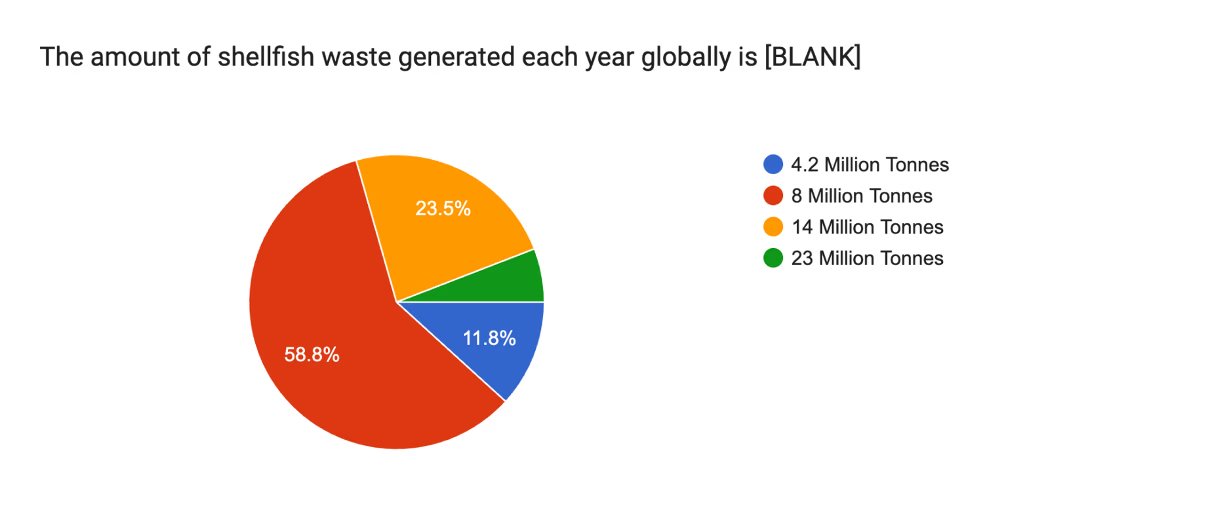
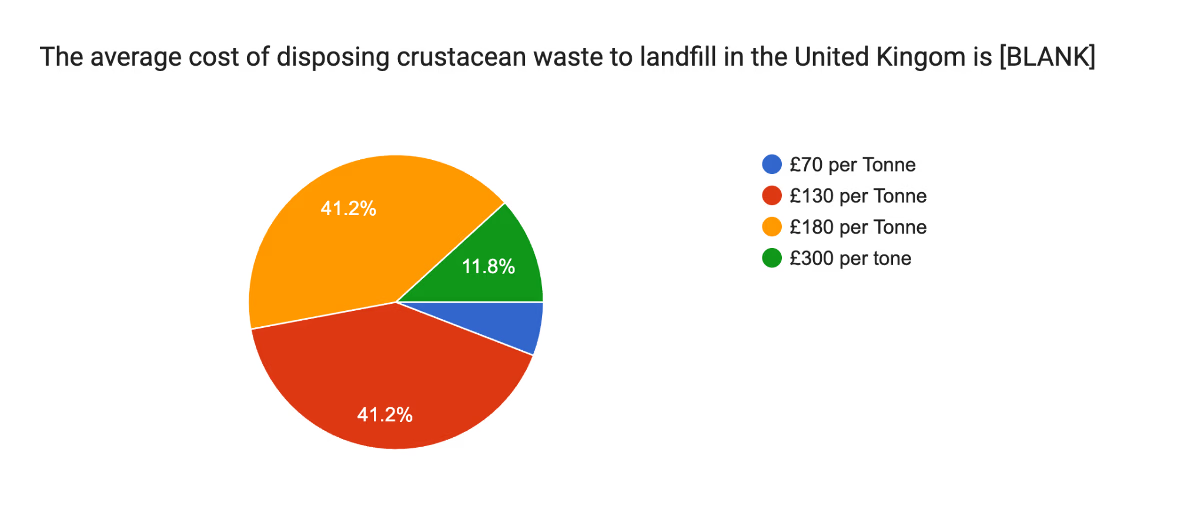
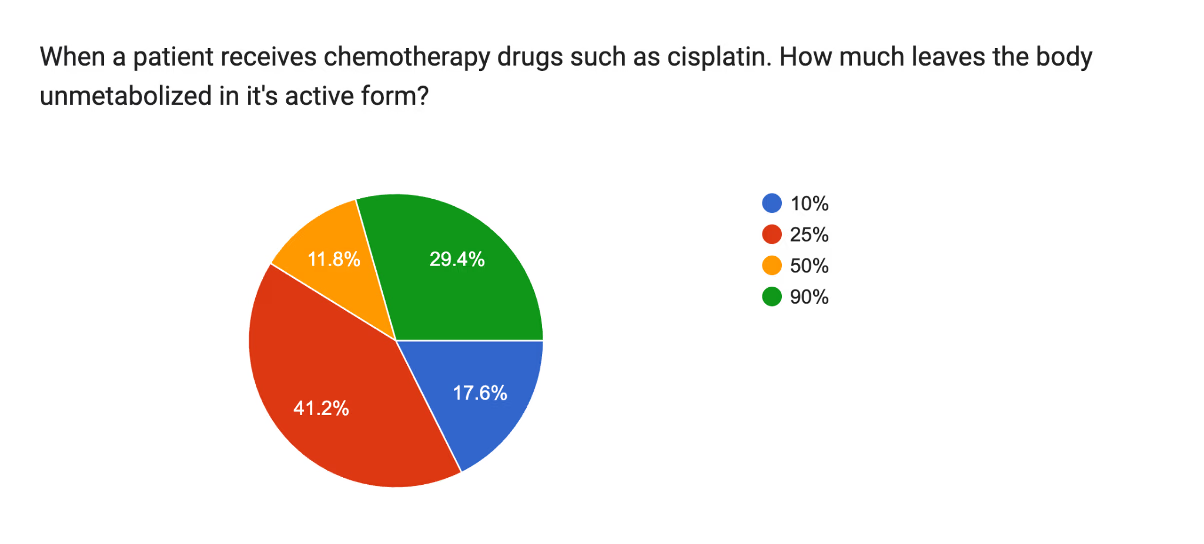
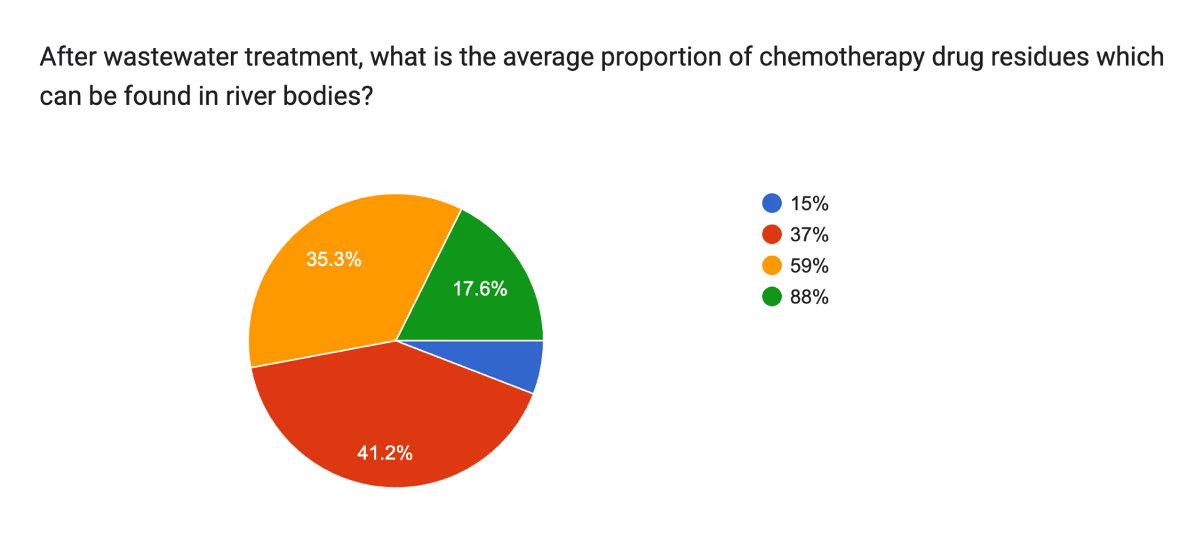
For our final activity, we ran a Guess The Statistic survey on the big numbers that surround our project, such as "The amount of shellfish waste generated each year globally is [BLANK]". Across the survey, we identified that visitors consistently underestimated the scale of problems we worked on, from the amount of shellfish waste annually to the amount of chemotherapy drug residues that reach our rivers. This observation was not isolated, as it followed up on the observations we made at the Isle of Dogs foreshore Community Clean-up. This gave us a stronger rationale to continue building our educational outreach and to treat raising baseline awareness of pharmaceutical pollution as integral to our final output.
6th September 2026
Thames21
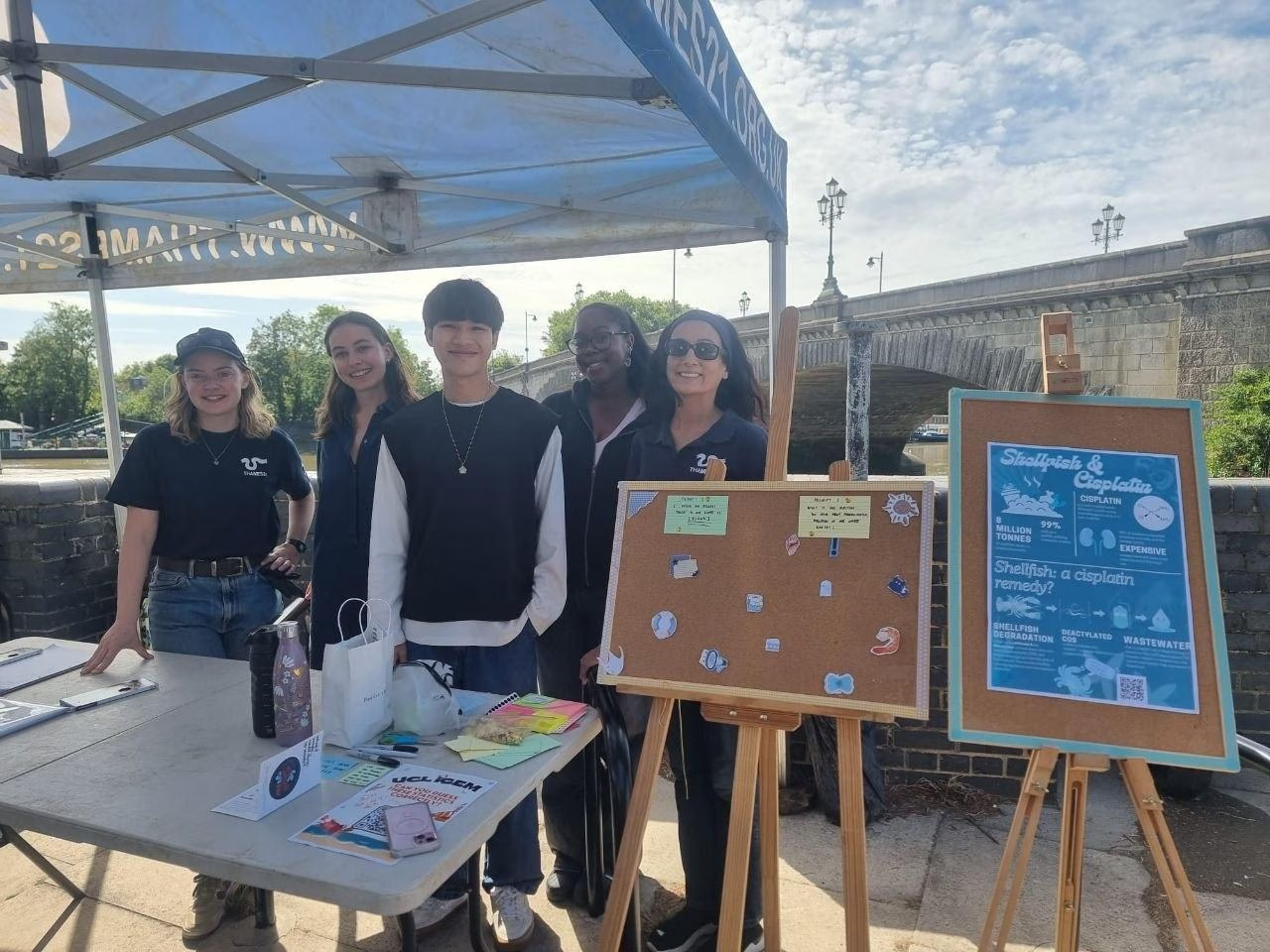
The UCL iGEM team continued our partnership with Felicity Rhodes from Thames21 through our participation at Tidefest 2026. The Thames Tidefest is a London community festival that celebrates the River Thames through recreational and outreach activities for people in London. The festival brings together a range of environmental and water industries that actively manage London's water bodies and their biodiversity.
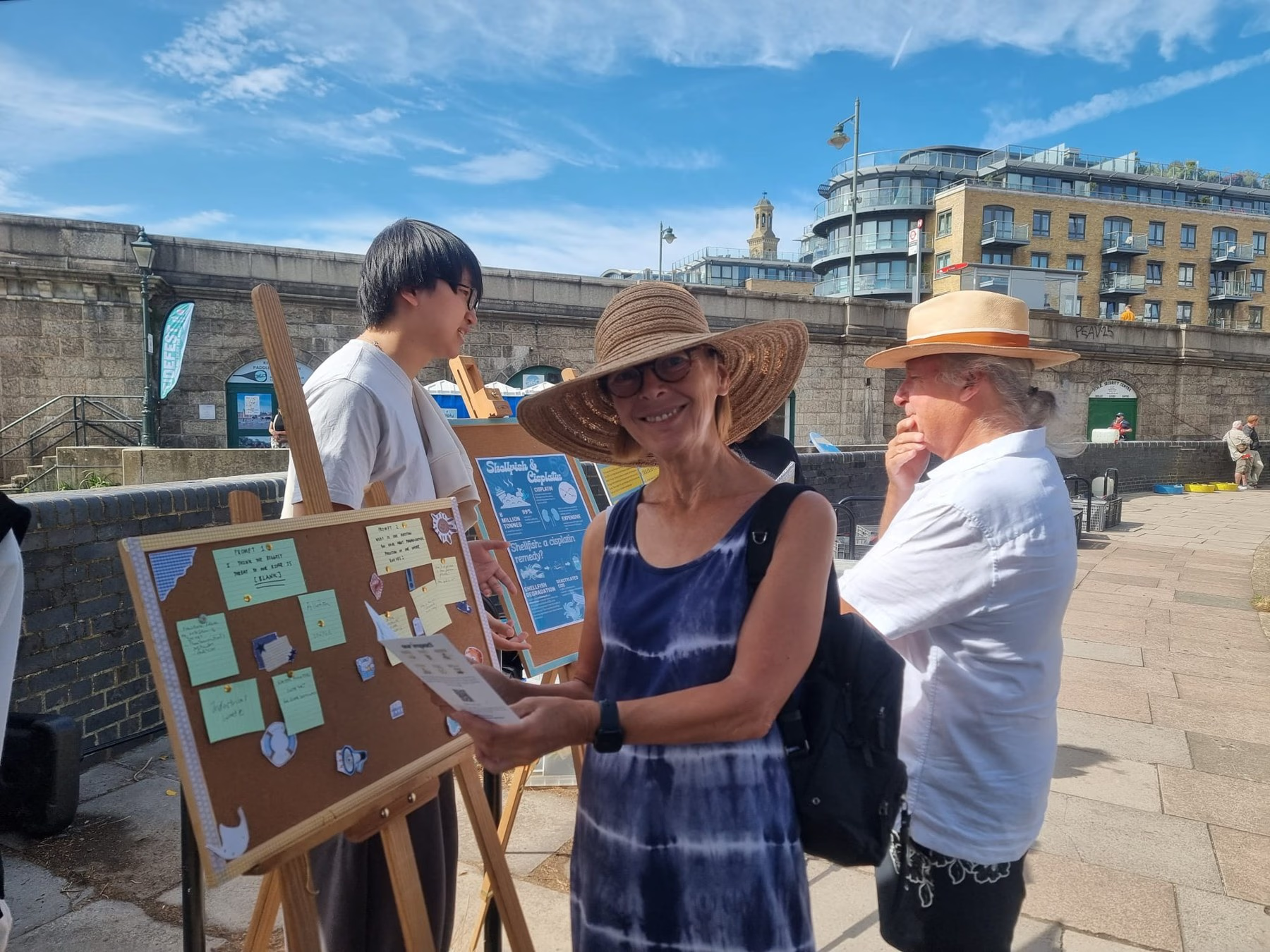
Our team took this opportunity to engage with the wider public, environmental protection activists, and water quality experts to understand pharmaceutical pollution of our water bodies and increase baseline awareness of the issue. We demonstrated how our team is actively contributing to United Nations Sustainable Development Goals by redefining our iGEM workflows. This was shown through the distribution of our seed paper info cards made of biodegradable paper that can be planted to germinate British wildflowers. We wanted to highlight the concept of waste valorisation through this initiative whilst also providing a short but comprehensive summary of our project and the issue of pharmaceutical pollution.
During the event, we also hosted a public opinion board where we presented two prompts to the public. “I think the biggest threat to our river is ____” and ”What is one question you have about pharmaceutical pollution in our water bodies”. We then asked them to write down their answers to these prompts and display them for others to see. Through this opinion board initiative, this allowed us to accomplish two of our goals. Firstly, we wanted to promote discussion about river pollution among the local community using a collaborative social learning approach. Secondly, this highlighted the gaps in knowledge the public faced and showed our team what we needed to prioritise when pitching the project. We hope to continue this initiative at the Grand Jamboree in Paris by bringing our opinion board and hearing what members of the synthetic biology committee understand about pharmaceutical pollution and compare how this may differ in an international setting.
Photo 1 of 4
Click to see how the board developed throughout the day!
14th September 2026
UCLH Macmillan Cancer Centre
From our discussion with stakeholder Rossana Fazzina, our team became increasingly aware of the need to integrate patient and public involvement (PPI) within our hardware conceptualisation. She highlighted that for any healthcare technology to practically succeed, patients need to be the cornerstone of the design cycle. Without their approval and acceptance, it would be impossible to deploy our project no matter how successful our wet-lab results were. She signposted and connected us with Isla-Jayne Burzio, Chair of the Cancer Patient & Public Advisory Group (CPPAG) at the University College Hospital Macmillan Cancer Centre. Our project goal and iterative design methodology motivated her to invite us to the monthly meeting, where we were provided the opportunity to engage with cancer patients, carers, nurses and healthcare staff to gain deeper insight into their burdens, needs and capabilities in order to conceptualise a hardware prototype for them.
Firstly, we presented the patients and staff with the problem and proceeded to explain how our solution to utilise discarded shellfish waste as a chelating agent would integrate the concept of waste valorisation within the contemporary field of synthetic biology. They were largely impressed, surprised, and asked insightful questions to delve deeper into the problem and our solution. We were happy to hear their receptivity and were impressed by their altruistic values despite the burden they were undertaking. Following this, we presented the three hardware designs our team was brainstorming and asked for their input on the impact, practicality, and ease of use for the patients. We listed out the advantages and disadvantages and explained our hardware in easy-to-understand concepts to allow patients to provide critical feedback.
Our first idea envisioned a teabag-like pouch which would sit in the toilet and allow the chelating agent to interact with the excreted cytotoxic urine. The attendees were quick to criticise this idea as it left the toilet unusable for a long period of time after every urination. They found this would not be convenient or practical for the individual or their household members. One patient suggested a fix we considered in our final design concept, which was a disposable potty that ensured their home toilet would still be accessible for other household members.
Our second idea envisioned a reusable filter column managed by clinicians and healthcare workers, which was specifically for hospital use. This would drastically improve the sustainability of the column due to its reusability and ease of use as directed by staff. However, Lallita Carballo, the lead cancer nurse at UCLH, informed us that due to estate and safety regulations, this would simply not be accommodated in any ward or bathroom. After hearing this feedback from someone who runs a ward, we decided not to pursue this design any further.
Our third idea envisioned the same teabag-like pouch fitted with a clip that allowed it to be lifted out of the toilet and left to sit in a designated container elsewhere. This was a unanimous favourite among the patients because it ensured the toilet could remain accessible. However, they questioned and provided us with numerous pieces of feedback on the feasibility of crafting such a device. This included consideration of the material of the urine pouch, how it would seal, and how it would be stored for the patients. Their insightful comments were critical in assisting the development of our final hardware design, as it served as a checklist to ensure the device was practical. Our discussions ultimately led us to the integration of an adsorbent technology, as highlighted by one of the patients who referenced that diapers and cat litter utilised a material which allowed for the excreted urine to be safely stored within a solid.
28th September 2026
UCL iGEM × VaxHub Partnership
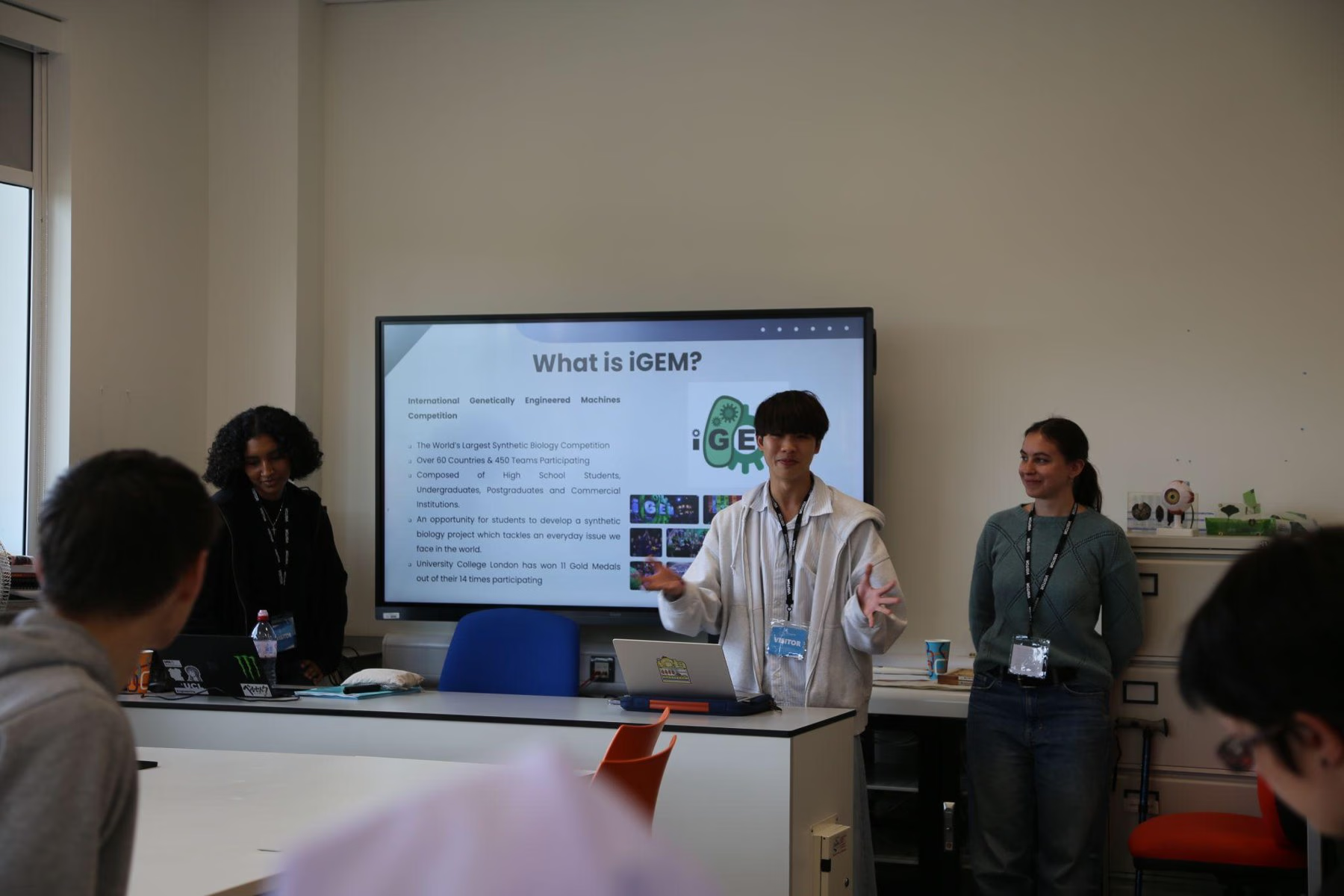
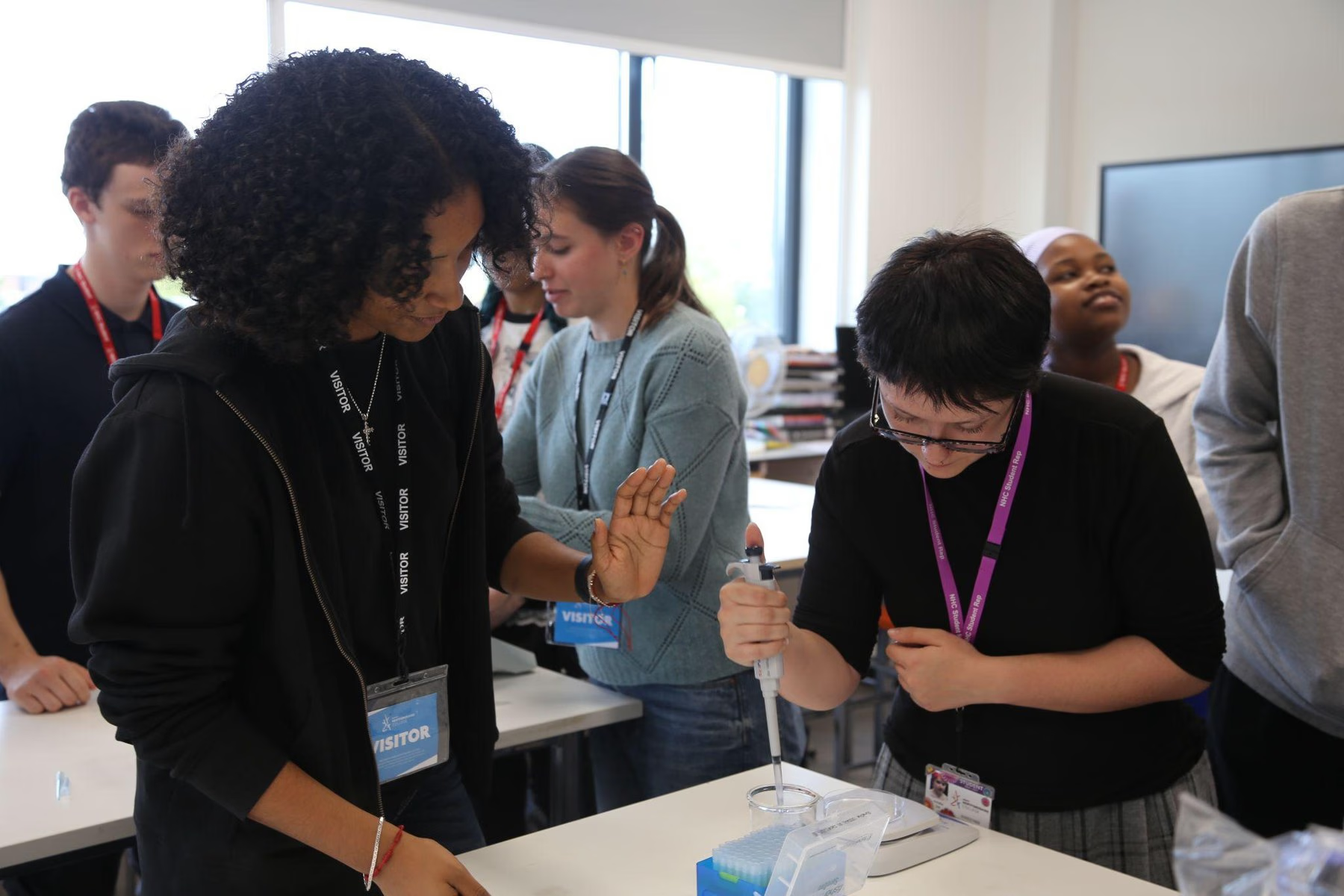
The UCL iGEM team partnered with VaxHub to deliver an interactive workshop session on synthetic biology at North Hertfordshire College. We chose to deliver a session that catered specifically to T-Level students who are on a vocational technical pathway by incorporating practical skills and a collaborative workshop. We hope that through these activities we could encourage them to pursue a field in STEM and discover what they want to do in the future.
Our team first delivered an interactive PowerPoint Mentimeter session, which introduced the students to the world of synthetic biology and got them thinking about the engineering aspects by asking them to identify a local problem and what they could do about it by starting their own synthetic biology project. After which, we split the students into groups and provided them with a brief on two seemingly unrelated problems. With guidance, we challenged them to build their own biotech start-up and brainstorm a solution that could target both problems at once. Over the hour, the student groups researched their problems and completed a guidance worksheet we provided, which helped them to identify the problem connection, the biology, target consumers, and the key challenges. We were impressed by the students' strong engagement and creativity in the task and propose for them to pitch their ideas to one another in a short 60-second pitch to build their public speaking skills and gain confidence in their learning.
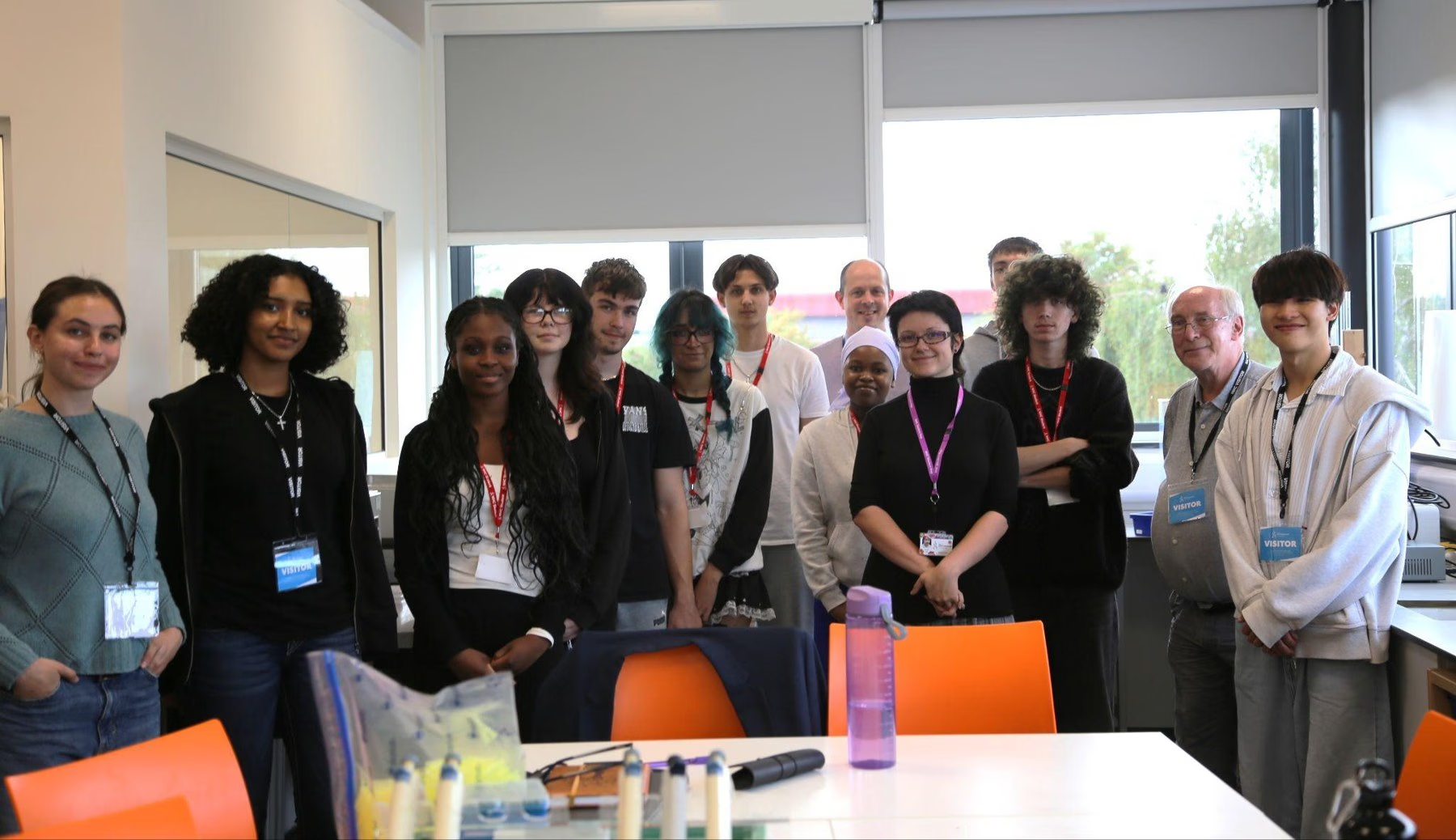
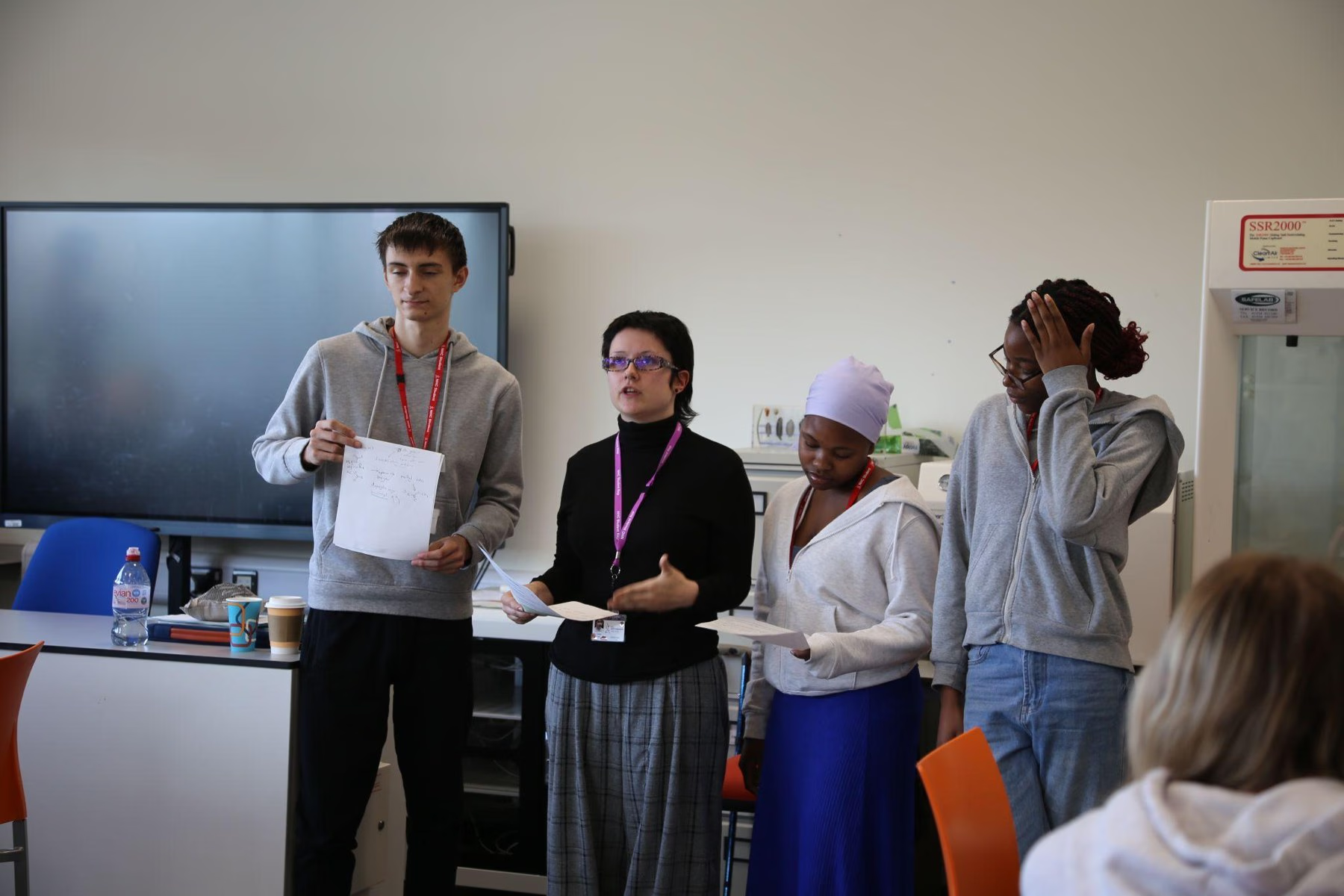
For our final activity, we presented the students with a pseudo-lab emergency where they were required to learn how to solve a short dilution problem. After which, we shortly introduced them to and taught them how to use micropipettes by demonstrating the correct techniques. They were then tasked with competing with each other in a pipette relay race where their objective was to fill a container of water with the micropipettes. Through this competitive environment, we were able to not only teach the students a core lab skill but also deliver a strong lesson in the trade-offs between speed and accuracy. For the team that overshot the value, they learned the importance of correct and skilful pipetting technique, while the teams who were slower learned that there is a fine balance between needing to act quickly and being accurate.
3rd–4th October 2026
UCL iGEM × VaxHub × RESILIENCE CoE Partnership
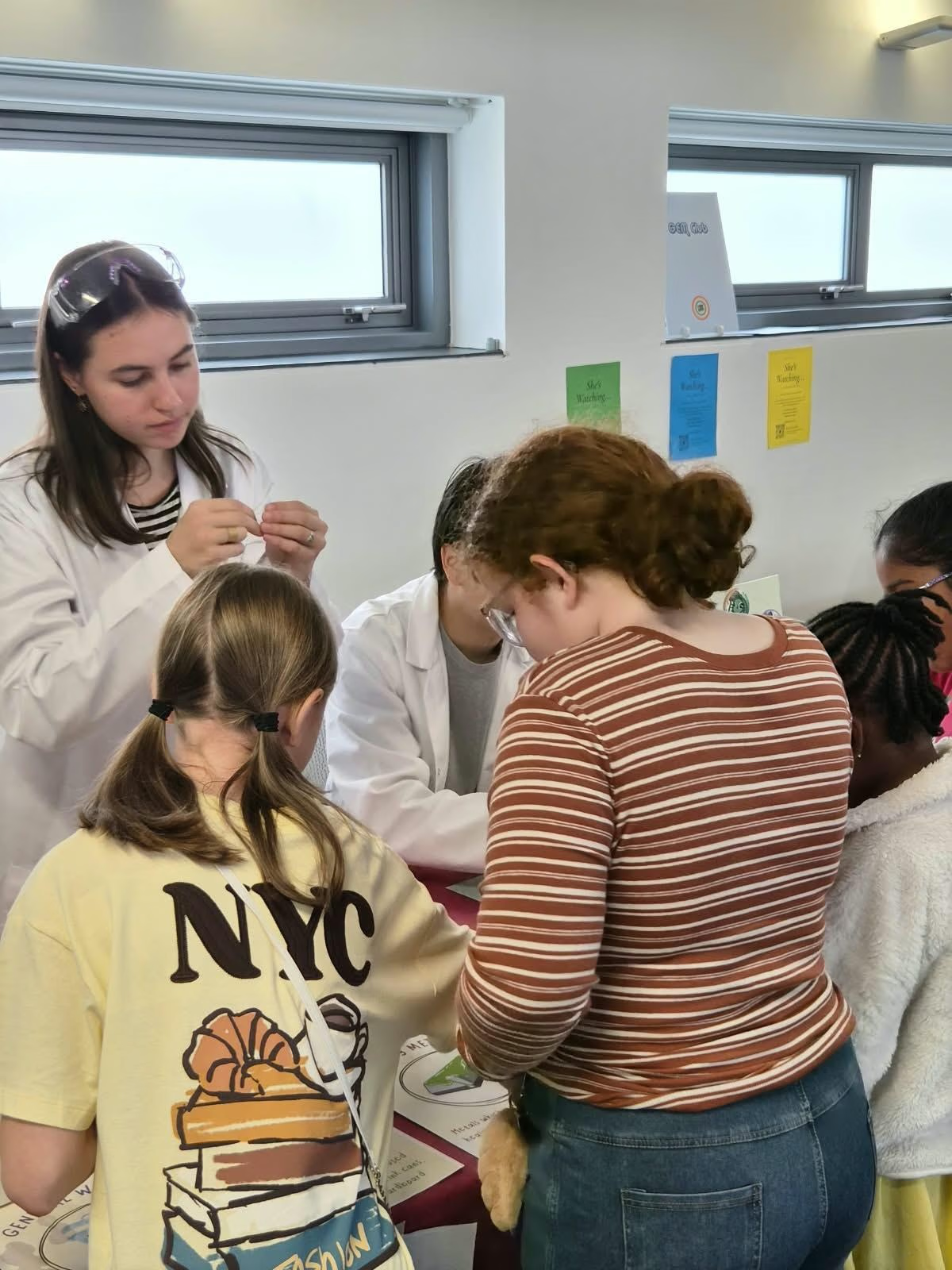
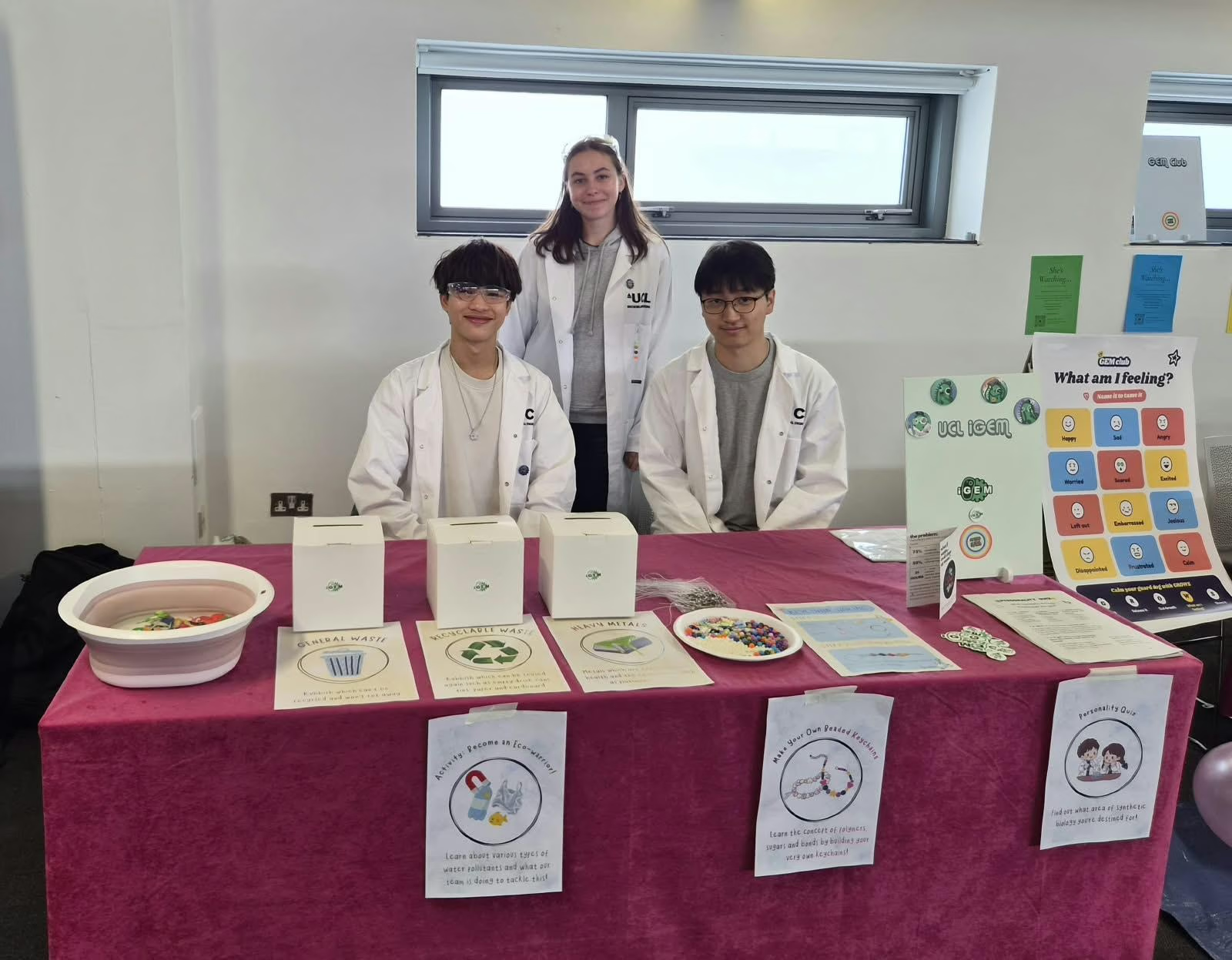
Festival of the Girl is a not-for-profit organisation with the aim of challenging gender stereotypes and empowering young girls. Through a mix of diverse female role models, hands-on workshops and immersive activities, the festival introduces girls and their families to topics ranging from sport and STEM to mental health, sustainability and future careers. This year, the UCL iGEM team was delighted to host a stand at the festival on the 3rd and 4th of October, where we spoke to hundreds of girls and their families over the weekend.
We would like to thank the founders and organising team of Festival of the Girl, as well as their sponsors, for creating such an inspiring and welcoming space for young people. We are also grateful to VaxHub for introducing us to the festival and for their partnership with our team.
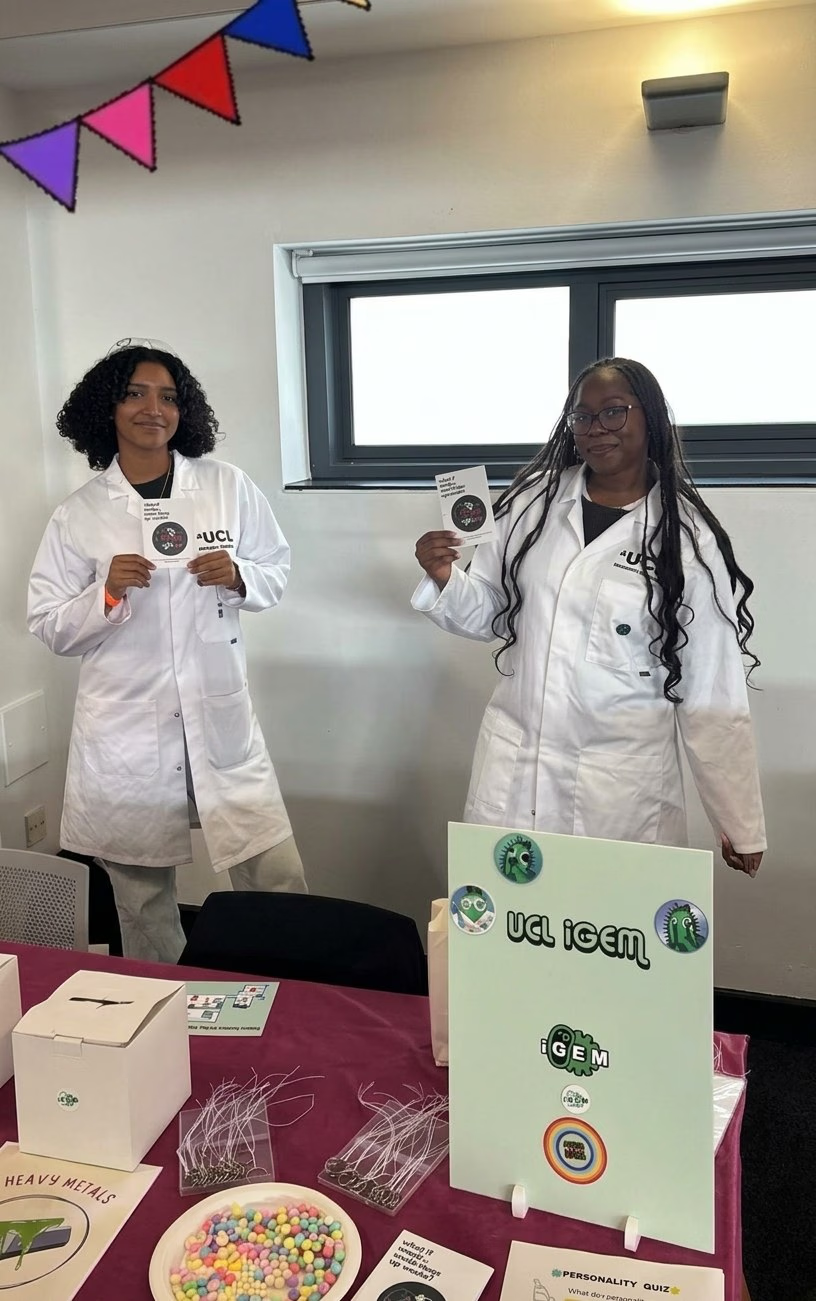
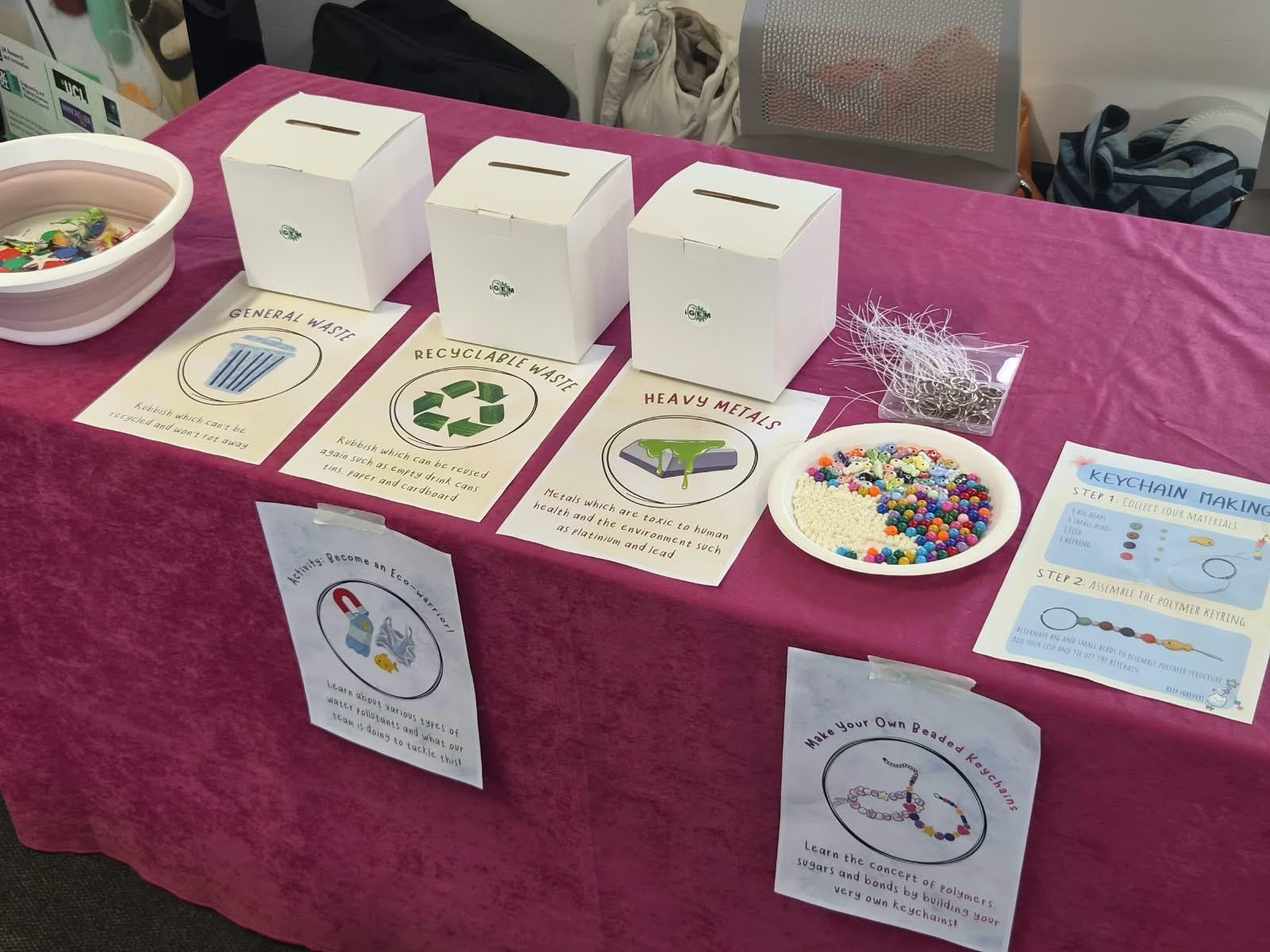
Our aims for the weekend were to make the environmental issues behind SHELLter and the science we use to tackle them accessible to a young audience, and to show girls that science is a creative, hands-on field they can see themselves in. With this in mind, we designed three activities, each building on the last: understanding the problem, exploring the science, and imagining their own future as scientists.