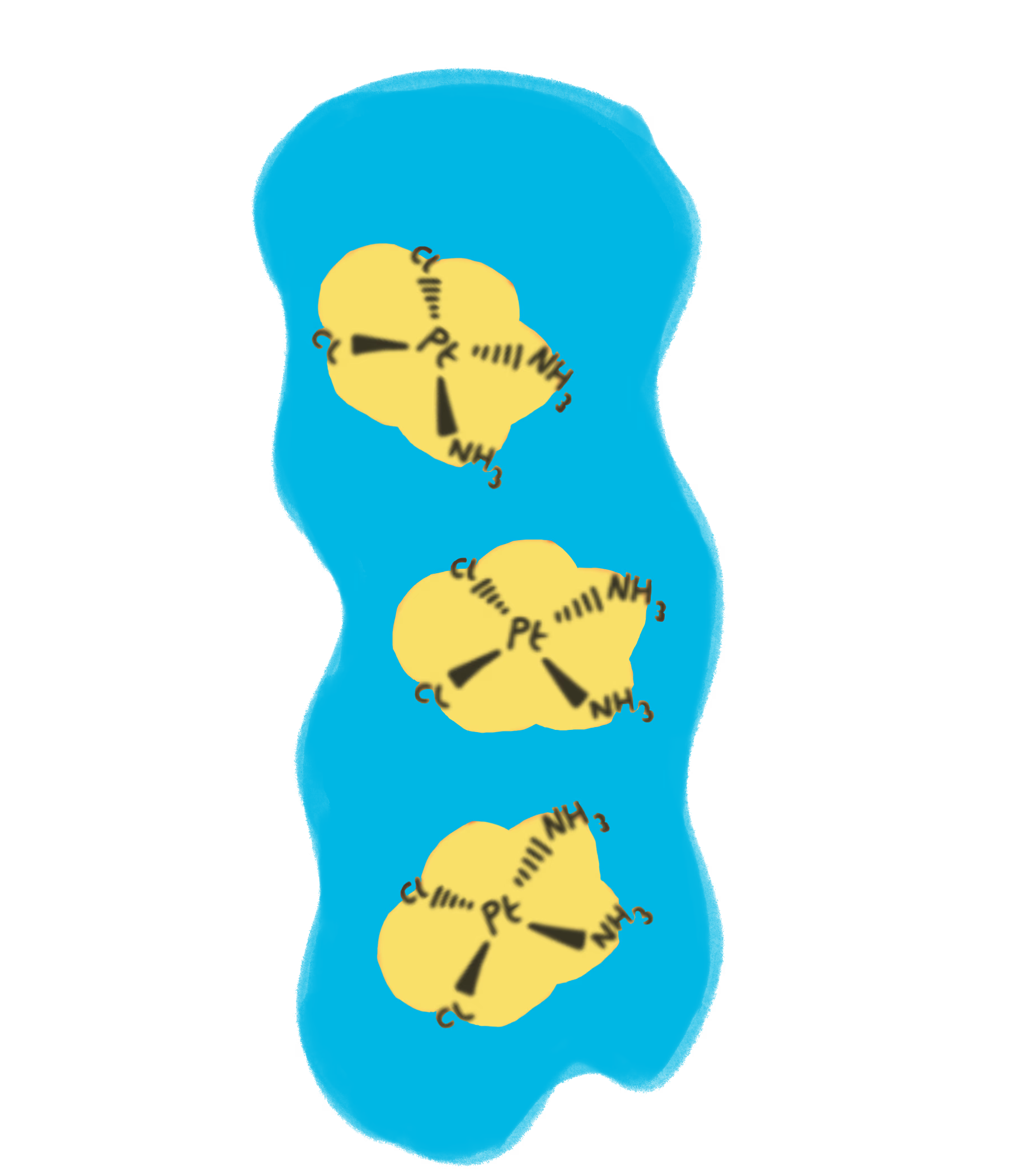
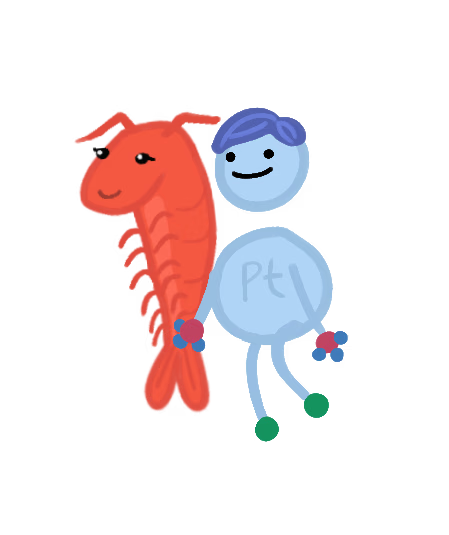
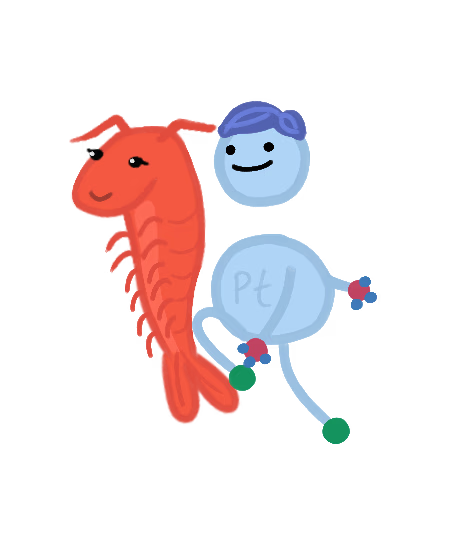







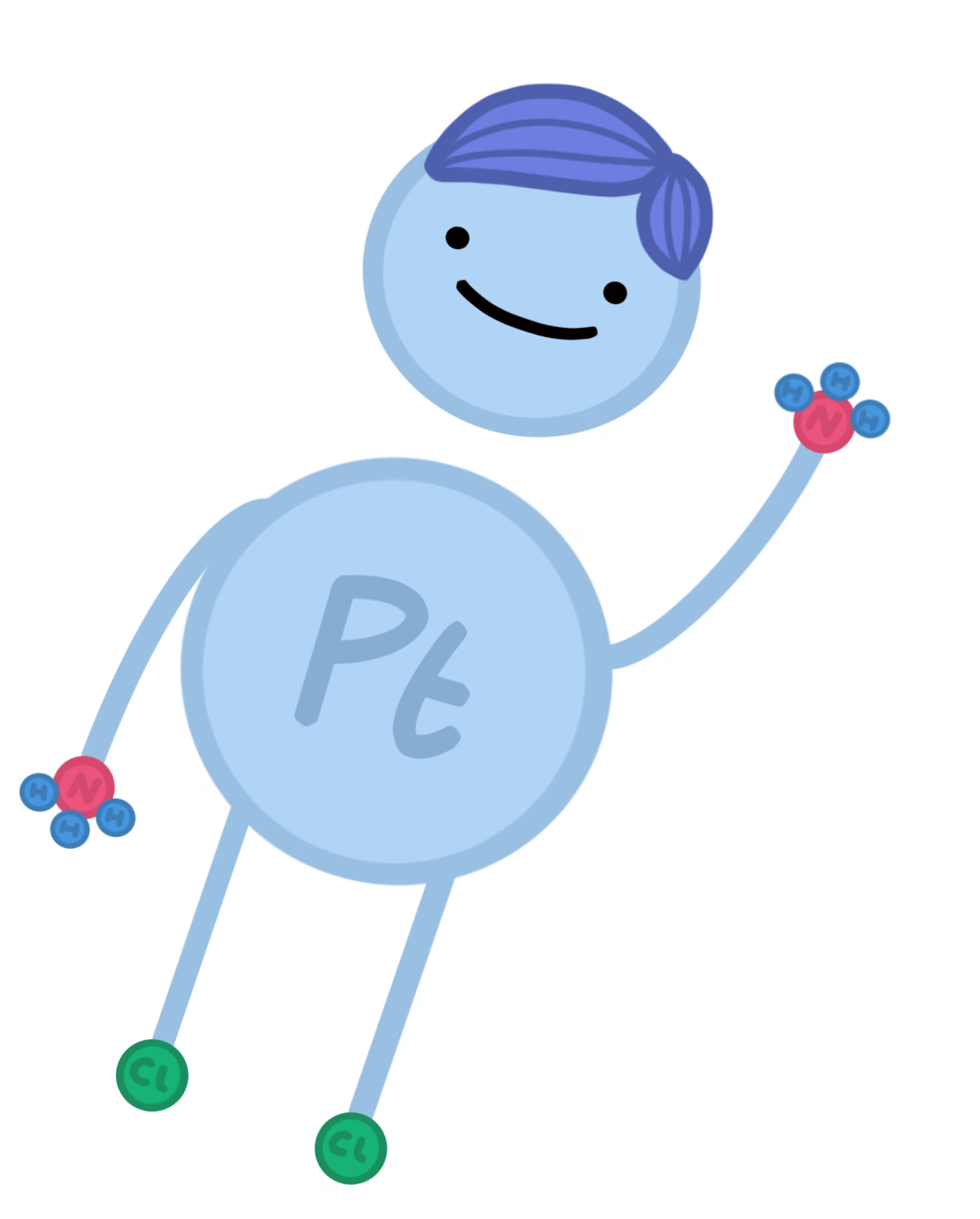


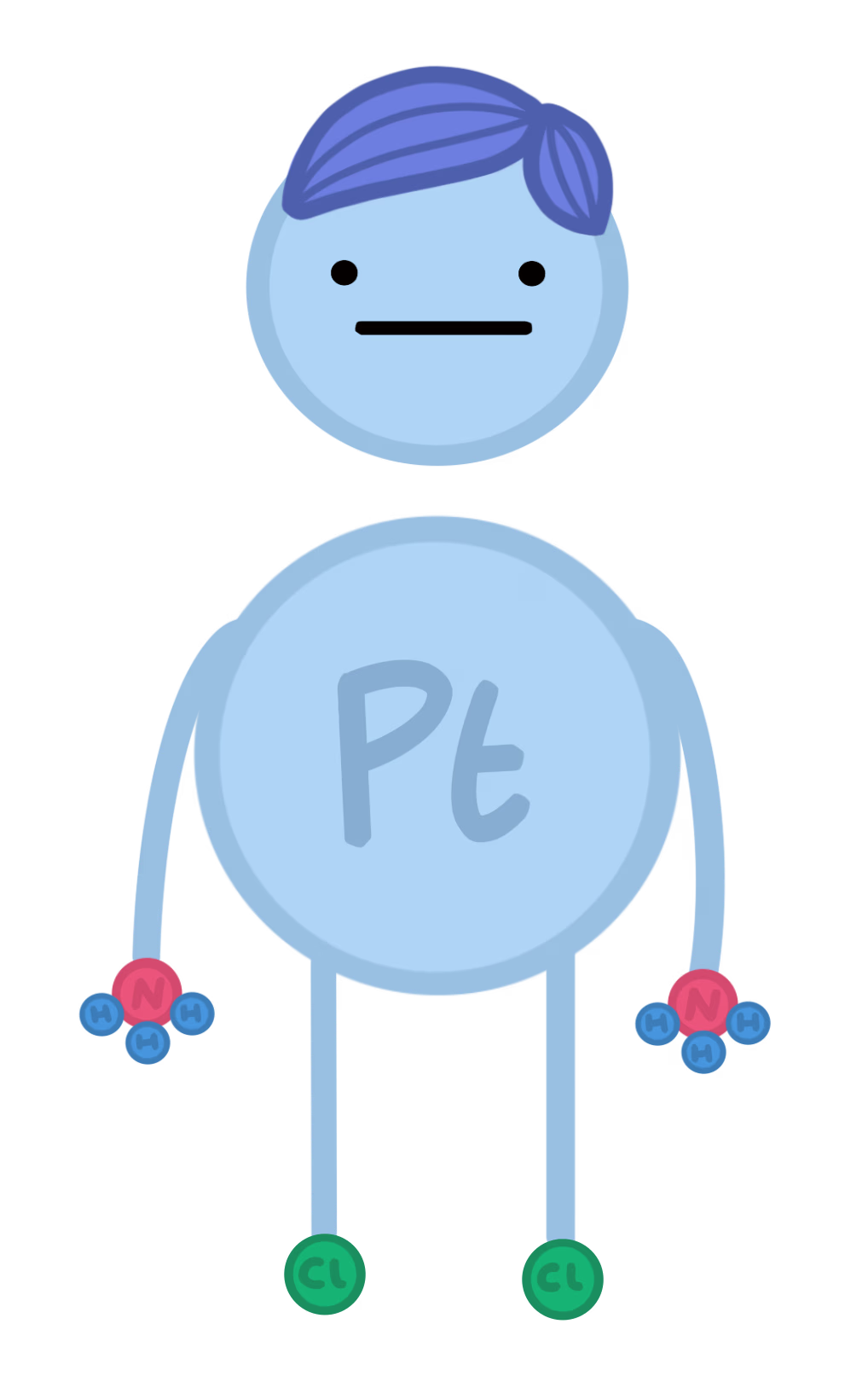
Meet cisplatin, a platinum-based chemotherapy drug used to treat numerous types of cancers every year.
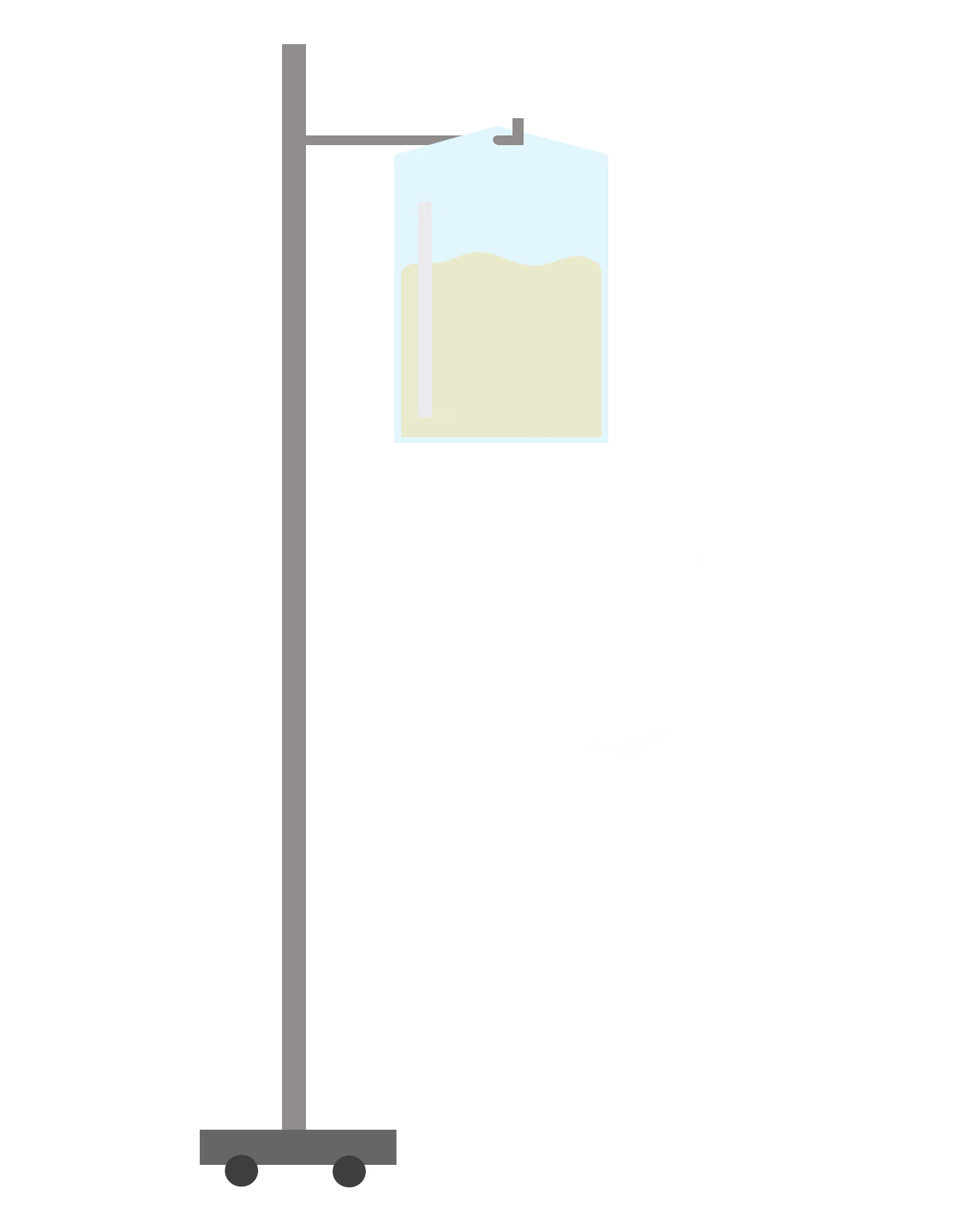
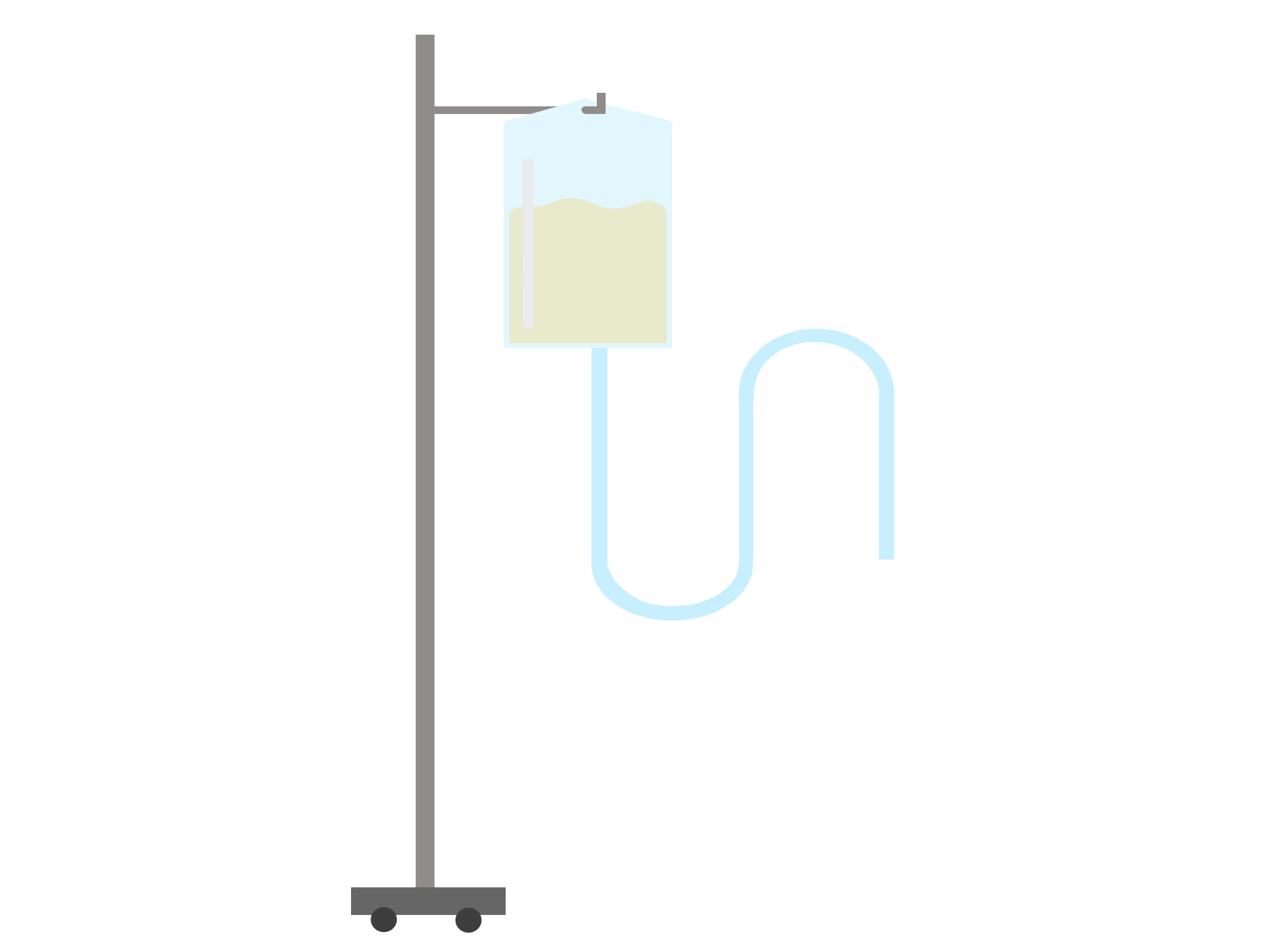
It is administered intravenously, with patients receiving it through a slow drip directly into the bloodstream.
Loading...


Meet cisplatin, a platinum-based chemotherapy drug used to treat numerous types of cancers every year.
It is administered intravenously, with patients receiving it through a slow drip directly into the bloodstream.
However, around 75% of administered platinum-based chemotherapy drugs are excreted in urine, with the majority being unmetabolised.
Even the dedicated wastewater treatment systems built to capture platinum residues remove no more than 63%, so often, a large proportion enters our water bodies.
And in most countries, there is still no legal requirement to remove pharmaceutical residues from hospital wastewater at all.
Just 24 hours of exposure is enough for platinum-based drugs to cause substantial genetic damage in aquatic organisms.



Meanwhile…
Global consumption of fish and shellfish is expected to nearly double by 2050.


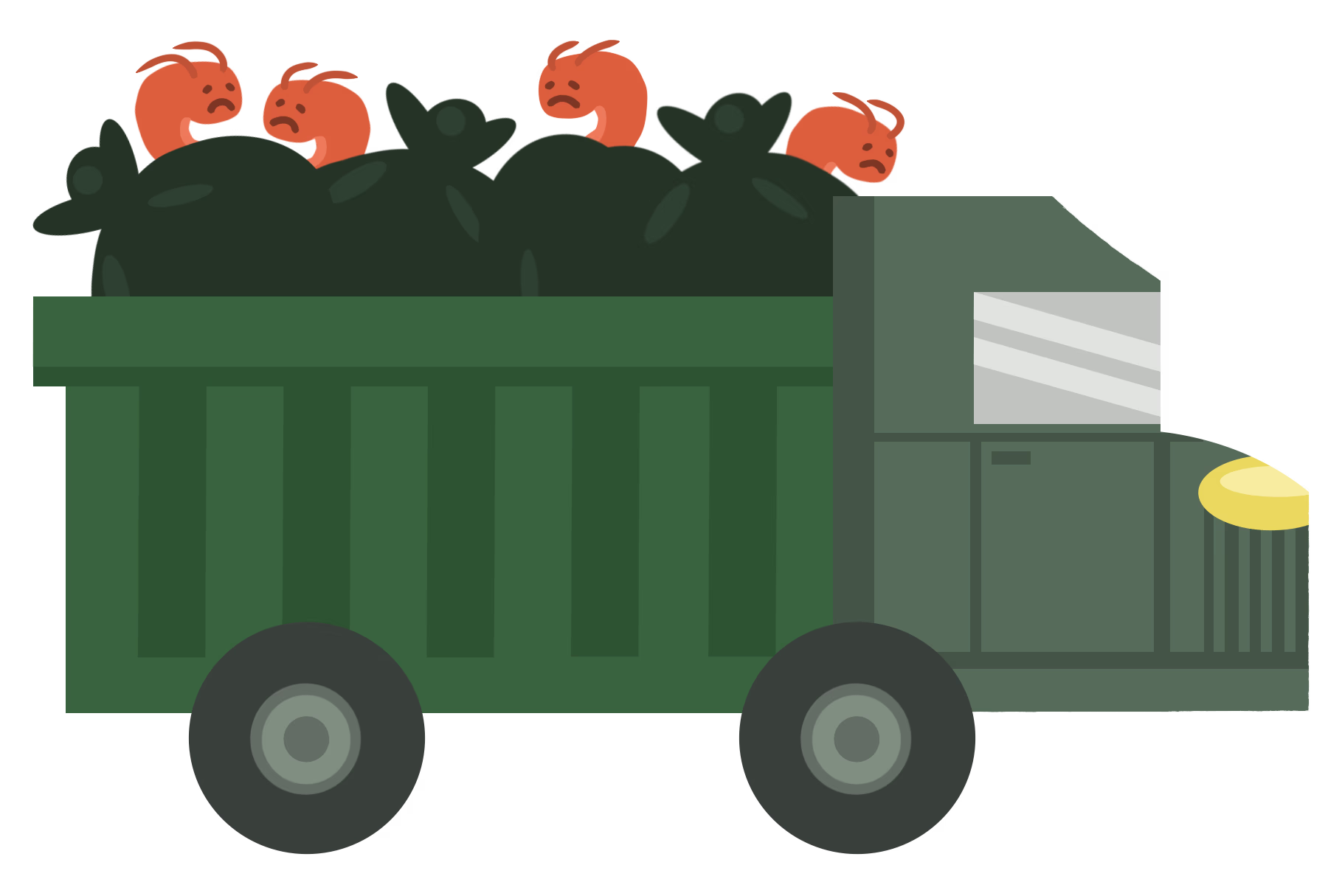
But with this comes a rise in waste - up to 8 million tonnes of shellfish waste is produced each year, with the large majority ending up in landfill.

Discarded shrimp shells are our feedstock.
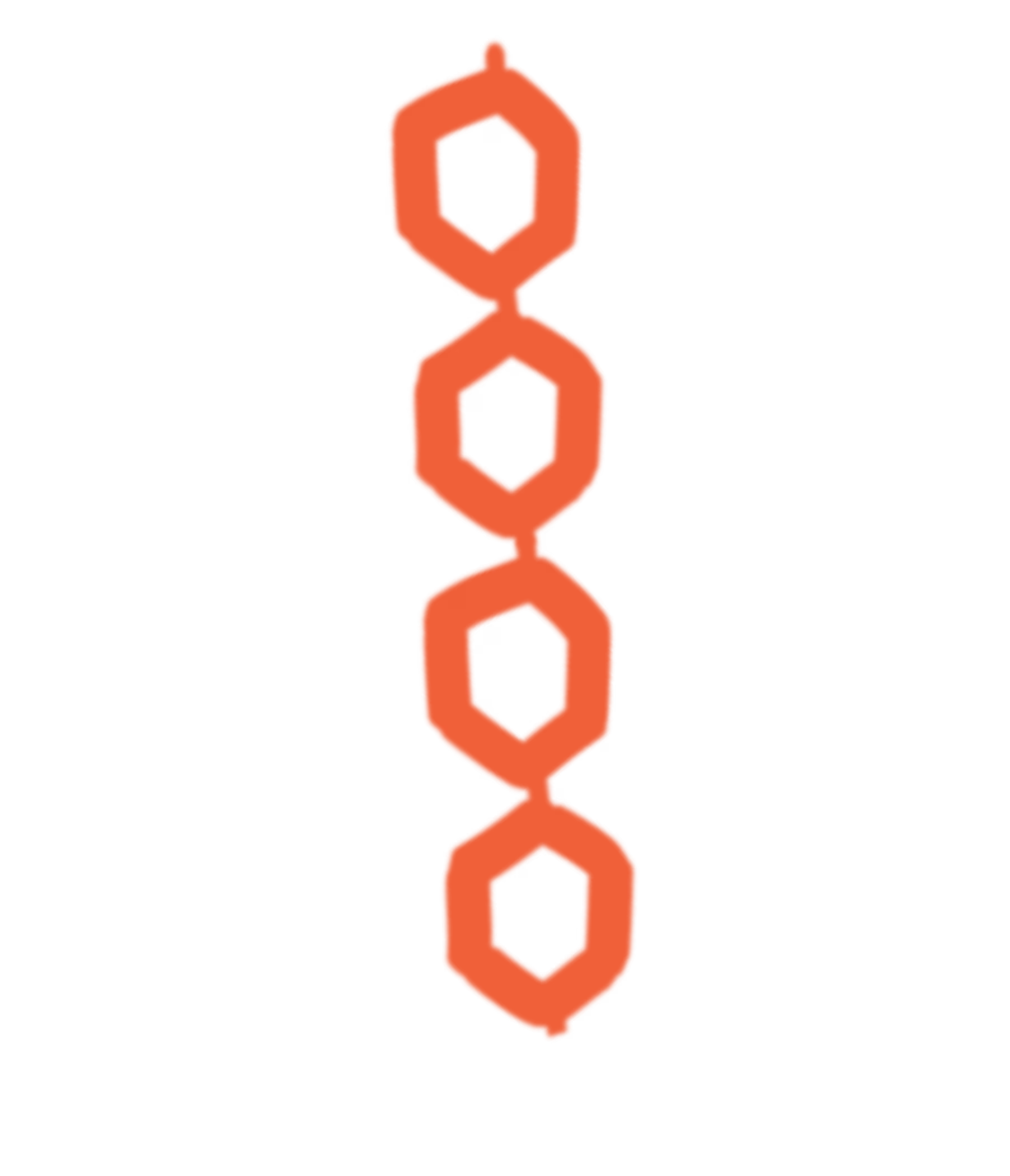
They are rich in chitin, a polymer of β-1,4-linked N-acetylglucosamine (GlcNAc).
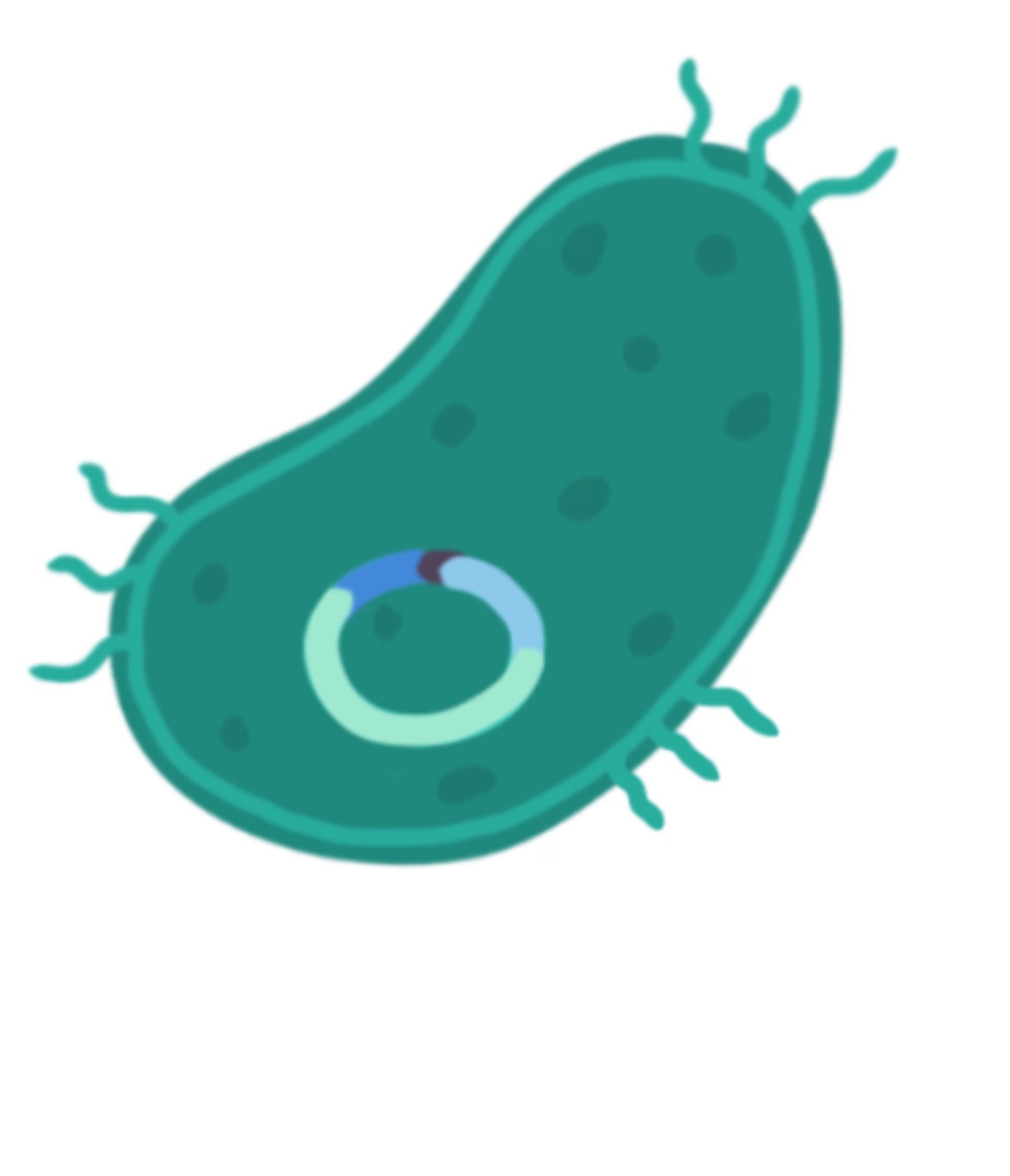
We express three enzymes in E. coli: the chitinases SmChiA and PpChi and the chitin deacetylase VcCDA.

The enzymes hydrolyse the polymer and remove acetyl groups, breaking it into short, partially deacetylated oligomers.
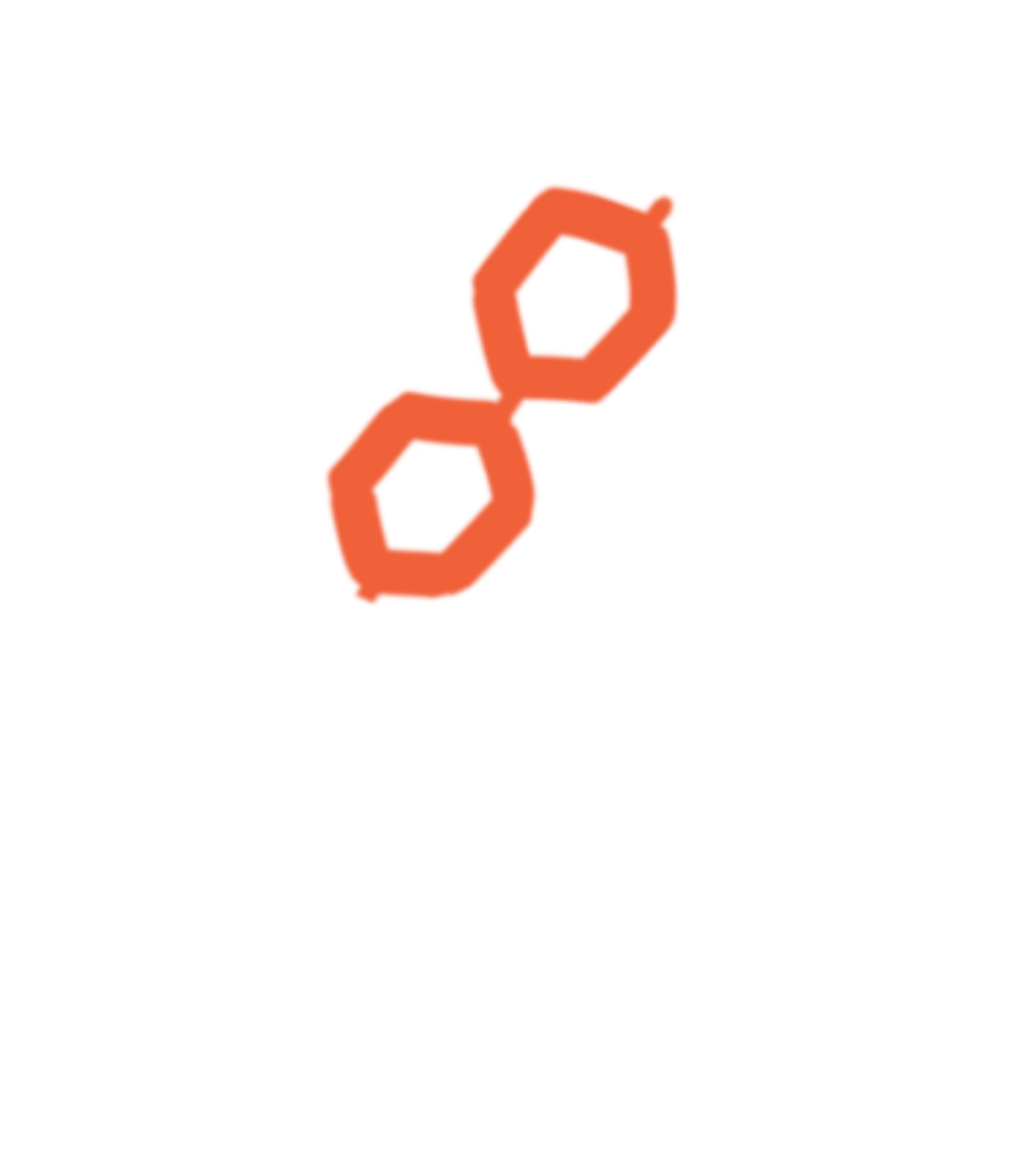
The result is chito-oligosaccharides (COS), short chains rich in free amine (–NH₂) groups that can coordinate metal ions.
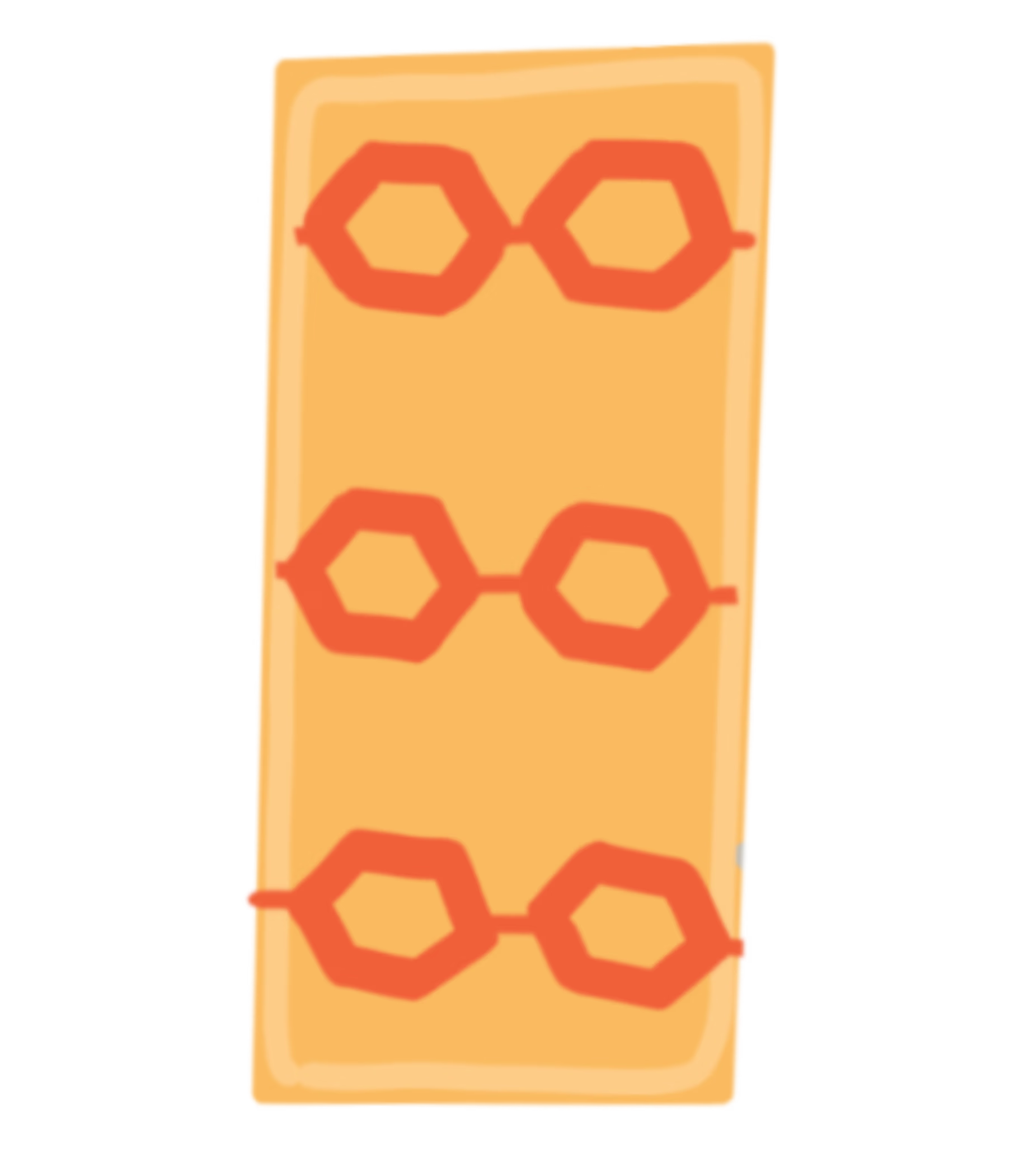
The COS is packed into a chelation device, where it acts as a biosorbent.
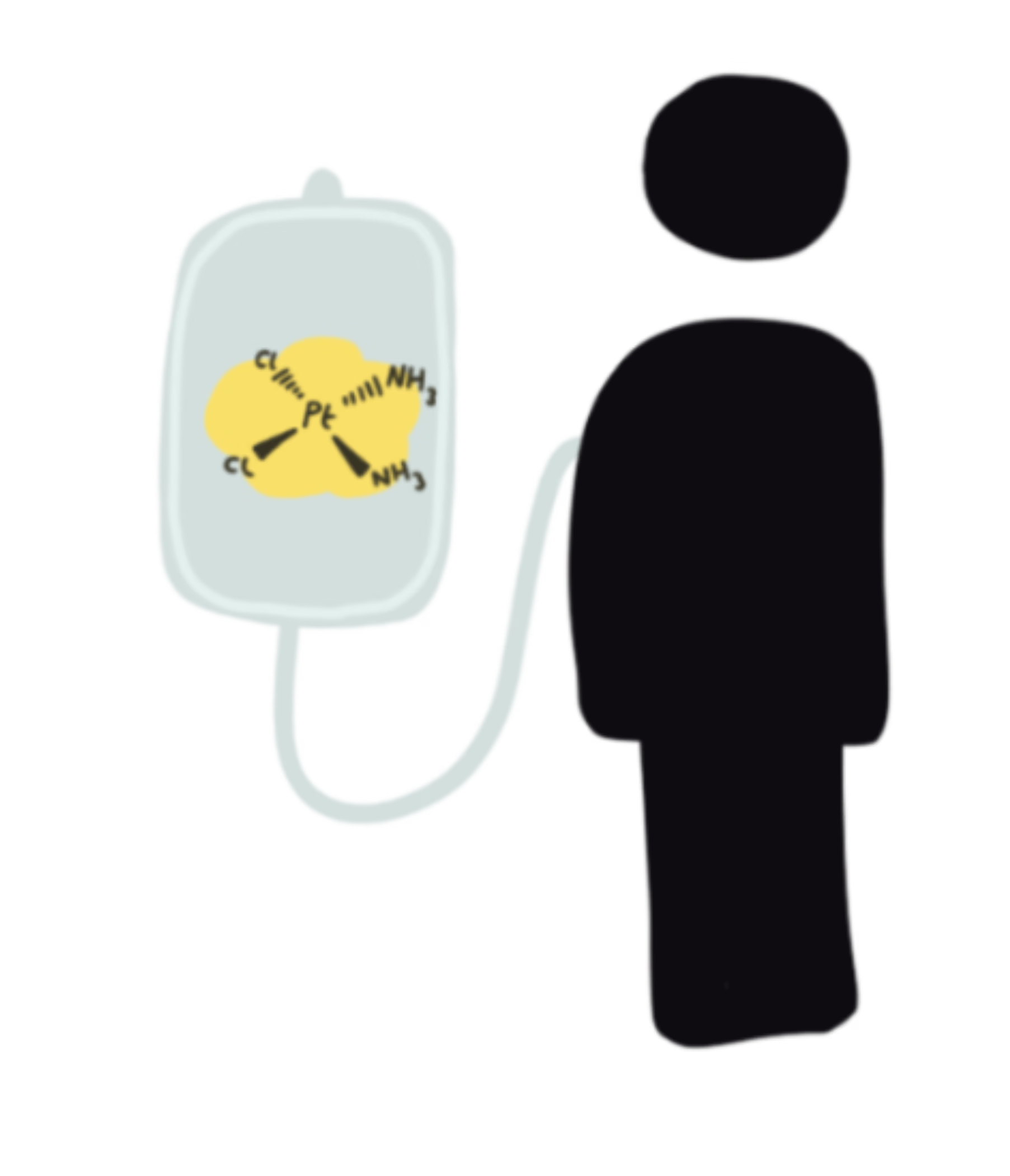
Patients on cisplatin excrete the drug in their urine, which passes through the hardware.
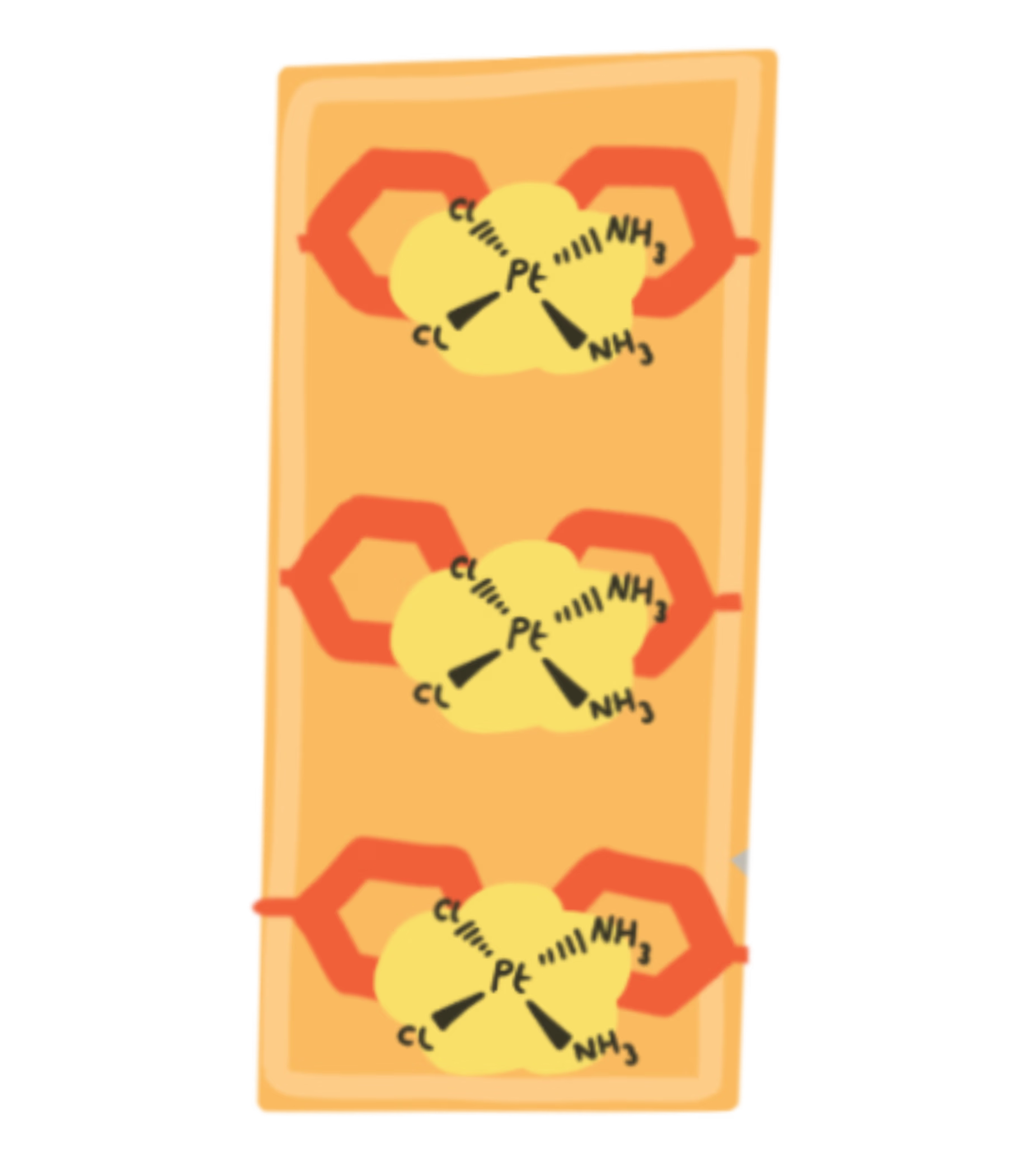
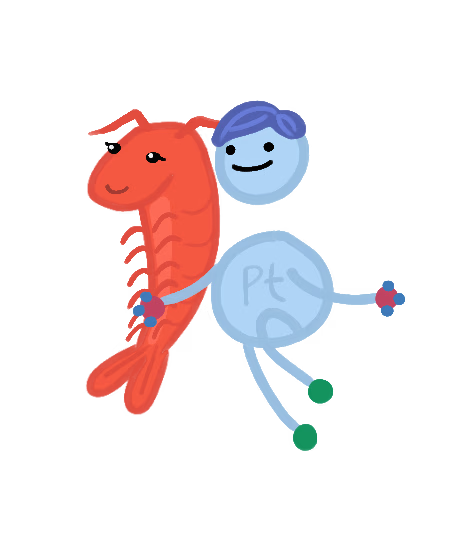
Amine groups on the COS chelate cisplatin, so the drug stays bound inside the device.
Cisplatin-free urine flows out.