


Joe Burton
23rd July 2026 · NHS / Clinical
Sustainability Transformation Project Lead at UCLH NHS Foundation Trust
Rationale
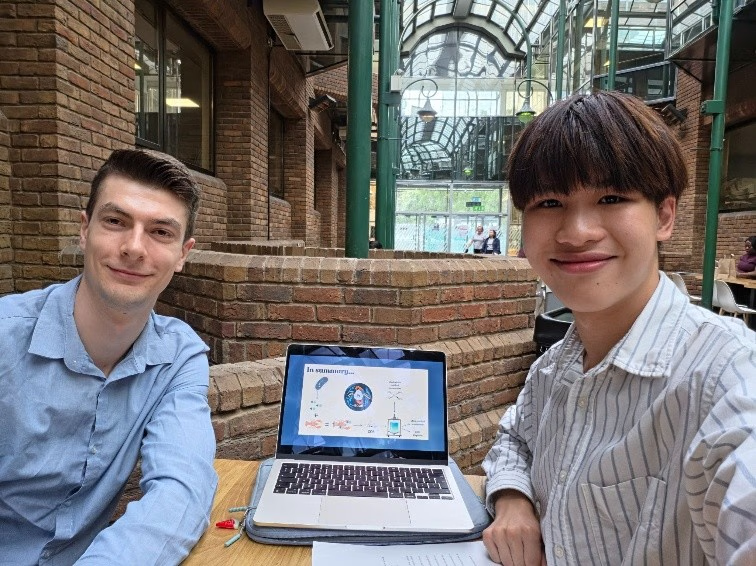
Prior to meeting Joe, our hardware design consisted of a bioreactor setup within hospital wastewater outflow before entering sewage systems. Being in a managerial position at one of these hospital trusts, especially in the field of sustainable project integration, Mr Burton is highly aware of the feasibility of a project like ours and the hurdles it must overcome to be applied. We wanted to ensure that we were fully knowledgeable about the environmental concerns of hospitals and the boundaries needed for our project's implementation.
Interview Summary
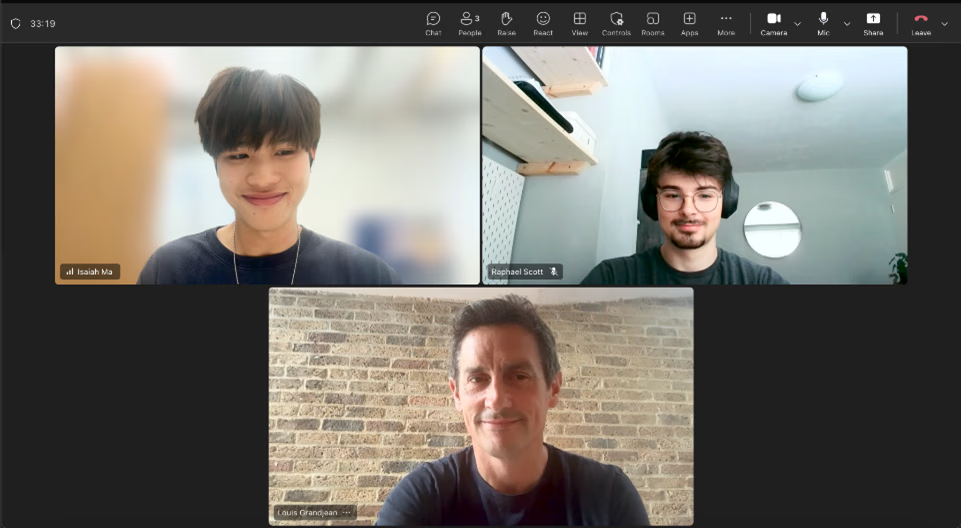
Joe commented on how pharmaceutical wastewater effluent is not a focus for trusts, but it should be, with the current concern being carbon emissions, plastic waste, energy-intensive equipment and supplier waste minimisation. He stated that this is partially due to the fact that solid cytotoxic waste is visible and can be easily incinerated, compared to the virtually invisible liquid cytotoxic waste stream that cannot be easily solved. Beyond this, Mr Burton spoke of many more hurdles concerning the technical feasibility of our project – who would maintain the project, what are the risks, who would pay for it (the NHS lacks money currently), and most importantly, would private entities allow such infrastructure changes to their PFI buildings? Lastly, Joe mentioned a new problem – most cisplatin excretions likely came from outpatients, not inpatients.
Integration
Joe's suggestions would lead the team to contact estates as well as cancer centre workers for further advice, both of which would be done. More notably, Mr Burton's advice was the first to shift the focus of the hardware design, with new ideas relating to outpatient use rather than direct installation into hospitals.