 Loading the page
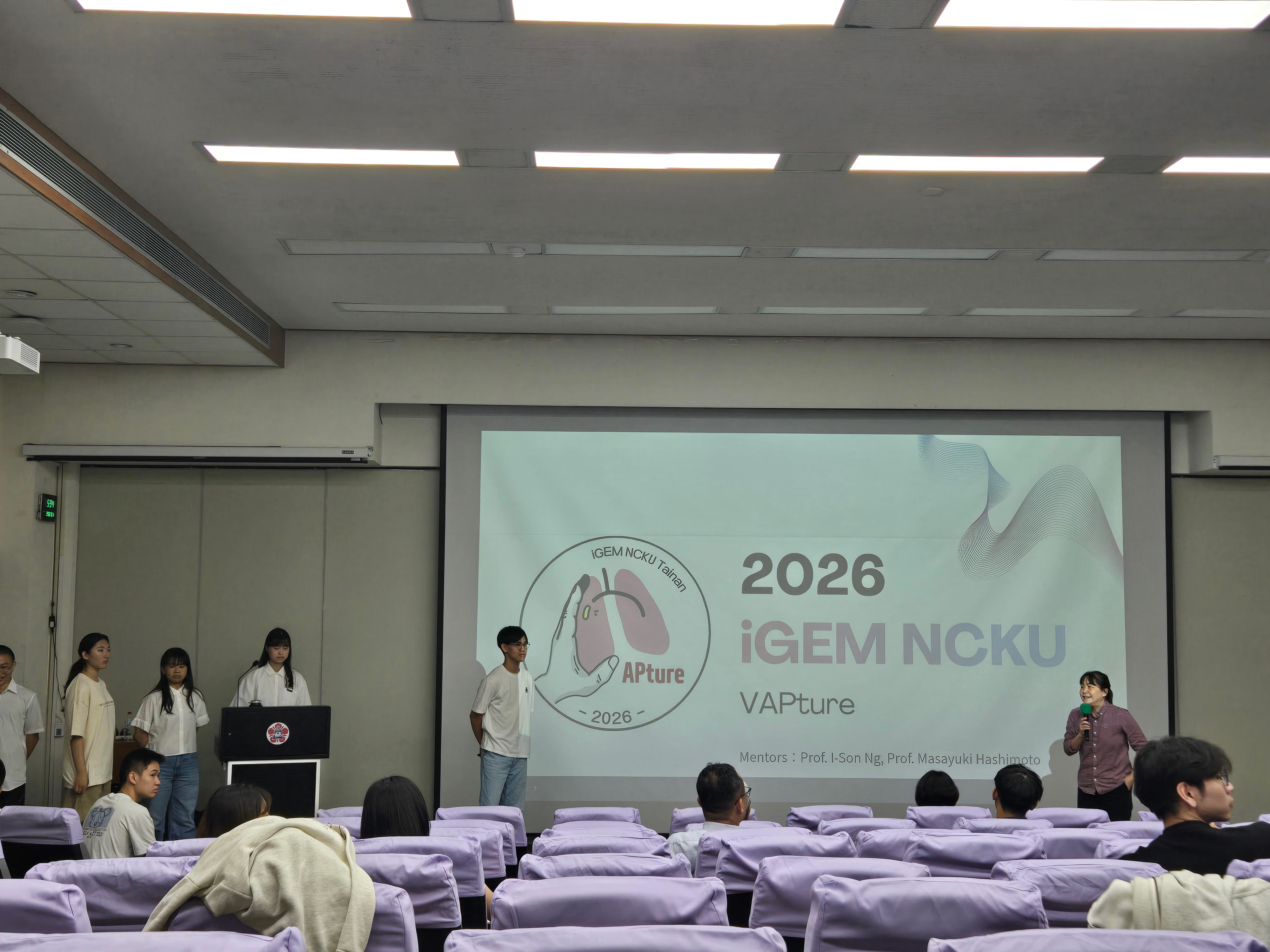 Scholars and experts
NCKU Pilot Interdisciplinary Sharing Session
May 23, 2026
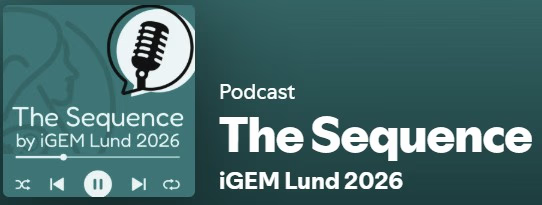 Mandarin podcast
Lund University Podcast
With the Lund University iGEM team
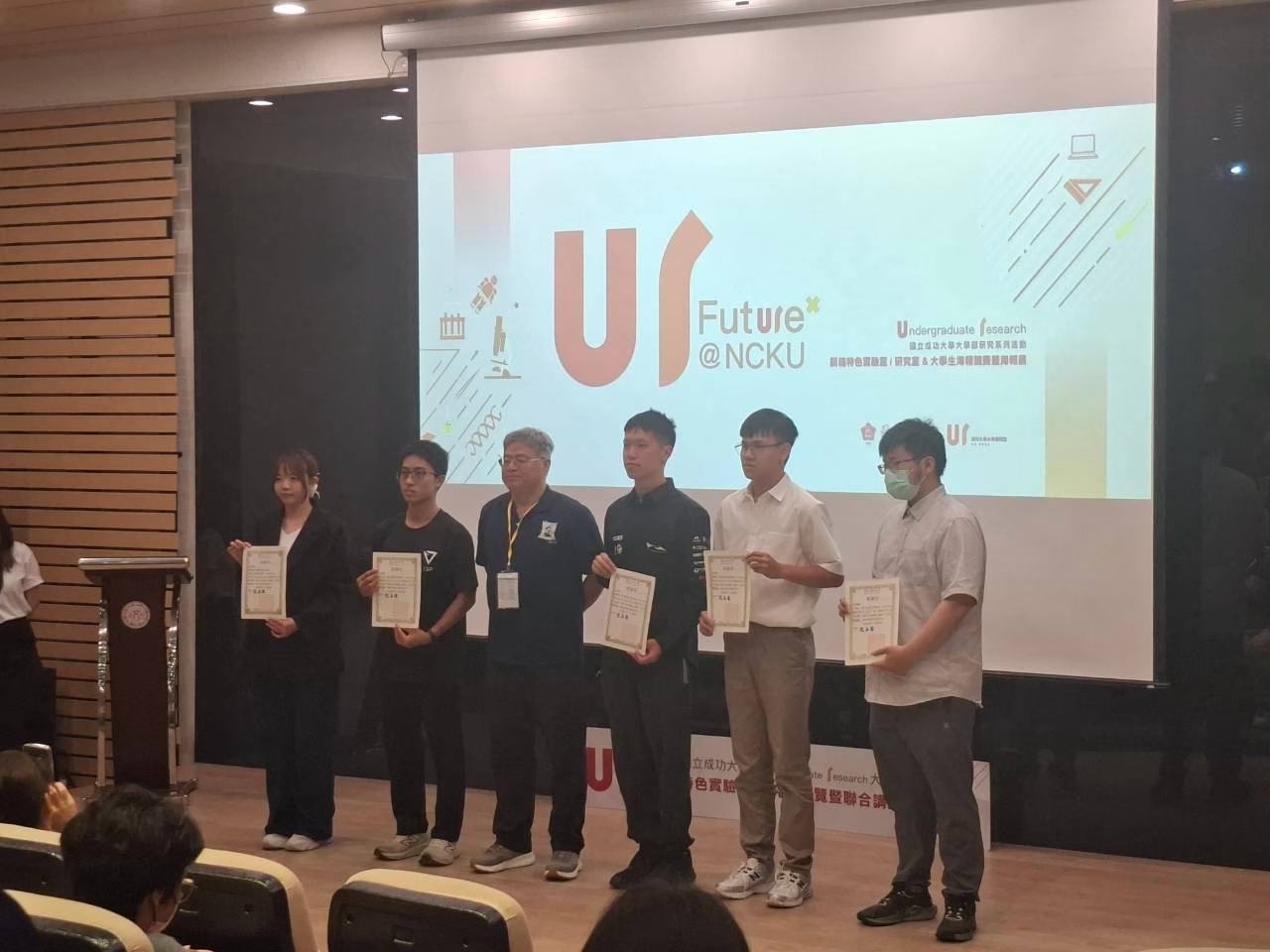 Incoming freshmen
NCKU UR Interdisciplinary Sharing Session
September 2, 2026
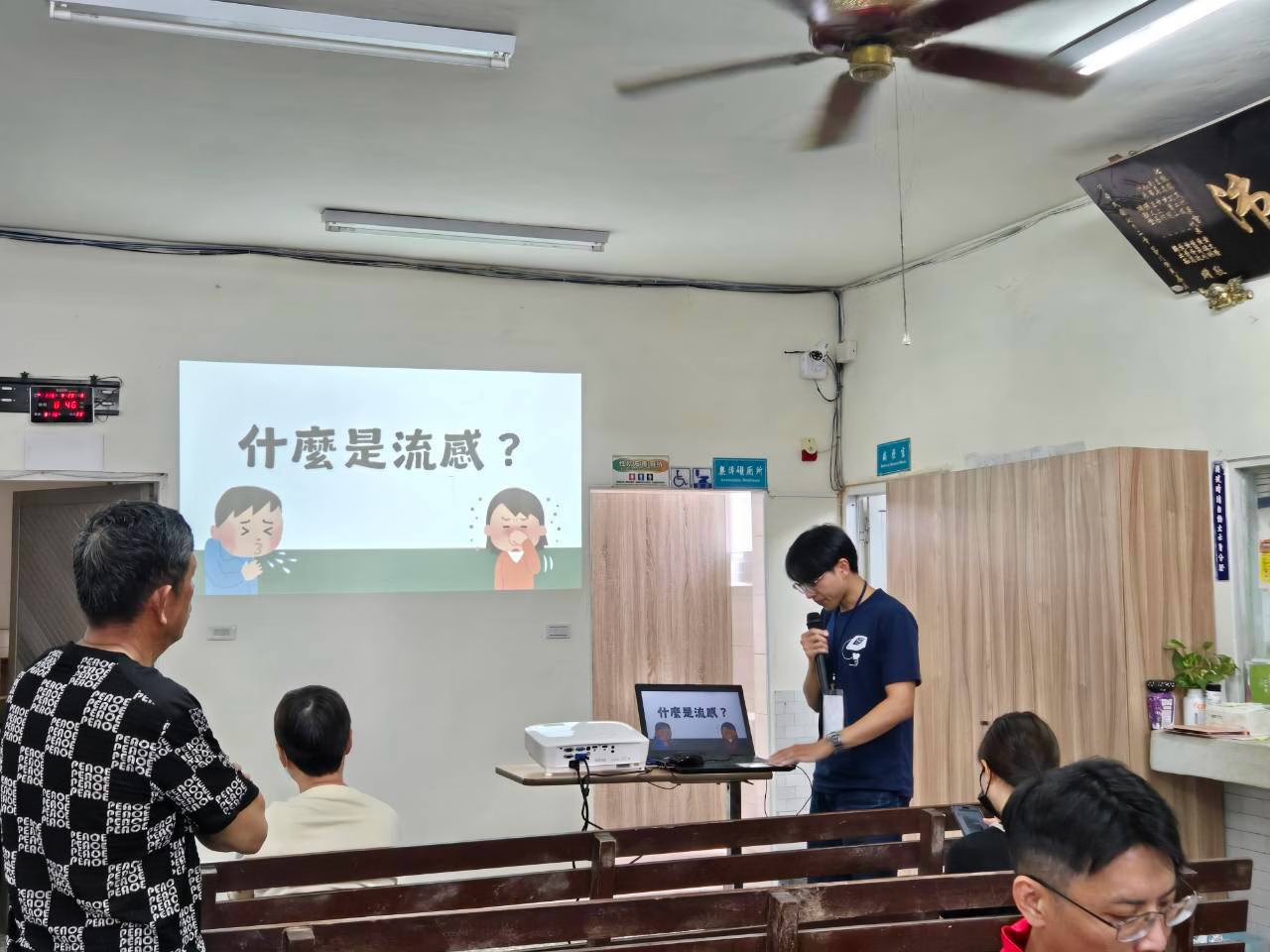 Rural residents
Qigu District Clinical Promotion
September 20, 2026
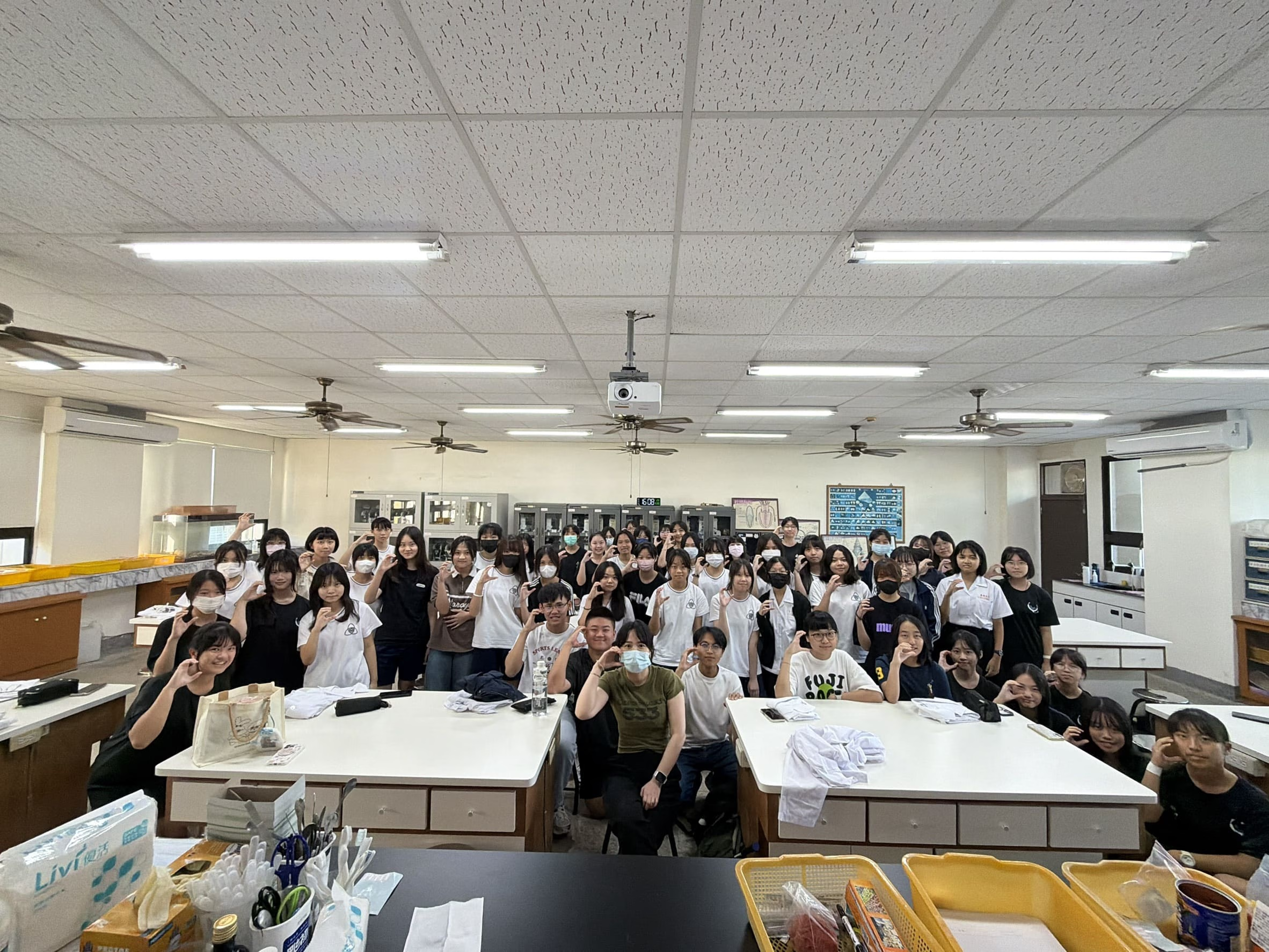 50 club members
Tainan Girls’ Senior High School
September 30, 2026
Putting our earliest ideas in front of scholars from well outside synthetic biology
Sharing our science is not merely about presenting localized results; it is an open invitation to refine our vision through critical dialogue and diverse perspectives.
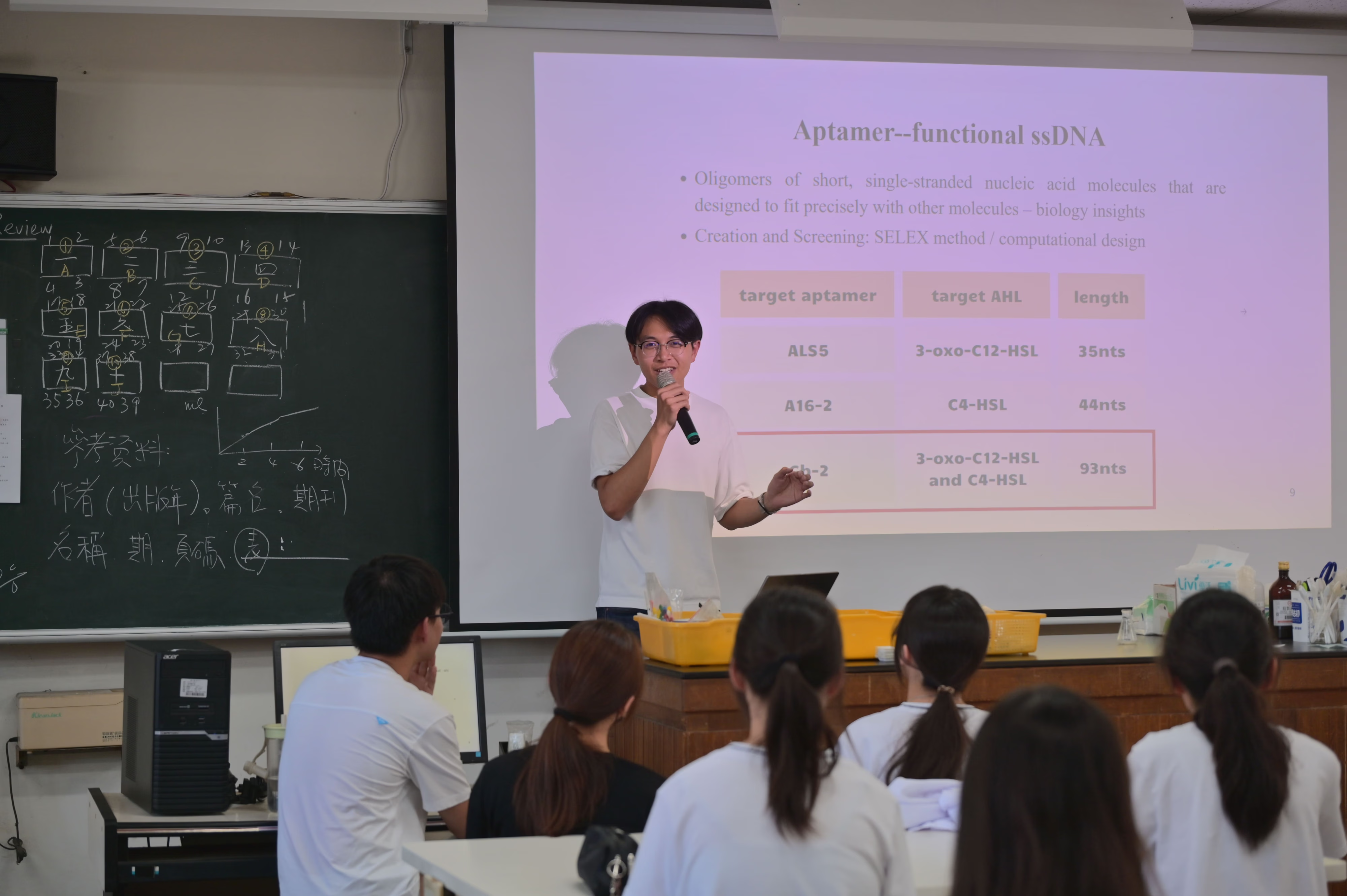
On May 23, 2026, our team presented at the NCKU Pilot Interdisciplinary Sharing Session, a checkpoint chance to test our early concepts in front of scholars and experts from fields well outside synthetic biology. Because many panelists had never encountered iGEM before, their sharp, unfiltered questions cut straight to assumptions we had stopped questioning ourselves.
That exchange proved pivotal: weighing their feedback, we narrowed our project from a broad entry point around Ventilator-Associated Pneumonia toward a focused investigation of Pseudomonas aeruginosa infection mechanisms. Admitting the gaps in our original logic was humbling, but it left us with a clearer direction and real momentum going forward.
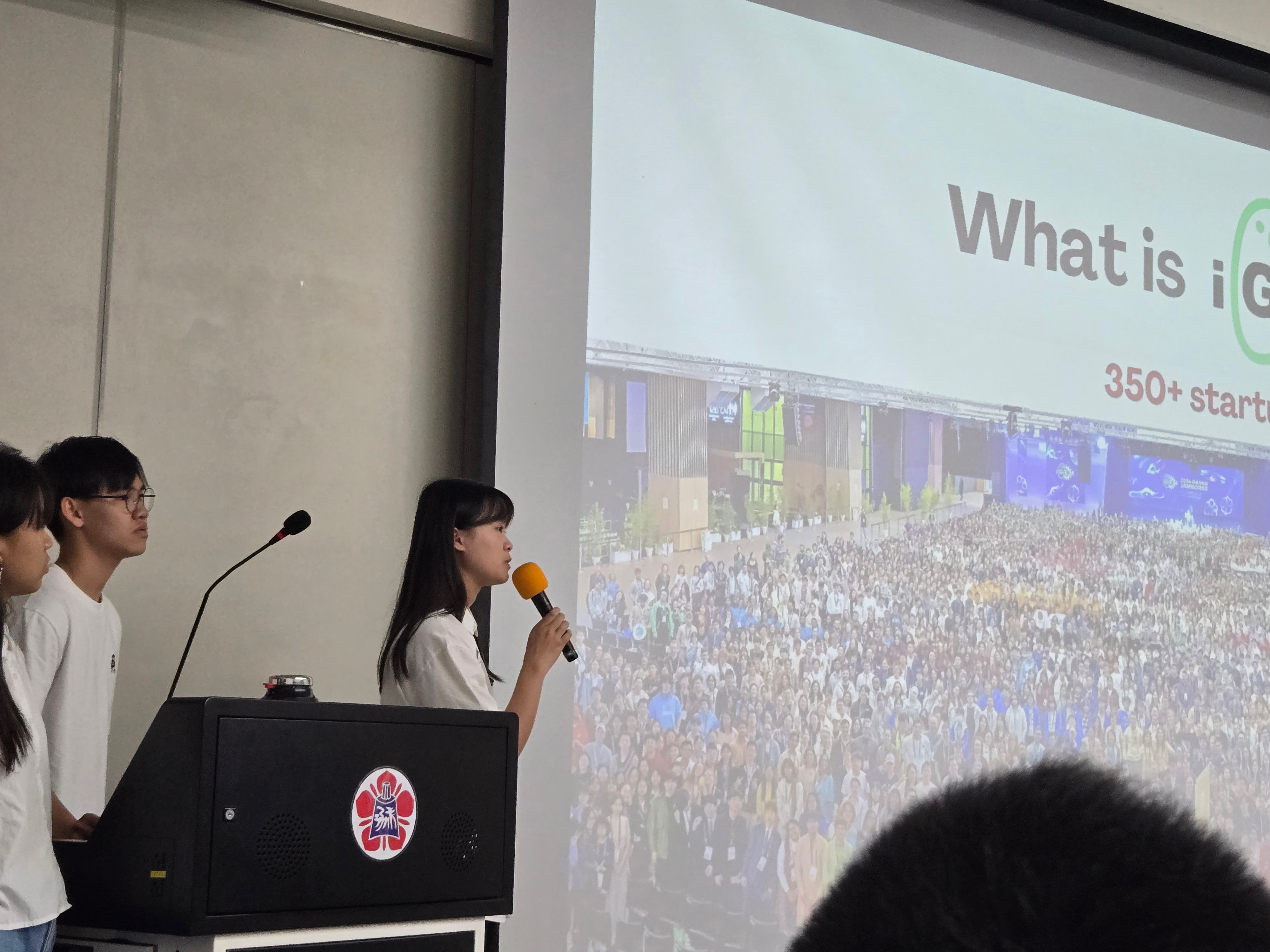
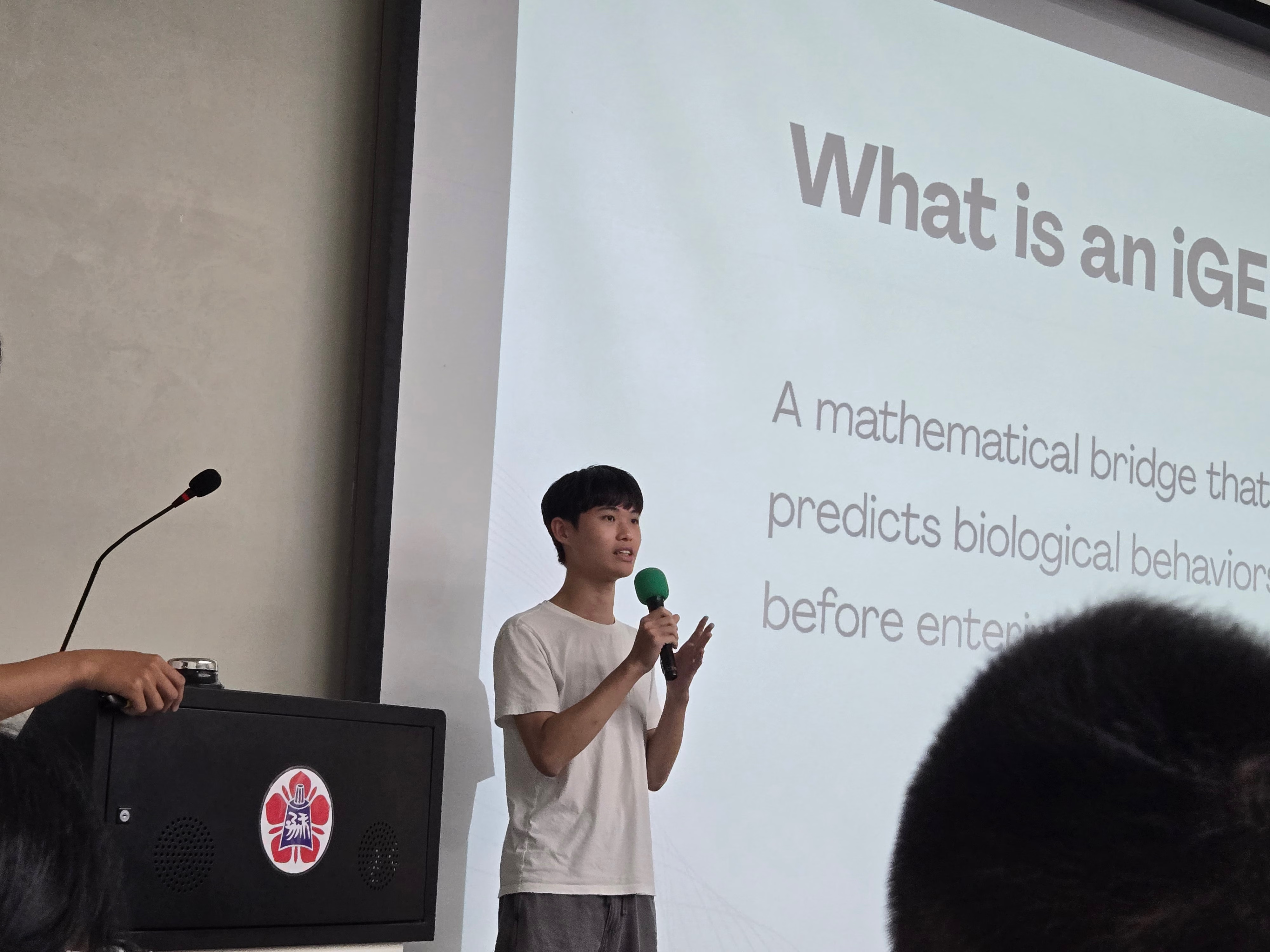
From Tainan to Sweden, in Mandarin: the science of Capture, and the people behind it
For collaboration in Human Practices, we really wanted to connect with people beyond our usual circles, so we teamed up with the iGEM team from Lund University in Sweden to record a special Mandarin podcast episode.
It was such a fun and rewarding experience to sit down and just chat about our project, Capture. We took the opportunity to explain the science behind our fight against Pseudomonas aeruginosa, doing our best to break down complex molecular tools like retrons and aptamers into concepts that anyone tuning in could easily grasp.
But we didn't want the episode to be just a boring science lecture, so we also shared a lot about who we are as people. We opened up about what initially sparked our drive to join iGEM and gave listeners a behind-the-scenes look at our daily lives—sharing the reality of our late-night brainstorming sessions, the inevitable wet lab struggles, and the incredibly tight bond we've built as a team.
Ultimately, working with Lund University was about so much more than just communicating our research; it was a chance to bridge continents, break down language barriers in science, and build a genuine friendship across the global iGEM community.
The real arc of our project, told honestly to students just starting university
Science is a torch passed down across generations—not merely to hand down answers, but to ignite the courage to ask bold, transformative questions.
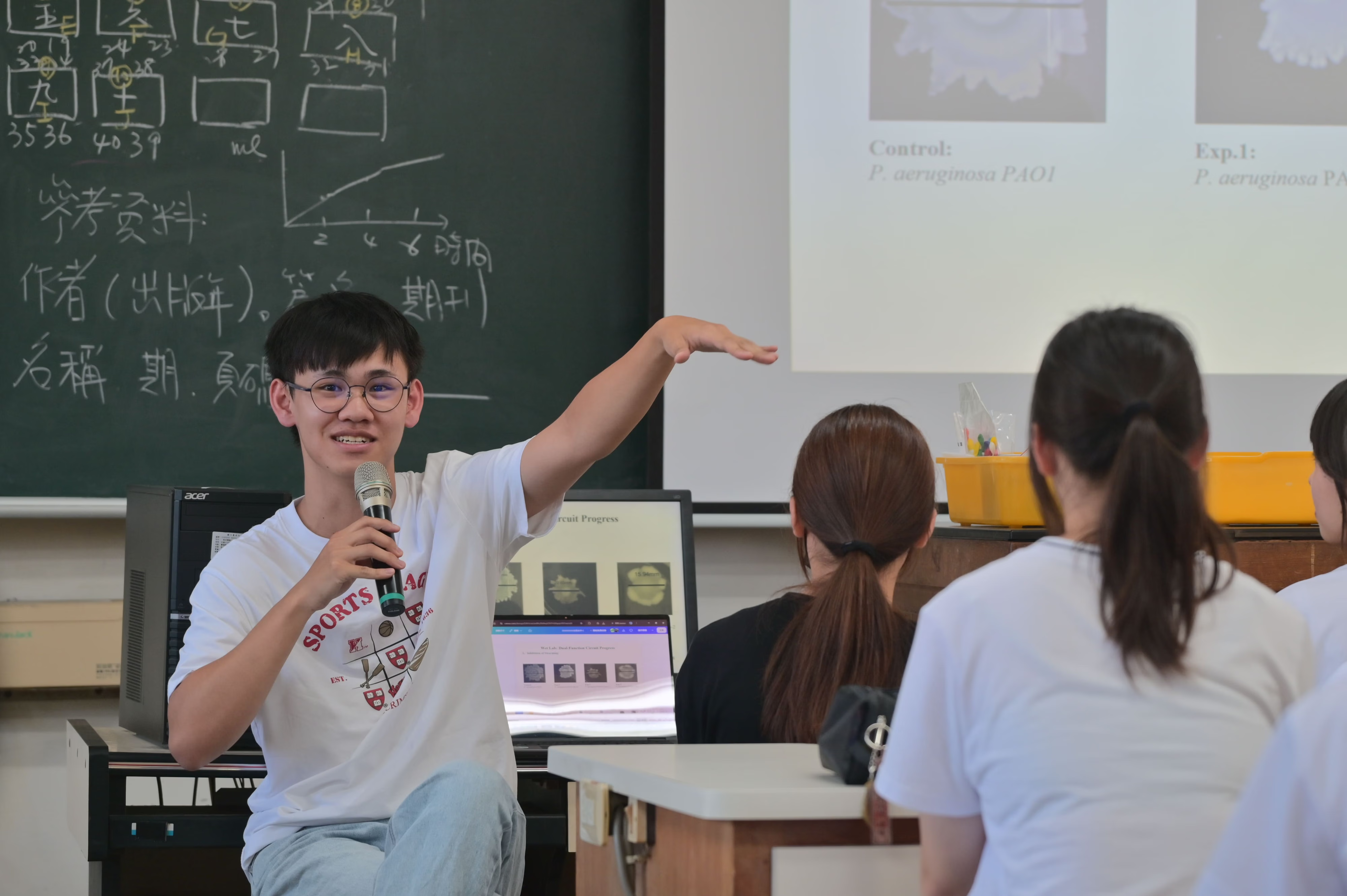
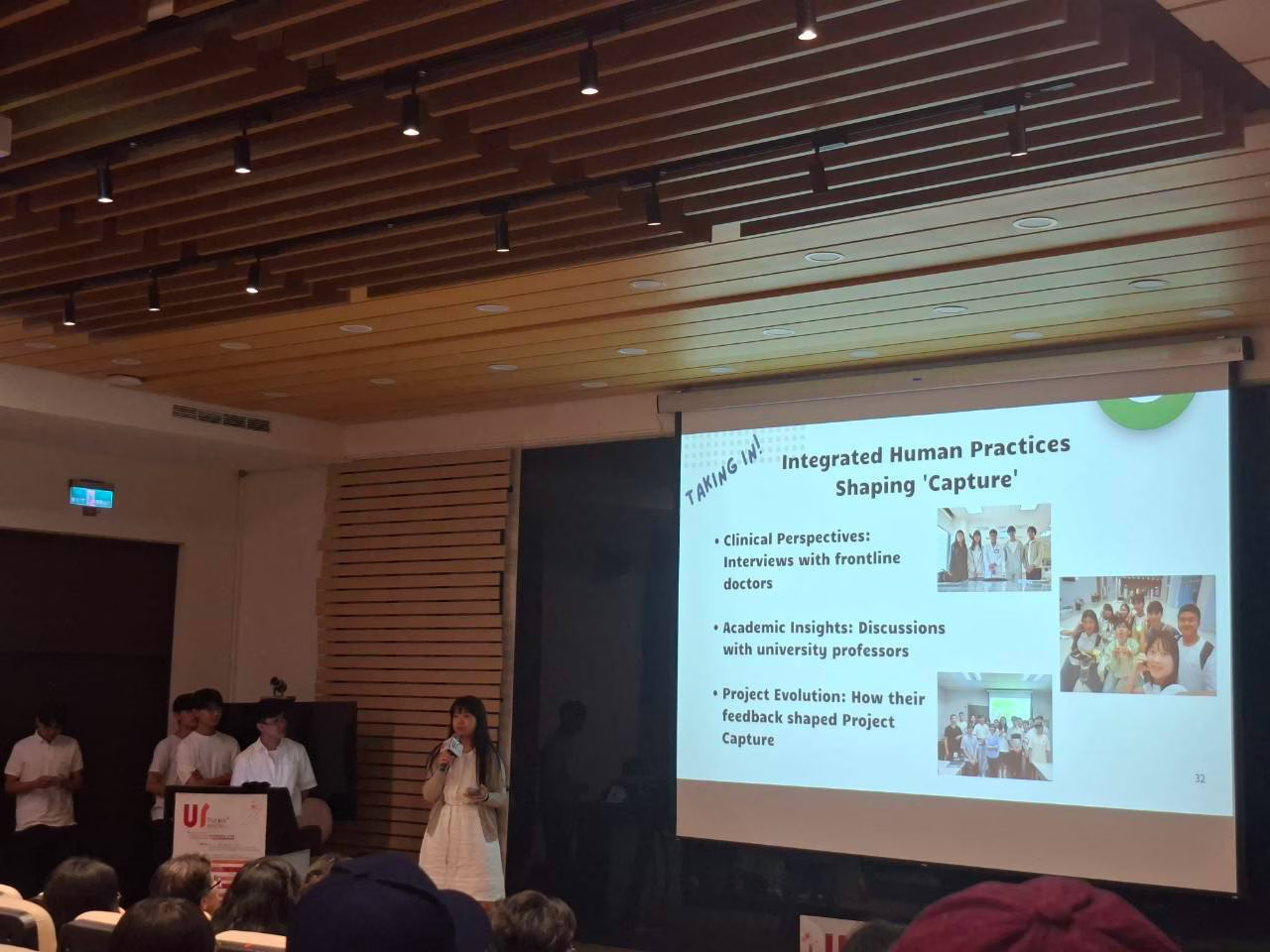
On September 2, 2026, after two months of summer collaboration across all our sub-teams, we presented at the NCKU UR Interdisciplinary Sharing Session — a chance to pressure-test our project alongside students from fields as far from biology as aerospace and motorsport engineering.
What made this session different was the audience: incoming freshmen just starting their university journeys. Rather than a polished showcase, we walked them through the real arc of the project — how it started, where it stalled, and what we've built since.
We didn't romanticize it. We talked about failed wet-lab trials, late-night pivots, and the self-doubt that comes with them — and why pushing through those moments builds the resilience and problem-solving instincts that matter far beyond the lab. If that honesty gave a few of them a clearer, less intimidating view of what research actually looks like, the session did its job.
Infection care and influenza vaccination, taken to a rural clinic with the doctors who work there ahead of the season
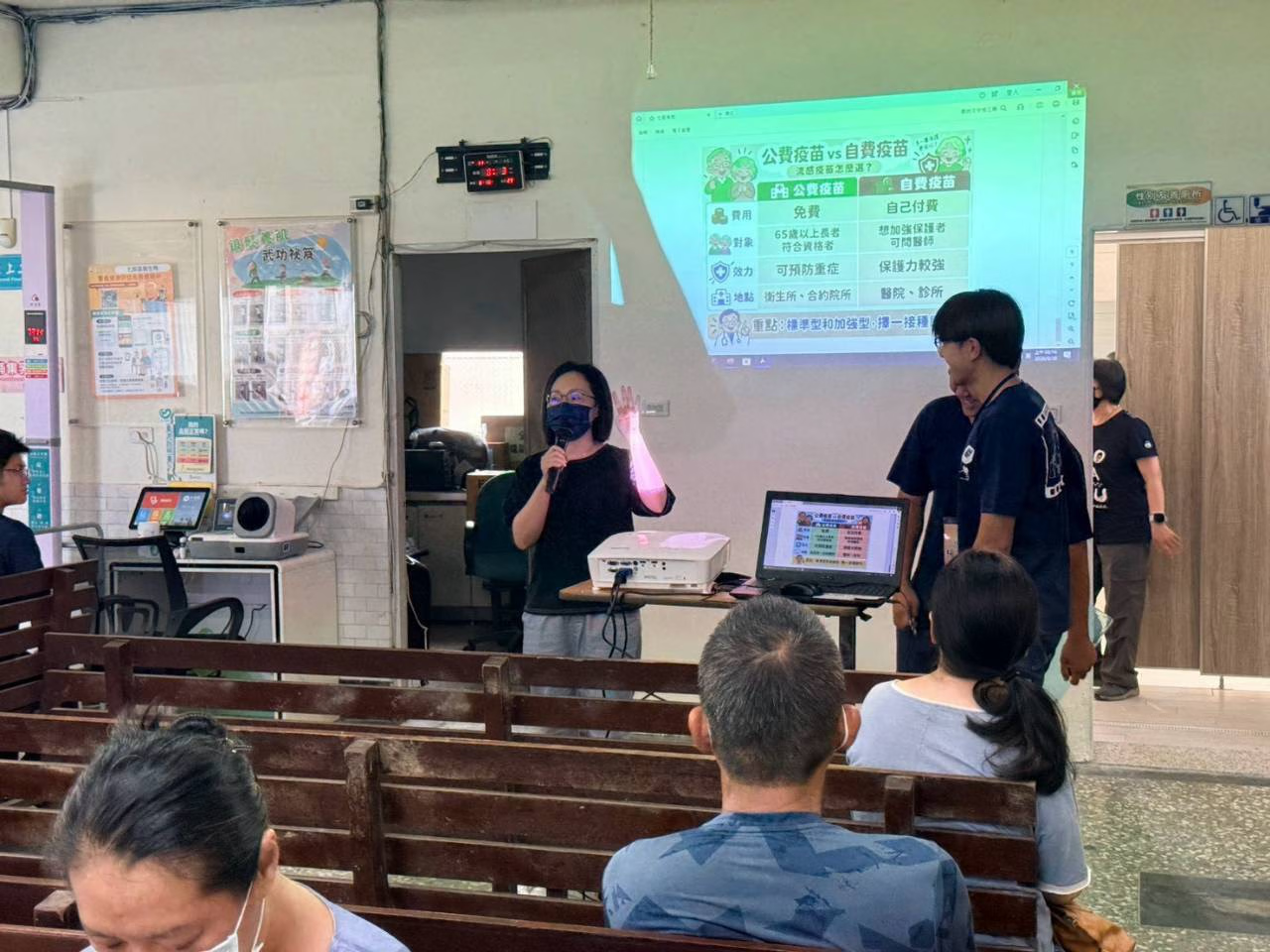
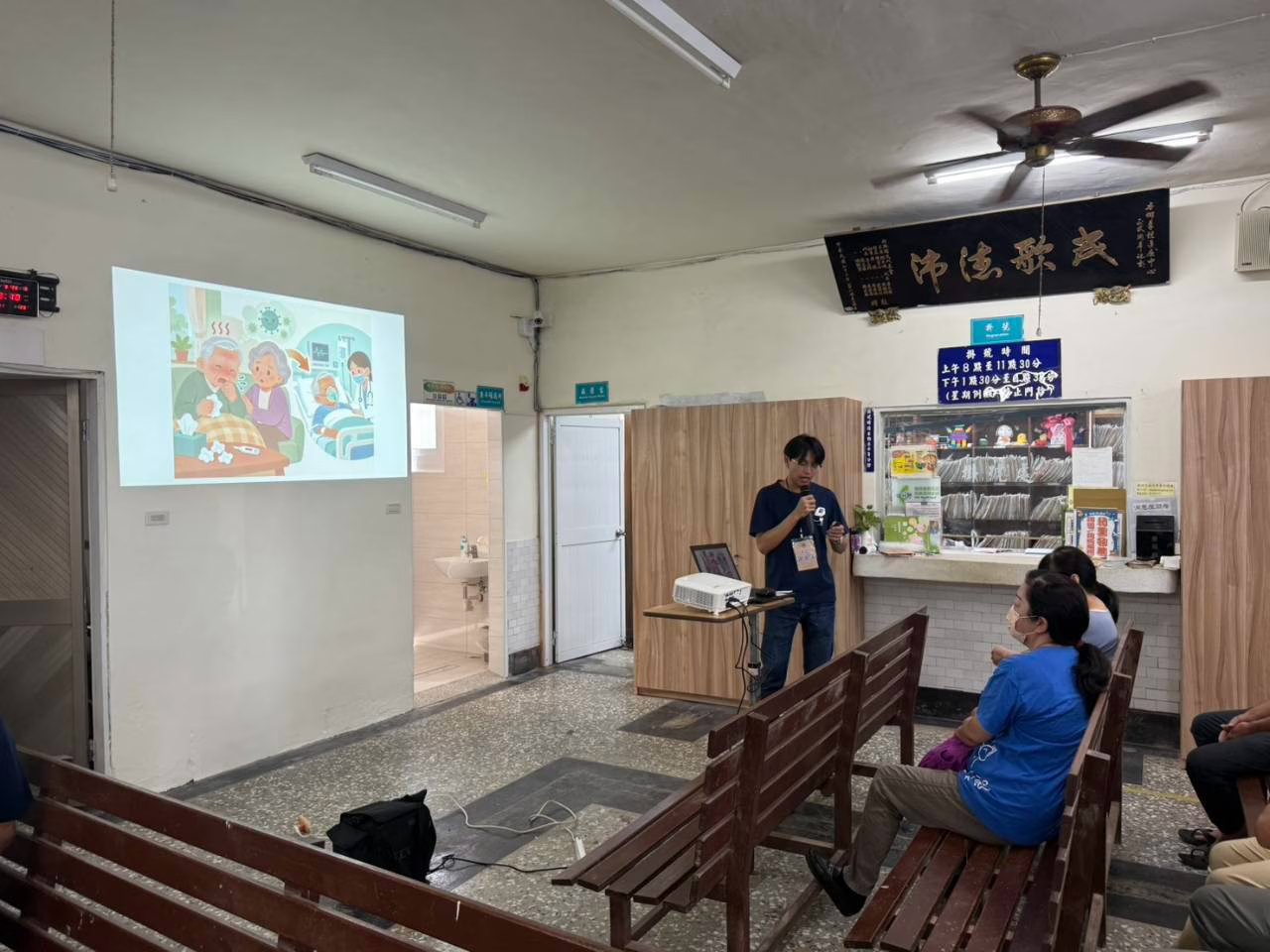
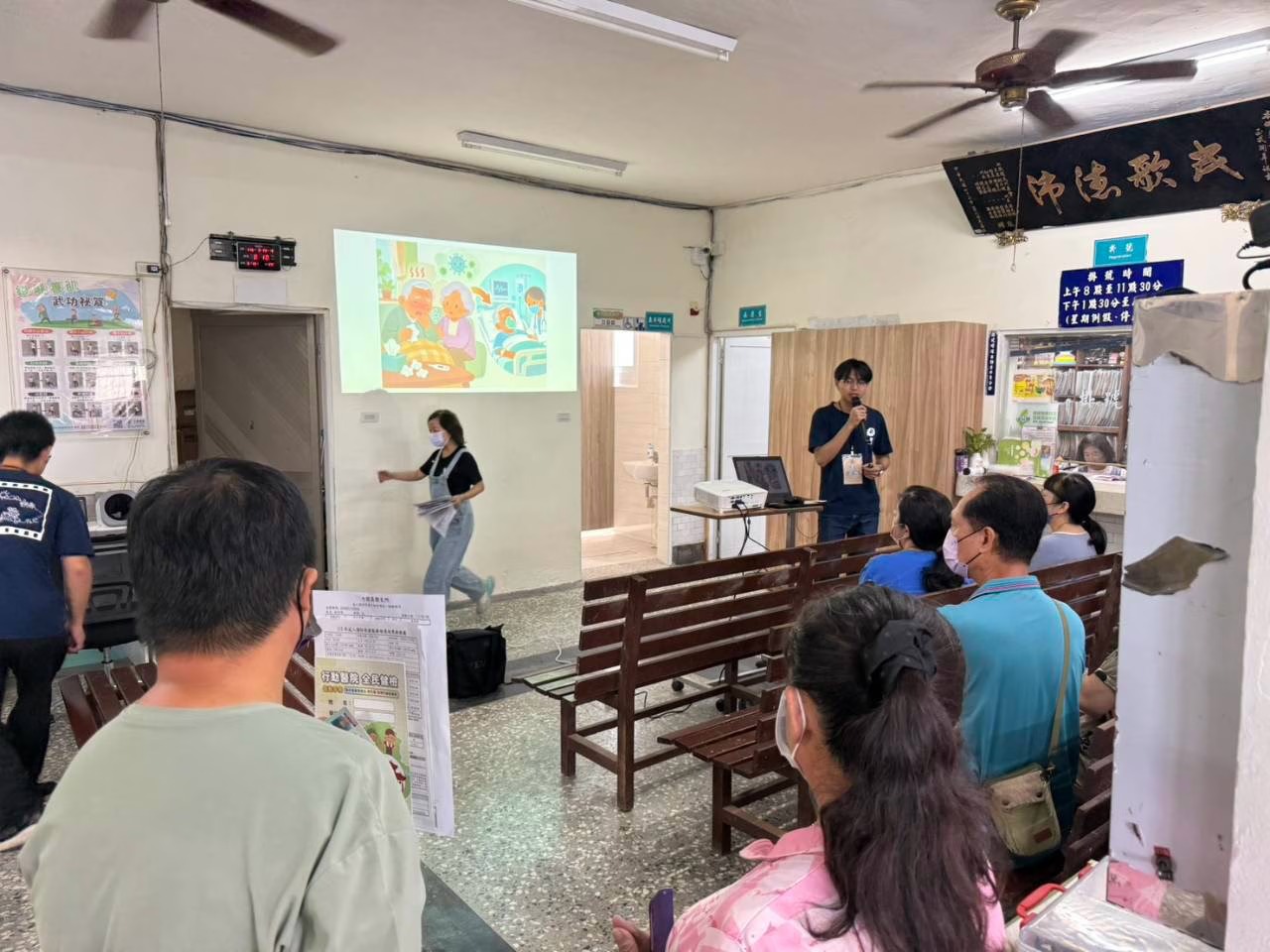
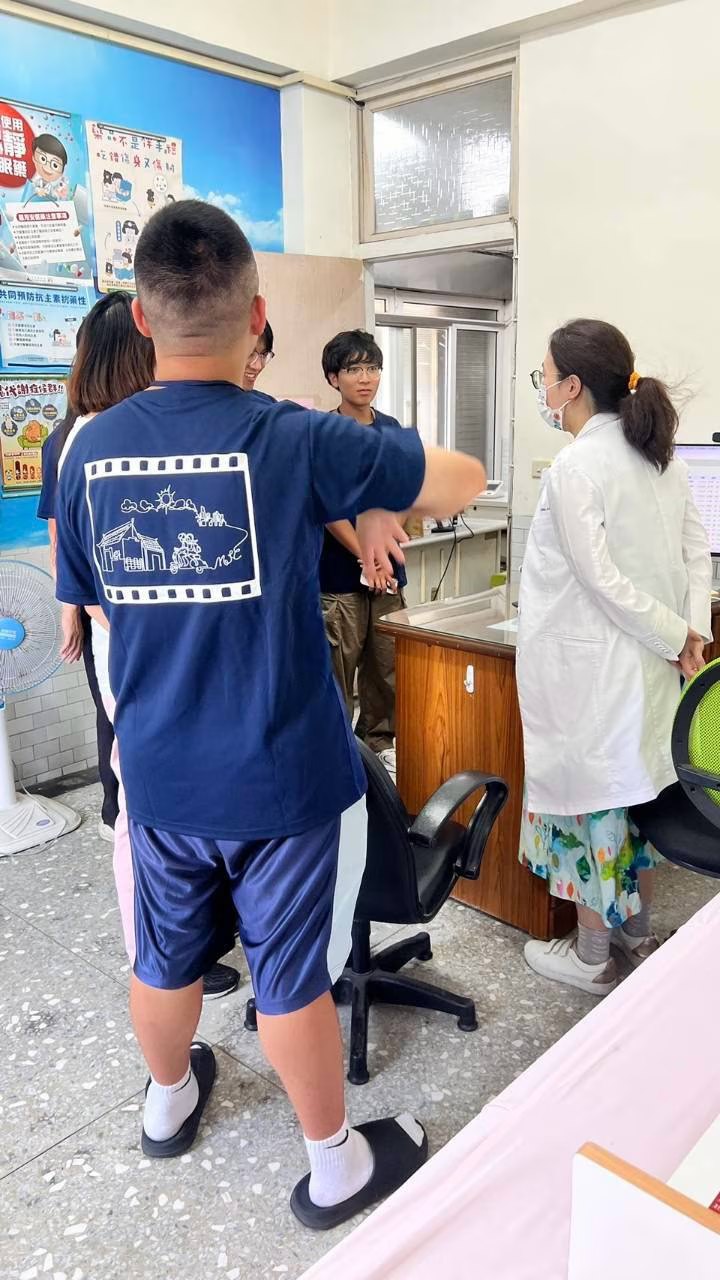
Together with the NCKU Medical Service Team, we travelled to Qigu District, a rural area on the coast of Tainan, and worked alongside the doctors of a local clinic. In the clinic’s own waiting room, we spoke with elderly residents and members of the public about what to do when an infection strikes, why influenza vaccination matters and why it is worth arranging before the season starts, and the common misconceptions people hold about them.
This was not a detour from Capture. Step through how everyday work in Qigu leads straight back to the bacterium at the heart of our project.
Most people in Qigu work in primary industries — farming, fishing, aquaculture and animal husbandry: outdoor, hands-on work, every day.
Work like this makes injuries on the job easy to come by.
An injury at work can easily become an infected wound — which is why knowing what to do when an infection appears matters so much here.
The local doctors told us they have seen P. aeruginosa infections themselves — the very bacterium Capture is built to detect. That made Qigu exactly the place to talk about it.
Three topics, presented together with the clinic’s doctors. Tap a card to see what we covered.
Our other promotion sessions brought Capture to students and scholars. Qigu brought its theme to the people for whom infection is a working hazard, and alongside the doctors who treat them. Hearing from those doctors that P. aeruginosa is not an abstract pathogen here, but one they have met in their own patients, reminded us who a fast, low-cost way of detecting it is ultimately for.
Capture, iGEM and medical school, with the Medical Research Club of National Tainan Girls’ Senior High School
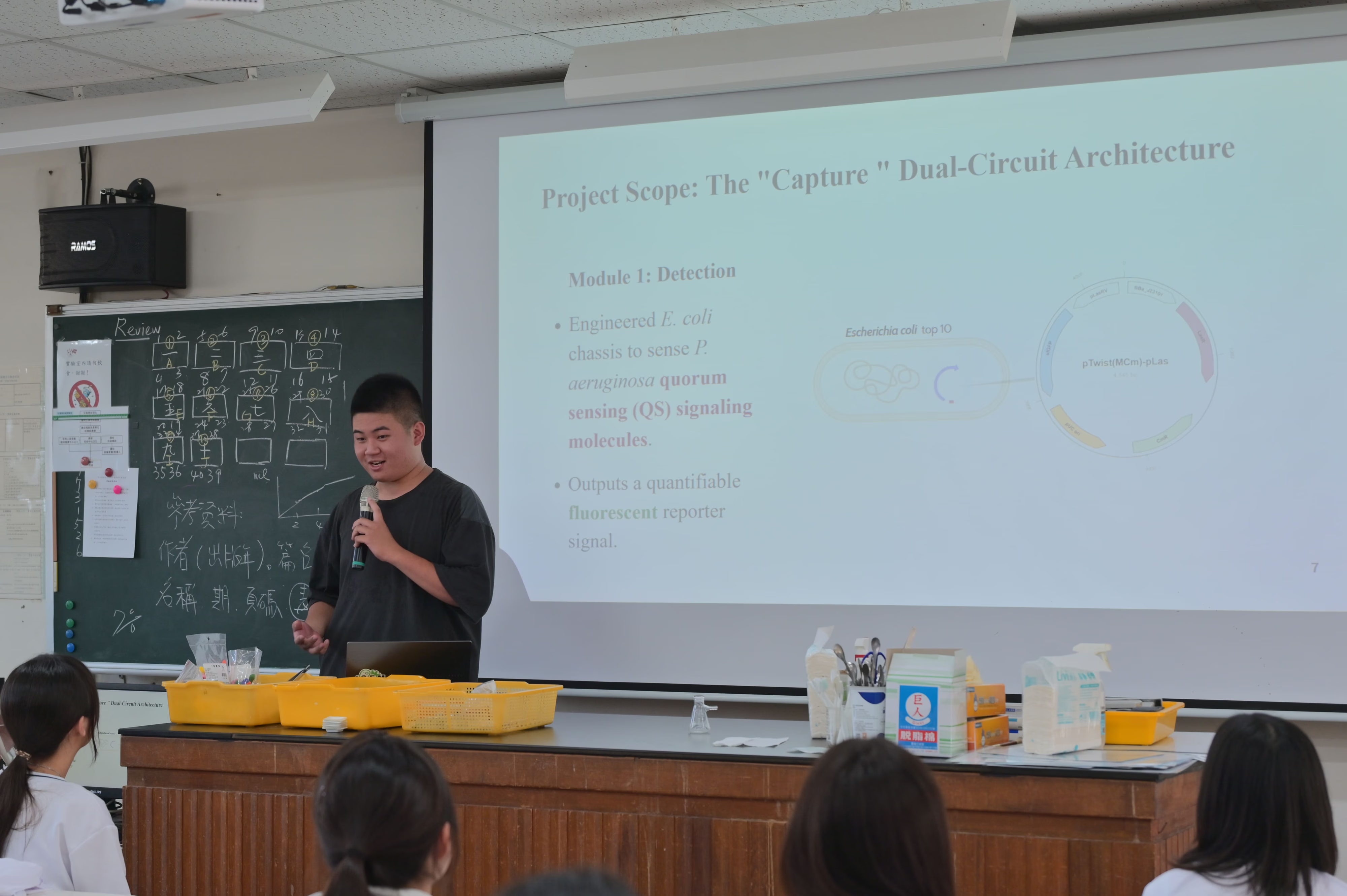
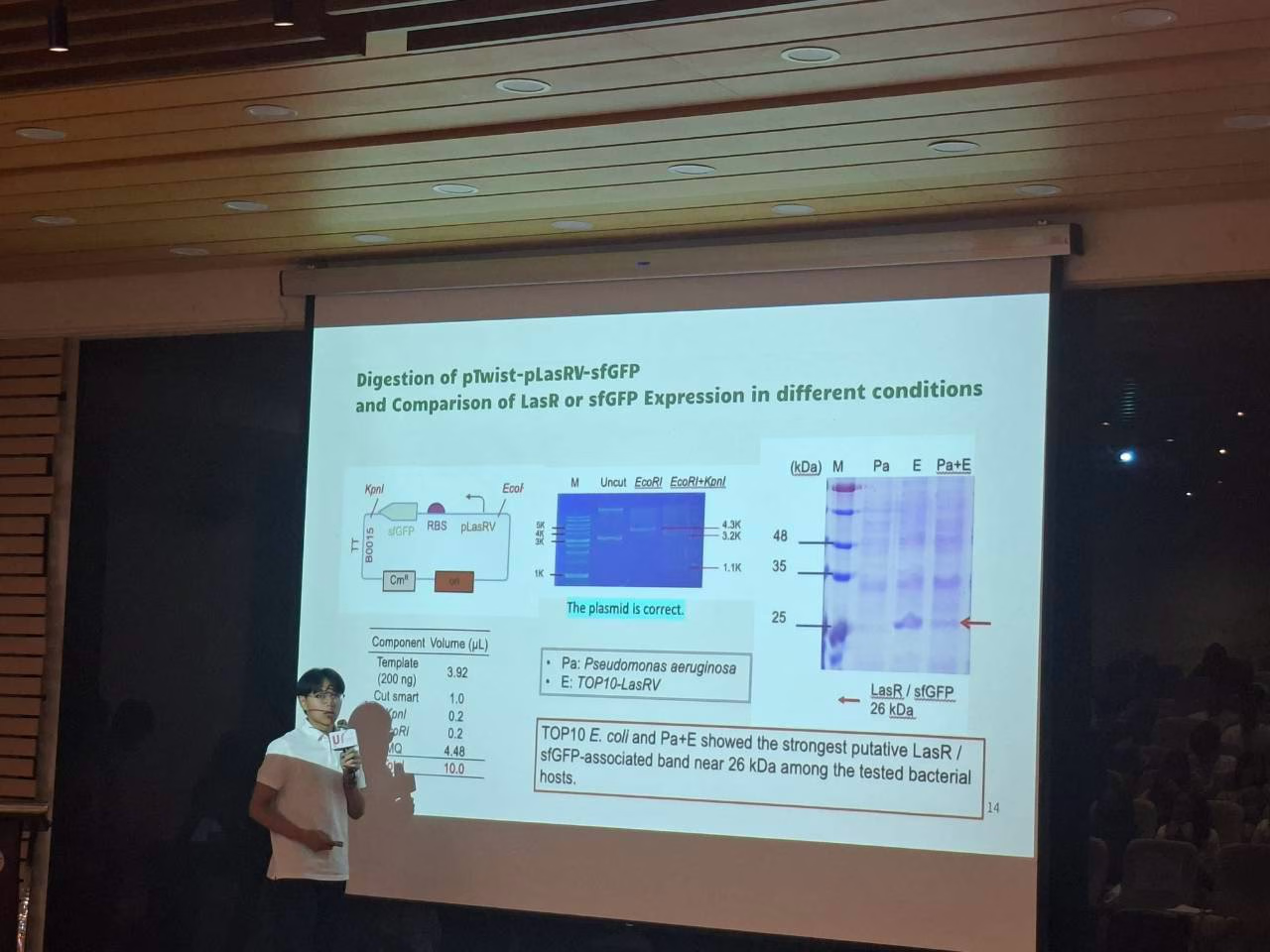
On September 30, 2026, the Medical Research Club of National Tainan Girls’ Senior High School invited us to introduce our project to 50 club members. These students were already passionate about medicine and life sciences, yet for many of them, this was their first encounter with synthetic biology and the iGEM competition. That made them exactly the audience we hoped to reach: future scientists and doctors who had not yet seen how engineering biology could connect to the careers they were dreaming of. We built the session around two themes: our 2026 project, Capture, and a question the club itself asked us to answer: “What is medical school actually like?”
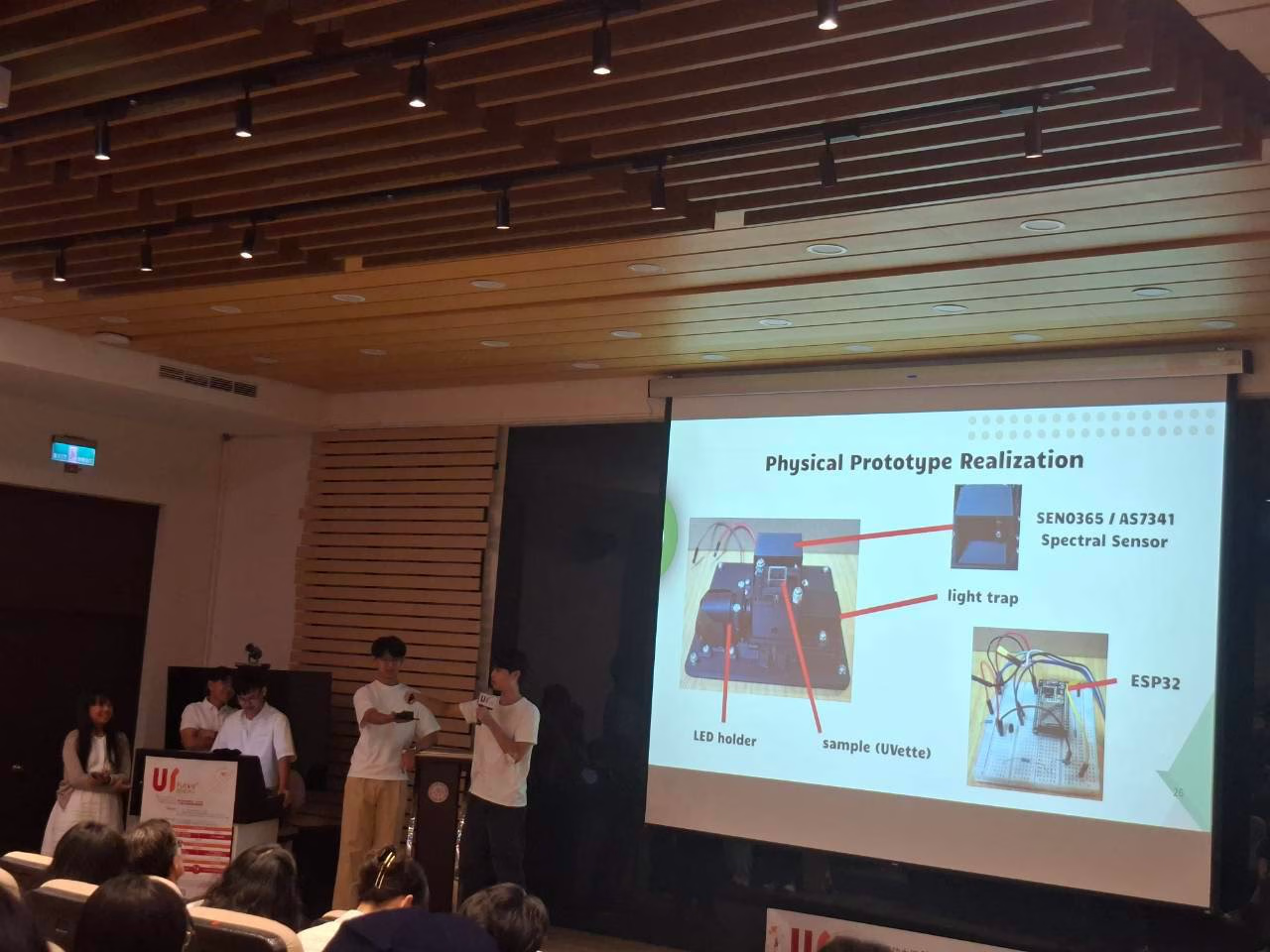
To introduce Capture from every angle, each subgroup presented its own part of the project: what plasmids are, how we designed and expressed our genes, the core ideas of synthetic biology, and how our hardware went from concept to prototype. Because the students were initially shy about speaking up, we shared an anonymous Google Form so that anyone could ask questions at any time. It collected 31 questions, most of them about the details of our gene circuit. For an audience meeting synthetic biology for the first time, this showed that they were not just hearing about Capture but engaging with its actual design.
In the second half, our team leader Hank, a second-year medical student, explained why he chose medicine, what daily life in medical school looks like, and why a medical student would join a synthetic biology competition. His story showed the students that iGEM is not limited to biology or engineering majors: future doctors can also use synthetic biology to address health problems. This part drew the strongest response of the day, with students asking about the realities of studying medicine and how the health insurance system affects medical practice.
Instead of running a lab demonstration, we promoted our project through first-hand stories and open conversation. The 31 anonymous questions also showed us that an online question channel helps reach students who would not otherwise speak up. Most importantly, this format allowed students to connect Capture and iGEM with their own interests and future careers, turning a first introduction to synthetic biology into a field they could see themselves in.
A few of the questions club members sent in through the anonymous form — open a card to see how we answered.
More of the club’s questions — about iGEM itself, high-school chemistry and life at NCKU — together with what this format taught us about teaching, are on Education.