Loading the page

Meet with Experts

← Human Practices

Rising

We took Capture upward, to people with professional backgrounds, and asked them for the strengths and weaknesses of what we were building. Each conversation was two-way: we explained our design, they questioned it, and their advice told us where to improve.

Academic expert

Starting Our iGEM Way: the Human Practices Part, with Leslie

Leslie Y-P Tsai

Executive Director, Atelier Future, National Cheng Kung University

March 2, 2026

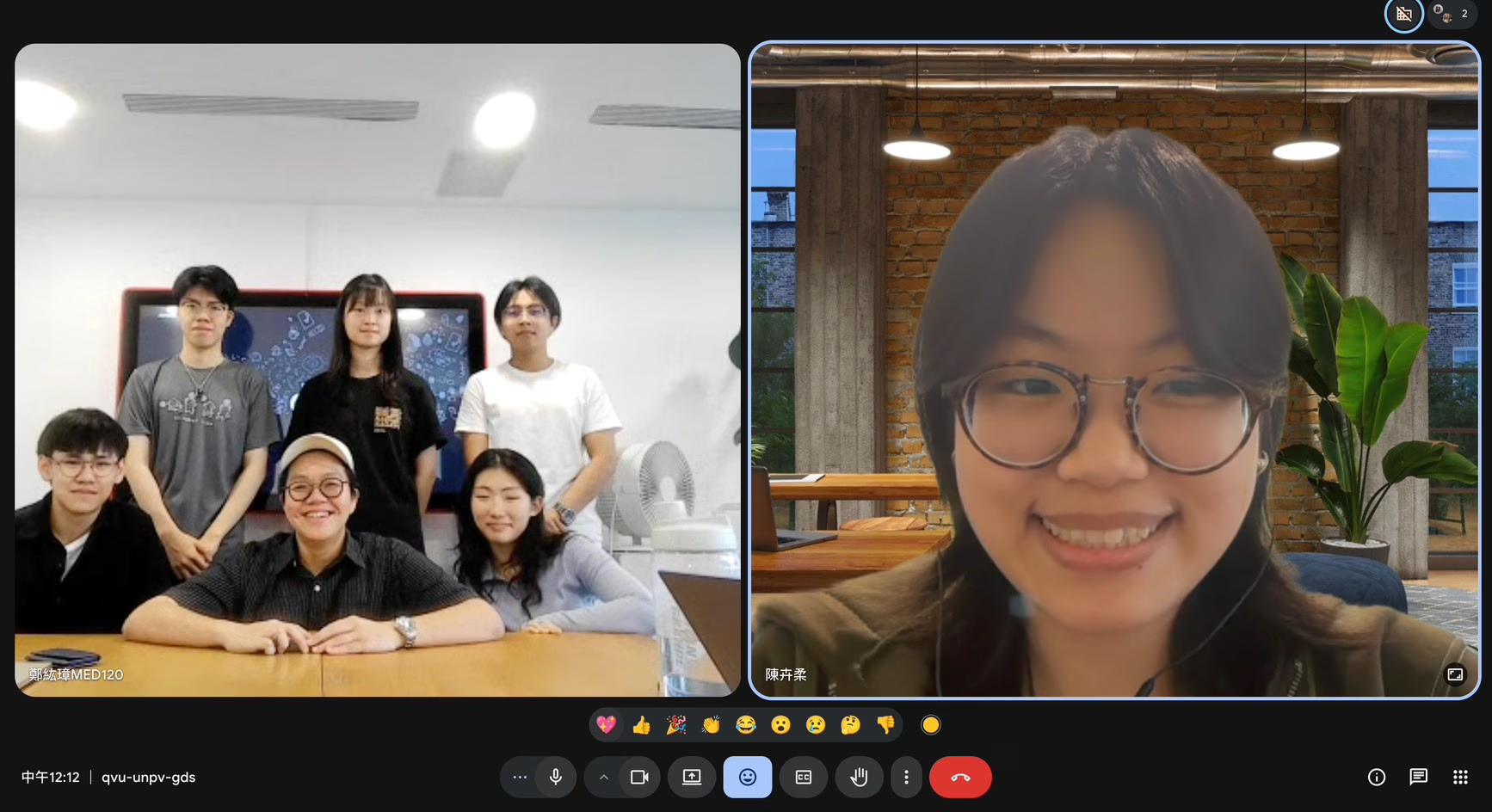
Before we had settled on a project, we wanted Human Practices to be part of how we built our team, not something added once the science was underway. Through an introduction from the Human Practices lead of the 2025 NCKU-Tainan iGEM team, we met Leslie Y-P Tsai, Executive Director of Atelier Future at National Cheng Kung University, right at the start of our season.

We brought him the questions a new team actually has before anything else is decided: how to build a team that can hold together over a long project, how to raise funds before there is anything to show for the work, and how to connect an idea still confined to a lab to the society it is meant to serve. Drawing on his own experience running Atelier Future, he walked us through each in turn — team structure, fundraising, and public engagement — and pushed us to treat these as questions the project is built on, not administrative afterthoughts to handle later.

The conversation gave us our first clear sense of where Human Practices sits in a team like ours — not a section to fill in once the lab work is done, but a thread meant to run through the whole season — and it shaped how we planned the months that followed.
Clinical expert

Finding what the clinical setting needs

Dr. Xin Min Liao

Physician, Division of Chest Medicine, National Cheng Kung University Hospital

April 10, 2026

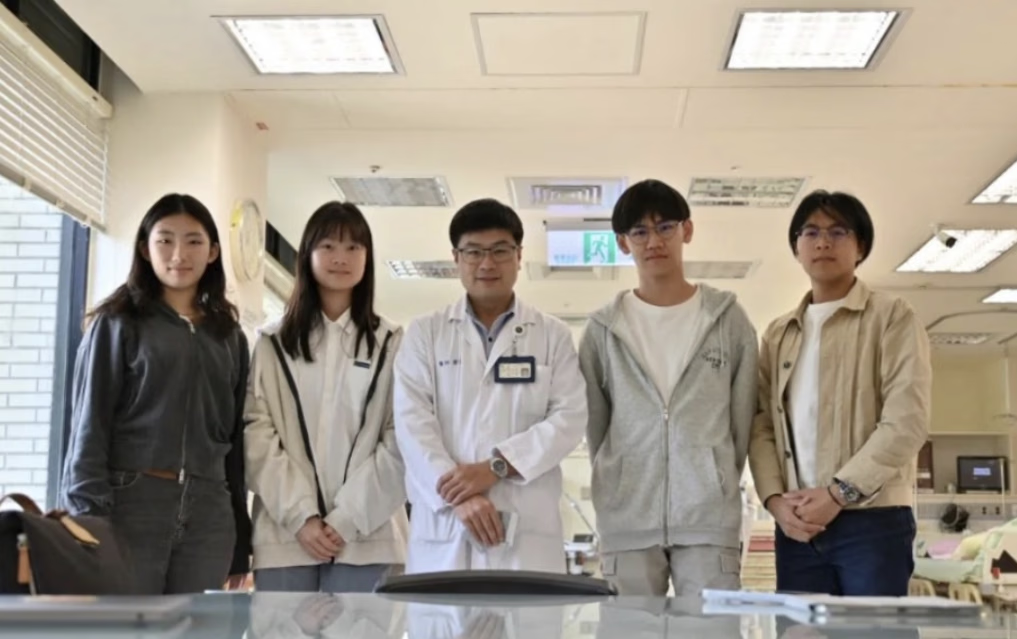
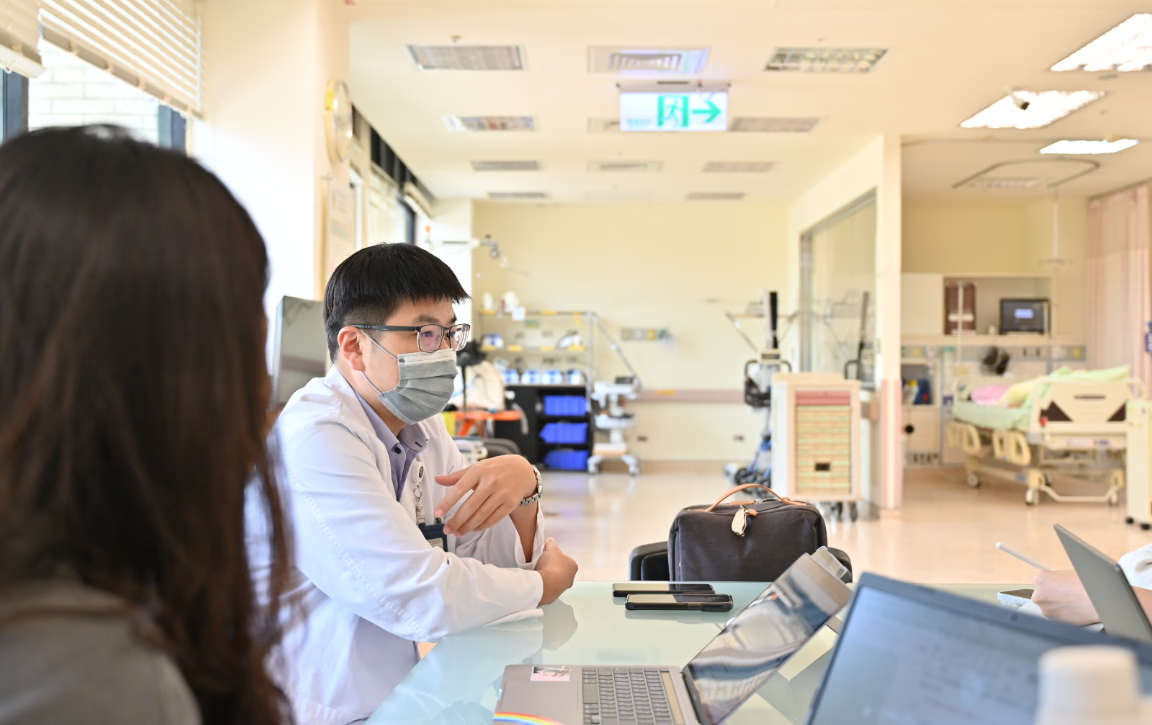
Before we committed to a design, we wanted to hear what the clinic actually needs. So we sat down with Dr. Xin Min Liao, a chest physician at National Cheng Kung University Hospital, and asked him how infections are really handled at the bedside.

He began with how antibiotics are actually prescribed. In clinical practice, only about 20% of patients who receive antibiotics are treated on the basis of drug-susceptibility results; the rest are treated empirically, and acutely ill patients in particular depend on the physician’s experience.

We had come with an idea of screening for infection before symptoms appear. Dr. Liao was candid: he did not think that was very feasible, and it would have to be weighed against cost. Instead, he pointed us toward a different need — helping to tell which bacterium is responsible, within a short time. Today’s identification methods take days and are expensive, so a quick way to identify the species would have real potential, even if it could only detect Pseudomonas. He also noted that Haemophilus influenzae is another common cause of ventilator-associated pneumonia (VAP) in Taiwan.

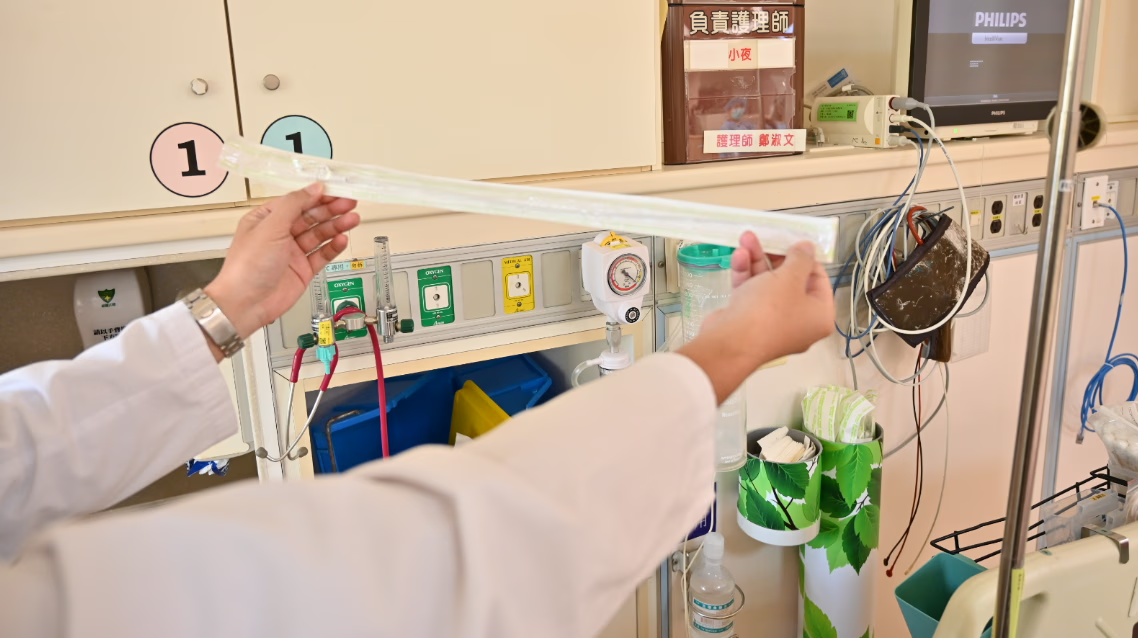
Then he walked us through where a sample would actually come from. In the ICU, sputum is suctioned about every 2 hours, and about every 4 hours at night; on general wards the frequency varies, and suctioning is usually done by caregivers or family members rather than nurses. A suction machine has a negative-pressure unit at the front, which draws the sputum into a collection canister — and Dr. Liao suggested we design our device to sit at the front end, where the sample would be more accurate.

He left us with encouragement: he believes our approach has great potential in the clinic.

~20%of antibiotic treatment guided by susceptibility results
2 hrbetween sputum suctions in the ICU, by day
4 hrbetween suctions in the ICU, at night
Daysfor today’s identification methods — and they are expensive
Academic expert

Aptamer? An insightful conversation with Prof. Shiesh

Prof. Shu-Chu Shiesh

Department of Medical Laboratory Science and Biotechnology, National Cheng Kung University

May 27, 2026

With the aptamer at the centre of our design, we brought the idea to Prof. Shu-Chu Shiesh of NCKU’s Department of Medical Laboratory Science and Biotechnology.

She told us we would not be the first to point aptamers at infection: others have built aptamer-based detection into a chip integrated with a urinary catheter, also to detect infection. It showed us that the idea of bringing aptamer sensing to the bedside has real precedent.

Then she turned to what makes an aptamer work at all. An aptamer only functions once it has folded into the right structure, and the pH of the buffer affects whether it can fold correctly; it also needs specific ions to do its job. Her suggestion was practical: try buffers in different proportions to find the conditions under which the aptamer works best.

She liked the idea, and encouraged us to give it a try.

Industry · fabrication

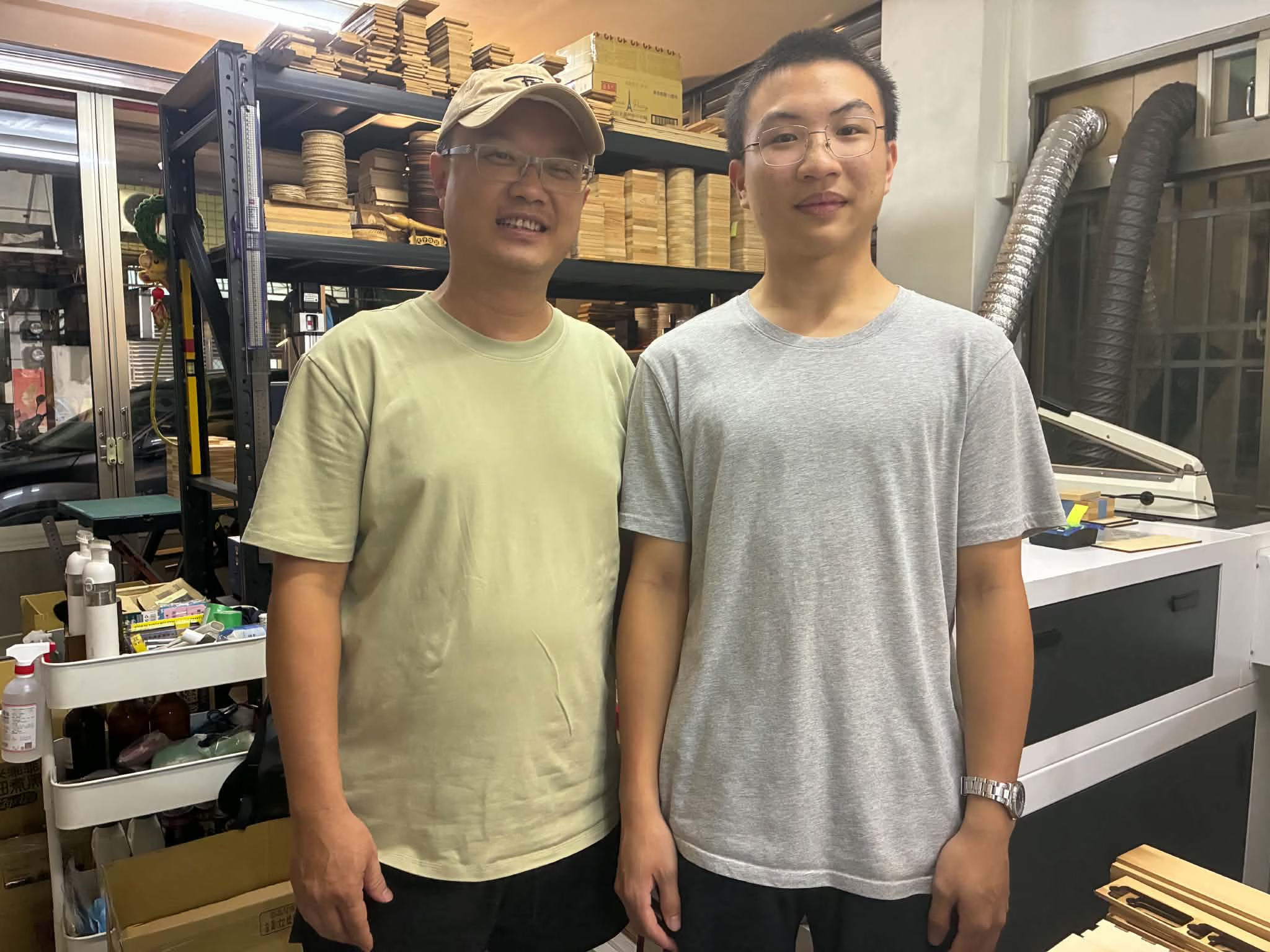
Ai Wei Li Laser Engraving Studio: the hardware shell

Ai Wei Li Laser Engraving Studio

September 10, 2026

While developing the hardware, we wanted to build it from cost-effective and reusable materials, so we looked at 3D printing and laser cutting as ways to make it. Between July and August we tried a number of materials and designs for the hardware case, but most of those prototypes did not meet our requirements for strength and efficiency.

To improve the design, we took our design files to Ai Wei Li Laser Engraving Studio and went through them there, and the studio advised us on material choice and the fabrication process. First, every material has its own properties, light reflection among them, and they have to be taken into account when the device is built. Second, they stressed the thickness of the material, above all where different parts join, because a poor connection can let light leak in.

We then assembled and adjusted the hardware at the studio, with the maker’s support on site.

Academic expert

Finding what we need to improve

Prof. Nan-Si Li

Department of Biotechnology and Bioindustry Sciences, National Cheng Kung University

September 22, 2026

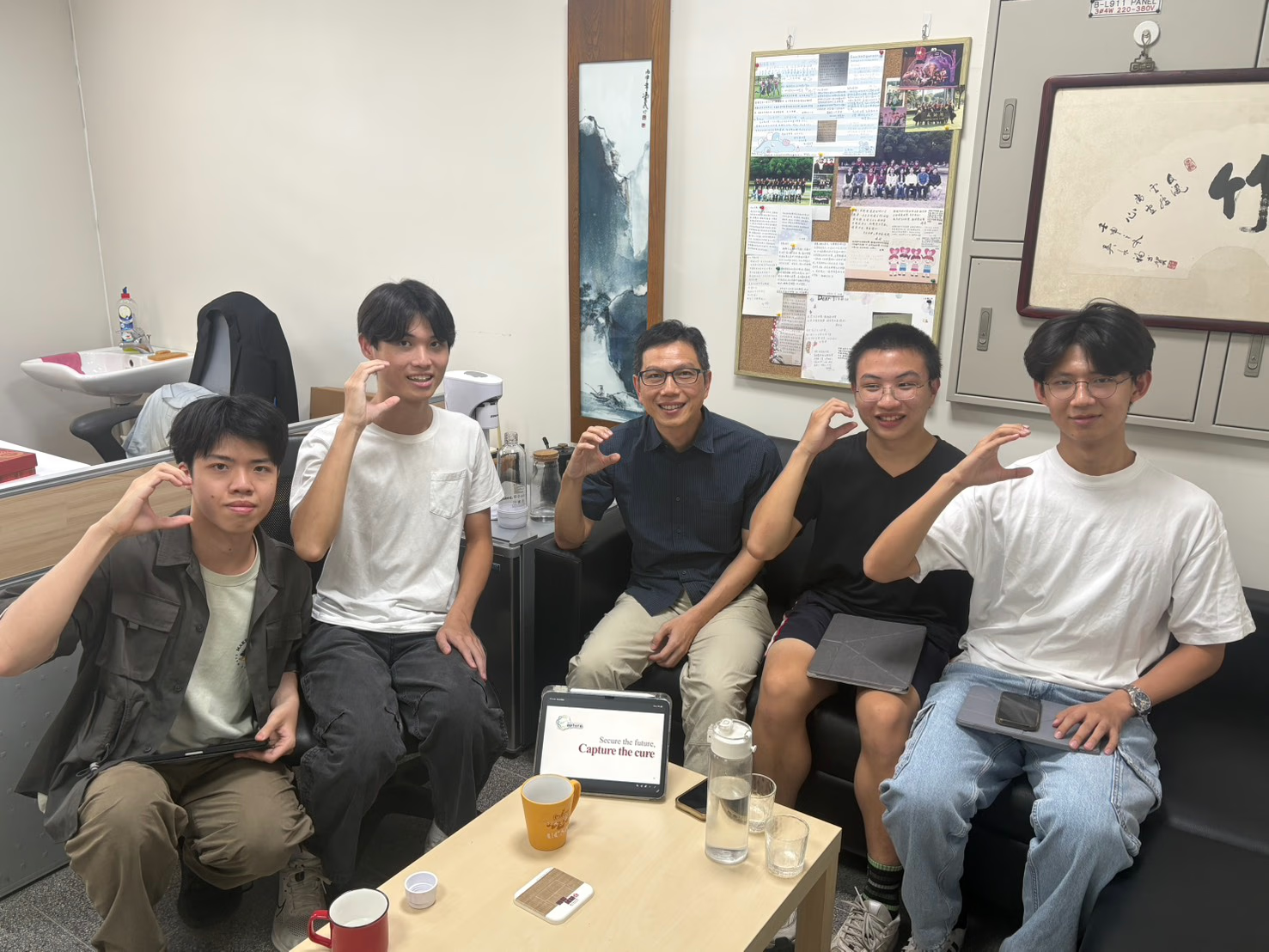
By late September, Capture had a working design, and we wanted someone to look hard for its weak spots. Prof. Nan-Si Li of NCKU’s Department of Biotechnology and Bioindustry Sciences did exactly that.

He started from how a project like ours should be framed: with a specific target — which kind of specimen, and what in that specimen could interfere. A real sample is not a clean one, and the things in it do not all act on the same part of the system. Antibiotics can act on the engineered E. coli itself, affecting whether the cells stay viable and keep responding. Viscosity is a handling problem: a thick specimen is harder to take up, to mix and to read repeatably. And the naturally fluorescent substances a body contains interfere with the fluorescence measurement, adding signal that is not ours. Each needs its own answer, so each has to be named separately rather than lumped together as something that degrades the system.

He was equally careful about what we claim. Capture is still a proof of concept, so what we can say it does is detect the specific quorum-sensing signals associated with P. aeruginosa — not that it diagnoses the infection, and not yet that it estimates the risk of one. Reading a result as clinical risk would be a later step, and reaching it means first characterising the system’s analytical performance and then validating it clinically.

Finally, the workflow. It should start from a clear target user and be designed the whole way through, from sample to answer: preparing the specimen, the biological sensing reaction, reading the fluorescence on a portable instrument, and interpreting the data in software. Our reader and our software are the third and fourth of those steps; the first is a front-end unit to process the sample, which our device could sit behind.

Academic expert

Designing for the clinic: priorities, DNA stability and sensor choice

Prof. Tsung-Lin Liu

Chair of the Department of Biotechnology and Bioindustry Sciences, National Cheng Kung University

September 22, 2026

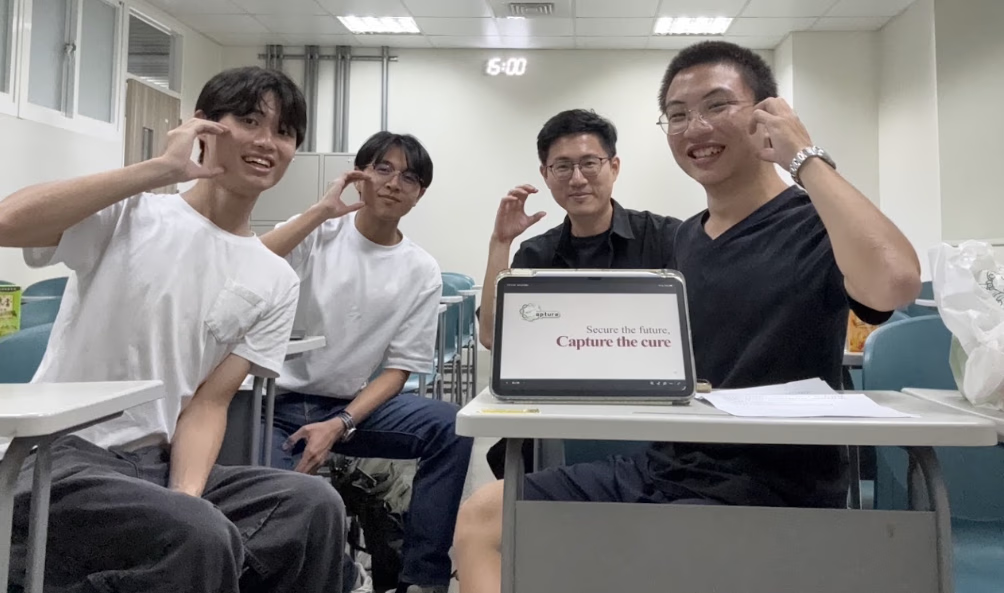
Prof. Liu began by asking us what we value most in designing and developing our hardware. Weighing the current needs of medical testing, we settled on three priorities: low cost, speed and convenience, with the aim of a testing method that is both accessible and efficient.

Prof. Liu also suggested that we collect and analyze the relevant DNA sequences, so that we can anticipate how enzymes present in patient samples might degrade them. Doing so would help us choose suitable sequences and make our system more stable and reliable for future clinical use.

On the hardware design itself, Prof. Liu encouraged us to explore a wider range of sensors and to make use of their different detection thresholds and characteristics. Experimenting with different sensing mechanisms may reveal new ways to improve the performance of our detection system.