 Loading the page
Workshop: 3D玩家出任務 — Discover × Design × Detect
Sharing science might not transform their lives overnight, but it lights a beacon that guides them toward a broader world.
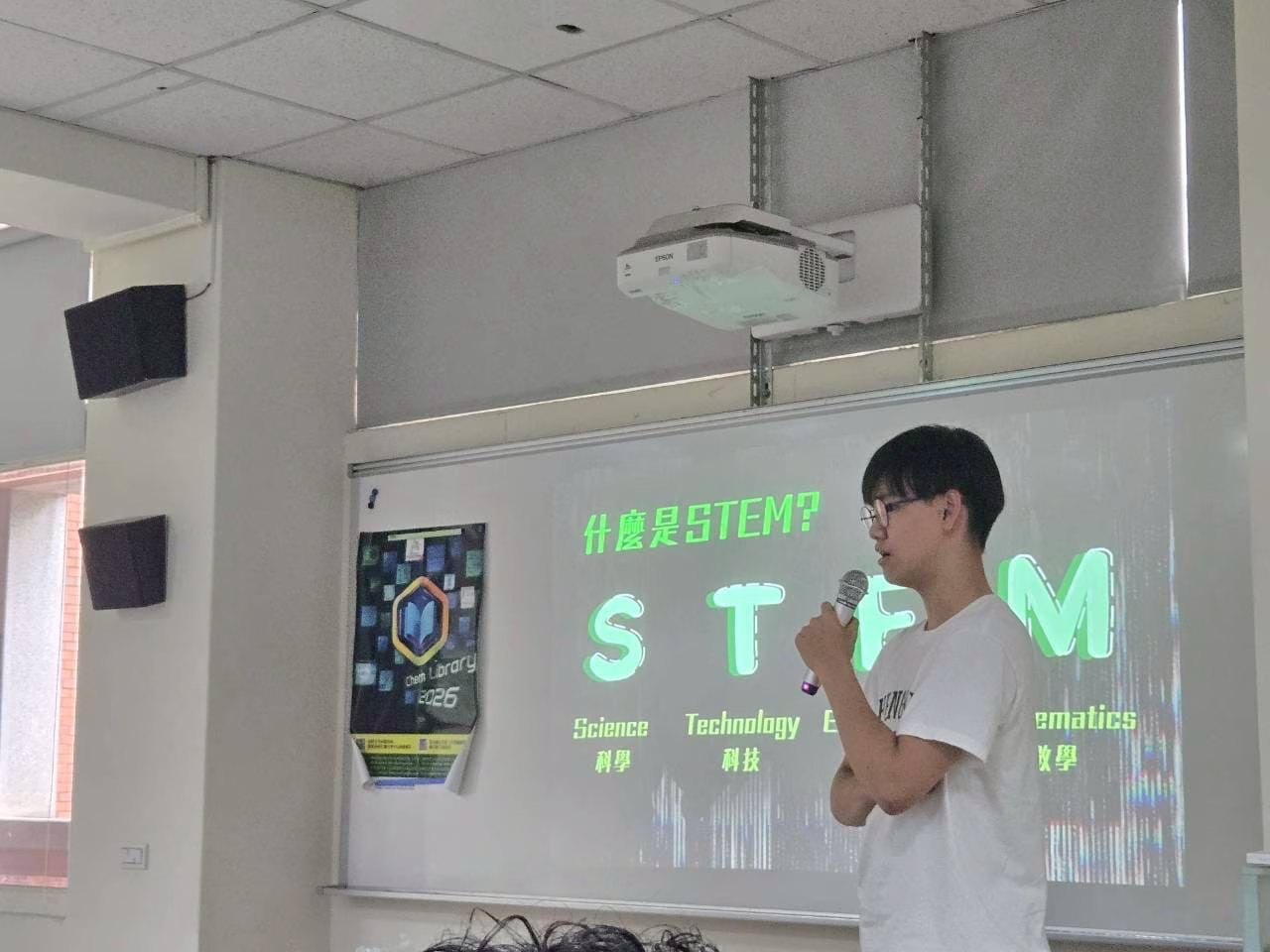
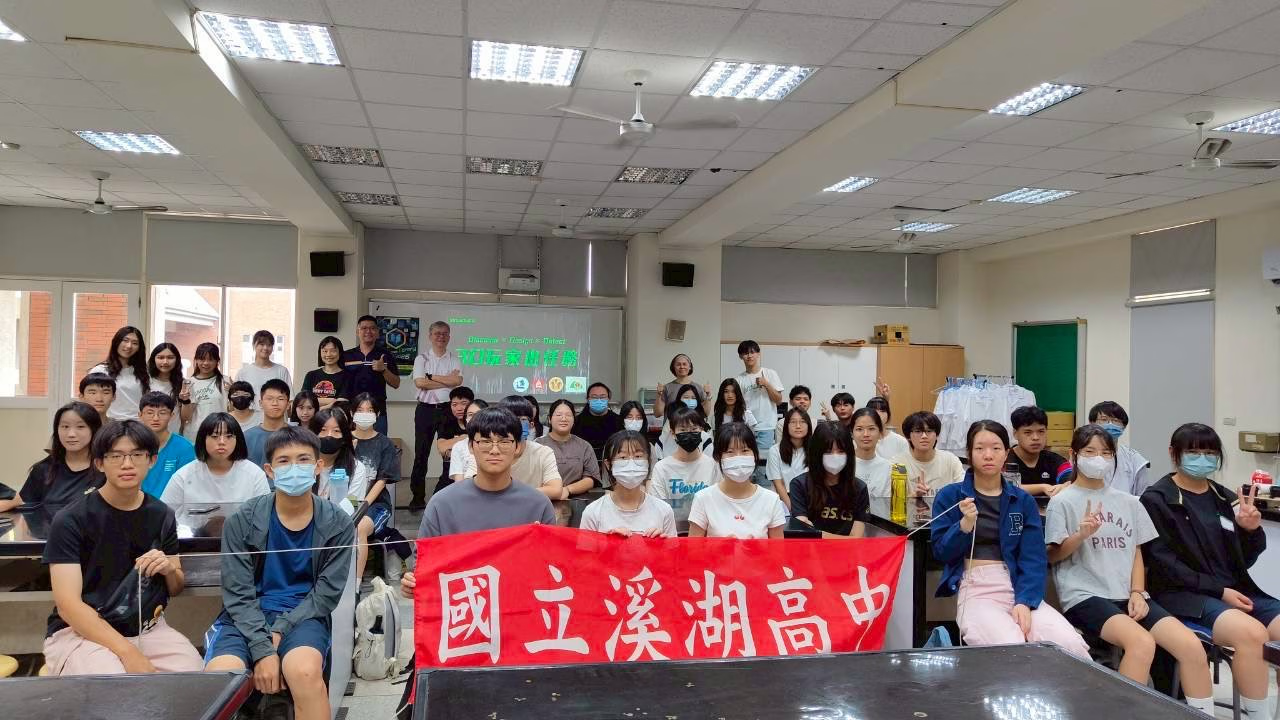
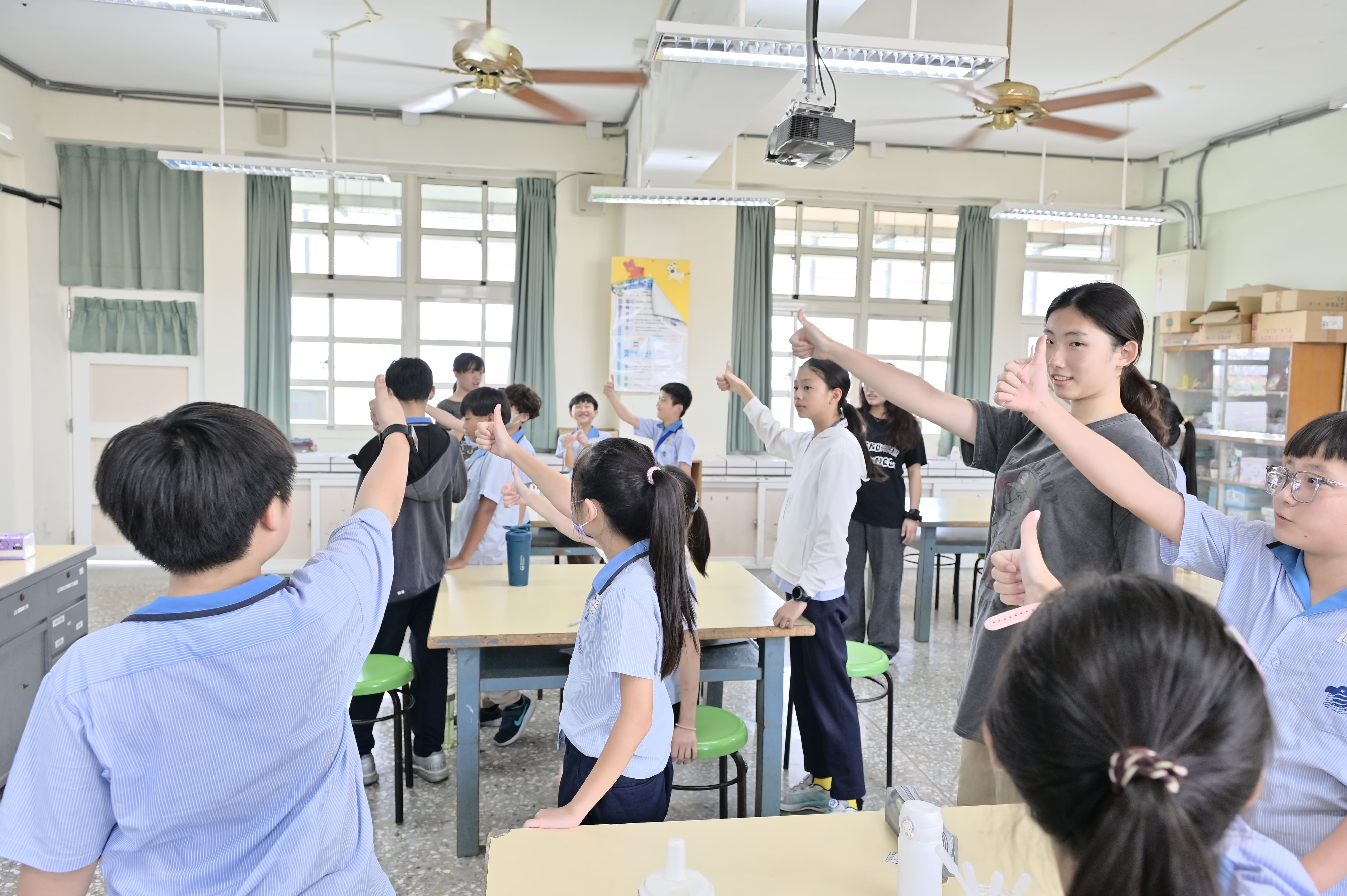
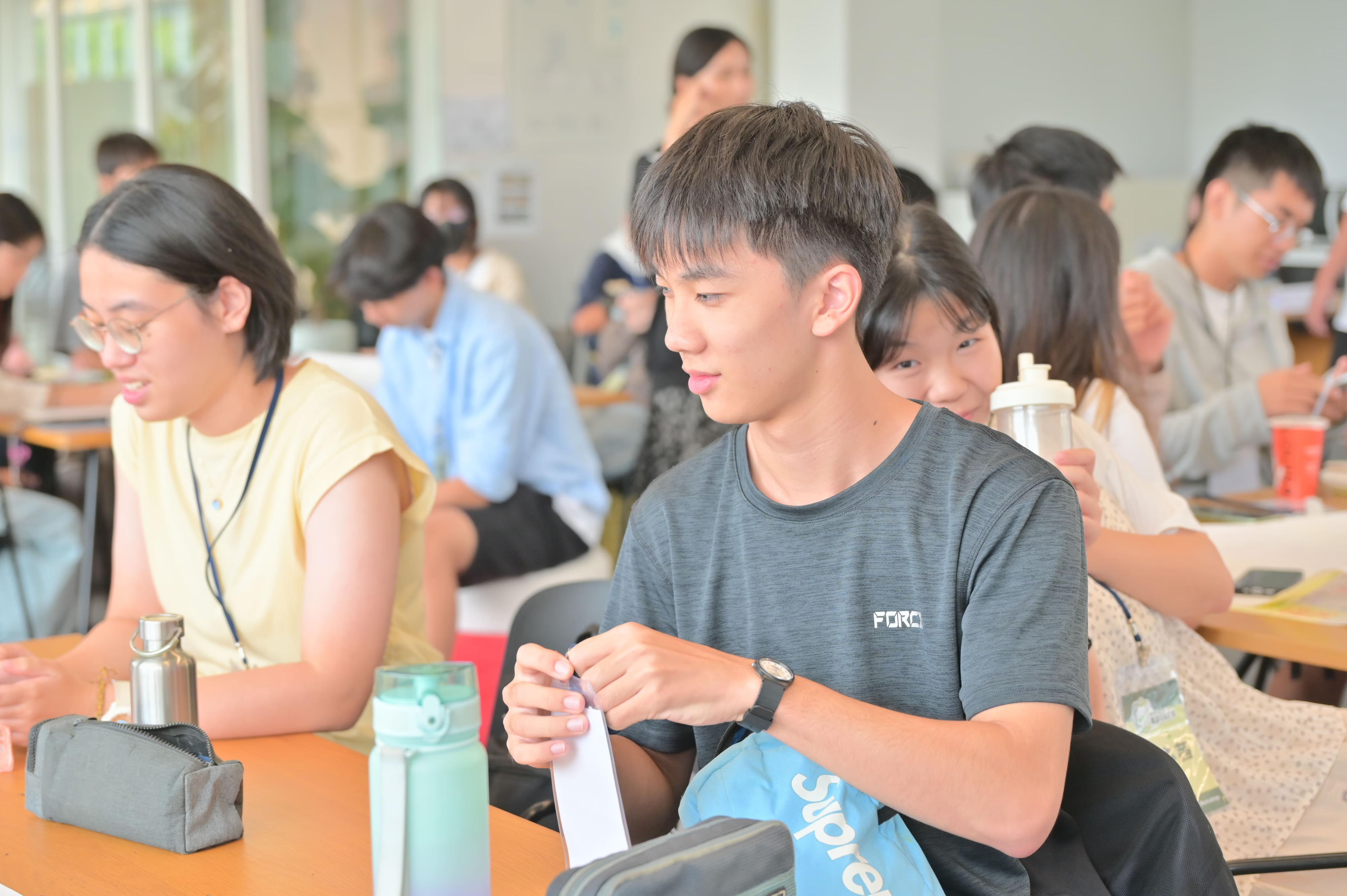
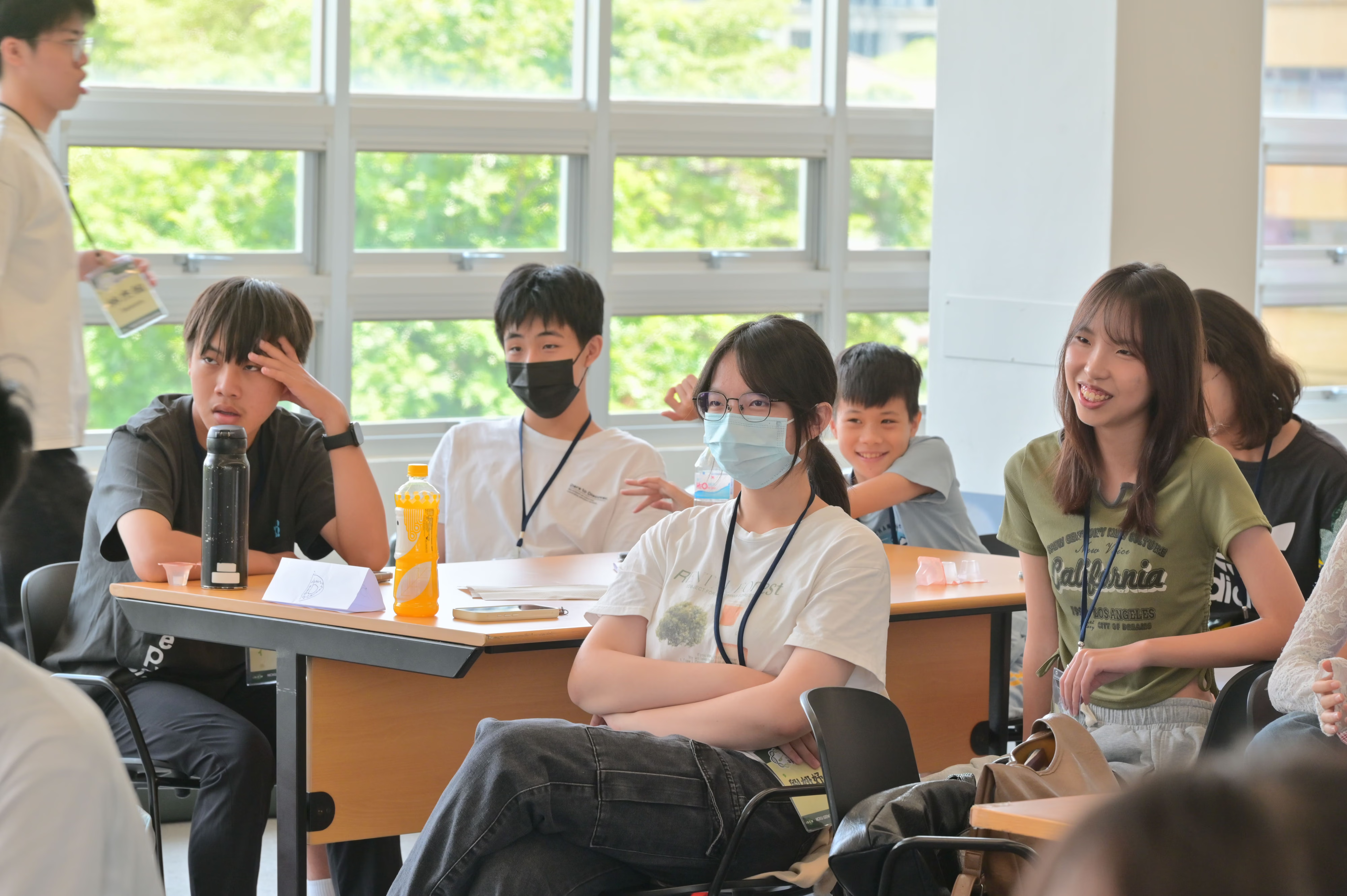
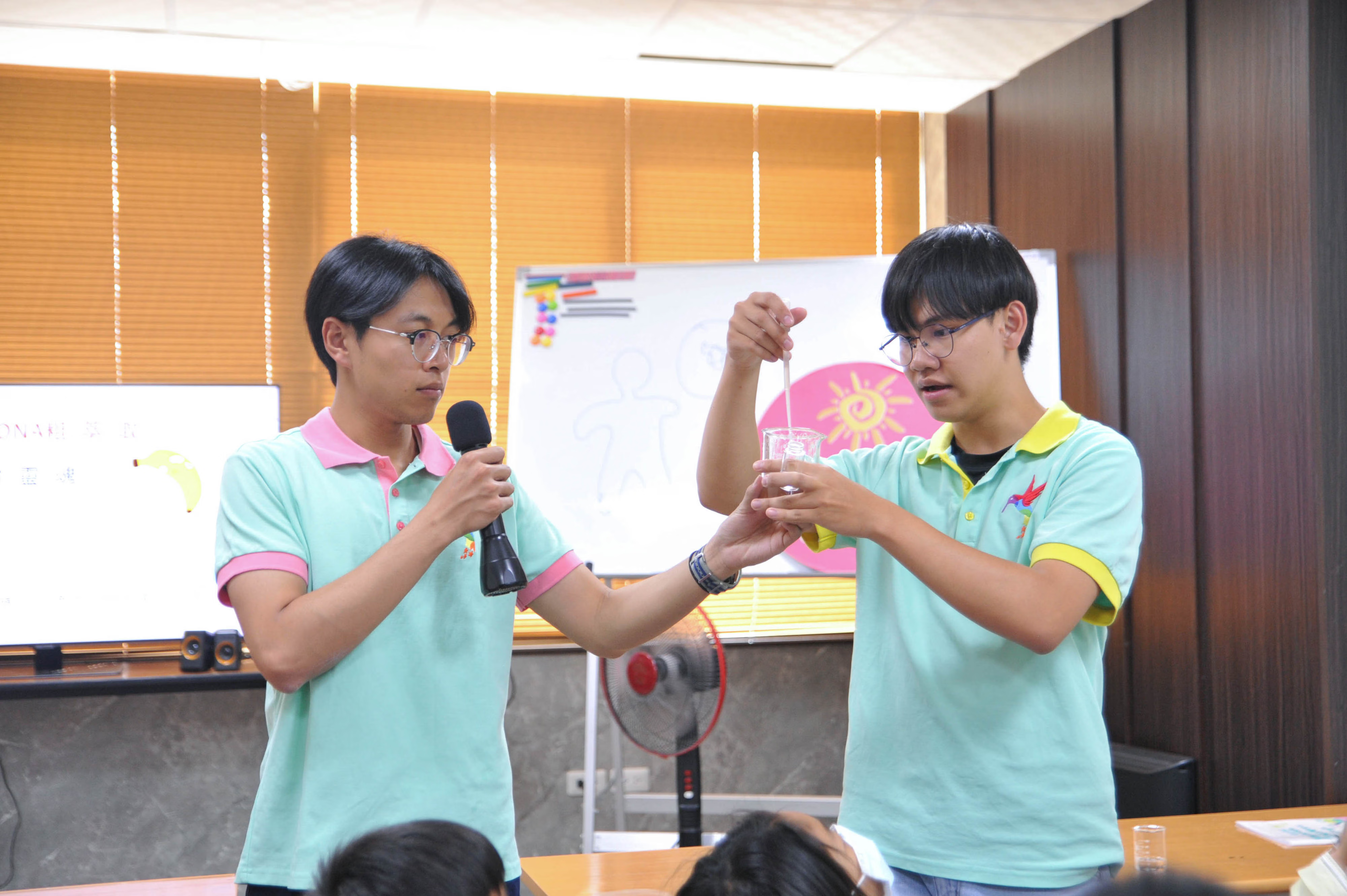
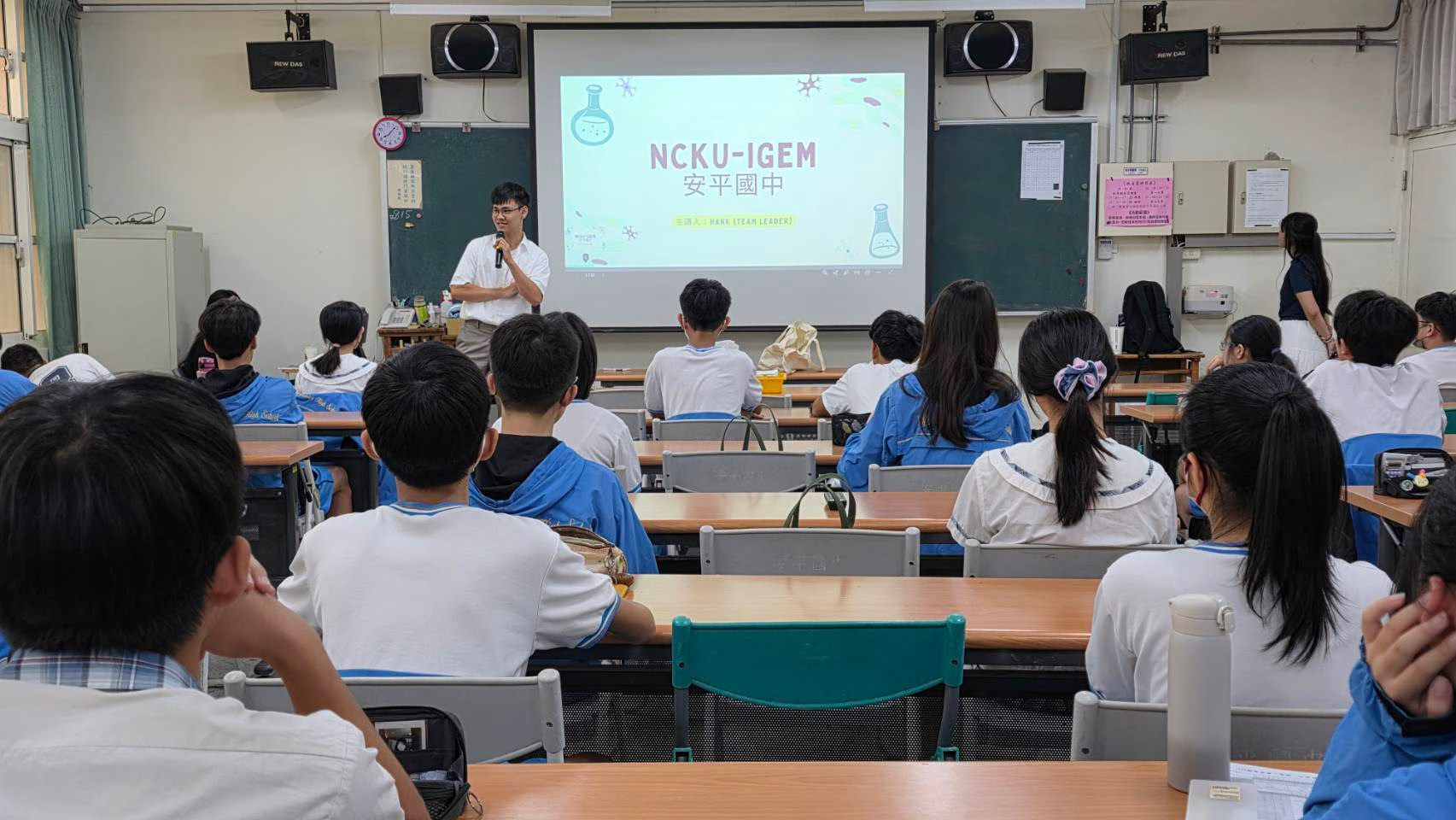
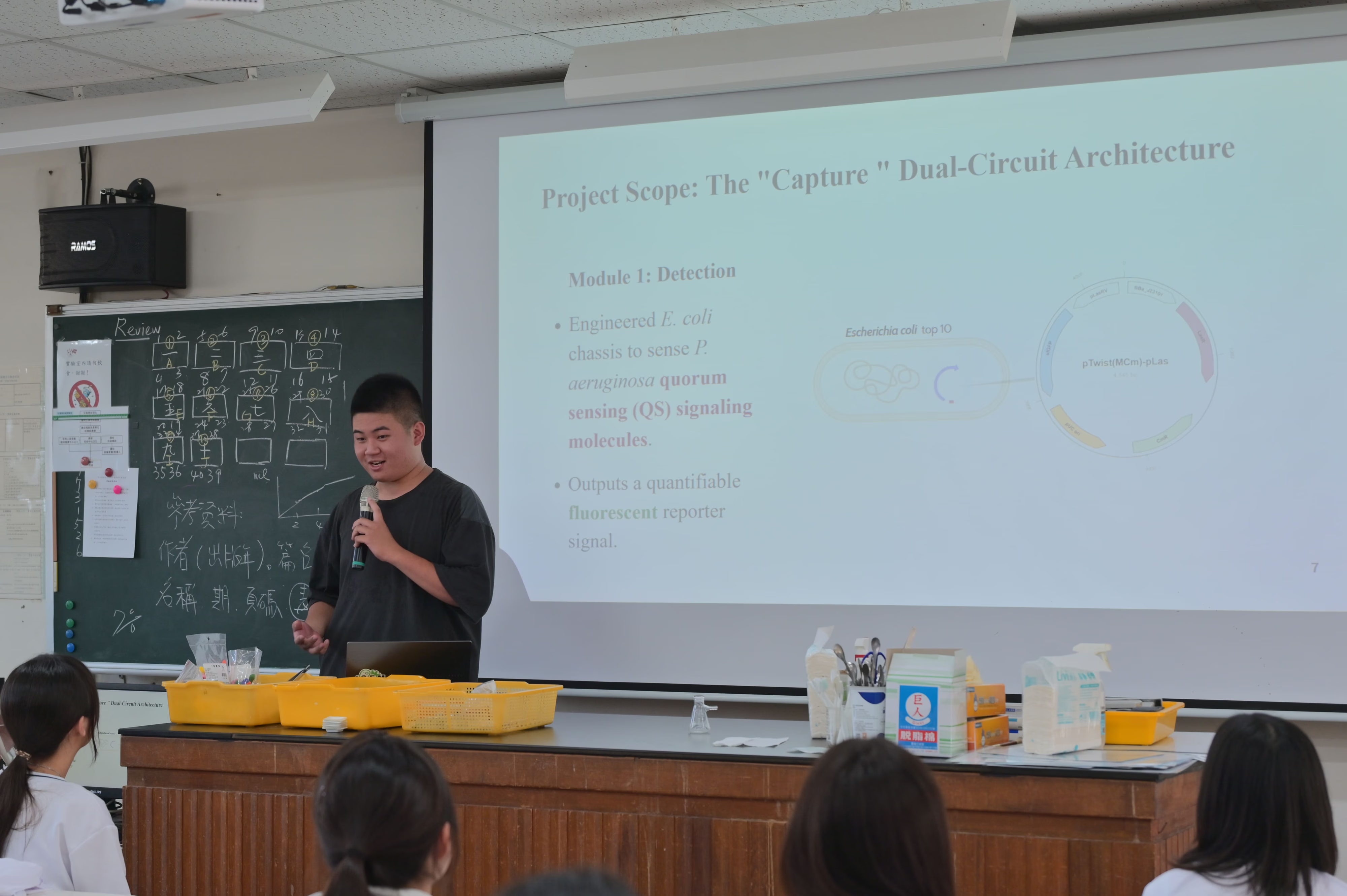
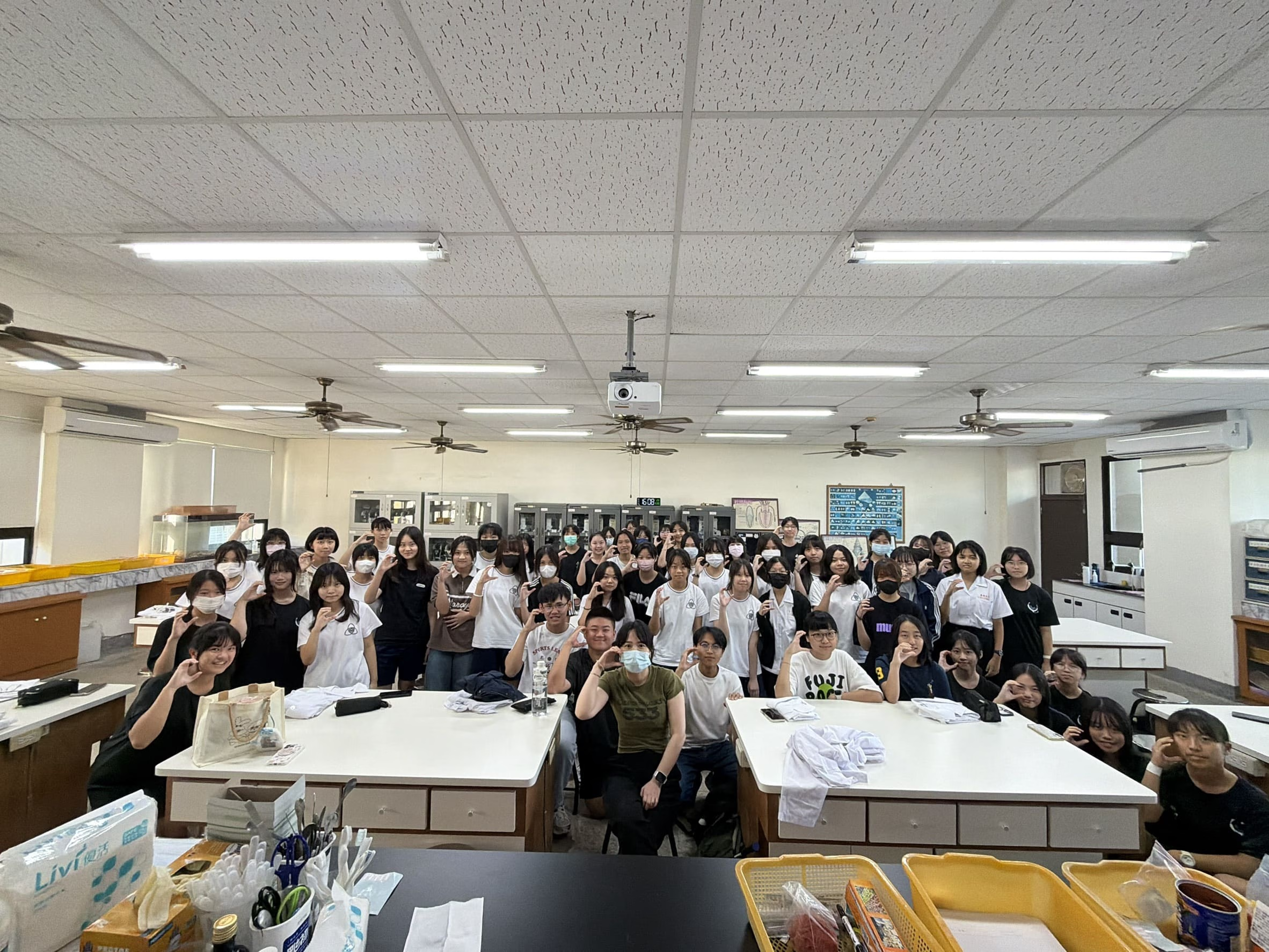
On May 24, 2026, we hosted an interactive Synthetic Biology and STEM camp at National Xihu Senior High School in Changhua County for 39 students from both the senior and junior high schools. With no gender quotas in registration, 26 of the 39 participants (66.7%) were female—a turnout that reflects how an open, approachable learning environment can naturally support Women in STEM.
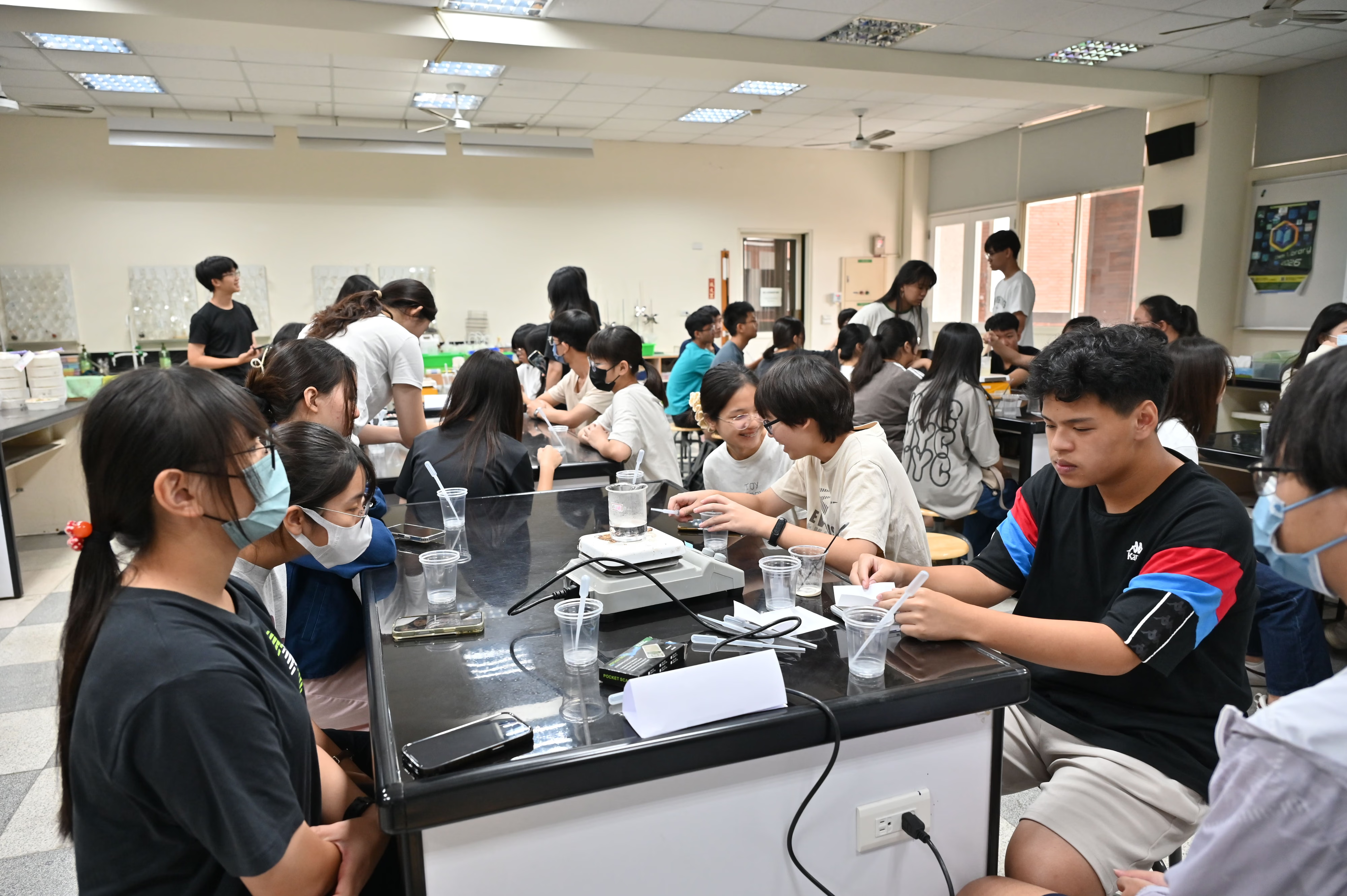
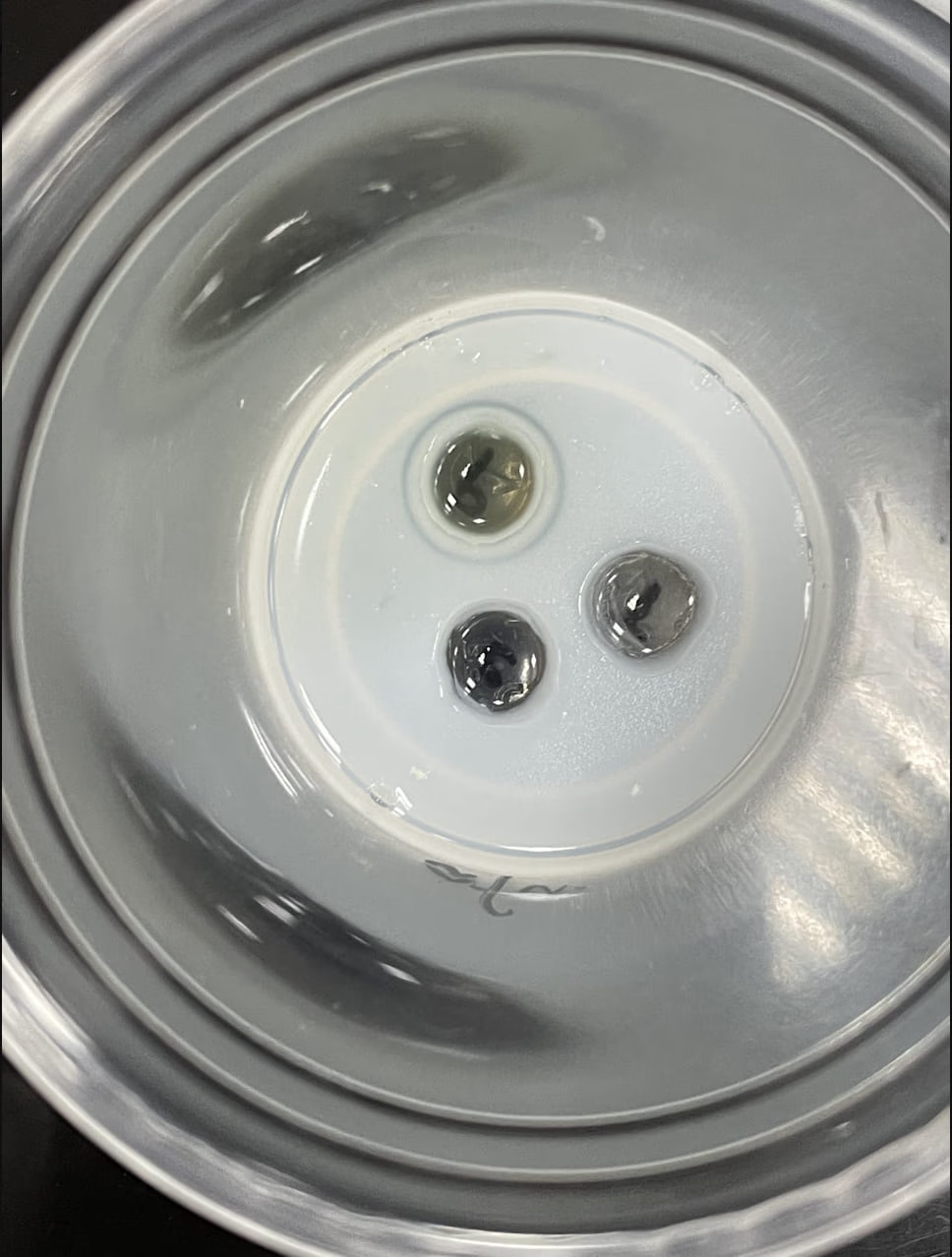
To make synthetic biology tangible, our curriculum linked STEAM concepts to our 2026 project, "Capture," using an agar-protease assay built from household materials to model how Pseudomonas aeruginosa degrades epidermal cells' extracellular matrix. Watching the simulated tissue degradation in real time showed students that complex biology can be explored with simple tools.
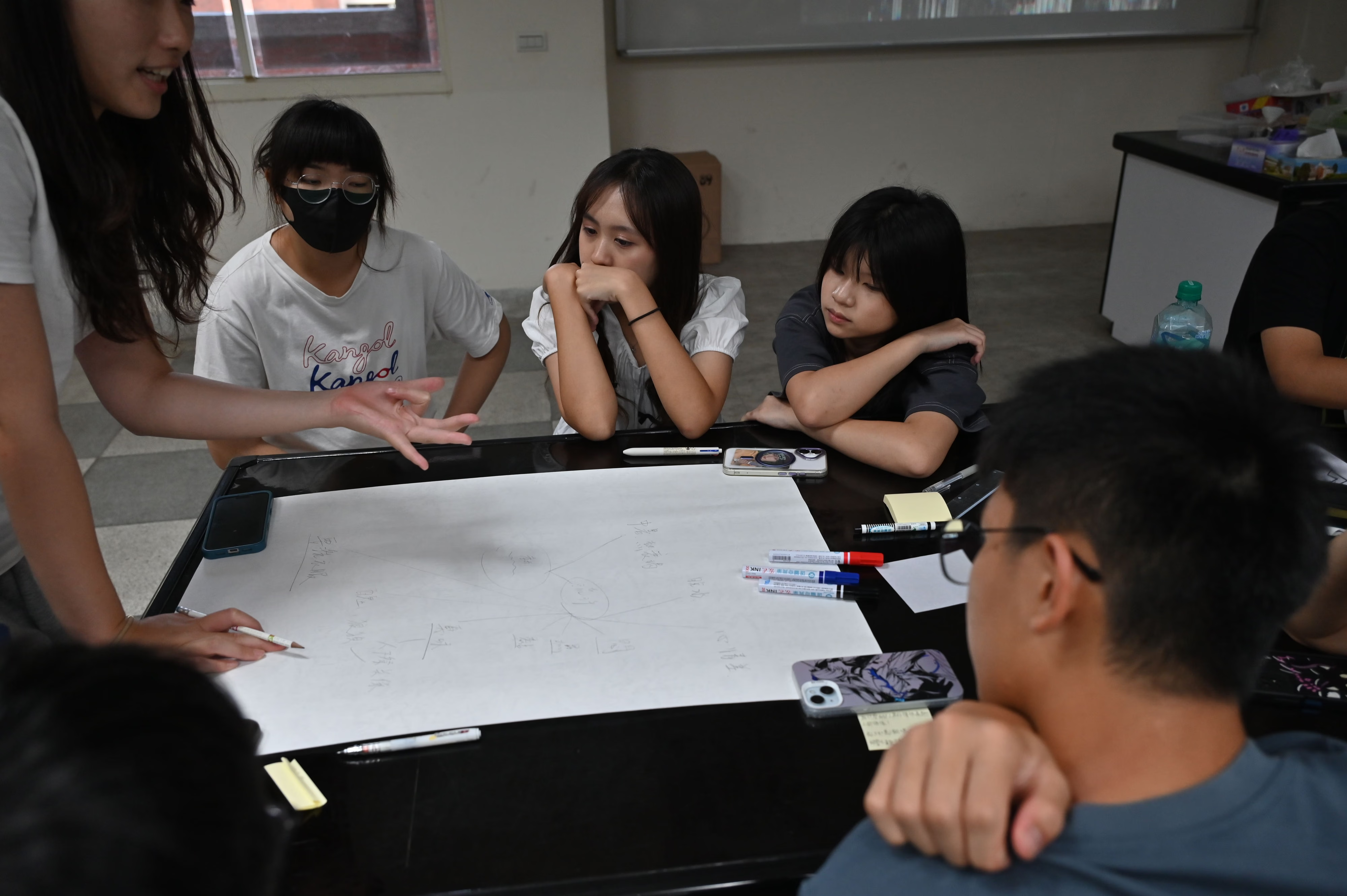
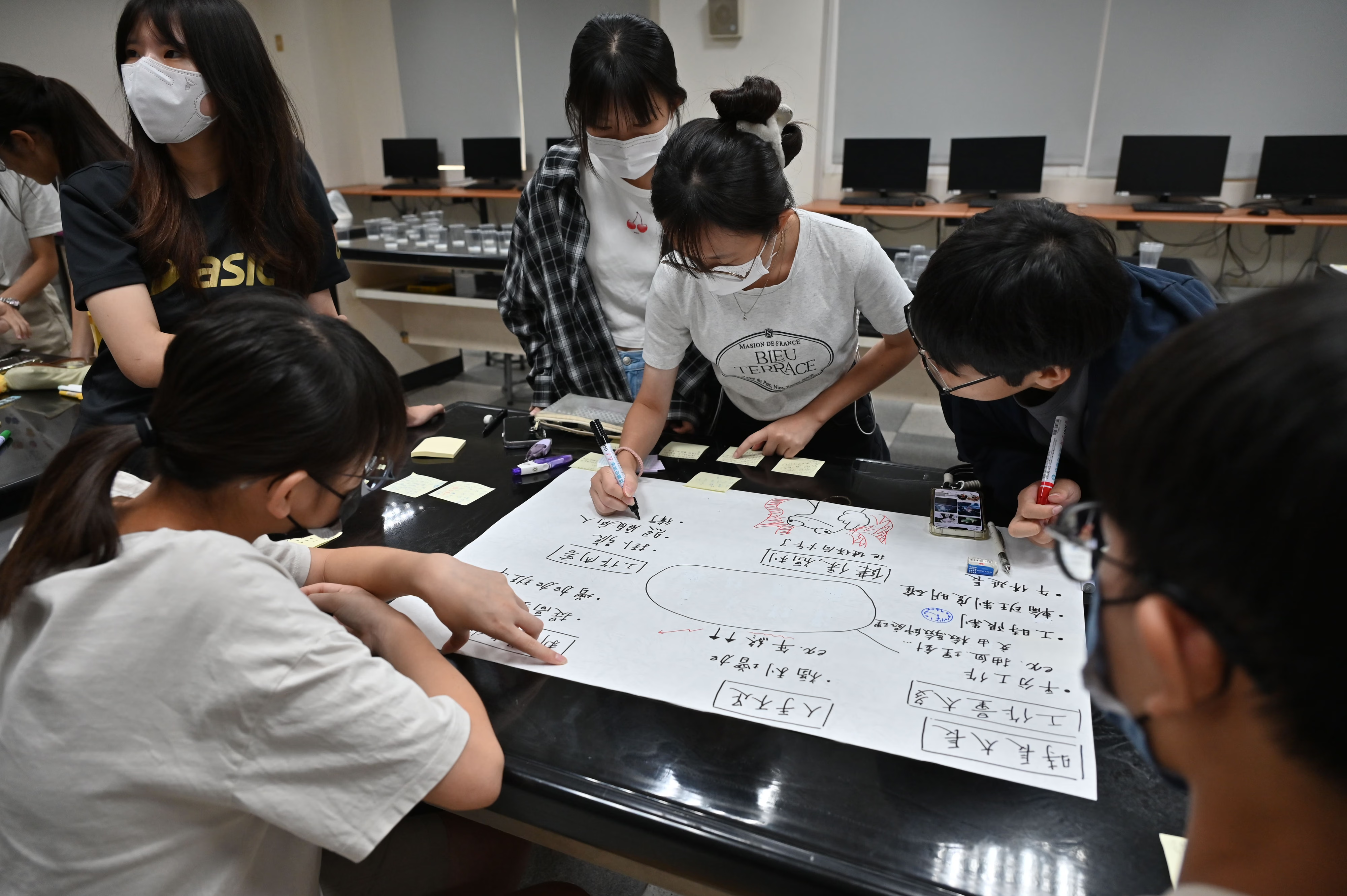
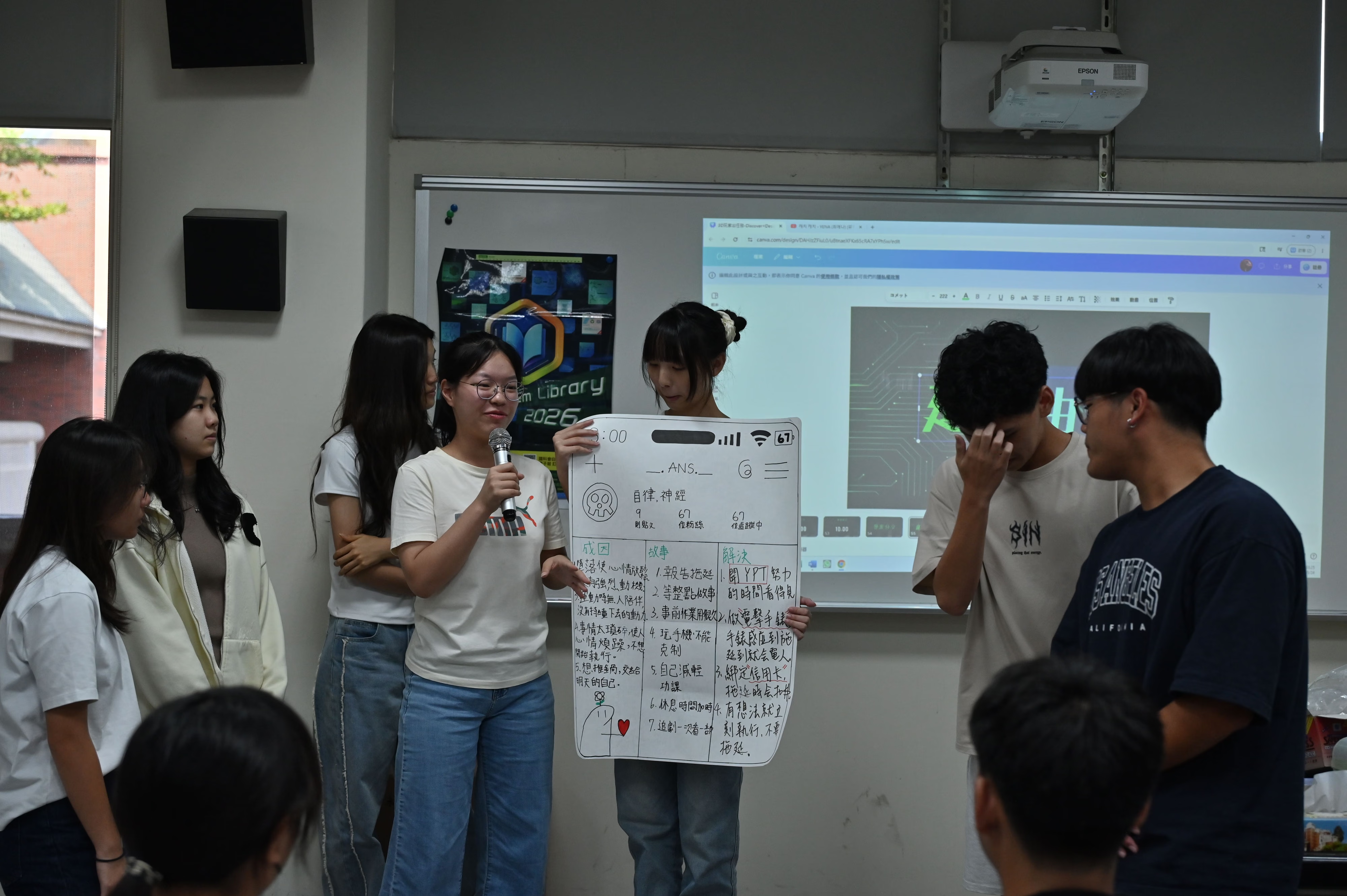
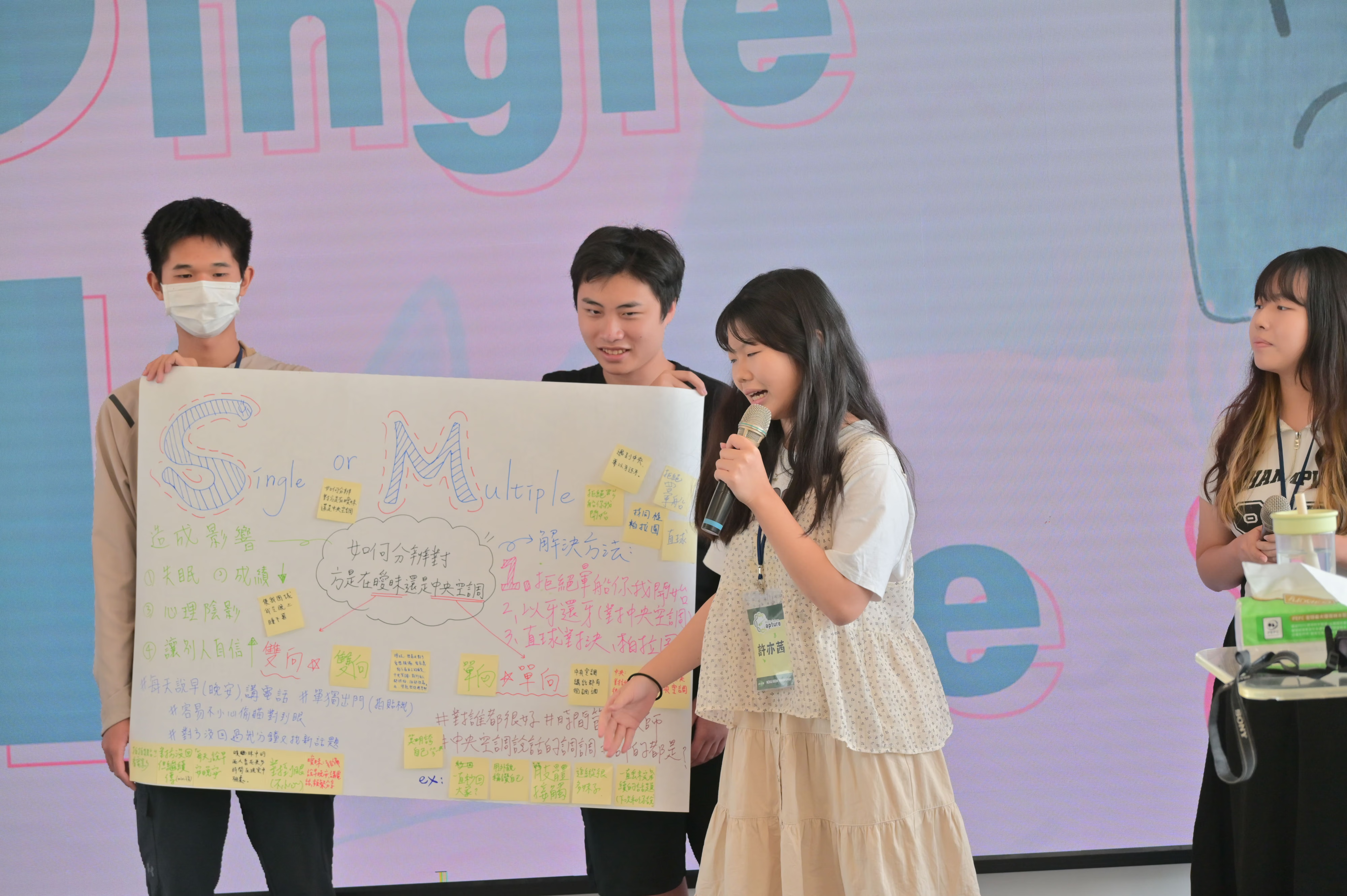
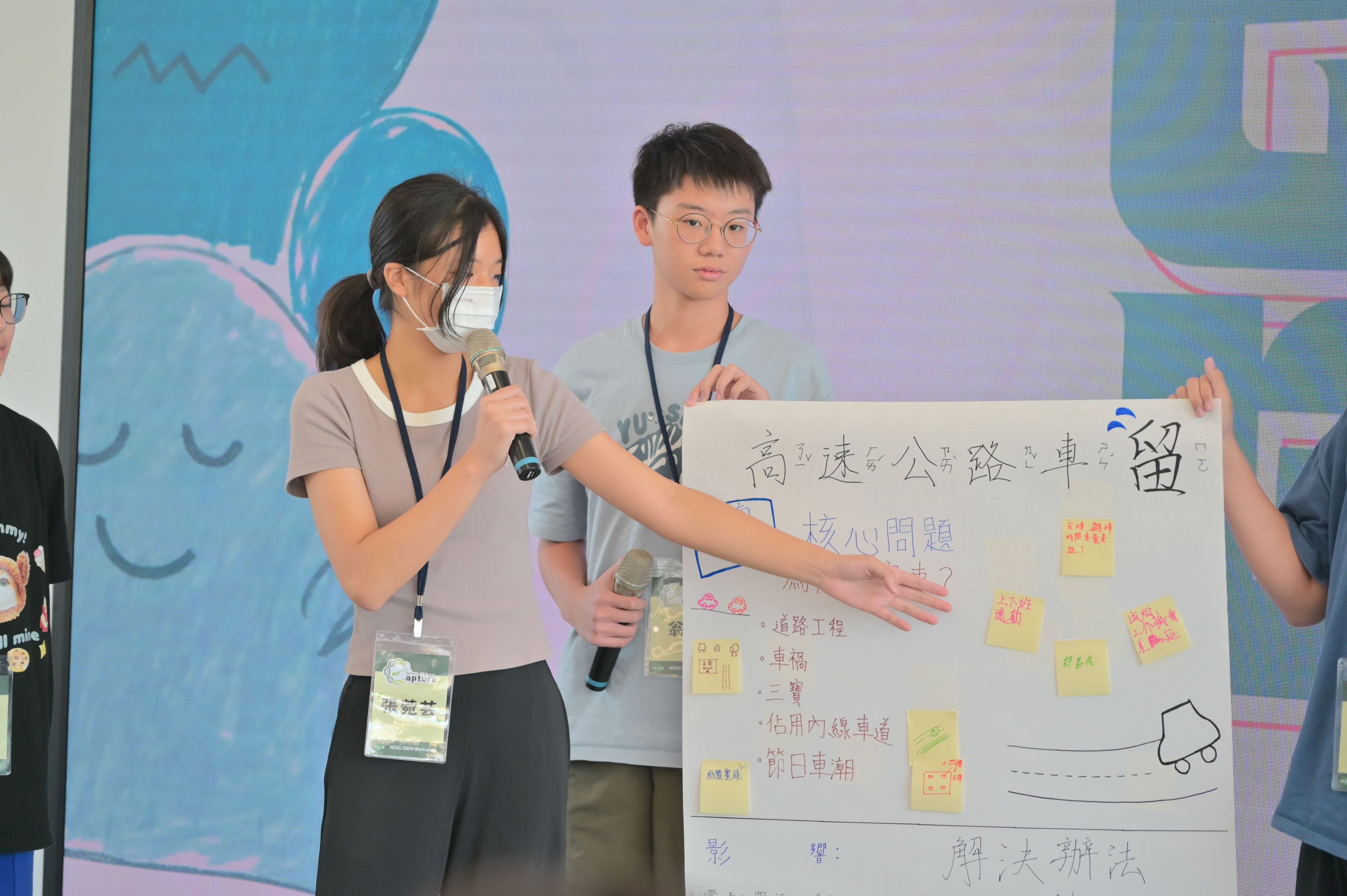
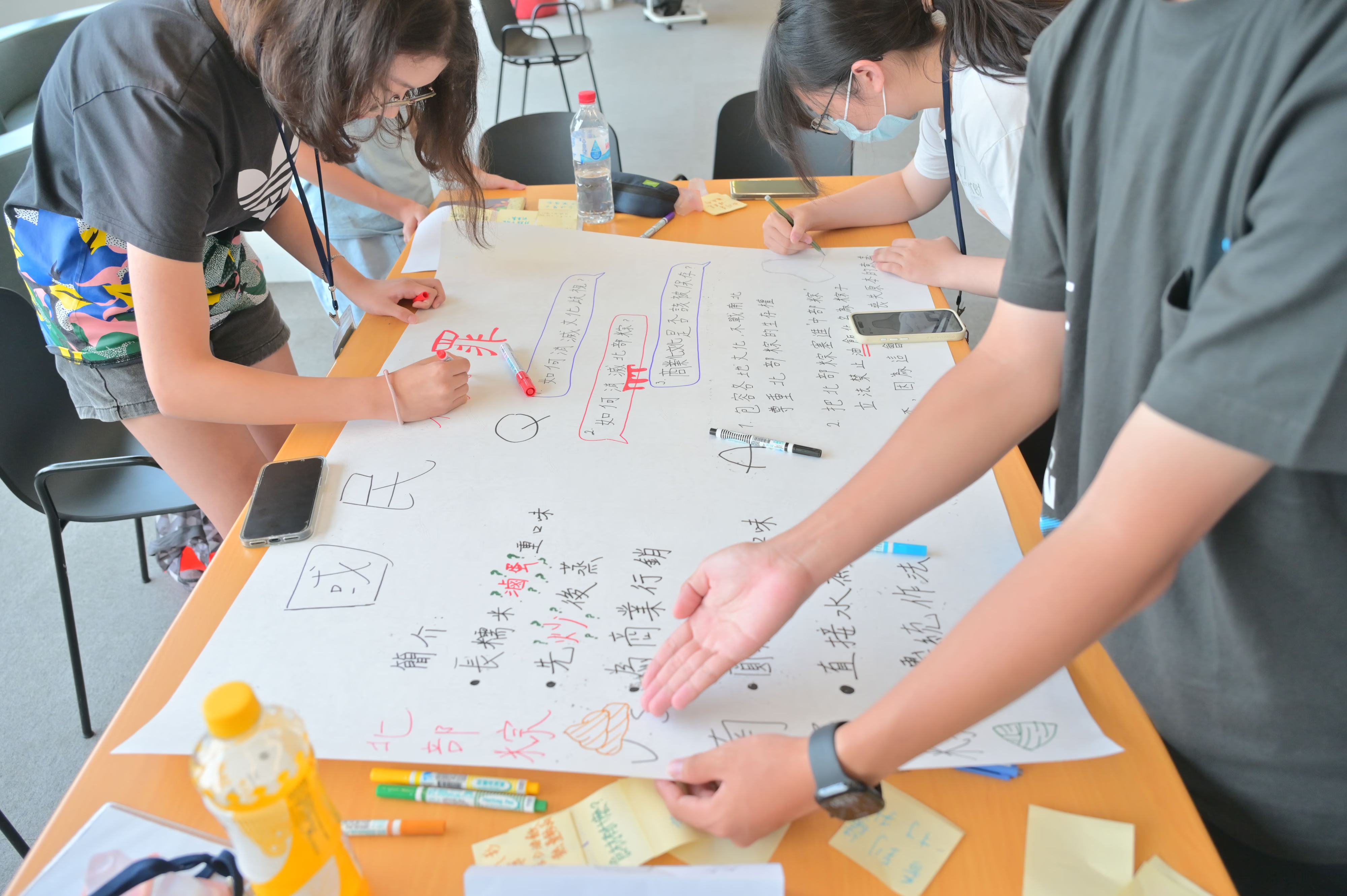
Beyond the experiments, we ran an Innovation Workshop challenging students to tackle everyday problems with synthetic biology. Watching them sketch and debate ideas on whiteboards mirrored our own iGEM brainstorming—proof these young minds don't lack creativity, just a stage. Giving them that platform revealed real potential as future innovators.
Students rated overall satisfaction at 4.82/5.00, and reported significantly higher comprehension of synthetic biology and STEM concepts after the camp than before (p < 0.001). The experience was a two-way learning journey for us too, pushing us to translate intricate science into language that resonates with everyone. A single camp won't transform lives overnight, but we believe "the seeds of curiosity planted here will serve as a beacon, guiding these students toward a broader world."
Beyond the numerical results, students also shared thoughtful reflections on their experience. One participant wrote:
"學習到了STEM和合成生物學的一些知識,因為我才高一,其實有一些之前沒聽過,但今天的營隊讓我了解了很多,吸收了很多新知識,我覺得很讚~~💯"
"I learned some things about STEM and synthetic biology. Since I'm only a high school freshman, there were some things I hadn't heard of before, but today's camp taught me a lot and I absorbed a lot of new knowledge. I think it's great!"
Another participant shared:
"了解關於合成生物學的相關知識,也和許多不同想法的人討論、碰撞,不僅可以向成大優秀的學長姐學習,也能和其他同學一起討論,我認為這是對我很大的收穫。"
"Learning about synthetic biology and discussing and exchanging ideas with many people who have different perspectives has been a great gain for me. I can learn from outstanding students at National Cheng Kung University and also discuss with other students."
Download the Xihu Senior High School feedback analysis (PDF)
Workshop: The Ultimate Code of Life
Science is not merely about finding answers; it is the key that unlocks the hidden blueprint of our world.
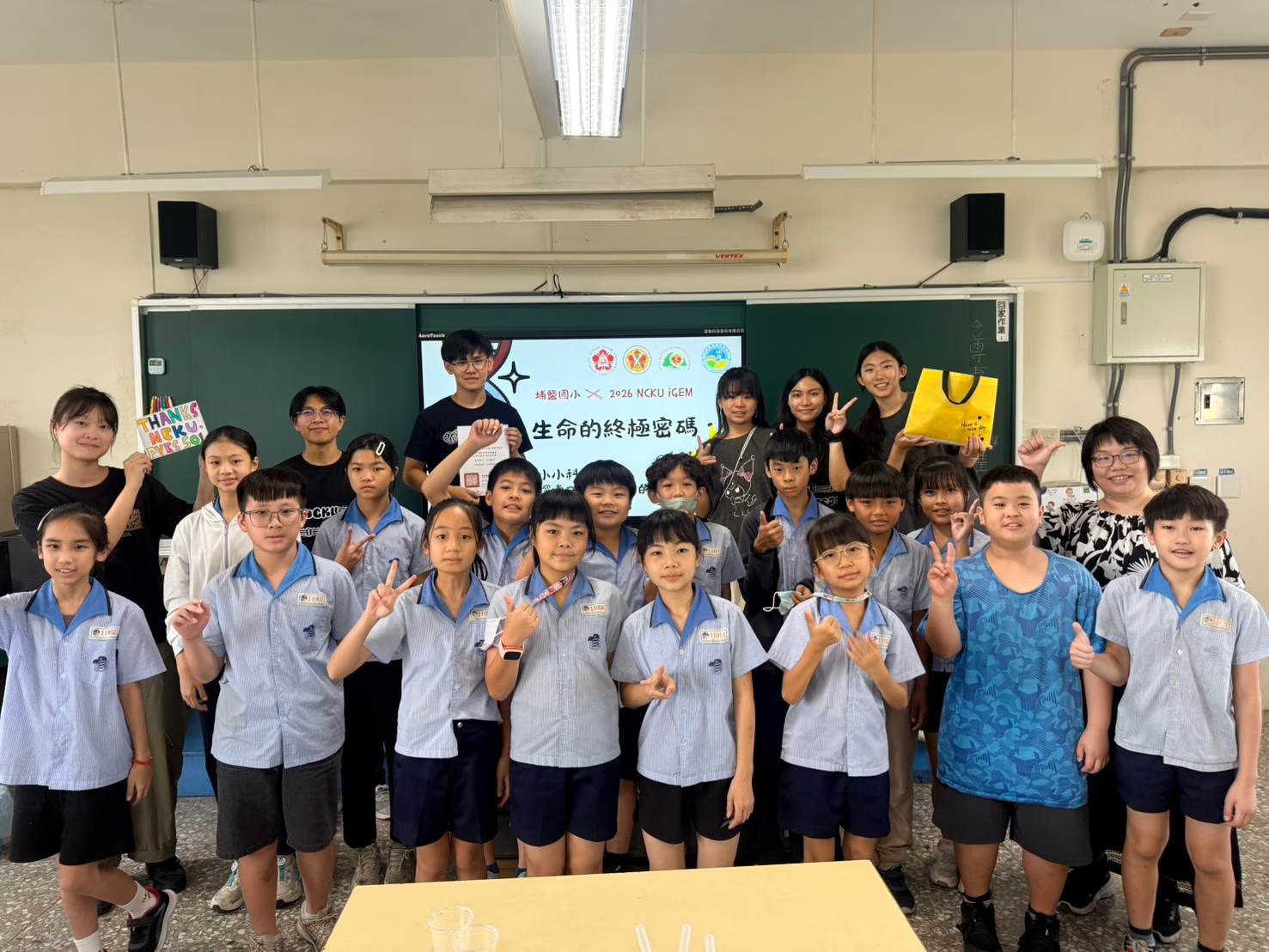
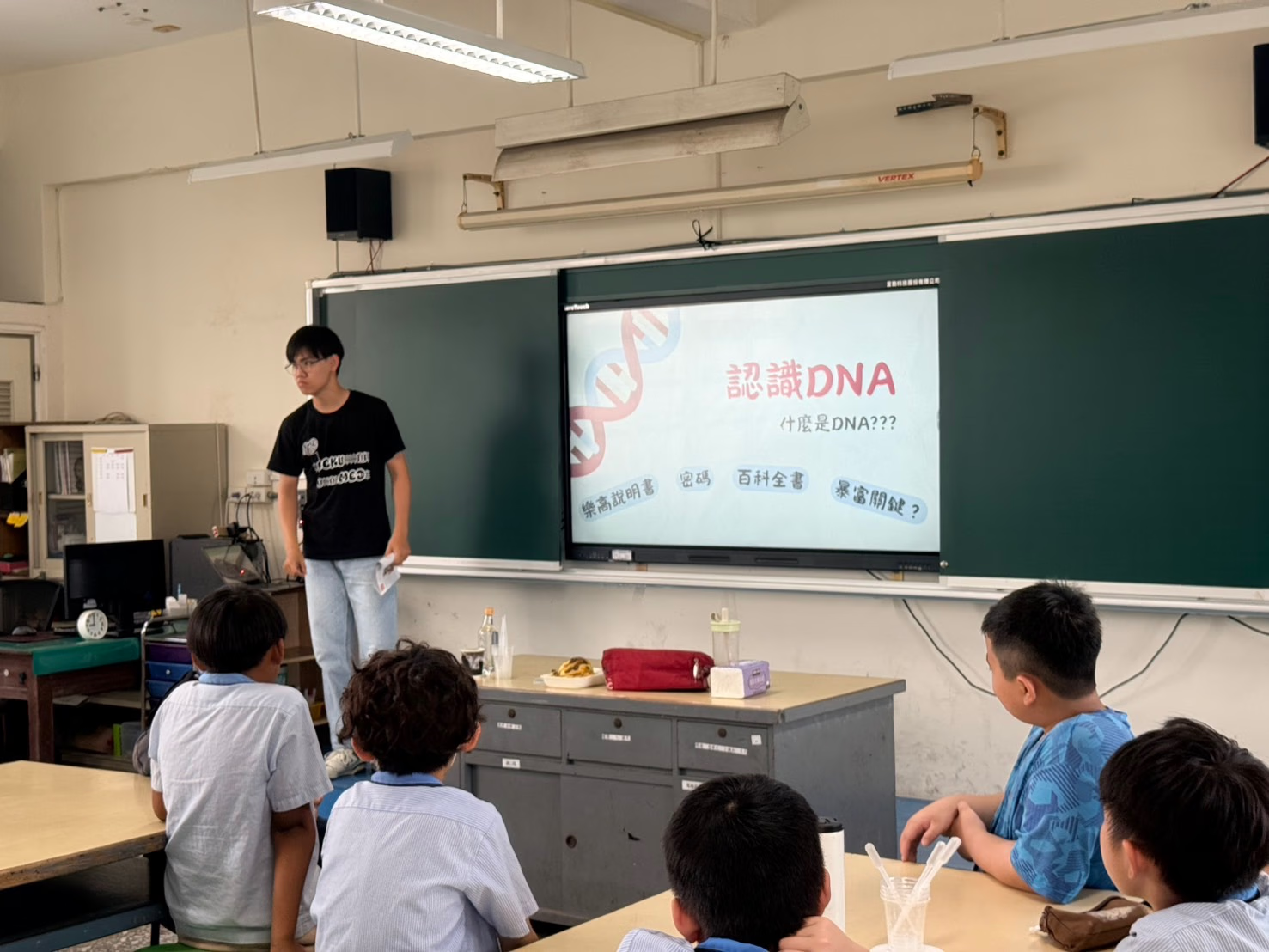
Building on our visit to Xihu Senior High School, we traveled to Puyan Elementary School in Changhua County on May 25, 2026, to host "The Ultimate Code of Life," an interactive STEM workshop grounded in SDG 4 (Quality Education) and STEAM principles, aimed at building scientific literacy through equal access and hands-on exploration.
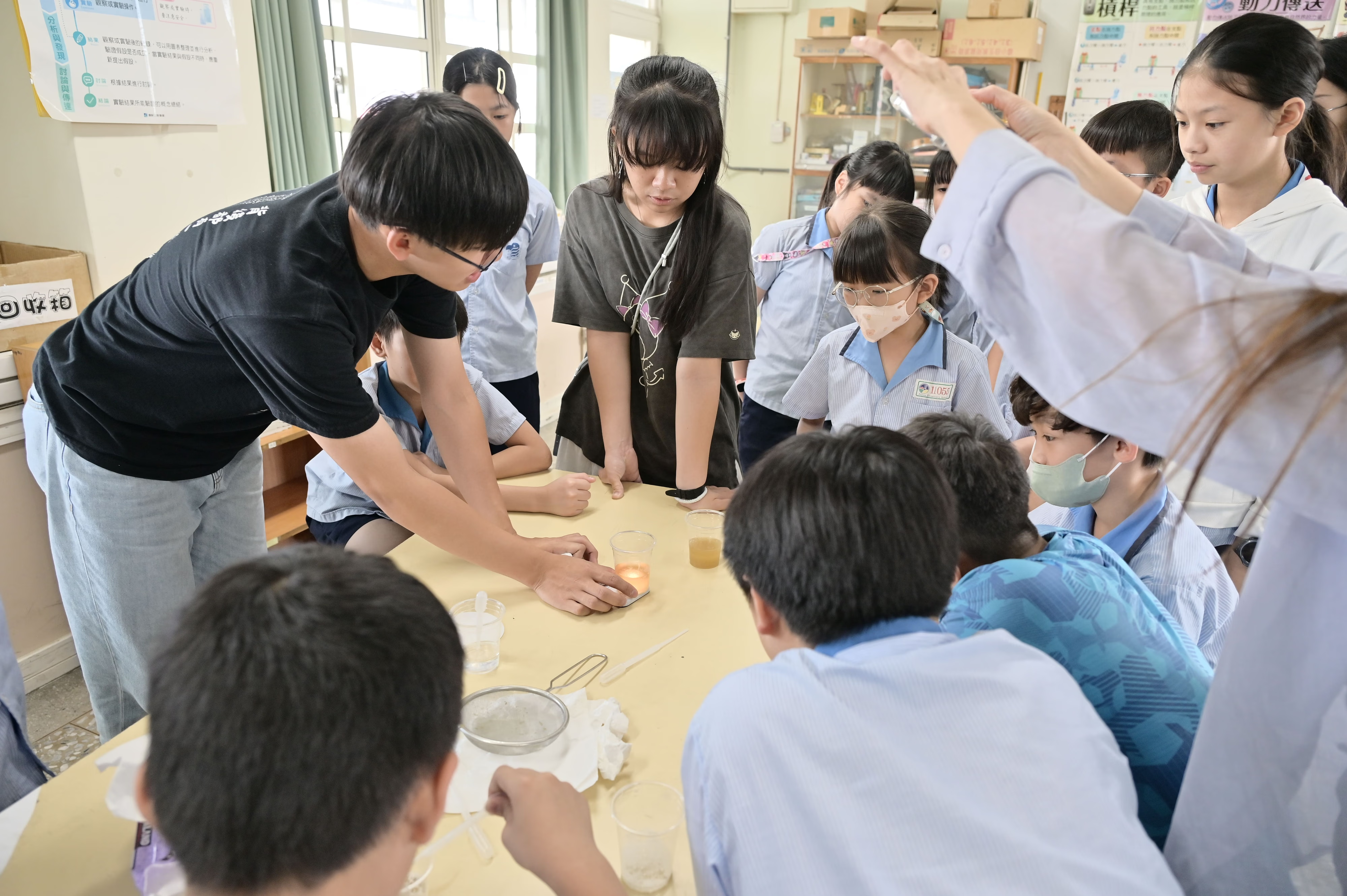
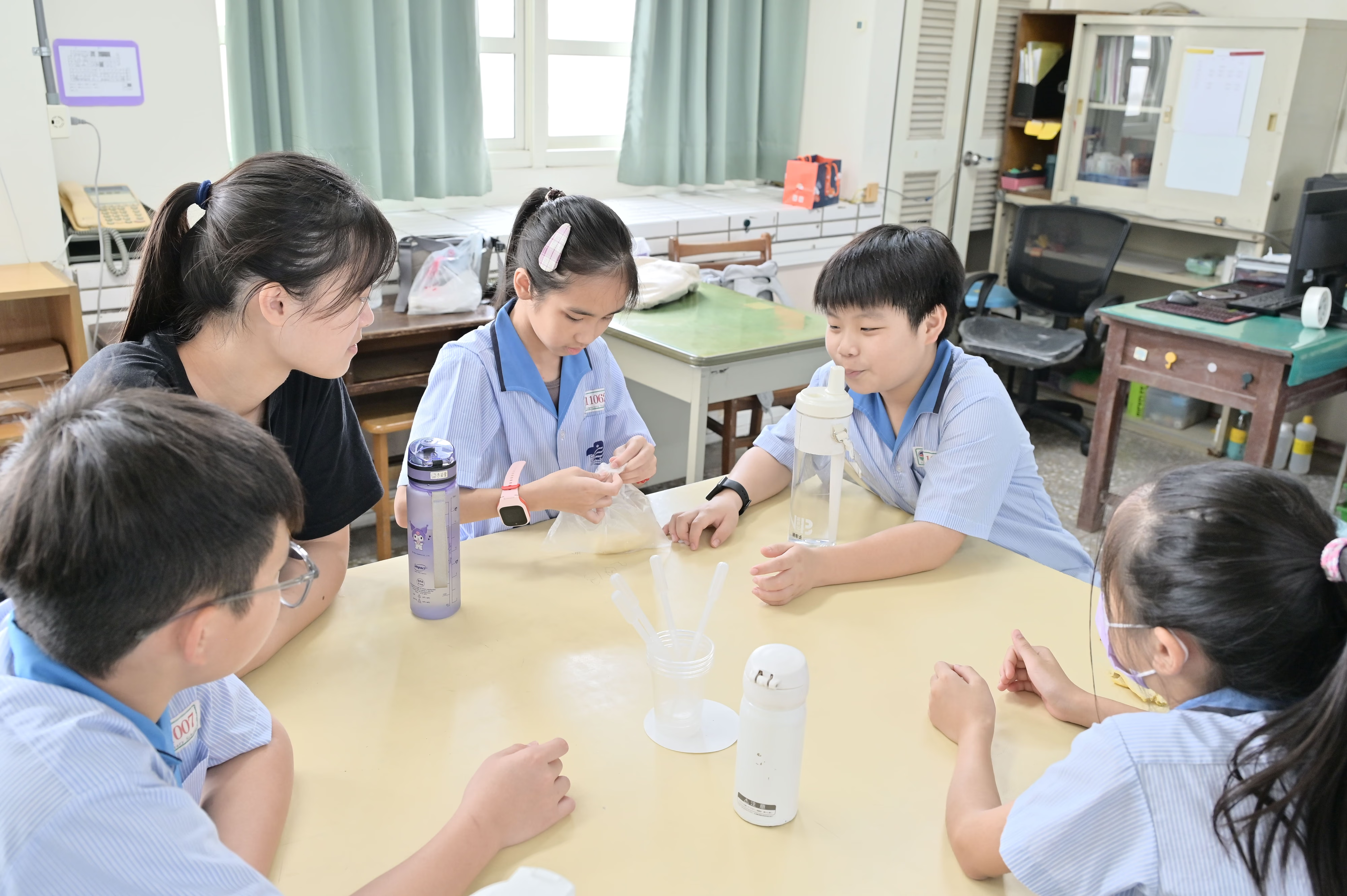
To make genetics intuitive for young learners, our curriculum framed DNA as a "code of life." Gamified activities like "Lego Instruction Manuals" and "Trait Battle Royale" helped students understand how DNA and genes shape the human body and its traits, while a hands-on DNA Extraction Experiment let them isolate genetic material with simple, low-cost tools—demystifying complex biology through direct observation.
Beyond the experiments, we aimed to cultivate curious, active thinkers. Framing DNA as "life's hidden blueprint" encouraged students to question and imagine how genetics connects to healthcare and agriculture. Their enthusiastic debate mirrored our own iGEM brainstorming—proof that young minds simply need a stage to shine.
Designed for 16 students aged 10–11, the workshop reached an overall satisfaction of 5.00/5.00, and students' self-rated comprehension of genetics and STEM concepts was higher after it than before, from 2.81 to 3.50 out of 4.00 (+0.69, t(15) = 3.91, p < 0.01). 93.8% of students said they wanted to join similar activities again.
This was a rewarding two-way exchange, pushing us to translate molecular biology into language that sparks childhood curiosity. A single workshop won't teach everything, but we believe the curiosity planted here will encourage these students to keep exploring.
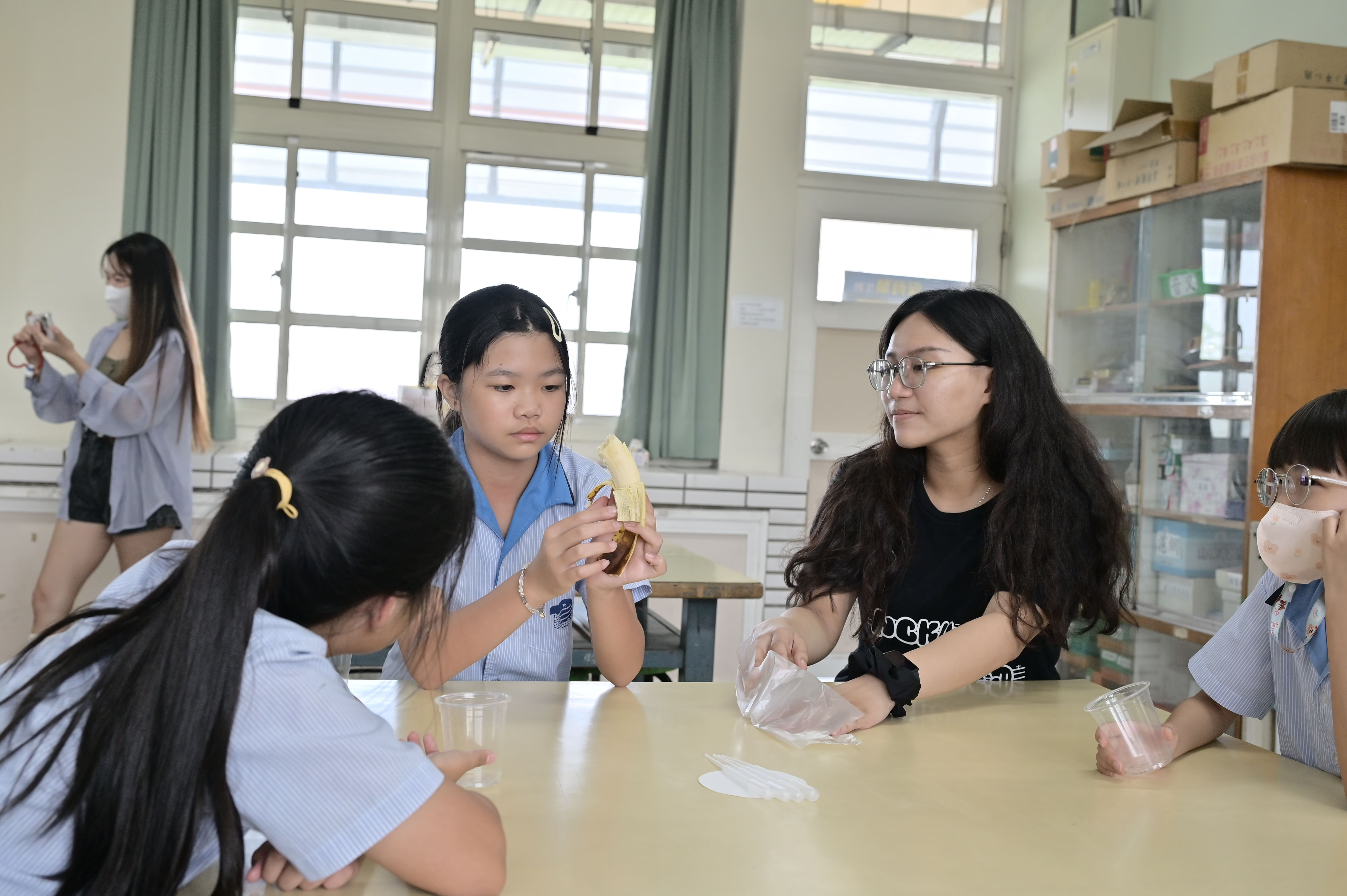
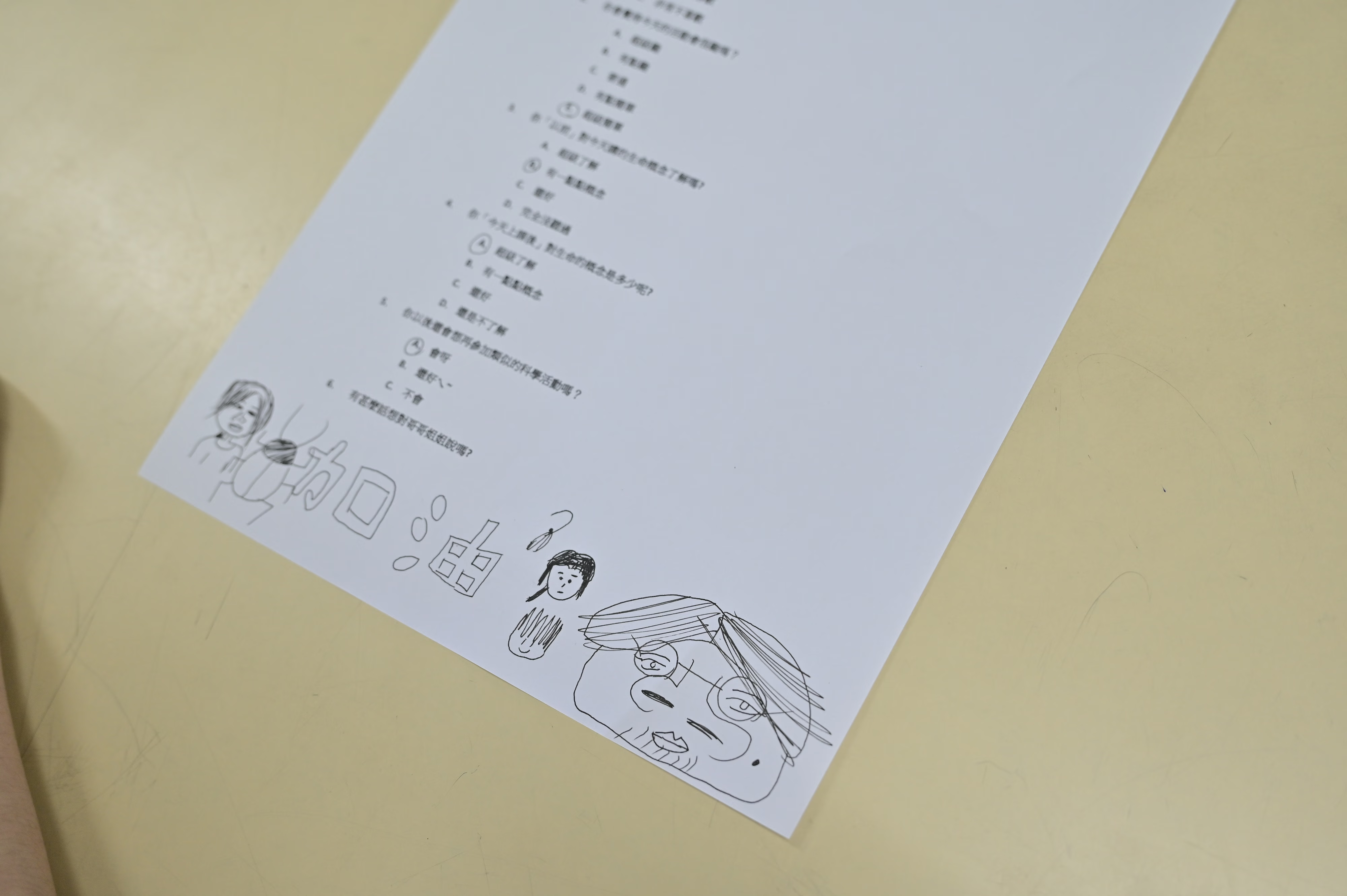
The STEAM from Seed team is a service-oriented group of students from various high schools and universities in Tainan City. Every year, this team conducts science education camps in rural elementary schools in Tainan City. Their contributions to education have earned them recognition for three consecutive years from the Taiwan Ministry of Education's Youth Volunteer Action Competition. This year, our NCKU-Tainan team collaborated with them to integrate life science lessons into the STEAM curriculum, allowing students in rural elementary schools to experience life science in their daily lives and inspiring the next generation of scientific talent.
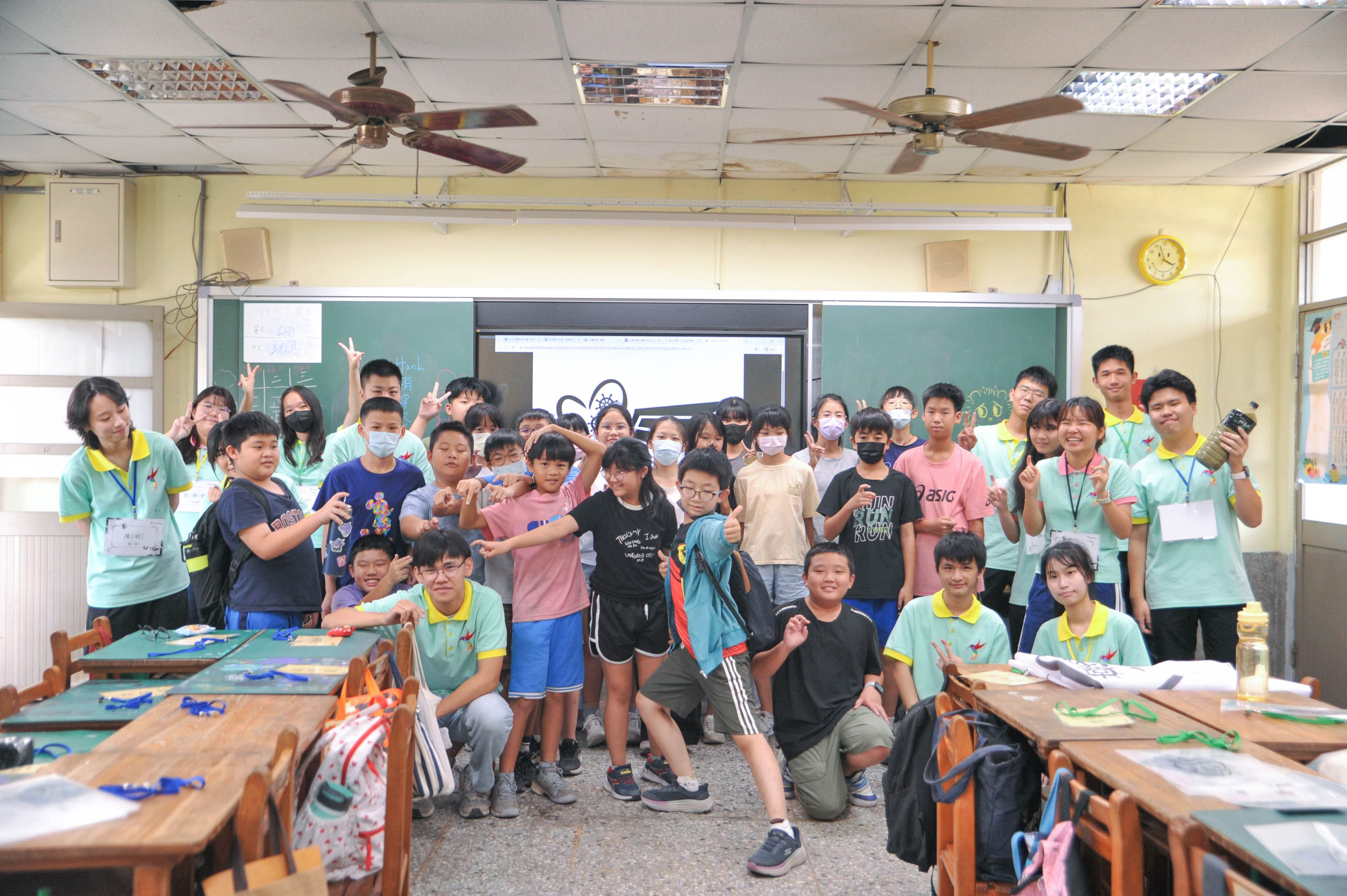
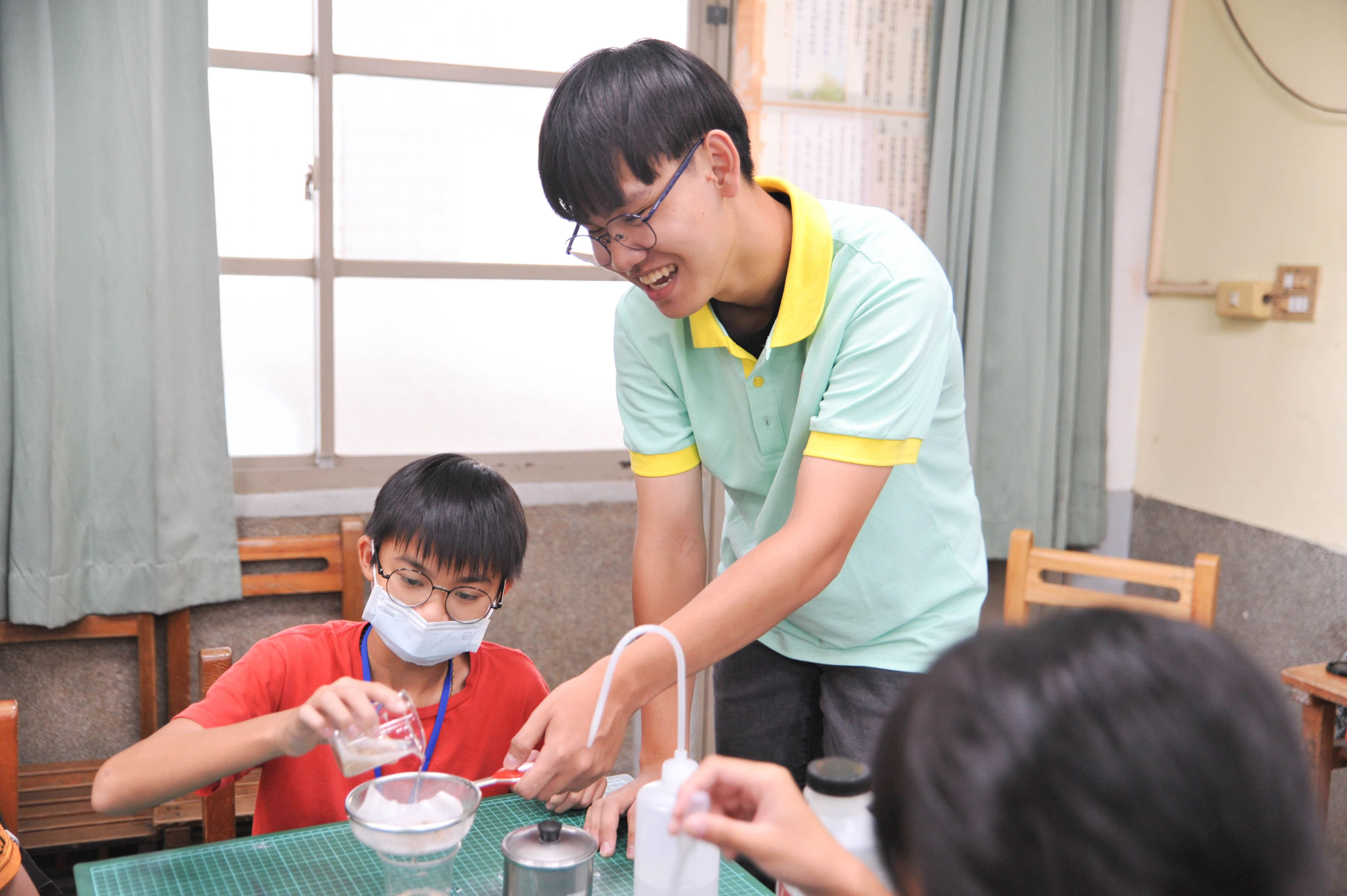
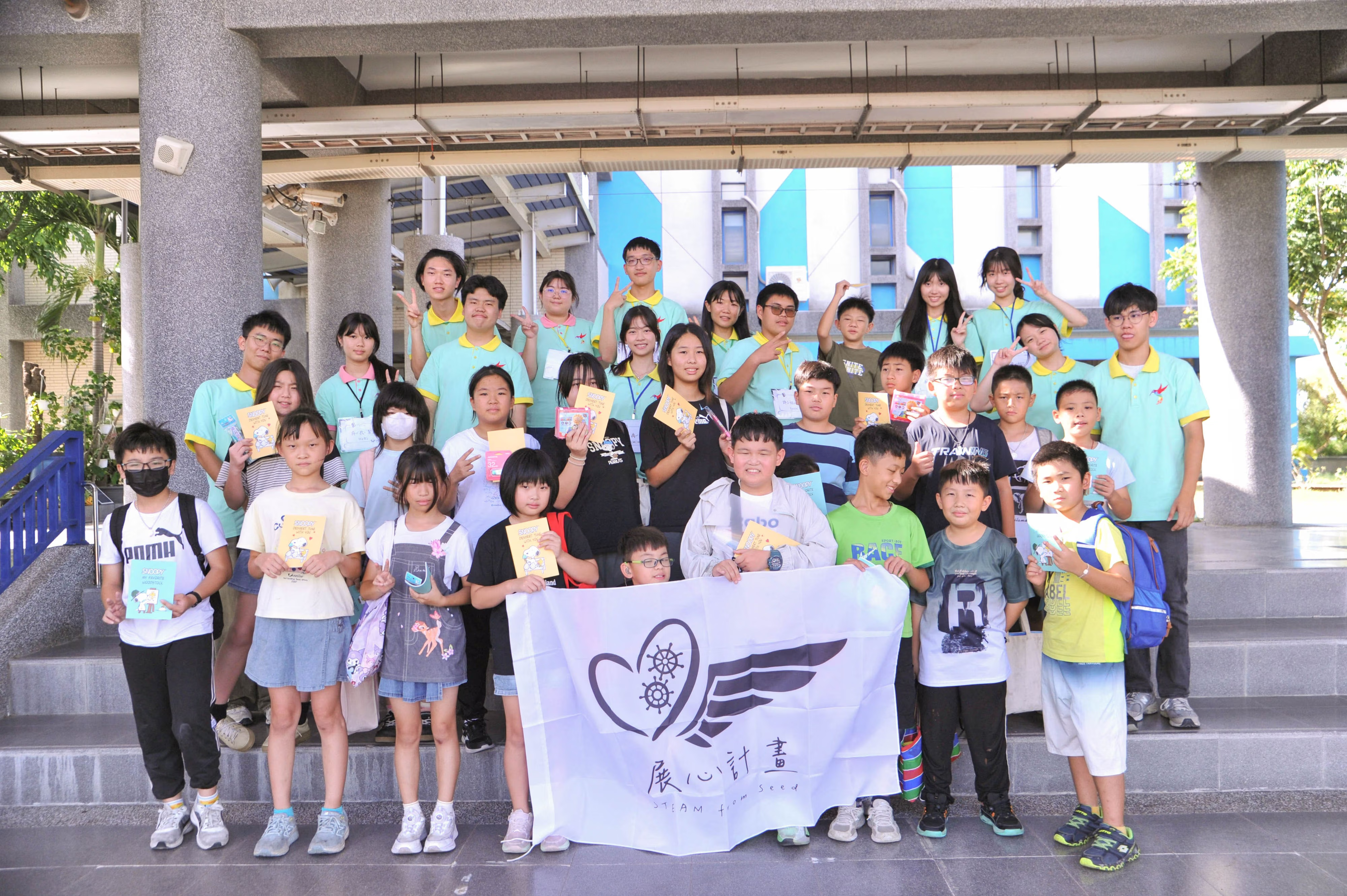
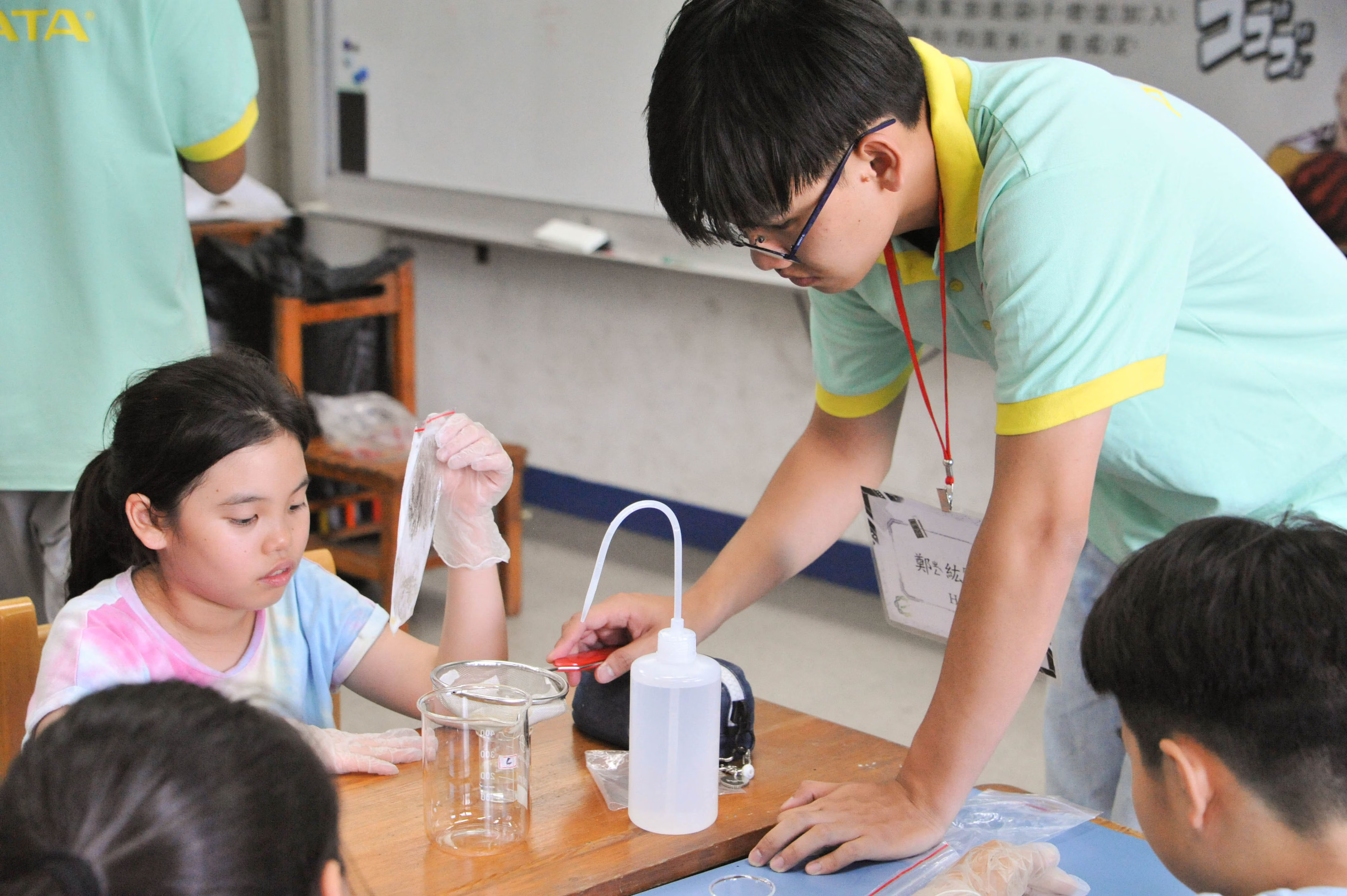
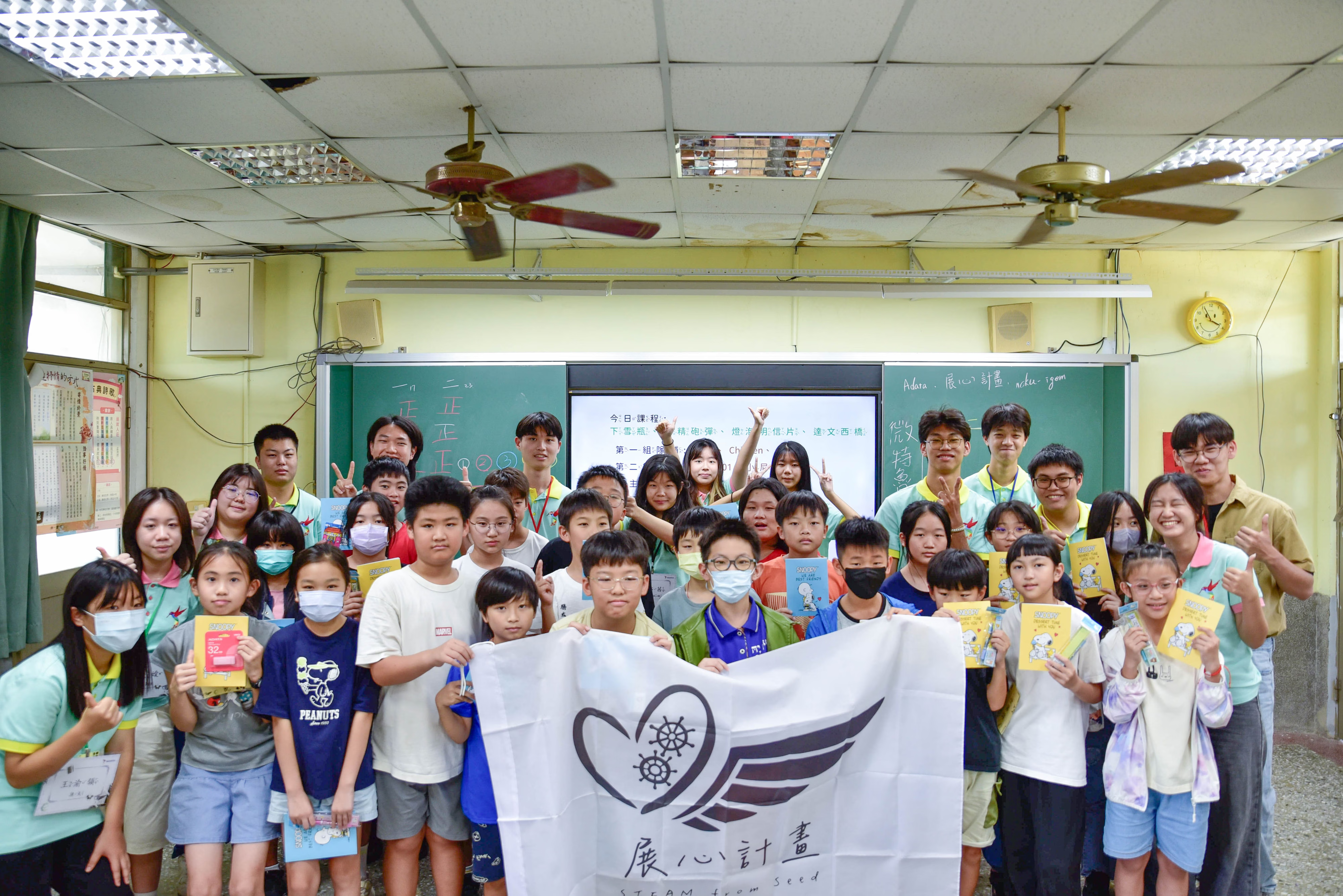
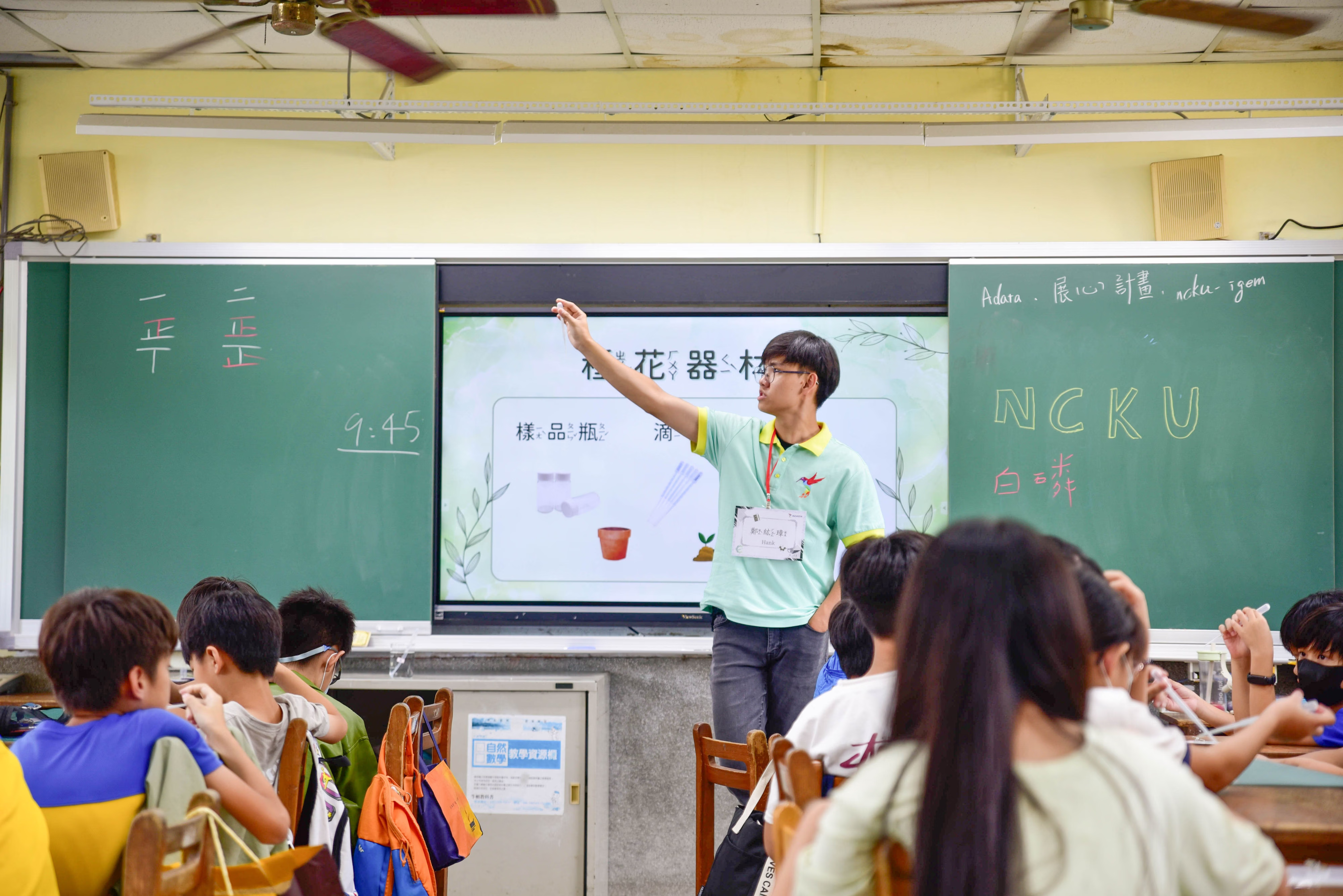
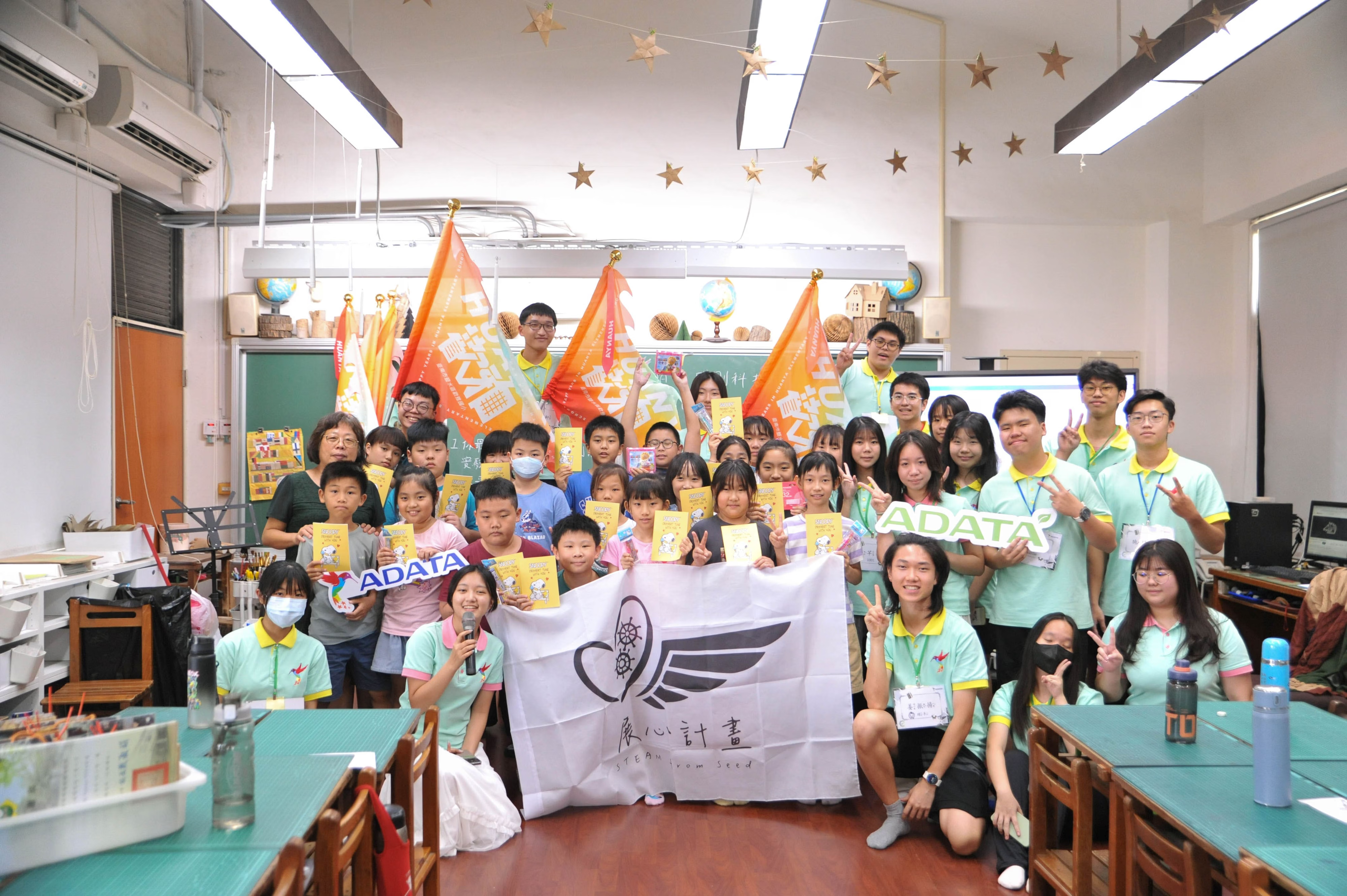
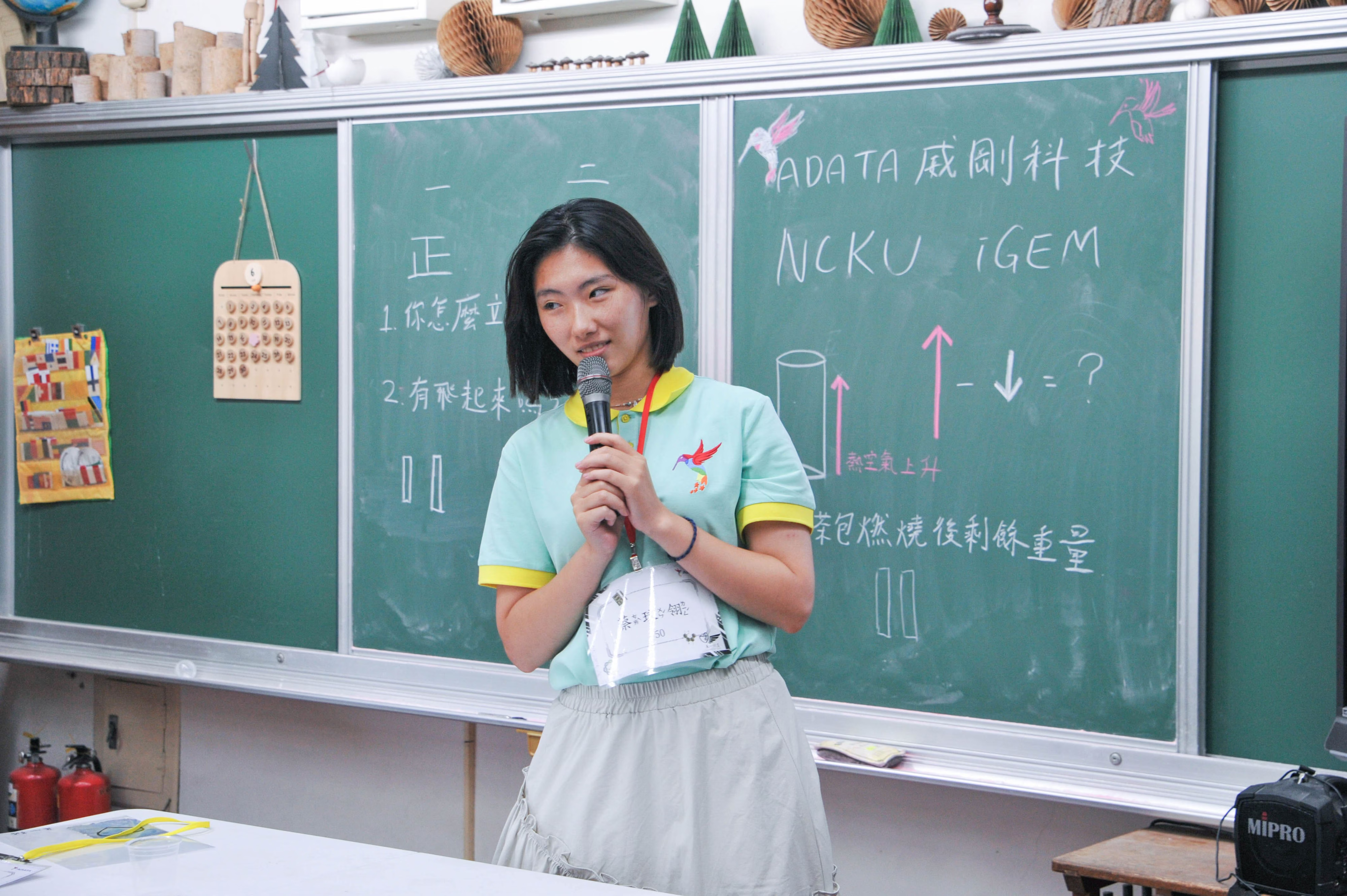
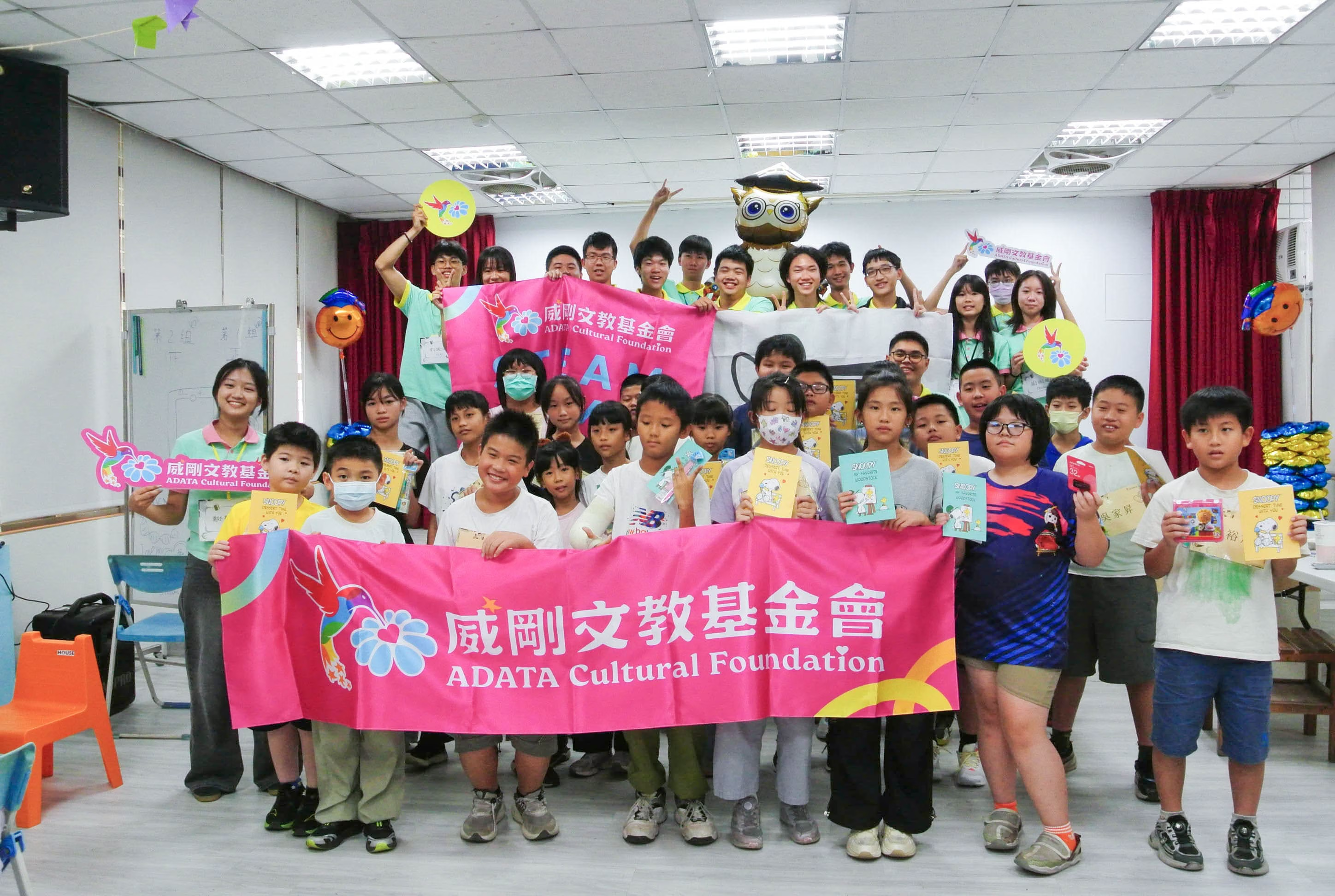
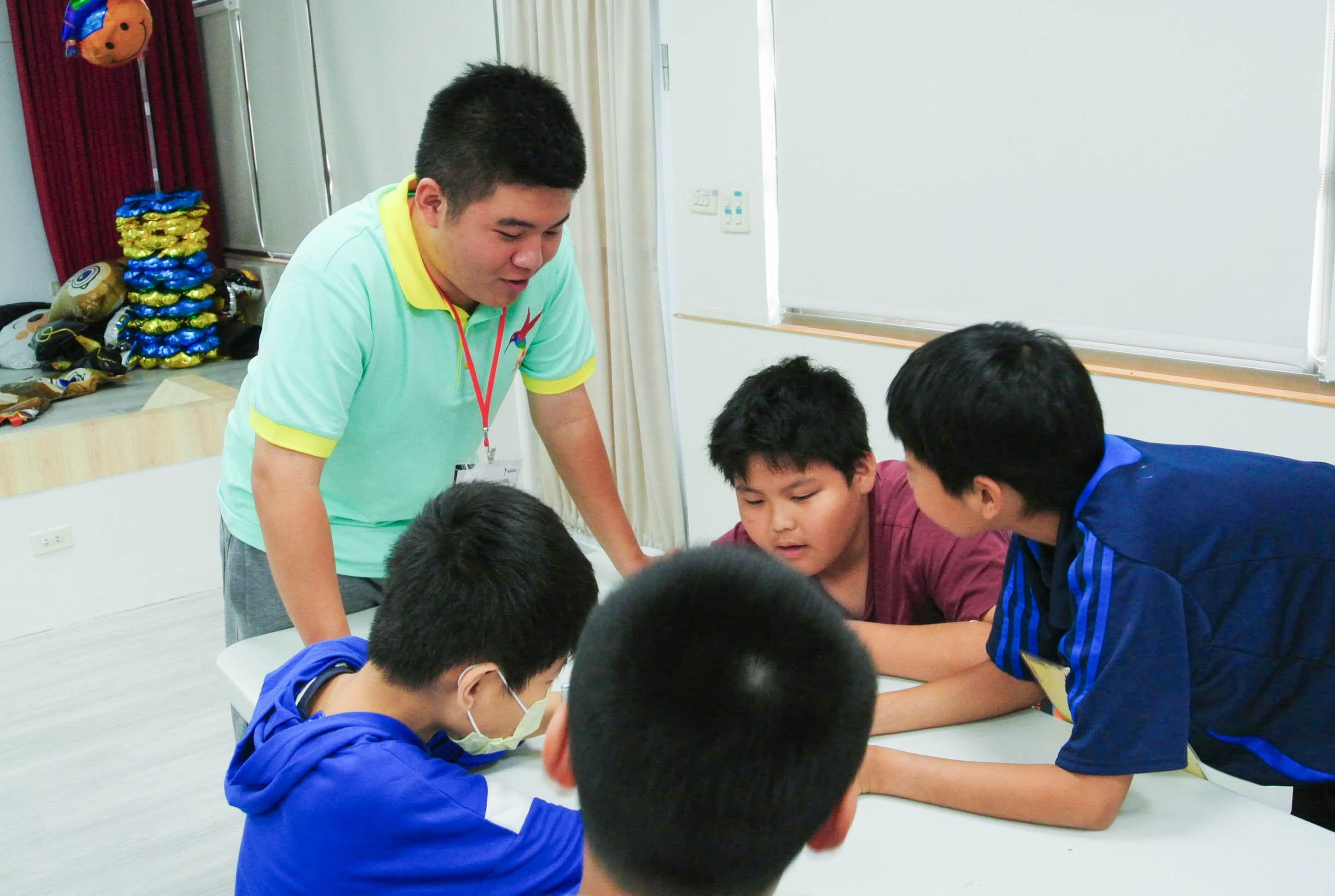
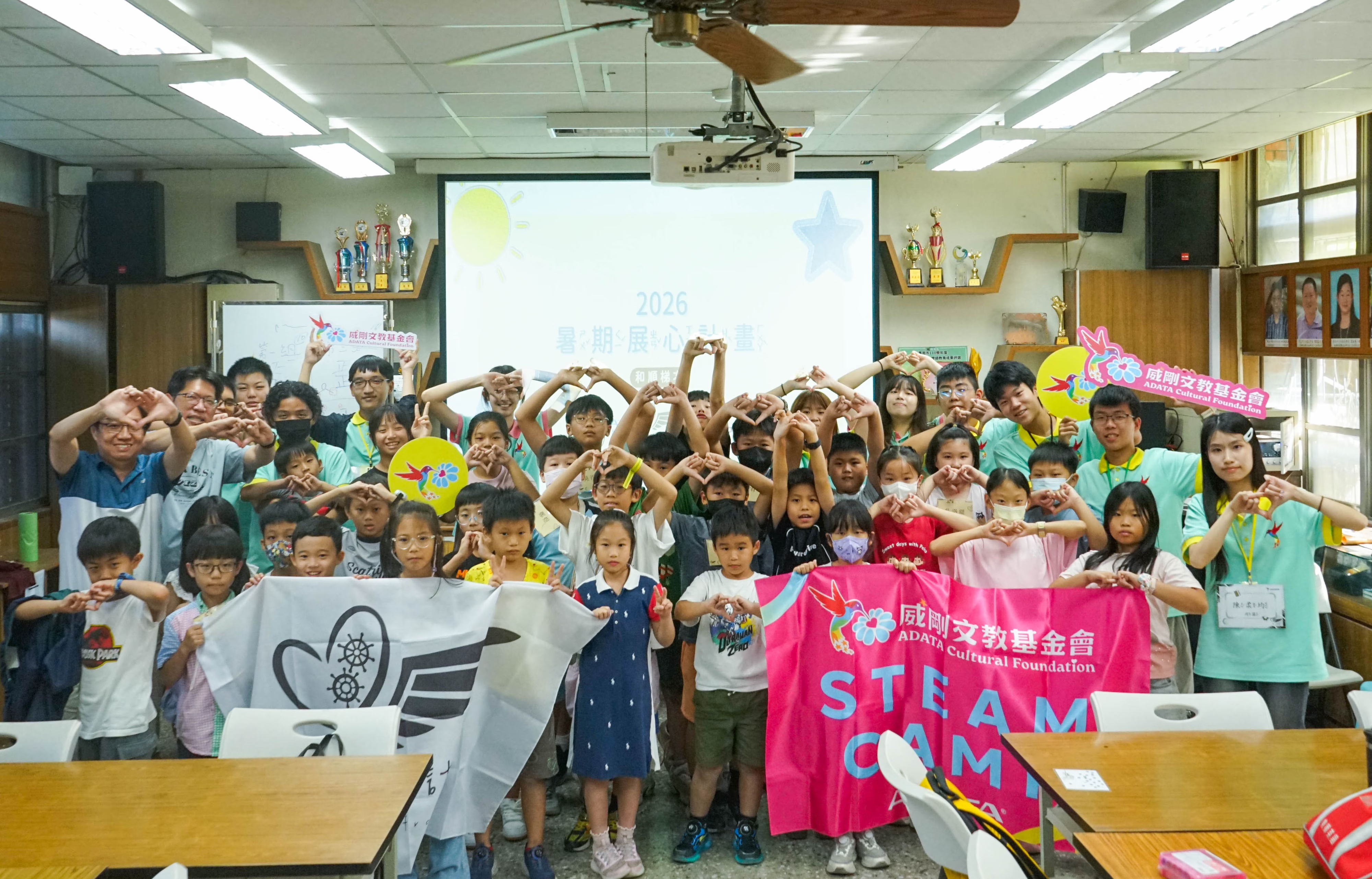
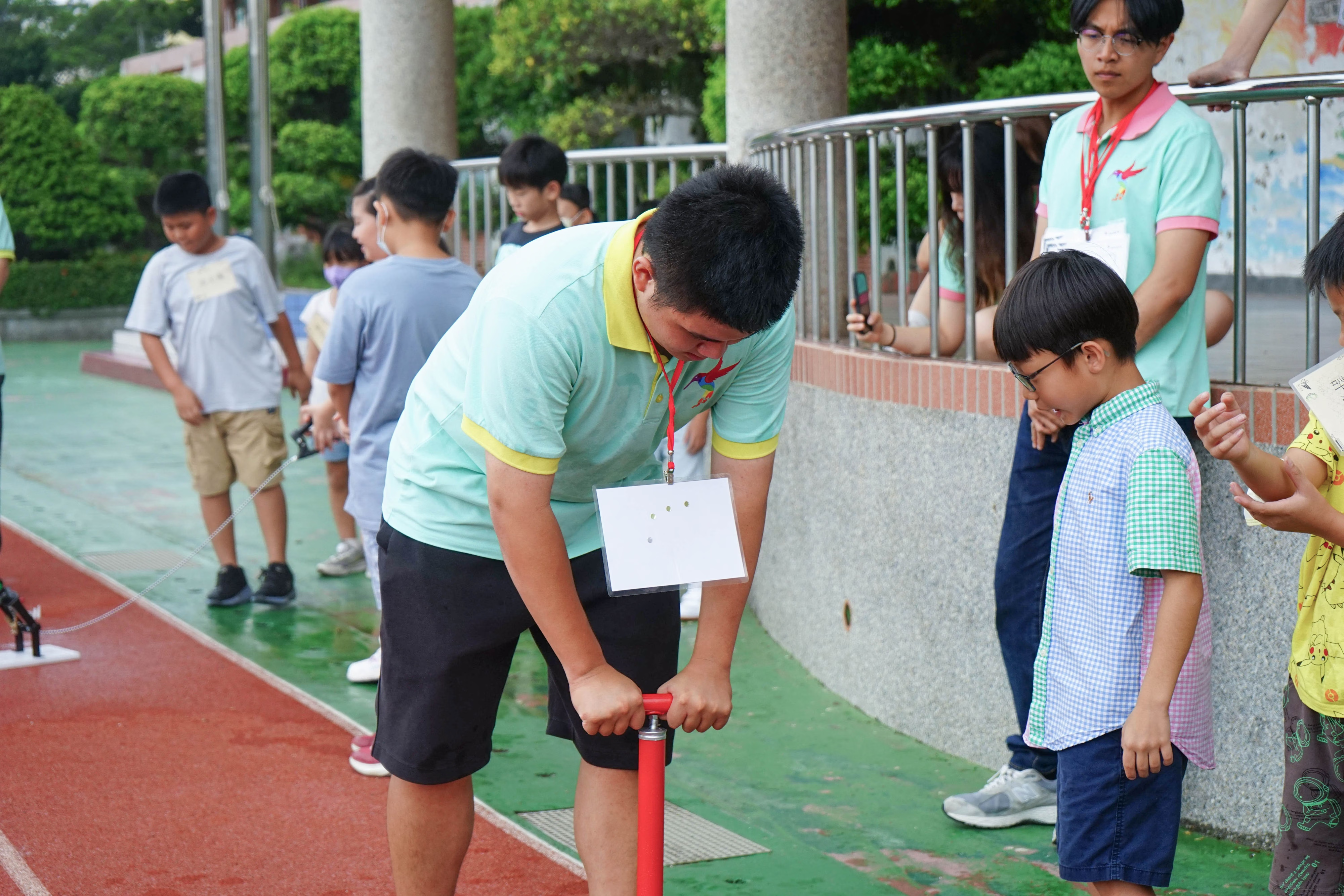
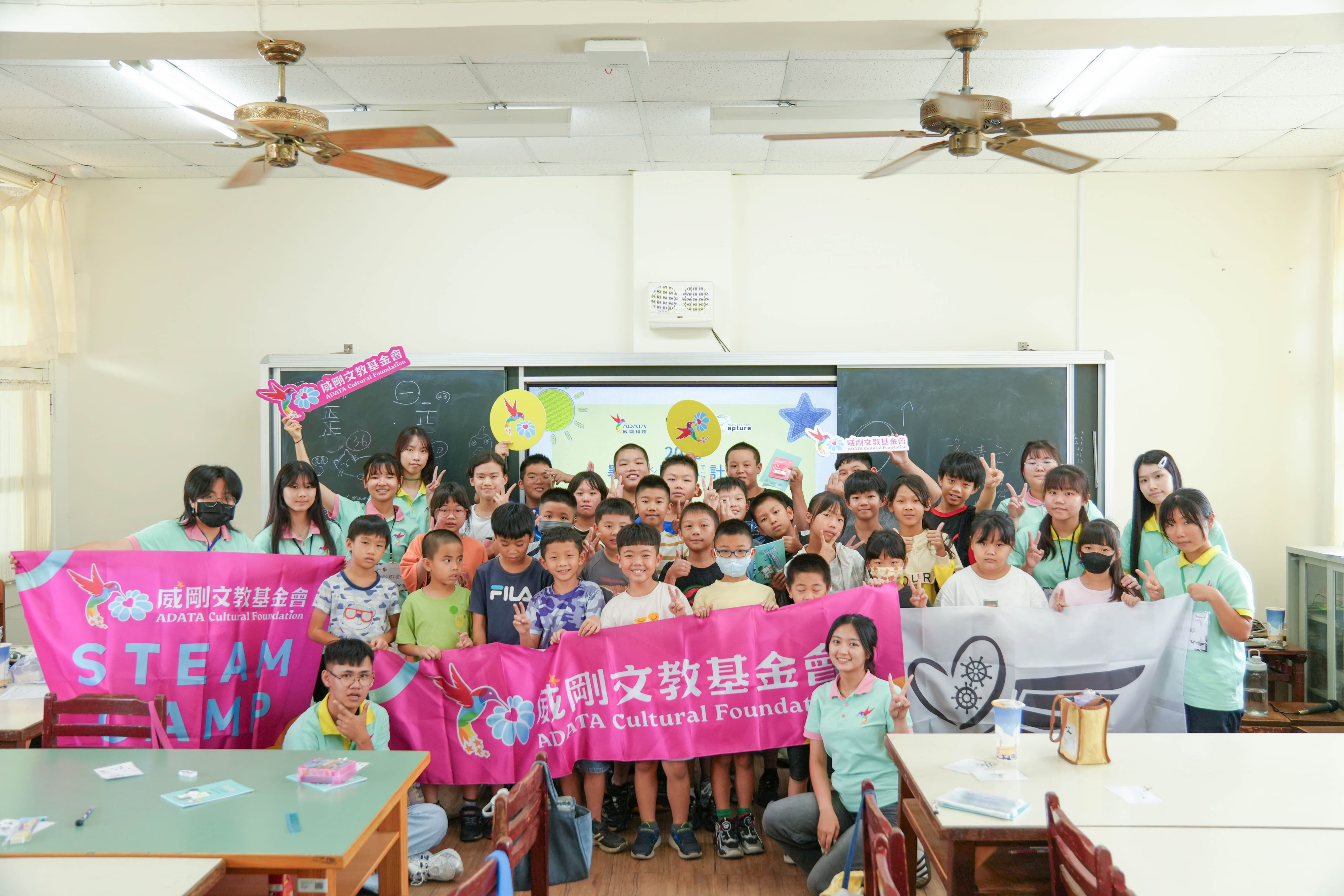
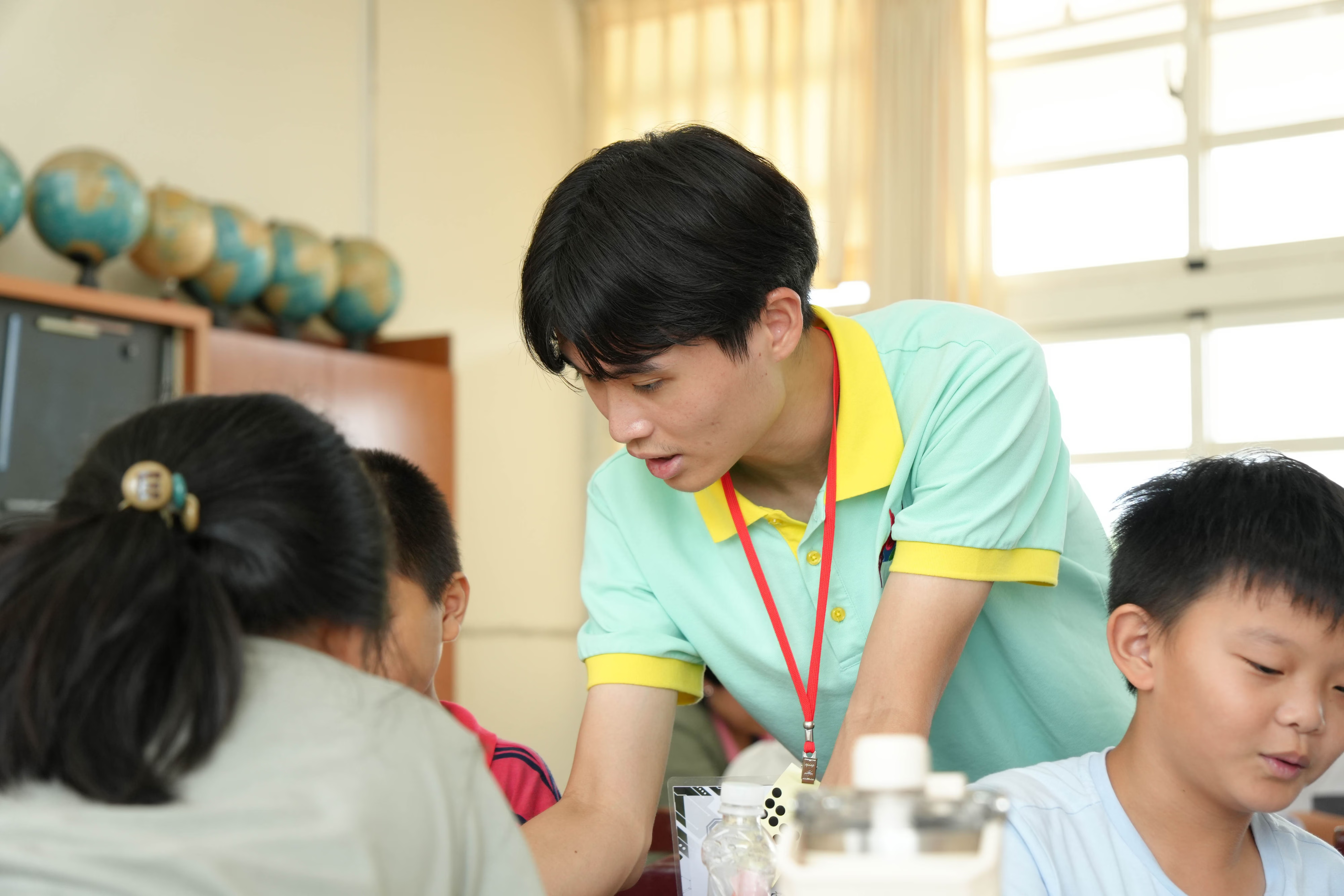
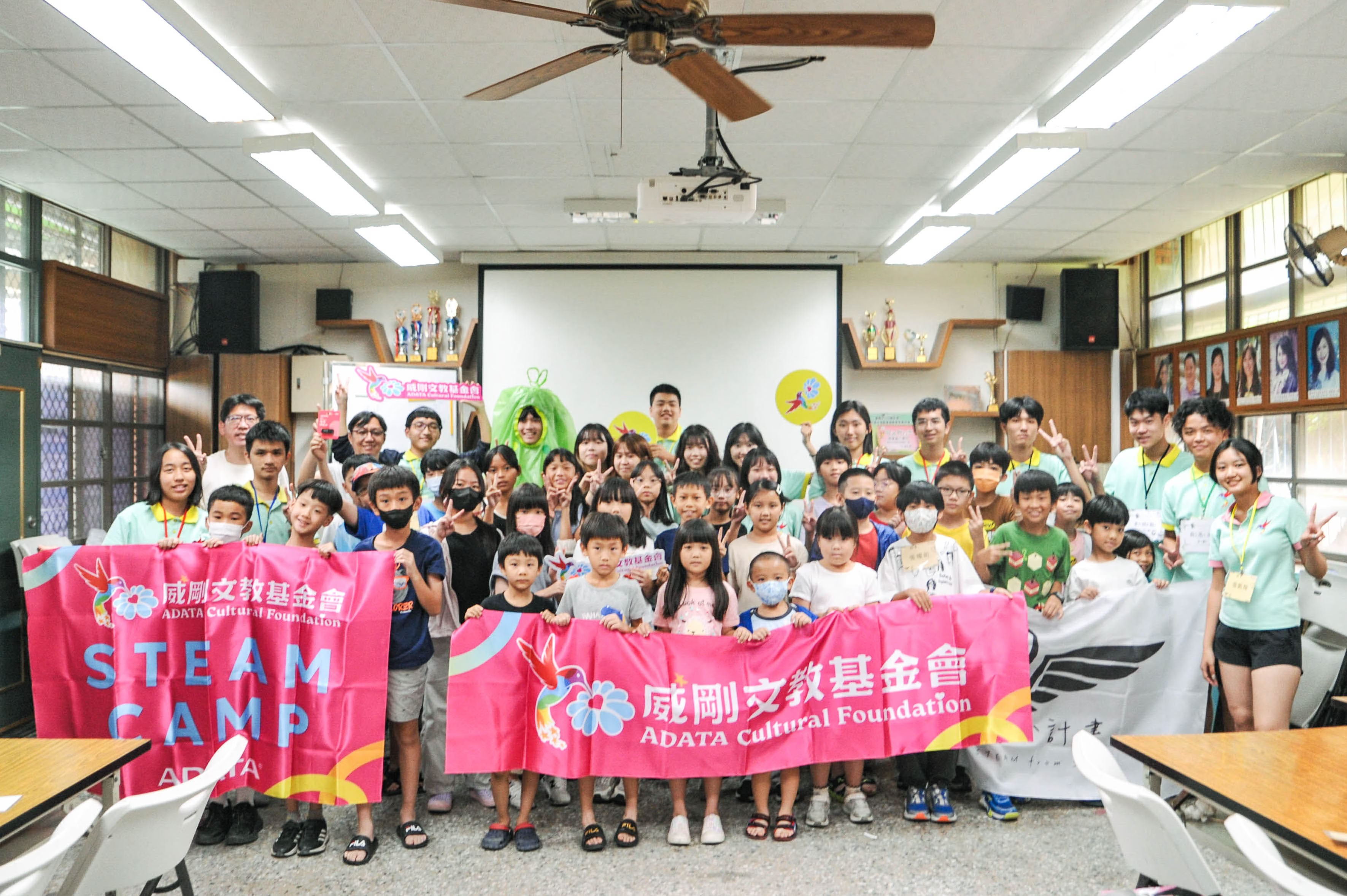
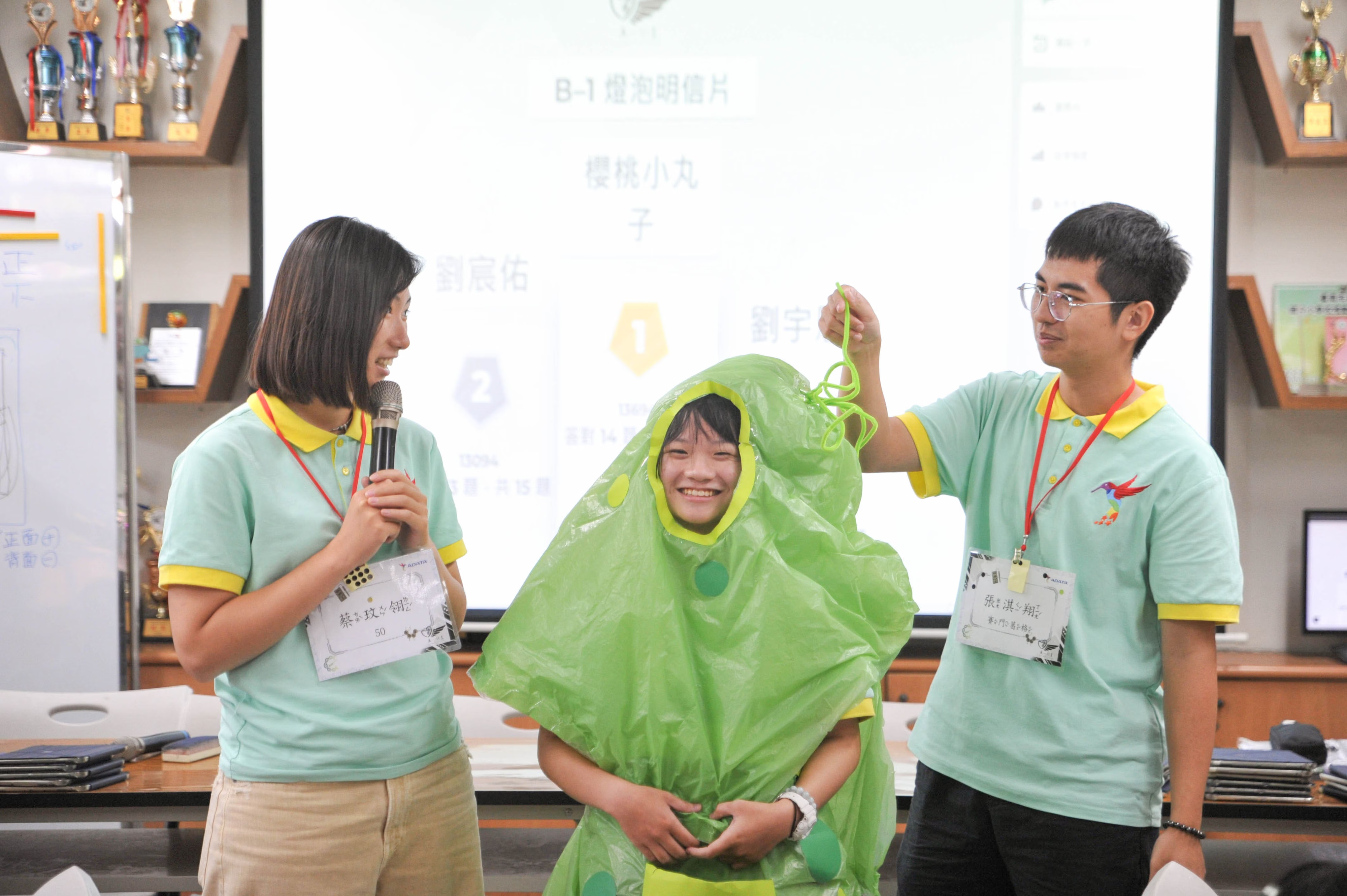
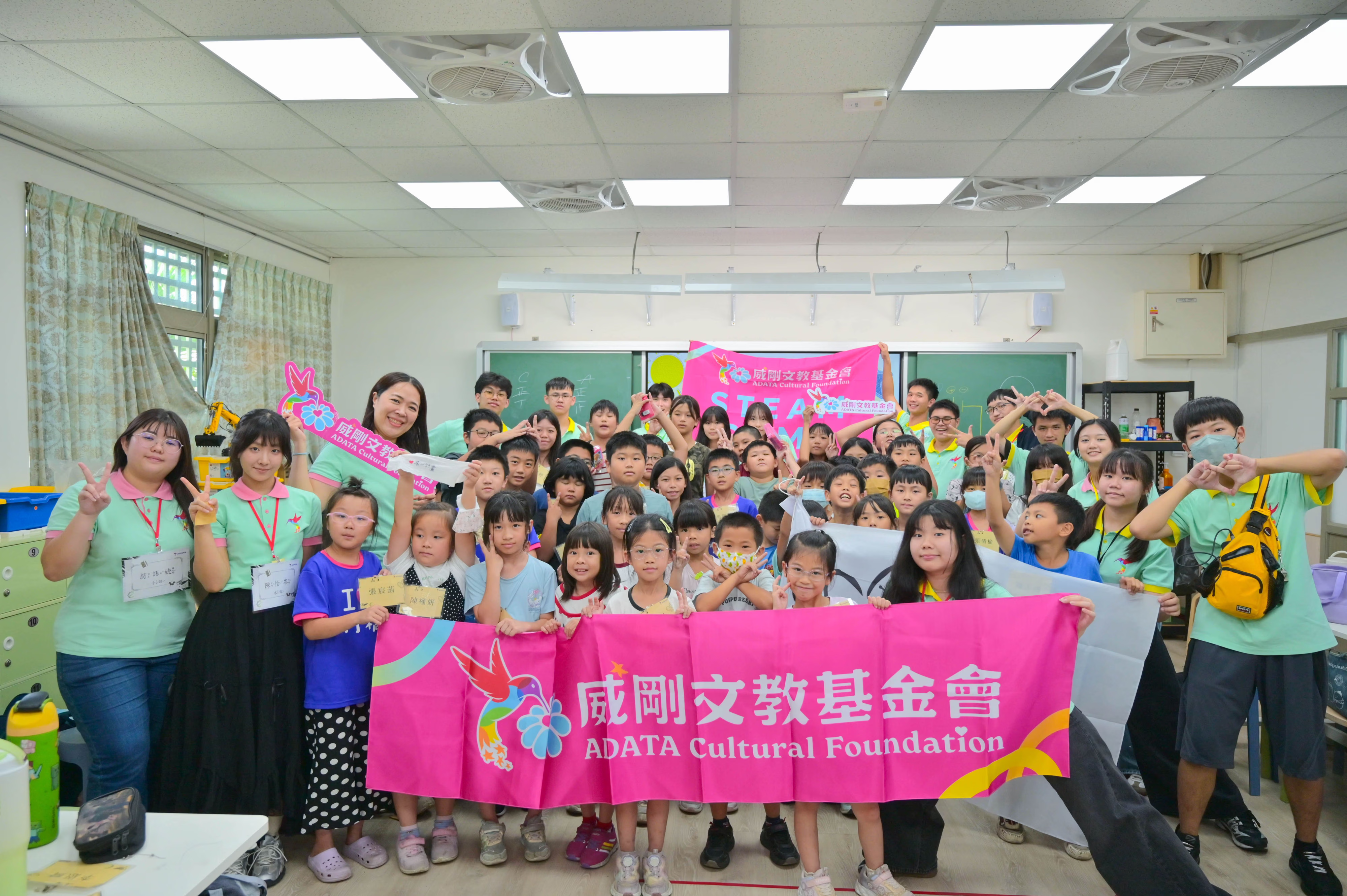
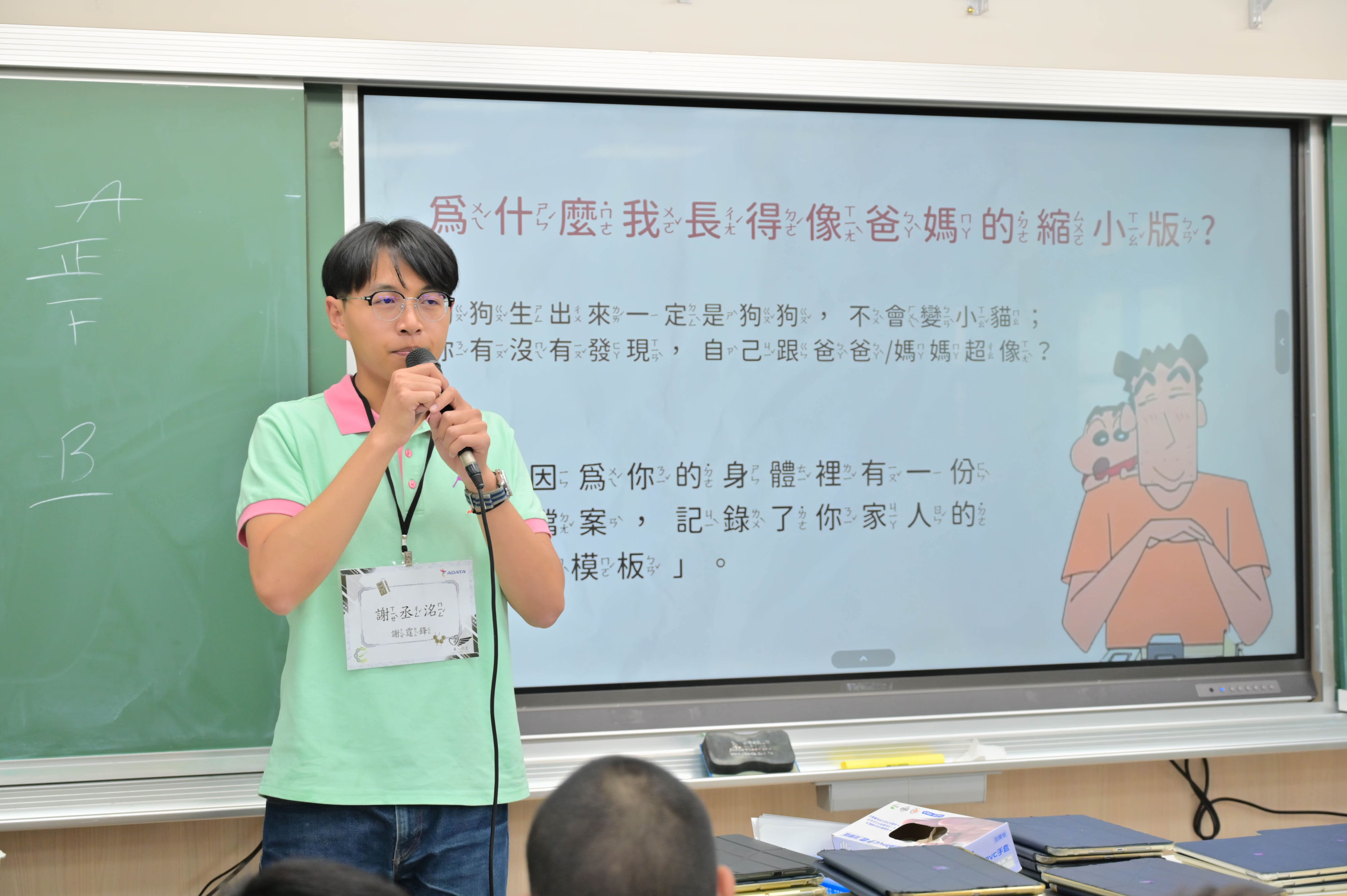
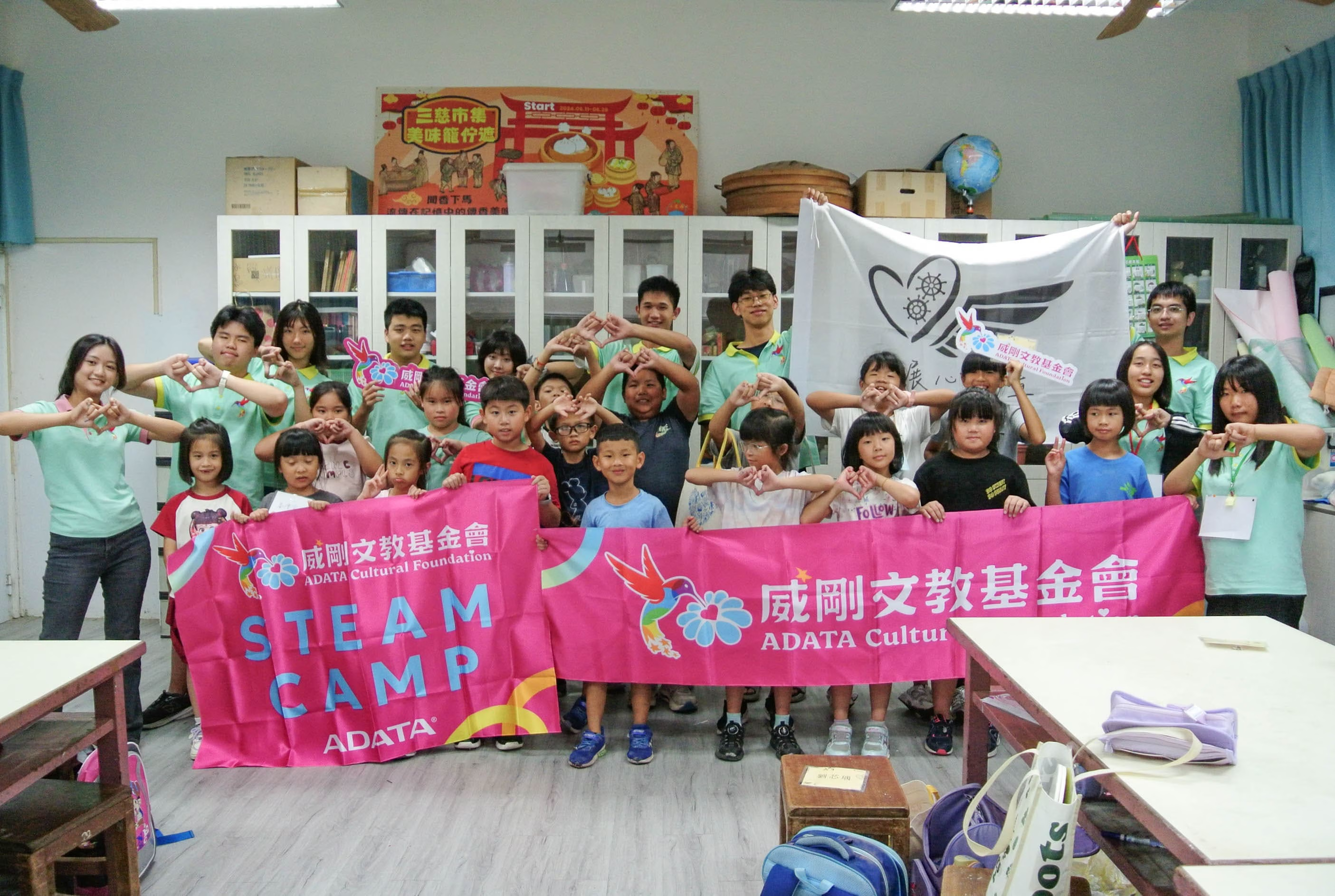
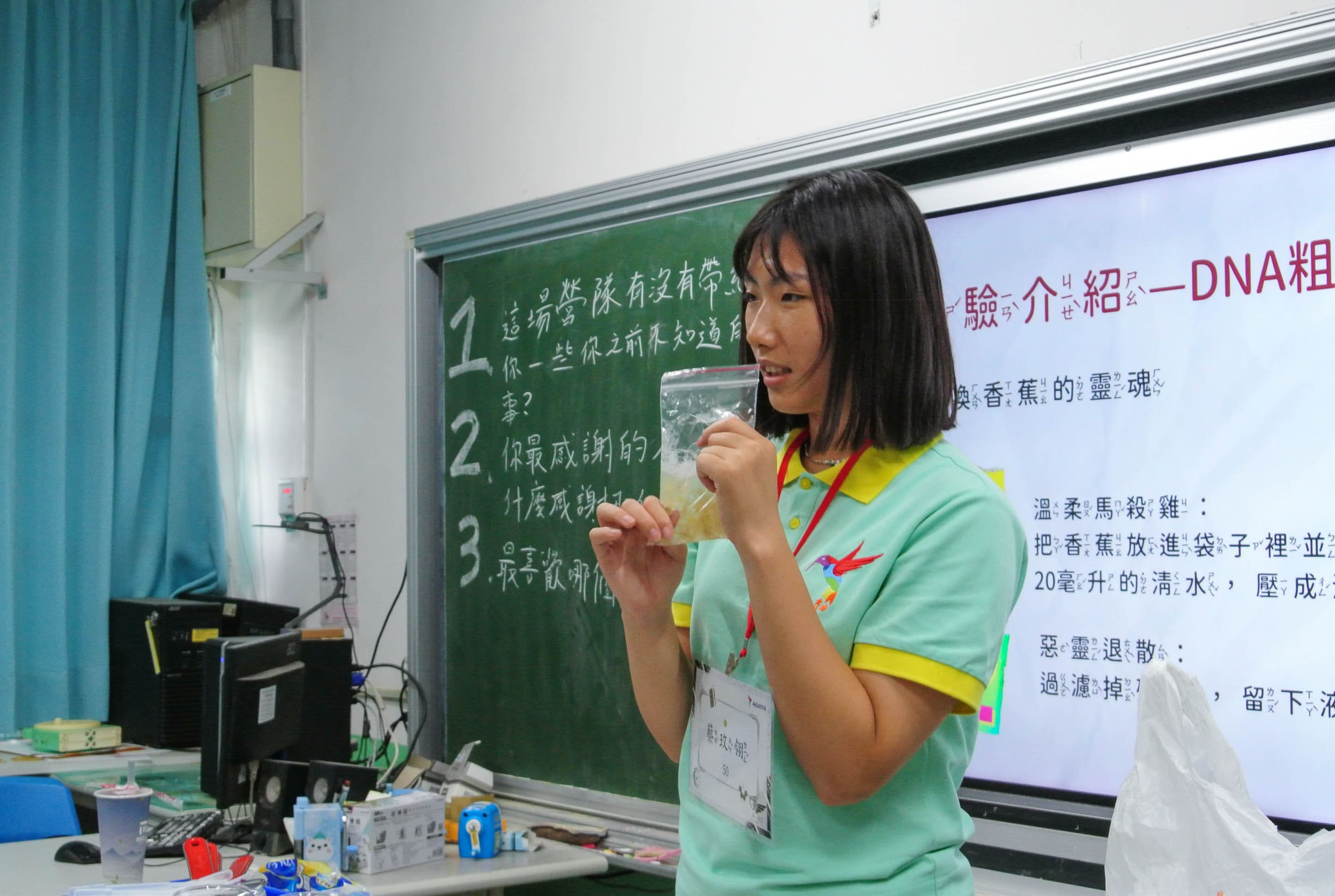
Across these 10 activities, we ran science experiments like DNA extraction, water rockets, elephant toothpaste, and a chemical garden—using everyday materials and carefully crafted lessons to show children that science is all around them.
We used pre/post questionnaires covering students' curiosity about science, interest in science, tolerance for experimental failure, willingness to ask questions, understanding of DNA, and grasp of experimental procedure. Participants reported significant improvements following the workshops in every area (p < 0.001, N=217). There was no control group, so these changes cannot be attributed to the camps alone.
What we most wanted to grow in these classrooms was a liking for science, and the children's answers moved that way. Rating the same statements from 1 to 5 before and after each camp, “science is interesting” rose from 4.06 to 4.80, “I enjoy hands-on experiments” from 4.03 to 4.74, and “science knowledge is too difficult” fell from 2.53 to 1.73 — every change p < 0.001, N = 217. The item-by-item analysis is in the feedback report at the end of this section.
We consulted faculty on safety procedures and purchased materials only after school approval. Participants wore safety goggles and gloves, and a medical professional was present at every activity. Most experiments followed the 3R principle (Reduce, Reuse, Recycle), reusing equipment and sorting waste properly.
On top of this, our team leader completed four of National Cheng Kung University’s (NCKU) campus safety training courses and holds a certificate for each, so that the safety of every experiment we brought into a classroom rests on formal lab-safety training.
Two-way learning, in the form it actually took: a reaction we did not plan for, a change we made because of it, and what happened next. Dates are in order, so the chain is visible.
| When | What they told us | What we changed | What came of it |
|---|---|---|---|
| Jul 13 – Aug 21 STEAM camps, 10 sessions | The same lesson landed differently with children of different ages and levels, and each school brought its own constraints — the weather, and whichever classroom we were given on the day | We revised as we went, camp to camp. Watching how the children actually handled each experiment told us how hard it really was, how much they enjoyed it, and whether it was practicable in that room at all; we carried each of those judgements into the next camp’s plan | Across 217 pre/post questionnaires, “science is interesting” rose 4.06 → 4.80, “I enjoy hands-on experiments” 4.03 → 4.74, and “science knowledge is too difficult” fell 2.53 → 1.73 (all p < 0.001) |
| Aug 2–3 NCKU Workshop | Our own timing estimates were off: some sessions ran long, others left gaps, and the pace was hard to hold | From the Little Sun Project two days later onwards, every event got a minute-by-minute run sheet, one team member whose only job was keeping to it, and blank time between activities as a buffer | The buffers did more than absorb overruns: they became the slot where participants asked us questions, so the margin we built for safety turned into time for dialogue |
| Sep 13 Anping Junior High | Third-year students were under exam pressure and needed a reason to engage | We dropped the lecture register for a relaxed, humorous one and put a hands-on DNA extraction at the centre | A student’s own words: “So the knowledge in textbooks can actually be seen with the naked eye!” |
| Sep 30 Tainan Girls’ High | The students were shy and hesitant to raise their hands | We opened an anonymous form so anyone could ask at any time | 31 questions came in, most about our gene circuit. An anonymous channel lowers the barrier to participation — we would open one from the start next time |
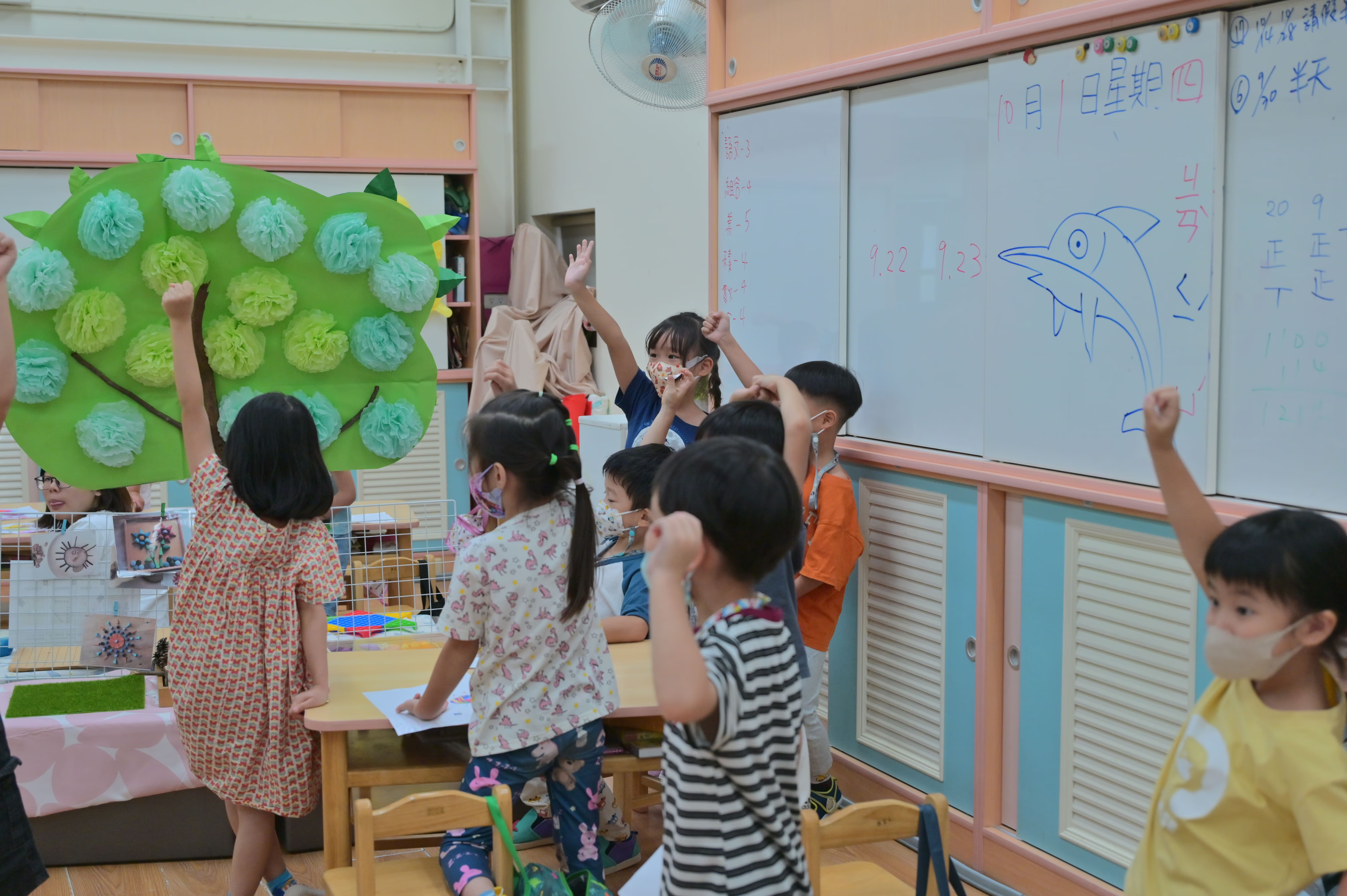
| Oct 1 Kindergarten | Preschoolers are easily distracted; holding their focus took more than an elementary camp does | We raised our voices and expressions, used shorter sentences, and spoke as characters rather than as teachers | 7 of 7 groups said it was fun, and all seven could describe what bacteria look like |
| Oct 1 Kindergarten | After a practice round they seemed to understand the treasure hunt, but once the game began some still did not know what to do | We had planned to let them explore alone; on the spot we switched to active guidance | 7 of 7 groups remembered the handwashing steps and showed us. At this age the balance between freedom and guidance has to be read in real time |
Teaching the same lessons across ages and levels taught us, through trial and error, how to make complex science concrete enough for children to love. Their pure curiosity about the unknown reminded us that researchers, too, must hold onto curiosity in the face of setbacks. At the end of each activity the children wrote thank-you cards, and we have kept every one of them. For us, education is a two-way learning process, not just knowledge flowing outward.
Across these 10 activities, we reached 266 children. The camp advanced SDG 3 (Good Health and Well-being), SDG 4 (Quality Education) and SDG 10 (Reduced Inequalities), and followed the four principles of the Convention on the Rights of the Child (CRC): non-discrimination, best interests of the child, right to survival and development, and respect for the child's opinion.
Detailed Explanation:
Download the STEAM from Seed × NCKU iGEM feedback analysis (PDF)
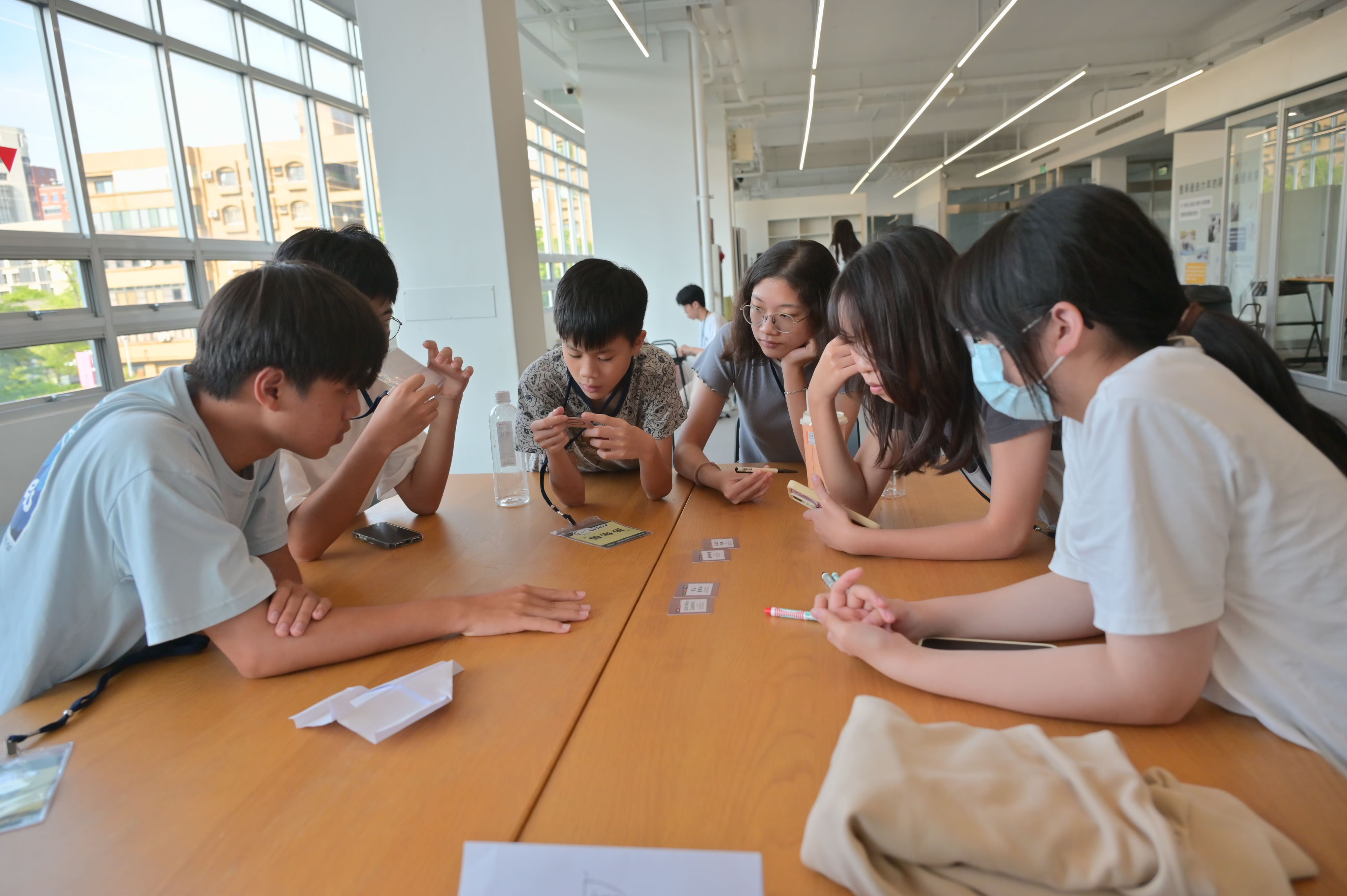
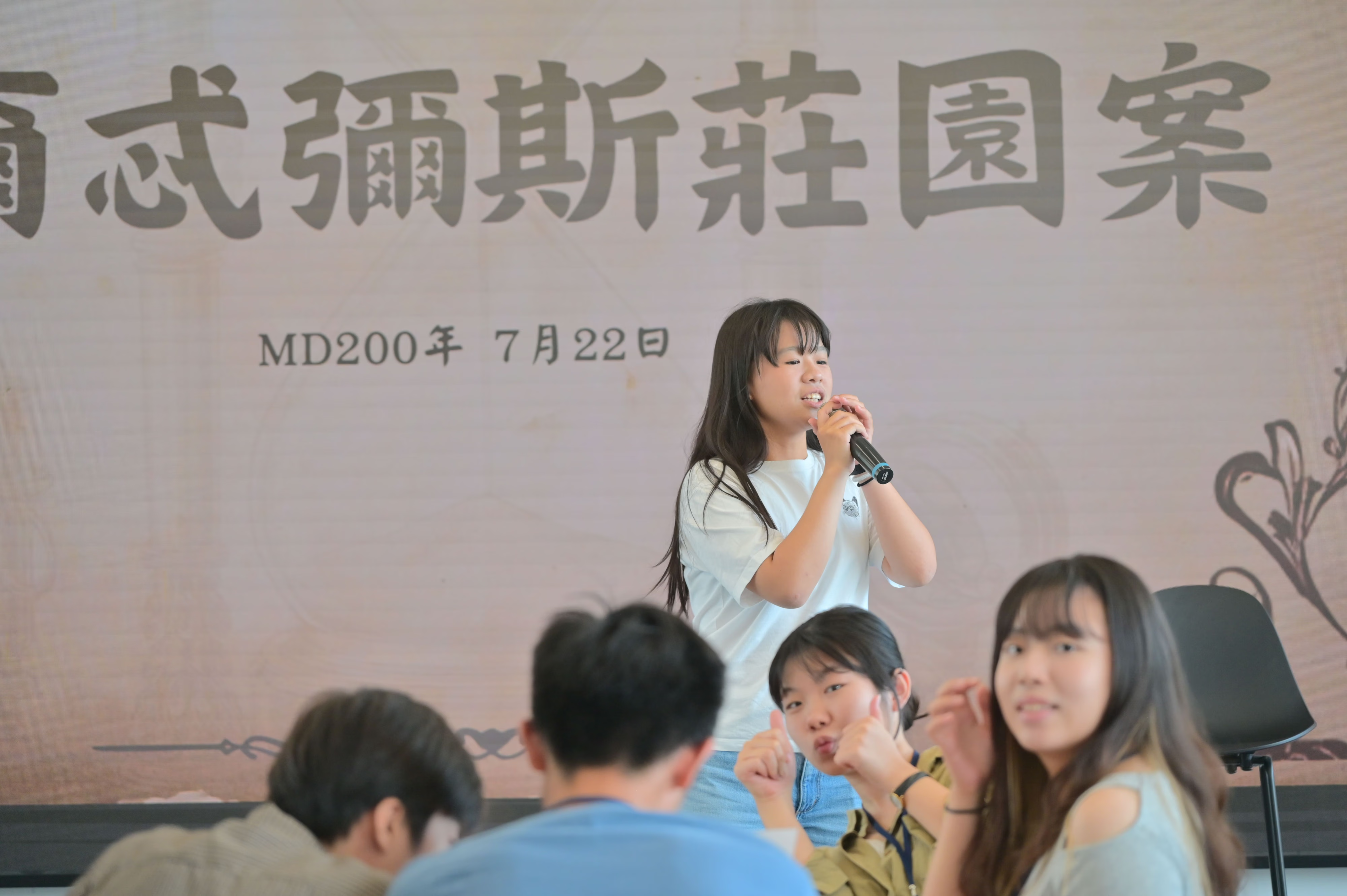
Workshop: 我們一起追的科學
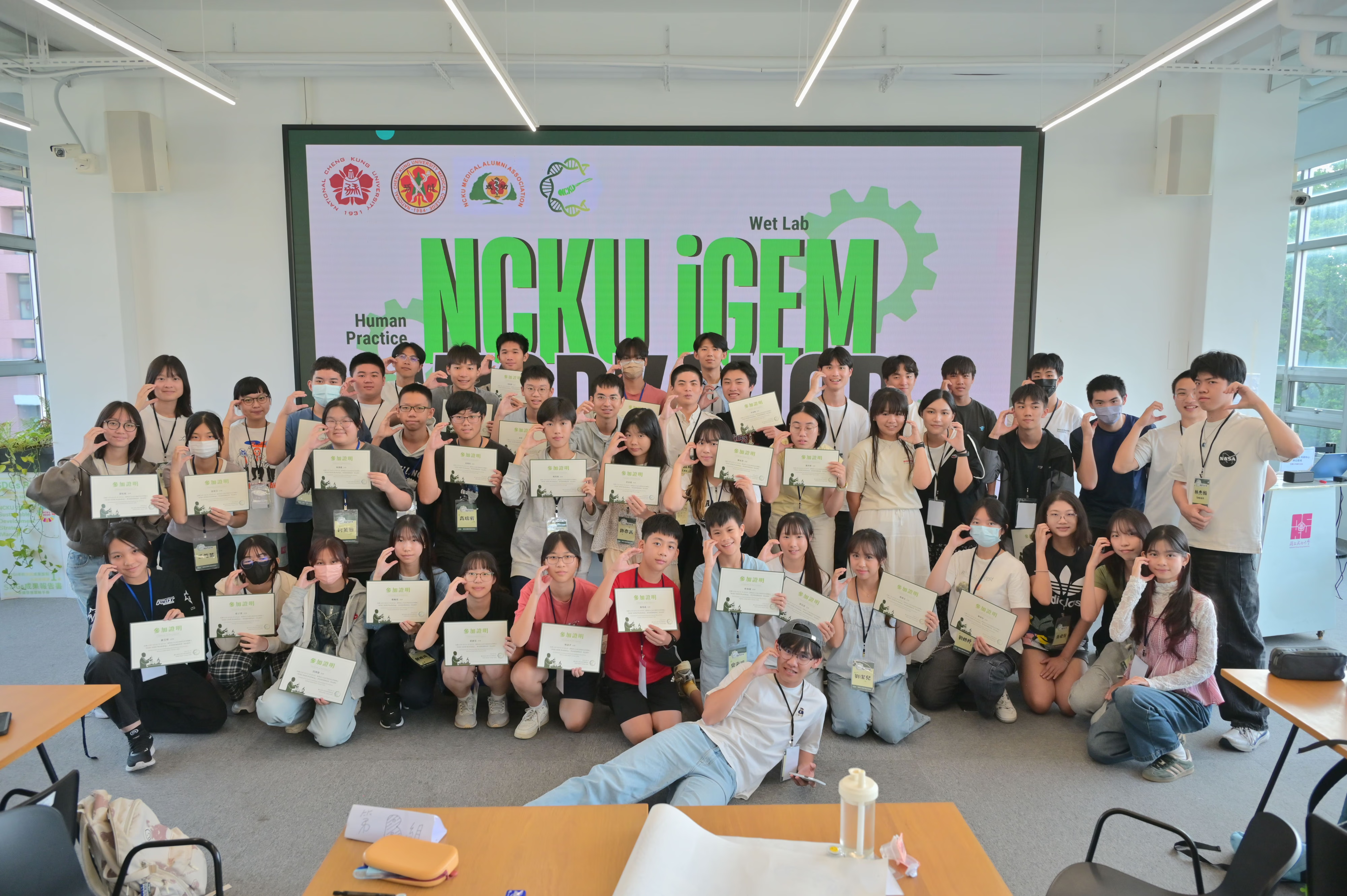
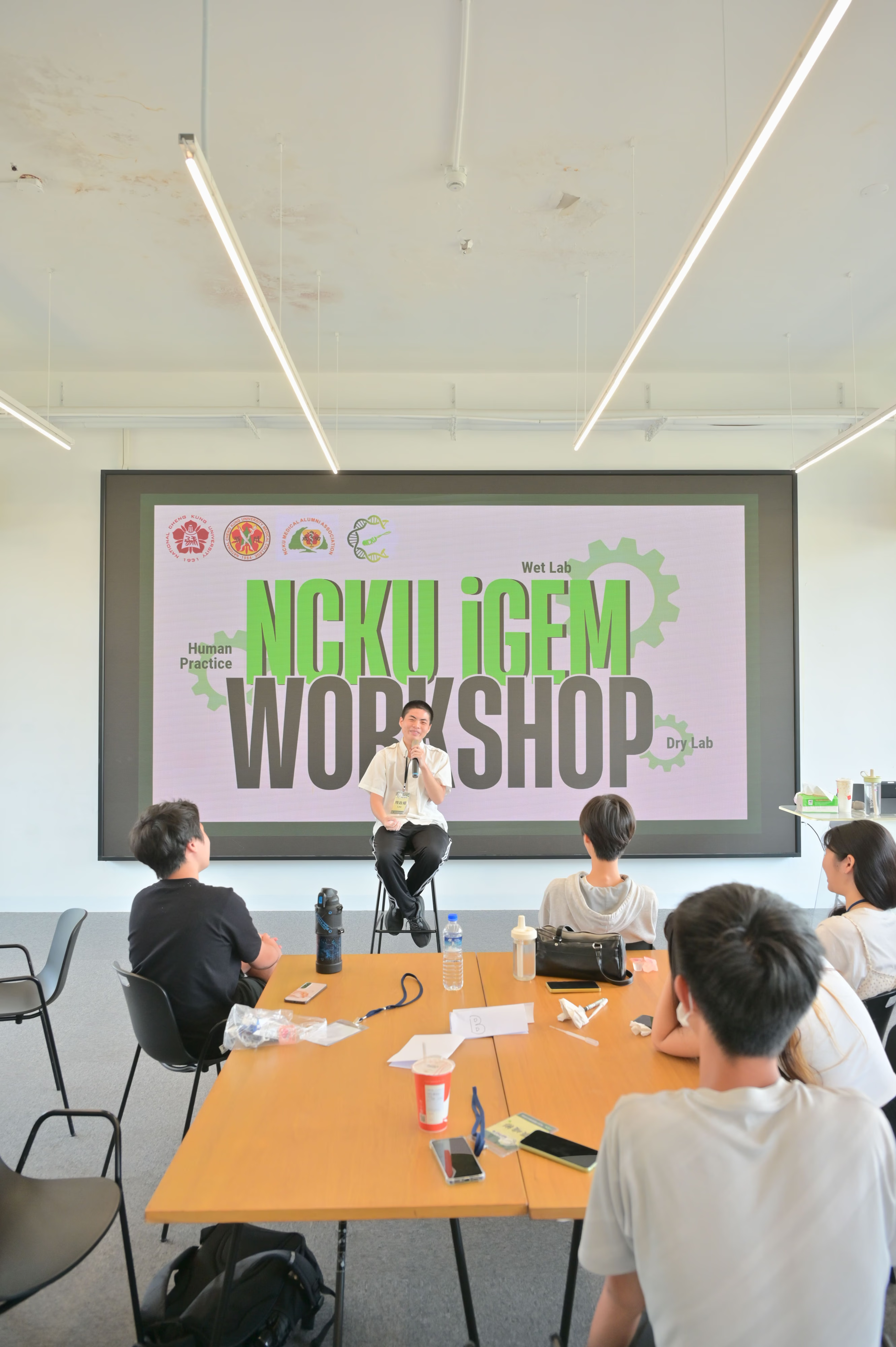
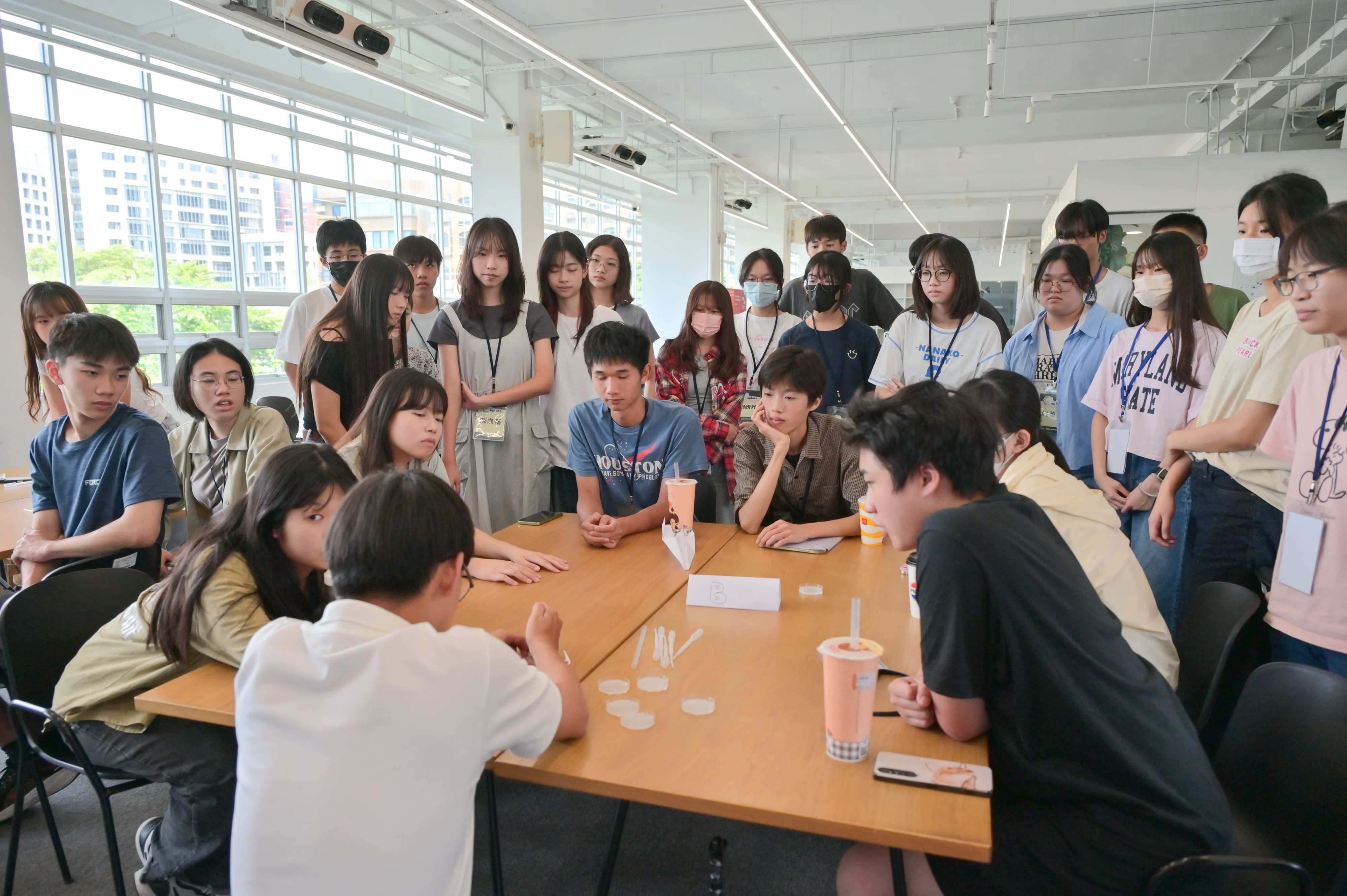
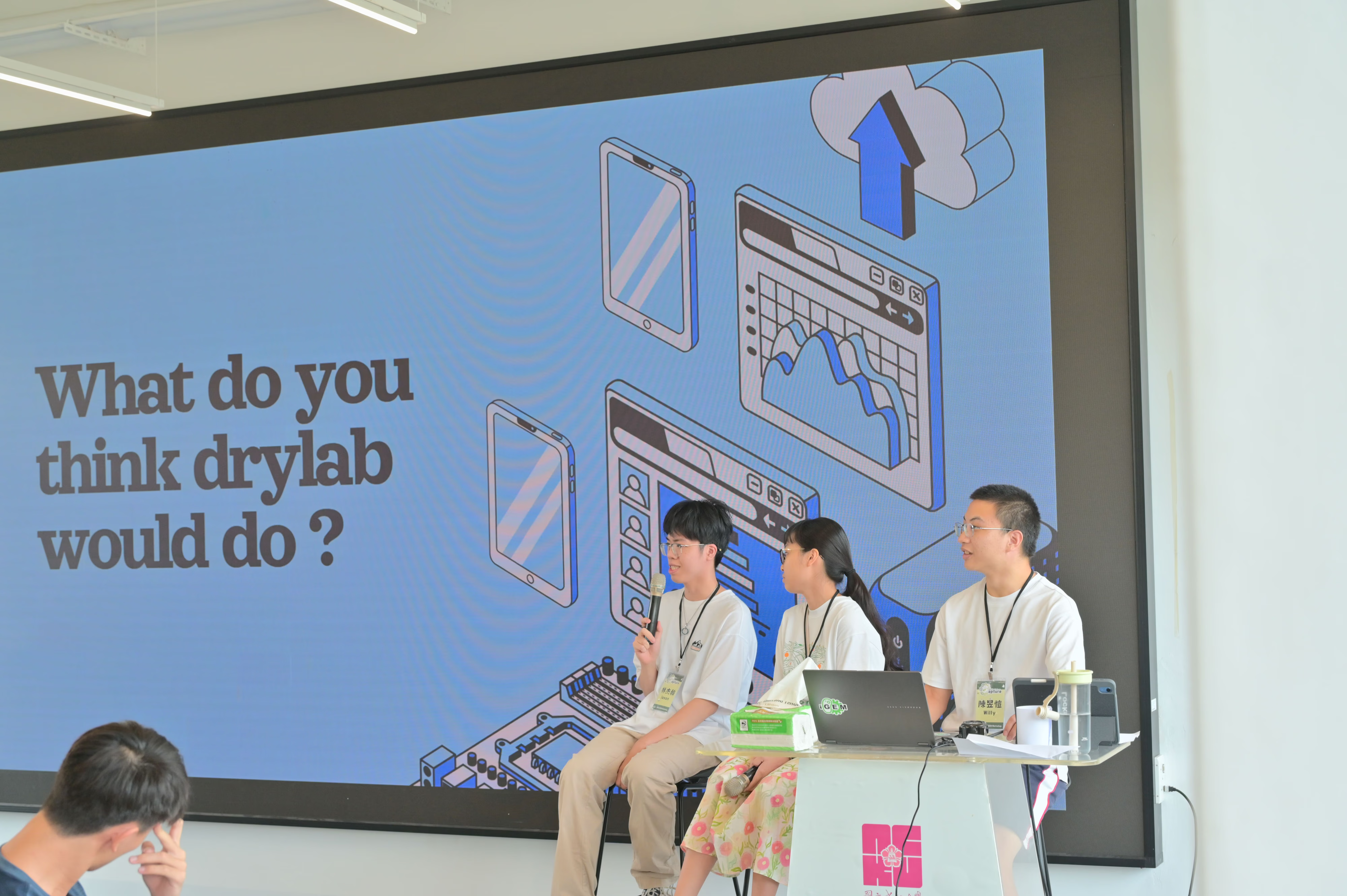
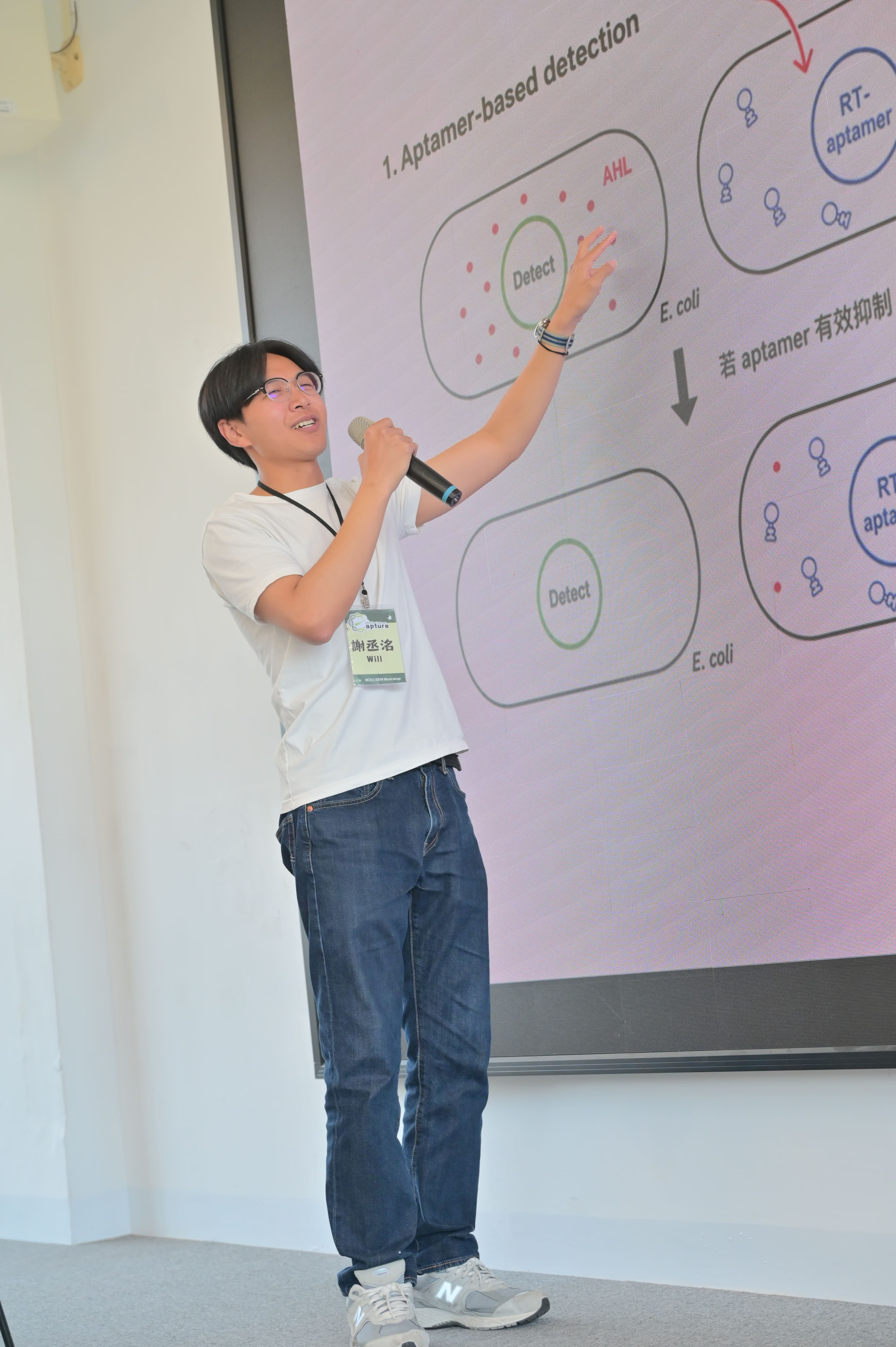
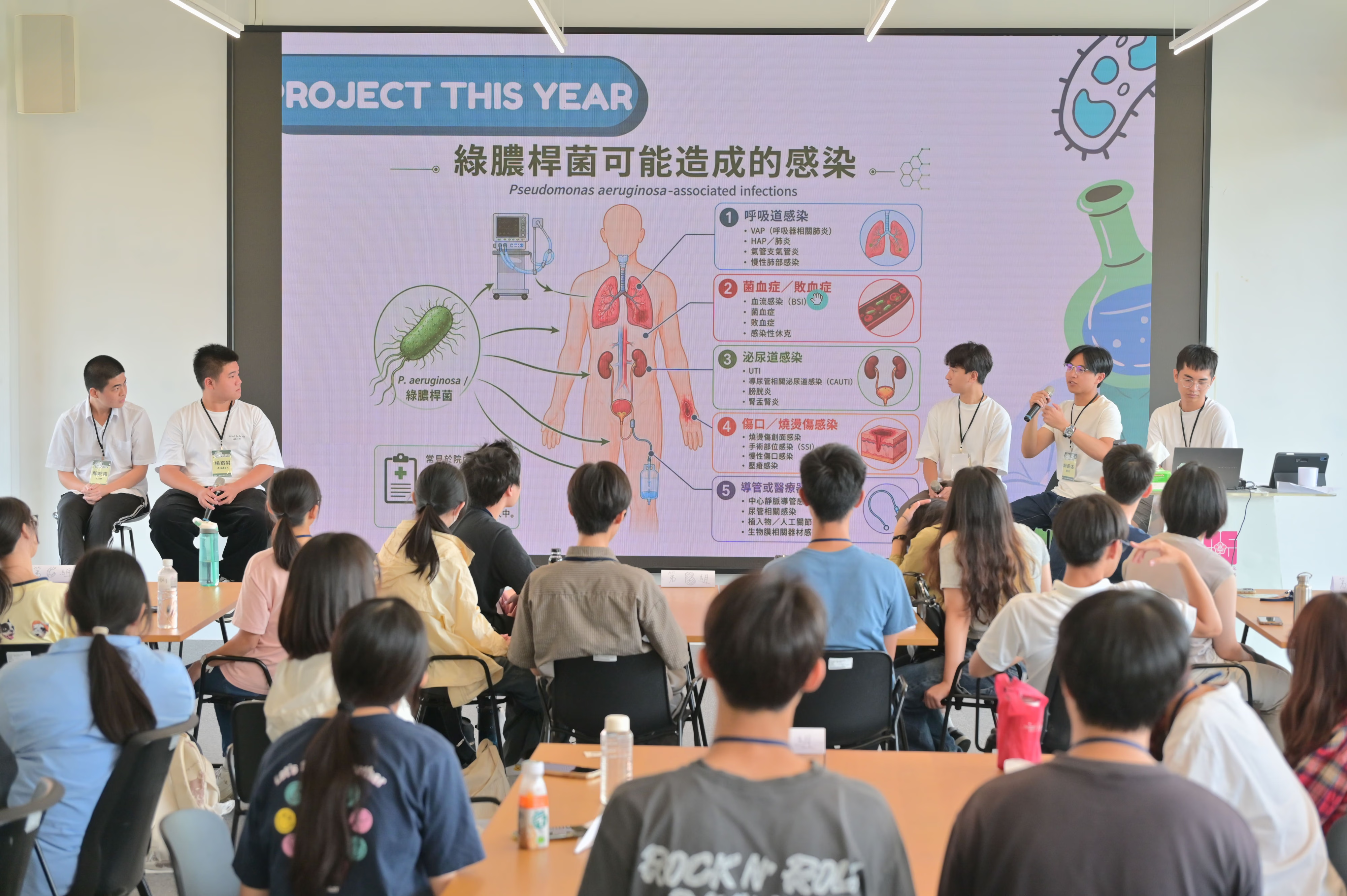
This two-day workshop introduced high school students to the spirit of iGEM, synthetic biology, and how science connects with creativity and sustainability through interactive, hands-on activities. Beyond our project and how our team works, we hoped to spark interest in scientific research and build skills in observation, critical thinking, teamwork, and communication.
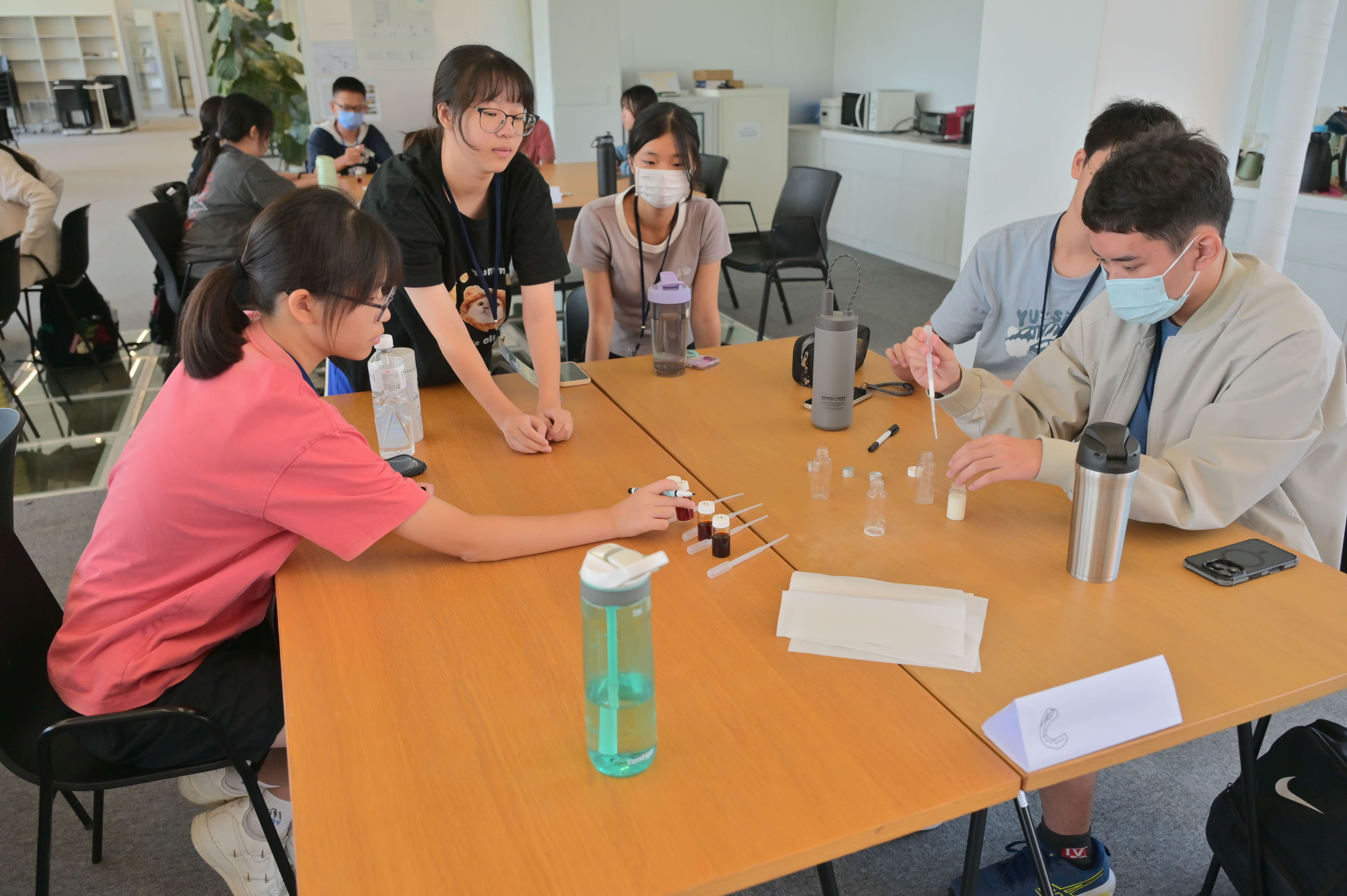
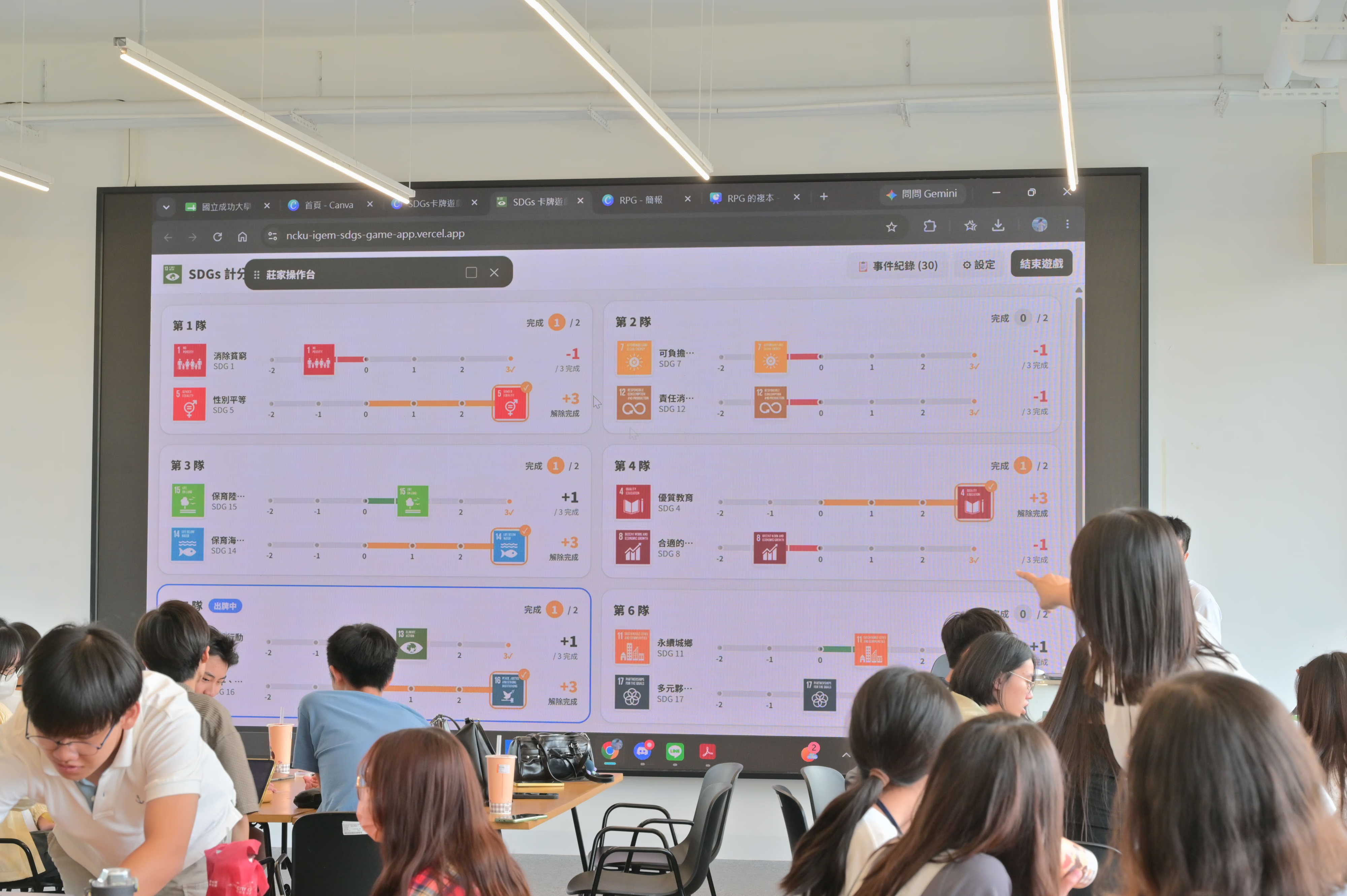
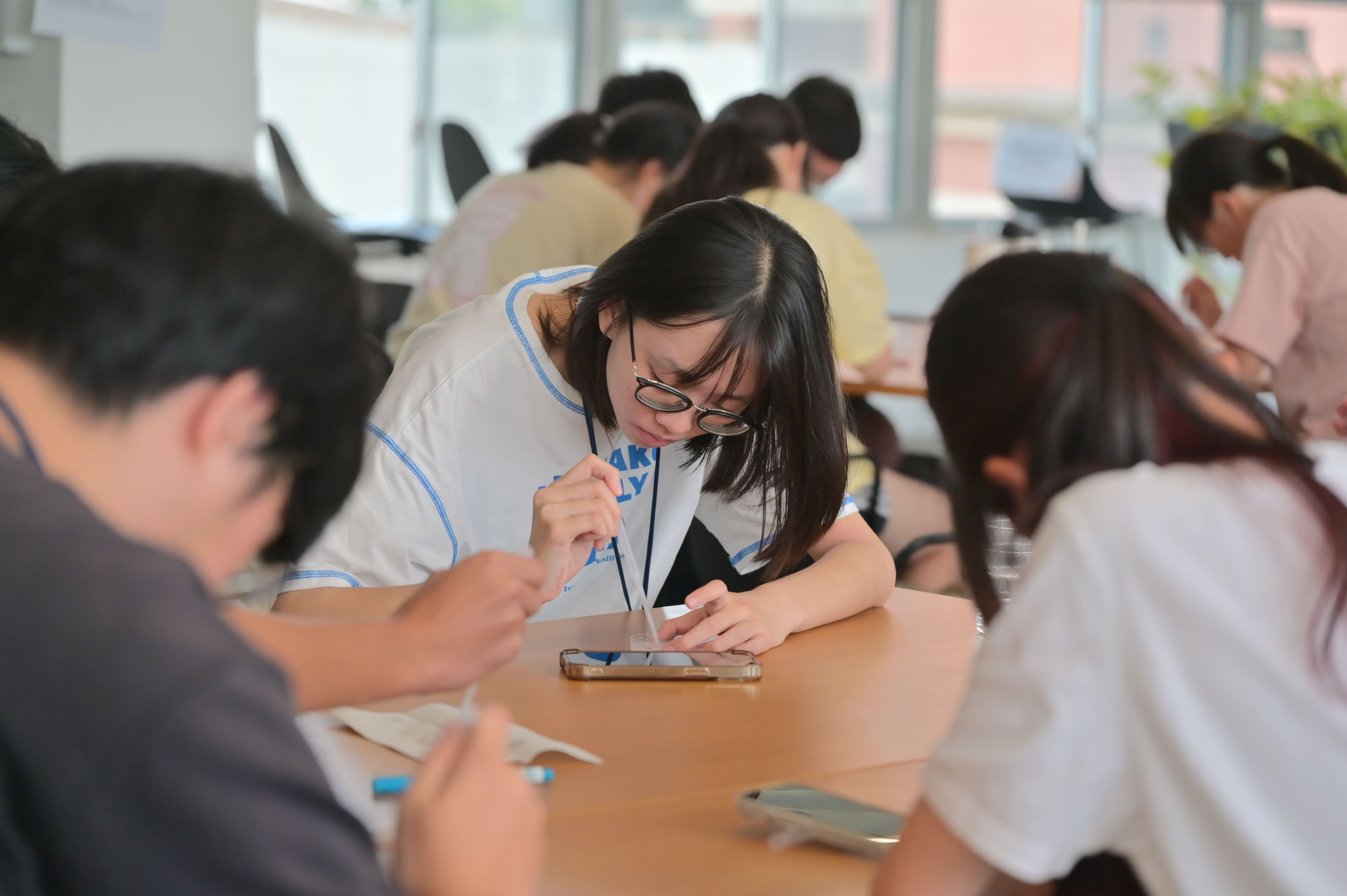
Activities included ice-breaking games, a World Café session, the Agarose Enzyme Lab, an RPG-style adventure, The Green Cabinet board game, Micro Detective, and brainstorming. Day one opened with ice-breakers, then the World Café introduced iGEM, our team, and our project; the Agarose Enzyme Lab gave participants hands-on experimental work and direct observation of scientific phenomena, and the RPG added exploration and immersion. A highlight was The Green Cabinet, a board game our team built from scratch—idea, cards, production, and testing—that introduced participants to the 17 Sustainable Development Goals in an everyday, relatable way. Day two's Micro Detective explored the microscopic world beyond the naked eye, and a brainstorming session closed things out with open idea-sharing.
We also found room to improve our time management—imprecise estimates meant some sessions ran long while others left gaps to fill, making the pace harder to control. Going forward, we'll plan not just content but how activities flow together, how much time each truly needs, and how to adapt more flexibly to the unexpected.
Feedback reflected a highly positive experience: the workshop averaged 4.6 out of 5 in satisfaction, and students' self-reported understanding of synthetic biology rose substantially, from 2.39 before the workshop to 3.88 after. The Green Cabinet was measured the same way, and self-rated understanding of the SDGs rose from 3.36 before playing to 4.33 after.
Beyond the numerical results, many students also shared thoughtful reflections on their experience. One participant wrote:
“活動內容很創新、豐富,這兩天真的學習很多,也走出了自己的舒適圈,謝謝 iGEM 舉辦了這麼棒的工作坊🥰”
"The activities were innovative and diverse. I learned so much over these two days and even stepped outside my comfort zone. Thank you, iGEM, for organizing such a wonderful workshop! 🥰"
Another participant shared:
“有許多需要團隊合作、溝通協調的部分,我覺得自己的社交能力進步很多😭”
"There were many activities that required teamwork, communication, and coordination. I feel that my social skills improved a lot through this experience. 😭"
These responses reminded us the impact went beyond scientific knowledge—through experiments, games, discussions, and teamwork, students explored new ideas and learned through interaction, while their feedback showed us what worked and what we can still improve.
Thank you to all the high school students whose enthusiasm made these two days so meaningful, and to Atelier Future for the venue and the STEAM From Seed initiative for their support. We hope to keep designing activities that let more students experience science through hands-on learning, discover the spirit of iGEM, and grow into people ready to face real-world challenges with curiosity and confidence.
Some forms of education focus on guiding children outward to explore a broader world, while others choose to remain rooted in one community, accompanying them day by day as they grow.
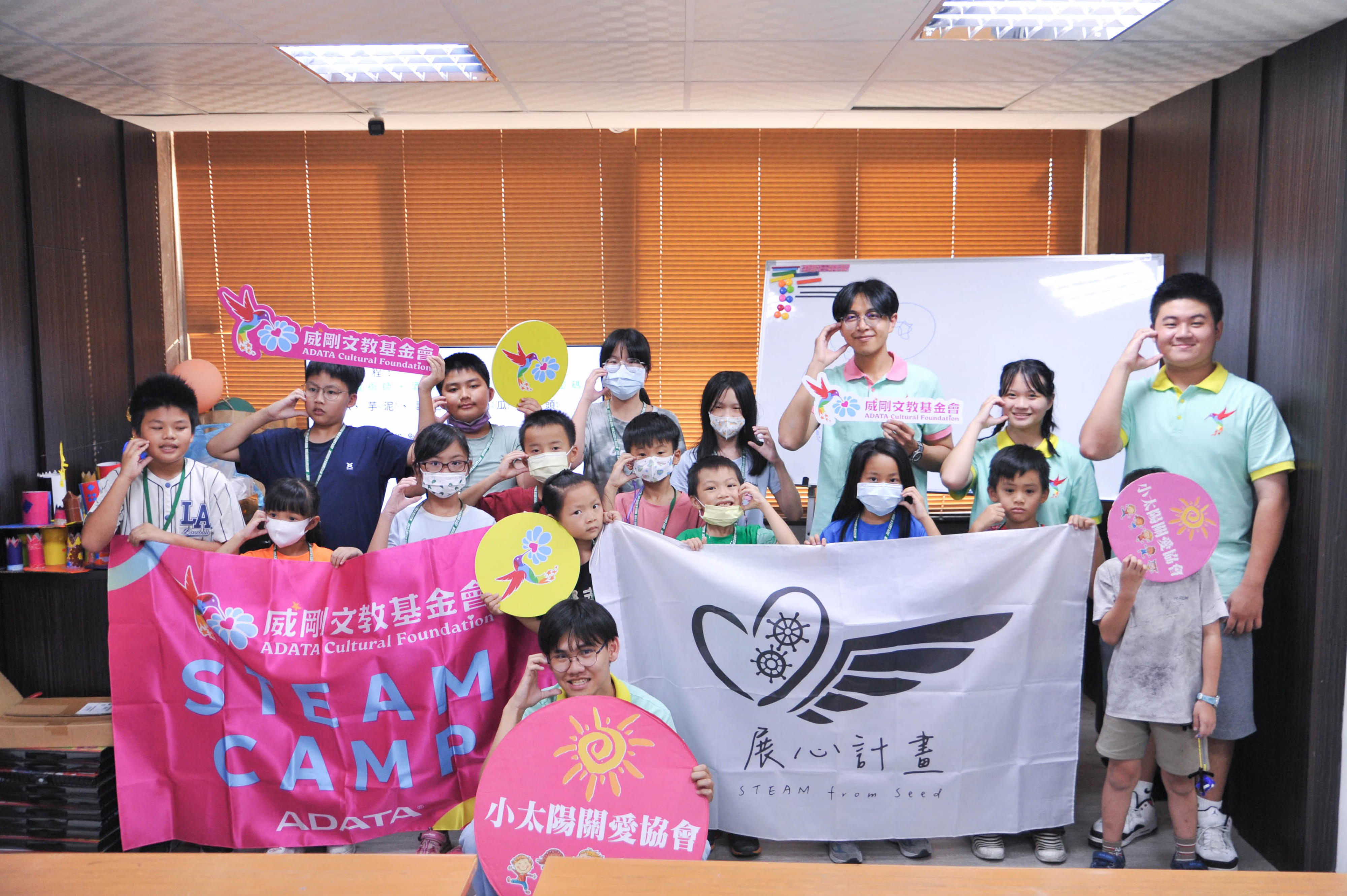
This year, our team visited the Little Sun Care Association in Nanxi District, Tainan. Situated in a mountainous region about an hour and a half's drive from the city center, Nanxi has experienced a severe outmigration of its young working-age population, leaving behind a demographic largely composed of children and the elderly.
At the invitation of a supervisor from the Tainan City Education Bureau, we organized a science program tailored for the disadvantaged children at the Association. Through hands-on experiments, we introduced concepts in life sciences, DNA, and photochemistry—transforming complex, abstract knowledge into tangible experiences they could relate to in their daily lives.
We conducted pre- and post-event surveys. As shown in the attached data, the children reported significantly higher scientific cognition, curiosity, and confidence after the afternoon than before (p < 0.05).
If we can introduce a novel experience and open a new window to the world for these children—complementing the long-term, stable support provided by Little Sun—then our encounter takes on profound meaning.
Education is never a short sprint, but a long-term relay race passed between many hands. Little Sun provides the fertile soil for these children to grow safely, and we are honored to serve as one of the bridges connecting them to the fascinating world of life sciences.
Download the Little Sun Project pre- and post-event survey data (PDF)
In this iGEM junior high school workshop, we guided students to understand the core concepts of the iGEM competition and synthetic biology, and through the simple hands-on activity of "DNA crude extraction," allowed them to experience firsthand the close connection between science and daily life.
This activity was specially designed for gifted students in the third year of Anping Junior High School. Facing the pressure of the senior-high entrance assessment, we used a relaxed and humorous interactive approach to guide them in exploring the joy of science. When the experiment was successfully completed, the students excitedly shared their extracted results: "So the knowledge in textbooks can actually be seen with the naked eye!" Promoting science education is not only about guiding students to discover knowledge, but more importantly, inspiring them to apply theory to real life—this is the vision that our team continues to strive for.
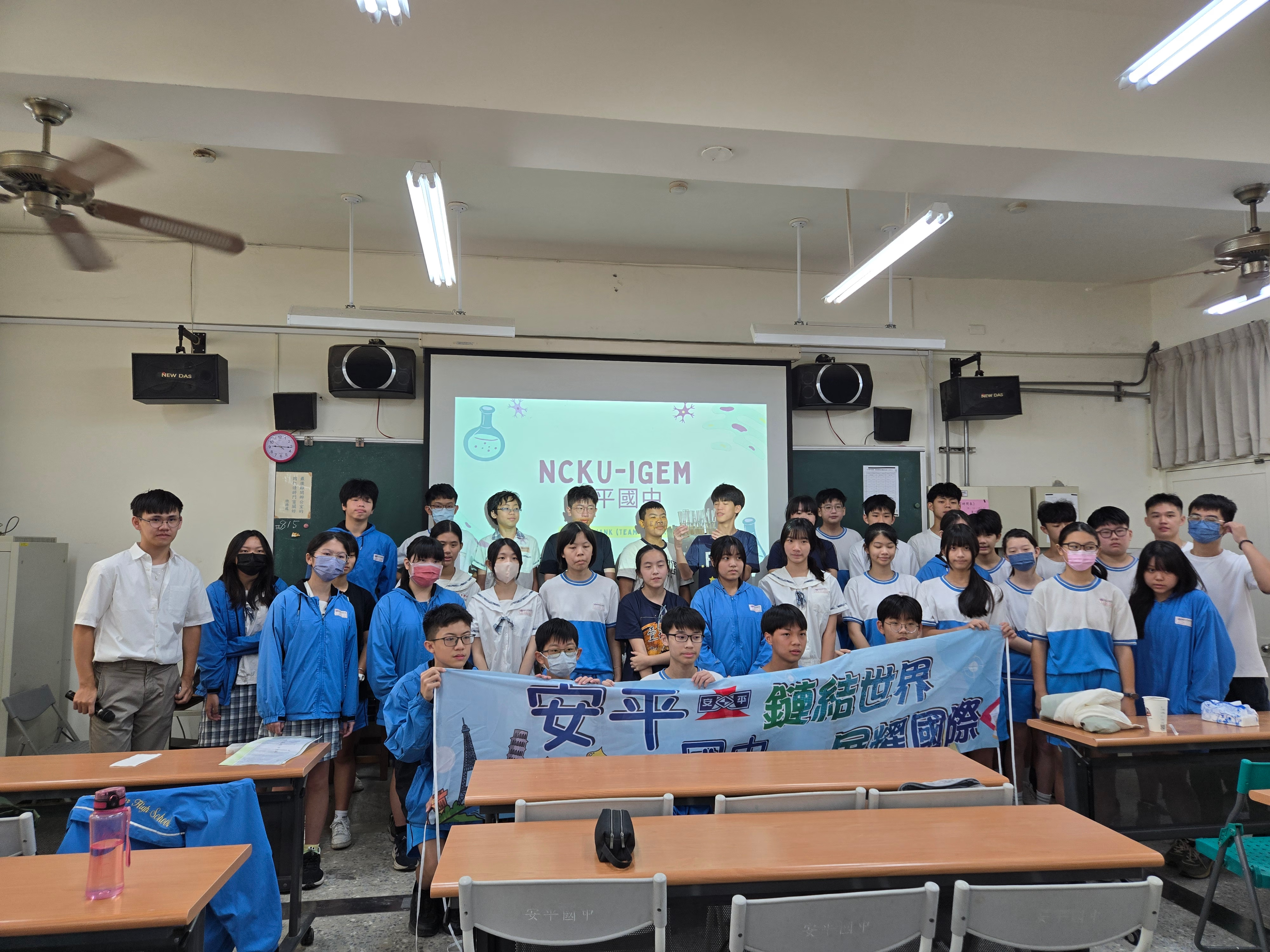
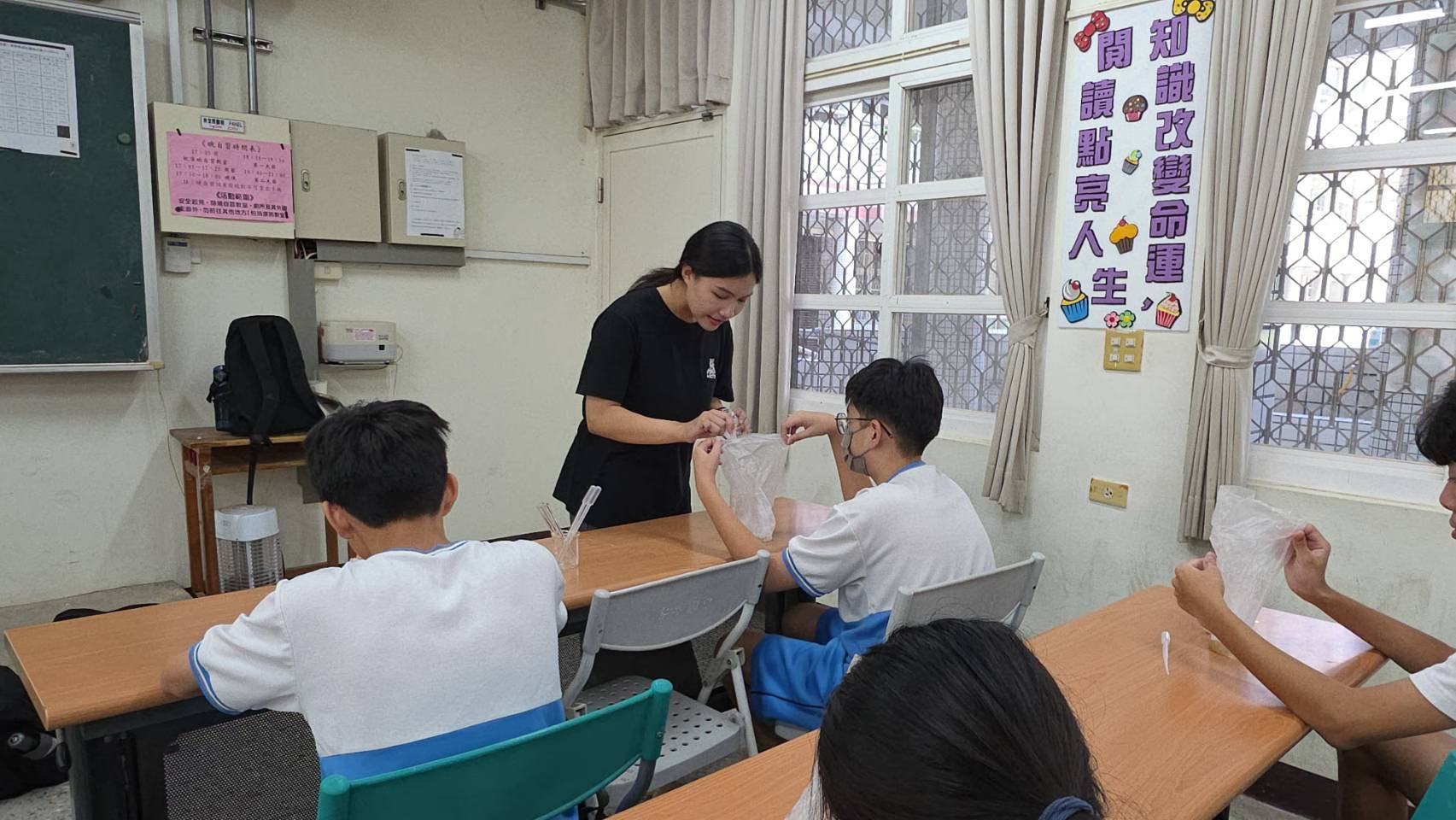
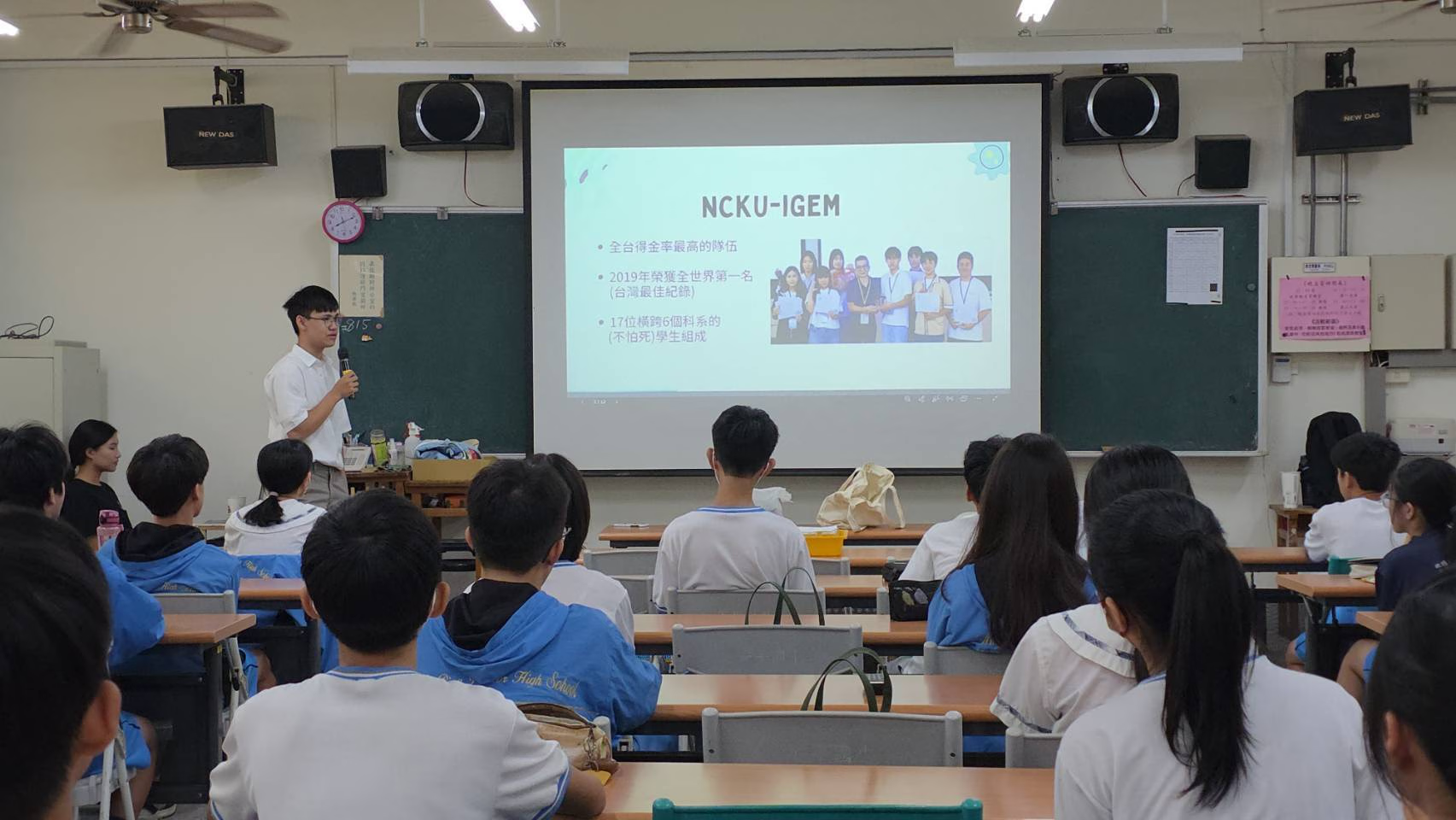
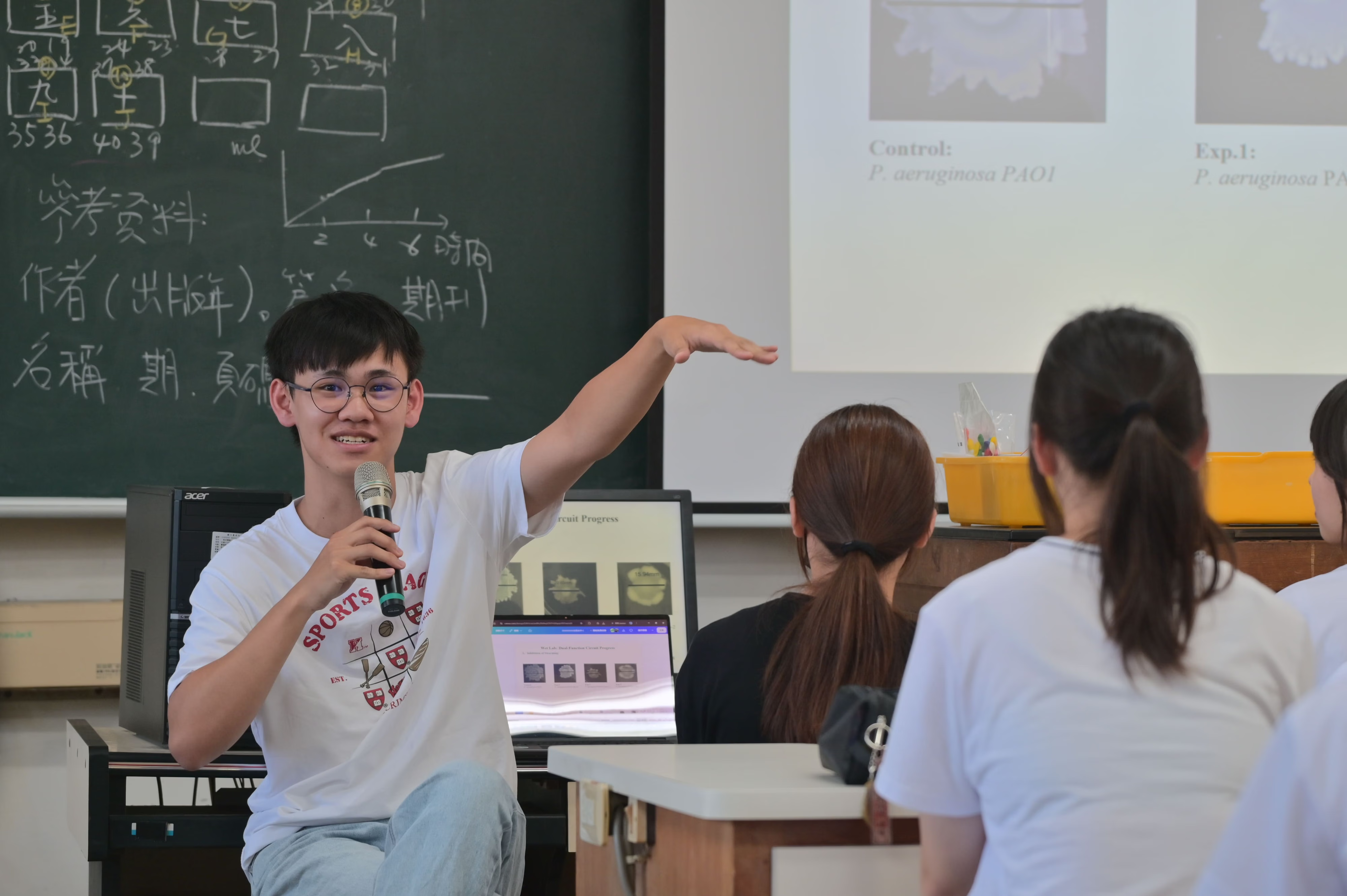
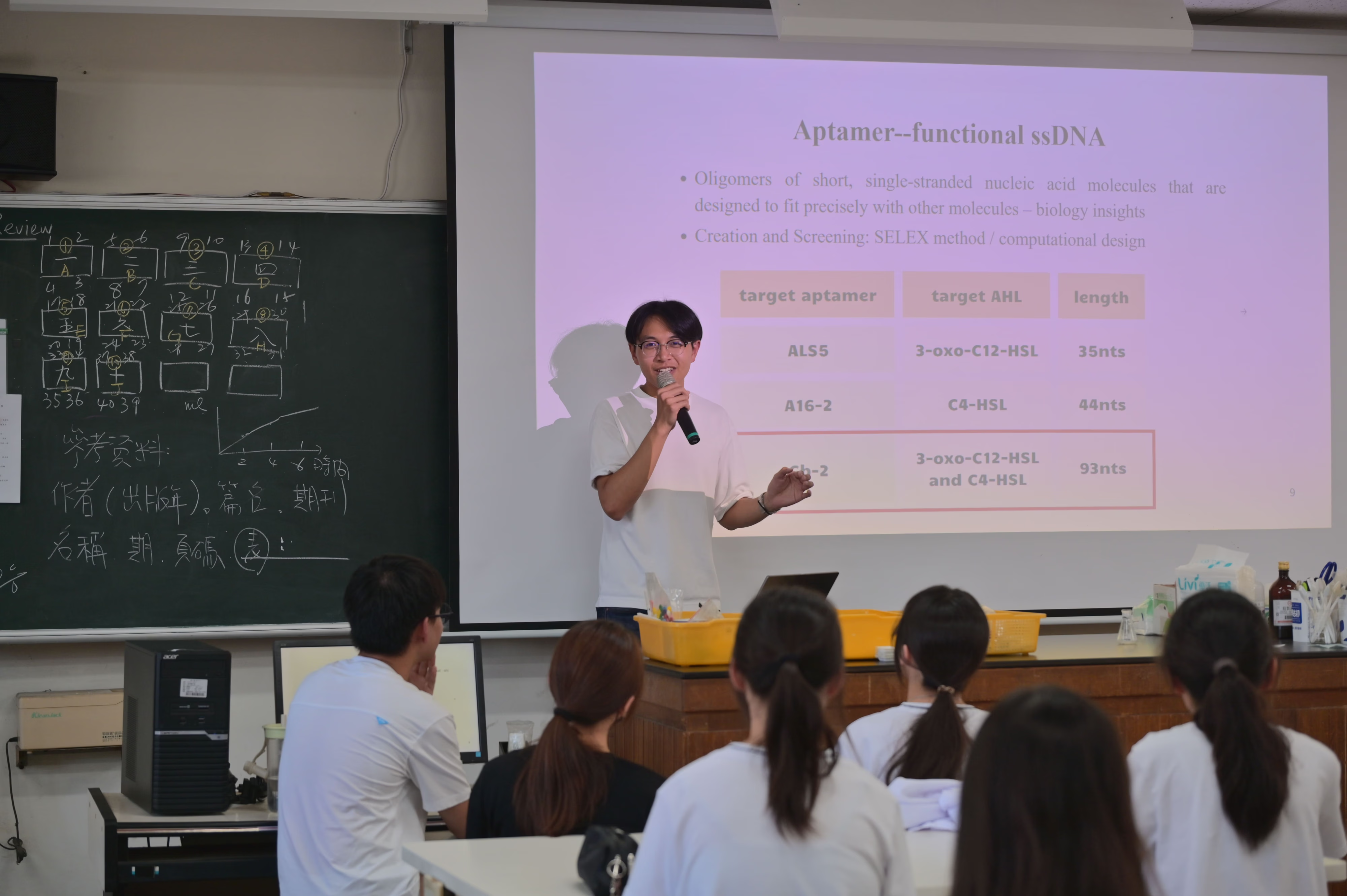
On September 30, 2026, the Medical Research Club of National Tainan Girls’ Senior High School invited us to meet 50 of its members. We presented Capture subgroup by subgroup, opened an anonymous form for questions, and spent the second half on what medical school is actually like. The full account of that session is on Promotion — what follows is part of what the students asked our team leader, recreated from memory after the session rather than transcribed, and what the format taught us.
iGEM is short for the International Genetically Engineered Machine Competition — the world’s largest synthetic biology competition, aimed at using synthetic biology to solve problems we actually face in daily life. NCKU-Tainan’s iGEM team has competed since 2016, and has won 8 gold medals and 1 world championship.
I think chemistry is an extremely important subject — it’s part of basic science, and a lot of physiological reactions and related mechanisms are much easier to understand once you have a handle on the relevant chemistry concepts.
The most fun one is definitely our Synthetic Biology Research Club — haha, just kidding! NCKU actually has a really diverse mix of clubs, from academic ones to sports clubs to service-oriented ones. I’d highly recommend coming to study at NCKU.
Our previous education activities mostly guided students through hands-on experiments. This time, we chose a different format: sharing and open dialogue. Through first-hand stories and two-way conversation, students did not just receive information; they could picture their own future studies and careers. We also learned that an anonymous question channel greatly lowers the barrier to participation.
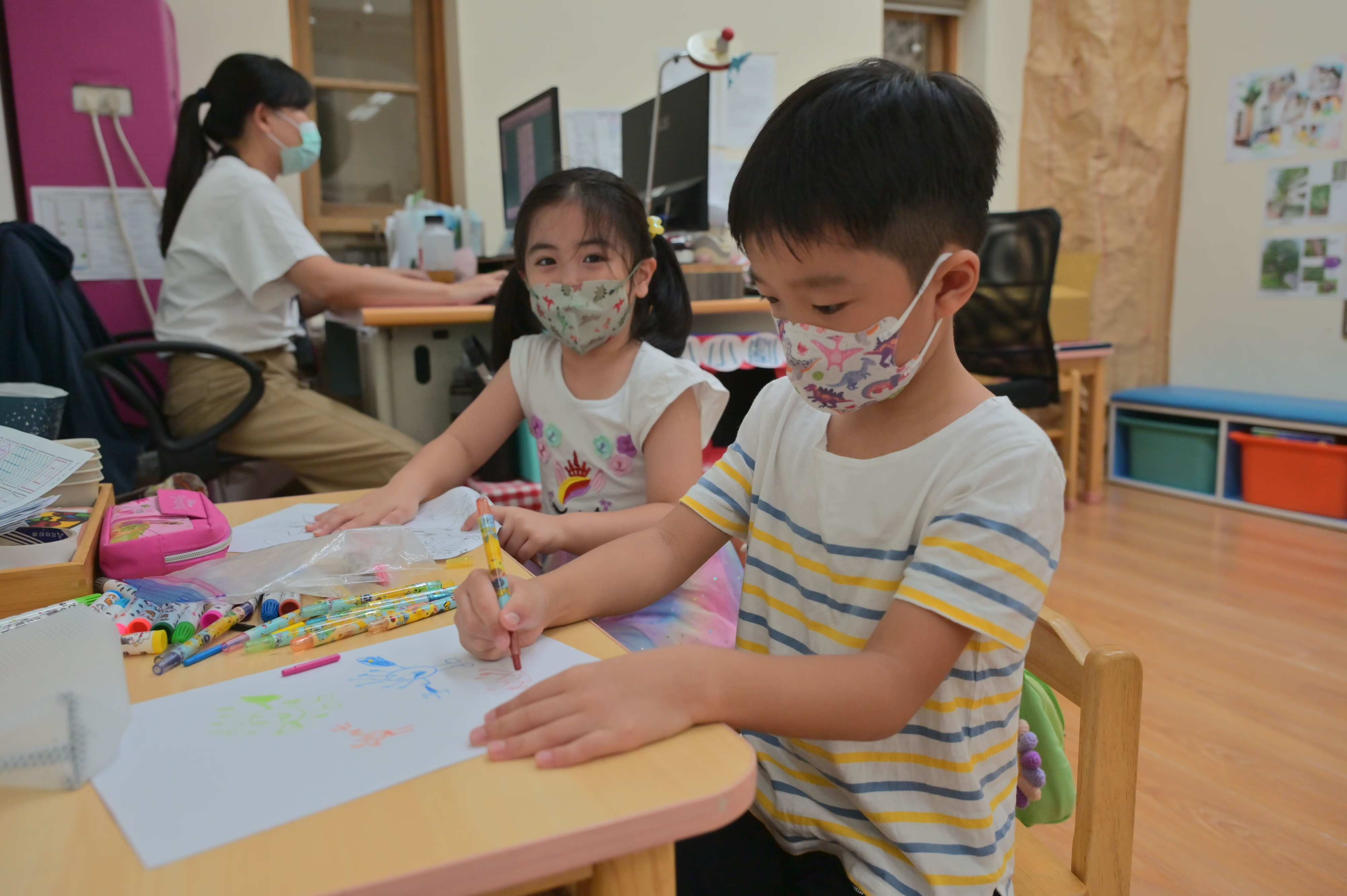
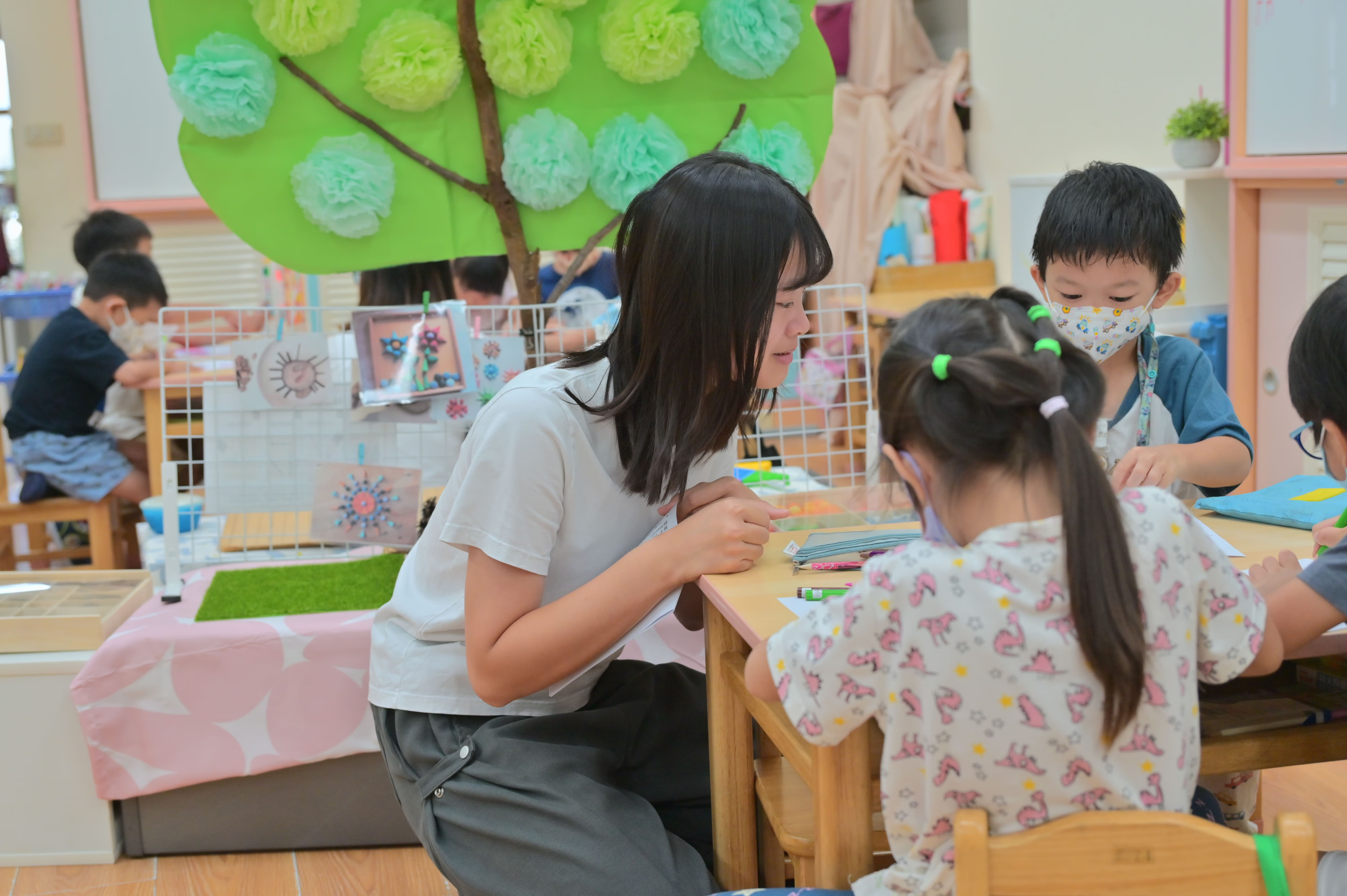
Mission: Germ Detectives
Preschoolers almost never meet words like “bacteria” or “infection”, yet handwashing and wearing a mask are exactly the habits that need to take root at this age. So we turned the theme at the heart of Capture — preventing bacterial infection — into something the youngest children could play their way through: taking synthetic biology to the places it seldom reaches, and planting public-health awareness as early as possible.
The whole event ran as one mini skit, so the children took the content in by playing a part in the story rather than sitting through one-way teaching.
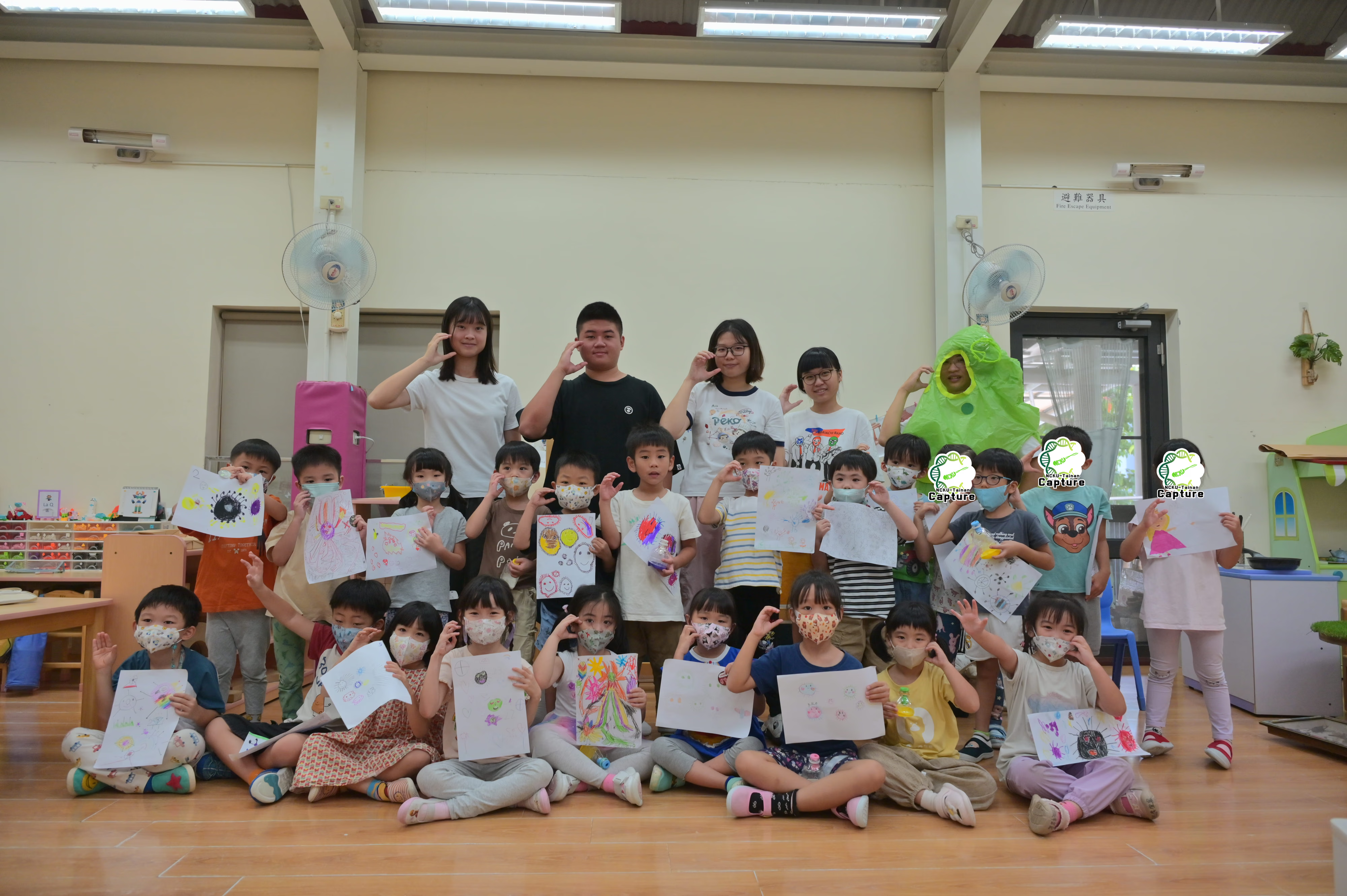
Each child drew what they imagined bacteria look like and told us why — an early sense that bacteria have a shape and can spread.
“Bacteria weapon” props were hidden around the classroom, and the children searched for them, practising observation and teamwork.
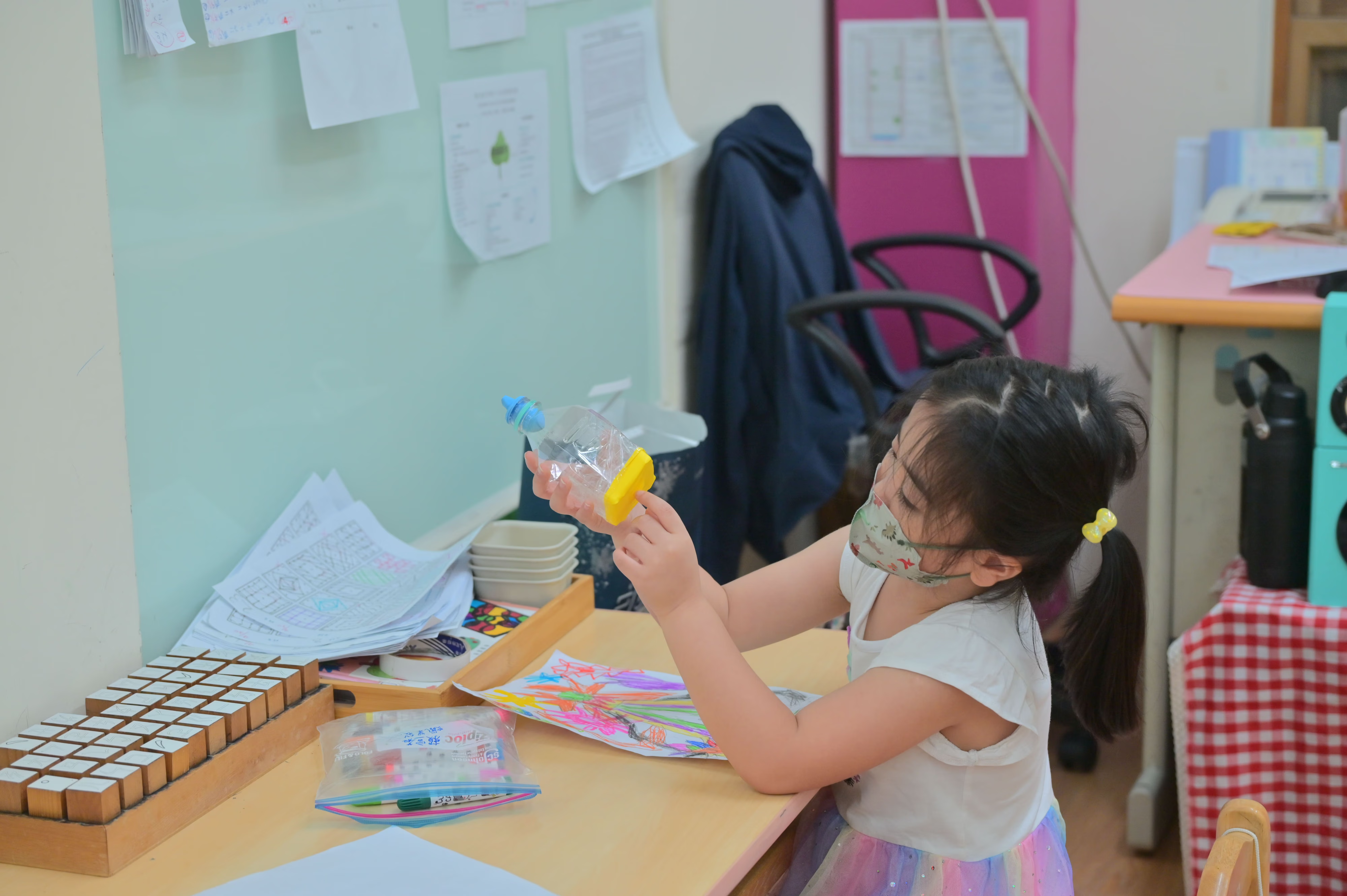
A plastic bottle, a balloon and straws made a simple lung. Pulling the balloon themselves, the children watched the “lungs” expand and contract — and connected it to what happens when bacteria invade the airway.
Finally we introduced wearing a mask and washing hands, and the children practised the handwashing steps on the spot.
Most preschoolers can’t yet read or write, so instead of a written form we asked each group out loud — 2–6 children per group — and team members recorded the answers. Open a question to see more.
Uniformly positive. The favourite part was the Hot & Cold treasure hunt — hands-on, physically active segments left a stronger impression than the quieter drawing activity.
Answers clustered around two shapes, and some children added details — the drawing had given them a real picture, not just an abstract word.
Some children also mentioned staying away from sick people, or resting and drinking more water at home — a sign they had grasped not only what to do but, to some extent, why.
Every group said they remembered the steps and demonstrated them on the spot — the most consistently retained takeaway of the whole event.
Beyond what the groups reported, the children also told us in their own words what they made of the morning. One child said:
"謝謝你們帶我們玩遊戲"
"Thank you for playing games with us."
Others added:
"學到很多"、"很好玩"
"I learned a lot." / "That was fun."
Science outreach can’t use one approach for every age: preschoolers need completely different guidance and attention-holding from what we learned at elementary school camps, and this taught us to observe and adjust on the spot rather than stick rigidly to the plan. Hands-on, game-based segments worked far better than one-way explanation, and the near-perfect recall of the handwashing steps convinced us that even the youngest children can make a hygiene habit their own when the approach fits. Next time, we hope to design more learn-while-playing segments, and find a simple way to check whether the habits last days or weeks after the event.
We made this Education Handbook to pass on what our ten rural education sessions taught us — what we learned, the problems we ran into, and the details of how the whole thing was actually carried out — so that any future iGEM team hoping to do similar work has a reference to start from.
If a child is to keep alive his inborn sense of wonder … he needs the companionship of at least one adult who can share it, rediscovering with him the joy, excitement and mystery of the world we live in.
In every classroom we visited this year, we tried to be that adult.