Who would use Capture, and how would we implement it?
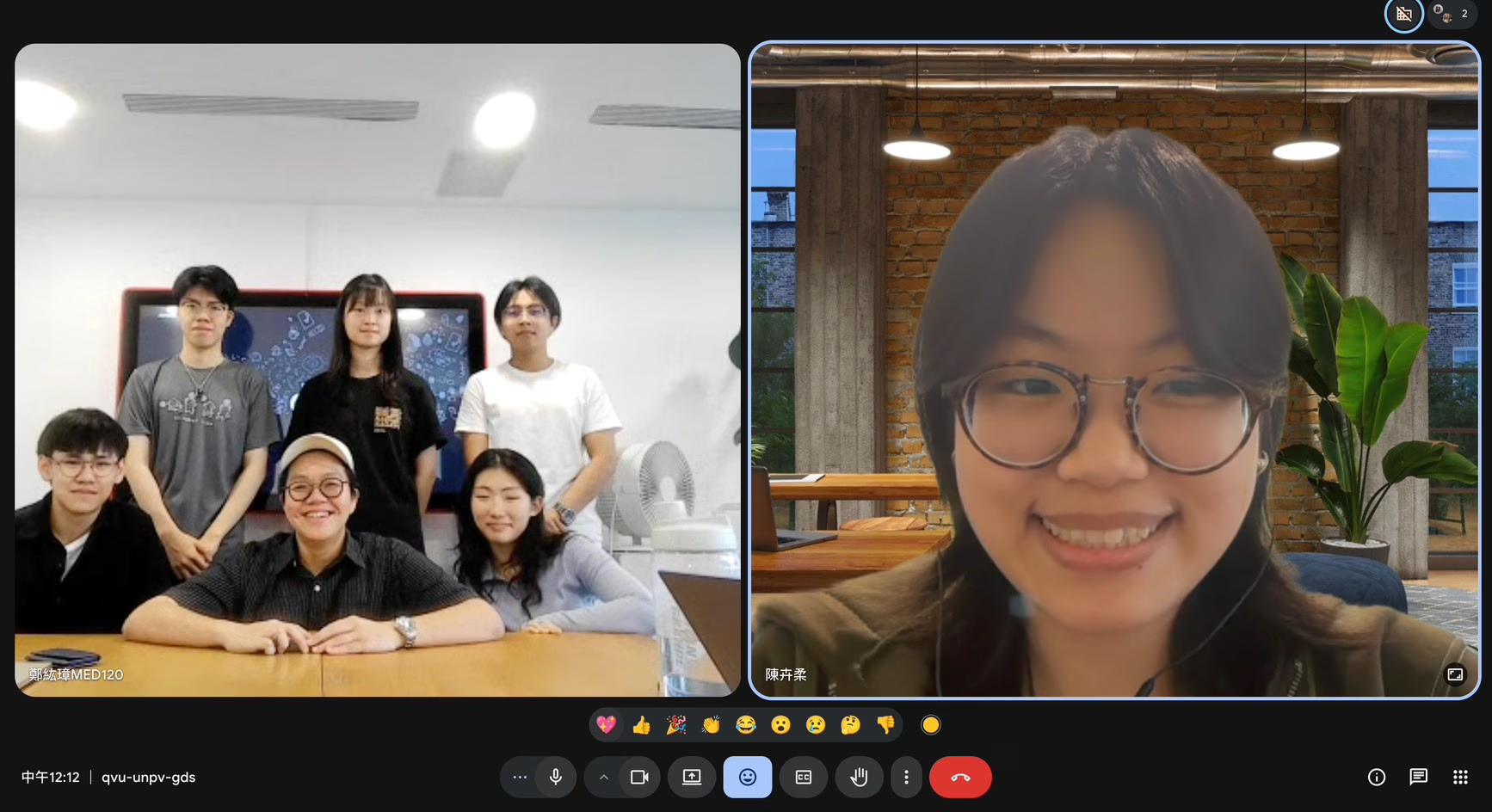
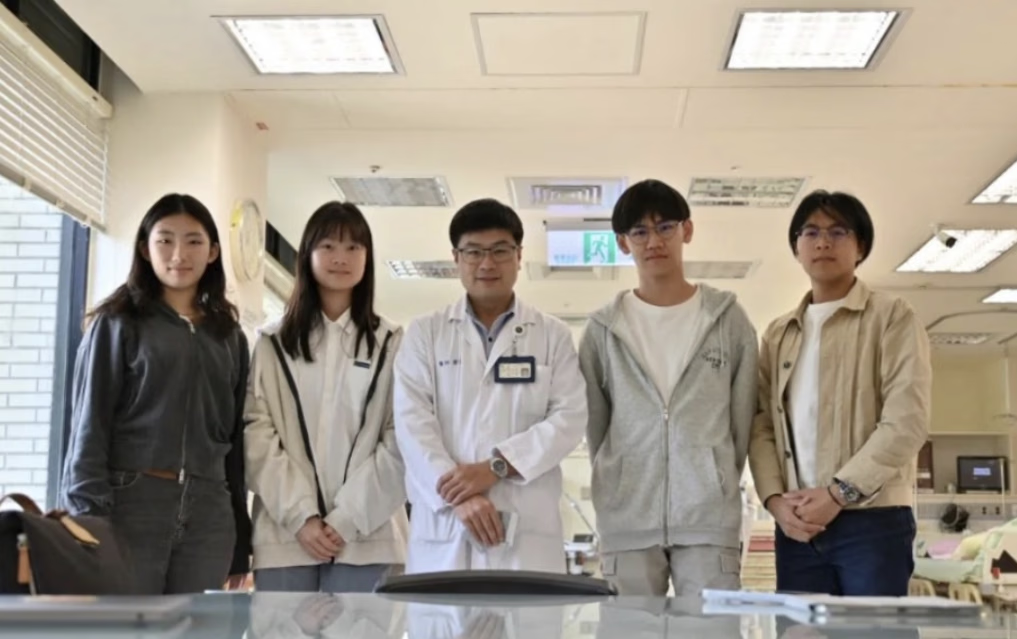
Assembled from what Dr. Liao and Prof. Li told us; the gaps are marked as gaps.
Our proposed end users are the clinical staff who already handle the specimen: in an intensive care unit, the nurses and respiratory therapists who suction a ventilated patient, with the result read by the attending physician. Dr. Liao walked us through where that specimen comes from. In the ICU sputum is suctioned about every two hours by day and every four at night, and a suction machine draws it through a negative-pressure unit into a collection canister; he suggested we sit at the front end, before the canister, where the sample is more accurate.
How we envision it being used. Capture would be read at the bedside while the specimen also goes for culture, which remains the final word. It replaces nothing: it reports a quorum-sensing signal hours before a plate could, and the attending physician weighs that alongside everything else. The impact we are aiming at is on timing, and through timing on prescribing — Dr. Liao told us only about 20% of antibiotic treatment is guided by susceptibility results, and identification takes days.
What implementing it would take, and what we cannot answer. Prof. Li placed our reader and our software as steps three and four of a sample-to-answer path; step one, a front-end unit to prepare the specimen, we have not built, and CAPTURE-Screen reads a cuvette rather than a suction line. Who would operate it outside the ICU is open — Dr. Liao noted that on general wards suctioning is usually done by caregivers or family members rather than nurses, which is a different pair of hands from the ones we designed for. Nor have we costed a single test: the instrument we can price, at US$161 and US$54 to build, but the per-test cost depends on consumables and on how many reactions one overnight culture serves, and we have not measured that. For a project whose first priority is low cost, that is a gap we should close. And who pays, a hospital or National Health Insurance, we do not know. Before any of it, the limits in Where Capture stops come first: analytical validation, clinical validation, then regulatory approval.