 Loading the page
NCKU-Tainan · iGEM 2026
Secure the future, Capture the cure.
The organism we are after
It does its worst in exactly the places medicine cannot avoid creating: ventilators, catheters and open wounds.
Long before any intensive care unit, it is already somewhere far more ordinary.
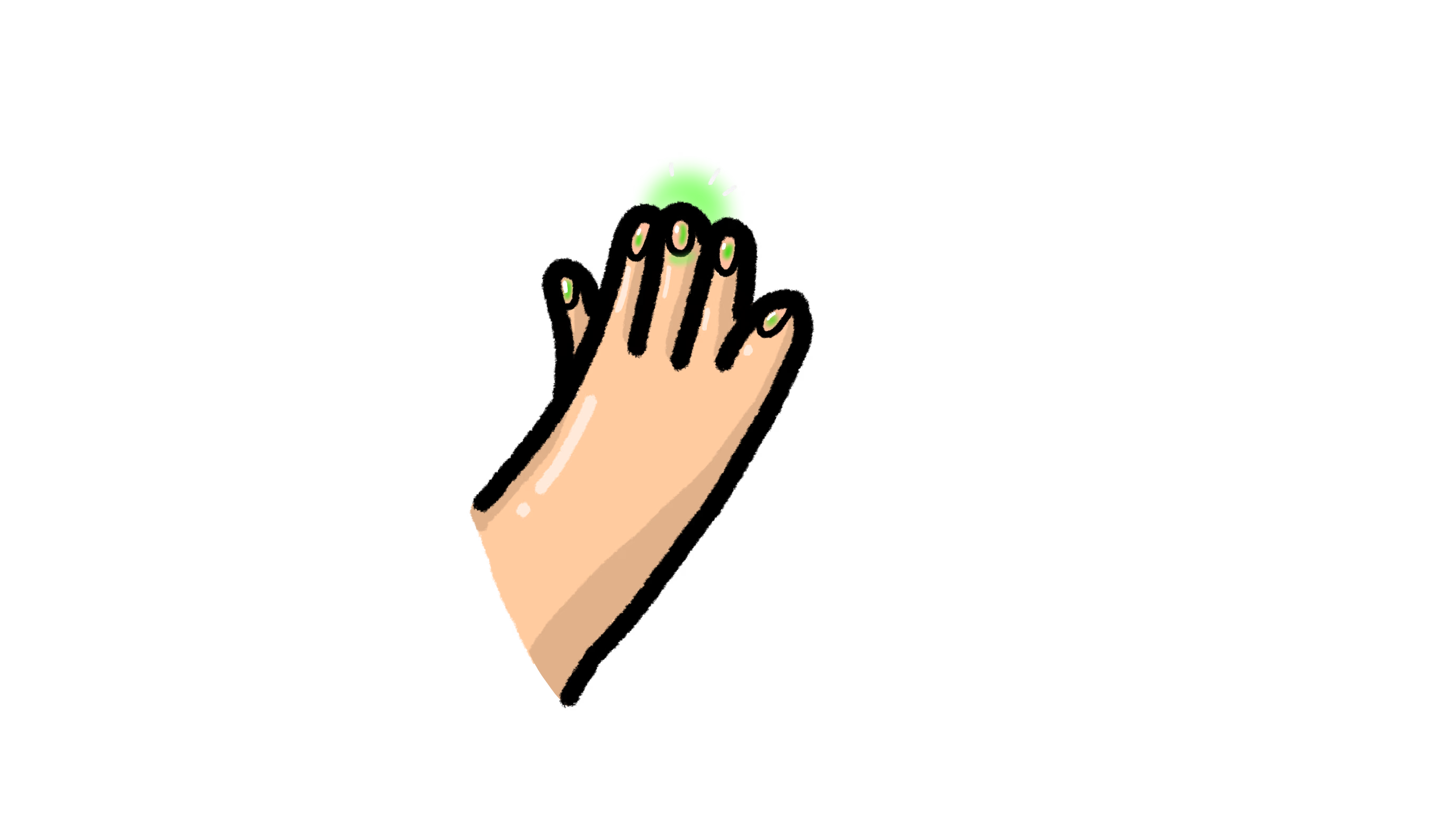
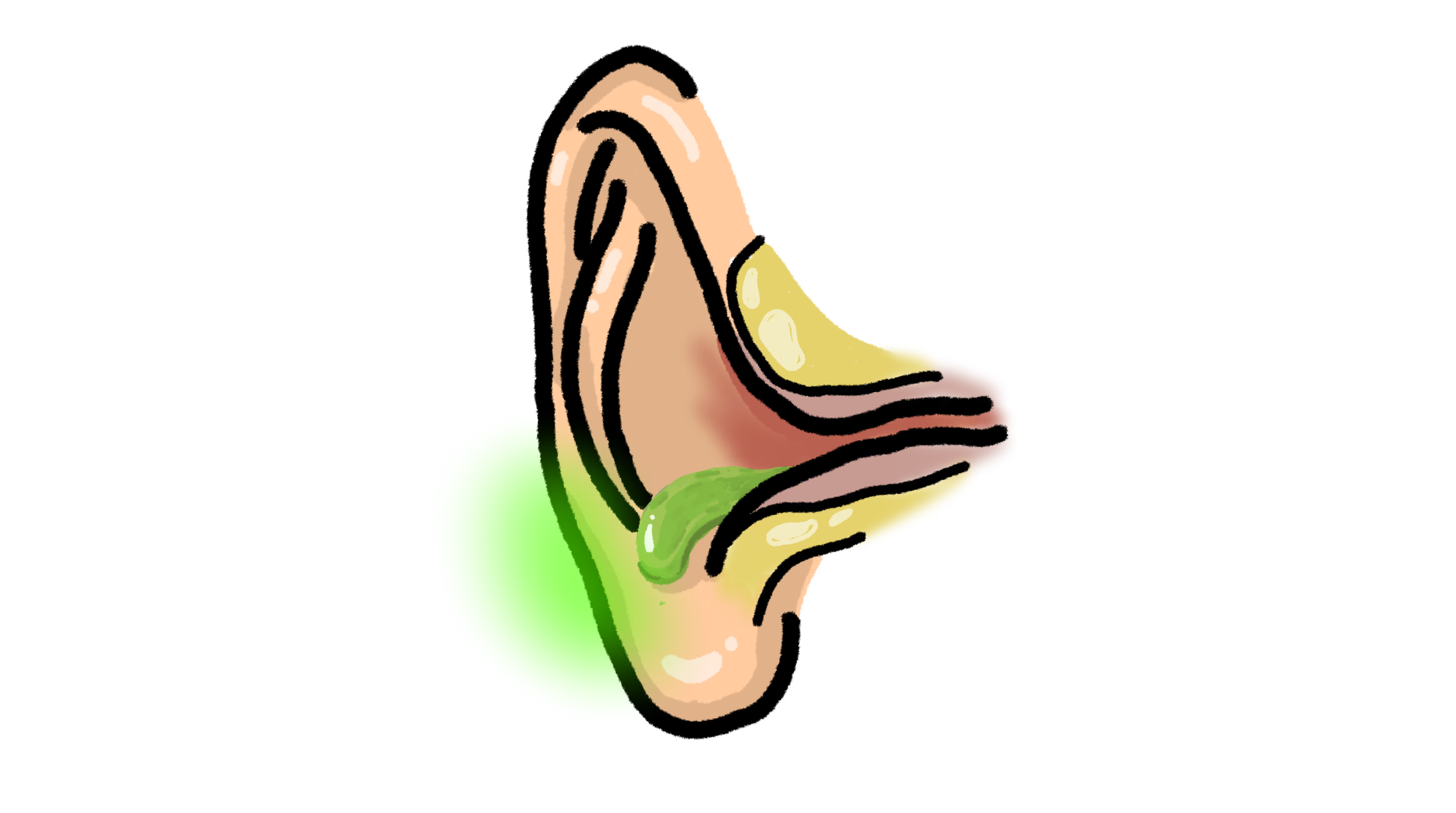
Pigment secretion & trapped moisture
When moisture becomes trapped beneath micro-gaps in the nail plate, P. aeruginosa secretes pyocyanin and pyoverdine — a blue-green pigment and a fluorescent one, which diffuse out of the infected tissue into the nail plate and leave a stubborn stain that cannot be washed away.[1][2]
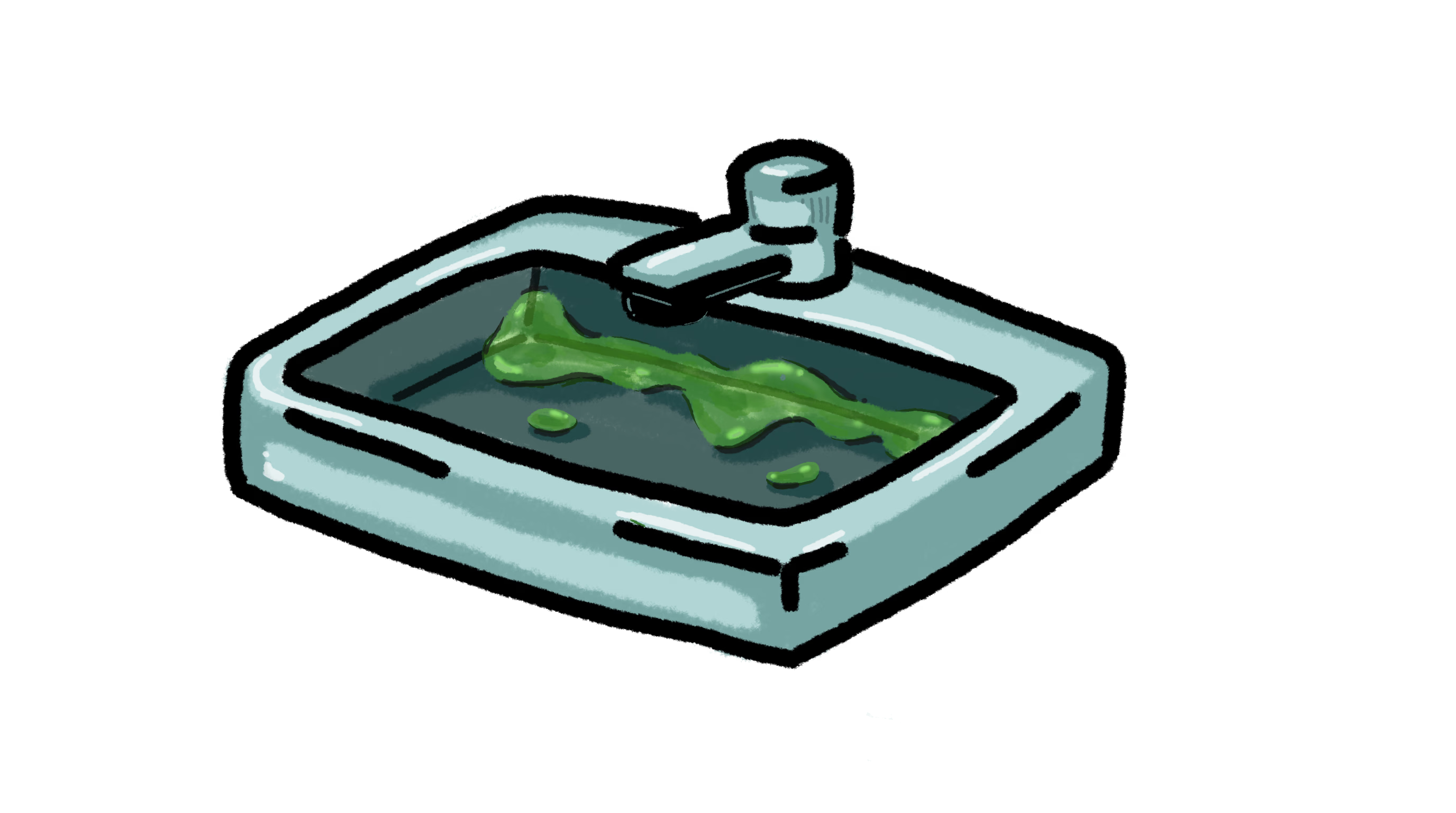
Drain biofilm & aerosol spread
Fueled by constant moisture and soap residues, bacteria build a gelatinous biofilm inside plumbing drains. Tap water striking the water standing in the trap then throws up aerosols that carry the organism to the hands washed above it, and to the surfaces around.[3][4]

When these four powers — adhesion, protease attack, pigment toxicity, and biofilm formation — combine inside an ICU, a minor everyday nuisance escalates into a life-threatening crisis.
HAIs are infections patients acquire while receiving treatment in healthcare facilities — a growing crisis in modern medicine.
How common
7–15
in every 100 patients in acute care acquire one — 7 in high-income countries, 15 in low- and middle-income
Resistant to antibiotics
136 Million
antibiotic-resistant HAIs a year, worldwide
In intensive care
Up to 30%
of patients in intensive care can be affected
Drag along the hours after a sputum sample is taken.
0 h The signal is already there, before anything has grown on a plate, and 3-oxo-C12-HSL is characteristic of the organism sending it.
Capture
The two halves of the project read the same molecule and do opposite things with it. System 1 lets the signal through and reports it. System 2 takes the signal out of circulation.
Aptamers raised against AHLs are reported not to kill bacteria or slow their growth. That is the point: taking a signal away is a different kind of pressure from killing.
How we built it, on Engineering →Wet lab to dry lab
A fluorescent biosensor gives you light, not a number.
Turning one into the other takes an instrument, a workflow and a model,
and we built all three.
Human practices
One question stayed with us all year: how can our technology actually serve society, and how can more people come to understand what we are doing?
Your turn
Our project is about Capture: something that has to find its target and hold on to it before the moment passes. What you are catching here is AHL, the signal molecule Pseudomonas aeruginosa releases — not the bacterium itself, because our aptamer is raised against the signal rather than the cell. This is that idea turned into a minute of play, and nothing more — it is here for outreach and for fun, and it is not a model of our system or a representation of any result.
Score 0
Time 60s
+1Catch an AHL — the signal molecule P. aeruginosa releases, and the one our aptamer is made to grab.
−1Click a P. aeruginosa and you lose a point. The aptamer is after the signal, not the cell.
Bacteria you leave alone cost nothing.
0 points
Cannot see it? Watch it on video.igem.org.
The wiki
Five sections, every page. Point at one to see what is in it.