 Loading the page
Date: March 7, 2026
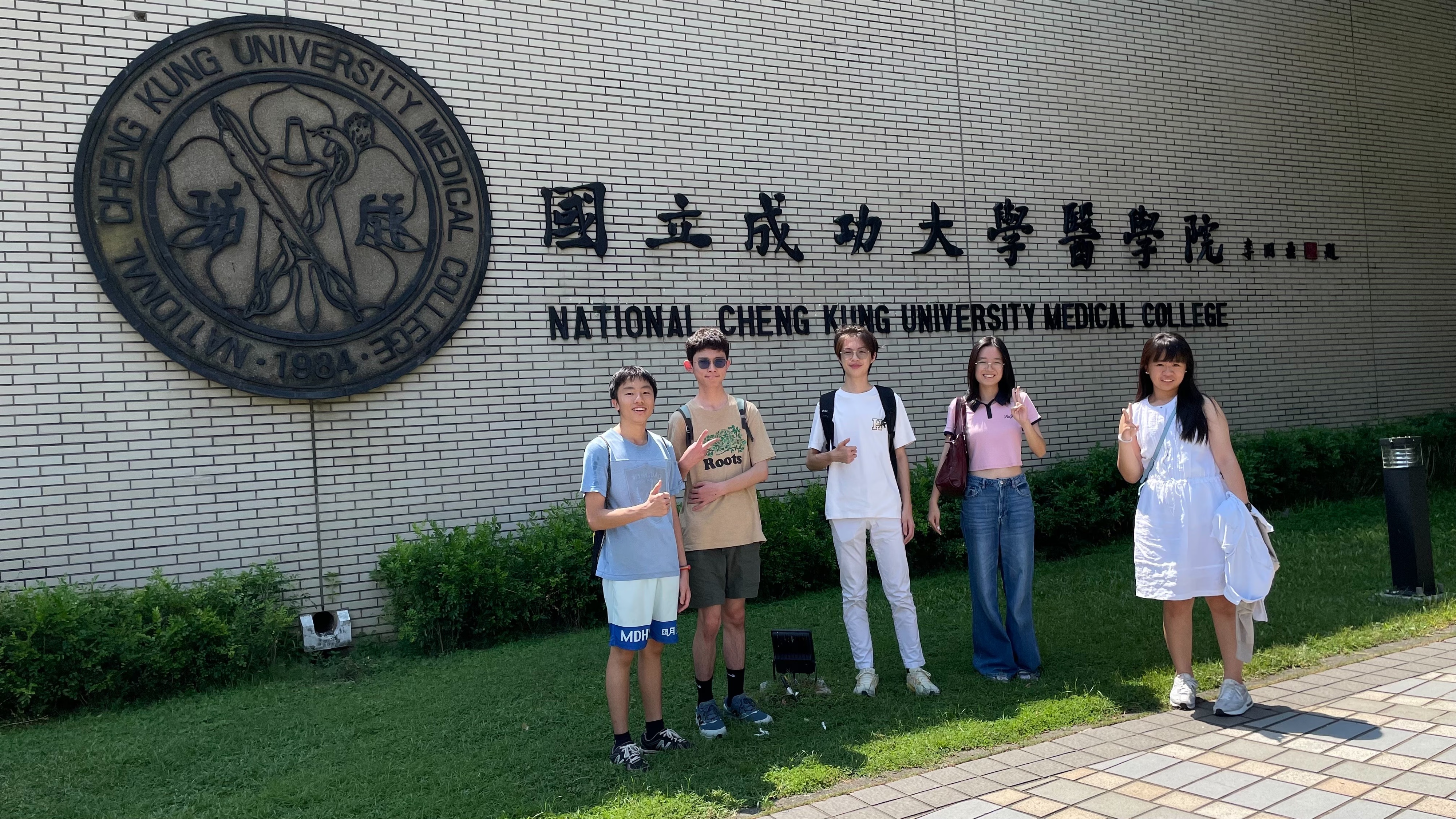
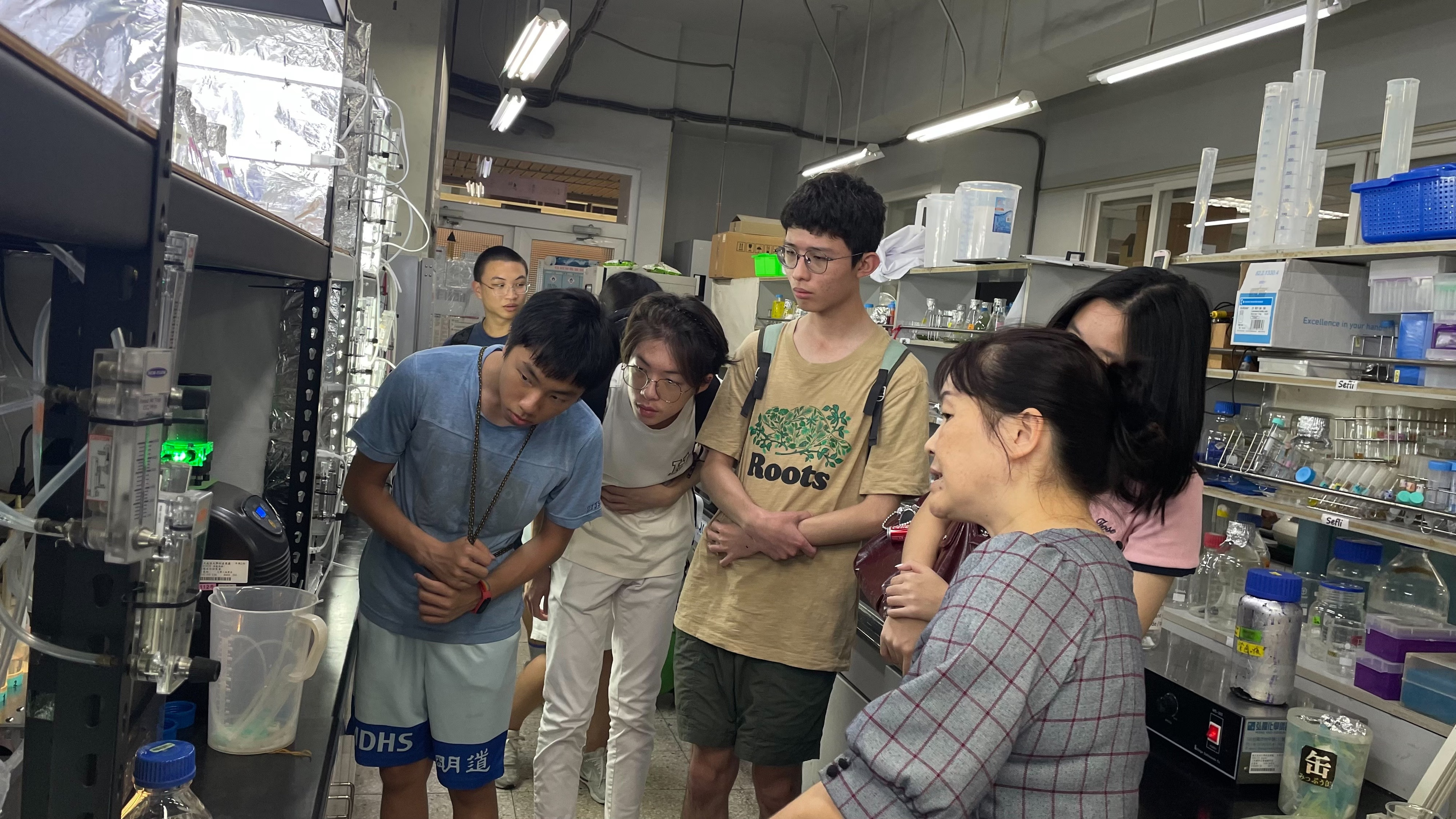
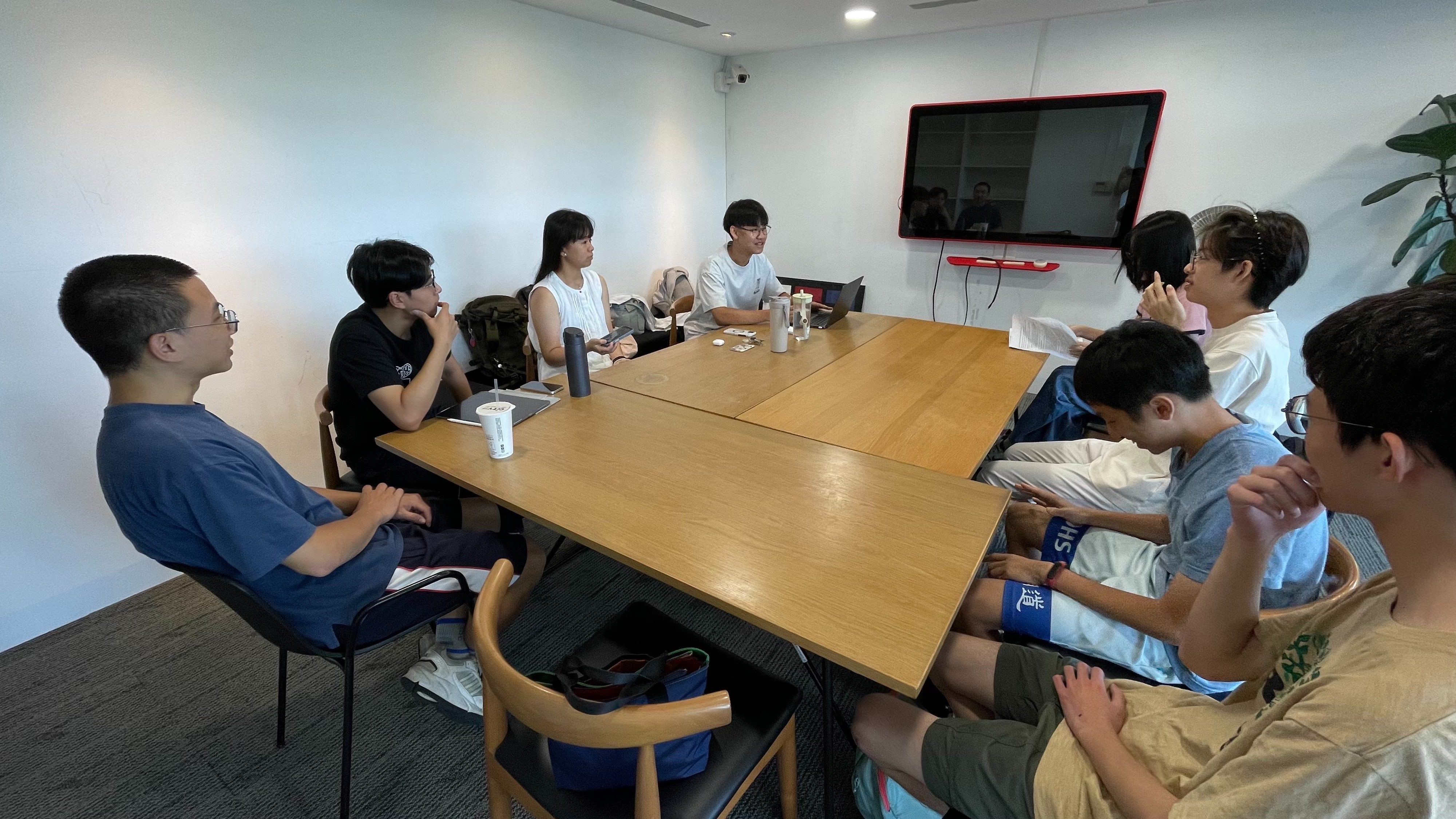
For collaboration in Human Practices, our goal was to look beyond the boundaries of our own project, taking the initiative to foster meaningful exchanges and empower high school iGEMers with our team's experience. As our very first stop, we organized an in-depth mentorship and knowledge-sharing session with the Mingdao High School iGEM team.
Having three members on our current team who are proud alumni of Mingdao's iGEM program made sitting down with these younger peers and their advisors a deeply nostalgic and meaningful experience. During our exchange, we presented our project's design—specifically how we leverage aptamer technology to overcome key biological hurdles. Receiving glowing feedback from their teachers not only validated our approach but also boosted our confidence in our research direction. Drawing from our own journey, we actively stepped into an advisory role, offering practical guidance on experimental optimization, troubleshooting protocols, and wet-lab strategy execution. Beyond technical advice, we led a structured discussion on project foundations—openly sharing how we originally conceptualized our topic, built a multidisciplinary team, and successfully channeled raw brainstorming sessions into a clear, actionable path forward.
Furthermore, we placed special emphasis on sharing our Human Practices experience. Beyond introducing them to specialized professors for academic guidance, we walked them through how our team actively gives back to society by sharing the blueprints of our large-scale educational outreach—most notably, our strategic partnership with the "STEAM from Seed" project (展心計畫). We talked through how we were setting up our partnership with the “STEAM from Seed” project (展心計畫) and how we planned to build the curricula — a practical guide to collaborating with external organizations and championing educational equity in underserved elementary schools. The ten camps themselves ran that July and August.
Ultimately, our exchange with Mingdao High School was far more than a routine showcase of research findings; it was a profound opportunity to mentor rising talent, build inter-institutional synergy, and demonstrate how we can team up with diverse organizations to drive educational equity through science outreach.
 NYCUHost
 Okinawa
 VIS
 HIA-Taiwan
 WIST
Date: July 27, 2026
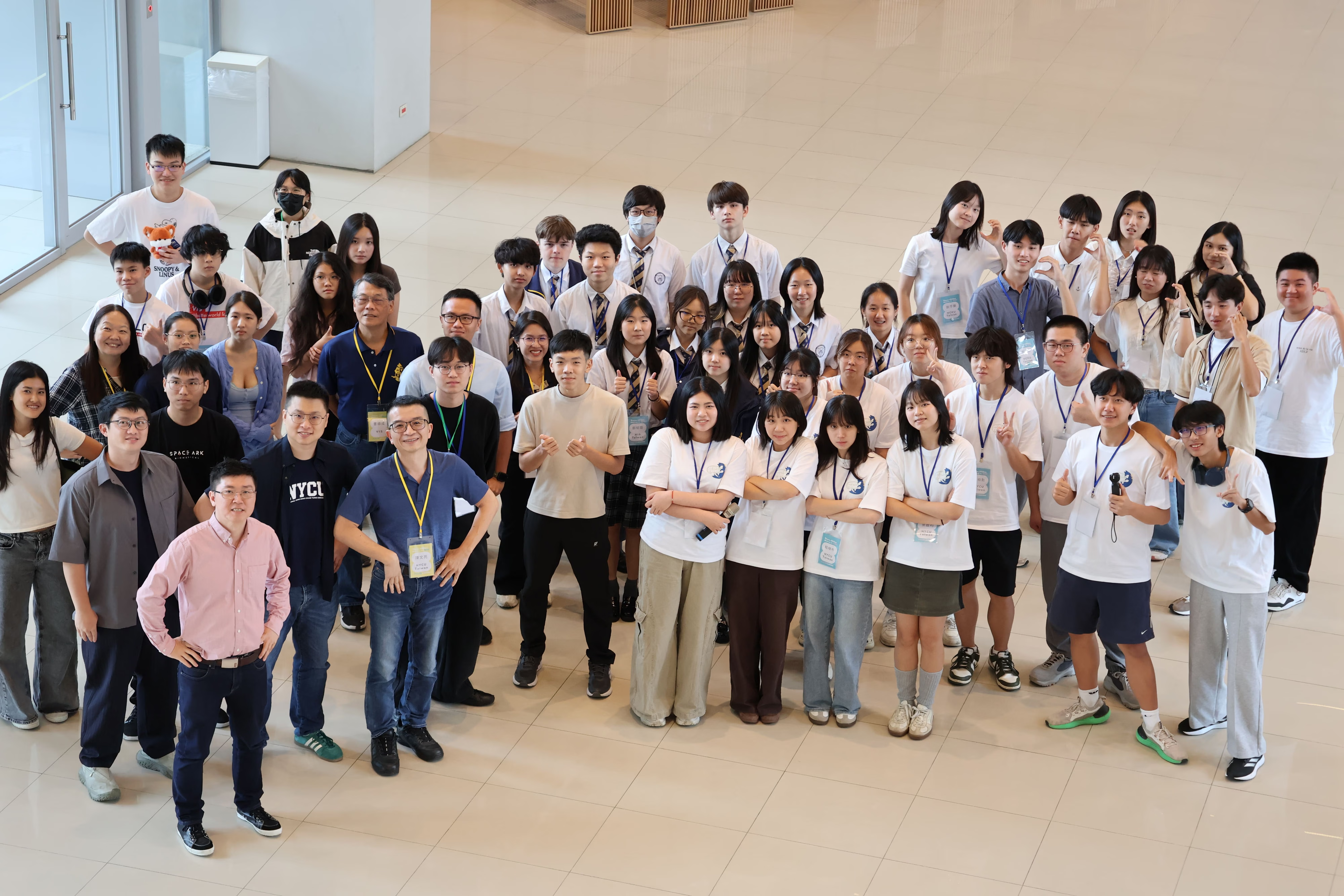
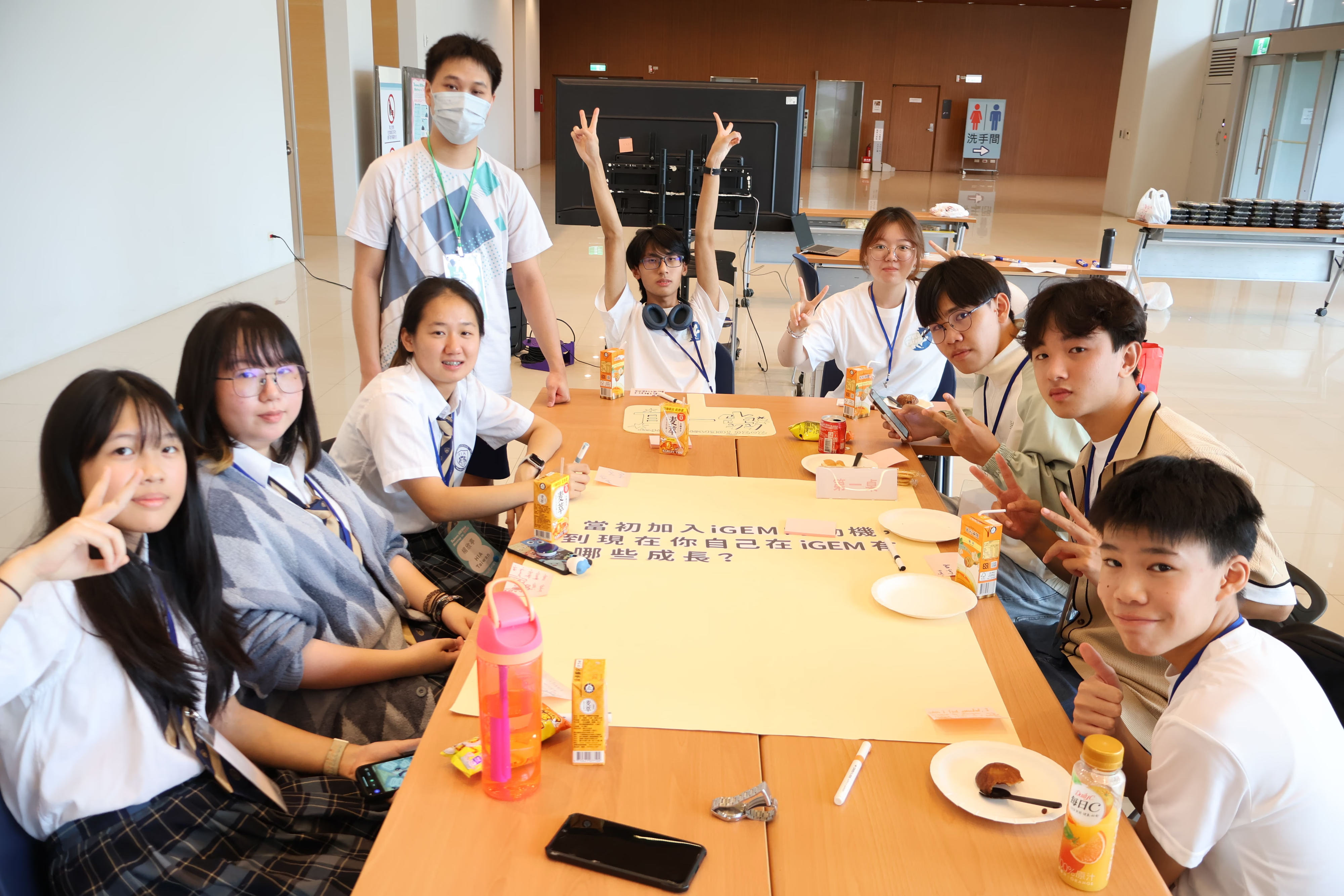
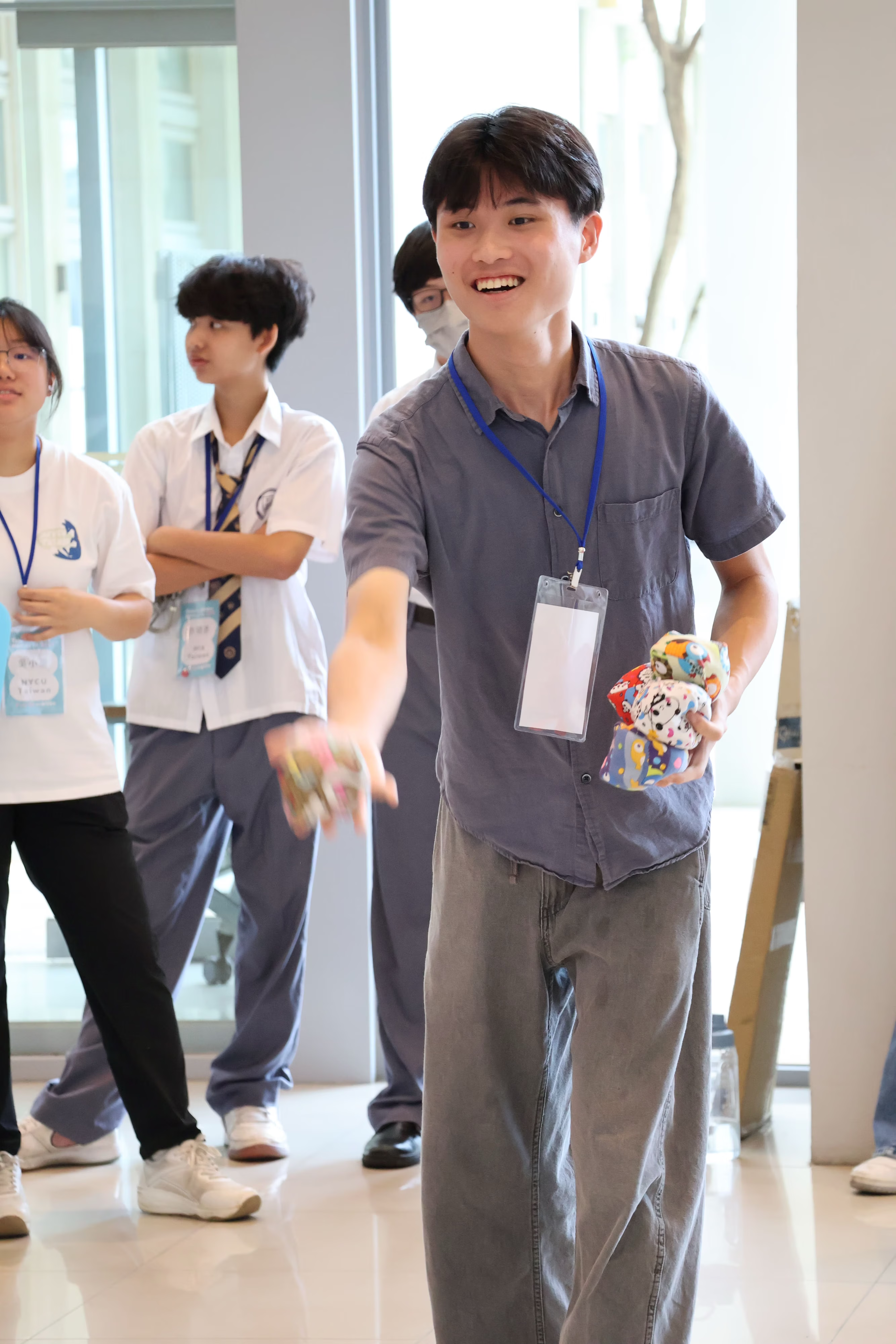
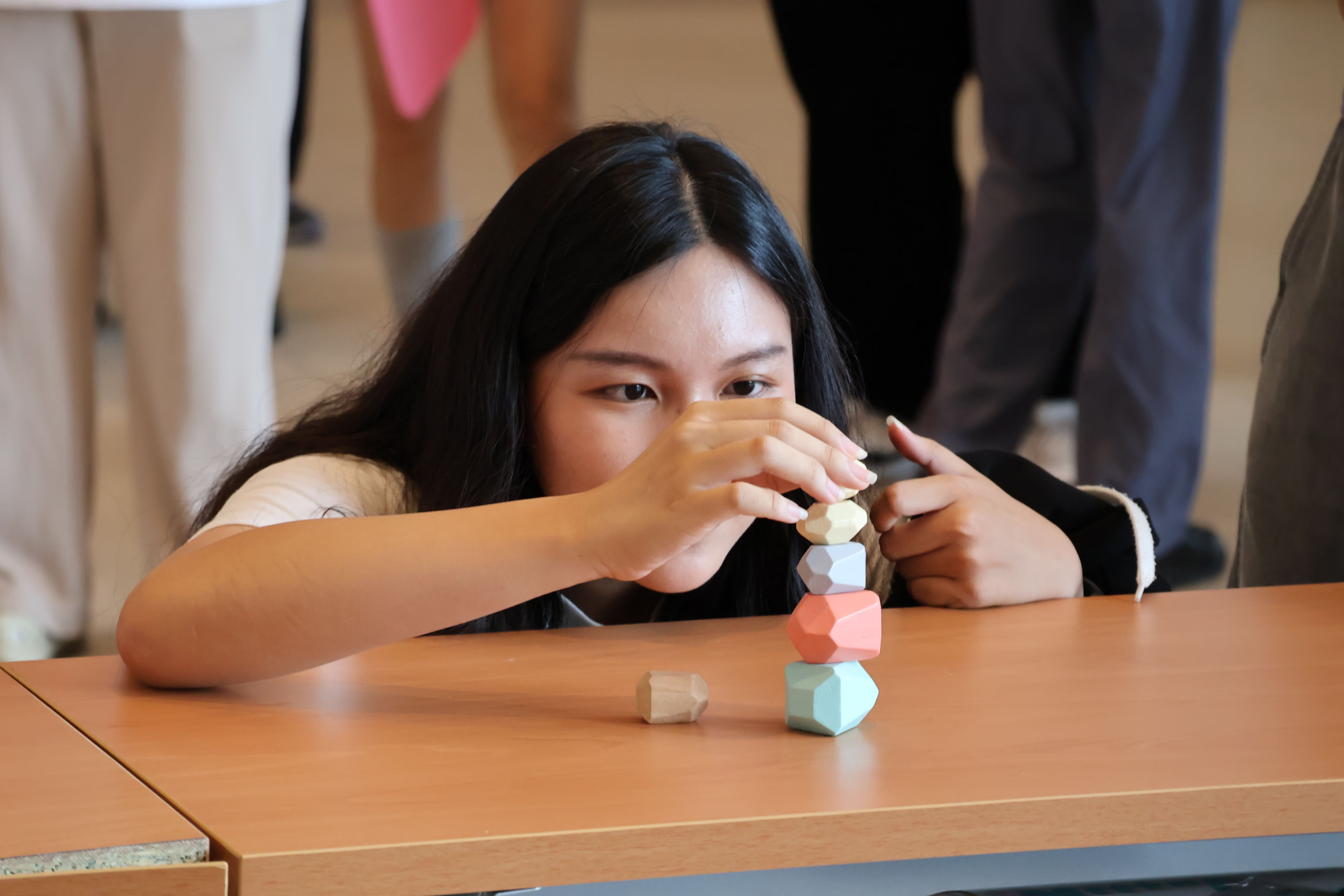
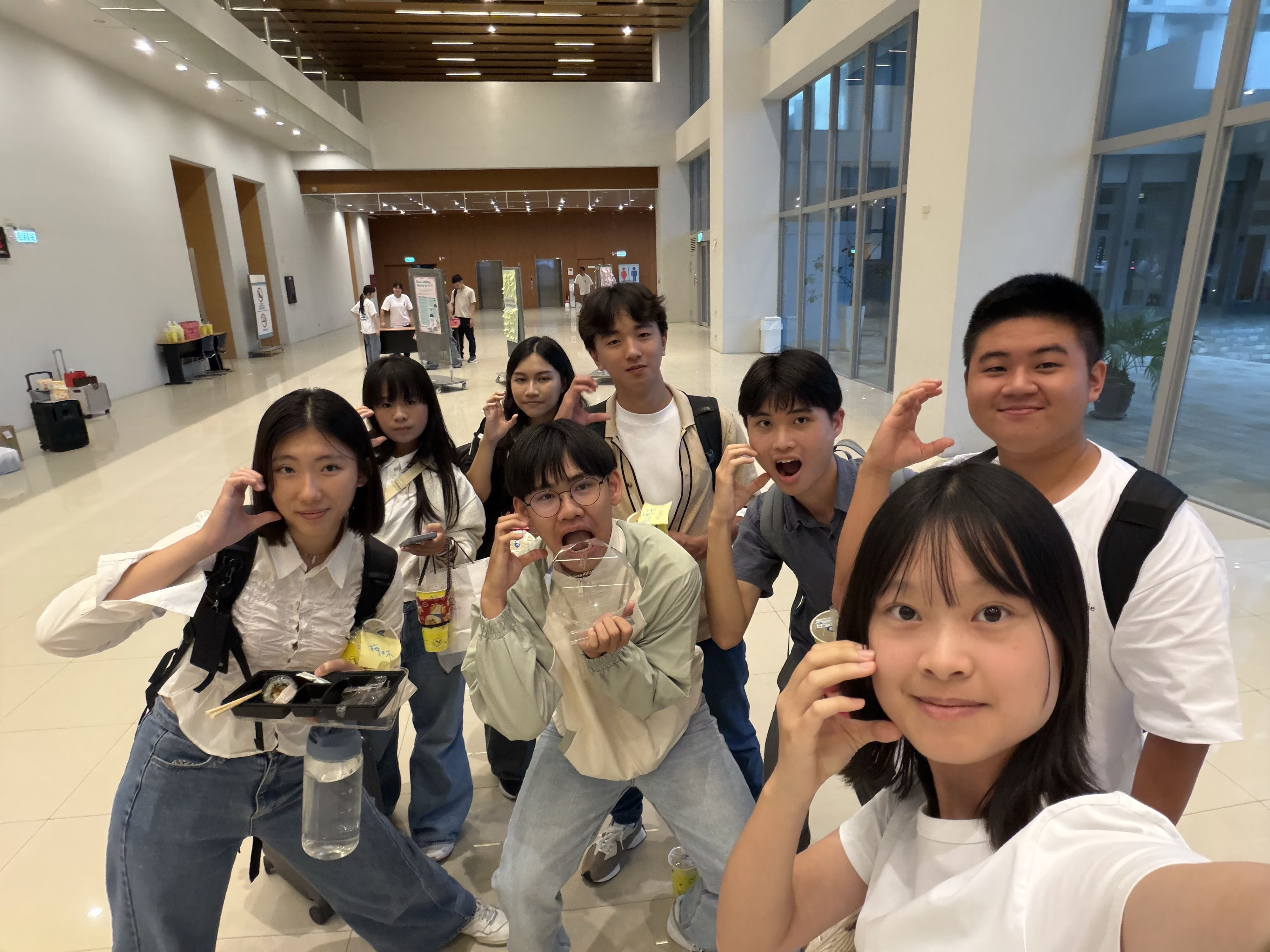
The purpose in participating in iGEMers’ exchange was to broaden our perspectives on project development, team management, and research through interaction with other iGEM teams. By sharing our experiences and learning from one another, we hoped to discover more effective ways to develop and manage our project. For us, this was an important opportunity to step back, reassess our own work, embrace different perspectives, and strengthen our team as a whole.
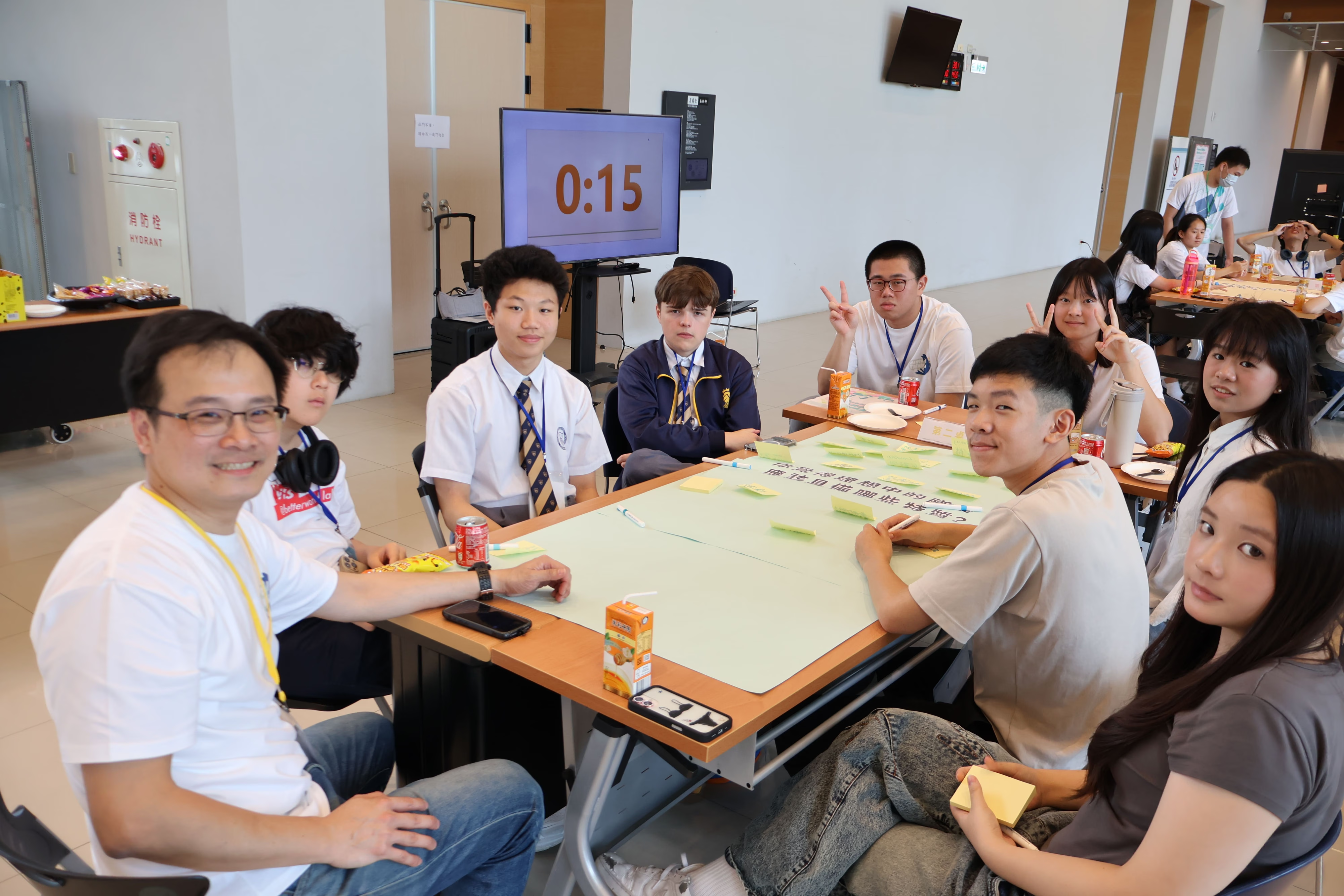
During the exchange, we first took part in the Roundtable Discussions, where we shared challenges in team management with teams from different universities, including task allocation, scheduling, and communication among members. These discussions allowed us to step beyond the perspective of our own team and understand how others approach challenges throughout the development of their projects. At the same time, sharing our research progress gave us the opportunity to compare different approaches and learn how other teams transformed their initial ideas into concrete projects.
During the Keynote Talks, one speaker introduced the idea of “What iGEM Inspired Me,” which gave us a deeper understanding of how creativity and innovation are often built upon existing knowledge and technologies through continuous extension, refinement, and improvement. This reminded us that our own research also stands on the shoulders of previous discoveries and experiences. Recognizing this background gives us a clearer direction as we explore our project, rather than feeling as though we are navigating an entirely unknown field. The speaker also pointed out that while new technologies are created to address existing problems, they may create new challenges of their own. This encouraged us to continuously examine our project from different perspectives, identify potential limitations, and strive to make our work as comprehensive and well-rounded as possible.
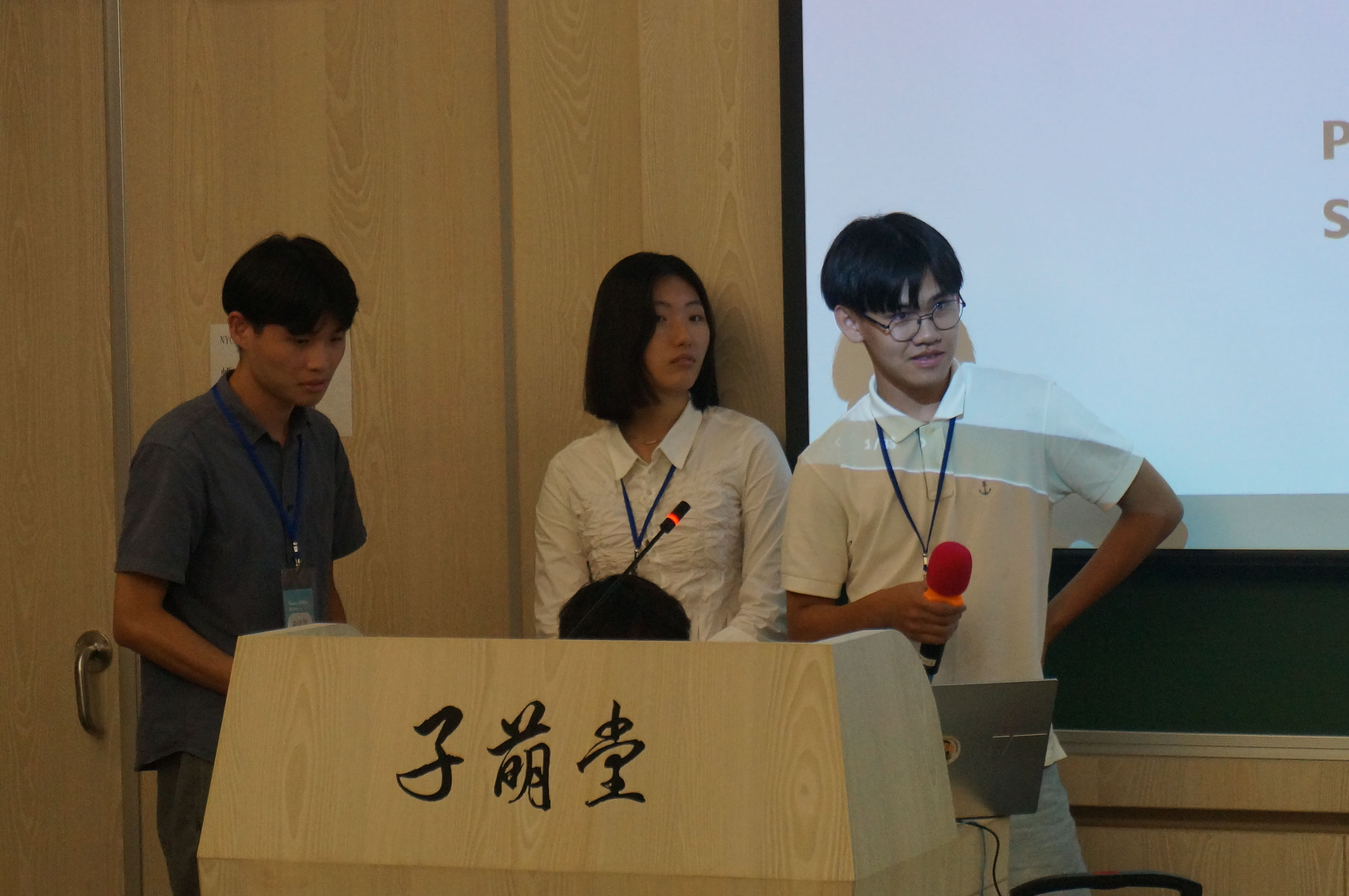
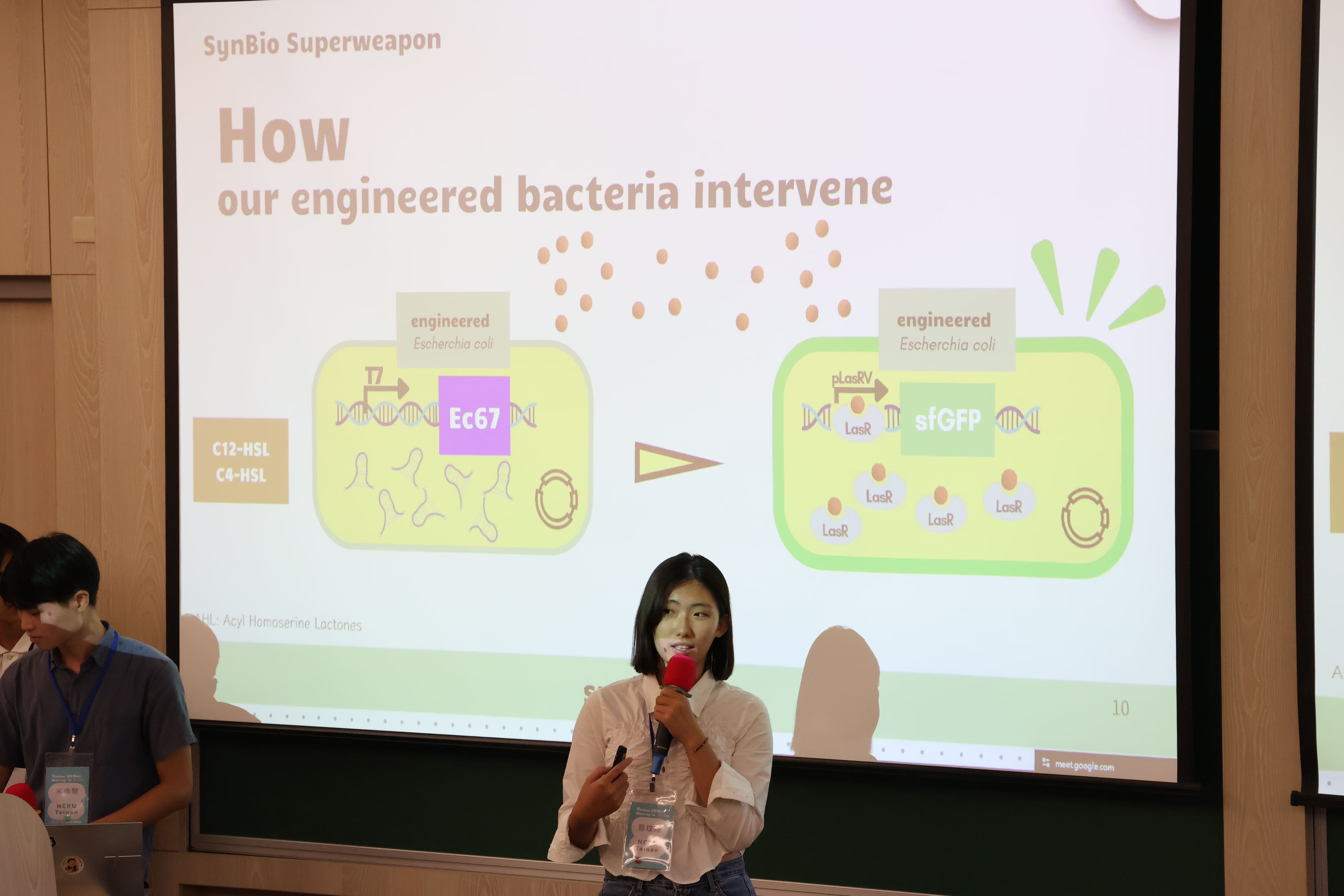
The oral presentations also gave us an opportunity for self-reflection. By observing and comparing the presentations of other teams, we realized that we still have room to improve, particularly in the fluency, pacing, and energy of our delivery. Moving forward, we hope to pay greater attention to transitions between ideas and the way we communicate our project, so that our presentation can be clearer, more engaging, and more effectively convey the value of our work. This experience allowed us to identify specific areas for improvement and gave us a clear direction for our future preparation.
Finally, we would like to sincerely thank the NYCU-Taiwan iGEM Team for their thoughtful organization of this exchange. From the activity planning and content design to the on-site facilitation, we could clearly feel the effort and care they put into creating this event. The exchange gave us the opportunity to connect with more iGEM teams, learn from their experiences, and gain new perspectives that we can bring back to our own project. We are truly grateful for the opportunity, and the insights we gained will continue to support us as we move forward with our project.
True collaboration extends beyond single events; it is a continuous dialogue that transforms shared challenges into mutual growth.
Date: September 17, 2026
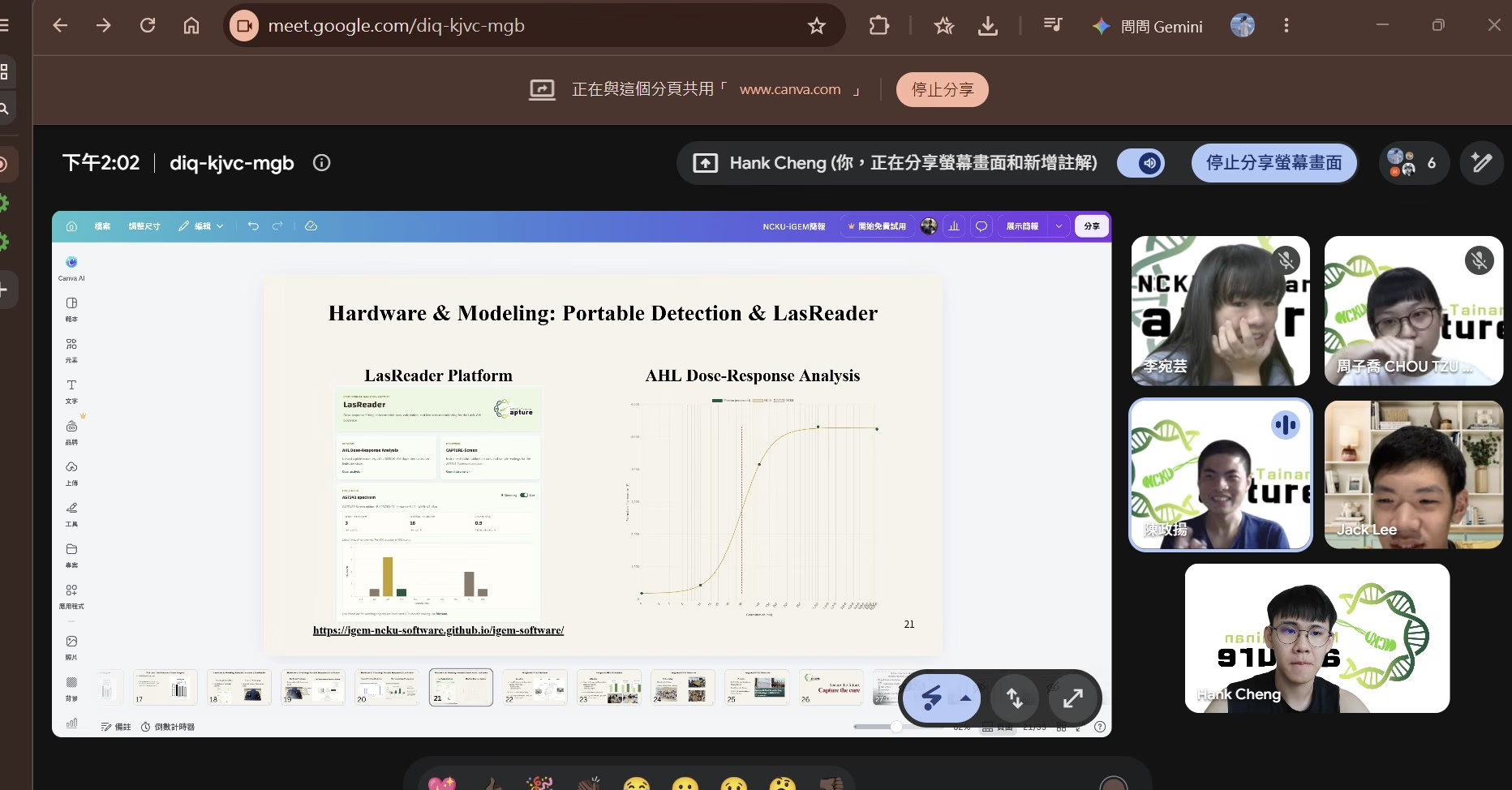
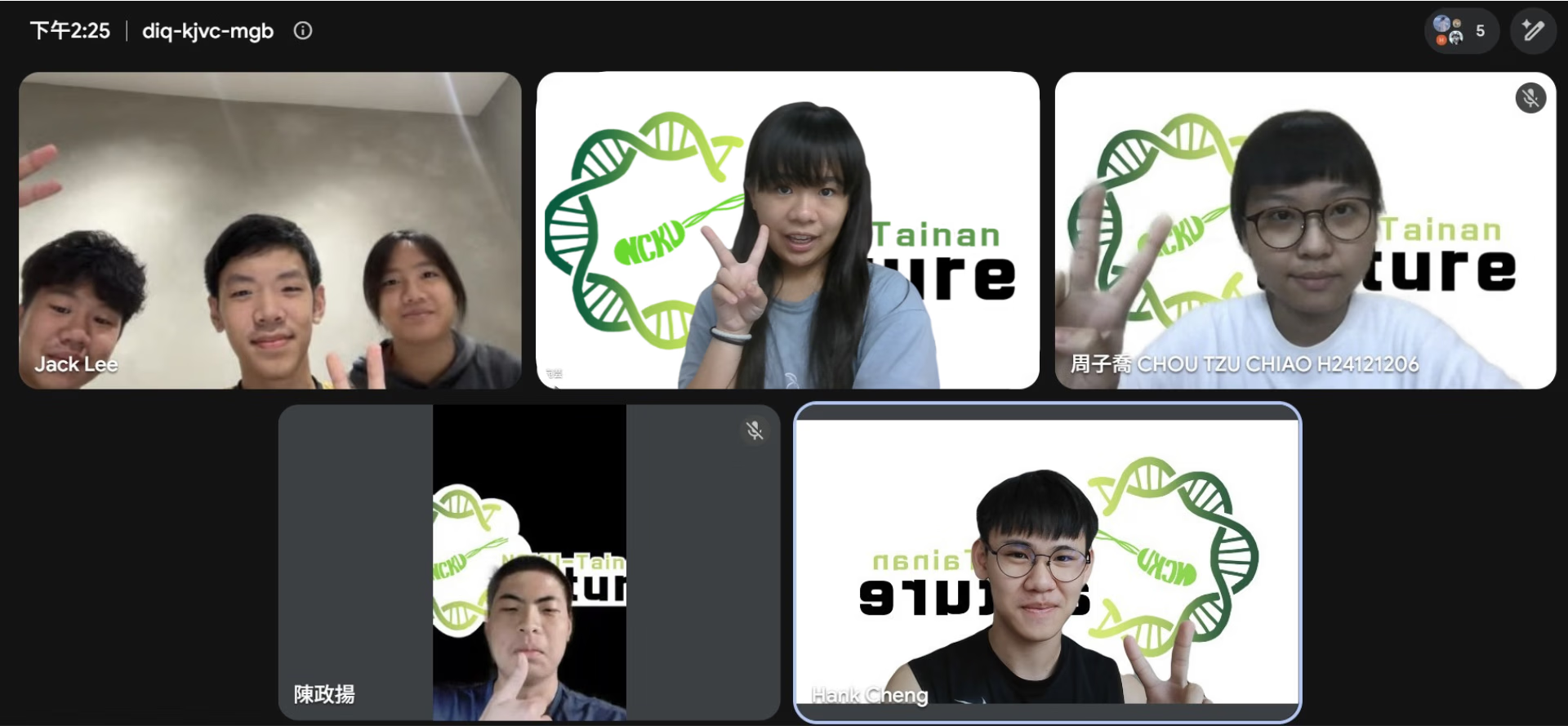
Following our initial connection during the Taiwan iGEMers Meetup in July 2026, our team maintained close communication with Team WIST, culminating in an in-depth online collaboration session on September 17, 2026, to further solidify our partnership and elevate our respective projects. With the Grand Jamboree in Paris fast approaching this November, this virtual gathering served as an invaluable high-stakes rehearsal, allowing both teams to hone our English presentation delivery, refine our storytelling logic, and build confidence before stepping onto the international stage.
Through this exchange, both teams engaged in highly meaningful discussions, offering constructive feedback and insights that rendered our overall projects much more complete. Beyond updating each other on departmental progress and exchanging general experiences, our Wet Lab members stepped up to help analyze key experimental bottlenecks Team WIST was currently encountering in their laboratory. Drawing from our team's hands-on troubleshooting experience, we helped walk them through potential underlying issues, offering practical advice, alternative technical strategies, and fresh analytical frameworks. We hoped to help guide their wet lab execution forward smoothly, while igniting new sparks through the cross-disciplinary exchange of distinct talents.
Simultaneously, our Dry Lab team engaged in an extensive intellectual exchange centered on computational modeling architectures, algorithmic workflows, and simulation parameters. By transparently sharing our respective modeling frameworks and data processing pipelines, we conducted a comparative analysis of our predictive tools. We aimed to spark novel inspiration to optimize tool performance, refine simulation pipelines, and enhance the mathematical rigor of our respective projects.
In the Human Practices discussion, we leveraged the practical experience and honest lessons learned from hosting numerous educational workshops and promotional initiatives over the past six months. We walked them through the blueprints of our previous events, unreservedly sharing concrete guidelines on designing accessible curricula, measuring social impact, and navigating inter-team collaborations. By passing along these hands-on insights, we aimed to enrich their outreach strategies while actively mapping out actionable avenues for joint educational initiatives in the future.
Through technical guidance, mutual modeling optimization, and a shared vision for scientific outreach, this online exchange allowed both teams to sharpen our scientific precision while cultivating a lasting, deep partnership within the Taiwanese iGEM community that reaches far beyond the scope of the competition.
Date: September 19, 2026
During our meetup with the CCU-Taiwan team, we each gave a 15-minute presentation to share our respective project topics and research directions for this year. Although our projects focus on vastly different fields—with NCKU-Tainan focusing on bacterial signal detection and CCU-Taiwan on agriculture—we discovered that we faced similar challenges regarding gene circuit design and bacterial cultivation.
Through our in-depth discussions, we exchanged valuable experimental techniques and identified potential areas for optimization within our own lab protocols. Furthermore, we shared our experience with the CCU-Taiwan team on how to apply quantitative scientific methods to analyze pre- and post-test data for their Education initiatives, helping them more effectively evaluate their educational impact.
Overall, this collaborative exchange not only equipped us with new experimental design strategies but also highlighted specific areas where our project could be further refined.
Date: September 20, 2026
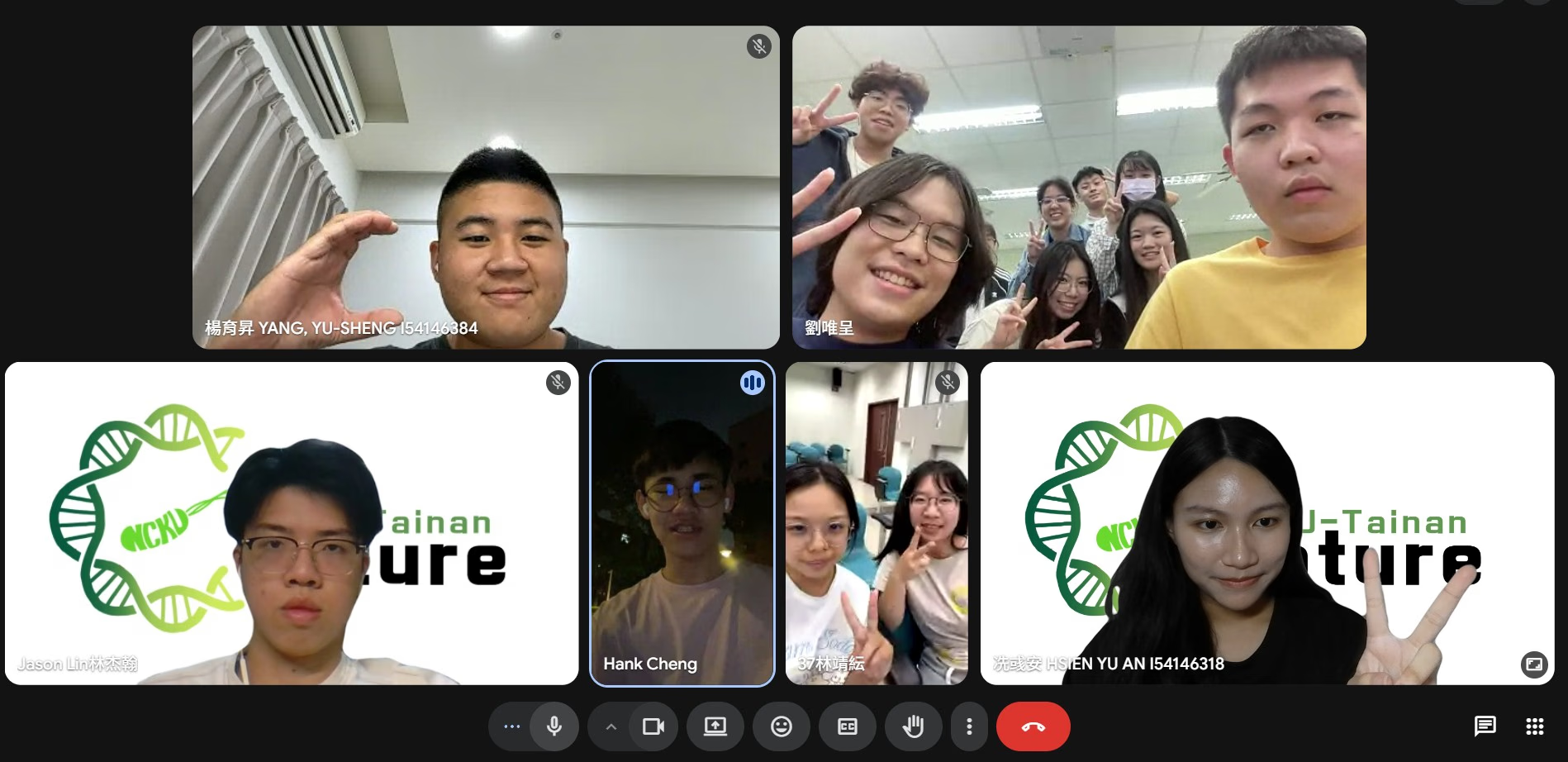
During our meetup with the HIA-Taiwan team, we each delivered a 15-minute presentation to share our respective project topics and research directions for the year. Beyond gaining a deeper understanding of each other's projects and current progress, we engaged in a highly productive technical exchange. The HIA-Taiwan team consulted us regarding our software development process, specifically asking for advice on the programming structures and function adjustments we utilized.
Furthermore, we drew upon our own experiences to guide them in their Education initiatives. We offered practical advice on how to effectively reach a broader audience and how to tailor their teaching approaches and materials to suit different student demographics.
In conclusion, this collaborative exchange provided us with much more than just a platform to share and discuss our own project. It also gave us the rewarding opportunity to step into a mentorship role, assisting and empowering a high school iGEM team to further refine and improve their project.
 TAU-IsraelHost
 iGEM-NTHU
 CAU-China
 Cell Forge
 iGEM-UA Alicante
 UFRGS-Brazil
 AIS-China
Date: October 8, 2026
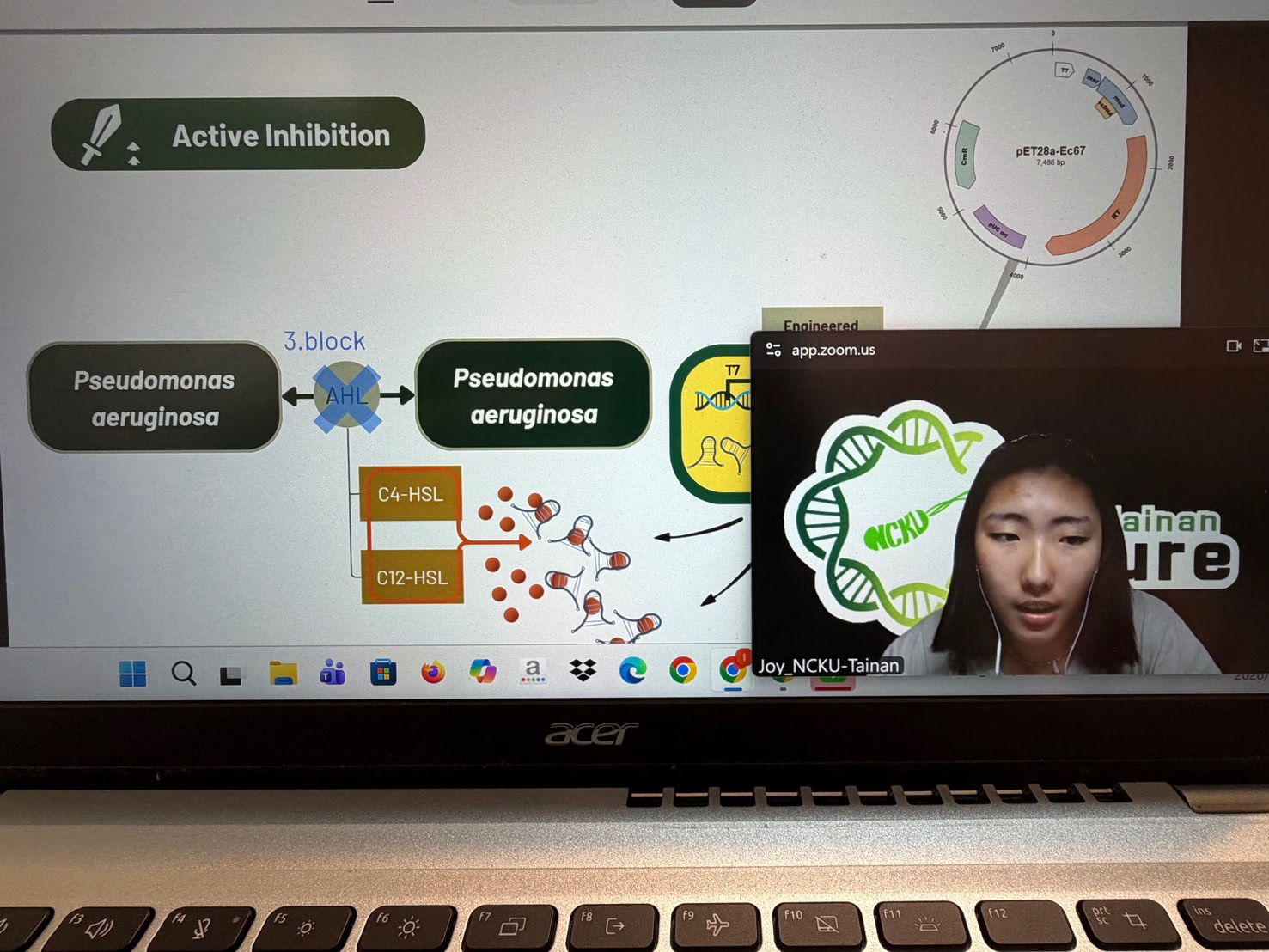
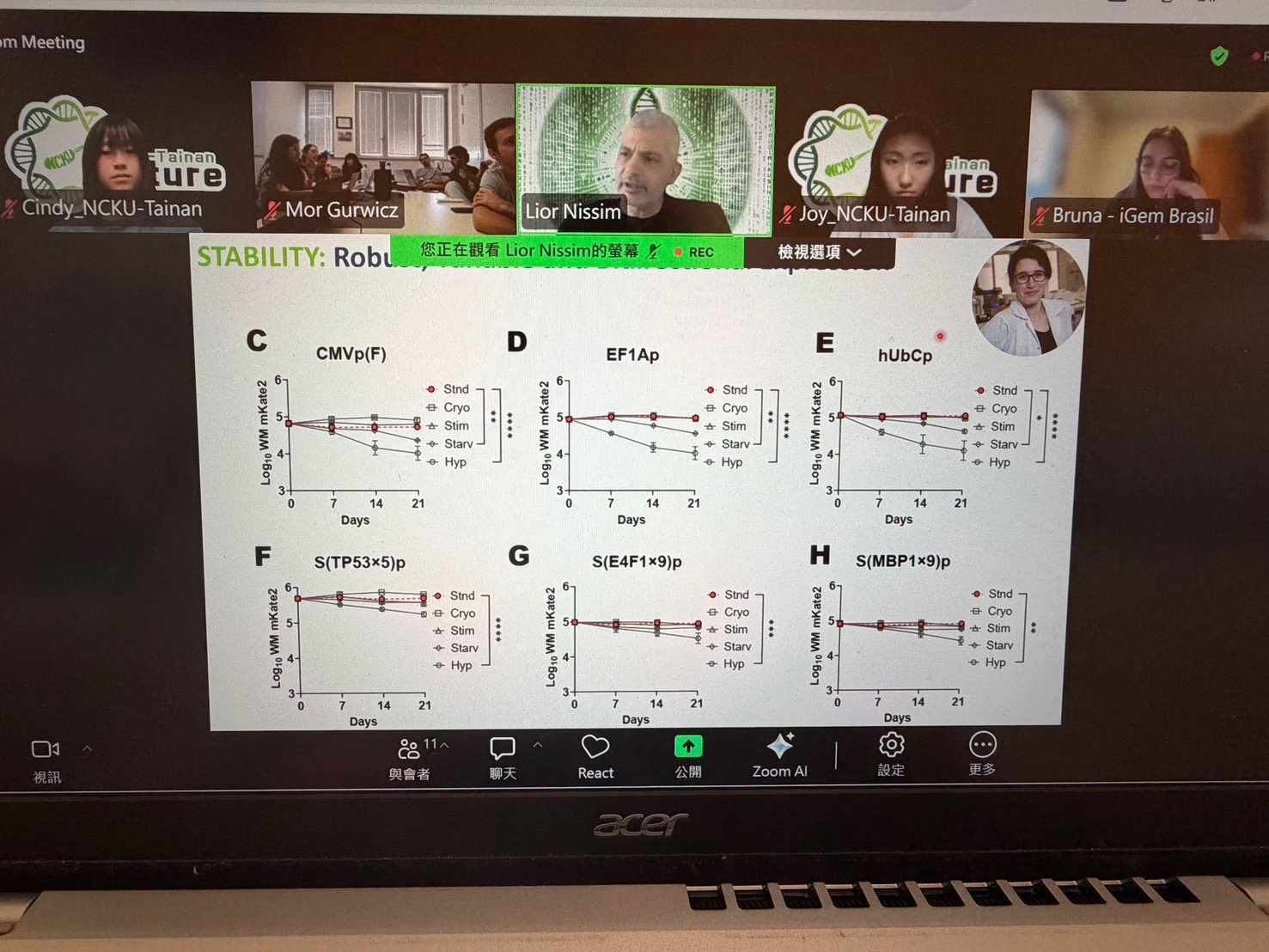
With a little over a month to go before the Grand Jamboree, the iGEM team from Tel Aviv University (TAU-Israel) reached out to us on Instagram and invited us to their online Mini-Jamboree. Eight teams took part, and we presented the progress of Capture.
We gave a 10-minute presentation on where Capture stood, followed by a 5-minute Q&A — the same format as every other team.
Team after team showed projects and presentations taking on increasingly polished, well-developed shapes. We came away genuinely inspired by the creativity and effort across the iGEM community.
Our own Q&A brought a few pointed questions — and in our debrief afterwards, they turned out to be telling. Flip the cards below to see why.
We wish every team a smooth final sprint — see you all shining at the Jamboree!