How we have listened to our stakeholders and integrated their feedback into Triton
We gained insights from over 30 unique stakeholders through company visits, interviews, background research and events. Thanks to them, our application focus shifted drastically from only TFA degradation to also include capture and sensing. Thanks to them, we optimised our laboratory protocols and we created a product that is relevant for society.
How our core principles guided us through adversity and hard decisions
We stayed true to our true and did not compromise our integrity. For instance, we were offered a commercially enticing application of Triton as an at-home tap water filter, but we rejected it based on our core principle of ensuring clean water for all. We hope this can be an example for future teams. Additionally, we stayed strong in the face of adversity: when confronted with the lack of suitable TFA and fluoride monitoring solutions for our system, we to developed our own methods.
Documentation of our Human Practice work for accessibility and usability
Every stakeholder has an explanation of why we reached out, what we learned, and what we did or did not incorporate into our design. They are grouped together visually for the sake of convenience. Additionally, we address future regulatory and industrial developments in detail. These developments will affect society in coming years and our documentation are a useful starting point for those interested in TFA contamination.
How we used a multi-disciplinary approach to have more positive societal impact
Stakeholder feedback was always analysed in a broader context and weighed against our principles, our limitations and solutions outside of the realm of synthetic biology. For instance, when faced with the lack of a biological solution to capture TFA out of drinking water, we recognised our limitations and decided to rely on reverse osmosis for that purpose. Additionally, we analysed the regulatory context and now know that the full potential of Triton can only be reached in combination with TFA-regulations.
Overcoming conflicting feedback, our way to handle stakeholders expressing clashing views
From academia, to industry, from regulatory bodies to start-ups: a wide base of stakeholders contributed to the current shape of Triton. Where possible, we integrated their insights into our experimental design, application and Human Practices work. Where impossible, due to conflicting stakeholder needs or incompatibility with our principles, we recorded their viewpoint and explained why it was not implemented.
Human practices have been an integral part of our iGEM journey. We engaged with over 30 stakeholders through interviews, collaborations and site visits. Their input transformed Triton from an idea into a tangible system. We are now confident that our solution realistic and applicable in drinking water filtration facilities to degrade TFA. Here is a summary of our story.
We began by identifying the current landscape of TFA remediation. The first important message we received was that technological advancements and regulation must work in unison to both remediate existing pollution and prevent future pollution. Then, we became aware of the lack of appropriate technologies to degrade TFA, and decided to develop our own. We identified several potential application sites and finally decided on drinking water treatment based on impact on society, feasibility and alignment with our principles.
To narrow down the needs of water filtration companies, we listened to their struggles regarding reverse osmosis concentrate containing TFA. Then, we listed all the requirements needed to make Triton relevant for water filtration companies. We set out to turn this list of requirements into a scientific plan. However, our stakeholders challenged our initial assumptions and told us we were missing an essential step: concentrate TFA. We implemented this feedback by introducing Triton’s capture module. Stakeholders also pointed out that we need a way to measure fluoride (F⁻), so we designed a high-throughput assay that can be used for any defluorination reaction.
Finally, our stakeholders identified another caveat in our design: to execute our plan, we could not rely on current TFA monitoring methods. They are expensive, discontinuous and ex situ. That is why we developed our biosensor. Finally, to ensure safety and compliance, we interviewed regulatory bodies about biosafety. This is how we went from an idea to tackle TFA pollution to the following Triton story.
What are Integrated Human Practices?
The principles through which a scientific project explores its real-world effectiveness and societal impact are known as Integrated Human Practices. At Triton, we believe that they are the cornerstone of any scientific project that has the ambition to change the world for the better. Therefore, we asked ourselves the following two questions:
How does our project influence society?
How does society influence our project?
Only by becoming aware of the implications of our project outside of the laboratory can we develop a project which is truly relevant for and mindful of society.
Our goal as Triton is to reduce exposure to TFA, which is a persistent water pollutant. To find the best way of achieving this, we set out to gather information from a wide base of experts. Our conversations with academic experts, drinking water companies, regulatory bodies and founders challenged our initial assumptions and substantially shaped what we now present as Triton. Scroll on to read more!
Our core principles
Team Triton started this project with one goal in mind: to make the world a better place. In our case, that means reducing exposure to TFA. We understand that to make an impact in the real world, we have to make compromises and that our project will change based on stakeholder input. However, it is important not to lose sight of our initial goal. That is why, as a team, we defined three core principles that guide our decision-making. By reflecting on our core principles during important decisions, we stayed true to ourselves throughout the process.
Provide access to clean water
We align with the United Nations Sustainable Development Goal No. 6: ensure clean water and sanitation. This goal is threatened by anthropogenic pollutants, such as TFA.
Primum, non nocere
“First, do no harm” is the translation of this Latin phrase. It is a central principle of bioethics, which reminds us that preventing harm must come before doing any potential good.
Ensure sustainability
Sustainability is the practice of designing for the long term and integrating environmentally responsible practices. We strive for the production and use of Triton not to deplete the Earth’s resources or harm the environment.
Stakeholders and stakeholder groups
We began by identifying stakeholders that are relevant to our project, grouping them into categories and identifying how they can help us achieve our goal of reducing TFA exposure.
Academia: we are not yet experts in the field of PFAS remediation. Thus, researchers can help us to show what is scientifically promising to dive deeper into and what is still missing.
Water remediation: we need to interview people in water remediation, as they are the stakeholder group we are ultimately designing Triton for. We want to learn what needs we can fill for them to help in removing TFA.
Policy: our goal is to apply our filter in actual water filtration, so we need to know which regulations are relevant for TFA. For that, we have conducted interviews to discover which requirements are needed for Triton in the real world. Furthermore, we talked to policymakers to map how and whether TFA pollution will be limited in the future.
Start-up and business related: we identified a need in drinking water companies that awoke our entrepreneurial spirit. We wanted to build a start-up and find opportunities with risks. Therefore, we approached consultants and start-ups in the field of water filtration.
Academia
Water remediation
Policy
Start-up and business related
Click on a stakeholder to see a summary of our exchange.
Our story
Fedor Miloserdov
Associate Professor in Organic Chemistry at WUR who works with PFAS
Why we reached out
As an organic chemist working on capturing PFAS from water, Fedor offered a different perspective on our goal of decreasing TFA exposure. We approached him with the question of how to filter TFA.
Main takeaways
Capturing short and ultra-short chain PFAS like TFA is much more difficult than capturing longer-chain PFAS. He captures longer-chain PFAS from water by clustering the hydrophobic chains together, making them less mobile. Due to its short chain, this does not work on TFA.
From an organic chemistry perspective, he thinks that the breakdown of TFA is not too difficult, especially when the main goal is cleaving the bond between the two carbons of TFA. This would result in fluoroform, which is a gas and could bubble out of the reactor.
Reflection & integration
We learned that chain length defines the properties of PFAS: TFA is hard to filter, but comparatively easy to degrade. With this in mind, we turned our attention to TFA degradation.
Harrie Timmer
Senior policy advisor at Vewin, the association of Dutch drinking water companies
If it is agreed that these substances are dangerous, then they should not be produced and should not be used. That is the way to reduce accumulation in humans and the environment.
Why we reached out
Vewin represents the interests of all Dutch drinking water companies and has good insight into current water filtration techniques. We reached out to ask Harrie about TFA degradation and the needs of drinking water companies regarding TFA.
Main takeaways
The most important task is not to build a technology to remove TFA from water, but to prevent it from getting into our water in the first place by preventing pollution.
A lot of research is coming out with methods to remove or degrade PFAS, but many of them only work in laboratory settings and are not scalable. Drinking water companies are. Very conservative and only work with technologies at TRL 9, or maybe TRL 8 if they are very promising.
Reflection & integration
Harrie confirmed that a scalable, technically viable degradation method is missing and would be an important leap forward. However, he made us aware that such a technology cannot replace regulations that prevent TFA contamination.
Sidsel Dyekjær
Senior policy advisor in chemical regulations to the EU
One thing I could foresee happening is that TFA is included in the total PFAS amount and the values of the upper limit of PFAS will go down. But the parliament and member states have to be in favour.
Why we reached out
As an advisor on EU chemical policy, Sidsel could give us insights into what the EU lawmakers are recommended to do about TFA. She has also advised the Danish government on banning agrochemicals that break down into TFA.
Main takeaways
F-gases are also a major source of TFA, so we should not only look at agrochemicals. It is still being discussed which of the two contributes more to TFA accumulation.
Refrigerants are probably as large a source of TFA as agrochemicals, and this will increase because of electric cars, which also produce more TFA.
PFAS cannot be removed in any technical way, and even where it is possible, it is extremely costly. From an NGO perspective, banning is the only option, since we can never remove PFAS at a significant rate.
If our filter works, a possible scenario is that industry could just “happily” move on, thus rendering Triton a techno-fixA techno-fix is a technology that promises to cure problems without requiring society to change the habits that caused them in the first place [2]..
If one study shows success in removing a pollutant under very specific conditions, industry puts a lot of emphasis on that specific research, which gives a skewed view (as with emission removal). Companies would keep polluting. The only way to deal with that is to have experts and scientists who keep highlighting the actual situation (the role of NGOs).
Reflection & integration
Sidsel’s warning made us aware that Triton must not become a techno-fixA techno-fix is a technology that promises to cure problems without requiring society to change the habits that caused them in the first place.[2] and that banning TFA precursors such as certain agrochemicals and F-gases should be the first priority. She is one of the stakaholders that convinced us that Triton can only reach its full potential alongside appropriate TFA regulations.
Bas Eickhout
Member of the European Parliament for The Greens
The theme of PFAS and TFA specifically is growing. [...] I would not be surprised if you can see future legislation, and more TFA standards popping up.
Why we reached out
Bas is a member of the European Parliament working on PFAS regulation. He knows the regulatory landscape around TFA. To implement Triton and gauge its desirability, we wanted to learn about current and upcoming EU regulations affecting TFA.
Main takeaways
Interest in TFA regulation is growing at the EU level. The European Chemicals Agency (ECHA) is working on an analysis towards a PFAS-wide ban, and additional policy measures are expected as early as next year.
Legislation often lags behind research. Regulatory limits are getting lower as legislation catches up with research shedding light on the health concerns of TFA.
Reflection & integration
Bas confirmed that political interest in TFA is growing and that TFA standards are likely to follow. This reinforced our view that regulations are a key driver of the impact of a technology like Triton.
TTE
Expert on PFAS-contaminated soils at the environmental consultancy firm TTE
Why we reached out
TTE is part of the Dutch centre of expertise on PFAS contamination. We reached out to TTE, where we got into contact with Arthur van de Velde, who we asked how to decrease TFA exposure and where our technology would fit best.
Main takeaways
Mapping of TFA concentrations has started and will accelerate in the future due to increasing knowledge of the risks of TFA.
A combination of regulation and a working technology is needed. Technology alone cannot solve the TFA problem.
Reflection & integration
Arthur showed us that regulations are only one part of the solution, as they do not remove the contamination that is already present. He is one of the stakeholders that motivated us to find a way to permanently degrade TFA and remove it from the environment.
Freddy Dekkers
CEO of WaterIQ, a multinational water treatment company
Currently, there are no [TFA remediation] methods that work in practice. [...] Ultra-short chains break down last, so if you can do that biologically it would be fantastic.
Why we reached out
WaterIQ remediates water by breaking down contaminants like PFAS. We reached out to Freddy to learn about established remediation strategies, customer requirements and where Triton could be applied.
Main takeaways
There is currently no use case for drinking water treatment because of funding issues.
Remediation of contaminated ground and purifying TFA-contaminated irrigation water are potential applications of Triton.
Farmers reuse their drainage water for irrigation, so agrochemicals generally accumulate there.
Reflection & integration
Freddy pointed us towards irrigation water, which we considered but discarded because it could become a techno-fixA techno-fix is a technology that promises to cure problems without requiring society to change the habits that caused them in the first place [2]. and delay necessary bans on TFA precursors. He also made us aware that, without regulations, drinking water companies have no reason to invest in TFA degradation.
Christos Batianis
Consultant for biotechnological start-ups
Let’s say in 10 years from now, the government obliges you to treat water for any sort of PFAS before you serve it to your customers, that’s a case. And that’s scalable.
Why we reached out
We were in the middle of deciding who our customers should be. As a consultant who helps biotech start-ups find income, Christos could help us find a market niche for Triton.
Main takeaways
Currenlty, drinking water companies have no legal or financial incentive to implement Triton.
Alternatively, we could provide a small filter that people can install on their own water tap, in their homes. A subscription-based service would also give us a consistent revenue stream, where we change the filter routinely.
If there is no need from a specific industry to use our product, we need to create that need, which is very difficult to do.
We should not rely on a change in regulations to be able to apply our filter. Big companies may take decisions based on prospective regulations, but start-ups cannot plan this way, since they cannot make up for the potential losses if the expected regulations never arrive.
Reflection & integration
We considered Christos’ at-home tap filter, but discarded it due to our core principles. Ensuring clean water for all means that we do not leave behind households based on their disposable income. Additionally, handing the final consumer our product could lead to unintentional misuse, and thus harm, which we want to avoid above all.
Jip van der Linden
Proposal engineer with experience in the water industry
If you want to remove a lot of PFAS molecules, you need big installations, which might not be financially feasible. [...] Look at a process where TFA disrupts the production process. There, there is an economic incentive.
Why we reached out
Jip works at De Nora, a multinational company that designs and builds water treatment plants for industries and municipalities.
Main takeaways
Look for an industry where TFA in the water disrupts the industrial process. This way, companies already have an incentive to apply our filter without that incentive having to come from regulatory institutions.
We could look at specific water where there might be a lot of PFAS, for example near old factories.
Reflection & integration
Jip suggested we apply Triton in an industrial context industrial because they may have higher TFA concentrations. Efflux treatment we discarded it because it could become a techno-fixA techno-fix is a technology that promises to cure problems without requiring society to change the habits that caused them in the first place.[2] and delay necessary bans on TFA precursors. We also discarded treating water within factories because we were unable to find a case where TFA removal would render an industrial process more efficient. There was no gap to be filled by Triton in this regard.
Amanda Larasati
Project manager at Wetsus, a research centre for water technology, works on integrated PFAS treatment
Why we reached out
Wetsus forms a bridge between research and industry by developing research ideas into sustainable and profitable water treatment technologies. We reached out to Amanda to evaluate our first idea of removing TFA from drinking water and to find gaps in TFA remediation that Triton could fill.
Main takeaways
There are many restrictions for technologies in water filtration. Technologies require certifications before they can be applied in drinking water treatment.
Most resins are currently not applied due to the risk of the resins themselves leaching, or because they require specific certification. For that reason, drinking water companies prefer well-established techniques such as granular activated carbon and membranes.
The problem with membrane filtration is the handling of the concentrate. It contains the concentrated PFAS (among other contaminants) and is currently probably discharged back into surface water.
Reflection & integration
Amanda made us aware that applying Triton in drinking water treatment is challenging, as it means treating massive volumes of water with a technology that requires certification. Despite these challenges, we decided that drinking water treatment is the most urgent application and the one that aligns best with our principles.
Arcadis
Consultancy firm specialising in environmental PFAS
TFA is a problem with a very diffuse effect all over the world.
Why we reached out
Arcadis work in environmental PFAS remediation, which often comes from agrochemicals. We reached out to Tessa Pancras and Gita Branko to learn where Triton could be applied and which regulations are expected in the future.
Main takeaways
Drinking water is the right fit for our technology; it is a clean matrix and is therefore treatable for TFA remediation.
Rivers and surface water in the Netherlands contain 1–1.5 μg/l TFA, so drinking water from these sources is already contaminated.
New regulations on TFA are expected under a revision of the European Water Framework Directive soon, where TFA is included in the 4.4 ng/l limit of the sum of 25 PFAS.
Reflection & integration
Arcadis confirmed that new TFA regulations will be introduced and that Dutch surface water is already contaminated. This showed us that drinking water treatment also presents opportunities for Triton. This feedback had to be weighed carefully against other stakeholders warning us of tackling drinking water.
Witteveen+Bos
Consultancy firm specialising in PFAS in water
Why we reached out
Witteveen+Bos advises on policy related to PFAS in soil and water. We reached out to Daniel Rits and Ruben Oost because they could know where a TFA remediation technology could be needed most.
Main takeaways
Witteveen+Bos thinks removal of TFA from drinking water is the right fit for our technology, since drinking water companies are actively looking for TFA remediation technologies.
Reflection & integration
Witteveen+Bos confirmed that there is an active demand for TFA remediation among drinking water companies. This supported our decision to apply Triton in drinking water treatment. This feedback had to be weighed carefully against other stakeholders warning us of tackling drinking water.
Adriaan Mels
Professor of environmental technologies at Wageningen University & Research (WUR)
Why we reached out
With his experience in both academia (chair-holder of the Water Technology group at WUR) and in corporate life (16 years of experience in the water industry), Adriaan could help us design Triton for a real-life application. We approached him to learn more about drinking water sources in the Netherlands.
Main takeaways
Groundwater, especially from deeper sources, is not yet strongly affected by contamination, but these sources are expected to be contaminated with pollutants like TFA soon. Water from shallower sources is affected much earlier.
65% of drinking water in the Netherlands is taken from groundwater, which is still not contaminated with PFAS. Companies taking water from sources such as the IJsselmeer are already facing the PFAS problem.
Less mobile contaminants emitted up to 100 years ago are starting to become a problem, as they are expected to reach deep groundwater sources quite soon.
Reflection & integration
Adriaan showed us that drinking water companies using surface water are already struggling with TFA and that groundwater will soon follow. This urgency led us to decide that despite the challenges it posed, the most beneficial applcation of Triton for society would be in drinking water treatment.
Frank Schoonenberg
Process engineer at Vitens, the largest Dutch drinking water company
Following successful development and validation of the technology, implementation in drinking water treatment could be achieved within approximately 10 years. The key bottlenecks are expected to be permitting and certification procedures, infrastructure constraints such as grid congestion, and implementation timelines, rather than the construction work itself. If required, some of these processes could potentially be accelerated. The implementation time for the biosensor could be faster.
Why we reached out
We reached out to Frank to learn more about the logistics of drinking water companies and the techniques they use to treat water polluted with PFAS. We also wanted to know how Vitens prepares for upcoming regulations and what volumes Triton would need to handle to be implemented at scale.
Main takeaways
For PFAS, there are currently three technologies with a sufficient TRL: activated carbon, reverse osmosis (RO) and ion exchange resins. However, the resins are only at pilot scale and no ion exchange resins are certified for use in drinking water. Activated carbon does not work for TFA, so only RO and resins can be used. Both are scalable to drinking water volumes.
TFA is currently only removed as a side catch, as Vitens has split-stream RO installations. However, these were not designed with TFA in mind; removing TFA was an added benefit, not the goal of the installation.
A key limitation of RO is that part of the filtered water is discharged as concentrate, reducing the overall water recovery. Given the increasing pressure on drinking water resources in the Netherlands, this may be a significant disadvantage.
In the future, the concentrate, which is currently discharged into surface water, might also have to be treated. Treating RO concentrate could therefore be a very interesting application of Triton, as there are currently no high TRL TFA concentration solutions.
Vitens anticipates that TFA will be included in regulations in the future. The timeline is unknown, as it depends on politics. Vitens is currently writing an impact analysis on the effects of the new regulations proposed by RIVM.
The capacity of Vitens’ treatment plants is between around 1 and 27 million cubic metres of drinking water per year, depending on the size of the plant.
Reflection & integration
Frank gave us specific numbers regarding the scale-up of Triton, which we deemed to unrealistic for Triton. Fortunately, he pointed us to a viable alternative: RO concentrate. To help drinking water companies comply with upcoming regulations, we decided to focus on RO concentrate and rely on RO to develop Triton.
Bert van der Wal
Professor in novel water treatment technologies
A TFA binder would be fantastic, then you have gold in your hands.
Why we reached out
Like Adriaan Mels, Bert has experience both in academia and in industry. We thought he could help us maximise the positive impact of Triton. We reached out to him to understand why TFA-enriched RO concentrate is not currently degraded.
Main takeaways
Concentrating TFA to mg/l would be fantastic for further processing.
Membrane filtration is the biggest current competitor in the field. However, its concentrate streams cannot be treated and are put back into the environment.
Removal of TFA from drinking water will probably be done by membrane technologies, but by not treating the concentrate streams, you only relocate the problem. The overall societal problem is not solved.
Integrating TFA-specific peptides into resins can be an alternative to whole-enzyme design.
Reflection & integration
Bert made us realise that TFA is still far too dilute after RO to be degraded. While RO concentrate was a better fit than drinking water, it seemed like we would need to pre-treat RO concentrate. His enthusiasm for a TFA binder encouraged us to develop our own capture module to concentrate TFA.
Peyman Salehian
Co-founder and CEO of Allozymes, a company dedicated to enzyme design
Use a bead to stick the enzyme on top of it so you can recycle the enzyme, which is something you will definitely have to do.
Why we reached out
Peyman’s work in Allozymes is based on improving enzymatic activity is strongly aligned with our degradation approach. We reached out to him to understand why TFA-enriched RO concentrate is not currently degraded. We also wanted used his start-up experience to plan out the roadmap to turn a novel idea into a product.
Main takeaways
Cleaving the carbon–carbon bond in TFA is very difficult. Defluorination is more feasible.
Scaling up is very difficult because TFA in water is very dilute. A concentration step is likely required.
Working with low concentrations of TFA is not economically feasible, so enzyme recycling is key. This can be done by immobilising the enzymes on beads.
Working with a concentrated flow gives you the freedom of a longer reaction time, which is probably needed in this case.
Testing real-world water samples is key to proving that the technology works as intended and to preparing for scale-up. Real water can contain heavy metals or other unexpected contaminants that are not included in a simulated composition in the laboratory.
Reflection & integration
Following Peyman’s advice, we decided to concentrate TFA before degradation to maximise removal efficiency. He is one of the stakeholders who motivated us to include a capture module in Triton. He also pointed us towards defluorination as the more feasible route to degrade TFA. Finally, he stressed the importance of trying Triton on real samples, not only in the laboratory. We adapted our laboratory design and looked for real water samples.
James Rosie
Manager at Sunresin, a company that produces resins to filter contaminants such as PFAS
I would regard the biological methods to remove short-chain PFAS, because those are the ones that are least removed by the current methods. [...] I’d be interested just to see the sort of technology, because often, if clients ask me how to remove TFA, ultimately, I don’t really have any solutions right now.
Why we reached out
Resins are a competitive way of removing PFAS from the environment, and James has a lot of experience in the sector. We reached out to him to learn about PFAS filtering and pre concentration, and the specificities in the case of TFA.
Main takeaways
Air skimming of PFAS-contaminated water is a common pre-treatment before applying resins.
Resins bind PFAS through two principles: ionic interactions, where TFA and longer PFAS should behave similarly as both are anions, and adsorption, where longer-chain PFAS interact more strongly with the resin.
Once resins are used up, the hazardous nature of the contaminant requires the resin to be burned at very high temperatures. Even if the resin is cleaned of the contaminant (by eluting with methanol, for instance), the concentrated contaminant still needs to be dealt with.
Reflection & integration
James showed us that current resins are less effective for TFA than for longer PFAS and must be incinerated after use. This wasteful process motivated us to develop a solution which would fit our needs of TFA capture and our principle of ensuring sustainability.
Sophie van der Vlugt
PhD candidate in xenobiology at WUR
The application of your food enzyme matters. You have one risk assessment procedure for each application. Your authorisation is only for the specific process and application that you specify and do a risk assessment for.
Why we reached out
To apply Triton in a real-world context, we needed to know which legislation would apply depending on what we develop and where we implement it. Sophie’s background in xenobiology and her recent guest stay at EFSA to learn about EU regulations on synthetic biology made her an ideal person to ask what Triton would need to be granted a permit in the EU.
Main takeaways
GMO legislation in the EU is quite complex to navigate, even more so in cases where there is little precedent.
Most biotechnology products are classified depending on the presence of a viable GMO in the final product. If GMOs are present, they are legislated as GM organisms.
Legislation for GM organisms is based on Directive 2001/18/EC on the deliberate release of genetically modified organisms into the environment [8]. This is the legislation that would apply if we were to include a GMO in our final product.
If there are no GMOs in the final product, our fastest route to approval would be to apply for a “food enzyme” permit under the General Food Law. The approval is granted by EFSA and can take two years.
Under Food Law, applications are granted on a per-use basis. In our case, we would have a green light to use Triton only for the specific purposes included and tested in the dossier. An application for use in water does not mean we would be allowed to use it in wine, for instance.
Reflection & integration
Sophie provided us with a glimpse into the complex world of GMO legislation in the EU. We learned that a product containing no viable GMOs would have a considerably simpler approval process, so we explored this option alongside deliberate release. We also learned that permits are granted on a per-use basis and that the final product must be entirely free of GMO traces, which is often difficult to guarantee with current detection methods.
RIVM
Dutch National Institute for Public Health and the Environment
Why we reached out
The RIVM advises the Dutch government on regulations related to the environment and health, including on GMOs. We reached out to learn the RIVM’s assessment of TFA pollution and what Triton would need to be granted a permit.
Main takeaways
TFA pollution is an upcoming problem, and the rising concentrations are reason for concern.
The RIVM only gives advice; it does not set regulations itself. For PFAS and TFA, the RIVM spent three years building a restriction dossier covering all PFAS, and the European Chemicals Agency (ECHA) then spent another three years assessing it. This is expected to result in a proposal for restricting certain PFAS applications.
Developing a TFA filter for drinking water is unlikely to reduce pressure to implement TFA regulations, since it would not reduce environmental concentrations of TFA.
It is hard to get exact data on TFA pollution, but F-gases seem to be the largest contributors.
There is no precedent for living GMO use in remediation applications in the EU, but the RIVM sees possibilities, provided the right biosafety measures are in place.
Reflection & integration
The RIVM confirmed that approval for Triton should be achievable with the right biosafety measures in place. This is why we built biosafety considerations into our design from an early stage. RIVM challenged the opinion of other stakeholders regarding the risk of Triton turning into a techno-fixA techno-fix is a technology that promises to cure problems without requiring society to change the habits that caused them in the first place [2]..
Tue Kjærgaard Nielsen
Assistant professor at the University of Copenhagen working on microbial PFAS degradation
Why we reached out
Tue’s group works on TFA biodegradation by searching for new enzymes in soil samples. We approached him for expertise on dehalogenases and defluorination, to help us select a good enzyme family for evolution and an assay to measure fluoride.
Main takeaways
Using computational modelling, he found that fluoroacetate dehalogenases or haloacid dehalogenases can potentially break down TFA.
His group has found a microbe with dehalogenases that can potentially degrade TFA, which could be a good future target for optimisation and collaboration.
Sensing fluoride is better than measuring the parent compound, as it limits false positives caused by the sticky nature of some PFAS, which adsorb to equipment effectively becoming unavailable in the medium.
Reflection & integration
Tue defended that defluorination of TFA is theoretically possible, but that the right enzyme has not yet evolved in nature. This led us to try directed evolution to develop such an enzyme ourselves. His warning about false positives due to sorption of TFA made us pursue defluorination instead of TFA reduction as a means of measurement.
Clemens Mayer
Associate professor of molecular evolution at the University of Groningen
Evolution will get to the low-hanging fruit first.
Why we reached out
Clemens’s group has used directed evolution to evolve fluoroacetate dehalogenases for activity on DFA and has attempted to do the same for TFA. We reached out to learn from their experience in adapting dehalogenases through directed evolution.
Main takeaways
Enzymes can be modified to accept different substrates, as seen with monofluoroacetate dehalogenases that can evolve into accepting difluoroacetate.
Stay away from pH-based measurements of fluoride. Measurements using metal complexes are more reasonable.
Reflection & integration
Clemens’ work showed us that dehalogenase evolution to reprogramme substrate specificity is a winning strategy. This was one of the reasons we set out to evolve our TFA-degrading enzyme. His warning that characterising dehalogenases is challenging, which was echoed by other stakeholders, contributed to our decision to design our own measurement assay.
Sanne de Smit
Assistant professor in environmental technology at WUR
Why we reached out
Sanne is a researcher working on the bioremediation of PFAS. We contacted her to learn more about the breakdown of short-chain PFAS by microorganisms and how to measure it.
Main takeaways
High-performance liquid chromatography (HPLC) cannot be used to measure fluoride, and therefore defluorination, because fluoride has a similar retention time to acetate.
PFAS can adsorb to surfaces, so losses of the initial PFAS amount will always occur. It is important to correct for this.
Reflection & integration
Sanne confirmed that there are no high-throughput methods to measure fluoride and that HPLC is unsuitable. She added to the list of stakeholders that pushed us to develop our own measuring assay.
Peter Fischer
Scientific advisor at Aqualab Zuid, one of the six companies legally tasked with assessing drinking water quality in the Netherlands
It’s not a question of if TFA will be added to the Drinking Water Directive, it’s a question of when.
Why we reached out
Aqualab Zuid test water quality for a third of Dutch households. They measuring a wide range of contaminants, including TFA. We reached out to Peter to enquire about TFA sensing, since we must be able to monitor TFA concentrations continuously to operate our bioreactor.
Main takeaways
PFAS cannot be measured continuously. Simple parameters such as pH can be monitored continuously, but TFA cannot.
TFA is measured through liquid chromatography–mass spectrometry (LC–MS). Samples are collected at the plants and sent to a centralised laboratory. Sample handling and data interpretation make this an expensive measurement.
In the Netherlands, only six companies are legally tasked with controlling drinking water quality standards. They are listed in the Drinkwaterregeling.
Currently, EU member states can choose whether to monitor TFA in drinking water, but this will soon change. It will become obligatory.
Reflection & integration
Peter showed us that current TFA measurements are expensive, discontinuous and cannot be done in situ, which means our bioreactor could not be operated without a new monitoring method. At first, this was discouraging, but it quickly lead us to develop a biosensor to measure TFA continuously.
Nijhuis Saur
International water treatment company
[...] from a technology development perspective, what we miss most often is on-site and online monitoring of PFAS.
Why we reached out
Nijhuis Saur implement water treatment solutions for different purposes, from municipalities to industries and even mobile solutions. They could help us draft a plan to implement Triton. We inquired about the desirability of real-time TFA-sensing.
Main takeaways
On-site monitoring of PFAS concentrations is important. Do not make it just a side project.
Reflection & integration
Nijhuis Saur confirmed that a continuous technique to monitor TFA concentrations would be sought after. We realised that our degradation module relies on a sensing module, so we made sensing an essential part of Triton.
Amin Espah Borujeni
Author of the fluoride riboswitch chassis our biosensor builds on
Why we reached out
Our riboswitch-based biosensor comes from a scientific paper authored by Amin [11]. Specifically, we used the FL-12 fluoride riboswitch plasmid as a backbone for the automated design of synthetic riboswitches. Our first proof-of-concept experiments with this plasmid did not produce the results described in the paper, so we asked Amin to help us improve our experimental design.
Main takeaways
Follow a strict procedure of serial dilutions to keep the cells in the exponential phase.
Perform the experiment in 25 ml or 50 ml shake flasks instead of small volumes, measuring fluorescence with a flow cytometer.
Reflection & integration
Following Amin’s advice, we scaled our experiments up to shake-flask cultures and measured the cells with a flow cytometer. This produced the expected results! We continued using this method for our riboswitch experiments.
Iris Verstappen
Laboratory manager at Bodembeheer Nederland
When it comes to the PFAS story, and the TFA of course, there is a lot of unclarity.
Why we reached out
Bodembeheer Nederland specialises in remediating polluted ground and runs pilot programmes that start-ups can apply to. We reached out to Iris to arrange a test of Triton on a real, contaminated water sample.
Main takeaways
A good stepping stone to advance in TRL is to start early with water from real-world applications.
Bodembeheer Nederland can provide such water, which helps in going from pilot scale to full scale.
Bodembeheer Nederland operate pilot locations for remediation where they are involved in testing new technologies.
Reflection & integration
As we had heard from nearly every stakeholder, laboratory conditions differ from real-world conditions. Iris provided us with a sample of PFAS contaminated water. It will us to test whether Triton eliminates TFA not just in a controlled laboratory experiment, but under less ideal circumstances.
Enrique Asin Garcia
Analytical chemistry will always be faster and more precise than biology, but some compounds those technologies can’t measure.
Why we reached out
Enrique has experience navigating complex regulatory processes for the approval of biosensors. We enquired about what requirements triton would need to meet for a permit.
Main takeaways
Biosafety is one of the most important requirements.
If physical containment methods work well enough, no additinoal genetic containment is needed.
In practise, regulations for the deliberate release of GMO cover any use scenario outside of a laboratory.
Reflection & integration
We discussed the most advanced genetic bio-containment methods with Enrique and were surprised to learn that sometimes physical containment is not only enough, but the best strategy.
Problem statement
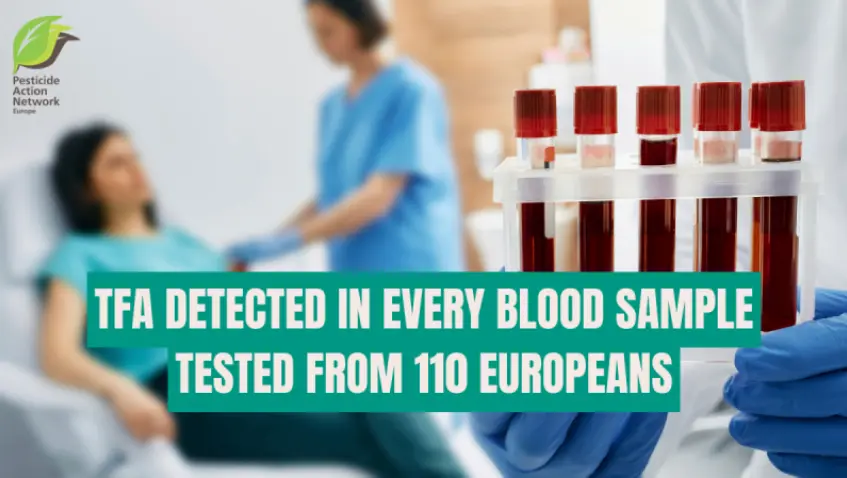
Figure 1. TFA detected in every blood sample tested from 110 Europeans. Image: Pesticide Action Network (PAN) Europe
Our story starts with a shocking piece of news: there is TFA in our blood [1]. This moved us to action. Team Triton was born with one goal: reduce exposure to TFA.
1
How do we decrease TFA exposure?
One of our core principles is ensuring sustainability. We wanted to deliver a long-lasting solution. That is why we considered two fundamental approaches to this question. We could get TFA out of the environment or prevent TFA from reaching it in the first place. To decide, we sought out stakeholders who share our goal and asked them how to decrease TFA exposure.
First, we reached out to Fedor Miloserdov, an Associate Professor in Organic Chemistry at Wageningen University & Research (WUR) who works with PFAS. We approached him with the question of how to filter TFA. His message regarding PFAS was clear: size matters; chemical properties of PFAS are mainly defined by their chain length. Long-chained PFAS are relatively easy to filter, but hard to degrade, while the opposite is true for short-chain PFAS like TFA.
With this in mind, we asked Harrie Timmer about TFA degradation. As a senior policy advisor at Vewin, the association of Dutch drinking water companies, he has good insight into current water filtration techniques. He was worried about a lack of scalable technologies to degrade TFA. In his view, a technically viable degradation method would be an important leap forward, but it could not replace regulations that prevent TFA contamination.
If it is agreed that these substances are dangerous, then they should not be produced and should not be used. That is the way to reduce accumulation in humans and the environment.
Sidsel Dyekjær, a senior policy advisor in chemical regulations to the EU, agreed that more needs to be done to prevent TFA from reaching the environment. She liked our idea of degrading TFA, but warned us of becoming a techno-fixA techno-fix is a technology that promises to cure problems without requiring society to change the habits that caused them in the first place [2].. In her view, the first priority should be banning TFA precursors such as certain agrochemicals and F-gases. Bas Eickhout, a member of the European Parliament for The Greens, was not surprised by the regulatory proposals. He recognised that political interest around TFA is growing.
The theme of PFAS and TFA specifically is growing. [...] I would not be surprised if you can see future legislation, and more TFA standards popping up.
Finally, Arthur van de Velde, an expert on PFAS-contaminated soils from the environmental consultancy firm TTE, highlighted the increasing spread of TFA. With the risks of TFA becoming more evident, mapping and monitoring of TFA concentrations have accelerated. While he recognised the need for regulation, he stressed that they are only one part of the solution. Technologies to remove existing contamination are also needed.
This round of stakeholder consultations taught us that regulations are a key driver of technological impact. For a long-lasting impact, further pollution must be prevented through regulations. However, this solution does not eliminate the present threat. Thus, our team set out to find a way to permanently degrade TFA and remove it from the environment.
2
Where can we degrade TFA?
After setting TFA degradation as our aim, we needed to define where exactly to do so. Our initial ideas were limited to drinking water treatment plants and wastewater treatment plants. After consultation, our stakeholders suggested three additional potential applications for Triton, significantly broadening our horizons.
Freddy Dekkers, CEO of WaterIQ, a multinational water treatment company, pointed us towards irrigation water used in agriculture. Agrochemicals break down into TFA and collect in the surface water which farmers use for irrigation, creating a vicious cycle in which irrigation water becomes ever more concentrated in TFA. Christos Batianis, a consultant for biotechnological start-ups, proposed an at-home filter that can be attached to personal water taps. Finally, Jip van der Linden, an engineer with experience in the water industry, suggested that we consider industrial waters.
Deciding whether to apply treaton in drinking water treamtent
Removing TFA from drinking water was the first idea of where to apply our filter, as it aligns perfectly with our principle of ensuring clean drinking water for everyone. To evaluate this option, we reached out to Amanda Larasati. As a project manager at Wetsus, a renowned research centre for water technology, she warned us that applying Triton in drinking water treatment is challenging. We would need to treat a massive volume of water. Additionally, technologies that come into contact with drinking water must be certified by a regulatory body [3]. Moreover, Christos Batianis and Freddy Dekkers pointed out that drinking water companies would have no reason to install a degradation system for TFA. Currently, there are no regulations that require drinking water companies to filter or degrade TFA in the Netherlands. Consequently, they might not be willing to invest in technology that is not needed.
On the other hand, drinking water filtration also presented us with opportunities. As we had heard earlier, proposals by regulatory bodies for TFA limits in drinking water are underway. Arcadis, a consultancy firm specialising in environmental PFAS, confirmed that new regulations regarding TFA will be introduced [4]. Witteveen+Bos, a consultancy firm specialising in PFAS in water, confirmed that drinking water companies are already actively seeking more TFA remediation techniques.
To learn more about drinking water sources in the Netherlands, we approached Adriaan Mels, an environmental technologies professor at WUR. He explained that 35% of drinking water comes from surface water and drinking water companies using surface water are already struggling with TFA. Arcadis mentioned that surface water in the Netherlands already contains 1–1.5 μg/l TFA. More problematic, Adriaan Mels continued, was that groundwater will be contaminated soon as well. Pollutants emitted decades ago, like TFA, are slowly reaching the groundwater, which is used for the other 65% of drinking water production in the Netherlands.
We decided that treating water at drinking water purification plants is most urgent and aligns best with our principles. Applying our TFA degradation here, our solution ensures clean water for all and contributes to sustainable practices in water filtration practices by removing TFA permanently. Click on the other options we considered to learn why we discarded them!
The options we let flow away
Wastewater treatment
Pro:
Wastewater consists of lower volumes of water and higher TFA concentrations compared to drinking water.
Con:
Wastewater contains a high concentration of other pollutants that could affect the functioning of Triton.
Con:
Does not align well with our core principle of ensuring clean water for everyone. A treatment here does not prevent TFA from reaching drinking water, a main source of exposure.
Irrigation water
Pro:
A treatment here prevents TFA from reaching food, a main source of exposure.
Con:
May become a techno-fixA techno-fix is a technology that promises to cure problems without requiring society to change the habits that caused them in the first place [2]. and delay the implementation of necessary bans on TFA precursors.
At-home tap filter
Pro:
Water volumes are smallest in this application.
Pro:
Could raise awareness about TFA contamination.
Con:
Leaves out households without disposable income to spend on a filter. Therefore, it does not align with our principle of ensuring clean water for all.
Con:
Unintentional misuse by consumers could be harmful. Incompatible with doing no harm above all.
Industrial waters
Pro:
Industrial efflux consists of lower volumes of water and higher TFA concentrations compared to drinking water.
Pro:
Some industrial processes may be hampered by TFA, and may require Triton regardless of regulatory pressure.
Con:
May become a techno-fixA techno-fix is a technology that promises to cure problems without requiring society to change the habits that caused them in the first place [2]. and delay the implementation of necessary bans on TFA precursors.
Con:
Our research showed that regulations are currently the only driver in the adoption of TFA-remediation technologies.
3
How do water treatment plants currently degrade TFA?
To find out more about the logistics of drinking water companies, we reached out to the largest Dutch drinking water company: Vitens. There, process engineer Frank Schoonenberg answered our questions. We knew that choosing water treatment as an application meant treating larger volumes of water than other potential applications, but Schoonenberg confronted us with specific numbers in that regard: any single Vitens plant treats between 1 and 27 million cubic metres of drinking water per year. Triton would need to be scaled up considerably before it could handle such volumes. Moreover, in their plants Vitens already applies reverse osmosis (RO), a type of membrane filtration that removes pollutants from drinking water and concentrates them in a waste stream called concentrate. In the Netherlands, it is the only certified technology to filter TFA at that scale.
Then we asked Schoonenberg the important question: do you degrade TFA after RO? His answer was what Amanda Larasati already suspected: they do not degrade TFA. The RO concentrate is currently discharged into the environment due to a lack of both suitable technology and legal pressure. Importantly, they both expect regulations to put an end to this practice. Schoonenberg is worried that no technology can currently degrade TFA at scale as drinking water companies will soon face two legal requirements:
Remove TFA from drinking water (by RO, for instance) [5].
Degrade TFA before discharging RO concentrate into the environment [4].
To help water companies comply, we have decided to treat concentrate with Triton. We will contribute to supplying clean drinking water to everyone, while addressing the needs of water filtration companies. Finally, we reduce the harm Triton could do to drinking water by not degrading TFA in drinking water directly.
4
Requirements of Triton to treat concentrate
To understand why TFA-enriched RO concentrate is not currently degraded, we turned to experts. We reached out to Bert van der Wal, a professor in novel water treatment technologies and to Peyman Salehian, co-founder of Allozymes, a company dedicated to enzyme design.
Pre-treatment is required and degradation is energy-intensive
They agreed on the main technical difficulty: after RO, TFA is still far too dilute to be subjected to degradation. A concentration in the range of milligrams per litre would be better suited. Therefore, RO concentrate has to be pre-treated and enriched in TFA before any degradation can take place.
According to James Rosie, pre-treatment steps in PFAS degradation are commonplace. Rosie is a manager at Sunresin, a company that produces resins for filtering contaminants such as PFAS. Short-chain PFAS such as TFA, however, pose a challenge. Anion exchange resins capture PFAS through two interactions: with the hydrophobic tail and with the anionic head group. TFA’s short tail prevents it from binding to resins through hydrophobic interactions, so it interacts less strongly than longer PFAS and are less effective for TFA. The problem is that contaminated resins must then be incinerated. Furthermore, as Amanda Larasati told us, resins are not allowed in Dutch water infrastructure due to the risk of the resin itself leaching into the water. Rosie himself stressed that a better way to filter TFA is needed.
We also enquired about the degradation of PFAS. After pre-treatment, longer PFAS are most commonly subjected to incineration. That is, they are burned at over 1000 °C [6] in a process that also degrades TFA. Another degradation technique is called hydrothermal alkaline treatment (HALT). HALT degrades TFA at”only” 200 ˚C, but also requires over 200 atm of pressure and a very high pH [7].
This round of stakeholder feedback provided us with two pieces of information:
No suitable pre-treatment method exists for TFA.
Current TFA degradation techniques are energy-intensive.
This prompted us to develop our own pre-treatment step: a way of capturing and concentrating TFA. As for degradation, knowledge about current degradation techniques motivated us to find a less energy-intensive, more sustainable alternative.
Finally, to ensure that Triton can be applied in a real-world context, we looked into the relevant regulations, specifically genetically modified organism (GMO) regulation in the EU. We approached Sophie van der Vlugt, a PhD candidate in xenobiology at WUR, and the Dutch National Institute for Public Health and the Environment (RIVM) to learn what Triton would need to be granted a permit. There is no precedent for the use of synthetic biology in water treatment. The RIVM staff we contacted indicated, however, that with the right biosafety measures in place, approval should be achievable.
Click here to learn out more about GMO regulations in the EU
Generally, biotechnological inventions are considered GMOs when viable GMOs or traces of them are present in the final product [8]. At this stage, we did not know the form Triton would take, so we enquired about approval for deliberate release of a GMO. We learned that biosafety is a crucial consideration in the application procedure. The safety of the organism and the prevention of its spread into the environment are paramount.
Avoiding pathogenic strains and transgenes from pathogenic organisms is an established safety principle [9]. As for containment, common measures include physical and genetic safeguards, such as integrating constructs into the chromosome rather than using plasmids. These considerations are routinely built into experimental design at WUR’s synthetic biology laboratories, so most of our team was already familiar with them.
However, we also explored the possibility of a product containing no viable GMOs. According to Sophie van der Vlugt, the application process in that case is considerably simpler.
Biotechnological inventions with no traces of GMOs do not fall under the strict deliberate release guidelines. They fall under sectoral legislation covering food additives, food enzymes and fertilisers, among others. While these regulations differ across member states, they generally require less extensive safety testing.
Taking the example of a food enzyme, a typical application procedure can take as little as two years. Van der Vlugt stressed, however, that such permits are granted on a per-use basis. This means that even if the product itself were unchanged, a new application for Triton would require a new permit. She added that the final product must be entirely free of GMO traces; otherwise it falls under the genetically modified food and feed legislation [10], which is far more restrictive.
5
How to develop a solution?
F⁻ split off
Degradation
Fundamentally, two types of bonds can be broken in TFA: the C–F bonds or the C–C bond. Peyman Salehian suggested that we try defluorination, which would be comparatively easy. For more expertise on dehalogenases and defluorination, we approached Tue Kjærgaard Nielsen, an assistant professor at the University of Copenhagen working on microbial PFAS degradation. He explained that defluorination of TFA is theoretically possible, but the right enzyme has not yet been identified. It has not evolved yet. Furthermore, Nielsen warned us that measuring TFA degradation by potential TFA degrading enzymes is difficult, which makes finding the enzymes hard.
This led us to Clemens Mayer, an associate professor of molecular evolution at the University of Groningen. His work focuses on adapting dehalogenases through directed evolution. They have shown that enzymes active on monofluoroacetate (MFA) can be evolved to act on difluoroacetate (DFA). After learning from these stakeholders, we decided to evolve the theoretically possible enzyme by means of a directed evolution platform.
Difficulties in measuring TFA degradation
We learned that characterising dehalogenases is challenging. Tue Kjærgaard Nielsen told us that TFA reduction measurements lead to many false positives due to sorption (TFA adsorbs to surfaces rather than being degraded). Measuring defluorination is thus a better approach, but still difficult because of the reaction product: fluoride. There are currently no high-throughput methods to measure fluoride concentration. This was confirmed by Sanne de Smit, an assistant professor in environmental technology at WUR. She added that high-performance liquid chromatography (HPLC) is also unsuitable for this purpose. Finally, Clemens Mayer warned to stay away from pH-based measurements.
Clemens Mayer did have a final tip for us: he suggested we look into metal complexes that bind to fluoride. We could use them to measure defluorination. With that knowledge, we set out to design a high-throughput defluorination assay. Combined with our evolution platform, we had all the requirements to both evolve and characterise a TFA-degrading enzyme.
TFA stuck on beads
Capture
Stakeholders responded enthusiastically to our plan to develop a TFA capture method.
A TFA binder would be fantastic, then you have gold in your hands.
I would regard the biological methods to remove short-chain PFAS, because those are the ones that are least removed by the current methods. [...] I’d be interested just to see the sort of technology, because often, if clients ask me how to remove TFA, ultimately, I don’t really have any solutions right now.
Peyman Salehian, CEO of Allozymes, a company dedicated to enzyme design, gave us a further reason to consider a pre-treatment step for Triton. He pointed out that enzymes degrade over time and that lower TFA concentrations require longer treatment times to remove the same quantity of TFA. Longer treatment times are not always an option, which is why he recommended concentrating TFA beforehand to maximise removal efficiency.
Further engagement
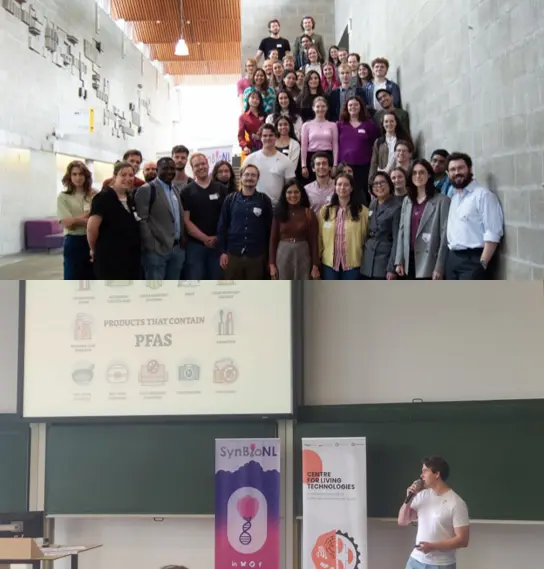
Annual SynbioNL Event
Every year, SynBioNL organises an event for SynBio enthusiasts. This year, it was focused on breaking boundaries and preparing SynBio for the real world. We listened to enlightening talks and discussions, and went networking. This event also presented the first opportunity for our team to pitch our iGEM project to the world together with other Dutch iGEM teams. During the networking sessions, we discussed with other iGEM teams to learn from each other and exchange tips on how to actually manage such a large project with a whole team. Furthermore, at this event we met Christos Batianis, a stakeholder we later interviewed on building a start-up out of an idea.
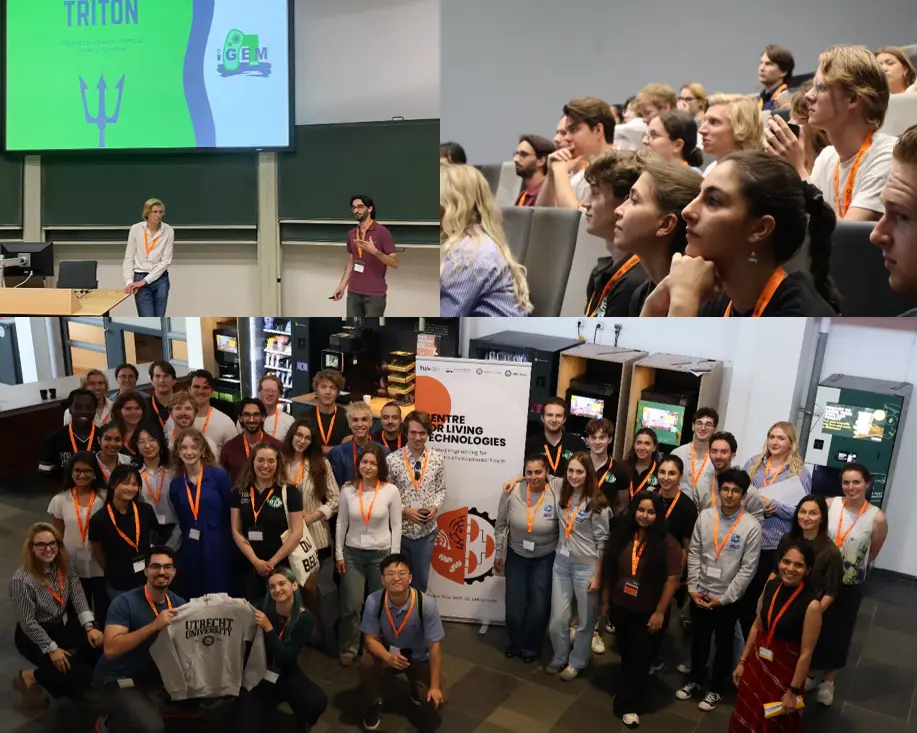
Dutch iGEM meetup
Together with the centre of living technologies (CLT), we helped to organise the Dutch iGEM meetup. Teams from all over the Netherlands and even Belgium showed up to pitch their projects, listen to keynote speakers and just getting to know the Dutch iGEM community. After presenting our project, we received the constructive feedback that treating drinking water would mean massive volumes and that it would be difficult to scale Triton up to that level. This led us to explore more options within water treatment and resulted eventually in us treating concentrate.
Keynote Speakers:
Britta Helwig, intellectual property advisor, Netherlands Patent Office talk topic: Britta Helwig explained to us how to protect our intellectual property that we develop during our iGEM project. This inspired the entrepreneurial side of us to look at the most fitting method is for the start-up we want to develop.
Laurens Landeweerd, Associate Professor, Institute for Science in Society, Radboud University talk topic: Laurens Landeweerd gave a talk about the importance of ethics, especially in biotechnology. As scientists, we often forget that who we do our experiments for and we should not loose sight of the ultimate goal of science: improving the lives of the people around us. He inspired us to look more into our principles and how they align with the choices we have made during our Human Practices story.
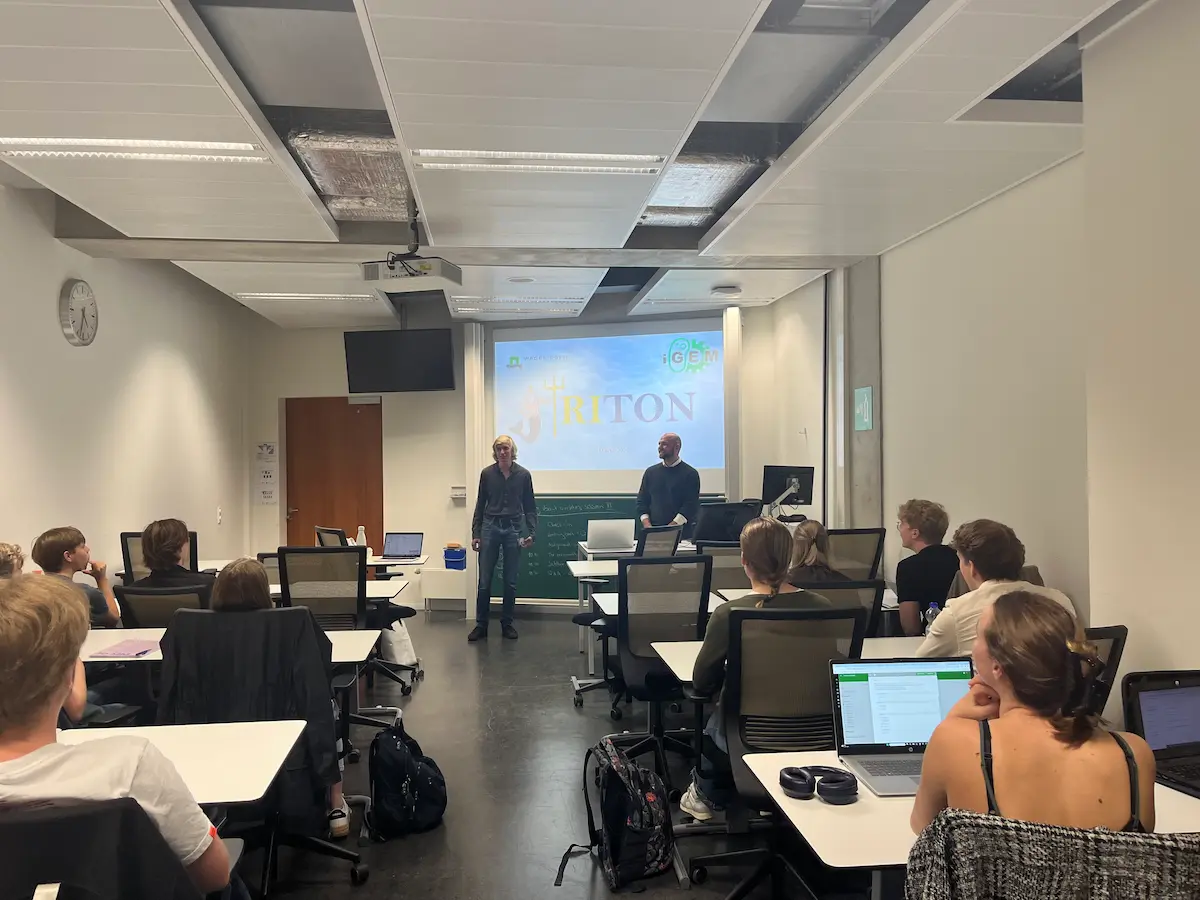
Lecture for Molecular Life Science students
We were invited by Zoë Robaey, an assistant professor in Ethics of Technology at the Philosophy Group of Wageningen University & Research, to help give a lecture to third-year bacherlor’s students of the Molecular Life Sciences programme. The goal was to show that science and society are intimately intertwined and show how Integrated human practices are integral to any science project. This lecture presented us with a great opportunity to show our Human Practices story and project up to that point and start a discussion. We discussed how we integrated Human Practices and whether we have drawn the right conclusions based on stakeholder feedback. Finally, the members of society that are not experts in our specific field can still contribute to our story and provide valuable feedback and have a broad scope of stakeholder interviews to integrate all facets of society.
Nucleate Netherlands Ecosystem Showcase
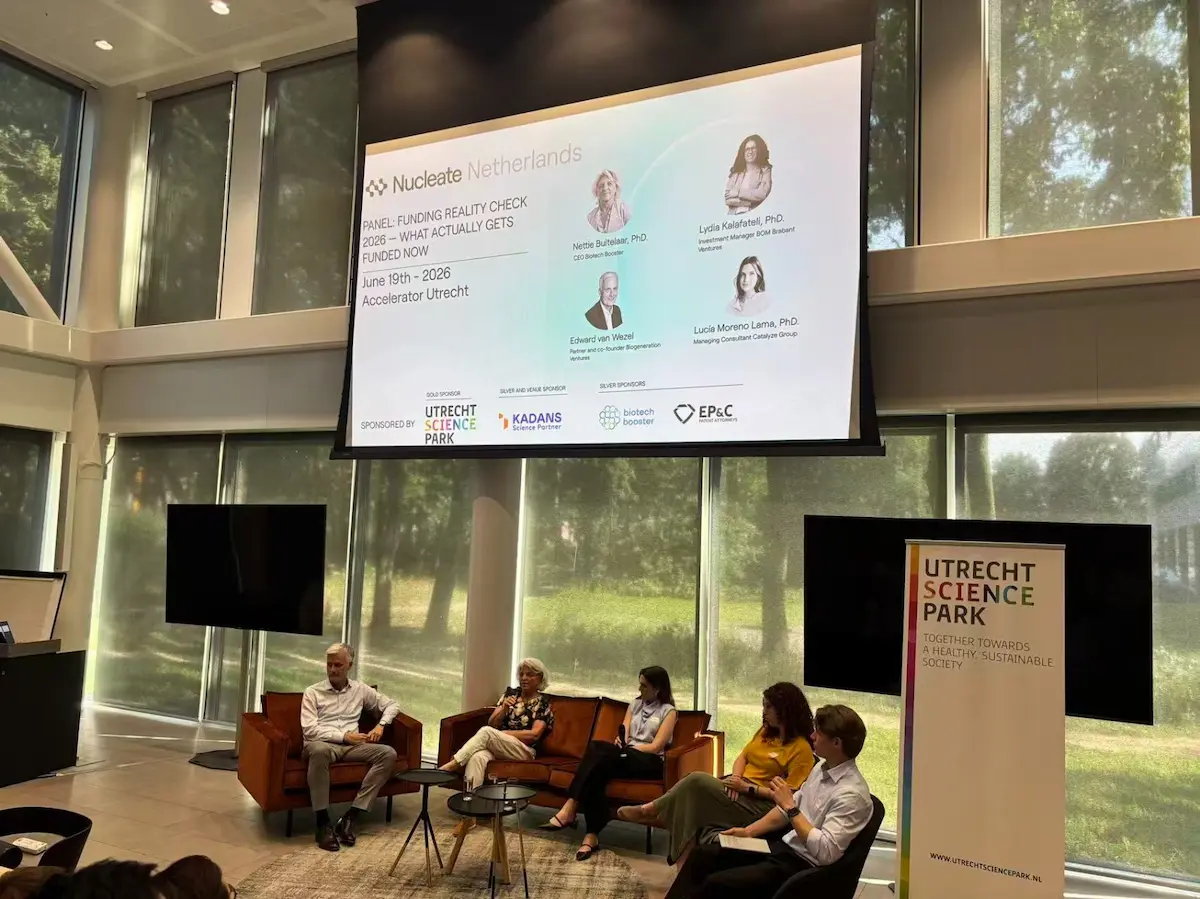
After we set our sights on starting a business, we wanted to approach experts in start-ups and Entrepreneurship. That is why we attended the Nucleate Netherlands Ecosystem Showcase, Nucleate’s yearly event that connects trainees, innovators, entrepreneurs, investors and industry players from across the Dutch life sciences ecosystem in Utrecht, the Netherlands. We heard how Genmab grew from a small company into the company it is today, and listened to pitches from start-ups such as GLYCO Diagnostics. Their journeys inspired us and motivated us to build products that serve society.
Netherlands Biotechnology Congress
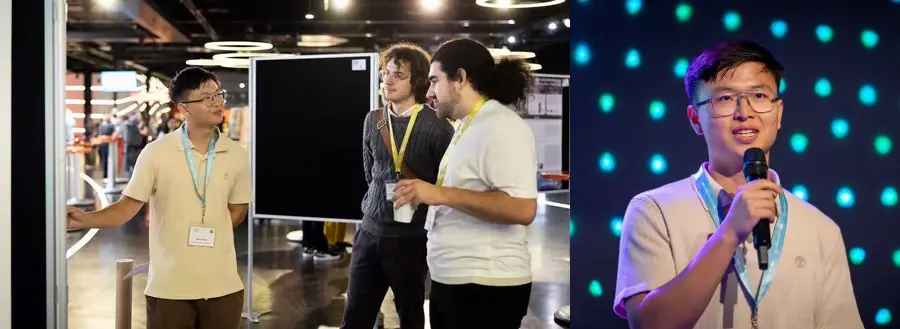
We had the opportunity to present our research on developing a de novo TFA-binding protein at the Netherlands Biotechnology Congress. It is a one-day event in Utrecht that brings together people from different biotech disciplines through keynotes, invited talks, industry representatives and poster sessions. A key message was that in the era of AI, taste and ethics matter more than ever: the question is no longer only “what can we build?” but “what should we build?”. With this in mind, we consulted Enrique Asin Garcia, assistant professor in the WUR Bioprocess Engineering group and a prominent figure in biosafety and bio-containment, to learn how to make safe and responsible designs with synthetic biology.
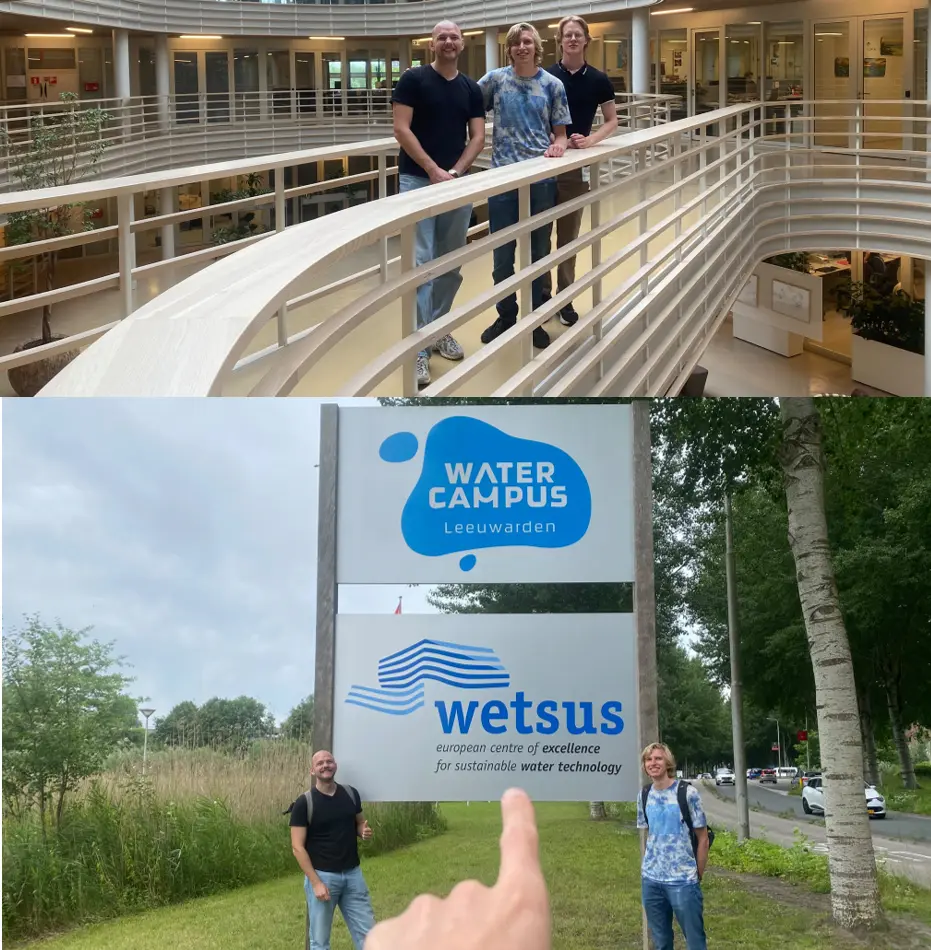
Wetsus Site Visit
Why We Visited Wetsus is a renowned research centre for water technology that identifies promising technologies around TRL level 3/4 and aims to develop them further to TRL level 6/7. We visited their headquarters in Leeuwarden and were kindly welcomed by Amanda Larasati, a project manager working on integrated PFAS treatment. Our main goal was to learn how Wetsus chooses promising technologies to develop and the strategies they apply to scale them up and cross the so-called "valley of death" of technology readiness levels.
Main Takeaways Amanda informed us that the main strategy they use to develop technologies is by finding partners. They identify other parties that are potentially interested in such a technology and then co-develop the project with them. The main advantage of this strategy is that Wetsus has defined its first customers already. Furthermore, during our visit, Amanda Laasati gave us a tour of their research facility, where they host 60 PhD students at any given time. The size and diversity of their research department enhance collaboration and promote sharing of knowledge between researchers from different fields.
Our visit to Wetsus inspired us to look for collaborators with whom we could co-develop Triton. In such a partnership, both parties bring different expertise, and we could both profit from forming a multi-disciplinary team.
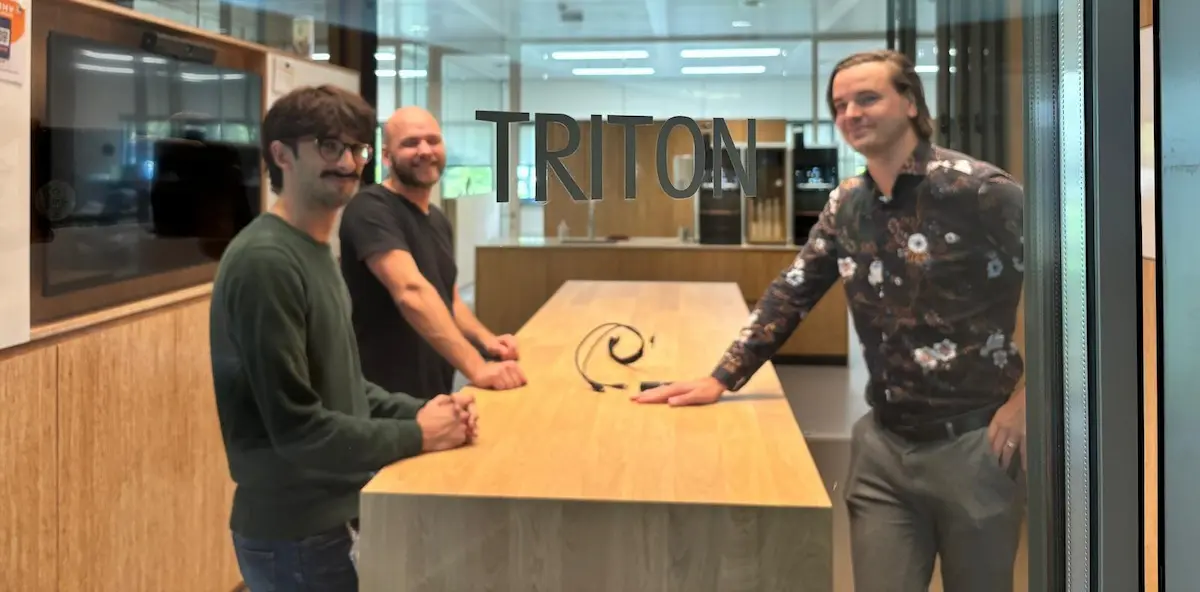
Aqualab Zuid site visit
Why we visited Aqualab Zuid plays a very prominent role in water monitoring. They work for three drinking water companies (BrabantWater, WML and Evides), which supply about a third of the water in the Netherlands. To learn more about how they prepare for legislation, we met with Peter Fischer, scientific advisor at Aqualab Zuid. Peter talked us through their experience with handling predicted legislation and gave insights into innovations surrounding water quality assurance and improvement.
Main takeaways Our visit with Aqualab Zuid gave us valuable insights into almost every component of our project. The first takeaway was that he was very confident that future TFA legislation will be introduced. This could be as soon as the next two years with a PFAS total in the form of PFOA equivalents which would also include TFA into regulations. For measurements, a biosensor would not replace ISO accredited measurements, which measure in concentrations very close to the noise of the measurements. This is at concentrations as low as 10 ng/L using an HPLC-MS, with the MS being an Orbitrap.
[4] Directive (EU) 2026/805 of the EuropeanParliament and of the Council of 30 March 2026 amending Directive 2000/60/EC establishing a framework for Community action in the field of water policy, Directive 2006/118/EC on the protection of groundwater against pollution and deterioration and Directive 2008/105/EC on environmental quality standards in the field of water policy (Text with EEA relevance). (2026). http://data.europa.eu/eli/dir/2026/805/oj
[6] Austin, C., Purohit, A. L., Thomsen, C., Pinkard, B. R., Strathmann, T. J., & Novosselov, I. V. (2024). Hydrothermal Destruction and Defluorination of TrifluoroaceticAcid (TFA). Environmental Science & Technology, 58(18), 8076–8085. https://doi.org/10.1021/acs.est.3c09404
[7] Belsky, A. J., Maiella, P. G., & Brill, T. B. (1999). Spectroscopy of HydrothermalReactions 13. Kinetics and Mechanisms of Decarboxylation of AceticAcidDerivatives at 100−260 °C under 275 bar. The Journal of Physical Chemistry A, 103(21), 4253–4260. https://doi.org/10.1021/jp984122d
[8] Directive 2001/18/EC of the EuropeanParliament and of the Council of 12 March 2001 on the deliberate release into the environment of genetically modified organisms and repealing CouncilDirective 90/220/EEC - CommissionDeclaration (Vol. 106). (2001). http://data.europa.eu/eli/dir/2001/18/oj
[9] García, E. A. (2022). SafeChassis: Engineering biosafety for industrial biotechnology [PhD thesis]. https://doi.org/10.18174/561881
[10] Regulation (EC) No 1829/2003 of the EuropeanParliament and of the Council of 22 September 2003 on genetically modified food and feed (Text with EEA relevance). (2021). http://data.europa.eu/eli/reg/2003/1829/2021-03-27
[11] Espah Borujeni, A., Mishler, D. M., Wang, J., Huso, W., & Salis, H. M. (2016). Automated physics-based design of synthetic riboswitches from diverse RNA aptamers. Nucleic Acids Research, 44(1), 1–13. https://doi.org/10.1093/nar/gkv1289