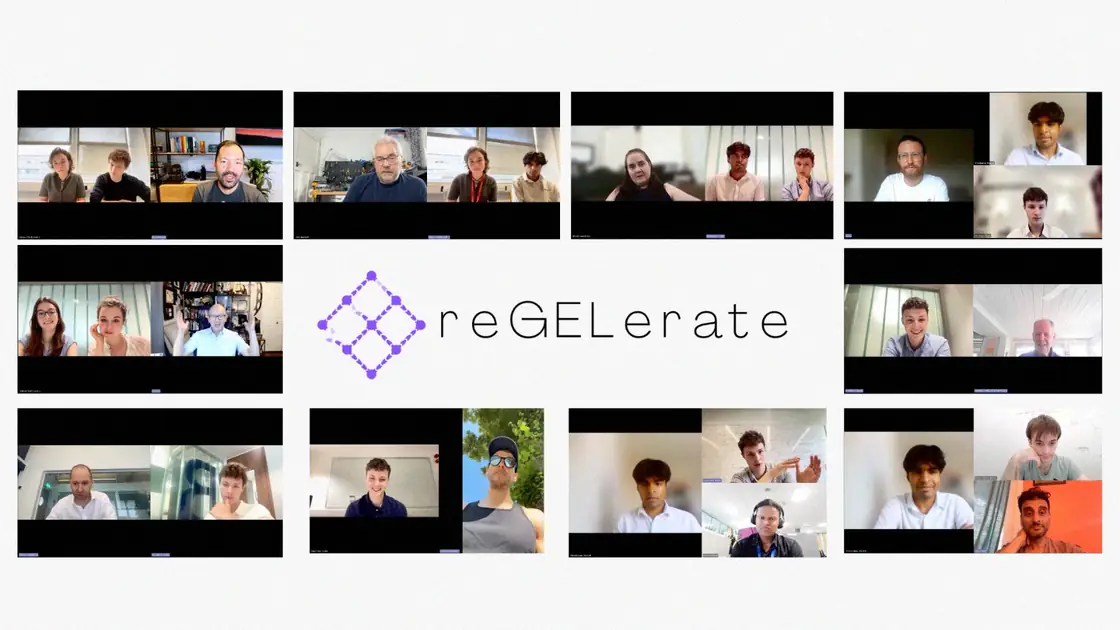
We also wanted our human practices to be useful to other teams, not only to us. The UK/EU Mini Jamboree was built around that idea: by organising a day where teams could practise pitching, put their projects in front of judges and hear from people who have built companies out of iGEM projects, we opened up the kind of stakeholder conversations that normally shape a team’s own human practices to teams who might not otherwise have access to them. The testimonials from the iGEM teams who took part, collected on our Collaborations page, show that we helped others as well as learning from them.
One example is UCL’s SHELLter, who wrote in detail on their wiki about what they took away from the judges’ feedback at the event (
https://2026.igem.wiki/ucl/outreach). In their words:
“One of the key feedback points and takeaways our team reflected upon was the importance of communicating the problem and impact in a cohesive and logical manner. Leading up to the presentation, our team had been so focused on presenting “good” results and insights that we had overlooked how we communicated those ideas to an audience who had no context on our work. The judges emphasised that we needed to treat our project as a pitch rather than a presentation. This meant drafting an overarching story which encompassed the problem, the solution and the benefit clearly and concisely to allow audience members to logically understand the meaning behind our wet-lab research and associated data.
This feedback was critical in the development of our team’s final presentation. We reflected upon the feedback and condensed our key learnings into three core aspects: scientific communication, problem framing and data visualisation. We evaluated that incorporating these three values would enable the judges to grasp the technical rationale and interpretation of our results whilst reducing the barrier to layman understanding across audience members.”
This is a human practices loop opened for another team: feedback from judges and stakeholders changed how SHELLter framed their problem, communicated their science and presented their data.