
Expert Interviews
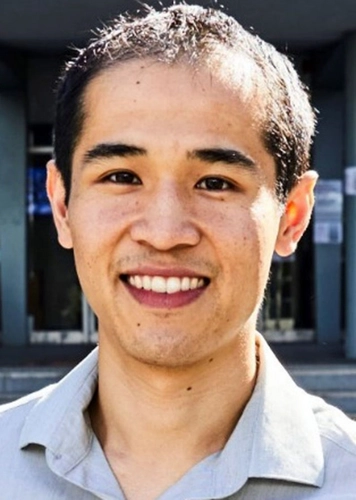
Dr. Yu Heng Lau
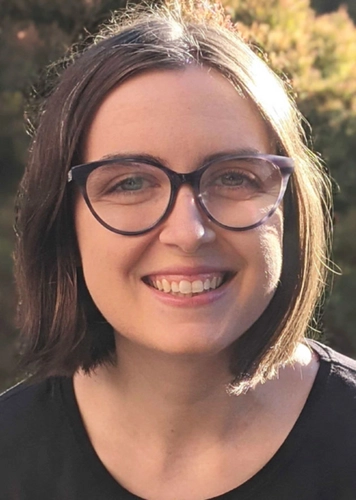
& Dr. Taylor Szyszka
University of Sydney, Australia
Yu Heng Lau and Taylor Szyszka recommended ammonium sulfate precipitation for purifying encapsulins and were skeptical, yet curious, about our Leghemoglobin approach to an anoxic reaction space.
Dr. Meng Wang
University of Houston, USA
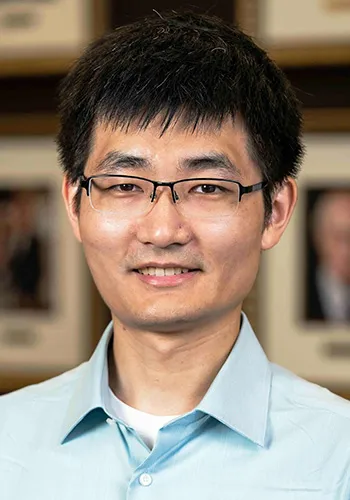
Meng Wang shared his experience with producing and purifying vault particles in P. pastoris and advised us on adapting his protocol to S. cerevisiae.
Dr. Jürgen Hubbuch
Karlsruhe Institute of Technology, Germany
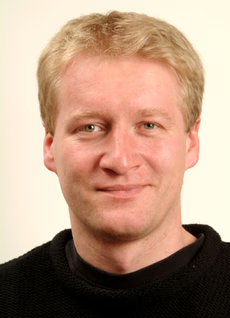
Jürgen Hubbuch pushed us to work on the big why behind our project and on what our presentation is actually selling, which moved our storytelling forward considerably. We also used his engineering perspective to discuss where encapsulins could go next, and he gave us input on our purification strategy.
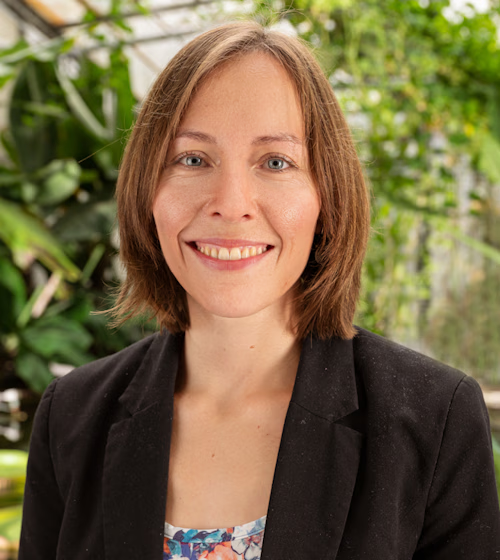
Ines Köhler
Karlsruhe Institute of Technology, Germany
Ines Köhler put our survey results on gender-specific task distribution into context and encouraged us to develop a workshop on gender bias for iGEM teams.
Encapsulins:
Dr. Yu Heng Lau, Dr. Taylor Szyszka
Dr. Yu Heng Lau is an associate professor at the University of Sydney. His research group covers research projects in the field of chemical biology, protein engineering and synthetic biology. Yu Heng Lau is an expert in working with encapsulins. Dr. Taylor Szyszka is a postdoctoral research associate at Lau group and specializes in engineering protein nanocompartments, especially encapsulins. As he had published the paper expressing and analyzing encapsulins in Saccharomyces cerevisiae (Lau et al. 2018), we wanted to ask him for advice on encapsulin purification. Since they are experts in the nanocompartment field, we further discussed our two modules that apply the toolKIT. With growing experience in encapsulin purification, they found that ammonium sulfate precipitation was significantly more efficient than PEG precipitation. Therefore, Yu Heng recommended using the purification protocol from their most recent paper (Szyszka et al. 2025) as a guide and adapting it for S. cerevisiae. After discussing this with our supervisors, we decided to use ultrasonication first to disrupt the cell wall of S. cerevisiae, followed by ammonium sulfate precipitation.
Read the full interview
When we presented our application module, where we aim to create an anoxic reaction space inside Quasibacillus thermotolerans (Qt) encapsulins, Yu Heng mentioned that they had developed a similar approach using Leghemoglobin as an oxygen scavenger to achieve an anoxic environment. However, they had used Myxococcus xanthus encapsulins instead. First, Taylor pointed out that using the SpyTag/SpyCatcher system to display leghemoglobin on the outer shell of Mx encapsulin was not as efficient as they had hoped. The SpyCatcher/SpyTag system had difficulties with efficient isopeptide bond formation. Additionally, since Leghemoglobin has a high oxygen association rate, the enzyme system would quickly become saturated, leading to oxygen accumulation inside the encapsulin through diffusion. They advised us to carefully consider the kinetics of oxygen association by Leghemoglobin relative to the oxygen diffusion rate within encapsulins. They also noted that using NanoLuc as a validation method could yield arbitrary results, since NanoLuc uses oxygen to produce light-emitting neutral species (Nemergut et al. 2023). With a faster oxygen diffusion rate compared to leghemoglobin's oxygen binding rate, measuring the actual oxygen scavenging function becomes difficult.
Overall, they were skeptical about using Leghemoglobin to achieve an anoxic reaction space. However, detailed data is still lacking to prove nonfunctionality in either scenario: (a) using leghemoglobin in general, since the SpyTag/SpyCatcher system did not work efficiently for them, and (b) using Qt encapsulins specifically. Therefore, Yu Heng and Taylor indicated that they would be interested to see whether our team could successfully conjugate Leghemoglobin to the shell surface and, if so, could generate data, to validate our findings. Yu Heng and Taylor suggested cultivating S. cerevisiae expressing Qt encapsulins with surface-displayed Leghemoglobin under anoxic conditions and testing the system with anoxic reaction spaces inside the encapsulins as the starting point. This approach would provide clearer initial experimental conditions, hopefully allowing for a better understanding of the system. Moreover, we were concerned about the fact that a successful surface display with simultaneous validation by NanoLuc results in a first-time simultaneous assembly of surface display and encapsulation in S. cerevisiae. Therefore, having no data to rely on the general implementation, we wanted to hear Yu Heng and Taylors’ opinion. They were optimistic while also being honest about a possible misassembly due to increased complexity.
Regarding the second application module, mRNA capture inside encapsulins using poly(A)-binding protein (PABP), they directly referenced the connection to the latest paper Chao et al., 2026 , and were intrigued by our idea of adapting it to S. cerevisiae. We discussed the staged expression finding from Szyszka et al.'s Rubisco/QtEnc paper in relation to our split-promoter design, where the shell is constitutively expressed and cargo (PABP + Tp-Qt) is stress-inducible, which effectively is an inverted staging order. This raised an open question: whether cargo loading in QtEnc requires ongoing shell assembly or can also occur into already-closed shells, which would determine whether constitutive shell expression provides a continuously available pool of receptive shells or whether co-inducing the shell might be necessary.
During the conversation, they mentioned several papers that could be of interest to us. First, Tobias Gießen recently published a preprint titled "A permeable protein nanocage enables facile cargo loading and cytosolic protein delivery." This preprint represents a paradigm shift in encapsulin research, as the researchers made observations demonstrating that Mx and Qt encapsulins are permeable. The preprint investigates encapsulin permeability, which enables cargo loading post-assembly, representing a new way of thinking about encapsulin cargo-loading behavior. The potential implications for our two applications remain to be investigated, particularly given that much is still unknown about this permeability. Moreover, Yu Heng and Taylor mentioned Coffeen et al. (2026), which was published in June 2026 and introduced a new method for mRNA encapsulation using encapsulinRNA adaptor peptides (ERAP). Additionally, the paper by Kwon and Giessen (2022) introduced a different approach to engineer nanocages for in vivo RNA packaging using RNA-binding peptides fused to the inner shell of encapsulins. These two different approaches to encapsulate RNA in vivo represent important alternatives for comparison and evaluation should problems arise during our project.
Main Conclusions
Protein Purification
- Ammonium sulfate precipitation is significantly more efficient than PEG precipitation for encapsulin purification
- Recommended approach: ultrasonication to disrupt S. cerevisiae cell wall, followed by ammonium sulfate precipitation (adapted from Szyszka et al. 2025)
Leghemoglobin subproject
- Overall skeptical about using Leghemoglobin to create an anoxic reaction space in Qt encapsulins due to:
- Inefficient surface display using the SpyTag/SpyCatcher system
- Leghemoglobin's high oxygen association rate causes saturation and oxygen accumulation
- NanoLuc validation can yield unreliable results
- They expressed interest in whether the team could successfully overcome these challenges and generate supporting data
- Recommendation: Cultivate S. cerevisiae expressing Qt encapsulins with surface-displayed Leghemoglobin under anoxic conditions to provide clearer initial experimental conditions
Simultaneous Surface Display and Encapsulation
- They acknowledged high complexity of simultaneous surface display and encapsulation in S. cerevisiae with potential for misassembly, but remained optimistic about feasibility
mRNA Capture
- Whether cargo loading in Qt encapsulins requires ongoing shell assembly or can occur in already-closed shells (impacts whether constitutive vs. co-induced shell expression is necessary)
Paper recommendations
- Giessen preprint: Demonstrates that Mx and Qt encapsulins are permeable, enabling post-assembly cargo loading: a paradigm shift
- Coffeen et al. 2026: Introduces encapsulin-RNA adaptor peptides (ERAP) for mRNA encapsulation
- Kwon & Giessen 2022: Alternative approach using RNA-binding peptides for in vivo RNA packaging
Vault Purification:
Dr. Meng Wang
Meng Wang is currently an associate professor in the Department of Civil and Environmental Engineering at the University of Houston. His research focuses on using proteinaceous compartments, such as vault particles, to address environmental needs. Specifically, his team's goal is to build in vivo catalytically active nanocompartments for bioremediation, bioenergy production, and resource recovery and additionally to build in vitro bionanoreactors to treat water and monitor its quality.1
Read the full interview
As the paper, “Synthesis and Assembly of Human Vault Particles in Yeast.” was published in September 2018, Meng Wang was a graduate research assistant in the Department of Civil and Environmental Engineering at the University of California in Los Angeles. At present, human vault particles had been solely expressed in baculovirus–insect cells, which is economically disadvantageous due to its low scalability and slow production rate. However, the yeast expression system demonstrated a promising economic alternative for recombinant vault production2. Therefore, Meng Wang had conducted a study to investigate whether human vault particles could be produced and assembled in Pichia pastoris cells, whether their morphology in yeast is consistent with that expressed in insect cells, and whether they are capable of packaging and stabilizing INT domain–fused enzymes.
As part of our project, the application module mRNA Capture aimed to harness nanocompartments to capture mRNA molecules after inducing S. cerevisiae cells. Since vaults show better capture efficiency due to their larger internal volume compared to that of encapsulins3, vault particles were also investigated in our project. To be able to later conduct a transcriptomic analysis of the stored mRNA, we needed to first isolate the vault particles. Because our project used S. cerevisiae as a production organism that might possess similar characteristics to P. pastoris, our team thought it would be a great opportunity to arrange a meeting with Meng Wang to acquire some insights from him regarding his purification protocol of human vault particles.
The meeting took place online on September the 11th, 2026, where our mRNA capture team asked Meng Wang a few questions regarding cultivation and especially the vaults’ purification protocol.
First and foremost, Meng Wang said that the only reason his research team had chosen to work with P. pastoris and the specific strain SMD1168 had been due to the commercial availability of the strain and its compatibility with commercially available kits.
According to the paper’s results, the accumulation of the major vault protein (MVP) monomers and the assembled vaults was slow during the early exponential phase; however, their yields increased highly during the transitional phase, which is between 19.5 to 26.5 hours of cultivation. This happened due to the formation of 3D helical polyribosomes. Vault assembly is possible through polyribosome templating4. And this helical structure that they adopt protects the MVP mRNA molecules from degradation. Therefore, they survive until late growth phases of the yeast cells. This was relevant to our experimental design of the purification of vault particles, i.e., to take whole cell samples with the highest MVP yield, due to its importance for the validation of vault expression. Consequently, we asked Meng Wang whether we could apply their results on S. cerevisiae. He thought that his results could be transferred to our project since both organisms have approximately the same doubling time and a similar growth behavior. And since it had been demonstrated in the study that polyribosome templating is preserved in eukaryotic organisms, then one should expect similar yields in the transitional growth phase in S. cerevisiae as well. For that matter, we were advised to refer to our own growth curve.
Our follow-up question was about whether the type of growth selection has a different influence on the cells’ growth characteristics and hence the MVP expression, since Wang et al. had used antibacterial selection with Zeocin, while we had been using auxotrophic selection on Histidine. He declared, that their influence is minimal and that the gene promoter responsible for the expression plays a much more important role there. In this regard, he could not give us enough information about inducible promoters such as the Gal1/10 promoter used in the toolKIT system, because he had had little experience with them and worked in this study with a constitutive one instead. Nevertheless, he speculated that the inducible promoter might possibly impose some limitations on the polyribosome templating.
Next, we moved on to discussing the purification of the human vaults particles. Here, we asked Meng Wang questions regarding our already made purification protocol for the encapsulins to find out whether we could adopt the same protocol or whether some adaptations needed to take place. After cell harvest, we wash the cell pellets twice with phosphate buffered saline (PBS) before we move on to the lysis step. During the conceptualization of the purification protocol, we thought integrating this step would avoid having molecules or compounds in the interstitial volume that might later interact with the salt in the subsequent precipitation step. To harvest the cells, we centrifuge the fermentation broth for 20 minutes at 4700 rpm at 4 degrees Celsius. Additionally, after each washing step, the cells are centrifuged again. This is extremely time-consuming. Consequently, we asked Meng Wang regarding the relevance of this step, and he simply negated its importance; his group did not wash before lysis, and that seemed to not have influenced the next steps. It is, however, important to note that they had not precipitated the proteins in their protocol, so the elimination of the washing step was open for optimization of our then current purification protocol. Furthermore, Wang et al. had used a breaking buffer for the lysis that contained, among other things, dithiothreitol (DTT), phenylmethylsulfonyl fluoride (PMSF), and protease inhibitor (PI) cocktail. The protease inhibitors and the protease deficiency in the engineered strain of P. pastoris ensure the protection of the heterologously expressed MVP in the host. In our purification protocol, cells are conversely lysed in PBS, and, seeing that the S. cerevisiae strain in our lab is not engineered to produce fewer proteases, we thought of discussing the potential degradation of the foreign MVP in the cytoplasm. Meng Wang reassured us that engineering of the strain would not be necessary, and he advised us to use protease inhibitors in the lysis buffer instead; nonetheless, he said that leaving the PI cocktail might only lead to a decrease in the MVP yield and not to a total degradation.
The research team had employed differential centrifugation to extract assembled human vault particles from the cell lysate. For that purpose, high values of relative centrifugal force (RCF) were used to finally have the assembled MVPs in the supernatant. In our purification protocol of encapsulins, we utilized size exclusion chromatography (SEC) and ion exchange chromatography (IEX), but that lasts longer than centrifugation. However, due to a lack of centrifuges that can achieve high RCF values, as used in the paper (20,000g and 100,000g), we asked whether lower RCF values would be sufficient to isolate the assembled MVPs, even with low yield. Meng Wang said that would work. He also added that the discontinuous density gradient centrifugation based on the standard vault purification protocol5 is not vital for the purification, rather for the confirmation of the vaults’ assembly, which, according to Mrazek et al.4, assembled vaults concentrate in the 40% and 45% sucrose layers. Regarding the chromatography, he said that they used no SEC, rather, only IEX with sodium chloride (NaCl) as the elution solution. This step and the treatment of samples with RNase to degrade ribosomes were only necessary for the transmission electron microscopy (TEM), as it requires a higher purity to be able to confirm the vault particles' assembly visually under the microscope.
References
- https://www.mengwang.org/research
- Wang M, Kickhoefer VA, Rome LH, Foellmer OK, Mahendra S. Synthesis and assembly of human vault particles in yeast. Biotechnology and Bioengineering. 2018; 115: 2941–2950. https://doi.org/10.1002/bit.26825
- Yu-Kai Chao et al., A genetically encoded device for transcriptome storage in mammalian cells. Science 391, eadz9353 (2026). DOI: 10.1126/science.adz9353
- Jan Mrazek, Daniel Toso, Sergey Ryazantsev, Xing Zhang, Z. Hong Zhou, Beatriz Campo Fernandez, Valerie A. Kickhoefer, Leonard H. Rome; Polyribosomes Are Molecular 3D Nanoprinters That Orchestrate the Assembly of Vault Particles. ACS Nano 25 November 2014; 8 (11): 11552–11559. https://doi.org/10.1021/nn504778h
- Stephen, A. G., Raval‐Fernandes, S., Huynh, T., Torres, M., Kickhoefer, V. A., & Rome, L. H. (2001). Assembly of vault‐like particles in insect cells expressing only the major vault protein. Journal of Biological Chemistry, 276(26), 23217–23220.
Purification & Outlook:
Dr. Jürgen Hubbuch
Jürgen Hubbuch is a professor at the Karlsruhe Institute of Technology and head of the department Biomolecular Separation Engineering (MAB) at the Institute of Process Engineering in Life Sciences. His department works on the purification and formulation of biomolecules, among them bionanoparticles such as virus-like particles, which are nanoscale protein assemblies that raise much the same purification questions as our encapsulins. He therefore looks at our project as a process engineer. He asks less about what a nanocompartment can do inside a cell, and more about the question of how one gets it out of that cell, in a defined quality. That made him the right person to talk to about both halves of what we wanted to discuss, namely how we explain our research and where it could lead.
Read the full interview
The meeting with Jürgen Hubbuch served two purposes for us. First and foremost, we were still in the early phase of our research and wanted an outside opinion on how we communicate our science, that is, whether our framing of the project actually carries and whether what we consider exciting also reads as exciting to someone who is not already working on nanocompartments. Second, we wanted to use his perspective on purification processes to look a little into the crystal ball. How could a research team following ours improve the purification of encapsulins, and which applications would become realistic if that purification succeeded? The meeting took place in person on August 28th, 2026.
We began with the project itself, and the first point of feedback was the most uncomfortable one. From an engineer's point of view, Hubbuch was missing the big why. He was not satisfied by the argumentation we had been using, namely that encapsulins allow us to combine prokaryotic and eukaryotic properties, that they create an orthogonal space inside the cell, and that engineering native organelles tends to burden the host while encapsulins are more flexible to modify. It explains why encapsulins are a convenient tool, but it does not explain why anyone outside our field should care about the problem we are solving in the first place. The same criticism applied to our presentation. It was not clear from it whether our application modules take place in vivo or in vitro, and it was not clear what the presentation was actually selling. One reading is the novel idea of a modular cloning system for expressing prokaryotic nanocompartments in eukaryotes together with application modules in S. cerevisiae. The other reading is the prospect of an industrial implementation of it.
This part of the discussion turned out to be one of the most productive of the whole interview. Rather than defending our framing, we used the rest of the meeting to work through the question with him, and the exercise of having to justify the project to someone who deliberately refused to accept 'because it is a nice tool' as an answer forced us to separate our motivation from our methods. Our storytelling improved noticeably afterward. We now lead with the problem and the why, state explicitly for each application module whether it happens inside or outside the cell, and keep the proof-of-principle character of our work distinct from the industrial perspective it might open up. We consider this one of the clearest cases in our project where a conversation with an expert changed not what we did in the lab, but how we are able to explain it.
The second half of the interview dealt with the purification itself, and Hubbuch made an important distinction right at the beginning. For the time frame of our iGEM project, he advised us to stay with the purification protocol we had discussed with Yu Heng Lau and Taylor Szyszka, simply because it is already implemented and working. Everything that followed was therefore explicitly a look ahead at how a team continuing this work could optimize the purification, measured against the standard he applies in his own field, where a high and reproducible purity is the actual product.
His central message for that outlook was to resist the temptation to over-engineer the protocol, and to reduce the number of steps rather than add to them. Our sequence of a size exclusion chromatography followed by an ion exchange chromatography prompted him to ask what, specifically, the IEX is still separating at that point. This turned out to be the more interesting part of the discussion, because it made clear how much one has to know about a particle before one can responsibly shorten a protocol. An orthogonal step only earns its place if one can name the contaminant it is supposed to remove, and designing or dropping an ion exchange step requires knowing the isoelectric point of the encapsulins. Neither of these was established for our system yet and we took away a clear picture of what a future team would have to characterize first. It is not the protocol itself, but the particle it is meant to purify.
He also recommended looking into Capto Core, a chromatography resin from Cytiva. Its beads have an inactive outer shell and a ligand-activated core, so that small molecules enter and are bound while large particles such as our encapsulins are excluded and pass through in the flow-through. For a product of this size class, that turns a purification step into something closer to a filtration, which fits well with his general argument for fewer and more robust steps rather than more of them.
On precipitation, his advice ran against what we had heard before. For the encapsulin purification we had so far planned an ammonium sulfate precipitation, which had been recommended to us in an earlier expert interview. Hubbuch would use PEG instead, because in his experience ammonium sulfate interferes considerably more with the subsequent analytics than PEG does. The two recommendations are not necessarily in conflict, since they weigh different things. One of them is precipitation efficiency, the other is compatibility with downstream analysis. The contrast made clear to us that this is a decision we have to make deliberately and in view of which analytical methods we depend on, rather than simply adopting a protocol.
The question that connected the purification to the outlook was whether encapsulins can be made to re-assemble after they have been disassembled. This matters in both directions. For purification, it would be a considerable simplification. If the shell can be opened and closed again in a controlled way, the cargo inside can be purified on its own instead of having to be purified within an intact compartment. For applications, it is close to a precondition. If re-assembly works reliably, encapsulins become especially interesting as a drug delivery system, where a defined cargo is loaded into a defined shell. Hubbuch also pointed out the catch, which is a purity argument rather than a feasibility one. During re-assembly the shell may well enclose cell debris along with the intended cargo, and such a preparation would not be pure enough for a pharmaceutical product, whether for drug delivery or for a vaccine. Controlled re-assembly is therefore not only a nice capability but the point at which the purification process and the possible application meet, which is why we consider it the most worthwhile direction for a team continuing this work.
Taken together, the interview shifted our view of the downstream part of our project in a way we had not expected. We had approached purification as a problem of adding enough steps to be safe, and came away understanding it as a problem of being able to justify each step, ideally with a named contaminant, a known isoelectric point and an analytical method that still works afterward. That there is industrial interest in particles of this kind at all was reassuring to hear. The more useful half of the message was that the bar for pharmaceutical purity sits well above a working proof of principle.
Main Conclusions
Science communication
- The big why was missing: combining prokaryotic and eukaryotic properties and avoiding the burden of engineering native organelles explains the choice of tool, not the relevance of the problem
- State explicitly for every application module whether it takes place in vivo or in vitro
Applications and outlook
- Controlled re-assembly after disassembly would both simplify the purification of the cargo and open up encapsulins as a drug delivery system
- Risk to keep in mind: during re-assembly, cell debris may be enclosed together with the cargo, which would not meet pharmaceutical purity requirements for drug delivery or vaccines
- There is industrial interest in nanocompartments of this particle class
Purification
- For the iGEM time frame, stay with the purification protocol already implemented after the interview with Lau and Szyszka. Everything below is an outlook for a future team
- Do not over-engineer the protocol: fewer steps rather than more, e.g. dropping the IEX and optimizing the SEC by comparing different columns
- Reducing purification steps requires characterizing the particle first: which contaminant a step is meant to remove, and what the isoelectric point of our encapsulins is
- Capto Core resin (Cytiva) as an option for separating the large encapsulins from small contaminants
- Use PEG rather than ammonium sulfate for precipitation, because ammonium sulfate interferes more with the subsequent analytics
Survey Gender Roles:
Ines Köhler
Ines Köhler, Head of the Department for Equal Opportunities and Diversity Management at KIT, provided feedback on our survey findings and helped contextualize them within KIT's existing infrastructure and initiatives. We presented the analysis of our survey with main conclusions, including that scientific conception as a task is significantly more often undertaken by men than women. We also discussed the imbalance in agreement regarding the statement "certain tasks are expected of specific genders" in our survey results. Many respondents disagreed that gender played a role in task assignment, despite the actual data showing clear gender patterns in task distribution. Ines emphasized that this perception of task distribution should be taken seriously. She referenced different studies showing that women are expected to demonstrate prosocial behavior, especially in organizational areas. This expectation operates systematically, even when not explicitly stated. Ines posed a critical question to our group: Is the fact that men take on scientific conception more frequently simply due to personal preferences and women having less interest in these tasks? Or could gender bias be the underlying reason? She further questioned what consequences this has for scientific research if men participate more frequently in the conception phases of projects.
Read the full interview
We discussed workshops at KIT that potentially address teamwork and task distribution in relation to gender imbalances. We asked questions about how to raise awareness of gender imbalances through workshops. Ines shared information about existing initiatives at KIT. Workshops are offered for PhD students and leaders at KIT that address gender bias. The focus topics include questions such as:
• Where do women in academia face barriers based on their gender, not their competence?
• How are the achievements of men and women evaluated differently?
• How is family life viewed differently for men and women?
Leaders receive training focused on raising awareness about task distribution. For example, they are encouraged to pay attention to speaking time in meetings, which may be gender-imbalanced but could also be due to personal traits such as introversion. Additionally, there was a workshop during Diversity Day concerning unconscious bias and how women can be encouraged to address certain topics. Ines Köhler noted clearly that there are currently no workshops addressing teams directly to work actively on their own biases. However, Team-Charter workshops do exist at KIT for teams to collectively work on how rules are established within the team and how the team can function socially and collaboratively.
Given the iGEM philosophy of giving back to the community, Ines Köhler suggested that we pilot our own conceptualized workshop internally and develop a workshop concept as a best-practice example for sharing with the broader iGEM community. She provided explicit ideas and tips for the conceptualization of a workshop designed to raise awareness of gender bias in iGEM teams regarding task distribution and perception. The workshop should begin with a team analysis activity in which members assign themselves to specific task areas. Following the team analysis, the workshop should guide participants through a reflection on how the task assignment came about when the team started. Key questions to explore include: Was there an open discussion about who would take on which responsibilities? Do team members have the feeling that they took over specific tasks because those tasks are expected of their gender? Additionally, Ines Köhler suggested conducting parts of the workshop in gender-specific safe spaces and asking targeted questions that may be more comfortable for some participants to answer in these settings. The workshop should ultimately lead to a discussion of what could be done to achieve a fairer distribution of tasks. At the end of the interview, she made it clear that she would be happy to answer questions and provide feedback during the workshop planning process. She also mentioned that she would keep the topic of gender-specific task distribution within teams in mind and explore the possibility of establishing a workshop or talk for the next Diversity Days at KIT. Furthermore, she referred us to the Diversity Magazine published by KIT, which features projects and activities related to diversity. She suggested making our survey visible in the context of student-led research.
How the feedback shaped our inclusivity work further: Workshop Gender Roles & Task Distribution