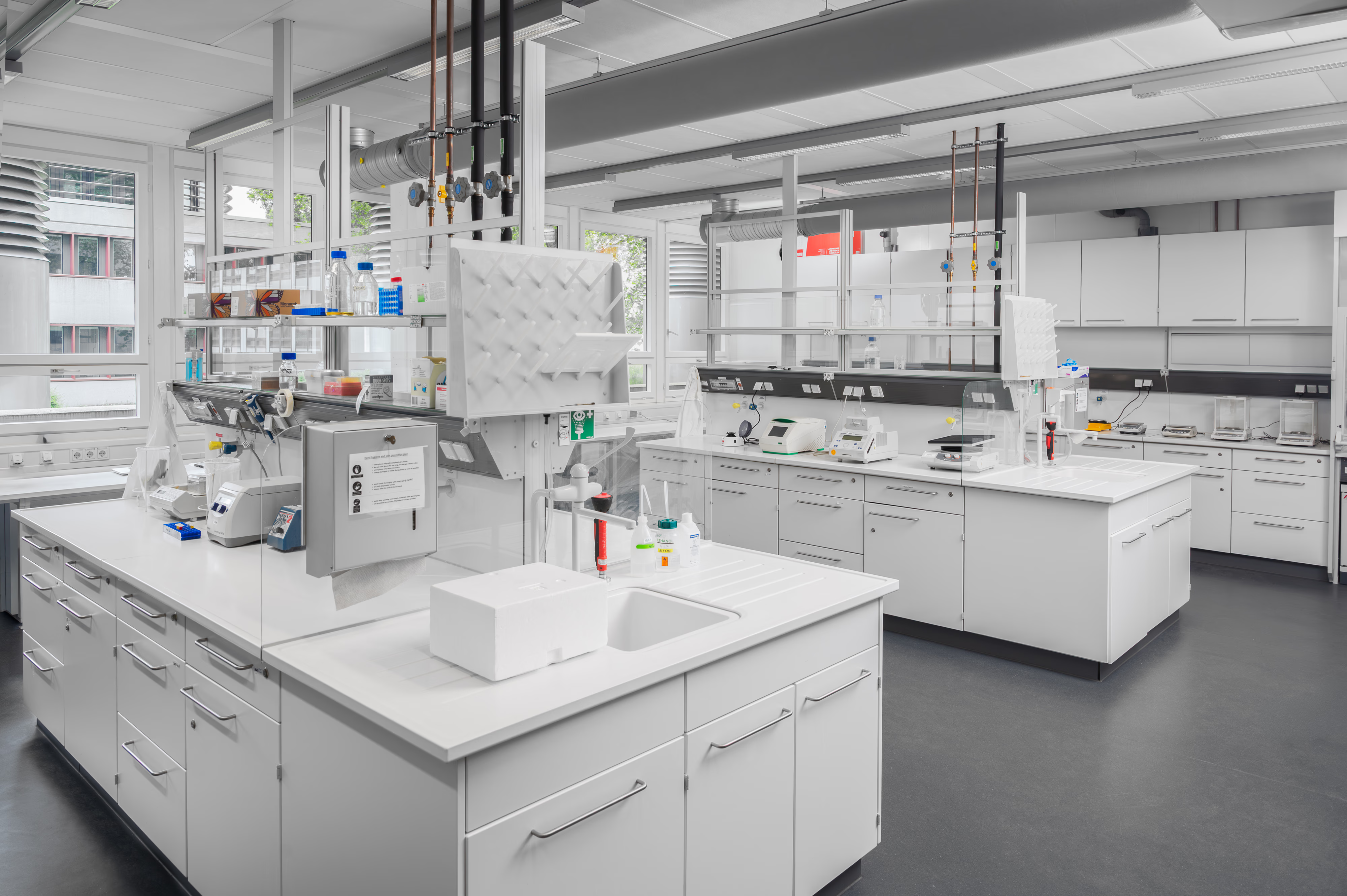
As the first iGEM team at the Karlsruhe Institute of Technology (KIT), we faced a unique challenge: not only did we have to develop a research project, but we also had to build both our laboratory and our team from the ground up. While most iGEM teams can rely on already established laboratory infrastructure, we started with an almost empty room. There was no laboratory equipment, no Petri dishes, Falcon tubes, chemicals, or technical devices available. This meant that before we could even begin our experiments, we first had to determine what was actually required for a functional molecular biology laboratory.
Based on our findings, we collected tips for future new research teams and new iGEM teams and summarized them in our LAB KIT. Starting a lab of your own? Our LAB KIT can also be found on our Contribution page, together with TeamKIT, our guide to teamwork in iGEM teams.
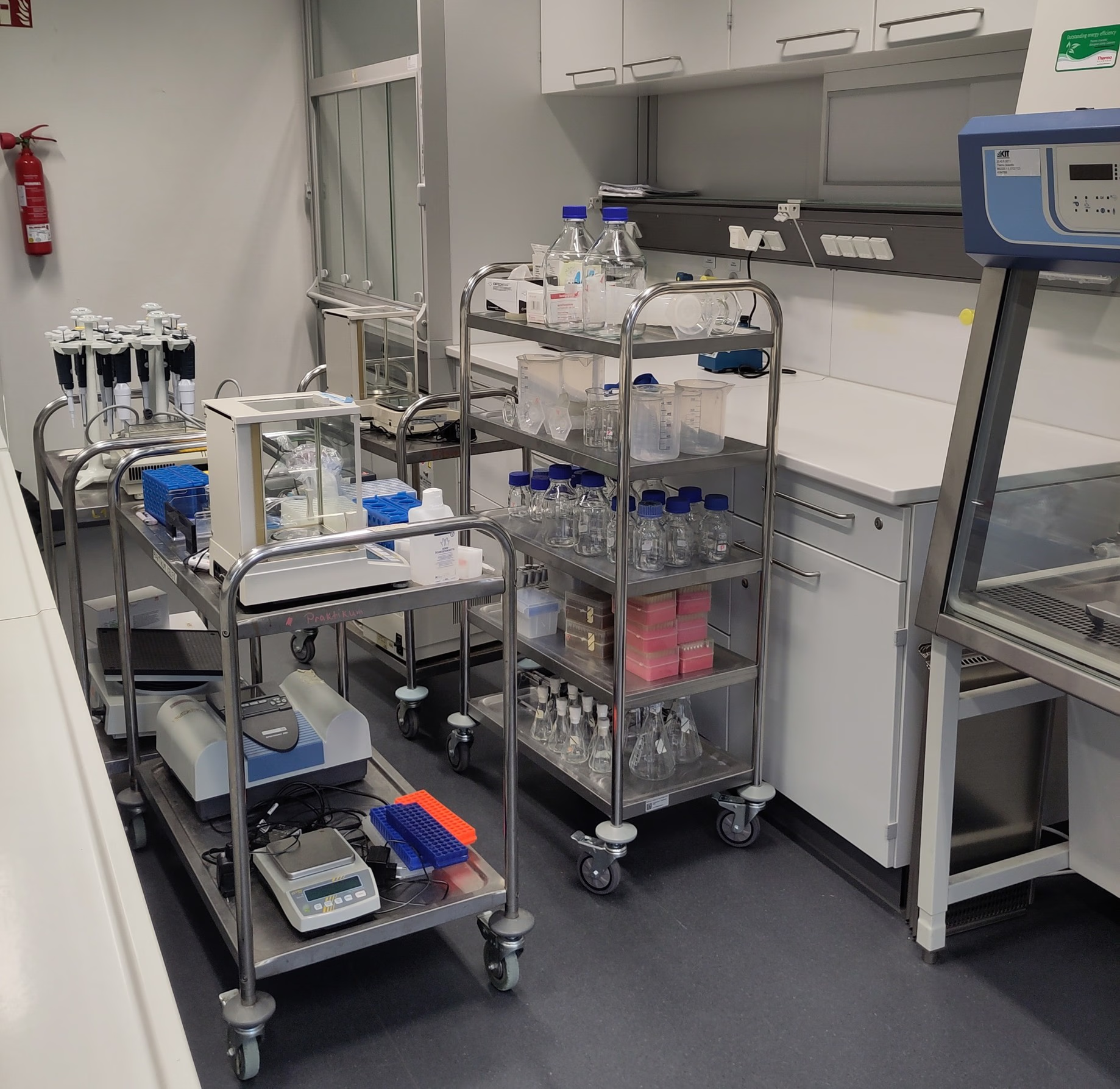
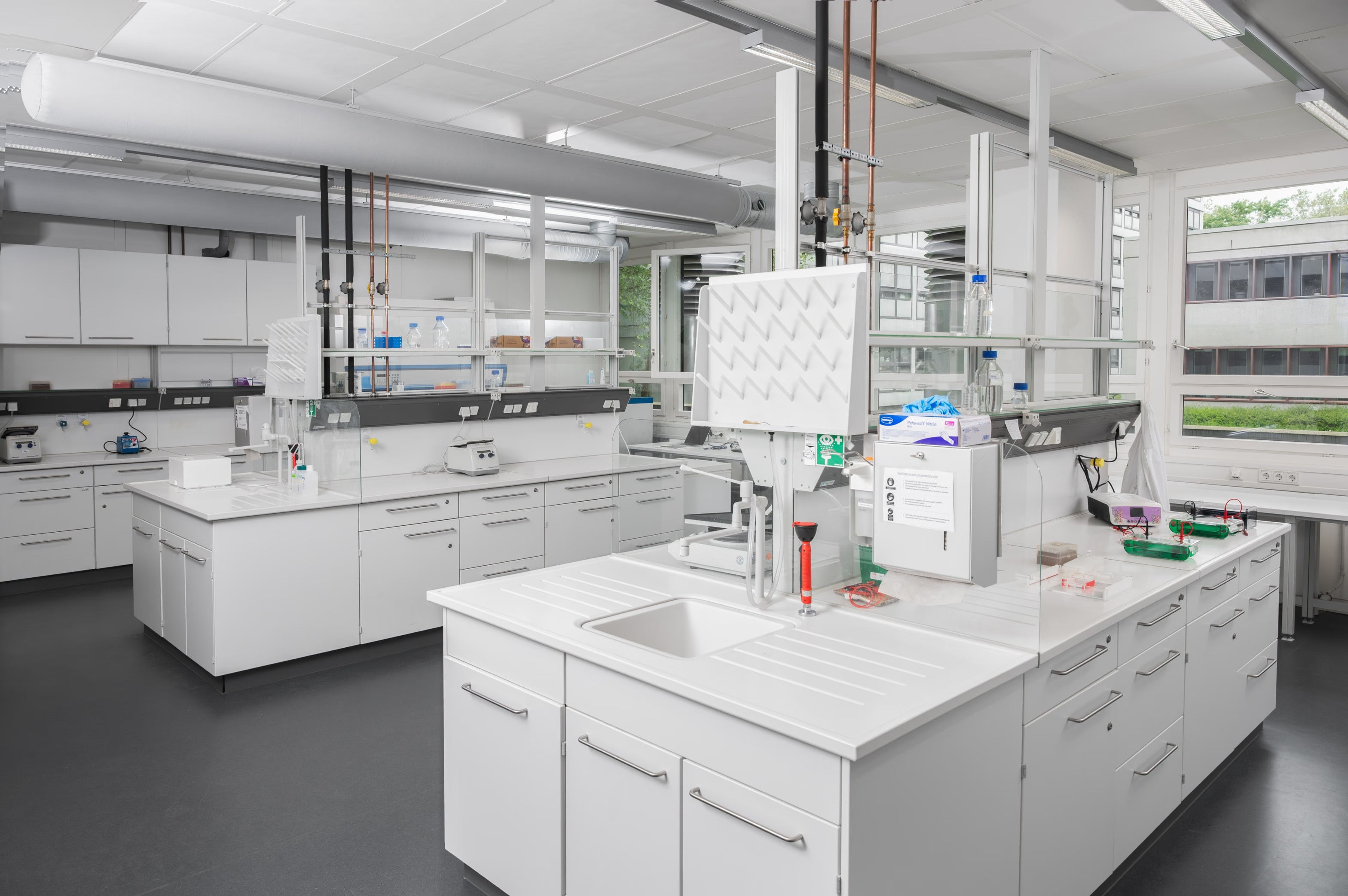
Equipping the Lab
One of our first tasks was to identify the essential equipment and consumables. We have put a lot of work into searching through the catalogs of laboratory suppliers, comparing products, and creating extensive lists of everything we would need. At the same time, we collected and organized laboratory protocols, even for methods that were not yet part of our final project plan, to ensure that we would be prepared for future experimental work. This process quickly revealed that establishing a laboratory requires far more materials than one might initially expect, and that these materials come with considerable costs. As a result, acquiring financial and material support became one of our highest priorities.
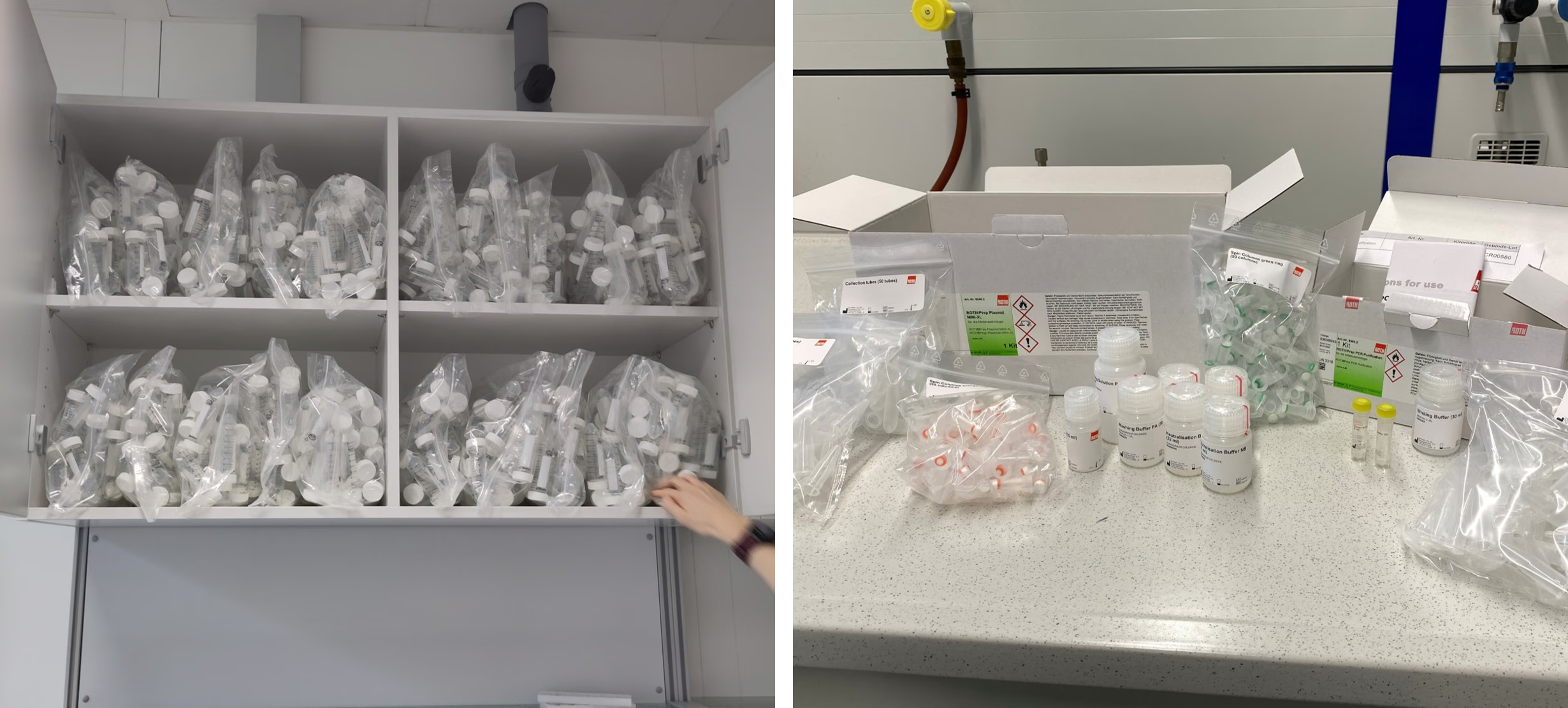
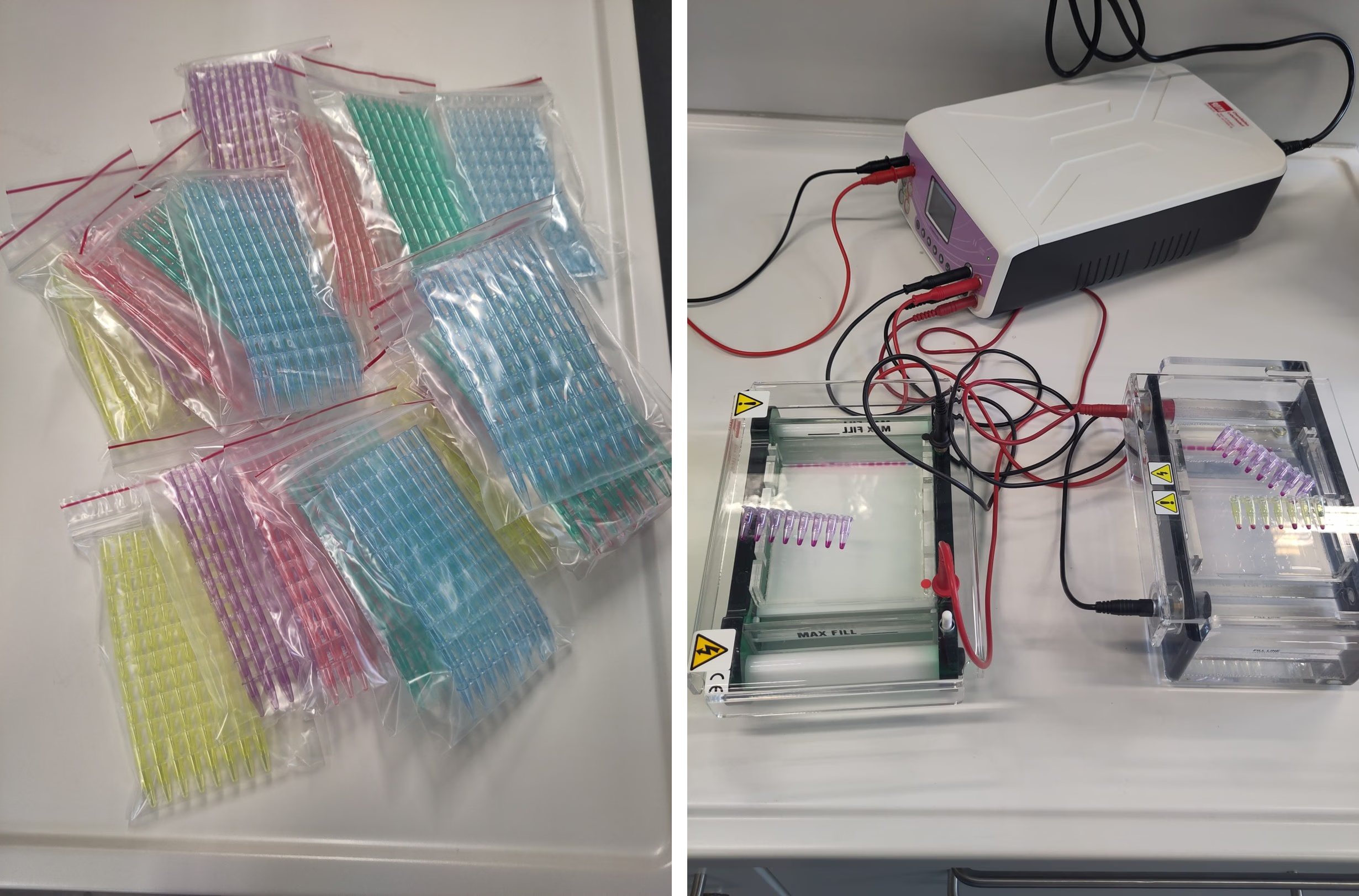
Fortunately, we received tremendous support from the research group of our supervisors. They generously lent us equipment, chemicals, and consumables, allowing us to start our laboratory work long before we had acquired our own resources. We are incredibly grateful for their trust and continuous support. Finding an appropriate laboratory space also proved to be more challenging than expected. However, after several discussions with the university, we were finally able to secure our own laboratory.
In addition, we were fortunate to receive several valuable material donations. Although finding financial sponsors was more difficult than anticipated, we reached out to numerous companies through emails and benefited greatly from the professional network of our supervisors.
Training and Organizing the Team
Another major challenge was building a team in which almost none of the members had prior laboratory experience. While our supervisors provided excellent scientific guidance, creating a well-functioning team required much more than technical training. From the beginning, we placed a strong emphasis on open communication, mutual support, and continuously strengthening our team spirit. Whenever challenges arose, we addressed them together to create an environment in which everyone could contribute and learn.
At the start of the project, our work focused heavily on molecular cloning. Since most team members had only limited practical experience from university laboratory courses, or no previous laboratory experience at all, it was essential to establish a structured training program. Experienced team members and our supervisors introduced the necessary laboratory techniques step by step, enabling everyone to develop the practical skills required for independent experimental work later in the project.
Organizing our laboratory workflow was another important aspect of building a successful team. We implemented Benchling as our shared electronic laboratory notebook, created by an iGEM startup. Existing laboratory protocols were revised and standardized to ensure they were easy to understand for every team member, regardless of their previous experience. To further strengthen our scientific background, we introduced a weekly journal club where we discuss current research papers, improve our scientific reading skills, exchange knowledge, and initiate discussions about new ideas.
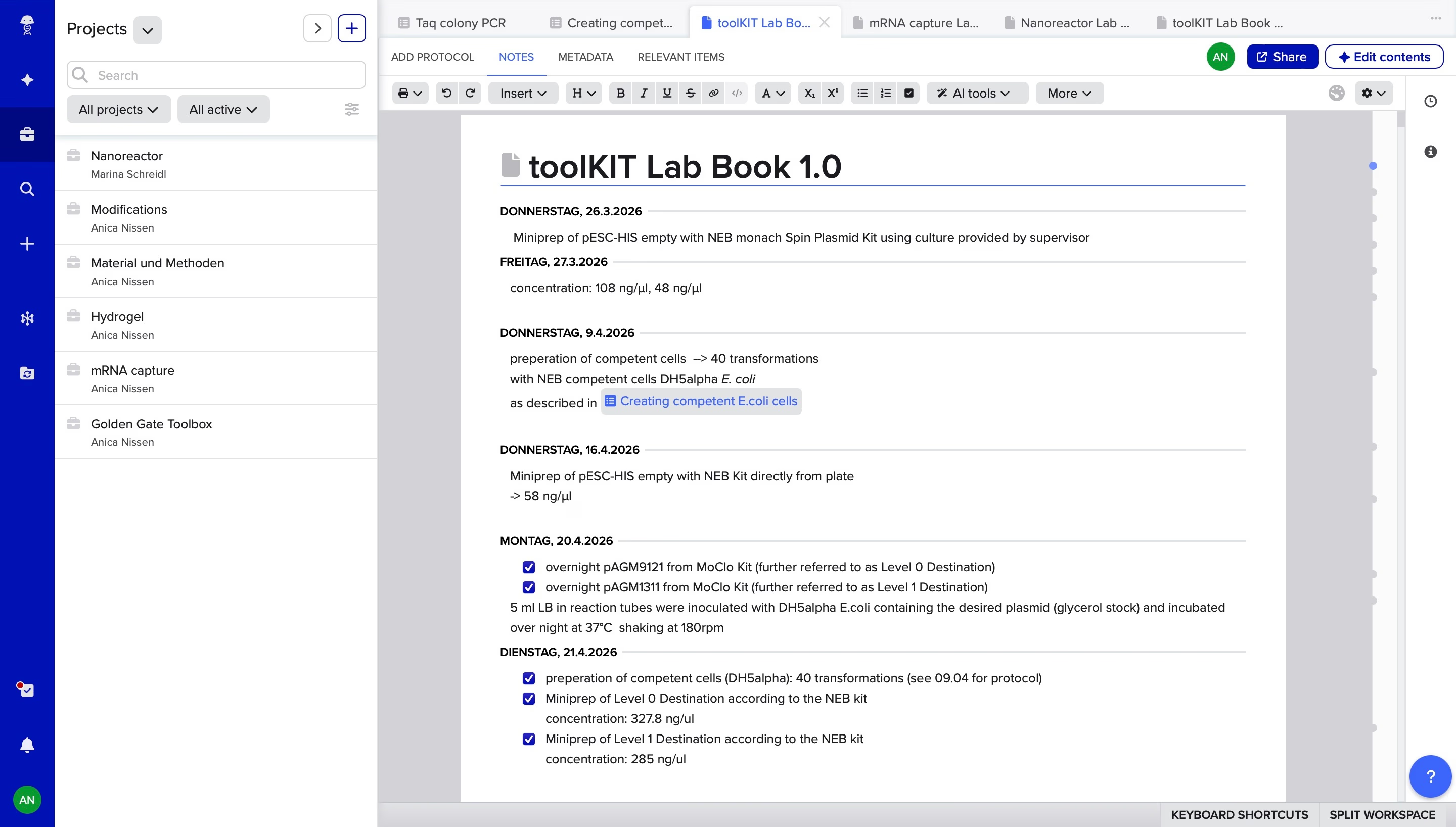
All our detailed lab notes can be found in our lab books on the Notebook page.
As the project progressed, we divided the team into several subgroups, each focusing on different aspects of the project. Dedicated laboratory time allowed these groups to work efficiently on their respective tasks while maintaining close communication with one another. At the same time, several team members deliberately remained flexible and supported whichever subgroup required additional help, ensuring that resources could be allocated where they were needed most.
Our Lab Today
Throughout this journey, we continuously encountered new challenges and opportunities for improvement. Building a laboratory from scratch, organizing an entirely new team, and establishing efficient workflows required many decisions and constant adaptation. Looking back, we are incredibly proud of how far we have come. Creating a functioning laboratory is an experience we would never have gained without participating in iGEM. We are deeply grateful for the support of the eBT, our supervisors, and everyone who contributed through material donations, advice, or encouragement.