Mission Statement
The primary goal of iGEM Toronto's Outreach team was to make synthetic biology more accessible, engaging, and exciting to audiences beyond the scientific community. Throughout the season, we focused on bridging the gap between scientific research and the public through creative science communication, storytelling, and community engagement. Beyond raising awareness about microplastic pollution and our project, we wanted to spark curiosity, encourage conversations about synthetic biology, and build a community that could follow and celebrate our team's journey.
Our outreach efforts included our Project Promotion Video, social media campaigns, the Road to Jamboree Instagram Reel series, and our newsletter, The Waterfront, which reached 300 subscribers. Over the course of the season, our Instagram content accumulated over 105,000 views, attracted more than 250 new followers, and generated over 2,500 profile visits. More importantly, over 374 people clicked the links in our bio to learn more about our project and events, including the Microplastics Conference. These numbers reflect not just the reach of our content, but the genuine interest it generated in our research and activities. Through a mix of educational content, humour, and behind-the-scenes storytelling, we were able to build an engaged audience and make synthetic biology feel more approachable, relevant, and exciting.
Promo Video
PetaBite brings together computational biology, wet lab work, and hardware, which made explaining our project in a short video a challenge. We wanted the Promotion Video to introduce the science clearly without overwhelming viewers with technical details, while still giving them a strong sense of the problem we are tackling and what makes our approach unique.
This year, we combined live-action footage with original animation, humour, and visual storytelling. We also incorporated our PETase-inspired axolotls throughout the video to build a visual identity for PetaBite that carried into the rest of our outreach. The video was created almost entirely within our team, with Outreach members handling scripting, filming, acting, voice work, animation, and editing.
We designed the Promotion Video as an introduction to PetaBite, not a full breakdown of every component. Our goal was to make synthetic biology accessible, helping viewers unfamiliar with the field understand what we aim to achieve and, more importantly, feel inspired to learn more.
Placeholder figure
The Waterfront Newsletter
Throughout the season, we used The Waterfront, iGEM Toronto’s newsletter, to keep our community updated on the team’s progress. Each edition reached more than 300 subscribers, including members of the wider iGEM Toronto network.
The Waterfront brought together updates from across the team: covering our work on PetaBite, sponsor news, conferences, competitions, and pitch events. It gave us a space to highlight accomplishments that might otherwise get lost during a busy season and to recognize the work happening across different subteams.
More than anything, the newsletter became a running recap of our year. With so much happening at once, The Waterfront allowed us to document our progress in real time and keep our community engaged from the start of the season through to the Jamboree.
Team Socials
With over 80 members working across seven subteams, we wanted iGEM Toronto to feel like one unified team rather than a collection of separate divisions. Our team socials gave members a chance to meet people they might not normally work with and spend time together outside of meetings, labs, and project work.
Throughout the season, we organized casual events and activities that brought members from across the team together. These socials helped build connections between subteams and created a comfortable environment for members to ask for help, share ideas, and collaborate. For a project as interdisciplinary as PetaBite, fostering that sense of community within the team was an essential part of how we worked.
Placeholder figure
Road to Jamboree Series
Our Road to Jamboree series took a light-hearted approach to science communication. Through short Instagram Reels, we shared the team's journey throughout the iGEM season using humour, trends, and familiar social media formats to make STEM content more approachable.
The series helped us reach people who might not normally engage with traditional science posts. Instead of making every Reel educational or technical, we used entertaining content to introduce viewers to iGEM, our team, and what working on a student-led synthetic biology project looks like. Over the season, our Instagram content earned over 105,000 views, gained more than 250 new followers, and generated over 2,500 profile visits. Additionally, over 374 people clicked the links in our bio to explore our project and events, including the Microplastics Conference. These numbers show that our social media efforts went beyond entertainment and encouraged audiences to engage with our work. By blending science with humour and relatable content, Road to Jamboree helped us connect with a broader audience and showcase the more personal, fun side of iGEM Toronto.
Placeholder figure
Design Sketchbook
How each part of our design work came together from March to October: Web Design, Animation, Character Design, Social, Branding, and Other, with images from the team's Discord. Open the cover for the table of contents, or tap a colored tab to flip to that section.
Design Team Sketchbook
iGEM Toronto 2026
Contents
Jump to a section
Contents
Continued
Web Design
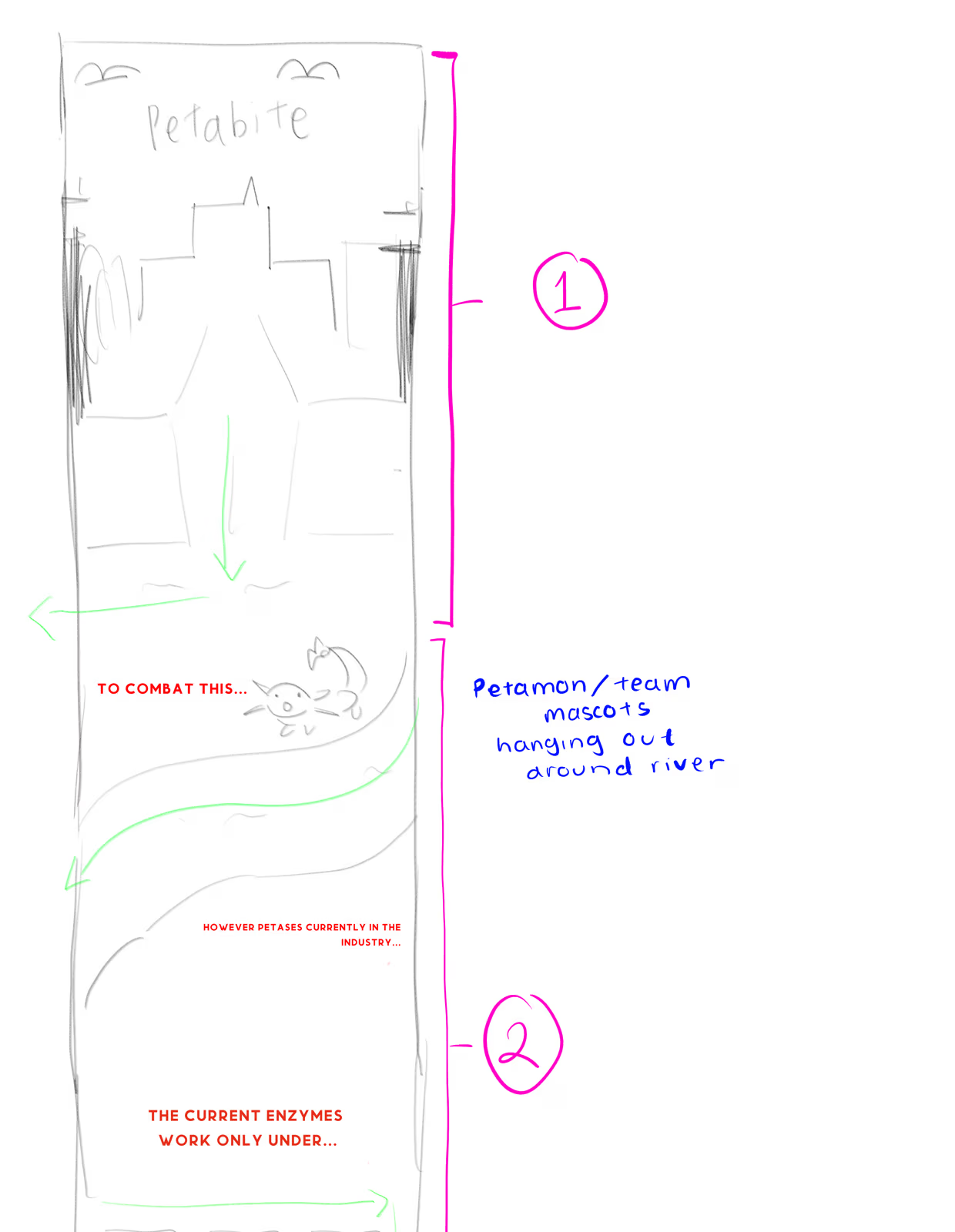
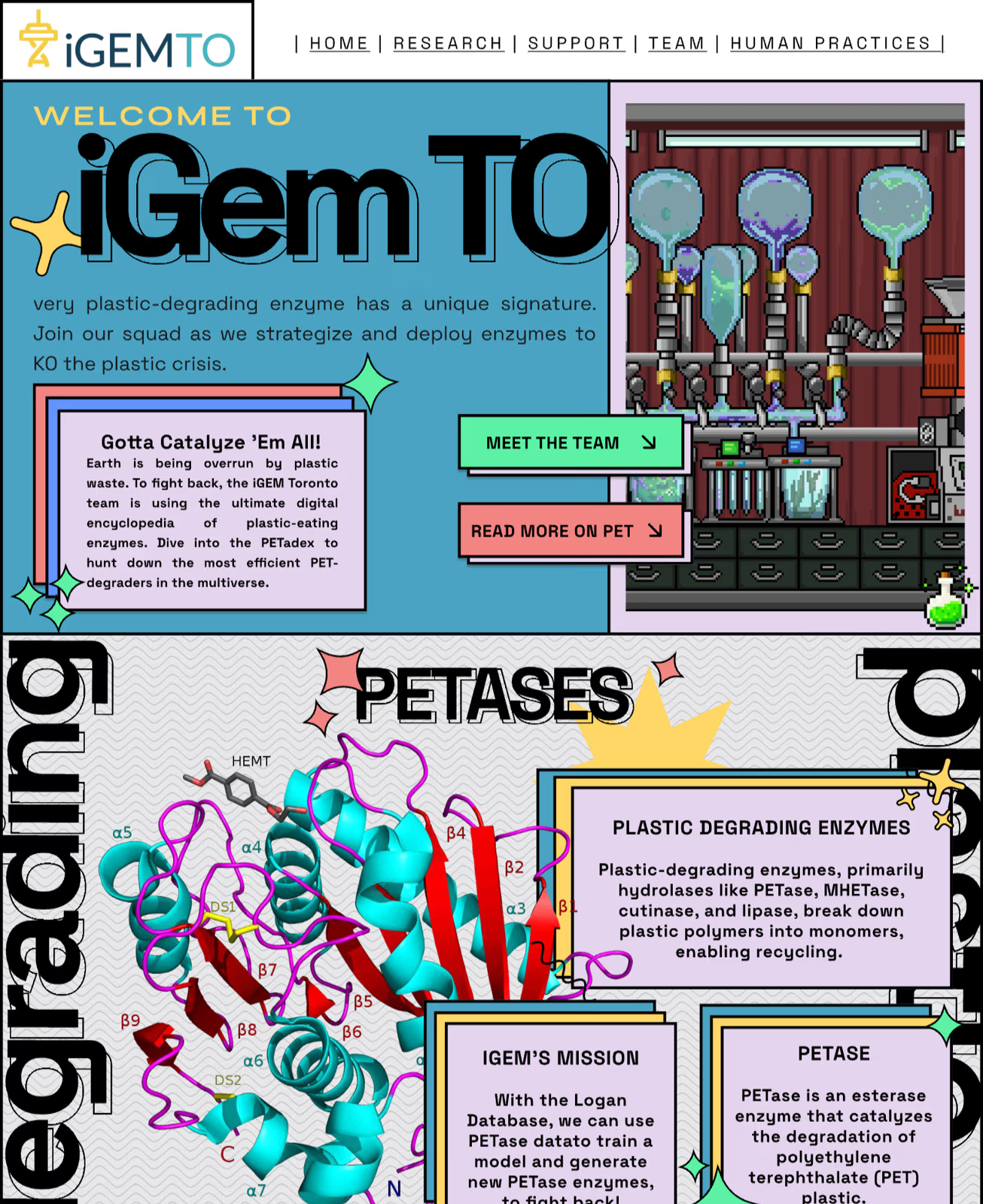
Web design started in March with landing-page concepts, then moved to a homepage that tells the project as a story you scroll through. Kathleen drafted the full composition in June; the homepage was split into six sketched sections, painted and stitched together over the summer, and the same hand-painted look carried into the Dry Lab, Entrepreneurship, Human Practices, Contribution and Attributions pages. In October the art was lightened for phones ahead of the wiki freeze.
Web Design / Snapshots
Animation
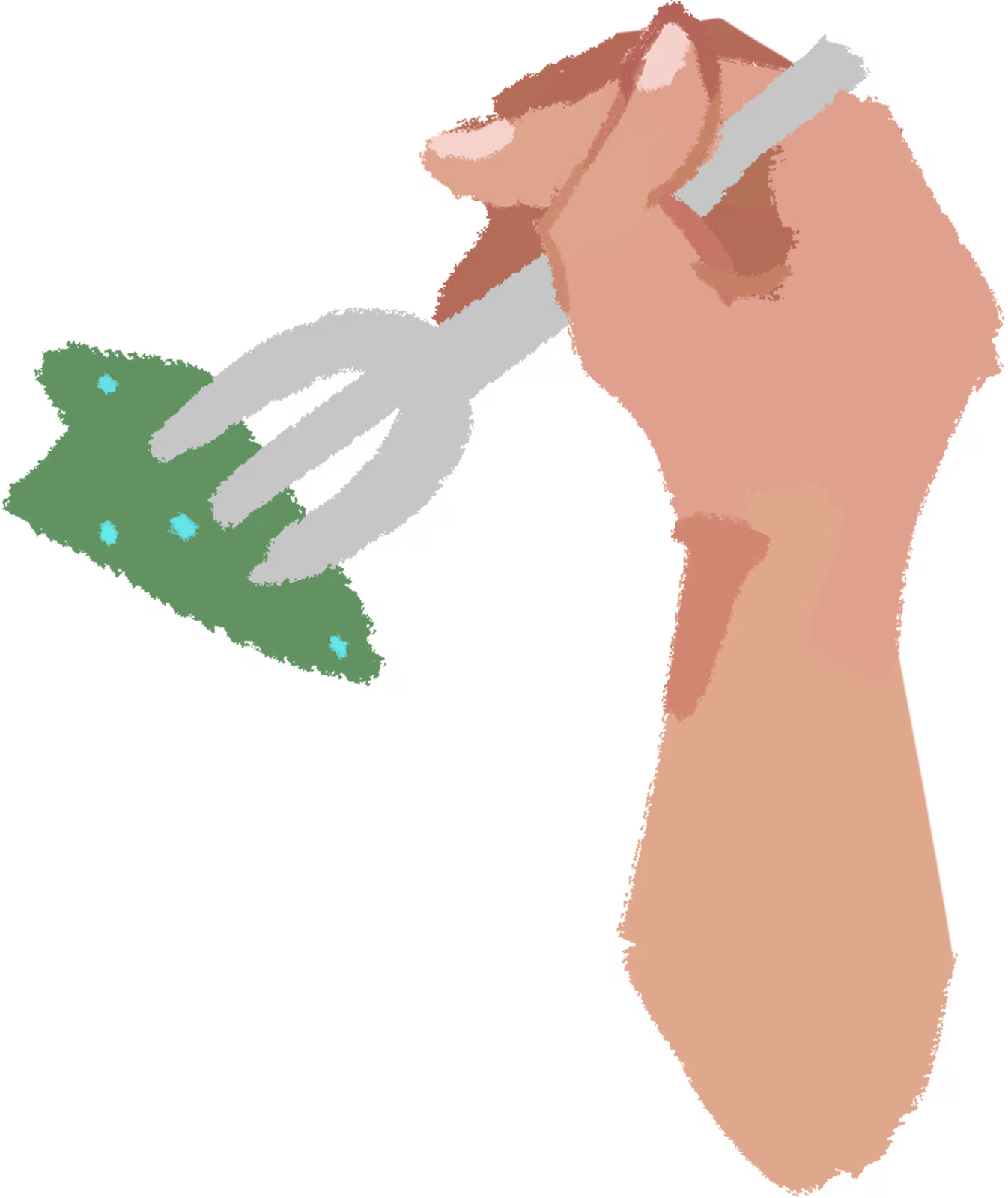
Animation gave the promo video its educational middle: a short TED-Ed-style sequence on how microplastics travel from bottles and nets into fish and then into us, plus a flowchart beat. After a storyboard in July, the assets were drawn by hand with textured brushes like the wiki's, rigged and rendered in After Effects, and delivered at the end of July, ahead of the promo video's release on August 11.
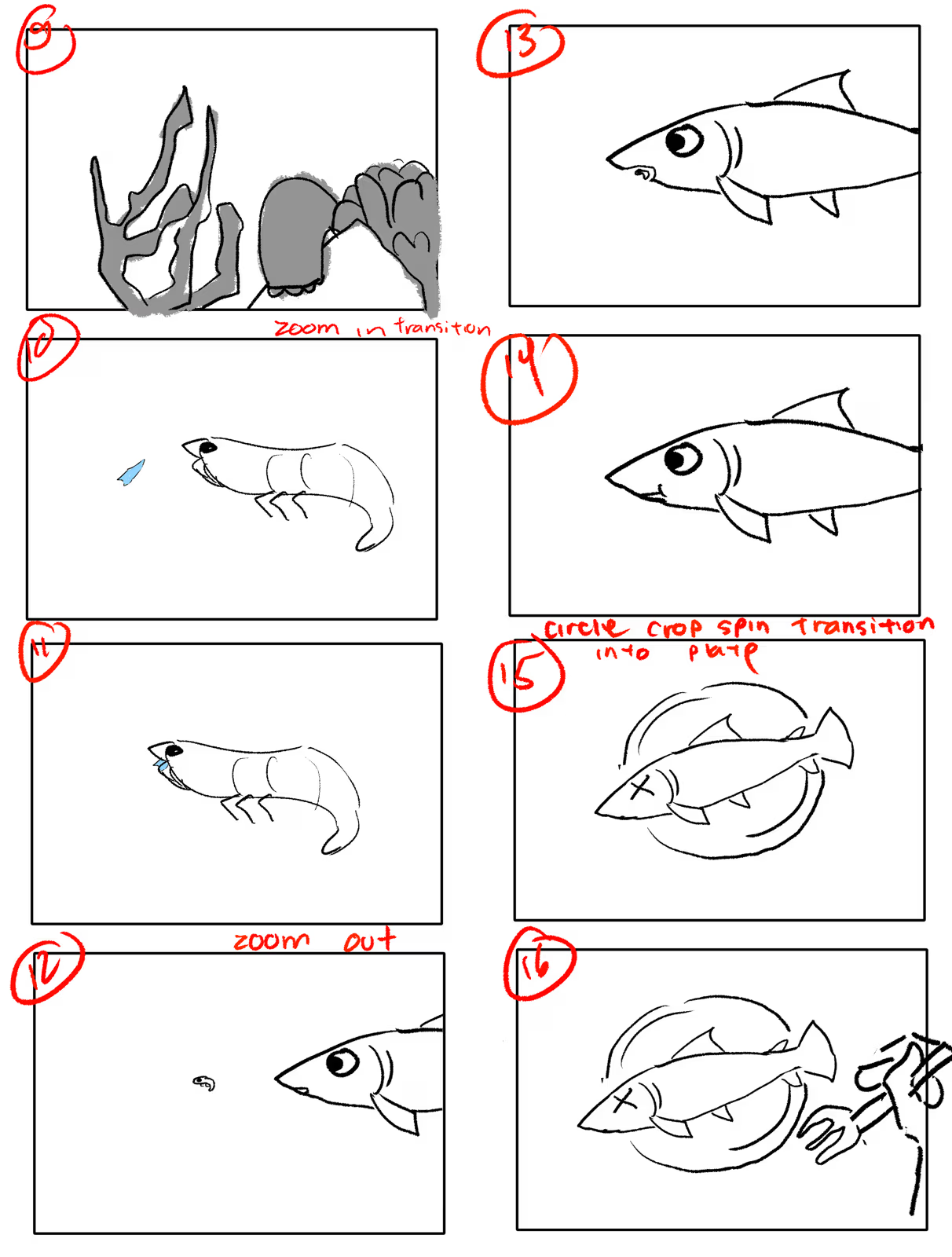
Animation / Snapshots
Character Design
The characters began as a brief for subteam trainers, each with a PETamon partner, drawn to break stereotypes (hardware doesn't default to a male lead). Over the summer the sketches became the PETamon that live across the wiki, and in August the idea grew into Pokémon-style trading cards: PETamon cards, pollution cards and plastic-removal item cards. The cards were formatted for print in September and printed the day before the UofT Microplastics Conference.
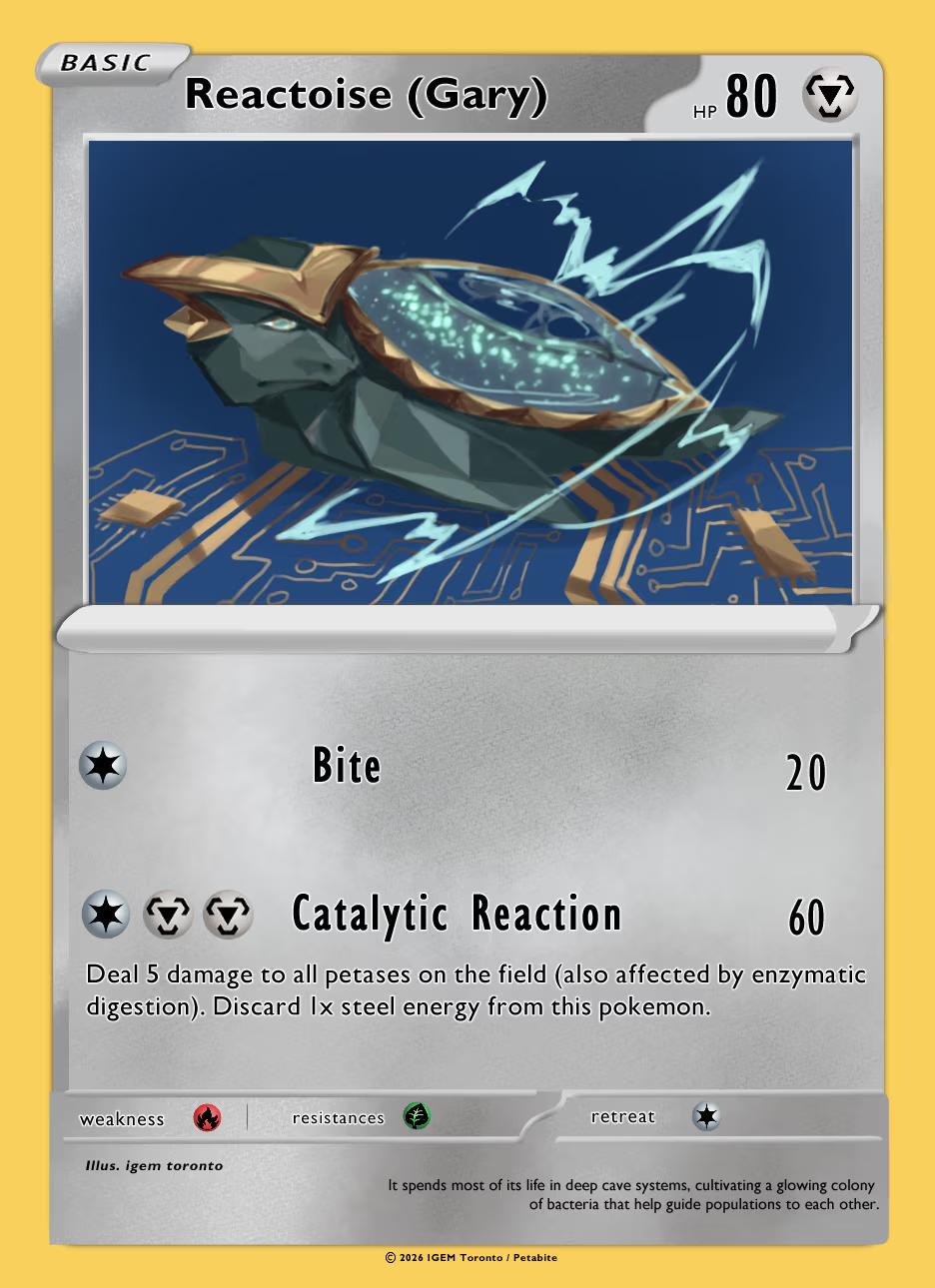
Character Design / Snapshots
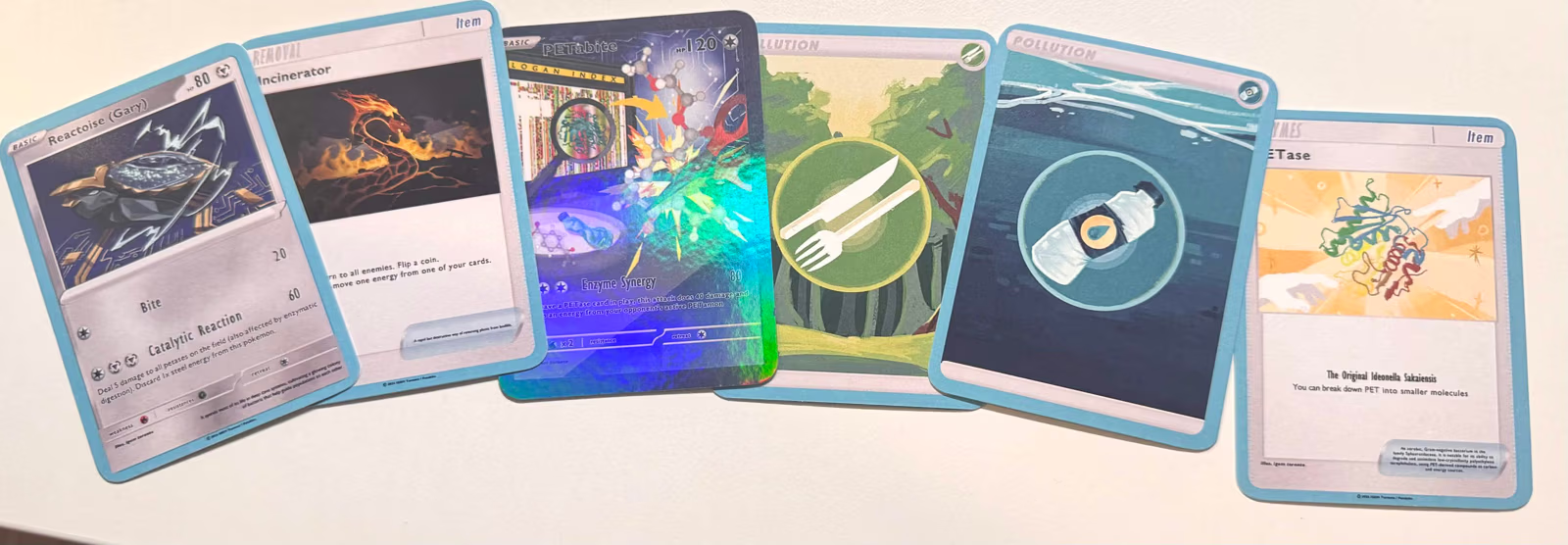
Social
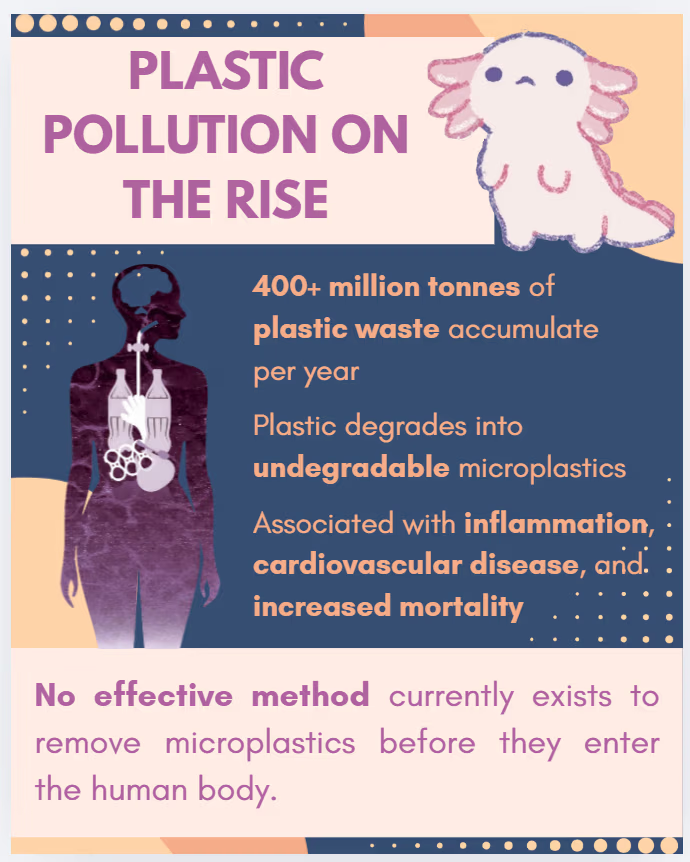
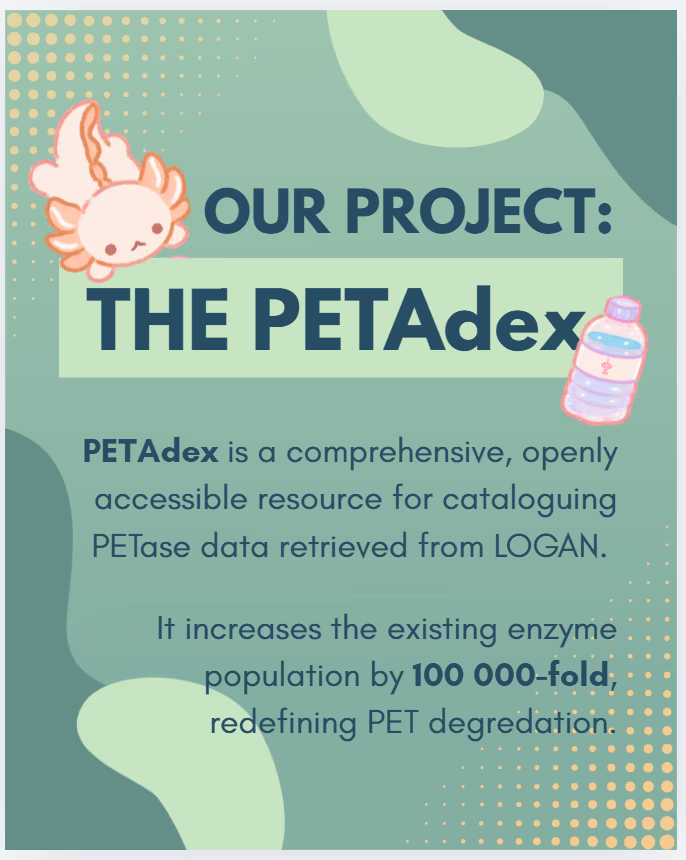
Social launched in May with Project Intro, our first Instagram post (about 300 likes), in a pastel palette built around the axolotl PETamon. From June, Road to Jamboree reels followed the subteams at work, the newsletter went out roughly monthly from late May with a special edition for the conference, and the promo video premiered on Instagram in August. Posts through September promoted the UofT Microplastics Conference.
Social / Snapshots
Branding
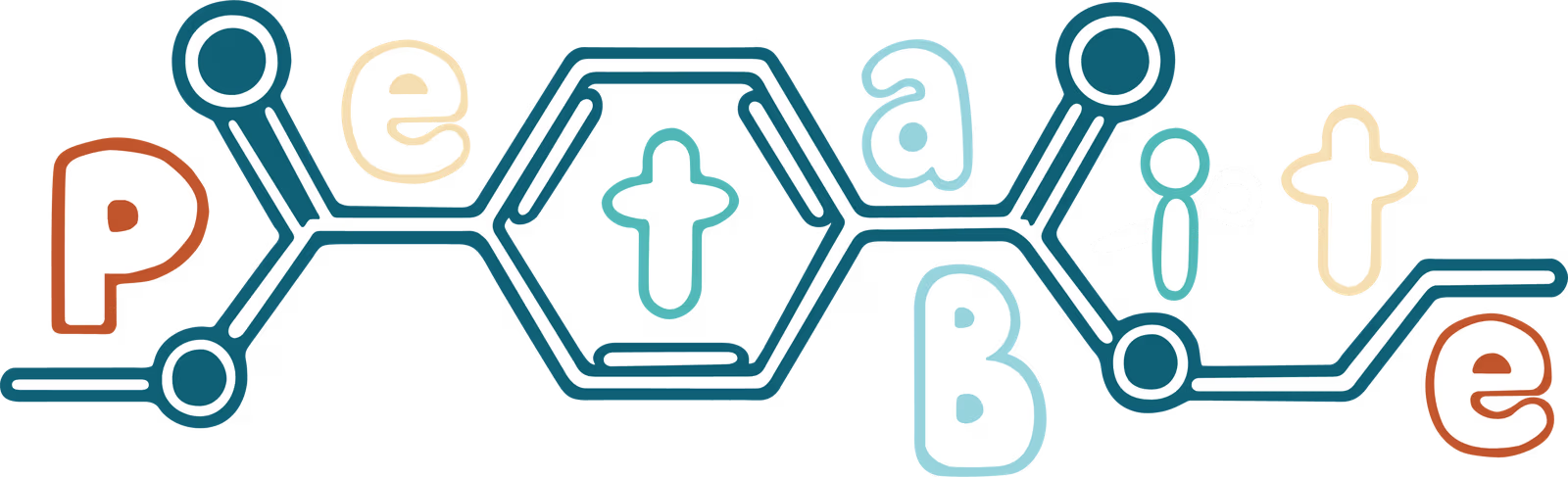
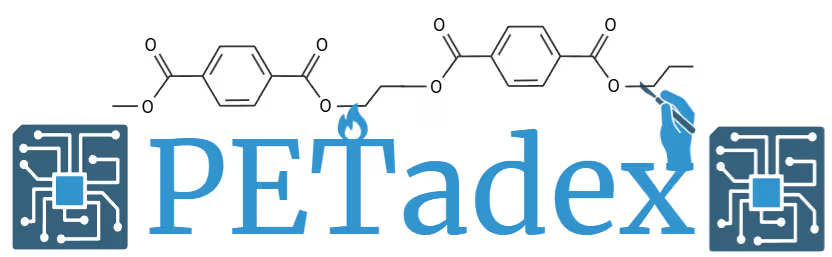
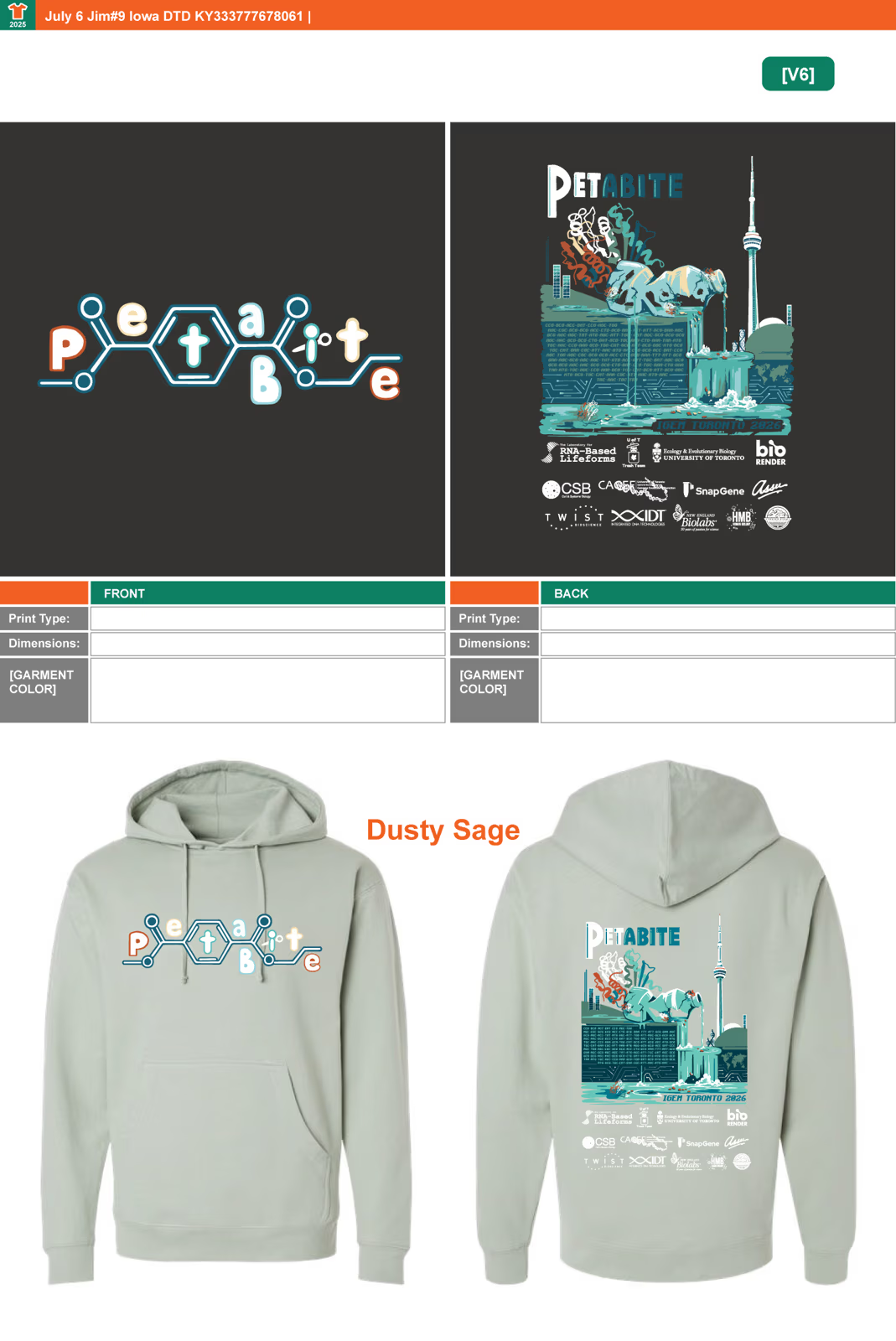
Branding kept the season hand-made: earthy colours, painted textures and no AI art. The logo design competition opened in March with a Pokémon × synthetic biology theme; after a team vote in May, Chinmay's design won and was reworked from PETadex into the PetaBite wordmark, its letters linked like a molecule. Cindy recoloured it for the merch in September.
Branding / Snapshots
Other
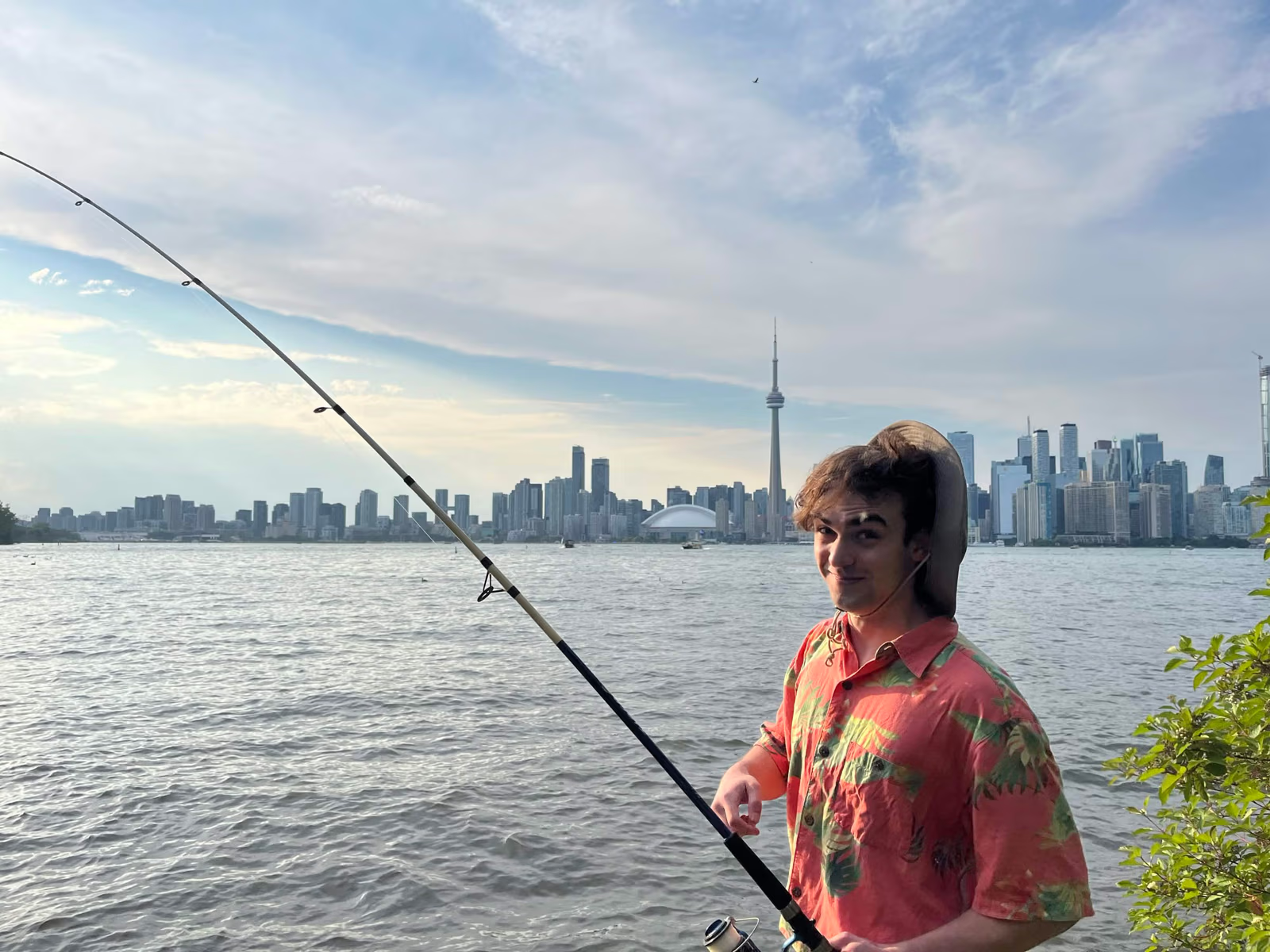
Outreach also made the team's videos and merch. The promo video was scripted in June, filmed on campus, in the lab and on Centre Island in July, and released on August 11. Work on the 15-minute Grand Jamboree presentation video started in August, with filming from October 1. Merch went from designs in August to supplier mockups in September, and orders for hoodies, shirts and quarter-zips opened on October 5.
Other / Snapshots
That's the season
Flip back or tap a tab
Each tab covers one part of outreach design from March to October 2026, with images from the team's Discord.
Loading sketchbook…
Named tabs sit on the right. After you pass a section, its tab moves to the left as a color stub; tap it to flip back. Open the cover for the table of contents.
Page-turn effect by StPageFlip (MIT) by Nodlik (Oleg Litovski), via page-flip.