Engineering root-associated bacteria to help grapevines retain water.
Drought is now a structural limit on Mediterranean viticulture. Vinesys is our synthetic biology answer to it: we are engineering Bacillus subtilis, a root-associated bacterium, to colonise the vine's root zone and hold more water in the soil around its roots.
When the water disappears, the vineyard suffers.
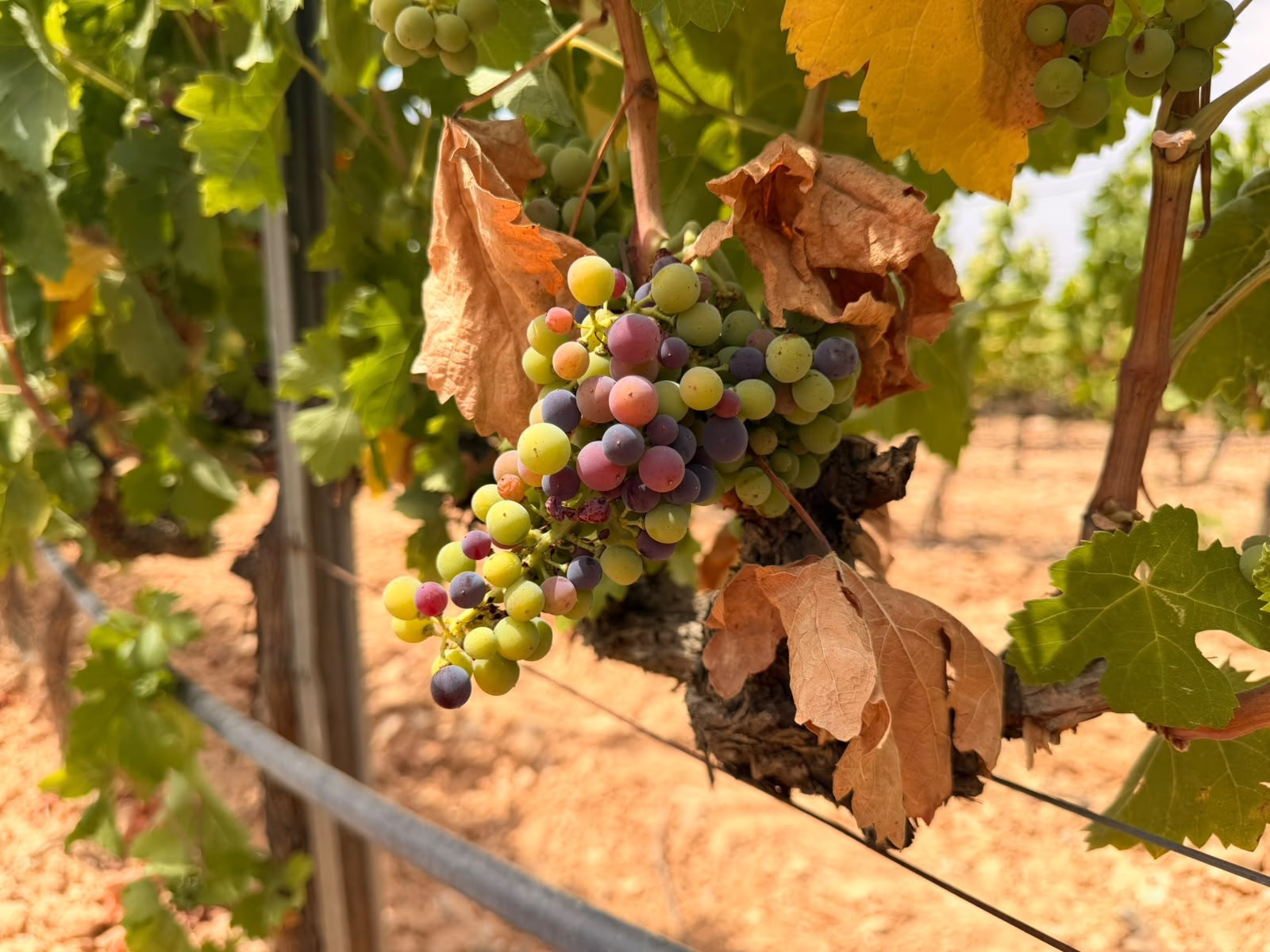
Climate change is intensifying the frequency, duration, and severity of droughts. Drought and water scarcity are putting increasing pressure on Catalonia's vineyards.
Grapevines depend on water to grow, develop their grapes, and maintain essential physiological processes. Conventional irrigation can help, yet it depends on the very same, increasingly limited resource.
Catalonia has a long viticulture tradition, and thousands of people and hectares depend on healthy, productive vineyards.The severe drought of 2023 and 2024 was already reflected in declining wine production across the region.
What if we could help grapevine roots retain more water where it matters most?
Vinesys aims to modify bacteria living around grapevine roots so that they can act as biological “sponges”, helping retain more water around the roots and improving water availability for the plant during drought.
In drought, the soil around the vine's roots dries out, and the vine is left short of the water it depends on.
We work in the rhizosphere, the soil right around the roots, acting there rather than on the vine's own genome.
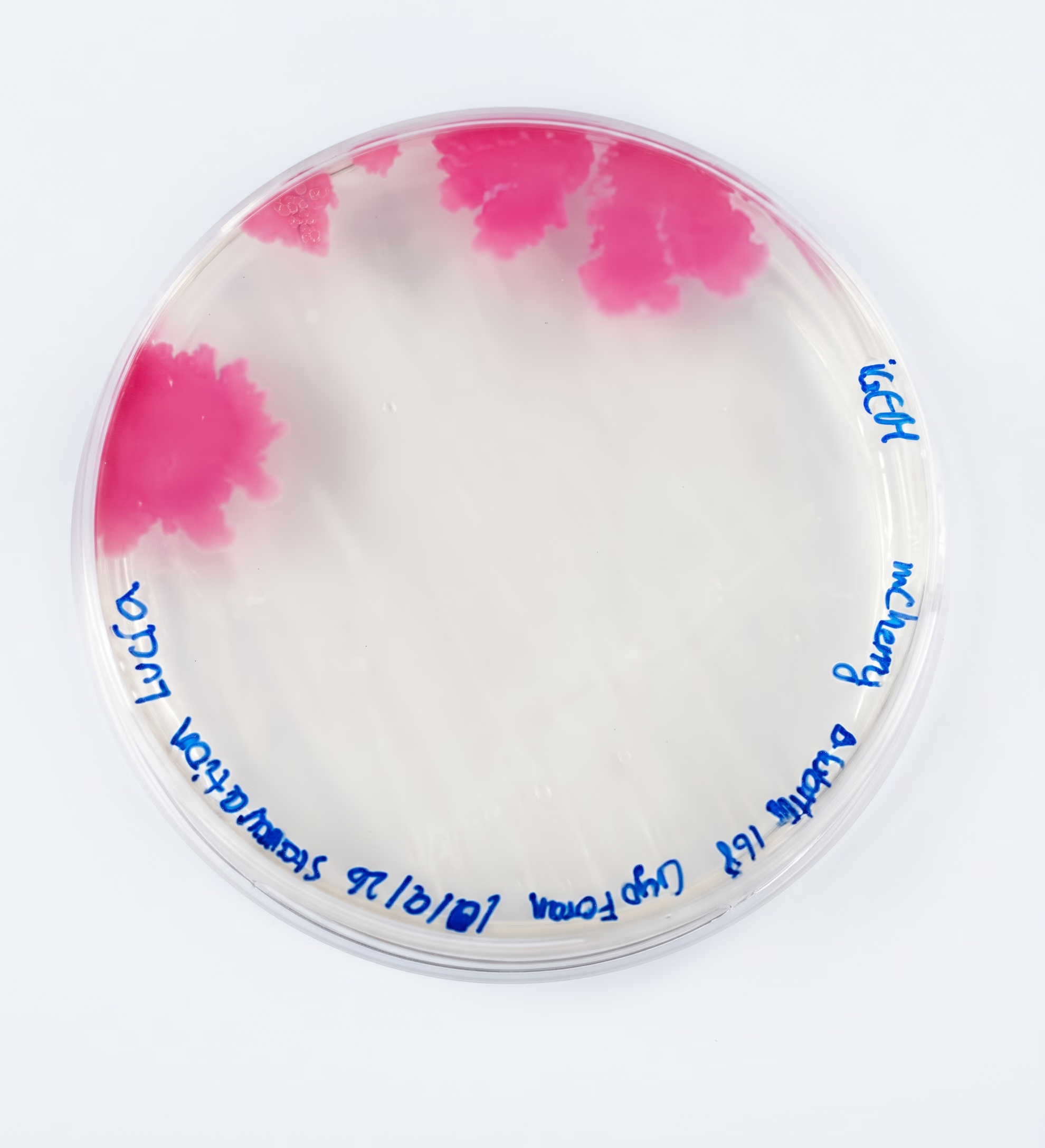
We modify Bacillus subtilis to colonise the vine's root zone and overexpress γ-PGA, a water-retaining biopolymer, and ACC deaminase, which degrades the drought-stress hormone precursor ACC.
The conceptual result is a microbe designed to form a thin γ-PGA hydration shell where it attaches to the root, and to trim the plant's ethylene precursor with ACC deaminase: a microbial inoculant growers could apply alongside their existing practice.