




Loading page

Starch is a major component of many foods, especially staple foods such as rice and noodles.

Like doughnuts, many carbohydrate-rich foods commonly eaten in our daily lives—including some rice and noodle dishes—can be rapidly digested and may have a high glycemic index (GI).


Starch Reaver character reacting to a blood glucose meter Blood glucose meter showing a high blood-sugar level

They may be very enjoyable to eat. However, consuming high-GI foods can cause blood glucose levels to rise rapidly after a meal.


Starch Reaver character next to a blood glucose meter Blood glucose meter showing a high blood-sugar level
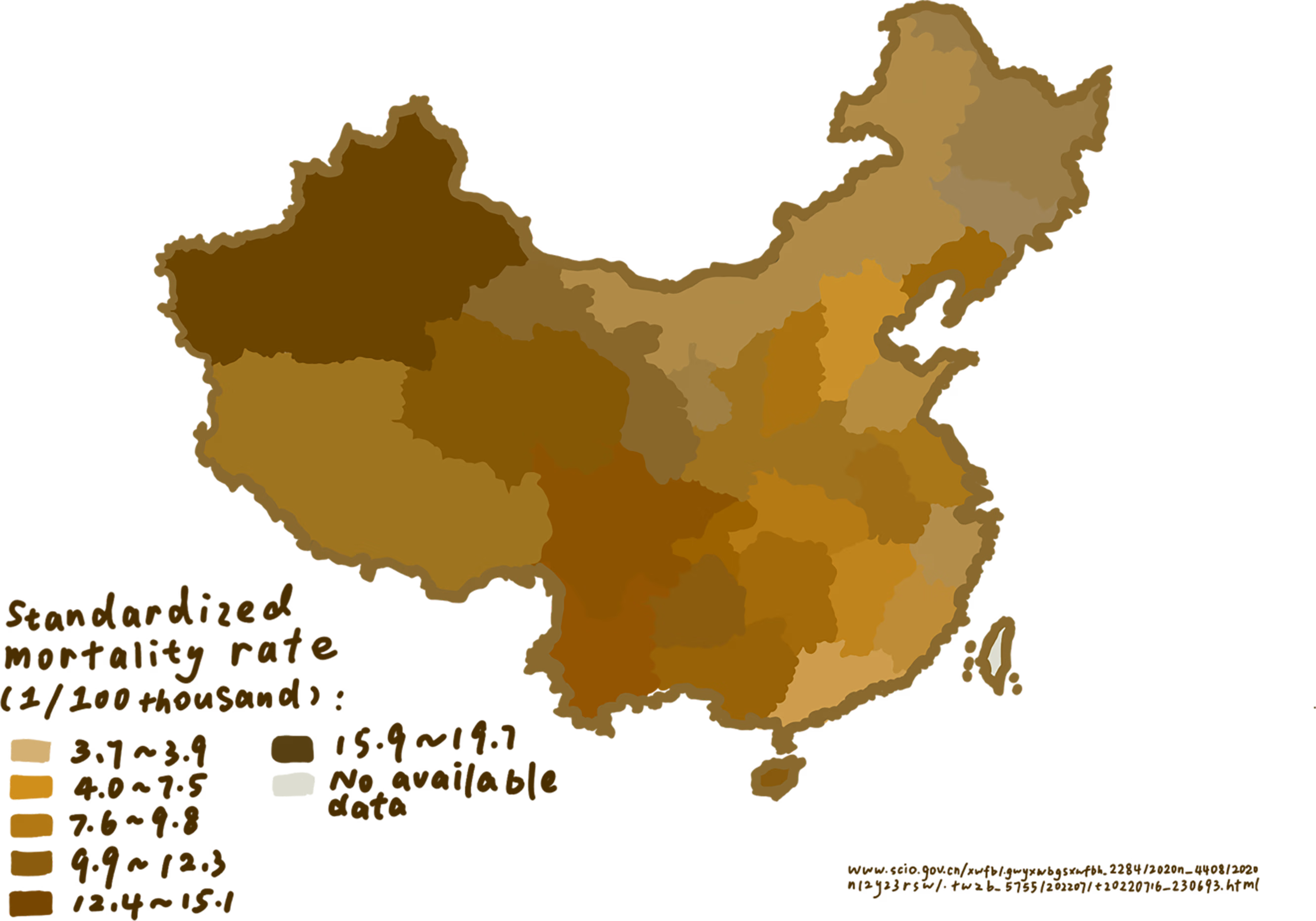
Map of China showing standardized mortality rate data

According to 2019 estimates of province-specific age-standardized diabetes mortality rates in China, several western and some northeastern provinces generally had relatively high mortality rates. As one contributing factor, the GI of different foods should be considered for regulation in the field of food biotechnology, such as through the use of synthetic biology to artificially alter the high-GI characteristics of certain types of food.


Illustrated enzyme bottle Hand pressing the enzyme bottle
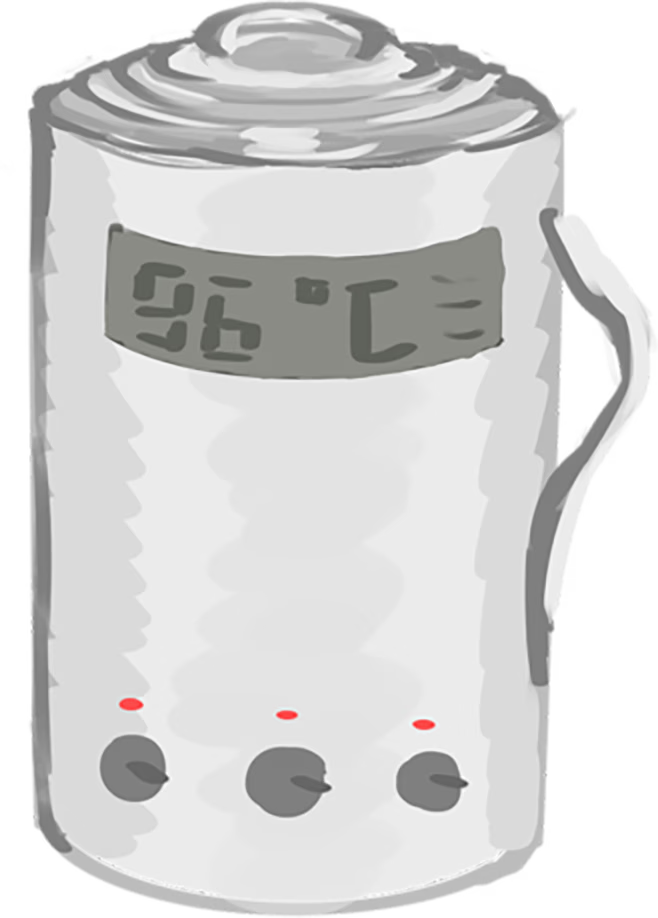
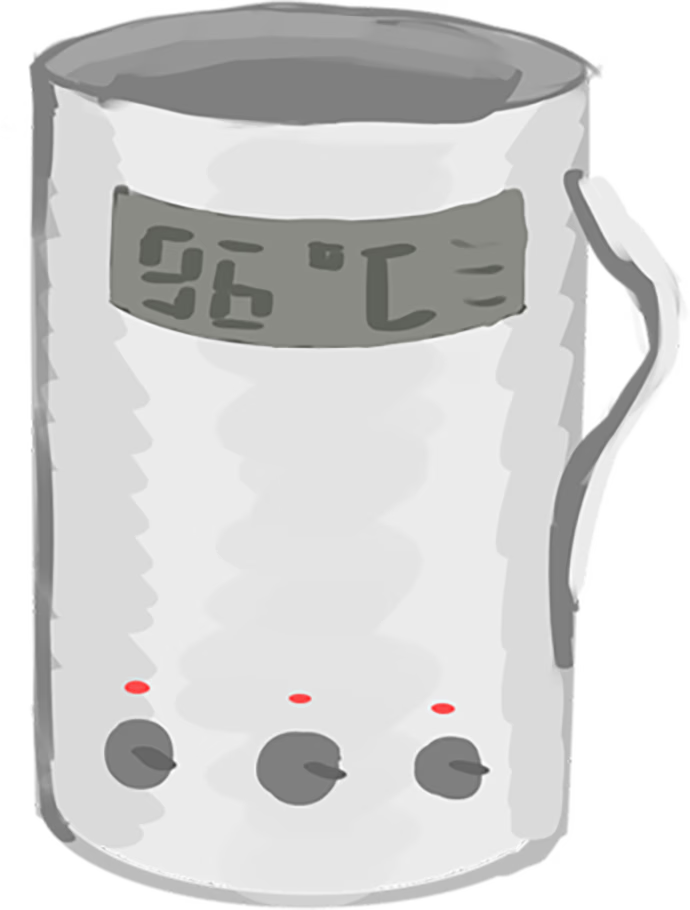
Illustrated temperature-controlled kettle
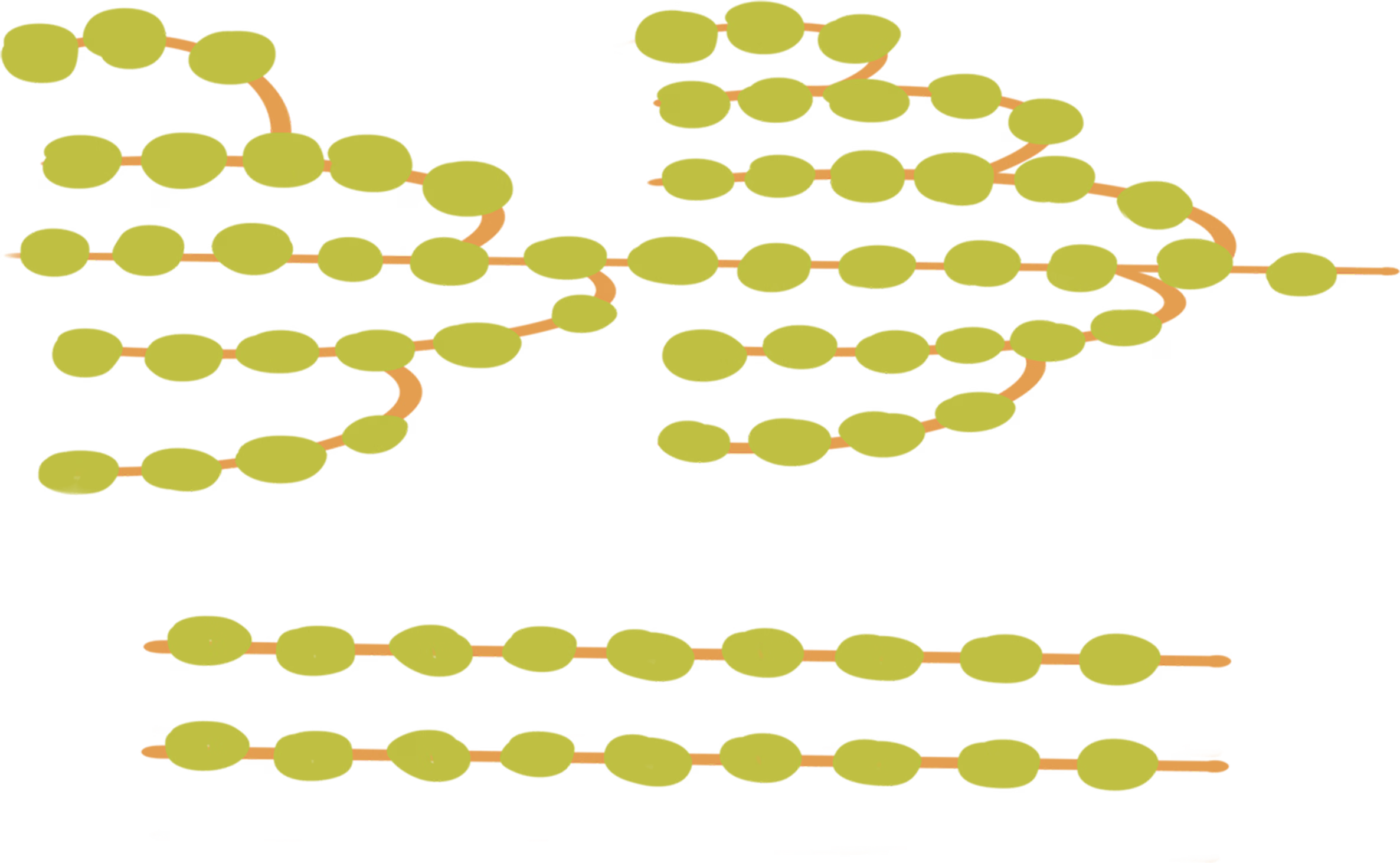
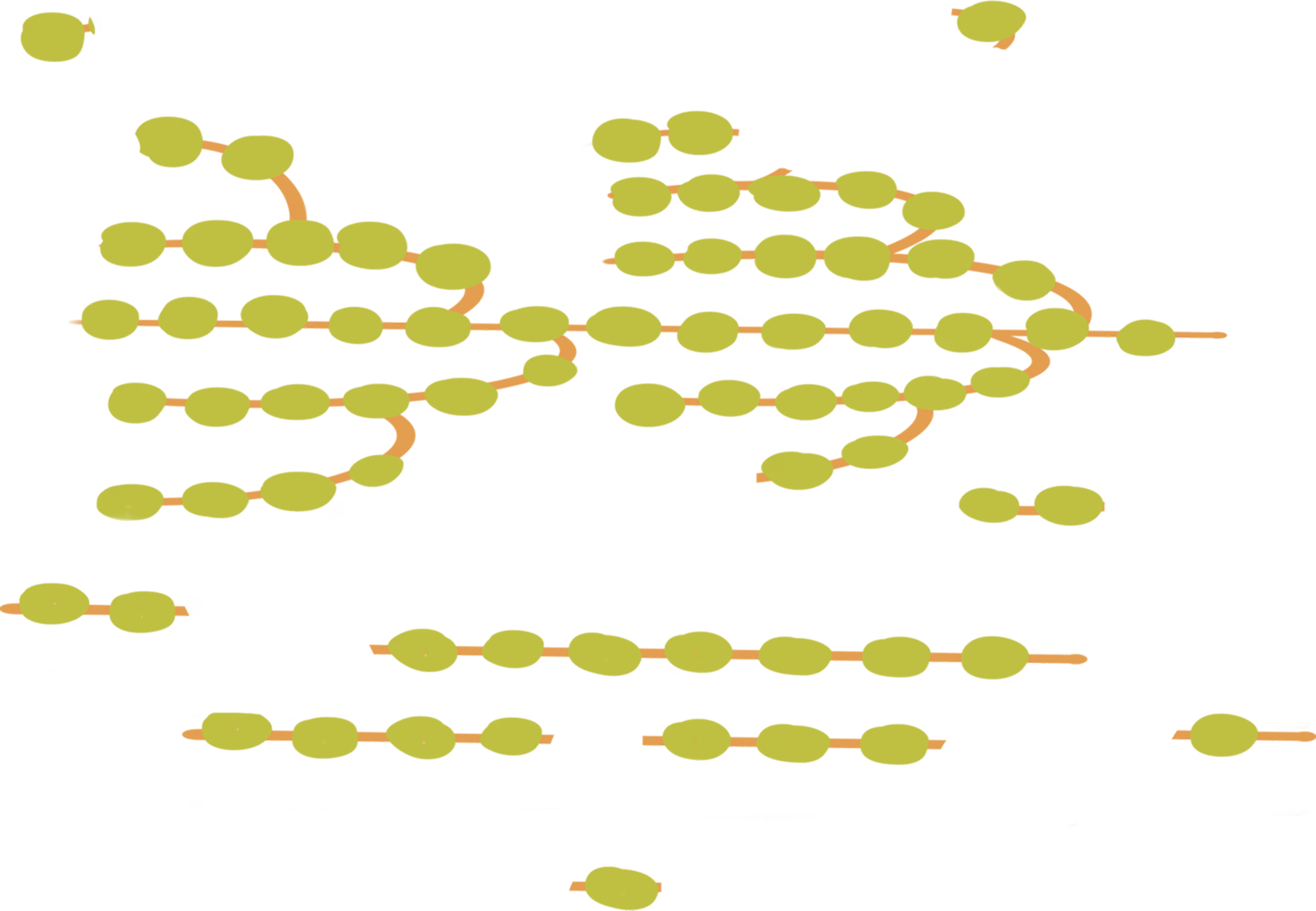
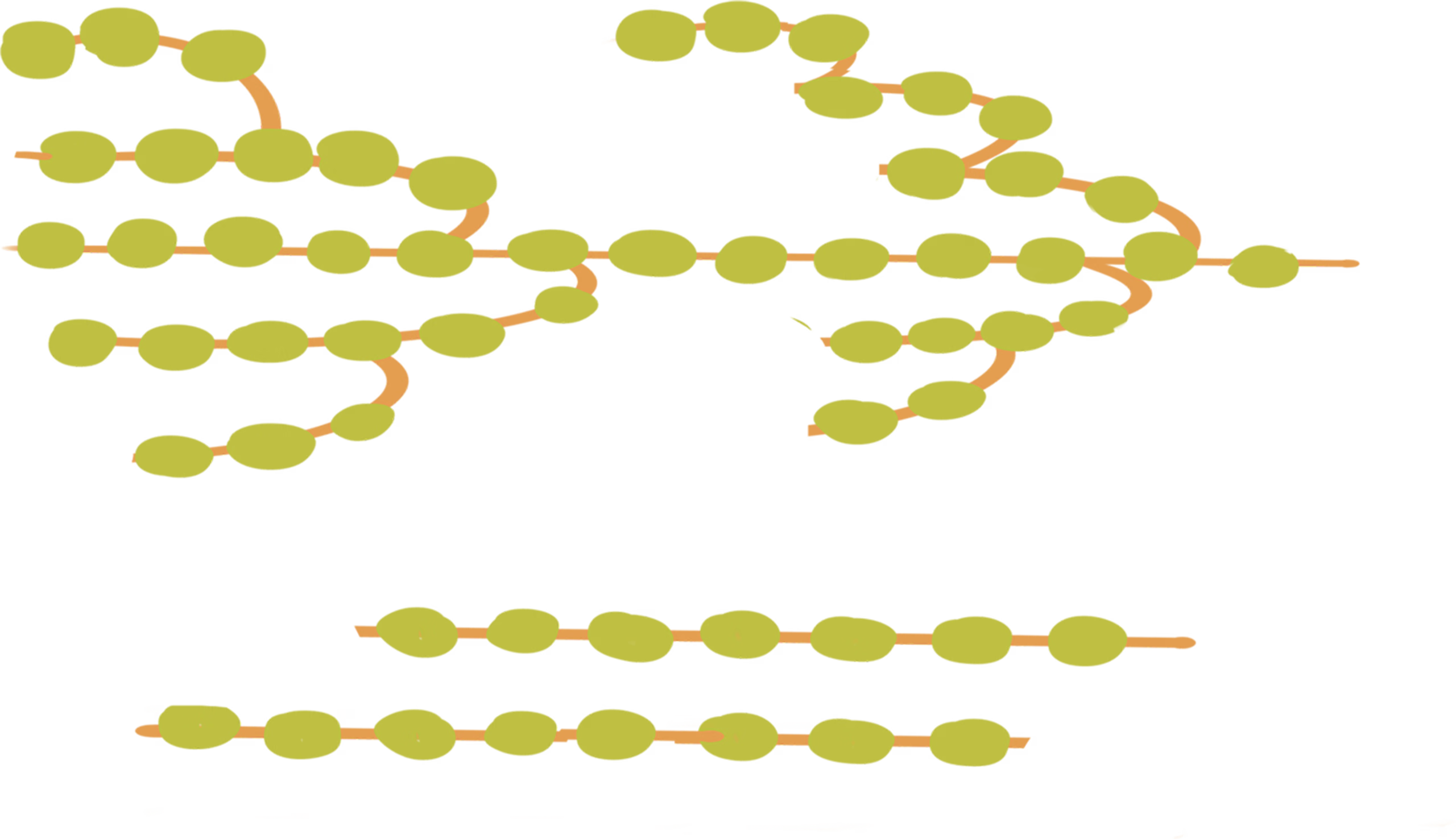
An intact starch molecule chain

We adopt a biosynthetic strategy utilizing a triple-enzyme cascade composed of engineered α-amylase (pET28a-AM), glycosyltransferase (pET28a-GT) and pullulanase (pET28a-PUL) to remodel starch molecular structures and produce resistant starch without harsh chemical reagents or extreme physical treatments.
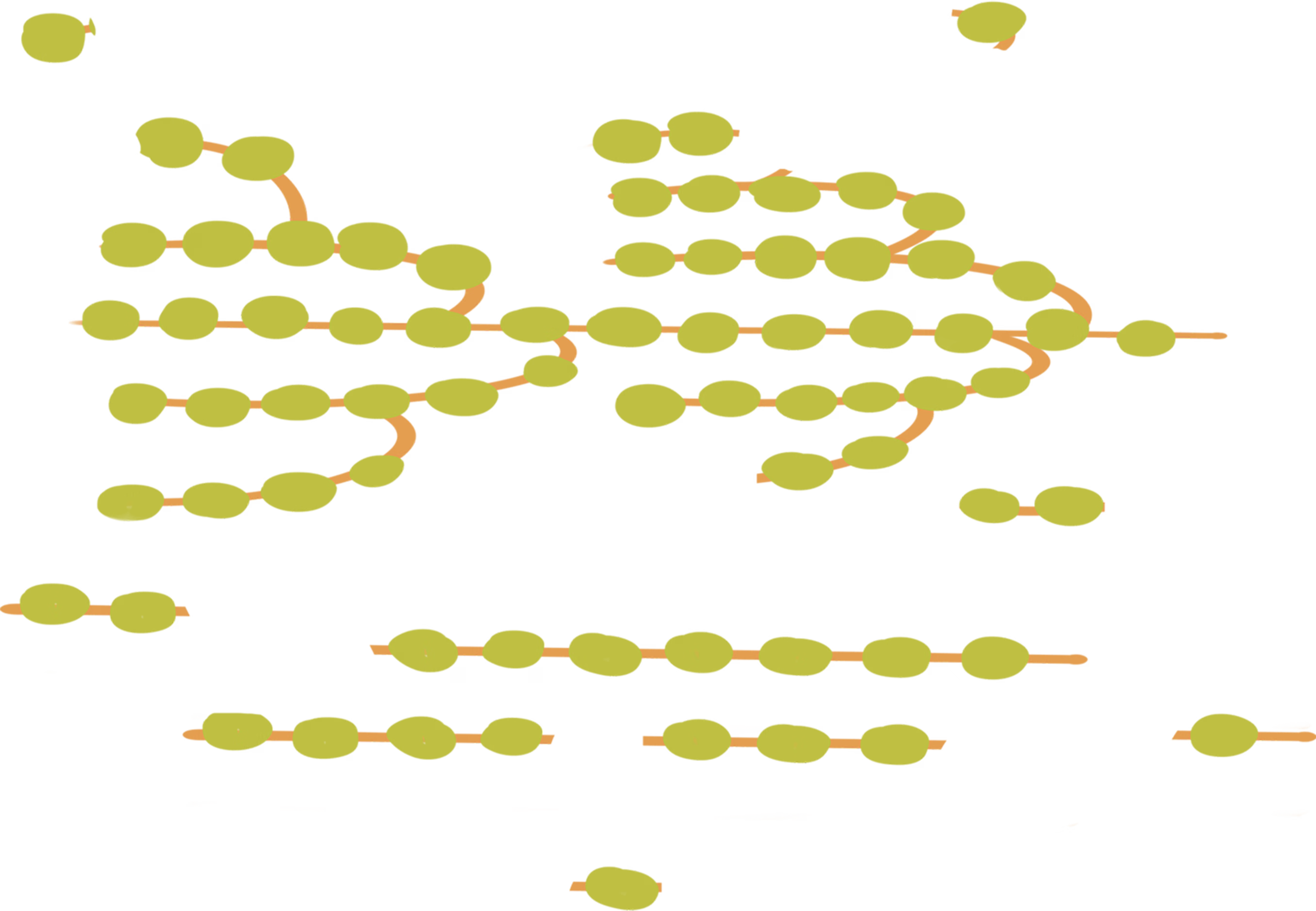
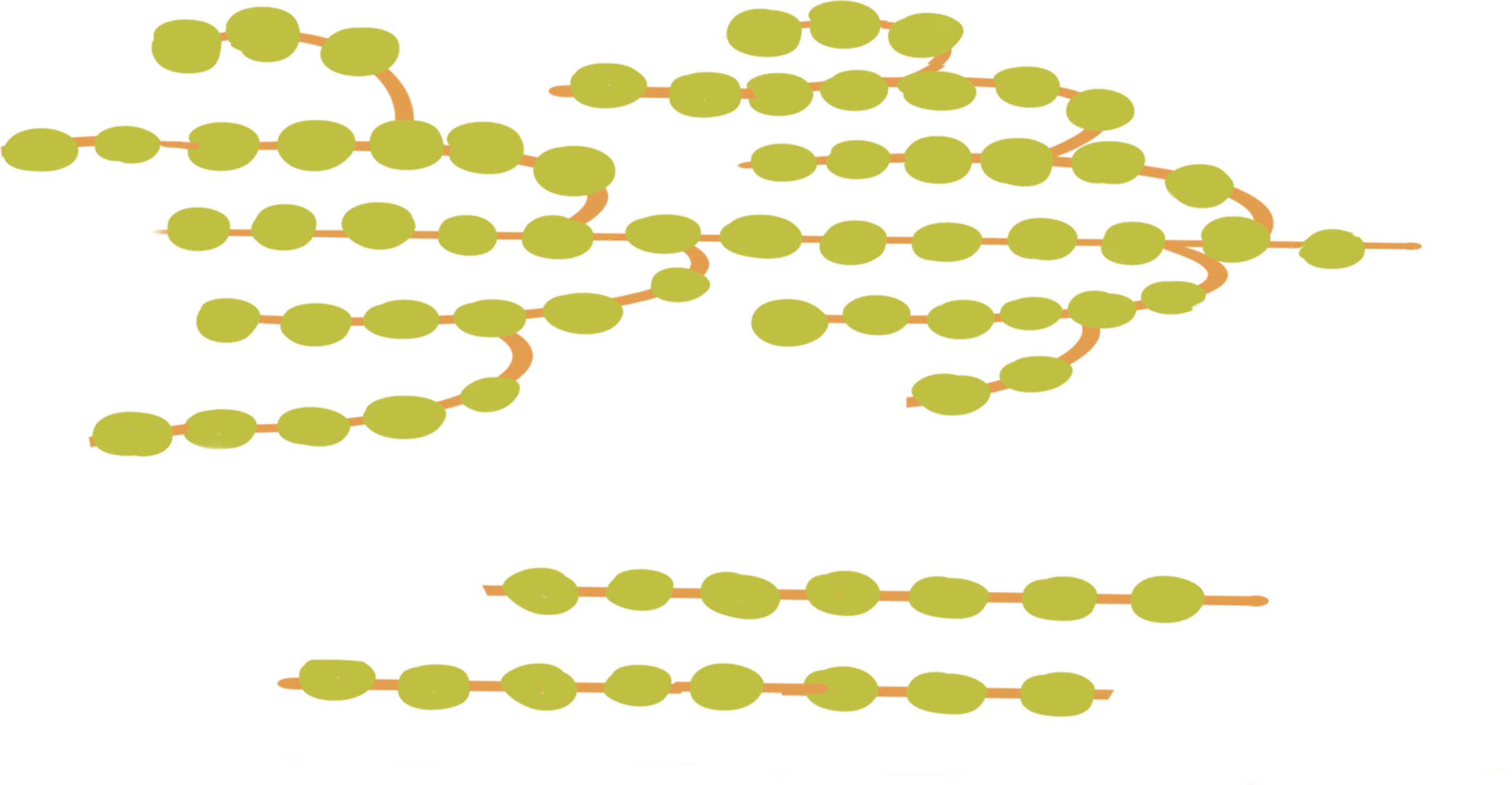
Starch molecule chain before enzyme processing
Starch molecule chain before PUL processing
Starch Reaver character Loaf of bread

Our enzymatically-modified resistant starch food is expected exhibits slow blood sugar elevation after consumption. Its rearranged branched molecular structure resists rapid gastrointestinal digestion. Carbohydrates are digested gradually instead of being quickly absorbed into blood, helping avoid sharp post-meal glucose spikes for healthier dietary outcomes.


Illustrated starch flour bag
Chemical reagent jar

Chemical Approaches

Chemical approaches are prevailing in converting ordinary starch to resistant starch. By introducing cross-linkages or bulky functional groups onto starch polymer chains, these modifications block enzymatic access, making starch resistant to digestion. Nevertheless, such workflows demand large amount of chemical reagents, raising risks of undesired chemical residues in food products.

Enzyme bottle character

pET28a-GT

Engineered glycosyltransferase (pET28a-GT) builds new α-1,6 glycosidic branch points to raise starch branching density.

Scissors character

pET28a-AM

Engineered α-amylase (petAM) hydrolyzes internal α-1,4-glycosidic bonds within starch chains. It breaks down large starch polymers into shorter oligosaccharide fragments.

PUL character

pET28a-PUL

Engineered pullulanase (pET28a-PUL) specifically cleaves α-1,6 glycosidic branch linkages of starch. This fine tuned molecular structure is essential for acquiring target resistant starch properties in our triple enzyme cascade system.