



Project Background and Inspiration
Globally, diabetes and obesity have long been major problems. The National Diabetes Health Report and the World Health Organization (WHO) estimate that about 27.6 percent of adults have diagnosed or undiagnosed diabetes, and about 1 in 8 people has obesity or problems associated with excessive fat.
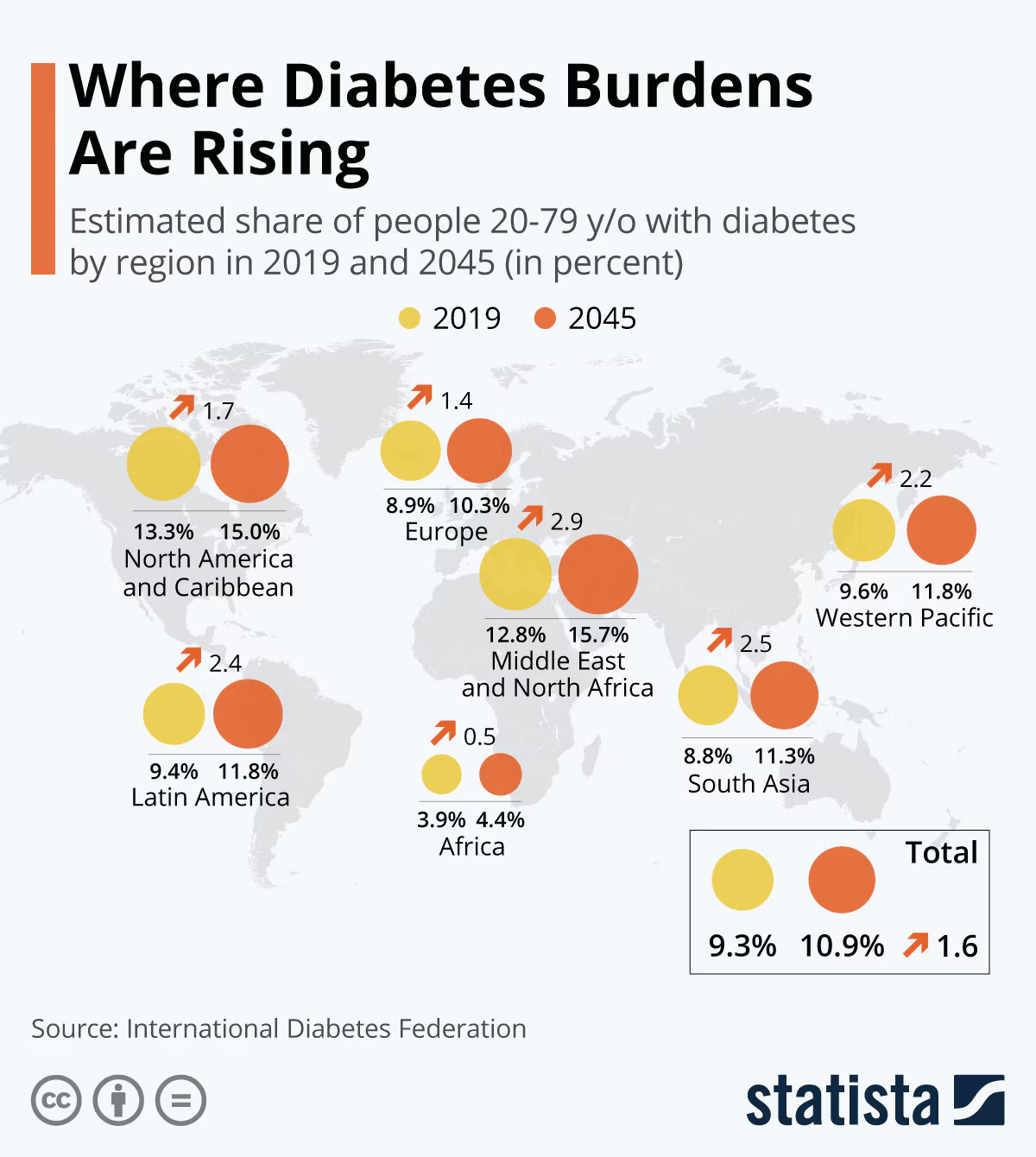
There is more behind mere numbers. Diabetes can bring forth extreme thirst, risk of high blood pressure, and risk of heart attack and fat, while obesity can cause extra body fat, frequent hunger, and heightened risk of dangerous diseases.
In order to solve these problems, people have started to develop adaptations to foods that can make them harder to digest by the intestines, thereby relieving sugar intake. To measure how quickly foods that contain carbohydrates can increase one's blood sugar, we use an indicator called the Glycemic Index (GI). Most foods are typically split into three simple groups by their GI numbers, where low GI foods score below 55, medium GI foods score between 56 and 69, and high GI foods score 70 or higher. Foods that have a low glycemic index are harder to digest and thus can relieve sugar intake.
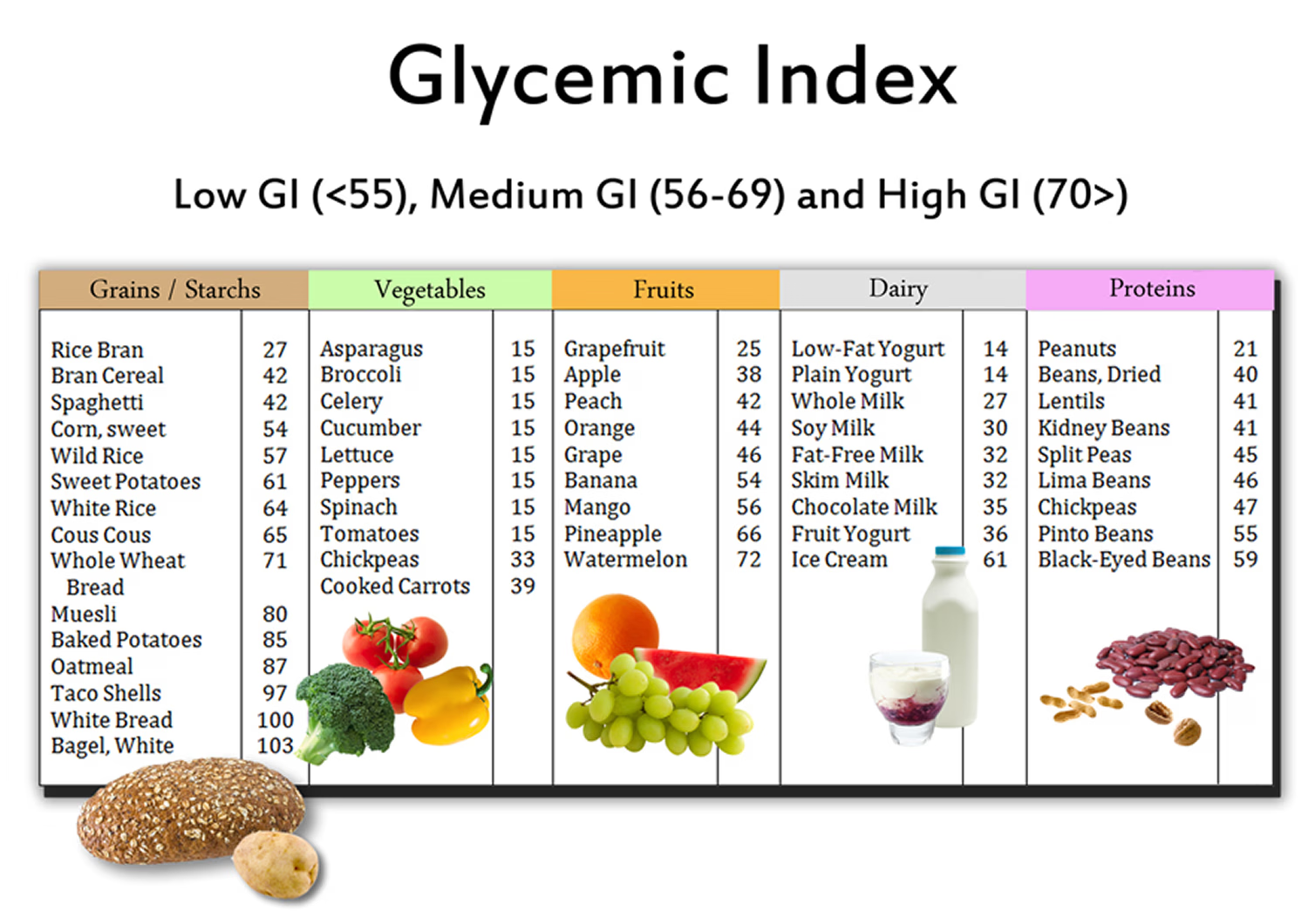
China has abundant minor grain resources that are not being used to their full potential, while there is huge demand for low-GI foods among people with diabetes and those looking to control their weight, so for low-GI food, the market prospects in China are broad. Therefore, there is an urgent necessity to find ways to create low-GI food in a safe, efficient, and effective manner.
Resistant starch is a perfect type of low-GI material. It is a type of starch that can't be digested and absorbed by the human small intestine. Because of this, it can have multiple benefits for humans: it can lower post-meal blood sugar spikes, improve insulin sensitivity, and support gut health through various physical and biochemical mechanisms.
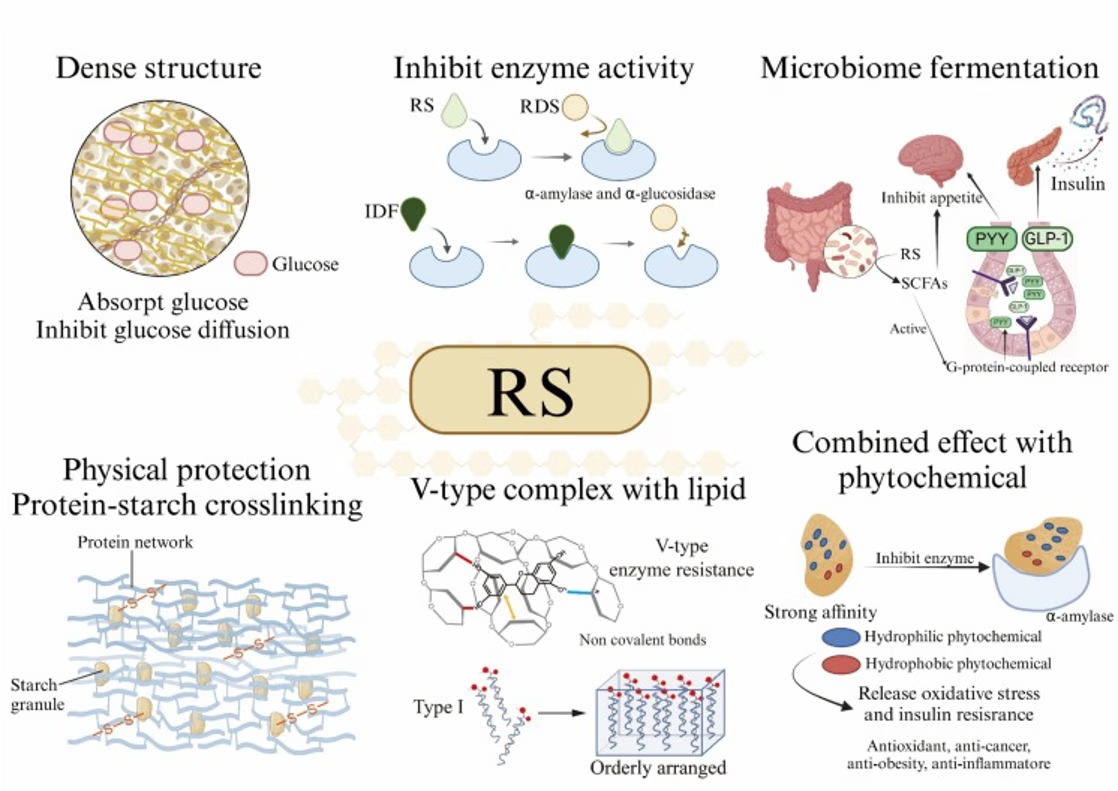
Currently, there are two types of resistant starch on the market. The first is natural low-GI foods such as beans, legumes, and whole grains. However, these foods can have multiple drawbacks. Firstly, they can often have coarse, gritty textures; bitter, beany flavors; and dry mouthfeel. This can result in complex cooking procedures and the need to create separate meals among a household. Secondly, they can be harmful to the human body. Long-term consumption can lead to gastrointestinal discomfort—stomach pain, heartburn, and indigestion, just to name a few. It can also cause hormonal imbalance, brain fog, and zinc deficiency. Last but not least, the glycemic index of natural foods is often contingent on factors such as source of origin, ripeness, and breed, making it highly unstable. Although theoretically controllable, the average consumer cannot easily find out about these aspects, hindering their ability to choose foods that have actual blood sugar effects.
The other type is artificially modified starch, where starch is artificially created through human technology. The mainstream methods of modifying starch include physical methods or chemical methods. However, both of these come with unique issues.
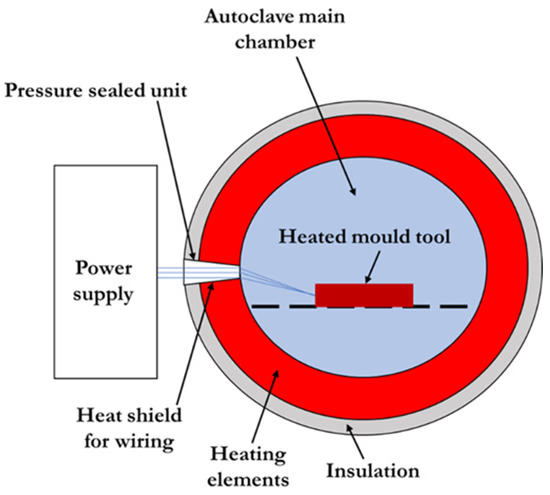
Physical methods change starch structure through heat, pressure, or physical force without introducing new chemical groups. There are three main types of physical modification of resistant starch. The autoclaving-cooking method first heats starch under pressure to break down its original structure, and then cools the starch to let the molecules form highly compact structures. It suffers from low time efficiency and heavy dependency on strict temperature, cooling duration, and cycle times, making it hard to support fast and continuous industrial production.
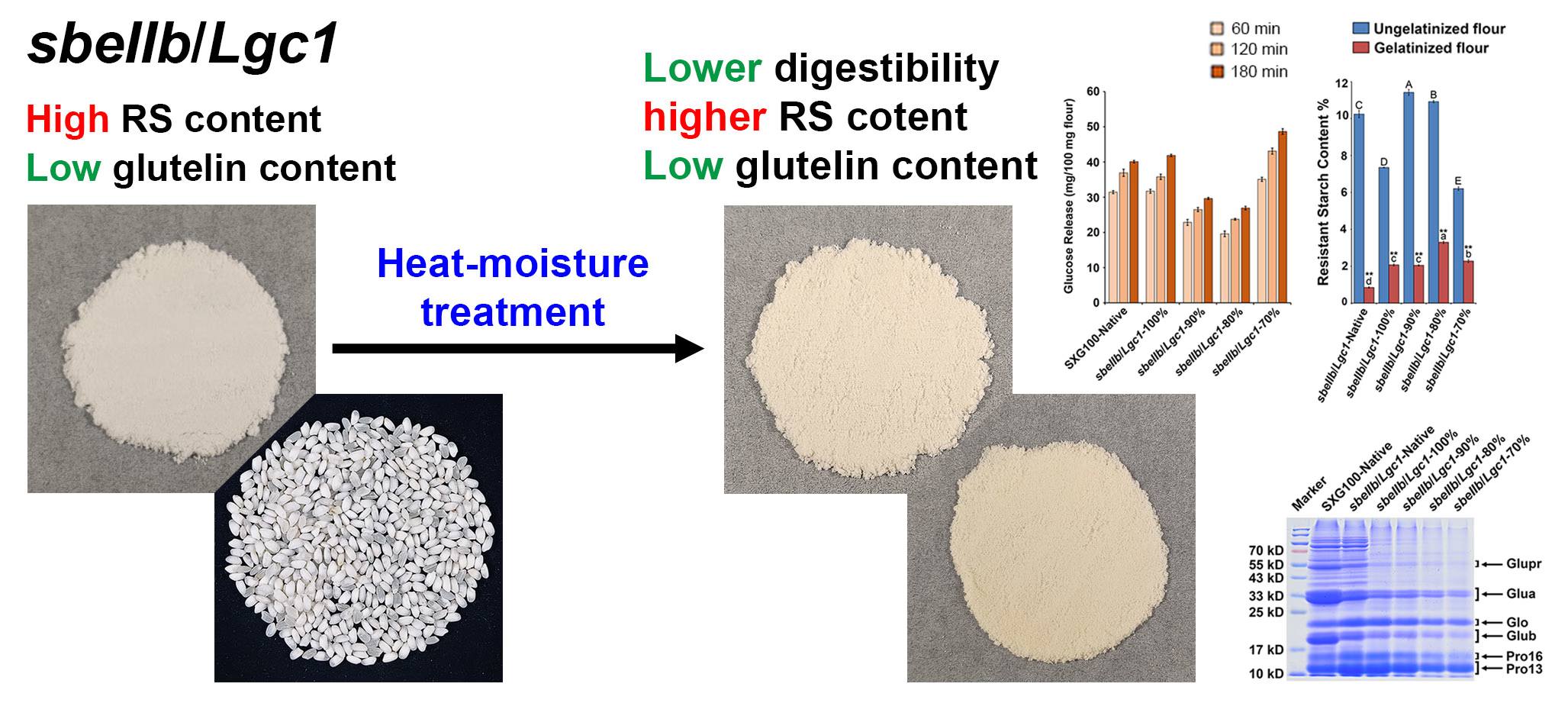
Heat-moisture treatment method controls heat and moisture to make the internal molecular arrangement of starch becomes more ordered and compact. This method faces similar obstacles regarding effectiveness and environmental requirements.
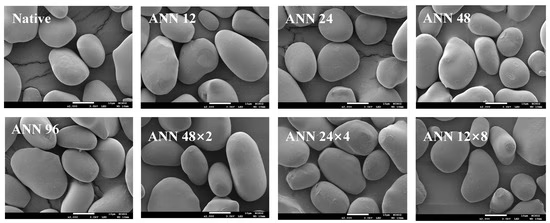
Finally, annealing. During this process, starch is soaked and kept at a stable warm temperature for a long time, causing its internal structures to slowly rearrange. This method has low effect, high time costs, and very low tolerance for raw material differences: impurities or uneven particle sizes in starch raw materials will completely weaken its modification effect.
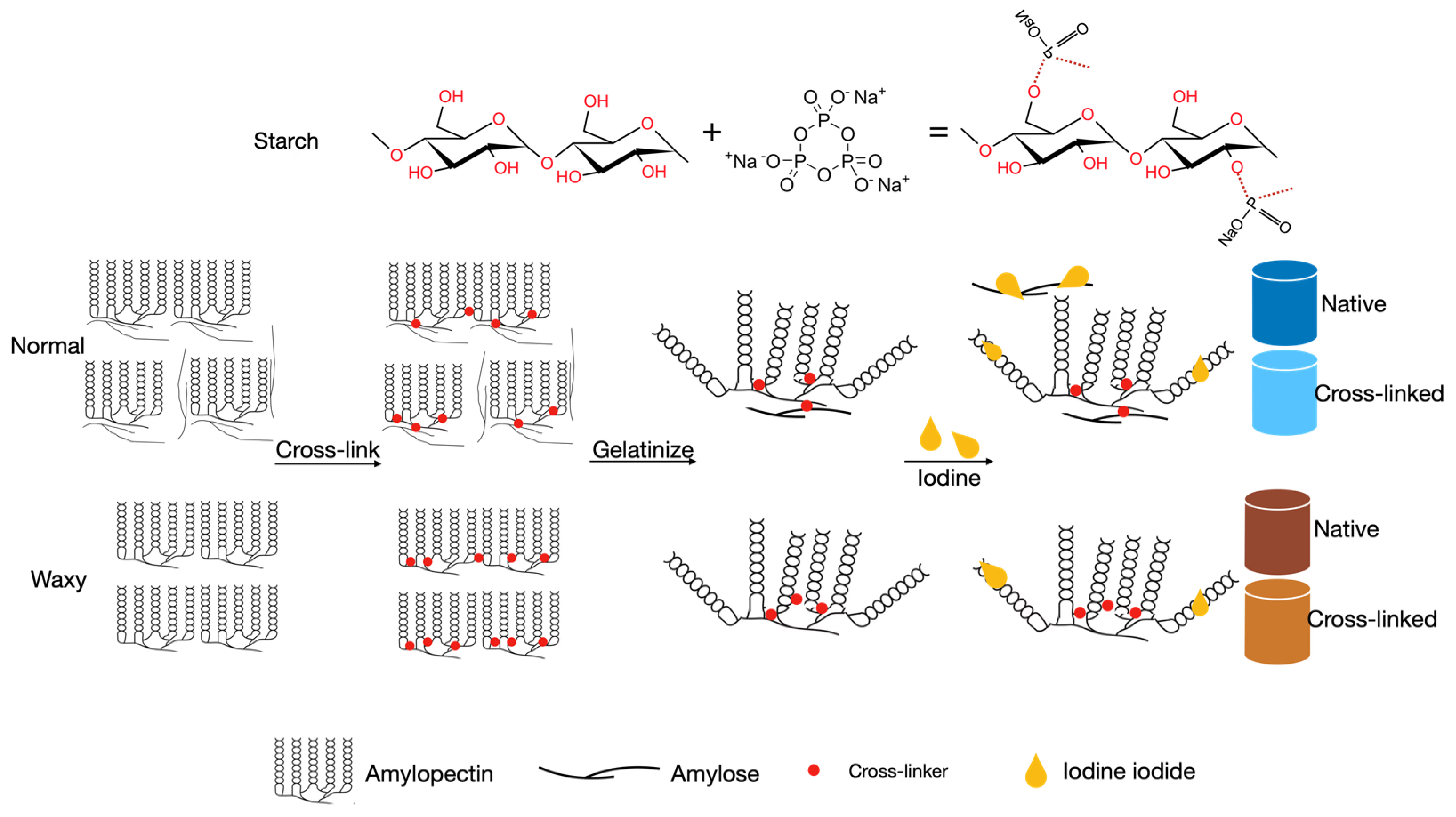
On the other hand, chemical methods are ways that introduce new functional groups onto starch hydroxyl groups, thus changing the structure of the starch molecule. There are four main types. Firstly, cross-linking is the process of using safe chemical reagents to connect separate starch molecules together, forming a stable, tightly linked network structure. It can face strict safety and operational limitations, as the reagents may leave poisonous residue in the final product, and the reaction is highly sensitive to pH value, temperature, and reagent dosage.
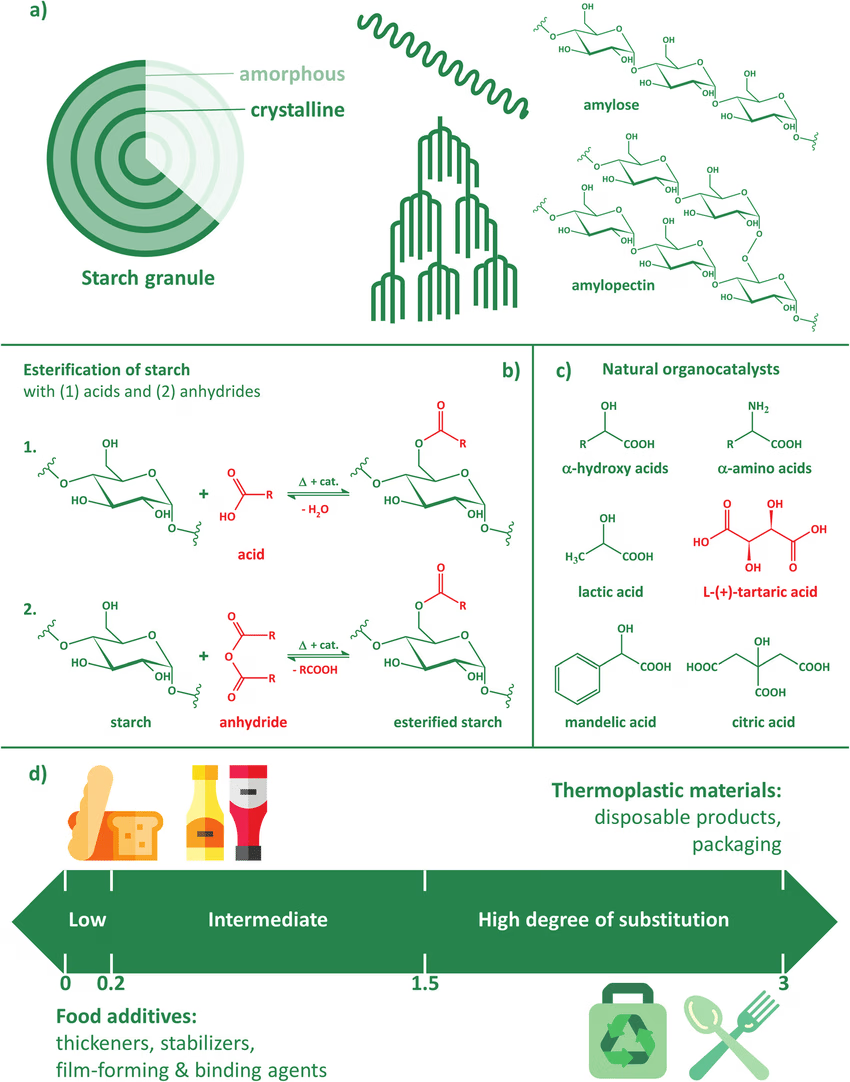
Esterification attaches acid-derived chemical groups to the surface of starch molecules, making the molecule less accessible to digestive enzymes. This method similarly suffers from harmful residue. In addition, starch modified in this way may lose its digestion resistance during high-temperature food processing or long-term storage.
Thirdly, etherification creates steric hindrance around the starch molecules, which physically blocks digestive enzymes from contacting and breaking down starch. This method also suffers from high production thresholds and safety constraints.

Finally, the process of acid hydrolysis uses dilute acid to gently break the branched parts of starch molecules, adding no new chemical groups. However, its modification effect is limited and uncontrollable, as the acid hydrolysis process lacks precise selectivity.
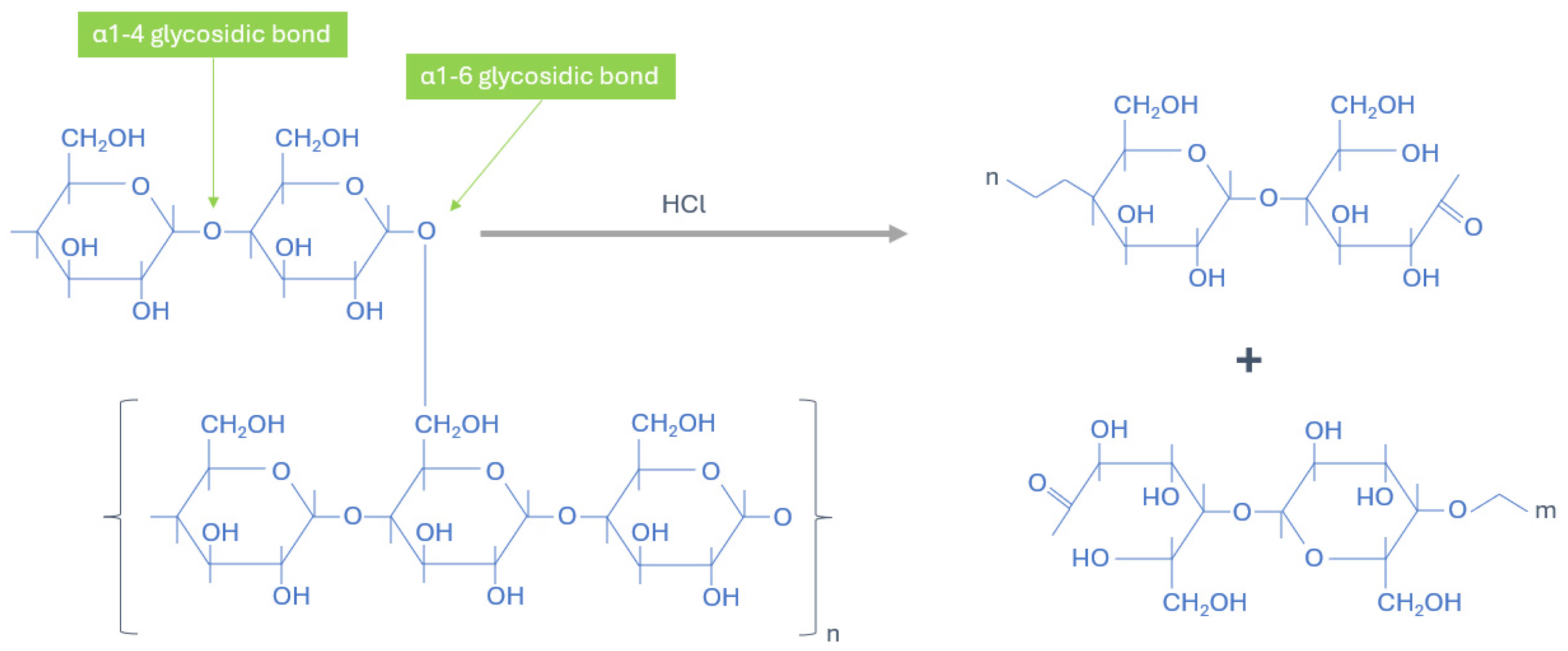
From all of the above, we are able to see that the need for a safe, effective, and noninvasive low GI product has never been more important. And because of this, our team has decided to biologically create low-GI starch that is available for use by both patients of diabetes and those who seek fitness.
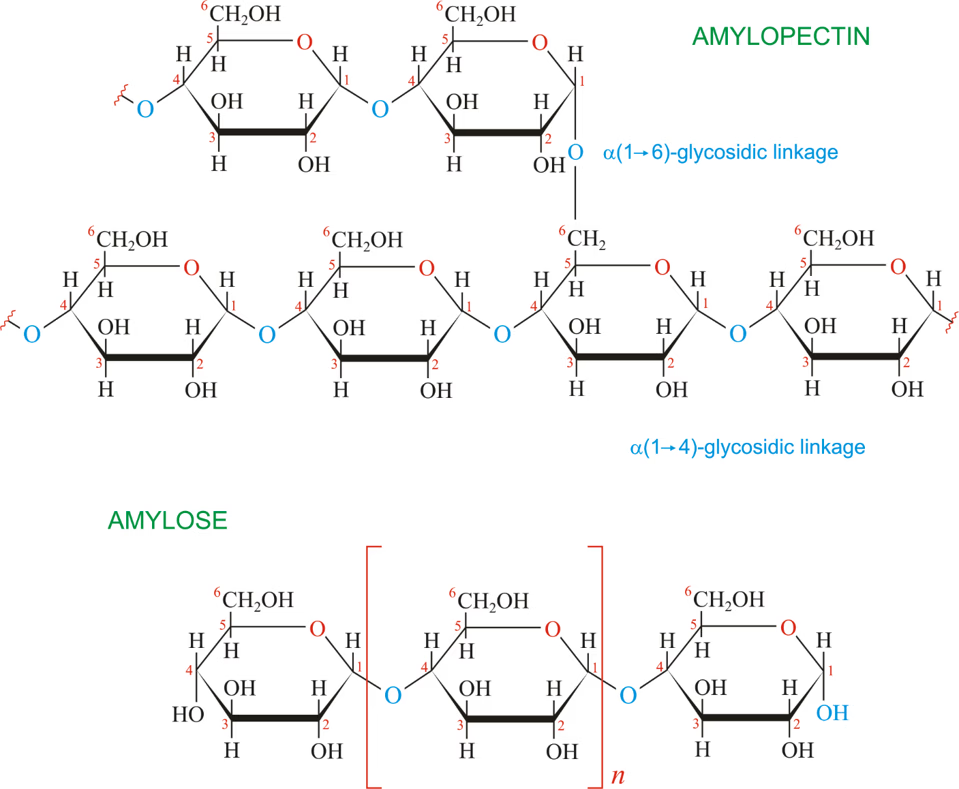
To address this issue, the iGEM team SSBS has decided to produce safe, healthy, and less invasive modified low-GI starch by means of synthetic biology. In biological terms, starch’s molecular structure is classified into three types: type A, type B, and type C. Type C crystals usually can cause rapid spikes in blood sugar after ingestion, which will cause problems for people with diabetes or obesity. By contrast, type B crystals are much more stable and less digestible. In our strategy, we aim to convert Type‑C crystals into digestion‑resistant Type‑B crystals, and we selected a three‑enzyme catalytic system to achieve this objective.
Our Design
Before confirming our final plan, we actually did a lot of previous experiments. Since we ruled out chemical and physical methods to create starch, we decided to use biological methods to create resistant starch. Enzymes are a common-used method in order to achieve biological goals, so we started looking from the perspective of enzymes.
We first tried single‑enzyme approaches, such as 4‑α‑glucan transferase, which alone can rearrange glucan fragments. However, native starch contains large amounts of highly branched amylopectin, which reduces substrate accessibility and fails to produce sufficient long linear glucan segments. Next, we tested two enzymes combined, such as α‑amylase paired with 4‑α‑glucan transferase and 4‑α‑glucan transferase paired with pullulanase. When α‑amylase is paired with 4‑α‑glucan transferase, molecular weights are partially reduced, and longer glucan chains are generated, but an abundance of α‑1,6 branch points still remained uncleaved, which hinders the formation of well‑ordered B‑type crystal lattices. On the other hand, when 4‑α‑glucan transferase is paired with pullulanase, the set lacked hydrolysis, so starch molecules still remained large and bulky, which also prevents the formation of type-B crystals. Therefore, neither dual‑enzyme combination achieved satisfactory RS improvement.
Because of these previous results, we derived our final design. Utilizing the enzymes α-amylase, 4-α-glucan transferase, and pullulanase, and using the steps of “hydrolysis—chain elongation—debranching”, we are able to convert Type C starch crystals into stable, less digestible Type B crystals. Each enzyme plays an essential role in this process: α‑amylase catalyzes controlled hydrolysis of internal α‑1,4 glycosidic bonds to shorten native starch chains; 4‑α‑glucan transferase rearranges glucan fragments to generate extended linear chains; and pullulanase specifically cleaves α‑1,6 glycosidic branch points to remove redundant side‑chains. We have proved before that the reaction sequences of these three enzymes cannot be changed.
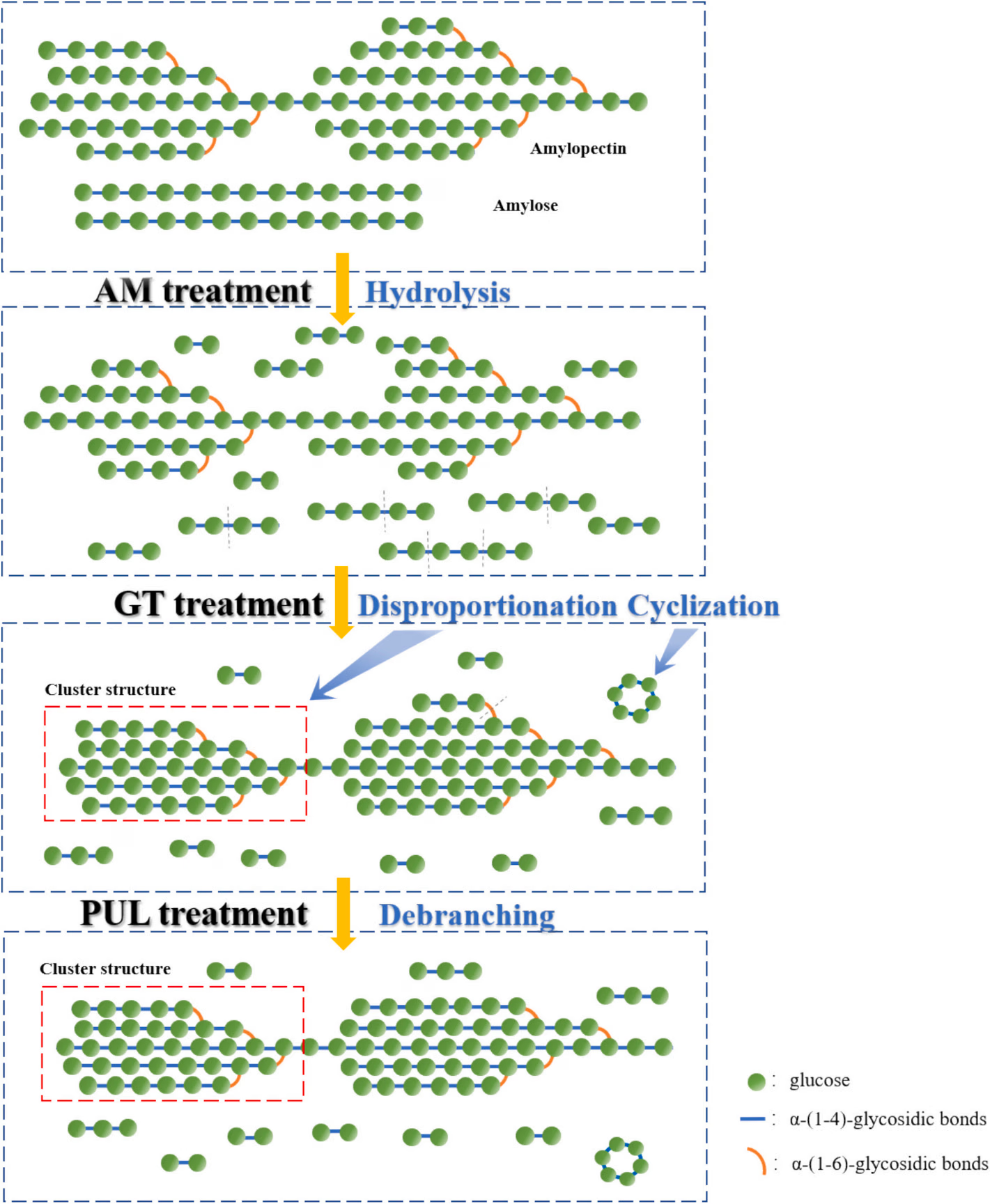
This multi‑enzyme system remodels native starch molecules by enriching long linear amylose‑like segments rather than directly converting amylopectin into amylose, which drives the transformation of original Type‑C starch crystals into stable, digestion‑resistant Type‑B crystals. After our utilization, the resistant starch content in foods increases, and their glycemic index decreases. Additionally, we strive to ensure that the finished product’s appearance and taste are identical to those of ordinary starch, making it convenient for use by households, food manufacturers, and medical institutions.
To produce our three target recombinant enzymes in laboratory conditions, we selected Escherichia coli as our microbial chassis organism. As a well‑studied, safe bacterial host that is widely adopted within synthetic biology, E. coli is very advantageous in experiments. For one thing, it can complete cell division in as little as 20 minutes, which can enable fast cell proliferation. Moreover, it grows on simple, low‑cost media, has a thoroughly mapped genetic background, and is capable of high-level protein expression. These reasons all make it well‑suited for producing our enzymes.
We work with two specialized E. coli strains with distinct roles: DH5α and BL21(DE3). DH5α serves as our cloning strain for assembling, amplifying, and verifying our recombinant plasmids. After sequence validation, we would transfer our constructs into BL21(DE3), an expression‑optimized strain that carries the T7‑RNA‑polymerase system. We would do so to achieve strong production of our target enzymes.
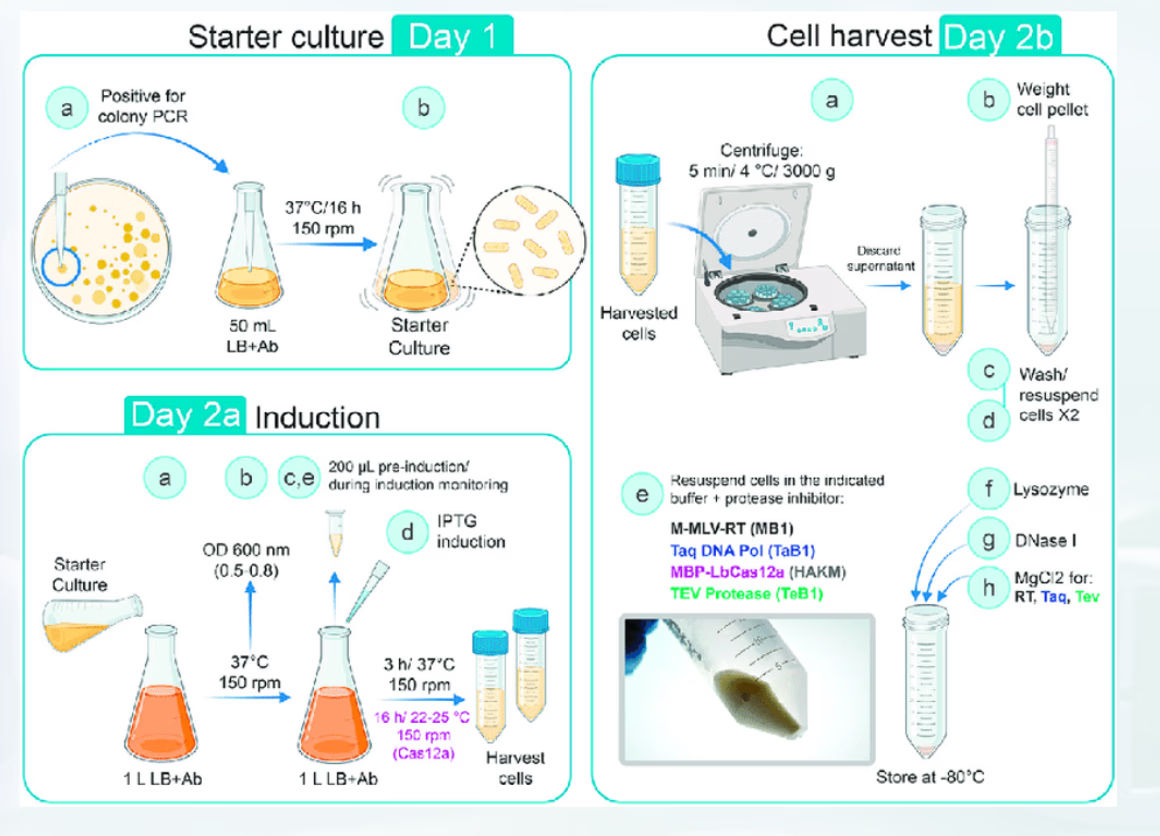
For our gene expression backbone, we chose the pET‑28a plasmid vector. This vector uses the strong T7 promoter for tight, IPTG‑inducible protein expression, carries kanamycin resistance for straightforward laboratory selection, and provides affinity‑tag sequences that will simplify downstream enzyme purification. Each of our three enzyme‑coding sequences will be inserted separately into pET‑28a. After ligation, constructs are first transformed into DH5α for cloning and plasmid propagation, and verified plasmids are then transformed into BL21(DE3) to express the recombinant enzymes needed for our project.
Iterative Engineering Cycle Overview
Our project follows the Design‑Build‑Test‑Learn framework with four planned iterative cycles:
Cycle 1 (Single‑enzyme → Dual‑enzyme): Characterize modification effects of every single enzyme; test dual‑enzyme combinations to discover synergistic effects and eliminate ineffective combinations.
Cycle 2 (Dual‑enzyme → Triple‑enzyme): Add the third enzyme to establish the sequential catalytic cascade; optimize enzyme ratio, pH value, temperature, and reaction duration.
Cycle 3 (Non‑gelatinized → Gelatinized): Apply gelatinization pre‑treatment to destroy native starch crystal regions, enhance enzyme accessibility, and further increase RS content and thermal stability.
Cycle 4 (Laboratory → Practical application): Implement the optimized “gelatinization + AM‑GT‑PUL” workflow under simulated staple‑food cooking conditions (boiling or steaming). Adjust process parameters to reduce resistant‑starch loss under thermal processing. Since we are not able to take our product out of the laboratory, we will have to include this in our plan.
These iterative cycles serve as the basis for demonstrating Engineering Success.
Quantitative Validation Metrics
In the design phase, we set measurable benchmarks to evaluate the performance of our multi‑enzyme system.
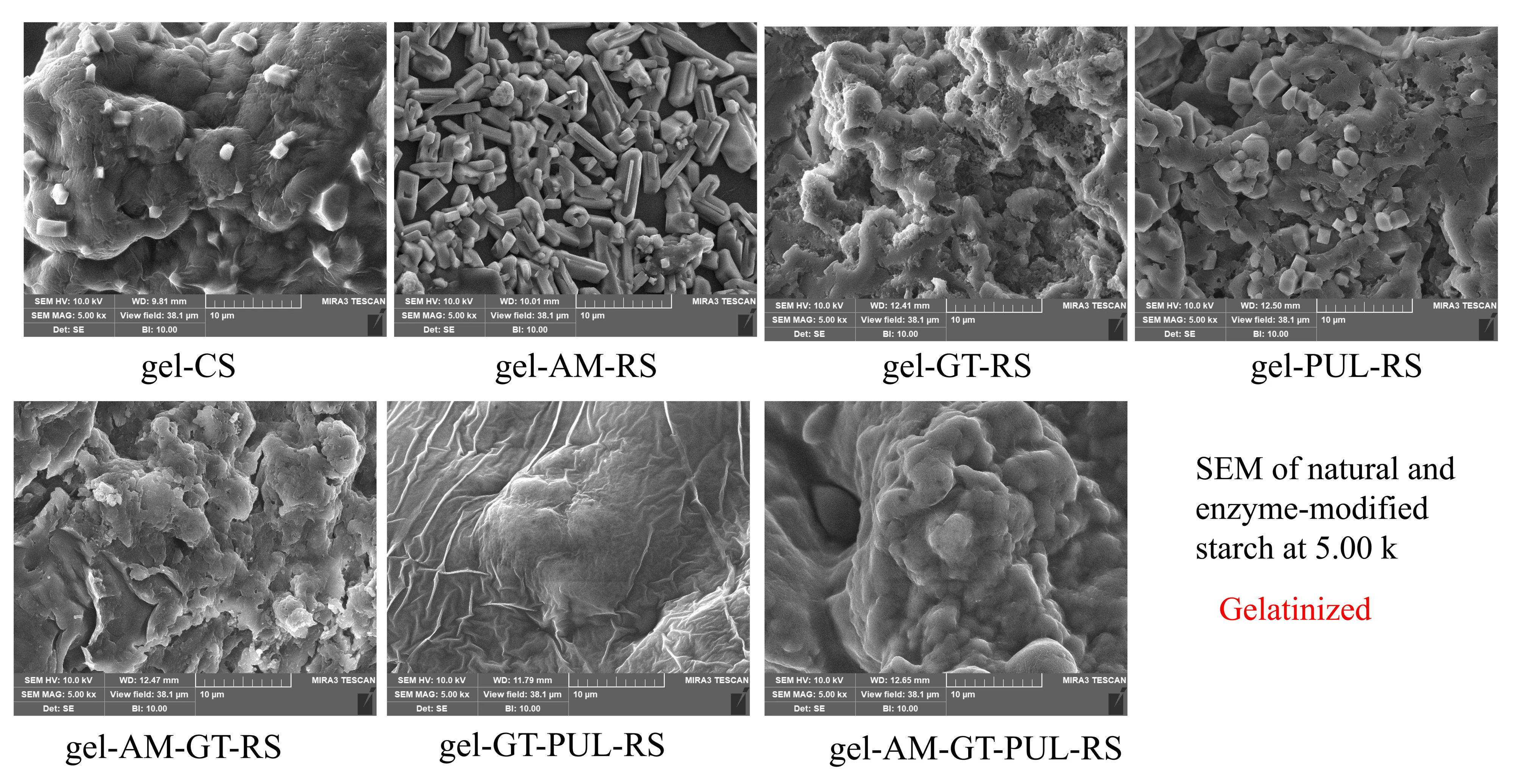
At the structural level, we intend to verify changes in starch granule morphology, crystalline properties, and molecular chain organisation. We will use scanning electron microscopy (SEM) to observe granule compactness, surface roughness, and the symmetry of internal reticular network structures.
At the functional level, we will assess essential biochemical properties of enzymatically treated starch. Resistant starch (RS) content will be quantified using the BIOISCO RS assay kit that follows the standard AOAC protocol for both raw and thermally‑processed samples.
Finally, at the application‑oriented level, we intend to include real‑world practical performance after thermal food‑processing in our future plan. We will incorporate our modified starch into representative food matrices such as noodles or bread, and then expand the range of our starch to cooking or baking treatments. Post‑thermal‑treatment benchmarks require a final GI value ≤ 65 and a resistant‑starch retention rate ≥ 30%. Additionally, we plan to conduct sensory evaluation that will confirm that the appearance, texture, and taste of modified‑starch‑containing food are comparable to products made from unmodified native starch.
Our benefits
Our strategy of creating resistant starch uniquely combines the strengths and eliminates the weaknesses of conventional methods, which might bring an unparalleled practical value. Unlike physical modification’s random, low-efficiency structural adjustment, our targeted “hydrolysis- elongation-debranching” enzyme system can precisely transform Type C starch crystals into digestion-resistant Type B crystals, achieving stable, high resistant starch yield and consistent low-GI performance.
Also, different from chemical modification’s safety risks, our fully enzymatic reaction uses no chemical additives, which can ensure complete food safety and eco-friendly production with no pollutant waste.
Most importantly, our modified starch retains the original taste and appearance of ordinary starch and maintains low-GI properties after cooking, solving the usability defects of traditional modified starch. This makes our method suitable for household consumption, industrial food manufacturing, and medical dietary intervention for diabetic and fitness groups.
Our Goals
- By adopting a way using synthetic biology approach that uses multiple enzymes to change the structure of starch, evade the limitations of physical and chemical modification.
- Provide a safe, accurate, and mass-producible solution to produce high-quality low-GI resistant starch that retains natural starch flavor, cooking stability, and edible safety.
- Create a simple and effective dietary solution to help prevent and relieve diabetes and obesity.
- Make better use of underutilized coarse grain resources.
References
- Wu, Yu, et al. “Modification of structural and digestive properties of maize starch by multi-enzyme synergistic treatment for low-glycemic index food development.” Carbohydrate Polymers, vol. 273, 2021, p. 118597, ScienceDirect.
- Faridah, Didah Nur, et al. "Verification of Autoclaving‑Cooling Treatment to Increase the Resistant Starch Contents in Food Starches Based on Meta‑Analysis Result." Frontiers in Nutrition, vol. 9, 19 July 2022.
- Raval, Bhargav. "What Is Annealing? Heat Treatment Process, Types & Material Testing." Infinitalab, 25 July 2026.
- Cross-linking Starch Modification “Cross-Linking Modification of Starch.” ScienceDirect Topics, Elsevier.
- Esterification Starch Modification “Starch Esterification.” ScienceDirect Topics, Elsevier.
- Etherification Starch Modification “Starch Etherification.” ScienceDirect Topics, Elsevier.
- Acid Hydrolysis Starch Modification “Acid Hydrolysis of Starch.” ScienceDirect Topics, Elsevier.
- Buchholz, K. (2021). Share of adults 20-79 y/o with diabetes by world region in 2019 and 2045 (projected). [Digital Infographic]. In Statista.
- Diethics. (2017a). Glycemic index [Digital Infographic]. In Diethics.
- “Mechanisms of Resistant Starch (RS) Physiological Effects.” Schematic diagram, no date, BioRender.
- Chowdhury, Indraneel R., and John Summerscales. "Cool‑Clave—An Energy Efficient Autoclave." Journal of Composites Science, vol. 7, no. 2, 2023, p. 82, MDPI.
- Li, Zhiyuan, et al. "Heat‑Moisture Treatment Further Reduces In Vitro Digestibility and Enhances Resistant Starch Content of a High‑Resistant Starch and Low‑Glutelin Rice." Foods, vol. 10, no. 11, 2021, p. 2562, MDPI.
- Chung, Jia‑Chen, and Lih‑Shiuh Lai. "Effects of Continuous and Cycled Annealing on the Physicochemical Properties and Digestibility of Water Caltrop Starch." Foods, vol. 12, no. 19, 2023, p. 3551, MDPI.
- Kou, Tingting, et al. "Effect of Amylose and Crystallinity Pattern on the Gelatinization Behavior of Cross‑Linked Starches." Polymers, vol. 14, no.14, 2022, p. 2870, MDPI.
- Imre, Balázs, and Francisco Vilaplana. "Organocatalytic Esterification of Corn Starches Towards Enhanced Thermal Stability and Moisture Resistance." July 2020, ResearchGate.
- "Starch: Characteristics, Structure, Properties, Uses, and Side Effects." Testbook.
- Halim, Anthony, et al. "Investigating the Effects of Acid Hydrolysis on Physicochemical Properties of Quinoa and Faba Bean Starches as Compared to Cassava Starch." Foods, vol.13, no.23, 2024, p.3885, MDPI.
- “Amylose and Amylopectin Molecular Structures.” Diagram of starch glycosidic bonds, no date, Alchetron.
- Xu, N., Xue, Y., Guo, L., Cui, B., Yang, M., Wang, J., & Sun, C. (2026). The diagram of AM/ GT/PUL action mechanism. [Digital Infographic]. In ScienceDirect.
- “Recombinant Protein Expression and Cell Harvest Workflow.” Experimental‑workflow diagram, no date, BioRender.