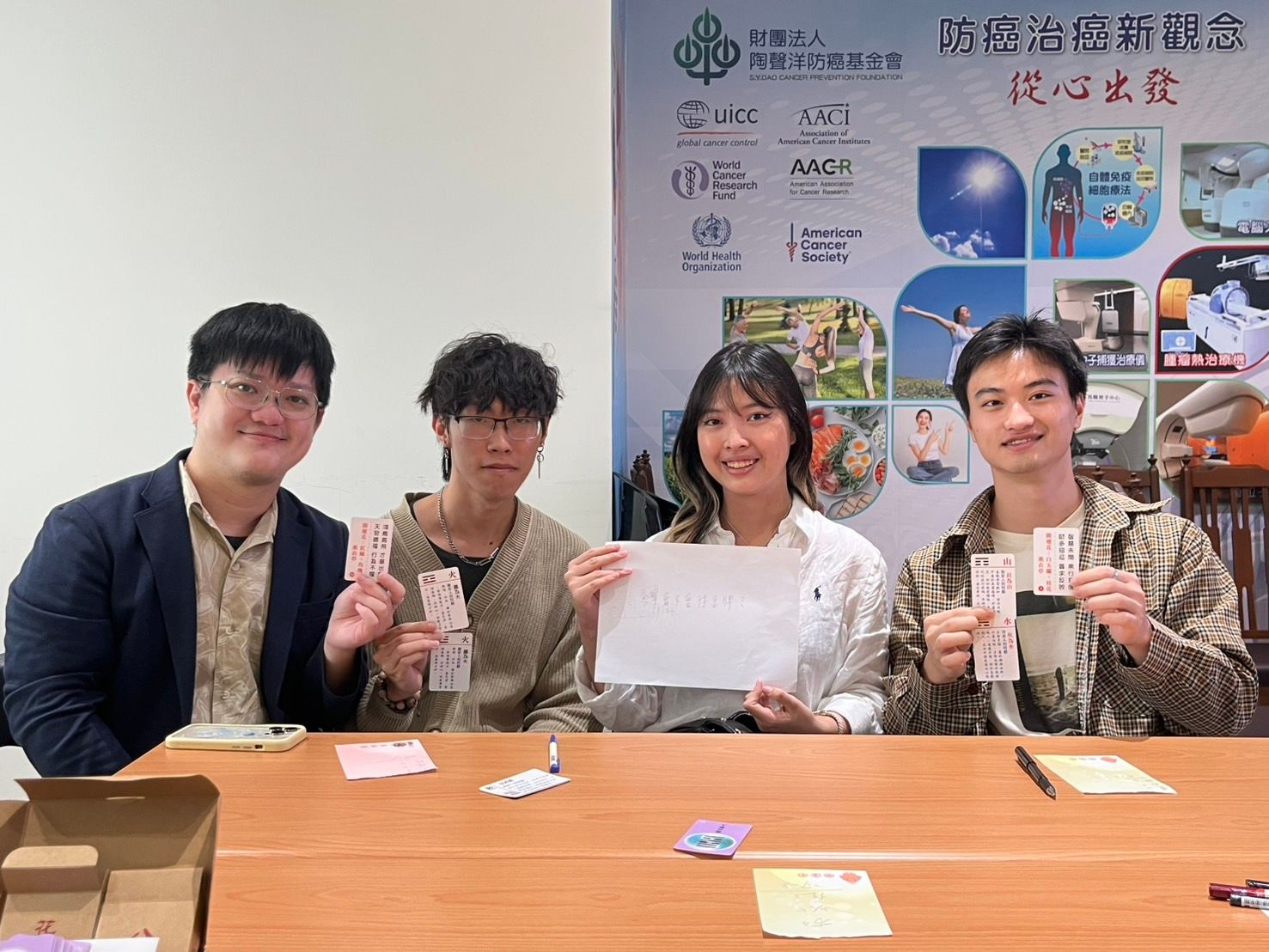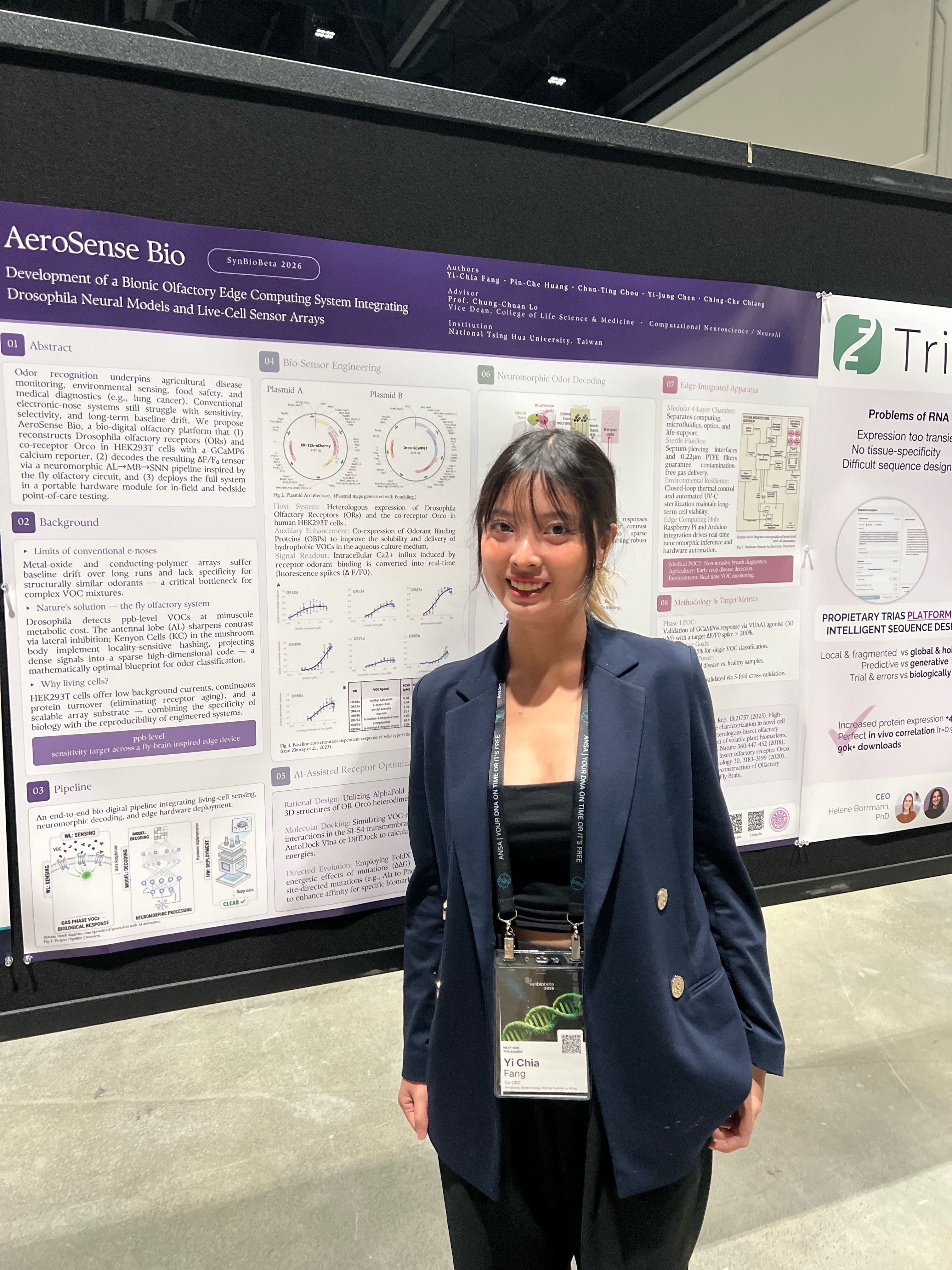


Notes from the conversations
Start with the decision
Who needs an odor signal, and what should they do next? Follow the conversations that changed our target, buyer and screening workflow.
Explore the decisions ↗Editorial illustration; not a photograph of an interview.Introduction
AeroSense combines living olfactory receptors, lock-in optoelectronic hardware and a fly-inspired classifier to investigate VOC screening. Human Practices connected these technical choices to the people, workflows and decisions the platform is intended to serve.
Agricultural specialists, electronic-nose engineers, food-safety professionals, mentors and public survey respondents helped us define where screening could be useful and what evidence each application would require.
Values
Three values guide how we turn odor into information people can act on:
- Early, not just accurate
A result that arrives after the batch has already spoiled or shipped is not useful, however accurate it is. We optimize for detecting change before it is visible — the entire premise of a VOC platform.
- Honest about uncertainty
Industry engineers and public survey respondents prompted us to make uncertainty visible. We designed the proposed output around a risk tier and a confidence signal, rather than a black-box binary verdict or a promise of certainty.
- Modularity over a single fixed claim
AeroSense is designed as a programmable receptor library rather than a device fixed to one target. That flexibility requires target-by-target evidence before making an application claim; our first application, mold detection, still needs its own validation.
Stakeholder map
Who shapes AeroSense?
Choose a theme to peel the banana and open the people behind it.
Drag to rotate · Select a peel or a theme
FOUR PEELS · FOUR PERSPECTIVES
Choose a peel to open a perspective.
Opening this perspective…
Field partners
Facility farms
- Interviewed field partner.
Researcher Min-Hsiung Weng · Taiwan Banana Research Institute
- Banana disease odors and orchard hygiene.
- Helped define where to sample and how to detect faint signals.
Farmers’ associations
- Interviewed field partner.
Researcher Ya-Yun Chang · Taoyuan DARES
- Define the disease, sampling location and meaning of the result.
- Connect sensing to a practical field workflow.
Industry & market
Engineer Lin · SCIEX
- Laboratory instruments need trained staff and infrastructure.
- Focus on rapid on-site screening with less operator dependence.
Founder Lin · Challenge Bio
- Mold VOCs alone cannot establish food safety.
- Choose targets from technical evidence and keep screening claims clear.
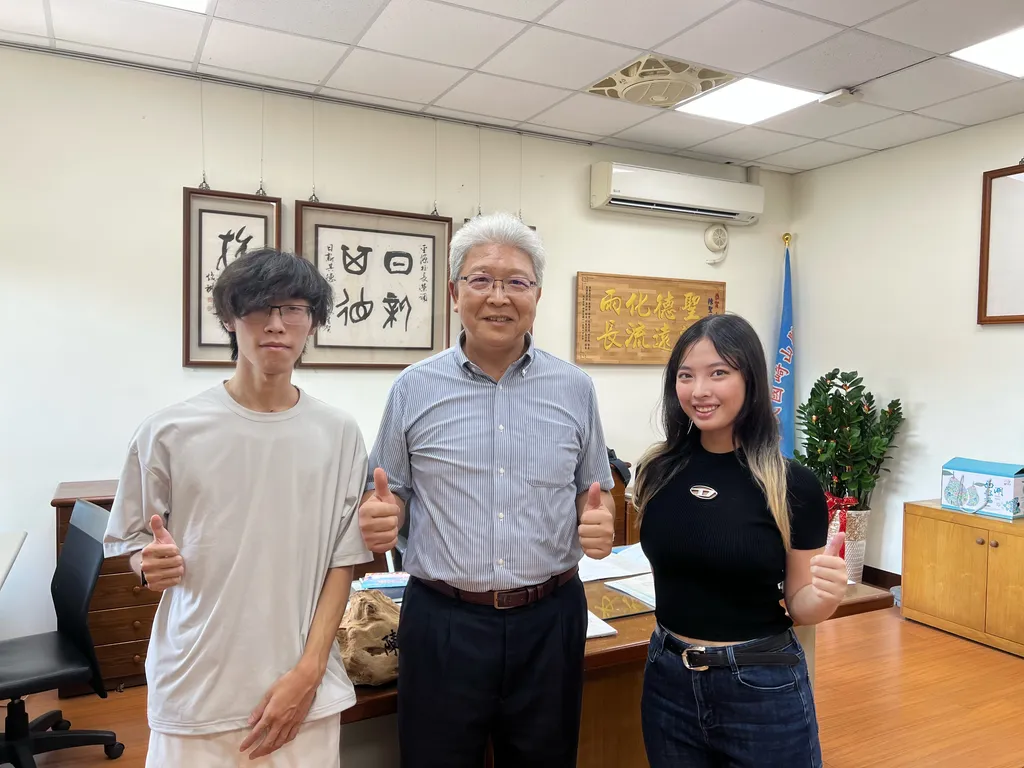
Professor Cheng · Enosim Bio-Tech
- Prioritize selectivity, sensitivity, lifetime and reproducibility.
- Use these as requirements for the receptor layer and readout.
Gatekeepers · IP
Patent Attorney Hsu
- Document the inventive step and the device-design evidence.
- Plan prior-art review, university technology transfer and disclosure.
Support network & community
Profs. Lo & Charng
- Academic guidance on fly mushroom-body odor coding.
- Their 2025 Science Advances paper informs the classifier.
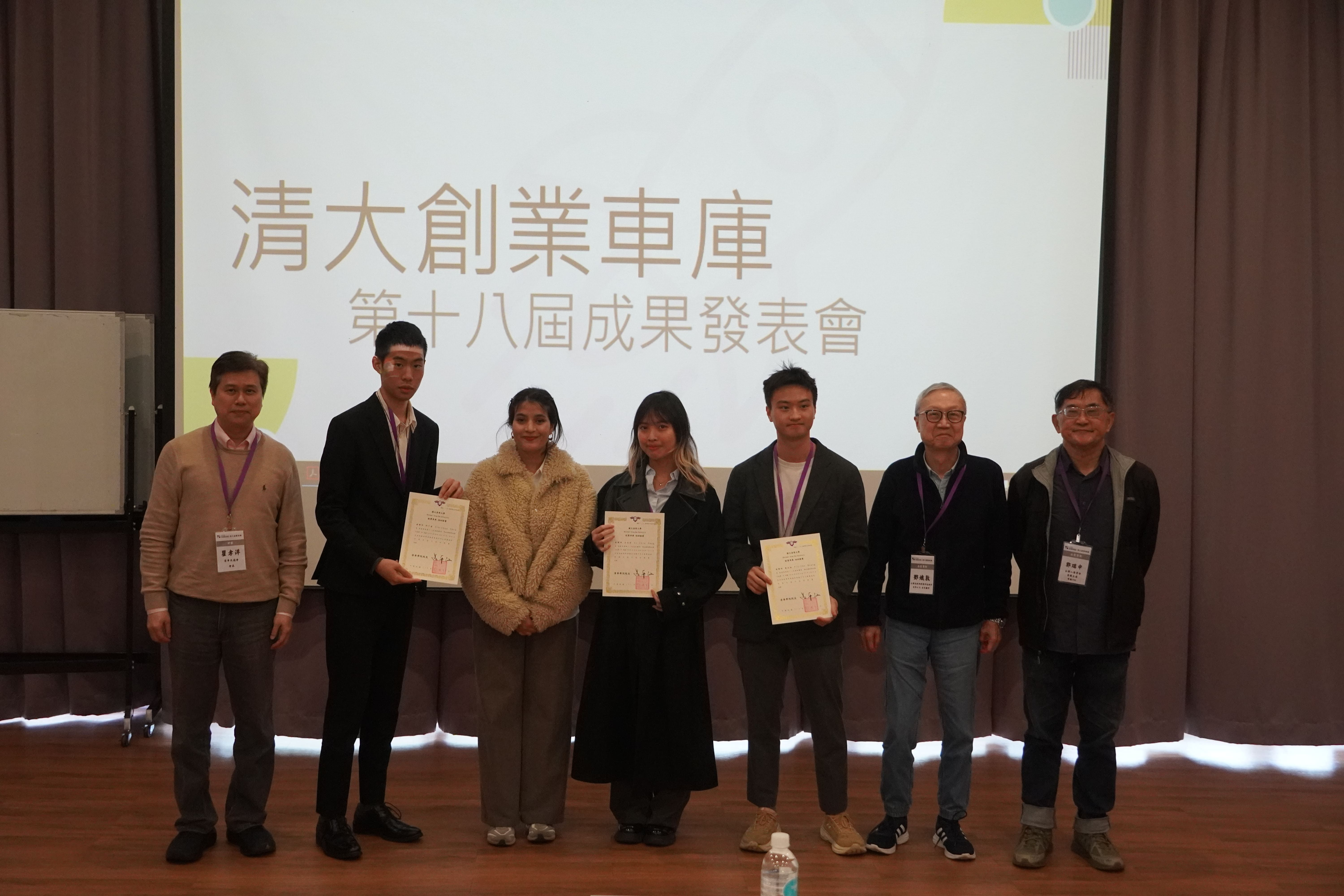
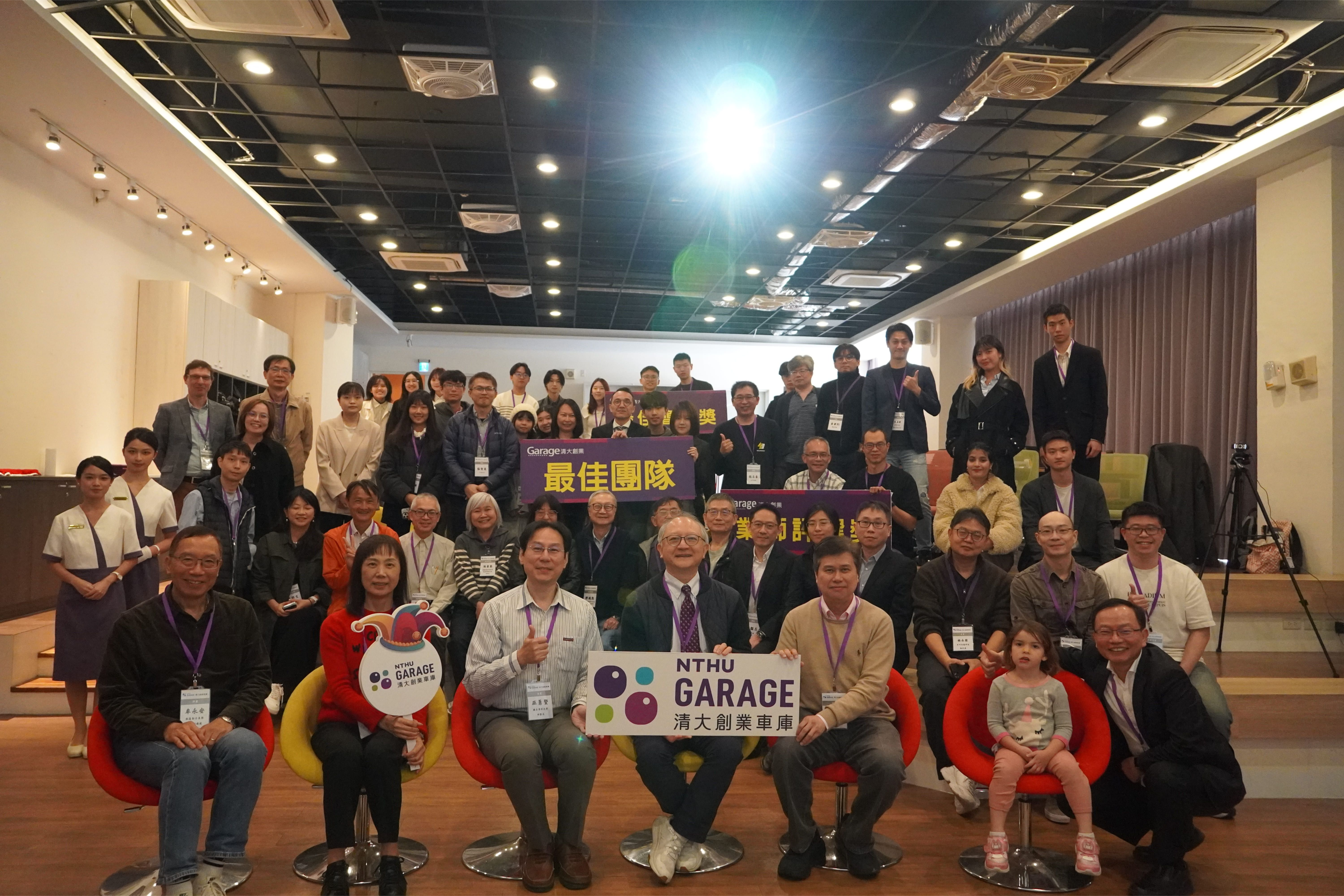
NTHU Garage & FITI mentors
- Start the business plan with a customer’s problem.
- Refine the first market, market estimates and capability-based pitch.
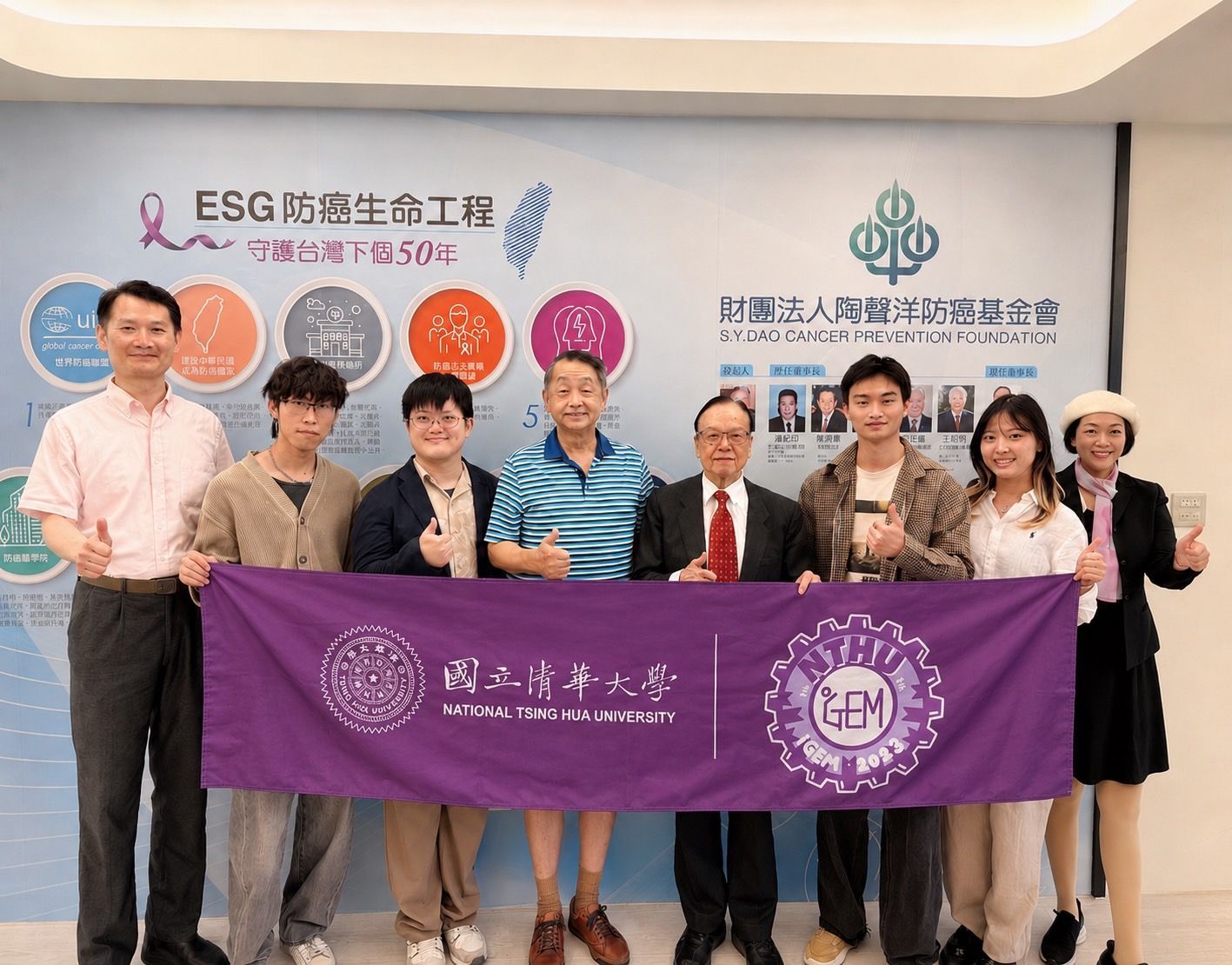
NTHU iGEM
- Team and program network.
Public survey respondents
- Revealed gaps in judging food risk by appearance and smell.
- Shaped education activities and the proposed risk-tier output.
Shan-chi Elementary principal
- Asked for a lesson teachers could repeat without the team.
- Prompted a reusable Teacher Toolkit.
Our Journey
#1 Problem
Institution information [9].
Every batch of produce and jar of dried food can begin to change before anyone sees it. Our screening concept targets VOC changes associated with fungal disease in banana shipments and spoilage in stored coffee or grain. The possibility of detecting these signals days to weeks before visible symptoms motivates the work; the lead time for each target remains a measurement to establish. Once a problem becomes visible, a batch may already have been shipped, mixed with healthy stock or consumed.
Current options range from visual or manual inspection, which depends on visible symptoms, to laboratory assays such as PCR, ELISA and GC–MS, which require sampling, equipment and trained operation. Our team estimate of fungal-disease-related risk in the banana export beachhead is roughly NT$3.51 billion/year, calculated as 33.6% of an NT$10.445 billion annual sector-output baseline. This is a planning estimate, not a measured loss or a saving delivered by AeroSense. The same gap motivated our earlier stored-food theme: mold and mycotoxin screening for coffee, tea and dried goods.
Our public survey reinforced the problem from the consumer side: most respondents understood that visible mold is a concern, but only 58% understood that a normal look and smell does not mean no risk. This pointed to a practical decision gap as well as an education need: people need information about a particular portion or batch. Low cost and a result within minutes became design goals, rather than measured performance claims.
Checking the problem in the field. We took this question to the Plant Protection Lab of the Taoyuan District Agricultural Improvement Station. A researcher there confirmed the gap from the grower's side: there is currently no monitoring method beyond looking at the crop, so no data are collected. The researcher then asked us the questions a farmer would: first confirm that the device can collect data, and for which disease; what the device would look like in a field, how many sampling points a plot would need, and what the returned data would mean; and that buying or licensing an instrument depends on the crop and the target. The researcher also mentioned an earlier proposal to drive a remote-controlled vehicle through a tea field to collect electronic-nose data — possible in theory, but still far from practical on uneven ground. We took this as a reminder that "detects a smell" and "works in a field" are different claims.
#2 Sensing requirements
We asked the Chief Science Officer of Enosim Bio-Tech, a domestic electronic-nose company with deployment experience, what would make a VOC sensor useful in practice. The question set engineering priorities beyond a laboratory demonstration.
The conversation reframed our engineering priorities around four properties, in this order of difficulty:
- Selectivity — a sensor that responds strongly and specifically to the target gas, not broadly to A, B, C, and D at once. The CSO was direct about the state of the market: almost no commercially available electronic nose today has genuinely high selectivity.
- Sensitivity — how low a concentration (down to ppm-level) the sensor can still detect, with a signal-to-noise ratio good enough to survive outside a quiet lab. This was flagged as the single most common failure mode: sensors that perform well on the bench become unusably noisy in a real field or warehouse environment.
- Reliability and lifetime — how long a sensor can be used before its response degrades. Replacing a sensor daily, as some current products effectively require, is not a workable answer for continuous monitoring (e.g., air-quality deployments).
- Reproducibility, including batch-to-batch consistency — does the same measurement, repeated, give the same answer; and do 100 units of the same sensor behave the same way as each other. This is a manufacturing-and-QA problem as much as a chemistry problem, and one the CSO said the industry still has not solved well.
The CSO's central point was that the sensing element remains a major bottleneck: selectivity, sensitivity, stability and reproducibility matter before downstream electronics or signal processing can add value. This strengthened our decision to investigate biological receptors as a route to differentiation. The interview set a technical requirement; it did not validate AeroSense's selectivity or sensitivity.
This technical interview set the sensing requirements behind our differentiation and target selection in #4 and #6.
#3 Sensing platform
The CSO’s emphasis on selectivity and sensitivity sharpened our comparison of biological sensing with metal-oxide, polymer and piezoelectric electronic noses. AeroSense expresses insect olfactory receptors in mammalian cells and reads their response through calcium fluorescence.
A conventional electronic nose uses a physical sensing material whose response is determined by its chemistry. AeroSense instead proposes an exchangeable biological sensing layer: cells express Drosophila OR/Orco receptors and a GCaMP6 calcium reporter, while changing the receptor gene can change the candidate target profile. Continued synthesis of receptor protein is a potential renewal mechanism. Whether it improves lifetime or drift compared with a static chemical film must be tested; living cells also introduce variability and maintenance requirements.
The proposed cartridge uses genetically modified mammalian cells expressing the olfactory receptor and calcium reporter, so its handling and eventual use require institutional biosafety oversight and appropriate containment. Technology-transfer discussion is also relevant to the receptor and neuromorphic-layer research. The cartridge uses heterologous receptor expression rather than live insects. This distinction concerns the sensing cartridge; the separate light-sheet research uses Drosophila neural recordings.
#4 Receptor selection
Receptor choice had to be evidence-driven. The early literature-candidate list in this Human Practices work contained seven receptors: Or10a, Or13a, Or47a, Or49b, Or71a, Or85b and Or98a. Zboray et al. (2023, Scientific Reports), a heterologous-expression ligand-profiling study directed at plant and plant-pathogen VOCs, informed this starting point. This early list is distinct from our final ten tuning-receptor modules documented in Parts and the Registry; it is not a record that all seven were cloned or tested.
The Challenge Bio follow-up prompted a retrospective comparison between potential pathogen-indicator VOCs and the literature candidates. Or49b was considered for reported indole sensitivity, making it a candidate for future bacterial-VOC work rather than an already tested AeroSense receptor: Or49b is absent from the final ten-module experimental panel. Or13a and 1-octen-3-ol instead point back toward fungal volatiles; 1-octen-3-ol is widely known as mushroom alcohol and is not a bacteria-specific marker. These comparisons refined the target-selection question without establishing pathogen detection or specificity in our system.
#5 Signal extraction
The CSO’s warning about performance outside the lab made fluorescence readout a separate design problem: the electronics must recover a faint signal under environmental noise.
Our first readout used a blue LED and camera. It worked on the bench, but ambient light and sensor noise overwhelmed the faint cell signal outside controlled conditions. We moved to digital lock-in amplification (DLIA), modulating excitation at a known frequency and extracting that frequency to reject room light and slow drift. Same-frequency excitation leakage remains, so emission filtering, blank wells and per-well calibration are still required.
We then sought two independent sources of engineering advice on the circuit and component choices.
iST engineers reviewed successive schematics and board designs, helping us reach a manufactured prototype. They checked photodiode connections, first-stage amplification, signal-conversion wiring, filtering, power and grounding, shortened the light-source/detector signal path, and refined sourcing, the parts list and the timeline. Testing exposed excessive first-stage gain: the output stayed saturated regardless of light level. They recommended varying feedback components to match the measured photocurrent. The fix remains unconfirmed because test firmware and a matching setup were not ready; only the main power supply was measured before delivery.
The senior student recommended selecting the photodiode by measured photocurrent, spectral response and current–voltage behavior, supported by device simulation. She also asked us to check fluorescent-protein absorption and light-source drive voltage; use a single amplifier with a suitable input range and small feedback capacitor; and keep the output within the converter’s range. Regulator smoothing, sensible routing, an amplifier beside the detector and large ground areas were priorities for stable power and lower noise.
What changed. Detector selection now follows measured behavior. The test sequence is gain tuning, response to known light levels, then system integration; noise, power stability and grounding are explicit revision goals. The first board is fabricated, with its main supply verified. Light detection and conversion await test firmware.
Computation. Our neuromorphic classification work follows the fly mushroom body's PN–KC–MBON odor-coding circuit and the research lineage of our advisors' Science Advances 2025 paper. It is intended to classify multichannel signals. The modeling results and the living-cell/hardware measurements remain separate evidence streams until end-to-end integration is demonstrated.
#6 Application focus
Our application focus changed through mentor review, technical critique, instrumentation advice and field pathology. Each round changed the question we needed to test next.
Round one (mentor review, BP and pitch-deck feedback).
Our original framing covered six candidate crops (dragon fruit, passion fruit, strawberry, grape, citrus, banana) under a broad "facility agriculture pest detection" umbrella. Mentor review was blunt about the effect this had: "Right now it reads more like 'we have an electronic-nose technology that can do a lot of things,' but FITI needs to see 'a specific group of customers with a clear, expensive problem — and our odor detection directly reduces their loss, raises their price, or sets a new standard.'" This drove us to narrow to a single, economically quantifiable beachhead — banana disease detection in Taiwan's export supply chain — with mango and tea as explicit follow-on markets, and to reframe the whole narrative as a B2B Agricultural VOC Intelligence Platform rather than a general-purpose electronic nose.
Round two (Challenge Bio interview).
Just as we had converged on a single beachhead, a separate conversation with biotechnology industry professionals challenged the premise underneath our original food-safety framing, not the agricultural one: "Start from the technology, not the application" — establish what AeroSense can actually distinguish (detectable VOCs, specificity, sensitivity, response time, interference tolerance) before assuming any one market is the right one. Just as importantly: "mold VOCs do not necessarily represent food safety" — food processing can kill viable fungi or change their odor profile while a toxin such as aflatoxin remains, so a mold-VOC signal and an actual safety verdict are not the same claim, and we should not let our own marketing imply otherwise.
This produced an explicit target-selection framework: Detectability × Consequence × Unmet Need × Willingness to Pay. We use it to compare candidate applications rather than defaulting to mold detection, including the literature-based indole/Or49b candidate discussed in #4.
Round three (analytical-instrumentation industry interview).
We asked whether AeroSense should compete with GC-MS/LC-MS instruments on analytical accuracy. The SCIEX engineer estimated a system at NT$5–10 million over a ~15-year life, plus NT$200,000–300,000/year maintenance. In his account, trained personnel and laboratory infrastructure were greater barriers than amortized instrument cost, motivating smaller and mobile testing units. We therefore shifted from a cheaper-instrument pitch to Fast · On-site · Low operator dependence: screening suspicious samples for laboratory confirmation.
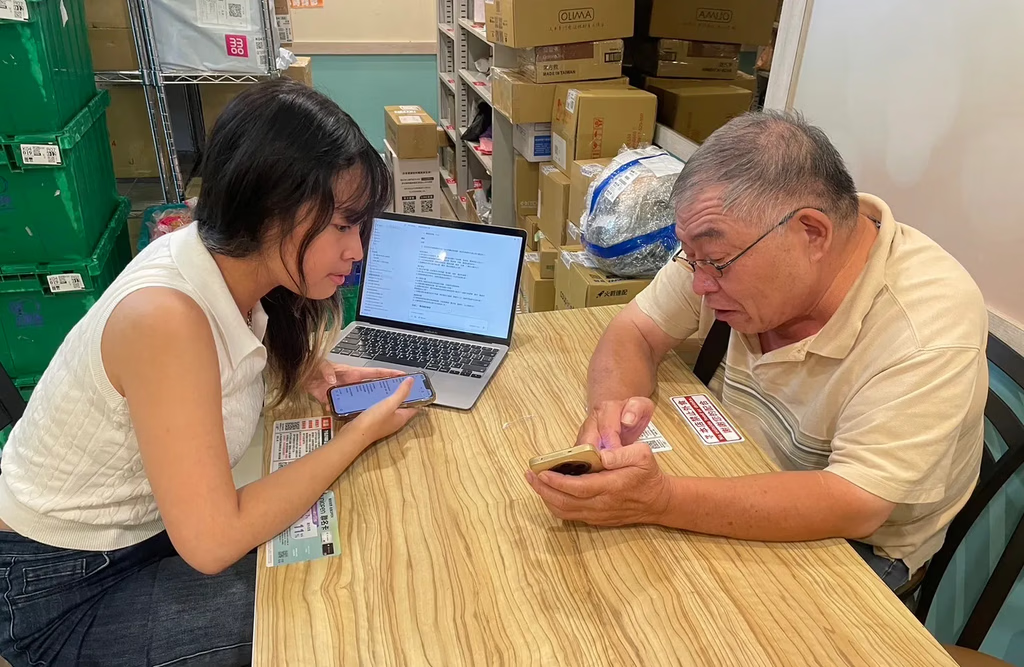
He also questioned individual farmers’ willingness to pay and their willingness to have products flagged, shifting our buyer focus toward associations, agencies, cooperatives and certification bodies. Authenticity and origin verification—such as honey origin or tea authenticity—emerged alongside disease/ripeness detection and pathogen-VOC screening, with false positives and blended samples posing separate validation problems. Semiconductor and humanitarian/logistics applications were further leads from this one interview. The costs and market views remain the interviewee’s estimates, not independently verified findings.
Round four (field pathology interview).
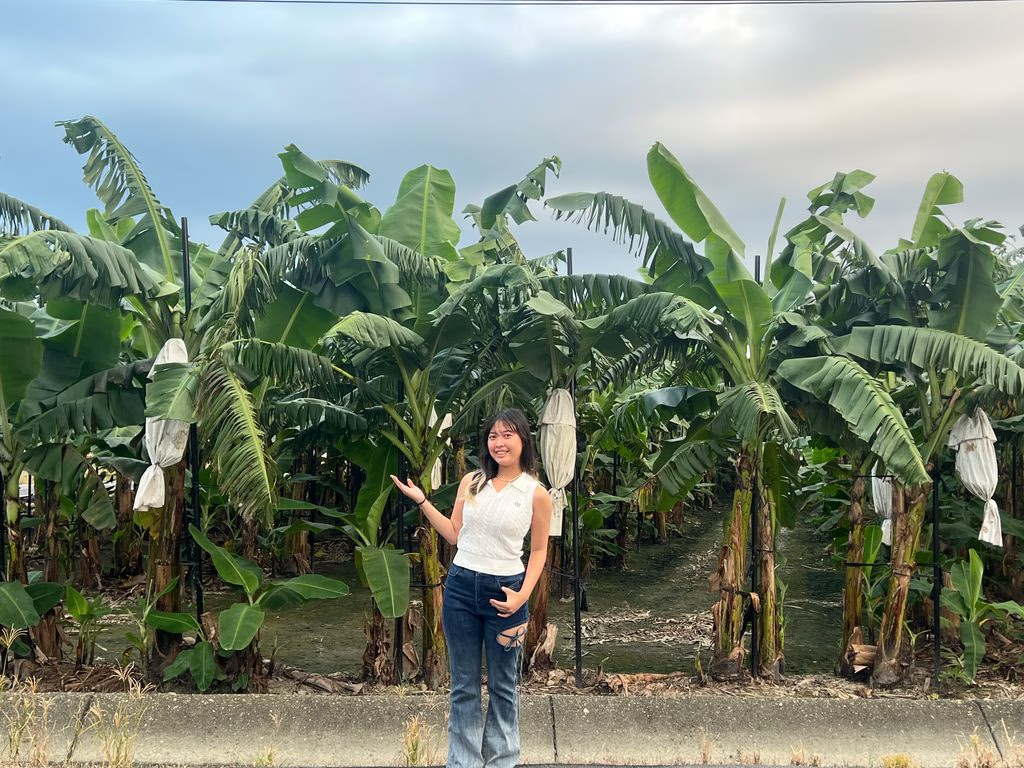
To test where odor-based screening would help most on a banana farm, we interviewed a pest-and-disease specialist at the Taiwan Banana Research Institute in Pingtung and went through his institute's growth-stage guide to banana pests and diseases. Two findings stood out. First, the strongest odors come from below ground and basal tissue, not from the fruit: corm and pseudostem weevils, bacterial soft rot, crown rot, and Fusarium wilt (Panama disease), which smells strongest in the corm's vascular tissue. Fruit-side problems such as scale insects, finger-tip rot, and cigar-end rot are not strongly scented, and sooty mold smells faint. Second, the odor of Fusarium wilt is most obvious late, when the plant is already rotting and visibly blackened; he told us a faint signal is present earlier, though usually only noticeable in the middle to late stage, and that detecting it is largely a matter of sensor sensitivity. He also cautioned that a heavy pseudostem smell often just reflects a dirty orchard, so any odor reading has to be interpreted against field hygiene, and he named rot detection as a problem farmers and field workers need solved.
The interview also touched on who would use a tool like ours. He indicated that an institute like his is more willing to pay than individual farmers, which matches what the instrumentation interview told us. His institute already covers rot testing and pest-and-disease control close to growers, so it could be an entry point that reaches farmers who cannot buy a tool themselves; we are considering its Pingtung site as a pilot. He also identified the central evaluation questions: measurement accuracy and the diseases or sites best suited to the method. This is an expert's qualitative judgment, not a measurement, so we treat it as a hypothesis to test — how many days earlier the faint signal appears, and whether it can be separated from background orchard odor. It also pushes us to weigh field-level rot detection alongside our original post-harvest focus.
#7.1 Business planning
People at each review stage
-
NTHU Garage · first business plan
- NTHU Garage mentors
Mentor office hours and the go-to-market curriculum helped us prepare the first business-plan draft.
-
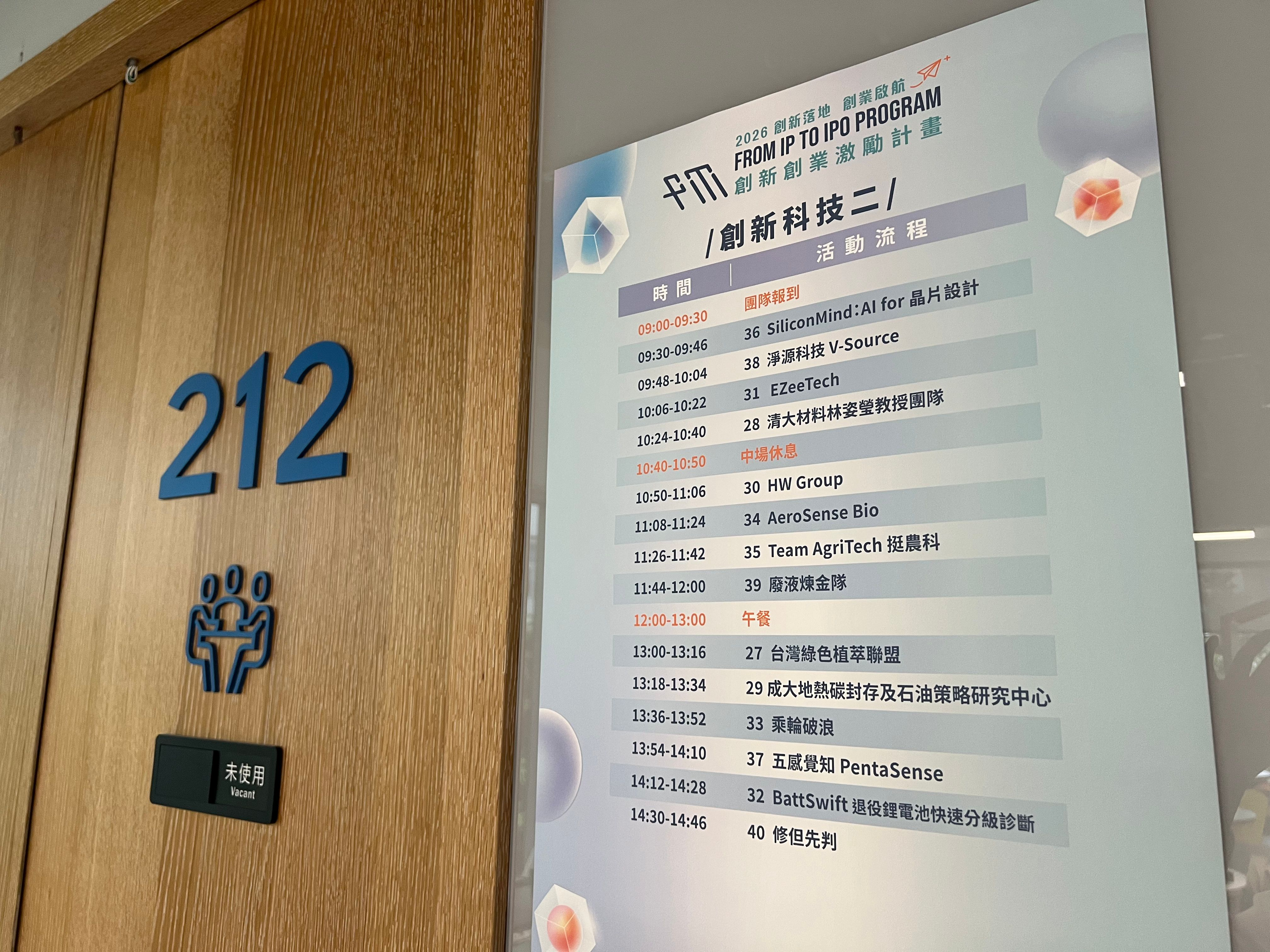
FITI · open-call review
- Three FITI reviewers
Reviewers asked us to clarify the paying customer, return on investment, IP planning and market evidence.
-
FITI · mentor session
- Fang Chia-Hung · Tri-in founder
- Su Shih-Chung · CEO
- Shen Li-Ping · Deputy General Manager
- Feng Chih-Feng · Advisor
- Hung Liang-Cheng · Deputy Director
The discussion connected competitive benchmarking, actual farmers’ association workflows, willingness to pay and university licensing.
-
Bootcamp · business-plan review
- Orientation Bootcamp mentors
An 11-point written review led to a narrower first market and a revised market-size estimate.
-
Bootcamp · pitch-deck review
- Orientation Bootcamp mentors
A separate slide-level review changed the competitive comparison and replaced a title-based team slide with a capability matrix.
-
FITI · evaluation round one
- Three FITI reviewers
The revised plan received further questions about adoption, commercial use of GCaMP6 and technology transfer; these remained open.
The report names five mentors. Other panels are identified by their recorded roles; individual reviewer names are not listed.
FITI and the 18th cohort of NTHU Garage provided structured review of our commercialization plan: an 11-point business-plan review and a separate slide-level pitch review. Both asked us to lead with a customer’s expensive problem. The business-plan review narrowed the beachhead and rebuilt TAM/SAM/SOM from a global electronic-nose benchmark into a bottom-up agricultural-VOC estimate tied to banana-sector losses. The pitch review changed our comparison to detectable-VOC range, detection limit and fingerprinting ability, rather than analysis cycle time, and replaced a name-and-photo team slide with a capability matrix. The FITI Iteration Report records each revision.
Our financial model reflects this same discipline: modeled, not promised, figures — a Year 1 operating expense of roughly NT$3.08 million against a NT$3 million seed round in progress, with device and cartridge pricing (device ~NT$120,000, cartridge subscription ~NT$4,000/month) drawn from the same workbook rather than invented for a slide.
#7.2 Intellectual property
We consulted Patent Attorney Hsu, whose expertise includes pharmaceuticals and microbiology. She asked for the related paper, the device-design process and the reasoning behind each choice, together with a clear statement of the innovative technical step. Her advice led us to organize those materials and plan a prior-art search before selecting further experiments to strengthen the case.
The consultation compared possible protection for engineered proteins with protection for the assembled device or system, and considered patents versus trade secrets. These remained strategic options to assess with the university and qualified counsel; the conversation did not establish a filing, granted right or infringement conclusion.
The main design-management lesson concerned disclosure timing. We were advised to coordinate publication with a filing strategy, identify target jurisdictions and begin through the university technology-transfer route. We therefore added prior-art review, clarification of applicants and inventors, and a disclosure plan to our next actions. Jurisdiction-specific exceptions and filing consequences require separate professional assessment.
#8 Impact
Positive impacts. Earlier, non-destructive screening could help reduce food loss and unnecessary disposal if it provides useful information at the point of decision. The public survey found that only 58% understood that a normal look and smell does not mean no risk, showing why appearance alone is an inadequate decision rule. Our aim is to support triage of suspicious batches for confirmation, not to certify a batch as safe. Associations and cooperatives are intended routes for extending access to smaller producers; affordability and the resulting benefit still need to be measured.
Risks to manage. An automated risk score that is trusted too much invites exactly the failure mode our own stakeholders warned us about from two directions at once: our public survey found that respondents ranked avoiding a missed real risk (a false negative) among their top needs from a screening tool, and the Challenge Bio interview independently warned that a mold-VOC signal is not the same claim as a food-safety verdict. Both point to the same design discipline: report a risk tier with an honest confidence signal and a recommendation to send high-risk samples for confirmatory lab testing — never a silent, false "safe" — and say plainly, in our own materials, what the tool does not certify. We plan a lightweight, mentor-supported data-governance check-in as the platform moves from single-partner pilots to multi-partner deployment, extending the same "close the loop, don't just collect feedback" discipline documented throughout this page to how we handle an increasingly large, cross-partner VOC dataset.
#9 Education handover
At the school, feedback changed what we chose to leave behind.
What we assumed. After the survey and games, we ran a half-day science camp at Shan-chi Elementary School in Xinfeng Township, Hsinchu County, for more than thirty upper-grade pupils. We initially treated the visit as the finished product: children explored the relation between a nose, an electronic nose and our sensor, played the game and drew their ideas. The full activity and learning records are on the Education page.
What we heard. We met the school's principal on the camp day. He told us he liked the way we teach, and he asked for a way to keep using it, since a team of university students cannot visit every year.
What it changed. We turned the visit into a Teacher Toolkit: a 40-minute lesson with slides, a class game answered by holding up one, two or three fingers, a worksheet and Learning Lab instructions. The school welcomed this way to repeat the session without our team, and teachers can download it free. This became the opening rule of our Education Guide: write the plan so someone who has never met you can run it.
Open the Teacher Toolkit and Education Guide