Overview
As we built AETh3R, our team held fast to the following principle: scientific progress in synthetic biology only achieves real purpose when it is aligned with the human realities it intends to serve.
We began our project ideation by exploring how synthetic biology could address unmet needs in oncology, a journey that quickly brought us to Non-Small Cell Lung Cancer (NSCLC). Refusing to rely solely on literature reviews and driven by a sense of responsibility, we viewed Human Practices as our foundational compass, embedding stakeholder feedback into our design loop from day one. Engaging oncologists and translational researchers brought us to the harsh clinical reality of NSCLC. Shadowing workflows at the European Interbalkan Medical Center and sitting down with a lung cancer patient to hear his story reoriented our work. He was no longer a theoretical case study. His lived experience gave urgency and ethical weight to every decision we made.
Instilling these clinical imperatives in our mission, we initiated a continuous feedback loop with stakeholders. Early dialogues with clinicians validated the novelty of Targeted Protein Degradation over traditional small-molecule inhibition, showing us that removing oncogenic drivers offers vast therapeutic potential. Stakeholders also confirmed the power of a dual-targeting strategy against KRAS and MDM2 in NSCLC.
When evaluating how to design these protein degraders, consultations with small-molecule PROTAC and bioPROTAC specialists always returned to the same critical question: while bioPROTACs offer distinct advantages, how do we overcome their significant hurdles? Our ongoing feedback loop led us to a true lightbulb moment: adopting peptide PROTACs as a hybrid approach that combines the core benefits of both modalities while effectively bypassing their main limitations. While navigating the final challenge of targeted delivery, feedback from nanomedicine specialists helped us compare alternative carriers and ultimately adopt Lipid Nanoparticles (LNPs) as our primary delivery system.
Expert consultations guided every facet of AETh3R. Computational and clinical specialists refined our modeling pipelines and clinical development roadmaps, while strategic discussions with Pfizer, a key pharmaceutical industry stakeholder, offered critical insights on translational feasibility. Feedback from a plethora of stakeholders embedded biosecurity, ethics and sustainable practices directly into our project. It also shaped our inclusive and educational outreach as well as helped us establish a responsible business model and align AETh3R with sustainable standards.
Human Practices gave AETh3R its direction and real societal purpose, connecting stakeholder insights to every step of our project.
- Pillars of our Methodology -
1. Identifying & Contextualizing the Problem
- Clinical Need & Patient Burden Mapping
- Regulatory Bottleneck Assessment
2. Developing & Evolving AEThER
- Feedback-Driven Wet & Dry Lab Project Development & Refinement
3. Setting Responsible Standards
- Comprehensive Biosafety Framework & Containment Protocols
- Ethical Safeguards for Responsible Synthetic Biology Innovation
- Sustainable Development
- Roadmap to In Vivo and Clinical Development
4. Designing for Real-World Implementation
- Entrepreneurial Capacity Building
- Strategic Business & Scalability Planning
- Translational Feasibility Assessment
5. Inclusive Engagement & Educational Outreach
- Psychosocially Grounded Educational Module Design
- Inclusive and Informed Pedagogical Strategy
6. Driving Systemic & Societal Impact
- Synergistic Integration of Education, Sustainability, Inclusivity & Entrepreneurship
iGEM Human Practices Maturity Model
We structured our Human Practices strategy around the iGEM Maturity Model to ensure the effective integration of multiple social, ethical and real-world considerations into our project. In this way, we established a direct feedback loop between stakeholder insights and design decisions, as well as moved beyond identifying a problem to anticipating its broader implications, incorporating diverse perspectives and ultimately designing a solution with real-world impact.

Click a level to see how we engaged at that stage.
Stakeholder Mapping Framework
To systematically document and reflect on our Human Practices work, we adopted the Stakeholder Mapping Framework, which provides a structured approach for documenting each of our stakeholder engagements across four key categories: Stakeholder Profile, Discussion Summary, Insights and Recommendations, and Implementation.
This framework enabled us to clearly establish the context and purpose of each engagement, introduce the expertise and background of the professionals we consulted, and provide a concise yet comprehensive account of our discussions. Beyond documenting our interactions, it allowed us to identify the key insights, concerns, and recommendations raised by our stakeholders and, most importantly, demonstrate how these perspectives directly informed our decision-making and contributed to the development and refinement of our project.
By connecting each stakeholder interaction to concrete changes or considerations within our project, we aimed to ensure that our Human Practices work was not merely consultative, but actively integrated into the design and evolution of our solution.
Stakeholder Profile
who is the expert, and why are they relevant to our project?
Discussion Summary
key points we discussed during the meeting

Implementation
what specific steps we took based on the feedback
Insights & Recommendations
actionable advice or suggestions from the expert

Iterative, targeted dialogues with stakeholders, documented in a detailed and transparent way, led to a strategic pivot that dynamically reshaped our project design.
Rigorous primary research and contextual analysis directly guided our project development while revealing critical policy gaps.
Structured feedback channels allowed us to synthesize diverse perspectives and directly translate critical expert opinions into actionable design updates.
Proactively established sufficient technical countermeasures to mitigate potential harm.
The team's scientific, technical, safety and outreach trajectory continuously evolved alongside our Human Practices insights.
Transparently documenting and evaluating project limitations allowed us to adapt and create a structured, actionable roadmap for future optimization.
Stakeholder Mapping Framework
To systematically document and reflect on our Human Practices work, we adopted the Stakeholder Mapping Framework, which provides a structured approach for documenting each of our stakeholder engagements across four key categories: Stakeholder Profile, Discussion Summary, Insights and Recommendations, and Implementation. This framework enabled us to clearly establish the context and purpose of each engagement, introduce the expertise and background of the professionals we consulted, and provide a concise yet comprehensive account of our discussions. Beyond documenting our interactions, it allowed us to identify the key insights, concerns, and recommendations raised by our stakeholders and, most importantly, demonstrate how these perspectives directly informed our decision-making and contributed to the development and refinement of our project. By connecting each stakeholder interaction to concrete changes or considerations within our project, we aimed to ensure that our Human Practices work was not merely consultative, but actively integrated into the design and evolution of our solution.
Stakeholder Profile
who is the expert, and why are they relevant to our project?
Discussion Summary
key points we discussed during the meeting
Implementation
what specific steps we took based on the feedback
Insights & Recommendations
actionable advice or suggestions from the expert
Building AETh3r
- Click on each pillar to review our Integrated Human Practices work at that stage -
Identifying & Contextualizing the Problem
Before developing AETh3R, we sought to gain a comprehensive understanding of the clinical and molecular landscape of NSCLC and identify where current treatment strategies fall short. Through discussions with oncologists and clinical researchers, we explored unmet medical needs, tumor heterogeneity, molecular vulnerabilities, mechanisms of resistance, promising therapeutic targets and limitations of existing targeted therapies. We also considered broader systemic challenges, including barriers to treatment access, healthcare inequalities, and gaps in policy and patient support. Equally important, engaging directly with cancer patients helped us understand how cancer and its treatment affect quality of life, daily functioning, and emotional well-being. These conversations enabled us to contextualize the problem from scientific, clinical and societal perspectives, identifying the priorities that should guide our work. Our goal was not simply to pursue a pharmacologically effective therapeutic strategy, but also to understand what would make a future treatment meaningful in the realities of patients’ lives.

Dr. Nikolaos Touroutoglou
Unlocking NSCLC Clinical Realities, Treatment Challenges and Resistance Mechanisms
Stakeholder Profile
Dr. Touroutoglou is an Oncologist based at the Interbalkan Medical Center in Thessaloniki, Greece, since 2004. He has been practicing medicine as an Oncologist and Hematologist at the Nevada Cancer Center, USA, since 1996, and is additionally an Assistant Professor at the School of Medicine, University of Nevada.
Discussion Summary
We met with Dr. Touroutoglou, an oncologist, to better understand the clinical landscape of cancer treatment and to evaluate how our proposed therapeutic approach aligns with current medical needs and challenges. The discussion provided valuable insight into disease epidemiology, mechanisms of resistance, and the practical limitations of existing therapies, helping us ground our project in real clinical reality. Additionally, we gathered crucial feedback on possible targeted degradation targets that arose via literature review, specifically KRAS, EGFR, MDM2, and BCL-XL.
Insights & Recommendations
From a clinical perspective, Dr. Touroutoglou pointed out that there remains a strong unmet need for improved therapies in lung cancer, particularly for patients with adenocarcinoma and high PD-L1 expression. While immunotherapy has improved outcomes, a significant proportion of patients still relapse, and additional biopsies often reveal new mutations such as KRAS or cMET. Lung cancer remains one of the leading causes of cancer-related death, with contributing factors including smoking, which accounts for approximately 30% of cases, as well as environmental pollution, even in non-smokers.
Dr. Touroutoglou initially highlighted an important trend observed in recent years, namely the increasing incidence of cancer in younger populations. He emphasized that, despite significant advances in targeted therapies, many currently available drugs -such as pan-KRAS inhibitors and tyrosine kinase inhibitors (TKIs)- often fail to provide long-term solutions due to the rapid development of resistance. While emerging technologies like PROTACs are already being explored, especially in breast cancer, their clinical benefit has not yet significantly surpassed that of existing treatments.
Regarding PROTACs, he noted that while they offer a novel mechanism of action by degrading target proteins, their effects may be temporary, and resistance can still develop. He emphasized that evaluating resistance mechanisms early in the development process is essential, as a therapy that is effective in only a small percentage of patients would not be sufficient in a clinical setting. He also highlighted the importance of multiple targeting strategies, explaining that most successful cancer therapies have evolved from single-target approaches to combination treatments.
The discussion also explored potential therapeutic targets. KRAS mutations, for instance, are present in approximately 90% of pancreatic cancers, making them highly relevant targets, although associated toxicity must be carefully considered due to the role of KRAS in normal cellular functions. Other targets such as BCL-XL and MDM2 were also discussed as promising but challenging candidates. Dr. Touroutoglou expressed interest in the idea of harnessing MDM2 as a degrader, and suggested that such an approach could have therapeutic potential, although toxicity would need to be thoroughly evaluated. He also encouraged us to further investigate EGFR as a target, noting that it is widely expressed in patients and accessible at the cell surface, making it potentially suitable for alternative targeting strategies.
Towards the end of the meeting, Dr. Touroutoglou invited some members of our team, preferably those with a medical background, to visit his office at the European Interbalkan Medical Center in order to gain firsthand exposure to the clinical management of lung cancer and engage directly with patients about their experiences and treatment journeys.
Implementation
This meeting was instrumental in aligning our project with real clinical challenges. It highlighted the importance of addressing tumor heterogeneity, resistance mechanisms, and toxicity, while also reinforcing the need for combination or multi-target approaches. Based on these insights, we will further investigate clinically relevant targets such as KRAS, EGFR, and BCL2-related pathways, evaluate the potential of PROTAC-based strategies, and incorporate clinical data from ongoing trials into our design process. By integrating this perspective, we aim to ensure that our approach is not only scientifically innovative but also clinically meaningful and applicable.
Dr. Evangelos Karamitrousis
Understanding Tumor Heterogeneity and Resistance in KRAS-Mutant NSCLC
Stakeholder Profile
Dr. Karamitrousis is a practicing oncologist with extensive clinical experience in cancer diagnosis and treatment. He contributes broad clinical oncology insight, particularly regarding treatment response, resistance mechanisms, and patient management. His expertise was particularly relevant to our project in providing direct insight into treatment limitations, therapeutic resistance and the challenges faced in clinical practice.
Discussion Summary
During the meeting, our team presented our interest in developing novel targeted therapeutic strategies in oncology, with a focus on lung cancer. We asked Dr. Karamitrousis to help us identify urgent unmet clinical needs, cancer types requiring new targeted therapies, and the areas in which our approach could have meaningful therapeutic impact.
The discussion highlighted the high unmet need in aggressive cancers. Small Cell Lung Cancer (SCLC) was identified as a highly aggressive disease in urgent need of new therapeutic strategies, while Non-Small Cell Lung Cancer (NSCLC), particularly in the context of KRAS mutations, remains associated with poor long-term outcomes and rapid relapse.
A major focus was the limitation of current KRAS-targeted therapies. Although KRAS inhibitors can produce clinical responses, these responses are often short-lived, with resistance developing rapidly. Furthermore, KRAS may not always represent the single dominant oncogenic driver, highlighting the need to consider the broader biological context of the tumor rather than focusing exclusively on one target.
The discussion also emphasized the challenges posed by tumor heterogeneity and polyclonality. Distinct populations of tumor cells may respond differently to treatment, making resistance particularly difficult to overcome with single-target therapies. In this context, combination approaches such as BRAF + MEK provide a more effective therapeutic paradigm.
Insights & Recommendations
The discussion reinforced that resistance is a central challenge in cancer treatment and should be considered from the outset when developing new therapeutic strategies. In particular, KRAS-mutant NSCLC requires a deeper, systems-level understanding rather than an approach focused solely on KRAS as an isolated target.
Tumor heterogeneity and polyclonality further demonstrate the limitations of single-target therapies, as distinct tumor cell populations may respond differently and contribute to treatment resistance. This emphasized the importance of developing therapies that account for the broader biological complexity of cancer.
The discussion also highlighted several clinically relevant targets, including EGFR, BRAF, ALK, RET, and KRAS, with particular emphasis on targeting mutated proteins and upstream signaling nodes. These insights helped us identify areas of cancer biology that are both clinically relevant and potentially actionable.
Implementation
The meeting helped ground the development of AETh3R in clinical reality, shifting our focus toward the mechanisms underlying resistance in KRAS-mutant NSCLC and toward clinically relevant cancer subtypes where current therapies remain insufficient.
These insights informed our approach to predictability by encouraging the use of biologically and clinically validated targets, while also supporting a resistance-aware design. From a societal relevance perspective, the discussion reinforced the importance of addressing cancers associated with high unmet clinical need and poor prognosis, particularly SCLC and KRAS-mutant NSCLC.
Overall, Dr. Karamitrousis' clinical perspective helped us establish a clearer understanding of the problem AETh3R aims to address, emphasizing treatment resistance, tumor heterogeneity, and the limitations of existing targeted therapies.
Dr. Konstantinos Porpodis, Dr. Sofia Lampaki
NSCLC Therapies: Second-Line Challenges, Delivery Routes & Patient Acceptance
Stakeholder Profile
Dr. Sofia Lampaki is the Head of the Oncology Clinical Trials Department of the Pulmonology Clinic at the Aristotle University of Thessaloniki (AUTH). She also works at the Chemotherapy Day Care Unit of the G. Papanikolaou General Hospital and at the Clinical Trials Department of the Second Oncology Clinic of Euromedica General Clinic of Thessaloniki.
Dr. Konstantinos Porpodis is an Assistant Professor of Pulmonology at the Aristotle University of Thessaloniki and a practicing pulmonologist with expertise in lung cancer diagnosis, treatment, and clinical research. His work focuses on thoracic oncology, respiratory diseases, and the integration of novel therapeutic approaches into clinical practice.
Discussion Summary
We met with Dr. Lampaki and Dr. Porpodis to better understand the current clinical landscape of non-small cell lung cancer (NSCLC), the challenges associated with treatment resistance, and the potential acceptance of innovative therapeutic approaches by both clinicians and patients. The discussion focused on treatment pathways, mechanisms of resistance, administration routes, unmet clinical needs, and the willingness of patients to participate in clinical research.
Insights & Recommendations
The clinicians explained that approximately 1,200 new lung cancer cases are diagnosed annually in their clinical setting, with the majority being NSCLC. One of the most significant challenges in lung cancer treatment is the eventual development of resistance to therapy. While resistance mechanisms associated with EGFR-targeted therapies have been extensively studied, many other resistance pathways remain poorly understood and continue to be investigated. They emphasized that treatment resistance is practically inevitable for most patients and represents one of the most pressing problems in NSCLC management.
While first-line therapies can often maintain disease control for up to three years, patients eventually develop resistance and require second-line treatment options. Currently, these options are limited, frequently involving chemotherapy or chemo-immunotherapy regimens that often provide only modest improvements in progression-free survival. As a result, much of the current effort in targeted oncology research focuses on overcoming resistance and expanding second-line treatment opportunities.
The clinicians suggested that EGFR represents a particularly attractive target because its resistance mechanisms have been studied more extensively than those of many other pathways. This makes EGFR-associated resistance a clinically relevant and well-characterized area in which innovative therapeutic approaches could have a meaningful impact.
Regarding safety considerations, they noted that cytotoxicity alone should not necessarily discourage the development of multi-target therapeutic approaches. In clinical practice, prophylactic supportive treatments are routinely administered to vulnerable and elderly patients to mitigate treatment-related toxicities. Therefore, the potential benefits of a more effective therapy may outweigh concerns about moderate increases in cytotoxicity, provided that toxicity remains manageable.
The discussion also addressed administration routes. According to their experience, targeted therapies are most commonly administered orally, while immunotherapies and hormone-based treatments are frequently delivered intravenously. Inhaled therapies, although theoretically attractive for lung cancer, are generally considered difficult to implement successfully in clinical practice. Consequently, intravenous or subcutaneous administration would likely be more realistic options for a novel biologic therapeutic platform such as the one we are proposing.
Beyond the scientific aspects, the clinicians provided valuable insight into patient perspectives. They emphasized that lung cancer patients are generally receptive to experimental therapies and participation in clinical trials, particularly when recommendations come from their treating physician and when there is credible evidence suggesting potential clinical benefit. They did not identify significant barriers regarding patient acceptance or communication, highlighting instead that trust in the treating medical team and confidence in the expected outcomes are the most important factors influencing participation.
Implementation
This discussion significantly influenced our project by reinforcing treatment resistance as one of the most important unmet needs in NSCLC. Based on this feedback, we prioritized targets associated with clinically relevant resistance mechanisms. The clinicians' perspective also encouraged us to focus on therapeutic strategies that could eventually address the limitations of second-line treatment options. Furthermore, their comments regarding cytotoxicity reassured us that a multi-target approach may remain clinically acceptable if it provides meaningful therapeutic benefit. Finally, their insights into patient attitudes confirmed that innovative therapies are likely to be welcomed by patients when supported by strong scientific evidence and physician guidance, further motivating us to pursue a translationally relevant solution.
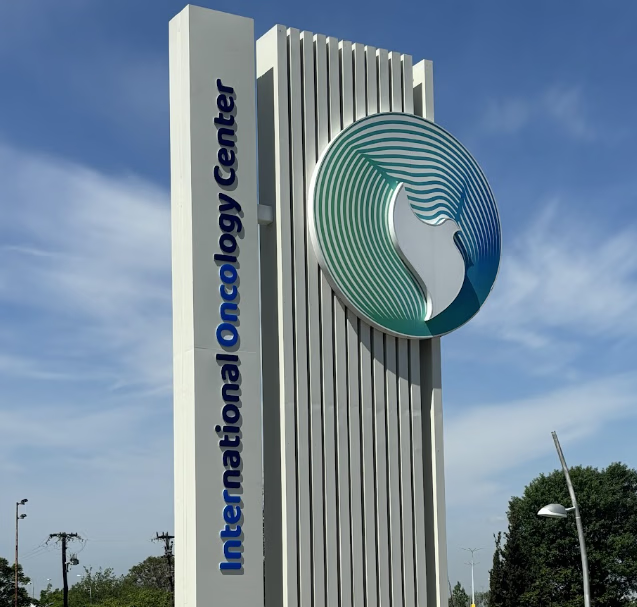
Interbalkan Medical Center of Thessaloniki
Understanding Patient Perspectives & Clinical Workflows
Discussion Summary
Following Dr. Touroutoglou's proposal to visit his office, two members from the iGEM Thessaloniki team visited the International Oncology Center of the European Interbalkan Medical Center, based in Thessaloniki, Greece. Our goal was to gain a holistic view of the clinical reality of cancer treatment as well as fully grasp the human dimensions of lung cancer treatment. During our visit, we had the opportunity to engage directly with a lung cancer patient under the supervision of Dr. Touroutoglou as well as observe his revision of a series of radiology exams to evaluate the patient's disease progression and treatment response. Moreover, we got to shadow the clinical workflow of cancer treatment, from initial check-in to chemotherapy administration. Finally, Dr. Touroutoglou offered valuable feedback on our potential protein targets for our PROTAC strategy, with a recommendation to further explore the MDM2-p53 axis as a second target.
Insights & Recommendations
During the clinical discussion, Dr. Touroutoglou reviewed the patient's recent radiology exams, highlighting the reduction in tumor and nodule size after only two rounds of chemotherapy. Combined with the patient's clinical improvement, weight gain, and reduced dizziness, these findings demonstrated the treatment's effectiveness and illustrated the multidimensional way clinicians evaluate disease progression and therapeutic response, integrating both imaging results and the overall clinical picture. Beyond the patient's specific case, Dr. Touroutoglou also outlined the general clinical guidelines for lung cancer treatment, describing the gold-standard treatment approach of combining chemotherapy with immunotherapy.
Moreover, we shadowed Dr. Touroutoglou through the oncology facilities, following the patient pathway from administrative check-in to treatment delivery. We visited chemotherapy chambers, including both private rooms and cubicles, and the drug reconstitution area, while engaging with medical and nursing personnel. We also had the opportunity to observe blood draws and clinical procedures involving implanted ports, providing a practical look at the logistics of oncology care. From this experience, we formed a valuable perspective on the practical challenges faced by patients and understood how important interpersonal relationships are between patients and their specialized care teams, consisting of both doctors and nurses.
A further topic that emerged during the discussion was the financial burden associated with cancer treatment. The doctor noted that financial considerations can influence therapeutic decisions, sometimes leading to a more intensive "all-in" approach. This highlighted the importance of accessibility and affordability in therapeutic development.
Finally, towards the end of the meeting the conversation shifted toward our iGEM project. We presented some recent updates gained from research we have been conducting on our potential PROTAC targets, including KRAS, MCL-1, BCL-xL, and MDM2. Dr. Touroutoglou acknowledged the relevance of the KRAS focus and strongly recommended prioritizing further investigation into MDM2 due to its clinical significance and therapeutic potential in resistant cancers.
The meeting emphasized the importance of considering cancer not only as a molecular disease but also as a condition deeply affecting quality of life, emotional wellbeing, and financial stability. A defining moment of the visit was the patient's repeated testimony to Dr. Touroutoglou's character, asserting that he is "a human first and a physician second." This observation underscored the idea that in oncology, the clinical efficacy of a treatment is inseparable from the empathetic bond and psychological security cultivated by the medical team.
Implementation
This meeting provided a comprehensive clinical perspective that strengthened the project across multiple facets, from target selection and translational relevance to implementation feasibility and patient-centered design.
The patient's experiences reinforced the need to design therapeutic approaches that are not only effective but also realistic in terms of accessibility, treatment burden, and patient quality of life. As a result, the team placed greater emphasis on translational applicability and societal relevance when evaluating potential therapeutic strategies. In addition, observations from the oncology department and chemotherapy facilities also improved the team's understanding of clinical workflows and treatment administration. This contributed to a more practical perspective regarding implementation feasibility and patient-centered design.
Feedback from Dr. Touroutoglou directly influenced the strategic prioritization of the project's molecular targets. Following the meeting, the team decided to further investigate the MDM2 pathway and evaluate its integration as a potential second target in a dual-target strategy alongside KRAS-related mechanisms.
Overall, the meeting strengthened the project by improving its predictability through clinical insight into disease monitoring and treatment response, its safety through understanding real-world treatment administration and patient management, its feasibility via exposure to clinical workflows and infrastructure, and its societal relevance by incorporating patient experiences, emotional burden, and financial constraints into the design considerations.
Association of Cancer Patients of Macedonia Thrace
Deepening Patient Perspectives by Understanding Patient Burden and Quality of Life
Stakeholder Profile
As part of our Integrated Human Practices work, we visited the Association of Cancer Patients of Macedonia Thrace, to speak directly with people whose lives have been affected by cancer.
For our team, this meeting was especially important because it shifted the conversation away from the laboratory and toward the people at the center of every therapeutic effort. Cancer research is often discussed through molecular targets, experimental results, treatment response, and survival outcomes. Patients, however, experience cancer in a much broader way: through uncertainty, side effects, hospital visits, changes in everyday routines, emotional strain, and the constant need to adapt.
Listening to these experiences gave us the opportunity to reflect on AETh3R not simply as a scientific project, but as a therapeutic concept that, if translated into clinical practice in the future, would ultimately need to respond to real patient needs.
Discussion Summary
During the visit, we briefly introduced the idea behind AETh3R and explained that our project focuses on exploring a targeted therapeutic strategy for non-small cell lung cancer. However, the purpose of the meeting was not primarily to present our science. We wanted to listen. The conversation focused on what living with cancer and undergoing treatment actually means from a patient's perspective. Patients described how treatment can affect much more than the disease itself. Fatigue, side effects, repeated appointments, uncertainty regarding treatment effectiveness, changes in work and family life, and the psychological burden of diagnosis can all become part of everyday life.
One of the strongest messages that emerged was that the value of a therapy cannot be understood only through whether it works biologically. A treatment may be effective, but if it significantly affects a patient's independence, physical well-being, or ability to maintain a normal daily routine, this burden becomes an equally important part of the therapeutic experience. This led our discussion toward a broader question: what does a "better" cancer therapy actually mean for a patient? The answer was not limited to higher efficacy. A better therapy may also mean fewer side effects, fewer hospital visits, greater predictability, less disruption of everyday life, and a clearer understanding of what the treatment involves.
Another major part of the discussion concerned the way new therapeutic approaches are communicated. For researchers, terms such as targeted therapy, protein degradation, molecular selectivity, or experimental treatment may feel familiar. For patients, however, such terminology can create distance rather than understanding. Patients emphasized that they want information to be communicated clearly and honestly. They want to understand what a treatment is expected to do, why it is being proposed, what is already known, what remains uncertain, and what possible risks may exist.
At the same time, communication should not become overly optimistic. New technologies can easily be described using words such as "breakthrough", "revolutionary", or "promising". While these expressions may generate excitement, they can also create expectations that are not justified by the available evidence. The discussion therefore highlighted the importance of balancing hope with honesty. Patients should be informed about innovation without being given the impression that an experimental approach is already a proven solution.
We also discussed what should change in order to make the experience of cancer treatment easier. Beyond improvements in the therapies themselves, patients highlighted the importance of better communication, easier access to understandable information, psychological support, respect for individual needs, and greater consideration of the practical difficulties created by treatment.
Insights & Recommendations
The most important lesson from the meeting was simple but fundamental: a cancer therapy is experienced by a person, not by a cell line.
In the laboratory, we evaluate parameters such as target expression, protein degradation, cell viability, selectivity, and therapeutic response. For patients, the questions are often different: Will this treatment make me feel worse before it makes me better? How much will it affect my daily life? How often will I need to go to the hospital? What side effects should I expect? What happens if it does not work? How certain are the doctors about what they are telling me?
These questions reminded us that successful cancer research must ultimately connect molecular innovation with human experience. The patients' perspective also reinforced several important principles for the communication of emerging therapies:
- Use clear and accessible language whenever possible.
- Explain scientific concepts through their meaning and purpose rather than terminology alone.
- Clearly distinguish between an experimental concept and an established clinical treatment.
- Be transparent about limitations, risks, and uncertainty.
- Avoid language that may unintentionally create false hope.
- Give patients enough information and space to ask questions.
- Consider quality of life and treatment burden as important dimensions of therapeutic benefit.
Perhaps most importantly, we understood that communication should not be one-directional. Researchers and healthcare professionals should not simply decide what patients need to know. They should also ask patients what they want to know, what concerns them, and what information would make them feel more confident and involved in their care.
Implementation
Our visit had a direct impact on the way we thought about AETh3R and, particularly, on the way we communicated it. Before this interaction, our discussion of patient benefit focused mainly on the potential advantages of a targeted therapeutic strategy: specificity, molecular selectivity, and the possibility of reducing unwanted effects compared with less selective approaches. After speaking with patients, we realized that patient benefit had to be framed much more broadly. From that point onward, we considered not only whether a future therapeutic approach could be biologically effective, but also what it could mean in terms of tolerability, treatment burden, quality of life, and patient understanding.
This also influenced the language we used when presenting our project. We became more careful not to describe AETh3R as a treatment that already exists or as a guaranteed therapeutic solution. Instead, we emphasized that it is a research-stage approach designed to investigate whether targeted protein degradation could offer a new strategy for addressing important molecular drivers in NSCLC. When explaining concepts such as peptide PROTACs, MDM2, and KRAS to non-specialist audiences, we also shifted away from terminology-first explanations. Instead, we focused on the biological idea: identifying cancer-related proteins and exploring ways of selectively removing them from the cell.
Most importantly, the visit changed the way we understood the role of patients within our project. Patients are not simply the final recipients of scientific innovation. Their experiences can help define what meaningful innovation should look like in the first place. For AETh3R, this meant moving beyond the question: "Can we design a more targeted therapeutic strategy?" and also asking: "If we do, would it address the challenges that actually matter to patients?" By listening directly to people living with cancer, we were able to reconnect our scientific work with its ultimate purpose: developing ideas that do not only make sense in the laboratory, but also have the potential to contribute to a better and more manageable experience of cancer care.
Building directly on these insights, we translated these patient perspectives into future steps for our long-term implementation roadmap, proving that we do not just listen to patients, but actively adapt our research strategy based on their experiences. To ensure our therapeutic concept addresses the challenges that matter most in daily life, we plan to integrate Patient-Reported Outcome Measures (PROMs) alongside real-world evidence (RWE) in future Phase IV monitoring to systematically evaluate treatment burden, fatigue, and daily functioning beyond standard survival metrics. Furthermore, we are considering using molecular monitoring to track resistance mechanisms and feed those findings directly back into platform refinements designed specifically to improve tolerability, streamline administration, and minimize treatment burden. Ultimately, this patient-centered approach reinforces our commitment to taking patients' therapeutic experience seriously as well as maintaining open, transparent communication that clearly outlines experimental uncertainties and sets realistic expectations.
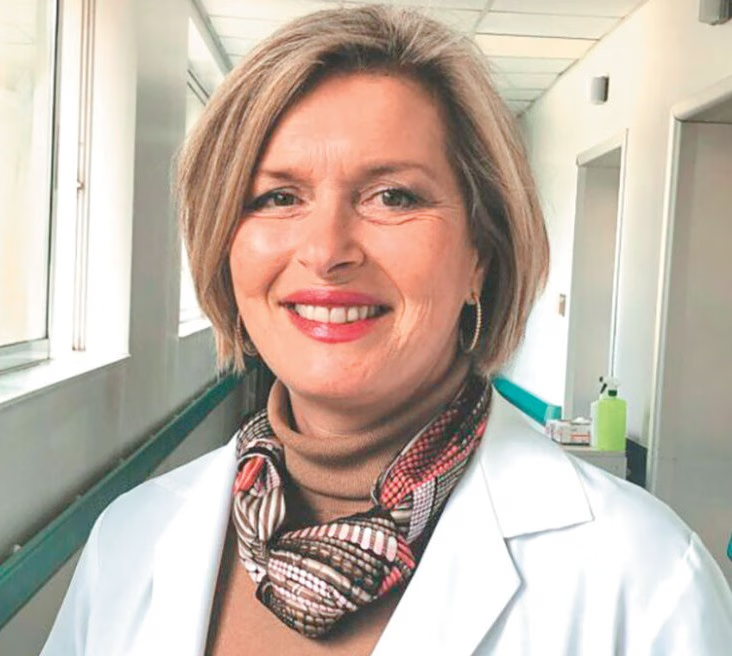
Dr. Mina Gaga
Evaluating Systemic Health Policy, Feasibility Barriers, and Clinical Adoption
Stakeholder Profile
Dr. Mina Gaga is a pulmonologist and Director of the 1st Respiratory Medicine Department at Hygeia Hospital. She has served as Assistant Professor at the National and Kapodistrian University of Athens (NKUA) and Medical Director at Athens Chest Hospital 'Sotiria'. She is involved in clinical work, education, and administration, with research focusing on immunologic mechanisms and quality patient care, and clinical work spanning the whole spectrum of respiratory medicine, with a strong emphasis on lung cancer care. She has been Principal Investigator in multiple clinical trials and has been actively involved in international guideline development. Moreover, she has served as Secretary General and President of the European Respiratory Society (ERS), Secretary of the European Board of Accreditation in Pneumology (EBAP), advisor to the World Health Organization (WHO), Executive Committee Member of the Global Alliance against Chronic Respiratory Diseases (GARD), and currently serves on the Standing Committee of the WHO Regional Committee for Europe (SCRC). She is also a Former Alternate Minister of Health in Greece.
Her extensive clinical, institutional, and public-health experience was particularly relevant to understanding the broader clinical and systemic challenges surrounding lung cancer treatment and the integration of novel therapies into healthcare systems.
Discussion Summary
During the meeting, we presented the core concept of our iGEM project: a targeted protein degradation strategy designed to induce apoptosis in Non-Small Cell Lung Cancer (NSCLC) cells, with an mRNA-encoded bioPROTAC under consideration as a key candidate strategy. We also suggested that lipid nanoparticles (LNPs) may be used as our delivery strategy. The objective of this consultation was to assess current clinical needs in pulmonology, particularly lung cancer, and to gain a more comprehensive understanding of the limitations of existing therapies and the realities of their implementation in clinical practice.
Dr. Gaga confirmed that NSCLC is the primary malignancy treated in her clinical practice and highlighted that acquired resistance to Tyrosine Kinase Inhibitors (TKIs) is observed almost universally after a few years of treatment. This reinforced treatment resistance as one of the most significant challenges in NSCLC management. She also emphasized that any successful lung cancer therapeutic must ultimately satisfy three essential criteria: binding affinity, target recognition, and cellular selectivity.
The discussion further addressed current treatment and administration practices. For lung cancer therapeutics, administration is usually systemic, either through standard intravenous (IV) infusion or subcutaneous injection, while localized intratumoral injection may also be performed with the assistance of an interventional radiologist. Dr. Gaga explained that lung tumors are characterized by high vascularization, meaning that systemically administered drugs can reach the tumor site relatively effectively. This provided important context for evaluating potential delivery strategies for novel lung cancer therapeutics.
Beyond the clinical aspects, Dr. Gaga's extensive experience across international health organizations and her former role as Alternate Minister of Health allowed us to examine the broader healthcare landscape in Greece, including the availability and efficiency of therapies, regulatory policies, international guidelines, and systemic limitations faced both locally and abroad.
Insights & Recommendations
The discussion reinforced that treatment resistance represents a major unmet need in NSCLC. Although resistance mechanisms associated with existing targeted therapies are increasingly being investigated, resistance remains a persistent clinical challenge and highlights the need for therapeutic strategies capable of addressing disease progression beyond first-line treatment.
Dr. Gaga also provided a broader perspective on the systemic challenges associated with adopting novel cancer therapies. She explained that Greece actively imports and grants access to novel, advanced therapeutics faster than some other nations, meaning that local infrastructure or financial accessibility within hospitals is generally not the primary bottleneck. Instead, significant challenges arise from bureaucratic delays in regulatory approvals and the fixed, finite caps on national healthcare budgets.
A particularly important ethical insight was that a prominent clinical issue in Greece can actually be the opposite of restricted access: clinicians may struggle with determining when to stop administering therapies to cancer patients. This highlighted that therapeutic innovation must be considered not only in terms of efficacy, but also within the broader context of appropriate treatment decisions and patient care.
Dr. Gaga further identified a major geographic equity gap, explaining that patient care on isolated islands and in remote areas is heavily hindered because local medical and nursing staff may lack the specialized training required to administer and monitor next-generation therapeutics. She emphasized the urgent need for training and education of local doctors and nursing staff, particularly regarding administration and side-effect management.
Finally, based on her extensive experience in international health committees, Dr. Gaga highlighted the global shift toward personalized precision medicine. However, she also emphasized that experimental platforms such as PROTACs face rigorous clinical trial timelines and must demonstrate reproducible proof-of-concept data before they can be incorporated into official international clinical guidelines.
Implementation
Dr. Gaga's input helped us place AETh3R within the broader clinical and healthcare-system context, reinforcing that developing an innovative therapeutic is not sufficient on its own; its future implementation must also account for accessibility, regulation, clinical decision-making, and healthcare infrastructure.
Her feedback strengthened the societal relevance of our project by highlighting the geographic inequalities that can limit access to advanced therapeutics. This encouraged us to consider how a future AETh3R-based treatment could be implemented in healthcare settings with different levels of specialized expertise and to recognize the importance of appropriate training for healthcare professionals.
Her discussion of regulatory approval and international guidelines also reinforced the importance of feasibility and translational relevance. In particular, the need for reproducible proof-of-concept data strengthened the importance of robust experimental validation before considering clinical translation.
Overall, Dr. Gaga helped us develop a more comprehensive understanding of the clinical and systemic problem AETh3R ultimately aims to address, demonstrating that therapeutic innovation must respond not only to treatment resistance and unmet clinical needs, but also to the realities of healthcare delivery, accessibility, regulation, and patient care.
Developing & Evolving AEThER
As we transitioned from initial concepts to detailed therapeutic design, our team encountered complex biological, engineering and modeling questions as well as intracellular delivery dilemmas. To address these challenges responsibly and lower technical risk, we sought the mentorship of leading oncologists, structural biologists, peptide chemists and nanomedicine specialists. Guided by the iGEM maturity model, their feedback was instrumental in validating our oncogenic targets and dual-targeting approach, helping us conceive our pivot toward peptide PROTACs (pPROTACs) and establishing Lipid Nanoparticles (LNPs) as our delivery system. This page outlines how expert recommendations iteratively contributed to the development of our experimental and computational pipelines to yield a safe, feasible and effective therapeutic strategy.
Dr. Sofia Baka
Prioritizing KRAS and MDM2 as Candidate Targets for Dual-Targeting
Stakeholder Profile
Dr. Baka is a practicing oncologist with extensive clinical experience in cancer diagnosis and treatment. She specializes in lung cancer, with deep expertise in both Non-Small Cell Lung Cancer and Small Cell Lung Cancer. Her specialized clinical knowledge was particularly relevant to the development of AETh3R, providing disease-specific insight into target selection, therapeutic strategy, and clinical relevance.
Discussion Summary
During the meeting, our team presented our interest in developing novel targeted therapeutic strategies in oncology, with a focus on lung cancer. We discussed how Dr. Baka's clinical expertise could guide the development of AETh3R, particularly in terms of selecting clinically relevant targets and overcoming the limitations of single-target therapies.
The discussion identified several clinically relevant targets, including EGFR, BRAF, ALK, RET, and KRAS. Dr. Baka emphasized the importance of targeting mutated proteins and upstream signaling nodes, providing guidance for selecting targets that are both biologically relevant and clinically actionable.
Another important point of discussion was the value of combination strategies. Given tumor heterogeneity and polyclonality, as well as the development of resistance to single-target therapies, combination approaches such as BRAF + MEK represent more effective therapeutic paradigms. This supported our interest in exploring dual-targeting or pathway-level strategies for AETh3R.
Several candidate protein targets were also discussed, including KRAS, MDM2, BCL2L1, and MCL1. Dr. Baka showed particularly strong clinical interest in MDM2 as a therapeutic target in NSCLC patients with wild-type TP53, where p53 is functionally intact but inhibited. This supported the potential of reactivating the p53 pathway through MDM2 inhibition.
The discussion also introduced Proteolysis Targeting Chimeras (PROTACs) as our proposed therapeutic modality. Dr. Baka was not familiar with PROTAC technology, highlighting a gap between research and clinical practice and emphasizing the importance of demonstrating a clear therapeutic rationale and translational potential. She also recommended using the Human Protein Atlas to evaluate MDM2 expression levels and the prevalence of p53 mutations in lung cancer.
Insights & Recommendations
The discussion reinforced that target validation is critical for AETh3R. Target selection should focus on mutated or aberrantly expressed proteins with strong biological and clinical relevance.
The clinical perspective also supported exploring dual-targeting rather than relying exclusively on a single molecular target. The BRAF + MEK example demonstrated the potential of simultaneously targeting different components of a pathway, which could help address resistance and tumor heterogeneity.
There was particularly strong clinical interest in MDM2 in the context of wild-type TP53 NSCLC. Since p53 remains functionally intact but is inhibited by MDM2, targeting MDM2 could provide a strategy to reactivate the p53 pathway, making the MDM2–p53 axis a promising direction for AETh3R.
The discussion of PROTAC technology further encouraged us to consider approaches beyond conventional inhibition. At the same time, the lack of familiarity with the technology highlighted the importance of demonstrating a clear therapeutic advantage and considering its real-world clinical adoption.
Implementation
Dr. Baka's input directly influenced the development of AETh3R by refining our approach to target selection and therapeutic design. We prioritized targets such as MDM2 and KRAS and incorporated the possibility of multi-target or dual-targeting strategies to address resistance and tumor heterogeneity.
The strong clinical interest in MDM2 led us to further explore the MDM2–p53 axis, particularly in NSCLC patients with wild-type TP53. We also incorporated data-driven validation using the Human Protein Atlas to assess MDM2 expression and p53 mutation prevalence.
From a predictability perspective, these insights helped us focus on clinically and biologically validated targets and incorporate resistance-aware design. From a safety perspective, we maintained an emphasis on mutation-specific targeting and the appropriate biological context for MDM2 inhibition.
From a feasibility perspective, focusing on clinically relevant targets such as MDM2 and KRAS, while considering dual-targeting and potentially PROTAC-based approaches, strengthened the translational potential of the project. From a societal relevance perspective, this ensures that AETh3R remains focused on high unmet clinical needs and real treatment limitations.
Overall, Dr. Baka's disease-specific clinical expertise helped translate the identified clinical challenges into concrete therapeutic directions for AETh3R, supporting validated target selection, dual-targeting, resistance-aware design, and exploration of PROTAC technology, with the MDM2–p53 axis emerging as a particularly promising direction.
Dr. Sofia Tsagouli
Evaluating Early Concept Feasibility and Therapeutic Potential Through Clinical Insights
Stakeholder Profile
Dr. Sofia Tsagouli is a Pulmonologist-Phthisiologist specializing in lung cancer. She currently works at the 1st Respiratory Medicine Department at Hygeia Hospital alongside Dr. Gaga. She is also an Attending Physician in the Oncology Department at the Athens Medical Center, where she has worked since 2015, and has served as a Scientific Associate at the Oncology Unit of the 3rd University Department of Internal Medicine (NKUA).
Her specialized clinical experience in lung cancer and oncology was particularly relevant to the development of AETh3R, providing practical insight into target selectivity, therapeutic design, resistance mechanisms, drug delivery, and the clinical validation requirements of novel therapeutic approaches.
Discussion Summary
During the meeting, we outlined our iGEM project idea, which is to develop a targeted protein degradation strategy that aims to induce apoptosis in Non-Small Cell Lung Cancer (NSCLC) cells. More specifically, we highlighted that an mRNA-encoded bioPROTAC is the leading candidate modality we are considering at this stage and with lipid nanoparticles (LNPs) identified as a prospective delivery vehicle. The discussion focused on how this therapeutic strategy could be optimized to achieve sufficient selectivity, efficacy, safety, and clinical relevance.
Dr. Tsagouli initially expressed concerns regarding target selectivity and how apoptosis would be induced exclusively within malignant cells. Our strategy of encapsulating the PROTAC system within LNPs addressed these concerns. She specifically highlighted that an mRNA-encoded platform represents an efficient delivery method for achieving the strict cellular selectivity required for this therapeutic approach.
When discussing the potential cytotoxicity associated with dual-targeting, Dr. Tsagouli emphasized that this is a challenge faced broadly in drug development and that the key is to manage it dynamically throughout development, primarily through delivery optimization. This provided direct guidance for refining the AETh3R platform rather than treating cytotoxicity as an inherent limitation of the approach.
Dr. Tsagouli also identified a major gap in current oncology research concerning the exact mechanisms underlying treatment resistance, including lineage switching and other uncharacterized pathways. Although the PROTAC degradation strategy was considered highly promising in theory, she strongly emphasized that robust wet-lab experimental data would be required to demonstrate its efficacy.
Additionally, she highlighted the clinical relevance of tracking target resistance mutations, such as the EGFR T790M mutation, to confirm patient eligibility and treatment necessity.
Insights & Recommendations
The discussion established three essential criteria for a successful lung cancer inhibitor or PROTAC therapeutic: binding affinity, target recognition, and cellular selectivity. These criteria became particularly relevant to the design and validation of AETh3R.
Dr. Tsagouli's feedback supported the use of an mRNA-encoded bioPROTAC delivered through LNPs as a strategy for achieving the required cellular selectivity. Her recommendation to manage cytotoxicity dynamically through delivery optimization further emphasized that the therapeutic platform should be refined iteratively based on experimental results.
The discussion also reinforced the importance of understanding resistance mechanisms when developing AETh3R. The identification and tracking of resistance mutations, such as EGFR T790M, could help define appropriate patient populations and clarify the clinical context in which a targeted therapeutic would be most relevant.
Finally, while the PROTAC degradation strategy was viewed as promising, Dr. Tsagouli stressed that its potential must be demonstrated experimentally. This reinforced the importance of wet-lab validation, particularly experiments assessing target degradation, cellular selectivity, and off-target cytotoxicity.
Implementation
Dr. Tsagouli's feedback directly influenced the therapeutic design and experimental development of AETh3R.
We plan on adopting a dynamic cytotoxicity evaluation strategy within our wet-lab component. This will allow us to refine and adjust our LNP and PROTAC construct design throughout development in order to minimize off-target toxicity. We will prioritize assays that evaluate the selectivity of our bioPROTAC, specifically demonstrating successful degradation of target proteins while minimizing off-target cytotoxicity in healthy control cells.
Her emphasis on binding affinity, target recognition, and cellular selectivity provided concrete criteria against which the therapeutic performance of AETh3R can be evaluated. Furthermore, tracking clinically relevant resistance mutations can help us better define the biological context in which our therapeutic strategy may be most applicable.
Overall, Dr. Tsagouli's clinical expertise helped translate the concept of AETh3R into a more clinically informed therapeutic design, guiding our decisions regarding LNP delivery, selectivity, cytotoxicity management, resistance monitoring, and experimental validation. Her feedback therefore strengthened the predictability, safety, feasibility, and translational potential of the project.
Ms. Sofia Moysiadou
Exploring Cancer Cell Persistence & KRAS Resistance in NSCLC
Stakeholder Profile
Sofia Moysiadou is a PhD student in the Obenauf Group at the Research Institute of Molecular Pathology (IMP) and a recipient of the prestigious DOC Fellowship from the Austrian Academy of Sciences (ÖAW). She holds a Bachelor's degree in Biology from the Aristotle University of Thessaloniki and a Master's degree in Biomedical Sciences from Utrecht University. Her research focuses on the mechanisms by which lung cancer cells emerge, evolve, and persist during treatment with KRAS inhibitors to acquire therapy resistance. Her expertise offers critical technical and clinical relevance to our project, particularly in understanding cancer cell persistence, optimizing targeted KRAS therapies, and developing strategies to overcome drug resistance.
Discussion Summary
During the meeting, we presented our project idea, focusing on targeting KRAS as one of two primary targets for our bioPROTAC, along with the proposed experimental design. The team initiated the discussion around the biological barriers driving KRAS inhibitor failure in non-small cell lung cancer (NSCLC), debating whether targeted PROTAC degradation surpasses traditional inhibition in overcoming resistance. Central questions explored Ms. Moysiadou's research and the application of CaTCHseq to trace persistent cell origins, E3 ligase expression stability, escape pathway preferences, p53 signaling dynamics, membrane uptake changes for drug delivery and microenvironmental factors or acquired vulnerabilities unique to drug-tolerant persistent cells. Main topics of discussion centered on inhibitor efficacy, mechanisms of resistance and insights from Ms. Moysiadou's experimental model in persistent cells.
Insights & Recommendations
Ms. Moysiadou highlighted that both inhibitor efficacy and the development of therapeutic resistance are heavily dependent on the specific compound utilized, noting that high resistance levels are frequently observed in vitro for both ON- and OFF-state KRAS inhibitors.
Moreover, a key insight from her research reshaped our team's understanding of resistance mechanisms: while we initially focused on drug-induced adaptations, Ms. Moysiadou emphasized that therapeutic resistance, particularly in KRAS-targeted lung cancer therapies, is primarily driven by pre-existing cellular features rather than solely de novo mutations acquired during treatment.
Furthermore, she addressed a core question central to our project's value proposition: whether targeted protein degradation via PROTACs offers a superior therapeutic efficacy over traditional small-molecule inhibition. Ms. Moysiadou validated our team's hypothesis and literature findings, agreeing that PROTAC-mediated degradation provides greater efficacy. While drug-tolerant persistent cells inevitably emerge across all current KRAS-targeted therapies, PROTAC-based approaches delay this onset, causing resistance to develop substantially later compared to conventional inhibition.
Regarding her ongoing research, long-term cell line models maintained under inhibitor treatment for up to 130 days demonstrated that drug-tolerant persistent cells survive primarily through pre-existing primed states rather than acquired biochemical rewiring. When the primary driver (e.g., KRAS) is blocked, these primed cells evade death by leveraging pre-established backup pathways to reroute their survival signaling. Alternatively, cells persist by slowing down their overall metabolic and biosynthetic activity to enter a dormant, "sleep-like" state. Because this dormant survival mode relies on energy conservation rather than radical pathway reconfiguration, the metabolomic profiles of these persistent cells remain remarkably similar to baseline, non-resistant cells.
The discussion highlighted several biological hurdles that could impact our therapeutic approach. A major concern is that persistent cancer cells leverage pre-existing survival networks; when the primary target (KRAS) is degraded or inhibited, cells can divert survival signals through these alternative pathways. Furthermore, in vivo microenvironmental factors, such as altered cytokine secretion, play a pivotal role in promoting cell persistence that cannot be fully replicated in standard 2D in vitro models. Lastly, potential variations in E3 ligase expression or membrane dynamics during drug-induced dormancy could alter the uptake efficacy of bioPROTACs compared to traditional small molecules. Fortunately, we ensured through literature review that the E3 ligase recruited by our PROTAC system is abundantly expressed in our chosen cell line model.
To rigorously validate our construct and address mechanisms of cell persistence, Ms. Moysiadou recommended the following strategic approaches:
- To definitively prove the efficiency of our PROTAC strategy, we > should combine Western blot assays to quantify actual target > protein degradation with qPCR to determine whether treated cells > attempt to compensate by transcriptionally upregulating KRAS or > alternative survival genes.
- To effectively eliminate drug-tolerant persistent cells, we ought to > target their unique metabolic state. Consequently, our work must > map and analyze relevant metabolic pathways to identify specific > dependencies that can be co-targeted to induce apoptosis.
Implementation
Ms. Moysiadou's feedback strongly validated our initial project architecture while helping us fine-tune our experimental design and long-term strategy:
- While our wet lab workflow already included Western blot assays to > measure KRAS protein clearance, Ms. Moysiadou's insights led us to > the understanding that pairing them with qPCR assays in the future > will allow us to see how the cells alter their expression levels > to acquire resistance.
- Ms. Moysiadou's findings that persistent cells evade single-agent > inhibition via pre-existing backup pathways directly confirmed the > necessity of our dual-targeting approach. Targeting both MDM2 and > KRAS reinforces therapeutic feasibility by blocking alternative > survival routes before drug-tolerant persistence can establish.
- To ensure reliable PROTAC activity we cross-referenced literature to > confirm that the E3 ligase recruited by our peptide PROTAC is > abundantly and stably expressed in our A549 cell line model.
- Ms. Moysiadou's research reinforced the importance of our planned > future step: mapping the pathways of cancer cells. Co-targeting > these unique metabolic vulnerabilities alongside KRAS/MDM2 > degradation holds immense societal relevance, offering a clear > roadmap toward therapies that prevent long-term cancer relapse.
Dr. Alessio Ciulli
Adopting Targeted Protein Degradation: PROTAC Design Principles
Stakeholder Profile
Dr. Alessio Ciulli is a Professor of Chemical & Structural Biology at the School of Life Sciences at the University of Dundee, where he founded and directs Dundee's new Centre for Targeted Protein Degradation (CeTPD). He is also the scientific co-founder and advisor of Amphista Therapeutics, a company that develops new protein degradation platforms. Dr. Ciulli's laboratory has made significant contributions to the development of PROTAC-based targeted protein degradation (TPD) as a viable therapeutic modality in cancer and other diseases. Amongst his most significant discoveries are: the fragment-based design of ligands for the VHL E3 ligase, their use to design the Brd4 degrader MZ1 -one of the first and to date best-characterized VHL-based PROTACs-, as well as solving the structure of the ternary bridging complex and unravelling fundamental insights into PROTACs' mechanism of action.
Discussion Summary
During this meeting, we focused on refining the conceptual and technical framework of our bioPROTAC design, with particular emphasis on construct architecture, modeling strategies, and the critical factors that will determine the success of the project, from literature review, bioPROTAC design and experimental procedure, to implementation and delivery.
Insights & Recommendations
A central part of the discussion revolved around the critical success factors for a bioPROTAC-based therapeutic system. The design strategy focused on selecting nanobody and ligase sequences based on strong bibliographic evidence and previously validated design principles. These nanobodies will be fused with carefully selected E3 ligase domains to create functional bioPROTAC constructs. A major action point from the meeting was to finalize and document the exact amino acid sequences of all proposed constructs, ensuring that every design choice is supported by published experimental evidence.
Particular emphasis was placed by Dr. Ciulli on the structural aspects of bioPROTAC engineering. The success of the system depends heavily on conjugation geometry and molecular affinity, since ubiquitination requires the target protein and ligase to be positioned correctly in space. We discussed how the linker could be attached either to the N-terminal or C-terminal regions of both the nanobody and the ligase, resulting in four possible configurations for each construct pair. Two distinct construct pairs are planned, and each will require a specifically optimized linker differing in both length and amino acid composition, such as glycine-serine-rich linkers. The use of wild-type ligases was proposed, while nanobody affinity must remain sufficiently strong to stabilize ternary complex formation and support efficient ubiquitination.
The meeting also explored computational modeling approaches that could guide the design process before experimental validation. Structure-based design strategies can help predict favorable conformations that position the target protein correctly for ubiquitination. We discussed the work of Dr. Ciulli and his laboratory, who -much like our team- employ AlphaFold for modeling protein--protein complexes, although concerns remain regarding the reliability and interpretability of such predictions. As a more robust strategy, it was suggested that we begin with experimentally validated Cryo-EM structures, refine or extend them using AlphaFold, and then replace known domains with our own constructs to perform docking simulations. Through this approach, we aim to evaluate binding orientation and interaction geometry, which will directly inform the optimal linker design and overall construct architecture.
We also discussed the importance of confirming intracellular expression of the construct, meaning that we must establish reliable ways to verify whether the engineered bioPROTAC is successfully synthesized within the cell. In parallel, functional validation assays will be necessary to evaluate whether the construct achieves efficient protein degradation and induces the desired apoptotic response.
Finally, the delivery method was considered equally important, since efficient intracellular delivery remains one of the major limitations of protein-based therapeutics.
Implementation
This meeting significantly clarified and validated the roadmap for our bioPROTAC development process, and aligned with our broader project planning. Moving forward, we will proceed with refining our sequence selection based on literature-supported candidates, investigating structural configurations computationally, and evaluating linker designs through docking and orientation analysis. At the same time, we will continue exploring strategies for delivery, intracellular expression, and functional validation, ensuring that our final construct is not only theoretically robust but also experimentally and clinically relevant.
Dr. Andrew Tsourkas - First Consultation
From bioPROTACs to peptide PROTACs: Feasibility, Design & Platform Selection
Stakeholder Profile
Dr. Andrew Tsourkas is a Professor at the University of Pennsylvania and Co-Director at the Center for Targeted Therapeutics and Translational Nanomedicine, with expertise in bioengineering, molecular imaging, drug delivery, protein engineering, and targeted intracellular therapeutic systems. His work is highly relevant to our project because the Tsourkas Lab has contributed to the development of recombinant bioPROTAC platforms, including anti-RAS bioPROTAC approaches and lipid-mediated intracellular delivery strategies. Recent work from his group describes modular recombinant bioPROTACs capable of degrading intracellular targets such as Ras, Erk and Jnk, supporting the relevance of his feedback to our targeted protein degradation concept.
His feedback helped us evaluate whether a bioPROTAC-based strategy could be feasible within the iGEM timeline, while also clarifying the experimental, financial, delivery-related and modelling challenges associated with pursuing bioPROTACs compared to classical small-molecule PROTACs.
Discussion Summary
During the meeting, we presented our preliminary project direction, which focused on targeted protein degradation in non-small cell lung cancer (NSCLC) using a PROTAC-based approach. While mRNA-encoded bioPROTACs had been previously prioritised as our primary PROTAC platform, at this stage we were still weighing this modality against other bioPROTAC approaches and small-molecule PROTACs, in terms of feasibility and effectiveness for our project. We explained that our main interest was to explore whether a biologically derived degradation system could be designed against oncogenic targets, with particular attention to feasibility, novelty and experimental validation before the iGEM Jamboree.
A central question we raised was whether a bioPROTAC project could realistically be implemented until November. The stakeholder considered the idea feasible and suggested basing our proof-of-concept on a PROTAC that is already known to work in the experimental cell line we will select. He emphasised that, for an iGEM timeline, the safest strategy would be to begin from published and experimentally validated PROTAC systems, instead of designing an entirely new PROTAC from scratch as the only experimental route.
Regarding target selection, the stakeholder noted that RAS/KRAS currently represents the most experimentally grounded bioPROTAC direction, mainly because published systems already exist and could provide a reliable proof-of-concept within the iGEM timeline. Conversely, MDM2 presents a novel therapeutic target with significant biological relevance, standing as a compelling candidate for original bioPROTAC construct design. While leveraging well-characterised MDM2 binder domains provides a strong foundation, the stakeholder emphasised that developing a bioPROTAC against MDM2 requires additional design justification and validation, as fewer directly translatable precedents currently exist. Consequently, this consultation enabled us to clearly distinguish between a lower-risk, baseline proof-of-concept pathway (RAS/KRAS) and a more ambitious, design-driven engineering direction (MDM2).
We also discussed the choice of E3 ligase. He suggested that VHL is a good option for the bioPROTAC structure, while also encouraging us to look into RBR ligases as an additional direction worth investigating. He explained that, in bioPROTACs, the E3 ligase component can have a major effect on degradation efficiency and may be even more important than linker optimisation. This differs from small-molecule PROTACs, where linker design is often one of the most critical parameters.
A major part of the discussion focused on the practical validation strategy. He recommended that if we decide to proceed with mRNA-encoded bioPROTACs, the initial proof-of-concept should preferably use plasmid-based expression, because this would make it easier to confirm whether the bioPROTAC protein is produced inside the cells. For bioPROTAC approaches in general, he specifically advised using Western blot both to confirm expression of the engineered protein and to evaluate whether successful target degradation occurs. He also discussed binder selection for bioPROTACs. Specifically, he recommended using small, stable binders because they are easier to encode, express and fold correctly inside the cell. He mentioned that nanobodies are commonly used due to their small size and stability, while DARPins are also a strong option because they are compact, stable and relatively easy to work with. In contrast, he advised us to avoid scFvs, as they are larger and may be more difficult to express or fold properly in this context.
The stakeholder also compared small-molecule PROTACs and bioPROTACs. He noted that small-molecule PROTACs remain an active research field, making a chemical-based approach acceptable. However, he highlighted bioPROTACs as newer, more novel and more flexible for optimisation. While bioPROTACs may offer greater target selectivity than small molecules, which often face delivery challenges and difficulty binding to hydrophobic protein surfaces, they present their own intracellular delivery challenges, since they typically require an intracellular delivery system. Furthermore, together with Dr. Tsourkas, we evaluated and compared different bioPROTAC approaches. Although DNA- and mRNA-encoded bioPROTACs are promising, the stakeholder stressed that they require transcription, translation and protein folding before degradation begins, thus slowing therapeutic action and exposing them to inefficient processing or expression. Additionally, RNA is markedly less stable, susceptible to nuclease degradation, and demands hard-to-maintain storage conditions. In contrast, protein-based degraders offer better stability without these expression delays.
Finally, we discussed the role of computational modelling. He noted that his lab is mainly wet-lab based and has not performed extensive modelling, but he confirmed that modelling could be very useful for assessing the relative positioning of the target protein and the E3 ligase complex. He specifically supported the use of AlphaFold-based structural modelling to evaluate whether the designed bioPROTAC brings the target and E3 ligase into a favourable proximity. He stressed that proximity is extremely important for successful ubiquitination and degradation, including auto-ubiquitination-related considerations. However, he also emphasised that computational predictions should eventually be validated experimentally.
Insights & Recommendations
The stakeholder provided several important validations and recommendations that directly shaped our thinking.
First, he validated that a bioPROTAC project could be feasible within the iGEM timeline, especially if the proof-of-concept is grounded in an already published and functional system. This helped us understand that the project should balance novelty with experimental security. More analytically, he recommended prioritising RAS/KRAS as the main target direction, because it is more compatible with existing bioPROTAC strategies. This was an important strategic recommendation, as it helped us narrow our target selection and avoid spreading our efforts across too many uncertain biological axes. Regarding MDM2, while Dr. Tsourkas recognised it as a biologically strong target due to its ability to reactivate p53-mediated tumour suppression, he underlined that the lack of strong bioPROTAC precedents makes it better suited for novel design and modelling than as a standalone validation baseline.
Additionally, he emphasised the importance of choosing the right E3 ligase. His recommendation to consider VHL and explore RBR ligases helped us understand that the E3 ligase is not simply a modular part of the system, but a major determinant of degradation efficiency. He also clarified that linker optimisation in bioPROTACs may not play the same central role as in small-molecule PROTACs. Instead, the identity of the E3 ligase, the geometry of the complex, the stability of the binder, and the proximity between target and ligase may be more important. For experimental validation, he strongly recommended the use of Western blot as a key method. For an mRNA-bioPROTAC, one Western blot would be needed to confirm expression of the bioPROTAC construct, while another would assess whether the target protein is successfully degraded.
Finally, he highlighted the financial aspect of the project several times. This reminded us that feasibility is not only biological or technical, but also depends on the cost of synthesis, cloning, reagents, cell culture, antibodies, delivery systems and validation assays. Taken together, these points shaped how we approached the design and de-risking of our own system.
Implementation: Impact on the Project
Target prioritisation & experimental validation. To balance experimental feasibility with high-impact novelty, we adopted a dual-target implementation framework based on the stakeholder's advice regarding target precedents:
- Grounded proof-of-concept baseline (KRAS). KRAS was selected as our primary experimental benchmark because of the availability of published degrader precedents in this pathway. Leveraging these established approaches provides a more predictable starting point for evaluating whether our experimental setup can successfully induce target degradation, thereby reducing technical uncertainty and establishing a reliable baseline for subsequent work.
- Innovative engineering frontier (MDM2). MDM2 was retained as our primary target for novel degrader design rather than excluded due to the limited availability of established bioPROTAC templates. Its biological relevance, particularly its role as a negative regulator of the p53 tumour suppressor, provides a compelling rationale for exploring this direction. Given the greater uncertainty associated with developing a bioPROTAC approach for MDM2, our initial efforts will focus on structural modelling, literature-based justification and target-binder evaluation to assess the feasibility of a rational design before proceeding to experimental validation.
This will allow us to preserve the novelty of our project while reducing experimental risk. The published degrader route increases feasibility and predictability, while the MDM2 direction remains an innovative extension that can be explored through in silico design, target-binder analysis and future experimental validation.
Modality selection. While our initial focus centred around genetically encoded bioPROTACs, with mRNA-encoded bioPROTACs as our leading candidate modality, the team's discussion with Dr. Tsourkas drove us to further evaluate critical trade-offs regarding payload stability, kinetic delays and delivery complexity. Inspired by the stakeholder's feedback, we conducted an in-depth literature review and assessed chemical PROTACs as well as different types of bioPROTACs. Ultimately, we decided to pursue peptide PROTACs (p-PROTACs) for AETh3R, bridging the gap between large biological degraders and small-molecule systems. p-PROTACs retain the high target specificity, design flexibility and low off-target profile of bioPROTACs while offering a lower molecular weight, smaller footprint and superior stability compared to mRNA platforms or recombinant bioPROTACs built with DARPins or nanobodies. This allowed us to preserve targeted protein degradation while optimising intracellular delivery potential and experimental feasibility within the iGEM timeframe.
Construct architecture. With regard to modelling, Dr. Tsourkas' feedback confirmed that our dry-lab work should focus on structural proximity and complex geometry. We will use AlphaFold-based tools to evaluate whether the de novo p-PROTAC can position the target protein close enough to the E3 ligase complex to support ubiquitination. This will not replace experimental validation, but it will improve the predictability of our designs and help us prioritise the most promising constructs.
Overall, this meeting helped us move from a broad and exploratory idea toward a more realistic and experimentally grounded strategy. By encouraging the use of published bioPROTAC precedents and structural modelling, it improved predictability and reduced uncertainty before experimental testing. It also highlighted the importance of selecting realistic targets and designs to ensure reliable, interpretable results. Furthermore, considerations such as Western blot validation, setting realistic timelines and assessing financial constraints helped align our approach with available resources. Ultimately, the discussion reinforced our commitment to balancing innovation with experimental responsibility, resource efficiency and the potential to generate meaningful results within the iGEM framework.
Dr. Theodoros Tselios
Assessing peptide PROTAC Stability & Structural Conformation
Stakeholder Profile
Dr. Theodoros Tselios is a Professor of Organic Chemistry in the Department of Chemistry at the University of Patras. His research interests lie in medicinal chemistry and the application of its principles to autoimmune and neoplastic diseases, with a primary focus on multiple sclerosis and hormone-dependent tumors, respectively.
Discussion Summary
Our team met with Dr. Tselios to discuss key pillars of our project's scientific design, with an emphasis on the structure to be adopted by our synthetic molecule as well as the factors that will determine its membrane permeability. Based on Dr. Tselios's feedback, we identified vulnerabilities in our design, as well as new directions that will lead to a more accurate scientific design for our project.
Insights & Recommendations
The discussion began by highlighting the inherent difficulties that characterize a peptide molecule when used as a therapeutic agent. Among other points, it was noted that the peptide molecule may struggle to cross the cell membrane due to its physicochemical properties, that the molecule is vulnerable to degradation by intracellular proteases, and that the activity of the therapeutic agent may decrease after it enters the cell.
This was followed by a discussion of cyclic and macrocyclic peptides, focused on the characteristics they exhibit when used as therapeutic agents. Emphasis was placed on the increased physicochemical stability that characterizes these molecules, which entails a lower likelihood of degradation by proteases. However, this reduces the flexibility of these synthetic molecules, along with a corresponding decrease in binding affinity for cellular receptors and greater difficulty crossing the cell membrane. Emphasis was also placed on the need to verify the efficacy of the synthetic therapeutic agent after cyclization, in order to ensure its biological activity.
Along the same lines, the discussion extended to the methodology to be followed in order to cyclize the molecule. It became clear from the outset that the molecule must be cyclized synthetically, since this cannot be achieved biotechnologically. The amide bond was proposed as the strongest and most stable option for cyclization, while the introduction of a spacer within the synthetic biological molecule was also proposed as an alternative, in case the cyclization reaction proves difficult to carry out.
The discussion then shifted to the methodology to be followed both for safely delivering the therapeutic agent to the site where it is intended to act, and for enabling its entry into the cell. It was emphasized that the use of nanoparticles would help safely deliver the synthetic molecule to the target tissue while protecting it from proteolytic degradation; however, it was also proposed to add a chemical group to the synthetic molecule to increase its lipophilicity, facilitating its passage across the plasma membrane. For this reason, the use of a Cell Penetrating Peptide (CPP) was proposed to assist the intracellular delivery of the therapeutic agent. For a more optimal molecular design, the incorporation of PEG, a polyethylene glycol polymer, was also proposed as a spacer/linker following the CPP. The CPP-PEG unit would play a decisive role in the more effective intracellular uptake of the therapeutic agent.
In conclusion, Dr. Tselios proposed, as the wisest choice with the greatest likelihood of a positive outcome, the use of a linear PROTAC incorporating the polyethylene glycol polymer PEG.
Implementation
This meeting contributed greatly to identifying the potential risks associated with using cyclic and macrocyclic peptides as therapeutic agents, as well as identifying safe methods for achieving intracellular delivery of the synthetic molecules while preserving both their structural and functional integrity. Moving forward, we'll continue reviewing the synthesis and structural configuration of our therapeutic agents, building on Dr. Tselios's suggestions.
Dr. Natassa Pippa
Exploring Targeted Drug Delivery Platforms for our peptide PROTAC
Stakeholder Profile
Dr. Natassa Pippa is an Assistant Professor at the National and Kapodistrian University of Athens, Department of Pharmacy. She is an expert in Pharmaceutical Nanotechnology with extensive experience in lipid-based nanoparticles (LNPs), polymeric carriers, and inorganic nanosystems for biomedical applications. Her research focuses on drug delivery systems, nanotoxicity evaluation, and the design of nanosystems with improved safety and efficiency profiles.
Discussion Summary
Our team met with Dr. Pippa to explore possible ways to deliver our peptide-PROTACs inside our target cancer cells. We discussed whether cell penetrating peptides or nanoparticles might be a more suited strategy and reviewed nanoparticle formulations, encapsulation strategies, administration routes, and stimuli-responsive release mechanisms, with particular emphasis on maximizing selective intracellular delivery while maintaining peptide stability.
Insights & Recommendations
When asked about how cell penetrating peptides compare with nanocarriers, Dr. Pippa expressed the belief that nanoparticle delivery offers more advantages regarding selectivity, stealth, and cargo protection.
She recommended polymeric nanospheres as an ideal carrier because they can be manufactured at very small sizes while efficiently encapsulating peptide cargo. Among the available polymers, she proposed polycaprolactone (PCL) combined with polyethylene glycol (PEG), a formulation that remains stable under physiological conditions while exhibiting pH-responsive degradation. Specifically, the polymer matrix hydrolyzes under the acidic conditions found within endosomes and lysosomes (approximately pH 4.5--5), allowing controlled intracellular release of the therapeutic peptide after endocytosis. This strategy minimizes premature release during circulation while exploiting the acidic tumor microenvironment and intracellular compartments for selective drug delivery.
She also highlighted the importance of PEG chains in providing stealth properties, prolonging circulation time, and improving nanoparticle stability. Furthermore, she noted that nanoparticle size plays a critical role in biodistribution, recommending particle diameters below 100 nm to maximize passive tumor targeting through the Enhanced Permeability and Retention (EPR) effect.
The discussion also covered administration routes. While pulmonary administration through inhalable dry powders is an emerging and promising strategy for lung cancer treatment, its effectiveness depends strongly on tumor localization within the lungs. Given these limitations, she suggested prioritizing parenteral administration, particularly intravenous or intramuscular delivery, while considering inhalation as a potential future implementation. She also emphasized that the physicochemical properties of the peptide itself, particularly its net charge, are important determinants of encapsulation efficiency and must be taken into account during formulation development.
Regarding nanoparticle preparation, Dr. Pippa recommended nanoprecipitation and spray drying as suitable manufacturing methods for polymeric nanospheres, stressing that processing temperature must be carefully controlled to preserve the structural integrity of the peptide cargo. She further emphasized that successful in vitro validation should demonstrate not only efficient cellular uptake but also nanoparticle stability and controlled intracellular release of the peptide.
Finally, we asked Dr. Pippa to compare different targeting strategies that we have been considering. She explained that pH-responsive targeting offers a relatively simple and scalable approach for industrial manufacturing, whereas antibody-mediated targeting provides superior selectivity toward cancer cells. Importantly, she suggested that these two strategies are not mutually exclusive and could be combined to maximize both specificity and therapeutic efficacy.
Implementation
This meeting validated our belief that our peptide-PROTAC approach could benefit greatly from a tailored nanoparticle delivery system. Dr. Pippa's suggestion to combine pH-responsive release with active targeting strategies reinforced our decision to investigate both passive and selective delivery mechanisms, improving the translational potential of our therapeutic platform. Moving forward, we'll continue reviewing drug delivery strategies for peptide drugs as well as methods for selective cancer delivery, and review the specific formulation proposed by Dr. Pippa.
Mr. Thomas Mavromoustakos
Prioritizing Protective Delivery Vehicles and Stepwise Modeling
Stakeholder Profile
Mr. Mavromoustakos is a professor of organic chemistry at the National and Kapodistrian University of Athens. He is an expert in molecular modeling, computational chemistry, and pharmaceutical formulations. His expertise is highly relevant to our project, as he provides crucial technical insights into molecular dynamics modeling, peptide stability in pharmaceutical applications, and the design of targeted drug delivery systems.
Discussion Summary
During the meeting, our team presented the core project idea, focusing on the use of peptides and PROTACs (Proteolysis Targeting Chimeras), alongside our initial thoughts on modeling their cellular uptake and overall behavior. The conversation heavily centered on the inherent challenges of peptide delivery in the pharmaceutical industry, specifically their susceptibility to rapid degradation and subsequent inactivation. We explored various strategies for effective delivery, comparing the use of nanoparticles versus "naked" peptides, and discussed how the tumor microenvironment---particularly its pH---must dictate the design of an optimal delivery system. Furthermore, we discussed the potential integration of Cell-Penetrating Peptides (CPPs) and the necessary modeling simulations required to analyze their mechanism of action. Throughout the discussion, established carrier systems, such as cyclodextrins combined with sartans, were used as a reference point for effective molecule-carrier combinations.
Insights & Recommendations
Mr. Mavromoustakos provided vital expert validation regarding our delivery strategy, strongly advising against the use of "naked" or unprotected peptides due to their rapid degradation in pharmaceutical applications. Instead, he recommended incorporating a delivery vehicle, such as a nanoparticle, to significantly improve stability and efficacy. He emphasized that analyzing the specific microenvironment of the tumor, particularly its pH levels, is a critical prerequisite for selecting and designing the most appropriate delivery system.
Regarding our computational approach, he suggested a stepwise strategy for our molecular simulations. He recommended starting the simulation with the PROTAC itself, before gradually expanding the system's complexity. Before integrating CPPs into our experimental design, he stressed the absolute necessity of a thorough literature review to definitively determine whether our specific PROTAC actually requires a CPP to enter the cell. If a CPP is deemed necessary, understanding its specific mechanism of action is essential to accurately evaluate its true contribution to membrane permeability. To achieve this, he highly recommended simulating the action of the CPPs, specifically highlighting "Umbrella Sampling" as an useful technique for simulating the therapeutic agent's behavior within its intracellular target site.
Implementation
The feedback from this meeting directly shaped our strategic decisions, greatly enhancing the project's overall feasibility, safety, and predictability. Taking the warnings regarding peptide degradation into account, the team officially decided to abandon the "naked" peptide approach and is now prioritizing the design of a protective delivery vehicle. In terms of modeling, we have restructured our pipeline to follow his recommended stepwise approach, beginning our simulations with the isolated PROTAC molecule while gradually incorporating other molecular dynamic simulations such as the Umbrella Sampling.
Dr. Andrew Tsourkas - Second Consultation
Adopting Lipid Nanoparticles over Cell-Penetrating Peptides as our Delivery Approach
Stakeholder Profile
Dr. Andrew Tsourkas is a Professor at the University of Pennsylvania and Co-Director at the Center for Targeted Therapeutics and Translational Nanomedicine and at the Chemical and Nanoparticle Synthesis Core, with expertise in bioengineering, molecular imaging, drug delivery, protein engineering, and targeted intracellular therapeutic systems. Especially his work on Lipid Nanoparticle-mediated delivery of peptide PROTACs, made him the ideal expert to consult regarding our peptide PROTAC's delivery system design.
Discussion Summary
We consulted Dr. Tsourkas to discuss how the characteristics of our peptide BioPROTAC would influence the choice of delivery system. We compared approaches such as cell-penetrating peptides (CPPs) and lipid nanoparticles (LNPs), focusing on their ability to deliver cargo into cells and release it at the appropriate intracellular location. We also discussed how the physicochemical properties of the peptide, particularly its charge, can influence its interaction with delivery systems.
Another important topic was tumor targeting. We discussed approaches based on the tumor microenvironment, surface antigens, and local delivery, as well as the balance between achieving broader delivery and maintaining specificity. The challenges associated with nanoparticle penetration into tumors were also considered.
Insights & Recommendations
Dr. Tsourkas emphasized that there is no single optimal delivery strategy; however, Lipid Nanoparticles have emerged as the moiety showing the most promising results in his lab's peptide PROTAC delivery research. While CPPs may be suitable for smaller peptides, they may require relatively high concentrations because of limited stability and endosomal entrapment, limiting the amount of active therapeutic peptide. LNP-based systems offer a promising approach because they are specifically designed to facilitate intracellular delivery and endosomal escape, although their larger size can create challenges for penetration into solid tumors.
The discussion also highlighted the importance of the peptide's charge in determining how effectively it can interact with a delivery system. Sufficient negative charge is integral for promoting stronger association with the carrier, while additional charged components such as a polyanionic tail can compensate for differences in the peptide itself and ensure the stability of the electrostatic interaction during carrier-drug complexation.
His feedback also encouraged us to consider clinically established LNP formulations as useful starting points for the development of our delivery platform, such as the nanoparticles developed for the mRNA COVID-19 vaccines by Pfizer or Moderna, which have shown reliability, stability, and safety in a broad clinical setting.
We also considered the trade-off between targeting specificity and overall delivery efficiency when comparing antibody-functionalized nanoparticles and tumor-pH-guided nanoparticles, respectively. Targeting tumor-associated antigens/receptors may increase specificity, but targeting is unlikely to be complete. On the other hand, targeting the tumor microenvironment may broaden the scope of our therapy, but increase the risk of off-tissue toxicity. Therefore, the choice of strategy should depend on whether the priority is broader delivery or greater selectivity. Dr. Tsourkas also suggested that delivery does not necessarily need to reach every part of a tumor to have therapeutic value, particularly if treatment can be achieved from accessible regions.
Finally, we discussed the importance of experimentally confirming intracellular delivery rather than relying solely on evidence of cellular uptake. Approaches that specifically demonstrate successful endosomal escape and cytoplasmic localization, such as the split GFP approach used by Dr. Tsourkas's lab, could therefore provide stronger validation of our delivery system's cytosolic cargo delivery and highlights an important issue of CPP-based approaches that often goes unseen with conventional uptake measurements.
Implementation
Dr. Tsourkas's recommendations helped us further evaluate LNPs as a potential delivery platform for our peptide BioPROTAC, and rationalize choosing a nanocarrier over a CPP approach. His advice also led us to place greater emphasis on peptide charge, tumor penetration, targeting specificity, and intracellular release when designing our delivery system.
Moving forward with the design of our LNP carriers, we will prioritize evaluating clinically validated formulations as a robust and more reliable base.
Regarding future experimental validation of our delivery system, we will distinguish between simple cellular uptake and successful cytoplasmic delivery, ensuring that our assays provide evidence that the BioPROTAC reaches the appropriate intracellular compartment.

Dr. Costas Demetzos & Dr. Natassa Pippa
Refining and Evaluating our Mature Delivery Strategy
Stakeholder Profile
Dr. Konstantinos Demetzos is a Professor of Pharmaceutical Nanotechnology and Head of the Pharmaceutical Technology Laboratory at the National and Kapodistrian University of Athens. He is also the President of the Hellenic Pharmaceutical Society, and his main research interests lie in pharmaceutical technology with an emphasis on nanotechnology and physical pharmacy, biophysics and thermodynamics, and the design and development of new nanosystems for drug delivery and tissue targeting.
Dr. Natassa Pippa is an Assistant Professor at the National and Kapodistrian University of Athens, Department of Pharmacy. She is an expert in pharmaceutical nanotechnology with extensive experience in lipid-based nanoparticles (LNPs), polymeric carriers and inorganic nanosystems for biomedical applications. Her research focuses on drug delivery systems, nanotoxicity evaluation, and the design of nanosystems with improved safety and efficiency profiles.
Discussion Summary
During this meeting, we presented our developed project concept in detail and invited both experts to assess it from the perspective of scientific reviewers. We sought feedback on the rationale behind our proposed LNP formulation, its feasibility, and additional factors that should be considered when progressing from a literature-based design toward experimental validation.
Insights & Recommendations
Dr. Demetzos emphasised that nanocarriers should be understood as complex systems whose performance emerges from the interactions between their components and their overall structure. He also encouraged us to consider the relationship between a nanoparticle's physicochemical properties and its biological behaviour. In this context, the formulation can be viewed as a kind of physical algorithm: its composition and organisation determine how it responds to environmental cues, such as changes in pH, and how it interacts with cellular compartments. This perspective highlighted the interdisciplinary nature of smart nanocarriers, which combine principles from chemistry, biophysics and materials science to enable stimuli-responsive delivery. Finally, he proposed considering liquid-crystalline lipid systems as an alternative, more experimental peptide delivery method to be aware of.
Dr. Pippa emphasised that the advantages of LNPs must be presented alongside their limitations. Although clinically established LNP technologies provide a useful starting point, the toxicity and tolerability of individual components, including DOTAP, remain important considerations. The safety profile of a formulation cannot be assumed from the clinical use of other nanoparticles, since it depends on the specific composition, cargo, dose, route of administration and targeting strategy. Potential effects on healthy tissues must therefore be evaluated as the formulation progresses toward experimental testing.
In general, both experts considered our project rationale to be well substantiated, helping us feel more confident in our approach. Both highlighted reproducibility as a central challenge in nanoparticle development. It is not sufficient for a formulation to work under a single set of conditions; its size distribution, structural properties, stability and performance should remain consistent across preparations. Manufacturing complexity and cost are also relevant to future translation. In addition, storage requirements must be considered, including whether freeze-drying could offer a suitable approach to improving stability. Its feasibility would depend on the characteristics of the formulation and would need to be confirmed experimentally. Finally, the experts stressed the importance of preformulation studies. These studies will be essential for determining the most appropriate composition and preparation conditions, characterising the resulting particles, and assessing peptide compatibility and stability. They will help establish whether the proposed formulation is viable and identify which parameters require optimisation before further biological evaluation.
Implementation
This consultation shaped our formulation design in two concrete ways. Dr. Demetzos's framing of the nanocarrier as a system whose behaviour emerges from the interplay of its components reinforced our mechanistic rationale for SM-102 and encouraged us to treat our LNP as a stimuli-responsive system rather than a passive vehicle. His suggestion to consider liquid-crystalline lipid systems was noted as a future direction should our primary formulation encounter limitations with peptide encapsulation. Dr. Pippa's emphasis on not assuming a safety profile from clinical precedent alone directly informed how we discuss DOTAP toxicity and off-target effects as open experimental questions rather than resolved ones.
Both experts' identification of reproducibility as a central challenge guided us to define explicit physicochemical acceptance criteria for our formulation, and their comments on storage and manufacturing complexity were incorporated into our thinking about long-term translation. Most importantly, the consultation moved us from a literature-based design to one explicitly framed as a starting point for experimental validation, with preformulation studies identified as the essential next step before any biological evaluation.
Dr. Eleni Nikolakaki
Refining Cell Culture and Harvesting Protocols
Stakeholder Profile
Dr. Eleni Nikolakaki is a Professor at the School of Chemistry of Aristotle University of Thessaloniki (AUTh) and a member of the Laboratory of Biochemistry. Her scientific expertise lies in biochemistry and molecular biology, with particular research interests in protein biochemistry, enzyme kinetics, and the molecular mechanisms of signal transduction. Her academic and research background therefore combines biochemical approaches with the study of cellular and molecular processes, making her expertise highly relevant to the experimental component of our project.
Her contribution to our work was especially important because our wet lab experiments relied on the A549 non-small cell lung cancer (NSCLC) cell line. Dr. Nikolakaki not only provided valuable technical guidance regarding the handling of these cells, but also generously gifted our team the A549 cell line used throughout our experimental work.
Discussion Summary
During our meeting with Dr. Nikolakaki, we presented the progress of our experiments using A549 cells and discussed several practical difficulties we had encountered while working with the cell line.
One of our main concerns involved the use of Trypan Blue for cell counting and viability assessment. During our experiments, we repeatedly observed a lower number of cells than expected when collecting and counting them. This raised questions regarding whether the cells were being lost during the harvesting procedure, whether our detachment method was sufficient, and whether Trypan Blue counting could reliably be used under our experimental conditions.
We therefore asked Dr. Nikolakaki for advice regarding the appropriate way to harvest A549 cells from our wells before performing the viability assay.
She explained that A549 cells can inherently be difficult to detach and collect efficiently, particularly because of their strong adherence to the culture surface. Consequently, simply collecting the medium or relying on incomplete detachment could result in a substantial proportion of cells remaining attached to the well and therefore not being included in the final cell count.
Dr. Nikolakaki recommended that, during cell harvesting, we should ensure that the wells are thoroughly processed and gently scrape the surface of the wells when necessary in order to recover cells that remain attached. This would allow us to collect a more representative population of cells before mixing them with Trypan Blue and proceeding with counting and viability assessment.
The discussion therefore helped us distinguish between an apparent reduction in cell number caused by the treatment itself and a technical loss of cells during sample preparation.
Insights & Recommendations
A key insight from our discussion was that the unexpectedly low cell numbers we were observing did not necessarily indicate poor cell growth or extensive treatment-induced cell death. Instead, they could partly result from the intrinsic characteristics of the A549 cell line and incomplete cell recovery during harvesting.
Dr. Nikolakaki highlighted that careful handling of adherent cells is essential when performing Trypan Blue-based viability measurements. If a significant proportion of cells remains attached to the culture surface, both the calculated cell concentration and the apparent viability of the sample may become misleading.
Dr. Nikolakaki therefore emphasized the importance of ensuring that the cells were fully detached before counting and carefully checking the wells for any cells that remained attached after the initial harvesting step. When necessary, she recommended gently scraping the wells to improve cell recovery and obtain a more representative cell suspension. She also stressed the importance of maintaining a consistent harvesting procedure across all experimental conditions, as differences in cell collection could introduce variability and affect the reliability of comparisons. Finally, she advised us to interpret unexpectedly low cell numbers with caution rather than immediately attributing them to treatment-induced cytotoxicity, since incomplete detachment could itself contribute to the observed reduction.
Her feedback also reassured us that some of the difficulties we encountered were associated with the biological and adhesive characteristics of A549 cells rather than necessarily reflecting a fundamental problem with our experimental concept.
Implementation
Following Dr. Nikolakaki's recommendations, we refined our cell harvesting procedure before Trypan Blue viability measurements. In particular, we paid greater attention to recovering cells that remained attached to the wells and incorporated gentle scraping when necessary to obtain a more representative cell suspension.
This adjustment improved the feasibility and reliability of our cell viability experiments, as it reduced the likelihood that differences in cell numbers were caused simply by inconsistent harvesting.
Her advice also helped us improve the predictability of our experimental workflow, since we became more aware of the specific behavior of the A549 cell line and could adapt our protocol accordingly. Standardizing the harvesting procedure also strengthened the comparability between control and treatment groups and reduced a potential source of technical variability.
Most importantly, the meeting demonstrated the value of consulting researchers with direct practical experience when experimental observations do not match expectations. Instead of interpreting low cell recovery immediately as a biological effect, we reconsidered the technical steps of our protocol and adapted them based on expert feedback.
We would also like to sincerely thank Dr. Nikolakaki for generously providing our team with the A549 cell line, without which this part of our experimental work would not have been possible, and for continuing to support us with her expertise throughout our work with the cells.
Dr. Aglaia Ntokou
Optimizing Cell Seeding Protocols and Assay Precision
Stakeholder Profile
Dr. Aglaia "Lina" Ntokou is a molecular biologist and project scientist at UC Davis, California, with extensive research experience at institutions such as the Max Planck Institute, Germany and Yale University, USA. Her research includes studies on lung fibroblasts, and she has worked with our cell line, A549, extensively in the past.
Discussion Summary
During our meeting with Dr. Ntokou, we discussed several aspects of our A549 cell culture protocol that could affect the reliability and reproducibility of our experiments. We mainly focused on cell detachment, the handling of trypsin, appropriate neutralization, and alternative methods that could be used when necessary. We also discussed cell seeding and counting methods to ensure that cells are distributed consistently between experiments.
Insights & Recommendations
Dr. Ntokou explained that trypsin can be stressful for cells when used extensively and therefore should be carefully neutralized after detachment. She suggested using approximately 20--30 μL of trypsin followed by around 180 μL of nutrient medium for neutralization. She emphasized that the neutralizing effect is primarily provided by FBS. Therefore, if complete medium is used instead of an appropriate amount of FBS-containing medium, trypsin may not be fully inactivated and could continue acting on the cells, causing unnecessary cellular stress.
We also discussed alternative methods for cell detachment. She noted that the composition of PBS can influence how easily cells detach, with magnesium-containing PBS potentially facilitating detachment. Scraping the cells in cold PBS was suggested as another possible alternative to trypsin, while a low concentration of EDTA (0.05%) could also be considered. These alternatives may be useful when minimizing exposure to trypsin is particularly important.
Regarding experimental design, Dr. Ntokou recommended seeding approximately 10,000 cells per well in a 96-well plate as a starting point for our assays. She also highlighted the importance of obtaining a sufficiently large cell population when performing Trypan Blue cell counting, recommending more than approximately 20 cells for a reliable measurement.
Implementation
Based on this discussion, we refined our cell culture workflow to ensure more consistent cell handling and minimize unnecessary stress on the cells. These adjustments will help improve the reproducibility of our subsequent viability and functional assays.
Setting Responsible Standards
From the outset, we recognized that developing our therapy required careful consideration of patient safety, ethical responsibility, regulatory compliance, and research integrity. We therefore sought to understand the ethical implications of synbio therapies, the responsibilities associated with in vivo research and clinical translation, and the importance of sustainability in both our laboratory practices and future implementation. These considerations guided our decision-making throughout the project, ensuring that our solution is not only effective, but also responsible, ethical, and sustainable.
Mr. Dionysis Vourtsis
Establishing Institutional Biosafety Standards in the Laboratory
Stakeholder Profile
Dionysis Vourtsis is the Communications and Project Officer at the IFBA and serves as an approved proctor for the delivery of IFBA professional certification examinations worldwide. He is also a Board Member at Large with the International Federation of Biomedical Laboratory Science, the European Regional Representative with the American Society for Clinical Pathology, and President of the Hellenic Medical Laboratories Technologists Association.
Mr. Vourtsis is responsible for the management and supervision of the clinical chemistry & haematology section of the Hellenic Primary Health Care System. His duties include acting as education coordinator, quality assurance, establishing service operation work flow charts, instrument maintenance, laboratory supply chain management and performing advanced procedures in the laboratory.
Discussion Summary
- Preliminary Risk Assessment: The requirement for a comprehensive > evaluation of potential hazards prior to beginning any bench work.
- Personnel Oversight and Training: The necessity for formal > training for all team members and the requirement for constant > professional supervision.
- Biosafety Level Standards: Technical requirements for handling > human-derived samples and maintaining BSL-2 compliance.
- Biological Waste Management: Protocols for the safe handling, > decontamination, and terminal destruction of all laboratory waste > and cell cultures.
- Chemical Hazard Mitigation: Specialized precautions for > undergraduate researchers regarding the handling of hazardous > reagents and chemicals.
- Emergency Response Procedures: The development of specific > protocols and Standard Operating Procedures (SOPs) for accidents, > such as laboratory spills.
- Facility Hygiene: An emphasis on maintaining a standard of > absolute cleanliness within the laboratory environment to prevent > cross-contamination.
- Common Research Pitfalls: An analysis of frequent errors in > undergraduate projects, including human error, insufficient > training, and underestimated biosafety risks.
- Regulatory Literature: Recommendations for supplemental > technical and legal readings to ensure the project aligns with > established biosafety laws and frameworks.
Insights & Recommendations
The consultation with Mr. Vourtsis was conducted via the Zoom video conferencing platform and focused primarily on establishing rigorous laboratory safety and biosafety protocols. During the meeting, he emphasized the necessity of performing a comprehensive risk assessment prior to the commencement of any experimental work, noting that all team members must undergo thorough training, remain under professional supervision at all times, and maintain a standard of absolute cleanliness within the lab to prevent contamination. Detailed guidance was provided regarding Biosafety Levels (BSL-1/2) standards, particularly in the context of handling human samples, with a strong emphasis on mastering the proper management of waste disposal and the destruction of all laboratory materials at the end of the experiments. Mr. Vourtsis confirmed that the use of cell cultures is appropriate for an iGEM project, provided that all waste is strictly decontaminated and disposed of in accordance with institutional biosafety regulations to prevent environmental exposure. Furthermore, he advised heightened caution regarding chemical handling, as undergraduate researchers may lack extensive experience with hazardous reagents, and recommended the creation of specific protocols for emergency response, such as spill management. He concluded the session by highlighting that the most frequent pitfalls in undergraduate research include inadequate training, human error, and the underestimation of biosafety requirements, while suggesting that the team consult supplementary literature and relevant legal frameworks to ensure comprehensive project compliance.
Implementation
Derived from the consultation with Mr. Vourtsis, several conclusions and practical adaptations were integrated into the project framework. Primarily, the team recognized that laboratory safety must function as a foundational element of experimental design, rather than a secondary administrative requirement, thus necessitating that no bench work commences without a pre-approved, comprehensive risk assessment. Acknowledging the inherent risks associated with lack of experience, the team mandated a policy of continuous professional supervision and established an internal safety competency checklist to ensure all members are verified before handling any dangerous reagents.
In terms of physical protocols, the emphasis on absolute cleanliness led to the implementation of rigorous sanitation procedures at the beginning and conclusion of every laboratory session. Finally, the team expanded its project bibliography to include the suggested legal and technical literature, ensuring that all emergency response protocols, particularly those regarding spill management and chemical exposure, are in full compliance with current regulatory frameworks.
Dr. Gijsbert van Willigen
Navigating Global Biosafety Compliance and Synthetic Biology Risk Assessment
Stakeholder Profile
Dr. Gijsbert van Willigen is a biosafety officer at the Leiden University Medical Center, at INFECTA and at NECSTGEN Therapies in Leiden. He serves as the Coordinating Senior Advisor at the CBRN Safety & Security at LUMC and at the University of Leiden. Among other roles, he is also a member of the Dutch Bureau for Biosecurity and of the European Biosafety Association.
Discussion Summary
Our team met with Dr. van Willigen prior to starting experiments in the lab, in order to discuss our proposed course of action and gain expert feedback regarding the necessary biosafety considerations needed to take on our project, as well as identify any vulnerabilities in our design. We discussed the biosafety and biosecurity dimensions of our project and of broader oncological applications, focusing on how to responsibly evaluate the potential risks associated with our proposed therapeutic system.
Insights & Recommendations
The discussion emphasized that a proper biorisk assessment should be approached in two distinct stages: evaluating risks to the environment and evaluating risks to the patient. Environmental risks include the possibility that the therapeutic compound, delivery system, or excreted materials could negatively affect ecosystems or individuals exposed to them. However, it was noted that such risks are generally limited because therapeutic compounds are typically released in very low concentrations. Patient-related risks, on the other hand, are much more significant, since side effects and off-target activity can directly harm healthy tissues and compromise treatment safety.
Particular attention was given to categories of research that require especially strict biosecurity considerations, although these do not directly apply to our project. These include the genetic modification of cells and the use of viruses or viral components that could evolve or spread into the environment, potentially affecting broader populations or ecosystems such as livestock and poultry. Since our project does not involve pathogenic organisms or replication-competent viral systems, the overall risk profile was considered relatively low. Nevertheless, we were advised that the safety of each component should still be evaluated carefully through literature review and by examining existing assessments of compounds with similar profiles.
A major recommendation from the discussion was to maintain the lowest possible biosafety level during experimental work, ideally Biosafety Level 1, and to avoid the use of high-risk pathogens or unnecessary biological hazards. It was noted that oncology-related systems are generally based on non-pathogenic materials and are therefore typically considered safe when proper laboratory practices are followed. We were specifically advised never to use our own cells in experimental procedures. Instead, certified and well-characterized laboratory cell lines should always be employed.
The importance of laboratory culture and preparation was another key topic. Before beginning any experimental work, all team members should receive proper education, training, and hands-on preparation. Experimental protocols should be thoroughly planned in advance and reviewed by multiple individuals from different scientific backgrounds in order to identify possible weaknesses or overlooked risks. According to the discussion, inadequate preparation and poorly reviewed protocols are among the most common causes of biosafety incidents. Maintaining a safe laboratory environment also requires minimizing unnecessary hazards, such as reducing the use of sharps whenever possible.
We also examined the biosafety profile of nanoparticles and RNA-based systems, because at that stage of the project we prioritized developing mRNA-encoded bioPROTACs encapsulated in a nanocarrier delivery system. Dr. van Willigen stressed that one important precaution is ensuring that the cell lines used are free of viral contamination, since latent viral infections could theoretically recombine with nanoparticle systems. Fortunately, the cell line we are considering for our experiments is certified free of known pathogens. We also discussed whether the nanoparticles or RNA constructs could remain active or toxic in the environment and whether their biological behavior differs between human cells and environmental systems. Lipid nanoparticles, which constitute the basis of our delivery system, are already widely used and are generally considered low-risk materials. However, because lipid nanoparticles can interact with cell membranes non-specifically, there remains a possibility that a small fraction may affect unintended cells, which we should keep in mind while mapping out the implementation of our project.
The safety profile of mRNA therapeutics was also discussed. Continuous or uncontrolled expression could potentially pose risks, but synthetic mRNA molecules generally have short half-lives, making them comparatively safe and transient. It was emphasized that therapeutic activity should not be permanent, and that ideally a "kill switch" or other control mechanism should exist in case severe adverse effects occur.
Ultimately, the main biosafety concern identified for our project was not the delivery system itself, but rather the biological role of the therapeutic targets in healthy cells. Off-target degradation or inhibition could unintentionally disrupt normal cellular functions, making selectivity one of the most critical parameters of our design. At the same time, it was noted that the majority of biosecurity protection in projects like ours comes not from the intrinsic danger of the materials, but from the consistent application of rigorous biosafety measures and responsible laboratory practices. Since most of the materials involved are considered non-toxic and non-pathogenic, careful planning, containment, and protocol design are expected to minimize the likelihood of significant safety issues.
Implementation
This discussion strongly influenced how we will approach the safety framework of our project, as well as our biosafety assessment. We will move forward with reviewing the relevant literature and published safety assessments with a dual focus on patient safety and environmental considerations. Dr. van Willigen helped us validate that the most critical challenge of our system lies in minimizing off-target effects and preserving healthy cellular functions, leading us to place particular emphasis on target selectivity and controlled activity. By integrating biosafety and biosecurity principles from the earliest stages of development, we aim to ensure that our project remains innovative and effective, but also responsible and safe for both the patients and the broader environment.
Dr. Evangelos Protopapadakis
Bioethics in Therapeutic Development: Patient Safety, Risk Assessment and Equitable Access
Stakeholder Profile
Dr. Evangelos Protopapadakis is an expert in Applied Ethics and Bioethics based at the National and Kapodistrian University of Athens (NKUA). He is also the Director of the NKUA Applied Philosophy Research Laboratory and the Head of the Greek Unit of the UNESCO Chair in Bioethics. His expertise spans moral philosophy and ethical decision-making in biological research. His insights are directly relevant to our iGEM project as we address the ethical implications, safety profiles, patient accessibility, and risk assessments associated with designing targeted peptide therapies like PROTACs.
Discussion Summary
During the meeting, the team presented our targeted dual pPROTAC therapeutic approach for NSCLC and discussed its ethical, safety, and translational challenges with Professor Protopapadakis. We began by addressing Dr. Protopapadakis' concerns regarding off-target toxicity and the loss of essential physiological protein functions, by highlighting the use of specific tumor-selective antibody-guided lipid nanoparticle (LNP) delivery. Moreover, we addressed acceptable toxicity, establishing that cytotoxicity thresholds must be balanced against disease stage and grounded in patient autonomy through informed consent. Professor Protopapadakis also advised embedding the four bioethical principles, Autonomy, Beneficence, Non-Maleficence and Justice, into our in vitro design stage while maintaining continuous self-assessment. Finally, we evaluated worst-case risk modeling for post-in vitro research, AI data processing, contribution-based access frameworks, and patenting as a necessary driver for scientific translation.
Insights & Recommendations
To begin with, from the perspective of Applied Ethics, Dr. Protopapadakis explained to our team that the boundary between acceptable toxicity and immorality in therapeutic design hinges on the fundamental rule that a drug must yield significantly more benefit than harm. He emphasized that acceptable cytotoxicity cannot be evaluated in isolation because it depends directly on the disease stage and the clinical context. For instance, a highly cytotoxic drug offering only a 15% cure rate is ethically unacceptable for early-stage cancer, whereas that same risk-toxicity profile may be morally defensible in late-stage or terminal cases where alternative options are limited. Ultimately, determining acceptable toxicity requires calibrating therapeutic risk against disease severity while safeguarding patient autonomy through active participation and explicit informed consent.
To ensure an ethically sound framework throughout every phase of development — from initial in vitro design to future animal models and clinical trials — Dr. Protopapadakis advised us to proactively embed all four foundational bioethical principles into our workflow. Autonomy demands respecting experimental subjects and patients at every stage; Beneficence requires ensuring tangible patient benefit; Non-Maleficence guarantees that no significant harm will result; and Justice governs fair consideration and distribution. To objectively evaluate whether our project remains bioethically sound over time, he urged us to engage in continuous self-assessment grounded in these four principles, constantly posing critical questions to ourselves, including: "To what extent does this change the orbit of the Earth?", a guiding metric to evaluate the true significance and moral necessity of our work.
Building on these principles, Dr. Protopapadakis emphasized that as soon as research advances beyond the in vitro stage, conducting a formal risk assessment becomes ethically mandatory. This evaluation must incorporate worst-case scenario analysis to rigorously estimate potential hazards before moving to animal or human models. To manage the vast complexity and high volume of computational and biological data required for these evaluations, he pointed out that leveraging artificial intelligence tools is essential for making precise, data-driven safety assessments.
Moreover, when addressing patient accessibility in targeted cancer therapies, Dr. Protopapadakis highlighted that accessibility for Non-Small Cell Lung Cancer (NSCLC) centers directly on the principle of Justice. Justice requires evaluating equitable access through the lenses of clinical value, resource distribution, and societal fairness. Given that completely equal access for everyone is practically unachievable due to resource constraints, an ethically sound approach dictates ensuring access based on contribution — evaluating how much the patient's broader social group (whether at a local, continental, or international level) contributed to the drug's creation, funding, or research pipeline. This offers a structured framework for our team to proactively plan for fair patient access from the earliest stages of design.
Implementation
Following our consultation with Dr. Protopapadakis, our team translated these ethical insights into concrete, actionable strategies across every stage of our project lifecycle.
First, we embedded the four foundational principles of bioethics — Autonomy, Beneficence, Non-Maleficence, and Justice — as an active, continuous framework guiding our day-to-day workflow. To ensure our research retains both scientific rigor and genuine societal value at every milestone, we established internal reflection checkpoints that challenge us to reconfirm the necessity, safety, and potential impact of our work before progressing through project phases.
Second, in response to Dr. Protopapadakis's emphasis on recipient safety and target specificity, we confirmed that developing a specialized, high-precision delivery system is an indispensable prerequisite for minimizing off-target degradation and preserving physiological protein functions. Furthermore, as our research prepares to transition beyond the in vitro stage, we conducted a comprehensive Risk Assessment and worst-case scenario evaluation, which can be found in our Implementation page. Benchmarking against clinically relevant paradigms, including KRAS and MDM2 inhibitors, the first FDA-approved PROTAC, and lipid nanoparticle (LNP)-delivered therapies, we systematically mapped potential treatment-related adverse effects to pinpoint specific areas in need of refinement and careful consideration as our construct design evolves.
Third, as we look toward future clinical translation, business model design, and market implementation, we aim to consider two key bioethical perspectives into the long-term outlook of our therapeutic approach:
- Weighing therapeutic benefits against toxicity relative to disease severity, keeping higher-risk profiles focused on advanced disease stages while prioritizing informed consent and patient involvement.
- Exploring fair distribution models for NSCLC patients that account for how local, regional, and international communities contribute to research and development.
Dr. Grigoris Zarotiadis
Incorporating Sustainable Development Standards into AETh3R
Stakeholder Profile
Dr. Grigoris Zarotiadis is a Professor in the Department of Political Sciences at the Aristotle University of Thessaloniki and Dean of the School of Economics and Political Sciences at the same academic institution. His research interests lie in international economic relations, economic growth, and development. His expertise is highly relevant to our project, providing critical insights and recommendations regarding the impact of our research work on sustainable development.
Discussion Summary
The meeting began by defining the concept of sustainable development, with an emphasis on the three fundamental pillars on which it rests: the economy, society, and the environment. It was emphasized that sustainability is not synonymous with environmental development; all three pillars must be balanced in order for one to speak of sustainable development.
The discussion then moved on to the legal framework governing sustainability, with Dr. Zarotiadis emphasizing that, strictly speaking, no legal framework exists specifically for sustainable development. However, there is a broader legal framework encompassing environmental legislation and labor relations, falling within the fields of commercial and public law, whose provisions are strongly related to the goals of sustainable development.
The discussion then shifted to how a business or a commercial product aligns with the rules of sustainable development. It was emphasized that verified standards and certifications exist to ensure that a business complies with various sustainability standards. However, since these are not legally mandated obligations for businesses, they are adopted voluntarily in order to increase their effectiveness.
Finally, the discussion turned to how the United Nations envisions humanity's progress according to sustainable development standards. The UN's 17 Sustainable Development Goals for its strategic plan through 2030 were presented, while it was emphasized that rapid developments in the technological and social landscape, combined with the intensification of sustainability-related issues, will lead to an update of these goals and the formulation of an appropriate legislative framework.
Insights & Recommendations
Dr. Zarotiadis provided vital information on how we can assess the impact our project will have on sustainability, aligning it with the rules of sustainable development.
First, it was proposed that we conduct an in-depth study of the UN's 17 Sustainable Development Goals, with particular emphasis on Goal 3, which pertains to health sciences and aims at better healthcare and, as a result, at ensuring healthy lives and well-being for all at all ages. By studying Goal 3 and its pillars in depth, we can identify the contribution of our research work to sustainable development and align it even more closely with it.
Second, the use of metrics that would contribute to a better assessment of our project's impact on sustainability was proposed. Specifically, it was suggested that we examine life cycle analysis, which measures aspects of a product's environmental impact throughout its entire life span, and environmental product declaration, which assesses whether the results of the life cycle analysis are sustainable. Both of these approaches can lead to internationally recognized certifications.
Finally, Dr. Zarotiadis emphasized the assessment of a specific life cycle analysis metric, the carbon footprint. Measuring the carbon footprint throughout our laboratory experiments and the development of our project constitutes an excellent indicator for assessing its impact on sustainability.
Implementation
This meeting with Dr. Zarotiadis contributed significantly to a deeper understanding of the concept of sustainability and its pillars, while also highlighting practical methods for assessing the impact of a given output on sustainable development. Clear directions were outlined for aligning a health-sciences project with sustainability standards, and specific certifications and metrics leading in this direction were proposed. Moving forward, we aim to further incorporate sustainable development rules and standards into our project, evaluating and building on Dr. Zarotiadis's suggestions.
Dr. Froso Papagianni
Navigating In Vivo Progression through Bioethics, Safety Metrics and Regulatory Standards
Stakeholder Profile
Dr. Froso Papagianni is a doctor of veterinary medicine at the Department of Animal Welfare, Veterinary Drugs and Applications at the Directorate of Veterinary Medicine of the Region of Central Macedonia. Her work focuses on legislation and ethics involving laboratory animals and in vivo preclinical research in the Central Macedonia region.
Discussion Summary
We consulted Dr. Papagianni to understand how animal experimentation is incorporated into the development of new therapeutic approaches and what requirements must be fulfilled before laboratory animals can be used in research. We discussed the process for obtaining approval, the selection of appropriate animal models, and the ethical principles governing animal experimentation.
We also discussed the general progression from in vitro studies to animal models and, when sufficient evidence of safety and efficacy has been obtained, to clinical studies in humans. The importance of selecting an appropriate animal model based on the disease and research question was emphasized, as well as the relevance of factors such as age, sex, and genetic background.
Insights & Recommendations
Dr. Papagianni explained that the use of laboratory animals must be scientifically justified and undergo a formal approval process. Before an experiment can begin, the research facility and the proposed experimental protocol must meet the relevant regulatory requirements. Research protocols are reviewed by an appropriate committee, which evaluates their scientific rationale, methodology, and ethical considerations. This review can also lead to modifications that improve the experimental design.
A central aspect of the discussion was the 3Rs principle: Replacement, Reduction, and Refinement. Researchers should first consider whether animals can be replaced by alternative approaches, use the smallest number of animals necessary to obtain meaningful results, and minimize potential pain, distress, or harm through appropriate care and experimental design. These principles form an important part of the ethical assessment of animal research.
The selection of an animal model should also be supported by existing scientific evidence. Established models are commonly associated with particular diseases or research questions, while specific species may be more appropriate for certain experimental procedures. Factors such as age and genetic background should be considered where they are relevant to the disease being investigated and the expected translational value of the study, and equal gender participation has emerged in recent years as an important factor for scientific integrity and correctness.
Finally, Dr. Papagianni highlighted that animal studies form part of a broader preclinical pathway rather than representing an isolated step. Results from laboratory and animal studies contribute to the evidence required before proceeding toward human clinical research, with further regulatory and ethical evaluation required before clinical testing.
Implementation
This meeting helped us understand the regulatory and ethical considerations that would apply if our project were to progress toward animal testing. It reinforced the importance of establishing sufficient in vitro evidence before considering animal studies and of providing a clear scientific justification for any future use of laboratory animals.
If animal experiments become necessary in later stages of our project, we will take the principles of Replacement, Reduction, and Refinement into account from the outset and ensure that the selected model and experimental design are supported by relevant scientific evidence. The discussion also highlighted the importance of incorporating regulatory and ethical considerations into our development pathway early, rather than treating them as requirements only at the final stages of preclinical development.
Dr. Eleni Zairi
Bridging Bench to Bedside: Optimizing Therapeutic Feasibility, Clinical Trial Phase Design, and Translational Strategy
Stakeholder Profile
Dr. Eleni Zairi is a medical oncologist with extensive experience in designing and conducting clinical trials. Her work combines the treatment of cancer patients with the practical realities of testing investigational agents: patient selection, safety monitoring, endpoint definition and the regulatory and ethical framework surrounding each study. As AETH3R is intended for patients with non-small cell lung cancer (NSCLC), her expertise was essential for assessing whether our proposed clinical translation pathway is realistic.
Discussion Summary
We presented iGEM Thessaloniki and the AETH3R project, focusing on the clinical translation aspect: our peptide PROTAC targeting KRAS and MDM2 through a VHL-recruiting degradation domain, delivered via lipid nanoparticles (LNPs) with antibody-guided targeting, intended for KRAS-mutant, TP53 wild-type, αvβ6-positive NSCLC. We outlined our proposed pathway, from preclinical validation through a Phase 1/2 dose-escalation study evaluating each construct separately and then in combination, to a randomized Phase 3 against standard of care and Phase 4 surveillance.
Our main questions concerned the therapeutic potential of AETH3R, which parts of our plan she would keep or restructure, and what she sees as the critical obstacles in moving from the laboratory to the patient, particularly regarding systemic LNP administration.
Insights & Recommendations
Dr. Zairi validated our MDM2 and KRAS dual-targeting rationale as biologically sound, noting that suppressing proliferation while releasing an apoptotic pathway addresses a significant unmet need in KRAS-mutant NSCLC. She strongly supported evaluating each investigational agent separately in Phase 1 Part A before combination dosing to definitively prove each component's contribution. She also emphasized that defining a triple-marker population creates significant recruitment challenges that necessitate strict trial design refinements.
Specifically, she advised restricting cohorts to pure adenocarcinoma (LUAD) rather than mixed histologies (e.g., avoiding mixed 70/30 adenocarcinoma vs. squamous cell ratios) while stratifying patients based on KRAS mutation, TP53 wild-type status, and expression of ανβ6, as well as metastatic sites and baseline lactate dehydrogenase (LDH) levels. To address tumor heterogeneity, tissue discordance and frequent KRAS mutation loss in metastatic sites, especially hepatic metastases, she highlighted the necessity of fresh tissue baseline biopsies over archival samples.
Regarding serial and on-treatment biopsies, she highlighted that pharmacodynamic (PD) assessment via tumor biopsies performed during treatment is necessary to evaluate target degradation/suppression, restoration of the p53 pathway, and suppression of the MAPK pathway. Obtaining biopsies when disease worsens is critical to identify escape pathways and secondary resistance mechanisms. Because disease profiles differ across sites (e.g., a 3 cm target lesion vs. a non-target liver lesion), evaluating multiple lesions helps map tumor heterogeneity and escape mechanisms. For sampling techniques, she also recommended liquid biopsy (ctDNA) as a novel approach to conduct ongoing monitoring of hematogenous spread and track mutation loss while reducing overall patient burden, though its primary confirmed role remains verifying KRAS G12C presence. Repeat biopsies can also be performed whenever clinically safe (at baseline, during response and upon disease progression), with Endobronchial Ultrasound (EBUS) preferred for lymph node biopsies over CT-guided biopsy when feasible, offering a safer approach for repeated sampling. These procedures can be complemented by serial PET imaging (SUV changes) to safely monitor response and detect metabolic changes missed by CT imaging alone.
Her main concerns were:
Regarding safety and dosing, Dr. Zairi cautioned that step-by-step dose escalation should be guided by the pharmacokinetics (PK) profile rather than strict dose linearity (e.g., 8 mg demonstrating bioequivalence to 12 mg), which helps prevent severe toxicities like pneumonitis. She also emphasized the need to closely monitor hematologic, hepatic, and infusion-related toxicities. Furthermore, because AETh3R’s formulation combines a peptide cargo, a targeting antibody, and a lipid carrier, she advised tracking anti-drug antibodies from the earliest cohorts to prevent hypersensitivity and loss of efficacy. For supportive care protocols, she suggested integrating drugs such as corticosteroids and antiemetics (e.g., ondansetron/obesamprone) to prevent infusion-related reactions, low-dose Olanzapine (Zyprexa 2.5 mg) for patients with normal liver transaminases to manage nausea and cancer cachexia, and acidic beverages to reduce stomach pH and manage reflux-induced nausea. Proton pump inhibitors (PPIs like omeprazole) are known to alter the pharmacokinetics of KRAS inhibitors and thus she did not advise their use.
When discussing advanced trial phases, Dr. Zairi offered crucial regulatory and biological feedback for Phase 3 and Phase 4 trials. The Phase 3 trial should compare AETH3R against standard-of-care chemotherapy and potentially immunotherapy, such as carboplatin, pemetrexed and pembrolizumab, specifically in de novo metastatic NSCLC patients with KRAS-mutant, TP53 wild-type, and αvβ6-positive disease who present with at least one measurable target lesion (>1.5 cm for the primary tumor). She also approved the use of Progression-Free Survival (PFS) and Overall Survival (OS) as primary endpoints. Additionally, she noted that patients with targetable driver mutations who have approved first-line options must require explicit Medical Monitor approval before enrollment. From a biological perspective, she noted that early-stage or heavily pre-treated disease presents a completely different tumor microenvironment (TME), whereas in established de novo metastatic disease, the tumor TME remains plastic. Selecting this population is necessary to observe the actual biological effect of the therapy, while AETH3R also has the potential to alter and remodel this established TME to re-sensitize tumors to subsequent lines of therapy. Moreover, she supported our post-approval Phase 4 studies design and highlighted that incorporating Real-World Data (RWD) from registries, electronic health records along with EBUS biopsies during disease worsening to evaluate patients who fall outside strict trial eligibility criteria is important.
Additionally, when asked to suggest the most suitable administration route for our therapeutic module, she noted that systemic IV administration is the most favorable approach, preferably via a central line, with subclavian port selection as an alternative option, whereas oral administration is unviable due to potential gastrointestinal degradation of our pPROTAC cargo, and inhaled delivery is clinically challenged due to nasal septum and mucosal alterations arising from post-COVID-19 airway changes, active smoking and corticosteroid interactions. Finally, Dr. Zairi emphasized the ethical dimension of clinical translation in advanced oncology, highlighting that transparent communication regarding the exploratory nature and realistic expectations of an early-phase trial remains paramount.
Implementation
Following this consultation, we updated our clinical development strategy to reflect Dr. Zairi’s recommendations. We restricted cohort inclusion strictly to pure NSCLC/LUAD, mandated fresh baseline tissue biopsies for KRAS mutation verification, and added explicit stratification protocols for brain/liver metastases and LDH levels. For dosing and supportive care, we plan to integrate PK-guided non-linear dose escalation to prevent toxicities, establish tailored pre-medication regimens and implement systemic IV administration (via central line or port) as the primary delivery route. Moreover, we expanded safety monitoring to include infusion-related, hepatic and hematologic toxicity, moved anti-drug antibody assessment into the earliest dosing cohorts as a scheduled endpoint, and gave greater weight to LNP biodistribution and targeting specificity in preclinical validation, treating them as decisive criteria.
Translational monitoring was rebalanced toward ctDNA liquid biopsies to lower patient burden, alongside serial PET imaging, EBUS for lymph node sampling, and multi-lesion progression biopsies evaluating target degradation, p53 restoration, and MAPK suppression. Lastly, for Phases 3 and 4 as well as regulatory execution, we defined our target patients as well as carboplatin, pemetrexed and potentially pembrolizumab as the Phase 3 comparator arm, mandated Medical Monitor approval for actionable driver mutations, integrated TME re-sensitization potential into therapeutic sequencing, and structured Phase 4 Real-World Evidence (RWE) tracking for broader post-approval populations.
These changes improved the predictability of our proposed trial through clearer pre-specified endpoints, strengthened safety through broader toxicity monitoring, made the design more feasible by accounting for real recruitment limits, and reinforced its societal relevance by centering the experience of the patients who would take part.
Dr. Aggeliki Roboti
Charting the Regulatory Roadmap through Preclinical Validation, EMA Alignment and Market Access
Stakeholder Profile
Dr. Aggeliki Roboti is a pharmacist working at the Hellenic National Organization for Medicines (EOF), Greece’s competent authority for the regulation and supervision of medicinal products and advanced therapies. Her expertise in pharmaceutical regulation and licensing procedures provided valuable guidance on the regulatory pathway for our project.
Discussion Summary
Our team sought to understand the regulatory requirements for advancing AETh3R, our peptide-based PROTAC therapy for non-small cell lung cancer (NSCLC), towards clinical application. Through written correspondence, Dr. Roboti highlighted the importance of early regulatory planning and the evidence required to support the development and eventual authorisation of an innovative cancer therapy. The discussion addressed the European Medicines Agency’s (EMA) centralised marketing authorisation procedure, the need for comprehensive quality, non-clinical and clinical data, and the role of EOF in providing early regulatory guidance.
Insights & Recommendations
This consultation reinforced the need to consider regulatory requirements from the earliest stages of AETh3R's development. We recognised that advancing our peptide-based therapeutic and targeted LNP formulation will require a structured preclinical development strategy, supported by robust quality, safety and efficacy data. We also understood the value of maintaining communication with EOF during early development and seeking EMA scientific advice as the project progresses.
Furthermore, our discussion highlighted that successful development must extend beyond regulatory approval. Demonstrating meaningful clinical benefit will be important for future pricing and reimbursement decisions, helping ensure that the therapy can become accessible to patients without an excessive financial burden.
Implementation
Guided by this consultation, we will incorporate regulatory considerations into our proposed development pathway, prioritising preclinical studies to assess pharmacological activity, toxicity, pharmacokinetics and the safety of our LNP modifications. As AETh3R advances, we aim to maintain communication with EOF and consider requesting EMA scientific advice to clarify the requirements for clinical development and marketing authorisation. We will also account for future health technology assessment, pricing and reimbursement requirements when considering the potential translation of our therapy into clinical practice.
Designing for Real-World Implementation
To develop a realistic and well-structured business model, we recognized the need for expert guidance. Through discussions with entrepreneurs and specialists, we gained insights into market trends, unmet needs, business development, and industry practices. Human Practices also helped us assess our project’s strengths, weaknesses, opportunities, and threats, while identifying areas for improvement in line with the Maturity Model. These exchanges ultimately helped us refine our approach and prepare a strategy for real-world implementation.
Pfizer
Evaluating AETh3R's Translational Potential & Pathway to Real-World Application
Stakeholder Profile
Pfizer Inc. is an American multinational pharmaceutical and biotechnology company, with oncology as one of its core therapeutic areas. Its Thessaloniki site hosts the global Center for Digital Innovation (CDI). The CDI is part of Pfizer's wider innovation strategy and works on digitising drug discovery and development, so that health outcomes and patient experiences improve. It combines software engineering, data science, computational biology and scientific informatics together with the commercial and clinical sides of the company.
Pfizer's input was highly relevant to AETh3R because it offered us an industry view across the whole therapeutic path, from design to patient. Specifically, the oncology expertise informed our clinical context, the biology and software teams informed our wet and dry lab design and validation pipelines, and the site leadership informed how a project like ours could be scaled and translated. We received feedback from specialists across several disciplines:
- Yannis Pandis, Site Lead, Pfizer Thessaloniki, and Leader of the CDI
- Anastasia Matonaki, Director, Embedded Innovation
- Anastasia Chasapi, Manager, Embedded Innovation
- Zefi Kolatakou, Country Portfolio Lead, Oncology
- Athanasios Chatziargyriou, Principal Software Engineer, Research & Development
- Maria Deligianni, Senior Associate Scientific Software Engineer
- Sofia Prodromou, Senior Associate, Biology Solutions
- George Doitsinis, Manager, Chemistry Solutions
Discussion Summary
Our meeting opened with a detailed presentation of iGEM Thessaloniki's 2026 project, AETh3R. We first outlined the clinical and biological landscape of non-small cell lung cancer (NSCLC), with particular emphasis on our chosen subtype, lung adenocarcinoma (LUAD). We highlighted tumour heterogeneity, therapy resistance and treatment-related toxicities as the factors driving the urgent need for more effective targeted therapies.
We then presented our target selection process, which included our curated panel of 21 candidate therapeutic targets, the target evaluation against predefined criteria, and our narrowing process that ultimately led us to our two finalists: KRAS and MDM2.
Next, we provided a comprehensive overview of the AETh3R strategy, covering its key scientific and technological components:
- Dual-targeting approach, including its underlying rationale and therapeutic potential.
- Targeted protein degradation, outlining the rationale for selecting peptide-based PROTACs, their mechanism of action, and their comparative advantages over conventional inhibitors, RNA interference (RNAi) and other PROTAC modalities.
- Tumour-targeted delivery system, detailing the optimised lipid nanoparticle (LNP) formulation and incorporation of an αvβ6-targeting antibody fragment to enhance tumour selectivity.
- Integrated computational and experimental workflows, encompassing de novo molecular design and Boolean pathway modelling in the dry lab, alongside the wet-lab investigations of the individual and combined cellular effects of Nutlin-3a, the pan-KRAS PROTAC and the inactive control in the A549 line. We presented the experimental methodology and preliminary results, discussed potential synergistic effects of the combination therapy, and outlined the planned experimental validation and next steps in the development of the AETh3R strategy.
The discussion following our project presentation covered several key scientific and translational aspects of the AETh3R strategy. It began with the intended patient population and the role of tumour heterogeneity in patient selection, followed by an assessment of whether AETh3R addresses the major limitations of current therapies. Stakeholders then examined our target selection process, asking about the rationale for prioritising KRAS and MDM2 and the criteria used to exclude the other candidates. The discussion subsequently focused on the targeted degradation mechanism, including the role of proteases in efficient target degradation and the feasibility of engineering the peptide-based PROTAC (pPROTAC) to engage both targets simultaneously. Experimental design was another major topic, with questions regarding the use of a single cell line and the interpretation of the dose-dependent decrease in the measured response across four time points. Finally, stakeholders addressed translational considerations, including αvβ6 expression in healthy tissues and the potential consequences of off-tumour targeting, as well as our plans for clinical translation, particularly the proposed route of administration and dosing strategy.
Insights & Recommendations
The expert discussions following our presentation provided valuable perspectives on the scientific validity and potential clinical relevance of AETh3R. They also offered a strong and industry-oriented perspective on the evidence required to advance AETh3R from a research concept toward a potential therapeutic application.
Target selection and tumour heterogeneity. The stakeholders sought clarification on the criteria used to exclude other candidate targets and the rationale behind these decisions, particularly since some candidates, such as EGFR, are commonly targeted in current cancer therapies. We discussed our narrowing process, which considered drug design suitability and feasibility, relevance to our experimental cell line, and scientific data availability. The stakeholders confirmed the importance of a well-justified selection process and emphasised the need to document all of our criteria and reasoning to establish a robust proof of concept. They also highlighted how intratumoral heterogeneity may limit degradation efficiency, as cancer cells within the same LUAD tumour can differ in their mutational profiles and target expression. They recommended accounting for this variability when evaluating the consistency of dual-target degradation, treatment efficacy and potential resistance in our experimental studies.
Degradation mechanism and experimental validation. Stakeholders with wet-lab expertise sought further insight into our experimental design, particularly our selection of a single cell line and the use of four time points for assessing cell viability and growth. We explained that, given the resource and timeline constraints of an iGEM project, we prioritised in-depth characterisation in a representative NSCLC model before expanding validation. We also outlined our future plans to evaluate additional cell lines, potentially supporting the broader application of AETh3R across lung cancer subtypes and other malignancies. The experts recommended testing additional cell lines with diverse genetic backgrounds to assess variability in treatment response and support broader applicability. They also emphasised that target engagement and ubiquitination do not necessarily guarantee successful proteolysis, making direct measurement of target loss and confirmation of proteasome dependence essential to validating our pPROTAC's mechanism of action. As our preliminary dose-dependent responses were obtained using benchmark compounds rather than our own pPROTAC, measuring the degradation efficacy of our own construct will be very valuable. These insights highlighted the importance of interpreting preliminary results cautiously, distinguishing genuine degradation from other cellular effects, and using time-course data to investigate response durability and target recovery as well as inform future dosing strategies.
Patient selection and clinical relevance. Moving to real-world implementation, the stakeholders emphasised the need to define our target patients, and establish whether our therapy is aimed at a population where it could make a real clinical difference. Our proposed initial population comprises patients with advanced, treatment-resistant NSCLC characterised by KRAS mutations, wild-type TP53 and αvβ6 positivity. We also pointed out that recent clinical evidence supporting early-stage intervention could broaden the addressable population to resectable early-stage patients. Their feedback supported starting with a biomarker-defined, treatment-refractory population, with patient selection built around validated biomarker assays. They also expressed an interest in AETh3R's application in earlier-stage disease as a potential future opportunity.
Safety and targeted delivery. The stakeholders also asked us about αvβ6 expression in healthy tissues and the potential consequences of targeting it. We explained that although αvβ6 expression is generally lower in healthy tissues, its presence raises concerns about off-tumour binding and unintended physiological effects. Our monovalent, Fc-free antibody fragment, designed to bind outside the ligand-binding pocket, offers a rationale for potentially avoiding effects associated with other αvβ6-targeting approaches. Nevertheless, this design alone cannot establish safety. They considered this rationale encouraging but underscored the need for experimental validation, including the evaluation of its interference with physiological functions as well as selectivity and tolerability of the complete delivery system.
Administration and dosing. The practical side of administering the therapy was also a point of discussion. The experts highlighted the relationship between degradation durability, target resynthesis and dosing frequency. While the catalytic mechanism of pPROTACs may allow for lower or less frequent dosing, this advantage must be experimentally validated.
Focusing particularly on the industry perspective Pfizer stakeholders offered us, we received the following insights:
- A transparent target-selection framework and an understanding of biomarker variability are important for justifying development decisions, defining the intended patient population, and identifying the conditions under which the therapy is most likely to be effective.
- Demonstrating direct and reproducible degradation of both targets would provide a stronger basis for evaluating AETh3R's mechanism, comparing its performance with existing approaches, and deciding whether the construct merits more advanced preclinical investigation.
- Clearly defining the essential biomarkers for AETh3R is critical for establishing patient eligibility, guiding treatment selection, and identifying the patient population most likely to benefit from the therapy.
- For pharmaceutical development, selectivity must be demonstrated for the complete delivery system, rather than inferred from the targeting fragment alone. This includes assessing off-tumour binding, delivery to relevant tissues, potential toxicity, and whether the formulation can be produced consistently.
The eventual dosing regimen would need to balance sustained target suppression with safety, tolerability, delivery performance and practical administration requirements. Any proposed reduction in dose or dosing frequency would need to be supported by pharmacokinetic and pharmacodynamic evidence.
Implementation
Pfizer's feedback reinforced the rationale behind AETh3R's dual-targeting and tumour-targeted delivery strategy while helping us identify key considerations for its further development. Their recommendations helped us translate these insights into concrete priorities, shaping our approach to experimental validation, patient selection, safety assessment and future pharmaceutical development.
Target selection. Their feedback reaffirmed the importance of transparently documenting our target-selection process, including the criteria used to prioritise KRAS and MDM2 and exclude alternative candidates. To strengthen the justification for AETh3R's design we will ensure that the rationale clearly links biological relevance, complementary mechanisms, experimental feasibility and available evidence.
Tumour heterogeneity. The discussion highlighted the importance of accounting for variability in mutations and target expression across tumour cell populations. We will incorporate this consideration into our future evaluation of treatment efficacy, investigating how heterogeneity influences degradation efficiency and treatment response. Where feasible, tracking persister cells could also help us better understand incomplete responses and potential resistance mechanisms.
Degradation mechanism. The stakeholders' insights reinforced our focus on directly validating AETh3R's proposed mechanism. We have identified Western blot analysis as a key next step to measure KRAS and MDM2 protein loss, alongside appropriate controls and experiments to confirm proteasome dependence. This will help us distinguish genuine target degradation from indirect cellular effects and determine whether our pPROTAC functions as intended.
Experimental validation and scalability. The discussion reinforced the need to expand validation beyond the initial A549 model. We plan to incorporate additional NSCLC cell lines with diverse genetic backgrounds into our future development strategy, while considering other malignancies where biologically justified. This will help assess reproducibility and broader applicability. We also identified that resulting data from our time-course studies can potentially inform future preclinical development and dosing strategies.
Patient selection and clinical relevance. The feedback we received reinforced our rationale for initially focusing on patients with advanced, treatment-resistant NSCLC carrying relevant KRAS mutations, wild-type TP53 and αvβ6-positive tumours. This population reflects the biological requirements of our dual-targeting strategy and targeted delivery system, while addressing unmet needs that existing approaches do not fully resolve. In particular, approved KRAS G12C inhibitors have mutation-specific applicability and MDM2 inhibitors remain in clinical development, while the expression of integrin αvβ6 in LUAD cancer cells is fundamental to minimising off-target toxicities and improving tissue selectivity. We will retain these biomarker requirements as central to our proposed patient-selection strategy.
Safety and targeted delivery. Following the discussion, we identified the evaluation of potential interactions between our αvβ6-targeting antibody fragment and healthy tissues as a priority for further investigation, including possible interference with physiological functions. We will also consider the selectivity, delivery efficiency and tolerability of the complete LNP formulation in future studies. These findings will help strengthen our existing safety assessment by addressing potential off-tumour effects and other risks associated with the AETh3R system.
Administration and dosing. Building on the stakeholders' insights, we identified pharmacokinetic and pharmacodynamic studies as a potential next step for informing future dosing strategies. By examining exposure, clearance, duration of target suppression and target recovery, we could establish a basis for determining appropriate dosing intervals and evaluating whether AETh3R's degradation mechanism could support sustained therapeutic effects while balancing efficacy, toxicity and treatment tolerability.
Overall, this feedback strengthened AETh3R's development framework by improving predictability through clearer validation strategies, addressing safety through consideration of off-target effects, and supporting feasibility by identifying practical next steps for experimental and pharmaceutical development. It also reinforced the project's societal relevance by emphasising biomarker-guided patient selection and the need to address unmet needs in treatment-resistant NSCLC.

WALK AUTh
Pitching, Protecting & Shaping AETh3R's Path from Research to Industry
Stakeholder Profile
WALK is the Center for Entrepreneurship and Innovation of the Aristotle University of Thessaloniki (AUTh), also known as the Walk AUTh Innovation Accelerator. Together with AUTh's Technology Transfer and Innovation Unit, it runs programmes that aim to strengthen entrepreneurship, innovation and technology transfer at the university, such as AUTh's first competition for the commercial exploitation of patents and the "From the Lab to the Market" accelerated programme. Researchers and students who seek WALK's guidance are connected with mentors who have expertise in specialised fields, such as biotechnology and healthcare, and receive tailored legal and business mentoring, which helps them turn ideas into viable ventures.
Our team met with Chrysa Petala, Program Development & Innovation Coordinator and Management & Development Officer at WALK, together with Aikaterini Griva and Pavlos Stavropoulos, members and contributors of WALK. Their combined experience in supporting early-stage research through to venture creation made WALK the ideal stakeholder to help us think about the entrepreneurial future of AETh3R.
Discussion Summary
Our team met with WALK to discuss how AETh3R could move from a research project towards a real-world application. We began by presenting AETh3R in terms accessible to an audience without a background in cancer biology or pharmacology. Then we analysed the entrepreneurial aspect of our project, including our market analysis, target audience, business model, SWOT analysis, proposed timeline of implementation and more. Our discussion focused on topics such as communicating our scientific work effectively to industry stakeholders, developing an appropriate business model, safeguarding our intellectual property, and preparing for potential partnerships with pharmaceutical companies. WALK also invited us to join its accelerator programme and mentoring network, which will support us in our subsequent steps.
Insights & Recommendations
The discussion highlighted several questions that an industry audience is likely to raise, and the importance of being prepared to answer them. The WALK team stressed that potential partners will want to know whether there is a genuine unmet clinical need and whether approved therapies already exist for the patients we aim to treat. They will also expect a clear explanation of why peptide PROTACs would offer an advantage over conventional inhibitors. Beyond the science, industry representatives are likely to ask at which point in the treatment pathway AETh3R would potentially be introduced and the reasoning behind that choice. We should therefore prepare to answer these questions concisely and with supporting evidence, which is essential to presenting AETh3R as a credible and attractive opportunity.
Another central theme of discussion was communication: how to translate our scientific work into language that investors, companies and non-specialists can understand, and how to present the project so that it is both realistic and compelling. The WALK team pointed out that, for a therapeutic technology like ours, the most realistic path is not to bring a drug to market independently, but to partner with a large pharmaceutical company that has the resources to carry it through development. In this context, Pfizer was identified as a particularly suitable partner at present. They also emphasised the importance of defining a clear timeline and deciding early which stage we aim to reach: a proof of concept demonstrating that our approach works, or a more mature, market-ready product. This decision shapes everything from the funding we would require to the type of partners we would approach.
The WALK team also emphasised that protecting our ideas is equally important when engaging with stakeholders. They explained that there are legal instruments, such as confidentiality agreements, that protect researchers against the unauthorised disclosure or use of their ideas. When it comes to patenting, a specialised legal advisor plays a pivotal role, since the patent application must precisely define what is novel and innovative about the invention. We learned that the usual process starts with a consultation on IP protection, after which a team can begin exploring the creation of a spin-off company.
Finally, the stakeholders examined our business model and target customers, and they agreed that our primary customers should be other businesses (B2B) rather than individual patients. Consequently, licensing our technology backed by strong IP protection offers the clearest, most scalable route to real-world application.
Implementation
The meeting reshaped how we envision the future of AETh3R beyond iGEM. More specifically, we confirmed the adoption of a B2B licensing model as the most realistic route for our technology, with large pharmaceutical companies as our prospective partners. We also became more aware of the importance of protecting our intellectual property before disclosing key details of our work, and we now understand that the first step is a patent protection consultation, followed by an exploration of a possible spin-off. In addition, we refined the way we present AETh3R in our entrepreneurship material, adopting clear, evidence-based messaging tailored for industry audiences, and these insights have been integrated into our business plan and entrepreneurship point of view.
Looking ahead, we plan to stay connected with WALK and take part in its ongoing accelerator cycles, which combine training, masterclasses, business mentoring and personalised coaching. Through these cycles and WALK's mentoring network, we will gain access to expertise in biotechnology, pharma, healthcare, law and business, which we can draw upon as AETh3R develops.
MedTech: From Lab to Market masterclass
Understanding the Path from Research to Commercialization
Discussion Summary
Our team participated in the *MedTech: From Lab to Market* masterclass organized by WALK AUTH, an event dedicated to bridging the gap between scientific innovation and real-world implementation. During the masterclass, we engaged in in-depth discussions on the full translation pathway of biomedical innovations, focusing on how both therapeutic concepts and medical devices progress from early-stage laboratory research to clinical application and eventual market entry.
Key topics included technology readiness levels, validation and proof-of-concept requirements, regulatory pathways, reimbursement considerations, and the roles of stakeholders such as clinicians, regulators, investors, and industry partners. Particular emphasis was placed on the differences and overlaps between the commercialization routes of drug-based therapies and medical devices, highlighting how early strategic decisions can significantly influence development timelines, cost, and feasibility.
Insights & Recommendations
The masterclass provided critical insights into the non-scientific dimensions of innovation that are essential for successful translation. A major takeaway was the importance of integrating market awareness, regulatory strategy, and clinical need assessment from the earliest stages of project design. The discussions emphasized that scientific excellence alone is insufficient unless paired with a clear understanding of market dynamics, unmet clinical needs, competitive landscapes, and value propositions.
Additionally, the sessions underscored the importance of designing solutions with scalability, safety, and regulatory compliance in mind, as well as the necessity of early dialogue with stakeholders outside academia. This perspective reinforced the idea that translational thinking should not be a final step, but an integral component of the research process.
Implementation
Participation in this masterclass played a pivotal role in shaping our project's translational strategy. It enabled our team to critically evaluate our therapeutic concept beyond the laboratory setting and to align our design choices with realistic pathways toward clinical and market adoption. As a result, we gained a clearer understanding of how our project could be positioned within the broader healthcare ecosystem, taking into account regulatory requirements, development milestones, and potential barriers to entry.
This experience strengthened our ability to approach the project with a market-aware and implementation-oriented mindset, ensuring that our scientific decisions are informed by real-world constraints and opportunities. Ultimately, the masterclass contributed to a more robust, feasible, and responsible project design, reinforcing our commitment to developing solutions that are not only innovative but also translatable and impactful in practice.
iGEM Startups BioHackathon 2026
Developing Scalable Solutions for Biotechnological Innovation
Stakeholder Profile
The iGEM Startups Biohackathon is an online entrepreneurship competition within the iGEM community that challenges teams to develop creative, translationally focused solutions to predefined industry problem statements within a 48-hour timeframe. The event is centered around bridging synthetic biology concepts with real-world commercialization, scalable manufacturing and bioprocess optimization.
Discussion Summary
During the competition, our team presented ‘KlimaxBio’, a project designed to address one of the contest's problem statements: ‘Improving Scale-Up Success’. Our approach involved a systematic analysis of existing limitations in bioprocess scale-up, followed by the development of a concept that integrates biological design with process optimization. While RNA molecules can be successfully designed and tested in vitro, their behavior often becomes unpredictable during scale-up, leading to instability, variability, and failed production batches. To address this, we proposed a platform that integrates predictive modeling, real-time monitoring, and adaptive control of production conditions, enabling a more stable and reproducible manufacturing process. By unifying the RNA production pipeline into a single, feedback-driven system, KlimaxBio aimed to bridge the gap between laboratory success and industrial application, ultimately reducing uncertainty and enhancing the scale-up efficiency of RNA therapeutics
Insights & Recommendations:
The Biohackathon highlighted the importance of bridging biological innovation with industrial feasibility. Developing KlimaxBio reinforced our understanding that successful RNA production requires not only effective biological design but also reliable scale-up strategies, process monitoring, and adaptability. The experience emphasized the value of predictive modeling, feedback-driven control, and interdisciplinary collaboration in addressing manufacturing challenges. It also underscored the significance of engaging with industry professionals to ensure that proposed solutions are practical, scalable, and relevant to real-world needs.
Implementation
Our participation in the iGEM Startups Biohackathon strengthened our team's ability to translate research-based concepts into practical solutions with real-world relevance. Building on last year's iGEM project, siREN, we explored how scientific innovation could address the challenges of RNA production and scale-up. The competition encouraged team collaboration and helped us better understand the importance of combining technological innovation with manufacturing feasibility and scalability. Additionally, actively engaging with researchers through workshops with the aim of ensuring that our design addresses existing challenges in RNA production and can be realistically integrated into current workflows broadened our perspective on existing industry challenges and the requirements for integrating innovative solutions into current workflows. Within the iGEM framework, our work reflects a commitment to creating practical, scalable, and meaningful applications that will directly inform our future translational approach.
iGEM Innovation Entrepreneurship Bootcamp
Developing AETh3R’s Business Strategy
Stakeholder Profile
The iGEM Innovation Entrepreneurship Bootcamp 2026 was a two-day virtual program for teams participating in the 2026 iGEM Competition. It supported teams in exploring the entrepreneurial potential of their synthetic biology projects by developing business cases.
Discussion Summary
Participating in the iGEM Innovation Entrepreneurship Bootcamp 2026 allowed us to explore how an iGEM project can evolve from a scientific idea into a solution with real-world potential. Through discussions with experienced iGEMers, entrepreneurs, and previous participants in the iGEM entrepreneurship ecosystem, we gained valuable insight into the different stages of translating research into an entrepreneurial initiative. The sessions introduced us to essential aspects of this process, including identifying an unmet need, defining a value proposition, understanding potential users and stakeholders, developing a sustainable business model, and communicating a scientific concept effectively to audiences beyond academia.
Insights & Recommendations
One of the most important lessons we gained was that a promising scientific idea alone is not enough to ensure successful translation. A project must address a clearly defined problem, provide meaningful value to its intended users, and be developed with technical feasibility, market needs, scalability, and long-term sustainability in mind. The Summer School also highlighted the importance of communicating complex biotechnology in a clear and accessible way, particularly when approaching potential partners, investors, healthcare professionals, or other stakeholders. Another recurring point was the value of multidisciplinary collaboration, as bringing a biotechnology innovation closer to implementation requires expertise extending beyond laboratory research, including business development, regulation, intellectual property, communication, and design.
Implementation
The experience encouraged us to examine AETh3R not only as a research project, but also as a technology whose potential pathway beyond the laboratory should be considered from an early stage. As we develop our targeted protein degradation approach for NSCLC, we are incorporating the lessons from the Summer School into our entrepreneurial strategy by more carefully defining the problem our technology aims to address, identifying its potential users and stakeholders, and considering its value compared with existing therapeutic approaches. We are also working toward communicating our technology and its advantages more clearly while exploring the factors that could influence its future translation, including development needs, partnerships, scalability, and market opportunities. Overall, the Summer School helped us connect scientific innovation with real-world implementation, providing an important foundation for developing a more realistic, sustainable, and impactful entrepreneurial vision for our project.
Dr. Dimitra Manou
Shaping AETH3R’s Entrepreneurial Model Through Legal Strategy & Responsible Innovation
Stakeholder Profile
For our stakeholder consultation, we met with Dr. Dimitra Manou, a legal counsel who specializes in corporate law, intellectual property, and regulatory frameworks. As our team develops a novel PROTAC-based therapeutic approach for lung cancer, we recognized the need to look beyond the laboratory and understand the real-world viability of our project. Transitioning a promising oncological therapeutic from an iGEM project into a viable startup requires navigating a complex web of intellectual property rights, biological regulations, and sustainability standards. We consulted with this legal expert to understand the foundational legal structures we need to implement early on, how to manage our intellectual property, and how to effectively structure our wiki's sustainability and entrepreneurship pages to reflect responsible innovation.
Discussion Summary
Our discussion centered on four main pillars: intellectual property structure, the transfer of biological materials, navigating regulatory versus ethical frameworks, and the inherent gap between scientific innovation and the law. The expert emphasized that a clear intellectual property plan is essential before any product reaches the market to avoid infringement, royalty disputes, or forced market withdrawals. They clarified the distinction between inventors, who create the technology, and owners, who hold the commercial rights, noting that if we form a spin-off, our university might retain ownership rights depending on their specific institutional policies. We also discussed the need to differentiate between background intellectual property, which includes pre-existing tools like software or known genetic sequences, and foreground intellectual property, representing the novel PROTAC technology we generate. Regarding biological materials, the expert highlighted the strict necessity of establishing Material Transfer Agreements when utilizing genetic resources from third parties, such as other universities or labs. They also advised us on determining the real inventors among our team members and handling publications appropriately, differentiating between simple mentions and formal co-authorships. The conversation then shifted to the legal weight of our sustainability efforts. The expert explained that while frameworks like the UN Sustainable Development Goals are legally non-binding and operate on a moral level, they are practically mandatory for securing European Union funding. Conversely, frameworks surrounding biosafety and genetically modified organisms are strictly binding under national and EU laws. While rules exist for genetic resources, regulations governing synthetic biology products are often just directives rather than mandatory laws. Because science evolves rapidly, the law constantly struggles to catch up, meaning we must rely heavily on research ethics and responsible innovation.
Insights & Recommendations
Based on our extensive discussion, Dr. Manou provided several highly actionable recommendations to guide our project's next steps. Foremost, they advised us to conduct rigorous prior art and patent research to ensure our PROTAC design does not infringe on existing patents, thereby securing our freedom to operate. To protect our team internally, they recommended drafting clear intellectual property and non-compete agreements. This involves documenting exactly who the inventors are and implementing clear rules for what happens if an inventor or owner decides to leave the project, which will mitigate future risks and disputes. Additionally, we were instructed to clearly map our background versus foreground intellectual property, logging pre-existing sequences and software separately from our novel creations while defining our ultimate intent for commercialization versus research licensing. On the sustainability front, the expert highly recommended developing a visual SDG matrix for our wiki, explicitly showing how our work meets the target of each goal. Lastly, they advised us to consult with the Research Ethics and Deontology Committees of our university to ensure our laboratory work and overall project align with local institutional standards.
Implementation
The insights provided by Dr. Manou have fundamentally shaped how we are documenting our project and planning our entrepreneurial future. Following the meeting, we restructured our entrepreneurship strategy by initiating an internal risk assessment specifically focused on intellectual property. Furthermore, we upgraded our sustainability page by building the recommended comprehensive SDG matrix. Rather than speaking broadly about sustainability, we systematically linked our PROTAC therapeutic to the specific targets of the relevant Sustainable Development Goals, clearly demonstrating to future investors and funding bodies that we operate within this framework. Above all, we have adopted responsible innovation as a core value. Acknowledging the legal gap in synthetic biology regulation, we integrated a strict code of research integrity into our lab work. Instead of waiting for regulations to dictate our actions, we are proactively implementing safety valves and ethical checks in our PROTAC design process to ensure our technology is developed safely and responsibly.

BioInnovation Greece Forum 2026
Validating AETh3R’s Translational Potential & Exploring Broader Therapeutic Applications
Stakeholder Profile
The BioInnovation Greece Forum 2026 is one of the largest national events in the field of biotechnology, bringing together scientists, entrepreneurs, investors, and policymakers to showcase novel and transformative developments in the sector. The forum featured an extensive programme of activities, including oral and poster presentations, innovative workshops, and hundreds of speakers, enabling participants to engage with pioneers from both academia and industry.
Discussion Summary
During the forum, our team presented a poster titled “AETher: A Dual-Targeted Therapeutic Approach Against KRAS and MDM2 for Synergic Lung Cancer Therapy”, showcasing the key features and philosophy of our scientific project, while also highlighting the innovative nature of our therapeutic approach. Particular emphasis was placed on how the development of a dual-targeted therapeutic strategy harnessing peptide therapeutics represents a major innovation in the field of oncology, especially for lung adenocarcinoma (LUAD), a disease in which survival remains poor.
Insights & Recommendations
The two-way dialogue with attendees during the poster session, including representatives of both industry and academia, provided critical insights into both the scientific and non-scientific dimensions of our project. A major takeaway was the importance of robust experimental validation of our concept, so that such a therapeutic approach could ultimately be translated into a pharmaceutical product available to clinicians. Regarding the scientific scope of our project, attendees repeatedly asked whether our platform could be expanded beyond its initial target, LUAD. This led us to recognize that both our strategy and our scientific pipeline could be applied to a broader range of malignant neoplasms that share a similar molecular footprint with LUAD.
Additionally, attending sessions and oral presentations by field experts offered valuable insight into the steps required for a project to meet market needs and ultimately be integrated as a drug into clinical practice. These sessions reaffirmed the innovative potential of a dual-targeted strategy, while making it evident that commercial viability, regulatory planning, and a careful evaluation of the clinical demand our therapy would meet must be taken into account from the very outset of project development.
Implementation
Our participation in the BioInnovation Greece Forum 2026 had a decisive influence on the translational direction of our project. Through it, our team gained a deeper appreciation of both the unmet clinical need our therapy addresses and the novelty of the approach itself, which in turn guided our design choices toward a realistic route to future market adoption. Equally importantly, the forum highlighted the need for rigorous experimental validation, ensuring that any progression toward a translational setting rests on solid scientific foundations.
More broadly, the experience encouraged us to view our work through a translation-driven, real-world perspective, so that every scientific decision is weighed against the practical constraints and opportunities that lie beyond the laboratory. Above all, it strengthened our resolve to develop a therapeutic solution that is not only scientifically novel but also feasible to bring to the clinic and meaningful for patients.
Inclusive Engagement & Educational Outreach
To maximize the educational value of our outreach, we grounded our initiatives in intentional curriculum design and adaptive teaching methodologies. Before delivering our educational campaigns, we consulted a multidisciplinary panel, including educators, mental health professionals, social workers and safety officers, so as to evaluate and refine our pedagogical approach. Their guidance allowed us to tailor our instructional methods for diverse age groups and specialized community settings, ensuring cognitive accessibility and creating an age-appropriate learning framework. This rigorous preparation ensured that our scientific messaging was accessible, inclusive, and respectful to every unique phenotype of audience we encountered.
Dr. Despoina Poimenidou
Designing Engaging STEM Guidance and Exam Stress Discussion Frameworks
Stakeholder Profile
Ms. Poimenidou has a strong background in Educational Psychology, with expertise in student development, learning environments, academic decision-making, and the emotional challenges students face during school transitions. Her perspective was especially valuable for the educational component of our project, as our team wanted to design a responsible and age-appropriate school activity addressing STEM pathways, exam-related stress, and anxiety around future academic choices.
Her contribution was not related to the scientific or technical design of our project, but to the educational and psychosocial dimension of our outreach work. Since our school visits include several different activities, this meeting specifically helped us prepare one segment focused on helping students reflect on different STEM paths, understand the pressure surrounding exams, and discuss stress and anxiety safely and constructively.
Discussion Summary
As part of our broader school visit program, our team planned a specific activity segment about STEM orientation and exam-related stress. The purpose of this segment was to help students explore the differences between fields such as Medicine, Biology, Engineering, and research, while also creating space for discussion about the anxiety and uncertainty that often accompany major academic decisions.
To prepare this segment responsibly, we met with Ms. Poimenidou and presented our initial plan. We explained that this would not be the only activity during our school visits, but rather one part of a larger educational experience that may also include synthetic biology activities, interactive science games, and discussions about biomedical research. For this specific segment, our main concern was how to speak about academic choices and exam stress without sounding didactic, intrusive, or emotionally unsafe.
One of the first points discussed was the appropriate target audience. Ms. Poimenidou recommended focusing this segment on juniors rather than final-year students. Final-year students are usually under intense pressure due to upcoming university entrance exams, while juniors still have time to reflect on their options, organize their studying, and make more informed academic decisions without the same immediate exam burden.
She also advised us to begin the segment with an interactive activity, such as a word cloud where students write the first words that come to mind when they hear "university" or "university entrance exams." This would allow us to capture their initial emotional response and understand whether the group associates these topics mostly with curiosity, stress, pressure, fear, ambition, or uncertainty. Based on this first impression, we could adapt the tone and depth of the discussion.
A major part of the meeting focused on how we should communicate with students. Ms. Poimenidou emphasized that the atmosphere should be friendly, relaxed, and conversational. Since our team members are relatively close in age to the students, she encouraged us to use this as an advantage and speak to them honestly, rather than adopting the role of a teacher or counselor. She advised us to avoid absolute language, such as "you must" or "you have to," and instead share personal experiences, reflections, and practical tools.
She encouraged us to talk about our own process of choosing university departments, exploring STEM paths, facing uncertainty, and dealing with difficulties. This would help students see that doubt and stress are normal parts of the process. However, she also recommended preparing our oral speech in advance around clear thematic axes, so that the discussion remains structured even if the tone is informal.
Regarding anxiety, Ms. Poimenidou advised us to distinguish between everyday stress and anxiety that becomes intense or harmful. She suggested that we could approach this topic through simple examples, scenarios, or role-playing exercises, where students analyze a case and identify how thoughts can be rationalized. This would make the discussion more interactive and less personal, reducing the risk of making students feel exposed.
She also helped us define the boundaries of the segment. She advised us not to go deeply into family issues, parental pressure, or personal relationships, as these topics require professional handling and may not be appropriate for our role. Instead, we should focus on safer and more relevant areas, such as exam preparation, organization, uncertainty, decision-making, and how students can seek support when needed.
Finally, we discussed potential difficulties. Ms. Poimenidou reminded us that not all students may be equally receptive. Some may be relaxed, some may be anxious, and others may respond with jokes, resistance, or even challenging comments. She advised us to remain calm, avoid defensiveness, and keep a positive atmosphere. She also suggested that we coordinate with the school life advisor or responsible teacher before the visit, so that we know what to expect and have support if needed.
Insights & Recommendations
Ms. Poimenidou's feedback helped us understand that this segment should function as a guided conversation, not as a lecture or counseling session. Her main recommendation was to create a space where students feel respected, heard, and supported, while keeping clear boundaries around what our team can responsibly address.
She recommended that we target juniors, because they are better positioned to discuss STEM choices, academic planning, and exam-related stress before the pressure becomes immediate. She also advised us to open with an interactive activity, such as a word cloud or Kahoot, and use students' responses to guide the depth of the discussion.
A central insight was the importance of tone. The segment should maintain a light, friendly, and flexible atmosphere, while still following a clear structure. Ms. Poimenidou advised us to avoid language that sounds absolute, judgmental, or overly instructive. Instead of telling students what they "must" do, we should speak honestly, share experiences, and encourage reflection.
Another important recommendation was to use our closeness in age as an advantage. By speaking to students directly and respectfully, we can create a more open environment than a traditional lecture. Ms. Poimenidou encouraged us to introduce ourselves, learn students' names where possible, and build a sense of familiarity before entering deeper discussion.
For the STEM pathways component, she recommended sharing personal experiences from our own academic journeys, including how we searched for university departments, what difficulties we faced, and what we would have done differently. These stories should not be presented as universal advice, but as examples that students can compare with their own thoughts and concerns.
For the stress and anxiety component, she recommended using structured and low-risk interaction formats. Instead of asking students to publicly share personal worries, we could use fictional scenarios, small-group discussion, role-playing, or anonymous questions. This would allow students to engage with the topic while protecting their privacy.
She also highlighted several risks that could make the activity harmful instead of helpful. These included being too absolute, making statements that are not generally true, dismissing students' concerns, becoming defensive if students challenge us, or allowing the discussion to turn into an endless exchange of unrelated comments. To avoid this, she advised us to remain calm, confident, flexible, and aware of our role.
Implementation
Following Ms. Poimenidou's feedback, we refined this specific part of our school visit program into a more structured and student-centered segment.
First, we decided to design the segment mainly for juniors, as they are at a stage where they can still explore different STEM pathways and reflect on their future choices before entering the most exam-intensive period of high school.
Second, we added an interactive opening activity, such as a word cloud or Kahoot, to understand students' initial thoughts about university, STEM studies, and exams. This made the segment more adaptive, because the students' answers would help us decide whether to focus more on organization, uncertainty, stress, or career exploration.
Third, we changed the communication style of the segment. Instead of presenting ourselves as people giving instructions, we decided to speak as older students who have recently gone through similar dilemmas. We planned to include personal experiences about choosing a field, searching for university departments, facing difficulties, and reflecting on what we would do differently.
Fourth, we added safer discussion tools for the anxiety-related part of the segment. These included anonymous questions, fictional scenarios, and role-playing exercises. This allowed students to discuss stress and anxious thoughts without being forced to reveal personal experiences.
Fifth, we decided to prepare a clear timeline for the segment. This would help us know how much time to spend on each part, while still allowing flexibility for questions and student reactions.
Finally, we clarified the boundaries of the activity. We decided not to discuss family dynamics, parental pressure, or deeply personal psychological issues. If a student experienced strong emotions during the discussion, we would respond calmly, allow them to take a break if needed, and involve the responsible teacher or school life advisor.
Contribution to Predictability, Safety, Feasibility, and Societal Relevance
Predictability: The meeting helped us transform the segment into a structured activity with a clear flow: interactive opening, discussion of STEM pathways, personal experiences, stress/anxiety scenario, anonymous questions, and closing reflection. It also helped us understand how to adjust the depth of the discussion according to students' responses.
Safety: Ms. Poimenidou's input helped us define what we can and cannot responsibly discuss. We added anonymous questions, avoided intrusive topics, removed absolute language, and planned how to respond calmly to emotional reactions or difficult behavior. Her guidance helped us maintain awareness of our role: we are not counselors, but students creating a supportive educational space.
Feasibility: Her recommendations made the segment easier to implement in a real school environment. The activity became flexible enough to adapt to different classroom dynamics, while still being organized through a timeline and predefined discussion axes. By targeting juniors, the session also became more appropriate for students who still have time to reflect and plan before final-year exam pressure begins.
Societal Relevance: This meeting helped us address a real need among students: the pressure to choose the "right" path, the uncertainty surrounding STEM careers, and the stress associated with exams. By preparing this segment carefully, we aimed to make our school visits not only scientifically educational but also personally meaningful and supportive for students.
Ms. Eleftheria Doka
Optimizing our Pedagogical Approach for our Stress Management Initiatives
Stakeholder Profile
Ms. Doka is an experienced school psychologist at the 1st Experimental High School “Manolis Andronikos” in Thessaloniki. Her work involves supporting teenagers in addressing the challenges and questions that arise during school life, as well as helping them navigate difficult situations in the learning environment. Before conducting our school visits on career pathways and exam-related stress, we consulted Ms. Doka to receive feedback on our ideas and ensure that our planned activities were appropriate for students.
Discussion Summary
During our meeting with Ms. Doka, we presented our pedagogical plan, explaining that exam-related stress would be addressed as part of a broader educational initiative focused on career pathways and future opportunities. One of our main concerns was whether discussing anxiety might unintentionally intensify students’ stress. We therefore introduced our idea of demystifying anxiety by explaining the biochemical mechanisms involved in the body’s response to stress. We also sought Ms. Doka’s advice on how to communicate these concepts in a way that would be accessible and appropriate for the students.
Insights & Recommendations
Ms. Doka emphasized the importance of beginning our session with interactive activities that will encourage active participation, capture students’ attention, and help establish an emotional connection with them. She also agreed that explaining the mechanisms behind stress may help students better understand their experiences without increasing their anxiety. To support our planning, she shared with us educational material from the Ministry of Education, including approaches for working with students and scenarios addressing different classroom situations. She also recommended concluding the session with a grounding exercise to help students feel calm and return to their regular school activities comfortably.
Lastly, Ms. Doka highlighted how the pressure associated with university entrance examinations can limit students’ opportunities to engage deeply with biology and participate actively in experimental activities. This challenge is linked to demanding study schedules as well as the stress and uncertainty surrounding these exams. Her observations highlighted the importance of making biological concepts engaging and relevant to students’ everyday experiences.
Implementation
Following this discussion, we adapted our school visit activities to include more interactive and student-centered elements that encourage participation and emotional connection. We also chose to approach stress from a scientific yet accessible perspective, explaining the biological mechanisms underlying anxiety in a way that would help students understand their experiences without adding to their worries.
In response to her recommendations, we incorporated a short grounding exercise at the end of the educational initiative to help students transition calmly back into their school routine. Finally, Ms. Doka’s observations regarding the demands of university entrance examinations reinforced our decision to present biology in a more engaging and relatable way, using accessible explanations and engaging activities to connect scientific concepts with students’ everyday lives.
Ms. Vasiliki Tatsi
Tailoring our Educational Strategies to High School Student Needs
Stakeholder Profile
Ms. Tatsi is an experienced biologist with a strong background in secondary school biology education. She is dedicated to inspiring future scientists by fostering critical scientific thinking and encouraging active engagement with the discipline. To achieve this, she organizes a wide range of scientific experiments that provide students with hands-on experience and direct exposure to biological research and practice. Furthermore, through her active role as a school life advisor, she contributes to the promotion of a balanced and supportive school environment, while also preparing her students for a smooth transition to higher education.
Her contribution was not related to the scientific or technical design of the project, but rather to the educational dimension of our outreach activities, as one of our key objectives is to bridge the gap between high school and higher education by highlighting the role of undergraduate students in extracurricular research, including fields such as synthetic biology and the broader biosciences.
Discussion Summary
As part of our broader school visit program, our team planned a specific activity segment concerned with the engagement in and familiarization of students with laboratory experiments in biology and the biomedical sciences. The aim of this segment was to introduce students to the fascinating fields of biology and medical sciences, while also highlighting the potential of undergraduate students to contribute to the dissemination of scientific knowledge and to the inspiration of future scientists.
To prepare this segment responsibly, we met with Ms. Tatsi and presented our initial plan. We explained that this would not be the only activity during our school visits, but rather one part of a larger educational experience that may also include experimental activities and discussions about biomedical sciences. For this particular segment, a primary concern was the level of students' enthusiasm and their willingness to participate in activities related to the dissemination of scientific knowledge.
Throughout our discussion, our team developed an understanding of students' exposure to the biomedical sciences, their needs and expectations concerning higher education, and the influence of the impending university entrance examinations on their engagement with the research dimension of the sciences.
Insights & Recommendations
From the very beginning of our discussion, Ms. Tatsi informed us that students find biomedical sciences highly interesting and engaging, particularly the aspects related to both the physiological and pathological processes of the human body. She emphasized that even students who intend to pursue scientific fields unrelated to biology often show enthusiasm for continuously acquiring new knowledge about the biological basis of life, which reflects their genuine interest in the subject.
Following, she highlighted the barrier that university entrance examinations pose to a deeper understanding of biology, as well as to students' active involvement in experimental processes. This is largely attributed to the demanding study schedule that students are required to follow, combined with the feelings of stress and uncertainty that these examinations generate.
Finally, she referred to the students' frequent requests for contact with relevant university departments, in order to gain a better understanding of how students are trained in these disciplines at a higher education level, as well as the opportunities they are given to participate in laboratory experiments and research activities beyond the standard curriculum of their degree programmes.
Implementation
Following Ms. Tatsi's feedback, we structured this school visit in a way that would meet students' wishes, expectations, and needs regarding exposure to laboratory practice and the biomedical sciences.
Firstly, we decided to briefly present our team and its involvement in promoting the active participation of undergraduate students in research, emphasizing the interdisciplinary nature required for the completion of high-quality scientific work.
Secondly, we designed three interactive activities in which students would have the opportunity to closely observe and actively participate in scientific experiments related to medical and biological sciences.
Finally, we included a dedicated time period within the activity during which students could interact with the undergraduate members of our team, with the aim of addressing their questions regarding the academic research environment and the fields of study they are interested in.
Ms. Angeliki Kontogianni
Introducing Cellular Biology and Genetics Through Experiential Learning in Early Childhood Education
Stakeholder Profile
Angeliki Kontogianni is an expert Kindergarten Teacher and Early Childhood Educator with a highly specialized, dual-master's academic background. She holds an MSc in Environmental Health & Health Education alongside an MA in STEAM, Robotics & Educational Technology. Her career focuses on designing advanced, experiential, and interdisciplinary educational frameworks that translate complex scientific and molecular concepts into intuitive learning experiences for early childhood students.
Discussion Summary
We met with Angeliki Kontogianni to explore effective strategies for public engagement, science communication, and inclusive education within the community. As an expert educational stakeholder, she presented her structured pedagogical project, "Health Education in Kindergarten through Experiential and Cross-disciplinary Activities." The consultation provided our iGEM team with a comprehensive blueprint on how to guide young learners from visible, everyday concepts (like hand hygiene) to invisible, complex molecular realities (such as microbes, cell structure, and DNA tracking).
Insights & Recommendations
From a pedagogical perspective, Ms. Kontogianni emphasized that early childhood is the most critical period for fostering long-term scientific curiosity and health awareness. She firmly advised against traditional rote memorization, presenting an innovative approach rooted in play, physical modeling, and collaborative inquiry.
She detailed her proven 5-stage conceptual hierarchy designed to make microbiology accessible to young minds:
- Microbial Transport: Using safe visual models like glitter and pepper to simulate how germs migrate and how soap effectively disrupts them.
- Microbiology Demystification: Having children build clay micro-organisms to understand biological diversity without overwhelming them with dense vocabulary.
- Macroscopic to Microscopic Transitions: Transitioning from oral health models to the internal environment of the human body.
- Kinesthetic Cell Modeling: Using human-circle activities and building blocks to model the cell wall, cytoplasm, and the central role of the nucleus.
- DNA Encoding: Utilizing color-coded blocks to represent genetic sequences, introducing children to the concept of genetic information, traits, and biological codes.
Furthermore, she highlighted the immense value of STEAM integration. She explained how linking biology with arts, mathematics, and robotics helps children build 21st-century cognitive skills like critical thinking and multi-variable problem-solving.
Implementation
This meeting was instrumental in redefining our team's Human Practices and educational outreach strategy. Ms. Kontogianni's advanced methodology proved that synthetic biology and genetics do not have to be gatekept for older audiences; instead, they can be universally understood through appropriate conceptual metaphors.
Based on her expert recommendations, we will directly incorporate her experiential design into our public engagement materials. Specifically, we will develop simplified educational toolkits, interactive brick-based DNA coding games, and cellular architecture storytelling models tailored for young students and the general public. By implementing her framework, we ensure that our iGEM project drives highly inclusive, scientifically robust, and socially impactful science communication.
Ms. Antonia Sinanidou
Adapting Health Communication to Senior Citizens Through Inclusive and Ethical Engagement
Stakeholder Profile
Ms. Sinanidou is a social worker at the 2nd Open Care Center for the Elderly (KAPI) of Giannitsa, a municipal community center offering social support, recreation, and health-related services to older adults in the area. Her work involves daily contact with the center's members, supporting their wellbeing and helping them access services and information. Her expertise lies in social work with the elderly, particularly in communication, building trust, and understanding the social and emotional needs of older people. This made her an essential stakeholder for the societal and educational side of our project. As we prepared an awareness event on lung health and general health at the center, her firsthand knowledge of the audience allowed us to design an event that would be respectful, accessible, and meaningful to its members.
Discussion Summary
We met with Ms. Sinanidou ahead of our visit to the 2nd Open Care Center of Giannitsa. We presented our iGEM project and explained the purpose of our planned event: raising awareness about lung health, the factors that affect it, and the importance of taking care of one's health at every age.
Our main question was how to communicate effectively with an elderly audience. As young scientists used to addressing peers or academic audiences, we were unsure how to approach older adults, how to present health information without sounding patronizing or alarming, and how to handle sensitive topics such as smoking and chronic illness.
The discussion focused on three areas: how to approach the members of the center and build a connection with them, which words and expressions to use or avoid, and how to structure the event so that it would be engaging and easy to follow. Ms. Sinanidou also reviewed our initial plans and suggested adjustments where our approach risked being too technical or too formal for the audience.
Insights & Recommendations
Approach and trust. Ms. Sinanidou emphasized that trust must come before information. She advised us to introduce ourselves warmly and simply, explain who we are and why we are visiting, and allow time for informal conversation before starting the presentation. She reminded us to speak clearly and at a steady pace, face the audience, and check regularly that everyone could follow, since some members may have hearing or vision difficulties.
Language and words to avoid. She warned us that certain expressions can make older adults feel excluded or talked down to. She recommended avoiding labels that define people by their age, overly familiar or childlike language, and medical or scientific jargon. Complex concepts should be explained through everyday examples instead.
Sensitive topics. When discussing risk factors such as smoking, she cautioned against a blaming or fear-based tone, which can cause people to disengage. Instead, she recommended focusing on positive, achievable actions and conveying that it is never too late to improve one's health.
Event Structure. Ms. Sinanidou suggested keeping presentations short, using large and clear visuals rather than dense text, and making the event interactive by inviting members to share their experiences and ask questions. She also highlighted that the social aspect of such visits is highly valued by the members and should be embraced rather than treated as secondary.
Ethical considerations. Her guidance reinforced the importance of treating older adults as active participants with their own knowledge and experience, rather than as passive recipients of information. She also emphasized the need to uphold their dignity and autonomy throughout the event.
Implementation
Following the meeting, we redesigned our awareness event around Ms. Sinanidou's recommendations. We simplified our presentation and shortened its duration, replaced technical terminology with everyday language and relatable examples, and redesigned our materials with larger fonts and clearer images. We also reframed our content on smoking and other risk factors around positive, practical steps rather than warnings, and added dedicated time for open discussion so that members could share their personal stories and ask questions. Finally, we briefed all team members attending the event on how to approach and speak with the members respectfully, including which expressions to avoid.
Her feedback contributed to our project in several ways. In terms of predictability, it allowed us to anticipate the needs and reactions of our audience, reducing the risk of misunderstanding or disengagement during the event. In terms of safety, it helped us deliver health information responsibly, avoiding messages that could cause unnecessary fear, stigma, or misinterpretation. In terms of feasibility, her practical advice on timing, format, and materials ensured that the event was realistic and well-suited to the setting of the center. Finally, in terms of societal relevance, it helped our project reach a group that is particularly affected by respiratory health issues yet often overlooked in science communication, turning our visit into a genuine two-way exchange rather than a one-sided lecture.
Mr. Fanis Tsakos & Ms. Sophia Emmanouilidou
Promoting Healthy Aging Through Engaging, Accessible Education and Practical Lifestyle Guidance
Stakeholder Profile
In preparation for our educational visit to the Open Care Center for the Elderly of Giannitsa, our team met with Fanis Tsakos, a trainer, and Sophia Emmanouilidou, a musician involved in activities at the Center. Their experience working directly with older adults made their input especially valuable for the design of our event. While our project focuses on non-small cell lung cancer and targeted therapeutic approaches, we wanted this activity to address health more broadly and in a way that would be relevant, understandable, and useful to the elderly participants. The meeting therefore focused on how topics such as physical activity, lung health, prevention, well-being, and healthy daily habits could be communicated effectively to an older audience.
Discussion Summary
During the meeting, we presented the concept of our planned educational activity at the Open Care Center of Giannitsa and explained that we wanted to create an event combining accessible health information with practical and encouraging messages. Fanis Tsakos emphasized the importance of regular physical activity in older age, not necessarily in the form of demanding exercise, but through consistent, appropriate movement adapted to each individual's abilities. We discussed how even simple activities such as walking, stretching, light strengthening exercises, and maintaining general mobility can contribute to overall well-being and support independence in daily life. Particular attention was given to the relationship between physical activity and respiratory health. The discussion highlighted the importance of remaining active, maintaining good breathing habits, avoiding prolonged inactivity, and taking care of lung health as part of healthy aging.
The conversation also focused on the need to avoid presenting exercise in a way that feels intimidating or unrealistic. Older adults may have different levels of mobility, chronic conditions, previous injuries, or limitations, so recommendations should always be flexible and adapted to the individual. Sophia Emmanouilidou contributed an additional perspective based on her experience engaging with older adults through music and group activities. We discussed how education is often more effective when it feels participatory, familiar, and enjoyable, rather than resembling a formal lecture. This encouraged us to think not only about the information we wanted to communicate, but also about the atmosphere of the event and the way participants would experience it. We also discussed the importance of maintaining a positive tone. Health communication should encourage people to take care of themselves without creating fear, guilt, or the impression that healthy living requires major or unrealistic changes.
Insights & Recommendations
A key insight from the meeting was that health education for older adults should focus on practical actions that can realistically become part of everyday lifeRather than presenting long lists of instructions, the discussion encouraged us to focus on simple and achievable messages, such as:
- incorporating regular movement into the day,
- avoiding prolonged inactivity,
- choosing forms of exercise that are safe and suitable for the individual
- paying attention to breathing and respiratory well-being,
- maintaining habits that support overall physical health,
- and seeking professional advice when health conditions limit physical activity.
The meeting also reinforced that exercise should not be presented solely as a way to prevent disease. Staying active can also support confidence, independence, social interaction, mood, and quality of life. Another important recommendation was to avoid an overly clinical or authoritative style of communication. Educational activities are more likely to be meaningful when participants feel comfortable asking questions, sharing experiences, and relating the information to their own daily routines. The discussion also reminded us that older adults are not a homogeneous group. Different levels of fitness, health status, mobility, and personal preferences require flexibility rather than one universal recommendation.
Implementation
The meeting directly influenced the way we designed our educational activity at the Open Care Center of Giannitsa. First, we decided to place greater emphasis on healthy aging and everyday prevention, rather than centering the event entirely on cancer or disease. This allowed us to connect our project's broader focus on lung health with information that could be immediately relevant to the participants. We also refined our educational material so that the recommendations were short, realistic, and encouraging. Instead of presenting exercise as a demanding goal, we emphasized that even small amounts of regular movement can be valuable when adapted to the individual's condition and abilities. The discussion also shaped the tone of our communication. We intentionally avoided fear-based messages and overly strict instructions. Our goal became to encourage participants to see health as something that can be supported through manageable daily choices rather than through perfection. In addition, the meeting influenced the design of our supporting educational material. We aimed to use clear language, practical tips, and positive messages, avoiding unnecessary scientific terminology.
Finally, the perspectives of Fanis Tsakos and Sophia Emmanouilidou helped us recognize the importance of making the event interactive and engaging. Rather than approaching the visit as a one-way presentation, we wanted participants to feel comfortable discussing their own experiences, asking questions, and connecting the information to their everyday lives. Overall, this preparatory meeting helped us transform the event from a general health presentation into a more age-appropriate, practical, and participant-centered educational activity. It also reinforced an important principle for our Education work: Health communication is most effective when scientific information is translated into advice that people can realistically understand, remember, and apply in their daily lives.
Mrs. Christina Virsokinou
Designing Inclusive and Accessible STEM Initiatives for Students with Diverse Learning Needs
Stakeholder Profile
Mrs. Christina Virsokinou is a school psychologist with experience supporting students with special educational needs, including students in special education schools and integration programs. Our team has consulted her in order to make our educational and outreach activities more inclusive and accessible to students with diverse learning needs.
Discussion Summary
During our meeting, we discussed the barriers that students with different educational and cognitive needs may encounter when participating in science activities. We focused particularly on how the complexity of scientific content, communication styles, and the structure of activities can affect students’ ability to engage. We also discussed the importance of creating an environment where students feel respected, supported, and confident in their ability to participate in science.
Insights & Recommendations
Mrs. Virsokinou emphasized the importance of adapting activities to the cognitive level and needs of each group. She recommended using concise and concrete instructions, minimizing abstract explanations and unnecessary terminology, and prioritizing hands-on and experiential learning. She also highlighted the value of small-group activities, where students can receive appropriate support while remaining actively involved. Most importantly, she stressed that support should be provided respectfully and only when needed, avoiding any approach that could make students feel different or incapable.
Implementation
We incorporated these recommendations into the design of our educational activities by simplifying scientific explanations, using visual and interactive elements, and prioritizing hands-on participation. Her insight was crucial when preparing for our visit to the Special-Needs School in Thessaloniki.
Mr. Vasileios Bikas
Exploring High-Risk Demographics: Occupational Carcinogen Exposure in Firefighting
Stakeholder Profile
Mr. Bikas serves as a Senior Officer of the Hellenic Fire Corps and is an Expert Officer of the European Civil Protection Mechanism. His extensive fields of expertise include firefighting operations, occupational hazard exposure, and environmental and fire safety issues of companies. Engaging with him was of high societal and clinical relevance to our project, which focuses on lung cancer. Firefighters represent a highly vulnerable demographic exposed to intense, complex airborne carcinogens, making his perspective crucial for understanding the real-world conditions, chemical exposures, and behavioral factors that contribute to respiratory diseases in this profession.
Discussion Summary
The iGEM Thessaloniki team presented our project's core focus on lung cancer and sought to understand the reality of occupational exposure for firefighters. Because we did not want to rely solely on literature, we asked Mr. Bikas about the daily challenges, the types of chemical environments his colleagues face, and the practical use of safety equipment. The discussion centered on the variability of pollutants depending on the type of fire, specifically contrasting urban and forest fires. We also explored the behavioral psychology of firefighters during emergencies and how it impacts health and safety protocols, the long-term health consequences observed within the firefighting community, and the limitations of empirical observation versus clinical data.
Insights & Recommendations
Mr. Bikas provided invaluable insights into the realities of firefighting, highlighting both chemical and behavioral hazards. He explained that the composition of inhaled pollutants depends entirely on what is burning. While carbon monoxide is a primary hazard, especially in enclosed spaces, it is diluted in forest fires and poses a slightly lower immediate toxic threat. Conversely, in urban fires involving houses or vehicles, firefighters are heavily exposed to highly toxic compounds like phenols and polyvinyl chloride (PVC) byproducts.
A profound psychological insight he shared was the "immediate action" dilemma. Firefighters often neglect health precautions in the heat of the moment, driven by the urge to act immediately and save lives, sometimes entering hazardous environments without their respiratory equipment. Despite this instinct to rush in unprotected, Mr. Bikas noted that the proper use of Personal Protective Equipment (PPE) actually enables more effective and immediate action in the long run, though this mindset remains hard to enforce in a crisis. Consequently, he confirmed that older, veteran firefighters suffer from significant respiratory and cardiovascular problems, probably due to repeated and long-term exposure. Finally, Mr. Bikas noted that his observations are empirical and based on field experience and pointed out that firefighter deaths are rarely researched.
Implementation
The feedback from Mr. Bikas actively shaped our Integrated Human Practices and our project's strategic direction. The meeting confirmed that firefighting exposes individuals to hazardous substances, potentially increasing their vulnerability to developing the disease our project aims to address and further reinforcing AETh3R’s societal relevance. It also helped us recognize the potential broader impact of our work on communities facing increased occupational health risks.
Driving Systemic & Societal Impact
Human Practices act as the bridge connecting our scientific research with society. Through targeted public engagement we aimed to demystify synthetic biology; through market analysis and stakeholder feedback we developed a responsible business model; and by aligning with the United Nations Sustainable Development Goals we ensured AETh3R actively promotes environmental and social responsibility.