Introduction
Education lays the groundwork for the future, by inspiring curiosity, growth and the drive to answer complex inquiries. A central pillar of the iGEM Thessaloniki 2026 team’s mission was to deliver accessible, high-quality scientific education to diverse audiences, across different ages, experience levels and interests. Our goal was to inspire individuals to enter the world of STEM, especially synthetic biology, and equip them with valuable knowledge and skills. More specifically, we aimed to introduce kindergarten and primary students to science through interactive games, challenge high schoolers with complex concepts, hands-on lab work, and career orientation guidance, as well as empower university students and young adults through targeted skill development, most notably through a consistent series of specialized workshops. Additionally, we promoted community inclusion and health literacy among senior citizens by helping them understand modern therapeutics.
On this page, we have thoroughly mapped our actions and their lasting impact, creating a clear foundation for future iGEM teams to learn from, adapt, and elevate.
- Click on each button to review our Education Actions! -
Lab Discovery Day at AUTh Med School
Overview
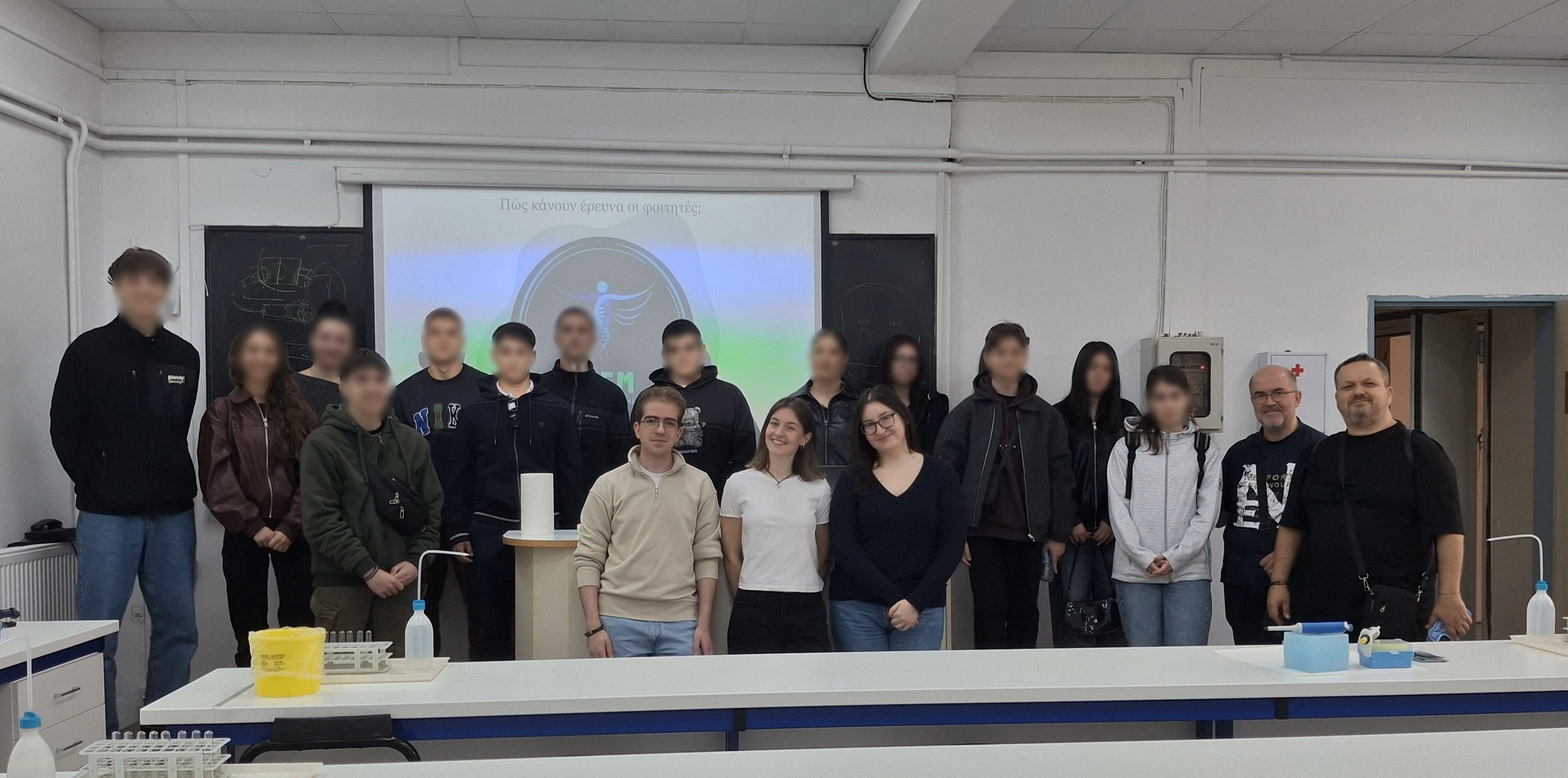
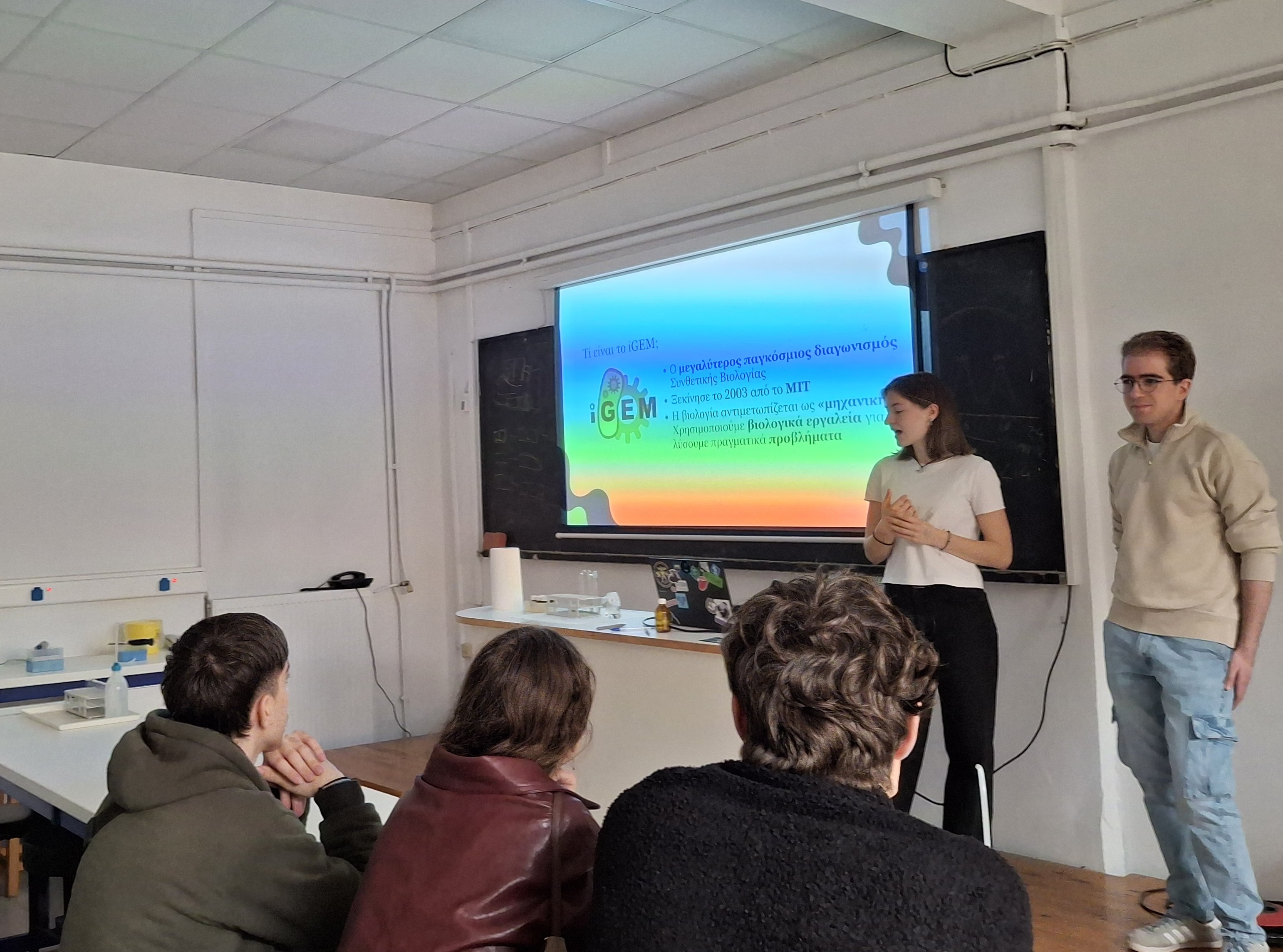
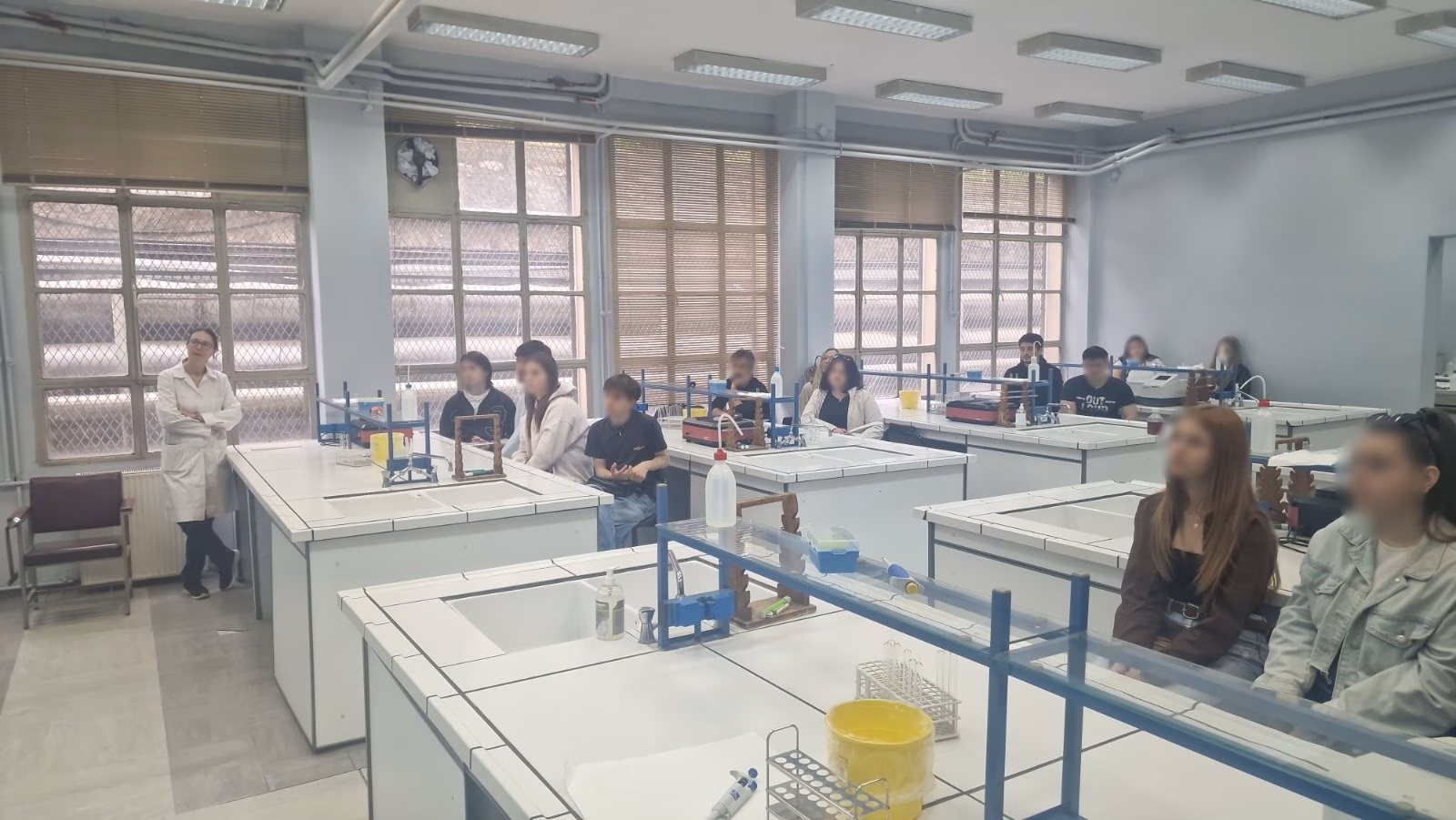
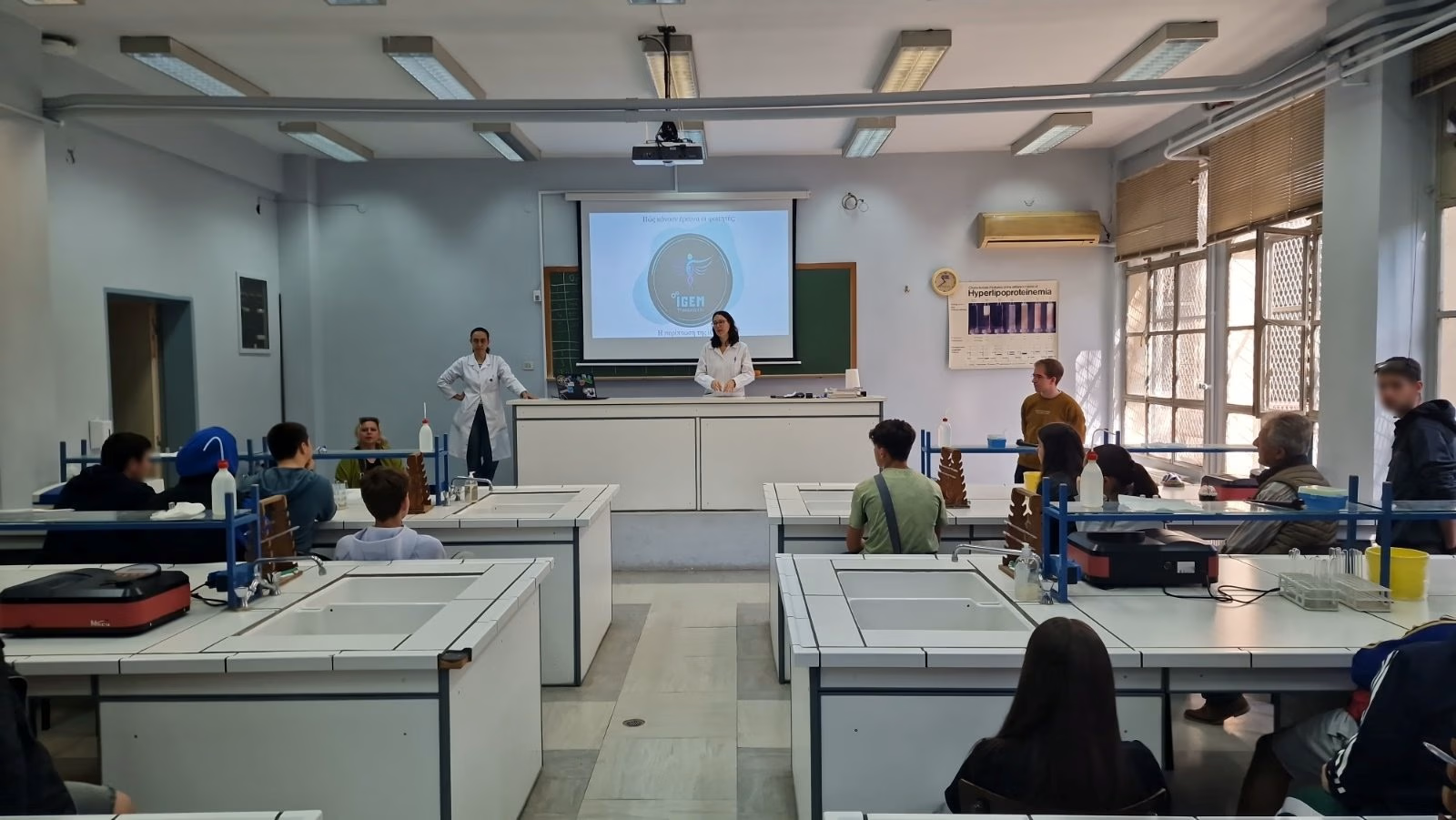
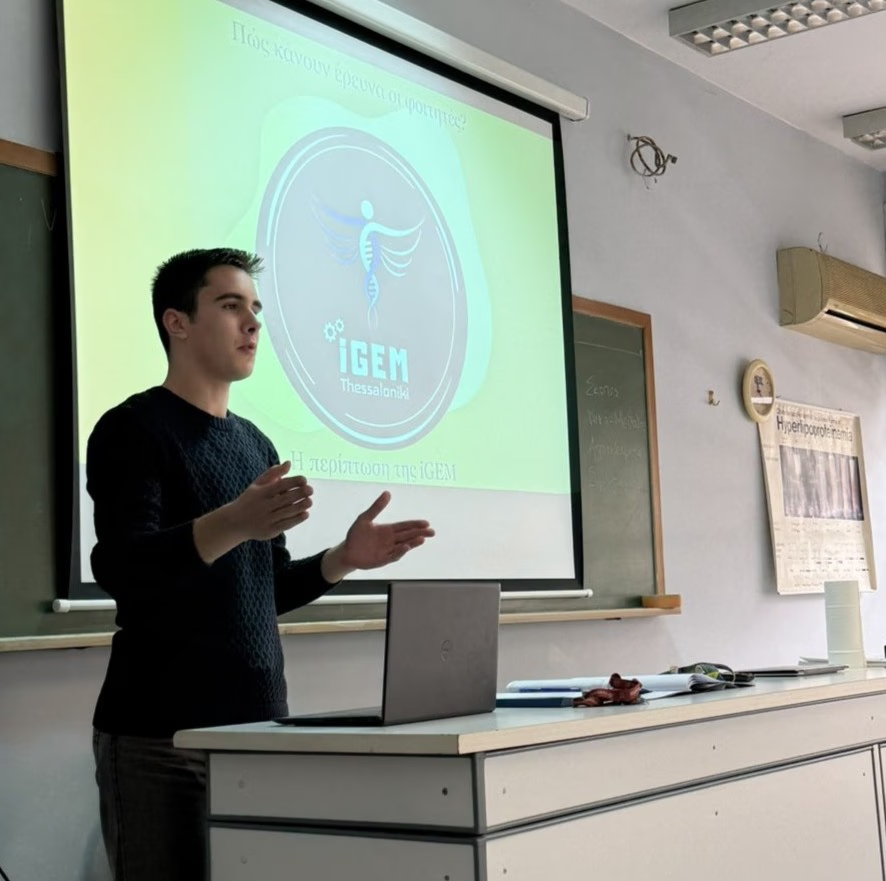
Within the framework of outreach initiatives of Aristotle University of Thessaloniki (AUTH), high school students from across Greece visit the university to gain exposure to academic life, scientific research, and modern technological applications. In this context, the iGEM Thessaloniki team engaged with high school students from various regions who had limited prior exposure to synthetic biology and related computational research tools. The session aimed to bridge the gap between school-level education and scientific practice by presenting research as a structured process within the iGEM competition.
Members of iGEM Thessaloniki delivered an educational outreach presentation to high school students, aiming to introduce them to the fundamentals of synthetic biology and the structure of a real research team. The presentation covered how a student-led research team operates, including team organization, project design, wet and dry lab workflows, and engagement with society. In addition to the theoretical framework, students were introduced to modern bioinformatics tools such as UniProt and AlphaFold, gaining hands-on insight into how protein information is retrieved and how protein structures can be predicted and analyzed. The session emphasized the connection between biology, computation, and engineering, highlighting real-world applications and research practices.
Students responded more strongly to practical demonstrations than to purely theoretical content. The concept of an interdisciplinary research team (wet lab, dry lab, human practices) was new and particularly impactful. Tools such as AlphaFold and UniProt significantly increased engagement and curiosity. There was a noticeable gap in understanding what "research" actually involves and how it connects to academic and professional paths. Interactive elements (live demos, discussion) greatly improved participation and comprehension.
The implementation of the activity was based on a structured presentation that progressively introduced students to the concept of synthetic-biology research through the example of iGEM Thessaloniki. The content covered team formation, project design, laboratory and computational workflows, and the importance of connecting research with societal needs. Students were introduced to the fundamentals of synthetic biology and the organization of a research team, followed by a guided exploration of tools such as UniProt and AlphaFold. This approach enabled a transition from theoretical understanding to practical engagement with real scientific workflows.
The outcome of the activity was a clearer understanding of how synthetic-biology research is conducted in iGEM, alongside increased interest in interdisciplinary fields that combine biology, computation, and engineering. The use of live demonstrations and interactive discussion significantly enhanced engagement and facilitated comprehension of complex concepts.
The experience provided valuable feedback regarding the effectiveness of different outreach strategies. It became evident that experiential and interactive learning approaches are more effective than purely theoretical presentations. Based on this, future activities will focus more on hands-on elements, discussion-based learning, and active participation, while reducing passive theoretical content. Additionally, the importance of adapting the level of explanation to the audience was reinforced, guiding improvements in communication and overall presentation design for subsequent outreach actions.
Inspiring Young Minds
Overview-Stakeholders
Understanding Educational Needs Through Stakeholder Engagement
Before implementing our educational activities, we consulted experts and community members to better understand the needs, barriers and perspectives of our target audiences. These stakeholder meetings helped us identify gaps in scientific knowledge, tailor our approach to different educational contexts, and ensure that our initiatives were both relevant and accessible. By incorporating insights from those directly involved in education and the wider community, we aimed to develop activities that respond to real needs rather than assumptions, making our outreach more inclusive, meaningful and impactful.
For detailed accounts of these consultations, see our Integrated Human Practices.
- Angeliki Kontogianni, leveraging her dual-master's expertise in Environmental Health & Health Education (MSc) and STEAM, Robotics & Educational Technology (MA), provided a transformative contribution to our iGEM project as a key educational stakeholder. She equipped our team with a pioneering five-stage pedagogical blueprint that bridges the gap between early childhood education and complex molecular biology. By translating abstract scientific concepts — such as microbial behaviour, cellular architectures and DNA genetic encoding — into tangible, experiential and kinesthetic learning activities, she fundamentally reshaped our Human Practices and public engagement strategy. Her guidance demonstrated that advanced genetic concepts can be democratised for young learners through interdisciplinary STEAM methodologies, directly enabling us to develop highly inclusive, creative and socially impactful science communication toolkits for the wider community.
- Ms. Tatsi, an experienced biologist and school counsellor, provided critical insights on aligning our educational outreach with high school students' needs, emphasising their strong interest in human physiology and pathology. She highlighted how university entrance exam stress limits students' engagement with experimental biology, prompting a frequent demand for direct interaction with university departments to understand higher education research. In response, we structured our school visit around an introduction to undergraduate interdisciplinary research, three interactive laboratory experiments, and a dedicated Q&A session to bridge the gap between secondary and higher education.
- We consulted educational psychologist Ms. Poimenidou to design a responsible, age-appropriate high school outreach activity addressing STEM pathways and exam-related anxiety. Her feedback guided us to target junior students using low-risk, interactive tools — such as fictional scenarios and anonymous questions — to ensure an emotionally safe, student-centred environment. This structured approach integrated psychological insights into our educational design, maximising the safety, feasibility and societal relevance of our public engagement.
- To optimise our educational school visits regarding exam-related stress, we consulted school psychologist Ms. Doka from the 1st Experimental High School of Thessaloniki. Based on her insights, we adapted our approach to demystify anxiety by explaining its biological mechanisms through interactive, student-centred activities that promote emotional connection. This collaboration enabled us to incorporate grounding exercises and connect biology to real-life experiences, counteracting the stress and academic limitations imposed by demanding university entrance examinations.
- Our meeting with psychologist Mrs. Christina Virsokinou focused on adapting our outreach to be fully inclusive for students with special educational needs. She recommended using concise instructions, avoiding abstract terminology, and prioritising respectful, hands-on learning that maintains student confidence without making them feel incapable. We integrated these insights by simplifying our scientific explanations and adding visual elements, which proved essential for our visit to the Unified Special Junior High and High School (EN.E.G.Y.L.).
Educational Goals
The primary objective of our school-level educational initiatives was to democratize synthetic biology and make the world of STEM accessible, engaging, and relevant to young audiences across diverse backgrounds. By shifting away from the rigid textbook memorization and exam-centric pressure that often characterize traditional curricula, we aimed to foster an environment of creative inquiry, scientific literacy, and critical thinking. Through age-appropriate, hands-on experimentation, interactive gamification, and live demonstrations, we sought to bridge the gap between abstract theoretical concepts (such as cellular biology, genetics, and bioinformatics) and tangible, real-world scientific workflows. Ultimately, our goal was to demystify university-level research, inspire students to perceive science as a collaborative and dynamic endeavor, and empower them to confidently pursue higher education and future career opportunities in biotechnology.
Little Aminos
Visiting the 5th Kindergarten of Kalamaria
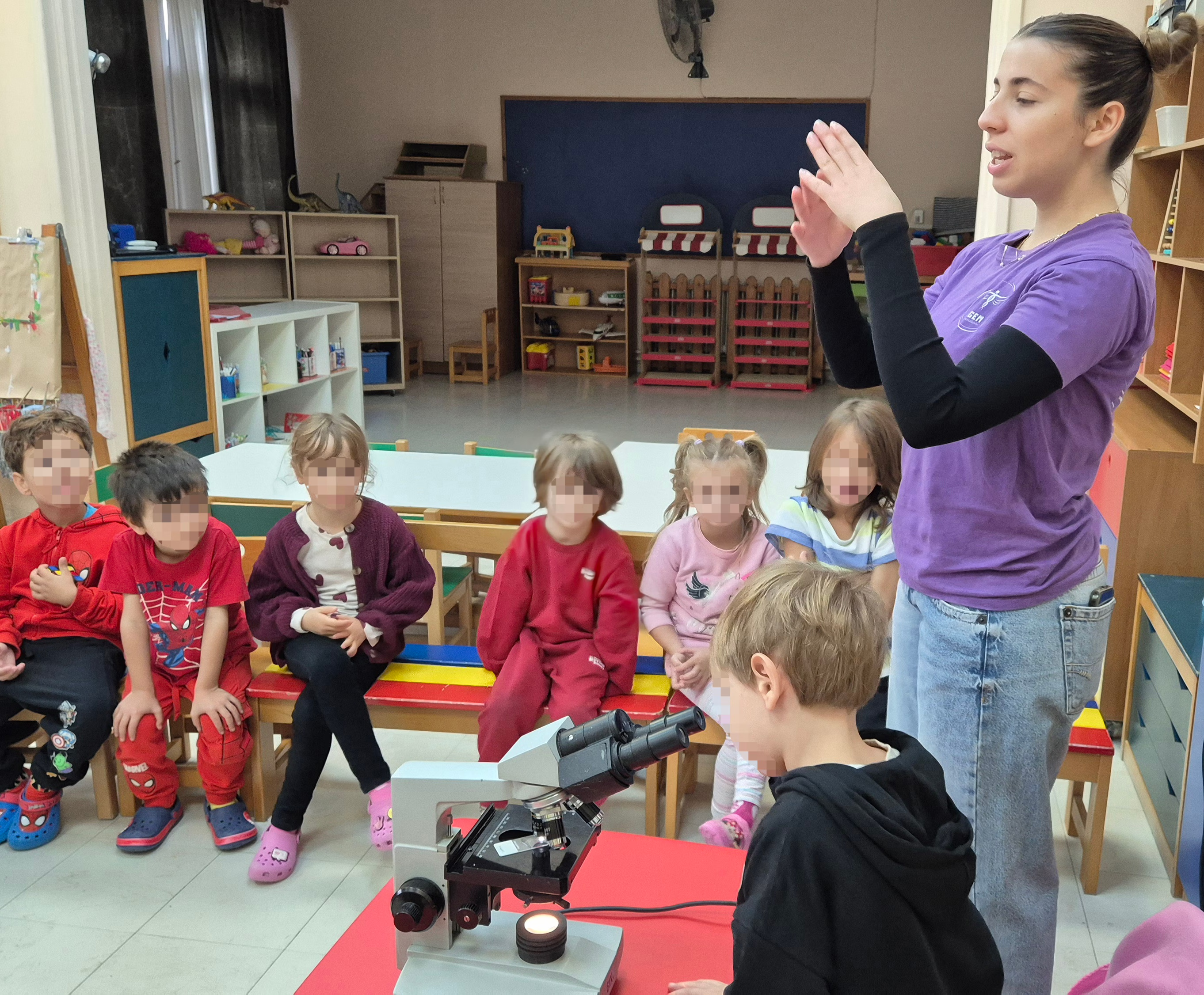
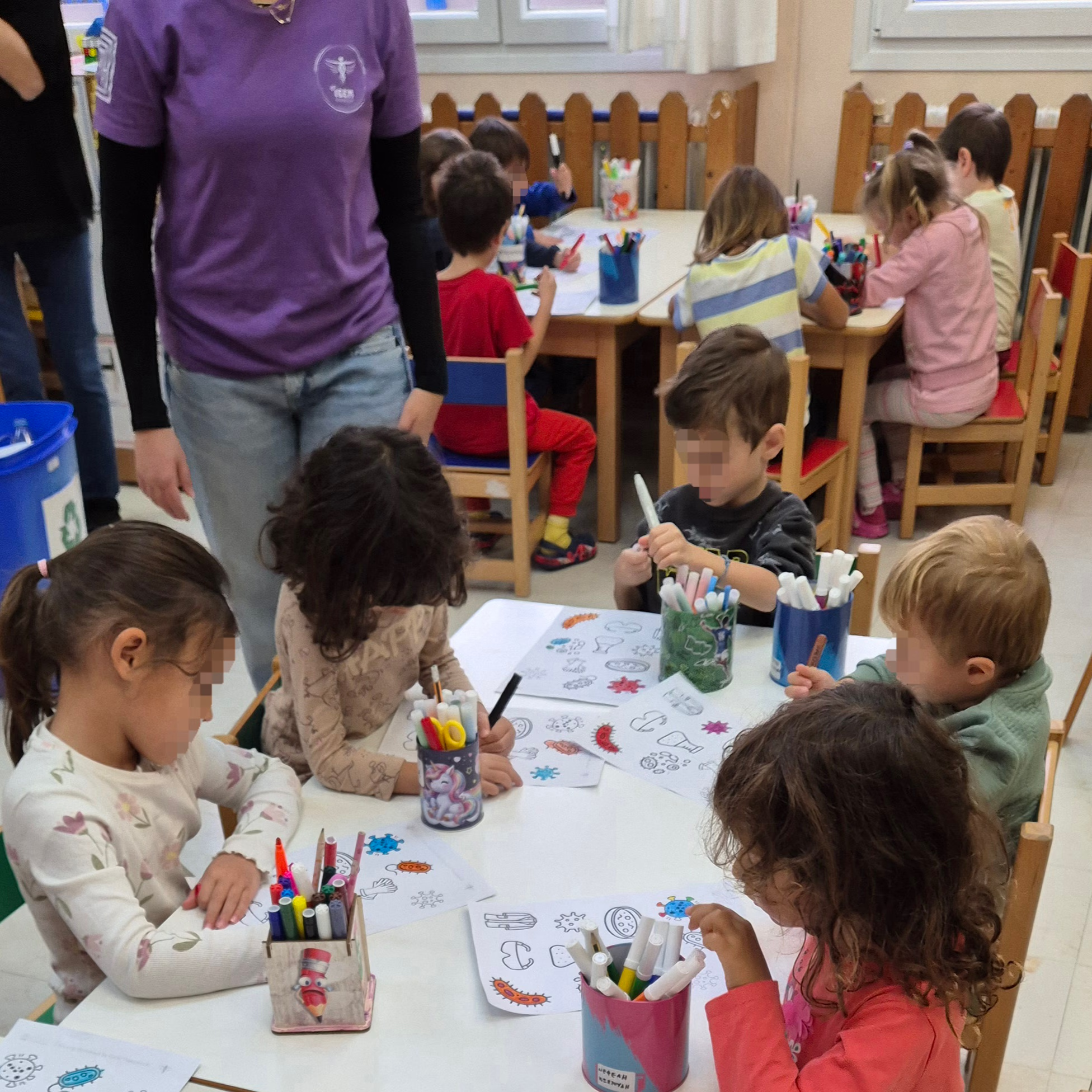
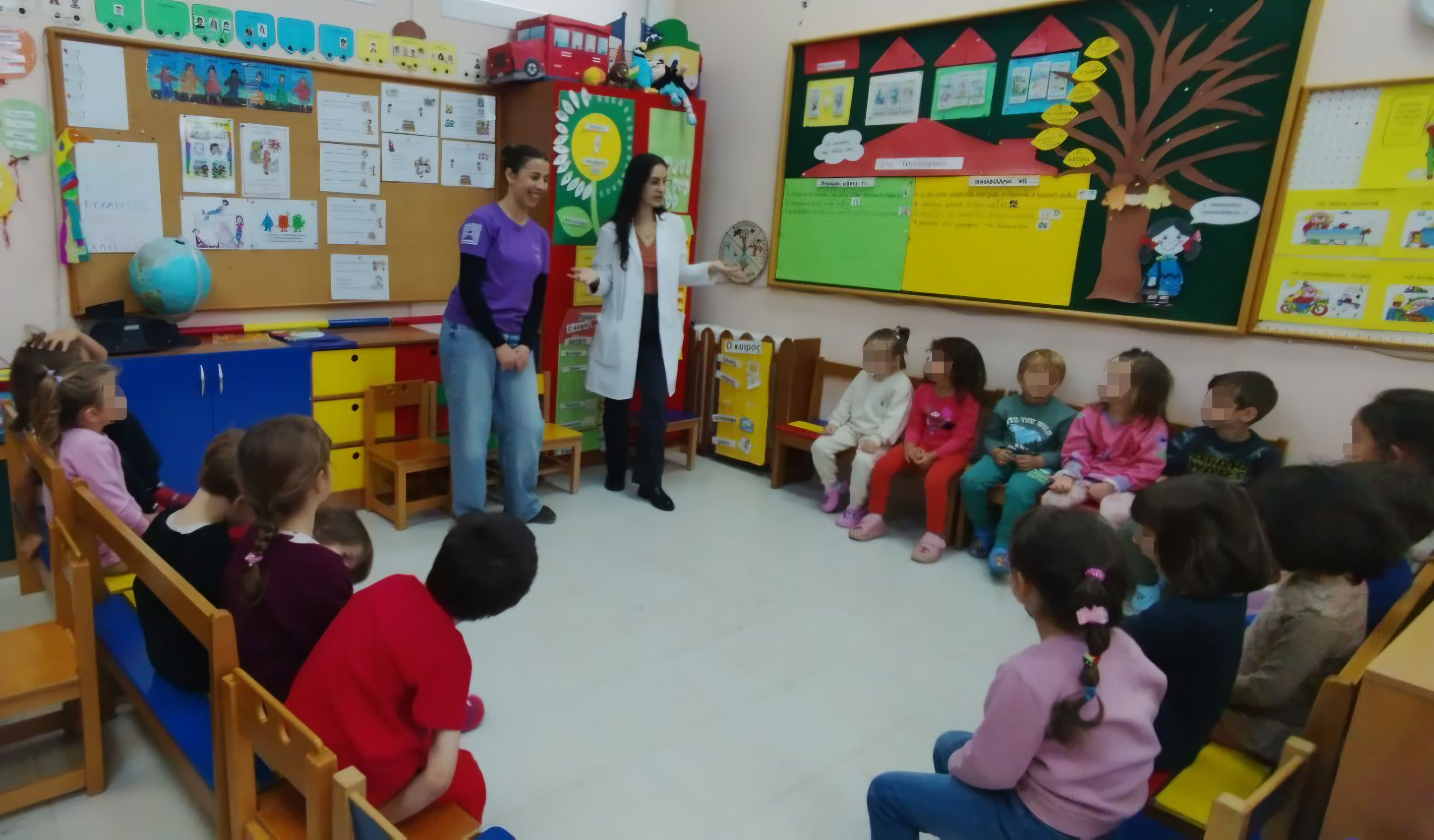
The audience of this educational activity was composed of children attending the 5th Kindergarten of Kalamaria. Participants, aged 4–6 years, were at the earliest stage of formal education, with no prior exposure to biological science. Our goal was to offer a first, playful encounter with the microscopic world, introducing the concept of microbes, the body's natural defences and the importance of hygiene through activities designed to engage rather than instruct, and to spark curiosity rather than convey facts.
The purpose of this educational activity was to introduce young children to the invisible world of microbes and to the basic principles of how the body protects itself, using hands-on demonstrations, collaborative activities and creative play. More specifically, the activity included:
- A brief, accessible introduction to microbes, explaining that the world is full of living things too small to see, and that while some can make us sick, many are harmless or even beneficial. This distinction was presented as the foundation for understanding why hygiene matters.
- A glitter demonstration to illustrate microbial transmission. Glitter was applied to the children's hands to represent microbes, and they were then invited to touch surfaces and each other's hands, making the invisible routes of spread — from surfaces to hands, and from person to person — immediately and visually apparent.
- A hand-washing song, in which the correct technique for washing hands was taught through a song the children could follow along with and repeat. This activity combined physical practice with a memorable format suited to the age group.
- A discussion on skin as the body's first line of defence, focusing on why we should never touch the "unprotected" eyes, nose, mouth, ears, or any open wound with unwashed hands. Children were then shown histological slides of skin under a microscope, allowing them to see the structural reality behind the concept.
- A discussion on airborne transmission, explaining how coughing and sneezing can spread microbes through the air. This led naturally into a conversation about how we breathe and how the lungs work, accompanied by microscopic images of lung tissue for the children to observe.
- Colouring sheets depicting a mixed scene of microbes and laboratory objects. The children were invited to identify the microbes among the other objects and colour them freely using their own imagination.
What participants learned. Through this activity, participants had the opportunity to encounter the concept of microbes for the first time: learning that invisible living things surround us, and that our everyday habits, particularly handwashing, are a meaningful form of protection. They were introduced to the idea that the skin protects us, while the nose, the mouth and the eyes are all entry points that require care, and they observed real biological structures of skin and lung tissue under the microscope, connecting abstract concepts to visible images. Most importantly, the children were able to ask questions and share observations freely, discovering that curiosity about the natural world is something scientists share with them.
What we learned. This activity was equally instructive for our team. It required us to translate concepts that we engage with daily in a highly technical context into language and experiences accessible to children who had never encountered a microscope, basic biological concepts, or the word "microbe" before. We observed that even at this age, children respond with immediate engagement when an abstract idea is made physically tangible: the glitter demonstration, in particular, produced a visible moment of recognition that no verbal explanation could have achieved as quickly. We also learned that movement, song and creative activity are not merely ways of entertaining a young audience, but genuine vehicles for learning at this developmental stage.
Insights: what changed in our understanding. This activity deepened our appreciation for the gap between scientific literacy and scientific curiosity. The children had no background in biology, but their enthusiasm for the microscope slides, their delight in identifying microbes on the colouring sheets, and their unprompted questions about how the body works made clear that curiosity precedes knowledge, and that early educational encounters with science can shape the relationship a child develops with it for years afterward. It also reinforced a lesson we had begun to draw from our primary school visit: that the most effective communication of scientific ideas is almost always the most concrete, the most participatory and the most joyful.
Our visit to the 5th Kindergarten of Kalamaria confirmed that meaningful science education can begin earlier than formal curricula typically assume, and that the tools required are ones that any team willing to invest in their design can provide. The success of the glitter transmission demonstration reinforced our commitment to building outreach activities around physical analogies rather than abstract explanations. The hand-washing song demonstrated that repetition through play produces retention in ways that instruction alone cannot. And the children's engagement with the microscope slides reminded us that access to real scientific instruments, even briefly and informally, can make a lasting impression. We left more convinced than before that outreach at the earliest educational levels is not a peripheral activity but a genuine contribution to the culture of scientific thinking.
Nucleotide Explorers
Visiting the 4th Primary School of Kalamaria
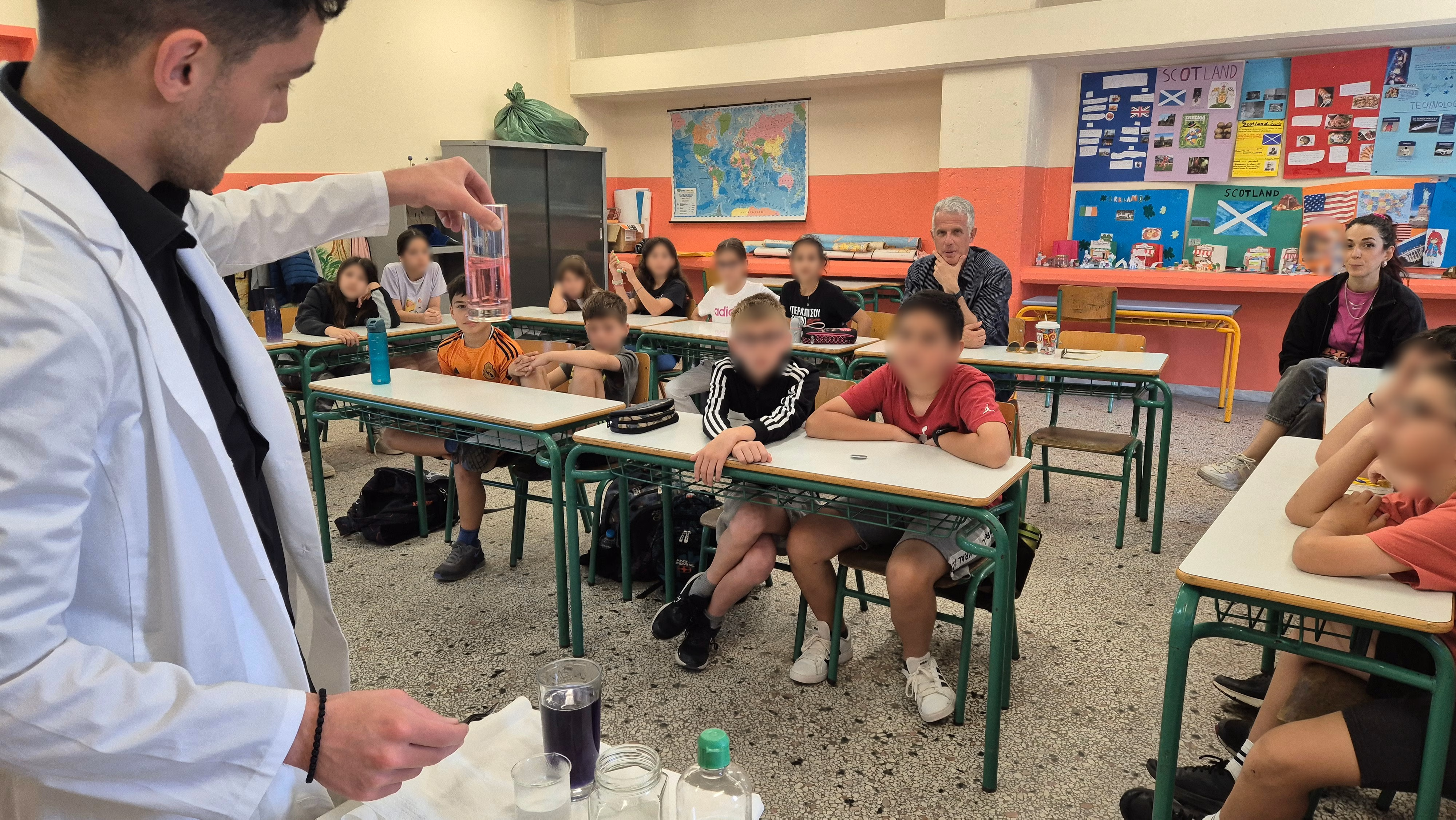
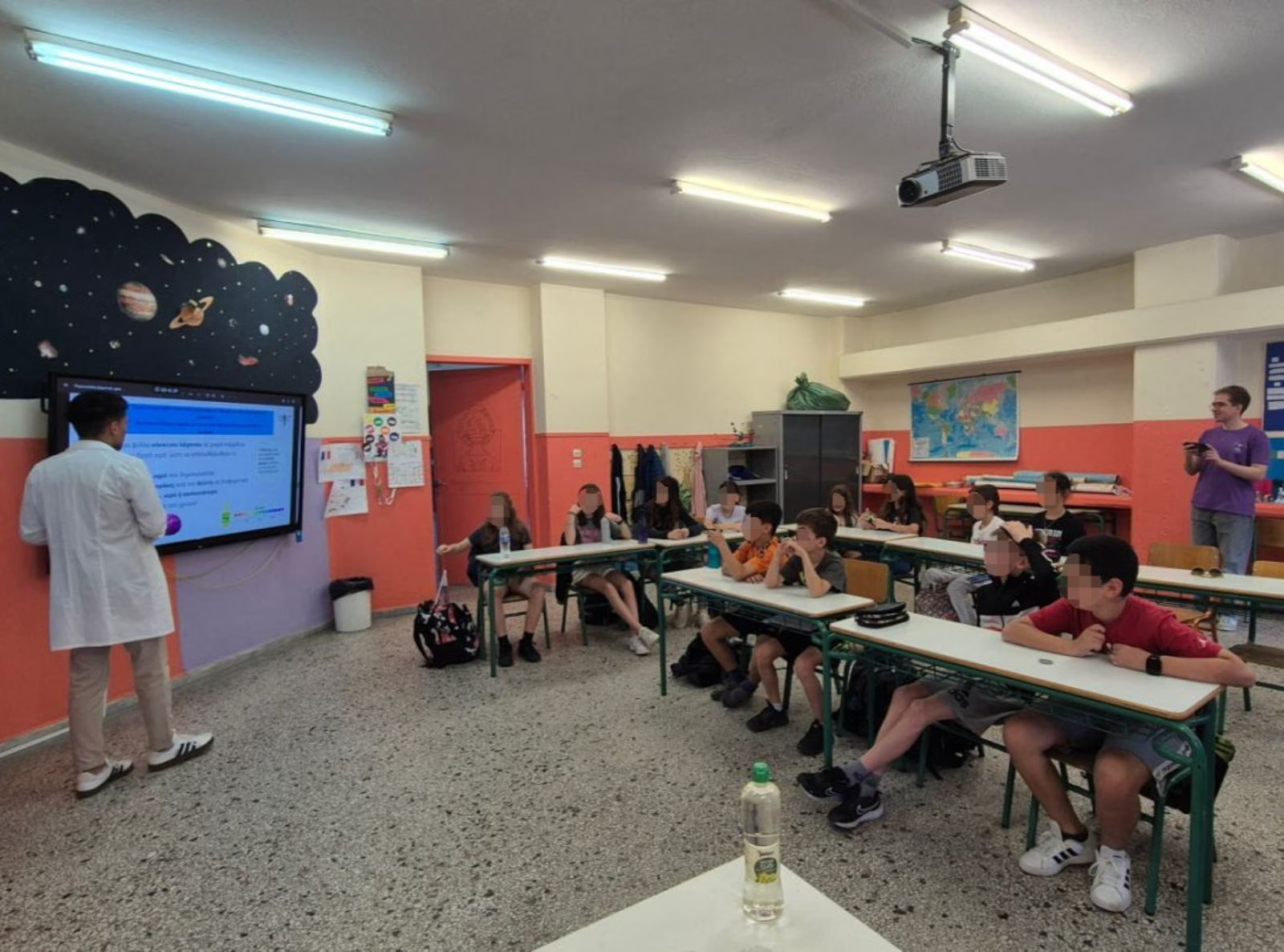
The audience of this educational activity was composed of fifth grade students of the 4th Primary School of Kalamaria. Participants were young students with limited exposure to the world of biological sciences. Our goal was to provide a smooth and engaging introduction to biomedical science by presenting fundamental concepts of molecular, cellular, and evolutionary biology in an accessible, interactive, and enjoyable way.
The purpose of this educational activity was to provide young students in primary education with an opportunity to understand basic principles of biological science and to be introduced to the spirit of biomedical practice and research methodology. More specifically, the activity included:
- A presentation of iGEM Thessaloniki in the context of the international iGEM Competition, focusing on the team's research interests and on the students who compose it.
- An introductory theoretical presentation on basic concepts of cellular and molecular biology, including cells, genetic material, its gene content, and its structural organization within cells.
- Fun fact questions with a biological background, related to the evolutionary biology of humans as well as other species of the animal and plant kingdoms.
- An evolution game, in which students played rock-paper-scissors in pairs and were able to progress through higher evolutionary stages, starting from fish and ultimately reaching the human species.
- A demonstration of color-changing experiments using a chemical indicator extracted from boiled purple cabbage, following its addition to different acidic and basic solutions, such as vinegar, water, and lemon juice.
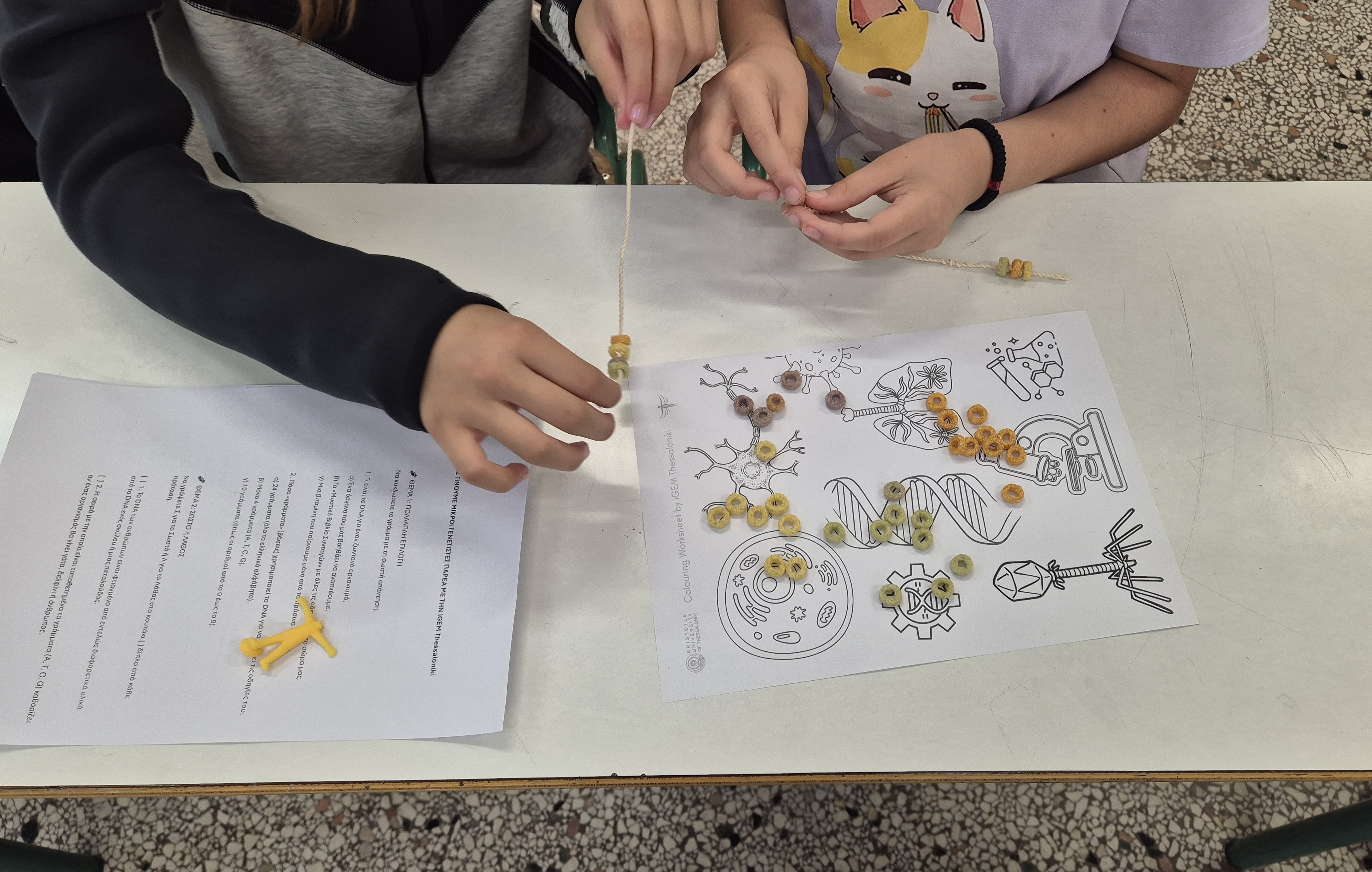
- Coloring activities using coloring sheets that depicted structures and objects related to biomedical science, such as a light microscope, a neuron, and a human lung, with the bronchial tree represented as a branching flower-like structure.
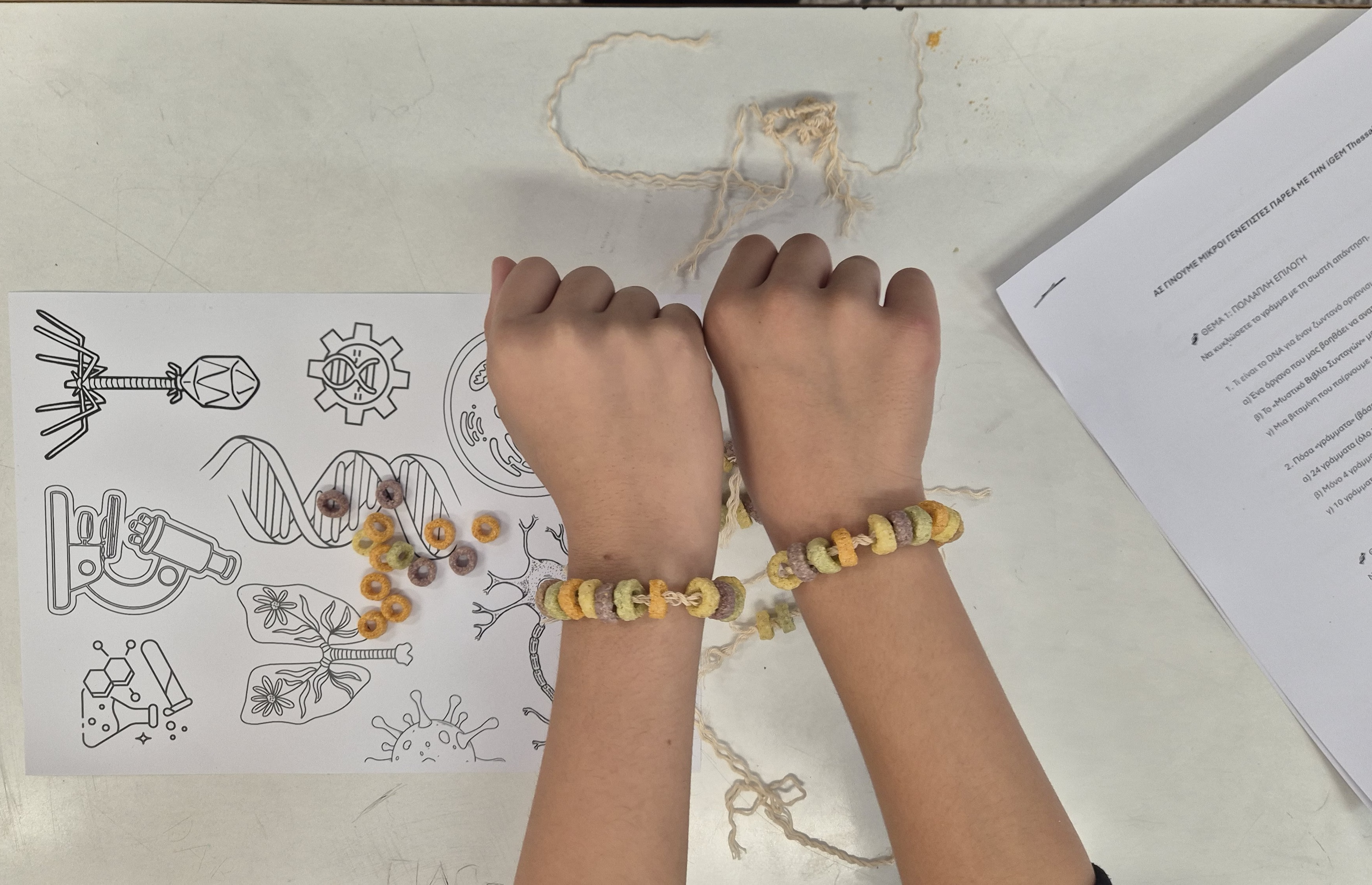
- A bracelet-making activity using colored beads of four different colors, each corresponding to one nucleotide base. This activity was carried out in pairs, with students attempting to construct a bracelet with a genetically complementary sequence to that of their partner.
Two-Way Dialogue: Mutual Learning
What Participants Learned. Through this multidimensional activity, participants had the opportunity to:
- Be introduced to the world of cellular and molecular biology by understanding fundamental concepts of these scientific fields. More specifically, they became familiar with the concept of the cell, the genetic material whose genes contribute to various phenotypic traits, and the organization of genes into chromosomes within the cell nucleus.
- Understand the concept of species evolution and, at the same time, develop questions and curiosity regarding the evolutionary origin of the human species.
- Understand the concept of acidity and fundamental principles of acid-base chemistry.
- Gain a first introduction to the basic principle of DNA nucleotide base complementarity.
- Learn about the exciting field of synthetic biology and the contribution of an iGEM student team to this scientific field.
Most importantly, students were able to express questions and thoughts related to science and, through a constructive and fruitful dialogue, expand their knowledge of the world of biomedical science.
What We Learned. This educational activity was equally valuable for our team, as it provided us with insight into both the level of familiarity primary school students have with biomedical science and the way this field should be approached when working with younger audiences.
We observed that, although young students have minimal prior exposure to biological science, their interest and enthusiasm for discovering different aspects of it, such as cellular and molecular biology, tissue organization, and genetics, were remarkably high.
Furthermore, through the questions they raised about different areas of biomedical science, it became clear that primary school students are eager to come into contact with the world of science and with the people who contribute to it. This highlighted the importance of early exposure to scientific thinking and helped us understand how such activities can support the development of a scientific mindset from a young age.
Insights: What Changed in Our Understanding. This activity helped us identify several important points:
- Primary school students are eager to engage with the fundamental principles of biomedical science.
- Engaging activities make biological concepts more accessible to young audiences compared with purely theoretical presentations.
- Experimental demonstrations fascinate students and help them develop a stronger interest in biological science.
- Activities that require collaboration strengthen students' social skills and highlight the cooperative spirit that lies at the core of scientific practice.
The experience reinforced our belief that science education becomes more meaningful when students are encouraged to participate actively, ask questions, and connect scientific concepts with creative and enjoyable activities.
Implementation: How This Activity Influenced Our Work. This educational visit influenced the way we, as an iGEM team, approach educational outreach activities for primary school students.
First, it confirmed students' enthusiasm for biomedical science and their desire to come into contact with it. As a result, we became even more committed to designing educational visits for elementary schools.
Second, the activity demonstrated the importance of gamification as a means of communicating relatively complex scientific concepts to students with little to no previous exposure to science. This encouraged us to design more science-based games with the broader goal of promoting scientific knowledge to younger audiences.
Third, designing the activities around a collaborative model appeared to further increase students' enthusiasm, while also emphasizing the social nature of scientific work. Therefore, we decided to incorporate collaboration more strongly into our future outreach activities.
Overall, this activity strengthened our commitment to making biomedical science education for primary school students more engaging, accessible, and enjoyable.
DNA Discoverers
Intercultural Middle School of Thessaloniki
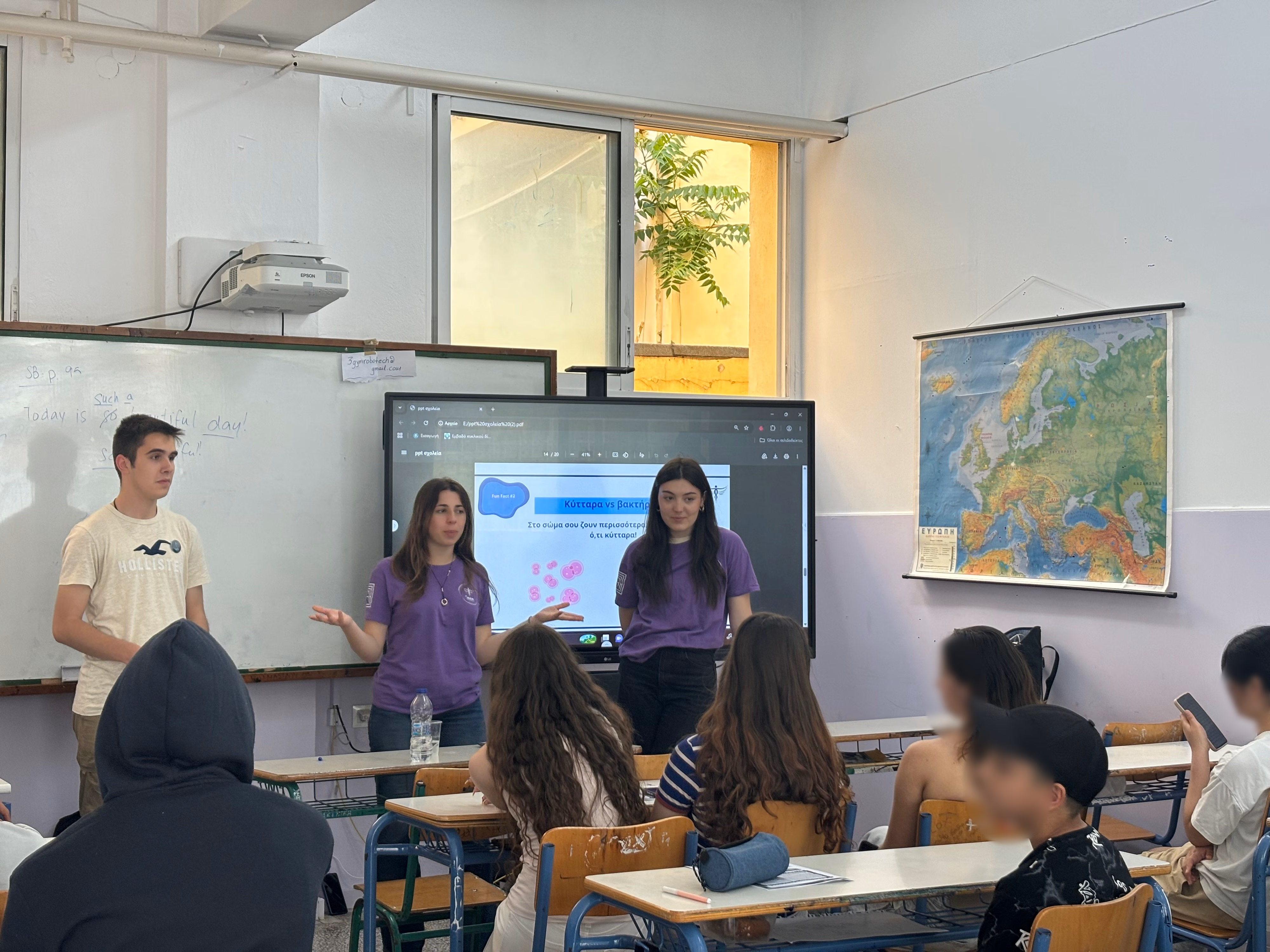
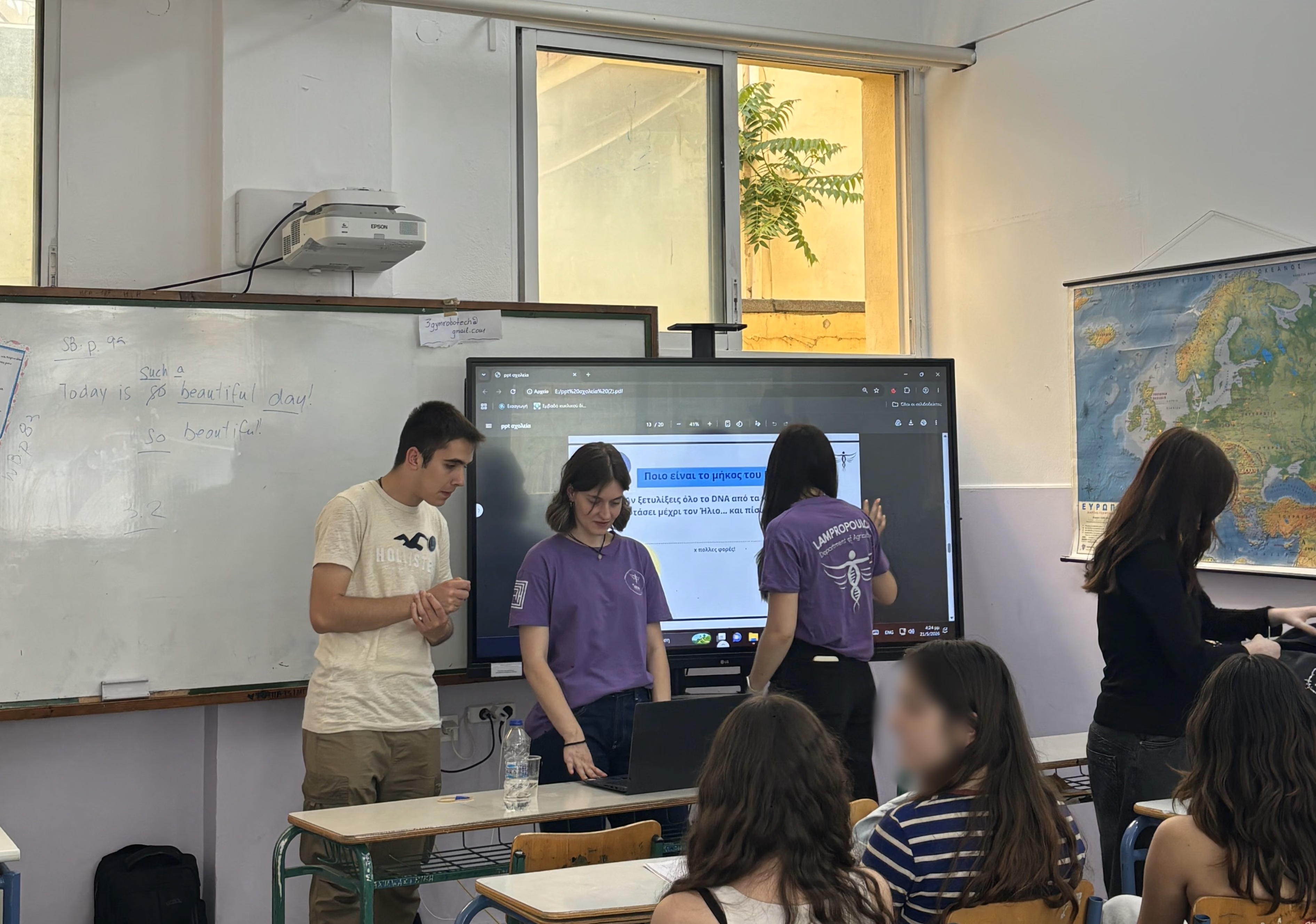
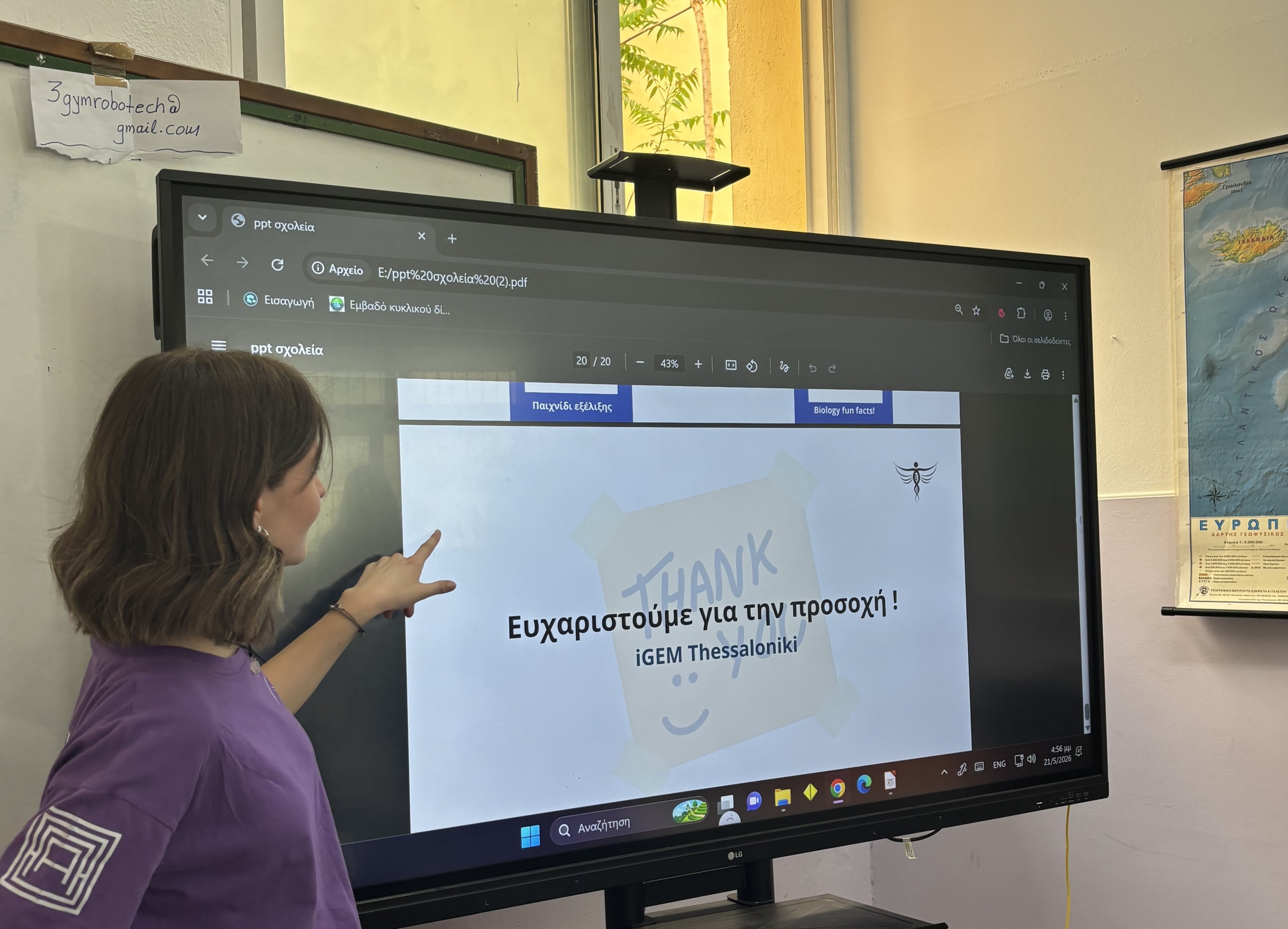
The target audience for this educational initiative was composed of middle school students from the Intercultural Middle School of Thessaloniki. This unique student body comprised individuals from diverse age groups and varying ethnic, national and cultural backgrounds, including students from countries such as Persia, Ukraine, and Syria. Unlike standard classrooms, these students possessed highly diverse levels of prior academic exposure and varying degrees of fluency in the host language (Greek). Our goal was to create an inclusive environment that could bypass language barriers, introduce them to the groundbreaking field of synthetic biology, and spark their interest in scientific inquiry through tailored, interactive, and highly visual learning experiences.
The visit was conducted in person, on May 21st, and we optimized a two-hour session to carry out the following activities:
- We introduced the iGEM Thessaloniki team and the competition framework as well as defined Synthetic Biology and shared how undergraduate students can perform scientific research at a university level.
- We explained the way living organisms are built and mapped out how genetic information flows from DNA to mRNA and proteins. We then connected these structural concepts to evolution, discussing how organisms adapt and change over time through natural selection.
- To demonstrate evolutionary pressure and natural selection in an engaging and fun way we played the "Evolution Game," a creative version of "Rock, Paper, Scissors". Students simulated genetic mutation and evolved into higher organism levels with each victory.
- Moving on, we carried out a practical experiment where students extracted visible strands of their own DNA from saliva using everyday household items. This hands-on activity allowed them to apply their newly acquired knowledge regarding cell membranes and DNA properties to witness their own genetic material form in the tube.
- Next, we led an open discussion to demystify common scientific myths, sharing engaging facts about the immense length of human DNA and the biological pathways behind our bodies' ability to process pain.
- We concluded the session by asking the students what they would investigate or invent if they were researchers, with each member of iGEM Thessaloniki sharing their thoughts. This sparked intriguing responses from the classroom, ranging from the intersection of art, physics and neuroscience to breakthroughs in cancer research and cardiology.
What students learned. Through these tailored demonstrations and games, the students were introduced to:
- The fundamental hierarchy of life (cells, bacteria, genetic material) as well as the structure and properties of DNA.
- The basic mechanics of natural selection and evolutionary adaptation via interactive play.
- The practical steps of cell lysis and nucleic acid precipitation through a safe, self-administered DNA extraction protocol.
- The collaborative world of university research, synthetic biology, and the inclusive nature of the global iGEM community.
What we learned. We observed that while the students initially had limited experience with practical biology and science, introducing hands-on experiments and gamified activities made abstract concepts significantly easier for them to understand and retain.
Many students showed a deep curiosity about their own biology, leading to numerous inquiries and spontaneous discussions about how our bodies work, particularly regarding sensory processing and genetics. This dialogue became deeply profound when the academic concepts naturally intersected with their diverse personal backgrounds and life stories.
Moreover, the student audience asked multiple enthusiastic questions about how university students can actively participate in research, which helped us understand that exposing students to initiatives like iGEM early on makes higher education feel more accessible and exciting.
Overall, we learned that managing a multicultural and multi-age classroom presents distinct communication and structural challenges. However, the students' genuine curiosity and high level of engagement proved that tailoring complex science for diverse audiences is not only entirely achievable, but also deeply rewarding and absolutely necessary for empowering student communities that have fewer educational opportunities.
Insights: What Changed in Our Understanding. We observed that traditional, textbook-heavy curricula fail to capture the imagination of students who are simultaneously navigating cultural integration. Shifting to hands-on, experiential learning acts as an immediate equalizer, proving that these students are incredibly bright and capable and that educators simply need to spark their interest and build accessible communication channels to bridge the gap.
We recognized that cultural and linguistic diversity in a classroom is a profound asset. Rather than being a barrier, it actively encourages unique questions, creative critical thinking, and unexpected analytical perspectives that enrich the scientific dialogue for everyone involved.
Finally, our interactions highlighted that learning biology, especially neuroscience, goes far beyond academic facts; it can help individuals better understand themselves, grasp how their unique life experiences have physically shaped them, and discover paths to personal growth. This realization taught us that teaching these subjects requires emotional sensitivity and an appreciation for the deeply personal perspectives each student brings to the classroom.
We observed that students from diverse national and linguistic backgrounds were most engaged when they could actively participate in experiments and games rather than simply listen to verbal explanations. This proved that hands-on learning acts as an immediate equalizer, committing us to designing interactive activities that successfully bypass language barriers. Moving forward, we also applied this lesson broadly by designing our educational material around active storytelling, relatable human analogies and interactive visual elements.
We saw that even simple experiments using household items carry a significant educational impact when they connect directly to basic human biology. This encouraged us to prioritize accessible, low-cost, and reproducible demonstrations that can be implemented easily in schools with limited laboratory infrastructure or fewer educational opportunities.
Finally, the intense enthusiasm these students showed for learning about synthetic biology and university research proved that we need to introduce scientific opportunities much earlier. This was made incredibly clear when a young student shared his contact information so we could inform him about future workshops and educational activities, and the school asked to visit our university lab. We have therefore become more intentional about using our outreach to build long-term relationships and empower underrepresented students to pursue higher education and student-led research initiatives like iGEM.
Scalability and Reproducibility. We deliberately engineered this curriculum to serve as a modular, low-cost blueprint that can be easily replicated, scaled up, or adapted by other iGEM teams, educators, and science communicators globally.
The backbone of our practical curriculum relies on everyday, safe household items (table salt, dish soap, ethanol), and basic game dynamics. By eliminating the need for expensive laboratory reagents, specialized hardware, or complex infrastructure, we ensured that this activity can be executed seamlessly in any standard classroom, community center, or resource-limited setting.
We structured the two-hour workflow into independent, stackable blocks (Introduction → Theory → Game → Lab → Open Dialogue). This modularity allows future instructors to scale the timing up or down, or swap out specific topics depending on the age group, background, or time constraints of their specific audience.
Because the core concepts are reinforced through physical movement (the evolution game), physical interaction (DNA extraction) and strong visual analogies, the curriculum does not rely solely on dense, textbook-heavy lecturing. This makes the workshop much easier to reproduce in multicultural or multi-age environments where students are navigating varying levels of language fluency.
This initiative highlighted the real-world value of inclusive science communication. Interactive and engaging activities such as this one are crucial for encouraging young students to adopt a scientific mindset of curiosity and experimentation when the rigidity of traditional curricula may prove stifling. By tailoring our approach to a multicultural classroom with varying language fluencies, we proved that interactive games and hands-on experiments are incredibly effective at breaking down learning barriers and making an emerging field like synthetic biology accessible to everyone.
Through such demonstrations, followed by time allocated for open discussions, diverse students realize how biology connects directly to their own lives and that university research initiatives like iGEM are not out of reach, but fully welcoming to them. Ultimately, this experiential method showed that science can build a meaningful personal connection, cultivating a deep interest for research while building a crucial, inclusive bridge from academia to society.
Protein Pioneers
Visiting the 1st High School of Kalamaria
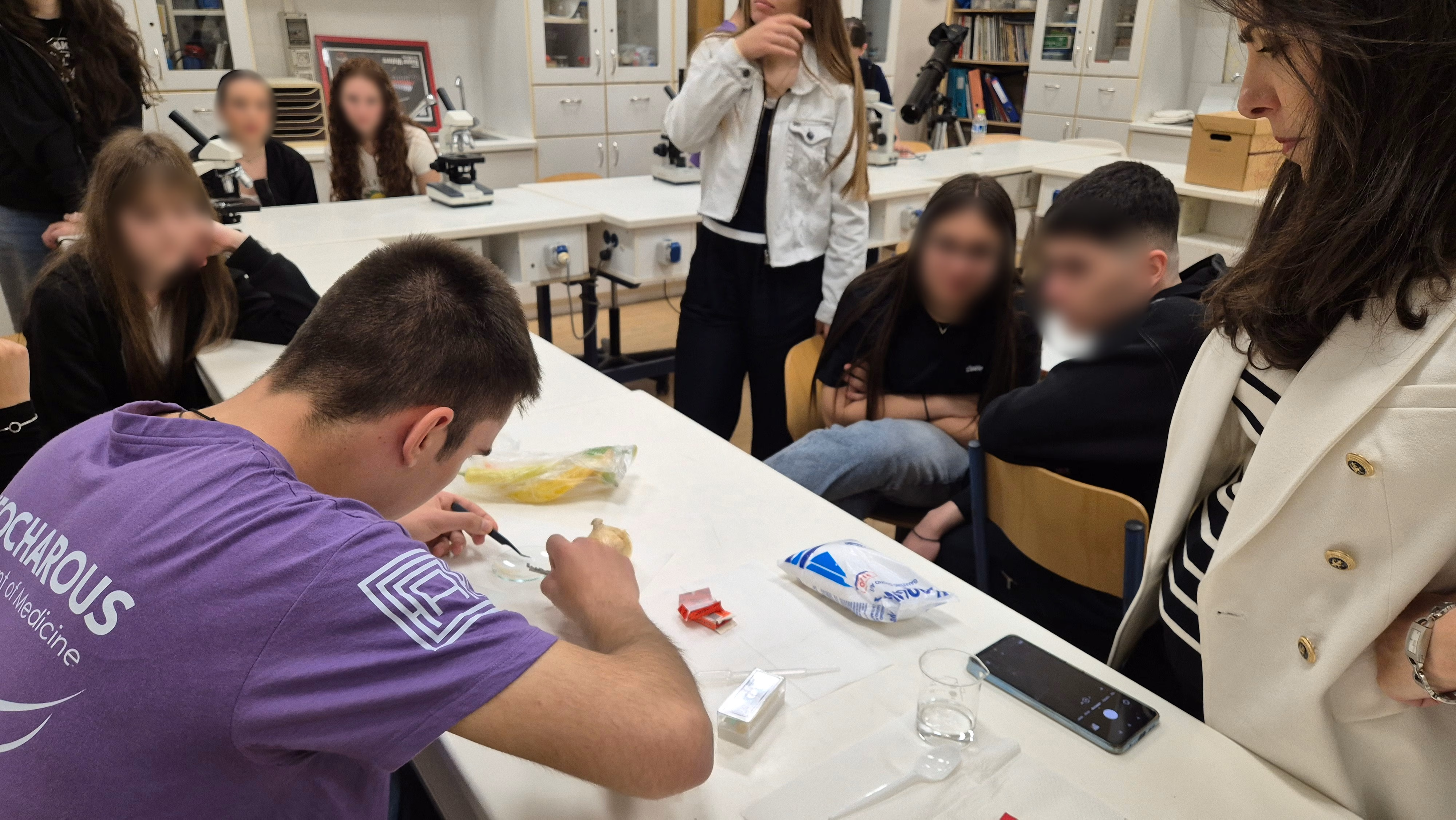
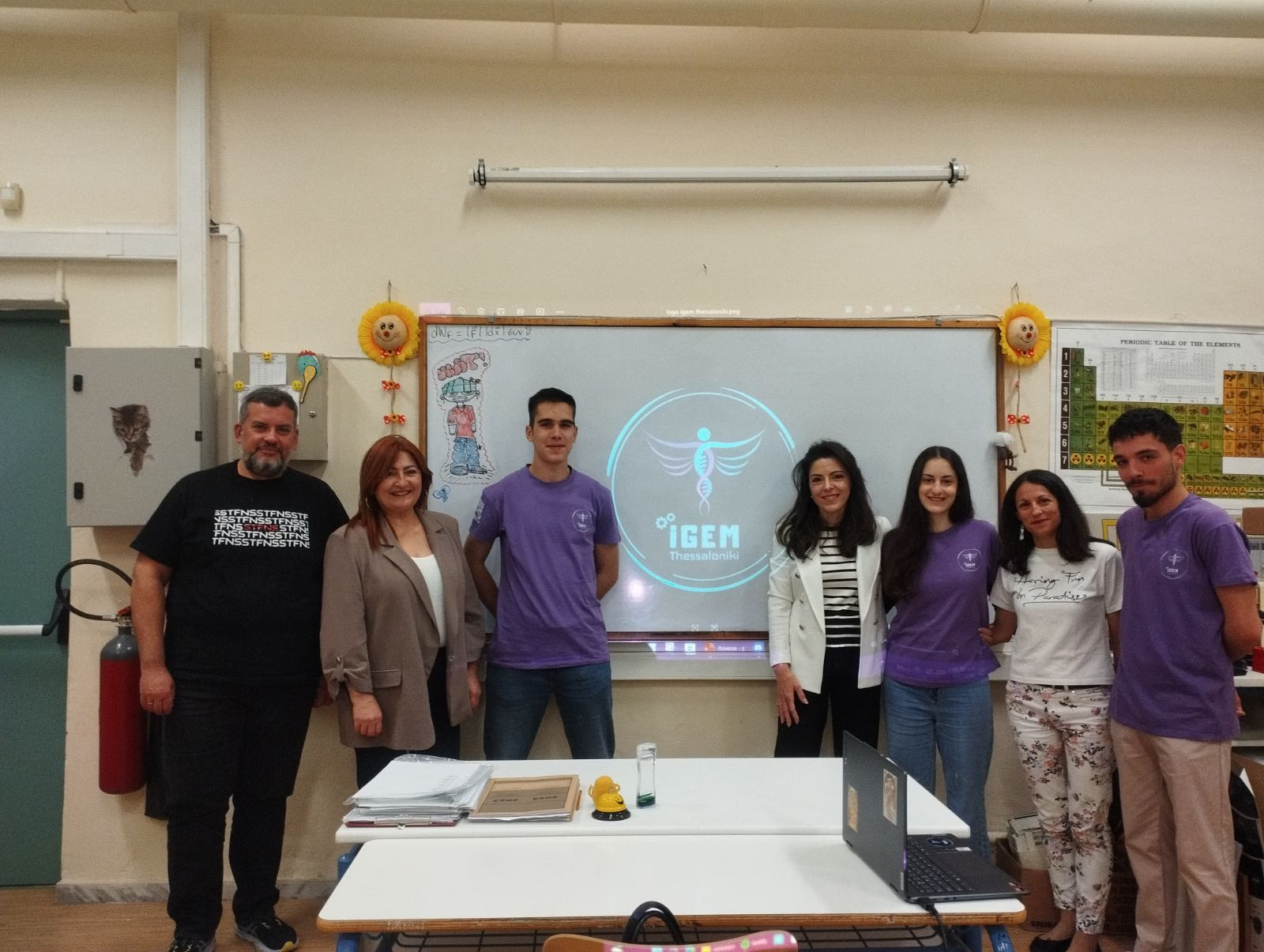
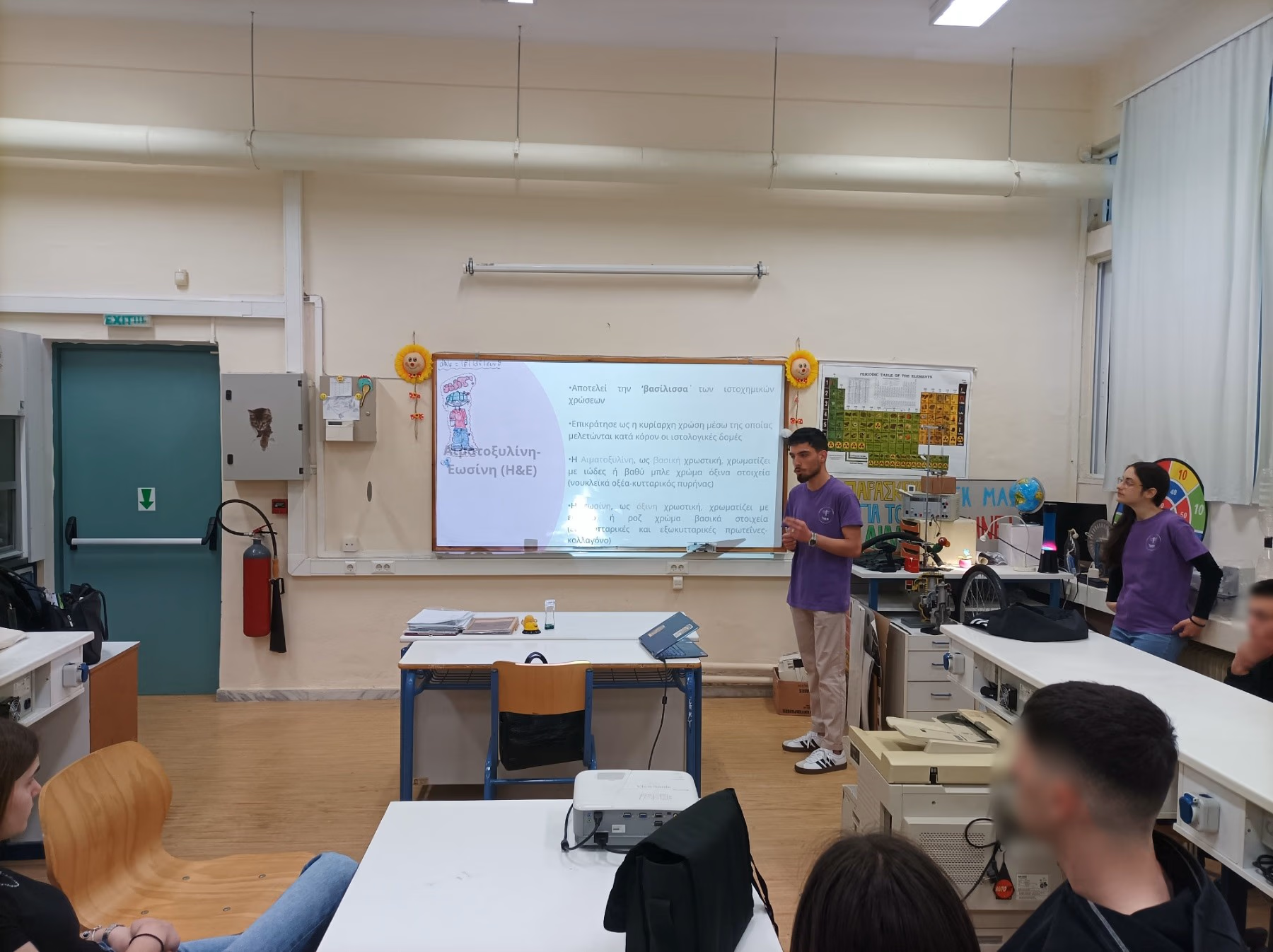
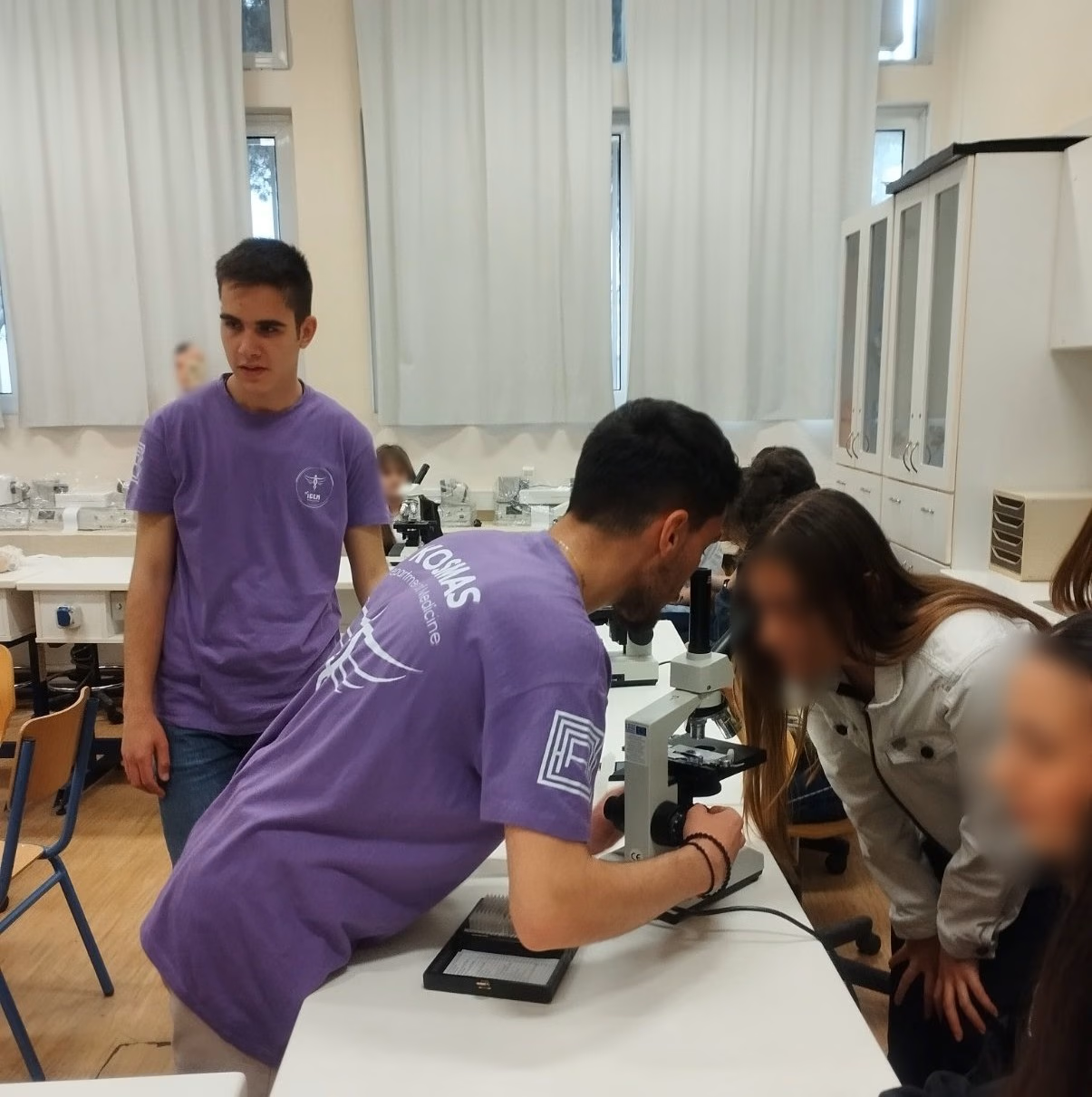
The audience of this educational activity was composed of third and second year students of the 1st General High School of Kalamaria, who followed the Health Sciences orientation or were set to follow it the following year accordingly. Participants were students with a vested interest in biological sciences, who, however, had limited to no experience with biology outside of the strictly theoretical and rigid school curriculum, in the stressful context of the looming university entrance exams. Our goal was to reinvigorate their interest in learning by applying their knowledge in engaging, practical experiments, as well as introduce them to synthetic biology and the work of iGEM teams.
This visit was carried out in person on the 7th of March at the 1st General High School's school lab, which currently serves as a physics classroom. In the span of two school hours we directed the following activities:
- A presentation of iGEM Thessaloniki and its work in the context of the iGEM Competition, familiarizing the students with synthetic biology and with student teams they would have the opportunity to join in university.
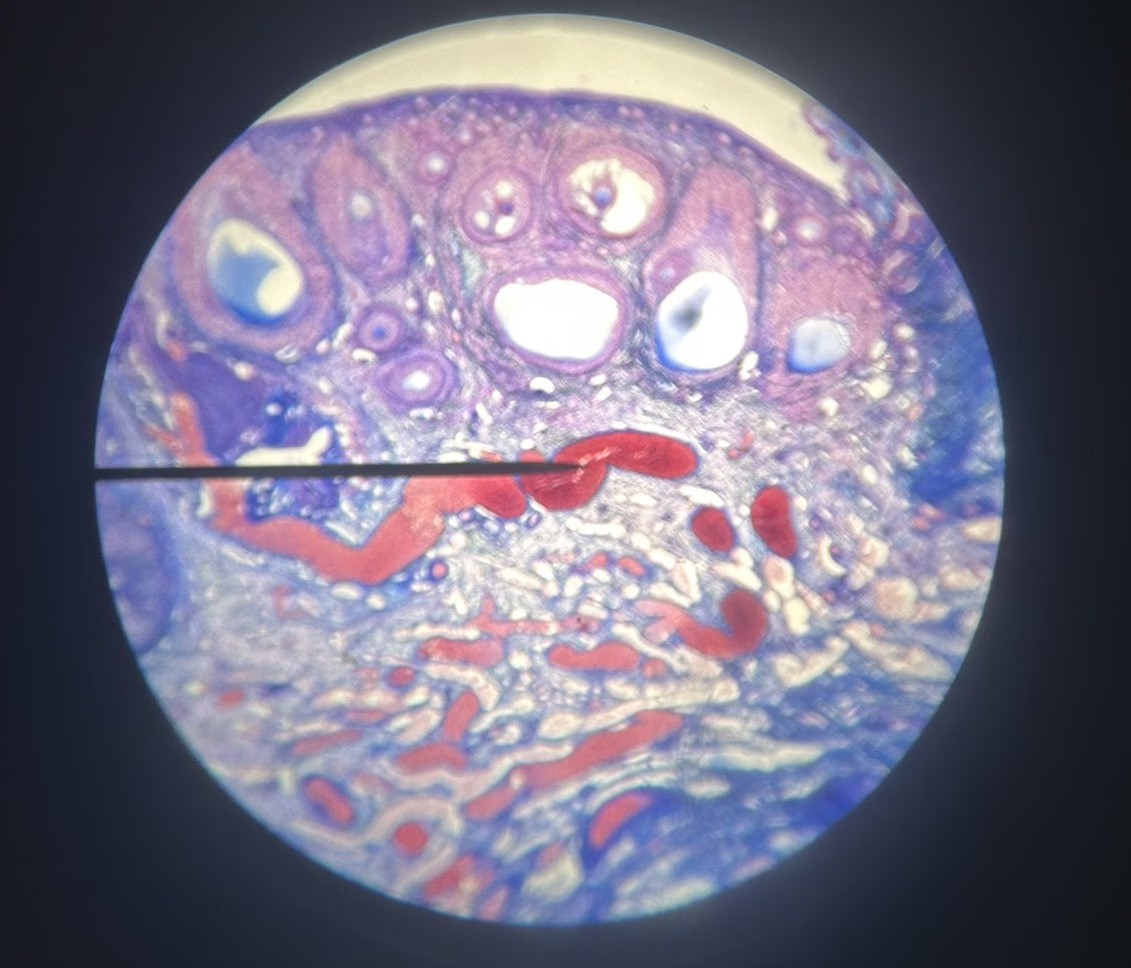
- Observation of histological slides under the microscope: cerebellum, small intestine, and trachea. After an introductory presentation to medical histology, the students had the opportunity to operate a microscope for the first time, and understand how human cells and tissues structurally inform organ function.
- Introduction to pipetting: we taught the students how to use a micropipette, an essential piece of molecular biology laboratory equipment which they had never even seen up close before. Each of them had the chance to practice pipetting with safe liquids, getting to know safe handling of this equipment and getting a taste of mol-bio everyday lab routine.
- Next, we observed allium cepa (onion) epidermal cells under the microscope, both before and after plasmolysis with table salt. This comparison helped students better understand osmosis, a phenomenon they learned in theory but which some had trouble with, by witnessing the cellular effects of its biological applications.
- Finally, we concluded our visit with a DNA extraction experiment. We used common household items (dish soap, table salt, ethanol) to extract the DNA of banana fruit. What this experiment offered was the chance for the students to apply their knowledge about the cellular membrane and the properties of DNA to rationalize and understand the experimental protocol, with the additional bonus of a visible result.
What Participants Learned. Through the various demonstrations and experiments, students were introduced to:
- The basic operation of a light microscope and the observation of biological tissues and cells.
- The relationship between cellular structure and organ function through the study of histological specimens.
- The proper use of micropipettes and the importance of precision in laboratory work.
- The biological principles underlying osmosis through direct observation of plasmolysis in onion epidermal cells.
- The structure and properties of DNA through a simple extraction experiment using everyday materials.
- The existence of synthetic biology as an emerging scientific field and the opportunities offered by student-led research initiatives such as iGEM.
Most importantly, students experienced scientific concepts through observation and experimentation, allowing them to connect theoretical knowledge with tangible biological phenomena.
What We Learned. This activity was equally valuable for our team, as it allowed us to better understand how secondary school students engage with biology education.
We observed that many students were highly interested in laboratory science but had very limited opportunities to interact with scientific equipment or perform experiments themselves. Concepts that often appear abstract in school textbooks became significantly easier for students to understand once they were able to observe them directly.
We also noticed that students were particularly enthusiastic when handling laboratory equipment and participating actively in experiments. Their questions demonstrated a strong curiosity about how biological research is conducted in real laboratories and what scientific careers involve beyond the classroom.
These observations reinforced the importance of experiential learning and highlighted the need for greater exposure to practical science education at the secondary school level.
Insights: What Changed in Our Understanding. This activity helped us identify several important points:
- High school students are eager to engage with science when given opportunities for active participation.
- Practical demonstrations significantly improve understanding of biological concepts that are often difficult to grasp through theory alone.
- Many students have limited familiarity with laboratory equipment and research practices despite their interest in biological sciences.
- Hands-on experimentation encourages curiosity, discussion, and critical thinking.
- Students are highly motivated by activities that allow them to make connections between classroom knowledge and real-world scientific applications.
- Introducing students to research communities such as iGEM helps make scientific careers and university-level research feel more accessible.
The experience reinforced our belief that science education becomes more meaningful when students can directly observe and investigate the phenomena they study.
This visit influenced the way we approach educational outreach as an iGEM team in several ways.
First, it confirmed the value of incorporating practical activities whenever possible. We observed that students were most engaged when they could actively participate in experiments rather than simply listen to explanations. As a result, we became even more committed to designing interactive educational activities that emphasize hands-on learning.
Second, the activity demonstrated that even relatively simple experiments can have a significant educational impact when they are connected to concepts students already encounter in school. This encouraged us to prioritize accessible and reproducible demonstrations that can be implemented in schools with limited laboratory infrastructure.
Third, students' enthusiasm for learning about synthetic biology and university research highlighted the importance of introducing scientific opportunities at an earlier educational stage. We therefore became more intentional about incorporating discussions of research, innovation, and scientific careers into our outreach efforts.
Overall, this activity strengthened our commitment to making biology education more engaging, accessible, and connected to real scientific practice.
Scalability and Reproducibility. This activity can be easily reproduced by other iGEM teams, university student groups, or educators interested in promoting biological sciences. The basic requirements include:
- Access to a classroom or school laboratory space.
- A microscope and prepared biological slides.
- Basic laboratory equipment such as micropipettes and consumables.
- Easily obtainable materials for demonstrations, such as onions, table salt, dish soap, ethanol, and fruit for DNA extraction.
The activity can be adapted according to available resources and the educational background of the participants. Individual experiments can be conducted independently or combined into a larger workshop format. Because many of the materials are inexpensive and widely available, the activity is particularly suitable for schools with limited laboratory facilities.
Furthermore, the structure can be modified to accommodate different age groups, making it a flexible and scalable model for promoting practical science education and scientific literacy.
Interactive and engaging activities such as this one are crucial for encouraging young students to adopt a scientific mindset of curiosity and experimentation when the rigidity of the curriculum, the stress, and the pressure of exams may prove stifling. Through demonstrations and experiments like these, the students realize how their hard earned knowledge can be utilized for understanding real, observable biological processes. They realize that science can be fun, interesting, and engaging, all of which facilitate deep, lifelong learning. Ultimately, aside from fostering a positive learning environment, such activities are necessary in order to make science more accessible to younger generations, to foster love for research, and enhance science communication from academia to society.
5th Evening EPAL of Thessaloniki
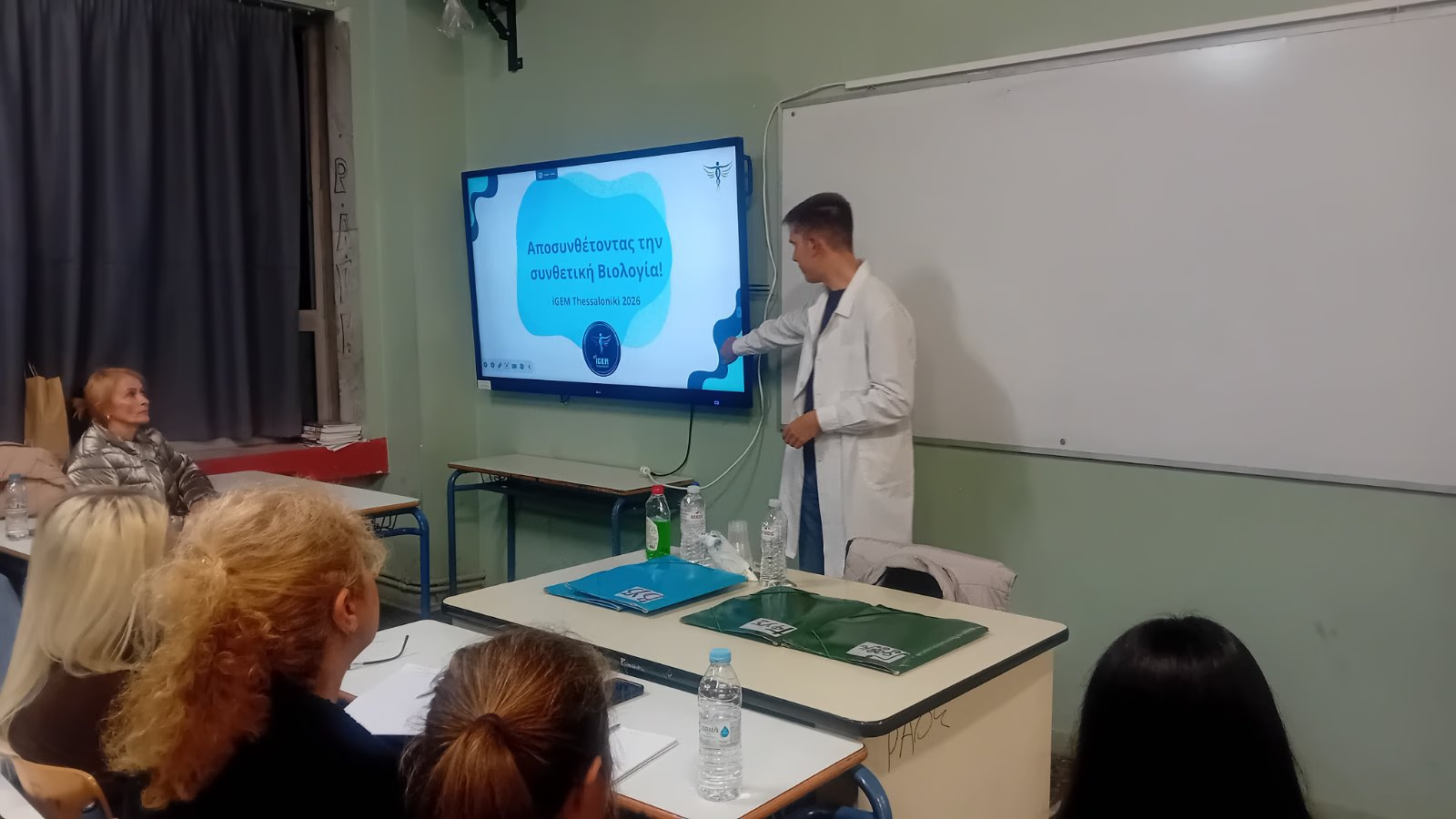
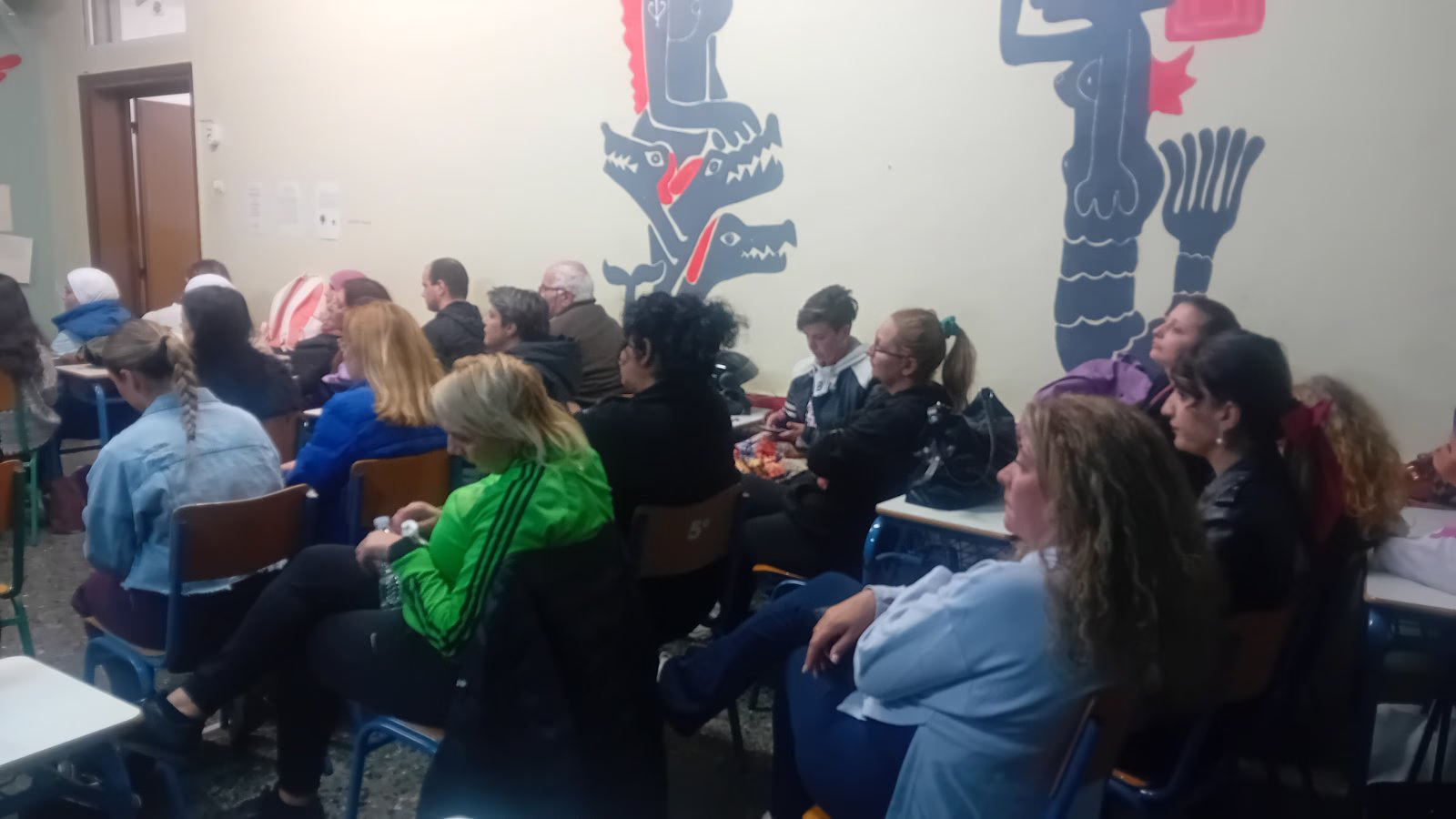
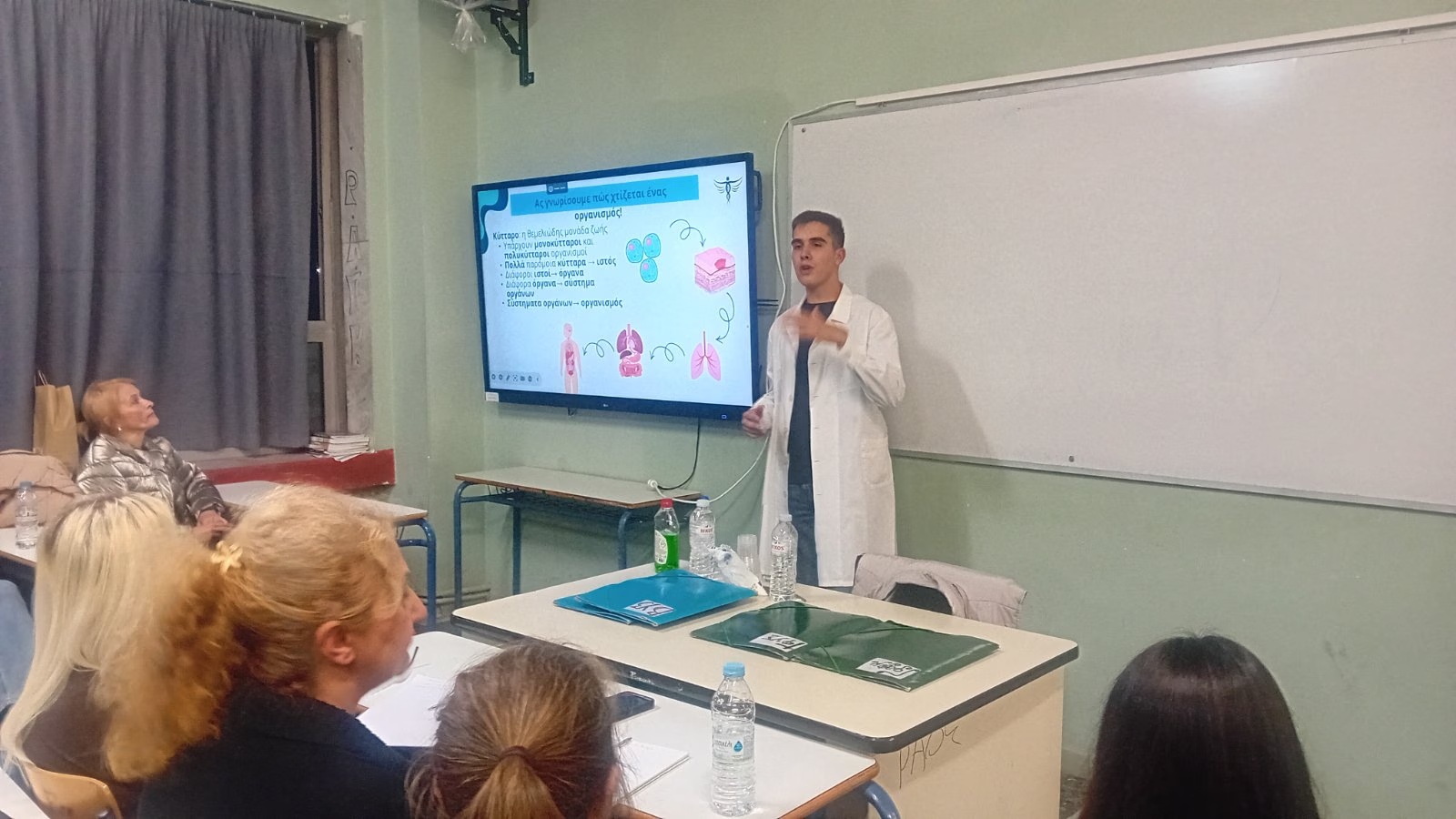
The audience for this educational initiative consisted of students attending the 5th Evening Vocational High School (EPAL) of Thessaloniki. Unlike standard high school demographics, evening EPAL students represent a highly diverse group of adult learners and working individuals who balance daytime professional or family responsibilities with night school education. While these students chose a technical or specialised educational track, many lacked extensive exposure to the practical side of molecular biology. Our primary goal was to demystify complex genetic concepts, introduce them to the cutting-edge landscape of synthetic biology through our iGEM project, and break down the barriers between academic university research and the wider community.
This educational visit took place in person at the school's facilities. Designed to accommodate the limited evening schedule of the students, the workshop was structured into three sequential, highly engaging segments over two school hours:
- iGEM & project presentation. We initiated the session by introducing iGEM Thessaloniki, explaining the nature of the international competition, and pitching our team's current research project. We focused on how synthetic biology solves tangible, real-world problems.
- Demystifying the Central Dogma. Moving from our project to fundamental science, we delivered an interactive presentation on the Central Dogma of Molecular Biology. We mapped out the flow of genetic information from DNA to RNA and proteins, using simple analogies to ensure the concept was accessible to students of all educational backgrounds.
- Hands-on DNA extraction. To solidify the theoretical talk, we transitioned into a practical experiment. Using accessible household items (including dish soap, table salt and ethanol), we guided the students through a crude DNA extraction protocol. This gave them a frontline look at isolating the actual blueprint of life.
What participants learned. Through active participation in our workshop, the students gained insights into:
- The foundational pathway of genetic replication, transcription and translation via the Central Dogma.
- The real-world applications of synthetic biology and how student-led initiatives like iGEM bridge the gap between innovation and society.
- The biochemical principles behind cell lysis and nucleic acid precipitation through a tangible, visible experiment.
- The understanding that scientific exploration does not require high-tech, multi-million-dollar setups, but can be conceptualised using everyday household components.
What we learned. Engaging with an adult, working student body provided our team with an invaluable perspective on public science communication:
- We recognised that evening school students possess an incredible work ethic and immense maturity, showing deep curiosity despite their demanding day-and-night schedules.
- We realised that high-level molecular biology concepts can easily resonate with non-traditional students if stripped of rigid, textbook jargon and linked directly to practical demonstrations.
- The experience highlighted that giving communities ownership over a physical experiment completely changes their emotional connection to scientific discovery.
Insights: what changed in our understanding. This engagement reshaped our team's approach to educational equity:
- Adult and vocational learners are intensely receptive to science communication when it respects their background and treats them as intellectual peers.
- Abstract biological frameworks, such as genetic expression, become inherently clearer when immediately followed by a physical manifestation, such as seeing DNA strands precipitate in a tube.
- Academic outreach must actively expand beyond traditional day schools to include evening and vocational institutions that are frequently overlooked by university groups.
- Fostering scientific literacy is more about building a dialogue and sparking curiosity than expecting students to memorise strict academic formulas.
The profound response from the 5th Evening EPAL fundamentally adapted our Human Practices methodology:
- Emphasising low-cost biology. It solidified our commitment to developing protocols that rely on affordable, accessible materials, proving that resource scarcity should never block science education.
- Refining textual clarity. It pushed our team to refine how we present our iGEM project to the public, ensuring our promotional and wiki materials remain clear, concise and compelling to non-experts.
- Inclusivity in future outreach. We have purposefully integrated alternative and non-traditional education sectors into our long-term outreach strategy, making inclusive science communication a core tenet of our team's mission.
Scalability and reproducibility. This workshop serves as a highly scalable blueprint for any student group or educator looking to execute impactful outreach under tight time constraints or minimal budgets. The logistical requirements are intentionally modest:
- A standard classroom equipped with a projector or board for the introductory presentation.
- Inexpensive consumables: common dishwashing liquid, table salt, cold ethanol, tubes, and a biological source (such as fruit or vegetables) for extraction.
Because the curriculum focuses on core molecular biology (the Central Dogma) and requires no advanced laboratory infrastructure, it can be adapted easily for varying age groups, time limits and institutional environments across the globe.
Visiting the Unified Special Junior High and High School (EN.E.G.Y.L.)
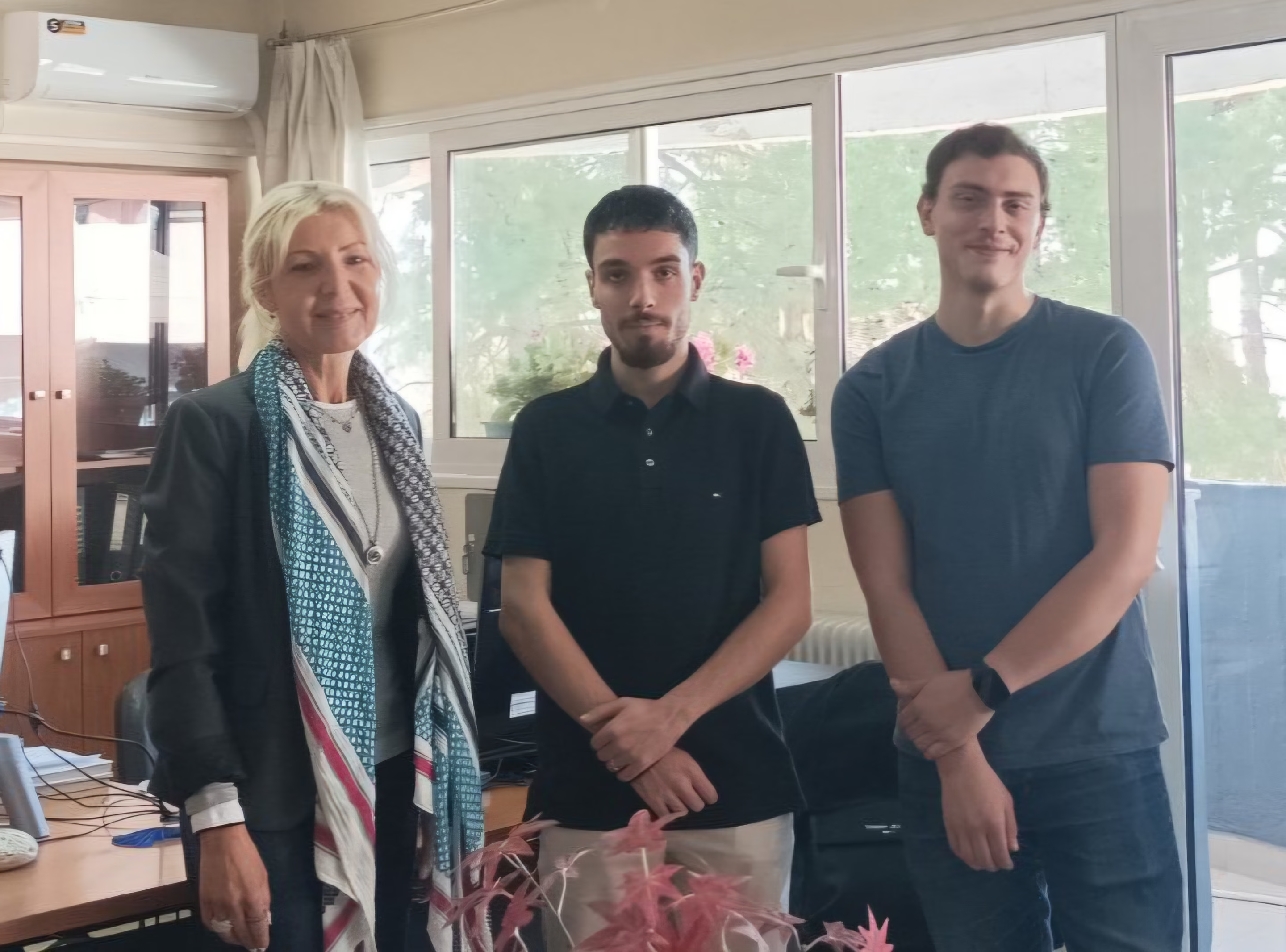
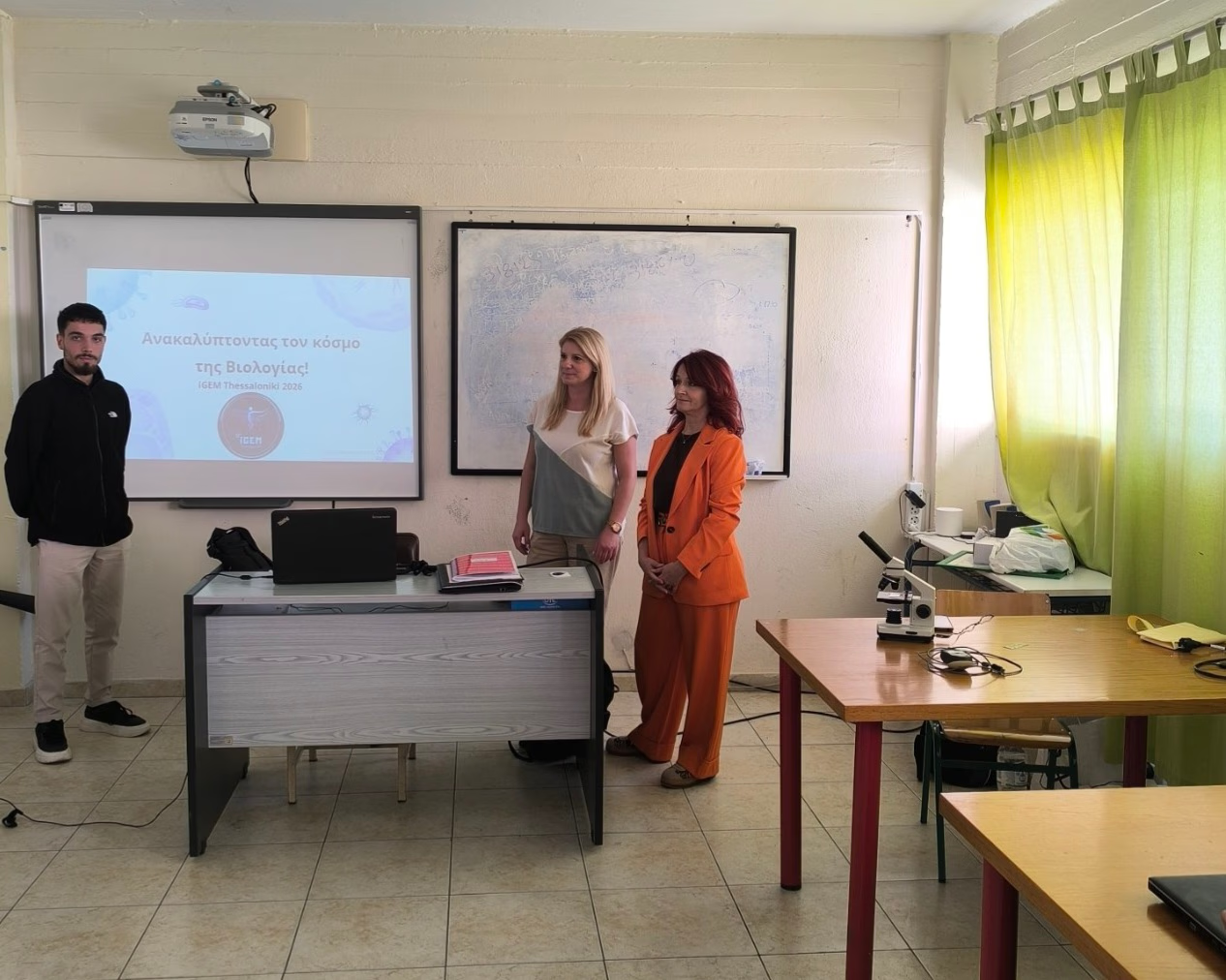
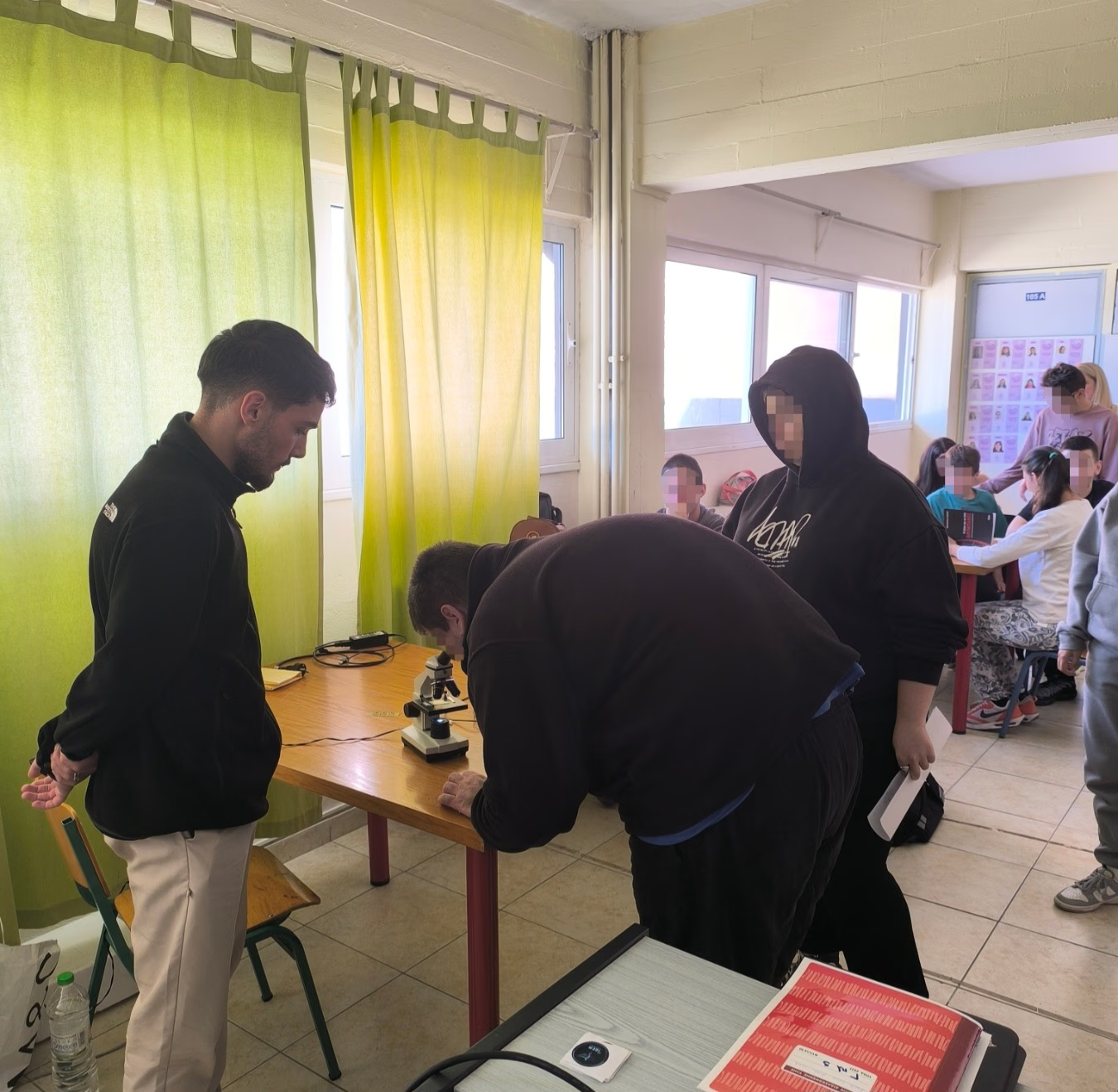
Our educational initiative recalibrated its focus toward the student community Unified Special Junior High and High School (EN.E.G.Y.L.). This group of young learners faces not only intricate learning challenges but also a systemic exclusion from experiential, hands-on scientific knowledge. Within an educational paradigm that frequently treats science as a collection of abstract theories reserved for the few, these students are deprived of the joy of discovery due to rigid environments and limited accessibility infrastructure. Our approach did not aim for a mere transmission of facts; rather, it sought to dismantle these invisible barriers, recognizing that the thirst for knowledge and scientific curiosity are universal human rights that cannot be confined by physical or learning diversities.
The cornerstone of our mission was rooted in a deeply democratic principle: the democratization of synthetic and cellular biology. We aspired to transform a traditionally insular and complex scientific field into a thoroughly inclusive, relatable, and living experience. Instead of confining our scope to rigid academic lectures that isolate the learner, we chose to translate the invisible microcosm of cells through tangible, everyday analogies of the macrocosm. Our goal was to bypass the narrow boundaries of conventional teaching methodologies, ignite an authentic inner drive for exploration, and ultimately foster health literacy within a demographic that formal education too often leaves on the periphery.
The architecture of this activity was built upon a multi-sensory and interactive experience, meticulously designed to engage all senses. Rejecting the one-dimensional delivery of standard academic presentations, we shaped an environment where knowledge takes on a physical form. We deployed custom-designed, high-contrast visual aids and three-dimensional, enlarged cellular models, inviting students to tactilely explore and map the very structure of life.
The functions of cellular organelles were decoded through conceptual bridges to the students' familiar surroundings:
- The nucleus was approached as the central control room and decision-making hub.
- The mitochondria were conceptualized as the power plant fueling vital operations.
The session culminated not in a monologue of evaluation, but in an open, egalitarian dialogue, where the students' inquiries became the catalyst for shared intellectual exploration.
This encounter served as a powerful empirical proof that even the most advanced biological concepts can achieve universality, provided that creative, kinesthetic, and student-centered methodologies are deployed. The enthusiastic response of the students and their profound engagement with the tactile models shattered preconceived notions regarding the limitations of special education.
Simultaneously, the impact of the activity was reciprocal. For the iGEM Thessaloniki team, this immersive interaction was not merely an act of outreach, but a lesson in humility and perspective. It forced us to realize the vital importance of multi-sensory communication and fundamentally reshaped our philosophical framework regarding public engagement, establishing absolute inclusivity as a non-negotiable prerequisite for all our future community endeavors.
This educational activity was conceptualized with flexible adaptation in mind, allowing it to be easily reproduced by other iGEM teams, university groups, or educators dedicated to promoting inclusive science education.
The core requirements for its implementation include:
- Access to a classroom or an accessible educational space.
- Three-dimensional, tactile cell models with distinct textures, which can be easily crafted using cost-effective materials (e.g., clay, plasticine, or recycled items).
- High-contrast visual aids tailored for students with visual or learning diversities.
- A guide featuring everyday analogies that translate complex biological processes into familiar, lived scenarios.
The structure of the workshop can be dynamically adapted according to the specific needs and backgrounds of the participants, making it a highly flexible model. Because it does not rely on specialized or expensive laboratory hardware, it is uniquely suited for special education schools or institutions with limited infrastructure, proving that scientific outreach is not a matter of budget, but of thoughtful design.
Interactive and sensory-driven activities of this nature are paramount for cultivating a truly inclusive scientific mindset, particularly when the rigidity of conventional curricula and institutional barriers tend to marginalize students with unique learning needs. Science must cease to be an exclusive privilege; instead, it must become an open horizon that sparks imagination, curiosity, and absolute equality for all.
Career Orientation at the 1st Experimental General High School of Thessaloniki
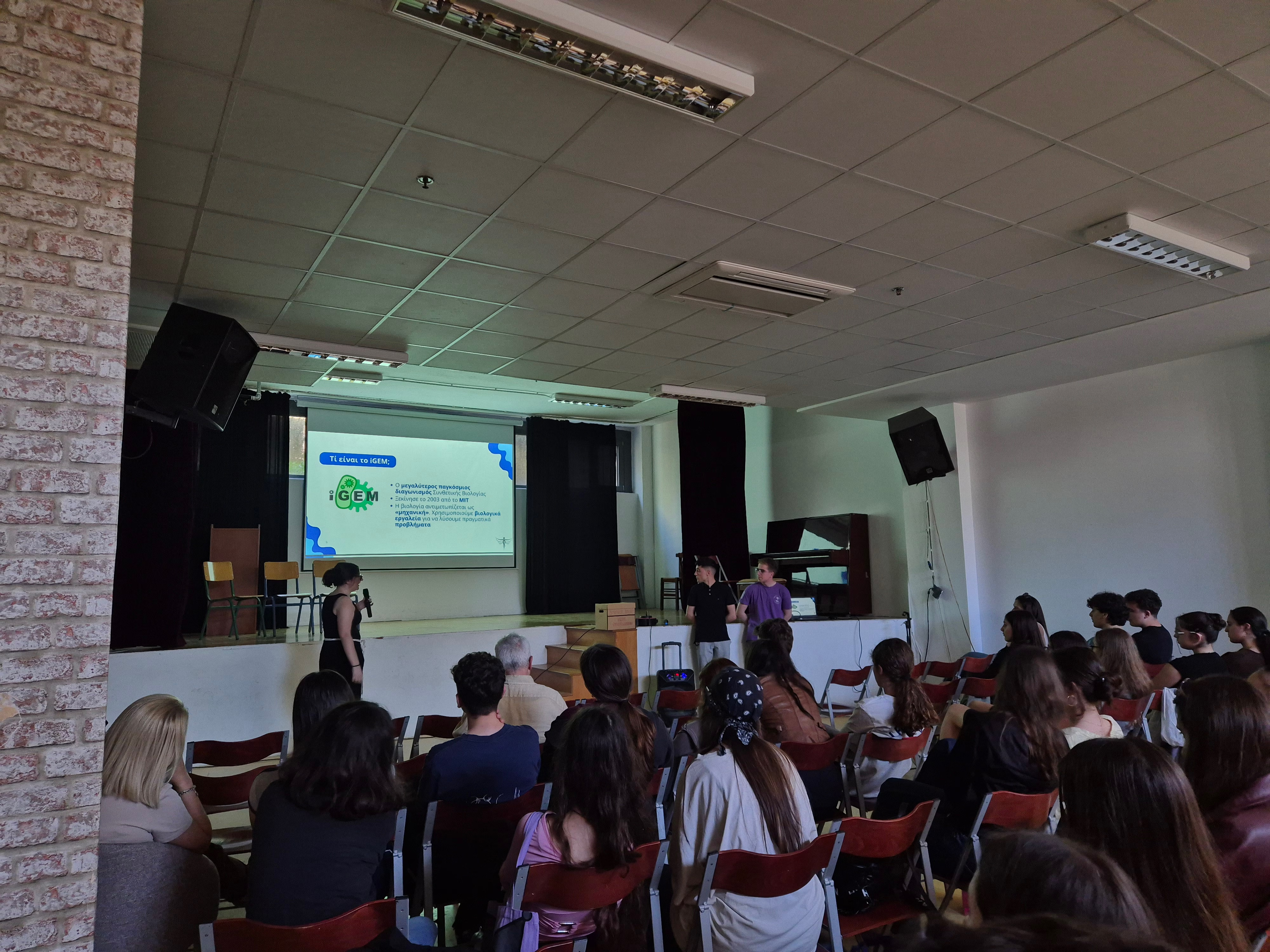
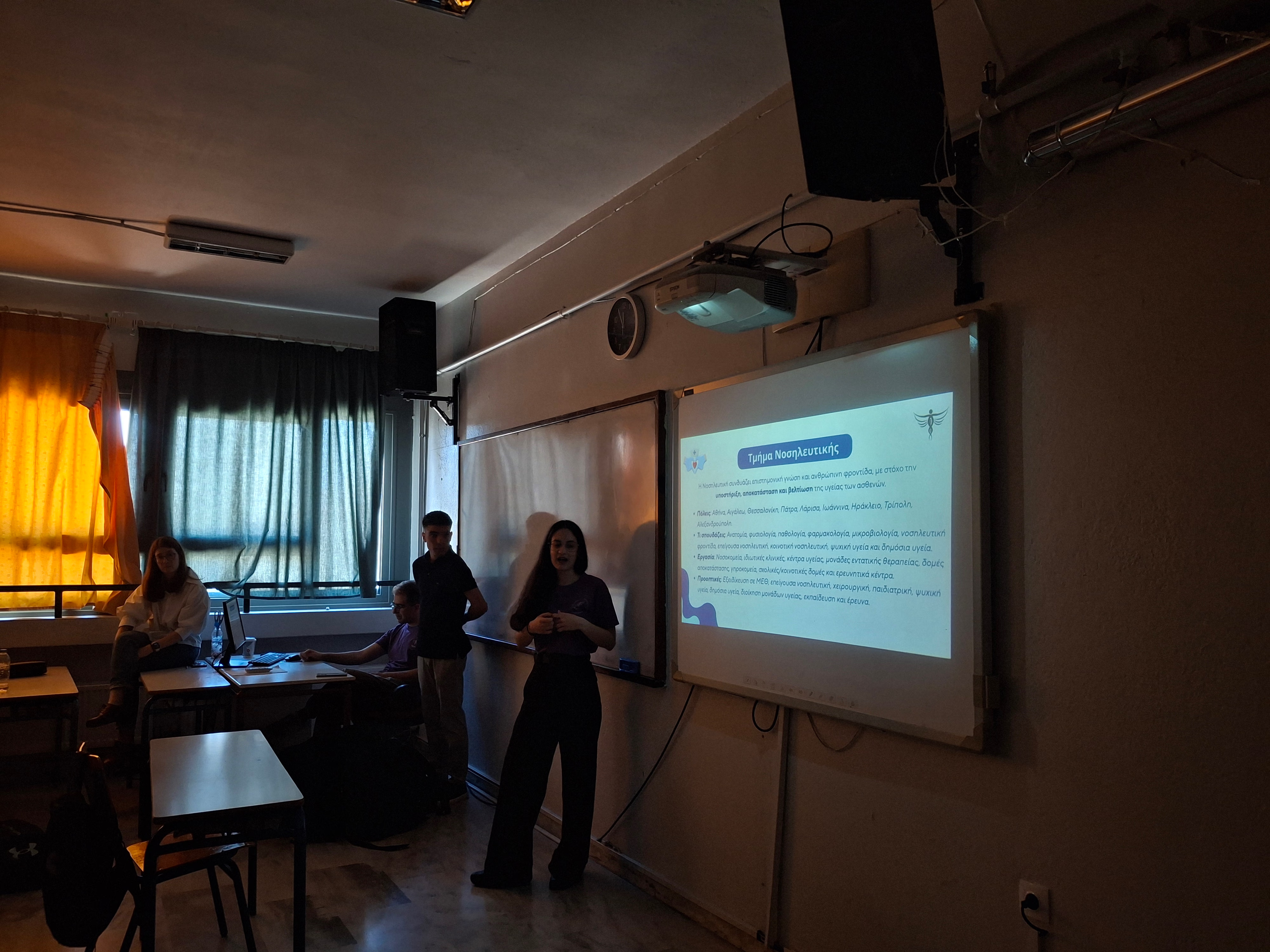
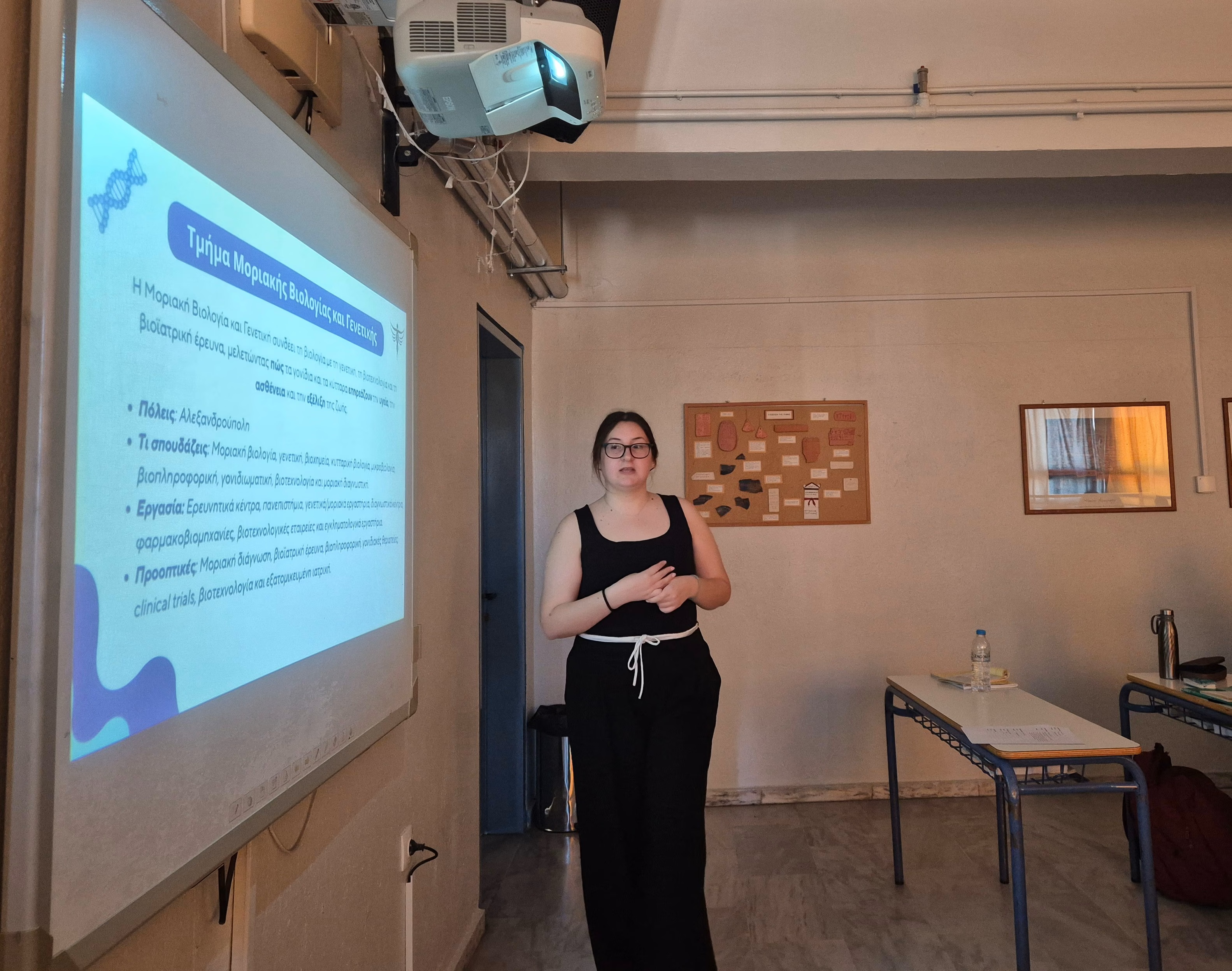
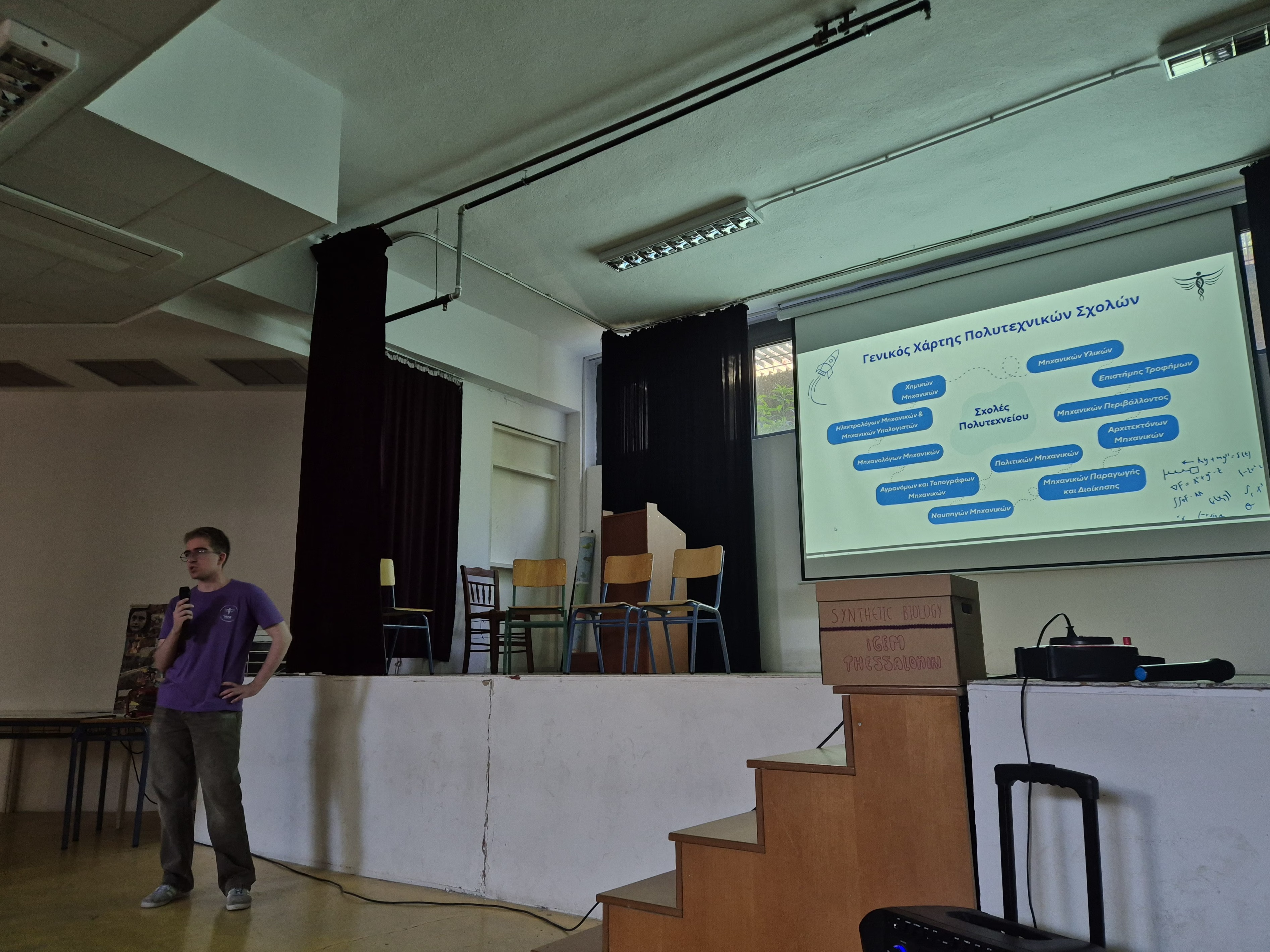
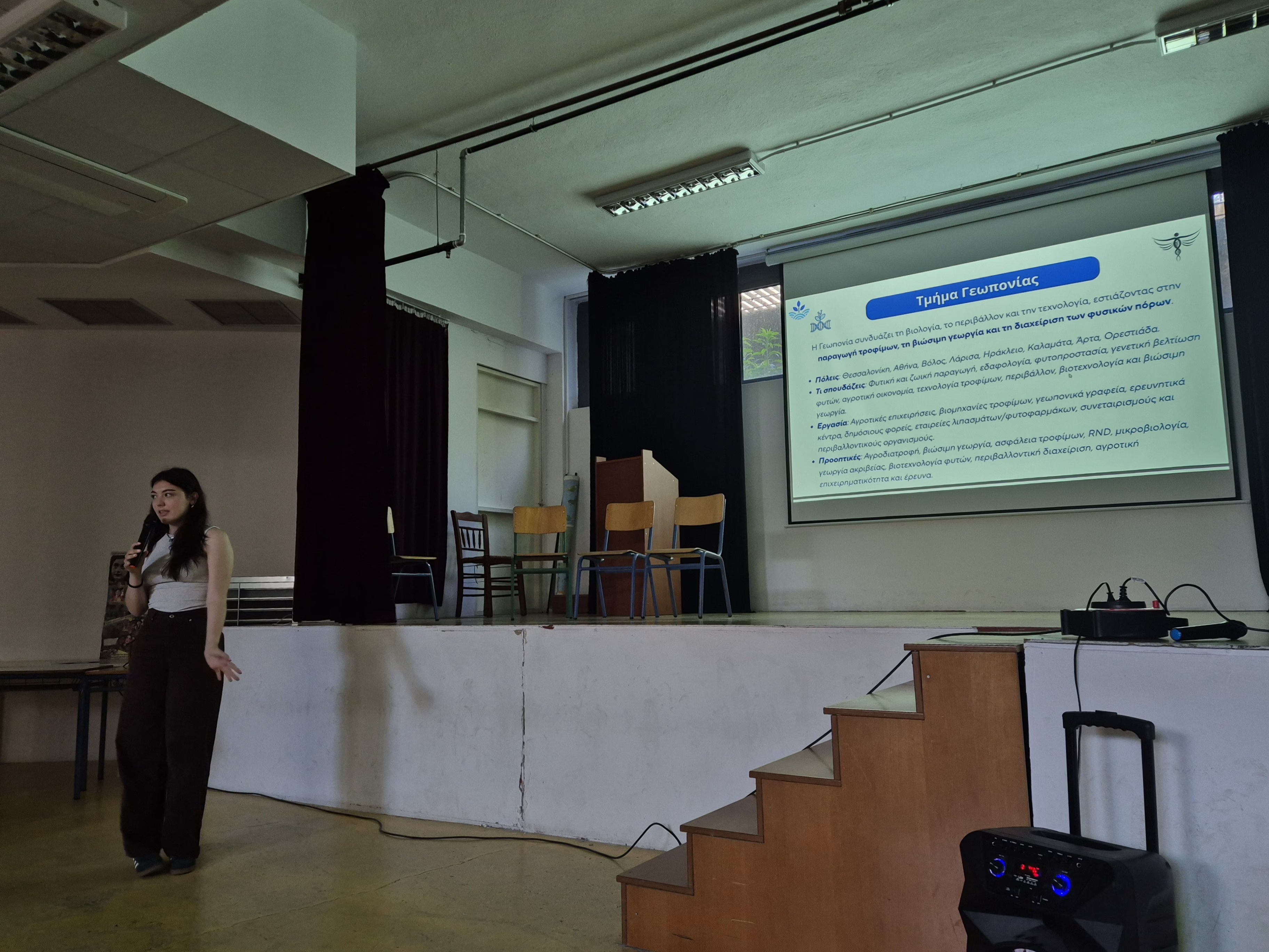
This activity was addressed to high school students of the Science and Health Studies orientations at the 1st Experimental General High School of Thessaloniki. The participants were students preparing for the Panhellenic examinations and approaching an important stage of their academic and professional decision-making process. Our team aimed to provide broader guidance regarding university pathways and career opportunities.
The primary goal of this activity was to support students in understanding the wide range of academic and professional opportunities available within the Science and Health Studies orientations. Rather than focusing exclusively on biology or biotechnology, we aimed to present different university schools, scientific disciplines and career paths related to medicine, physics, biology, chemistry, engineering, research and health sciences. Through this discussion, we wanted to help students make more informed decisions regarding their future studies while also introducing them to interdisciplinary scientific fields.
The activity took place in person on 12 May at the 1st Experimental General High School of Thessaloniki and was structured as an open educational discussion. After presenting the university options available to the students, members of our team shared personal experiences regarding university studies, laboratory work, research, student life and career possibilities connected to the Science and Health sectors. The session included presentations, informal discussion and direct interaction with students, allowing participants to ask questions about university departments, academic demands, research opportunities and professional prospects.
The experience reinforced the value of educational outreach activities that extend beyond direct scientific communication and address broader educational and career-related concerns. Following this activity, we recognised the importance of presenting science not only as theoretical knowledge but also as a diverse field connected to real academic and professional experiences. This perspective influenced the way we approached future outreach activities by placing greater emphasis on accessibility, relatability and open communication with younger audiences.
This type of educational and career orientation session can be easily adapted and implemented in other schools and educational settings. The discussion-based format allows flexibility depending on the audience's academic interests and educational background. Similar activities could be organised by university students, research teams or scientific organisations to support high school students during their academic orientation process and provide accessible guidance regarding higher education opportunities.
Beyond providing information about university studies and scientific careers, this activity contributed to building a stronger connection between students and the academic community. By creating an open and approachable environment for discussion, we encouraged students to explore scientific and health-related fields with greater confidence and curiosity. For our team, the experience emphasised the importance of mentorship, accessibility and communication in supporting future generations of students as they transition from secondary education to higher education and professional development.
Online Career Orientation Day for Border Area Schools
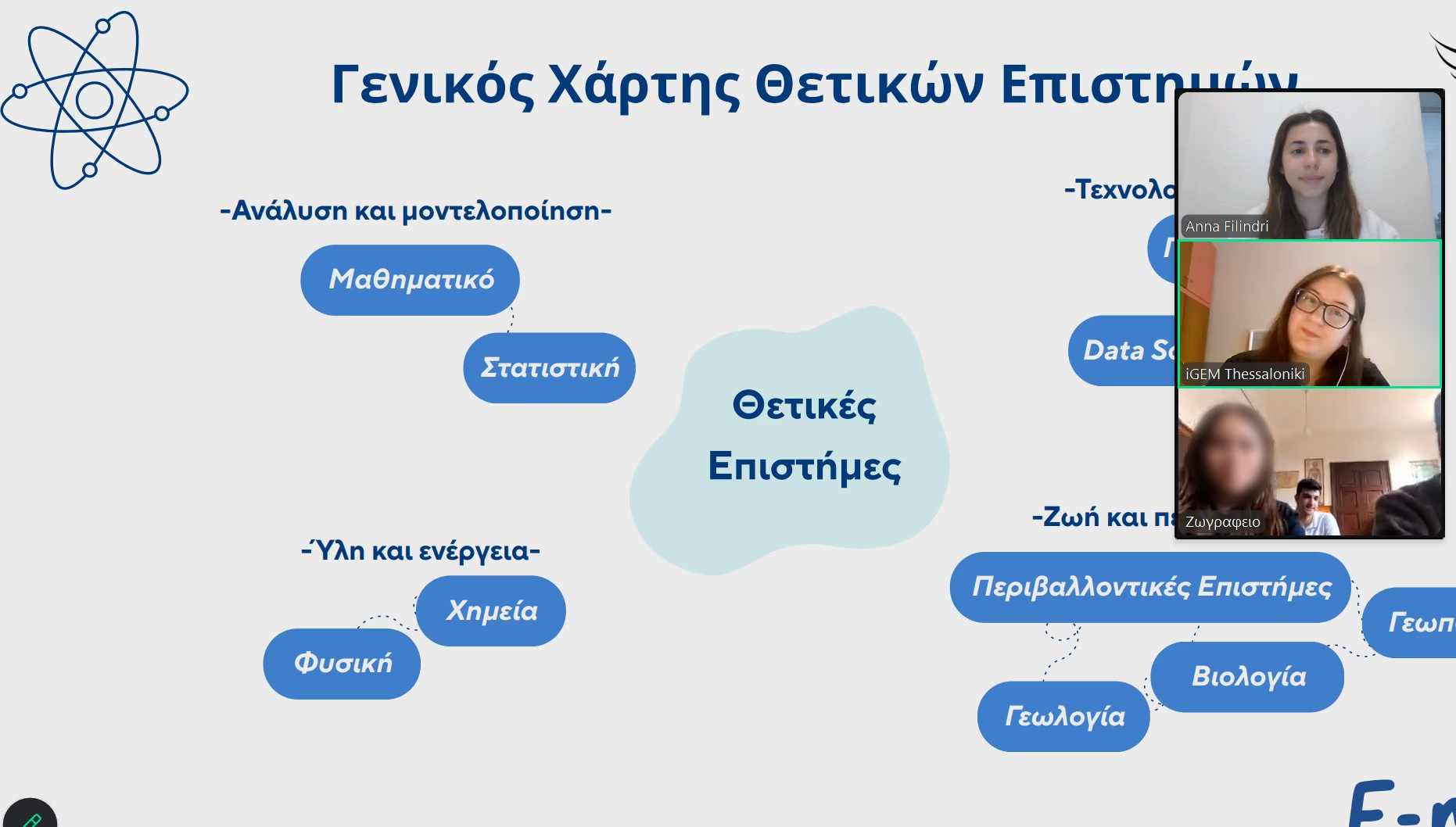
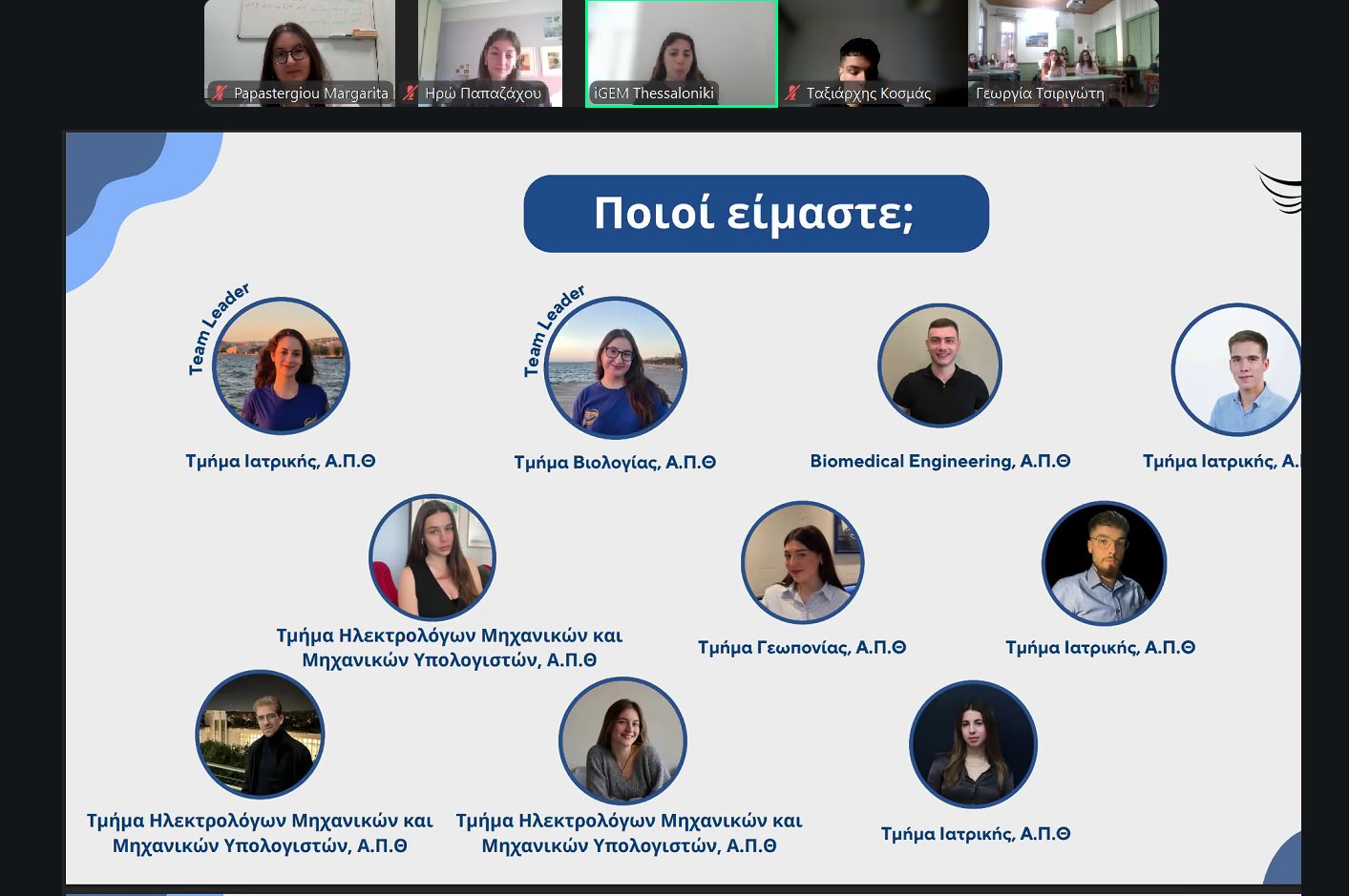
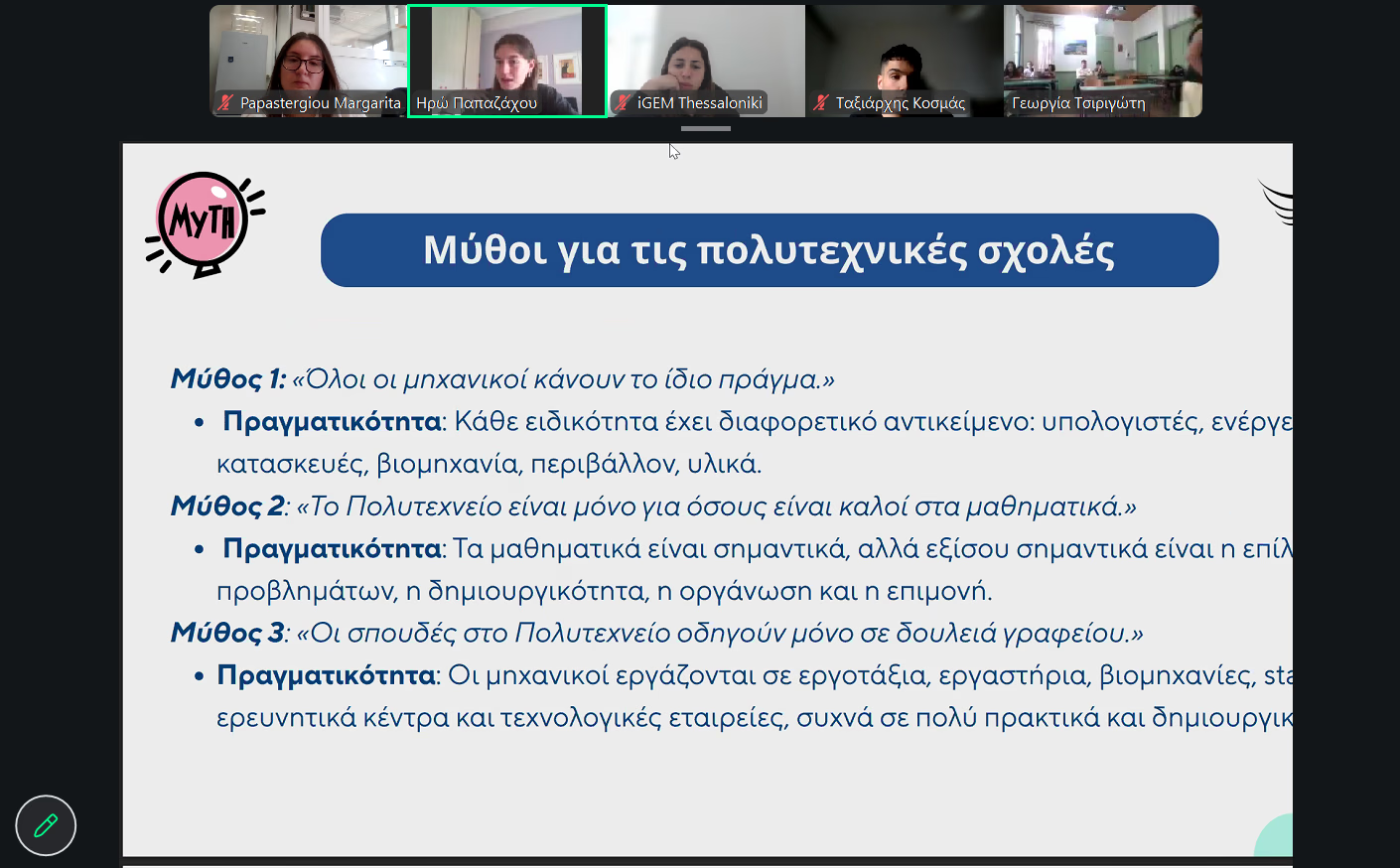
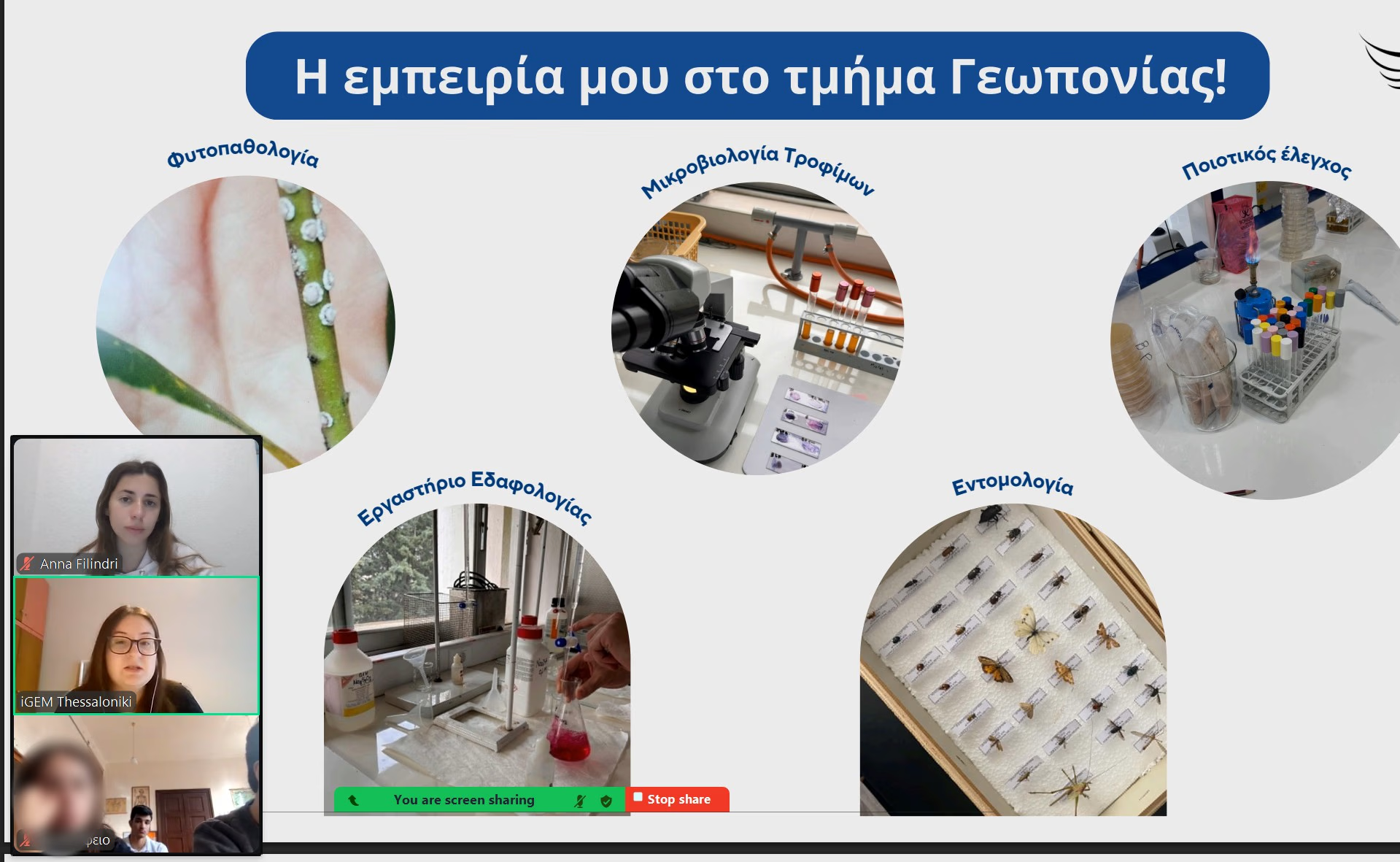
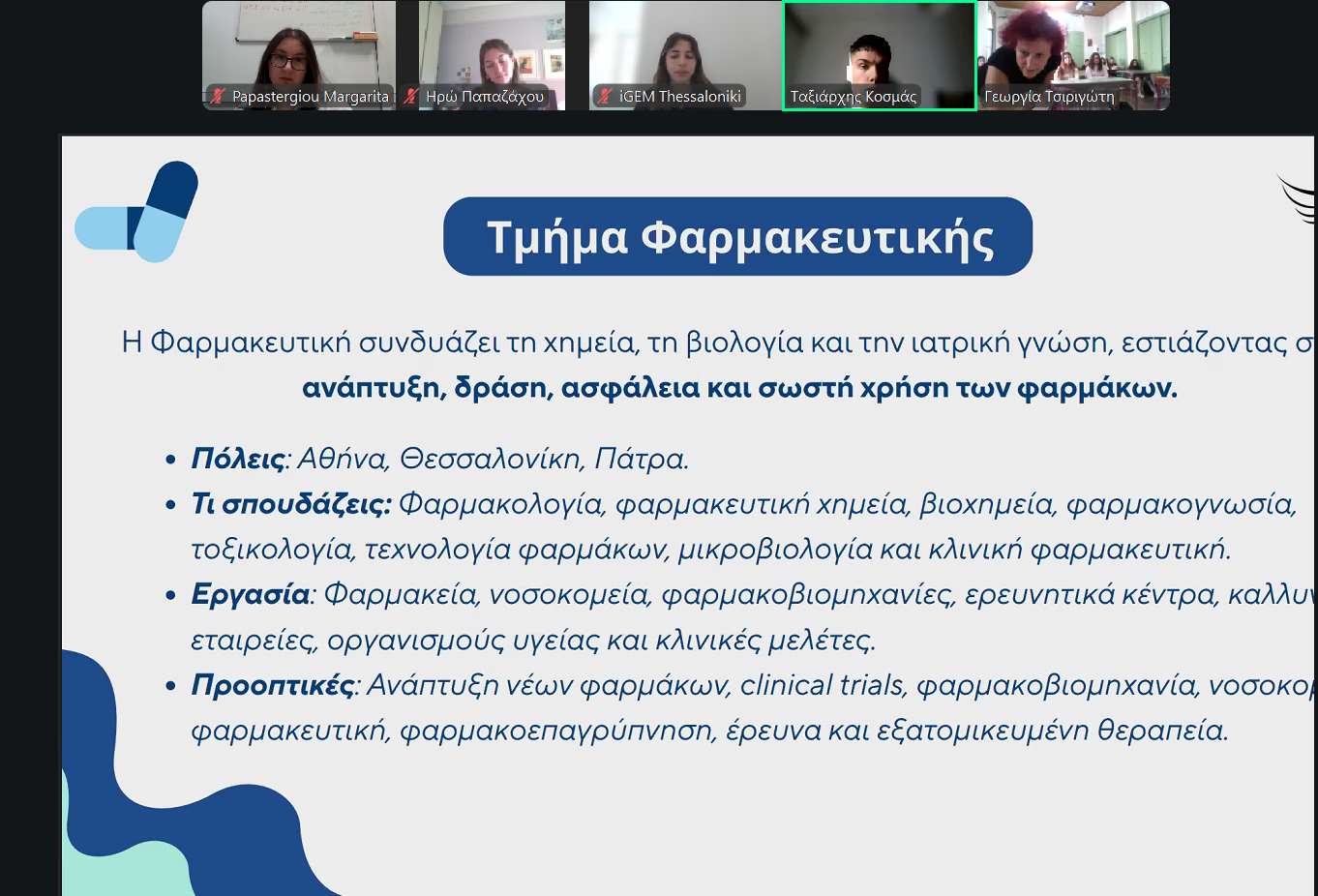
Our audience consisted of high school students from three different schools: Zografeio High School in Istanbul, the High School of Neapoli in Kozani, and the High School of Kalymnos. The participants were students preparing to make important academic and professional decisions, with diverse interests across health sciences, engineering, natural sciences, and other university fields.
Since the students were at a stage where they were beginning to think seriously about university studies, career pathways, and national examinations, our goal was to design an activity that was useful, accessible, and directly connected to their everyday concerns.
The purpose of this event was to support students in understanding both the academic and emotional dimensions of preparing for university. More specifically, we aimed to:
- Introduce and explain the structure of university education, different academic departments, and the opportunities available after graduation.
- Enable students to ask questions about studying at university, compare different fields, and better understand how academic choices can connect to future careers.
- Encourage a more balanced and informed mindset toward exams, stress, and academic decision-making, showing that stress is a normal human response rather than a sign of weakness or failure.
Through this activity, we wanted to show that education in synthetic biology and science does not only involve explaining biological concepts. It also involves helping young people feel more confident, informed, and included in the scientific and academic world.
The event was divided into two main segments.
The first segment focused on Educational and Vocational Guidance. We presented different university departments and discussed what students can study in each field, what skills they may develop, and what graduates can do after completing their studies. Instead of presenting university choices only as exam outcomes, we tried to connect each academic path with real professional opportunities, research directions, and future possibilities.
We highlighted departments from different scientific and technological fields, including health sciences, natural sciences, engineering, and interdisciplinary areas. Our aim was not only to describe what each department includes, but also to help students understand how different fields can overlap and collaborate in modern research and innovation.
The second segment focused on stress and exams. We discussed stress as a normal physiological and psychological response of the human body, especially in demanding periods such as exam preparation. We explained that stress is not something students should feel ashamed of, but something they can learn to recognize, manage, and discuss. This part of the activity helped us approach education in a more holistic way, combining academic guidance with emotional support.
The webinar format allowed students from different locations to participate at the same time. We used a presentation-based structure, but placed strong emphasis on interaction. Students were encouraged to ask questions throughout the event, especially about university life, academic expectations, future careers, and how to cope with pressure during exam periods.
What Participants Learned. Through the discussion, students were introduced to:
- The differences between various university departments and academic fields.
- The types of courses, skills, and experiences students may encounter at university.
- Possible career and research pathways after graduation.
- The idea that academic choices should be connected not only to exam scores, but also to interests, strengths, and long-term goals.
- The biological and emotional basis of stress.
- The message that stress before exams is common, normal, and manageable.
The students also had the opportunity to ask practical questions about university life, workload, career prospects, and how to choose between different fields of study.
What We Learned. This event was also highly valuable for us, because it helped us better understand what high school students need from science communication and educational outreach.
We observed that many students are not only looking for information about university departments, but also for reassurance. Their questions showed that they often feel uncertain about whether they are choosing the "right" path, whether a specific department will offer enough opportunities, and how their studies will connect to real careers.
We also noticed that discussions about stress were especially important. Students seemed to benefit from hearing that stress is a normal reaction and that many people experience it during periods of pressure. This showed us that educational activities should not focus only on transferring knowledge, but also on creating a safe space where students can express concerns and receive support.
Insights: What Changed in Our Understanding. This activity helped us identify several important points:
- High school students need clear, accessible explanations of university departments and career pathways.
- Many students have limited exposure to what graduates actually do after their studies.
- Career guidance becomes more meaningful when it includes real examples and personal experiences.
- Students are interested not only in academic information, but also in practical advice about university life.
- Stress and exam anxiety are central concerns for students preparing for higher education.
- Educational outreach should address both knowledge gaps and emotional needs.
- Online formats can successfully connect students from different cities and countries when the session is designed to be interactive.
The webinar directly influenced the way we approach education and outreach as an iGEM team.
First, it encouraged us to design educational activities that go beyond simply presenting scientific information. We realized that if we want more students to participate in science and synthetic biology, we must also help them understand how academic and professional pathways work.
Second, the questions we received from students helped us refine the way we communicate complex academic fields. Instead of only describing departments in technical terms, we began focusing more on what students can experience, learn, and become through each academic path.
Third, the stress-management segment showed us that outreach should include empathy. As a result, we became more intentional about creating educational environments where participants feel comfortable asking questions, expressing uncertainty, and discussing challenges.
This activity also strengthened our belief that science education should be inclusive, supportive, and human-centered. By combining vocational guidance with discussion about stress and exams, we created an activity that responded to the real needs of students at a critical stage of their educational journey.
Scalability and Reproducibility. This activity can be easily repeated by other iGEM teams or student groups. The basic structure requires:
- An online meeting platform.
- A presentation explaining university departments and career pathways.
- Speakers with experience in different academic fields.
- A dedicated question-and-answer session.
- A short segment on stress, exams, and emotional well-being.
- Adaptation of the content to the age, background, and educational system of the target audience.
Other teams could reproduce this activity by tailoring the university departments and examples to their own country or region. The format is flexible and can be implemented either online or in person. It is especially useful for high school students who are preparing for university entrance exams or exploring future academic options.
Through this activity, we reached students from Zografeio High School in Istanbul and the High School of Neapoli in Kozani, creating a bridge between different educational communities. We helped students explore university studies, understand possible career pathways, and discuss the emotional pressure that often accompanies exams and academic decisions.
For us, the impact of this activity was not limited to information sharing. It created a space for dialogue, reassurance, and empowerment. By supporting students in both their academic orientation and their emotional well-being, we helped make science, higher education, and synthetic biology feel more approachable, realistic, and inclusive.
Participation as Exhibitors at Anatolia CTY
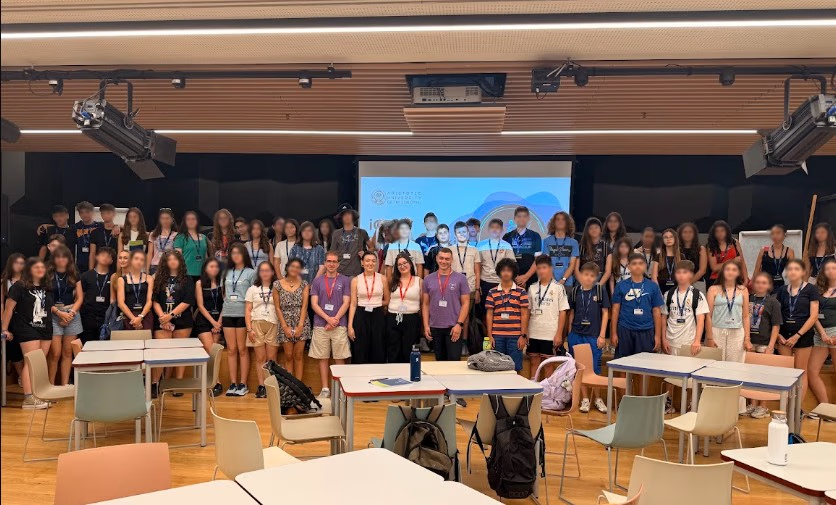
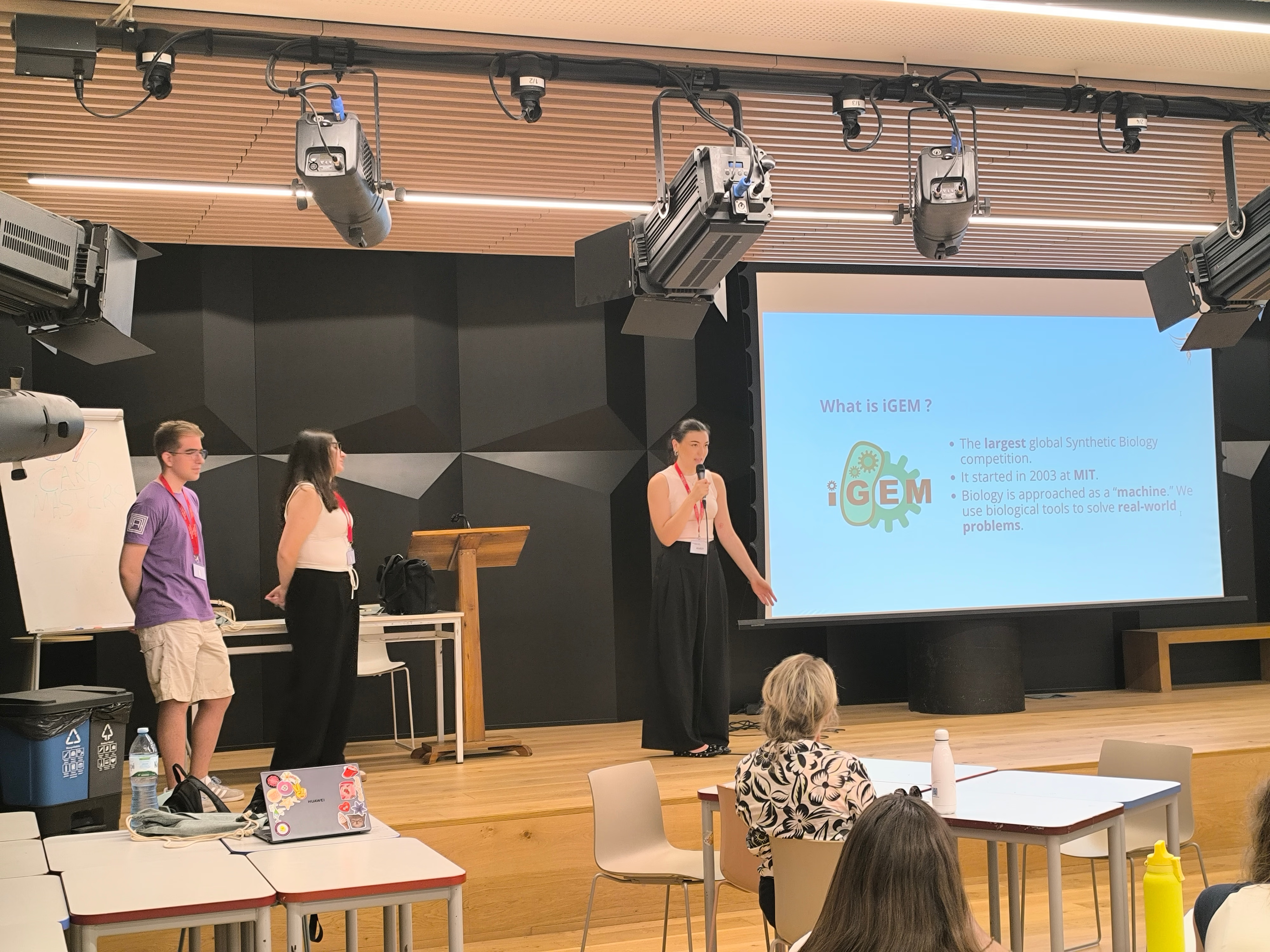
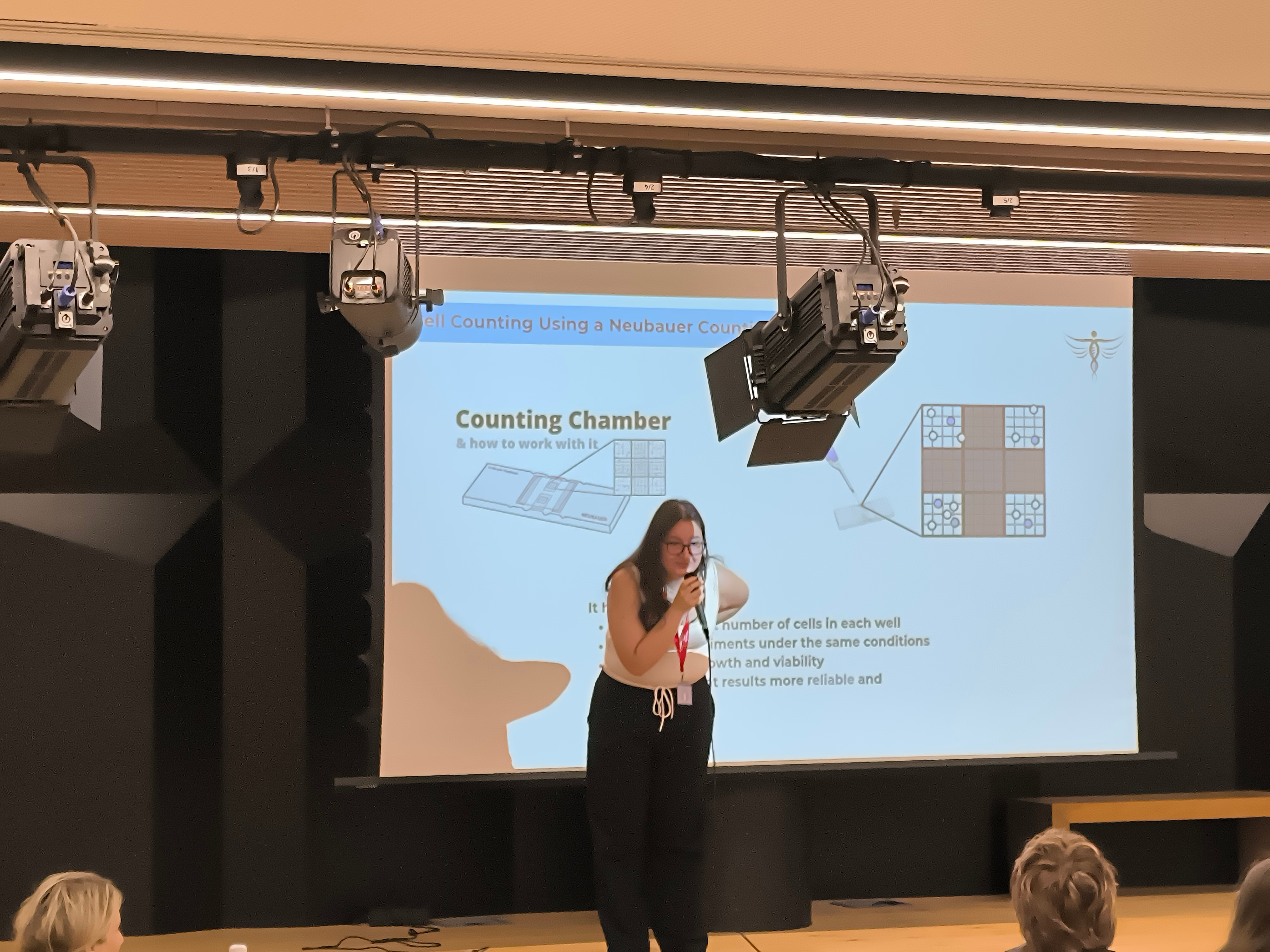
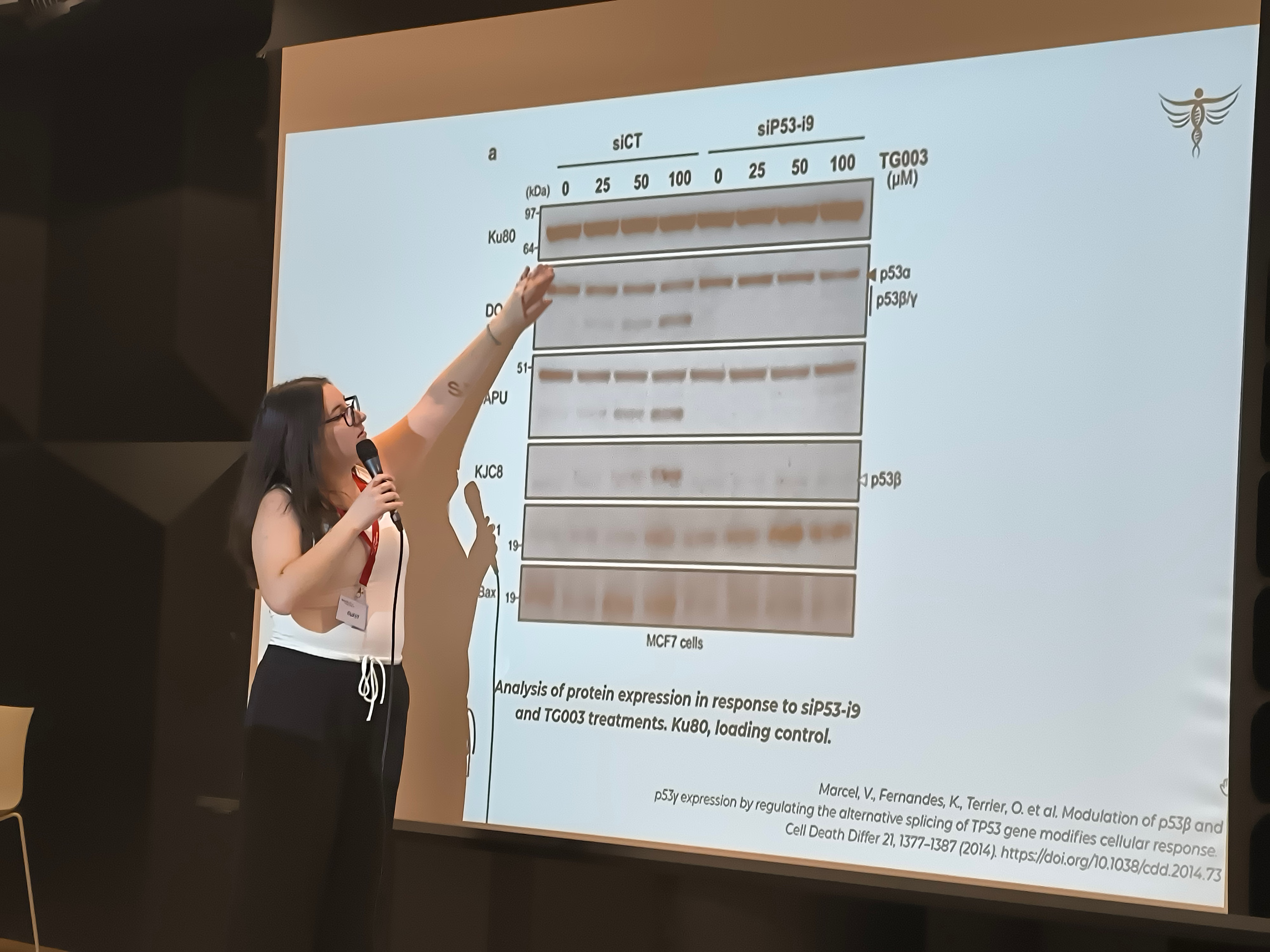
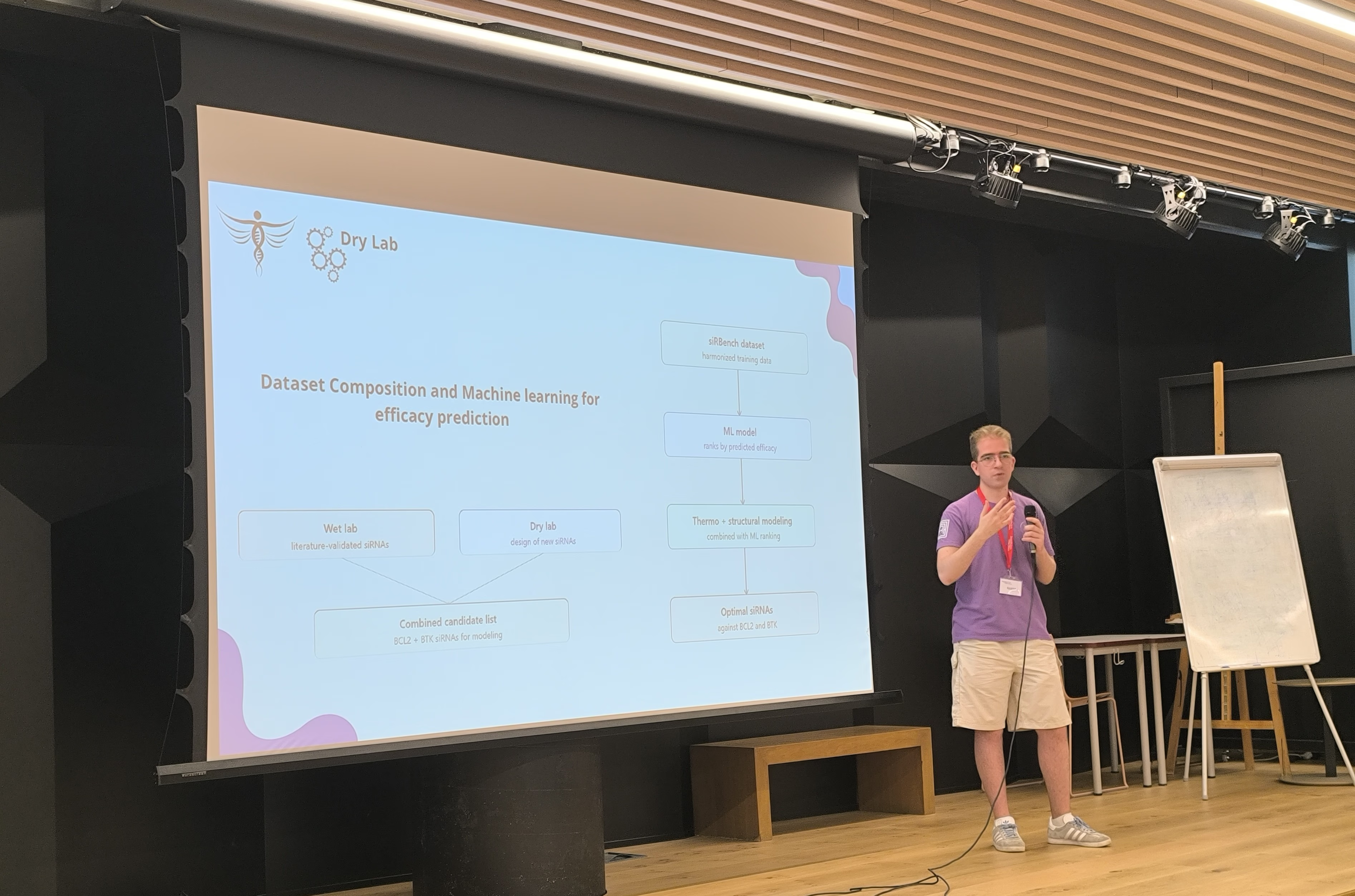
The event was primarily addressed to students of Anatolia CTY, particularly young people interested in biology, medicine, biotechnology, computer science, engineering, and artificial intelligence.
The presentation was designed to be accessible to students without extensive prior knowledge of molecular biology, while also providing concrete examples of modern research methodologies. It was especially relevant to students interested in understanding how different STEM disciplines can collaborate within a real research project.
The primary educational objective of the event was to provide students with a realistic and accessible overview of how scientific research is conducted within an interdisciplinary team. More specifically, the presentation aimed to:
- Introduce the Scientific Research Process: Explain how researchers move from identifying a scientific problem to developing a hypothesis, designing experiments, collecting data, interpreting results, and modifying their research strategy.
- Connect Wet Lab and Dry Lab Research: Demonstrate how laboratory experiments and computational methods complement one another and contribute to the development of a complete research project.
- Develop Understanding of Experimental Methods: Introduce students to fundamental laboratory techniques such as cell culture, cell counting, flow cytometry, and Western blotting, while explaining the purpose of each method rather than focusing only on technical details.
- Highlight the Role of Computational Biology: Present the use of tools such as AlphaFold, protein association networks, machine-learning models, thermodynamic analysis, and structural modelling in the design and evaluation of biological experiments.
- Promote Interdisciplinary Collaboration: Show that modern biological research requires cooperation between students and researchers from biology, medicine, chemistry, computer science, engineering, communication, and design.
- Foster Interest in STEM and Student Research: Encourage students to view research as a creative, collaborative, and accessible process in which young scientists can actively participate.
During the event, the research process was presented through a structured sequence that followed the main stages of an iGEM project:
Introduction to iGEM and the Team Structure. We introduced iGEM as an international synthetic biology competition and presented the history of the Thessaloniki team. We also explained the responsibilities of the different sub-teams and how their work contributes to a common scientific objective.
Presentation of the siREN Project. The team's project on Chronic Lymphocytic Leukemia was used as a case study to demonstrate how a biomedical problem can be approached through synthetic biology and RNA interference. We explained the project's objective of developing a safe and targeted system for delivering RNAi molecules to malignant cells.
Wet Lab Research Process. Students were introduced to the main stages of experimental laboratory work, including experimental design, bench work, data analysis, result interpretation, and troubleshooting. For each technique, we focused on why it is used, what type of information it provides, and how its results contribute to subsequent experimental decisions.
Dry Lab and Computational Research. The Dry Lab section demonstrated how computational tools can support experimental planning, reduce unnecessary laboratory expenses, prioritize promising candidates, and interpret complex biological systems.
Demonstration of the Iterative Research Cycle. We explained how the Wet Lab and Dry Lab teams continuously exchange information. Experimental data provide input for computational analysis, while computational predictions help the Wet Lab select the most promising candidates for validation. Through the example of the siRNA design iteration loop, students saw that research progresses through repeated cycles of literature review, candidate selection, modelling, experimental testing, result evaluation, and redesign.
Discussion and Questions. Throughout and at the end of the presentation, students had the opportunity to ask questions about the iGEM competition, synthetic biology, laboratory research, artificial intelligence, cancer research, and the participation of university students in interdisciplinary scientific projects.
Cellular Innovators
We conducted a series of workshops focused on computational biology, designing each session to introduce participants to modern bioinformatic tools and molecular modeling software. To ensure the continuous improvement of these educational initiatives, we distributed evaluation forms to participants at the conclusion of each workshop, allowing us to gather valuable feedback and identify specific areas for refinement in subsequent sessions. Recognizing that each audience possessed a unique scientific background, we dynamically adapted our content and teaching depth to match their prior knowledg,ranging from foundational molecular biology introductions for secondary school students to advanced command-line operations for specialized undergraduates. This iterative approach, combining participant feedback with a careful consideration of their academic baseline, allowed us to successfully translate complex computational algorithms into accessible, highly engaging, and skills-based student workflows.
Introduction to 3D Protein Modeling Workshop (AUTh School of Medicine)
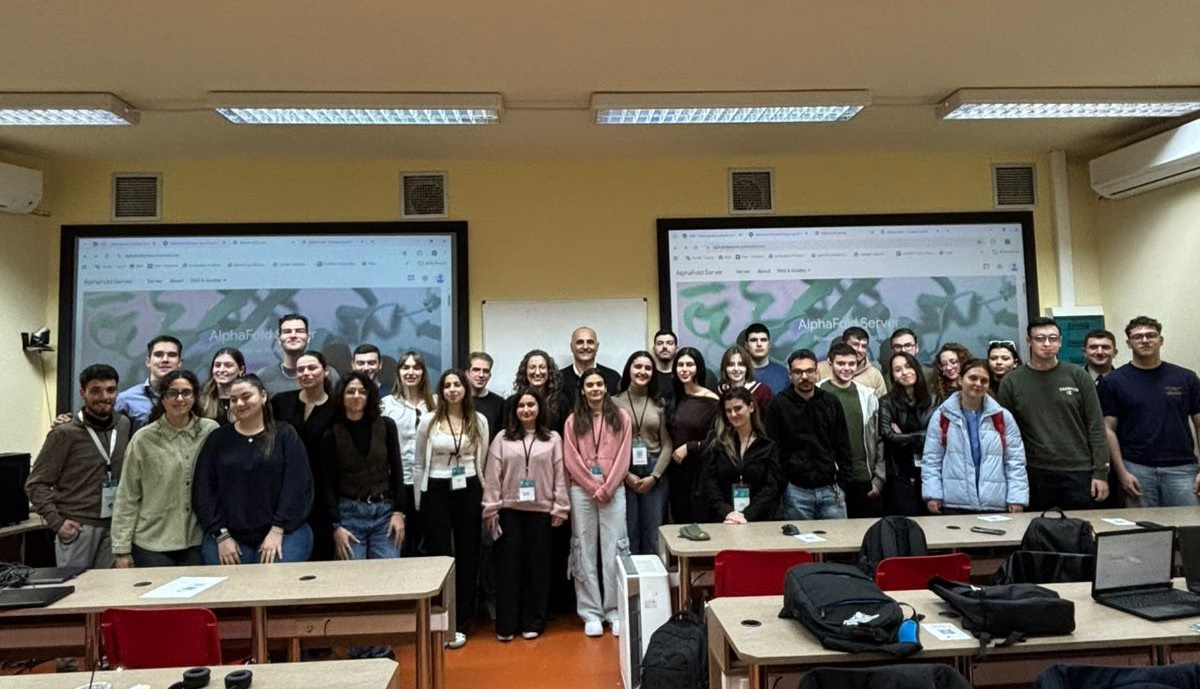
Our team participated in the 15th Scientific Congress of the Aristotle University School of Medicine, which took place on 5–6 March 2026, by organising a workshop addressed to undergraduate students in collaboration with the Biological Chemistry lab of AUSoM and the Functional Proteomics and Systems Biology (FunPATh) research group.
The workshop was titled "Introduction to 3D protein modelling: from sequence to structure and function" and its primary goal was to introduce students to computational tools for predicting the three-dimensional structure of proteins and protein complexes, while enhancing their understanding of how amino acid sequences determine protein structure and function.
The workshop began with a lecture on the way amino acid sequences determine protein folding, as well as the methods used to study and predict protein structure, along with the confidence metrics associated with these predictions.
This was followed by a hands-on session, during which students explored the UniProt database to access information on the structure and function of various proteins, including the p53 protein, and retrieve their amino acid sequences. They then used the AlphaFold 2 and 3 servers to visualise predicted 3D structures of proteins and protein complexes in real time. In this way, they developed an understanding of AlphaFold's underlying principles, limitations, and the confidence associated with its predictions.
The workshop concluded with a discussion on the applications of these technologies in disease research, as well as their potential extension to other biomolecular structures such as DNA and RNA, aiming to encourage further engagement with the fields of biomedicine and synthetic biology.
Students were also assigned optional tasks, with an award for the best submission. The first task was modelling the human haemoglobin protein using the AlphaFold server and evaluating the associated confidence metrics. The second required participants to prepare a report on their favourite protein using UniProt and the AlphaFold 2 database.
Participants demonstrated a high level of engagement, asking intriguing questions that sparked interesting conversations on evolutionary biology and bioinformatics. They expanded their knowledge of protein structure and modelling as well as gaining bioinformatics skills. Students were also able to freely explore the introduced platforms, providing them the opportunity to investigate proteins of personal interest.
Evaluation forms showed that most participants had little to no prior experience with bioinformatics, highlighting the importance of introducing concepts in an accessible and structured way. Participants also identified the need for more hands-on time, informing future improvements to the workshop series through greater emphasis on practical exercises and active learning.
The workshop directly supported the project's education and outreach objectives by communicating complex scientific concepts in an accessible and engaging way to undergraduate students, as well as providing insights into students' understanding and engagement that can shape our future outreach strategies.
Additionally, the workshop advanced public understanding by demonstrating how computational tools predict protein structure and function, increased accessibility through hands-on experience with free, widely available bioinformatics platforms, and highlighted societal relevance by linking protein modelling to disease research and synthetic biology.
Protein modelling is an integral part of an iGEM project, particularly within the dry lab, where understanding protein structure and interactions is essential. Bioinformatics tools such as AlphaFold allow researchers to predict the 3D structure of proteins and how multiple molecules may interact, guiding experimental design and reducing trial-and-error in the laboratory. Through this workshop, we not only deepened our expertise in computational biology and bioinformatics, gaining practical knowledge of the techniques and algorithms behind these predictive tools, but we also learned how to convey complex ideas to undergraduate students while keeping them engaged and inspired to explore new scientific topics.
Exploring Genetic Mutations Workshop (12th ACSTAC)
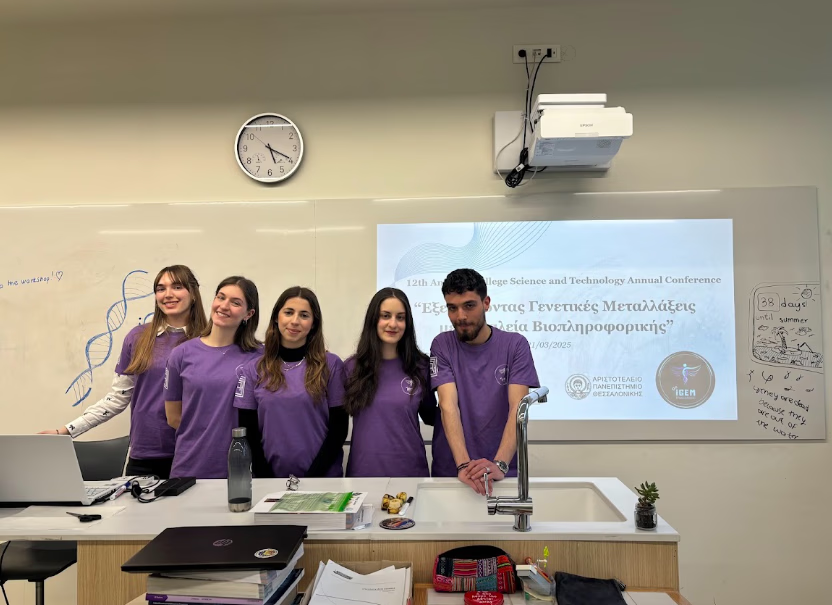
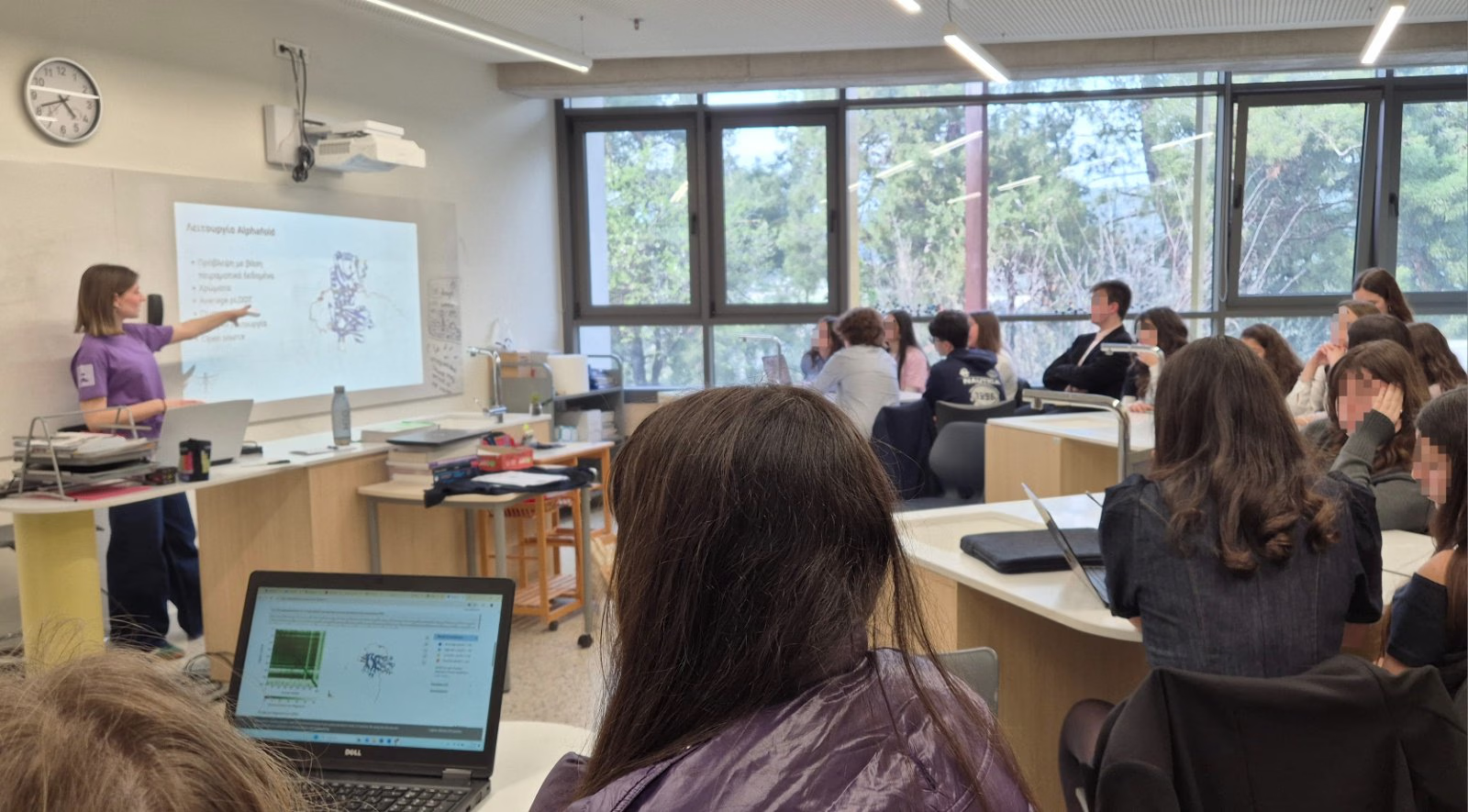
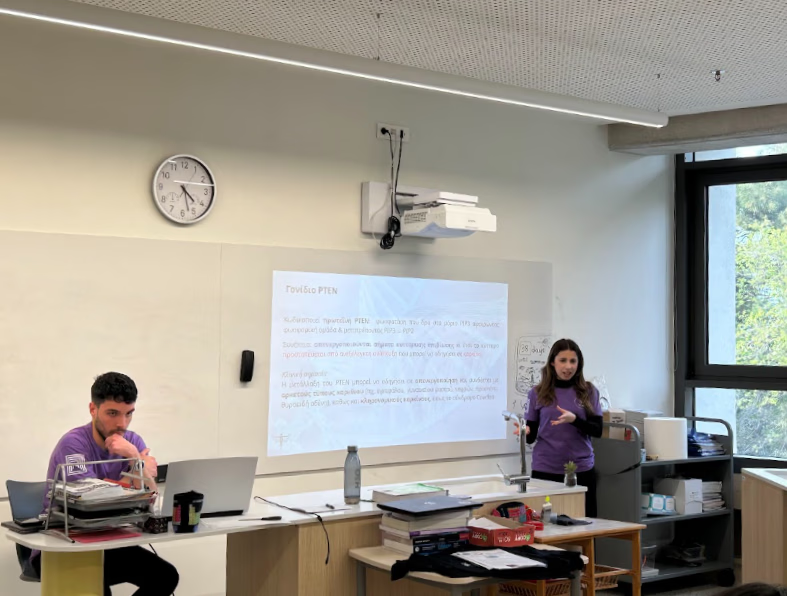
On 21 March 2026, our team organised a hands-on bioinformatics workshop for secondary school students at the 12th Anatolia College Science and Technology Annual Conference (ACSTAC).
The workshop, titled "Exploring Genetic Mutations with Bioinformatics Tools", was meant to act as an engaging introduction to molecular biology and to useful bioinformatics tools, fostering comprehension, curiosity and interest in late middle school and early high school students.
We began by presenting our iGEM team, its past projects and events, its structure, and the framework of the competition in which it operates, as well as by explaining what synthetic biology really means.
The theoretical part of the workshop then covered basic molecular biology concepts, from the structure and function of macromolecules such as DNA, RNA and proteins, to the central dogma and the flow of genetic information through replication, transcription and translation. Diving deeper, we introduced the concept of mutations, their causes, types and possible effects on a gene's function. Finally, we elucidated the fundamentals of cancer biology, with a focus on the tumour-suppressing function of the PTEN gene.
This was followed by a hands-on session, during which students had the opportunity to become familiar with several bioinformatics tools that aid biological research. With parallel educational talks about each tool and the field of bioinformatics more broadly, the students received guidance on:
- Using the UniProt database to decipher information about any protein of interest and access its amino acid sequence.
- Visualising a specific protein's 3D structure with the AlphaFold Protein Structure Database.
- Searching for specific genes with the Ensembl Genome Browser to access their nucleotide sequences and gain information about their chromosomal localisation, their introns and exons, and their known transcripts.
- Using the Ensembl BLAST/BLAT tool for sequence alignment, in order to identify unknown sequences or — for the purposes of our workshop — to spot missense mutations in a known amino acid sequence by means of BLASTP analysis.
- Browsing Tumor Portal to find associations between specific polymorphisms and specific cancer types.
The workshop concluded with a take-home message that formed the core of our practical workflow: bioinformatics uses computational tools to analyse biological data that shape the understanding, diagnosis, prevention and therapy of diseases such as cancer, which pose a significant real-world problem.
Throughout the workshop, we had the privilege of receiving and answering many interesting questions relating to the subjects being discussed, as the students remained engaged and curious.
The result? They expanded their knowledge in molecular and cancer biology, developed critical thinking in biology, and gained useful bioinformatics skills. Students were also able to freely explore the introduced platforms, being given the opportunity to apply their newly learned skills independently, solidifying their knowledge and empowering them to research genes or proteins of personal interest.
The workshop effectively contributed to the project's education and outreach goals by presenting complex scientific concepts in a clear, accessible and engaging manner to middle and high school students. It also provided valuable insights into students' levels of understanding and engagement, which can inform and improve future outreach initiatives.
Furthermore, the workshop enhanced public understanding of molecular biology by offering hands-on experience with freely available bioinformatics tools, thereby increasing accessibility. It also emphasised the broader societal relevance of these topics by connecting genetics and bioinformatics to fields such as cancer research and synthetic biology.
Through this experience, we developed more effective strategies for conveying complex scientific ideas to secondary school students in a way that is both comprehensive and engaging, while fostering curiosity and encouraging further exploration of scientific topics.
AlphaFold: Structure Driven Medicine Workshop (32nd SCHMS)
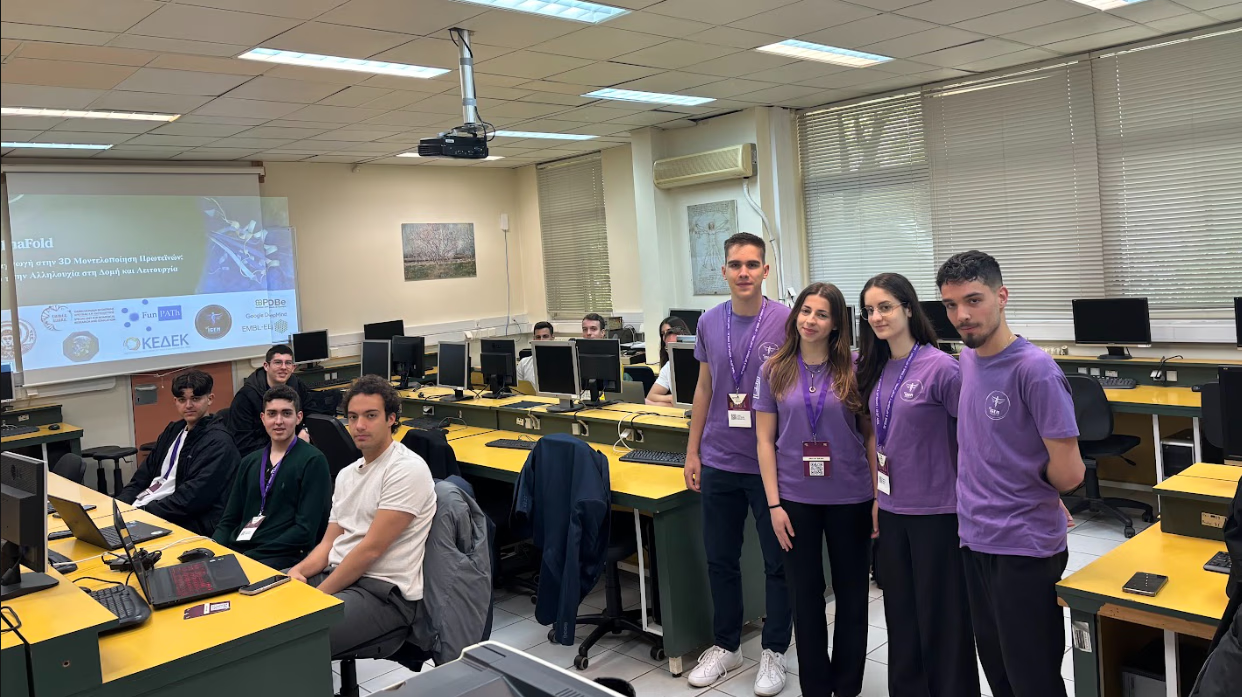
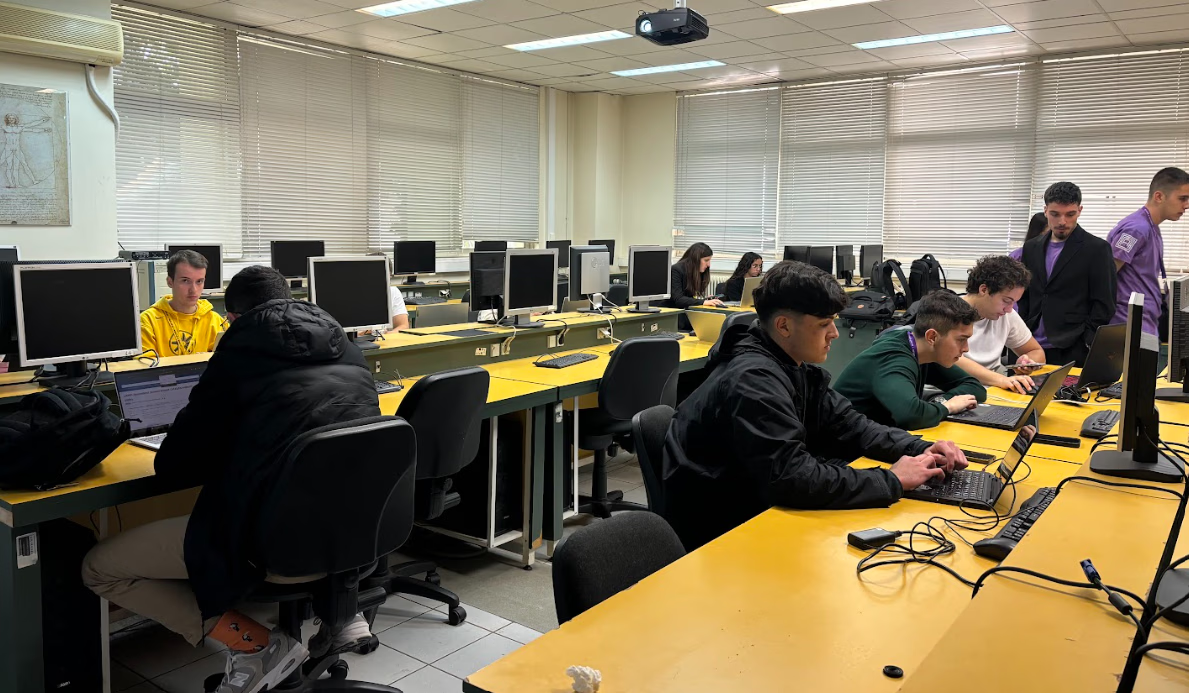
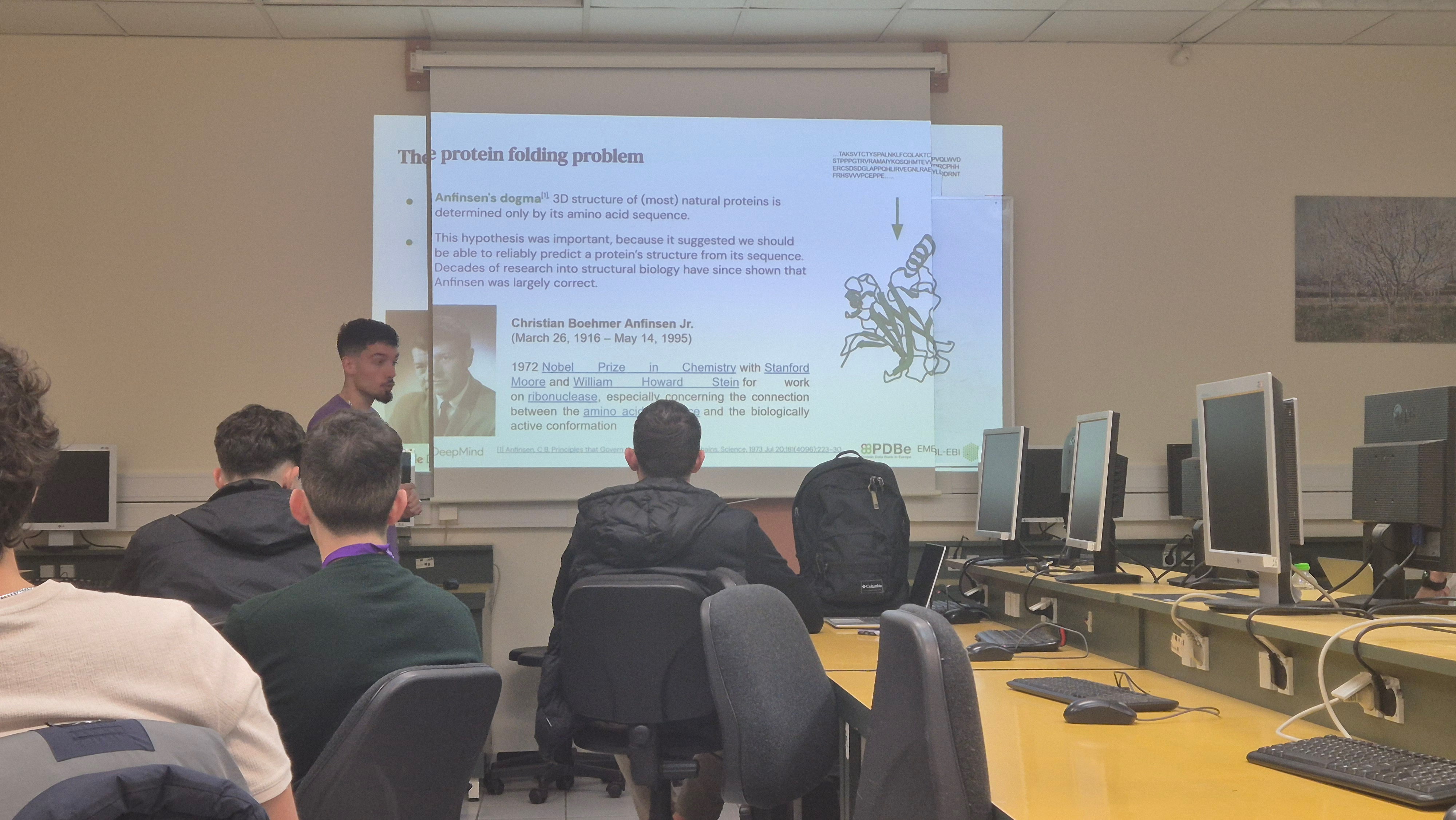
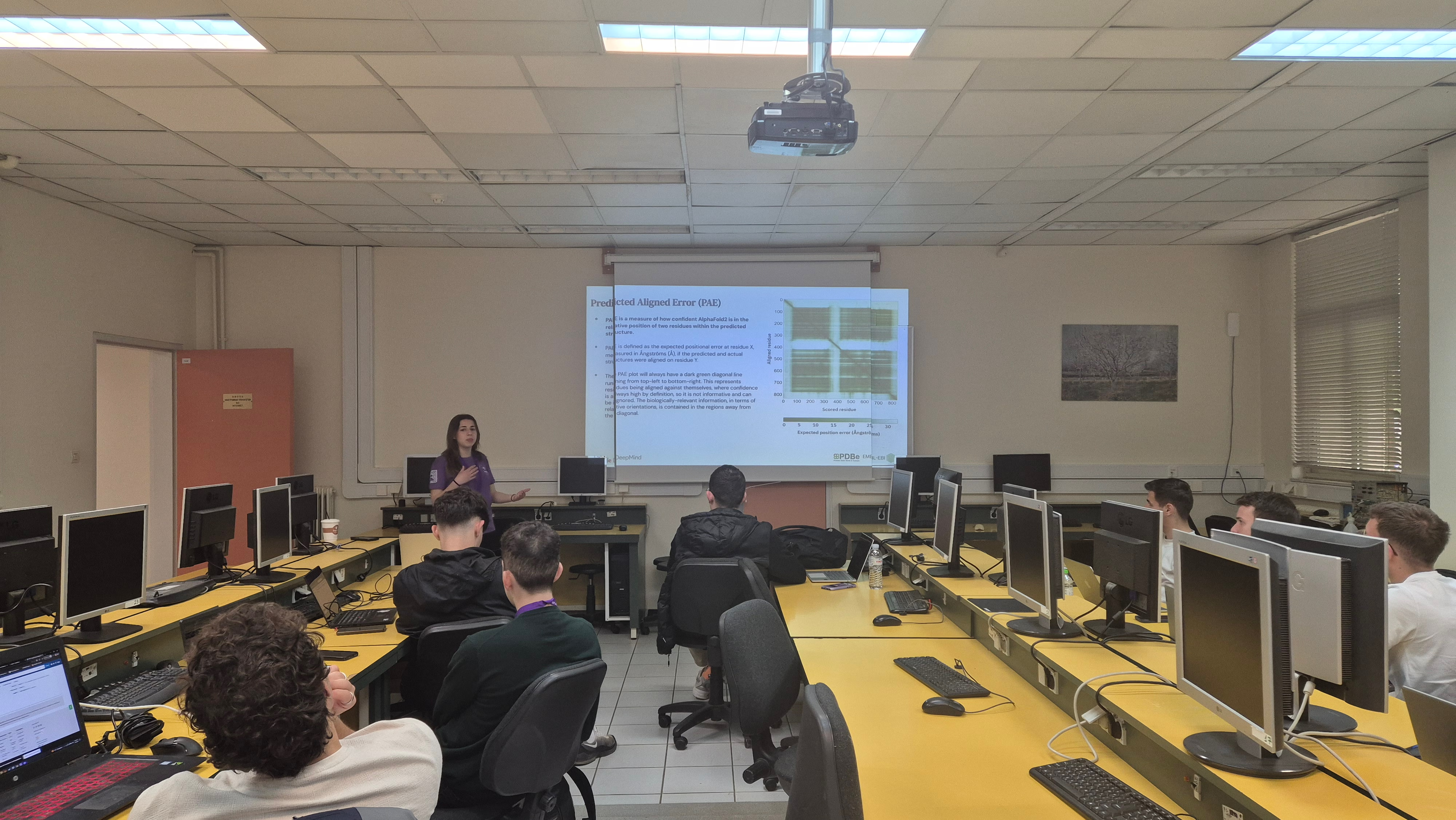
Our team organised a hands-on bioinformatics workshop, addressed to undergraduate medical students, at the 32nd Scientific Congress of Hellenic Medical Students, which took place on 24–26 April 2026.
The workshop was titled "A-fold: Structure Driven Medicine" and its primary goal was to introduce medical students to AlphaFold, an artificial intelligence model for predicting the three-dimensional structure of proteins and protein complexes, while enhancing their understanding of how amino acid sequences determine protein structure and function, in both physiological and pathological conditions.
The workshop began with a brief presentation of our iGEM team, including its previous projects and the distinctions it received, the framework of the competition within which it operates, as well as an explanation of the meaning of synthetic biology, emphasising the multidisciplinary approach of the team.
The theoretical part of the workshop, delivered as a comprehensive lecture, covered essential concepts in molecular and structural biology, with particular emphasis on the inextricable link between the three-dimensional structure of proteins and their function, as well as on the established experimental methods used to determine these conformations. Following the presentation of the biological background, the lecture proceeded with an introduction to the UniProt database as a valuable tool for protein investigation, and concluded with a presentation of AlphaFold 2 and AlphaFold 3 as powerful tools for predicting 3D protein structures, while also explaining the associated confidence metrics in a clear and comprehensible manner.
This was followed by a hands-on session, during which students had the opportunity to become familiar with several bioinformatics tools used in biological research. Through parallel instructional guidance, students were introduced to:
- The use of the UniProt database to retrieve information about proteins of interest and access their amino acid sequences.
- The visualisation of 3D protein structures using the AlphaFold Protein Structure Database, followed by an assigned task in which they were asked to rank the predicted three-dimensional structures of three protein molecules in descending order of confidence.
- The use of AlphaFold 3 to visualise predicted three-dimensional structures of protein complexes and assess the associated confidence levels. For this purpose, the amino acid sequences of the proteins were obtained from UniProt.
Throughout the workshop, students actively engaged with the material, posing and addressing a range of relevant questions related to the topics discussed.
As a result, they broadened their understanding of molecular and structural biology, further developed critical thinking skills within a biological context, and acquired practical experience in the use of bioinformatics tools.
The workshop contributed directly to the educational and outreach goals of the project by presenting complex scientific concepts in a manner that was both accessible and engaging for undergraduate medical students, while also providing valuable feedback on their level of understanding and interaction, which may inform the development of future outreach initiatives.
Furthermore, it supported the promotion of public scientific literacy by illustrating the role of computational approaches in predicting protein structure and function, enhancing accessibility through practical engagement with freely available bioinformatics resources, and emphasising the broader societal importance of protein modelling in areas such as disease research and synthetic biology.
Within the context of an iGEM project, protein modelling represents a key component, particularly in the dry lab, where insight into protein structure and molecular interactions is crucial. Bioinformatics tools, including AlphaFold, enable the prediction of three-dimensional protein conformations and potential intermolecular interactions, thereby informing experimental planning and minimising reliance on trial-and-error approaches. Participation in this workshop not only strengthened our background in computational biology and bioinformatics by providing hands-on experience with relevant methodologies and algorithms, but also enhanced our ability to communicate complex scientific concepts to undergraduate audiences in an engaging and comprehensible manner.
AI in Synthetic Biology: Protein Engineering with AlphaFold
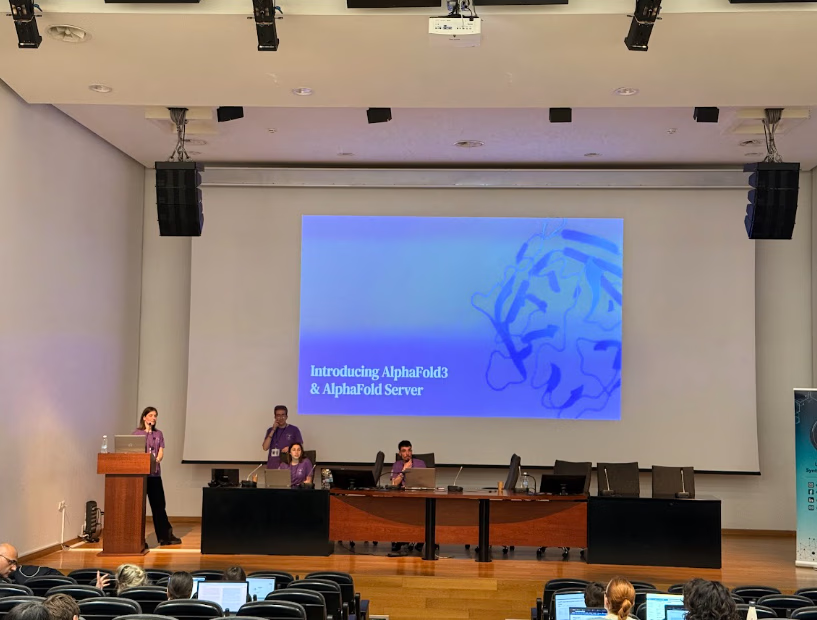
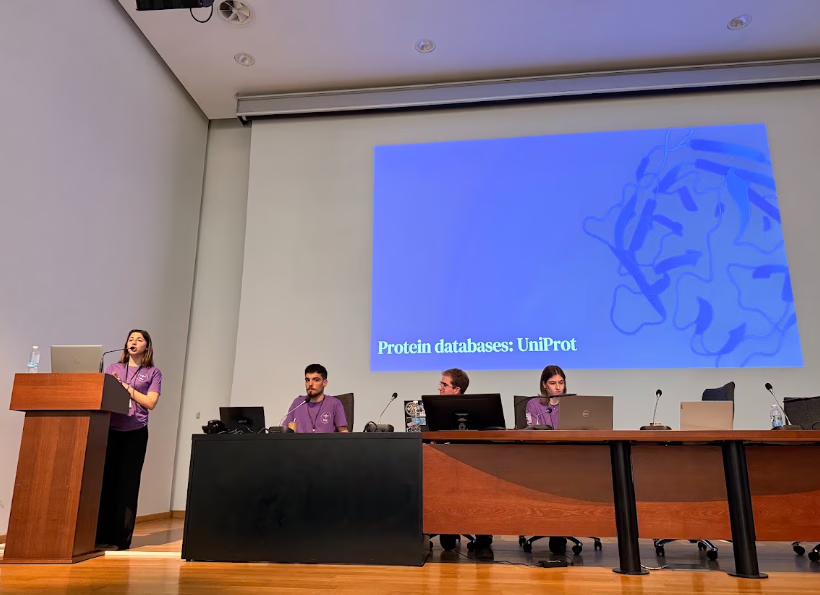
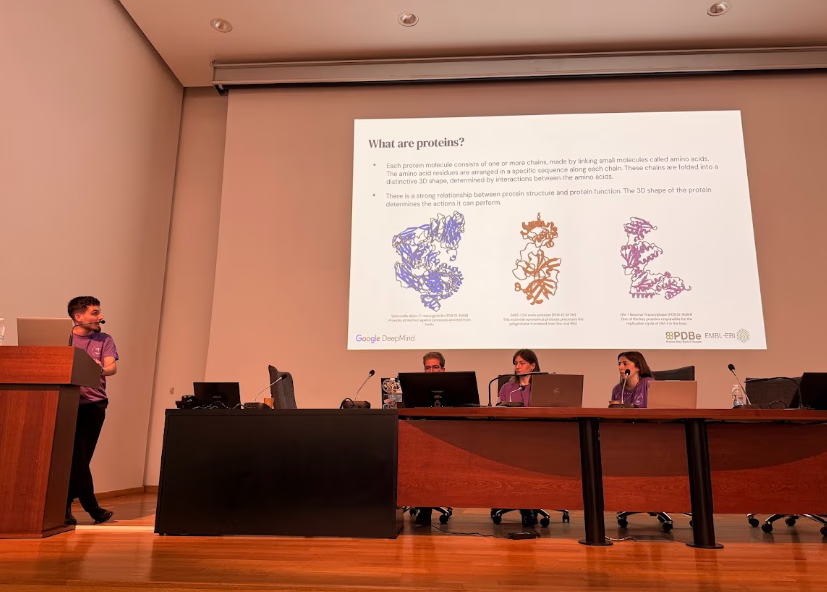
Our team organised an interactive bioinformatics workshop during our day conference at the Center for Dissemination of Research Results (KEDEA), Aristotle University of Thessaloniki. The workshop aimed to introduce participants to the growing role of bioinformatics and biological modelling in scientific research. By providing hands-on experience with widely used computational platforms, we sought to make complex biological concepts more accessible and demonstrate how biological data can be analysed and applied to investigate molecular structures and interactions.
Alongside the conference presentations, the iGEM Thessaloniki team organised an interactive workshop focused on bioinformatics and biological modelling. Before the practical sections, guest speakers Katerina Tzouvara (Google Cloud AI & Data Engineer) and Konstantinos Kechagias (Google Developer Expert in AI & Cloud) presented applications of AlphaFold in education and research, and the AlphaFold 3 agent, respectively.
This was followed by a presentation on protein structure and on AlphaFold's framework, use and applications, delivered by members of our team. Participants then gained practical experience navigating AlphaFold for protein structure prediction, UniProt for accessing protein information and biological data, and the HADDOCK Web Server for modelling molecular interactions. Through guided demonstrations and hands-on exercises, attendees explored how these tools can be used to investigate biological systems and support research, bridging theoretical knowledge with practical applications.
To evaluate participants' engagement and understanding, we incorporated a series of quizzes throughout the workshop. The results indicated a high level of comprehension, with 95–99% of participants demonstrating a strong grasp of the topics assessed. The interactive format also provided participants with an opportunity to engage directly with computational tools that are increasingly important in modern biological research.
The combination of expert insights, guided demonstrations and practical exercises helped bridge theoretical knowledge with real-world applications. Evaluation results reinforced the value of interactive, hands-on learning, informing our approach to future educational activities by emphasising active participation and direct engagement with scientific tools.
3D Protein Modeling 2.0 (1st Aristotle Innovation Forum)
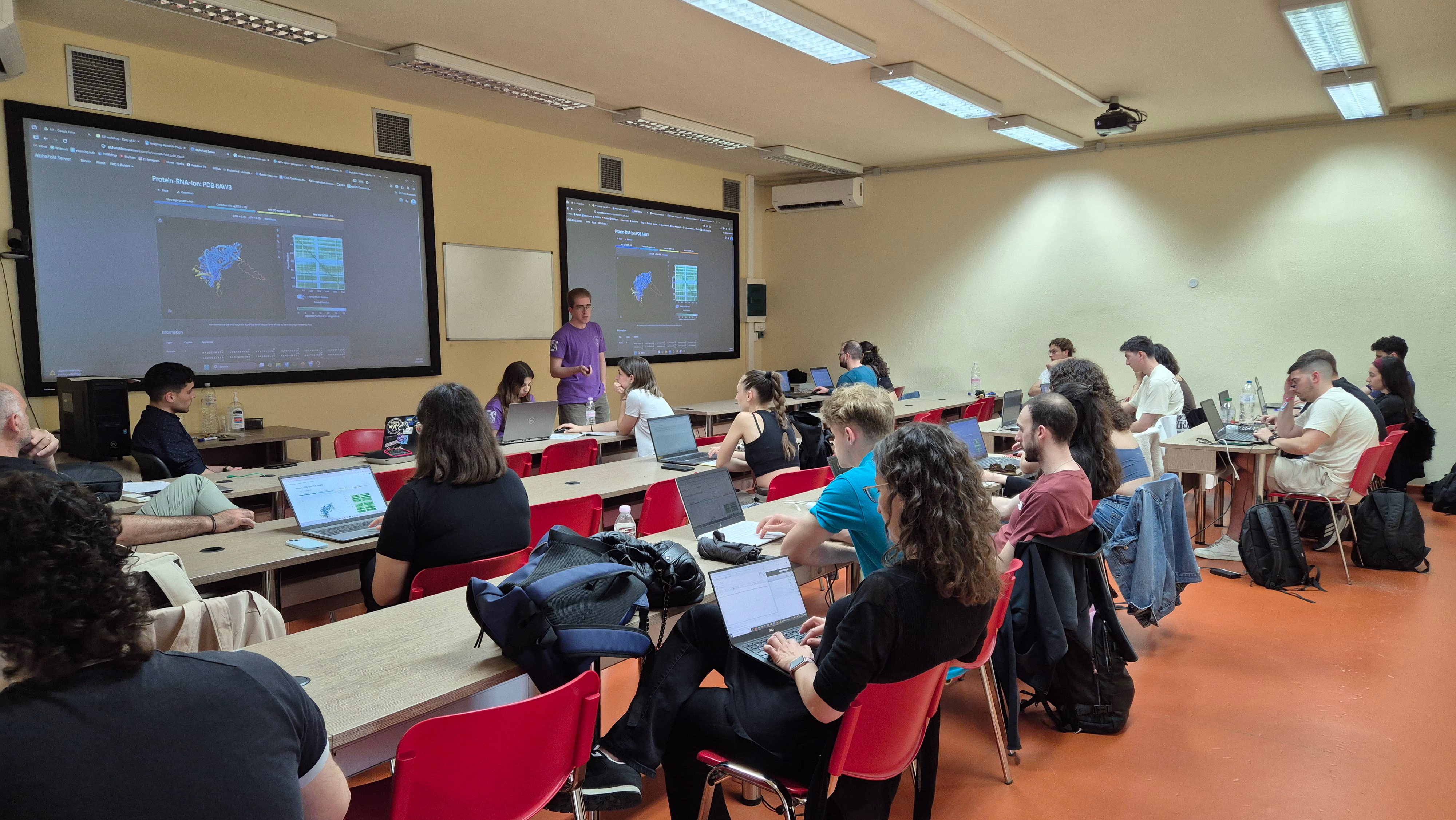
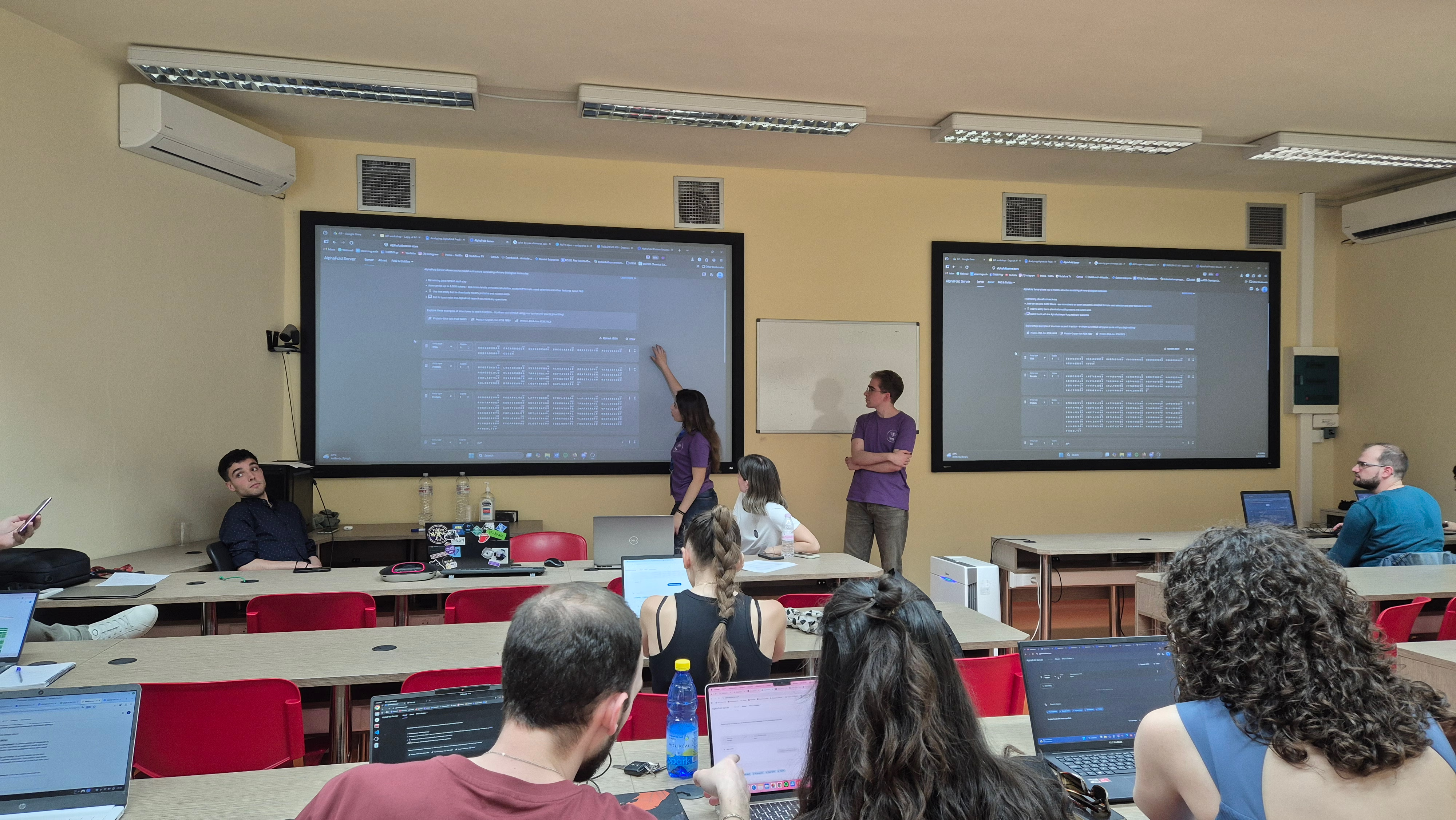
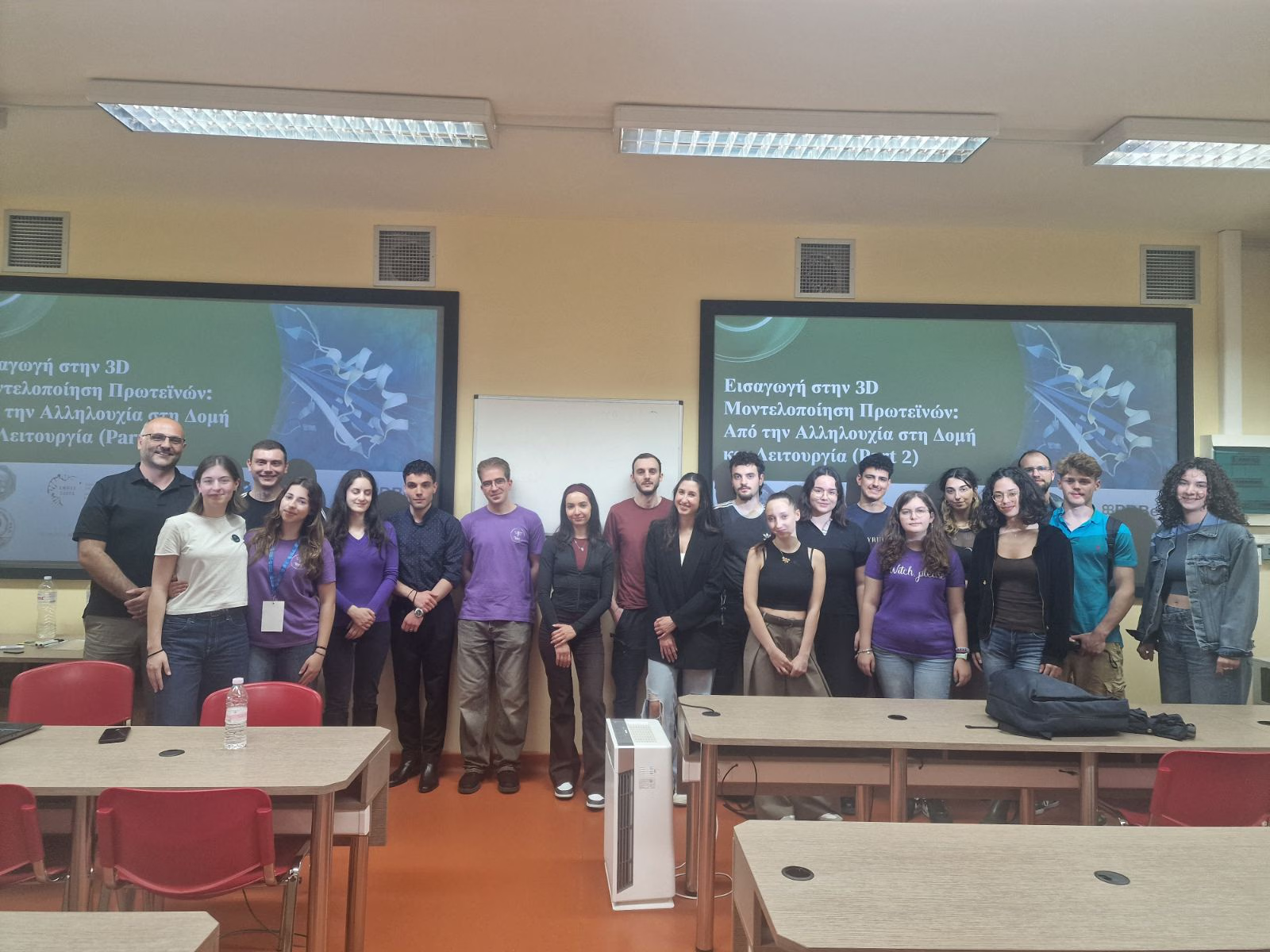
Building upon our two previous sessions, our team decided to take the next step in 3D protein modelling by hosting an advanced, highly interactive workshop as part of the 1st Aristotle Innovation Forum.
Our main objective was to encourage participants to dive deeper into the world of synthetic and protein biology, empowering them to put the knowledge they had acquired in our previous sessions into active practice.
The initial stage consisted of a theoretical analysis of protein biology, emphasising the critical importance of protein structure and its 3D spatial representation. Next, we demonstrated the UniProt and AlphaFold 2 databases, highlighting the wealth of information they provide. Participants were given dedicated time to navigate these open-access platforms and discover their various features. Taking it a step further, attendees then used the AlphaFold 3 web server to generate their own protein structure predictions.
By maintaining the core educational structure that characterises our workshop series, students were able to reconnect with familiar concepts such as protein folding and 3D structure prediction. This quick refresher bridged the gap between old and new material, empowering them to grasp more easily the advanced topics introduced later in the session.
For the second, newly introduced part of the workshop, we used the UCSF ChimeraX visualisation software. This powerful tool effectively bridges biology with computational analysis through command-line operations. Using this modern software, participants explored advanced functions for analysing protein complexes. Specifically, they learned how to examine interaction interfaces, identify intermolecular bonds and observe overall binding dynamics. To maximise the hands-on experience and keep the session running smoothly, we equipped everyone beforehand with a comprehensive, step-by-step guide detailing all the necessary commands. This preparation was key to the productive flow of the session.
The ultimate measure of our workshop's success came directly from the participants through a post-event feedback form. The responses were overwhelmingly positive. Notably, the survey results revealed that attendees felt this session offered a significantly better hands-on experience compared with our previous workshops. Knowing that our transition to more interactive, practical tools such as AlphaFold and ChimeraX resonated so well with the students validates our educational approach and informs our future initiatives.
This advanced workshop directly supported our outreach and educational goals by bringing complex dry lab concepts to life. Building on our previous sessions, the outcomes significantly impacted both our audience and our project.
Educationally, we bridged the gap between theoretical biology and applied computational modelling. By actively teaching the practical workflows of AlphaFold 3 and UCSF ChimeraX, we equipped students with bioinformatics skills they can apply to their own studies.
Furthermore, we prioritised accessibility and public understanding by providing comprehensive, step-by-step guides for free platforms. This approach clarified protein complexes and ensured students could continue learning independently after the event.
Internally, the process of designing this educational curriculum solidified our own bioinformatics expertise, which remains essential for our project's in silico design. Ultimately, our survey feedback showed that participants learn best through active execution — a vital insight that will steer our future outreach toward interactive, skills-based formats.
Educational Award for the workshop winners
Following our workshop series, we introduced an optional bioinformatics challenge to transition participants from passive listeners into active researchers. Students were asked to independently experiment with the computational tools we presented, such as UniProt and AlphaFold, and submit a structured analysis report. Our team thoroughly reviewed the submissions, evaluating each student's precision, understanding of structural metrics and scientific depth. The authors of the top-performing reports were selected for the grand prize: an exclusive, hands-on educational day at the Biological Chemistry Laboratory of the AUTh Medical School. This competitive process successfully encouraged independent scientific engagement and allowed us to reward the most dedicated participants with a real-world research experience.
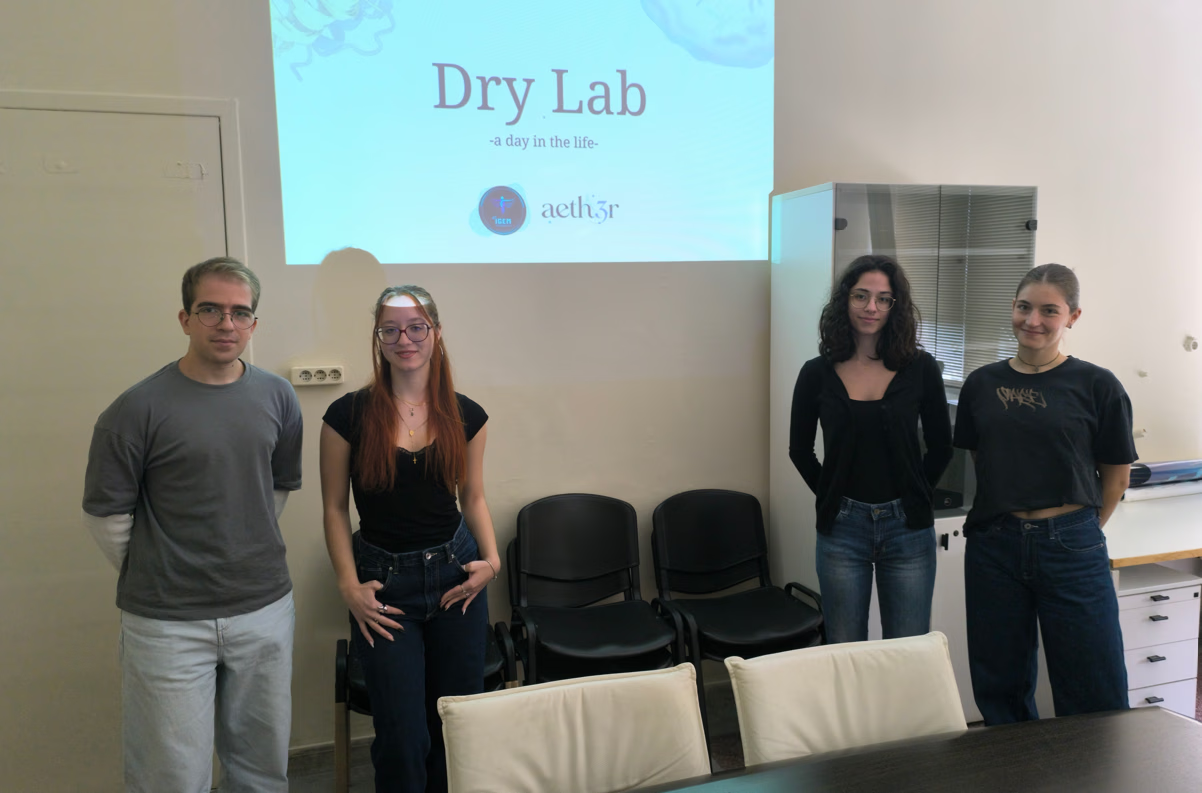
The selected challenge winners, comprising top-performing students who demonstrated exceptional skills in their bioinformatics reports.
To offer firsthand exposure to a professional biomedical environment, showcase real-world interdisciplinary collaboration, and bridge the gap between dry lab theory and wet lab benchwork.
The winners spent a full educational day at our headquarters inside the Biological Chemistry Laboratory of the AUTh Medical School. Their immersive schedule included shadowing our researchers, observing active wet lab experiments, attending core team meetings, and participating in a dry lab strategic session focused on molecular modelling tools.
By stepping inside a real academic lab, the students experienced the authentic workflow of a student-led research team. Witnessing how dry lab predictive models directly shape wet lab protocols gave them invaluable practical insight, fuelling their passion for scientific inquiry and future STEM careers.
THARSIN x iGEM Thessaloniki Bioethics Debate
Recognising that scientific innovation must be accompanied by ethical reflection and public dialogue, the iGEM Thessaloniki 2026 team collaborated with the Law Debate Society "Tharsin" to explore the bioethical implications of human cloning for therapeutic purposes. Through a structured debate, we aimed to encourage critical thinking, bridge scientific and legal perspectives, and examine how societal values, public trust and regulatory frameworks influence the responsible development of biotechnology.
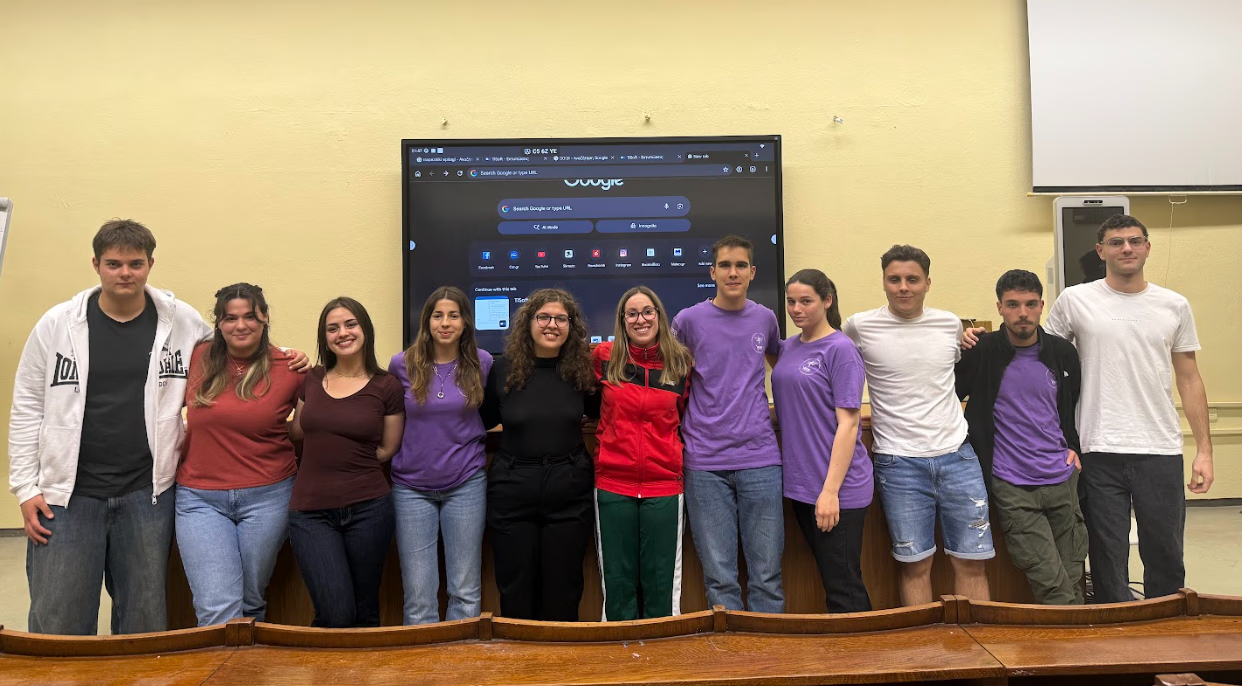
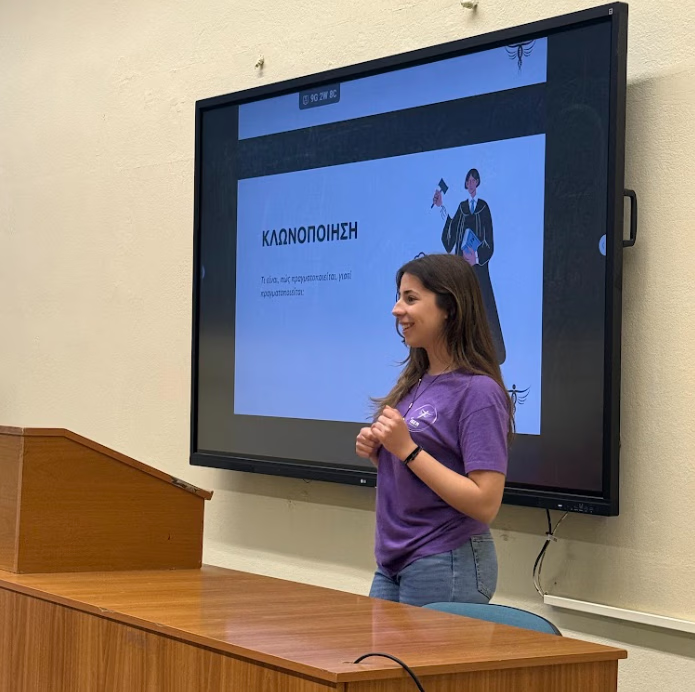
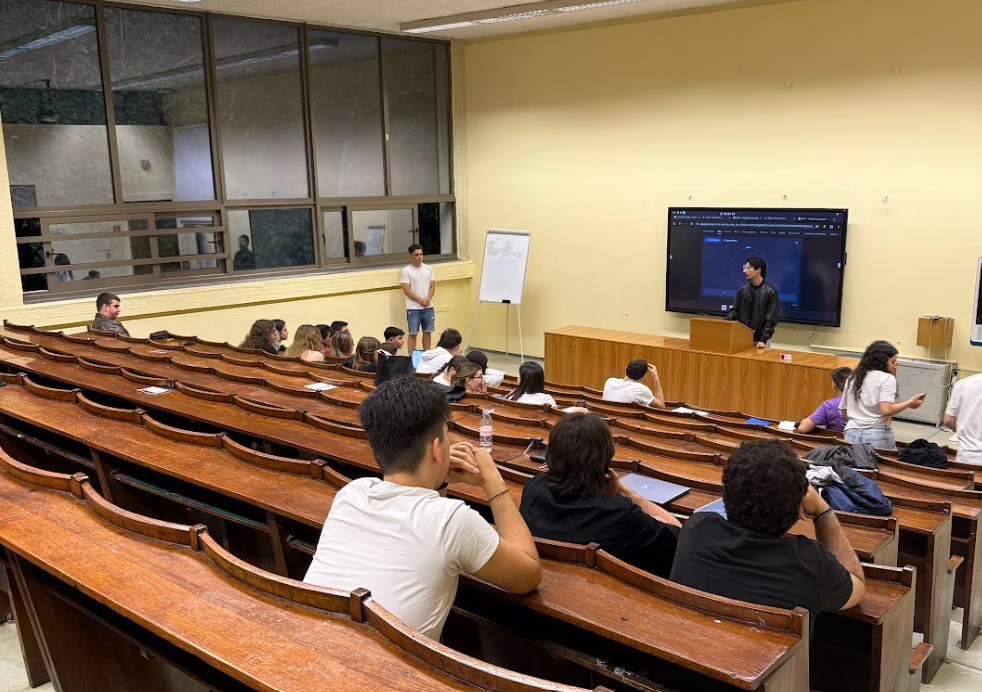
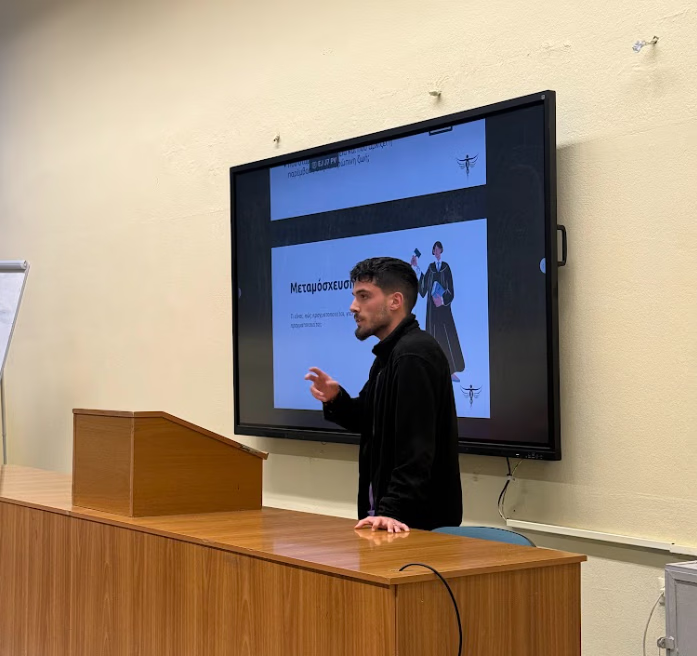
The activity targeted university students from the Law Debate Society "Tharsin" of the Aristotle University of Thessaloniki, a student-led organisation dedicated to rhetoric and debate. Through its weekly training sessions, Tharsin explores controversial issues informed by current events and recent legal developments, providing students with opportunities to develop their public speaking skills and engage in structured debate. The collaboration also engaged students from law and psychology, creating an opportunity for interdisciplinary dialogue on the relationship between scientific progress, legal frameworks and societal attitudes.
The activity aimed to move beyond traditional, lecture-based science communication by encouraging students to actively engage with a controversial bioethical issue. Through structured debate, we sought to promote critical thinking, evidence-based argumentation and ethical reasoning around the legalisation of human cloning for therapeutic purposes, such as organ transplantation. Additionally, the discussion aimed to demonstrate how scientific innovation cannot be considered in isolation from the legal frameworks, societal concerns and ethical responsibilities that shape its development and implementation.
The iGEM Thessaloniki 2026 team collaborated with Tharsin to host a debate training session centred on the legalisation of human cloning for therapeutic purposes, including organ transplantation. To introduce the topic, the iGEM team presented the international iGEM competition and provided the essential biological background on cloning and transplantation, ensuring that participants had the necessary scientific knowledge to engage meaningfully in the discussion.
Following this introduction, one of our team members participated in the debate alongside audience volunteers, while another joined Tharsin's Board of Directors on the judging committee. The debate explored the boundaries between scientific advancement, ethical responsibility and public welfare. The proposition defended the legalisation of therapeutic cloning by emphasising its potential medical and socioeconomic benefits, while drawing on Article 21 of the Greek Constitution to frame medical innovation and public health protection as important state responsibilities. In contrast, the opposition raised concerns regarding patient safety, institutional distrust and the uncertainty surrounding regulatory frameworks. The structured format encouraged participants to evaluate competing arguments, support their positions with evidence, and consider the implications of scientific progress from multiple perspectives.
Overall, this event allowed us to dismantle the traditional "expert-to-audience" monologue and transform science communication from a lecture into an active, multidisciplinary dialogue. This enhanced our team's educational mission.
More specifically, the debate demonstrated that technical innovation cannot exist in a vacuum. By analysing the psychological concerns raised by the opposition (loss of trust) alongside the legal arguments of the proposition (Article 21 of the Constitution), we engaged law and psychology students. This cross-disciplinary approach showed how societal anxiety and legal frameworks actively shape scientific progress.
By bringing university students from multiple disciplines together, we created an open environment to discuss the real-world friction between slow regulatory processes and urgent medical needs. This approach helped future policymakers understand the potential of scientific advancement, while reminding us as scientists to keep human ethics at the centre of our work. Ultimately, this collaboration helped us encourage a more balanced and critical perspective on how biotechnology impacts society.
Aristotle University x Fire Academy Cooperation Establishment
Overview-Stakeholders
As part of our iGEM project's Human Practices, we consulted with Mr. Bikas, a Senior Officer of the Hellenic Fire Corps and Expert of the European Civil Protection Mechanism, to understand real-world occupational exposure, chemical environments, and safety equipment usage beyond standard literature, since firefighters are a highly vulnerable group exposed to intense, complex airborne carcinogens relevant to our lung cancer project. His expert insights on pollutant variability, behavioral psychology during crises, and chronic health consequences showed us that pollutants depend on what burns. Forest fires dilute carbon monoxide, while urban and vehicle fires heavily expose personnel to highly toxic phenols and PVC byproducts. He also highlighted the "immediate action" dilemma, in which firefighters, driven by the instinct to save lives, often neglect precautions and enter danger zones without respiratory gear. He further noted that veteran firefighters suffer from severe respiratory and cardiovascular problems due to long-term exposure, yet firefighter deaths are rarely formally researched. This collaboration enriched our educational actions with authentic, experience-based knowledge of occupational carcinogen exposure and confirmed firefighters as a primary target group, reinforcing our project's societal relevance. It also refined our Integrated Human Practices by showing that our therapeutic tool can have a life-saving impact on this high-risk community.
iGEM Thessaloniki visit at the Firefighters School
Target Group: Hosted in Tsotili, Kozani, in the Firefighters School facilities with the presence of the Firefighter School Commander, Fire Colonel of General Duties Archontia Sereti, Fire Colonel of Medical Service Ioannis Tsavdaridis (Pathologist), Commander of Fire Stations in the Municipality of Kozani, Fire Colonel of General Duties Gkikas Kampouridis, Fire Warrant Officer of General Duties Gavriilidis Christos, Fire Sergeant of General Duties Giakoumis Angelos, the fire officers of the school, and 268 firefighter cadets.
Educational Goal: At the beginning of the session, Fire Colonel of Medical Service Ioannis Tsavdaridis presented the multiple ways that can harm the health of firefighters and referred to actual incidents which resulted in casualties. Afterwards, our team presented –based on a literature review carried out by the team’s medical students– the chemicals and particles in fire smoke, the bioindicators that are found at high levels in firefighters’ tissues and indicate possible carcinogenesis, trials using CT in the lungs and RAD criteria, and they also recommended that firefighters still keep the breathing filters on during autopsy, based on experiments on mice. In the end, Fire Warrant Officer of General Duties Gavreilidis Christos and Fire Sergeant of General Duties Giakoumis Angelos presented the evolution of personal protective equipment and breathing devices.
Activity Design: Cadets gained a vital understanding of the immediate health risks of their profession. Academy officers decided to reform their safety guidelines to match the provided scientific data and invited the team for a series of future lectures or even clinical trials. The event launched a formal cooperation between the Aristotle University of Thessaloniki and the Fire Academy, aligned with the national "Active Battle" law for lab-to-field integrations launching a formal cooperation between AUTh and the Fire Academy.
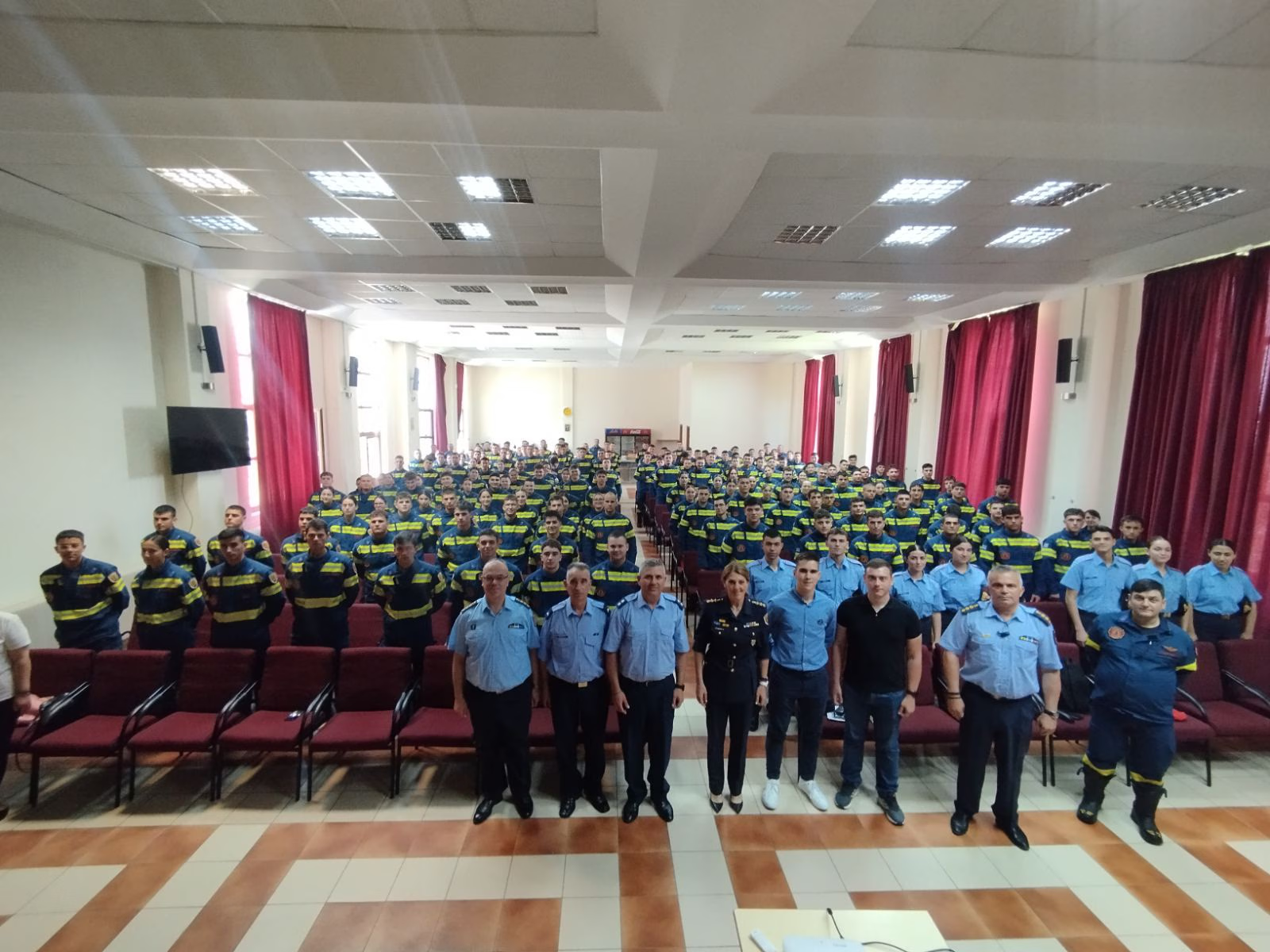
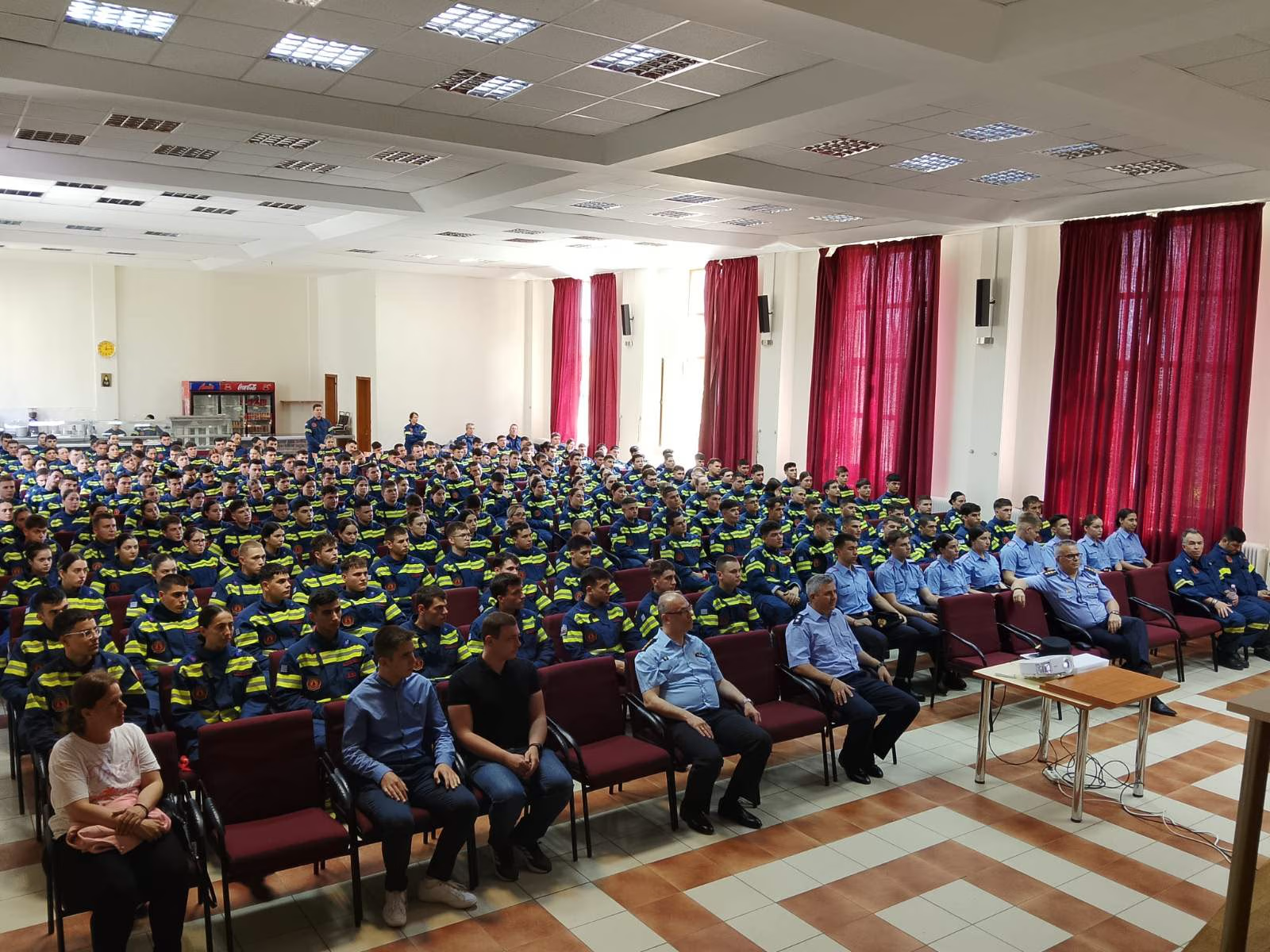
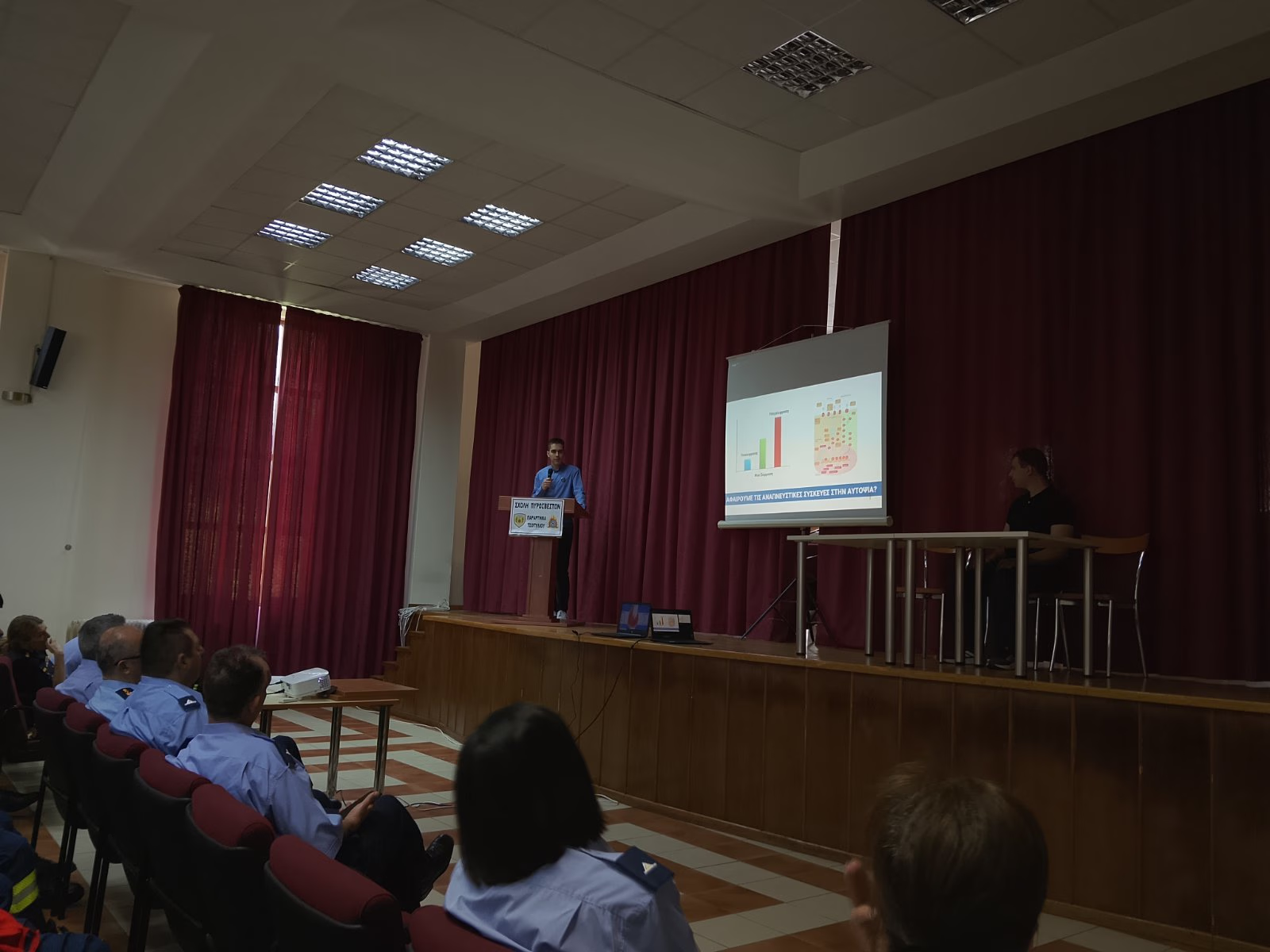
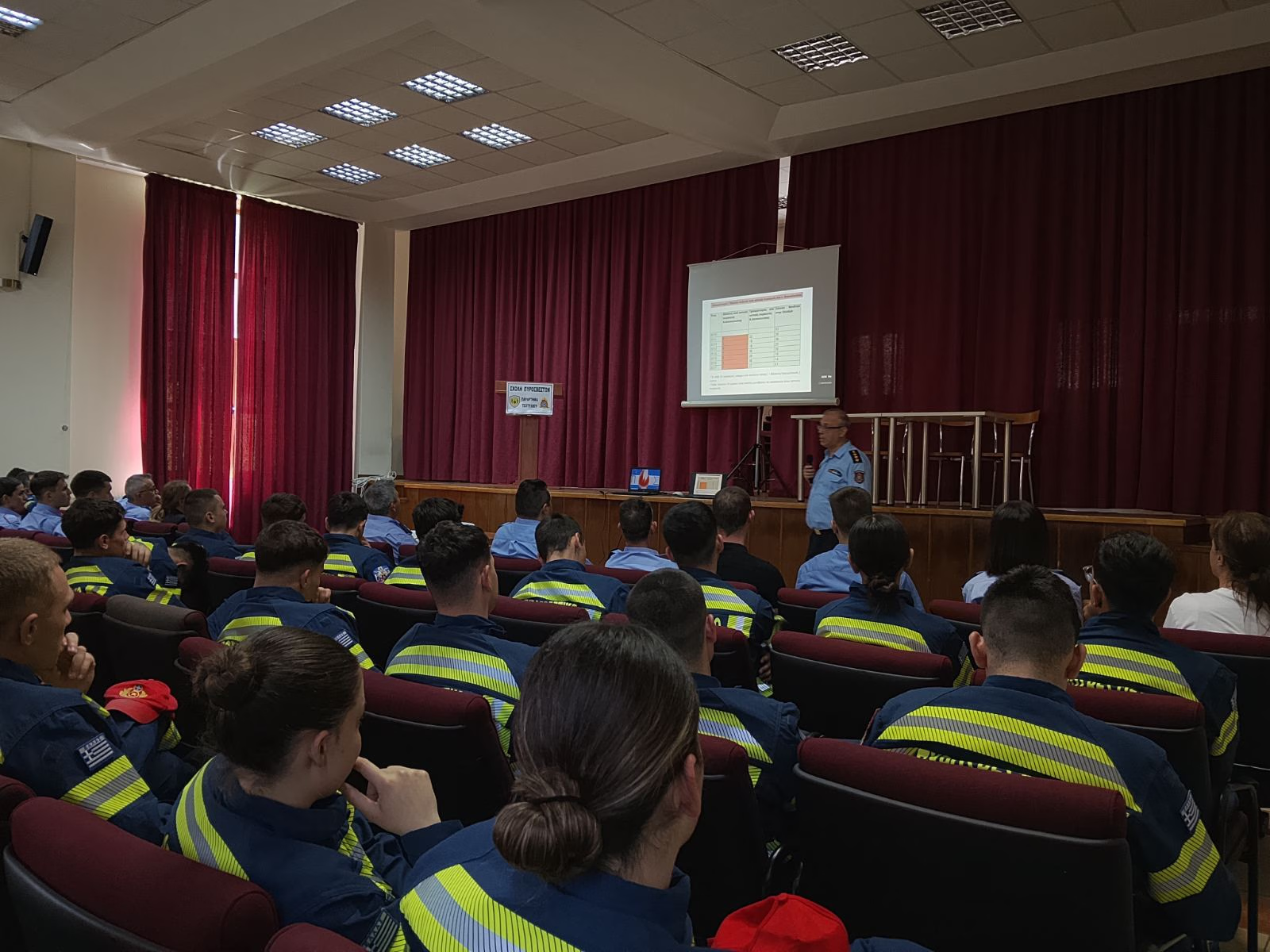
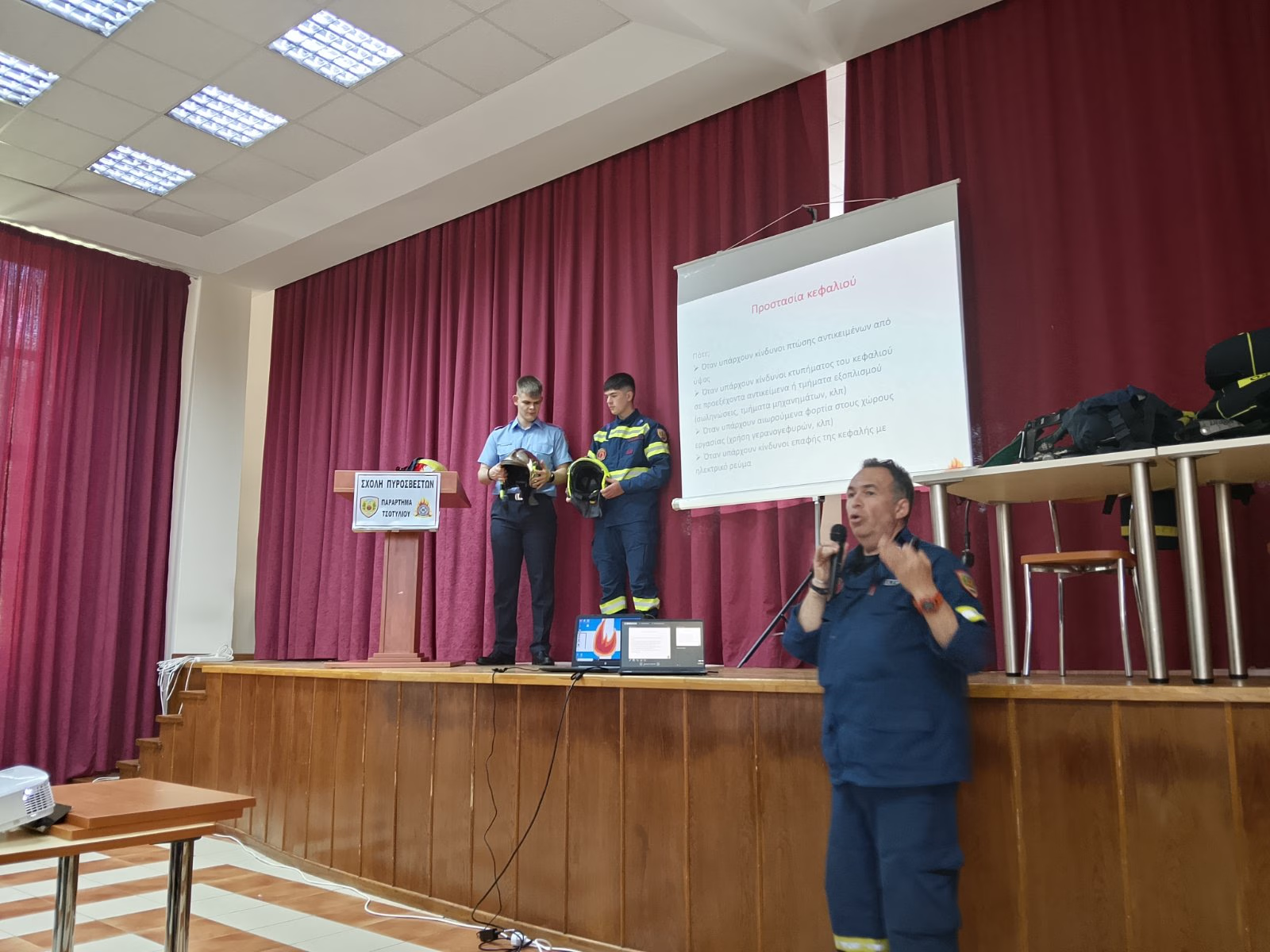
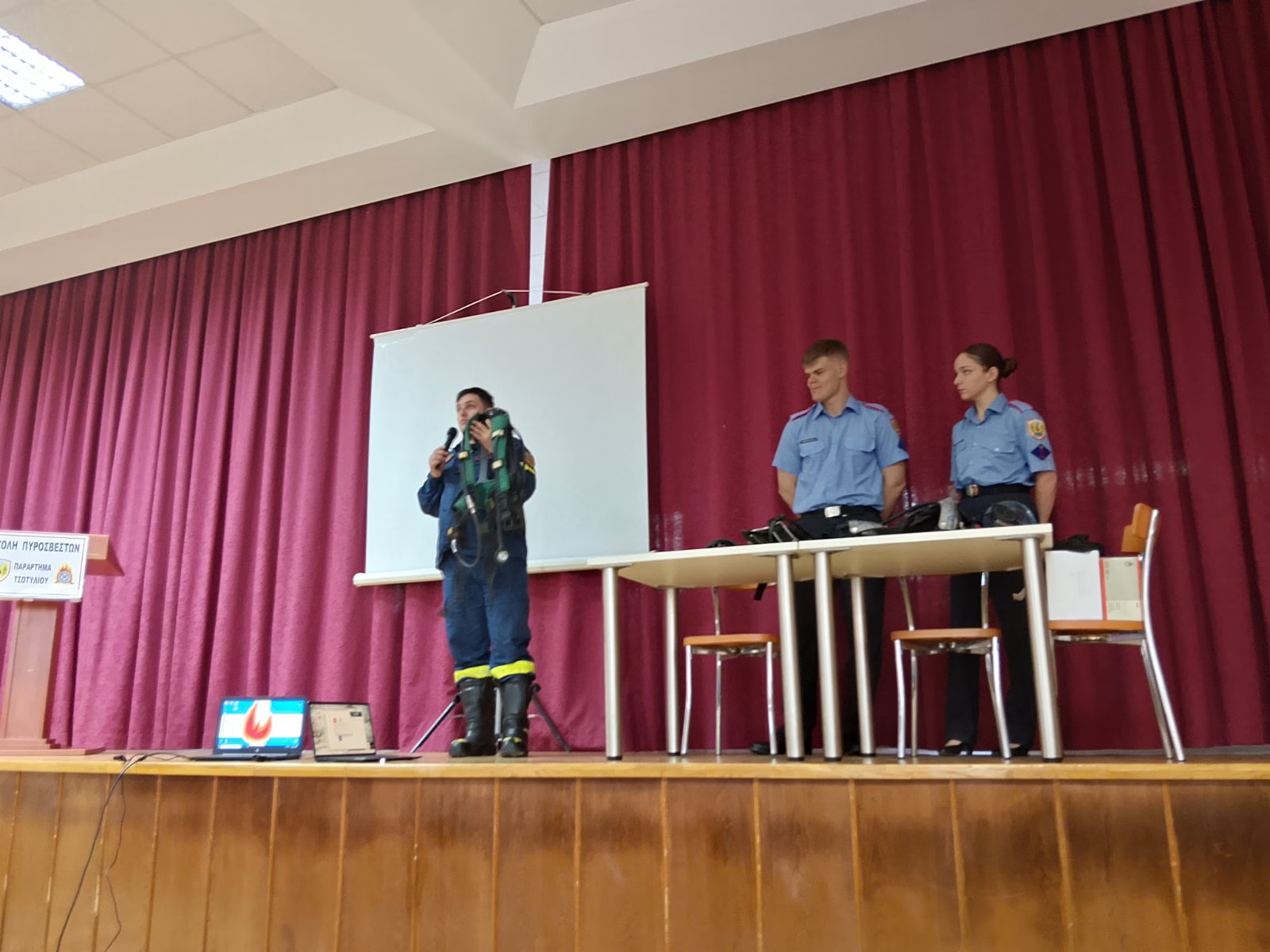
Impact:Cadets gained a vital understanding of the immediate health risks of their profession. Academy officers decided to reform their safety guidelines to match the provided scientific data and invited the team for a series of future lectures or even clinical trials. The event launched a formal cooperation between the Aristotle University of Thessaloniki and the Fire Academy, aligned with the national "Active Battle" law for lab-to-field integrations launching a formal cooperation between AUTh and the Fire Academy.
General Public - Science in Motion
Day Conference by iGEM Thessaloniki
Day Conference iGEM Thessaloniki 2026 “Synthetic Biology and Bioengineering : Bridging science and innovation”
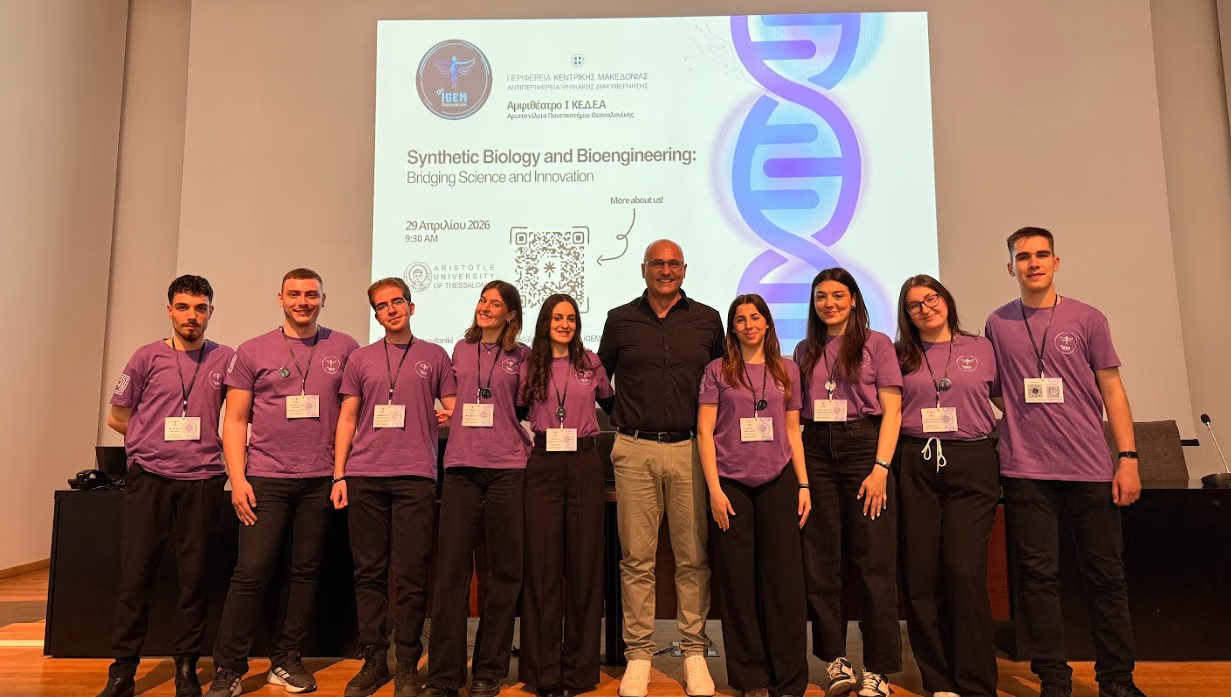
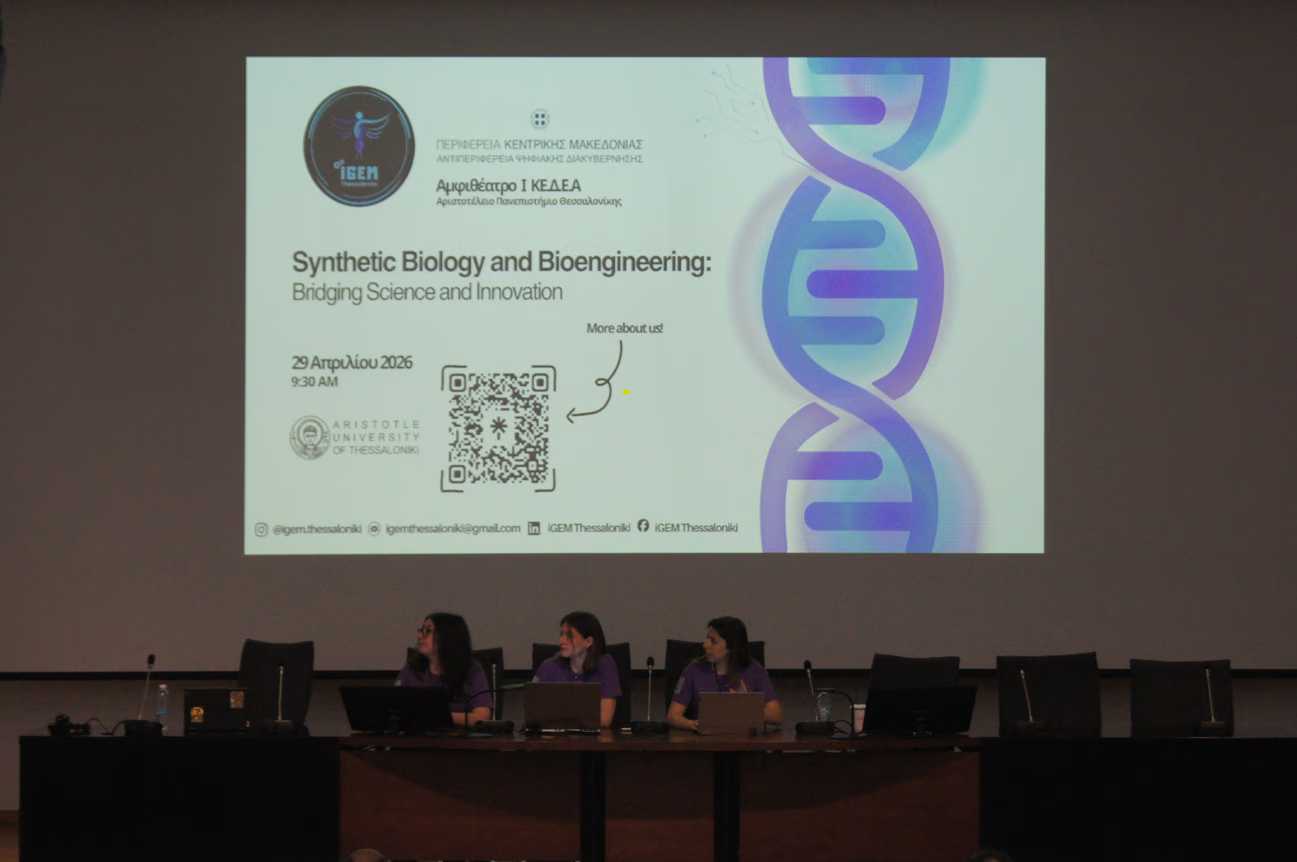
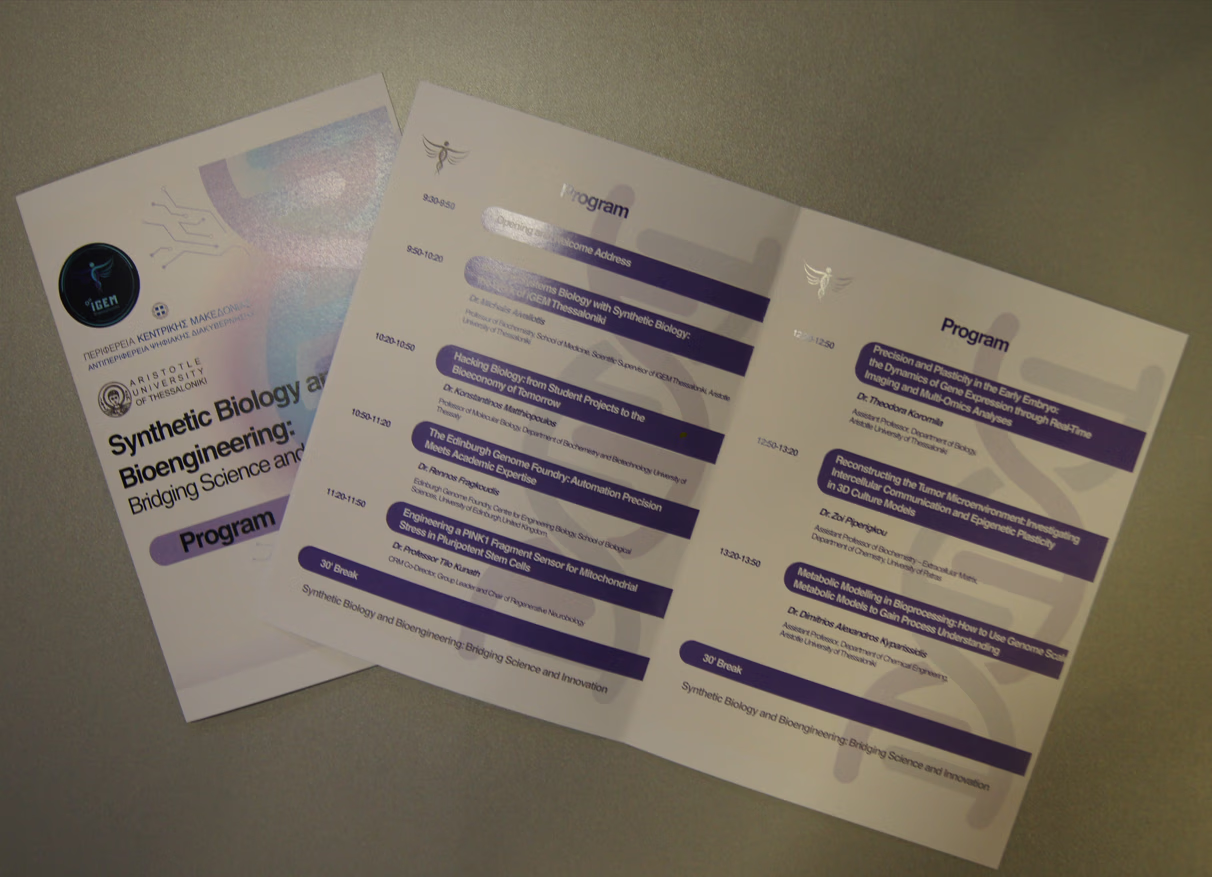
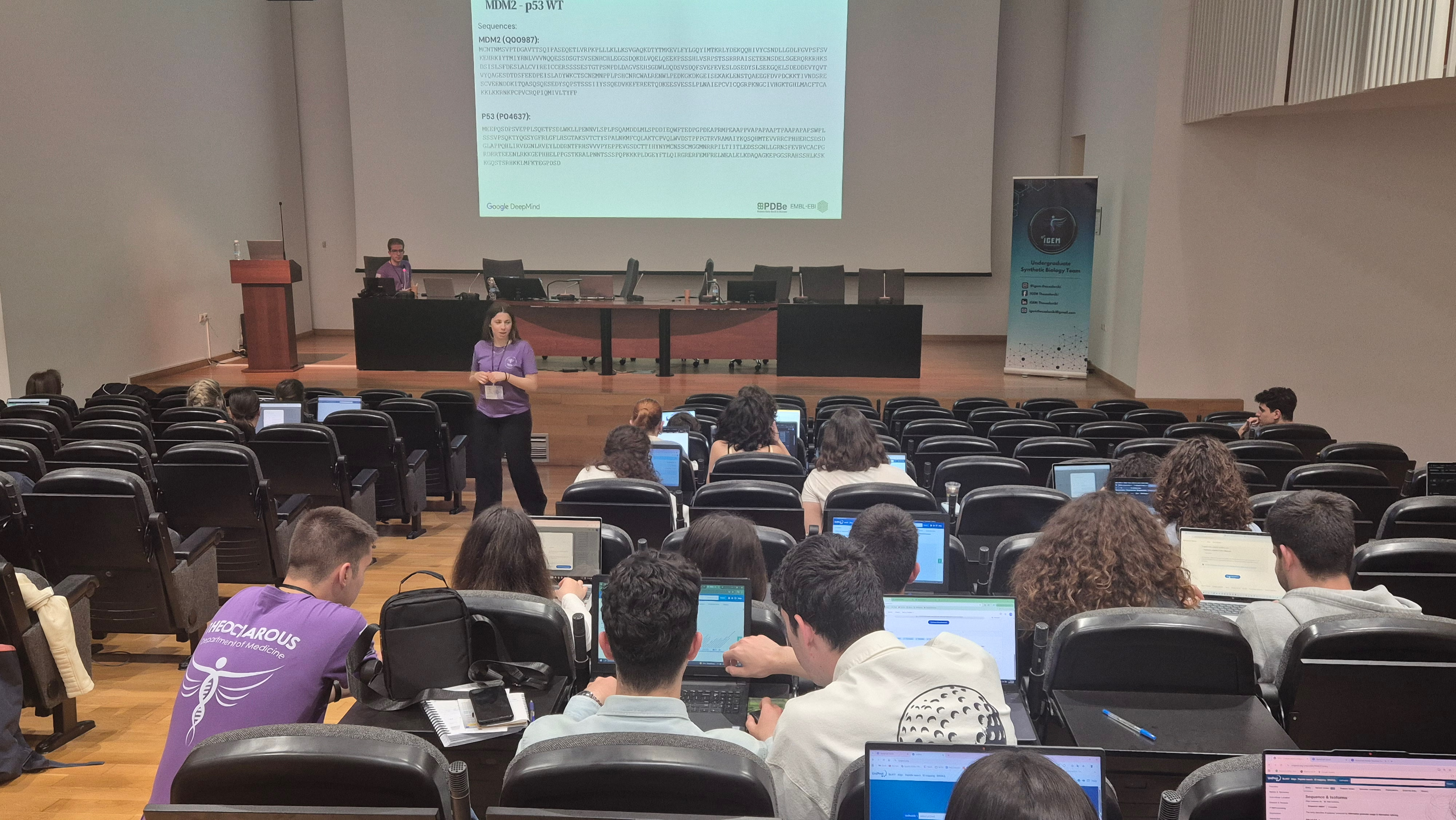
Our team successfully hosted a Day Conference on April 29th, titled "Synthetic Biology and Bioengineering: Bridging science and innovation". The primary objective of this initiative was to help students from diverse academic backgrounds, such as medicine, biology and engineering, gain a more valuable insight into the complex yet exciting world of synthetic biology and its implementation in our lives.
Through a series of interactive and engaging speeches, participants had the opportunity to explore the applications of the field and its transformative impact on modern life. We were honored to welcome the following distinguished experts, who presented the following topics:
- Bridging Systems Biology with Synthetic Biology: the Work of iGEM Thessaloniki — Dr. Michalis Aivaliotis
- Hacking Biology: from Student Projects to the Bioeconomy of Tomorrow — Dr. Konstantinos Matthiopoulos
- The Edinburgh Genome Foundry: Automation Precision Meets Academic Expertise — Dr. Rennos Fragkoudis
- Engineering a PINK1 Fragment Sensor for Mitochondrial Stress in Pluripotent Stem Cells — Dr. Professor Tilo Kunath
- Precision and Plasticity in the Early Embryo: the Dynamics of Gene Expression through Real-Time Imaging and Multi-Omics Analyses — Dr. Theodora Koromila
- Reconstructing the Tumor Microenvironment: Investigating Intercellular Communication and Epigenetic Plasticity in 3D Culture Models — Dr. Zoi Piperigkou
- Metabolic Modelling in Bioprocessing: How to Use Genome Scale Metabolic Models to Gain Process Understanding — Dr. Dimitrios Alexandros Kyparissidis
- Synthetic Biology Approaches in Microbial Biotechnology — Dr. Dimitrios Chatzinikolaou
- Artificial Intelligence in Education and Research: New Perspectives through AlphaFold — Katerina Tzouvara
- AlphaFold 3 agent presentation — Konstantinos Kechagias
Alongside our speeches, we also organized an interactive workshop, focusing on the emerging fields of bioinformatics and biological modeling. Specifically, participants gained hands-on experience using the AlphaFold platform, the UniProt database, and the HADDOCK Web Server. This allowed them to successfully navigate these platforms and utilize complex biological data in real-time.
Through this workshop, participants were also asked to complete a series of quizzes, so that we can better understand their level of engagement and understanding of the topics that were being discussed. The results were outstanding as most of the attendees (95–99%) demonstrated a high level grasp of the subject matter.
Ultimately, our Day Conference had a major role in fulfilling our project's education and outreach objectives. By communicating complex scientific concepts in an accessible and engaging manner we successfully bridged gaps between diverse academic and scientific fields. Furthermore, we provided students with a unique opportunity to engage with synthetic biology through our speeches, hands-on workshop, and, most importantly, an open dialogue with leading specialists and speakers.
Thessaloniki International Fair
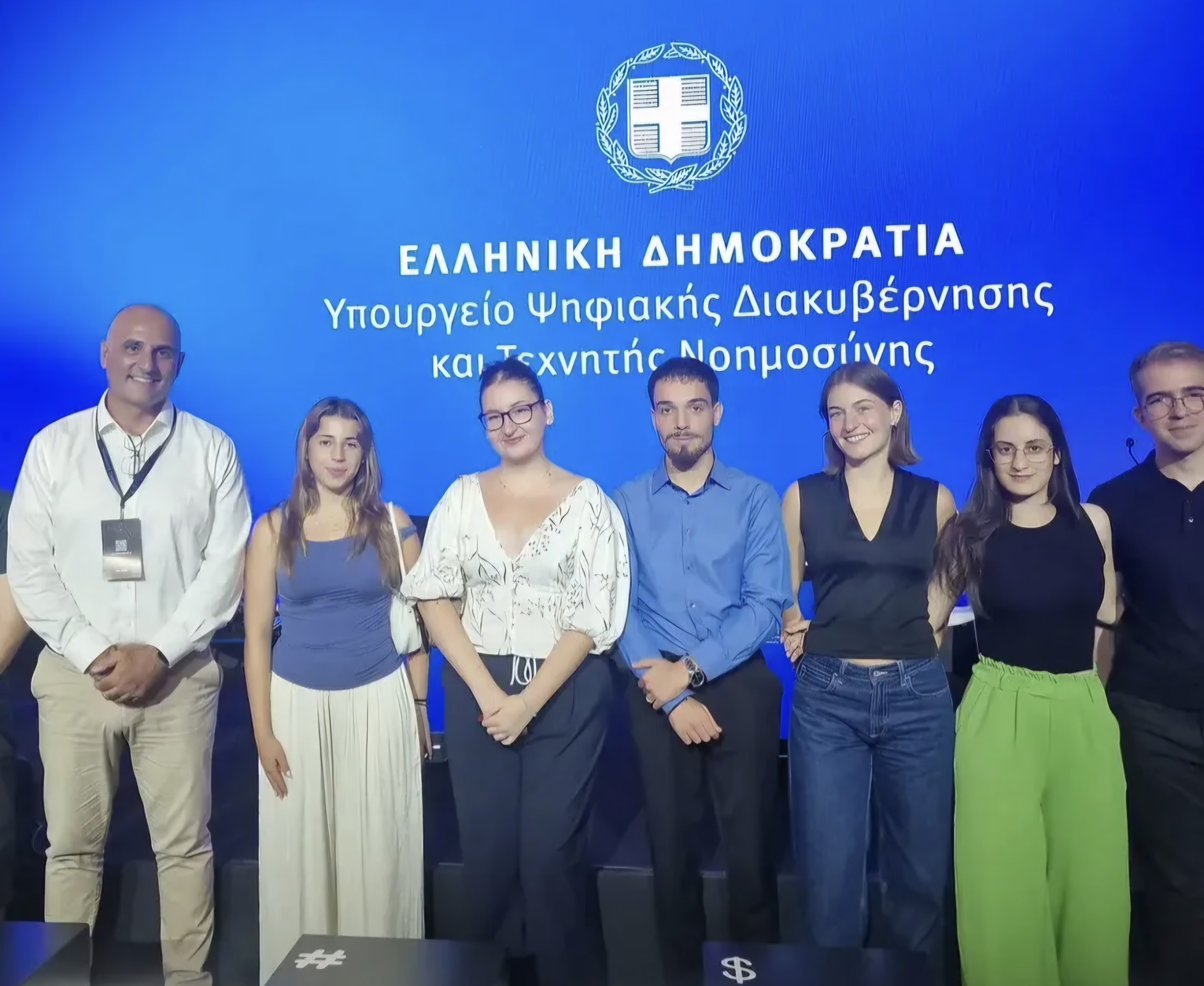
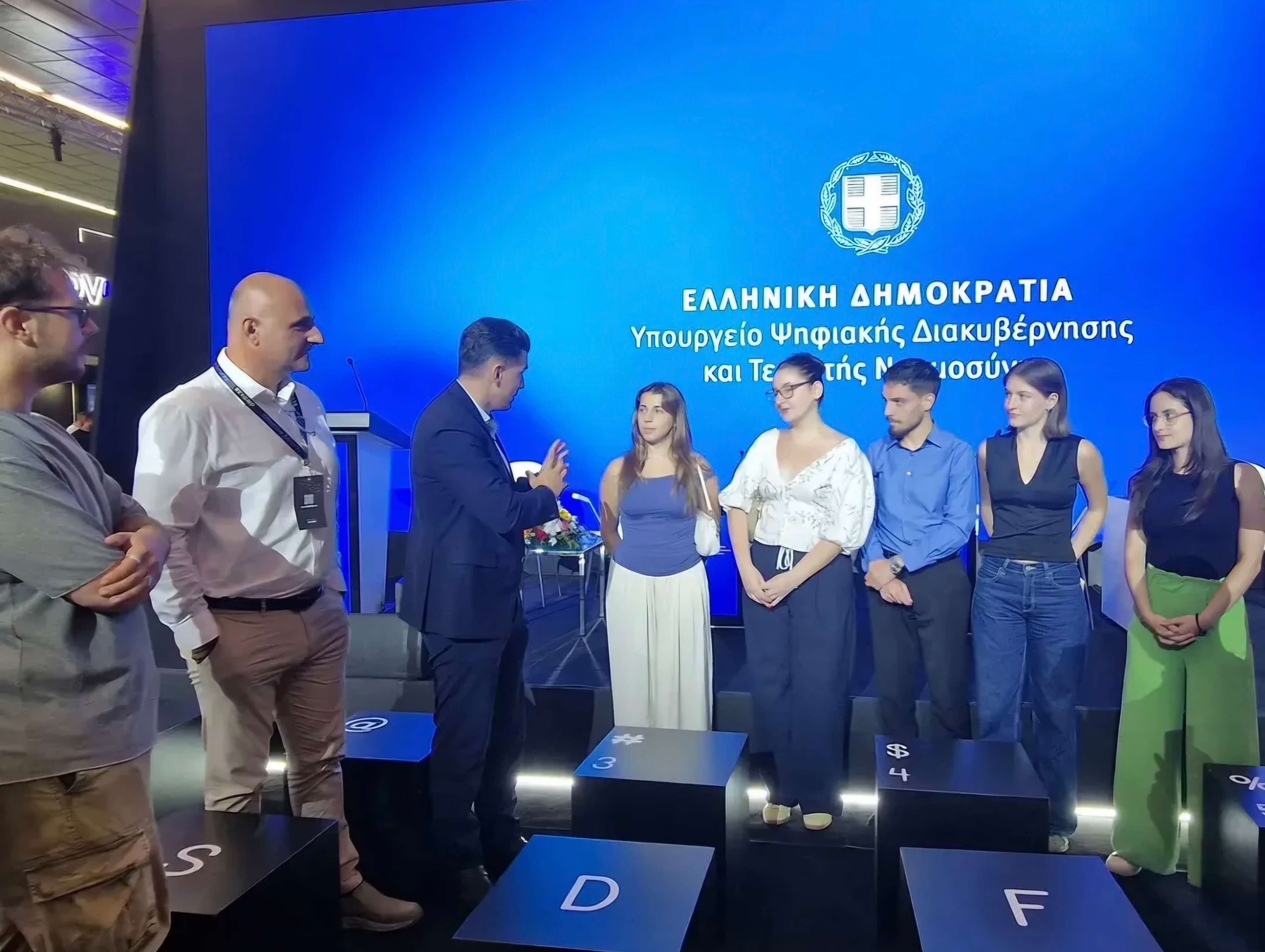
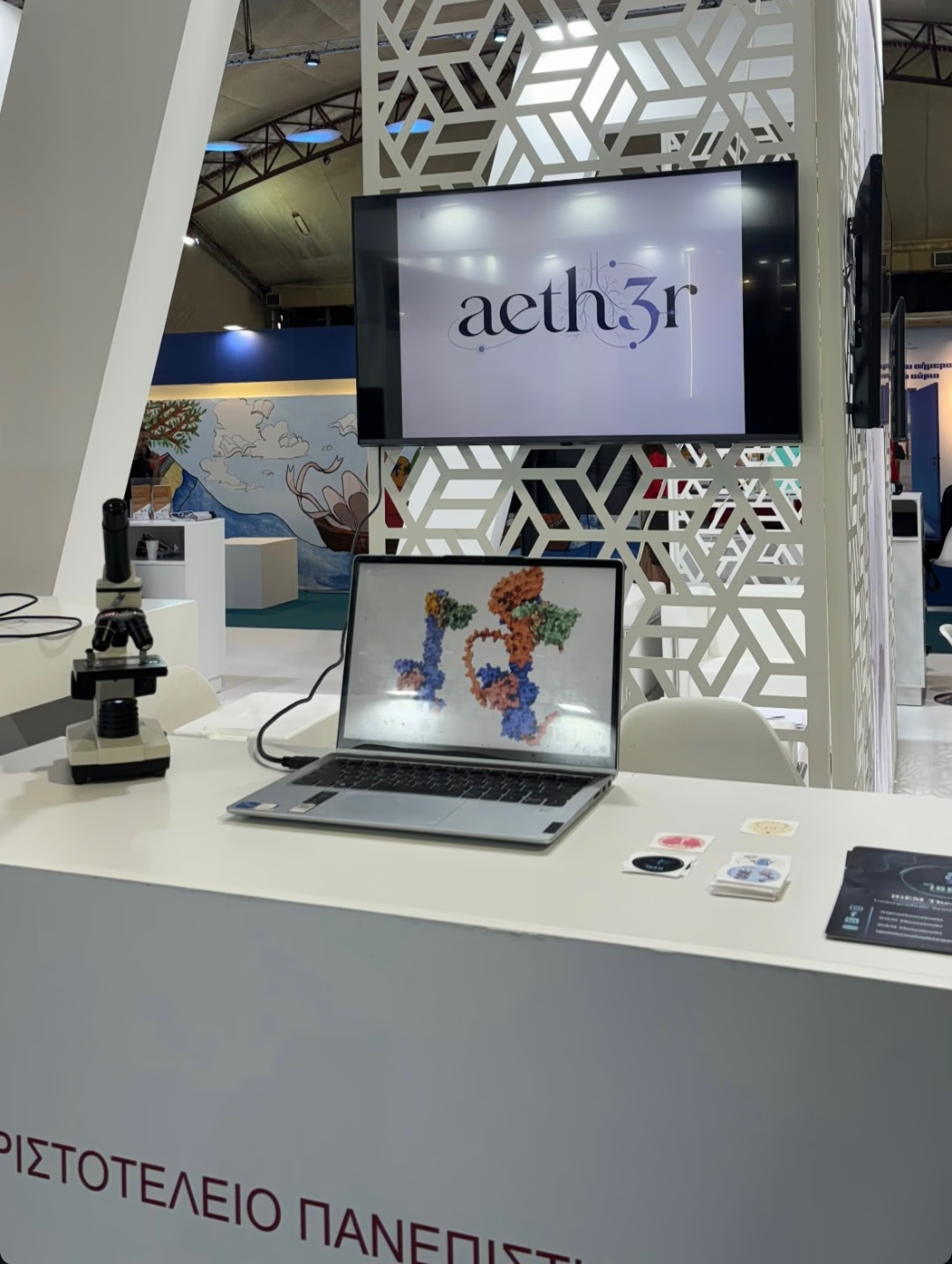
Our target audience directly mirrored the vibrant, multifaceted tapestry of society, as this initiative unfolded within the framework of Greece's most prestigious socioeconomic institution, the Thessaloniki International Fair (TIF). At an event of such massive national and regional significance, our strategic outreach transcended specialized academic boundaries to engage a broad human mosaic: from the general public, families, and local tech enthusiasts, to undergraduate students and key regional policymakers. Operating within this monumental crossroad was not a mere display of academic work; it was a deliberate intervention in the core of public discourse, where politics, industry, and the community converge to blueprint tomorrow.
The fundamental pedagogical objective was to bridge the profound chasm separating insular academic biotechnology from the pulse of the local community. We set out to demystify synthetic biology, shifting it from an abstract, intimidating laboratory concept into a tangible subject of collective awareness and public literacy. Crucially, we aimed to illuminate the paradigm shift occurring in modern research and clinical therapeutics via cutting-edge computational tools such as AlphaFold and bioinformatics platforms. Our mission was to demonstrate how digital code materializes into biological reality, transforming citizens from passive consumers of technological evolution into active participants in a new scientific dawn.
To fully leverage the grand scale and dynamic energy of TIF, we designed a comprehensive, multi-tiered public engagement campaign divided into two central initiatives:
- The Interactive Exhibition Booth: A dedicated, high-traffic physical pavilion that served as a living hub for science communication. Here, team members connected directly with thousands of passing citizens. Utilizing streamlined visual graphics and live computational demonstrations, the team translated dense bioengineering metrics and our current research project into an accessible, captivating narrative.
- Regional Panel Event: A high-level institutional participation in a specialized public panel organized by the Region of Central Macedonia. In this prestigious forum, our dry lab researchers delivered a targeted presentation on how Artificial Intelligence (AI) and AlphaFold are redefining the frontiers of science by predicting 3D protein structures. We highlighted how this computational leap drastically minimizes empirical trial-and-error in the wet lab, accelerating breakthroughs in both healthcare and environmental sciences.
Operating at the exact intersection of industry, governance, and society, our presence at TIF successfully transformed the complexity of cutting-edge artificial intelligence into an approachable, democratic, and collaborative dialogue. The magnitude of this event elevated it into a massive recruitment and networking epicenter, fundamentally strengthening public trust in genetic and biological innovation.
Simultaneously, it allowed our team to capture vital, diverse feedback from varied societal strata. This large-scale outreach provided empirical proof of the immense value inherent in bidirectional science communication, firmly establishing iGEM Thessaloniki as a premier regional ambassador for bio-based innovation and technological forwardness.
European Researchers' Night 2026 at NOESIS
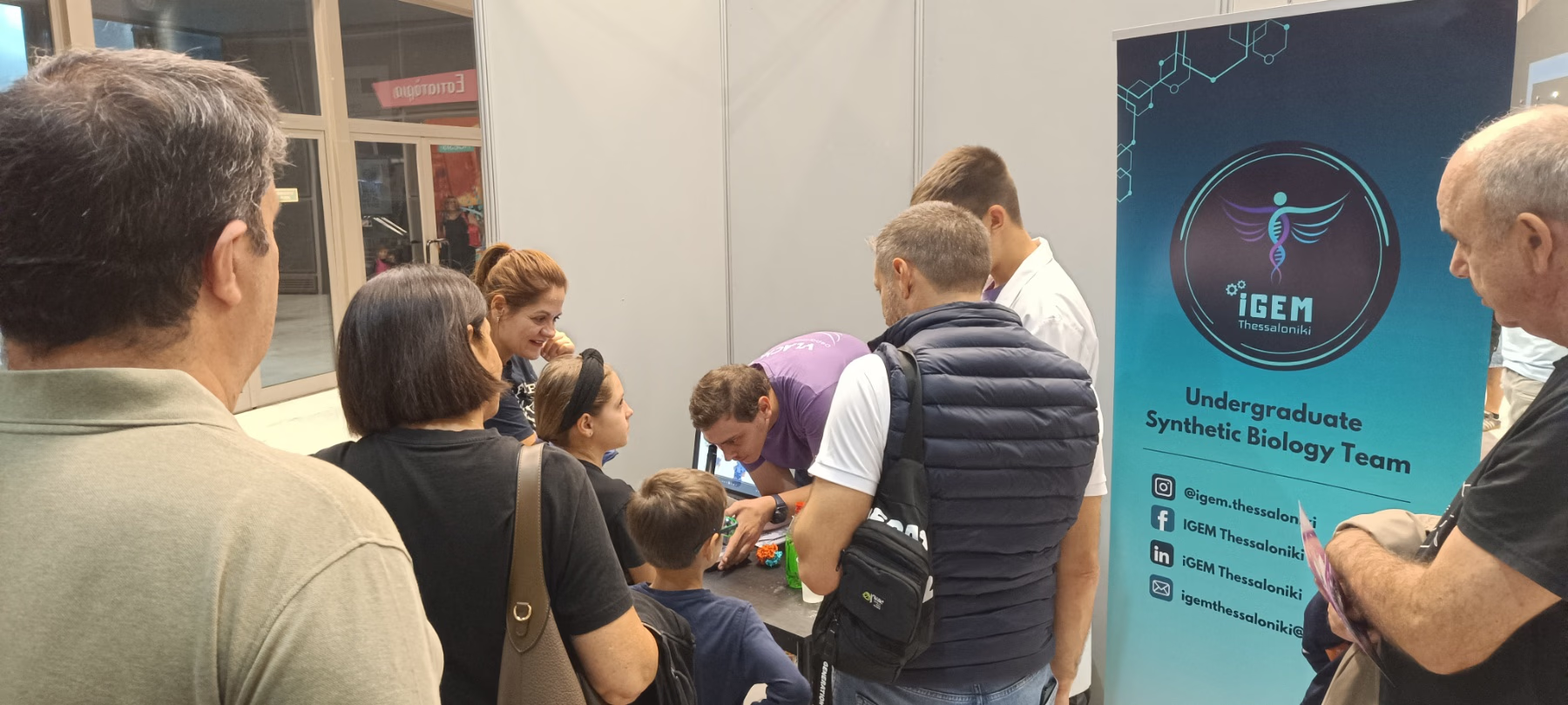
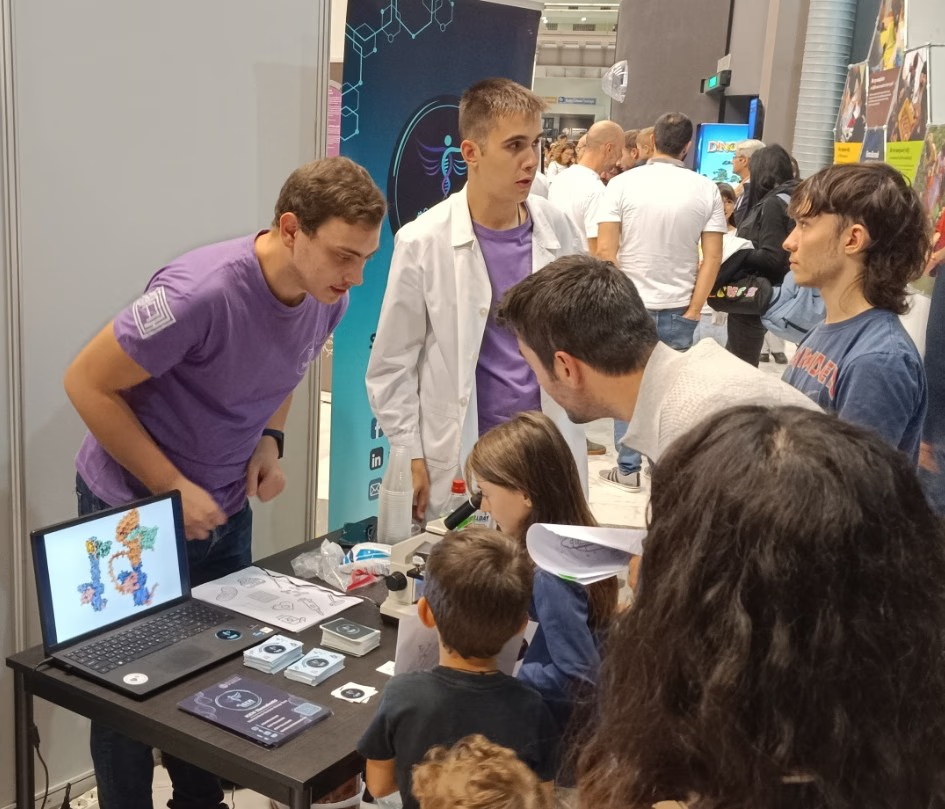
Our tactical outreach found its ideal stage within the European Researchers' Night, a flagship pan-European celebration empowered and funded by the European Union through the prestigious Marie Skłodowska-Curie Actions. By embedding our project into this monumental, continent-wide event that simultaneously bridges the gap between science and society across hundreds of cities, we did not merely address a passive crowd. Instead, we actively engaged a vibrant, multigenerational human tapestry consisting of the general public, local families, and inquisitive young children. Presenting at an event of such profound institutional and transnational magnitude allowed us to position synthetic biology not as an isolated academic pursuit, but as a shared civic experience, placing the future of biotechnological innovation directly into the hands of the local community.
The fundamental pedagogical philosophy driving our initiative was to liberate synthetic biology from the insular confines of elite university laboratories and introduce it into the mainstream public consciousness. We designed our educational framework to ensure that STEM paradigms cease to be exclusive privileges, transforming them into accessible, deeply exhilarating pathways for young learners of all socioeconomic backgrounds. Recognizing that the conventional reliance on rigid textbook memorization and high-stakes testing often stifles genuine intellect, we actively shifted the paradigm toward cultivating innate curiosity, foundational scientific literacy, and rigorous critical thinking.
Through the strategic deployment of interactive gamification, live technological demonstrations, and immersive, hands-on experimentation, we successfully translated abstract, formidable concepts — such as bioinformatics and genomic architecture — into tangible, real-world dynamics. Ultimately, our mission was to dismantle the intimidating psychological barriers surrounding university-level research, vividly demonstrate to the next generation that science is an inherently collaborative, human journey, and empower them with the confidence to actively claim their place in the evolving world of modern biotechnology.
To meet the high energy and profound societal mandate of this EU-backed forum, we orchestrated a multi-layered, interactive exhibition pavilion hosted at the prestigious NOESIS Science Center and Technology Museum. Rejecting the static, one-dimensional presentations that traditionally distance the public from research, we engineered a dynamic space centered on three main experiential pillars:
- The Living Microscope Station: A hands-on hub where citizens operated optical systems to directly examine intricate biological specimens. This station allowed them to visually bridge the gap between abstract cellular theory and the actual, physical structures of life.
- The Creative Art & Expression Studio: A dedicated drawing and conceptual space specifically tailored for young children. Here, the youngest attendees were invited to visually interpret the microscopic worlds they had just witnessed, seamlessly blending artistic imagination with empirical observation.
- Live DNA Extraction: A DNA extraction experiment performed on the epithelial mouth cells of participants who wished to take part. The experiment was explained and instructions were given so that participants could repeat it at home.
By staging our initiative within a high-profile, celebratory public arena, we successfully liberated laboratory research from its hidden alcoves and injected it into the beating heart of the community, directly engaging hundreds of citizens. The profound synergy generated by combining rigorous visual observation with open, creative art proved to be a powerful equalizer. It stripped synthetic biology of its intimidating academic jargon, rendering it thoroughly tangible, fun, and accessible to the very demographic that will inherit these technologies.
The overwhelming public response demonstrated the immense value of bidirectional science communication. For iGEM Thessaloniki, this large-scale engagement did more than just inspire the next generation of researchers; it solidified our standing as vital regional ambassadors for inclusive scientific literacy, proving that when complex science meets empathetic, thoughtful design, it sparks a lasting societal impact.
ORME Running Club
Running Event for Lung Cancer Awareness — Collaboration with ORME Running Club
ORME is a Thessaloniki-based running club that brings together runners of all levels through a shared passion for running and community. Its health-conscious members represented an ideal audience for raising awareness about lung health and lung cancer. This collaboration allowed iGEM Thessaloniki to engage with the local community beyond academic and scientific settings.
The activity aimed to raise awareness about lung cancer, its impact on everyday life, and the importance of prevention, early diagnosis and scientific research. By connecting lung health with an activity associated with physical wellbeing, we sought to make health information more accessible and encourage conversations beyond traditional educational environments.
Together with ORME, we organised a running event dedicated to our 2026 project, AETh3R. Members of the club and our team ran together through Thessaloniki, creating a shared moment of support for people affected by lung cancer. Following the run, we introduced participants to our work as an iGEM team and discussed the impact of lung cancer on individuals and communities. We distributed informational leaflets on lung cancer for participants to take home and share, alongside specially designed ORME collaboration stickers to extend the visibility of the initiative.
The event demonstrated how community-based activities can create accessible opportunities for health education outside traditional scientific settings. Connecting running with lung health provided a natural starting point for discussing lung cancer awareness and the role of research in developing new therapies. The experience highlighted the potential of local partnerships to extend our project's reach beyond the scientific community and encouraged us to integrate accessible, everyday activities into our broader outreach strategy.
Open Day at CIRI (Center for Interdisciplinary Research and Innovation)
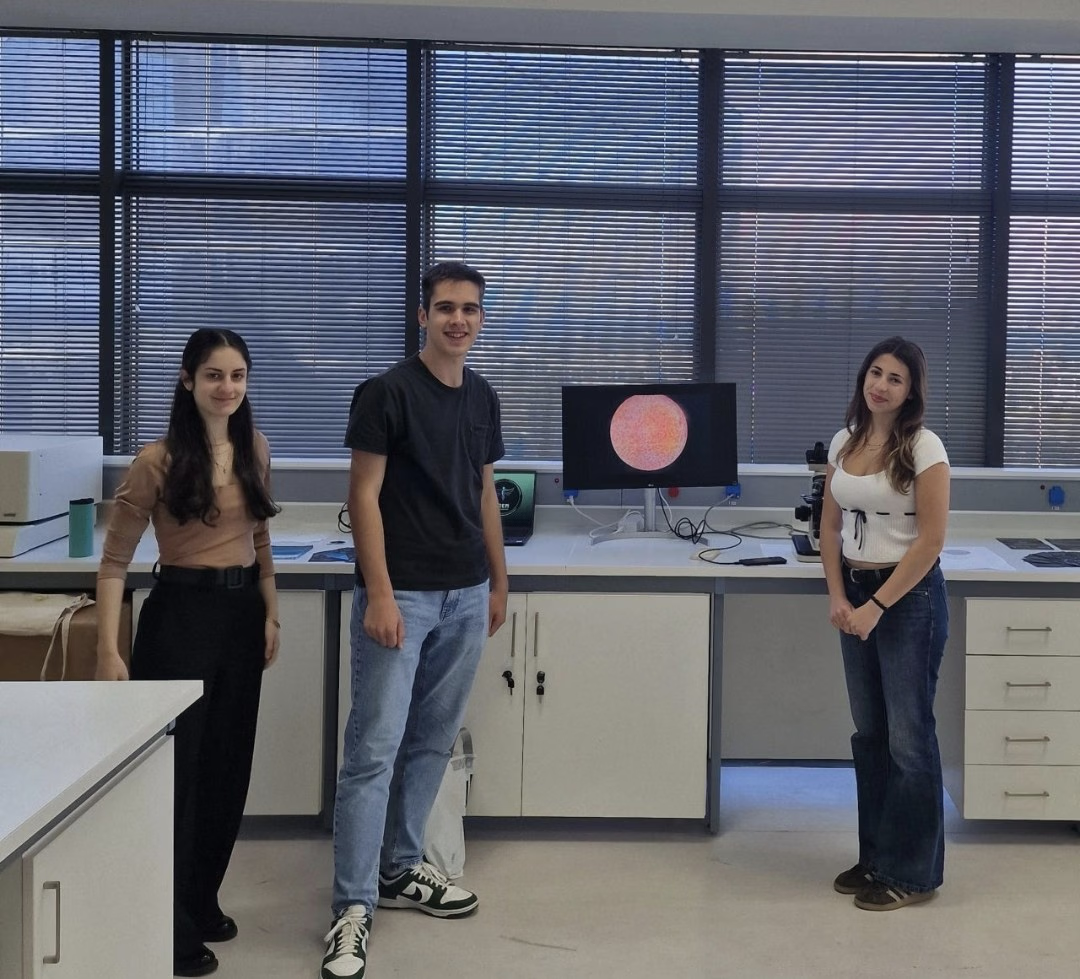
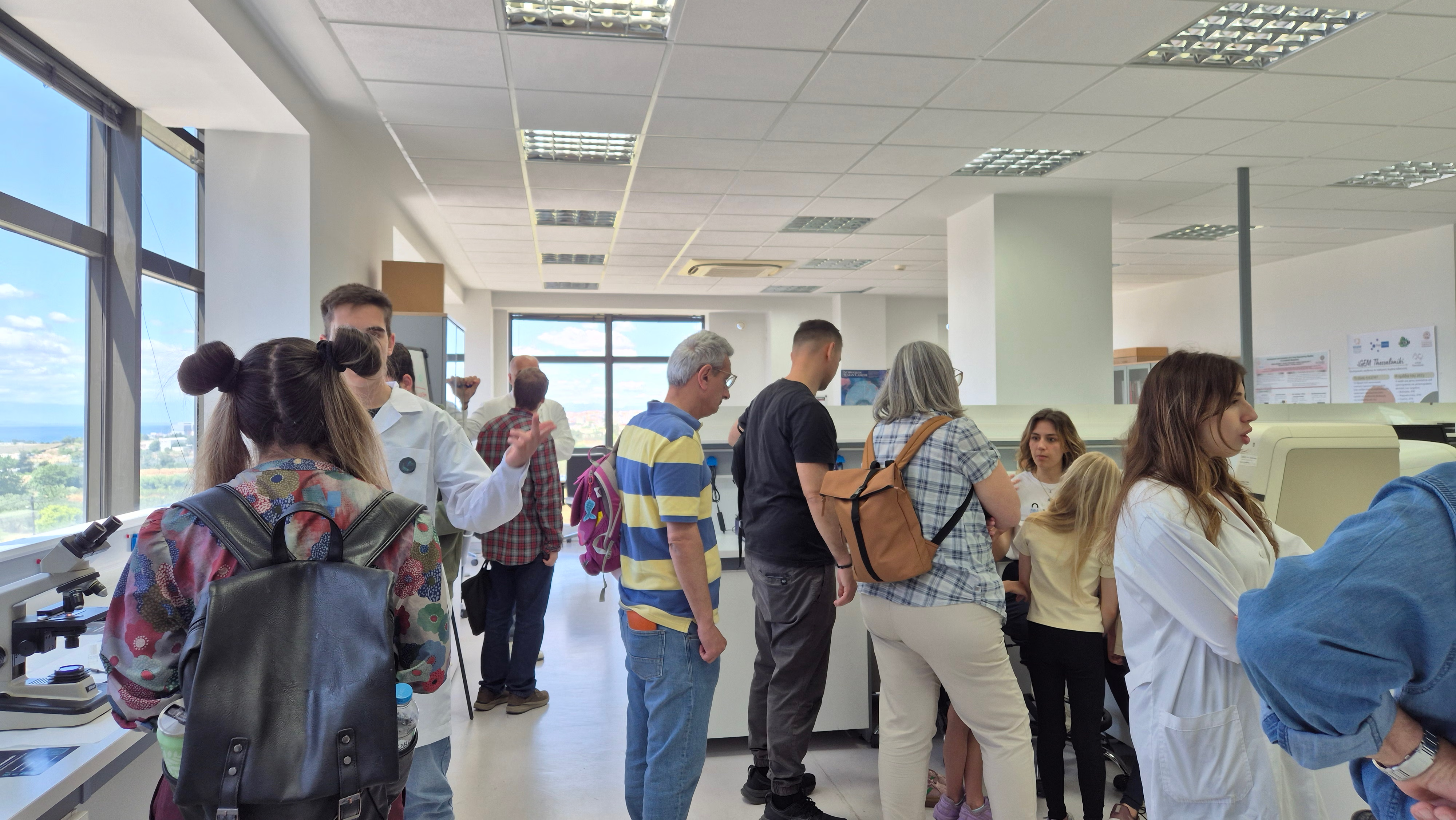
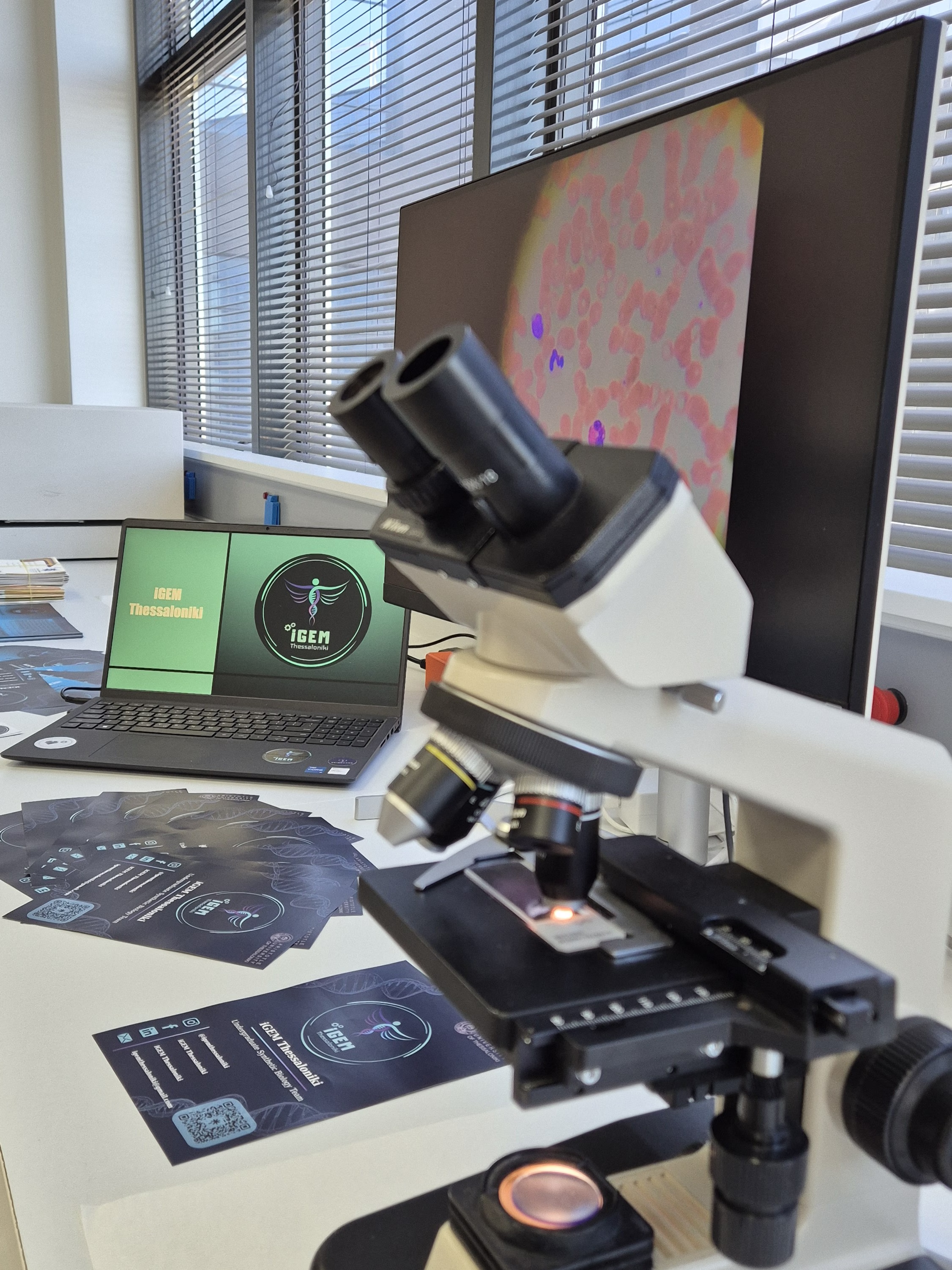
The general public of all ages from the local community, ranging from young children and the elderly to professionals from various scientific fields.
To demystify everyday laboratory workflows, explain the visual results of common analytical techniques (electrophoresis, Western blot), and foster scientific curiosity in non-STEM demographics.
A collaborative open-day event held at the FunPATh proteomics lab at CIRI. The team set up a light microscope station with blood specimens, guided visitors through real lab equipment, handed out educational pamphlets, and provided custom biology colouring sheets (DNA sketches, cell diagrams) for young children.
The event demonstrated that interest in synthetic biology spans far beyond students and researchers, inspiring the team to broaden its public image and include cross-generational activities in all future appearances. Internally, collaborating with CIRI scientists allowed iGEM members to observe live mass spectrometry, enriching their own experimental background.
Aristotle Innovation Forum
Bringing Synthetic Biology Closer To Society Through the Aristotle Innovation Forum
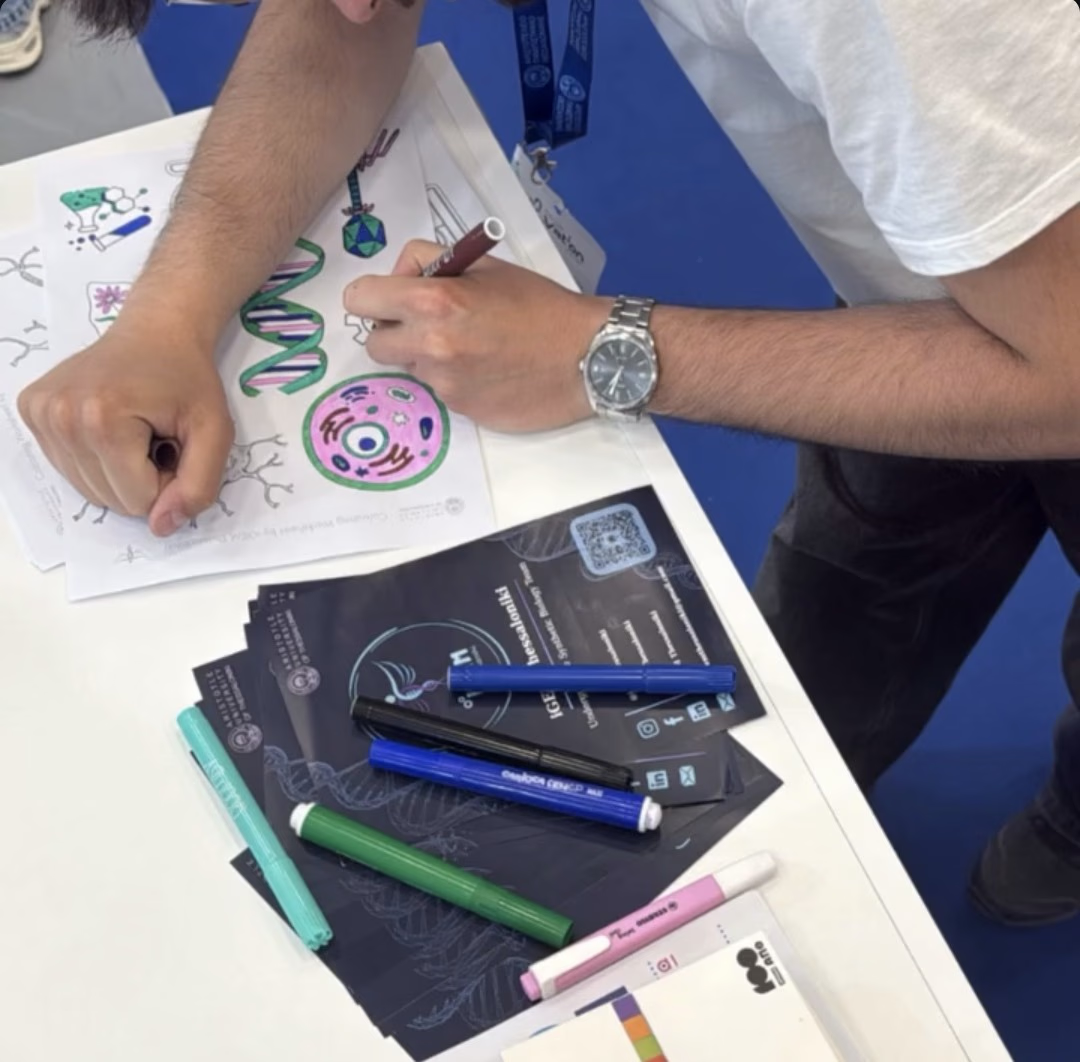
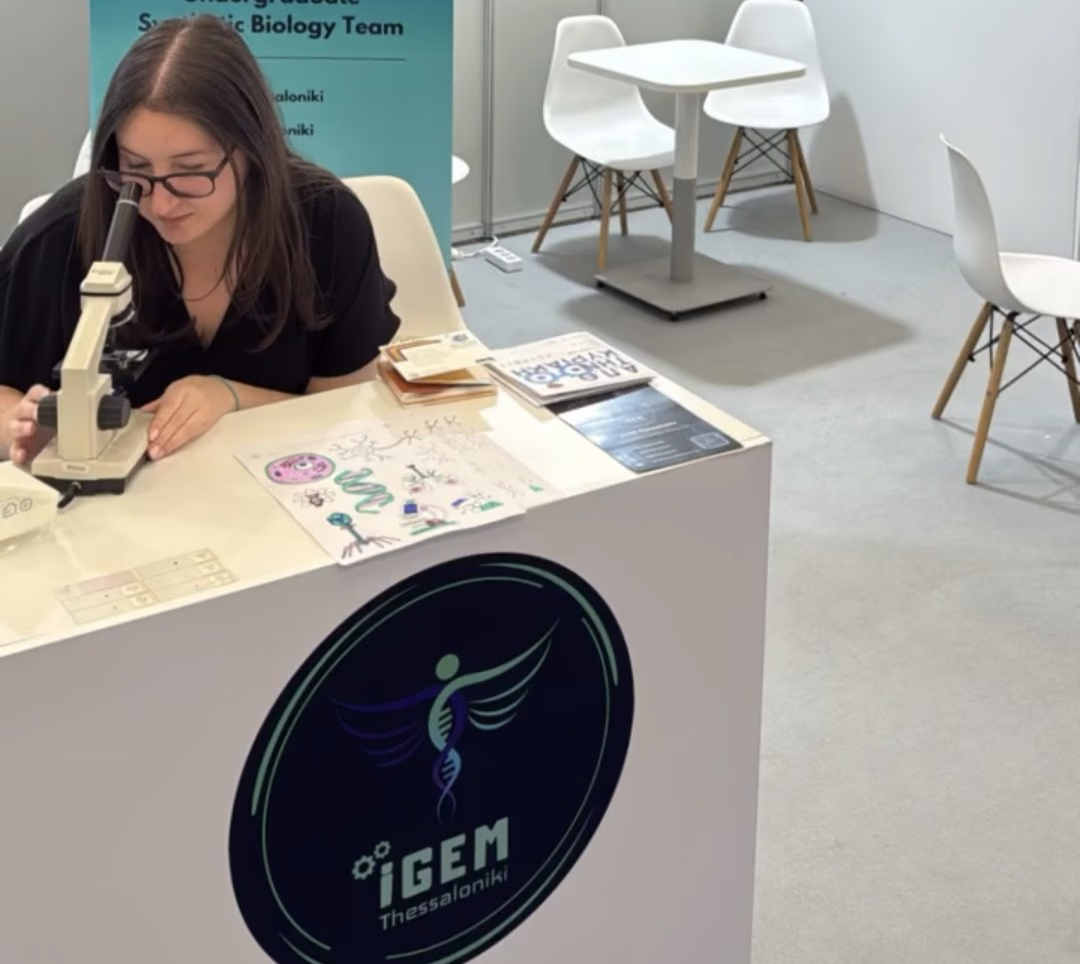
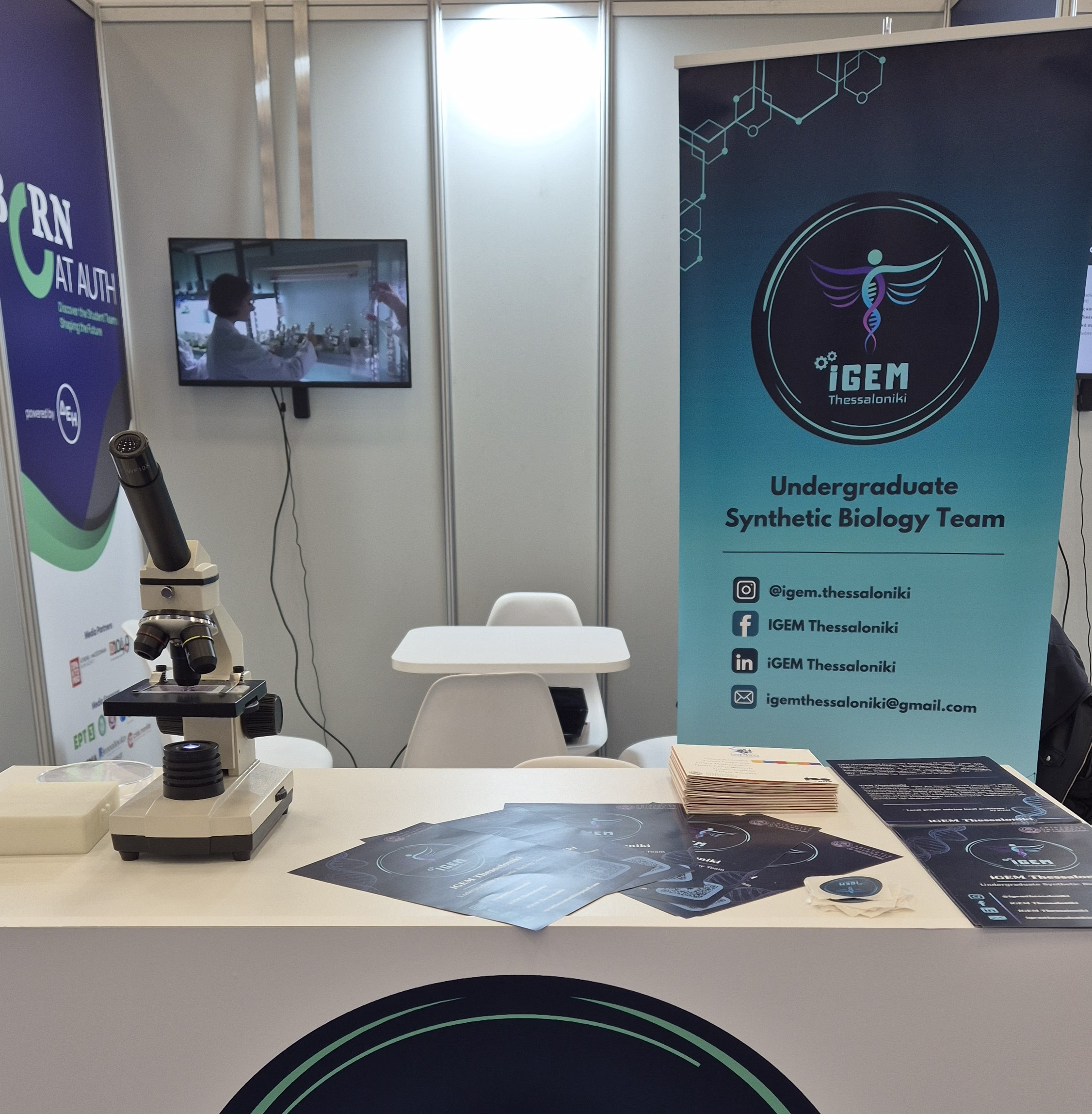
Our outreach was uniquely tailored for the international Aristotle Innovation Forum, a prestigious gathering operating under the thematic umbrella of "Aristotle Meets AI". This specific institutional setting allowed us to interact with a highly sophisticated yet diverse audience, bridging the gap between distinct generations and sectors. We engaged directly with academic researchers looking for disruptive methodologies, industry professionals scouting the next wave of bio-innovation, and tech enthusiasts eager to see theory in action. Simultaneously, we welcomed local families and students. Presenting at a forum named after Aristotle provided a profound backdrop, allowing our team to address individuals who view innovation not just as commercial progress, but as a holistic advancement of human thought and capability.
The core pedagogical mission of this initiative was to explore and illuminate the profound frontier where human intellect, artificial intelligence, and synthetic biology intersect. Rather than presenting biology as an isolated, purely mechanical discipline, we sought to introduce it as an evolutionary extension of human ingenuity enhanced by computational power. Our goal was to strip away the intimidating layer of microscopic abstraction and translate complex molecular behaviors into intuitive, visually accessible realities. By doing so, we aimed to democratize high-level biotechnological concepts, fostering a deep sense of scientific literacy that encourages visitors to contemplate how the synergy of code, thought, and life is actively reshaping modern therapeutics and global innovation.
To capture the philosophical and forward-looking essence of the forum, we curated a dual-station exhibition pavilion designed to engage both the rational and creative dimensions of the human mind:
- The Artistic Translation Hub (Drawing Station): Designed specifically as a conceptual gateway for younger minds and non-specialist attendees. Here, complex structures like genomic strands and cellular matrices were translated into visual art. This station operated on the principle that aesthetic creation is a fundamental form of understanding, allowing abstract science to become personally meaningful through artistic expression.
- The Empirical Observation Portal (Microscope Station): A practical micro-laboratory that granted visitors direct autonomy over scientific instrumentation. By adjusting lenses and discovering live biological specimens first-hand, participants transitioned from passive consumers of data to active observers of life, transforming a theoretical textbook concept into an immediate, physical reality.
Participating in the Aristotle Innovation Forum offered empirical validation that multi-sensory and participatory public engagement can successfully dismantle the traditional walls of elite science. The integration of creative expression proved that art is not antithetical to research, but rather a powerful vessel for inclusivity, making advanced workflows approachable to the general public.
The dynamic dialogues sparked between our researchers, tech pioneers, and curious citizens reinforced a vital lesson for iGEM Thessaloniki: science communication achieves its highest purpose when it abandons the traditional, top-down lecture format. By fostering an egalitarian, two-way exchange, we did not merely showcase our work; we honored the very spirit of the forum, establishing bio-based innovation as a collaborative, deeply human endeavor.
AUTH ON SUNDAY and STUDENT WEEK
Bridging Science and Society : IGEM Thessaloniki at “AUTH ON SUNDAY” and “STUDENT WEEK”
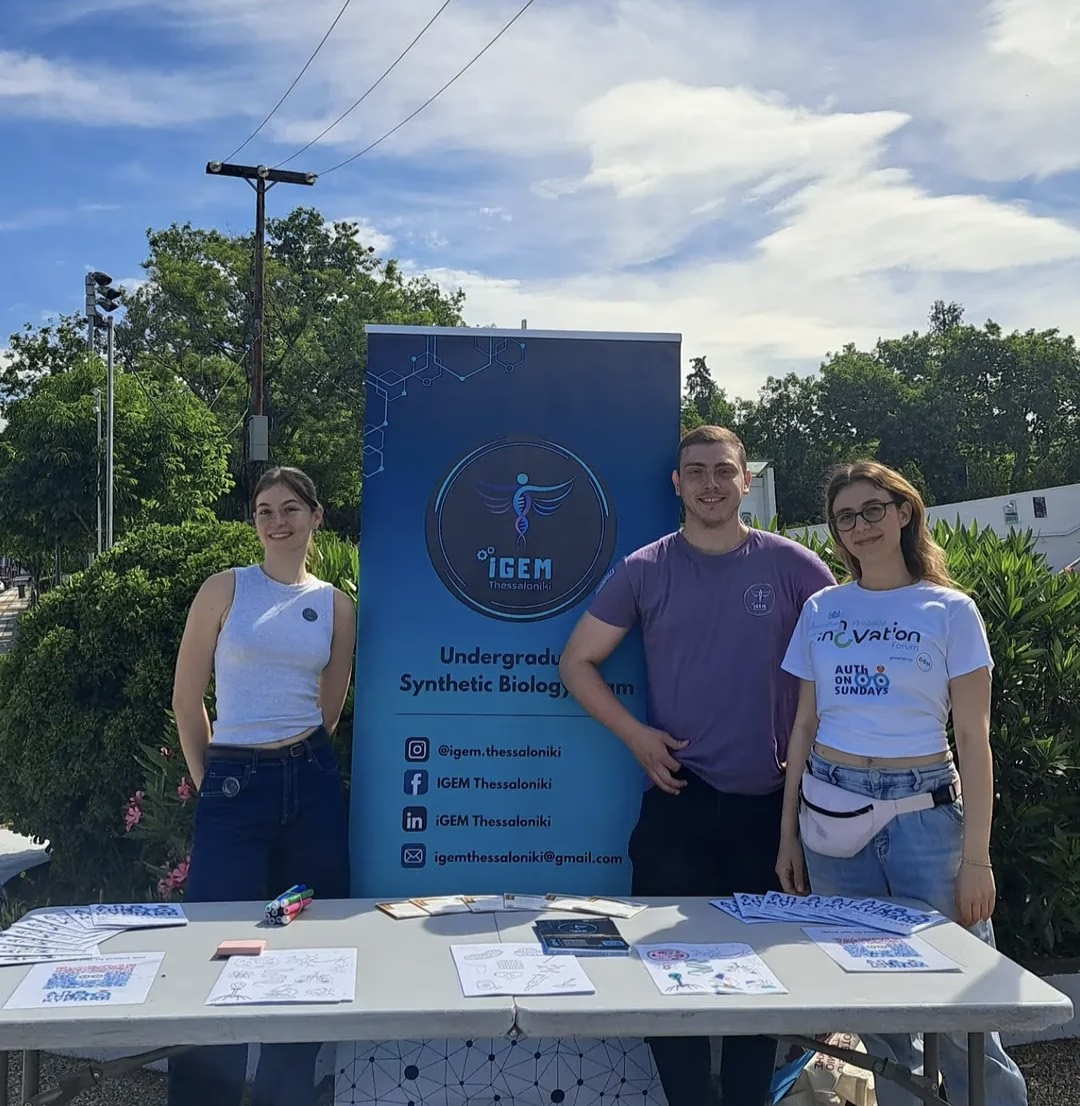
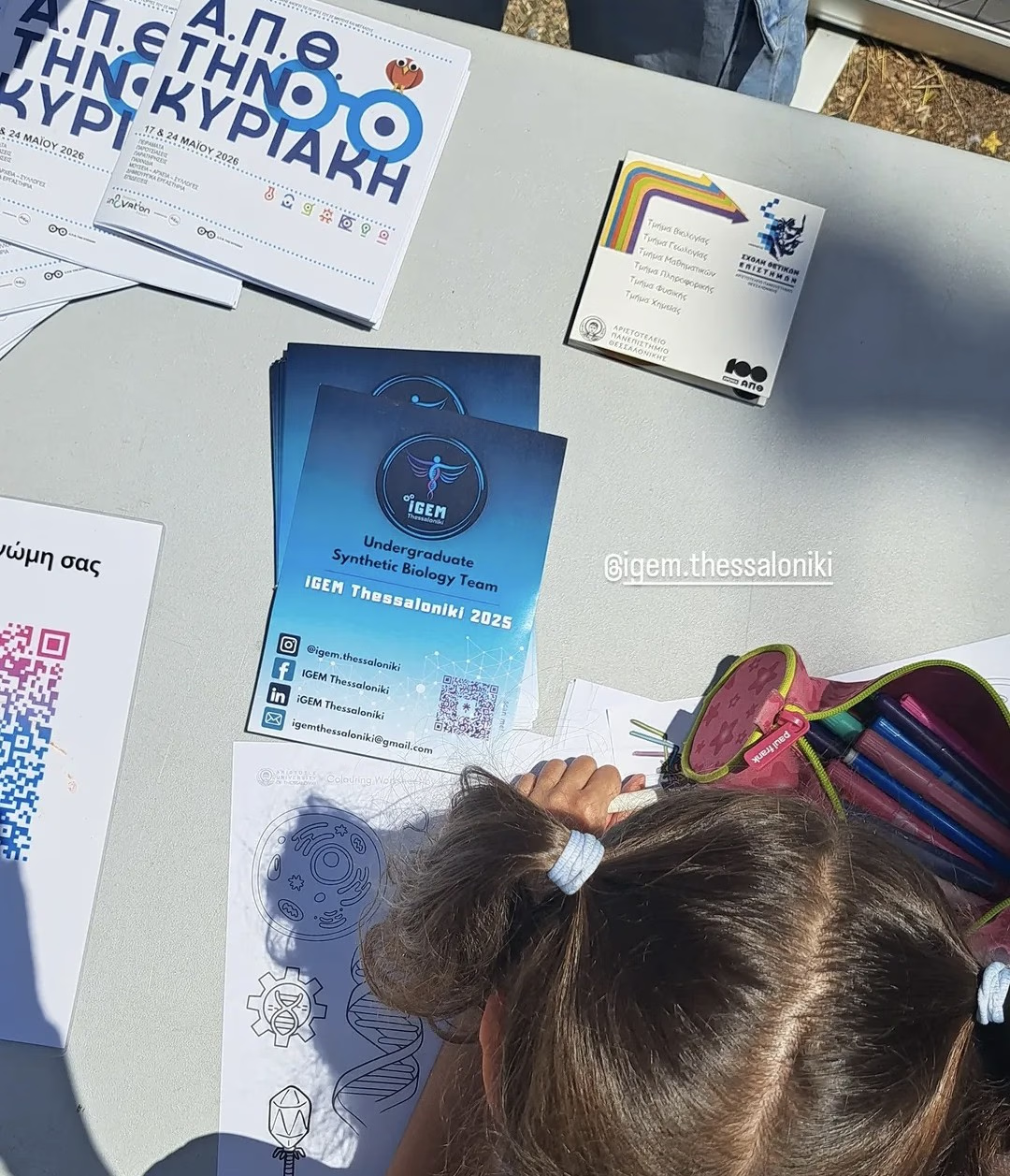
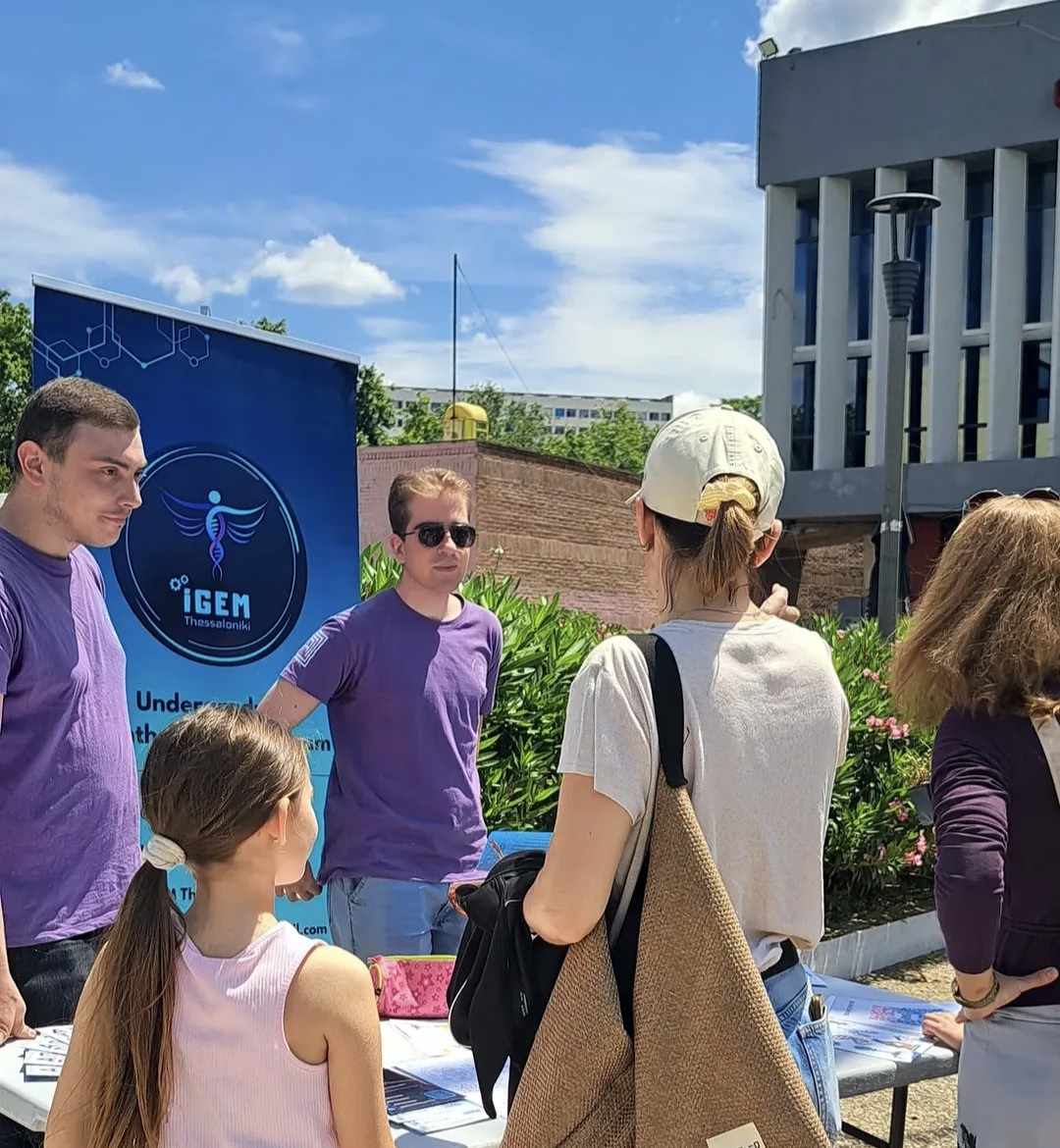
The broader community of Thessaloniki, including parents, educators and children, alongside the internal undergraduate and graduate student body of AUTh.
Our outreach programme aimed to make synthetic biology and STEM education inclusive, engaging and relevant for people from all backgrounds. Moving away from rote memorisation and exam-driven pressure, we designed an environment centred on creative inquiry, scientific literacy and critical thinking. We used age-appropriate practical experiments, interactive games and live demonstrations to connect abstract theories in genetics, cellular biology and bioinformatics with real-world scientific applications. In doing so, we sought to demystify advanced university research, present science as a collaborative and dynamic field, and motivate young people to pursue higher education and future careers in biotechnology.
An open-air public celebration featuring direct, interactive engagement stations set up across the university campus during the weekend initiatives.
The team engaged directly with hundreds of local citizens, dismantling the physical walls of the laboratory. The open-air dialogue inspired numerous university undergraduates to learn about iGEM recruitment criteria, laying a foundation for forming the team's future student cohorts.
Auth Radio Vidcast Series
Reaching Out To Our Academic Community Through The “Auth Radio” Vidcast Series
The broader academic community of the Aristotle University of Thessaloniki (AUTh), specifically undergraduate and graduate students, as well as the general public.
To familiarise the public with iGEM Thessaloniki's scientific and ethical values, promote synthetic biology solutions alongside their bioethical implications, and inform university undergraduates about student-led research and recruitment opportunities.
An invited broadcast interview on the official AUTh Radio platform. The vidcast discussion covered the historical inception of iGEM Thessaloniki as the first Greek iGEM team, the foundational definitions of synthetic biology, and the human practices (bioethics, inclusivity, sustainability) required to lead a successful research season.
By using a university platform, the team bridged the gap between academia and society, making molecular research more accessible. The vidcast also served as a recruitment channel, sparking interest among students to join future cohorts.
“Engineering, the future of Medicine” Scientific Conference
iGEM Thessaloniki’s Booth at the “Engineering, the future of Medicine” Scientific Conference
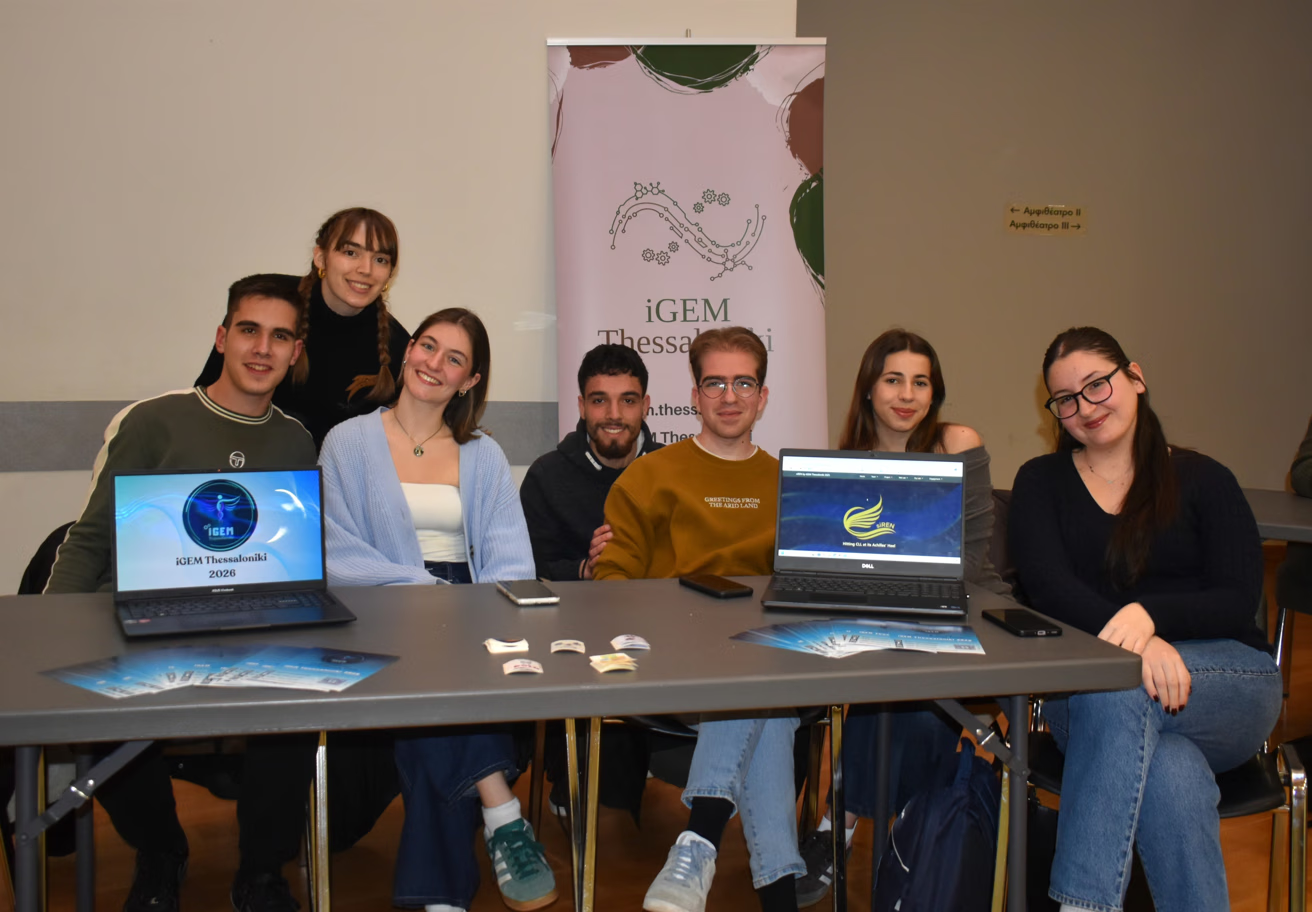
Undergraduate and postgraduate students, professors and bioinformatics enthusiasts attending the joint conference of Breakthrough Hub and the Scientific Society of Hellenic Medical Students (SSHMS).
To explain the core philosophy of the iGEM competition, introduce the interdisciplinary nature of synthetic biology, and clarify complex biomedical concepts for a combined medical and engineering audience.
An interactive, physical informational booth inside the conference venue. Team members held direct discussions with attendees and provided a detailed structural analysis of our previous Gold-medal project's laboratory and research workflow, to give a real-world example of cross-disciplinary collaboration.
The booth advanced the team's educational outreach by breaking down dense bioengineering data into approachable concepts. The direct feedback and spontaneous questions from the medical and engineering community allowed us to identify which scientific terms required further simplification, directly refining our future communication strategies.
4th Panhellenic Student Conference of Bioscientists
Inspiring the Next Generation of Bioscientists through iGEM Thessaloniki - 4th Panhellenic Student Conference of Bioscientists
Undergraduate and postgraduate life sciences students from various academic institutions across Greece.
To raise awareness around synthetic biology — a field relatively unfamiliar to many Greek biology students — and provide transparent, clear entry points for student involvement in international scientific initiatives.
A comprehensive presentation detailing the evolution, historical milestones and interdisciplinary structure of iGEM Thessaloniki, combined with active networking sessions and attendance of diverse life science lectures throughout the three-day conference.
Presenting our journey as a local student initiative made international research feel achievable and accessible, inspiring delegates to integrate biology with computation and engineering. The exchange of ideas refined our own scientific perspective and strengthened our role as national ambassadors for synthetic biology.
20th Innovation and Development Multi-Conference
Participation in the 20th Innovation and Development Multi-Conference
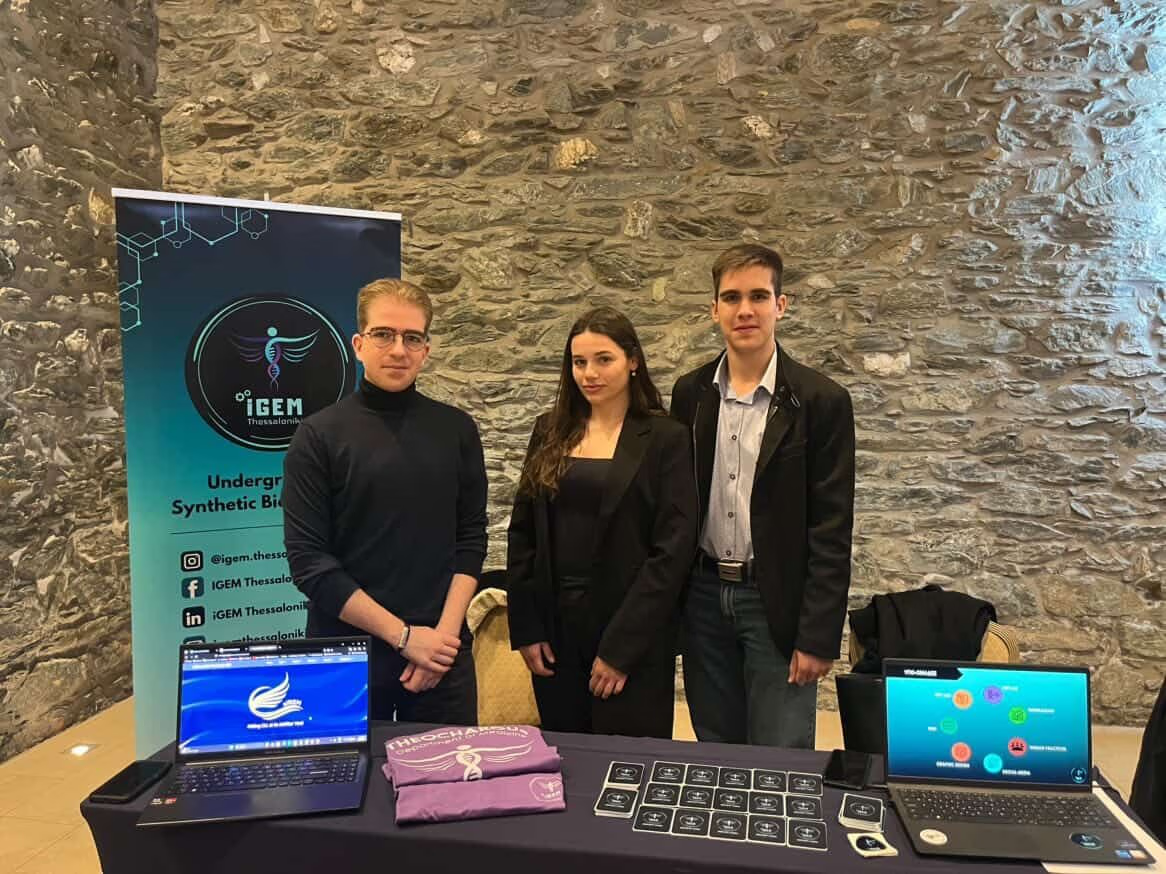
Scientists, academics, politicians, undergraduate research peers and entrepreneurial delegates attending the multi-conference organised by ka-business.gr.
To communicate our philosophy of tackling global challenges via synthetic biology, and to highlight explicitly the connection between academic scientific output and entrepreneurial engagement.
An extensive public engagement initiative featuring a team presentation focused on the interdisciplinary structure underpinning iGEM successes, coupled with interactive panel discussions regarding biotechnology's role in regional development.
The conference revealed that synthetic biology remains largely unrecognised by a significant portion of the established scientific and business community. By introducing our workflow to delegates, we acted as regional ambassadors and gained insights into tailoring scientific discourse for future commercial and entrepreneurial collaborations.
TedEx Auth: KRASIS
A diverse public audience outside the traditional scientific community, including local residents, artists, professionals, families and university students.
To promote accessible science communication, gather public perspectives on genetic engineering, and dismantle the isolation of laboratory research through public dialogue around responsible innovation.
Participation in the interactive exhibition space of TEDxAUTh under the theme "KRASIS". The team operated a dedicated booth equipped with visual educational materials and custom scientific board games designed to simulate biotechnology applications.
The informal booth environment served as a platform for two-way dialogue, helping to alleviate public anxiety surrounding emerging genetic technologies. By transforming complex research into an engaging game, we gathered real-time audience feedback, strengthening our human practices and community outreach efforts.
9th Environmental Congress
Environmental scientists, educators, eco-friendly business planners and chemists attending the regional congress.
To diffuse knowledge regarding the ecological applications of synthetic biology and showcase how bioengineering can be used to tackle modern environmental crises.
Hosting an interactive info point throughout the three-day congress, where team members presented our past synthetic biology solutions, including our 2023 project focused on wildfire recovery and forest regrowth.
We noted that despite pressing regional environmental challenges, the majority of the public and scientific delegates remain unaware of synthetic biology's interdisciplinary applications. This insight altered our internal strategy, demonstrating the need for a more active presence in public press and social media to advocate clearly for bio-based environmental solutions.
EDUACT
Engaging Next Generations to SynBio Through EDUACT
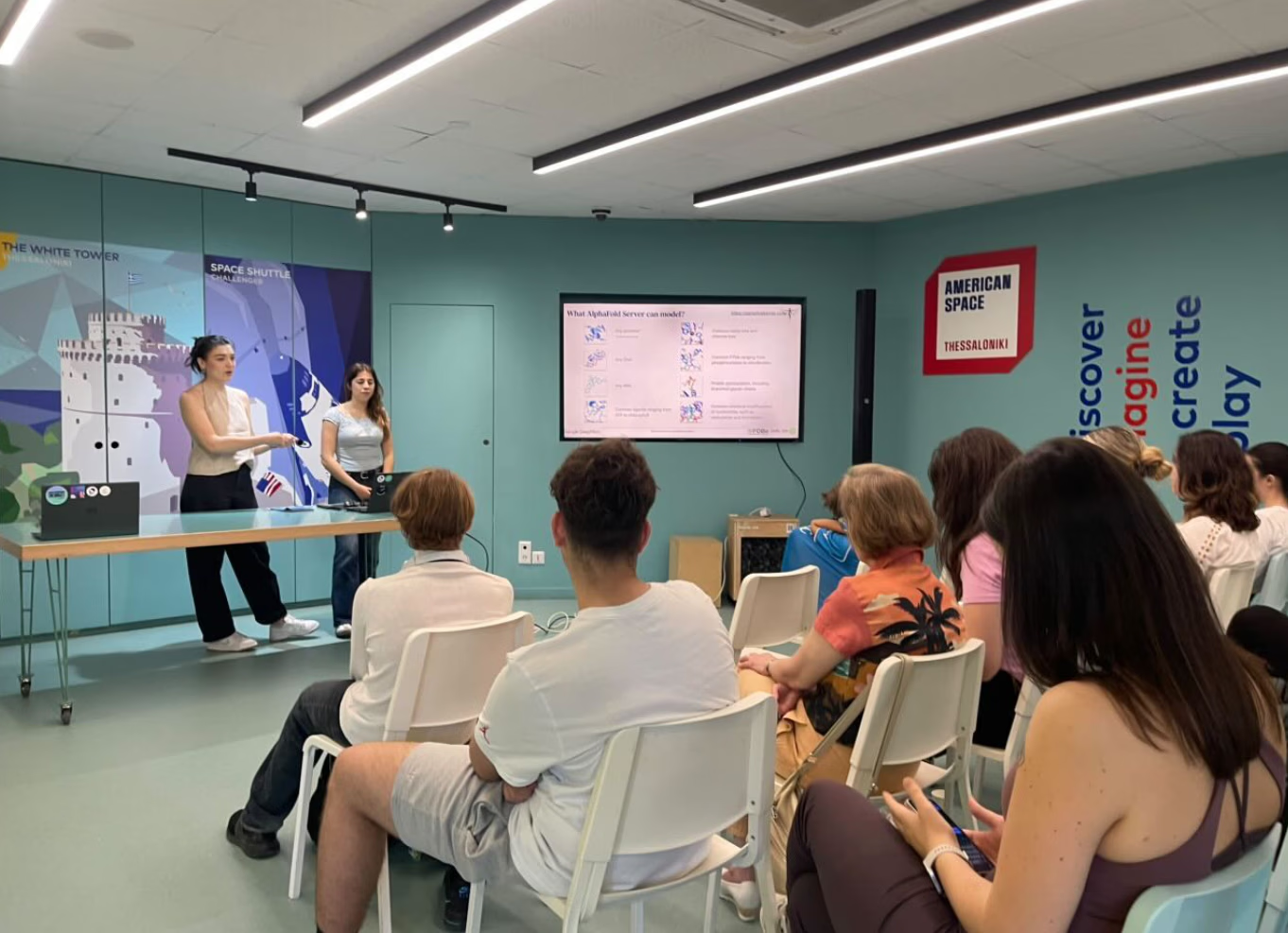
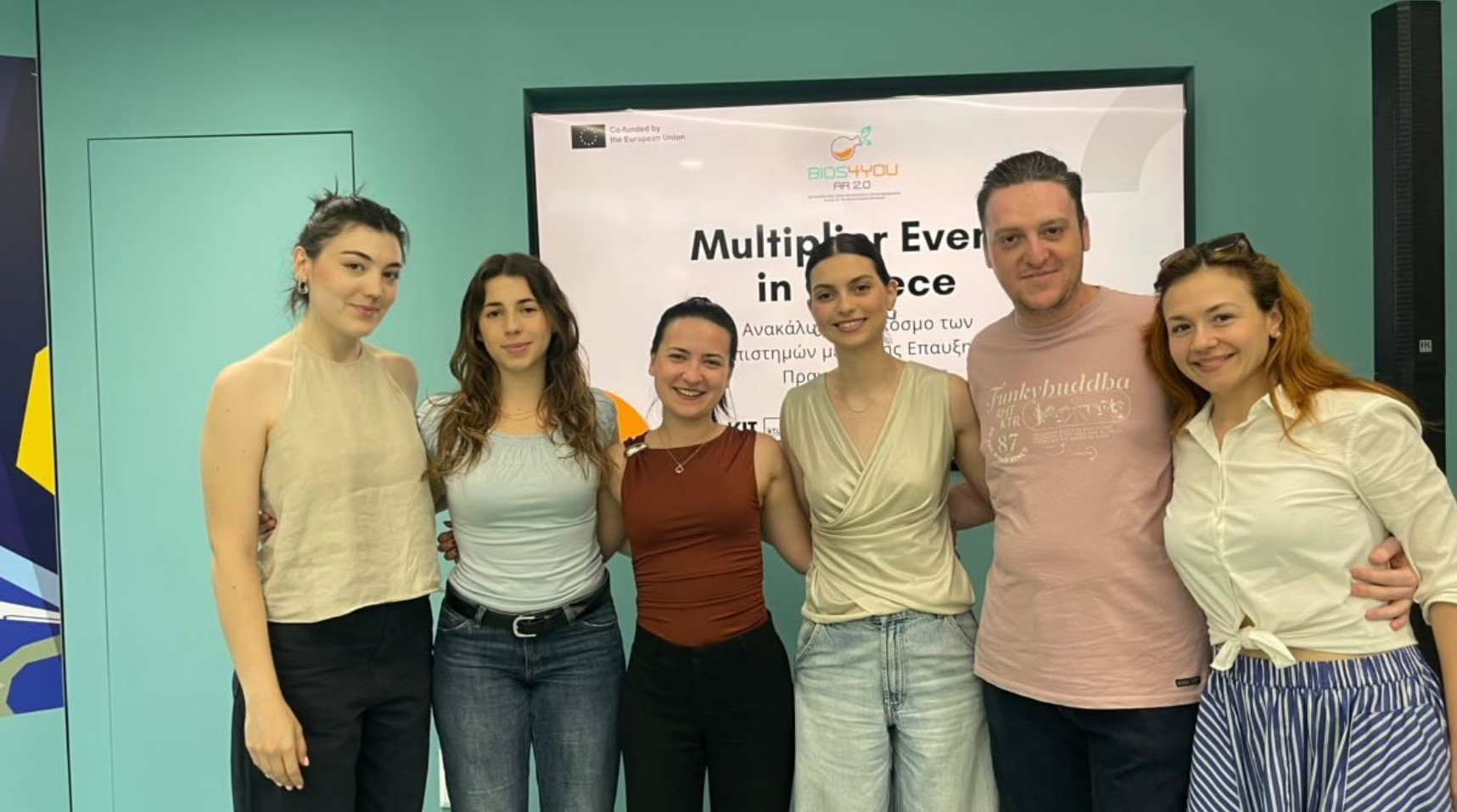
The general public, educators, students and technology enthusiasts in Thessaloniki.
To democratise synthetic biology, showcase the power of AI in the life sciences, and enhance bio-literacy using emerging immersive educational technologies.
An interactive public event organised by EDUACT, bridging science and immersive media. The iGEM team presented alongside a VR/AR technology developer, delivering simplified analogies of AlphaFold 2 (comparing amino acids to puzzle pieces) and hosting live interactive demonstrations of AlphaFold 3 predicting DNA/RNA interactions.
Complex structural biology was made accessible and visual for school children and families, transforming cutting-edge artificial intelligence into an engaging game. The event fostered interest in STEM and created an open space for public dialogue regarding responsible biotechnology innovation.
Online Science Communication Roundtable
Sharing Our Voice in Science Communication iGEM Thessaloniki at the Online Science Communication Roundtable
Science communicators, student organisation representatives and researchers participating in the seminar organised by Young Biologists Matter.
To analyse effective strategies for translating complex therapeutic innovations, exchange best practices for multidisciplinary outreach, and establish trust between research teams and the public.
An online roundtable panel discussion in which iGEM Thessaloniki presented our integrated subteam structure (wet lab, dry lab, human practices, communication) and shared how we tailor storytelling and visual media for distinct audiences.
The roundtable reinforced that science communication must be a bidirectional process, which heavily influenced our Human Practices framework. It prompted us to adapt our project's terminology to prevent biotechnology from sounding intimidating, leading to a refined public strategy focused on relatable storytelling, open-source transparency and collaborative public dialogues.
iGEM Patras Day Conference
Virtual Participation at iGEM Patras Day Conference
Undergraduate and postgraduate students, healthcare professionals, academic researchers, and the general public of Patras interested in cancer research and biomedical innovations.
To introduce an interdisciplinary audience to modern targeted protein degradation technologies, present the team's current research project, and explain how synthetic biology manipulates molecular pathways to develop alternative therapeutic strategies.
Direct participation with the concluding presentation of the conference hosted by iGEM Patras at Agora Argyri. The session provided a comprehensive overview of the team's current iGEM project, focusing on molecular pathways and the innovative mechanism of PROTACs (Proteolysis Targeting Chimeras) as a cutting-edge therapeutic approach.
Delivering the final presentation allowed the team to diversify the conference's medical discourse by introducing synthetic biology solutions to an audience focused on clinical oncology and pain management. The session opened a unique multi-disciplinary dialogue, demonstrating how student-led bioengineering initiatives can actively contribute to the future of molecular medicine and cancer therapeutics.
iGEM Athens Round Table
Participation in the iGEM Athens Round Table – iGEM Fest 2026
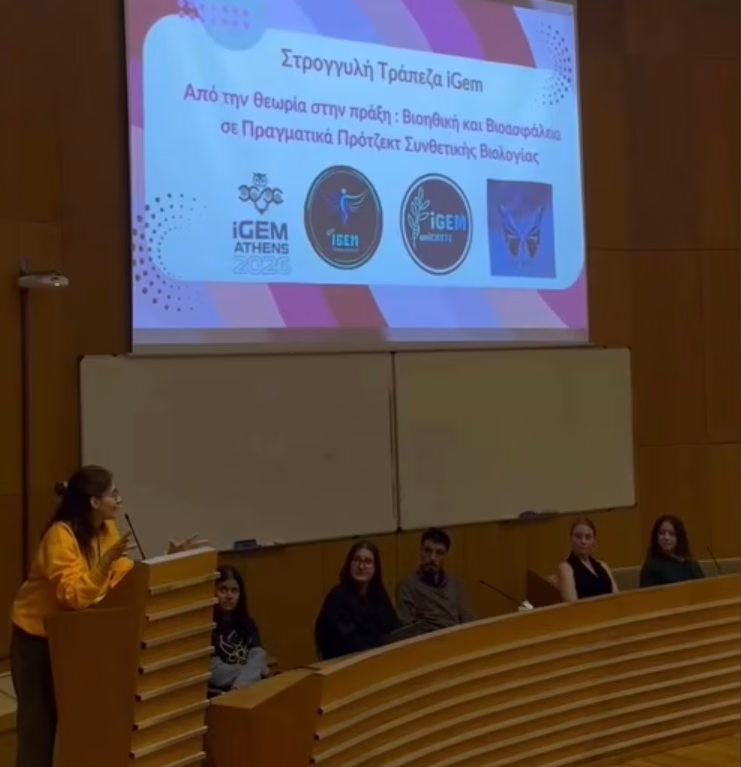
Participating iGEM teams, undergraduate researchers, and biosafety/bioethics coordinators within the Greek synthetic biology community.
To foster cross-team dialogue on laboratory biosafety, promote ethical scientific communication in cancer research, and integrate responsible therapeutic design from the early stages of project development.
A collaborative round-table panel discussion held in Athens, focused on biosafety protocols (mammalian cell culture containment) and the ethical communication of research-stage cancer therapies like our lung cancer project, AETH3R.
The discussion refined AETH3R's framework, prompting the team to evaluate long-term therapeutic risks (off-target effects) and enforce strictly honest, non-exaggerated communication when sharing early-stage scientific innovations with vulnerable patient groups.
1st Interdisciplinary Biology and Chemistry Conference
Oral Presentation at the 1st Interdisciplinary Conference: Bridging Biology and Chemistry
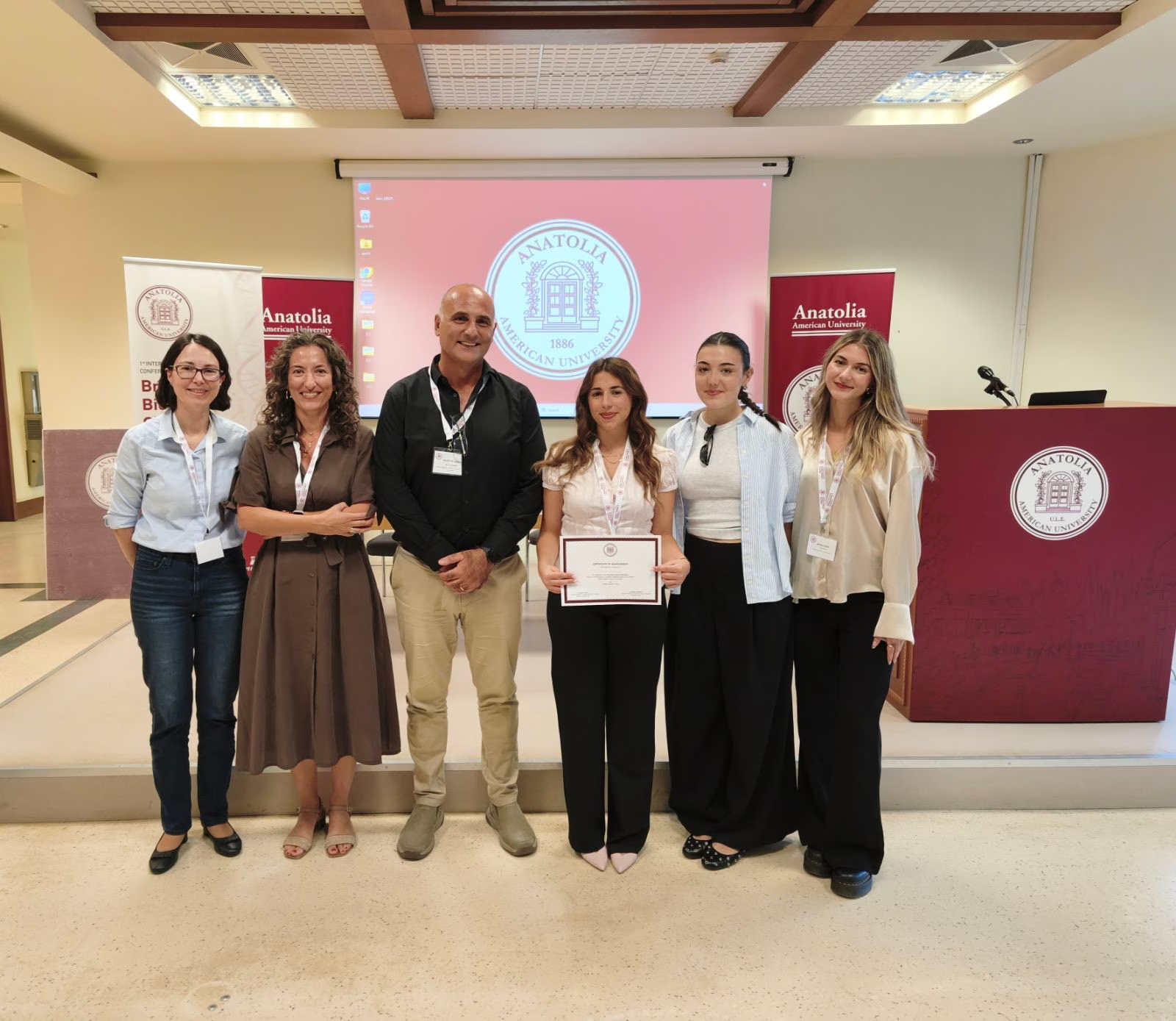
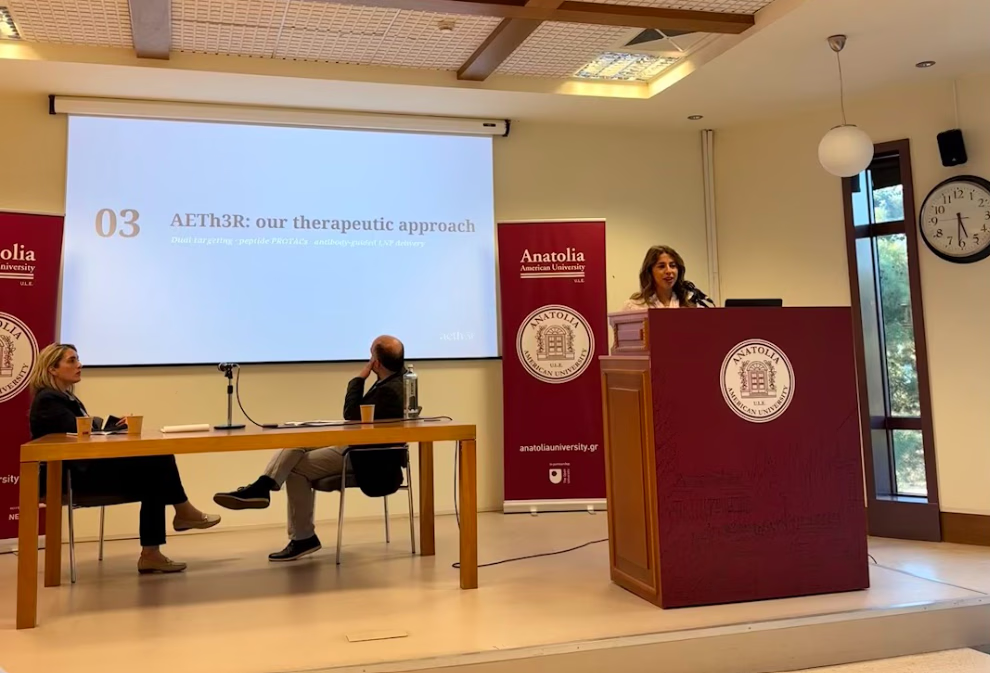
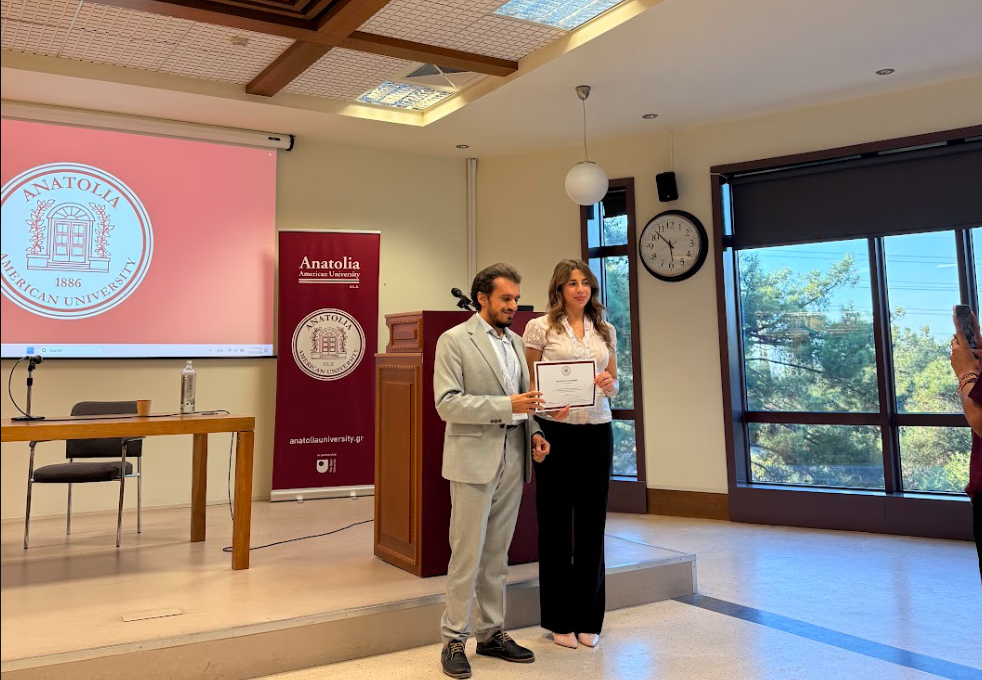
The conference brought together undergraduate and postgraduate students, doctoral and postdoctoral researchers, faculty members, healthcare professionals, and members of the general public from across Greece. Its interdisciplinary scope encompassed synthetic and medicinal chemistry targeting biological systems, chemical biology and biochemistry, microbial ecology and antibiotic discovery, biomolecular interactions and structure–function relationships, and biotechnology and metabolic engineering.
Our presentation was particularly relevant to participants interested in cancer biology, pharmaceutical development, molecular medicine, and the application of synthetic biology to therapeutic innovation.
The primary objective was to introduce an interdisciplinary audience to the principles of targeted protein degradation and demonstrate their potential applications in cancer therapeutics. The presentation showcased the team's current iGEM project, AETh3R. The presentation aimed to:
- Explain the clinical challenges associated with non-small cell lung cancer (NSCLC), including molecular heterogeneity and the limitations of existing targeted therapies.
- Present the rationale behind selecting KRAS and MDM2 as therapeutic targets.
- Introduce the team's approach to peptide-based targeted protein degradation and its proposed delivery system.
- Demonstrate how computational modelling, de novo design, and experimental validation can be integrated into a synthetic biology research project.
- Encourage scientific exchange between students, researchers, and professionals working across biology, chemistry, and pharmaceutical development.
A representative from our team delivered an oral presentation at the 1st Interdisciplinary Conference: Bridging Biology and Chemistry, hosted by Anatolia American University. The conference featured oral presentations by undergraduate and postgraduate students, as well as other researchers, alongside a poster session that encouraged the exchange of scientific ideas and findings across disciplines.
The team's presentation followed a structured narrative, guiding the audience from the clinical challenges of non-small cell lung cancer (NSCLC) to target selection, the AETh3R therapeutic strategy, and the team's computational and experimental progress.
Beyond presenting the project's scientific foundations, the session fostered direct dialogue with participants from diverse academic and professional backgrounds. Discussions addressed computational modelling and de novo molecular design, as well as the practical considerations involved in pharmaceutical development. We also addressed researchers' questions about the team's experimental approach and findings, which further encouraged discussion of experimental design, data interpretation, and the practical challenges of biomedical research. The team also exchanged ideas with university students interested in undergraduate research and the iGEM competition, introducing them to interdisciplinary research and student-led biotechnology initiatives.
The presentation broadened the conference's interdisciplinary dialogue by connecting synthetic biology and targeted protein degradation with topics relevant to cancer research, molecular medicine, and pharmaceutical innovation. Discussions with pharmaceutical professionals, academic researchers, and prospective undergraduate researchers highlighted the value of exchanging scientific ideas across disciplines and incorporating diverse perspectives into the development of emerging therapeutic strategies.
The feedback and questions received also helped the team identify potential gaps in its approach and areas for further improvement. Discussions surrounding computational modelling, de novo design, and experimental validation encouraged critical reflection on the project's current progress and highlighted aspects that could benefit from further investigation and refinement.
Overall, the session strengthened the team's science communication and public engagement efforts, encouraged interest in undergraduate research and the iGEM competition, and demonstrated the value of interdisciplinary feedback in guiding the development of student-led bioengineering projects.
We were also honoured with the Best Oral Presentation Award, recognising our contribution to the conference and our ability to communicate complex scientific concepts effectively to an interdisciplinary audience.
Social Media Campaigns
Social Media Campaigns: Educational Weekends, Mythbusters & SynBio Solutions
The general public, tech-savvy youth, students, and social media followers across Instagram, Facebook, and LinkedIn.
To democratize scientific knowledge through micro-learning, debunk widespread biological misconceptions, and highlight concrete applications of synthetic biology in solving global crises.
A structured, long-term digital outreach strategy executed through targeted visual campaigns during "Educational Weekends." The content was divided into two core series: Mythbusters, which simplified and corrected common scientific myths, and SynBio Solutions, which highlighted real-world environmental and medical problems solved by engineering living systems.
The campaigns transformed dense academic literature into highly engaging, digestible graphics that expanded public bio-literacy. By opening the comment sections for two-way discussions, the team established a trustworthy digital community space, effectively replacing biotechnology anxieties with evidence-based scientific awareness.
A small preview of our posts:
iGEM Thessaloniki between the pages
From Separate Wikis to One Story
Every iGEM season marks the beginning of a new project, a new team, and a new scientific journey. Over the years, iGEM Thessaloniki has explored different challenges through synthetic biology, with each generation documenting its work in its own wiki.
However, as the years pass, these projects inevitably become scattered across different websites and competition cycles. Valuable scientific information, educational material, Human Practices initiatives, and the experiences of previous teams remain available, yet discovering them often requires navigating through each year's wiki separately.
This realization inspired us to bring the history of iGEM Thessaloniki together in a single place.
Our iGEM Thessaloniki Book is a compilation of the team's previous wikis, bringing years of projects together into one accessible resource. Rather than allowing every project to remain isolated within the year in which it was created, we wanted to connect them and present them as parts of a continuously evolving scientific story.
Different years. Different projects. One shared journey.
Why Preserve Our Scientific Legacy?
An iGEM project does not stop being valuable when the competition ends.
Every year, students invest months in understanding a problem, exploring the literature, designing a solution, performing experiments, interacting with stakeholders, developing educational activities, and communicating their science. Yet as new generations join the team and begin working on new challenges, much of this accumulated knowledge can gradually become less visible.
For us, preserving this work was therefore not simply about documenting the history of our team. It was about ensuring that the knowledge created by previous generations could continue to be explored, shared, and used as a source of learning.
Through the book, we aimed to achieve three things: preserve, connect, and educate. We wanted to preserve the work of previous teams, connect different generations of iGEM Thessaloniki, and provide a resource through which readers can discover a variety of scientific problems and synthetic biology approaches.
By bringing these projects together, the work of previous teams becomes more than an archive of past competitions. It becomes a resource that can continue to contribute to the education of future students.
Because for us, knowledge should not disappear when an iGEM season ends.
iGEM Thessaloniki Through the Years
No two iGEM Thessaloniki projects have been the same.
Across different competition years, our teams have investigated different problems, worked within different areas of biology, and proposed different solutions. Together, these projects demonstrate the diversity of questions that can be approached through synthetic biology.
In our book, each generation of iGEM Thessaloniki has its own place.
Here, we invite the reader to travel through the history of our team, from our earliest participation to our most recent projects, and discover the scientific questions that shaped each year's journey.
For every year, we present:
- Year & Project Name: A short introduction to the challenge addressed by the team.
- Scientific Field: The main biological or technological areas explored by the project.
- The Project in Brief: A concise description of the proposed solution and its underlying scientific idea.
- Explore the Chapter: A pathway into the corresponding section of our book and, where applicable, the original team wiki.
Placed side by side, these projects reveal not only the evolution of iGEM Thessaloniki, but also the breadth of synthetic biology itself.
Inside the Book
So, what exactly can someone find inside?
The iGEM Thessaloniki Book brings together material from the wikis created by our previous teams, organizing it into a single compilation that allows readers to explore the team's work year by year.
Each project forms its own chapter, preserving the identity and scientific direction of the original team while becoming part of a larger collective story.
Depending on the material available for each year, readers can explore elements such as the project's scientific background, proposed solution, experimental design, Human Practices, education and communication initiatives, implementation strategies, and the overall journey of the team.
Importantly, our goal was not to replace the original wikis. The book instead acts as a central entry point into the history of iGEM Thessaloniki, allowing readers to discover projects that may otherwise remain hidden within older competition websites.
Curating Years of Knowledge
Creating the book meant working with material produced across different years, by different teams, and within different wiki structures.
The first step was therefore collection. We revisited the previous iGEM Thessaloniki wikis and gathered the material that documented each team's project and journey. This allowed us to see the team's previous work not as isolated projects, but as a growing body of knowledge.
Next came selection and organization. The structure of an iGEM wiki changes from project to project, and every team naturally emphasizes different aspects of its work. To create a resource that could be navigated more easily, we organized the material according to a common framework while preserving the content and character of each project.
We then focused on consistency. Formatting, structure, visual presentation, and navigation were brought together so that material originating from very different competition years could coexist within the same resource.
Our objective was not to rewrite the scientific history of previous teams, but to curate it.
The process can therefore be summarized as:
Collect → Select → Organize → Standardize → Compile
By doing so, years of information distributed across multiple websites became easier to revisit from a single starting point.
Learning From Our History
Bringing all of these projects together also revealed something important: the educational value of the book extends beyond learning about the history of our team.
Every iGEM project begins with a different question. How can biology help us address a particular challenge? How can a molecular mechanism be turned into a strategy? How can existing biological systems be redesigned or utilized in a new way?
Because each team approached a different problem, the projects collectively introduce the reader to a wide variety of scientific concepts and ways of thinking.
The book does not present synthetic biology as one specific technology or technique. Instead, it demonstrates how biological knowledge can be used creatively to approach a wide variety of real-world challenges.
By placing years of projects next to one another, readers can therefore explore not only what previous teams studied, but also how scientific ideas are developed.
For the Next Generation of iGEMers
Every year, iGEM teams change. New students join, new ideas emerge, and a new project begins. While this constant renewal is one of the strengths of iGEM, it also creates a challenge: how can knowledge be transferred effectively between generations?
The book is one of our attempts to strengthen this continuity.
For future members of iGEM Thessaloniki, it provides a starting point from which they can quickly explore the scientific and organizational history of the team. Instead of discovering previous work only through scattered links or individual conversations with alumni, new members can browse the projects that came before them in one place.
They can see which scientific areas previous teams explored, how different problems were approached, and how the identity of the team evolved.
Previous projects can also become a source of inspiration. Future teams may identify ideas worth revisiting, approaches that could be further developed, or lessons that can inform new projects.
In this way, the book contributes to something that is often overlooked in student teams: institutional memory.
Education does not only happen between a teacher and a student. It also happens between generations of students.
Through the book, knowledge can travel from Past Teams → Current Team → Future Teams, allowing every generation to build on the work of those that came before it.
Opening Our Archive
Although the book emerged from the history of iGEM Thessaloniki, we did not want its value to remain limited to our own team.
By bringing previous projects together into one accessible resource, we aim to open our scientific archive to anyone who may be interested in exploring it.
- A student discovering synthetic biology for the first time can browse different applications of the field.
- A prospective iGEM member can see what participating in an iGEM project can involve.
- Another team can explore previous approaches and initiatives.
- Educators can use individual projects as examples of student-led scientific innovation, while alumni can revisit the work that shaped previous generations of the team.
The compilation can therefore serve many different readers, each approaching it from a different perspective.
Most importantly, it creates a single gateway to years of work that would otherwise remain distributed across several independent competition websites.
Wherever possible, the book also directs readers back to the original wikis, encouraging them to continue exploring the projects in greater depth.
By opening this archive, we hope that the knowledge generated by iGEM Thessaloniki will remain discoverable, reusable, and relevant beyond the year in which each project was created.
And as new teams continue to write new chapters in the history of iGEM Thessaloniki, this resource can continue to grow with them.
SynBio Activity Book
The iGEM SynBio Activity Book for School Children
Primary school children and young students navigating their first introductory steps into biological sciences.
Our school-level initiatives aimed to democratize synthetic biology by making STEM accessible and engaging for a diverse audience of young students. We traded rigid textbook memorization and exam pressure for an environment rich in creative exploration and critical thinking. By using interactive gamification, live demonstrations, and hands-on lab work, we successfully bridged the gap between abstract theories — such as cellular biology and genetics — and actual scientific workflows. Our ultimate goal was to make university research approachable, inspire a view of science as a dynamic team effort, and encourage students to pursue advanced degrees and careers in biotechnology.
The design and physical distribution of a custom-made educational activity booklet centered on fundamental biology concepts. The book combined age-appropriate science narratives with interactive gamification mechanics, including themed crosswords, biology word puzzles, logic matching games, and detailed coloring pages depicting cellular structures, microscopes, and DNA strands.
The activity book transformed abstract molecular concepts into an enjoyable and tangible creative experience, making biology highly accessible outside the classroom. By blending gamification with visual art, the team successfully sparked long-term scientific curiosity in children, providing educators and parents with a high-quality, open-access learning resource to nurture the next generation of STEM enthusiasts.
Biology dictionary for the visually impaired
Visually impaired individuals, students, and educators in collaboration with the Center for Education and Rehabilitation for the Blind (KEAT).
To promote inclusivity in STEM, provide tactile access to foundational and modern scientific vocabulary, and eliminate educational barriers in computational and structural biology for the visually impaired community.
Our team curated a comprehensive glossary featuring 100 core biological and computational terms, covering critical concepts from basic cell biology to advanced molecular visualization and structural motifs. In close collaboration with KEAT, this English-language medical and health dictionary layout was translated, adapted, and printed into a tactile booklet in Braille format, ensuring rigorous scientific accuracy.
This initiative successfully expanded public scientific literacy by making advanced biology and biochemistry accessible to an underserved community. By providing these 100 standardized terms in an inclusive format, the project fosters genuine scientific curiosity and demonstrates that complex structural biology concepts can be open to everyone, regardless of visual acuity.
An Inclusive Science Fairytale
Pip the p-PROTAC and the Two Troublemakers: An Inclusive Science Fairytale
Kindergarten and primary school children, parents, and early childhood educators looking for accessible, non-intimidating pathways into biochemistry and molecular medicine.
To introduce early learners to basic oncology, cellular biology, and targeted protein degradation concepts by transforming intimidating medical terminology into a relatable, human-centered narrative, thereby fostering scientific curiosity from a young age.
Our team authored an original, illustrated educational fairytale titled "Pip the p-PROTAC and the Two Troublemakers," which allegorically explains the mechanisms of Non-Small Cell Lung Cancer (NSCLC). The story translates abstract therapeutic components into charming characters: the protective p53 gene becomes a gentle guardian, the mutated KRAS and MDM2 oncogenes become playful village troublemakers, and the team's custom PROTAC therapeutic tool is introduced as Pip, a tiny but clever helper who guides the troublemakers to the cell's natural recycling room.
The fairytale successfully democratized cutting-edge biomedical science, transforming dense oncological processes into a comforting and highly engaging visual story for young children. By blending imaginative storytelling with accurate scientific frameworks, this resource provided families and educators with an open-access tool that alleviates public anxiety surrounding genetic technologies and inspires the next generation of STEM enthusiasts.
Education Subteam Management Guide
The iGEM Education Subteam Management Guide: A Roadmap for Future Teams
Future iGEM teams, newly recruited education subteam members, and student-led scientific outreach coordinators navigating public engagement.
To establish institutional memory, streamline organizational workflows, and provide future generations with a structured, step-by-step framework to transition their science communication from passive lecturing into high-impact, inclusive, and dynamic community engagement.
Our team authored a comprehensive manual and practical blueprint compiling the strategic takeaways of iGEM Thessaloniki's educational department. The guide outlines ten critical pillars for success, including strategic recruitment strategies (prioritizing recent secondary graduates), stakeholder consulting protocols, cross-disciplinary brainstorming frameworks, and budgeting alignment with fundraising subteams. It actively advocates for "thinking outside the box" by utilizing creative tools like board games, podcasts, and sensory exhibitions to ensure scientific literacy remains accessible to diverse, overlooked demographics like the elderly and refugees.
By transforming our season's challenges and achievements into a scalable open-access resource, this guide successfully leaves a solid foundation for upcoming teams to step on, fostering a strong continuous chain of student-led peer education. It bridges the gap between consecutive competition cycles, equipping future iGEMers with the administrative, financial, and empathetic tools necessary to manage real-world troubleshooting and design socially responsible public engagement.
10+1 Stories of Failure
10+1 Stories of Failure (Success): Embracing the Unpredictable Journey of Innovation
High school and university students facing academic stress, emerging researchers, and anyone navigating setbacks, rejection, or career orientation anxiety.
To redefine failure not as a final roadblock but as an essential, informative precursor to real innovation; to dismantle the expert-to-student barrier, reduce exam-related pressure, and cultivate psychological resilience in STEM pathways.
Our team authored an inspirational educational book titled "10+1 Stories of Failure (Success)". The layout features 9 carefully curated biographical narratives of legendary scientists — such as Albert Einstein's early academic rejections, Alexander Fleming's contaminated Petri dish "mistake", Katalin Karikó's decades of defunded mRNA research, and Tu Youyou's unstable herbal extraction setbacks — demonstrating how unexpected curves and restarts shape breakthroughs. Crucially, the final slots are left intentionally interactive: the 10th and 11th chapters are completely blank, designed for the readers themselves to document their own personal setbacks and map their unique upcoming pathways from frustration to triumph.
By shifting public perception away from rigid, flawless textbook narratives, this interactive booklet successfully introduced psychological insights directly into our scientific outreach. It provided local classrooms and remote educational communities with a human-centered, open-access resource that transforms public anxiety regarding technical performance into an empowering, shared journey of persistence and discovery.
Creative Expression in STEM
Biology-Themed Coloring Worksheets: Creative Expression in STEM
Primary school children, young learners navigating their first steps in biological sciences, and non-STEM demographics at public community festivals.
To bridge cognitive and learning barriers for younger audiences by moving away from rigid textbook memorization. The primary objective was to translate abstract molecular concepts into tangible visual experiences, making foundational genetics and cellular biology approachable, inclusive, and fun.
Our team designed and distributed a series of custom educational coloring sheets featuring detailed scientific sketches of biomedical structures, DNA strands, and cellular diagrams. Integrated across multiple public outreach events — such as the 4th Primary School of Kalamaria, the CIRI Open Day, and the Aristotle Innovation Forum — these worksheets served as an artistic drawing station where children and non-specialists could creatively express biological concepts through visual art.
By blending gamification with visual arts, this initiative successfully sparked long-term scientific curiosity and dismantled the intimidating walls of laboratory research for young families. It proved that multi-sensory communication acts as an effective entry point for early science exposure, providing educators and parents with a high-quality, open-access resource to cultivate the next generation of STEM enthusiasts.
The Central Dogma Board Game
The Central Dogma Board Game: Gamifying Molecular Biology
Primary and middle school students, families, and non-specialist visitors at public science engagement festivals.
To demystify the Central Dogma of Molecular Biology through gamification, translating abstract cellular pathways — DNA replication, transcription, and translation — into a tangible, highly intuitive visual workflow.
Our team designed a custom, biology-themed "Snakes and Ladders" board game featuring a path from 1 to 90 tracked alongside the core genetic axis of DNA → RNA → Protein. Instead of traditional ladders and hazards, the board utilizes real molecular components: DNA helices, mRNA strands, and polypeptide chains54 serve as dynamic shortcuts and setbacks, while cellular energy checkpoints (ATP tiles) and microbial interactions dictate player movement across the transcription and translation phases.
The game successfully shifted genetic concepts away from rigid textbook memorization into active, cooperative play during school visits and exhibition booths. It allowed young learners to instinctively visualize how genetic information flows and translates inside a cell, proving that complex molecular logic can be universalized through creative, interactive game design.
Vocabulary Flashcards
Science Charades & Pictionary: Interactive Vocabulary Flashcards
Primary, middle, and high school students, along with general public audiences at interactive exhibition booths.
To dismantle dense terminology barriers and eliminate the expert-to-student gap. The primary goal was to make complex medical and biological vocabulary intuitive, accessible, and engaging through active, collaborative gamification.
Our team designed a custom deck of science-themed flashcards tailored for interactive group games, specifically charades (pantomime) and Pictionary ("draw it and guess it"). Each card features a core scientific or medical term (such as "Infection") paired with clear, high-contrast educational illustrations depicting human anatomy, physiology, or health conditions to guide both visual and kinesthetic interpretation.
By transforming rigorous medical vocabulary into a lively guessing game, this initiative successfully removed academic pressure and encouraged students to translate abstract biological concepts into physical gestures or drawings. It served as a highly adaptive icebreaker during school visits and community events, proving that active play can effectively democratize technical communication and foster peer-to-peer scientific dialogue.
Elderly
Overview
Science Has No Age: A Day of Learning and Connection in Giannitsa
Target Audience
Science has no age, and neither does curiosity.
On 12 October 2026, iGEM Thessaloniki visited the 1st Open Care Center for the Elderly (K.A.P.I.) of Giannitsa for what became one of the most meaningful and memorable experiences of our iGEM journey.
Older adults are particularly affected by respiratory and chronic health conditions, yet they are often overlooked in science communication initiatives. Through AETh3R, our project focused on developing a novel therapeutic approach for non-small cell lung cancer (NSCLC), we wanted to bring science closer to a community for whom respiratory health holds particular importance.
Our goal was simple: to make science accessible, encourage healthy habits, and create a space where different generations could learn from one another. What followed was a day filled with movement, music, laughter, personal stories and genuine human connection.
Activity Design
We wanted this event to be more than a traditional scientific presentation. We envisioned an interactive experience where participants could not only learn about health but actively engage with it.
To achieve this, we collaborated with Fanis Tsakos, a physical trainer, and Sophia Emmanouilidou, a musician, combining scientific education with physical activity and music.
The event included:
- Introducing iGEM and AETh3R. We presented our team, the international iGEM competition, and our research on developing innovative therapeutic approaches for lung cancer.
- Understanding lung health. Through accessible explanations and visual materials, we discussed how our lungs function, factors affecting respiratory health, and simple habits that can support a healthier lifestyle.
- Moving together. Guided by Fanis Tsakos, participants took part in gentle physical exercises adapted to their abilities, experiencing first-hand the importance of staying active.
- Breathing through music. Sophia Emmanouilidou led vocal warm-ups, breathing exercises and singing activities, transforming respiratory health education into a joyful shared experience.
- Sharing experiences. An open discussion encouraged participants to ask questions, express concerns, and share personal experiences related to health and ageing.
- Taking knowledge home. We distributed educational flyers with practical health recommendations, alongside stickers, allowing participants to revisit and share what they had learned.
The most memorable moment came when the entire room participated in the breathing and singing activities. What started as an educational visit had become a celebration of learning, health and togetherness.
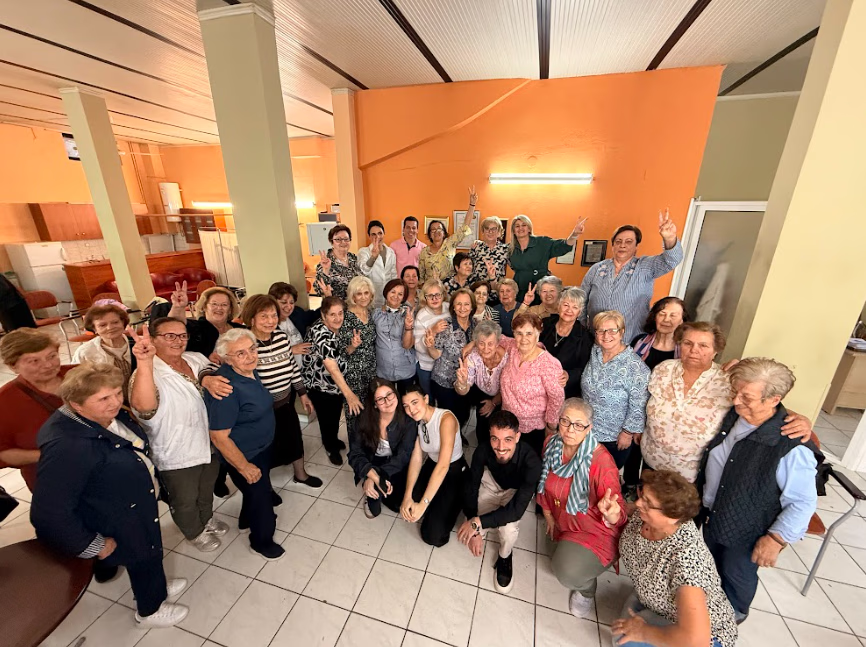
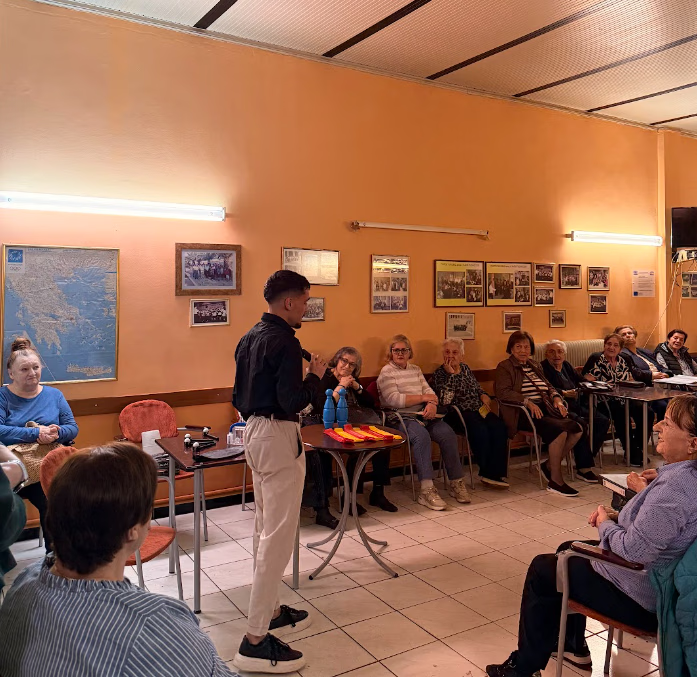
Two-Way Dialogue: Mutual Learning
What participants learned. Our aim was not simply to provide information, but to make scientific knowledge meaningful and useful in everyday life.
Participants had the opportunity to understand the importance of respiratory health, explore practical ways of maintaining an active lifestyle, and experience simple exercises they could incorporate into their routines.
They also discovered the world of synthetic biology and learned how student researchers are contributing to the development of innovative approaches to major health challenges.
Most importantly, they experienced science as something approachable and relevant, regardless of age or scientific background.
What we learned. We arrived ready to teach, but we left having learned just as much.
Through conversations with participants, we gained valuable insights into the everyday challenges of ageing, the importance of maintaining independence, and the personal concerns surrounding respiratory health and chronic illness.
We also realised that effective science communication is not about simplifying information alone, but about creating connections. Sharing exercises, singing together and listening to personal experiences helped build trust in ways that a conventional presentation could not.
This experience reminded us that the people our research ultimately seeks to benefit are not defined by a diagnosis or a molecular pathway. They are individuals with experiences, concerns and perspectives that deserve to be heard.
Check our specially made informational flyers and stickers
Because knowledge has no age!
Insights: What Changed in Our Understanding
This experience reshaped our understanding of inclusive science education and highlighted several important lessons:
- Science education belongs to everyone. Older adults are curious, engaged, and deserving of opportunities to participate in scientific discussions.
- Accessibility goes beyond language. Educational activities must reflect the interests, abilities and everyday experiences of their audience.
- Learning is most powerful when it is interactive. Combining scientific information with movement and music encouraged active participation and made the experience memorable.
- Communication must work both ways. Listening to participants was just as valuable as sharing our own knowledge.
- Interdisciplinary collaboration enriches education. Working with a trainer and a musician allowed us to communicate respiratory health through entirely different perspectives.
Above all, we learned that meaningful educational impact is not measured only by how much information we share, but also by how successfully we engage and connect with the people receiving it.
Implementation: How This Activity Influenced Our Work
Our visit to Giannitsa reinforced the educational philosophy behind AETh3R and influenced how we approached science communication.
First, we recognised the importance of audience-centred education. Rather than adapting only our vocabulary, we learned to adapt the entire educational experience to the people participating, making room for their questions, needs and perspectives.
Second, we embraced experiential learning. The enthusiasm during the exercise and music sessions demonstrated how interactive activities can complement scientific explanations and make health education more engaging.
Third, we strengthened our commitment to inclusivity. Reaching audiences often excluded from conventional science outreach became an important reminder that scientific knowledge should never be limited by age, background or access to formal education.
Finally, the visit reminded us why we chose to work on a project addressing lung cancer in the first place. Beyond our experiments and molecular targets are real people whose health, independence and quality of life matter.
This event became one of the highlights of our iGEM journey, not because of the complexity of the science we presented, but because of the connections we created.
We came to Giannitsa to teach people about their lungs. We left with a deeper understanding of the people behind our science.
And that is perhaps the most important lesson of all: science education is not just about sharing knowledge. It is about making everyone feel that science belongs to them.
SynBio Beyond The Bench: Conversations on Science, Society and Education
Overview
As part of our actions to bring science out of the laboratory, the 2026 team launched the new podcast series, “SynBio Beyond the Bench: Conversations on Science, Society, and Education”. This series explored the relationship between Synthetic Biology, society, and education, shedding light on the reality of research, from failure and iteration to behind-the-scenes discoveries. Through open dialogue on career stability, academic choices, and ethical boundaries, we aimed to bridge the gap between the lab and the classroom, answering students' real questions about STEM.
Check our podcast series! Watch all episodes on our YouTube channel.
On this page, we present the contributions we developed during our journey. These range from educational resources for teaching Synthetic Biology through iGEM to guidance material for navigating the different roads into science. By making them openly available, we aim to support future teams while promoting a responsible and socially conscious approach to science.
Inside a Research Lab: Failure, Iteration, and Discovery
The episode welcomed Lina Ntokou, a researcher whose academic journey began with Biology studies at Aristotle University of Thessaloniki, followed by a PhD at the Max Planck Institute in Germany and postdoctoral training at Yale University. At the time of the discussion, she was working as a Project Scientist at UC Davis. The conversation focused on the realities of scientific research and the process behind discovery.
A central topic was the transition from structured undergraduate laboratory work to independent research. Researchers must develop autonomy, manage their time, design experiments, identify resources, and take responsibility for their projects. Research also involves much more than laboratory experiments, including data analysis, writing, funding, project management, and collaboration.
The discussion explored how scientific questions emerge. Curiosity becomes a research question through reading the literature, identifying gaps, attending conferences, discussing ideas with colleagues, and conducting preliminary experiments. The scientific community plays an important role by providing feedback, expertise, and opportunities for collaboration. Students should therefore view their peers as future colleagues and collaborators.
Another major theme was failure and troubleshooting. Experiments often fail because even small differences in conditions can affect results. Researchers must distinguish technical problems from potentially meaningful biological findings and learn to adapt. Knowing when to stop an unproductive project is also part of research, requiring researchers to overcome emotional attachment to their ideas.
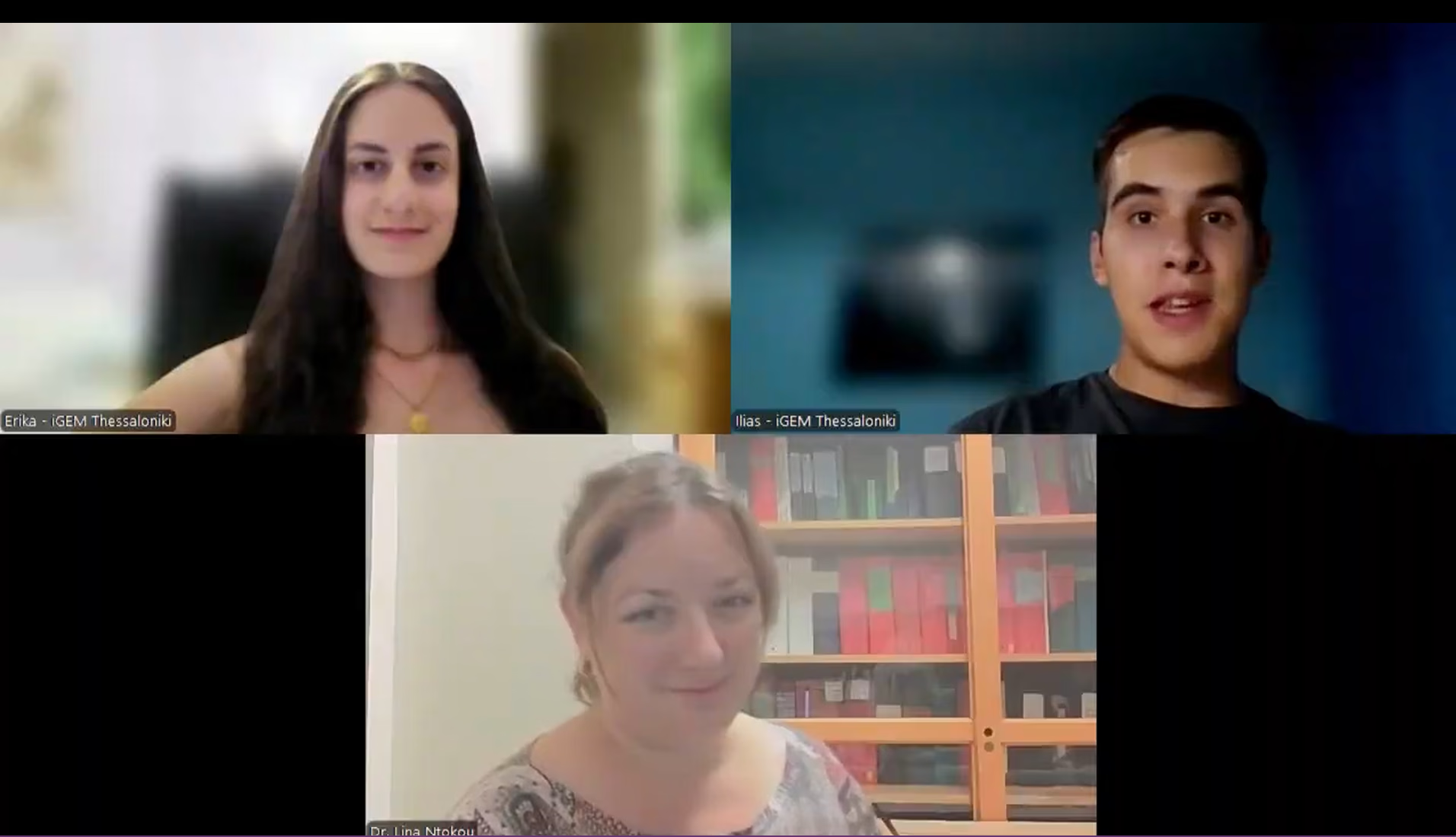
Finally, the guest emphasized collaboration, communication, resilience, and scientific integrity. Young scientists should ask for help, build professional relationships, protect their time, pursue opportunities, and remain honest in their work. The episode ultimately encouraged young researchers to take initiative, remain open to unexpected ideas, and not be afraid to dream.
Questions
Entering a real research lab for the first time
- When you look back at the first time you walked into a research lab, what surprised you the most compared to the perception you had as a student?
- Roughly how much of a researcher's time is actually spent in the lab, and how much is dedicated to reading, planning, data analysis, discussions, and troubleshooting?
- What was the biggest shift in your mindset when you transitioned from undergraduate studies to real research?
From an idea to an experiment
- Where does a research project truly begin? How do we move from a general curiosity to a specific research question?
- How does a researcher know that a question is worth investigating?
- Could you share a simple, real-world example from your own research and walk us through the journey: question → hypothesis → experiment → result?
When the experiment… doesn't work
- Let's talk about something the public rarely sees: how often does an experiment fail to work as expected?
- What does "the experiment failed" actually mean in practice? Is it always a true failure?
- Has there been a case where a "failed" or unexpected result ultimately pointed you toward a new direction?
- When does a scientist decide to keep trying, and when is it time to abandon a hypothesis and pivot?
The human side of research
- How does a researcher honestly feel after investing weeks or months into an experiment, only for it not to work?
- How do you learn not to equate a negative result with "not being a good scientist"?
- Do you believe that patience and resilience are just as important skills as technical knowledge?
- Is there a mistake you made as a younger researcher that you now see taught you something valuable?
- How important is it to discuss experimental issues with other lab members instead of always trying to solve them on your own?
The Bench and Beyond: BioMec's Journey in Biomedical Innovation
The episode welcomed BioMec, a student research team founded in March 2025 that specialises in Biomedical Engineering and Computational Medicine. The team brings together cutting-edge fields such as engineering, computational medicine, machine learning, electronics, biology and neuroscience. Its goal is to develop innovative solutions to real-world healthcare challenges, with an emphasis on precision medicine and on applications that improve quality of life, support rehabilitation, and help shape the healthcare of the future. The conversation focused on the realities of undergraduate research and the path from an idea to a practical biomedical application.
A central topic was the balance undergraduate researchers must strike between their academic obligations and their involvement in a research team. The members discussed the difficulties students face when pursuing research in Greece, as well as the commitment and time management needed to keep both responsibilities moving forward.
The discussion explored BioMec's scientific goals and ongoing research projects, highlighting the importance of translating research outcomes into everyday scientific and clinical practice.
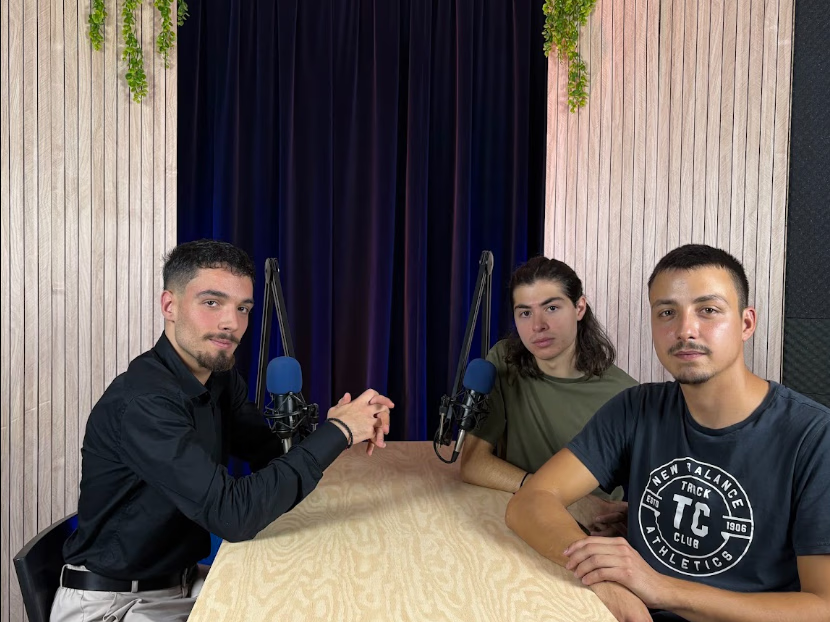
Another major theme was the team's vision for the future. BioMec's members shared their aspirations for the years ahead, expressing their hope to demonstrate the practical value of their work and its real-world impact on healthcare.
Finally, the members highlighted the value of teamwork and interdisciplinary exchange, noting that bringing together students from different scientific backgrounds is what allows ideas to grow into real solutions. They encouraged aspiring researchers to get involved early, reach out to mentors and peers, stay persistent through setbacks, and approach their work with integrity. The episode closed with an inspiring message: undergraduate students can make a meaningful contribution to science, as long as they have the courage to start and the ambition to aim high.
Questions
Starting BioMec
- Tell us a few words about BioMec: how did the team start, and what gap did it come to fill in the field of biomedical engineering in Greece?
- If you could give one piece of advice to yourselves when you had just started BioMec, what would it be?
Research as an undergraduate
- How do you manage your time between courses, exams and your research project?
- What are the biggest challenges of doing research as an undergraduate student in Greece?
- What would you say to a first-year student who is thinking about getting involved in research but is hesitant?
Working across disciplines
- How important is interdisciplinarity at BioMec?
Looking ahead
- What are BioMec's next steps? Is there a project or goal you are particularly excited about?
- Where do you see BioMec in 2–3 years?
From Student to Scientist: Different Roads Into STEM
The episode welcomed Evi Koursoumpa, a Physics graduate from Aristotle University of Thessaloniki who is currently continuing her studies at the Master's level at AUTH. Alongside her academic journey, Evi is actively involved in science communication, combining her interest in physics with a passion for making scientific knowledge more accessible, engaging, and understandable to wider audiences.
Our discussion followed the journey from being a school student with an interest in science, to entering university, discovering new academic interests, and gradually beginning to see yourself as a future researcher. Evi shared her perspective on how this transition does not happen all at once. University introduces students to new ways of thinking, greater independence, and a much wider range of possibilities than they may have been exposed to before.
An important part of the conversation focused on the idea that students do not need to have their entire academic or professional future figured out from the beginning. Interests can change, new opportunities can appear, and experiences inside and outside the classroom can completely reshape the direction someone wants to follow. University courses, research groups, conversations with professors, extracurricular activities, and interactions with other students can all help someone understand what excites them most.
We also discussed what it means to move from simply learning science to actively participating in it. Research requires students to become comfortable with asking questions that may not yet have clear answers. Curiosity, critical thinking, persistence, and the willingness to explore unfamiliar ideas gradually become just as important as the scientific knowledge gained through lectures and textbooks. In this sense, becoming a researcher is not a single milestone, but a continuous process of learning and discovery.
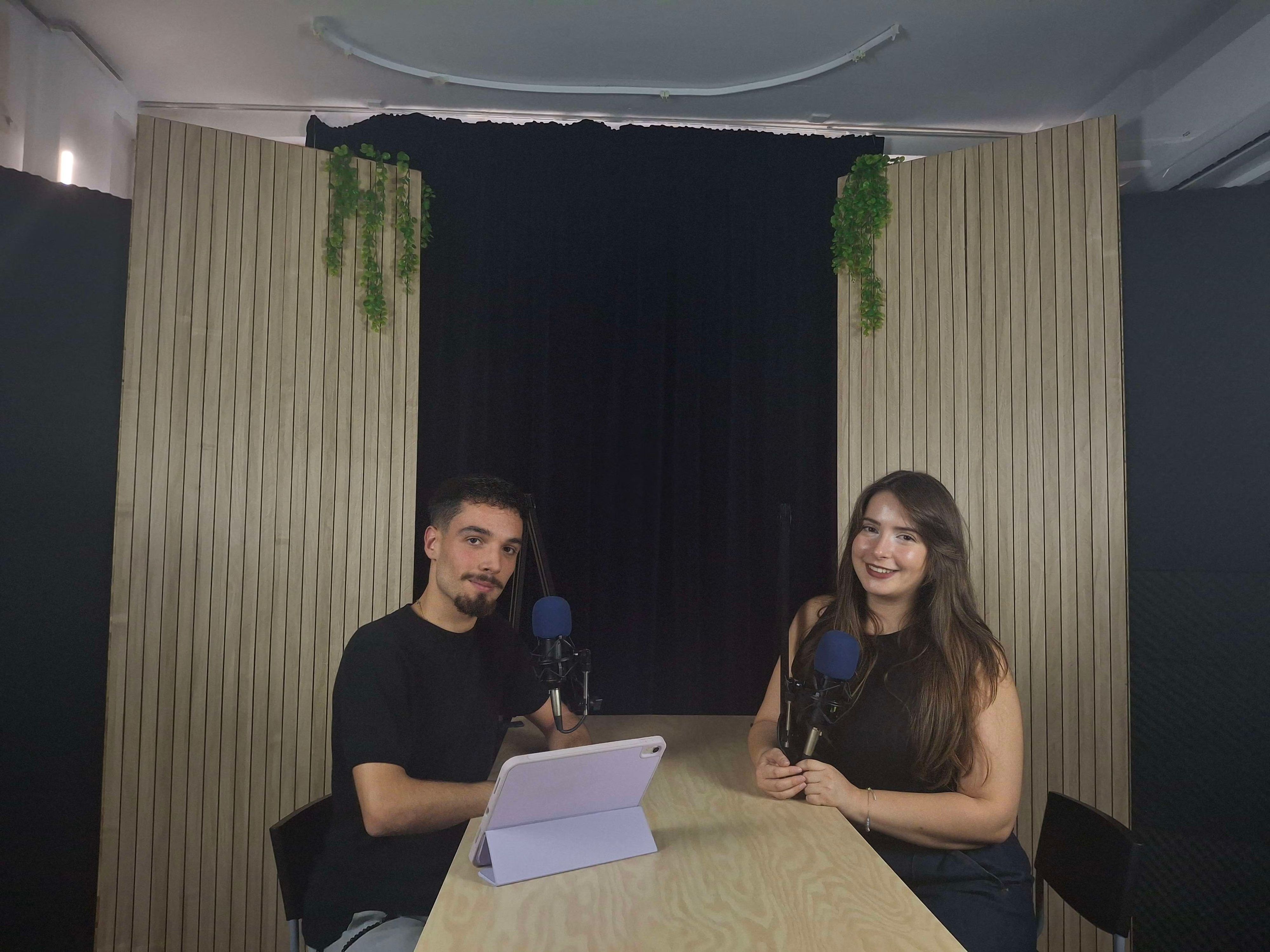
A central theme of the episode was science communication. Evi highlighted that scientific knowledge should not remain confined within laboratories, universities, or academic publications. Researchers also need to be able to explain why their work matters and communicate complex ideas in ways that different audiences can understand. Effective science communication requires more than simply making terminology easier; it requires understanding the audience, choosing the right way to present information, and creating a meaningful connection between science and everyday life.
This connection between science and society is especially important for younger students. When scientific topics are presented in an approachable and engaging way, science can feel less distant and intimidating. Science communication can therefore encourage curiosity, improve scientific literacy, challenge misconceptions, and help young people realize that scientific research is something they can also become part of.
Throughout the discussion, one message remained particularly important: there is no single correct path into STEM or research. Every scientific journey develops differently, and students should give themselves the freedom to explore, change direction, ask questions, and pursue opportunities that genuinely interest them. Communication skills, curiosity, adaptability, and openness to new experiences can be just as valuable as technical knowledge.
Through Evi's experience, the episode presented science as much more than a university subject or future profession. It is a process of constantly asking questions, learning from others, sharing knowledge, and finding new ways to connect scientific discovery with the world around us.
Questions
From School to Physics
- If we were to go back to your school years, when did you realize that you were interested in Physics? Was it a clear choice from the start?
- What was it that ultimately made you choose the Department of Physics at AUTh?
The Reality of University Studies
- How different was the Physics you encountered at university compared to high school Physics?
- What was the biggest difficulty or surprise you faced as a first-year student?
- Is there a myth about studying Physics, or STEM fields in general, that you would like to debunk?
- Was there a moment during your studies when you doubted your choice? And if so, what made you keep going?
"From Student to Scientist"
- When did you feel for the first time that you transitioned from simply being a student to starting to act like a scientist?
- What does "thinking like a scientist" actually mean to you in practice?
- What skills do you feel you gained through your studies that are not directly related to formulas and equations?
- How linear was your path in the end? Did you have a specific plan from the beginning, or did it shape up gradually?
Science Communication
- At the same time, you are also involved in communicating Physics to the general public. What made you interested in this?
- Has your involvement with science communication changed the way you yourself perceive Physics?
For the STEM Pathways Guide / Actionable Advice
- If you had to give a student three practical pieces of advice to explore a potential career path in STEM, what would they be?
- What skill do you think is worth cultivating early on for someone considering going into Physics or research?
- Is there something you wish you had known at 17–18 years old about STEM studies and the academic path?
- And finally: if a student is listening to us right now and thinking "maybe STEM is for me," what would be the first small step you would encourage them to take tomorrow?
Where Should We Draw the Line?
The episode welcomed Aikaterini Fountedaki, Professor of Civil Law at the School of Law of Aristotle University of Thessaloniki. She was admitted to the School ranked first in the national entrance examinations and graduated at the top of her class. She was appointed Lecturer in Civil Law at the same School in 2000 and has held the rank of Full Professor since March 2013.
Her main fields of research and scholarly work include medical law and professional liability, medically assisted reproduction, compensation law, the protection of personality, bioethics, and family law, which she teaches at both undergraduate and postgraduate level, alongside property law and the general principles of civil law.
The conversation focused on the legal framework that governs scientific progress and on whether, and to what extent, the law sets limits to it.
A central topic was gene editing. The discussion addressed the legal and bioethical boundaries that govern the modification of the human genome for therapeutic purposes, as well as the corresponding limits on the use of modern biotechnology in humans, particularly with regard to the enhancement of physical or cognitive abilities and the selection or modification of genetic traits.
Along the same lines, the discussion explored the protection of personality and genetic data at a time when DNA testing is rapidly being integrated into clinical practice. The guest highlighted the heightened safeguards that protect the genetic data of a person undergoing testing.
Finally, the conversation turned to the rapidly advancing field of artificial intelligence (AI) and civil liability, seeking to clarify how responsibility should be allocated in cases of medical error.
Questions
Gene editing and bioethical limits
- What "red lines" should bioethics and legal science draw regarding the modification of the human genome for therapeutic purposes?
Human enhancement, biotechnology and the selection of genetic traits
- What are the legal and bioethical limits on the use of modern biotechnology in humans, particularly with regard to the enhancement of physical or cognitive abilities and the selection or modification of genetic traits?
- How can the law distinguish between therapeutic interventions and non-therapeutic interventions aimed at "improving" the human being?
Protection of personality and genetic data
- In the era of mass genetic testing (DNA tests), how can civil law protect an individual's personality and privacy against the use of their genetic data by insurance companies or employers?
Artificial intelligence in medicine and civil liability
- When an artificial intelligence algorithm makes an incorrect medical diagnosis or recommends an unsuccessful treatment, who bears civil liability for the harm caused to the patient: the physician, the hospital, or the developer of the system?
Cancer Research Behind the Scenes
The episode welcomed Eleni Zairi, an oncologist whose academic journey began with studies at the Medical School of the Aristotle University of Thessaloniki (AUTH). She went on to specialise in medical oncology and gained valuable international experience at the Gustave Roussy oncology centre in Paris, specialising in lung cancer. At the time of the discussion, she was serving as Assistant Director of the 4th Oncology Department at the Interbalkan Medical Center in Thessaloniki, where she leads a clinical trials department dedicated to holistic and optimal patient care.
A central topic was the perception and realities of clinical trials. Zairi addressed the common taboos and fears surrounding oncological terms such as "cancer" or "neoplasm", noting that patients often worry about becoming "guinea pigs". However, she emphasised that through thorough patient education, these fears are largely alleviated. Modern oncology has expanded far beyond standard chemotherapy to include immunotherapies, targeted therapies, antibodies and antibody-drug conjugates (ADCs), which work by leveraging the patient's own immune system to fight cancer.
The discussion explored the multi-phase journey of a cancer drug from the laboratory to the patient. In Phase 1 trials, research focuses heavily on the safety and optimal administration of a novel drug, closely monitoring a small cohort of global patients for unexpected side effects. Zairi highlighted that unexpected clinical reactions — such as a fever triggered by a receptor-specific drug — can actually indicate that the treatment is successfully working. International collaboration plays a vital role here, as researchers from Europe, America and Asia connect weekly to share data and refine trial protocols.
Another major theme was the transition to later trial stages and efficiency. Phase 2 trials evaluate dosing variations and administration methods, such as replacing intravenous therapies with subcutaneous injections to reduce hospital stay durations and improve long-term patient autonomy. Phase 3 trials directly compare these innovative treatments against existing global guidelines to establish superior alternatives. Zairi noted that while drug approvals historically took two to three years, exceptional efficacy can now lead to FDA fast-track approvals, sometimes bringing breakthrough treatments to the frontier of oncology in as little as 8 to 10 months.
Finally, the guest emphasised the power of communication, patient education and hope. By using simple language to explain complex biomedical mechanisms, healthcare teams help vulnerable patients navigate their treatment journey with less fear. The rapid evolution of clinical trials not only provides oncologists with a stronger arsenal of therapeutic choices but ultimately offers young scientists and patients a hopeful glimpse into the future of cancer care.
Questions
Demystifying clinical trials
- When people hear the words "research" or "clinical trial", they are often frightened or think of "guinea pigs". What does a Clinical Trials Center actually mean in practice, and how does it operate at the Interbalkan Medical Center?
The journey from lab to patient
- You have participated in all phases of clinical trials (Phase I to IV). Could you explain to us in simple terms the journey of a new oncology drug from the laboratory until it reaches the patient?
Advice for young researchers
- You worked and specialised at Gustave Roussy in Paris, one of the leading oncology centres in the world. What would you advise a young cancer researcher regarding the research mindset?
Insights for holistic patient care
- In your CV, you mention that your guiding principle is the "holistic care of the oncology patient". How does a patient's participation in a clinical trial serve this holistic approach?
From the Lab to the Classroom: Teaching Synthetic Biology Through iGEM
In this special episode of our podcast series, the iGEM Thessaloniki 2026 team reflects on a transformative year dedicated to public engagement, accessibility and the democratisation of synthetic biology. The discussion centres on the diverse methodologies deployed across various educational environments, mapping how we navigated age-appropriateness, language barriers and regional inequalities to spark genuine scientific curiosity.
We break down our dynamic teaching frameworks — from the five-stage STEAM blueprint designed for early childhood to highly inclusive tactile materials such as our English–Braille medical dictionary for the visually impaired. A core theme of our conversation is the undeniable power of experimental, hands-on learning. Moving away from rigid textbook memorisation, we explain how low-cost, real-world practical activities (such as household-item DNA extraction and real-time computational protein modelling) acted as universal equalisers, completely dissolving classroom passivity and linguistic barriers.
Beyond traditional schooling, we deep-dive into the crown jewel of our annual outreach: our lab-to-field collaboration with the Hellenic Fire Academy in Tsotili, Kozani. We discuss how we tailored our specialised lung cancer therapeutic research to directly protect Greece's frontline responders, analysing toxicological smoke exposure alongside 268 firefighter cadets to address severe, localised occupational health hazards.
Finally, the second half of our episode transitions from our overarching philosophy to a direct, student-centred dialogue. During our school visits, we set up anonymous "Ask Us Anything" question boxes to provide a low-risk, emotionally safe space for students to express their true curiosities and anxieties without academic pressure. We unbox and answer these diverse letters live on air, addressing everything from deep evolutionary dilemmas and the foundational mechanics of research to exam-related anxiety and the realities of forging an interdisciplinary career in STEM.
"Ask Us Anything" box: unboxing the student questions
Here are the anonymous questions collected from the school boxes, translated into English.
Studying and university life
- How many hours of studying does medical school require?
- How do we study for university exams and courses?
- Should I stop playing basketball now that I am entering my final year of high school?
Choosing a path in STEM
- I want to study at a polytechnic/engineering school. Can I still get involved in medical fields?
- What are the characteristics of a good scientist?
How research actually works
- How is a research team organised?
- How guaranteed is the success of a team?
- What difficulties can someone encounter as a researcher?
Science questions
- What is the difference between bacteria and viruses?
- Which came first, the chicken or the egg?