Engagement · Entrepreneurship
Entrepreneurship
We considered possible future business cases and possible future commercialization
1. Overview
1.1 The Problem
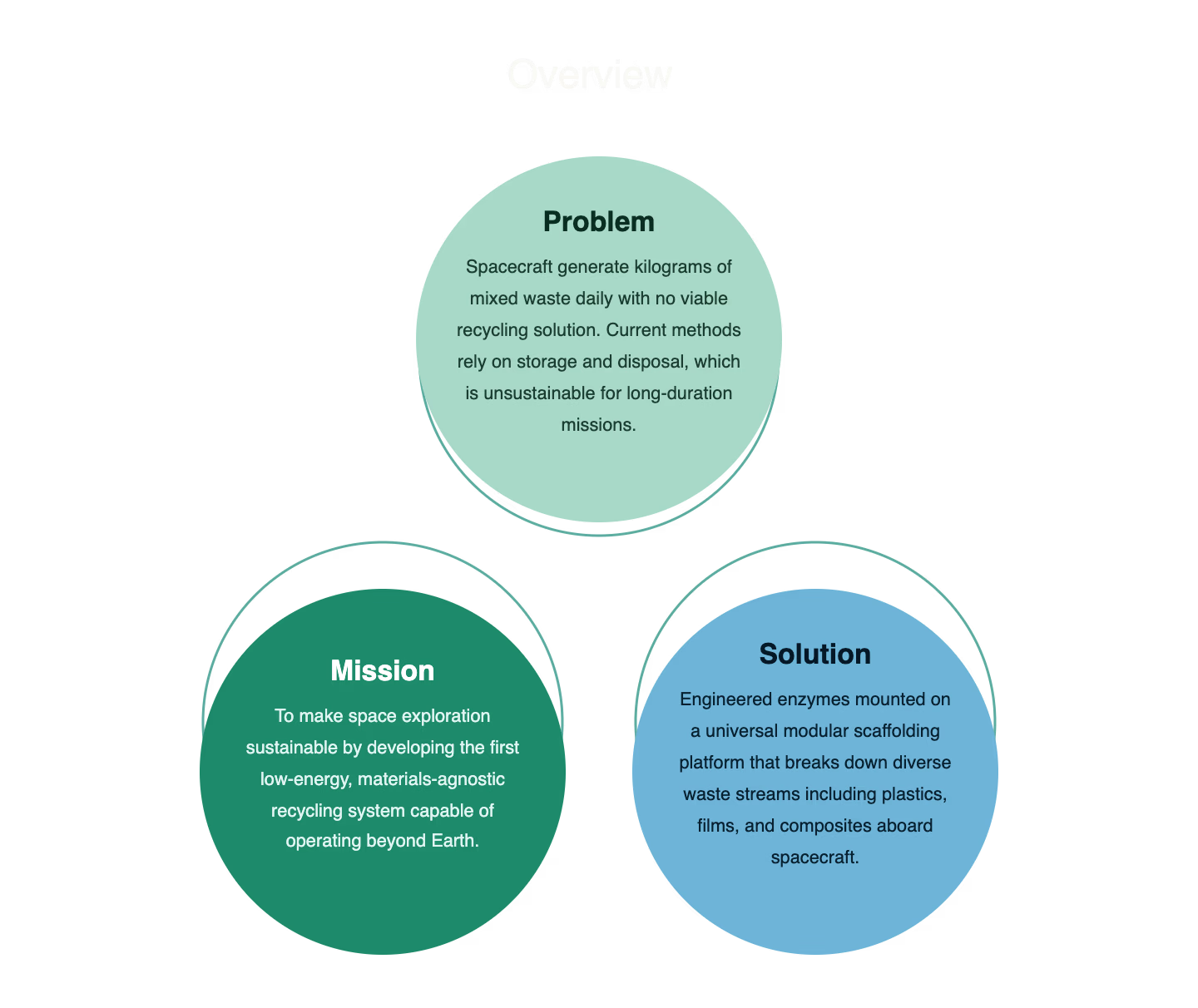
Space exploration is entering an era of unprecedented ambition, yet one critical challenge remains unsolved: waste management in environments where resupply is impossible and every kilogram of material costs thousands of dollars to transport.1 Current spacecraft waste systems rely on compaction and storage, offloading the problem rather than solving it. The International Space Station generates approximately 1 kg of solid waste per crew member per day, waste that accumulates, occupies precious space, and is ultimately destroyed upon reentry at enormous logistical cost.2
The problem is compounded by the sheer diversity of materials involved.3 Spacecraft waste streams include PET plastics, mixed polymer composites, food packaging films, and structural materials; each requiring different processing conditions. No single existing technology handles this heterogeneity efficiently.4 As missions to the Moon and Mars grow longer and more ambitious, this gap becomes critical. A sustainable future in space demands a low-cost, low-energy recycling solution that can handle the full spectrum of waste a crew generates.
1.2 Mission
Our mission is to make space exploration sustainable by transforming how waste is managed beyond Earth. With long-duration missions becoming a reality, the accumulation of diverse waste materials poses a growing threat to crew safety, mission efficiency, and the future of human spaceflight.5 Our solution uses enzymes mounted on a universal scaffolding system capable of breaking down a wide range of waste materials, not just plastics, accelerating recycling in environments where no alternative exists.
1.3 Solution
As space missions extend to the Moon and Mars, recycling becomes essential because resupplying materials from Earth is extremely expensive and impractical over long distances. A four-person Mars mission lasting 2–3 years could generate an estimated 7.5–8 tons of solid waste, while the ISS already produces thousands of kilograms of waste each year. Currently, much of this waste is stored or loaded onto cargo spacecraft for atmospheric re-entry, where plastics and other materials are destroyed and can contribute combustion products and metal emissions to the atmosphere. Recycling these materials in space would therefore reduce both waste storage requirements and the need to continuously launch replacement materials from Earth.
However, conventional PET recycling is not designed for spacecraft. Mechanical recycling and chemical processes such as glycolysis typically require 180–285°C, high pressure, catalysts, and energy-intensive equipment. These requirements create major challenges in space, where power, mass, volume, and thermal management are limited and high-pressure chemical systems introduce additional safety and contamination risks. We identified a critical gap between the conditions required by industrial recycling and the mild temperatures and pressures practical for spacecraft. Our solution, SynPETic, addresses this gap by using engineered enzymes as biological catalysts to break down PET at approximately 37–50°C, eliminating the need for harsh chemicals and large, energy-intensive reactors.
At the center of SynPETic is the PETosome, a three-protein complex inspired by natural cellulosomes. ICCG-DoT initiates PET degradation by breaking the polymer into intermediates such as BHET and MHET, while TfCa-DoG converts MHET into the reusable monomers terephthalic acid (TPA) and ethylene glycol (EG). Both enzymes are attached to ScafGVT, a cohesin-based protein scaffold that physically brings them together through complementary dockerin–cohesin interactions. This organization enables substrate channeling, allowing MHET produced by ICCG-DoT to be rapidly accessed by the adjacent TfCa-DoG rather than accumulating in solution. By combining biological catalysis with engineered enzyme organization, SynPETic transforms PET waste into reusable chemical building blocks under conditions much better suited to long-duration space missions.
2. Product Description
Our specific enzymatic polymerization technology is a three-protein enzymatic system designed to break down PET into reusable monomers under mild, space-compatible conditions. The system consists of ICCG-DoT, TfCa-DoG, and ScafGVT, which assemble into a multi-enzyme complex called the PETosome. ICCG-DoT, derived from Leaf-Branch Compost Cutinase (ICCG), initiates PET degradation by cleaving ester bonds in the polymer and producing intermediates such as BHET and MHET. It is fused to a dockerin domain, which allows it to attach to the PETosome scaffold. TfCa-DoG, derived from a Thermobifida thermostable cutinase, is engineered to hydrolyze MHET into the final monomers terephthalic acid (TPA) and ethylene glycol (EG). It also contains a complementary dockerin domain, and the addition of 2 mM CaCl2 during growth helps stabilize its catalytic domain. Both enzymes target an activity of approximately 100 mU/mL.
ScafGVT is the structural component of the PETosome and is inspired by the cellulosomes of Clostridium thermocellum. It contains three cohesin domains (G, V, and T) that specifically bind the corresponding dockerin-tagged proteins, bringing ICCG-DoT and TfCa-DoG into close proximity. This organization enables substrate channeling, where MHET produced by ICCG-DoT can be more efficiently accessed by the adjacent TfCa-DoG. This is designed to address the bottleneck observed when the enzymes operate independently, where MHET accumulates instead of being efficiently converted to TPA. The overall pathway is therefore PET → ICCG-DoT → MHET → TfCa-DoG → TPA + EG.
We successfully expressed and purified all three proteins in E. coli and confirmed their identities using SDS-PAGE and Western blotting. HPLC measurements showed that the ICCG-DoT + TfCa-DoG combination had significantly greater activity on BHET than either enzyme alone, with p < 0.000001 for both TPA and MHET production, demonstrating measurable two-enzyme synergy. We also validated the specificity of the dockerin–cohesin scaffold using negative controls. These results establish the PETosome as a functional PET depolymerization system, while full microgravity testing and repolymerization of TPA and EG remain future work toward a complete closed-loop recycling system for space.
3. Business Model
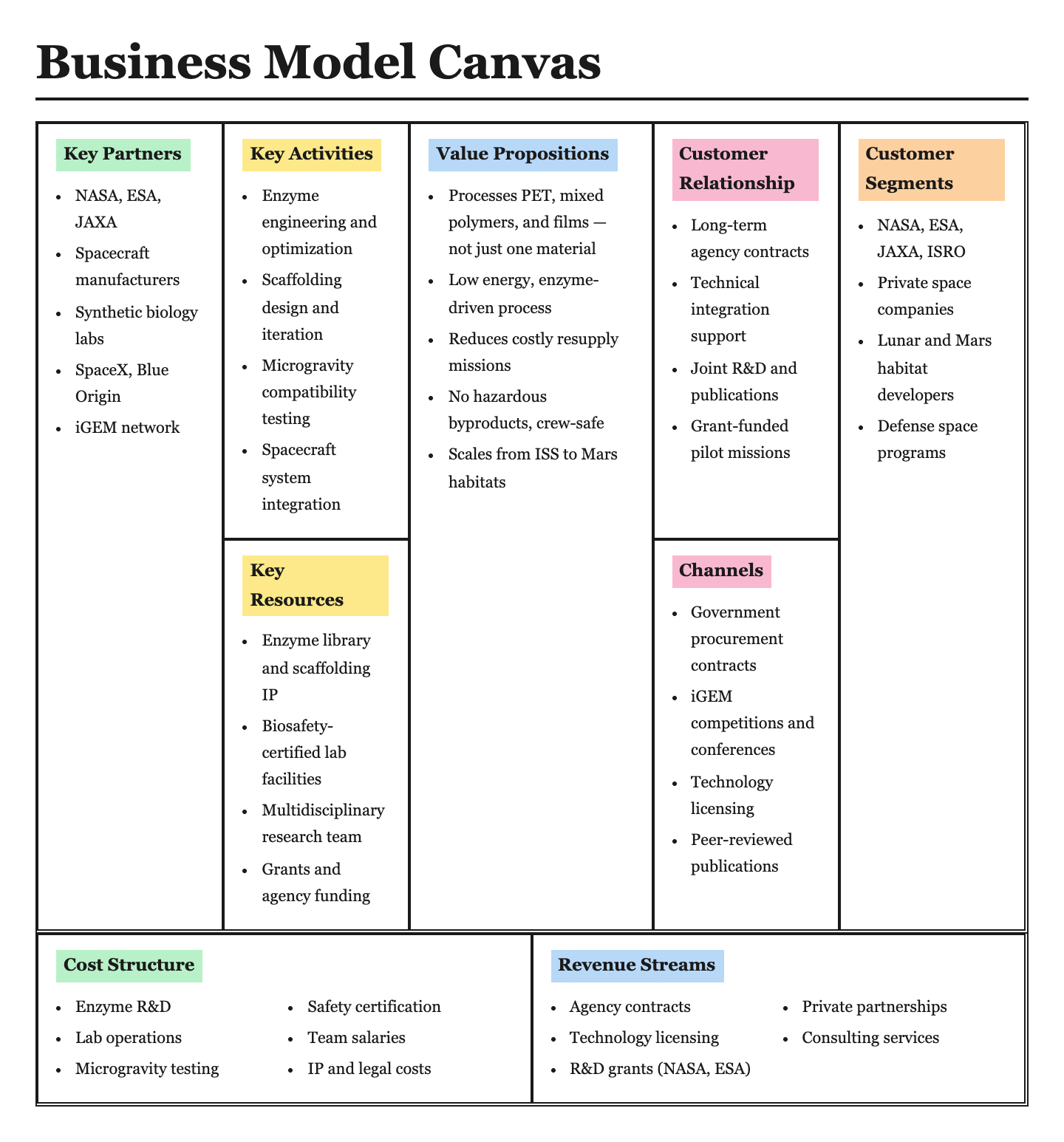
3.1 Business model canvas
3.2 SWOT Analysis
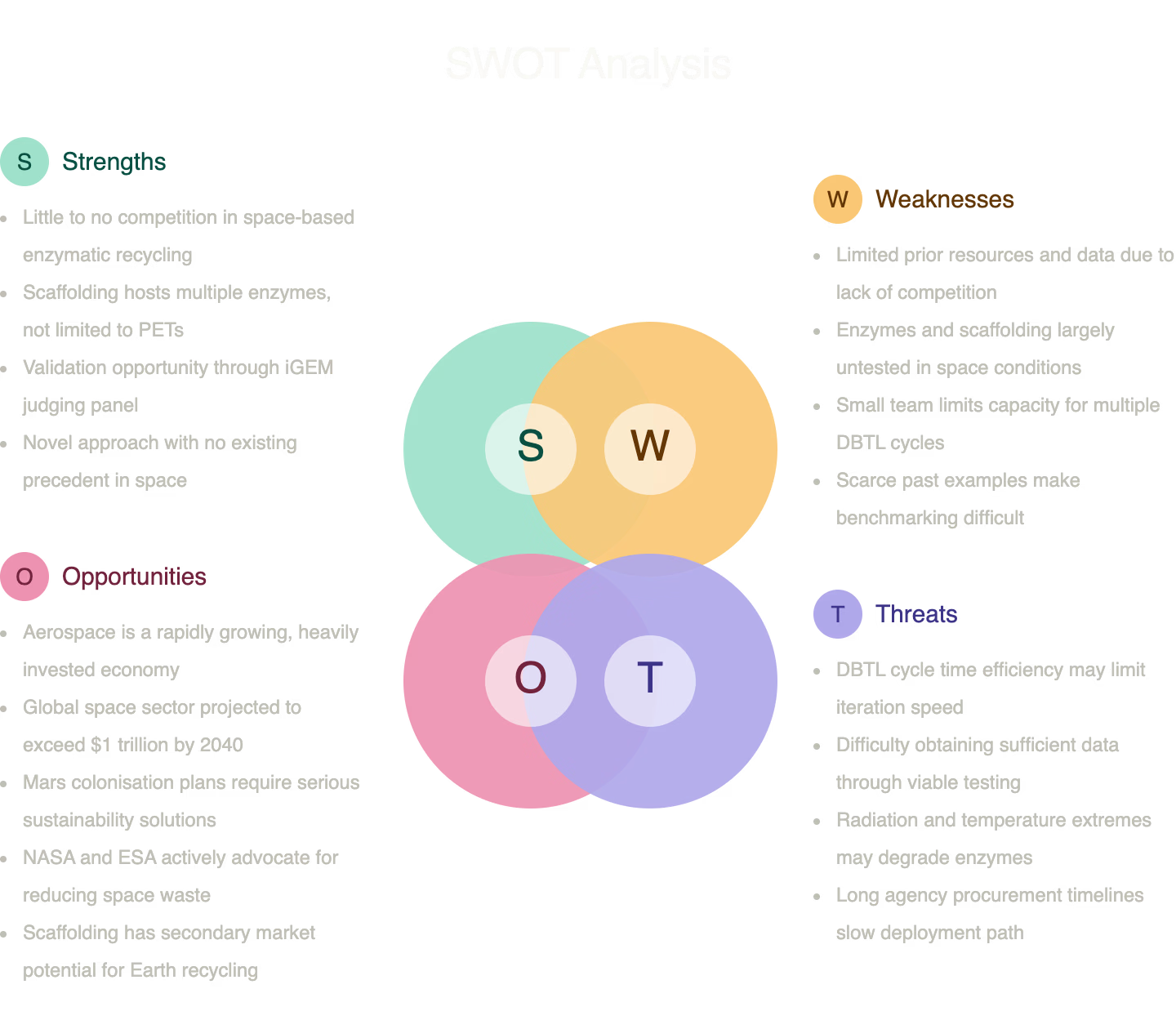
Our SWOT analysis highlights the internal strengths and weaknesses, as well as possible external opportunities and potential threats. Internally, our strengths include little to no competition. Although moves using enzymes to speed up recycling processes have been made on earth, there has been almost no action to do this in space. In addition, our technique of scaffolding doesn’t limit us to only PETs, as it can host multiple enzymes. We believe that we can achieve significant validation through pitching this product successfully to a panel of sophisticated and knowledgeable judges. However, with limited competition also comes limited resources. Not many of our projected enzymes and scaffolding systems have been tested, and it may be hard as past examples are scarce. Moreover, our iGEM team is small in numbers, which could also hinder the ability to do multiple testings as well as DBTL cycles to ensure our product’s success.
Externally on the other hand, the aerospace sector is a constantly growing economy, as multiple billion-dollar CEOs are heavily incentivized to invest. Additionally, the global sector is projected to exceed $1 trillion by 2040, creating an abundance of future demands. Future plans like Elon’s mission to place 1 million people on Mars would require serious sustainability plans, and our specialized recycling in space would be a necessity.6 Furthermore NASA and other large space corporations have been advocating for reducing space waste and developing circular systems, allowing us to gain support from larger institutions. Our scaffolding system can also have great potential for other secondary markets here on earth.7 External threats include DBTL cycle time efficiency, as well as finding sufficient data through viable testing.
Solution for Weaknesses & Threats
To address the weaknesses and threats of this space invention, we have devised two solutions. First, we could test our experiment underwater, as many forms of astronaut and space-environment training are conducted underwater because the conditions closely simulate aspects of microgravity and reduced resistance experienced in space. Conducting experiments underwater would allow us to evaluate the structural durability, flexibility, and functionality of our system in an environment that partially mimics space conditions without the extreme financial and logistical challenges associated with orbital testing. This provides a safer, more accessible, and significantly more cost-effective approach for early-stage experimentation and iterative development.
With the ability to experiment underwater, we can also significantly decrease our DBTL (Design-Build-Test-Learn) cycle time, improving the efficiency and productivity of each development cycle. Faster testing turnaround allows for quicker identification of design flaws, material limitations, and performance inconsistencies, enabling rapid optimization of the invention before advancing to more expensive testing phases. Underwater testing facilities are also substantially more affordable and accessible compared to aerospace-grade vacuum chambers, parabolic flight testing, or launch-based experiments, making them an ideal environment for repeated trials and prototype refinement.
Additionally, underwater testing enables researchers to gather more consistent experimental data while maintaining controlled environmental conditions. This improves the reliability and reproducibility of results, which is essential for validating space technologies intended for high-risk operational environments. The lower operational costs associated with underwater experimentation also create opportunities for more frequent testing sessions, larger sample sizes, and broader experimentation across multiple prototype configurations. Altogether, this strategy enhances development efficiency while minimizing financial risk, resource consumption, and delays in the innovation process.
Targeting our Opportunities
As the aerospace industry continues to expand, driven by billion-dollar corporations, government-backed innovation programs, and some of the world’s wealthiest CEOs investing heavily in next-generation aerospace technologies, the number of opportunities for potential stakeholders, strategic partnerships, and buyers is expected to grow significantly as well. Increased commercialization of space technologies, advanced manufacturing systems, and sustainable engineering solutions has created an environment where emerging technologies can rapidly gain attention from investors and industry leaders seeking scalable and environmentally responsible innovations. Biotech companies that could potentially utilize our scaffolding technology include Carbios, a company focused on developing enzymatic solutions for recycling PET plastics.8 By integrating our scaffolding system with their engineered enzymes designed to break down PET materials, we could potentially accelerate the efficiency and rate of PET degradation and recycling. Our scaffolding technology may provide a more optimized structural environment for enzyme stabilization, localization, and interaction with plastic substrates, thereby enhancing catalytic performance and improving the overall recycling process.9 This collaboration could contribute to more scalable and sustainable plastic recycling methods, supporting broader global efforts toward circular manufacturing and waste reduction.
3.3 Value Proposition
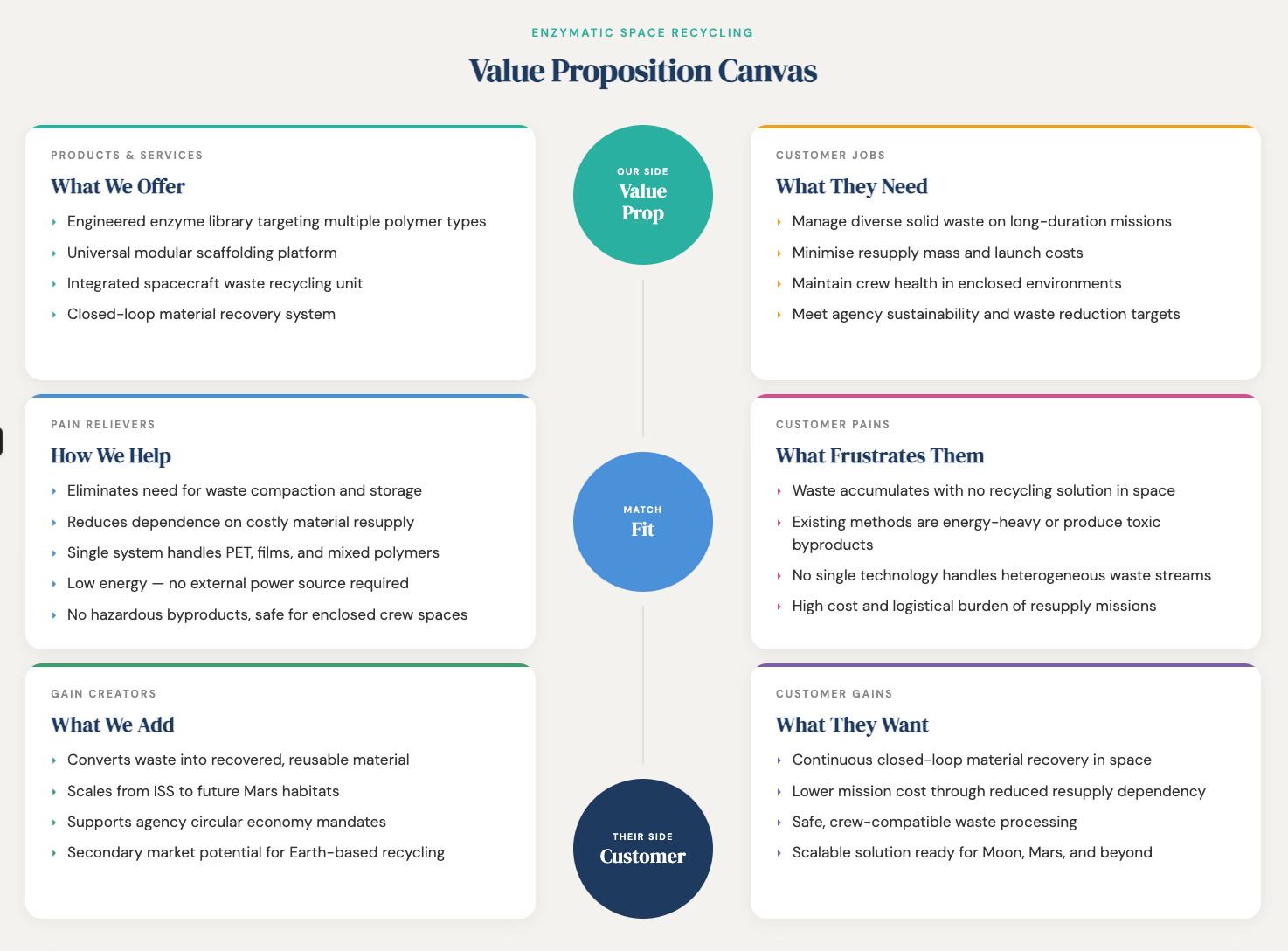
On the right hand side of the canvas, it addresses all the pains currently faced within the aerospace industry. For example, after constant market research and analysis, we figured out that in order to make space exploration sustainable, a key efficient recycling method must be established so that additional rockets and materials aren’t wasted. Although solving waste and pollution is our main goal, providing sustainability to space exploration will be our main driver for customers and potential buyers. While efforts have been made to solve this problem, the issue of large amounts of indisposable waste aboard spaceships still remains at large. With no sustainable way to contain waste, expanding the human population to Mars or the Moon would essentially be impossible. It would cost companies millions just to send up another rocket for resource aid, cleaning up waste and restocking the spaceship.
With our scaffolding system, it not only can re-use one of the most commonly used items by astronauts like plastics, but also eliminate the need to send additional rockets to reinforce and resupply resources. Every kilogram launched into orbit costs an estimated $2,000 to $10,000 USD depending on the mission profile, meaning any reduction in resupply mass translates directly into significant cost savings for agencies and private operators.10 The gains specifically provided by our system also supports Sustainable Development Goals (SDGs) 9, 12, and 17. For SDG 9 (Industry, Innovation and Infrastructure), our scaffolding platform pioneers sustainable biotechnological infrastructure for space. For SDG 12 (Responsible Consumption and Production), we close the material loop by ensuring resources brought on missions are reused rather than discarded. For SDG 17 (Partnerships to Achieve the Goals), our system fosters collaboration between space agencies, synthetic biology institutions, and private aerospace companies toward shared sustainability goals. For longer-duration missions to the Moon or Mars, where resupply is physically impossible on short timelines, these gains compound further, shifting the mission paradigm from dependency to resilience.
3.4 Product Development Plan
The development of the enzymatic scaffolding system follows an iterative Design–Build–Test–Learn (DBTL) framework tailored to synthetic biology and space-analog constraints. This approach enables continuous refinement of scaffold architecture and enzymatic performance through structured experimental cycles.
- Phase 1: Design
In the design phase, computational modeling is used to optimize scaffold structure for efficient enzyme immobilization, substrate accessibility, and potential multi-enzyme integration. Key parameters such as binding affinity, spatial arrangement, and predicted catalytic efficiency under microgravity-relevant conditions are evaluated to inform prototype development.
- Phase 2: Build
In the build phase, prototype scaffolds are constructed using engineered enzymes and biomaterial systems assembled under controlled laboratory conditions. Multiple design variants are produced to test differences in scaffold composition, enzyme loading density, and structural stability, enabling comparative performance assessment.
- Phase 3: Test (Analog Environment Validation)
Testing is conducted using both standard laboratory assays and underwater analog environments, which provide a cost-effective method to simulate aspects of reduced gravity and diffusion-limited conditions.11 Experimental evaluations focus on scaffold integrity, enzyme retention, and PET degradation efficiency under varying environmental conditions such as temperature, substrate concentration, and mechanical stress.
- Phase 4: Learn & Iterate
Data collected from testing is analyzed to identify performance limitations and guide iterative improvements. Insights are used to refine scaffold design, enhance enzyme–scaffold interactions, and improve overall system efficiency. This DBTL cycle is repeated to progressively optimize system performance, reduce experimental turnaround time, and increase catalytic efficiency.
Following successful laboratory validation, the development pathway progresses toward scale-up in bioreactor systems, with potential future validation in microgravity environments through parabolic flight testing or collaboration with space agencies for orbital experimentation. However, a major DBTL obstacle for space is that many factors and experiments in space are uncontrollable and unknown, making the timeline and time limit on the DBTL cycle vulnerable to non-ending constant testing.
3.5 Porter’s Five Forces Analysis
The competitive landscape for a space-based enzymatic recycling system can be evaluated using Porter’s Five Forces framework. The threat of new entrants is low to moderate due to the high barriers associated with synthetic biology, enzyme engineering, and aerospace validation.12 Significant technical expertise, long development timelines, and high capital requirements limit the ease of market entry, although growing interest in space biotechnology may gradually increase participation in the field.
The bargaining power of suppliers is moderate, as key inputs such as engineered enzymes, biomaterials, and specialized laboratory infrastructure are sourced from a limited number of biotechnology providers. While suppliers hold some influence due to the specialized nature of these materials, this dependency can be reduced through modular design approaches and diversified sourcing strategies.
The bargaining power of buyers is high, as primary customers such as NASA, ESA, and private aerospace companies represent a small number of large institutional purchasers with significant procurement control. These organizations operate under strict technical validation standards and budget constraints, giving them strong negotiating power. The threat of substitutes is moderate to high, as alternative solutions such as mechanical recycling systems, chemical degradation approaches, and Earth-based resupply strategies can partially address waste management challenges, although they are less suitable for long-duration space missions requiring closed-loop systems.13
Industry rivalry is currently low to moderate, as there are few direct competitors focused specifically on enzymatic plastic degradation systems designed for space environments. However, broader competition exists within space sustainability technologies and industrial biotechnology sectors, and rivalry is expected to increase as the space economy continues to expand.
3.6 Net Present Value (NPV) Analysis
A Net Present Value (NPV) analysis was conducted to evaluate the long-term financial feasibility of the enzyme–scaffolding system within aerospace and related biotechnology markets.14 The model our team built in coordination with our Wetlab members assumes an initial research and development investment of approximately $1,000,000 over the first three years, a ten-year evaluation period, and a discount rate of 8% to reflect the high-risk nature of early-stage deep-tech innovation. Revenue generation is assumed to begin in year four following initial validation and pilot deployment.
Projected Cash Flow Assumptions:
- Phase 1–3 (Years 0–3): -$1,000,000 total (R&D, prototyping, and testing costs)
- Year 4: $300,000 (early pilot partnerships and validation funding)
- Year 5: $600,000 (initial commercialization and institutional interest)
- Year 6: $1,200,000 (expansion into aerospace collaborations)
- Year 7: $2,000,000 (scaled adoption phase)
- Year 8: $3,000,000 (mature deployment stage)
- Year 9: $3,500,000 (expanded contracts and licensing)
- Year 10: $4,000,000 (stable commercialization and integration)
Under these assumptions, discounted cash flow analysis indicates a positive NPV, suggesting that long-term revenues significantly outweigh initial development costs in a successful adoption scenario. While early years reflect negative cash flow due to intensive R&D investment, the model demonstrates strong long-term value creation potential driven by scalability, licensing opportunities, and integration into future space sustainability systems.
However, the financial outcome remains highly sensitive to key uncertainties, including adoption timelines, regulatory approval, and successful technical validation in relevant environments.
| Revenue ($) | Operating Costs ($) | Net Cash Flow ($) | Discount Factor (8%) | Present Value ($) | Cumulative PV ($) |
|---|---|---|---|---|---|
| $0.00 | $250,000.00 | -$250,000 | 1 | -250000 | -250000 |
| $0.00 | $250,000.00 | -$250,000 | 0.9259 | -231481 | -481481 |
| $0.00 | $250,000.00 | -$250,000 | 0.8573 | -214335 | -695816 |
| $0.00 | $250,000.00 | -$250,000 | 0.7938 | -198459 | -894275 |
| $300,000 | $220,000.00 | $80,000 | 0.735 | 58802 | -835473 |
| $600,000 | $350,000.00 | $250,000 | 0.6806 | 170144 | -665329 |
| $1,200,000 | $650,000.00 | $550,000 | 0.6302 | 346590 | -318739 |
| $2,000,000 | $1,000,000 | $1,000,000 | 0.5835 | 583490 | 264751 |
| $3,000,000 | $1,350,000 | $1,650,000 | 0.5403 | 891143 | 1155894 |
| $3,500,000 | $1,500,000 | $2,000,000 | 0.5002 | 1000161 | 2156055 |
| $4,000,000 | $1,700,000 | $2,300,000 | 0.4632 | 1064986 | 3221041 |
4. Market Analysis
4.1 Stakeholder Analysis
Our stakeholder interest and power grid will be mapped below, we have our projected goals for identifying high-end users, investors, and optimizing our product’s commercialization potential. Our market analysis considers both consumer-driven products as well as reducing aerospace costs and waste. Here is a power interest grid that analyzes the situations of different possible stakeholders.
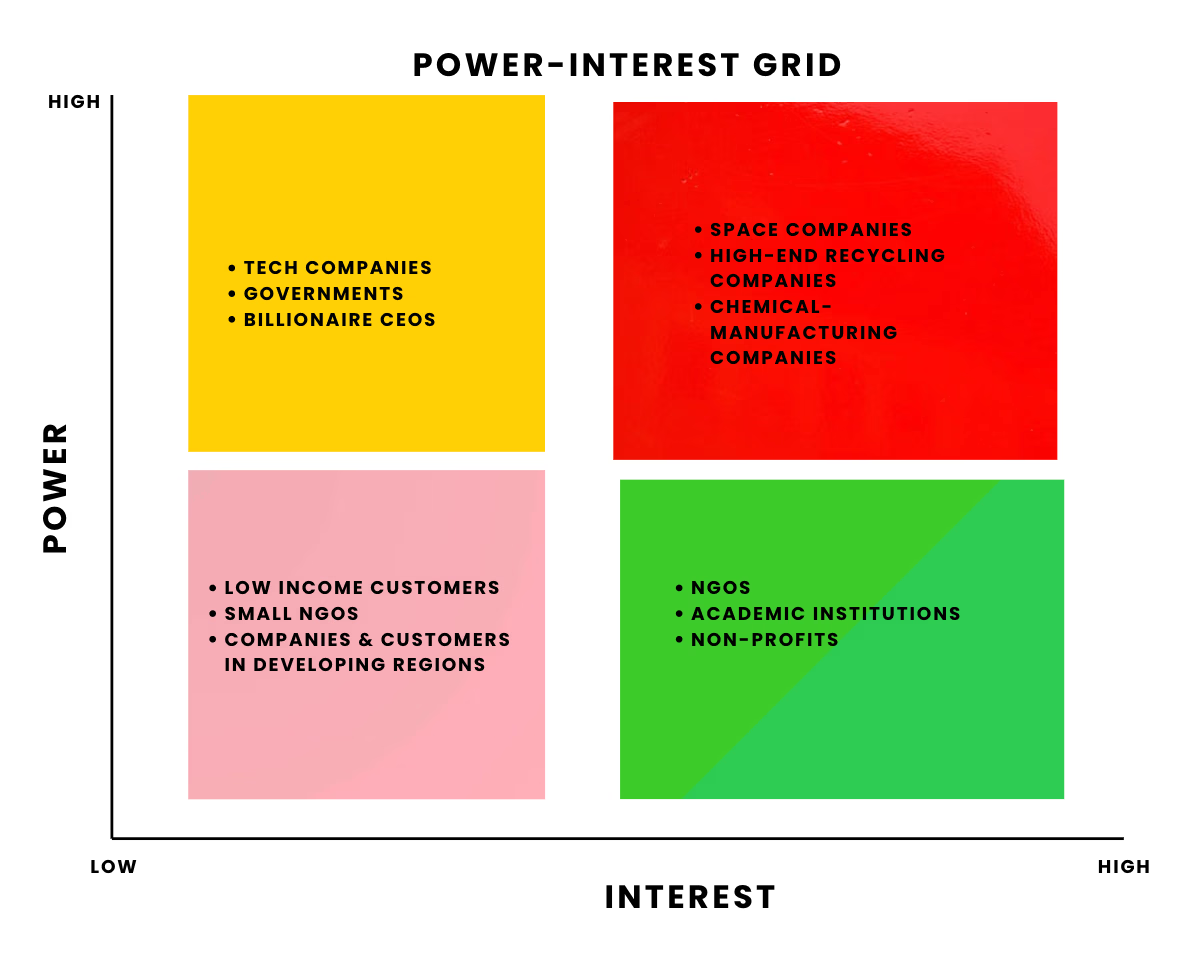
Our stakeholder map points out and emphasizes key organizations that have high interest and high power, or just high interest in our product, for example, space companies like NASA and SpaceX would be some of our main stakeholders internationally. Since NASA holds a huge monopoly over other organizations, providing the idea and plan to implement a scaffolding technology, refining the process of enzyme recycling in space for sustainability. Other private companies like SpaceX hold big monopolies in the aerospace industry, with many multi-billionaires fully invested in developing space technology. For these CEOs, space is not just a passion project, but a strategic asset designed to trigger a financial impact, otherwise known as a “halo effect” across the stock market. By successfully executing historic space accomplishments, such as Elon’s ambitions to push and establish a self-sustaining city of one million people on Mars to expand the human presence across other planets. These motives are bolstered by Wall Street’s tendency to reward large space accomplishments by aggressively bidding up to the stock prices of their other publicly traded companies, allowing them to trade at a premium valuation based on pure faith in a billion-dollar CEO’s vision. This map helps us target our efforts and resources to maximize effectiveness in product development and market outreach.
4.2 Industry Analysis
Industry Overview
The space industry is heavily monopolized by government agencies like NASA having the capabilities and resources to execute. The current market value is $613 billion USD, and competitors range from small recycling companies like Poseidon Industries and Carbios to industry titans like NASA and SpaceX.15 Thus, the future for the space industry has near unlimited potential, with the backing, investment, and interest of some of the richest and most powerful companies and individuals in the world. In space enzyme recycling specifically, there have been accomplishments in both realms, but not simultaneously. Enzyme recycling has been well established on earth, and has multiple successful companies in this niche. Moreover, large space companies like NASA and SpaceX have explored the ends of the solar system, with multiple missions like Artemis II, and potential plans to immigrate to other planets. However, there has not been a technology to connect both of these technologies and industries. That is what our product aims to do.
Current Enzyme Scaffolding Developments
While enzymatic PET recycling has been extensively developed and tested on Earth, its application in space remains at an early experimental stage. In 2025, researchers published the results of an International Space Station flight test involving an enzymatic PET-depolymerization module and a separate microbial plastic-upcycling module.16 Although the enzymatic module did not successfully demonstrate PET depolymerization during the flight, the microbial module successfully converted a PET-derived monomer into a higher-value chemical aboard the ISS. A modular multi-enzyme scaffolding system designed for operational plastic recycling in space has not yet been demonstrated. This presents a significant opportunity within the rapidly growing space economy, particularly as space agencies and private aerospace companies pursue longer-duration missions and the establishment of permanent lunar and Martian habitats.
As human presence in space expands, the need for sustainable waste management and resource recovery systems will become increasingly important. Current missions are constrained by limited storage capacity and the high cost of transporting materials to and from Earth. By enabling plastics to be recycled and reused directly in space, enzymatic recycling technology could reduce waste accumulation, lower resupply requirements, and contribute to the development of closed-loop life support systems. Consequently, the convergence of these two industries represents an untapped market with substantial potential for innovation and long-term growth.
Market Size & Growth
The space industry has lasted for 7 decades, and is one of the fastest and most scalable markets. From national competition to wealthy hobbies, the space market has become an investment for those who have reached the top of the economic hierarchy. Although there may not be millions of people interested in technological space development, the billions of dollars of wealth from the few active participants in the space industry is enough to propel it to a trillion dollar industry by 2035.17 Companies such as SpaceX and Blue Origin, alongside government agencies such as NASA, are investing billions of dollars into lunar exploration, commercial space stations, and future Mars missions.18 As the industry moves toward longer-duration missions and permanent extraterrestrial habitats, the demand for sustainable resource management systems will continue to increase. Technologies that reduce waste, recycle materials, and support closed-loop life support systems will become increasingly valuable, positioning space-based enzymatic recycling as a promising solution within a rapidly expanding market.
4.3 Competitors analysis
Industry Gaps & Opportunities
Despite major advancements in both the space exploration and enzymatic recycling industries, there remains a significant gap between the two fields. Current space missions primarily rely on storing waste or returning it to Earth, both of which require valuable storage space, increase mission costs, and limit long-term sustainability. At the same time, enzymatic PET recycling has demonstrated success on Earth and has recently proven feasible in space environments.19 However, no company or organization has successfully integrated enzymatic recycling technology into a dedicated onboard waste-management system for spacecraft, space stations, or future extraterrestrial habitats.
This gap creates a unique opportunity for innovation as the space industry shifts toward long-duration lunar missions, commercial space stations, and eventual Mars colonization. Future habitats will require efficient enzymatic systems capable of minimizing waste and maximizing resource efficiency without constant resupply from Earth. By converting plastic waste into reusable materials directly in space, our technology can reduce payload requirements, lower operational costs, and support sustainable human habitation beyond Earth. As governments and private aerospace companies continue investing billions of dollars into permanent space infrastructure, demand for autonomous recycling and resource-recovery systems is expected to grow substantially, positioning our product at the intersection of two rapidly expanding industries.
As the space economy continues to expand and missions become increasingly ambitious, the need for technologies that improve self-sufficiency will become a critical priority. While significant resources are currently being invested in propulsion systems, habitat construction, and life-support technologies, waste management remains an underdeveloped area with substantial room for innovation.20 By addressing this gap through space-based enzymatic recycling, our product not only solves an immediate operational challenge but also contributes to the long-term vision of sustainable space exploration. This positions the company to capitalize on a first-mover advantage in a niche market that is expected to become increasingly important as humanity establishes a permanent presence beyond Earth.
Direct & Indirect Competitors
For now, there are very few direct competitors, as the only possible ones are another organization or group that is also currently working on using enzymatic scaffolding systems to recycle PETs in space. However, there are many that would be considered as indirect competitors. For example, companies like Carbios or ESTER Biotech have both been using enzymes to recycle PET plastics for a long time, with Carbios performing with extreme efficiency - degrading 97% of PET plastic waste in just 16 hours.21 Although these well established companies have dominated their respective fields of recycling, they have yet to integrate their enzyme technology into the space industry.
Similarly, major aerospace organizations such as NASA and SpaceX possess the resources, funding, and technical expertise necessary to develop advanced waste-management systems for future missions. However, their current focus remains on launch systems, spacecraft development, exploration programs, and life-support technologies rather than enzymatic recycling solutions. More specifically, our objective is to provide large corporations with a new enzymatic and space connected concept with a realistic, executable plan. While these organizations could potentially become future competitors, they are currently more likely to represent potential customers, partners, or adopters of the technology.
Existing waste-management practices in space also serve as indirect competition. Current missions primarily rely on storing waste onboard, disposing of it during re-entry, or transporting materials back to Earth. Although these methods have proven reliable, they become increasingly inefficient as missions grow longer and travel farther from Earth. Future lunar bases, Martian habitats, and commercial space stations will require more sustainable approaches that reduce waste accumulation and dependence on resupply missions. As a result, our primary competitive advantage lies in occupying a largely untapped niche between two mature industries. While enzyme recycling companies have demonstrated the effectiveness of biological PET degradation on Earth, and aerospace organizations continue to push the boundaries of space exploration, few have attempted to combine these technologies into a unified solution. This positions our company as a potential first mover in the emerging field of space-based enzymatic recycling, allowing us to establish expertise, intellectual property, and industry relationships before the market becomes more competitive.
4.4 Target Market Research
Customer Segmentation
Our customer segmentation displays each group of customers, and their crucial role in successfully scaling and growing the incorporation of enzymatic recycling into future space missions.22 This first-mover advantage could be particularly valuable as governments and private aerospace companies increase investments in long-duration space missions and permanent extraterrestrial infrastructure. By establishing a presence in the market early, our company can help define industry standards, secure strategic partnerships, and build a technological lead before larger competitors recognize and enter the space-based recycling sector.
| Customer | Customer Segmentation |
|---|---|
| Governments |
Demographic Top countries that are invested in the space industry and development. This includes countries like the US, China, Russia, Japan, and France. Geographic Any future short or long duration space missions (Earth surveillance, the Moon, Mars, etc.) Behavioral Governments that prioritize the importance of sustainability in the space industry rather than short-term accomplishments will benefit them in the long run. Additionally, governments looking to cut spending by reducing space mission costs and improve resource efficiency, |
| Private Biotech/Recycling Companies |
Demographic Medium to large-scale companies involved in both biotechnology and PET plastic recycling. Geographic Countries with the biggest, most successful, and essential companies. For example, the US and China are unrivaled in the biotech industry, while Germany and Taiwan have been crowned for the most efficient recycling and circular economy. Behavioral Companies that prioritize innovation, sustainability, and the advancement of circular economy practices. These organizations actively invest in research and development to improve recycling efficiency, reduce environmental impact, and commercialize new biotechnologies. They are often early adopters of emerging technologies and may seek strategic partnerships that allow them to expand their applications into new industries and markets. Companies with a strong focus on environmental, social, and governance (ESG) goals are particularly likely to be interested in solutions that demonstrate both technological innovation and sustainability benefits. |
| Private Space Companies |
Demographic Top, largest space companies in the world, such as SpaceX, Rocketlab, and Blue Origin. Geographic Mostly in the US, as the US inhabits most of the largest space companies, however, secondary countries mainly in the EU could also be considered and included. Behavioral Private space companies are highly focused on innovation, operational efficiency, and reducing the cost of space exploration. These organizations continuously invest in technologies that improve mission performance, increase self-sufficiency, and support long-duration space travel. As commercial space stations, lunar missions, and future Mars initiatives become more realistic, these companies are increasingly interested in solutions that reduce payload mass, minimize waste accumulation, and decrease reliance on Earth-based resupply missions. Companies that prioritize sustainable space operations and long-term habitation infrastructure are the most likely adopters of space-based recycling technologies. |
| Billionaires/CEOs |
Demographic Rich CEOs or billionaires that are heavily invested and interested in the space industry. Geographic Mainly will be in countries that house the billionaires or CEOs that are in the space industry, like the US, China, UK, and France. However, these individual people move around a lot, so it does not have to be catered towards specific locations. Behavioral These individuals frequently invest in emerging technologies and high-growth industries with the potential to create long-term economic and societal impact. Many actively fund aerospace ventures, sustainability initiatives, and scientific research projects that align with their business interests or personal visions for the future. They are often willing to support innovative, high-risk technologies that could provide a competitive advantage or contribute to the advancement of human space exploration. Psychological Billionaires and CEOs involved in the space industry are often driven by profit, innovation, legacy, and the desire to solve large-scale global challenges. Many are motivated by ambitious goals such as expanding humanity’s presence beyond Earth, advancing scientific discovery, and developing transformative technologies. They tend to value groundbreaking ideas, long-term strategic thinking, and opportunities to be associated with projects that have the potential to shape the future of both space exploration and sustainable development. |
| Astronauts/Space personnel |
Demographic Anyone who works or is involved directly in space, mainly astronauts, and additional personnel that are on board spacecraft. Geographic Mainly Russia and the US, as they are still the few countries that hold the most number of astronauts since the 1970s Space Race. Behavioral Astronauts and space personnel operate in highly controlled, resource-constrained environments where efficiency, reliability, and safety are essential. They regularly follow strict operational procedures and rely on technologies that reduce workload, conserve resources, and improve mission sustainability. As missions become longer and travel farther from Earth, astronauts are increasingly dependent on systems that minimize waste generation and maximize the reuse of available materials. Technologies that improve self-sufficiency and reduce reliance on resupply missions are particularly valuable to this group. Psychological Astronauts and space personnel are typically motivated by scientific discovery, exploration, and the advancement of human knowledge. They tend to value innovation, problem-solving, and technologies that enhance mission success while improving quality of life in space. Given the unique challenges of living and working in isolated environments, they are generally receptive to solutions that increase sustainability, efficiency, and long-term habitability, particularly those that support future lunar bases, Mars missions, and permanent human presence beyond Earth. |
5. Marketing Strategy
5.1 Position & Marketing Strategy
Within the space technology sector, our enzymatic PET recycling system stands out by converting plastic waste into reusable materials, reducing the need for costly resupply missions and increasing spacecraft self-sufficiency. We will market our product to private space companies by emphasizing lower mission costs, improved efficiency, and greater scalability for future lunar and Martian missions. For government space agencies, we will highlight its ability to support long-term exploration goals through resource independence and mission resilience.23 For investors and space industry stakeholders, we will focus on its potential to increase the profitability and long-term value of space operations by reducing dependence on Earth-based resources and enabling a more sustainable and scalable space economy.
5.2 Distribution
The distribution of our enzymatic PET recycling system will focus on partnerships with private space companies, government space agencies, research institutions, and space industry stakeholders.24 We will work directly with aerospace organizations to integrate our technology into spacecraft, orbital stations, and future lunar and Martian habitats. Collaborations with agencies and research institutions will support testing, validation, and deployment in long-duration missions, while partnerships with commercial space infrastructure providers will help scale adoption across the emerging space economy.
In addition, we will leverage modern digital and social media platforms to support awareness and engagement within the space and deep-tech community, particularly given the advantages of a young and technically skilled team. These online channels will serve as a complementary tool to traditional partnerships, helping build early visibility and interest among industry stakeholders and potential collaborators. This will be further expanded in the following section, where advertising and promotional strategies are discussed in greater detail, with a strong emphasis on online outreach.
5.3 Ads & Promotions
To promote our enzymatic PET recycling system, we will implement a multi-channel marketing strategy targeting private space companies, government space agencies, research institutions, investors, and the broader space and deep-tech community. Our messaging will emphasize reduced mission costs, improved resource efficiency, and the ability to enable scalable long-duration space operations through in-situ resource recovery.
For private space companies and industry stakeholders, we will focus on direct outreach, technical presentations, and participation in aerospace conferences and trade shows to demonstrate integration potential and system performance. For government space agencies and research institutions, we will pursue engagement through formal proposals, workshops, and especially participation in agency-sponsored innovation programs, challenges, and funding competitions such as those run by NASA and TASA. These pathways provide opportunities to validate the technology, secure early-stage support, and align with long-term exploration and sustainability objectives.
For investors and commercial stakeholders, we will emphasize scalability, market potential, and long-term economic value through pitch events and industry networking. In addition to traditional outreach methods, we will leverage modern digital and social media platforms to increase visibility within the space technology ecosystem by sharing technical progress, project updates, and thought leadership content.
To evaluate effectiveness, we will track key performance indicators (KPIs) such as website traffic, engagement metrics, partnership development, funding interest, conversion rates from outreach activities, and social media engagement. This combined strategy ensures both technical validation and market visibility, supporting the adoption of the technology across the emerging space economy.
5.4 Sales Strategy
Our specific marketing strategy will probably take place around 2027, targeting some of the biggest and most valuable consumers in the space industry, such as NASA, SpaceX, and wealthy CEOs.25 Our strategy is designed to be easily adaptable to different target audiences.
-
Government-owned space corporations (NASA, TASA, ESA, CNSA)
- Our product advances the development & progress of the space industry
- Supports and makes human presence beyond earth more realistic
- Reduces long-term logistical burdens for space exploration missions now and in the future
-
Private Space Companies (SpaceX, Blue Origin, etc.)
- Lower mission costs
- Reducing amount of material/resupply needed to be launched
- Allow spaceships to have more self-sustainability
- Makes future missions way more scalable
-
Wealthy billionaires
- Increases long-term valuation potential for their investments
- Improve profitability and scalability significantly for future space missions
- Increase their space company investment ROIs
- Build realistic and sustainable infrastructure to scale a trillion-dollar potential market (space)
6. Risk Analysis
6.1 Risk Management
To achieve mission success and sustainability, potential risks are assessed in three main areas:
-
Biosecurity Risks (Contamination / Leaching in an Enclosed Space):
- Risk: An inadvertent leak or leaching of the biological components/ enzymes in the well-controlled enclosed environment of a spacecraft might interfere with the functioning of the environmental control system, contaminate the living quarters of the crew, or jeopardize their health.
- Mitigation: Use a solid-state, modular scaffolding mechanism that will immobilize the enzymes on a physical medium as opposed to the liquid-based system or engineered organisms floating freely in the reaction mixture. Encase the reactor unit in a multi-layered biosafety-approved physical containment box fitted with an automatic cut-off valve and leakage detectors.
-
Environmental Risks (Radiation Caused by Failure of the Enzymes)
- Risk: Exposure to cosmic radiation may lead to the mutation or denaturation of the engineered enzymes, resulting in catalytic failure or breakdown dynamics of the enzymes under the challenging conditions of outer space.
- Mitigation: Use computational protein engineering to support the enzyme with structural stability against radiation.
-
Financial Risks (Extended Procurement Cycles of Space Agencies):
- Risk: Space agencies of governments like NASA or ESA function on a multi-year approval and procurement cycle, which could delay contract execution and lead to extended cash flow shortages during the early phase of development.
- Mitigation: Adopt a dual business approach through R&D funding via grants that do not dilute the company’s ownership structure (like SBIR/STTR programs) while simultaneously engaging with private space entities (such as SpaceX, Axiom Space) commercially. In parallel, consider alternative avenues from Earth by licensing the scaffolding technology for industrial terrestrial recycling.
| Risk Category | Risk Event | Impact | Likelihood | Mitigation Strategy |
|---|---|---|---|---|
| Biosecurity | Contamination / enzyme leaching in a closed space | high | low | Scaffolding mechanism / Multi-layer physical containment of enzyme |
| Environmental | Radiation due to enzyme malfunction | high | medium | Enzyme engineering for stability |
| Financial | Extended procurement cycles of space agencies | medium | high | R&D Funding & private space entity partnerships |
6.2 Legal Considerations
Following regulations on deep-tech applications of outer space is a demanding process that necessitates compliance in biosecurity, intellectual property, and international trade. To start, concerning space biosecurity and planetary protection, the use of enzymatic hardware should be consistent with Article IX of the Outer Space Treaty and COSPAR Planetary Protection policy guidelines. Since the technology uses cell-free enzymes and not living organisms, it is inherently protected from causing biological contamination on planets like the Moon or Mars. Nevertheless, hardware design will need to undergo stringent processes to prevent forward contamination.
The second aspect would be our intellectual property, as it is necessary to ensure that our intellectual property remains well-protected, which will guarantee that our deep tech assets remain well-protected as well. In relation to our intellectual property, we intend to file for broad global patents, not only protecting the structure of our universal modular scaffolding system but also the enzymes which are designed to work under low-energy catalysis in microgravity.
Finally, compliance with control and defense regulations is compulsory while working with government entities and space contractors. The reason for this is that space-qualified biotechnologies are categorized as dual-use or defense-related technologies, and hence any international transfer, agency collaborations like NASA, ESA, JAXA, and hardware deployment should be strictly ITAR-compliant. Developing a good export compliance mechanism would facilitate integration into the international space consortia without any regulatory problems.
7. Financial Analysis
7.1 Revenue-Cost Analysis
To build a viable commercial pathway for our enzymatic space recycling platform, our team evaluated the direct balance between revenue streams and operating cost structures. Our primary offering (an engineered enzyme platform anchored by a universal modular scaffolding system) targets the breakdown of PET waste and mixed polymers aboard spacecraft, upcycling them into usable polymer threads for 3D-printing tools, structural components, and filaments for agencies like NASA, ESA, or private space providers.
Revenue generation is modeled to begin in Year 4 following early-stage laboratory validation, underwater microgravity-analog testing, and pilot integration. Our total projected revenue structure is strategically diversified across three core pillars to establish early financial stability while building scalable long-term valuation. The primary stream, accounting for 50–60% of initial revenue, comprises Government & Agency R&D Contracts, including direct procurement, SBIR/STTR grants, and mission-payload partnerships with entities such as NASA, ESA, and JAXA. These agency deployments provide high-margin developmental funding before transitioning into recurring hardware supply contracts for space missions. Complementing government funding, Commercial & Defense Aerospace Partnerships represent 25–30% of total revenue. This stream targets private launch operators like SpaceX as well as commercial space station developers such as Axiom Space and Blue Origin’s Orbital Reef, outfitting them with self-contained, closed-loop waste-to-thread processing units that significantly minimize launch resupply costs (currently estimated at $2,000-$10,000/kg). Finally, IP Licensing & Terrestrial Secondary Markets generate the remaining 15–20% of revenue by licensing our universal modular scaffolding platform and low-energy catalytic enzyme designs to Earth-based biotechnology firms (such as Carbios or ESTER Biotech) for industrial recycling applications, establishing a high-margin, passive royalty income stream.
Our overall cost baseline is strategically divided into Capital Expenditures (CapEx) for initial technical development and recurring Operational Expenditures (OpEx) required for commercial scale and deployment. During the initial development phase across Years 0–3, Capital Expenditures (CapEx) are heavily concentrated on synthetic biology engineering and analog environmental validation. This includes $450,000 allocated to Enzyme & Scaffolding Engineering for Design–Build–Test–Learn (DBTL) cycles, computational enzyme modeling, scaffolding optimization, wet-lab synthesis, and structural stabilization against cosmic radiation. An additional $300,000 is designated for Laboratory & Biosafety Infrastructure, granting access to biosafety-certified labs, microfluidic reaction testing, and key analytical instrumentation like HPLC and Mass Spectrometry. The remaining $250,000 covers Analog Environment Testing, funding early-stage experiments in underwater analog facilities to simulate microgravity and diffusion limits, alongside environmental chamber simulations and initial parabolic flight trials.
As the project transitions into commercial deployment from Years 4 through 10, Operational Expenditures (OpEx) scale directly with production demand. These recurring operational costs are driven primarily by Personnel & R&D Salaries for synthetic biologists, systems integration engineers, and legal or regulatory specialists. Furthermore, OpEx encompasses Regulatory & Spaceflight Certification expenses necessary to maintain ITAR compliance, satisfy NASA flight-readiness safety reviews, and adhere to COSPAR Article IX planetary protection guidelines. Finally, ongoing Quality Assurance & Maintenance budget allocations support rigorous batch testing to verify enzyme shelf-life, scaffolding binding stability, and mechanical thread structural integrity.
The fundamental economic value proposition relies on substituting expensive Earth-to-orbit material resupply with local recycling.

At an average launch cost of $5,000/kg, an onboard recycling module that successfully processes 100 kg of PET packaging and mixed polymers into printable filament creates $500,000 in direct launch cost savings per mission through resupply avoidance. Against these savings, the manufacturing cost per unit (Cunit) is estimated at $120,000 per hardware module, inclusive of the engineered enzyme-scaffolding charges. Consequently, once validated, our hardware and enzyme cartridge units yield a projected gross margin profile of 60–65%, buoyed by high technical barriers to entry and strong non-dilutive grant backing during the early development phases.
7.2 Investments
To fund our enzyme-scaffolding platform from laboratory prototype to flight-ready commercial deployment, we have structured a staged capital raising strategy. By leveraging non-dilutive government grants during early high-risk R&D phases and transitioning into private venture funding as technical readiness increases, we preserve founder equity while securing necessary resources for microgravity analog testing and spaceflight certification.
Our funding approach is divided into two distinct development phases to balance capital efficiency with risk reduction. Phase 1: Non-Dilutive Grant & Early Seed Funding (Years 0–2) targets $400,000 in initial capital, relying primarily on non-dilutive government subsidies, such as NASA SBIR Phase I awards (up to $225,000) and ESA Spark grants for closed-loop life support technologies, alongside initial micro-grants from the iGEM Venture Foundry, university entrepreneurship competitions, and co-funding via university biosafety-certified lab partnerships. Capital from this first phase covers critical early milestones, including the computational modeling and wet-lab expression of initial enzyme-scaffolding candidates, laboratory proof-of-concept for PET degradation efficiency, and global patent filings for our universal modular scaffolding platform and low-energy catalysis mechanisms.
As technical feasibility is proven, the company transitions into Phase 2: Deep-Tech Venture & Aerospace Seed Round (Years 2–4), securing a $600,000 target. This phase raises equity capital from early-stage venture capital firms specializing in deep-tech, synthetic biology, and aerospace (such as Space Capital, Founders Fund, or specialized angel syndicates), bolstered by government matching programs like NASA SBIR Phase II follow-on funding (up to $1,250,000) or Defense Innovation Unit (DIU) military waste processing contracts. Phase 2 funding drives key technical and regulatory milestones, including system validation in underwater microgravity-analog environments, benchtop testing of the integrated waste-to-thread processing module, and the completion of ITAR compliance setups, NASA flight-readiness reviews, and biosafety hazard containment certifications.
Capital Allocation & Use of Funds
The $1,000,000 preliminary investment raised across Years 0–3 is allocated to balance wet-lab biochemical engineering with aerospace system integration:
| Capital Allocation Matrix (years 0-3) | ||
|---|---|---|
| Category | Allocation | Projected Expenses |
| Enzyme & Scaffold Engineering | $350,000 | Design-build-test-learn cycles, computational protein design, synthesis |
| Hardware Prototyping & Testing | $250,000 | Bioreactor units, microgravity analog setup |
| Regulatory, Safety & IP | $200,000 | Global patents, ITAR/NASA biosecurity clearance |
| Operating Overhead & Personnel | $200,000 | Key engineering salaries, lab facility access fees |
8. Growth & Exit Plans
8.1 Growth Potential
Our long-term expansion strategy directly leverages the massive growth of the global space economy (projected to reach $1.8 trillion by 2035), alongside the rapid emergence of the in-space manufacturing market, which is expanding at over 20% annually. By positioning our enzymatic waste-to-thread recycling system at the intersection of space biotechnology and additive manufacturing, our platform scales across three distinct commercial horizons. In the near term (Years 4–6), commercial deployment targets low Earth orbit (LEO) habitats and orbital laboratories, such as Axiom Space, Blue Origin’s Orbital Reef, and the International Space Station (ISS), outfitting commercial station operators with standardized processing units to convert packaging waste into usable 3D-printing filaments and crew tools. Moving into the medium term (Years 7–10), as human spaceflight expands under NASA’s Artemis program toward lunar bases and permanent Mars colonization where Earth resupply becomes logistically impossible, our platform scales into essential, mission-critical sustainability infrastructure across major international space agencies (NASA, ESA, JAXA, ISRO). In the long term (Years 10+), the business diversifies through its universal modular scaffolding technology; while initial systems process PET packaging, the underlying scaffolding can host multi-enzyme libraries capable of degrading complex polymer streams like polypropylene, polyethylene, and composites.
This structural versatility unlocks secondary revenue streams by licensing our low-energy catalytic scaffolding IP to Earth-based biotechnology leaders like Carbios or ESTER Biotech for industrial terrestrial recycling. Financial scale and commercial defensibility are anchored by a high-margin consumable business model (generating recurring revenue through standardized enzyme cartridge replacements and system maintenance), complemented by a powerful cost-avoidance value proposition, where recycling 100 kg of solid waste directly in orbit delivers $200,000 to $1,000,000 in launch cost savings at average launch rates of $2,000 to $10,000/kg. Finally, broad global patent coverage across both microgravity enzyme optimization and universal modular scaffolding mechanisms establishes a formidable intellectual property moat, securing our first-mover advantage as space sustainability regulations tighten worldwide.
8.2 Exit Strategies
To maximize returns for early investors and strategic venture partners, our commercial roadmap provides multiple clear exit pathways tailored to deep-tech and aerospace market dynamics. The primary exit mechanism is a Strategic Acquisition by Major Aerospace Primes within Years 7 to 10, targeting industry titans such as SpaceX, Blue Origin, Lockheed Martin, or Boeing. As private space stations, lunar bases, and long-duration interplanetary missions become operational, major aerospace players will seek to vertically integrate autonomous, closed-loop waste-management and in-situ resource utilization (ISRU) manufacturing capabilities directly into their core hardware portfolios to reduce payload launch dependencies. A secondary acquisition route involves Synthetic Biology & Industrial Biotech Leaders, such as Novozymes, Ginkgo Bioworks, or Carbios, looking to acquire our broad patent portfolio covering low-energy enzyme catalysis and universal modular scaffolding platforms to capture market share in both space sustainability and terrestrial industrial recycling.
Alternatively, the company can pursue a Management Buyout or Strategic Equity Secondary Sale around Years 8 to 10, utilizing robust cash flows generated from long-term agency procurement contracts and high-margin replacement cartridge sales to buyout early seed investors at premium valuations. Finally, should rapid expansion in the broader $1.8 trillion space economy drive public market demand for pure-play space sustainability entities, an Initial Public Offering (IPO) or Special Purpose Acquisition Company (SPAC) Merger provides a long-term liquidity event to fund large-scale manufacturing and global terrestrial licensing expansion.
References
- Jones, Harry W. “The Recent Large Reduction in Space Launch Cost.” Conference paper, 48th International Conference on Environmental Systems, Albuquerque, NM, July 8–12, 2018. National Aeronautics and Space Administration. Accessed July 25, 2026. https://ntrs.nasa.gov/citations/20200001093
- Savannah Bullard, “NASA Seeks Innovators for Lunar Waste Competition,” NASA, September 30, 2024, https://www.nasa.gov/news-release/nasa-seeks-innovators-for-lunar-waste-competition/
- Giulia Segreti, “Italy’s Leonardo Looks to Space for Future Growth,” Reuters, March 7, 2024, Reuters
- National Aeronautics and Space Administration, “NASA’s Space Sustainability Strategy,” accessed May 22, 2026, NASA
- Ewert, Michael K., Thomas T. Chen, Emily Rini, and Dana Lobmeyer. “Trash or Treasure? Results of Integrated Waste Trade Studies for Moon-to-Mars Missions.” Conference paper, 54th International Conference on Environmental Systems (ICES 2025), Prague, Czech Republic, July 13–17, 2025. National Aeronautics and Space Administration. Accessed July 25, 2026. https://ntrs.nasa.gov/citations/20250003910
- Carbios, “Carbios Launches Industrial Demonstration Plant for Its Unique Enzymatic Recycling Technology,” Business Wire, September 29, 2021, Business Wire
- Solvay, “Solvay and Carbios Demonstrate Enzymatic Depolymerization of PET/PVDC Barrier Film,” Solvay Press Release, June 15, 2023, Solvay
- Crystal Huggins, “NASA Offers $3M Prize to Recycle Waste in Space with LunaRecycle Challenge,” MyPlainview, April 11, 2025, MyPlainview
- Morley, Nicholas J., et al. “Closing the Loop on Space Waste: Human Waste Management Technologies for Long-Duration Space Missions.” Life 14, no. 2 (2024): 271. https://doi.org/10.3390/life14020271.
- Jones, Harry W. “The Recent Large Reduction in Space Launch Cost.” Conference paper, 48th International Conference on Environmental Systems, Albuquerque, NM, July 8–12, 2018. National Aeronautics and Space Administration. Accessed July 25, 2026. https://ntrs.nasa.gov/citations/20200001093
- National Aeronautics and Space Administration. “Neutral Buoyancy Laboratory.” NASA. Last modified March 31, 2026. https://www.nasa.gov/johnson/neutral-buoyancy-laboratory/
- Lu, Hongyuan, Daniel J. Diaz, Natalie J. Czarnecki, Congzhi Zhu, Wantae Kim, Raghav Shroff, Daniel J. Acosta, et al. “Machine Learning-Aided Engineering of Hydrolases for PET Depolymerization.” Nature 604, no. 7907 (2022): 662–67. https://doi.org/10.1038/s41586-022-04599-z
- National Aeronautics and Space Administration. “TechPort Project 33740.” NASA TechPort. Accessed July 25, 2026. https://techport.nasa.gov/projects/33740
- Corporate Finance Institute, “NPV Formula,” Corporate Finance Institute, accessed July 25, 2026, https://corporatefinanceinstitute.com/resources/valuation/npv-formula/
- Space Foundation Editorial Team, “The Space Report 2025 Q2 Highlights Record $613 Billion Global Space Economy.” https://www.spacefoundation.org/2025/07/22/the-space-report-2025-q2/
- Liu, Xin, Pat Pataranutaporn, Benjamin Fram, Allison Z. Werner, Sunanda Sharma, Nicholas P. Gauthier, Erika Erickson, Patrick Chwalek, Kelsey J. Ramirez, Morgan A. Ingraham, Natasha P. Murphy, Krista A. Ryon, Braden T. Tierney, Gregg T. Beckham, Christopher E. Mason, and Ariel Ekblaw. “Development and Flight-Testing of Modular Autonomous Cultivation Systems for Biological Plastics Upcycling aboard the ISS.” npj Microgravity (2025). https://doi.org/10.1038/s41526-025-00463-2
- Acket-Goemaere, Alizée, Ryan Brukardt, Jesse Klempner, Andrew Sierra, and Brooke Stokes. “Space: The $1.8 Trillion Opportunity for Global Economic Growth.” McKinsey & Company, April 8, 2024. https://www.mckinsey.com/industries/aerospace-and-defense/our-insights/space-the-1-point-8-trillion-dollar-opportunity-for-global-economic-growth
- National Aeronautics and Space Administration. “Commercial Destinations in Low Earth Orbit.” NASA. Accessed July 25, 2026. https://www.nasa.gov/humans-in-space/commercial-space/low-earth-orbit-economy/commercial-destinations-in-low-earth-orbit/
- Tournier, Vincent, Christopher M. Topham, Aurélie Gilles, Benoît David, Céline Folgoas, Émilie Moya-Leclair, Elsa Kamionka, et al. “An Engineered PET Depolymerase to Break Down and Recycle Plastic Bottles.” Nature 580, no. 7802 (2020): 216–219. https://doi.org/10.1038/s41586-020-2149-4
- Mahoney, Erin. “NextSTEP-2 F: Logistics Reduction in Space by Trash Compaction and Processing System (TCPS).” NASA, July 3, 2018. https://www.nasa.gov/humans-in-space/nextstep-f-logistics-reduction-in-space-by-trash-compaction-and-processing-system-tcps/
- CARBIOS. “CARBIOS Pursues Its Genuine Revolution in the Biorecycling of PET-Based Plastics.” CARBIOS, July 19, 2018. https://www.carbios.com/newsroom/en/carbios-pursues-its-genuine-revolution-in-the-biorecycling-of-pet-based-plastics/
- National Aeronautics and Space Administration, “What Is the Commercial Low Earth Orbit Economy?” NASA, June 21, 2022, updated January 10, 2025, https://www.nasa.gov/humans-in-space/commercial-space/what-is-the-commercial-low-earth-orbit-economy/
- National Aeronautics and Space Administration. “Moon to Mars Architecture.” NASA. Accessed July 25, 2026. https://www.nasa.gov/moontomarsarchitecture/
- National Aeronautics and Space Administration. “Partnering with NASA.” NASA. Last updated June 15, 2026. https://www.nasa.gov/partnerships/how-to-partner/
- National Aeronautics and Space Administration. “Space Tech Industry Partnerships.” NASA. Last updated June 30, 2026. https://www.nasa.gov/space-tech-industry-partnerships/