Engagement · Education
Education
Innovative educational tools and outreach activities have the ability to establish a two-way dialogue with new communities by discussing public values and the science behind synthetic biology
Autism Plastic Waste Outreach
Event · August 11, 2026
Summary
On August 11, our iGEM team worked with first-grade autistic children to introduce plastic waste, recycling, and their environmental impacts through visual presentations and real-life plastic examples. To make the lesson engaging and accessible, we used pictures and hands-on materials instead of text-heavy explanations. We concluded with an interactive chess and waste-sorting game, allowing the children to apply what they learned by identifying different types of waste and sorting them into recycling or general waste.
Connections & Key Takeaways
This outreach allowed us to make environmental and scientific education more inclusive by adapting our communication to children with different learning and communication needs. By simplifying the fundamental problem behind our PET recycling project and using visuals, repetition, familiar interests, and hands-on activities, we learned how complex scientific ideas can be made accessible to a wider range of audiences. Most importantly, the experience showed us that solving plastic waste, whether on Earth or during future space missions, requires not only technological innovation, but also education and systems that people of different backgrounds and abilities can understand and participate in.
What Happened During the Event?
During this educational outreach event, we worked with first-grade autistic children to teach them about plastic waste and its impact on the environment. We started by sitting together in a circle and using a picture-filled presentation to introduce what plastic waste is and how it can affect our world. Since the children were young, we wanted to make the lesson easy to understand, so we relied more on pictures and real-life examples rather than large amounts of text. We also brought different types of plastic for the children to see, helping them connect what they saw in the presentation to objects they might encounter in everyday life.
After introducing the topic, we ended the lesson with an interactive activity that combined chess with waste sorting. The children were shown a chess piece, and if they could correctly name it, they got to pop open a paper box. Inside each box was a type of trash, which they then had to sort into either plastic/recycling or general waste. This activity allowed the children to apply what they had just learned instead of only listening to us explain the topic. By combining a familiar activity, chess, with a new topic, plastic waste, we hoped to make environmental education more engaging and approachable for them.
How Does This Relate to Our iGEM Project?
Our iGEM project focuses on PET plastic recycling in space. In space, resources are extremely limited, making it important to think about how materials such as plastic can be reused rather than simply becoming waste. Although our outreach activity focused on recycling on Earth, it introduced the same fundamental problem that inspired our project: what happens to plastic after we use it?
Before introducing the complex biotechnology behind PET recycling in space, we wanted to begin with the basic idea that plastic does not simply disappear when it is thrown away. Through waste sorting and environmental education, the children were introduced to why recycling and responsible waste management matter. This outreach also helped us think about our project beyond the laboratory. Whether plastic waste is produced on Earth or during future space missions, technology alone is not enough. People must also understand how waste is identified, sorted, and managed for a recycling system to work effectively.
What We Learned
Working with first-grade autistic children encouraged us to think carefully about how we communicate science to different audiences. Instead of relying on technical explanations, we used pictures, physical examples, repetition, and games to make the topic more accessible. This experience reminded us that an important part of iGEM is not only developing a scientific solution, but also learning how to communicate the problem behind that solution to different communities.
Mother's Day Outreach Event
Event Report · May 8, 2026
Summary
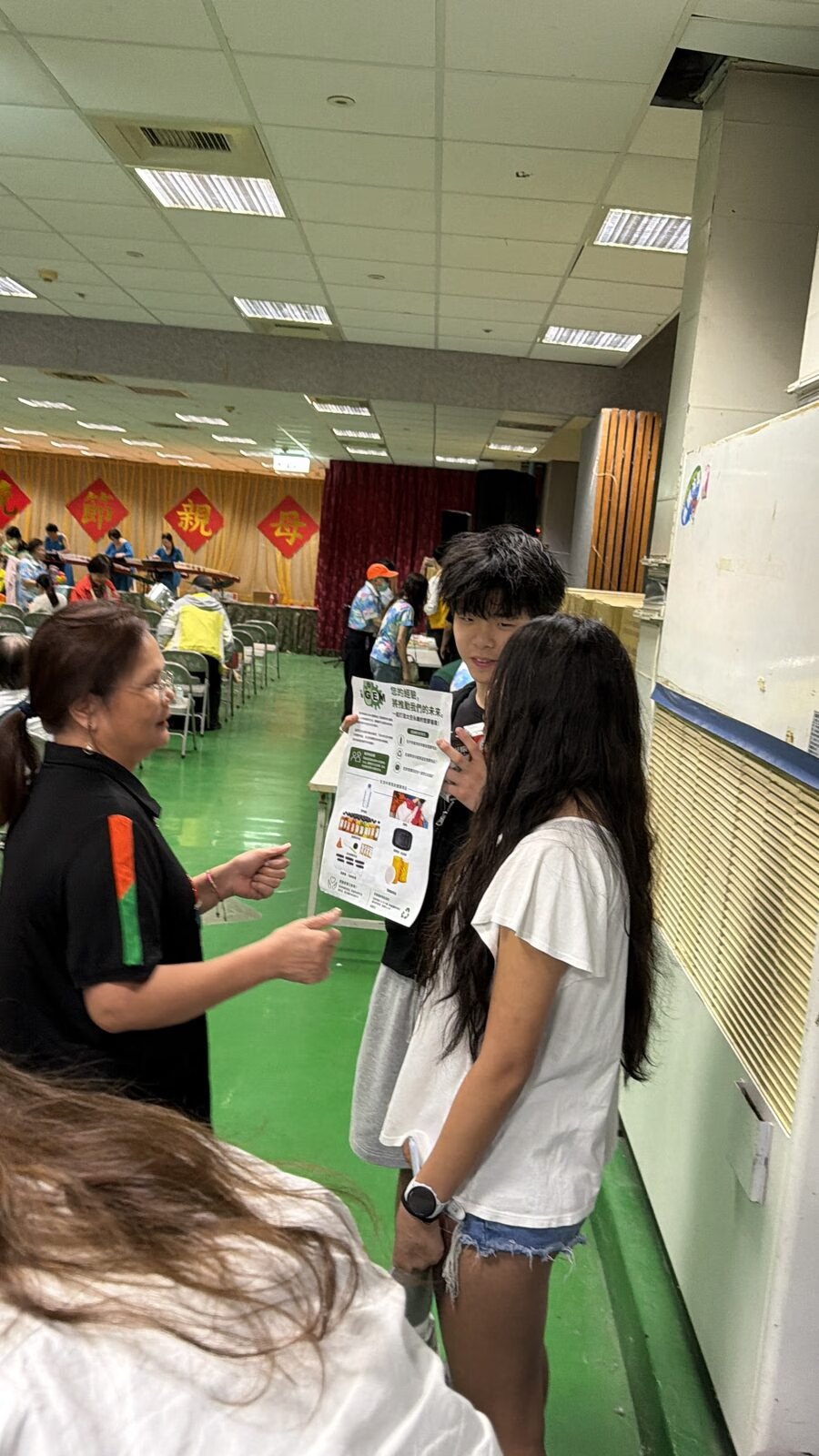
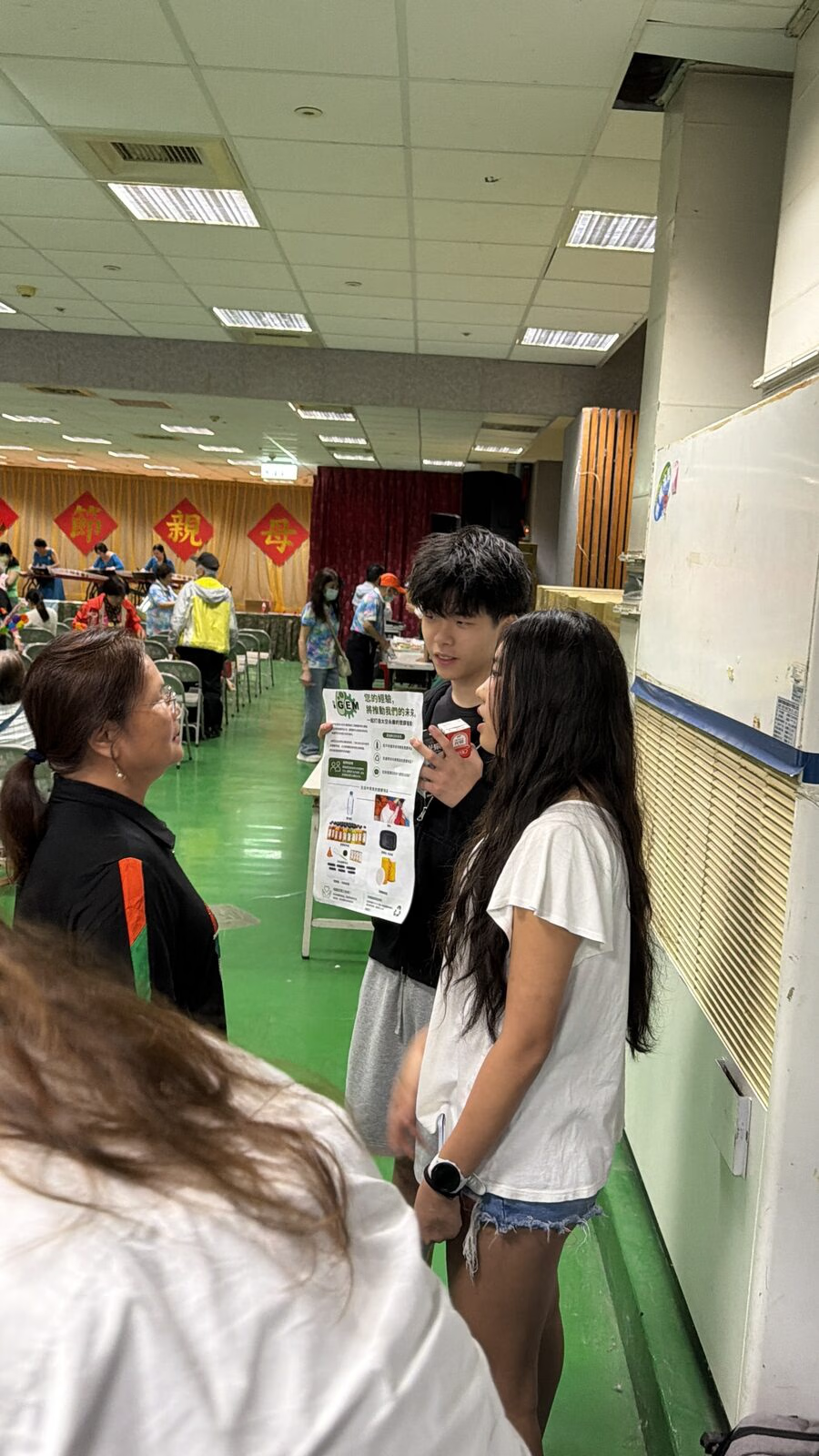
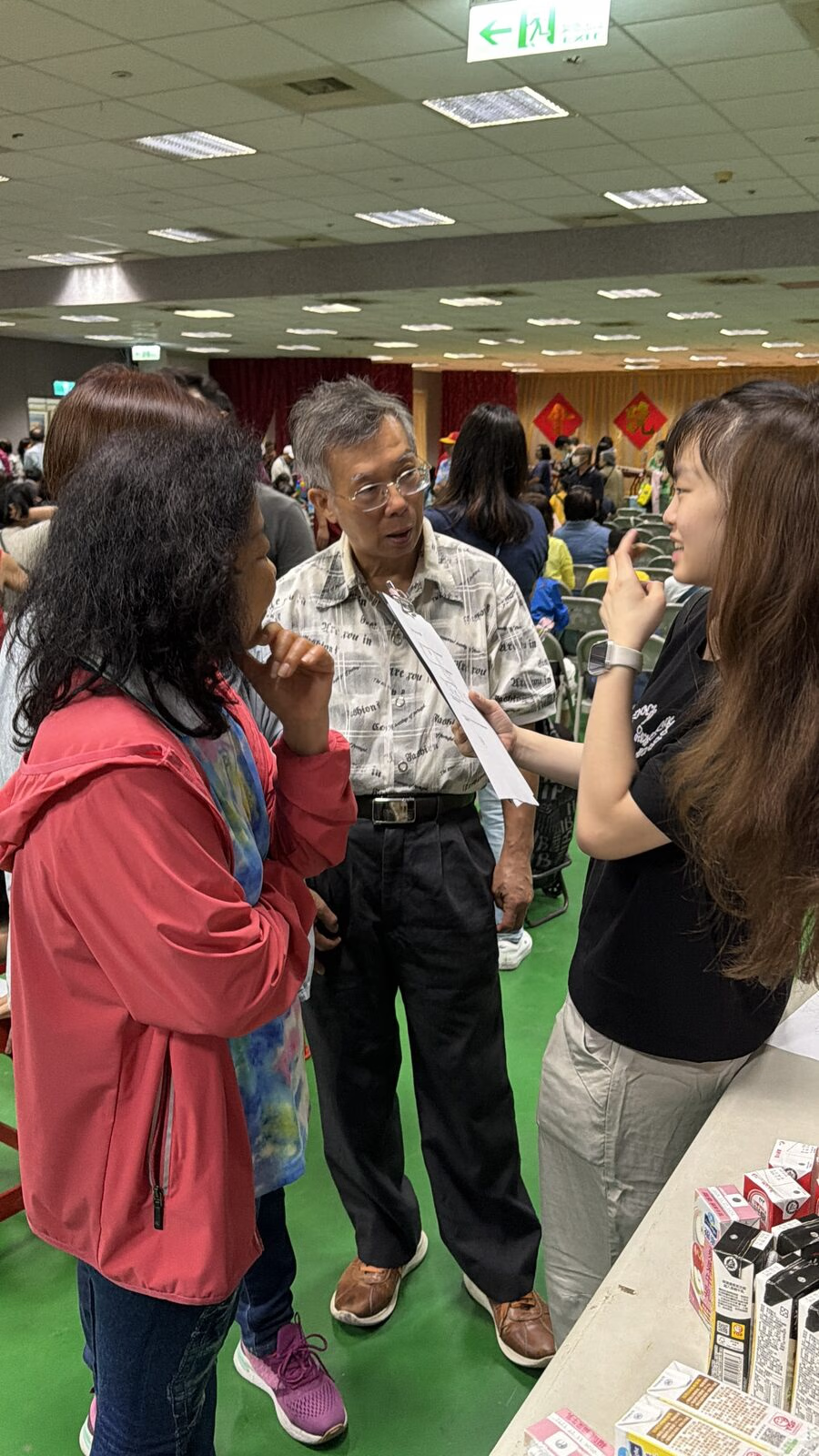
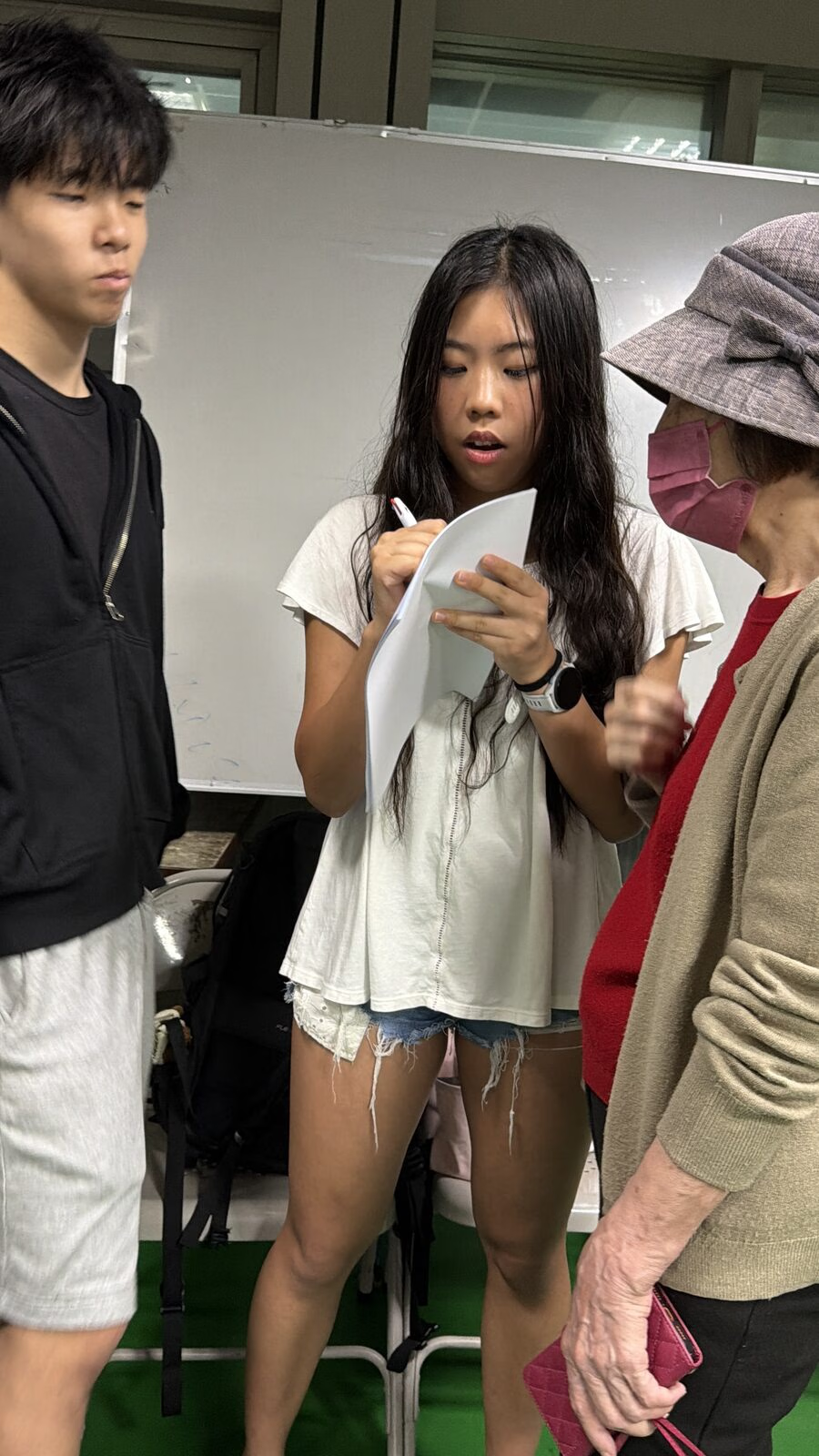
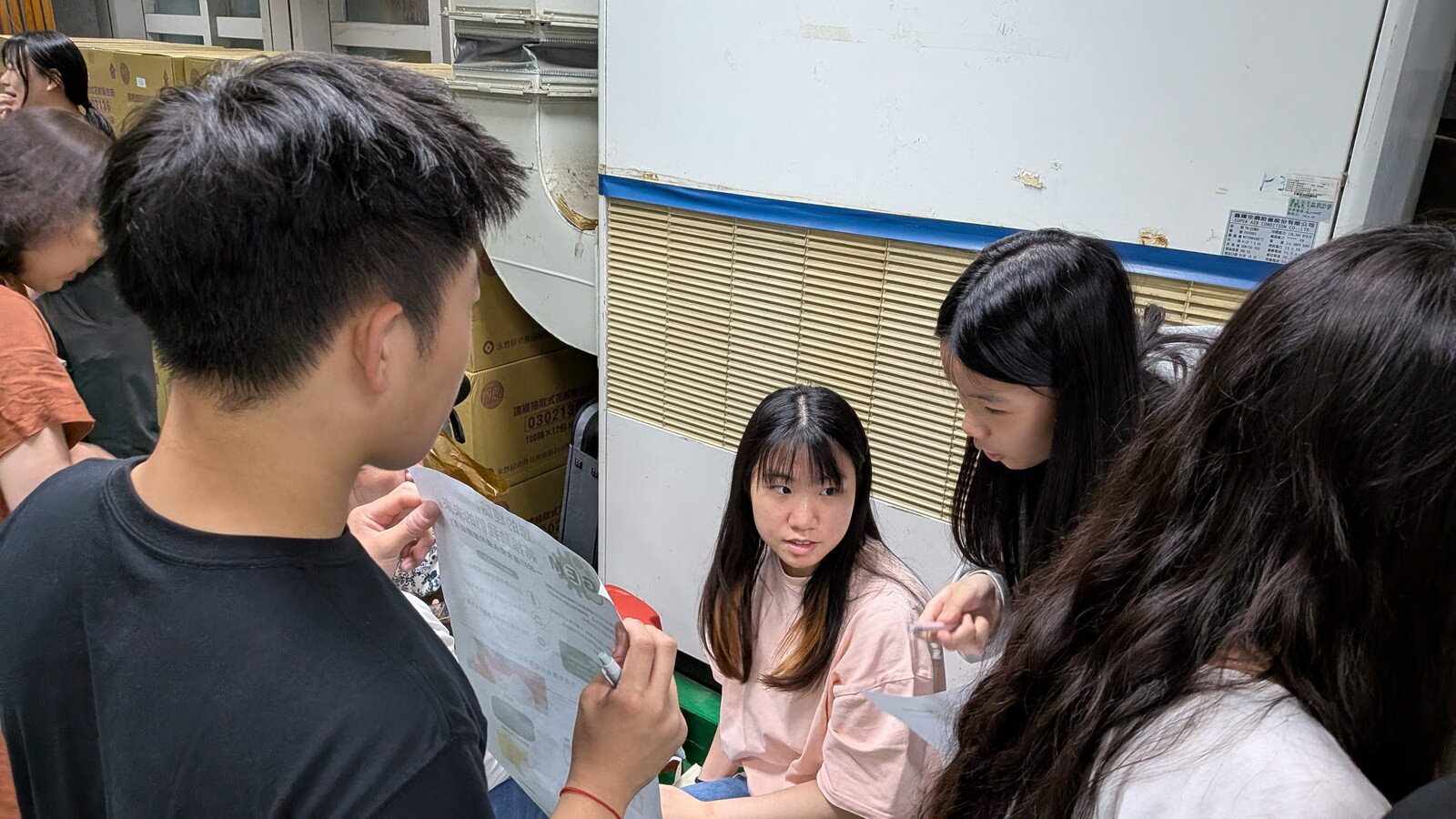
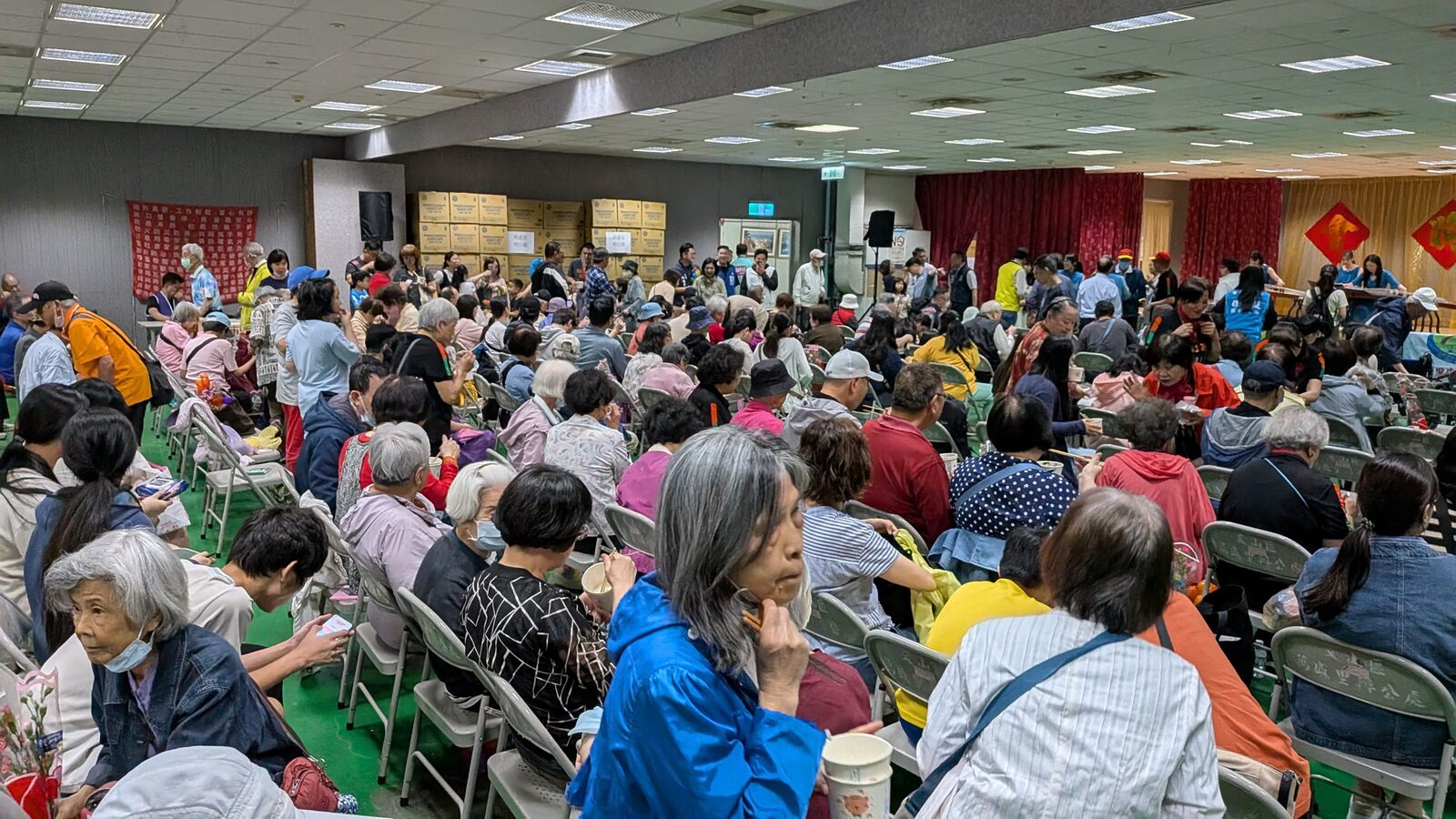
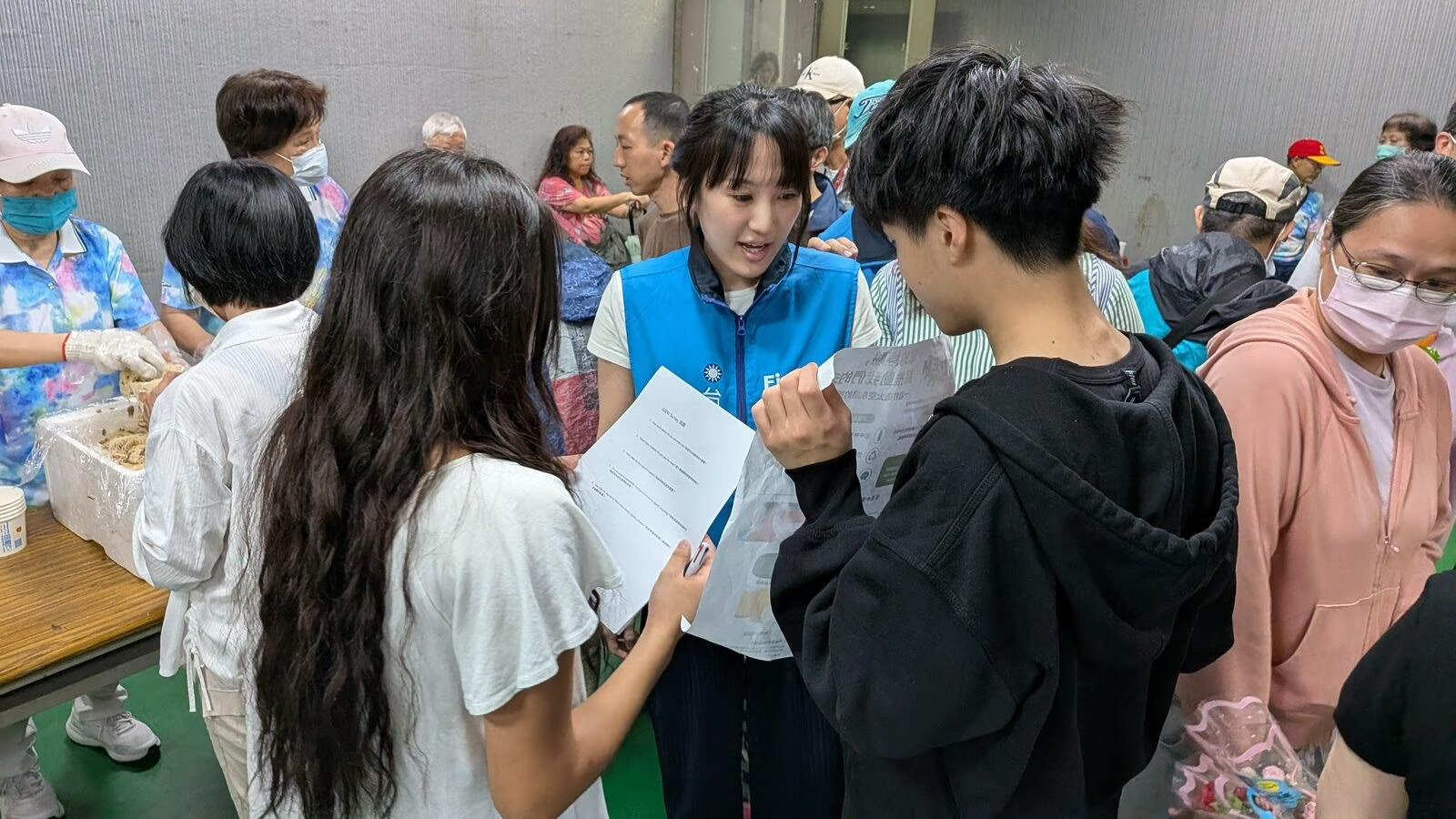
On May 8, our iGEM team attended a Mother's Day gathering and surveyed over 40 middle-aged and elderly participants about plastic consumption, recycling habits, and their perspectives on using synthetic biology for plastic recycling. We also introduced our project on using enzymes to break down PET plastic, allowing us to communicate our scientific ideas to an audience without specialized backgrounds in synthetic biology or space research. Most participants demonstrated strong recycling awareness and were receptive to biotechnology-based solutions, although some expressed concerns about their safety and potential environmental impacts.
Connections & Key Takeaways
We chose to engage with an older generation to make our outreach more inclusive and ensure that perspectives beyond students and scientific experts were represented, especially from parents and grandparents whose families will experience the future impacts of plastic pollution and space exploration. By explaining our project to a non-specialist audience, we learned the importance of making complex concepts such as enzyme-based PET recycling accessible, understandable, and relevant to people of different ages and backgrounds. Most importantly, their concerns about the safety of synthetic biology showed us that developing an effective solution is not enough; we must also clearly address its safety and environmental impacts to build public trust.
What We Did
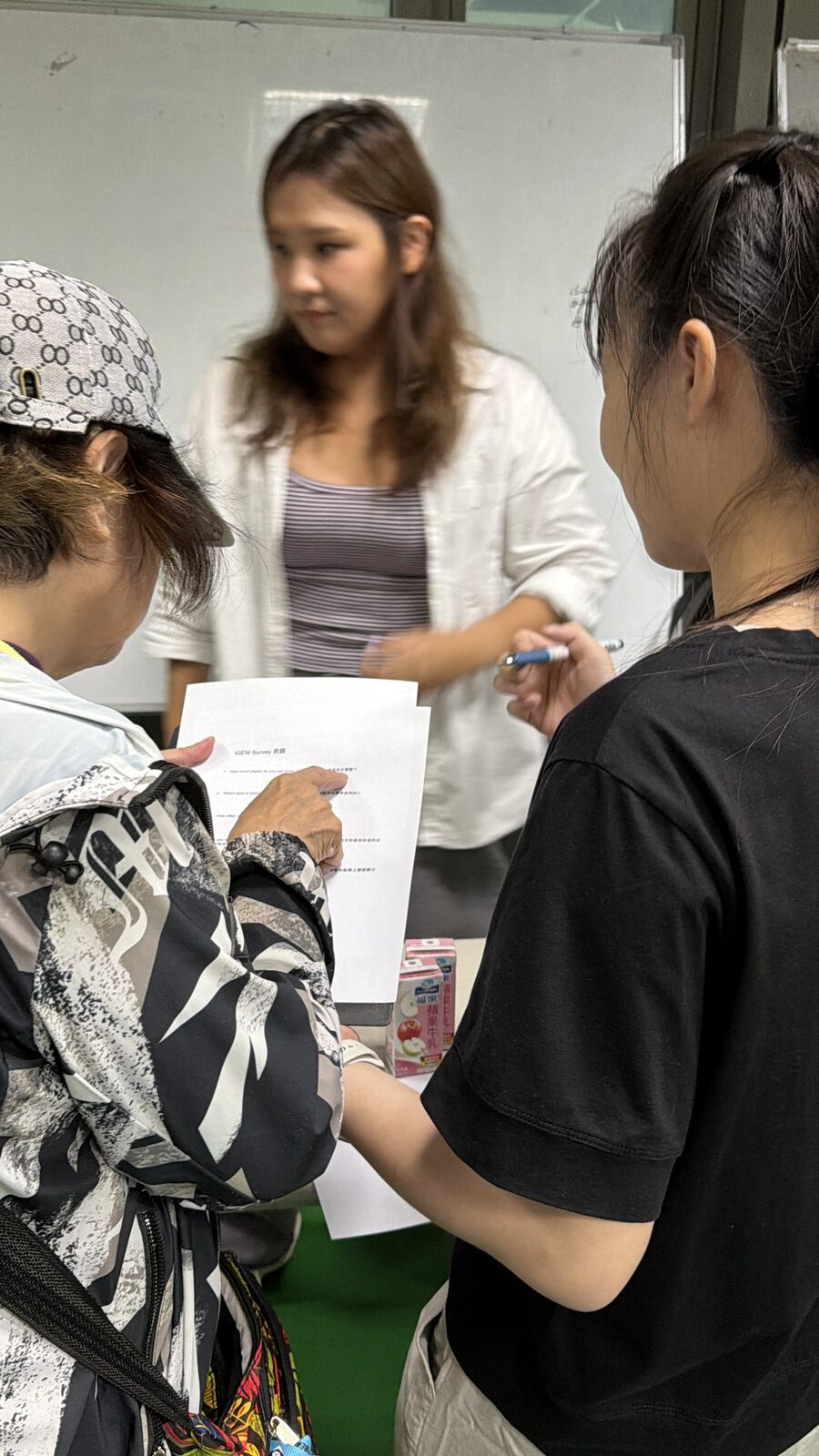
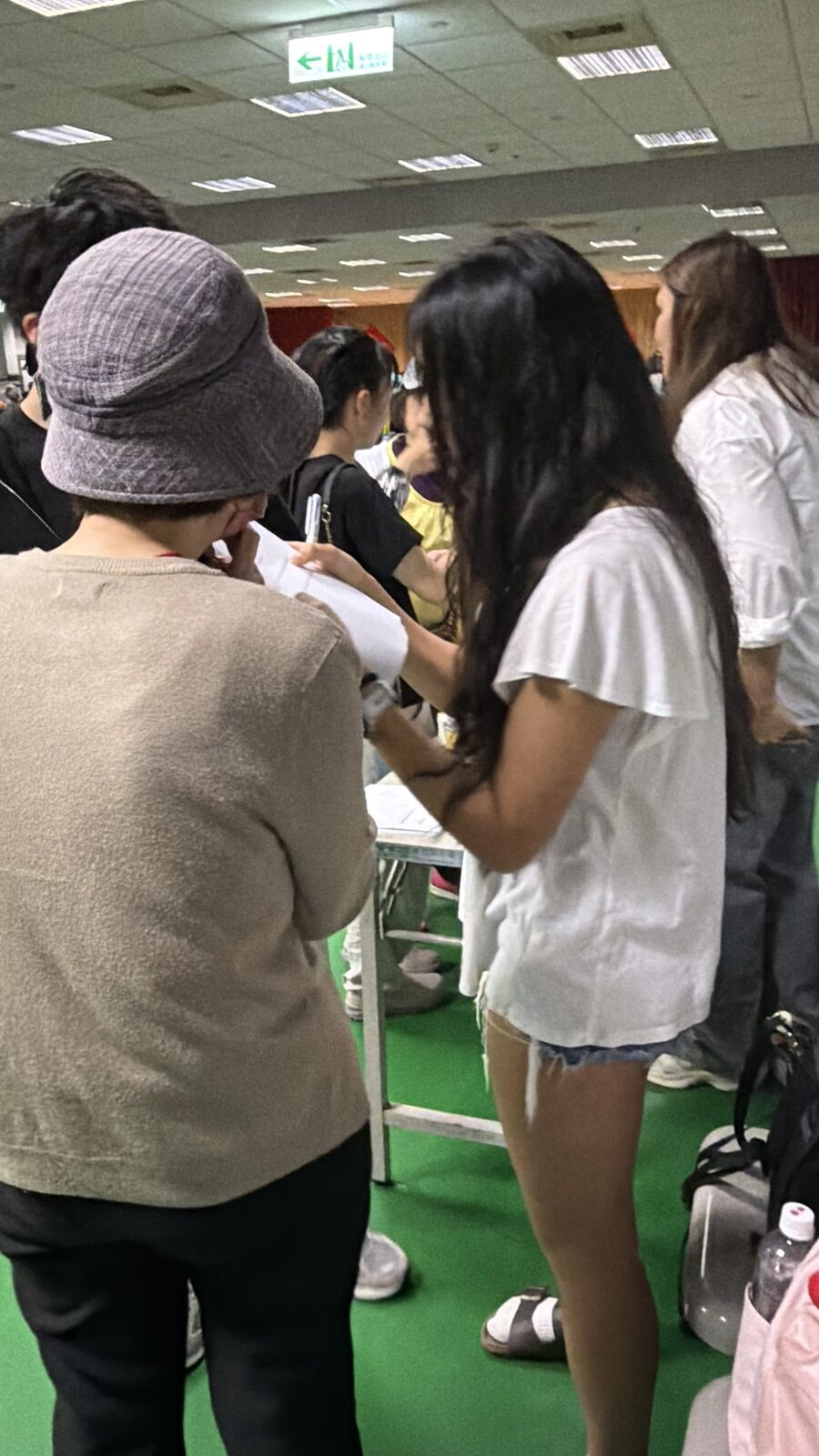
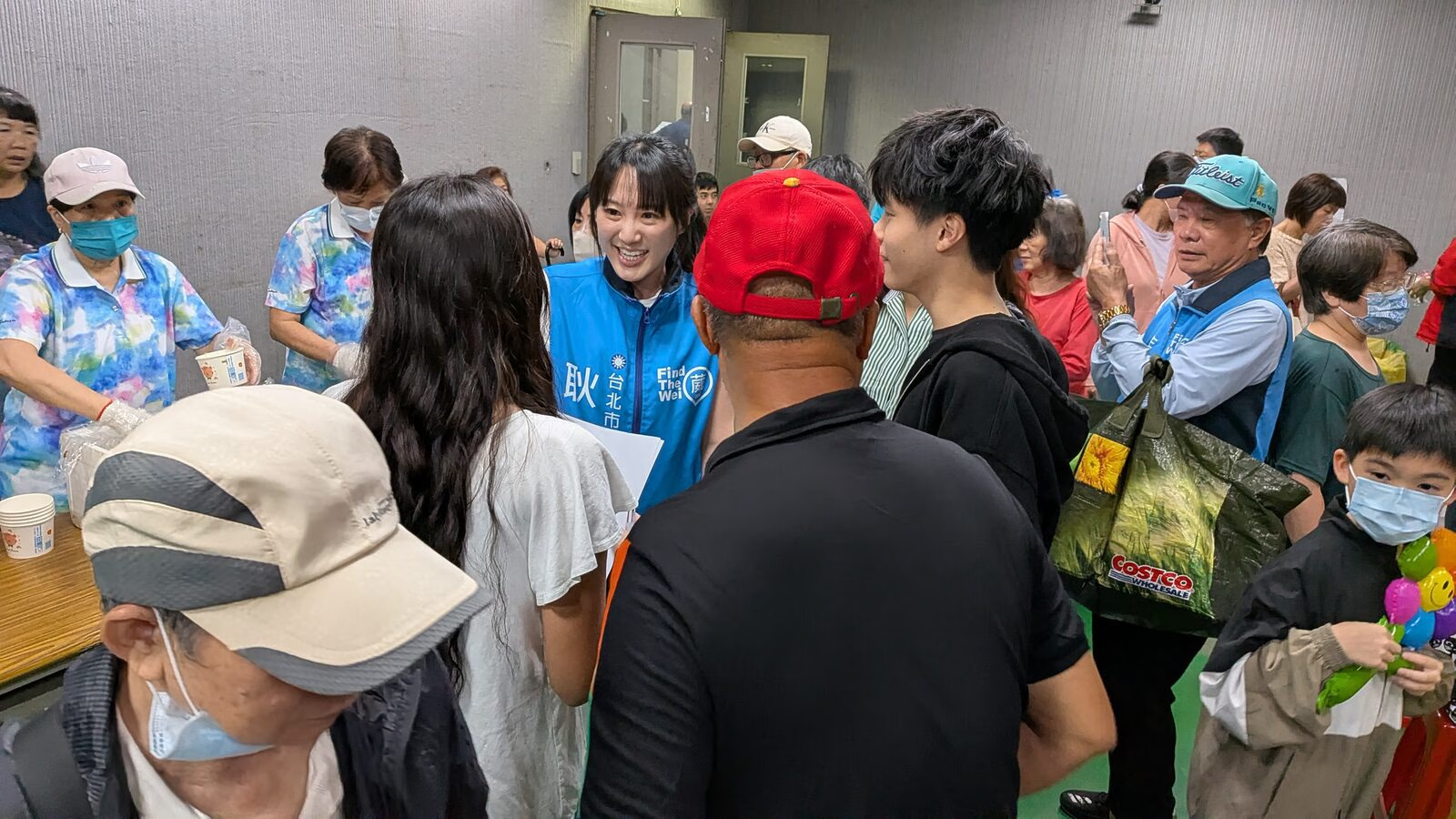
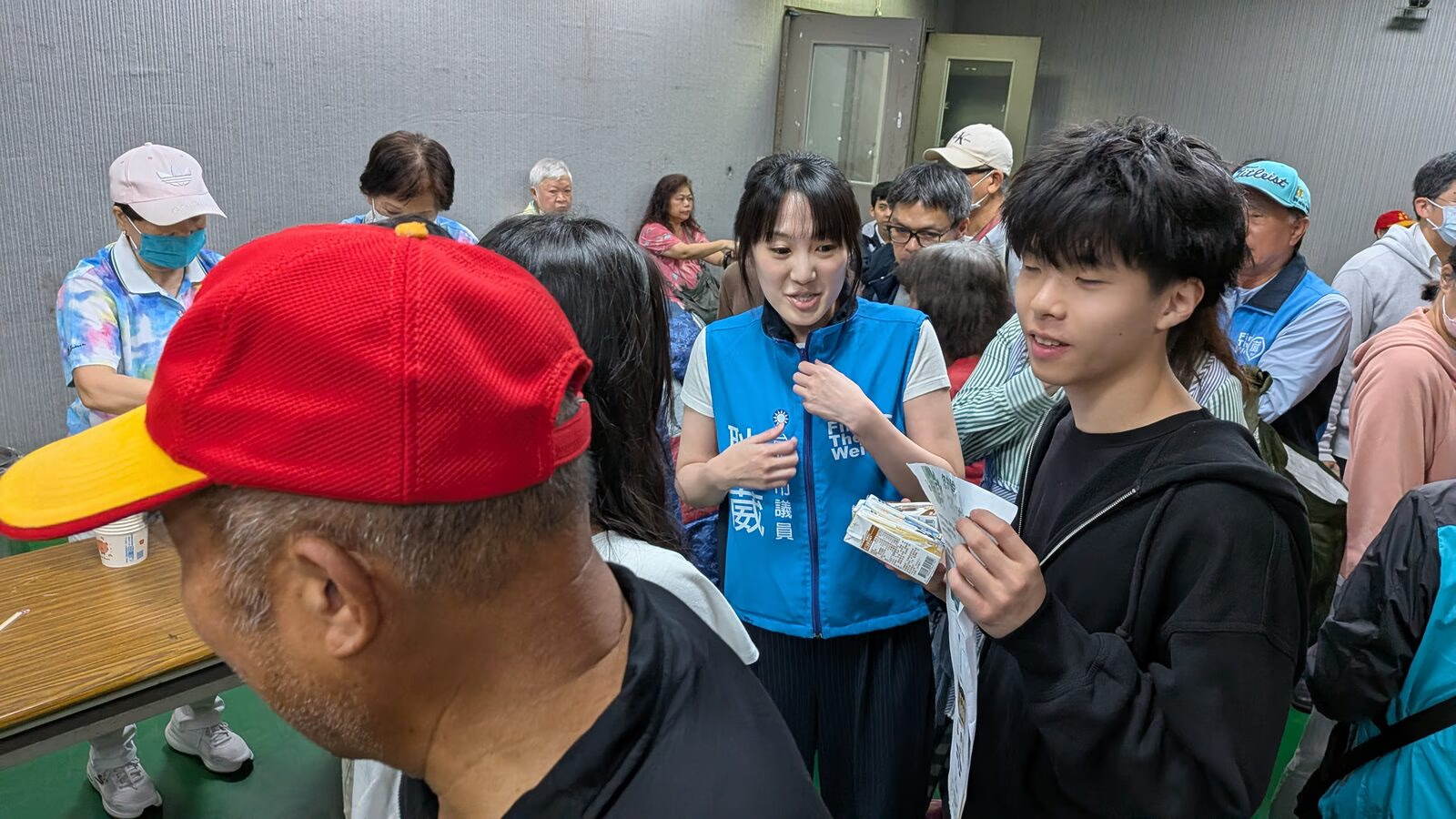
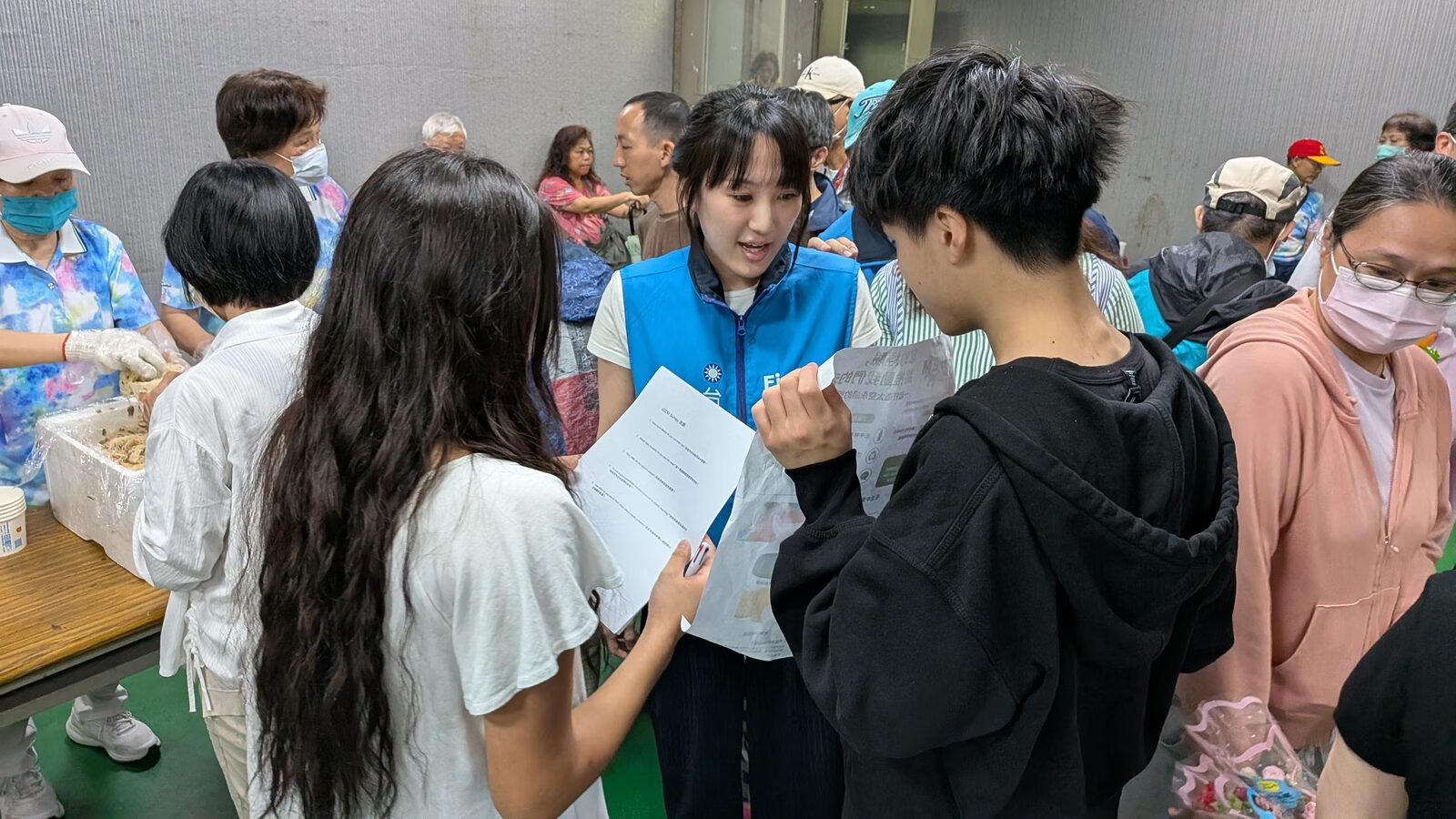
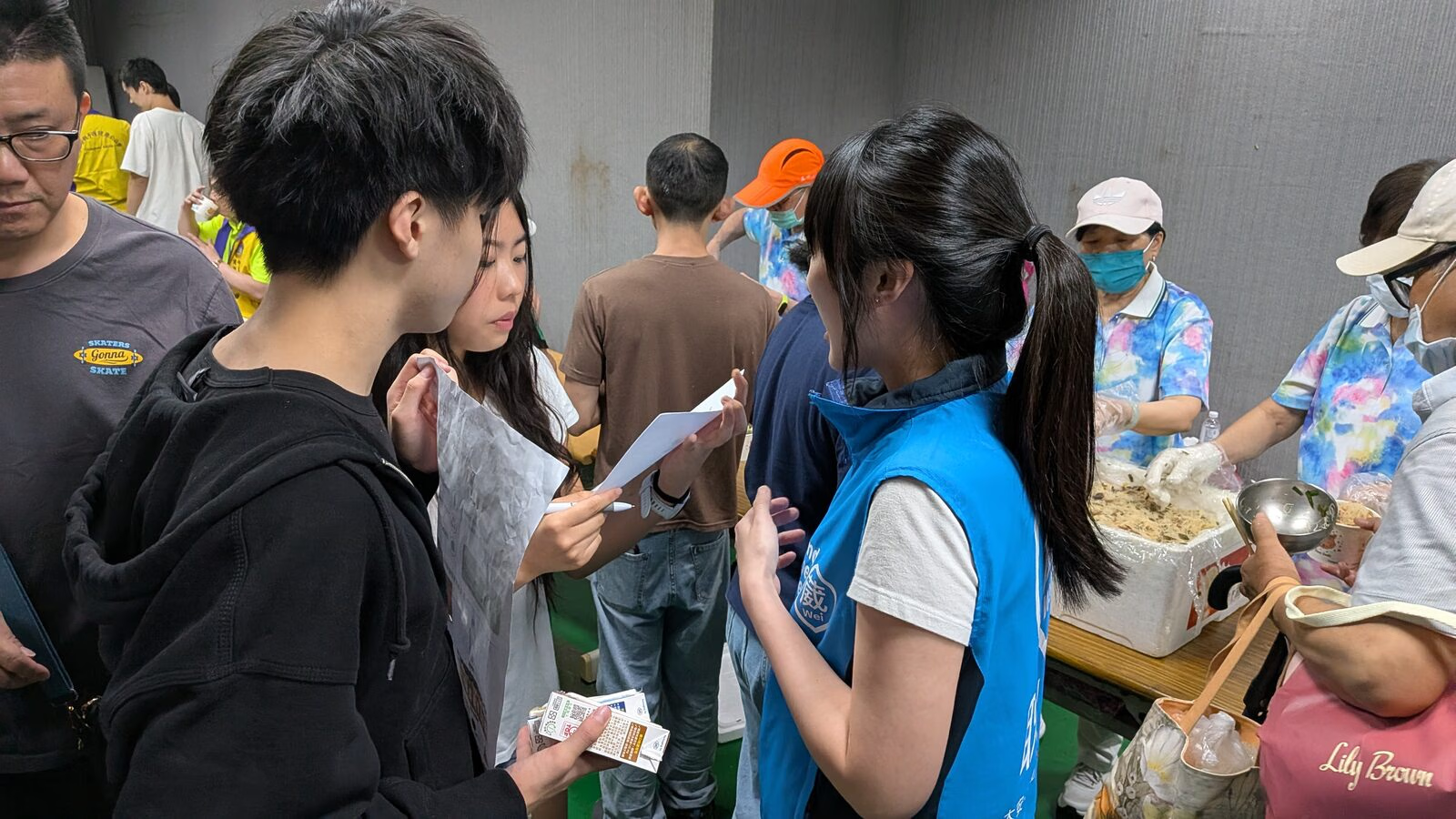
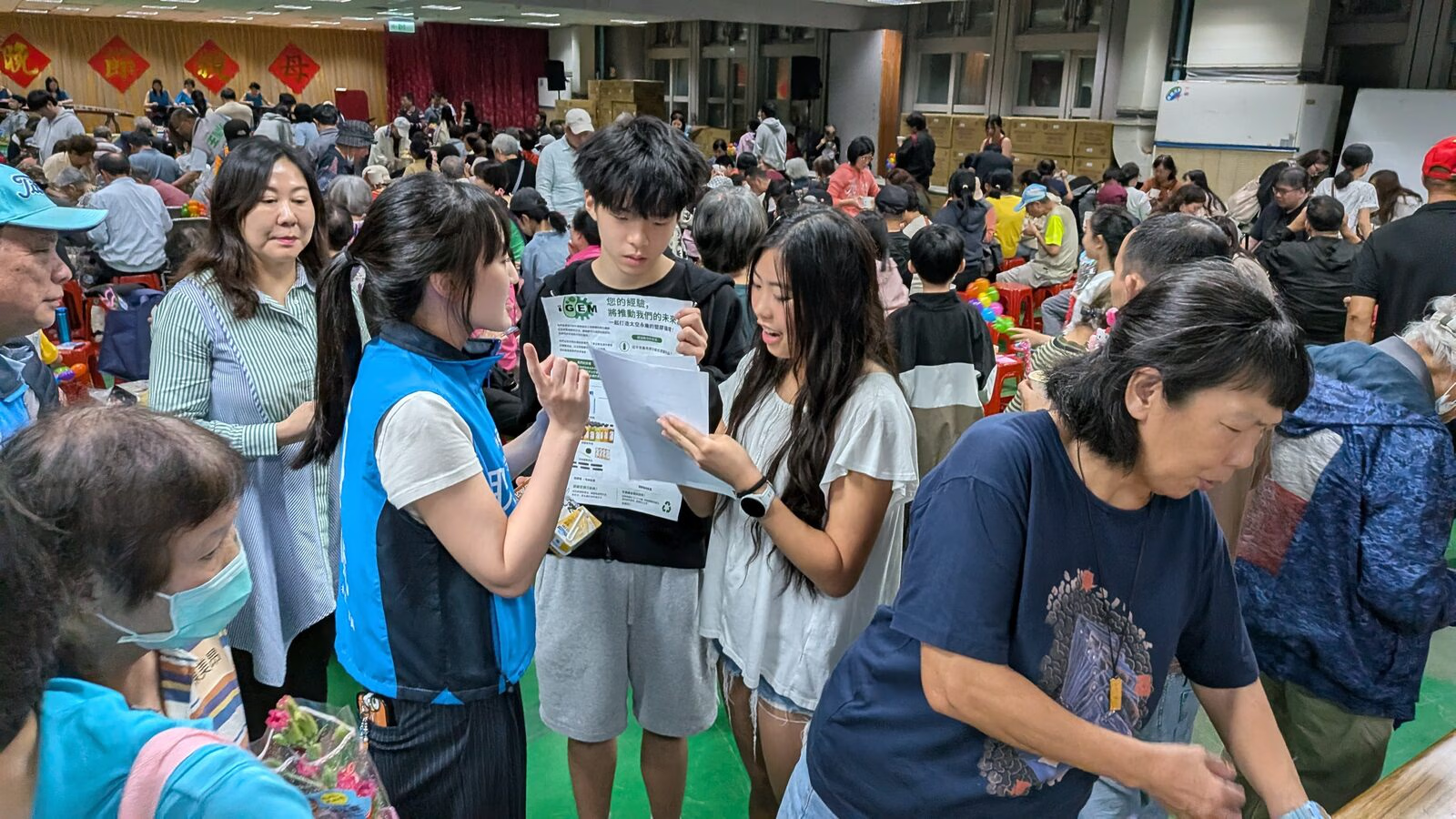
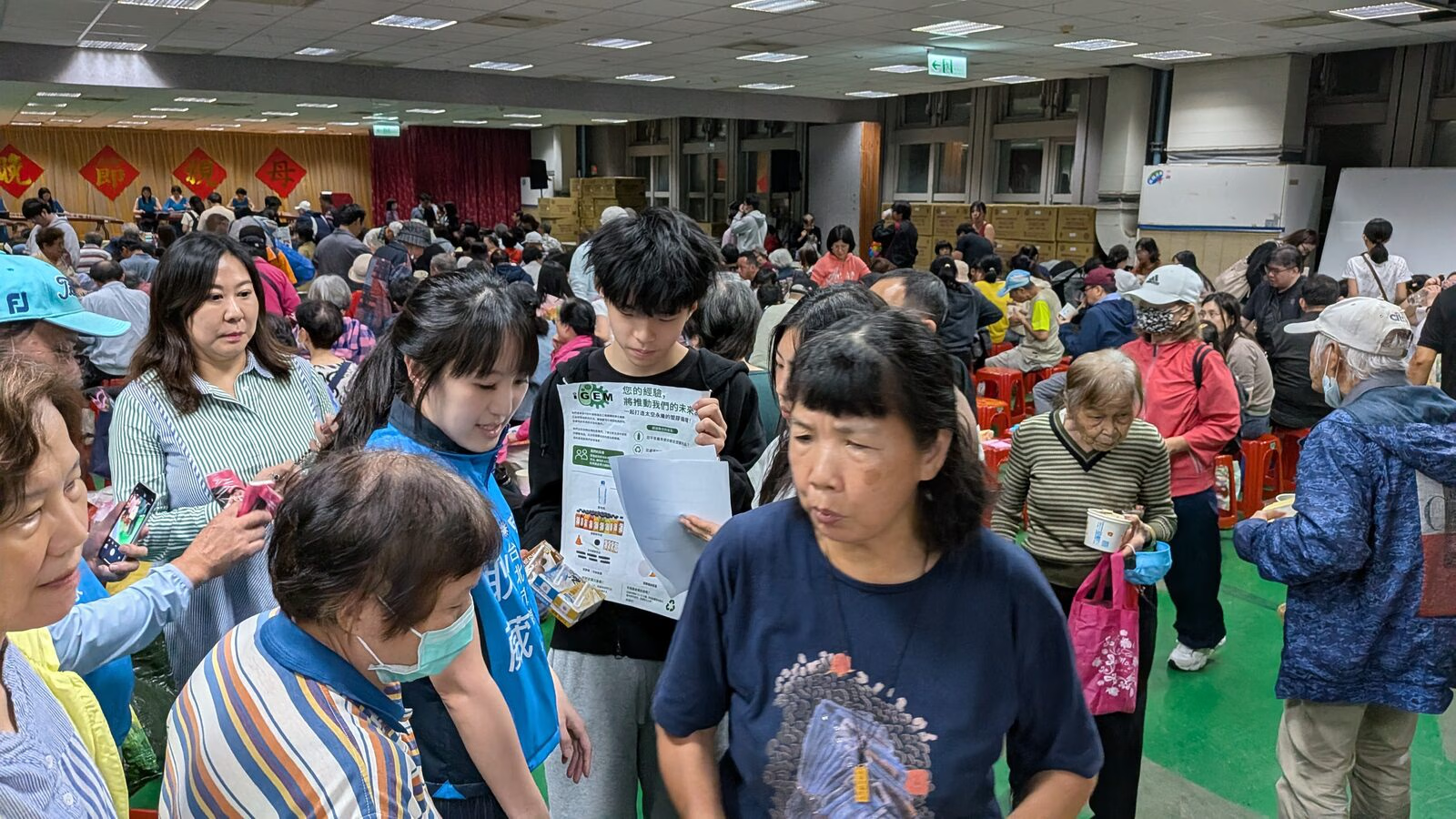
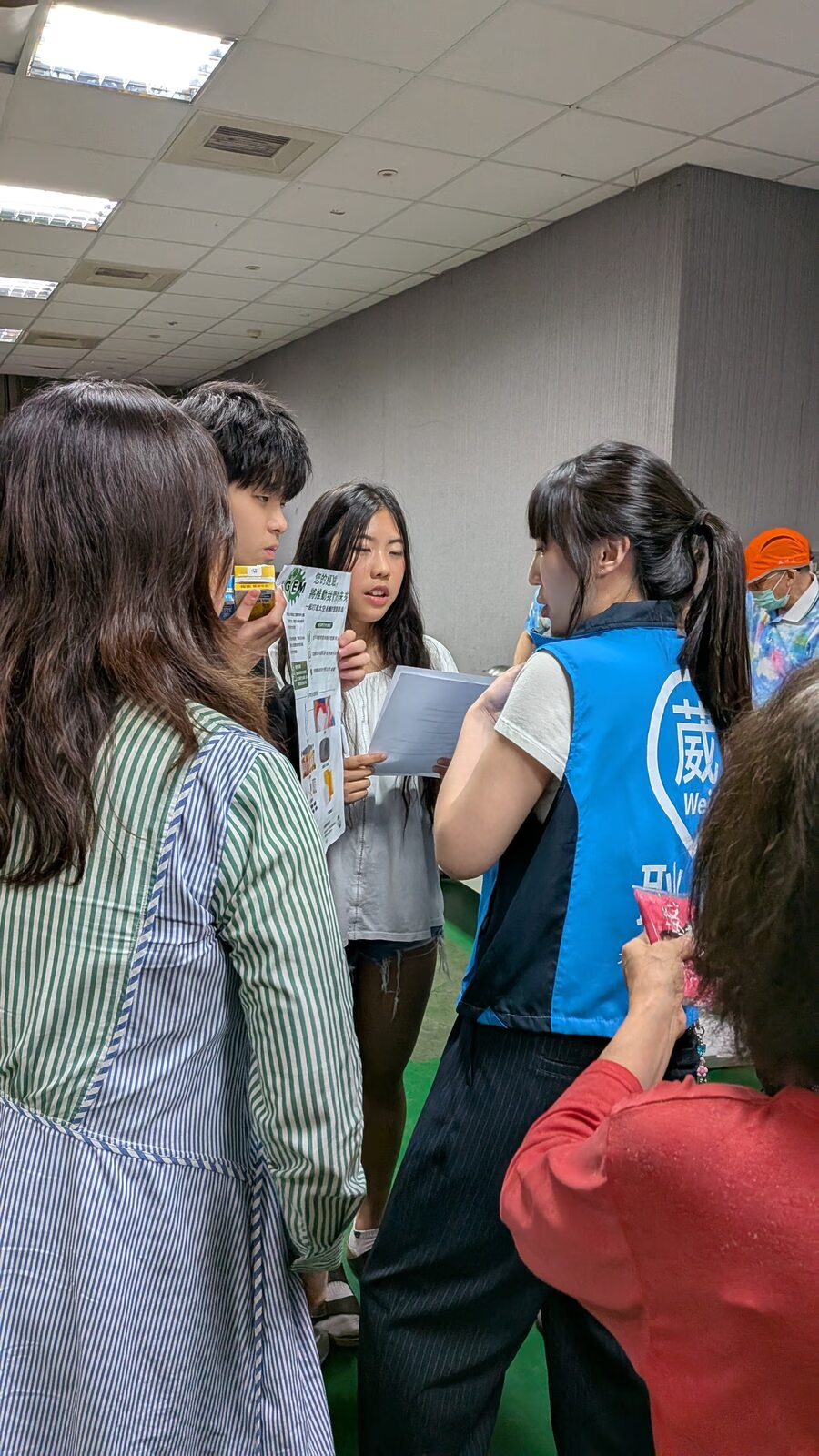
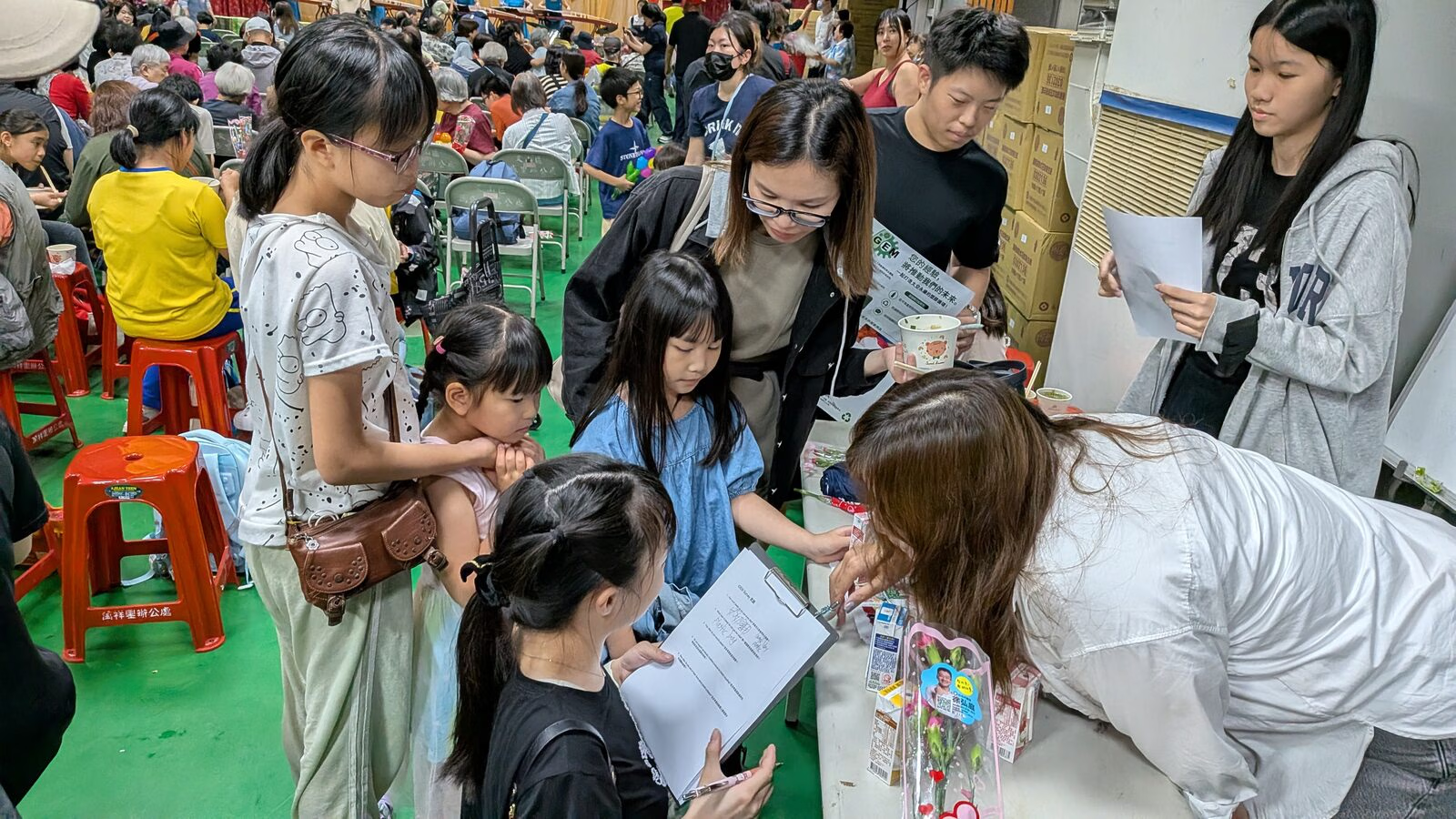
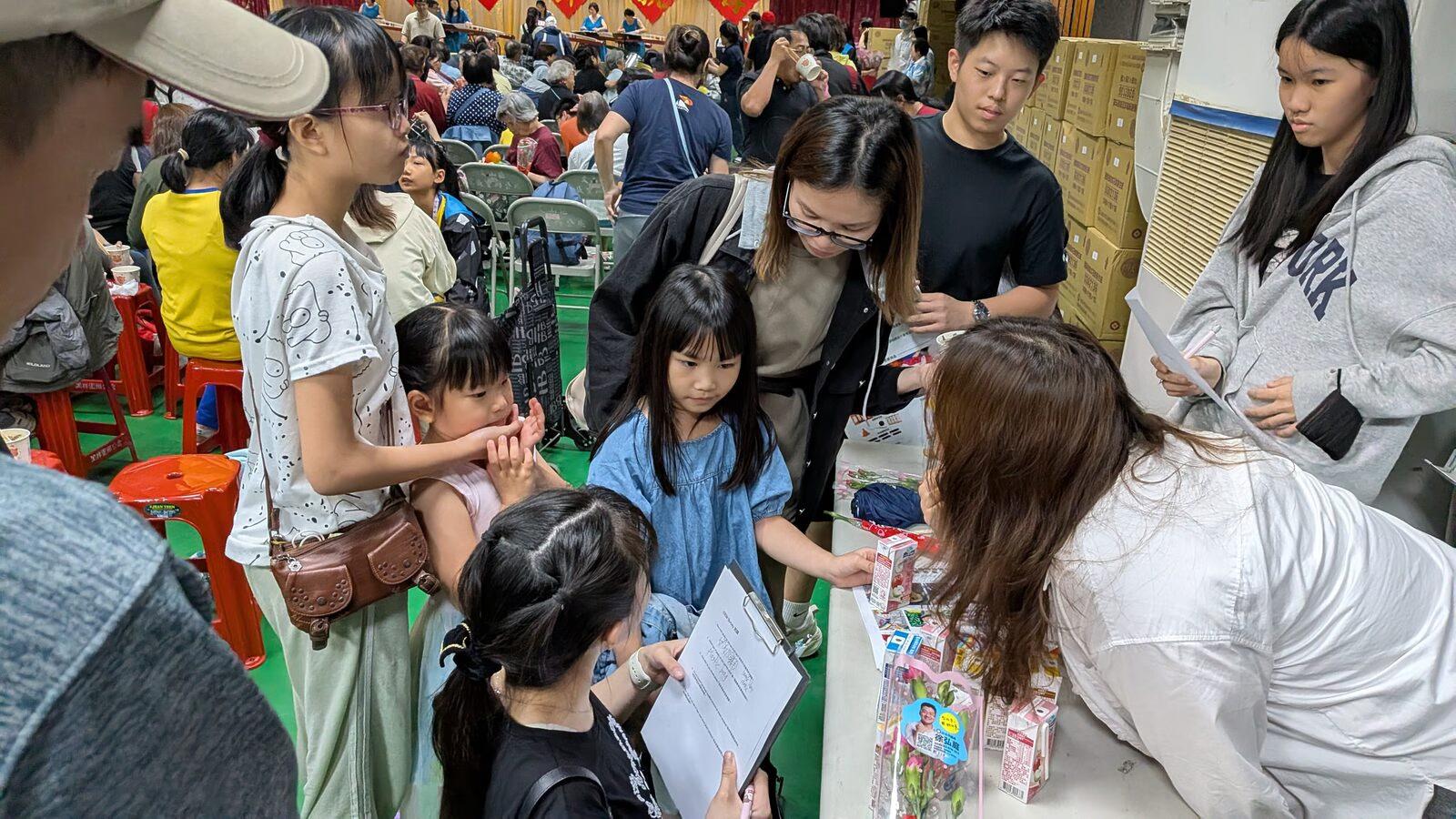
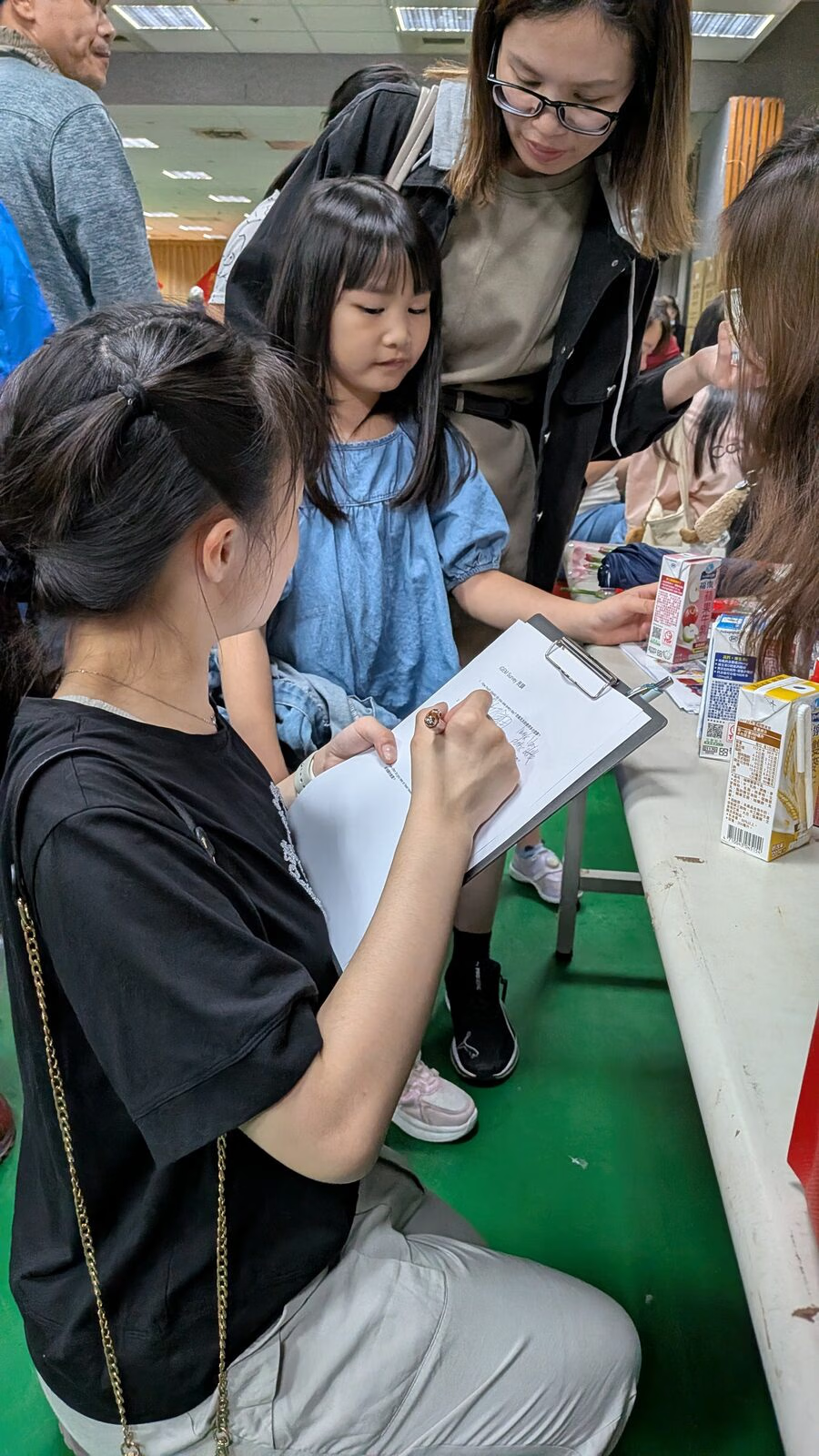
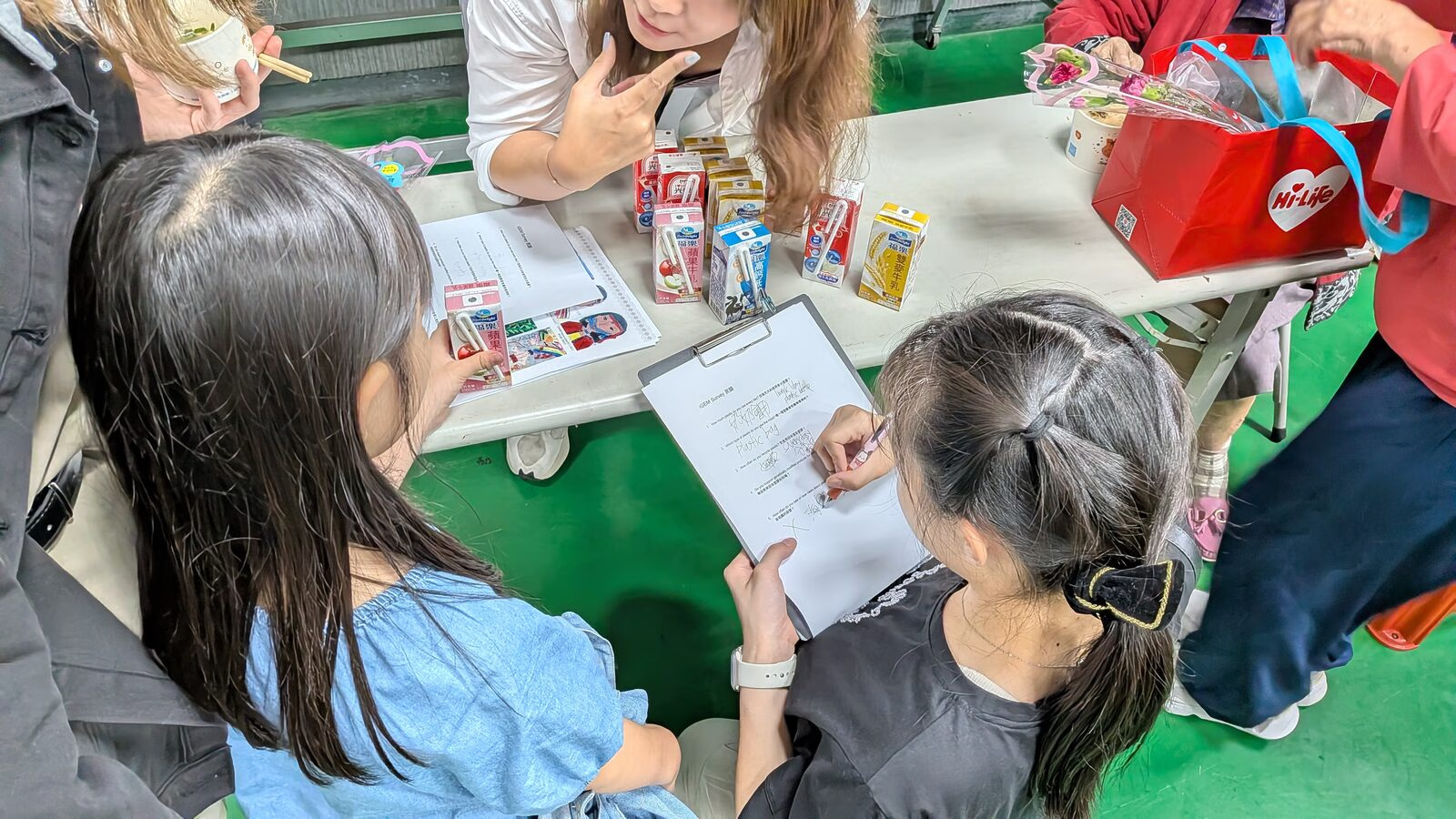
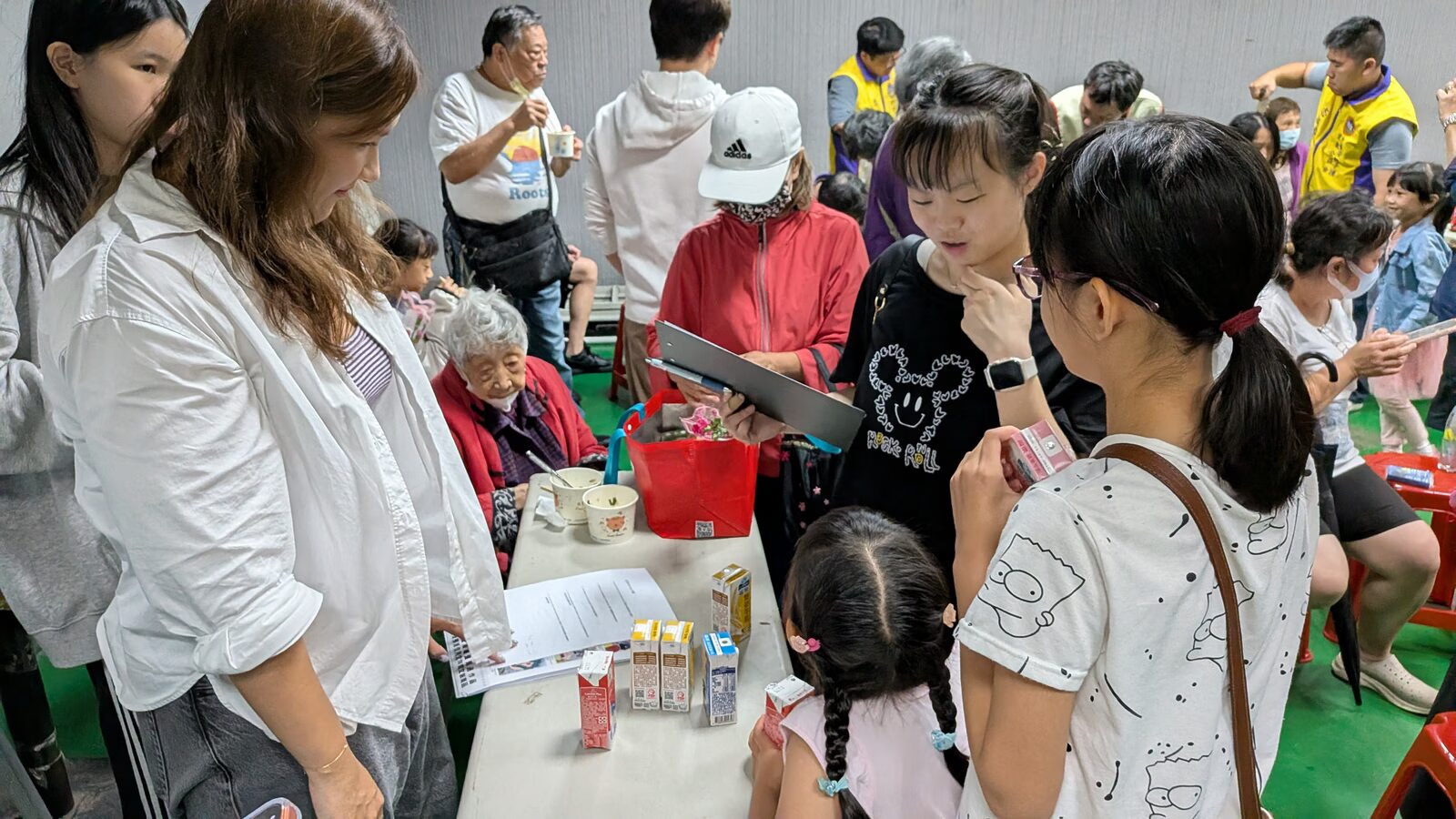
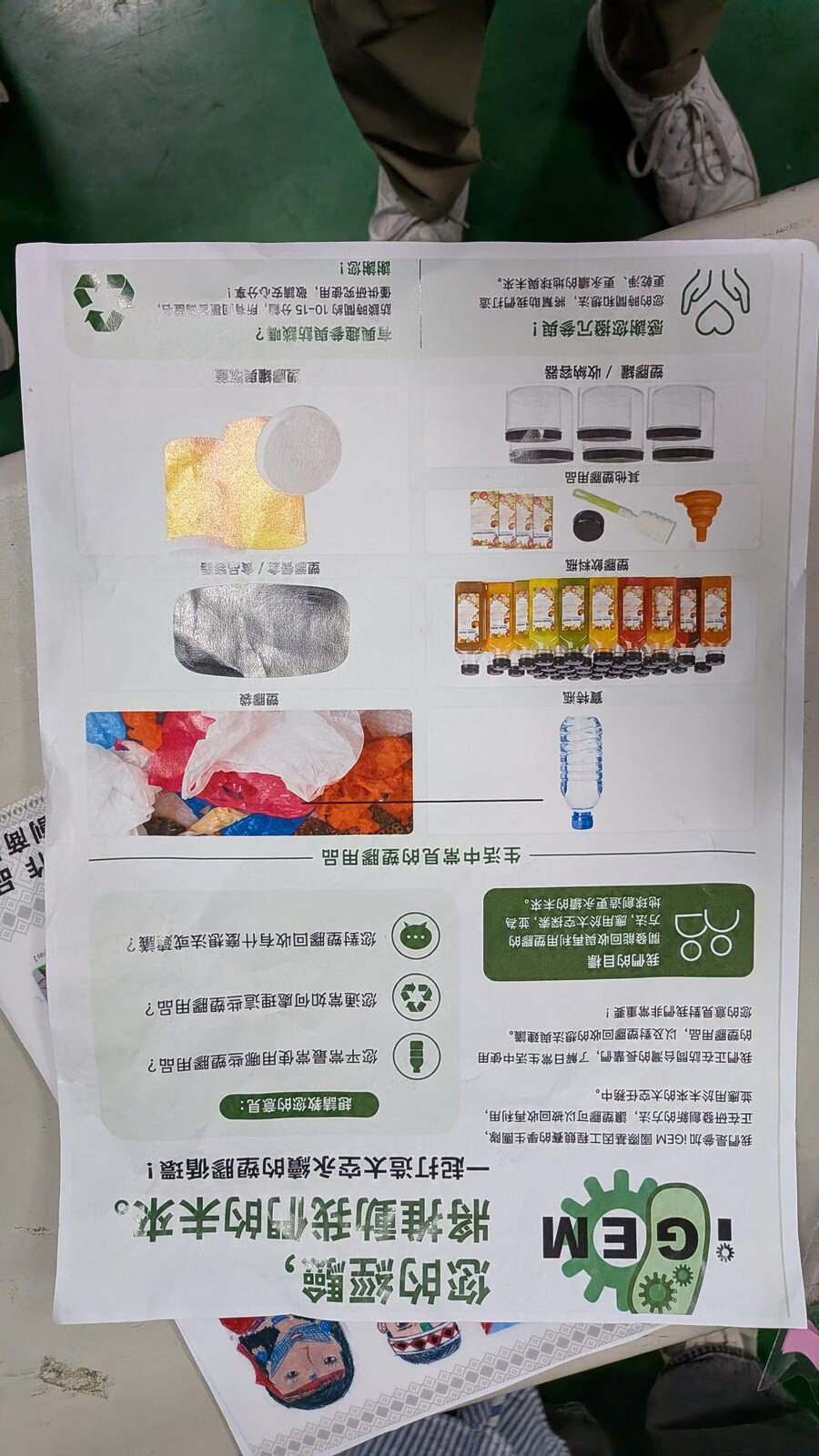
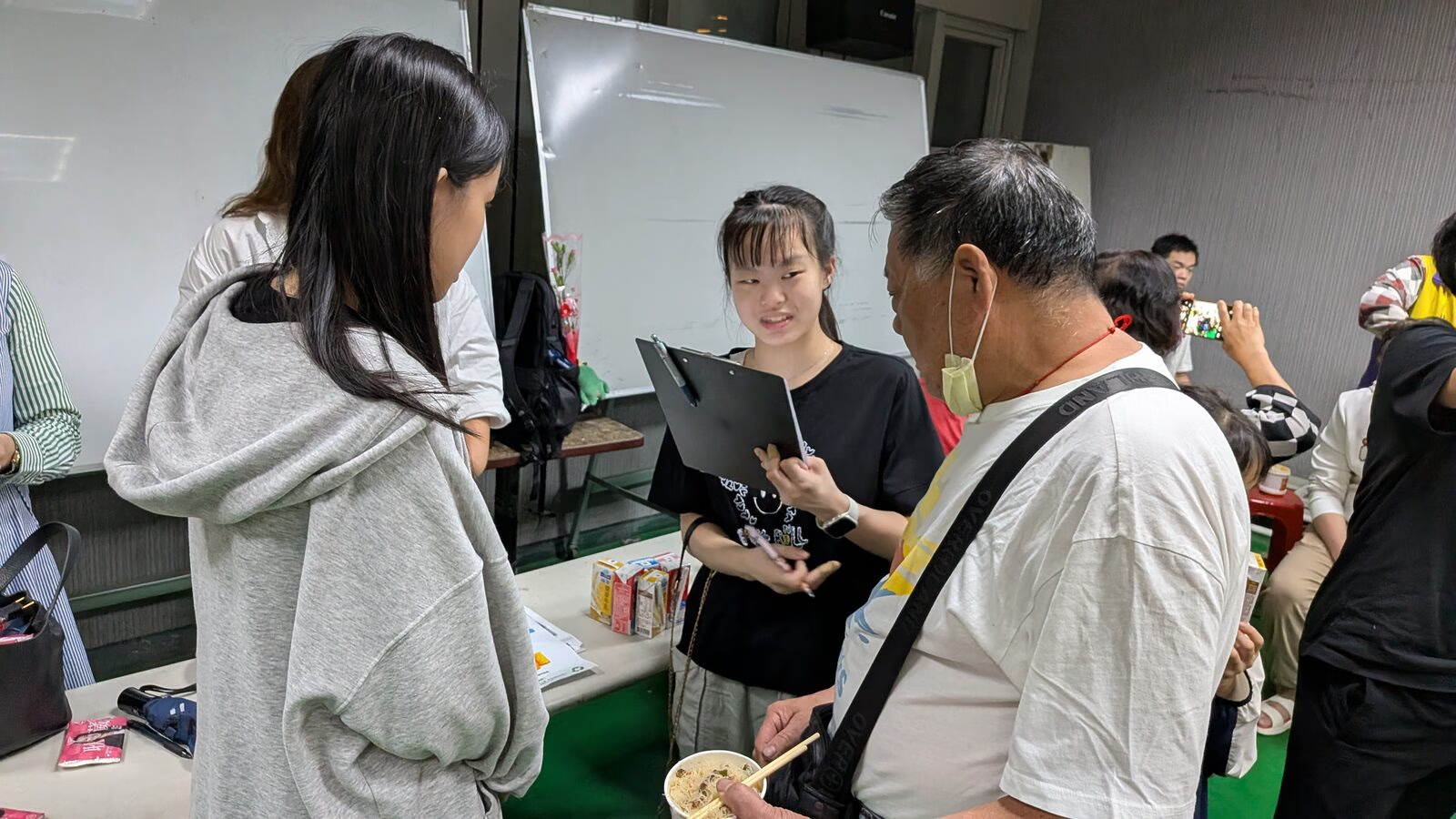
We went to an elderly gathering during Mother's Day and surveyed around 40 people there with the following questions:
- How much plastic do you use every day?
- Which type of plastics do you use the most? (Plastic bags, bottles, meal boxes, and tableware)
- How often do you recycle plastic?
- Do you support genetically modified products for plastic recycling?
- How often do you see or hear about plastic pollution in the news?
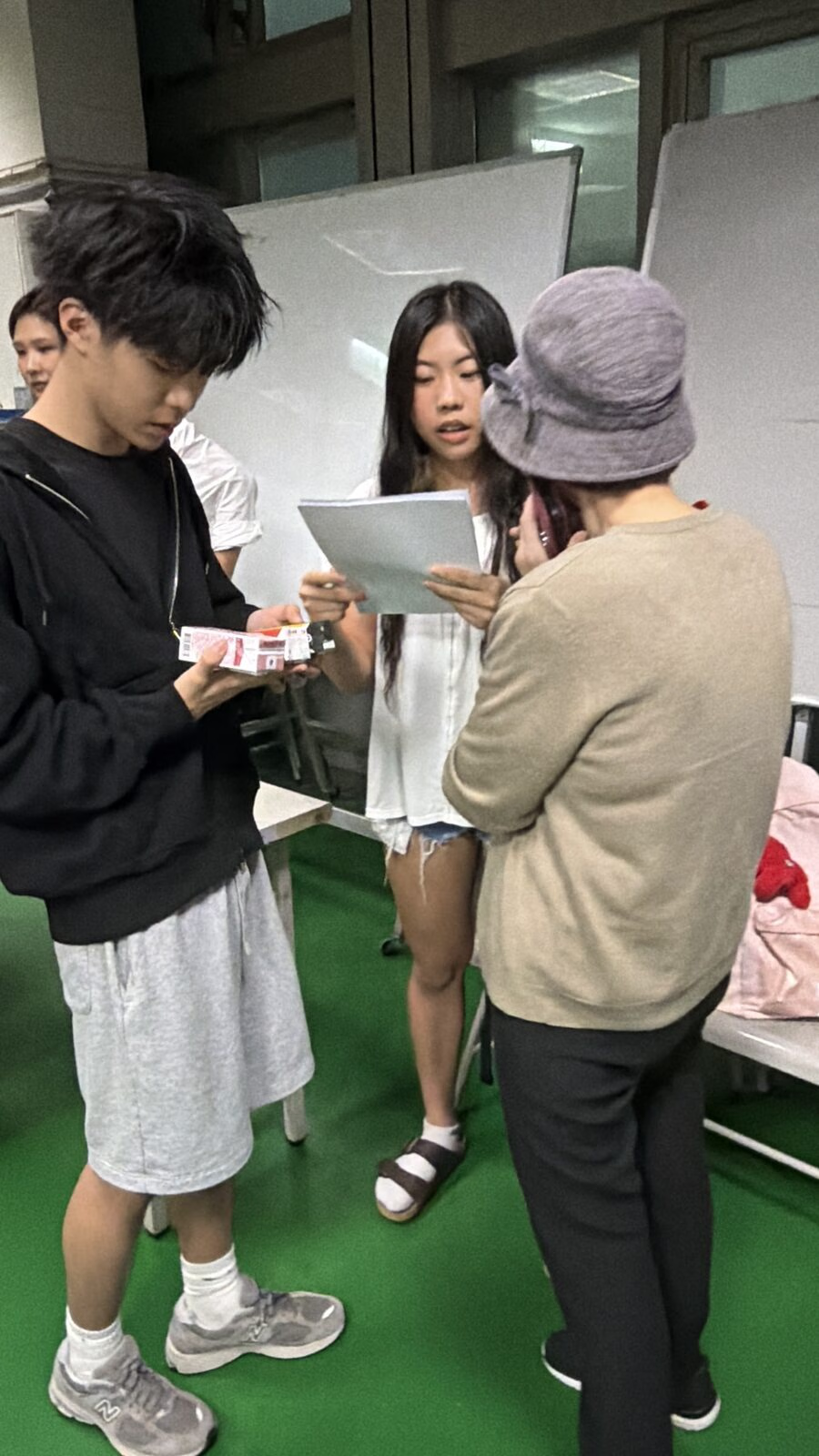
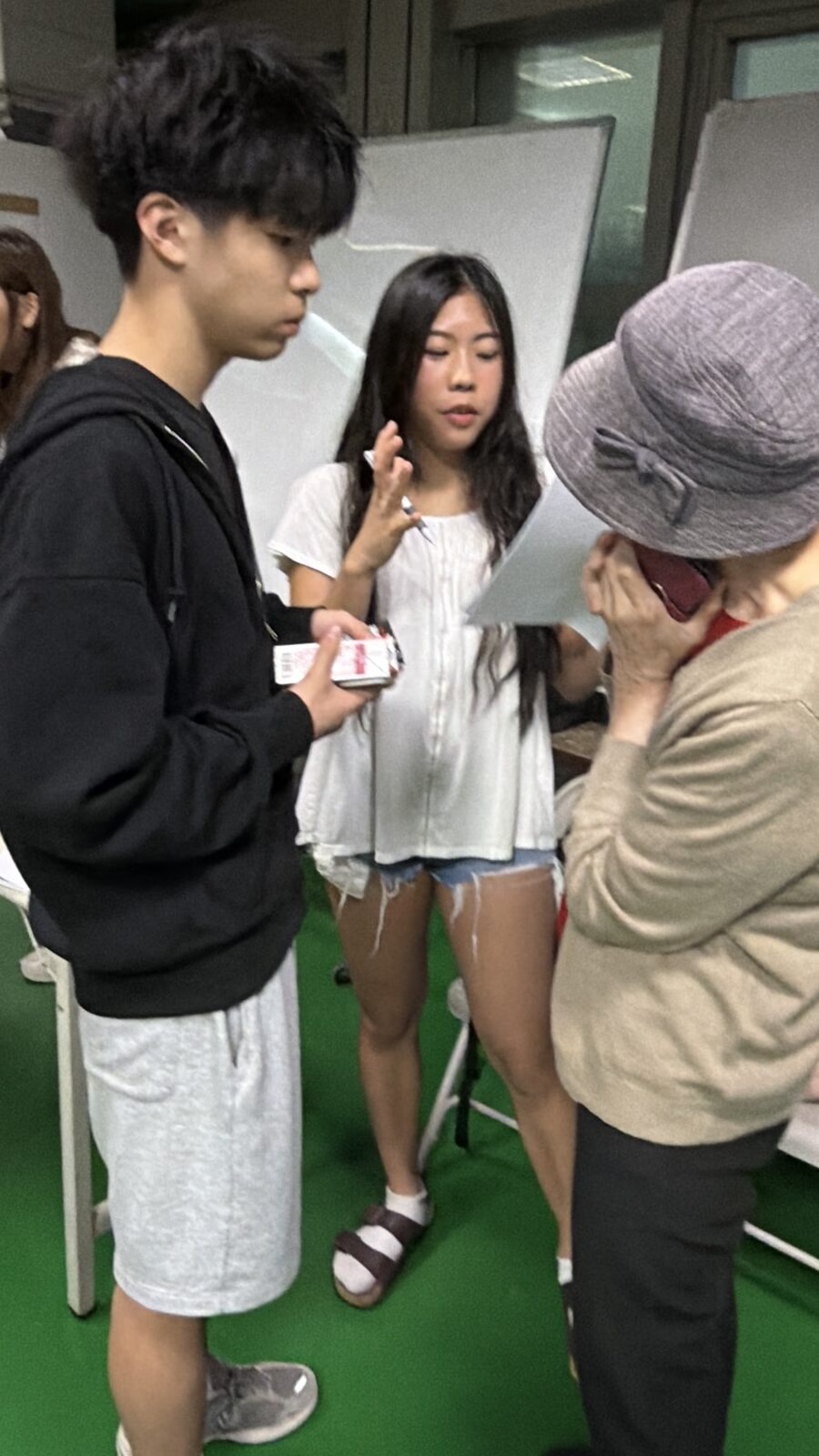
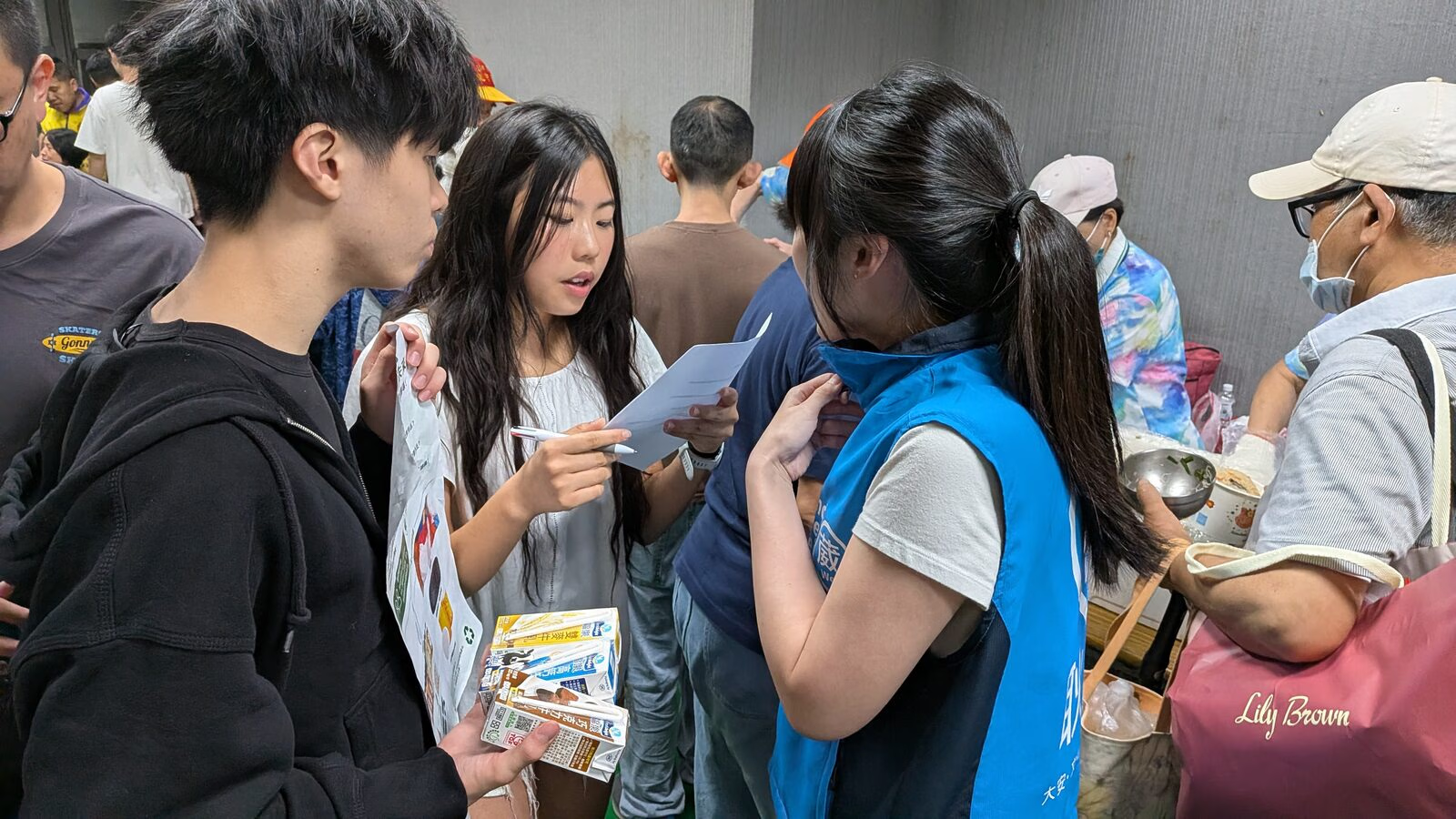
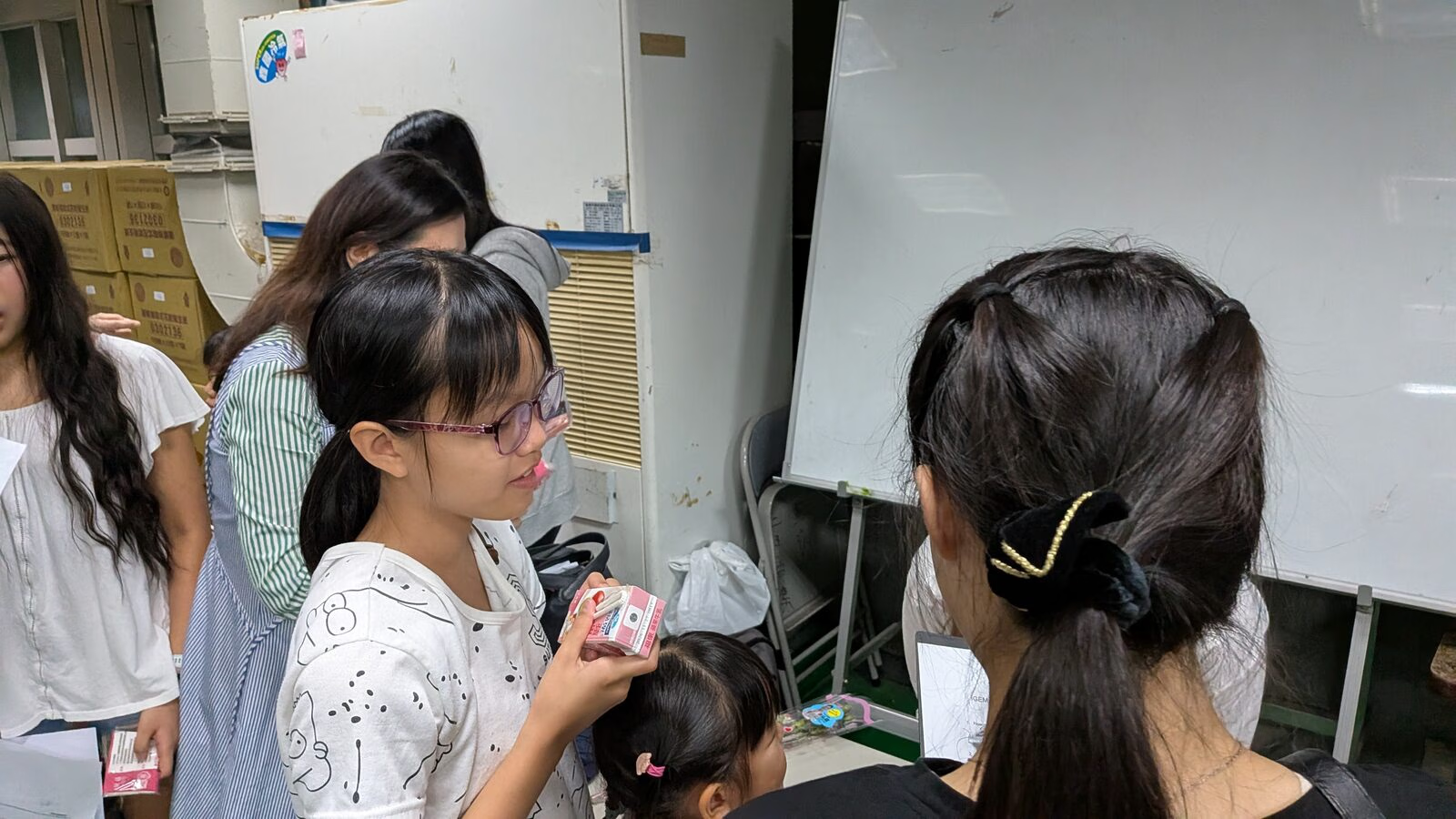
We started by taking a trip to the grocery store nearby to get some drinks and treats to attract people to our surveys or give as a reward. We picked up juices, tea, and milk; since our main target audience was middle-aged and elderly people, milk specifically worked very well. Our reason for surveying elderly people was twofold: first, we could understand how people who aren't experts in biology, space, or pollution view these issues. Second, if we are able to explain plastic pollution and our synthetic biology solution to the elderly or to people who do not already understand this topic in a simple way, it shows that we can explain and present our solution clearly to the iGEM judges.
Survey Results Summary
The quantitative data collected from the 40 participants highlighted several clear patterns regarding plastic consumption habits and public acceptance of biotechnology:
- Daily Plastic Consumption: The community shows a wide range of habits. While 18 participants report a lighter footprint (using 2 or fewer plastic items per day), a notable group of 10 individuals admitted to heavy usage (more than 5 items or "everyday/a lot").
- Primary Plastic Type: Single-use convenience items heavily dominate the responses. Plastic bags are by far the most heavily consumed item with 15 standalone mentions, followed by plastic bottles (8 mentions) and combinations of bags and bottles (5 mentions).
- Recycling Habits: Waste separation awareness is remarkably strong within this demographic. 25 respondents indicated that they recycle consistently ("yes, daily, often, everyday, a lot, every time"), showing that waste-sorting habits are deeply embedded in their daily routines.
- Support for Synthetic Biology Solutions: There is a strong wave of public trust toward scientific innovation. 29 out of 40 participants (72.5%) explicitly stated "Yes!" to supporting genetically modified products for plastic recycling, provided it does not harm life or the environment. Only 3 people outright opposed it.
- Media Exposure to Pollution: Environmental issues are highly visible to this audience. 20 participants noted they see or hear about plastic pollution in the news very frequently, specifically recalling striking imagery like ocean trash, turtles, and jellyfish.
Conclusion & Takeaways for iGEM
This survey demonstrates that while most of the general population relies heavily on daily single-use plastics (mainly bags), they are highly proactive about recycling and immensely open to synthetic biology solutions. This means our main focus for the judges shouldn't just be proving the plastic crisis exists, but showing how our specific engineered biological solution provides a safer, more efficient alternative to standard mechanical recycling.
Mother's Day Outreach – 8 May 2026
On 8 May 2026, our team hosted a Mother's Day Outreach event, surveying roughly 40 attendees at a local gathering for elderly and middle-aged community members. We chose this audience deliberately: if we could explain plastic pollution and our synthetic biology solution clearly to people without a background in biology, space science, or environmental policy, we could be confident in explaining it clearly to iGEM judges as well. Before setting up, our team stopped at a nearby grocery store to buy juice, tea, and milk to offer as small tokens of appreciation for participating; milk in particular proved popular with this demographic. Each participant answered five short questions covering their daily plastic use, the types of plastic they relied on most, their recycling habits, their openness to genetically modified recycling solutions, and how often they encountered plastic pollution in the news.
What We Learned
Daily plastic use varied considerably across the group. Roughly half of respondents described a comparatively light footprint of two or fewer plastic items per day, while a smaller cluster of ten participants reported heavier use, consuming more than five items or describing their use simply as “everyday” or “a lot.” When we asked which type of plastic dominated their daily routine, single-use convenience items stood out clearly: plastic bags were named far more than any other category, with plastic bottles the next most common answer and a number of respondents citing a combination of the two.
Recycling habits, by contrast, were strikingly consistent. The large majority of participants, 25 out of 40, described recycling as a routine, everyday habit, suggesting that waste-sorting practices are already deeply embedded in this community. Attitudes toward biotechnology were similarly encouraging: 29 of the 40 participants, or 72.5 percent, said they would support genetically modified organisms for plastic recycling provided the technology did not harm human health or the environment, while only three respondents were opposed outright. Media exposure to plastic pollution was also high: half of respondents said they frequently saw or heard news coverage of the issue, most often recalling striking imagery of ocean debris, sea turtles, and jellyfish entangled in plastic waste.
Taken together, these results suggest that this community already understands the plastic pollution problem and is unusually receptive to biological solutions. That shifts where we, as a team, need to focus our energy: rather than spending our limited time with judges convincing them that a plastics crisis exists, we can move directly to explaining why an engineered biological alternative is a safer and more efficient answer than conventional mechanical recycling.
The complete tallied responses for all five questions, including every distinct answer category, are archived on our Raw Data page.
Photos from the event are below.