Collaboration

Beyond interviews, dogmaOS grew through meetings with other iGEM teams, industry exhibitions and academic conferences. Below are six collaborations—each one bringing questions, feedback or new joint work that shaped the project.

Six perspectives. One shared ship.Six image tiles fade in around the frame and glide into place, assembling the faceted blue dogmaOS ship.

01 / Bio-China 2026

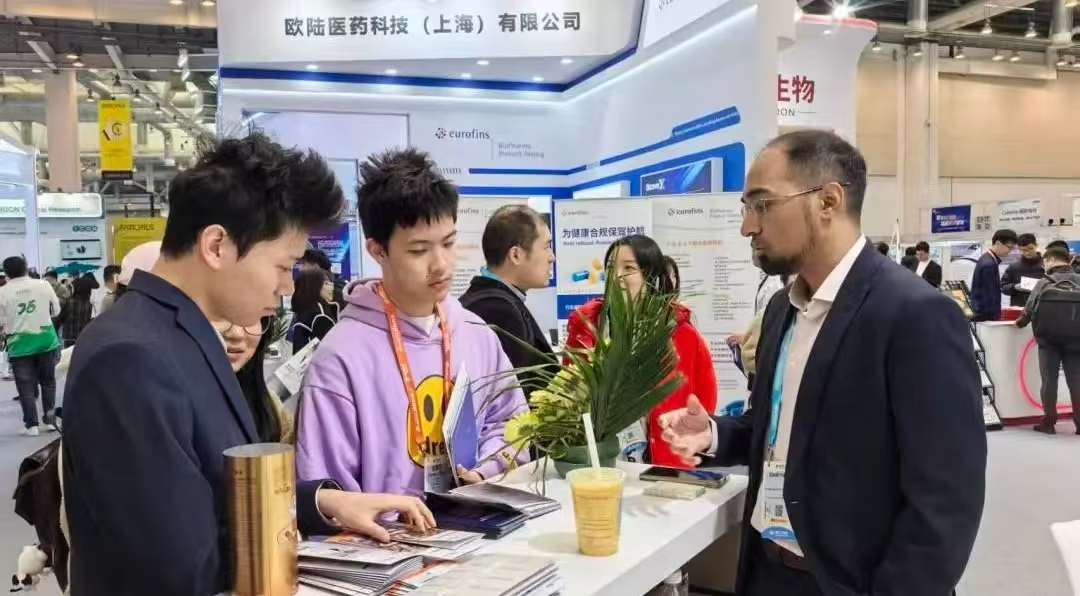
From March 12 to 14, 2026, the 11th BIO CHINA 2026 Bio-Industry Exhibition was held as scheduled at the Suzhou International Expo Center. This grand biomedical industry event brought together more than 30,000 participants, over 40 overseas countries and regions, more than 900 speakers and over 400 exhibitors, and the XJTLU-China iGEM team was fortunate to be among them.

We exchanged views with leaders of world-leading bio-enterprises and discussed the experimental feasibility and potential application scenarios of the dogmaOS project. The person in charge of a foreign exhibitor, NOVARITS, told us at parting: “We hope to see you again next year.”

XJTLU-China team members at the BIO CHINA 2026 exhibition.
Team members exchanging ideas with exhibitors at BIO CHINA 2026.

02 / SUDA-ICPI-China Meeting

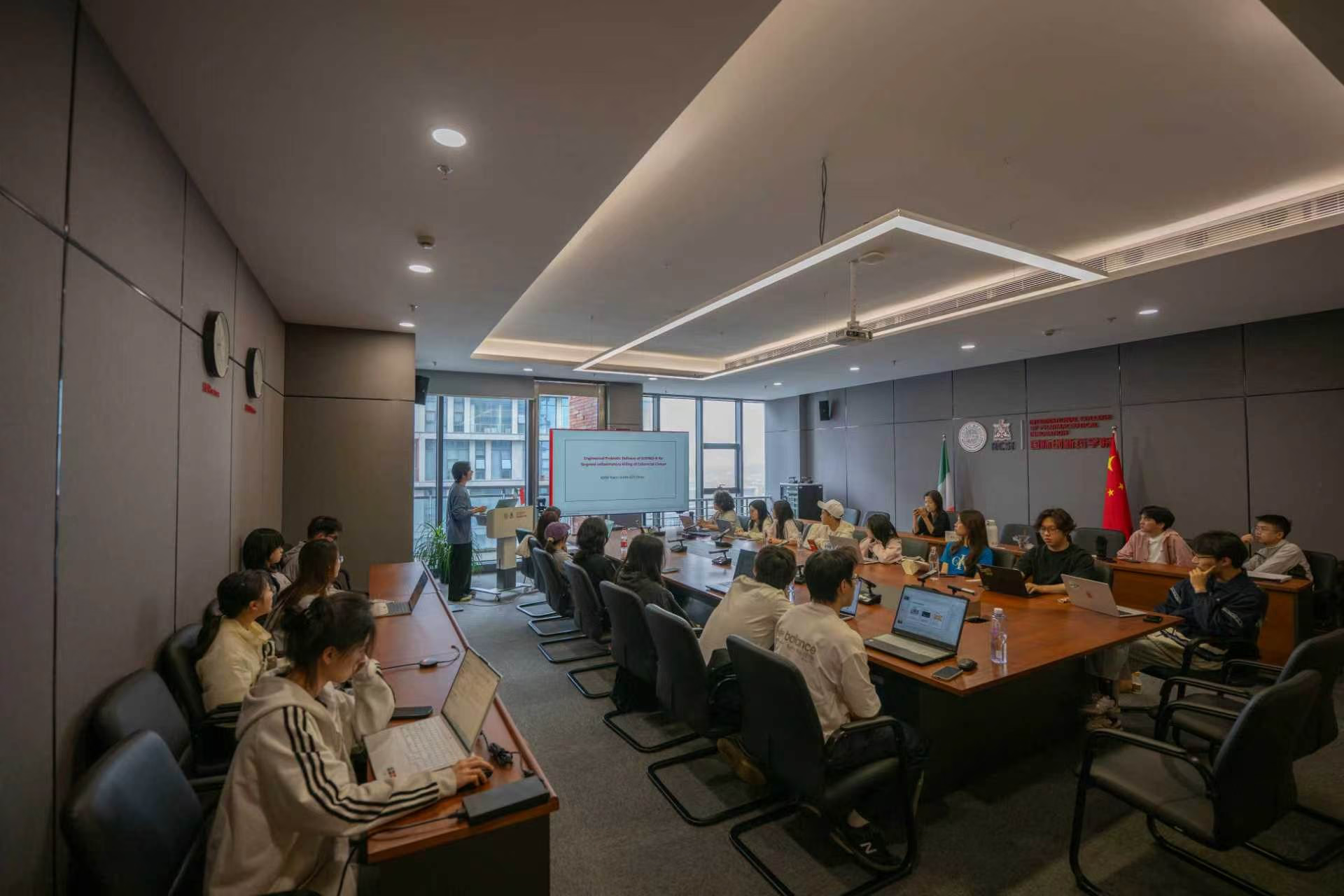
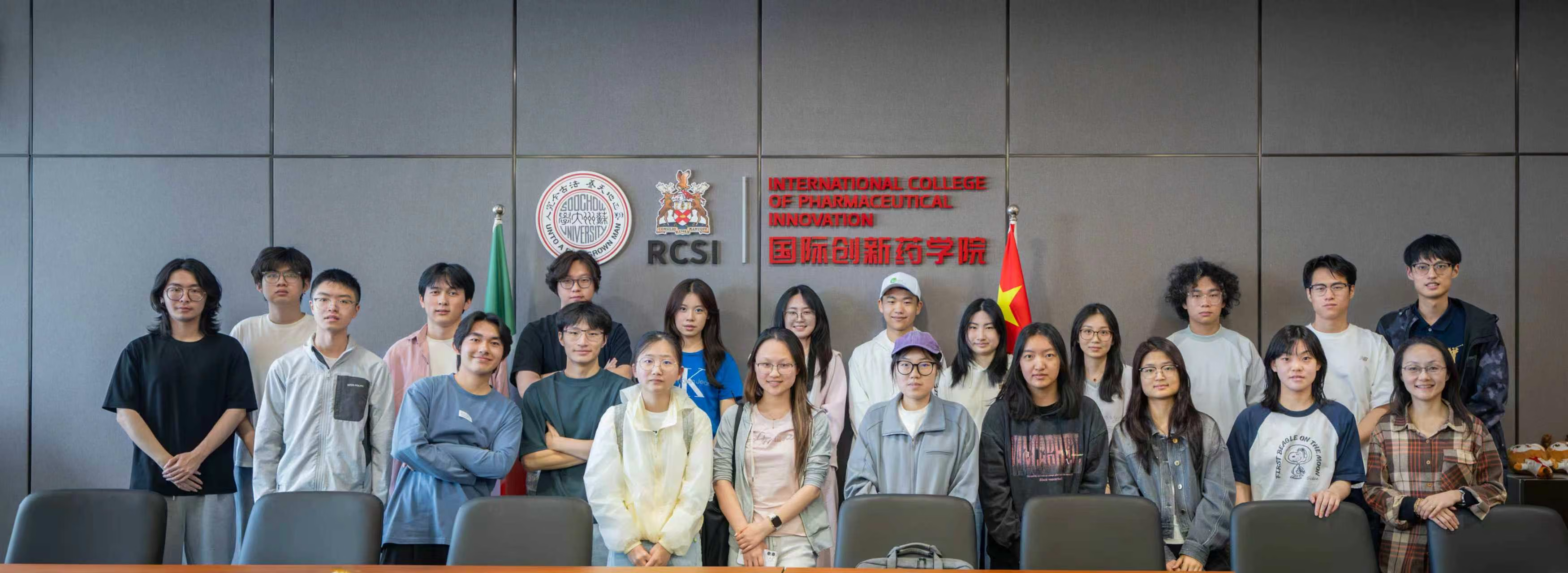
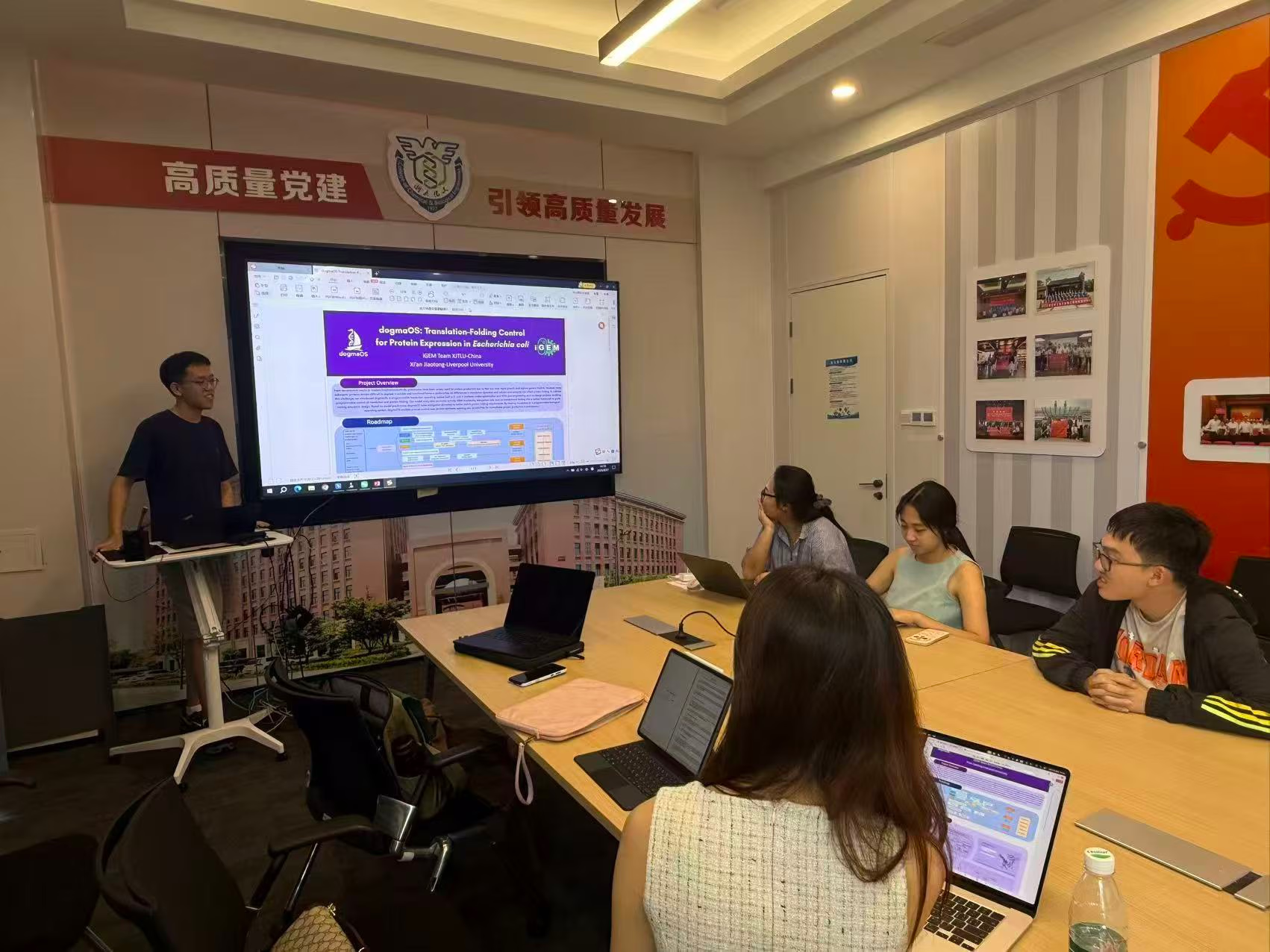
On May 8, we met again with the iGEM team of the International College of Pharmacy at Soochow University. Previously, we had visited the School of Pharmacy for iGEM promotion. Both teams shared their experimental designs, modeling work and Human Practices progress, which led to a question of shared concern: how can HP become deeply integrated into the project itself?

We discussed the origins and development of HP in iGEM, and referred to the official website’s explanation of HP and its maturity model. In this exchange, we discussed how to listen to different groups and bring valuable feedback back into experimental design, modeling or other project decisions.

Joint meeting between XJTLU-China and the SUDA-ICPI-China iGEM team.
Discussion between the two teams on integrating Human Practices into project design.

03 / ICBBT 2026

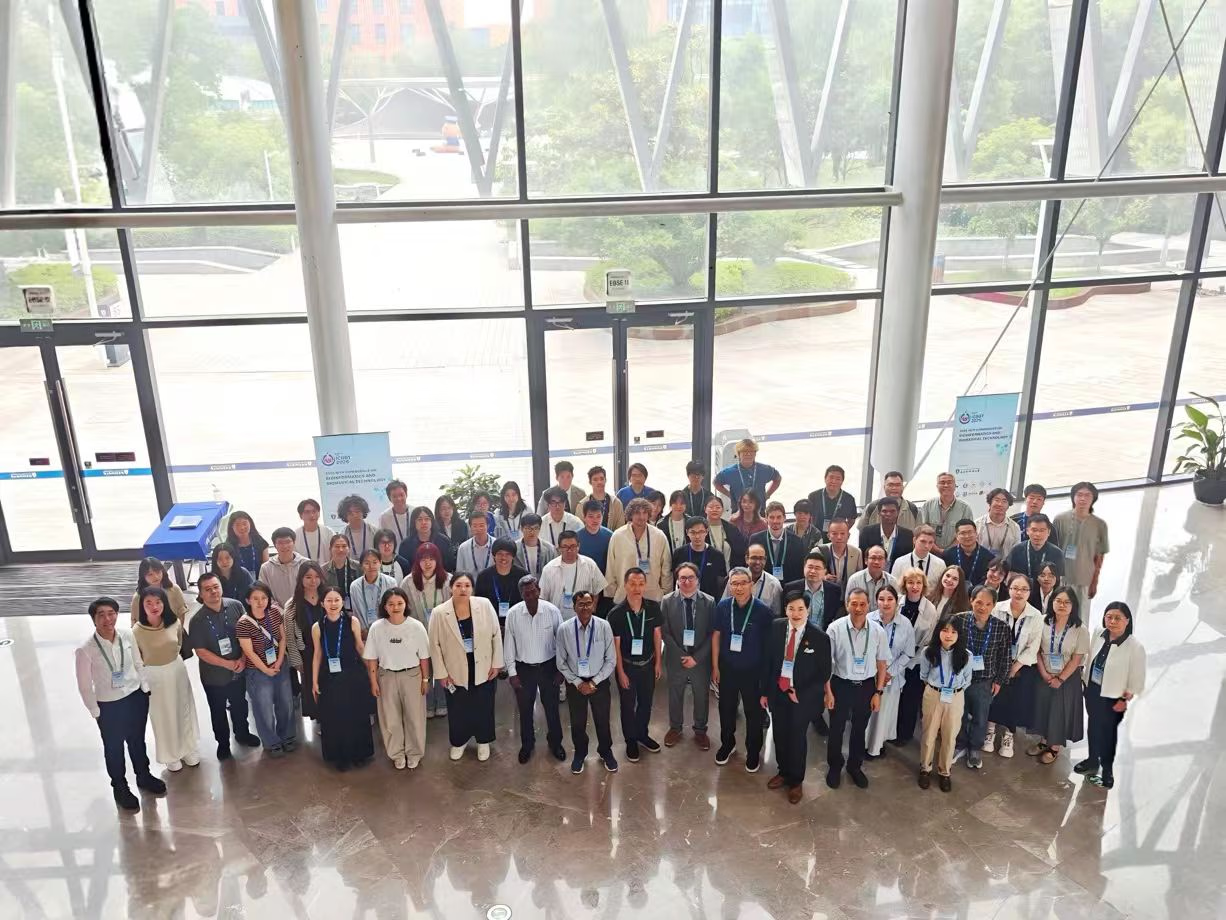
From May 22 to 25, the 18th International Conference on Bioinformatics and Biomedical Technology (ICBBT 2026), hosted by the School of Science at Xi’an Jiaotong-Liverpool University, was successfully held in Suzhou, China. This year’s conference received support from Zhejiang University, Shandong University, Northwestern Polytechnical University, the University of Salamanca in Spain, the Universidade Nova de Lisboa in Portugal and many other universities at home and abroad, attracting nearly 300 experts and scholars from more than 30 countries and regions to conduct in-depth dialogue around frontier topics in bioinformatics and biomedical technology.

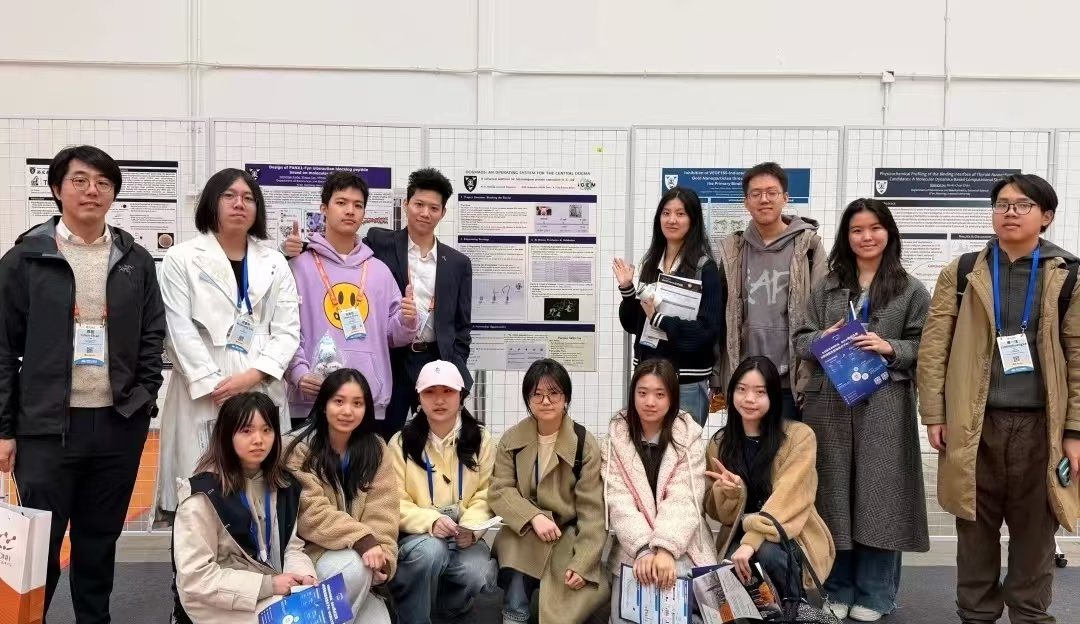
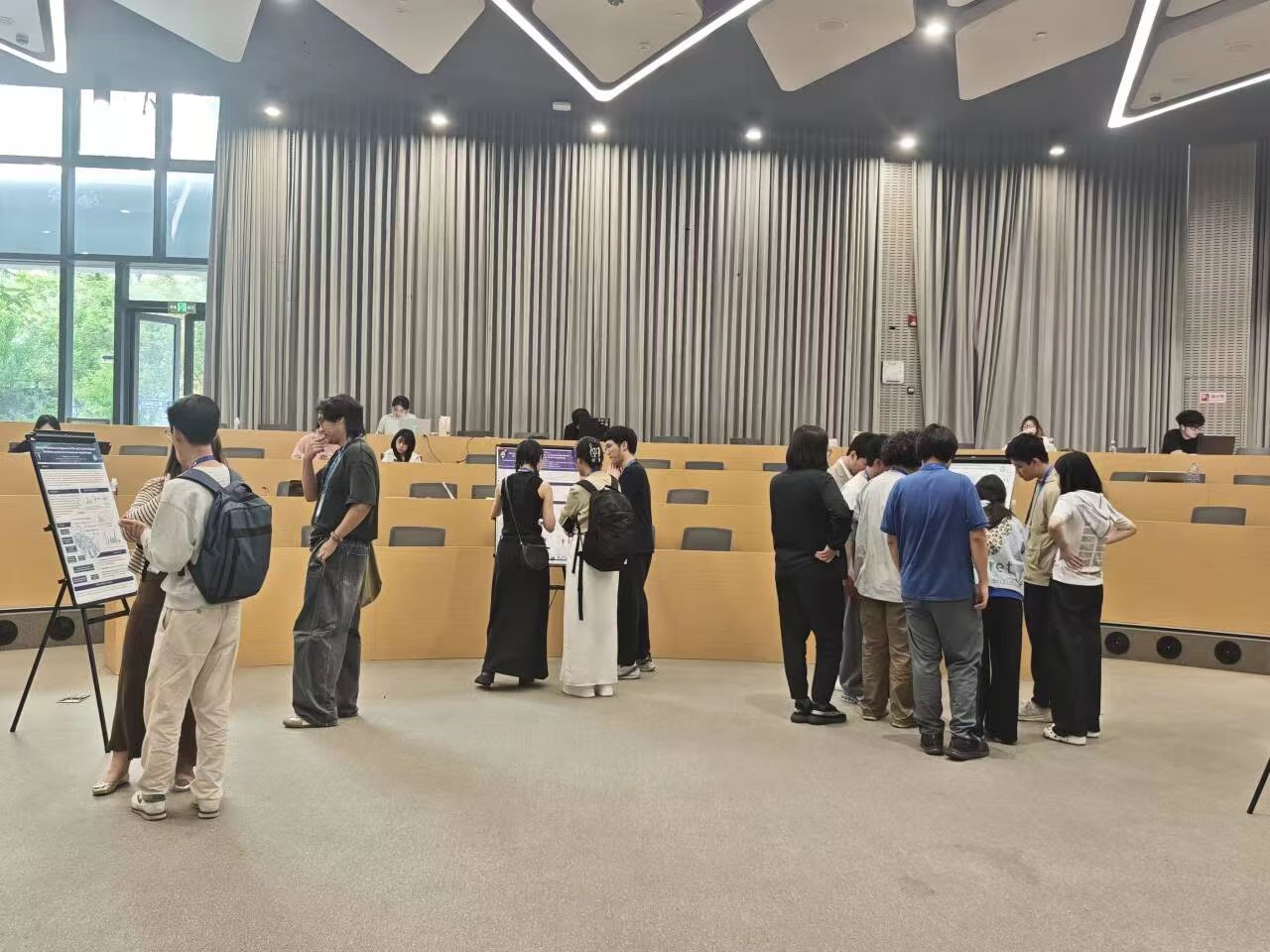
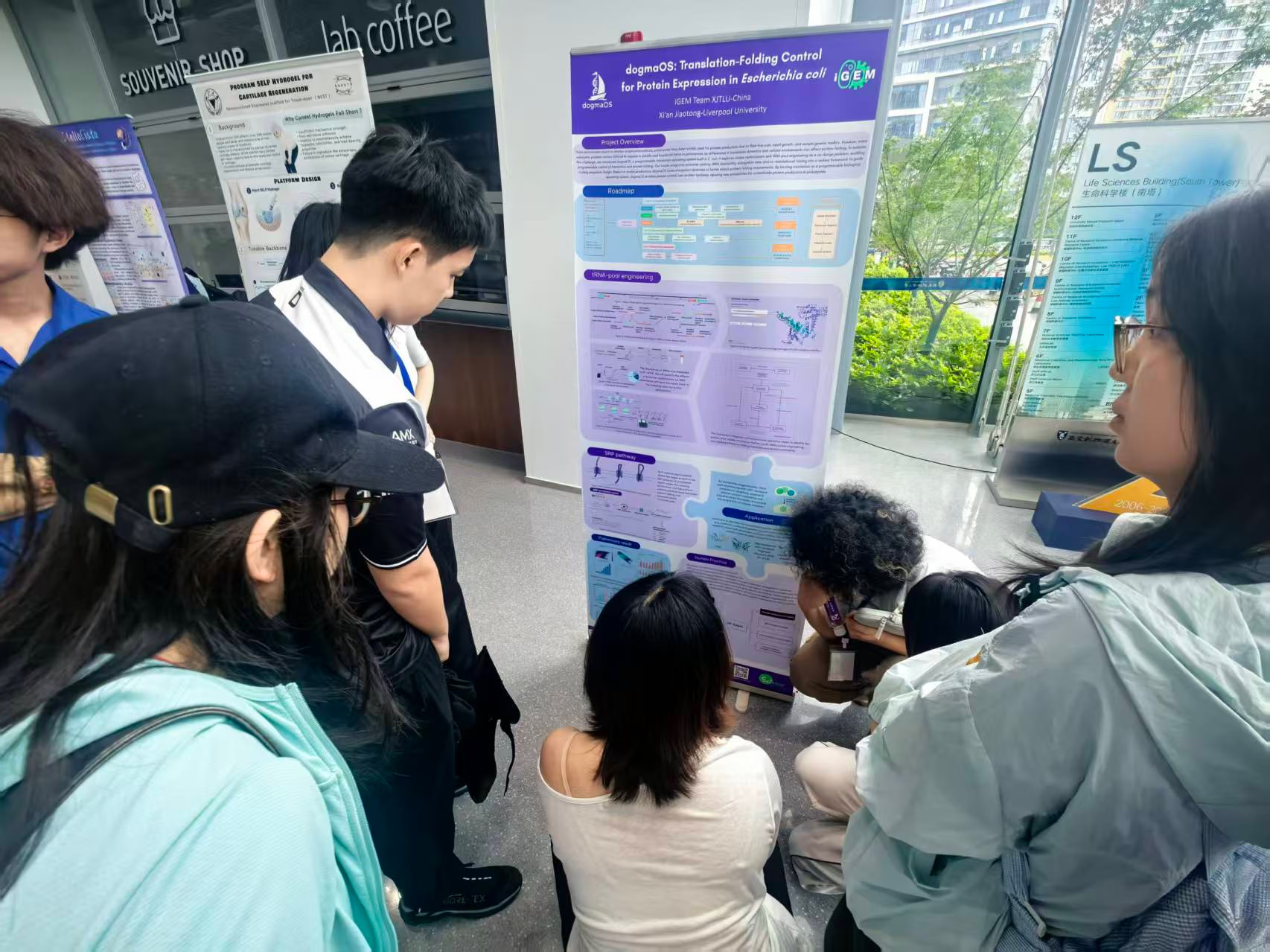
Our team presented an academic poster at the “Bioinfo for Future” poster day, and professors, graduate students and other undergraduates gave feedback on our project. We were honored that “dogmaOS: Translation-Folding Control for Protein in E. coli” received the Best Poster Award; that poster presented the introduction to dogmaOS and its experimental design.

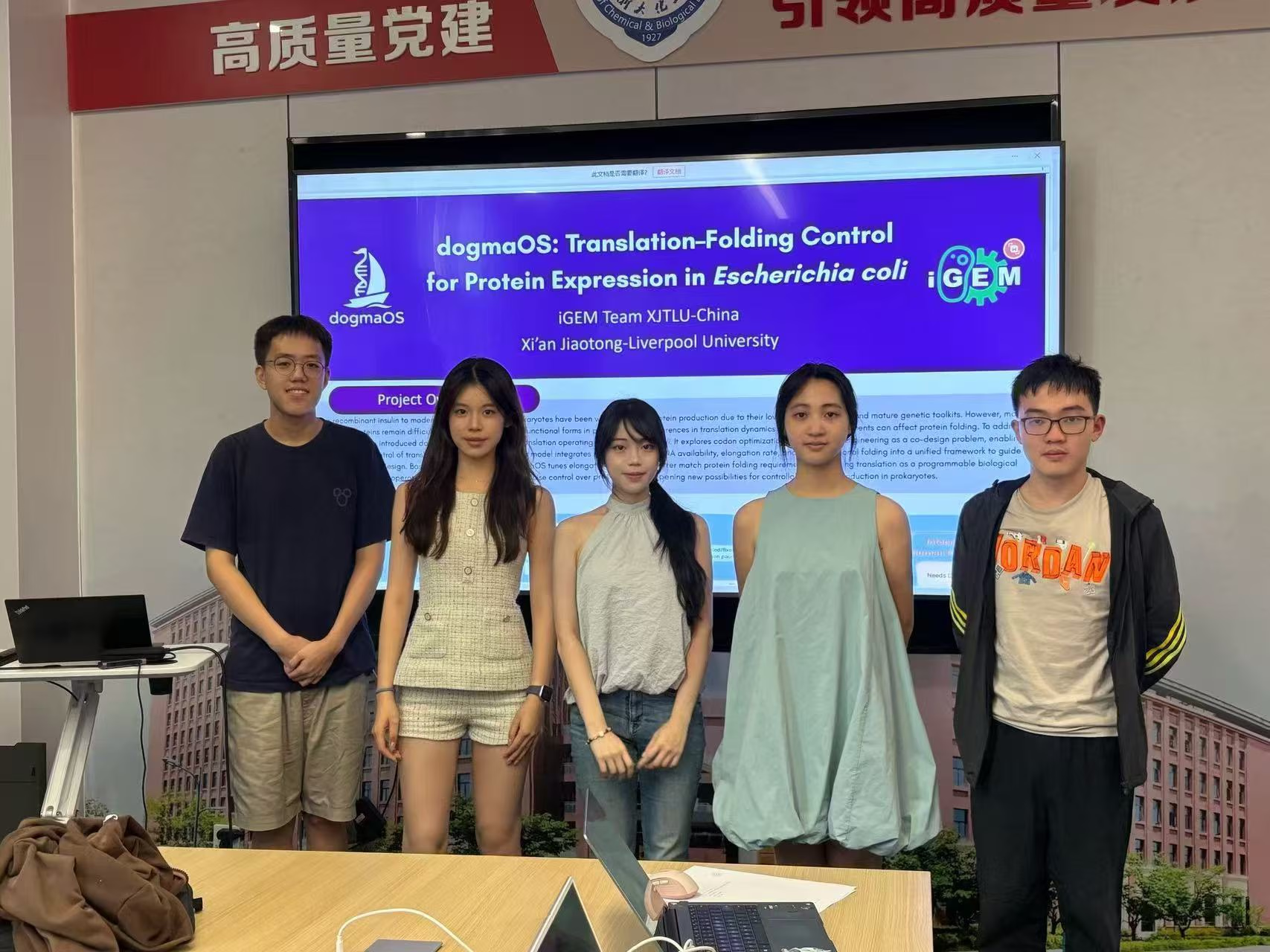
Team members at the ICBBT 2026 conference poster session.
The dogmaOS poster presented at the Bioinfo for Future poster day of ICBBT 2026.

04 / 2026 iGEM East China Regional Meeting

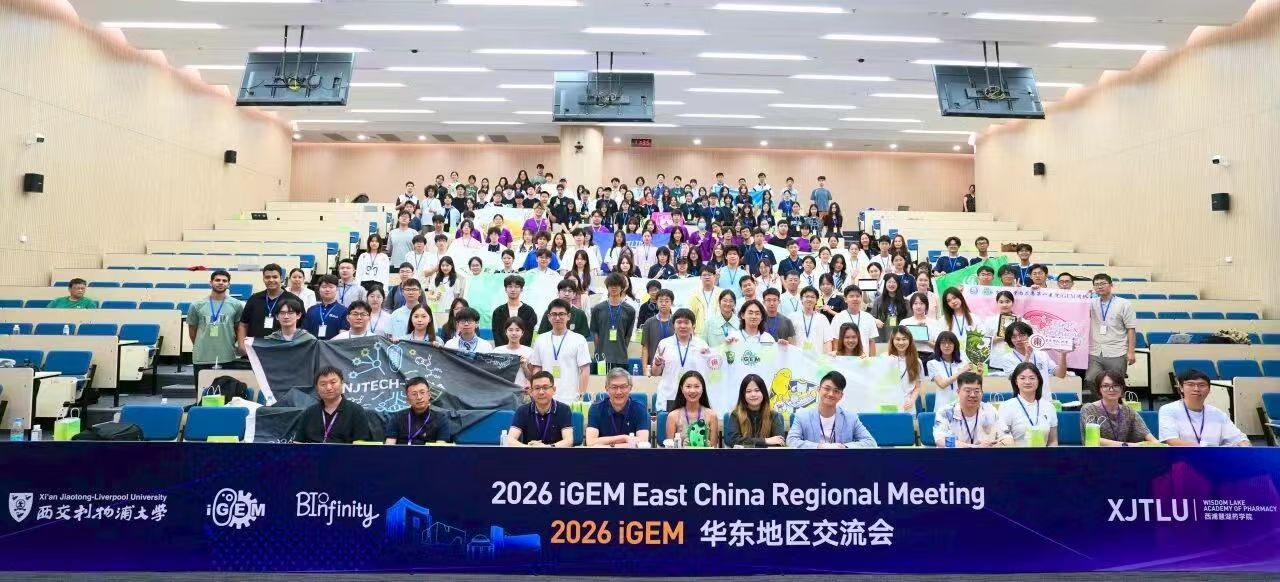
On July 5, 2026, we attended the East China Regional iGEM meeting, which brought together iGEM teams from 27 universities and middle schools across East China and more than 200 young scholars. We later shared our project progress in the poster area and exchanged ideas with iGEM teams from other universities. We discussed experimental design, Human Practices and Education with other teams.

Beyond the experimental projects, we also noticed that although different teams’ research topics and audiences vary, they often face similar Education challenges—for example, how to keep designing high-quality activities within limited time, and how to maintain cooperation after a one-off offline exchange. These discussions made us start rethinking whether Education could be further developed into resources that can be shared, reused and jointly improved.

This exchange not only helped us step outside our own project perspective, but also drove the later establishment of our SynEdu Globe website, and opened new connections for subsequent Education collaboration.

XJTLU-China at the 2026 iGEM East China Regional Meeting.
Team members exchanging ideas with other iGEM teams at the regional meeting.

05 / Westlake Team Meeting

We exchanged ideas with the iGEM team of Westlake University. Both sides shared project progress and discussed public acceptance of bio-manufacturing, the cost of prokaryotic expression and stakeholder feedback.

The Westlake team suggested that we consider project costs from multiple angles—research and development, production, regulation and social acceptance. They also emphasized that stakeholder feedback should genuinely drive the project forward, rather than merely confirming existing ideas. This prompted us to rethink how we practice HP and Education.

In addition, the two sides established Education collaborations, including joint work on a synthetic-biology outreach website and a podcast. We thank the Westlake team for their sharing and suggestions, and through this exchange further recognized the connections among technology, public perception and social needs.

Meeting between XJTLU-China and the Westlake University iGEM team.
Discussion between the two teams on costs, stakeholder feedback and education collaboration.

06 / HiZJU-China Team Meeting

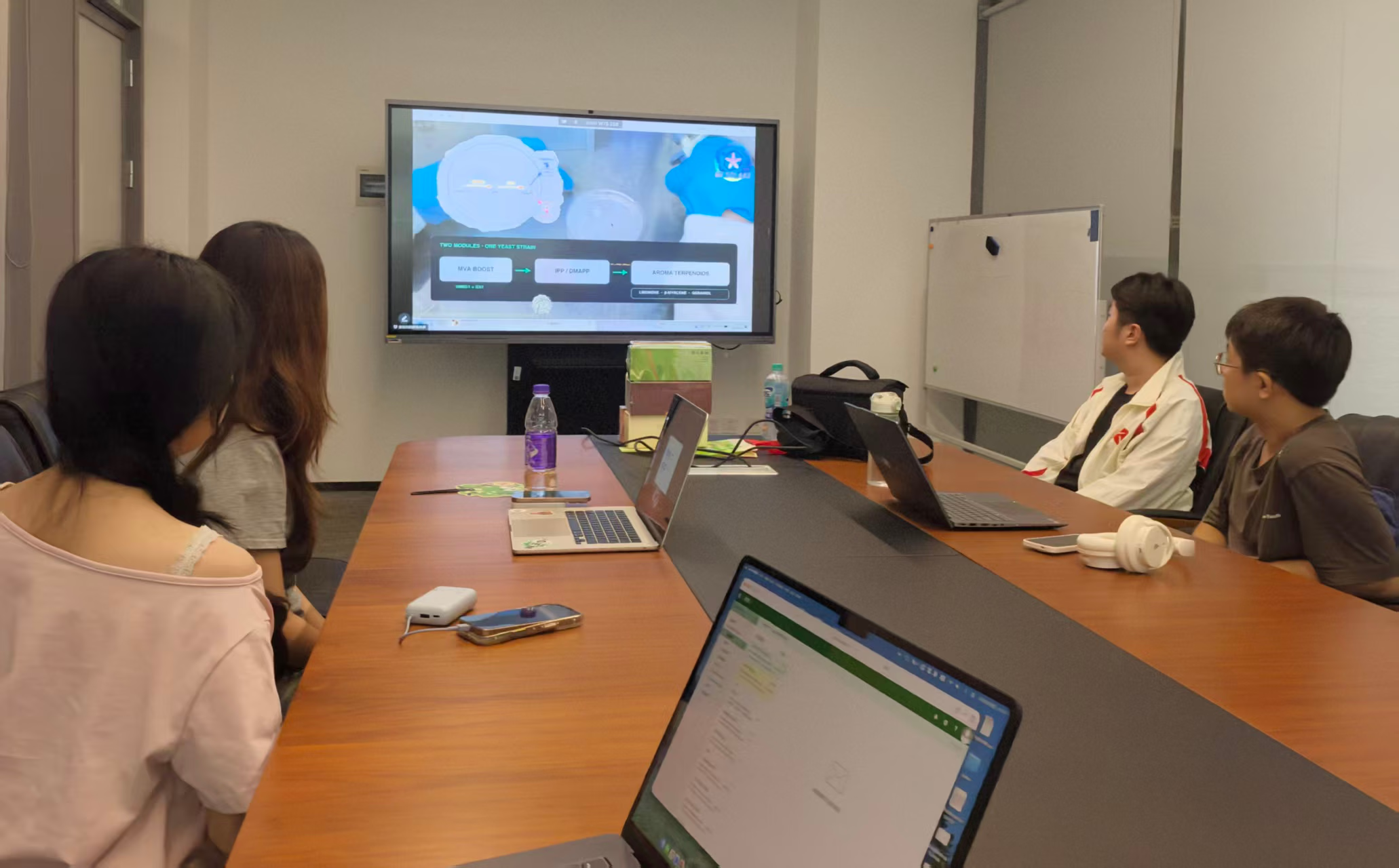
On August 31, we visited Zhejiang University and held an offline exchange with the HiZJU-China team. Both sides introduced their iGEM projects and discussed Human Practices, Education and sustainability narratives.

HiZJU-China’s project focuses on green fuel production, while our dogmaOS focuses on soluble and functional protein expression. Although the application scenarios differ, our projects face similar challenges: beneficiaries and real application contexts are not always directly visible, so HP should not stop at project introductions or expert interviews, but should explain how external exchanges truly change the project. During the exchange, we jointly sorted out a more valuable record path: initial assumptions or design → external questions and suggestions → team judgement → project adjustment → follow-up verification or boundary statements. This discussion drove us to distinguish more clearly which claims already have supporting evidence and which remain future plans; at the same time, we avoided equating upstream expression optimization directly with lower production costs, improved accessibility or reduced environmental impact. We also discussed claims related to sustainable development.

In addition, the two sides have begun jointly producing a synthetic-biology podcast, trying to explain sustainable bio-manufacturing and responsible innovation to the public in more accessible ways. We also exchanged possibilities for jointly developing science comics, educational activities and learning resources in the future.


XJTLU-China visiting the HiZJU-China team at Zhejiang University.
Offline exchange between the two teams on Human Practices and sustainability.