To care about something is better than to merely understand it, and to delight in it is better than to merely care about it.
知之者不如好之者,好之者不如乐之者
— ConfuciusAncient Chinese philosopher and educator
01 / Introduction
In an era when AI makes knowledge more accessible than ever, learning is no longer just about getting answers. It is also about thinking independently and engaging in self-exploration. Science education provides opportunities to nurture these abilities, as scientific inquiry is driven by curiosity about what we have yet to understand. Synthetic biology combines scientific inquiry with engineering design, creating new possibilities for addressing real-world challenges through the design and modification of biological systems, while encouraging reflection on the social impacts and responsibilities of scientific innovation.
We see synthetic biology as a mirror through which learners can discover their own strengths. Drawing on the theory of multiple intelligences, we design diverse educational experiences that help learners recognise their abilities to ask questions, identify patterns, imagine possibilities, and consider social impacts. Through synthetic biology education, we aim to kindle curiosity and help everyone recognise their potential to think, question, and shape the future.
02 / Our Education Framework
Inspired by our reflections on education in the AI era, we are proud to introduce an educational framework developed through diverse educational explorations. For the audience part, we moved beyond the conventional age-based teaching model, introduced the concept of lifelong learning, and divided learners into four levels according to their depth of understanding of synthetic biology. Besides, to enhance learners’ engagement, we designed a Reach–Construct–Dialogue–Extension structure. In addition, guided by the concept of Gardner’s Theory of Multiple Intelligences, we adapted and designed different learning approaches to each educational project.
0+people0Activities0Education Toolkits
With our efforts we managed to reach over 2,000 people across all workshops, exhibitions, and Learning Mall Premium online platform with 21 activities and developed 18 educational toolkits. To sum up, we hope this framework can make synthetic biology education more participatory and lifelong—empowering people to keep learning, questioning, and creating in the age of AI.
Using Synthetic Biology to Kindle Curiosity in the AI Era
WhoLifelonglearningpathway
HowReachConstructDialogueExtension
EngageMultipleintelligences
2.1 / Lifelong Learning Pathway
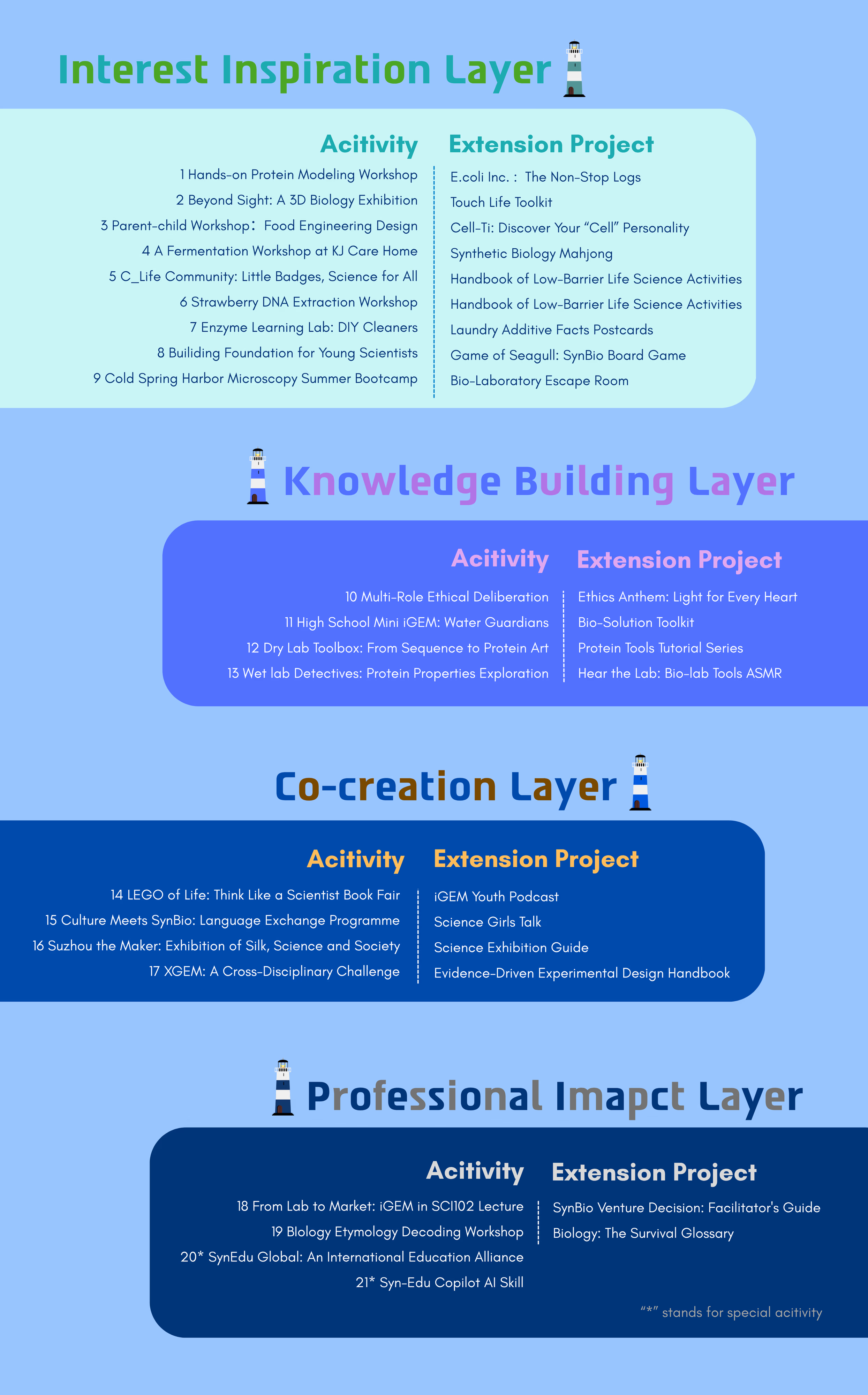
We view learning as a lifelong, evolving process rather than one confined to a particular age or educational stage. Beyond acquiring scientific knowledge, we believe education should create opportunities for people to participate in, contribute to, and help shape synthetic biology. With this vision in mind, we developed the Lifelong Learning Pathway, a framework comprising four interconnected layers that reflect different levels of understanding and engagement. Rather than following a fixed sequence, learners can enter at different points and move flexibly between layers as their interests, knowledge, and experiences evolve.
Interest inspiration
Knowledge building
Interdisciplinary co-creation
Professional impact
2.2 / Activity Structure
In addition to audience framework, we aimed to encourage meaningful participation throughout each educational activity. To achieve this, we developed a four-stage structure. Each stage serves a distinct purpose, guiding learners from initial curiosity to active exploration, two-way communication, and continued learning beyond the activity itself. Together, these stages help us shape more engaging and interactive educational experiences.
Reach Stage
At the Reach Stage, we begin with curiosity. By presenting engaging topics through relatable storytelling, we aim to spark learners’ interest in synthetic biology or biology related field. This stage aims to spark curiosity and encourage deeper scientific exploration.
Construct Stage
Building on curiosity, we introduce the Project-Based Learning concepts to guide them to apply knowledge in real-world contexts. Through this process, they move from passive recipients of knowledge to active problem-solvers who apply, challenge, and reconstruct knowledge to form their own understanding.
Dialogue Stage
In the Dialogue Layer, we create genuine two-way communication with learners, exploring not only scientific knowledge but also the broader social and ethical implications of synthetic biology. Learners are encouraged to question their assumptions and develop deeper understanding.
Extension Stage
This stage aims to extend the impact of educational activities beyond a single event through resources such as games, handbooks, and educational toolkits. Developed alongside each activity, these resources are designed to deepen learning, broaden educational reach, and provide reusable materials for future iGEM teams and educators worldwide.
2.3 / Multiple Intelligences
Beyond enhancing participation, we also sought to make our educational activities responsive to individual differences. Students learn differently, and express their strengths differently. Gardner’s theory of multiple intelligences proposes at least eight distinct kinds of intelligence, breaking away from the traditional notion that intelligence is solely determined by IQ (Shafer, 2017). It also highlights diverse ways people learn and solve problems, such as through linguistic, logical, and intrapersonal......These intelligences often work together, as most tasks and roles draw on multiple forms of intelligence, with some playing a more dominant role than others.
Drawing on the concept of multiple intelligences, we design innovative opportunities for students to find and solve problems — especially problems which require learners to think creatively, carefully, and strategically. In this way, synthetic biology becomes more than simply scientific knowledge to be learned; it also serves as a medium or mirror where they can learn and reflect, understand how they think, and participate in—and even help shape—science in different ways.
Visual-spatial
Linguistic-verbal
Interpersonal
Intrapersonal
Logical-mathematical
Musical
Bodily-kinesthetic
Naturalistic
03 / Our Edu Activities
3.1 / Activity Map
3.2 / Edu Highlight
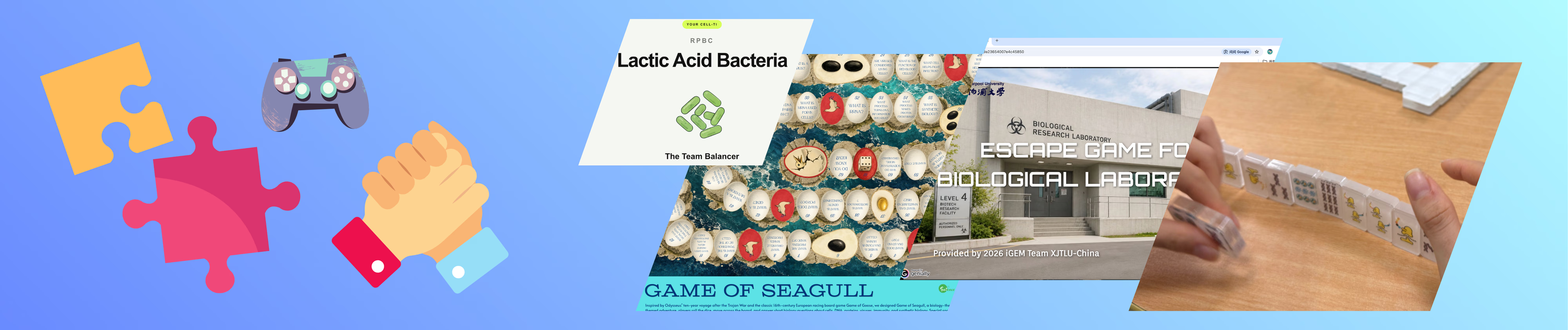
Highlight 1: Gamified Learning Toolkits
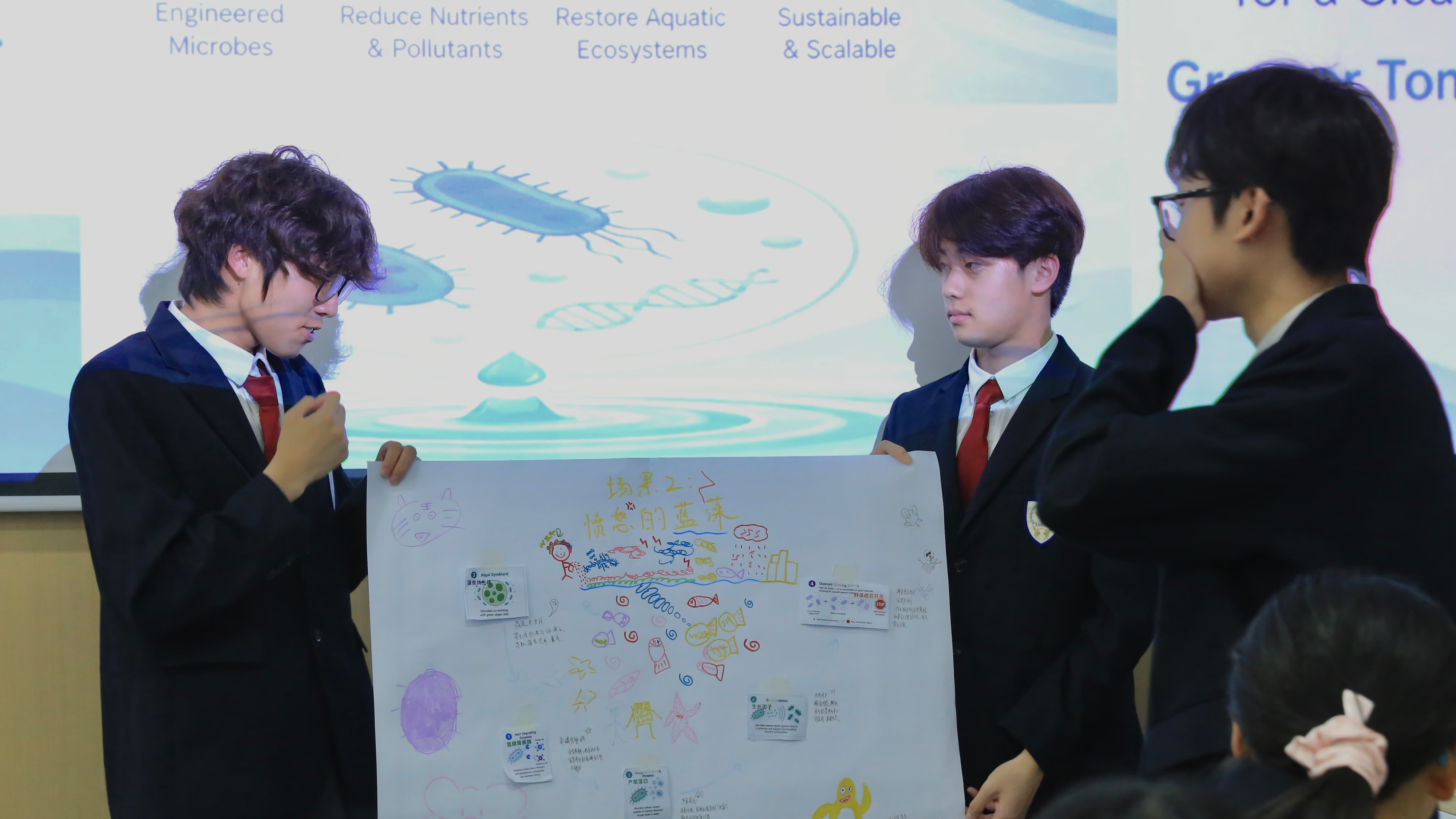
Curiosity sparks an interest in science, and the enjoyment of discovery encourages learners to explore further. We incorporated game-based learning into our educational activities, using play and problem-solving to make synthetic biology more approachable and engaging.
We developed a range of interactive tools for different audiences and learning contexts. Game of Seagull combines scientific questions with strategic decision-making, while Cell-TI Personality Test connects personality traits with different cell types. Synthetic Biology Mahjong brings biological concepts into traditional Chinese Mahjong, and BIO-Laboratory Escape Room invites players to solve puzzles while evaluating laboratory procedures and safety practices.
By embedding scientific concepts into familiar forms of play, these tools encourage active exploration and provide opportunities to practise reasoning and decision-making.
Highlight 2: Building an Open Educational Ecosystem
We believe that the impact of education should extend beyond individual activities. To promote the continuity of our educational efforts, we incorporated an Extension Stage into every activity, transforming our teaching experiences into reusable resources such as games, handbooks, and educational games.
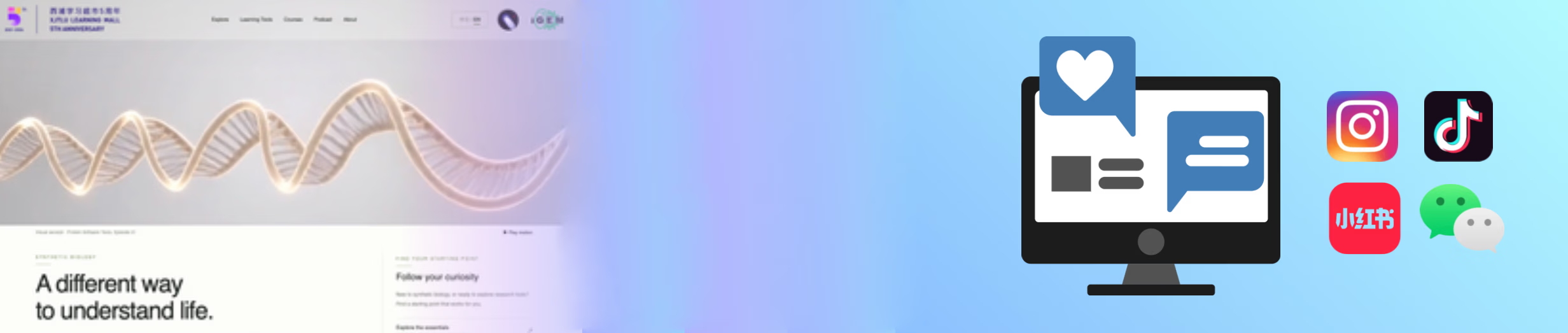
To extend the reach of these resources, we developed a dedicated synthetic biology education section on XJTLU Learning Mall Premium↗, Xi'an Jiaotong-Liverpool University's official online learning platform. Open to lifelong learners of all ages and backgrounds, this section aims to make our educational resources accessible to learners, educators, and future iGEM teams worldwide. We will continue to share and update our Extension Stage materials on the platform to support ongoing learning. We also used four social media platforms—Instagram, Rednote, TikTok, and WeChat Official Accounts—to broaden public engagement. Furthermore, we co-established SynEdu Global: An International Education Alliance, creating a space for iGEM teams worldwide to exchange educational resources and experiences.
Together, these efforts help our educational resources remain accessible, adaptable beyond individual events, contributing to a more sustainable science education ecosystem.
Highlight 3: Mutual Learning Oriented
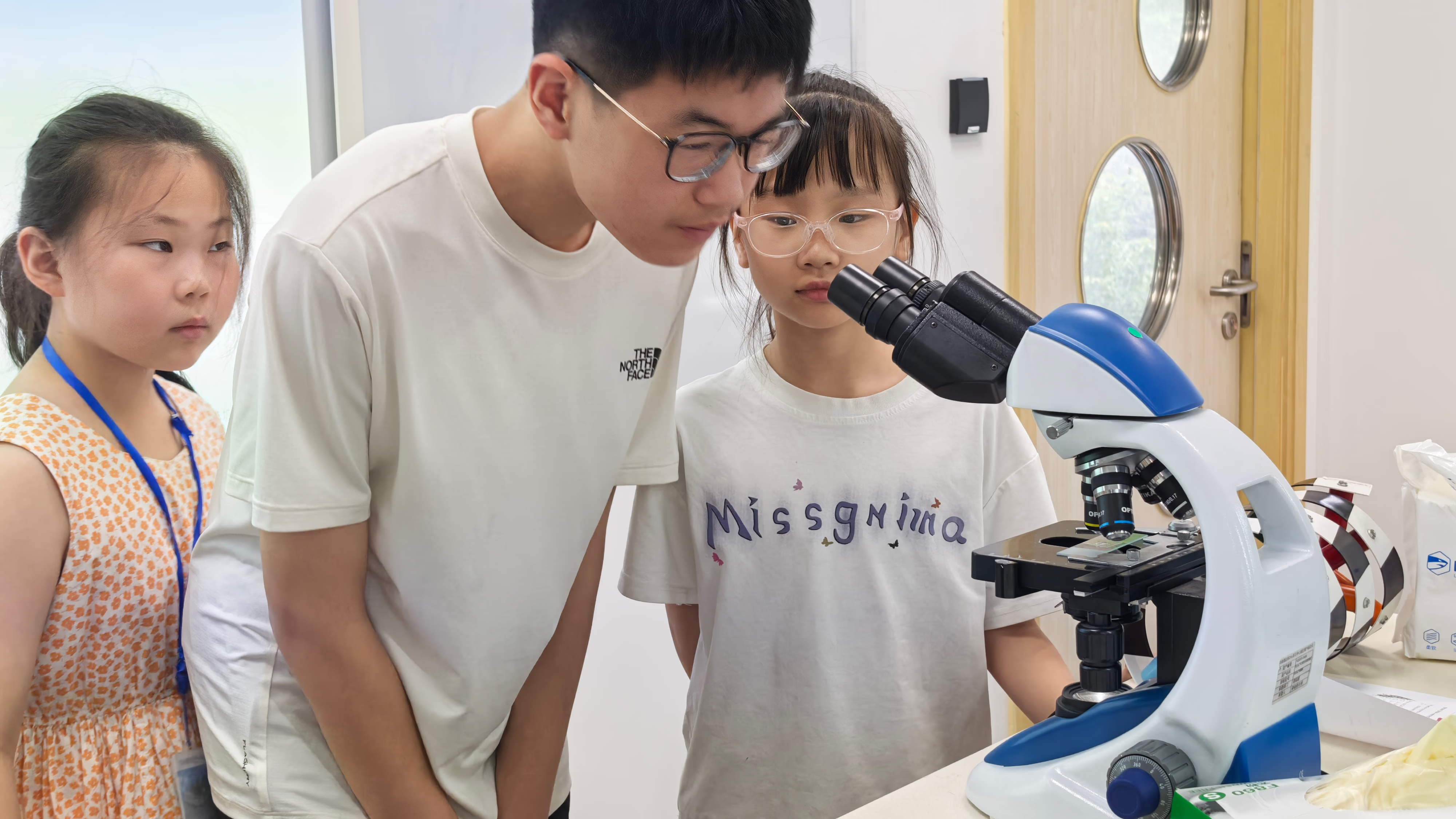
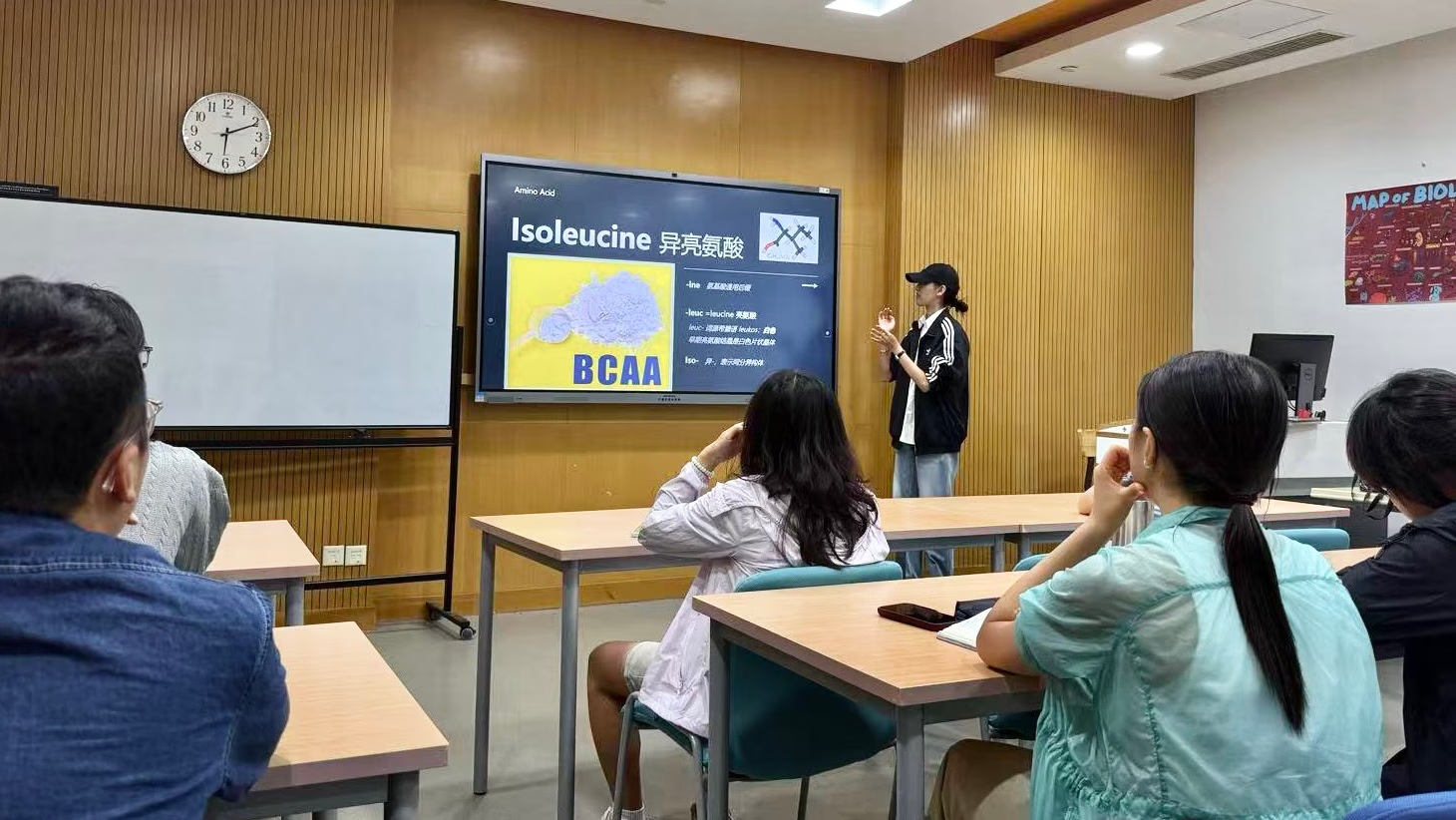
We incorporated the Dialogue Stage into our teaching to encourage meaningful two-way dialogue on synthetic biology topics. In addition, we also established mutual learning relationships with educational partners, including schools, libraries, museums, and care homes. In XJTLU Library, we learned about exhibition planning and visitor flow, incorporating librarians' suggestions to introduce interactive installations. In the care home, we drew on staff members' experience in engaging older residents and adapted our lectures into small-group conversations. At Cold Spring Harbor DNA Learning Centre, we learned about laboratory safety and hands-on teaching practices, integrating a microscopy workshops into its summer camp programme. Through continuous dialogue and mutual learning with both learners and educational partners, we collaboratively refined our project and adapted our approaches to science communication.
Highlight 4: Embracing Diversity in Science Education
People engage with science in different ways, shaped by their abilities, life experiences, and cultural backgrounds. Recognising both barriers to participation (Hayes & Proulx, 2024; Brookfield et al., 2016; Zheng et al., 2023) and the value of diverse perspectives, we sought to create more inclusive and engaging educational experiences.
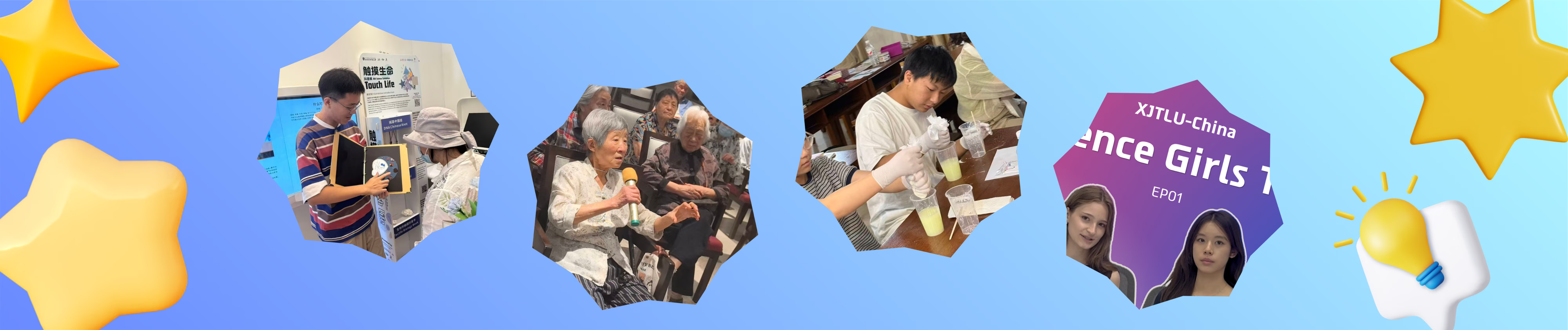
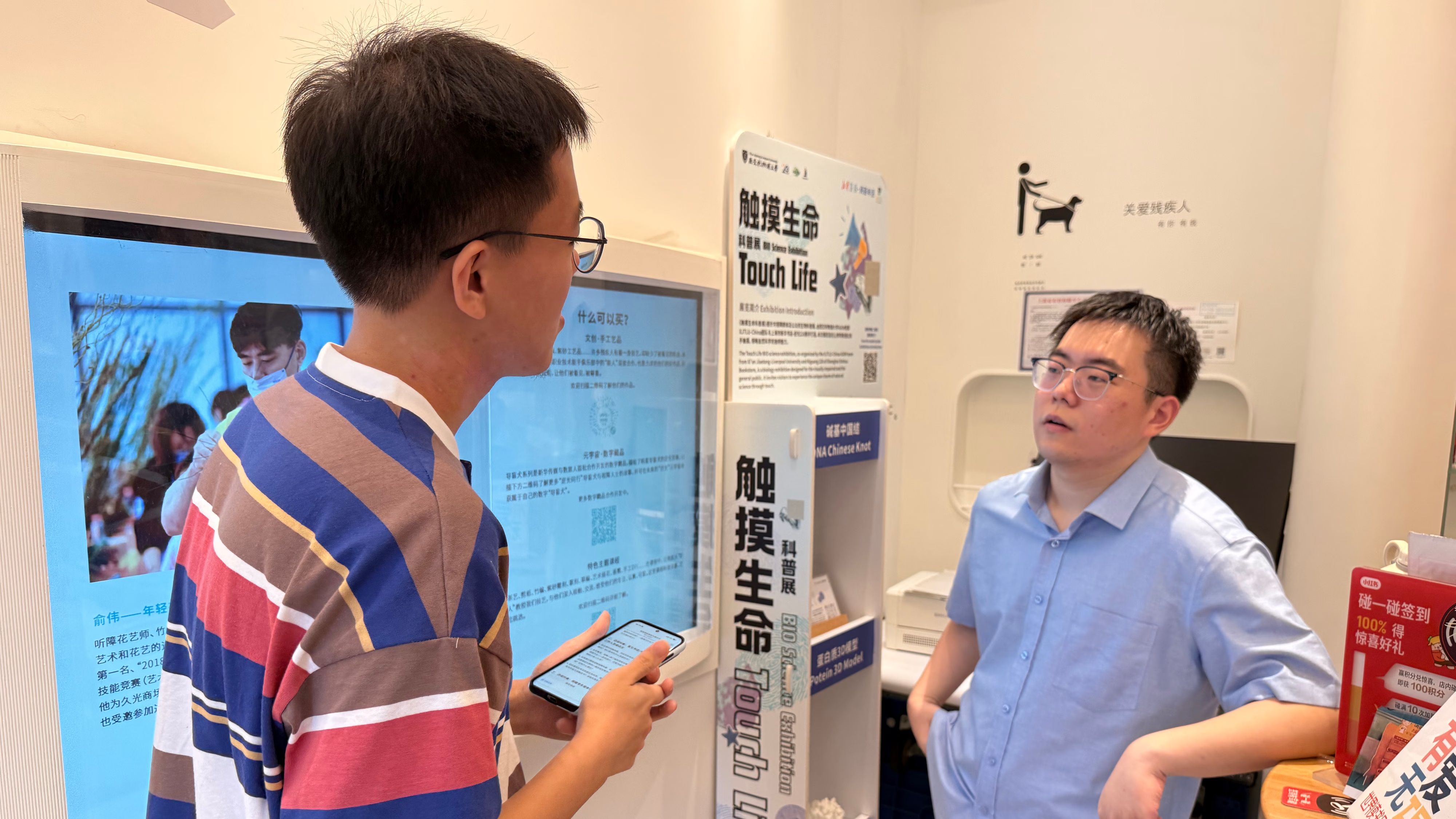
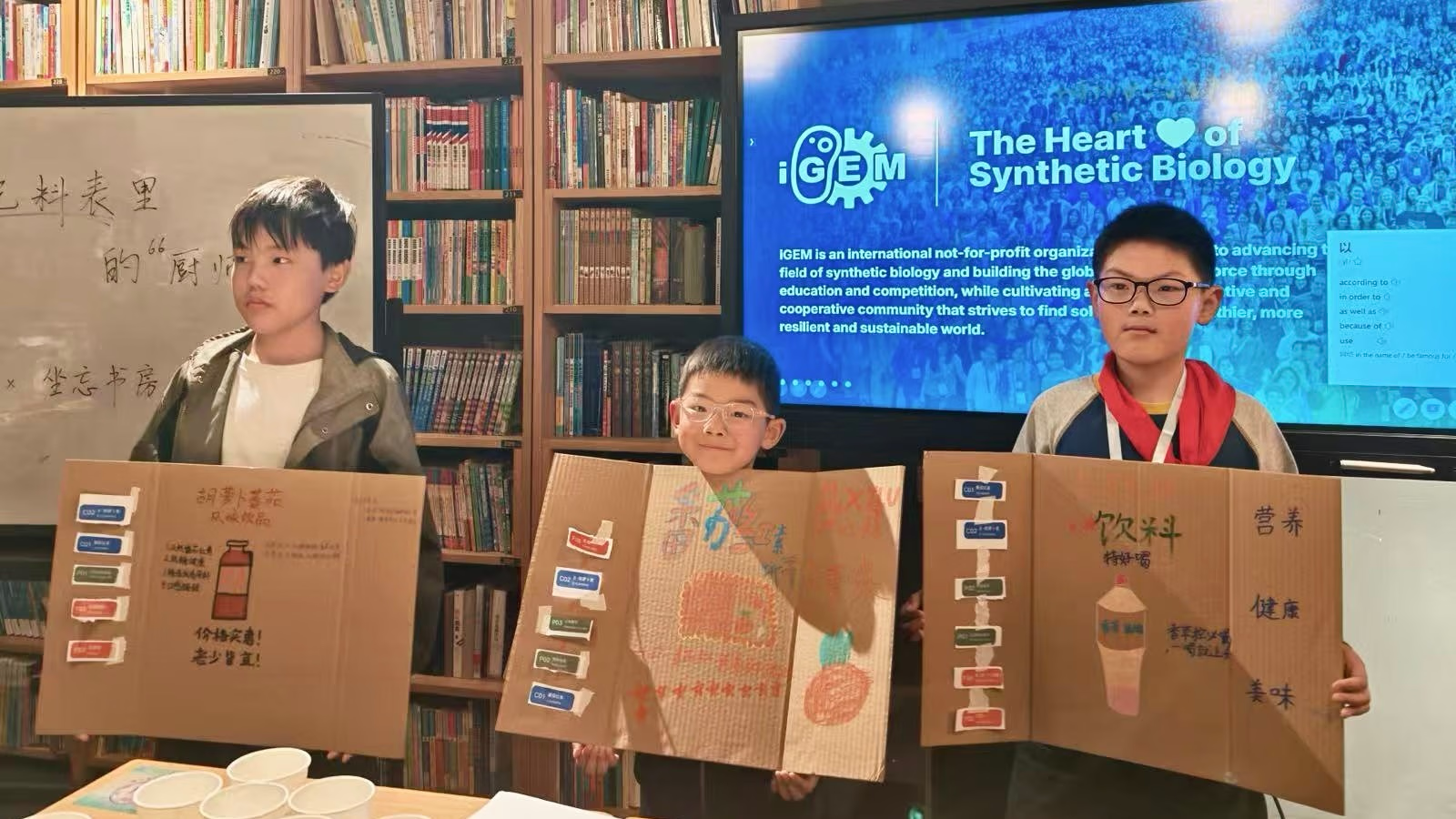
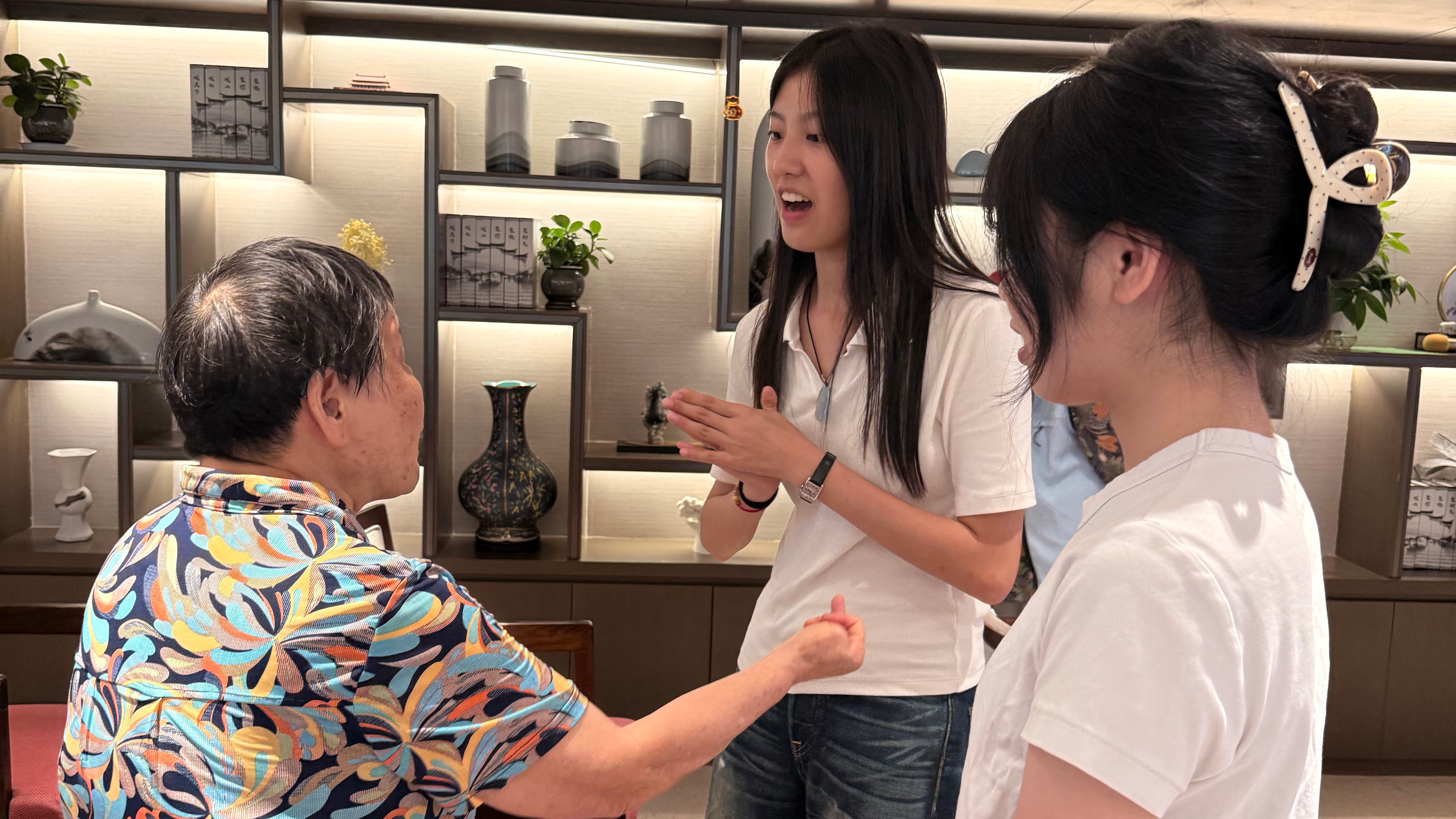
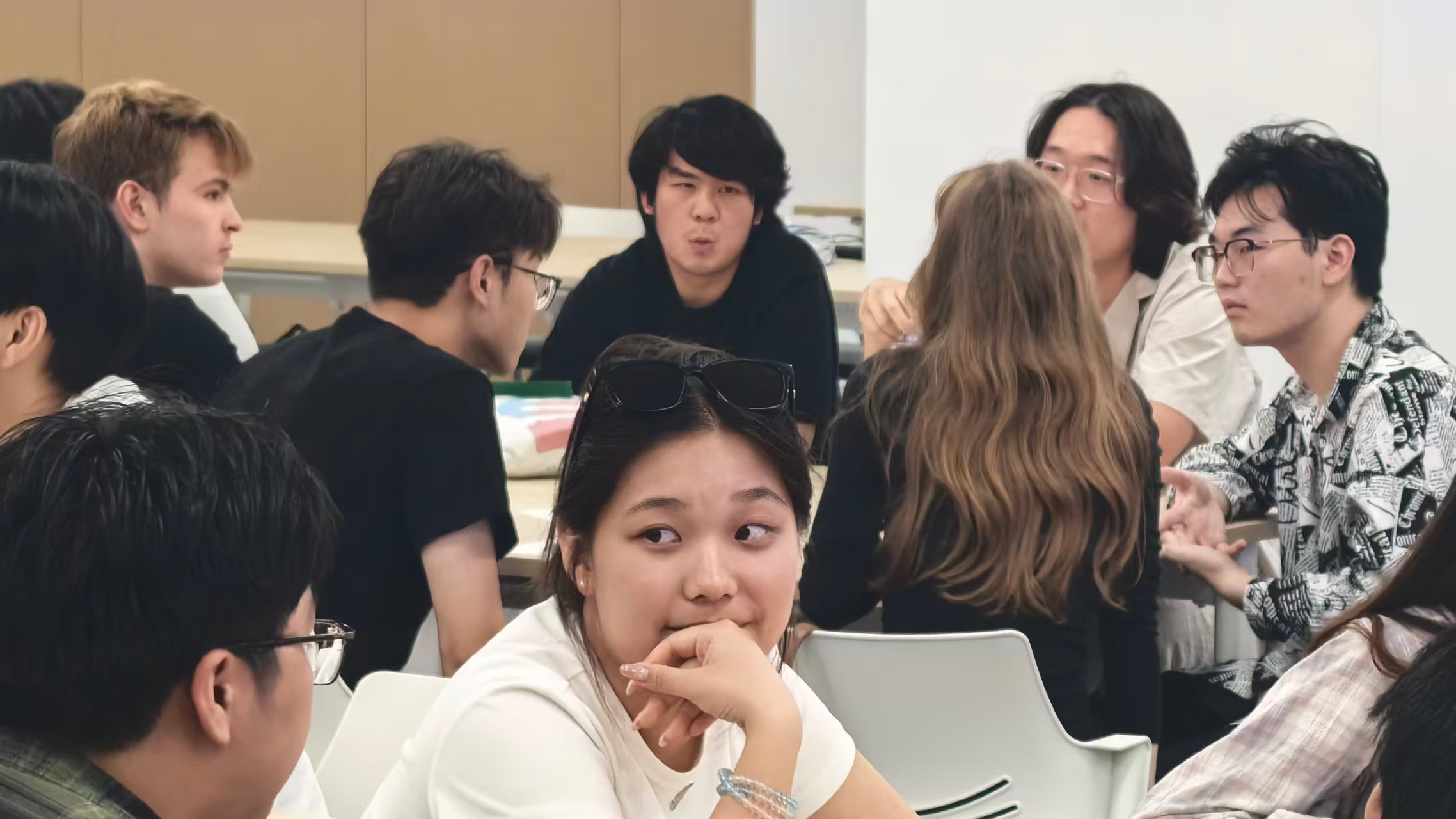
In Beyond Sight: A 3D Biology Exhibition, we developed tactile exhibits to make biological structures accessible through touch. At Fermentation Science Workshops at KJ Care Home, we connected microbiology with older adults' everyday experiences, while C-Life Community: Little Badges, Science for All introduced low-cost experiments to township communities. We also encouraged dialogue across cultures and backgrounds. Through Science Girls Talk Series, women from diverse backgrounds shared their experiences in science. Culture Meets SynBio: A Language Exchange brought together students from twelve countries, and created opportunities for cross-cultural scientific exchange.
Together, these initiatives reflect our commitment to making science education more accessible while creating spaces where diverse perspectives can be shared and explored through mutual learning.
3.3 / Our Activities
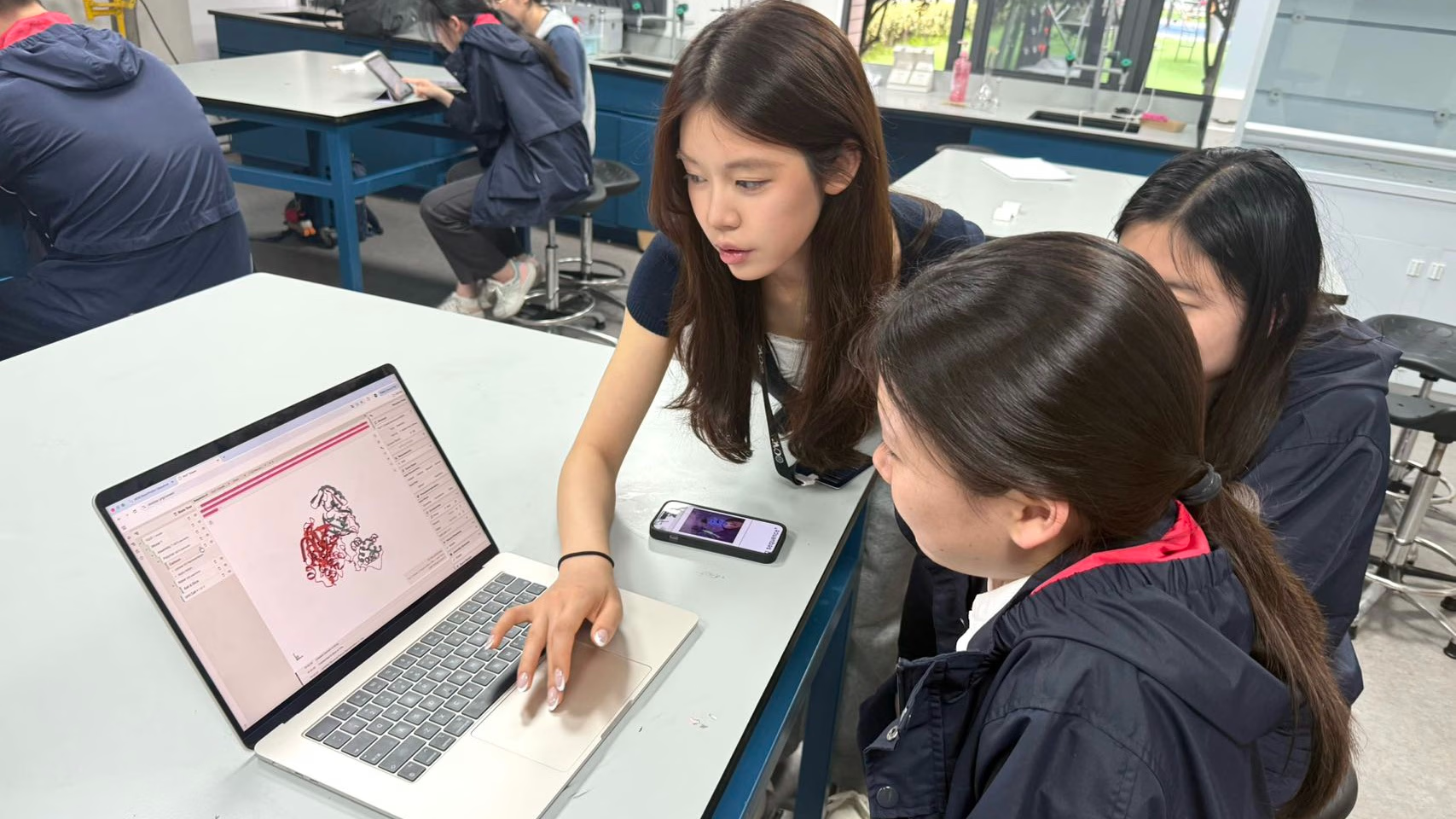
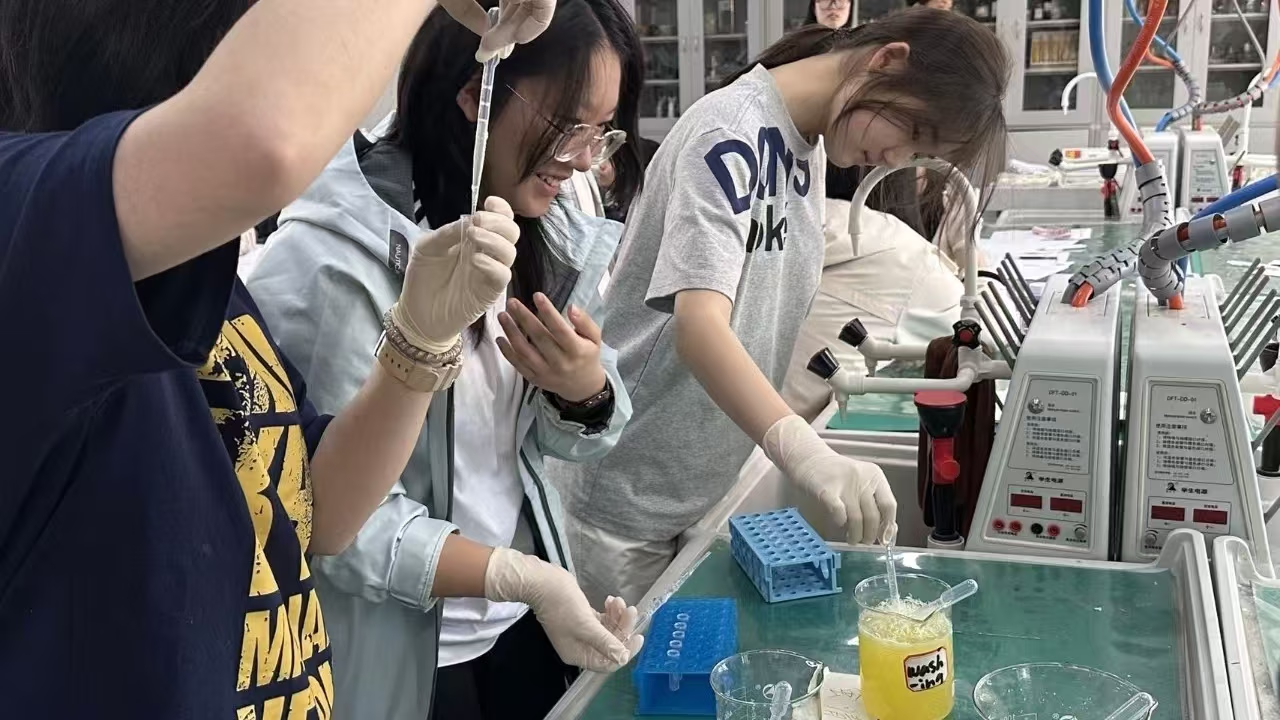
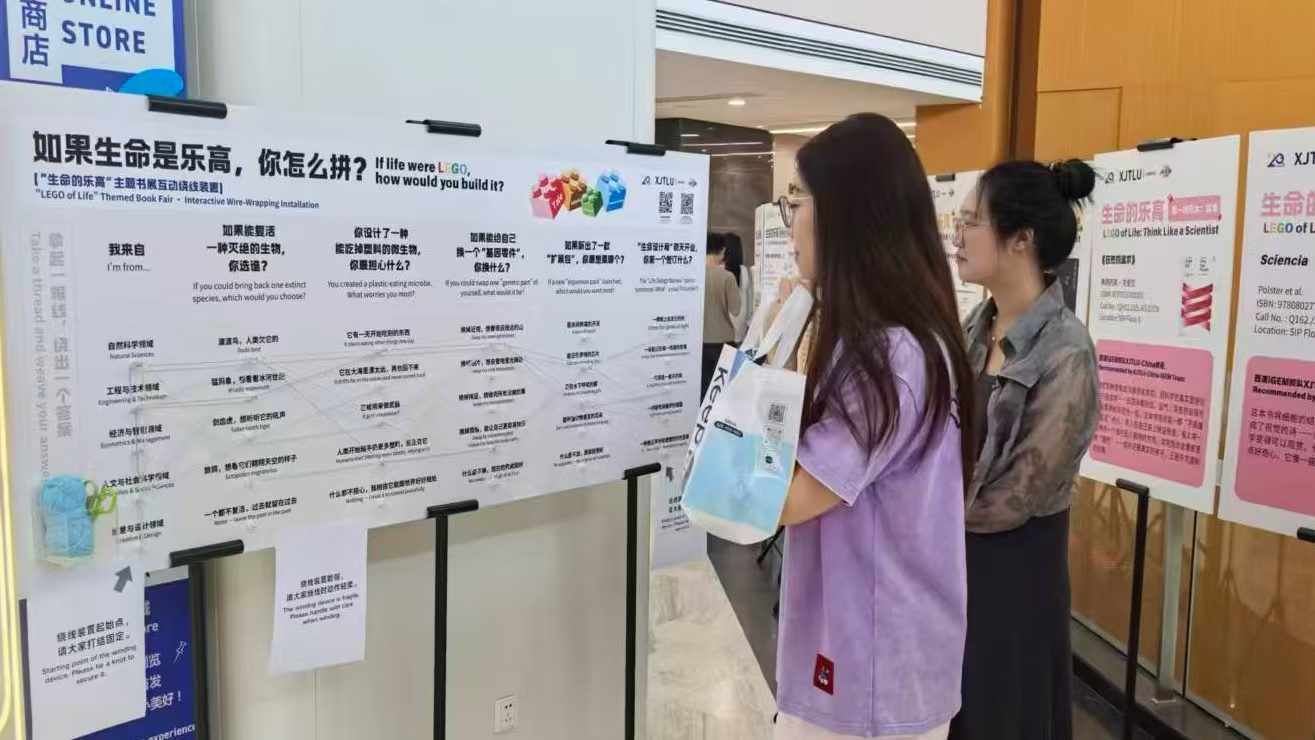
Hands-on Protein Modeling WorkshopsE. coli Inc.: The Non-Stop Logs (Comic)Beyond Sight: A 3D Biology ExhibitionTactile Biology Education HandbookParent-Child Workshops: Food Engineering DesignCell-TI Personality Test WebsiteFermentation Science Workshops at KJ Care HomeSynthetic Biology MahjongC-Life Community: Little Badges, Science for AllLow Barrier Life Science Activities HandbookStrawberry DNA Extraction WorkshopsLow Barrier Life Science Activities HandbookEnzyme Learning Lab: DIY CleanersLaundry Additive Facts PostcardsBuilding Foundation for Young ScientistsGame of Seagull: SynBio Board GameCold Spring Harbor Microscopy Summer BootcampBIO-Laboratory Escape RoomMulti-Role SynBio Ethical DeliberationEthics Anthem: Light for Every HeartHigh School Mini iGEM: Water GuardiansBioSolution Toolkit videosDry Lab Toolbox: From Sequence to Protein ArtProtein Tools Tutorial SeriesWet Lab Detectives: Protein Properties ExplorationHear the Lab: Bio-lab Tools ASMRLEGO of Life: Think Like a Scientist Book FairiGEM Youth PodcastCulture Meets SynBio: A Language Exchange ProgrammeScience Girls TalkSuzhou the Maker: Silk, Science and SocietyScience Exhibition GuideXGEM: A Cross-Disciplinary ChallengeEvidence-Driven Experimental Design HandbookFrom Lab to Market: iGEM in SCI102 LectureSynBio Venture Decision: Facilitator's GuideBiology Etymology Decoding WorkshopsBiology: The Survival GlossarySynEdu Global: An International Education AllianceSyn-Edu Copilot AI Skill
All photographs, names, and quotations featured on this page are shared with the consent of those involved, with pseudonyms used for some participants to protect their privacy.
04 / Framework Iteration, Feedback And Analysis
Building on Gardner’s Theory of Multiple Intelligences, we developed the Capacities Radar to examine how different learning capacities are intentionally engaged across our educational activities.
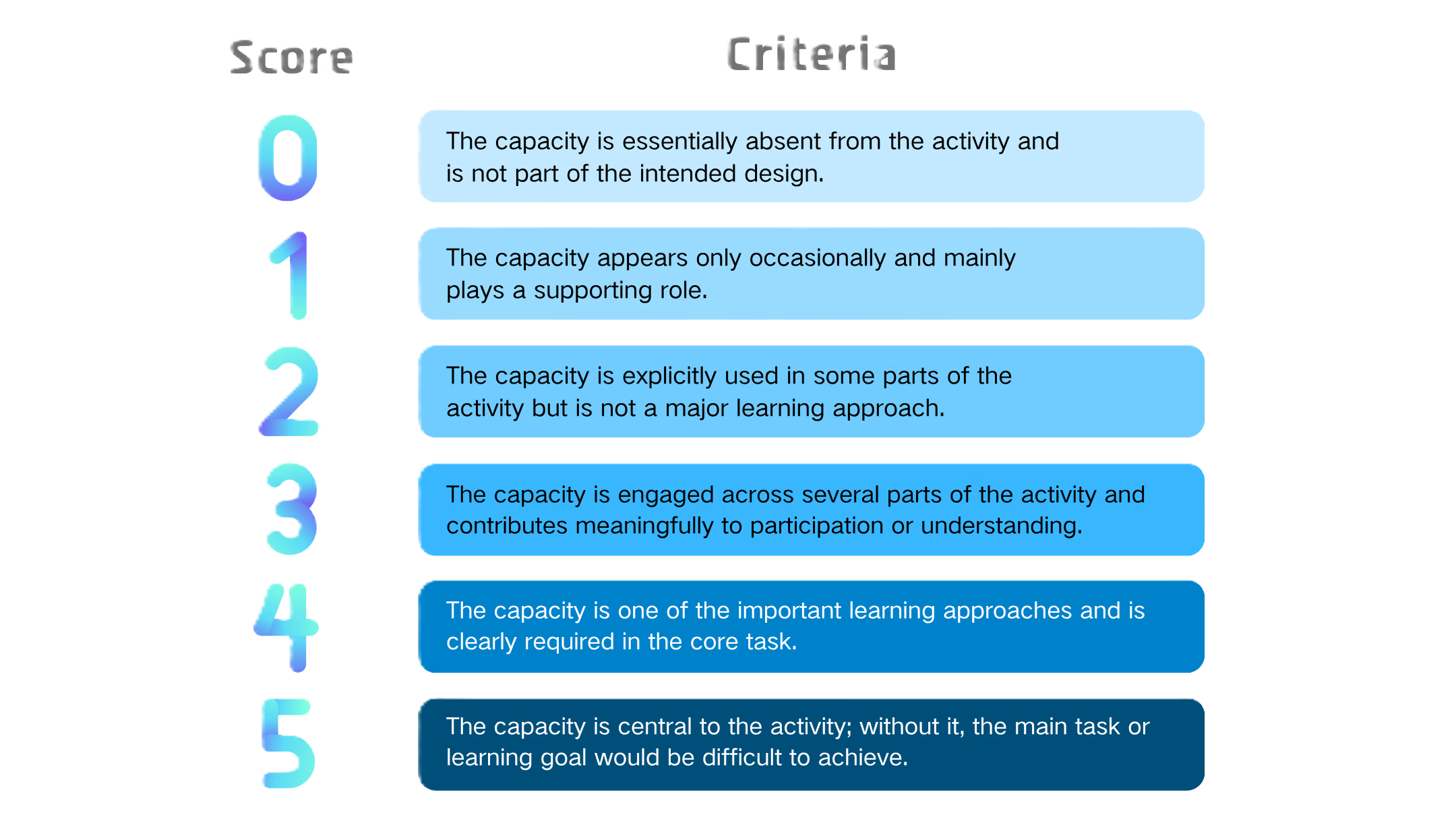
We assessed each activity across eight dimensions using a 0–5 scoring scale, based on three criteria: how frequently each capacity is engaged, its relevance to the core learning objectives, and its importance in completing the main learning tasks.
Capacities Radar Scoring Guide
Importantly, these scores reflect the learning opportunities embedded in our activity design, rather than participants’ actual abilities or measured learning gains. The radar graph provides a structured way to reflect on the diversity of our educational approaches and identify areas for further improvement.
Reflection and Framework Iteration
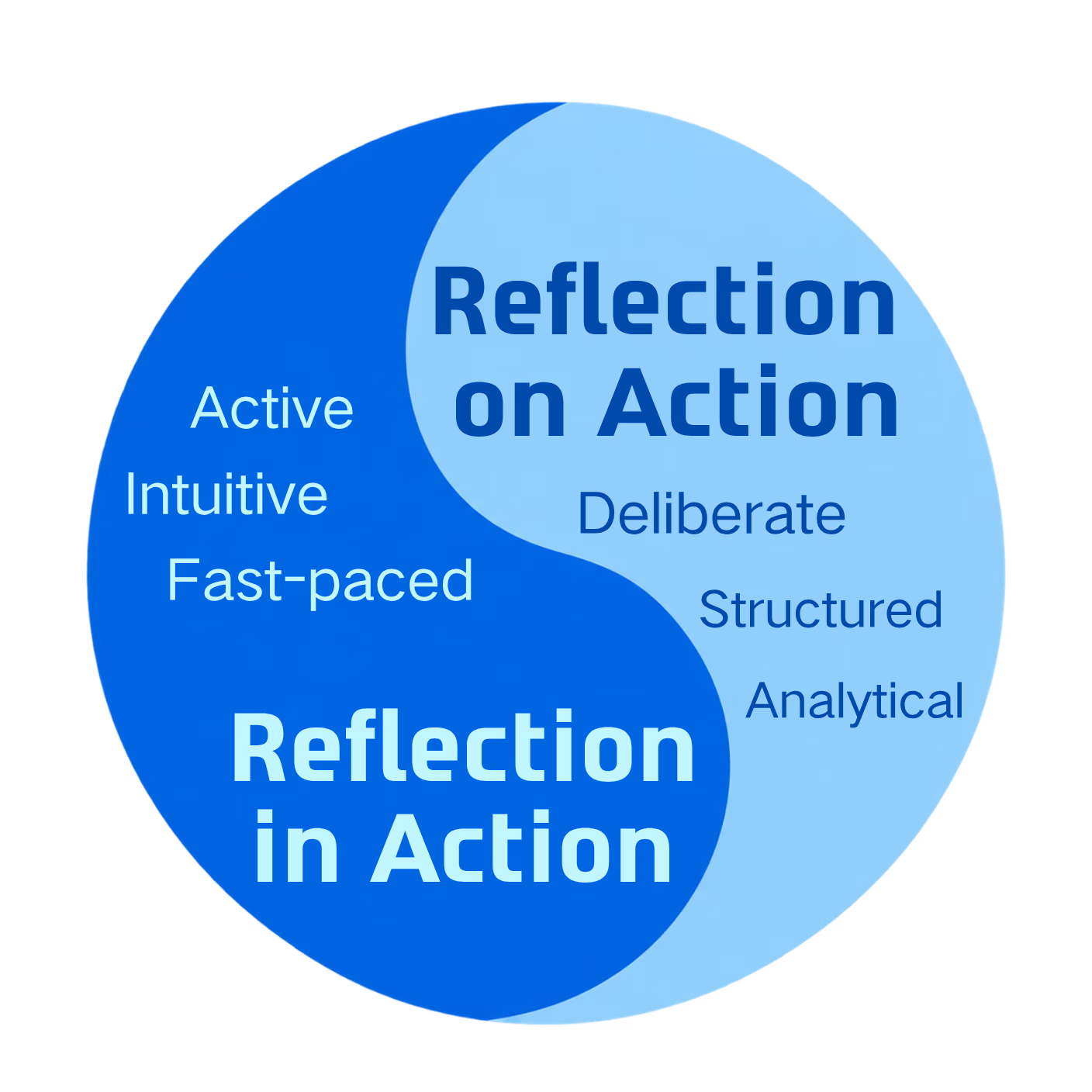
While the Capacities Radar helps us evaluate our educational design, understanding how our framework evolves also requires reflection on actual learning experiences and external feedback. Therefore, we adopted two complementary approaches to reflection. During our outreach activities, we continuously observed participants’ engagement, listened to their feedback, and refined our teaching strategies (Reflection-in-Action). Beyond individual activities, we engaged in in-depth discussions with five education experts to critically examine the assumptions, design choices, and limitations of our educational framework, identifying directions for further improvement (Reflection-on-Action).
4.1 / Reflection-in-Action
Throughout our educational journey, we continuously observed participants’ engagement and responses, making adjustments based on our observations and their feedback immediately. These reflection-in-action helped us make subsequent educational outreach activities more engaging and sustainable. The following examples illustrate how we translated reflection and feedback into reasonable improvements.
From Knowledge Delivery to Active Exploration
What we noticed
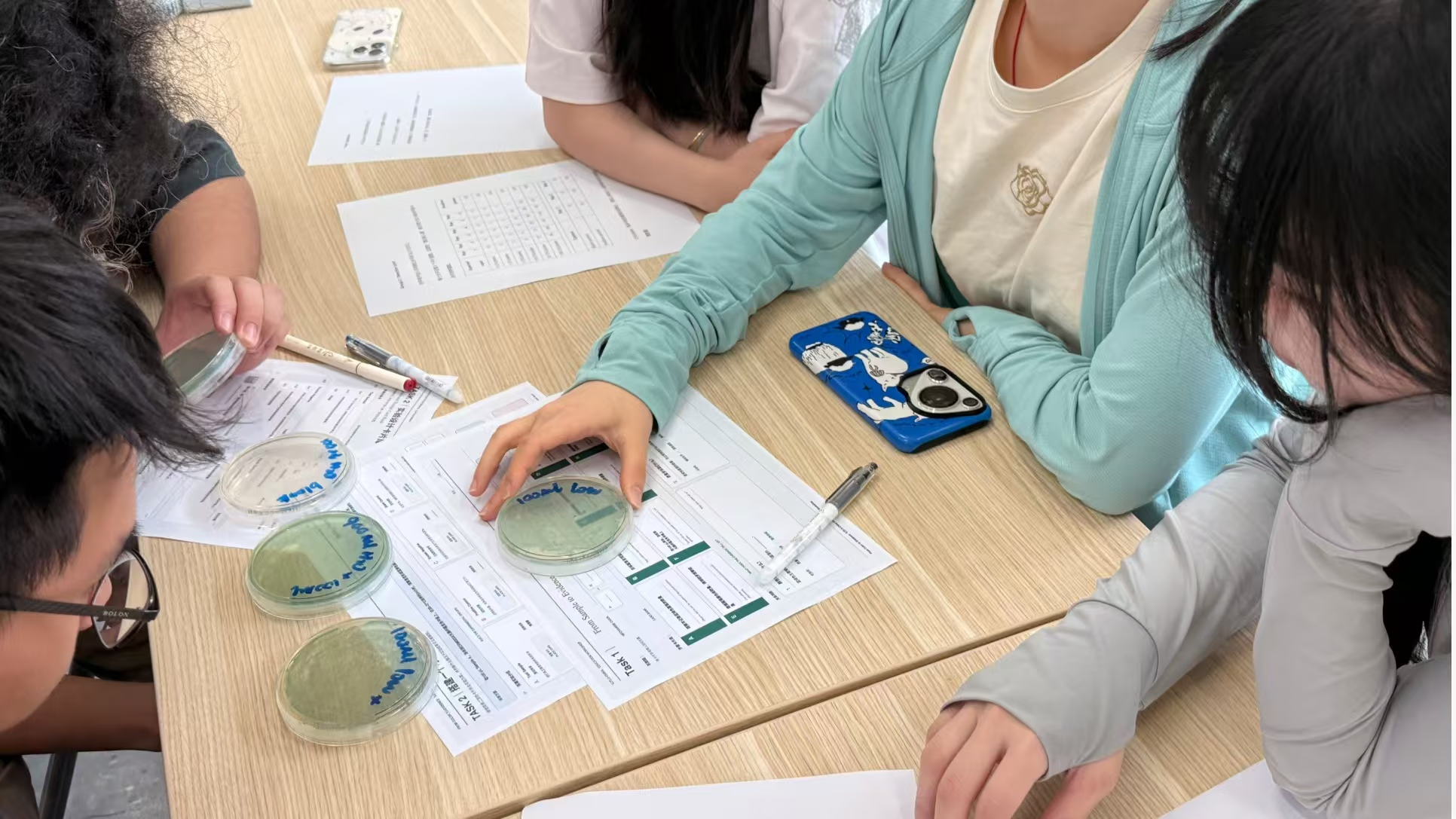
During our early activity, Building Foundation for Young Scientists, we introduced basic biological concepts such as DNA, proteins, and their applications. However, we noticed that simply presenting scientific knowledge was not enough to spark curiosity or encourage further exploration.
What this revealed
This experience showed us that delivering knowledge alone does not necessarily lead to meaningful engagement. Learners also need relatable topics and opportunities to connect scientific concepts with real-world challenges.
What we changed
In our subsequent activities, we introduced a wider range of engaging topics to make synthetic biology more relevant to everyday life. We also integrated PBL, encouraging participants to explore questions, exchange ideas, and develop their own solutions.
When the Workshops Ends, Curiosity Continues
What we noticed
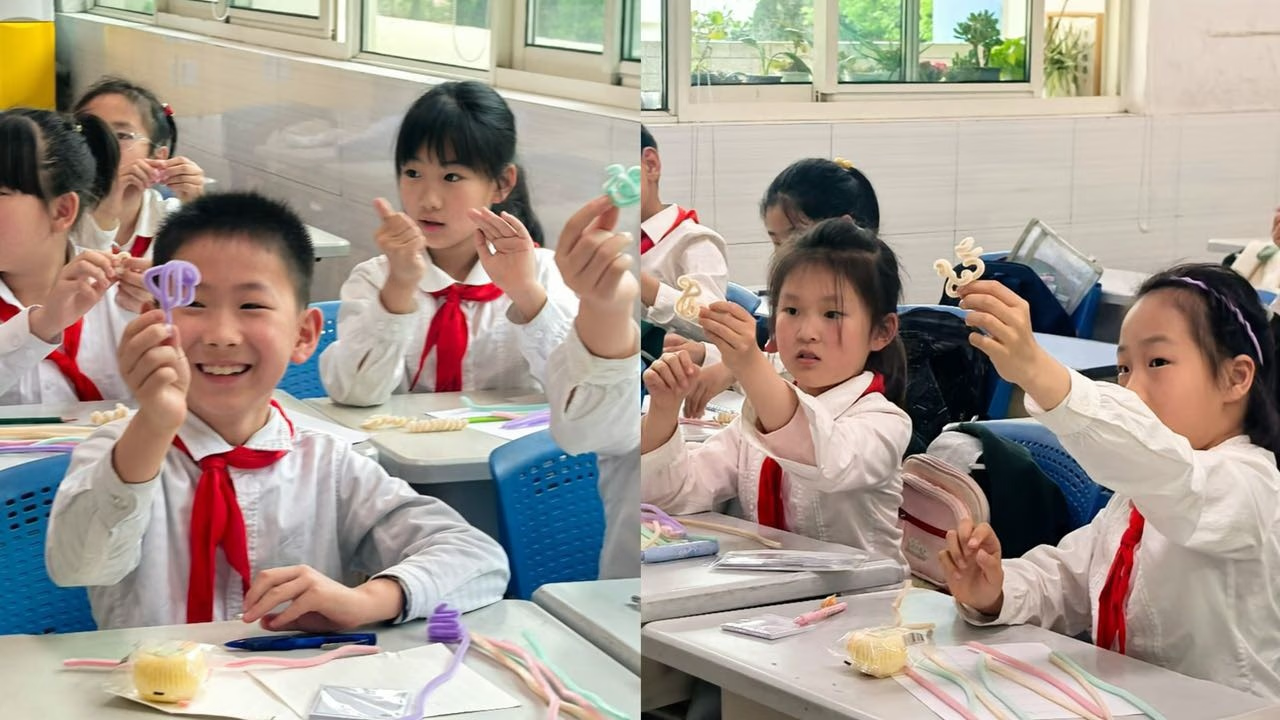
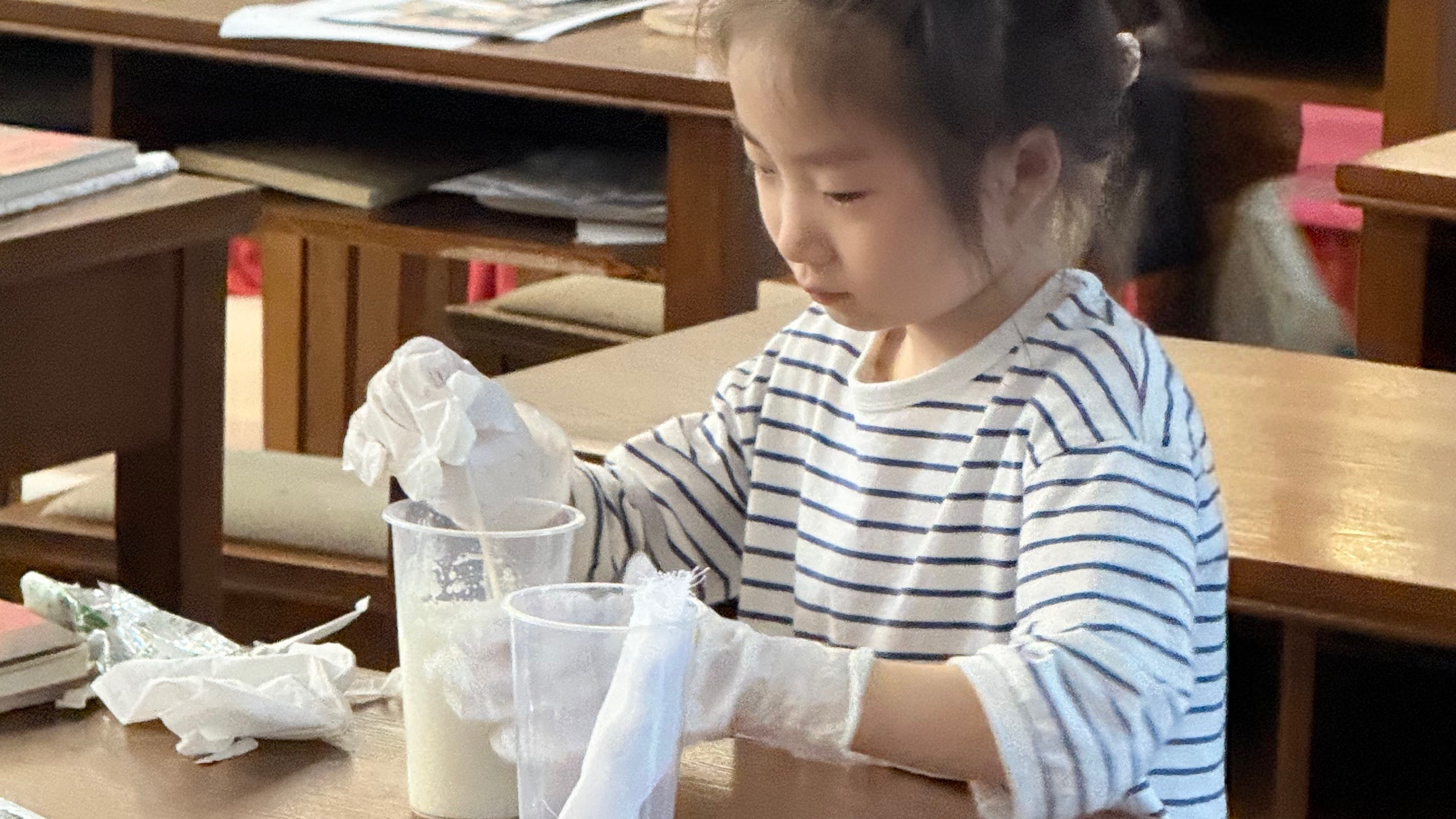
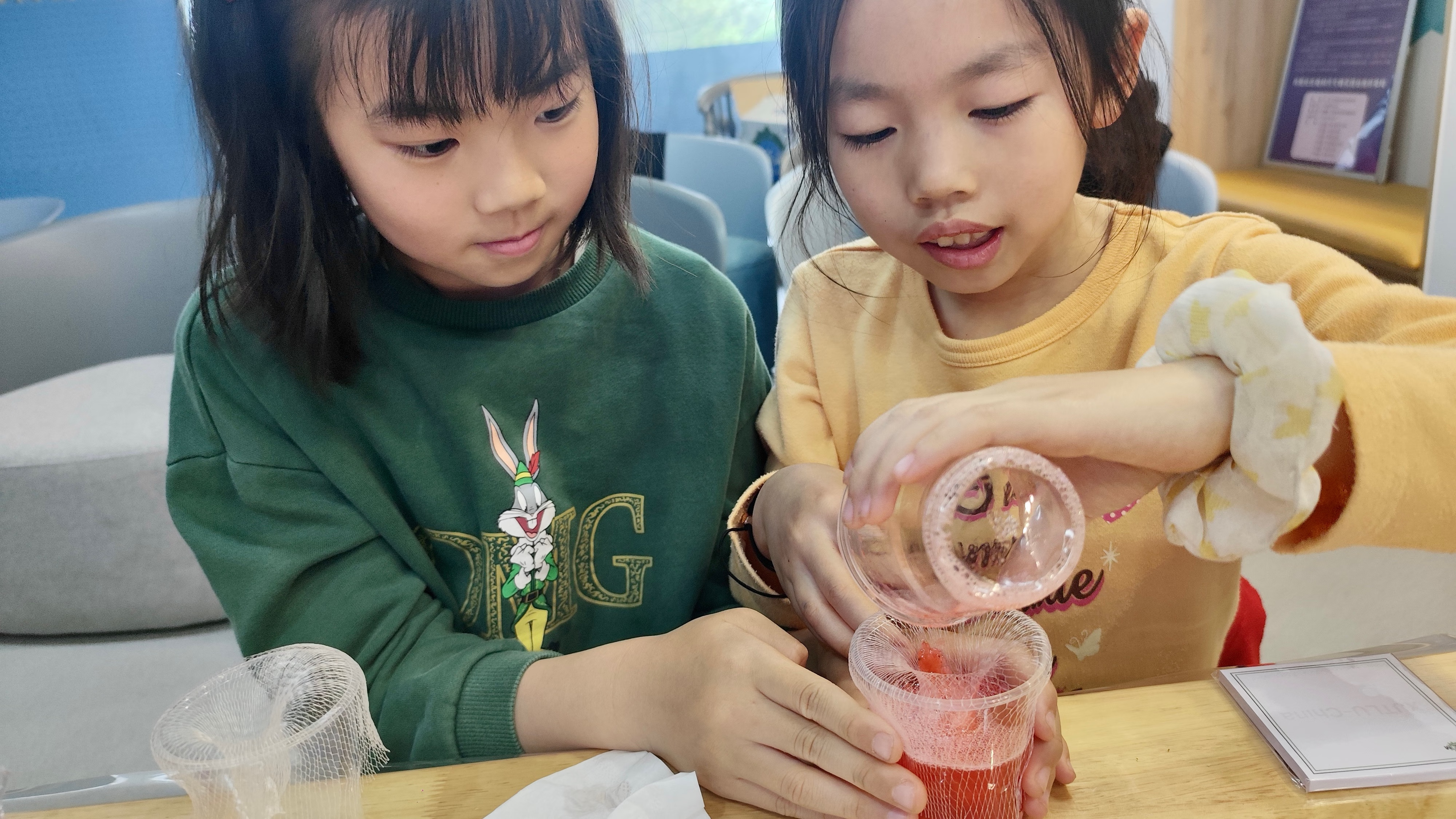
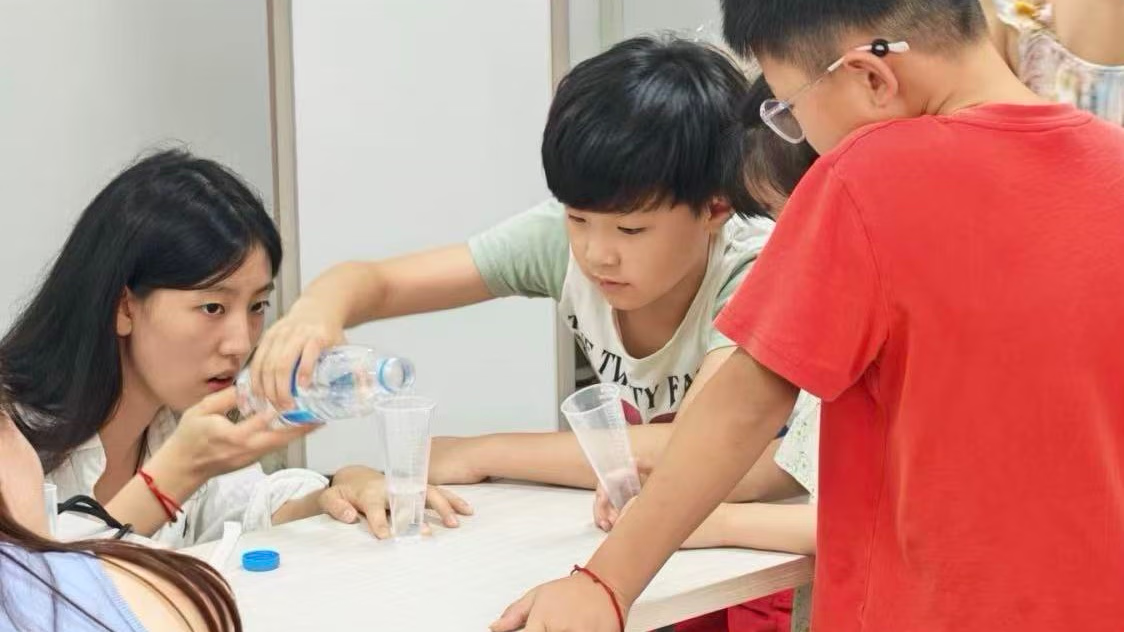
During our Strawberry DNA Extraction Workshops, we guided children from the local community through a hands-on experiment to extract DNA from strawberries. However, as the workshops came to an end, we realised that the learning experience seemed to end with it, leaving few opportunities for continued exploration.
What this revealed
This experience made us reflect on how educational activities could create a lasting impact beyond a single event. We recognised the importance of providing accessible and reusable resources that allow learners to revisit scientific concepts and continue exploring at their own pace.
What we changed
In response, we launched series extension projects throught our whole outreach journey, bringing our educational insights to develop meaningful, engaging educational toolkits. Through these reusable resources, we hope to extend learning beyond individual workshops and support iGEM community which form more sustainable, long-term science education.
Inclusivity in Action: Science for Everyone
What we noticed
During the early designing of Beyond Sight: A 3D Biology Exhibition, we initially envisioned a public exhibition introducing protein structures through scientific models and visual displays. However, we gradually realised that this approach relied heavily on visual learning and might overlook the needs of blind and visually impaired visitors.
What this revealed
This prompted us to rethink accessibility in science education. We recognised that tactile outreach could offer blind learners a meaningful way to explore complex biological structures, and that inclusive education should embrace different ways of experiencing and understanding science.
What we changed
To put our commitment to inclusivity into practice, we partnered with a bookstore supporting the visually impaired community and redesigned the exhibition around tactile learning. Through 3D-printed protein models and interactive biological exhibits, we aimed to make scientific knowledge more accessible and create opportunities for everyone to engage with synthetic biology.
4.2 / Reflection-on-Action: Expert Dialogues
Our educational framework has continuously evolved through discussions with educational experts, whose insights have helped us refine and reshape our approach over time. Unlike Reflection in Action, Reflection-on-Action focuses on a longer-term, more deliberate effort to rethink and strengthen the overall direction of our educational framework. Below, we present the experts’ insights, along with our team’s reflections and responses, in chronological order.
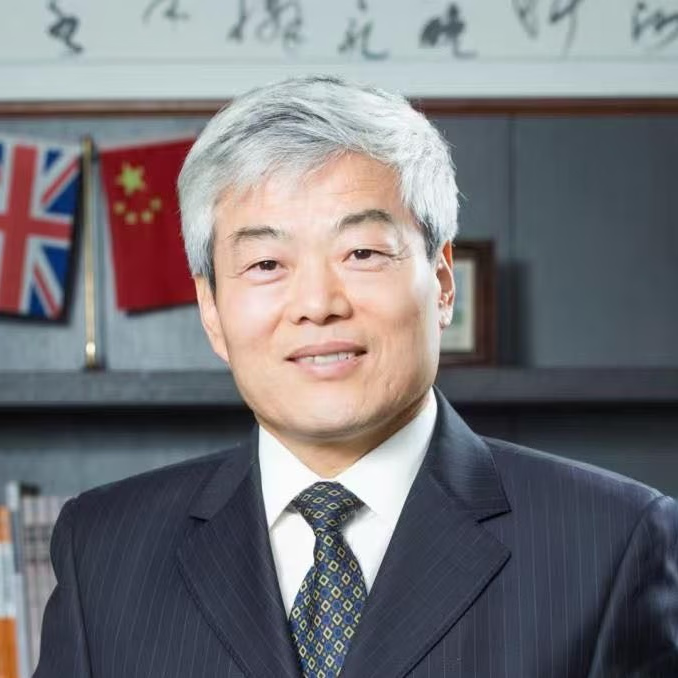
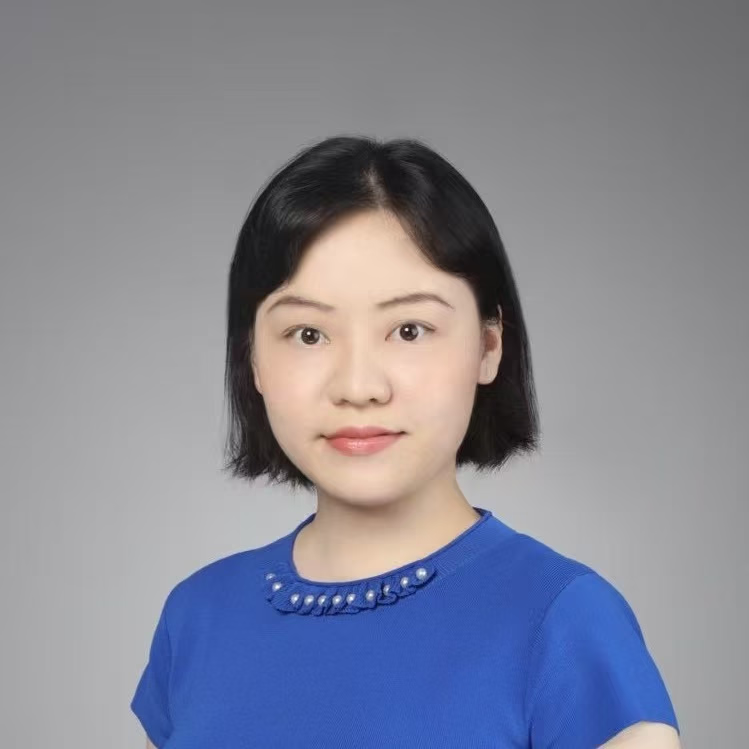
Prof. Youmin Xi
Executive President of Xi'an Jiaotong-Liverpool University Pro-Vice Chancellor of the University of Liverpool Distinguished Professor of Arts, Humanities and Social Sciences at Xi'an Jiaotong University Honorary Fellow of the University of Liverpool
Click to view details
Prof. Xiaojun Zhang
Chief Officer of Education, Leader of Entrepreneur College (Taicang) Leadership Team, Executive Dean, Academy of Future Education, Acting Dean, Entrepreneurship and Enterprise Hub, Xi'an Jiaotong-Liverpool University
Click to view details
Ms. Feifei Zhu
Operation Director (Education), Centre of Academic Affairs Xi'an Jiaotong-Liverpool University
Click to view details
Ms. Xinyi Chen
Associate Language Lecturer, Academic Literacies Centre, XJTLU
Click to view details
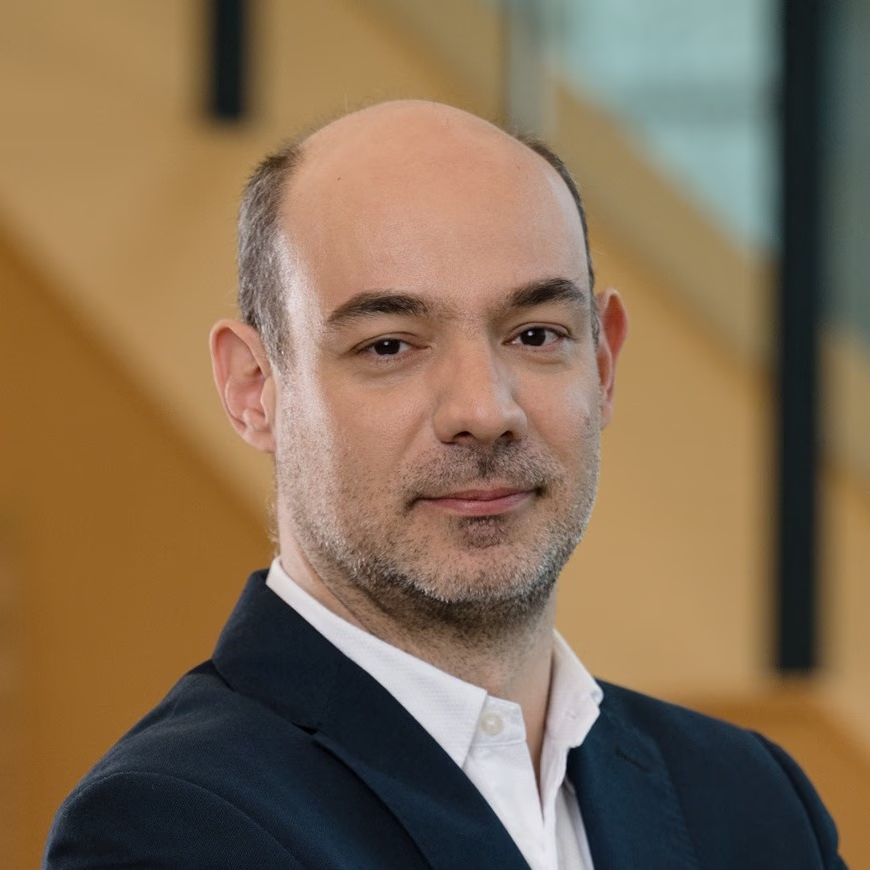
Prof. Konstantinos Papadikis
Associate Vice-President for Education, Xi'an Jiaotong-Liverpool University
Click to view details
4.3 / What We Observed
Our educational practices and the feedback we received allowed us to observe several patterns across our activities, which shaped how we understand learning in our community.
Curiosity Became Visible
For participants with limited prior knowledge of synthetic biology, Gardner’s theory of multiple intelligences helped us design more accessible and engaging learning experiences. By drawing on familiar experiences, sensory interactions, and diverse forms of expression, we created multiple entry points into scientific learning. For example, in our care home workshops, we connected fermentation to older adults’ everyday experiences. At our tactile biology exhibition, learners with visual impairments explored protein structures through touch, while our language exchange activities encouraged participants from different cultural backgrounds to share perspectives through discussion. Furthermore, through the Construct Stage, we encouraged learners to move beyond their initial questions and independently explore possible solutions. Their willingness to engage in deeper discussions with our team further reflected their growing curiosity about synthetic biology.
A Lifelong Journey
In the AI era, access to knowledge has become easier than ever, and learning is no longer confined to particular stages of life. Through our educational practices and feedback from participants, we have gained valuable insights into the applicability of our Lifelong Learning Pathway. Learners of different ages and backgrounds have engaged with this framework, exploring new knowledge and developing skills driven by their own interests and real-world needs. Our experiences also highlight that learning can take place in diverse settings, from science exhibitions and community activities to workplaces and everyday life.
Two-directional Dialogue Oriented
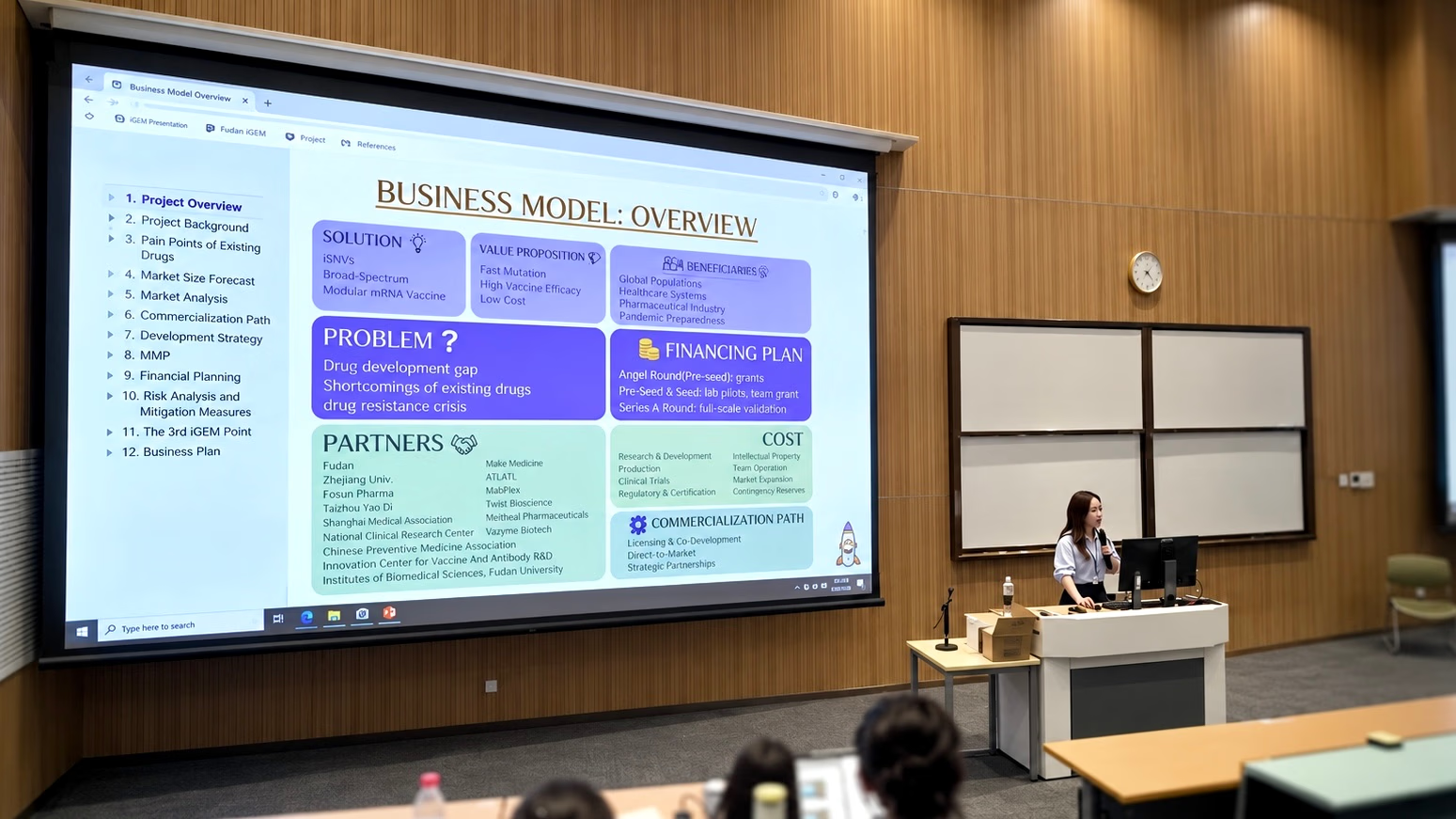
Two-way dialogue with learners has played an essential role in shaping both our educational practices and the development of dogmaOS. By listening to learners and reflecting on their experiences, we continuously refined our educational design through both Reflection-in-Action and Reflection-on-Action. These exchanges also brought fresh perspectives to dogmaOS itself. For example, during the SCI102 course, students engaged with our project from a business perspective, raising questions and considerations that we had previously overlooked. Through these reciprocal exchanges, learners became active contributors to our project, helping us rethink and refine both its development and the ways we communicate it.
4.4 / Limitations
While our educational work has grown in reach and depth, several limitations remain that we want to state clearly and work on in the future.
Geographic Reach
Although we have made continuous efforts to reach more learners across different age groups and regions through inclusive educational design, our geographic reach remains limited.
As a Sino-foreign joint university, Xi’an Jiaotong-Liverpool University provides opportunities to engage with students from diverse national and cultural backgrounds, making cross-cultural dialogue a distinctive feature of our educational practices. However, these interactions have largely been facilitated by the campus environment, while most of our educational activities have taken place within China mainland. Direct collaboration with overseas universities & iGEM teams has therefore remained relatively limited.
Looking ahead, we hope to expand our educational partnerships both within China and internationally, particularly through closer collaboration with overseas iGEM teams and educational institutions.
Uneven Development Across the Lifelong Learning Pathway
Although our Lifelong Learning Pathway was designed to provide flexible entry points for learners with different levels of synthetic biology knowledge, and we have developed diverse educational activities, our current practices have primarily focused on sparking curiosity and building foundational knowledge. In comparison, the Professional Impact Layer remains less developed in terms of activity formats and depth of exploration.
Looking ahead, we hope to strengthen collaboration with university courses and professional educators or community to introduce more research-oriented discussions and workshops, further developing the pathway into a more comprehensive framework for lifelong learning.
Long-Term Evaluation and Sustainability
To extend the impact of our educational activities beyond individual events, Team XJTLU-China incorporated the Extension Stage into our Education Framework and developed reusable educational resources. We also made these resources available through Learning Mall Premium, SynBio Global, and our team Wiki, aiming to encourage continued exploration beyond the initial learning experience and enable other educators to adopt and adapt our materials.
Although we have made efforts to strengthen the long-term impact of our activities through extended learning opportunities and community collaboration, the effectiveness of these efforts remains difficult to assess. While some resources have already been reused by our community partners, we still lack sufficient longitudinal data to determine whether participants’ initial curiosity has developed into sustained motivation to learn. Similarly, we have yet to systematically evaluate how our resources are being adopted and adapted within the broader educational community.
In the future, we hope to collaborate with more educational communities from diverse backgrounds to establish ongoing feedback and evaluation mechanisms. By testing and refining our framework across different educational contexts, we aim to better understand its long-term effectiveness and support its continued development and wider adoption.
05 / Summary & Outlook
Looking back on our educational journey, we have come to see education as a process of awakening curiosity, encouraging critical thinking, and inspiring lifelong learning.
Across its four learning pathway, our Reach–Construct–Dialogue–Extension teaching structure draws on diverse forms of human intelligence to provide learners opportunities to engage with and explore synthetic biology. Through these experiences, we hope learners can not only gain scientific knowledge, but also discover their strengths, express their perspectives, and recognise their potential to contribute to the world around them.
In an era of AI, we believe these human capacities matter more than ever. Looking ahead, we hope to connect more learners and educators, expand access to reusable educational resources, and encourage continued exploration guided by both curiosity and responsibility.
References
J. Delors et al., “Learning: The Treasure Within: Report to UNESCO of the International Commission on Education for the Twenty-first Century,” UNESCO, Paris, France, 1996. Online (accessed Jan. 2, 2026).
L. Shafer, “How We’re Smart,” Harvard Graduate School of Education, Oct. 12, 2017. Online (accessed Mar. 17, 2026).
C. Hayes and M. J. Proulx, “Turning a blind eye? Removing barriers to science and mathematics education for students with visual impairments,” British Journal of Visual Impairment, 2024. https://doi.org/10.1177/02646196221149561 (accessed Apr. 30, 2026).
K. Brookfield, S. Tilley, and M. Cox, “Informal science learning for older adults,” Science Communication, 2016. https://doi.org/10.1177/1075547016655358 (accessed Apr. 5, 2026).
L. Zheng, X. Qi, and C. Zhang, “Can improvements in teacher quality reduce the cognitive gap between urban and rural students in China?,” International Journal of Educational Development, vol. 100, Art. no. 102781, 2023. https://doi.org/10.1016/j.ijedudev.2023.102781 (accessed May 1, 2026).
Education is not a destination, but a voyage. May curiosity, confidence, and responsibility inspire more people to set sail and explore beyond the horizon.