FSU iGEM 2026

FSU iGEM 2026
Phthalates are a group of chemicals commonly used to make plastics more flexible, durable, and long-lasting.
Because they are used in many everyday products, exposure can be difficult to avoid. These chemicals can enter the body and interact with biological systems.
Understanding phthalate exposure can help us identify potential risks and develop new approaches to protecting maternal and fetal health.
Plastic has become an unavoidable part of modern life. But the chemicals within these materials can have consequences far beyond the products we use.
Lillieum explores phthalate exposure and its potential impact on maternal and fetal health through synthetic biology.
Explore our project to discover the problem, the people it affects, and the solutions we're building.
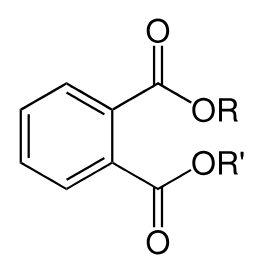
Phthalates are chemicals commonly used to make plastics flexible, durable, and long-lasting. They can be found in many everyday products, making exposure difficult to avoid.
But exposure does not happen in isolation. These chemicals can enter our bodies and interact with biological systems in ways that are especially important during pregnancy.
01Pregnancy is a period of rapid biological change. The environment surrounding a developing fetus can have lasting consequences for maternal and fetal health.
Understanding how phthalate exposure may affect this environment helps us identify where intervention could make the greatest difference.
02
Explore the different sides of our project, from the people and ideas behind our work to the science, creativity, and future of Lillieum.
Discover how our conversations, research, and stakeholders shaped the development of Lillieum.
Explore →Explore the creativity, visual storytelling, and artwork that help bring our project and ideas to life.
Explore →Explore the engineering, experiments, modeling, and biological systems behind our solution.
Explore →Discover how we are thinking about impact, implementation, sustainability, and the future of Lillieum.
Explore →