
EngagementEducation

Education
Making Genetic Engineering Understandable for Everyone
Our education concept
From motivation to action — sharing knowledge, listening and learning together.
-
01 Motivation
Why we engage
-
Societal context
GMOs in agriculture remain controversial in Europe, especially in food production.
-
Our project
PotyGuard⁺ explores transgenic crop resistance against potyviruses.
-
Personal experiences
We experienced how difficult it can be to explain science outside academic settings and discuss strongly held views about genetic engineering.
-
-
02 Goals
What we aim for
-
Evidence-based education
Make biotechnology accessible and provide reliable information that helps people develop informed perspectives.
-
Communication skills
Learn to explain complex science clearly and engage constructively with questions, concerns, and skepticism.
-
Mutual learning
Listen to people with different experiences and values; reflect on our assumptions and improve our approach.
-
-
03 Audiences
Who we connect with
-
Children
Discover biology through playful, hands-on activities.
-
Teenagers and students
Explore biotechnology, ask questions, and reflect critically.
-
Adults
Exchange perspectives shaped by diverse life experiences.
-
Wider public
Reach audiences through informal events and media.
-
-
04 Actions
What we did
-
Street outreach & survey
~120 GMO questionnaires; conversations and reflections
-
School presentations
Two interactive talks; genetic engineering and lab exercises
-
PCR workshop with scouts
Hands-on PCR and synthetic biology
-
Fifth-grade workshop
Banana DNA extraction; pipetting
-
Pint of Science Bonn
Informal public science talk
-
Media outreach
WDR television feature BIOspektrum article Fact Friday on Instagram
-
Our Motivation
Genetically modified organisms (GMOs) remain a controversial topic in Europe, particularly when it comes to their application in agriculture and food production. With our project PotyGuard⁺, we are working toward developing resistance against potyviruses in crop plants through genetic engineering. Our approach ultimately aims to contribute to the development of transgenic crops that are better protected against viral infections. Working on a project with such direct implications for food production made the relationship between scientific research and public perception particularly relevant to us.
However, our motivation to engage in science education was not solely rooted in the broader societal debate surrounding genetic engineering. It also arose from personal experiences within our own social and family environments.
Throughout our studies and our work on PotyGuard⁺, we have acquired scientific knowledge that has shaped the way we understand biotechnology. Yet we have repeatedly experienced how challenging it can be to communicate this knowledge to people without a background in the natural sciences. Concepts that have become familiar to us through studying biology are not necessarily easy to explain without relying on technical terminology or assuming prior knowledge.
At the same time, some of us have experienced how deeply opinions about genetic engineering can be rooted in personal convictions and emotions. Even in conversations with people close to us, discussing scientific evidence or questioning established views can sometimes lead to defensive reactions rather than constructive discussions. These experiences made us realize that possessing scientific knowledge and being able to communicate it effectively are two very different skills.
We therefore approached Education not only as an opportunity to teach others, but also as an opportunity to learn ourselves.
Our Educational Goals
From the beginning, we pursued two closely connected goals.
First, we wanted to make reliable, evidence-based information about genetic engineering, particularly its applications in crop plants, accessible to as many people as possible. By explaining biological principles, discussing potential applications and limitations, and addressing common misconceptions, we hoped to contribute to a more informed public discussion in which misinformation has less room to spread.
Second, we wanted to become better science communicators ourselves. We aimed to improve our ability to explain complex scientific concepts to people with different levels of prior knowledge, understand the concerns underlying skeptical attitudes, and engage in discussions about controversial topics without turning them into confrontations. We considered these skills valuable not only for our future scientific careers but also for conversations in our everyday lives.
An important part of pursuing these goals was engaging with people from different age groups, educational backgrounds, and stages of life. We wanted to reach children who were just beginning to discover biology, teenagers and students developing their understanding of scientific topics, as well as adults from different walks of life, each bringing their own experiences, perspectives, and concerns regarding genetic engineering.
We did not want these interactions to be limited to a one-way transfer of knowledge. We also wanted to listen, understand which questions and concerns people associate with genetic engineering, and reflect on how different perspectives might challenge our own assumptions. In this sense, our Education activities were intended to create opportunities for mutual learning.
Our Approach and Activities
To put these goals into practice, we organized and participated in several educational and outreach activities, adapting our methods to different audiences and settings.
To engage with the broader public, we conducted surveys and held conversations about the use of GMOs in agriculture. During outreach activities in Bonn, we approached people with different backgrounds to learn about their perspectives on genetic engineering and answer questions about the scientific principles and potential applications of the technology. These interactions also gave us opportunities to practice discussing controversial topics respectfully. We further reflected on our communication approach through an exchange with Dr. Robert Hoffie, whose experience in plant biotechnology and public science communication provided additional perspectives.
We also brought our research into educational settings. During school presentations, we introduced students to the agricultural relevance of genetic engineering, explained the basic ideas behind PotyGuard⁺, and presented modern biotechnological techniques, including CRISPR-Cas, nanopore sequencing, and gene synthesis.
For younger audiences, we organized hands-on workshops that allowed participants to experience molecular biology themselves. In a workshop with a group of teenage scouts, participants prepared PCR reactions while learning about the principles behind the technique and the engineering-oriented approach of synthetic biology. In another workshop with fifth-grade girls, we introduced fundamental concepts such as DNA, proteins, and genetic information. The participants extracted DNA from bananas and practiced pipetting through colorful exercises in well plates.
Beyond our direct educational activities, we also communicated our research through different media formats. Our project was featured in a television segment by Westdeutscher
Rundfunk (WDR), a regional public broadcaster in Germany, and we published an article about PotyGuard⁺ in the journal BioSpectrum. These contributions allowed us to present our work beyond the audiences we could reach through in-person activities. Additionally, we participated in the international science festival Pint of Science Bonn, where we introduced our project and discussed genetic engineering in agriculture with a general audience in a relaxed and informal setting.
Through these different activities, we sought to combine accessible scientific explanations, practical experiences, and open dialogue. Rather than focusing solely on communicating the potential of genetic engineering, we wanted to encourage curiosity, make scientific concepts more approachable, and create room for questions and different perspectives.
In the following sections, we describe our activities in greater detail, including our approaches, experiences, and reflections on what we and the people we engaged with learned along the way.
Street Outreach: Listening, Discussing, and Learning
Conversations with the public
As part of our outreach activities, we conducted a street survey focusing on public attitudes toward genetically modified organisms (GMOs) in the context of crop plants. Alongside the survey, we set up an information poster introducing iGEM, our team, and the molecular biological and theoretical background of our project, PotyGuard⁺.
However, collecting survey responses was only one part of our motivation. More importantly, we wanted to use the survey as a starting point for conversations with people who do not necessarily engage with biotechnology or genetic engineering in their everyday lives. We were interested in understanding what people already knew about these topics, which concerns they associated with genetic engineering, and what potential benefits they hoped such technologies could provide.
These conversations also allowed us to gain an impression of the participants’ baseline knowledge. Whenever questions arose about basic biological concepts, genetic engineering in general, or specific aspects of PotyGuard⁺ we tried to provide understandable and scientifically grounded explanations. At the same time, we wanted to learn which conditions would have to be met for potential consumers to accept or even actively support the use of genetic engineering in agriculture.
Another important aspect of our approach was how we dealt with statements that, from our perspective, were not supported by current scientific evidence. Rather than simply correcting participants, we aimed to engage in respectful discussions, understand where their assumptions originated, and explain the scientific background without dismissing their concerns. In this way, the outreach activity was intended not only as science communication, but also as an opportunity for us to learn how people outside our immediate academic environment perceive genetic engineering.
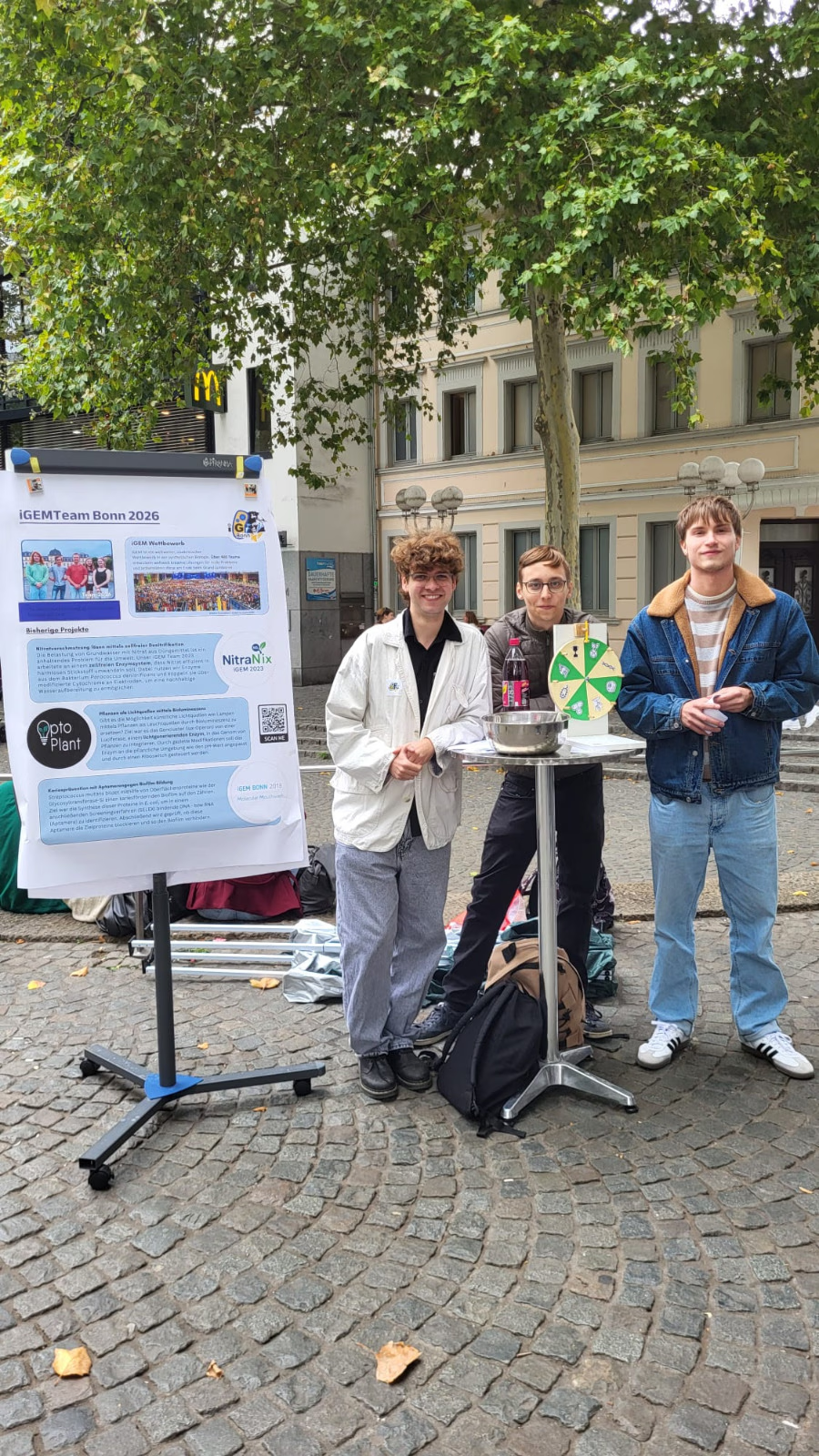
Our first street outreach took place in Bonn’s city center, where we spent an afternoon approaching passers-by and inviting them to participate in our survey and discuss our project. Although approximately 40 people completed the survey, only a few stayed for longer conversations. Most people were occupied with their daily activities, and those who engaged with us were generally already open to GMOs. Nevertheless, two conversations stood out: one with a retired man and another with two teenagers. Despite their different ages, both shared concerns about future food security and were curious about how genetic engineering might help address these challenges.
At our next outreach stand at the university cantina Poppelsdorf, we mainly encountered university students. Conversations with those from scientific backgrounds often became quite detailed, with questions about PotyGuard⁺ sometimes closely resembling discussions we had previously had within our own team. However, we also encountered people who strongly opposed GMOs. Although some were willing to engage with us, establishing an open and constructive exchange proved challenging.
These experiences made us reflect on our approach to science communication. While our first outreach had shown us how difficult it was to engage people in conversation at all, our second highlighted the challenges of discussing genetic engineering with people holding strongly opposing views. We therefore asked ourselves how we could approach such conversations respectfully and constructively without compromising scientific accuracy.
To explore this question, we consulted Dr. Robert Hoffie, who leads the Independent Research Group Biotechnology and Genome Editing at the Leibniz Institute of Plant Genetics and Crop Plant Research (IPK) in Gatersleben. Beyond his research, he is a member of Öko-Progressive Netzwerk e.V., an organization promoting science-based approaches to sustainability and dialogue between science and society. His experience in both plant biotechnology and public science communication made him a valuable person to consult about the challenges we had encountered.
We therefore asked him specifically how he would approach conversations with people who were skeptical of genetic engineering. From the interview, we identified several key learnings for our outreach strategy:
- Start with shared values. Instead of immediately debating genetic engineering itself, discussions can begin with common goals such as sustainable agriculture, environmental protection, or reducing pesticide use. This can create a more constructive basis for conversation.
- Discuss concrete applications and alternatives. Rather than treating “genetic engineering” as an abstract concept, it is more effective to focus on specific applications, their potential benefits, and possible alternatives.
- Provide biological context. Explaining conventional plant breeding before introducing modern genetic engineering can help people place new technologies into a broader perspective.
- Remain respectful but scientifically grounded. Even when discussions become provocative, conversations should remain friendly and respectful while maintaining a clear, evidence-based position.
- Recognize the limits of dialogue. Productive discussions require a certain degree of openness from both sides, and not every conversation will necessarily lead to a genuine exchange of perspectives.
We documented these recommendations and used them to reflect on our previous interactions. During our next street outreach activity, we aimed to apply these learnings more consciously. In this way, the interview directly contributed to the further development of our outreach strategy.
Conversation 1: Finding Common Ground Through Shared Values
During our outreach activity at the Botanical Garden Bonn, we approached an elderly visitor, over 90 years old, and asked whether he would be interested in participating in our survey. He initially responded that he knew very little about genetic engineering and therefore did not feel able to answer questions on the topic. However, when we offered to first explain what our project was about, he was interested and agreed to continue the conversation.
We saw this as an opportunity to consciously apply one of the communication strategies we had previously discussed with Dr. Robert Hoffie: rather than opening the conversation directly with the topic of genetic engineering, we first tried to identify shared values. We asked him what aspects of environmental protection and food security he personally considered important. He explained that he was aware of climate change as a threat and that he considered it important to take action so that future generations would still be able to benefit from and live well on our planet.
This gave us a clear point of common ground. Environmental protection and the responsibility toward future generations were values that we shared, independent of any initial position on genetic engineering. Starting from this common goal, we explained that genetically modified crops can, depending on the application, contribute to making agricultural production more sustainable. As one example, we discussed that certain genetically engineered traits can reduce the need for some pesticide applications, which led him to ask how this is possible. We explained that crops can, for example, be engineered to possess resistance against particular insect pests or plant diseases transmitted by insects. If a threat that would otherwise require chemical control can instead be addressed through a resistant crop, the need for corresponding pesticide applications may be reduced. We used this example to frame genetic engineering not as an end in itself, but as one possible tool for addressing agricultural problems that are currently managed through other interventions.
Following this explanation, we felt that the approach of starting the exchange with shared values had helped create an open atmosphere. The visitor listened attentively, asked follow-up questions, and appeared genuinely interested in understanding how the technology could relate to environmental protection. For us, these questions were an important indicator that the conversation had developed beyond simply presenting information and had become an active exchange.
This interaction was particularly valuable because the conversation had started with someone explicitly stating that he had little prior knowledge of the topic. Rather than treating this as a barrier, beginning with a shared concern allowed us to establish a connection between an unfamiliar technology and values that were already meaningful to him. For us, this was an encouraging first indication that the communication strategies we had taken from our previous Human Practices discussions could be successfully incorporated into our outreach activities.
Conversation 2: Building Trust Through Personal Exchange
During the same outreach activity at the Botanical Garden Bonn, we approached a couple in their fifties and asked whether they would be willing to participate in our survey on GMOs. The woman immediately responded that she did not think much of genetic engineering. Instead of moving on, we asked her what her concerns were. To our surprise and appreciation, the couple stopped and was willing to engage in a longer conversation with us.
When we asked why she was skeptical, she explained that one could never really know what “they” were putting into genetically modified organisms. We followed up by asking who she meant by that specifically, which led her to describe a broader skepticism toward large companies involved in genetic engineering.
From this response, we drew two conclusions that shaped the rest of the conversation. First, we felt that immediately responding with technical details about what exactly is introduced into genetically modified organisms would probably not address the underlying concern. Her skepticism appeared to be directed less toward the molecular biology itself and more toward the institutions and companies associated with the technology. Second, this gave us another opportunity to look for a shared value. In this case, that value was transparency. We agreed that scientific research and the development of new technologies should be communicated openly and transparently, particularly when they may affect society, agriculture, or the environment.
Rather than trying to overwhelm the couple with scientific facts, we therefore focused on making our own motivation and position transparent. We explained that we were students working in an academic setting and that our participation in iGEM was not driven by commercial interests. Our motivation for working on genetic technologies came from our belief that biotechnology can contribute to addressing challenges such as climate change, sustainable agriculture, and future food security. We presented our work as an attempt to contribute, on a small scale, to developing and exploring possible solutions to these broader challenges.
Throughout the conversation, we noticed that the initially skeptical attitude toward us became increasingly open and personal. Eventually, the couple asked what our own project was actually about, which gave us the opportunity to introduce parts of PotyGuard⁺ and explain the ideas behind our work. For us, these follow-up questions were especially significant: rather than simply listening to our arguments, they appeared genuinely interested in understanding what we were working on and why.
We considered this interaction successful not because we expected to change the couple’s general opinion on GMOs within a single conversation, but because an initially skeptical encounter developed into an open exchange. We were able to provide people who associated genetic engineering mainly with distant companies and institutions with a direct and approachable point of contact—someone willing to listen to their concerns, explain their own motivations, and answer questions without dismissing skepticism.
This conversation made us reflect on an aspect of science communication that is easily overlooked: Successful communication is not always primarily about conveying the largest possible amount of factual information. Personal contact and trust can be equally important prerequisites for meaningful exchange. Reading about a technology or hearing that a company has developed a certain product can feel fundamentally different from discussing the same subject directly with another person in an informal, face-to-face conversation. In situations where skepticism is rooted partly in distrust of institutions rather than in specific scientific questions, establishing an approachable and transparent relationship may therefore be a necessary first step before factual explanations can become effective.
For our Human Practices approach, this experience reinforced the importance of listening first and identifying the underlying source of a concern before deciding how to respond. Not every skeptical statement requires an immediate technical explanation. Sometimes, addressing questions of transparency, motivation, and trust can create the basis on which a more substantive scientific discussion becomes possible.
Conversation 3: When the Framing Matters as Much as the Facts
During our outreach activity at the Botanical Garden Bonn, we approached a middle-aged woman and asked whether she would be interested in participating in our survey. She responded by saying that she only bought organic food.
This initial statement led us to make two assumptions that influenced how we approached the conversation. First, we expected that environmental protection might be an important motivation behind her preference for organic products, including concerns about pesticide use and intensive agriculture. Second, we were aware that skepticism toward GMOs is relatively common among consumers who strongly identify with the principles of organic agriculture. We therefore expected that directly trying to convince her that “GMOs are good” would probably not lead to a productive exchange. Instead, we once again tried to begin with potential shared values, particularly environmental protection, sustainable agriculture, and reducing pesticide use.
Rather than immediately talking about genetic engineering, we first asked why she chose to consume exclusively organic products. Her response largely confirmed our assumption that environmental considerations played an important role. At the same time, however, her skepticism toward genetic engineering appeared to be less pronounced than we had initially expected.
We therefore explained our own motivation for working on agricultural biotechnology, focusing on environmental protection and the possibility of developing more efficient agricultural systems that require fewer external inputs. The woman listened closely, and we offered to use our project as an example of how genetically modified crops could potentially contribute to reducing pesticide use. She was interested in hearing more, which allowed us to explain the basic reasoning behind our approach.
During the conversation, she then asked whether developments in genetic engineering would eventually mean that organic agriculture would disappear. We replied that we did not expect this to happen in the foreseeable future. We explained that organic production currently follows its own regulatory principles and that producers and certification systems continue to draw clear boundaries regarding the use of genetically modified crops. We therefore did not see genetic engineering as something that would simply replace the concept of organic agriculture.
We then went one step further and shared a broader personal perspective: We could imagine that, in the future, certain practices associated with organic agriculture and selected applications of genetic engineering might be combined into agricultural systems that are both environmentally sustainable and strongly guided by scientific evidence.
At this point, we noticed a change in the tone of the conversation. Our statement had been formulated more strongly than we had intended and could easily be interpreted as implying that organic agriculture itself was not based on scientific evidence. The woman immediately challenged this interpretation and asked what exactly we considered “unscientific” about organic agriculture.
This gave us the opportunity to clarify what we had meant. We explained that our criticism was not directed at organic agriculture as a whole, but rather at the way the concept of “naturalness” is sometimes used in discussions about food and agricultural technologies. We argued that “natural” can be a difficult concept to define precisely. A tree growing next to us might intuitively be described as natural, but the situation becomes less clear when considering cultivated crops. Modern crop plants have been shaped by human selection and breeding for generations, and their genomes have consequently been altered through human influence.
We then used this distinction to explain how we understood the relationship between conventional breeding and genetic engineering. In conventional breeding, genetic changes arise through processes such as recombination and mutation, while breeders select plants with desirable characteristics. This means that the precise genetic changes responsible for a new trait are not always known or deliberately introduced in advance. Genetic engineering and genome-editing approaches, by contrast, can in many cases be used to introduce more targeted genetic changes whose intended molecular modification is defined beforehand.
We were able to explain this reasoning fully, and the woman continued to listen attentively before thanking us and leaving. Nevertheless, we felt that the openness of the conversation had decreased after our earlier statement about combining organic agriculture with approaches that were “based on scientific evidence.”
For us, this became one of the most instructive conversations of the day. Even when the factual content of a statement can be defended or clarified, the way it is framed can strongly influence how it is received. By phrasing our point too broadly, we had unintentionally created the impression that we were dismissing an entire agricultural approach that was clearly important to our conversation partner.
This experience showed us that identifying shared values at the beginning of a conversation is only the first step. Maintaining the openness and trust that develops from them requires continuous attention to language and framing. A statement does not have to be factually incorrect to negatively affect a conversation; it may be enough for it to imply something that the speaker did not intend. In science communication, we therefore learned that careful wording is not merely a matter of politeness, but an essential part of keeping a constructive exchange possible.
Outreach Survey – Public Perspectives on Genetic Engineering
Introduction
Through our PotyGuard⁺ project, we aim to develop new forms of resistance against potyviruses in crop plants using genetic engineering, potentially contributing to more resilient agricultural production. However, the application of genetic engineering in agriculture remains controversial in Germany. Understanding public attitudes, expectations, and concerns is therefore relevant when considering the potential future application of our project.
Against this background, we conducted a survey to gain insight into participants’ self-assessed knowledge of genetic engineering, identify perceived benefits and concerns, and explore attitudes toward its use in different products and agricultural applications.
We were particularly interested in understanding which aspects of genetic engineering participants viewed positively, which raised concerns, and where differing perspectives might share common priorities.
By examining these responses, we hoped to identify considerations relevant to the responsible development and communication of PotyGuard⁺. Given the limitations of our sample, our results should be understood as an exploration of the perspectives represented among our respondents rather than as a representative assessment of public opinion in Germany.
Participants and Limitations of the Study
A total of 118 people participated in our survey. However, several aspects of our recruitment process and survey design limit the generalizability of the results.
More than half of the respondents (53.0%) were under the age of 30 (Figure 1). We distributed the survey through our digital communication channels and recruited participants at information stands in Bonn’s city centre, the Botanical Garden, and the university cafeteria. These recruitment methods may have attracted particular demographic groups. For example, our presence at the university cafeteria may have contributed to a higher proportion of younger participants and individuals with academic backgrounds.
One participant did not provide an age.
Regarding gender, 56.8% of respondents identified as male, 39.8% as female, and 3.4% as diverse (Figure 2).
Participation was voluntary, introducing the possibility of self-selection bias. Individuals with an existing interest in science or genetic engineering may have been more inclined to participate. Furthermore, predefined response options may have influenced the answers by limiting the range of perspectives participants could express.
As not every respondent answered every question, the number of valid responses varies slightly between analyses. Percentages are calculated using the valid responses for each respective question.
These limitations should be considered when interpreting the following findings. Our survey provides insight into the views of the participating individuals but does not allow conclusions about the distribution of these views within the wider German population.
Knowledge of Genetic Engineering
We first investigated how respondents assessed their own knowledge of genetically modified plants and which areas of application they associated with genetic engineering.
When asked to rate their knowledge of genetically modified plants on a five-point scale, only 14.5% described themselves as well or very well informed. In contrast, 60.7% selected the categories “not at all” or “slightly” informed (Figure 3).
These results indicate that a majority of respondents considered their own knowledge of genetically modified plants relatively limited. However, since the question assessed perceived rather than objectively tested knowledge, we cannot determine their actual level of understanding from these responses.
We also asked respondents which fields they associated with the use of genetic engineering. Agriculture was selected most frequently (93.2%), followed by medicine (82.9%) and scientific research (78.6%). Clothing manufacturing was selected by 33.3% (Figure 4).
These findings indicate that most respondents recognized agriculture, medicine, and scientific research as areas in which genetic engineering is applied.
The distribution is expressed as a percentage. Multiple selections were allowed. One participant answered “generation of OLED displays” under the category “other.”
Interestingly, while agriculture was widely recognized as a field of application, relatively few respondents considered themselves well informed about genetically modified plants. However, our survey did not assess whether participants understood the underlying technologies or could identify specific agricultural applications.
For PotyGuard⁺, these findings reinforce the value of providing accessible explanations of the technology, its intended applications, and its potential benefits and limitations.
Risks and Benefits
To explore participants’ attitudes toward genetic engineering, we asked about their concerns, perceived benefits, and acceptance of its use in different product categories.
Perceived Risks
When asked about potential concerns associated with genetic engineering, 16.9% of respondents selected “no concerns.”
The most frequently selected concern was a potential negative impact on biodiversity (54.2%), followed by health risks (44.1%). Other commonly selected concerns included the spread of genetically modified organisms in the environment (33.9%) and ethical considerations (32.2%). Concerns about food quality were selected by 23.7% (Figure 5).
These responses indicate that concerns among participants were not limited to potential effects on human health. Environmental and ethical considerations were also relevant to substantial proportions of our sample.
Multiple selections were allowed.
For PotyGuard⁺, these findings underline the importance of transparently addressing potential environmental implications and communicating how risks would be assessed for any future agricultural application.
Perceived Benefits
We also asked respondents which potential benefits they associated with genetic engineering in agricultural crops.
The most frequently selected potential benefit was increased plant resilience to environmental stress (85.3%), followed by reduced pesticide use (81.0%) and higher crop yields (77.6%). More affordable food was selected by 52.6%, while only 3.4% selected the option indicating that they saw no benefits (Figure 6).
These results show that many respondents recognized several potential advantages of genetic engineering in agriculture.
Taken together with the responses concerning risks, the findings indicate that both possible benefits and potential concerns were represented within our sample. However, without analyzing individual response patterns, we cannot determine how frequently the same respondents simultaneously selected particular benefits and concerns.
Multiple selections were allowed.
For the communication of PotyGuard⁺, this emphasizes the importance of discussing potential agricultural benefits alongside possible risks and limitations rather than treating these aspects separately.
Acceptance Across Product Categories
We asked respondents in which types of products they would accept the use of genetic engineering (Figure 7).
Medications received the highest proportion of selections (77.8%), followed by plant-based foods (64.1%). Lower proportions selected animal feed (53.8%), textiles (52.1%), and animal products such as meat, milk, or eggs (35.0%).
The difference between plant-based foods and animal products was particularly notable. However, the survey did not investigate the reasons for this difference, and we therefore cannot determine which considerations influenced respondents’ choices.
Multiple selections were allowed.
For PotyGuard⁺, the relatively high selection rate for plant-based foods is relevant because our project focuses on genetic engineering in crop plants. Nevertheless, acceptance was not universal: 35.9% of respondents did not select plant-based foods as an acceptable category. Since respondents could select multiple options, this should not automatically be interpreted as explicit opposition to genetically modified plant-based foods.
Sustainability and Risk Perception
We also asked respondents to evaluate statements concerning the potential contribution of genetic engineering to agricultural sustainability and its possible risks.
A majority of respondents (67.9%) slightly or strongly agreed that genetically modified crops could contribute to more sustainable agriculture, while 11.3% disagreed (Figure 8).
Responses to the statement that genetically modified plants pose significant risks to humans and the environment were more evenly distributed. While 39.1% slightly or strongly disagreed, 38.3% selected a neutral response, and 22.6% slightly or strongly agreed (Figure 9).
These findings indicate that a positive assessment of the potential sustainability benefits of genetic engineering was relatively common within our sample, while opinions about significant risks were more divided.
The results are particularly relevant to PotyGuard⁺, whose intended application involves improving resistance against viral infections in crops. They suggest that discussing potential agricultural benefits may provide a useful starting point for communication, while questions about environmental and health-related risks should also be addressed carefully.
However, the survey did not evaluate the risks or benefits of PotyGuard⁺ specifically, and the results should not be interpreted as direct evidence of acceptance of our project.
Further Perspectives on Genetic Engineering
To explore additional dimensions of participants’ attitudes, we asked about support for research into new plant technologies, trust in safety assessments, and views on the cultivation of genetically modified crops in the European Union.
Support for Research and Trust in Safety Assessments
A large majority of respondents (85.4%) slightly or strongly agreed that scientific research into new plant technologies should continue (Figure 10).
By comparison, trust in safety assessments for genetically modified crops was more mixed. While 44.5% expressed some degree of trust, 33.3% selected a neutral response, and 22.2% reported little or no trust (Figure 11).
These findings indicate that support for continued research was widespread among our respondents, while trust in safety assessments varied considerably.
The difference highlights the importance of distinguishing support for scientific research from confidence in the evaluation and regulation of potential applications. However, our data do not establish why respondents expressed particular levels of trust or distrust.
Attitudes Toward Cultivation in the European Union
We asked respondents whether genetically modified crops should be permitted for cultivation in the European Union, provided that they were clearly labeled as food.
Under this condition, 63.8% slightly or strongly supported permitting cultivation, while 11.2% disagreed (Figure 12).
These results indicate that a majority of respondents supported cultivation under the conditions specified in the question. However, because we did not ask an equivalent question without the labeling requirement, we cannot determine whether labeling itself increased support.
The responses therefore reflect attitudes toward the specific scenario presented rather than the independent effect of transparent labeling.
Conclusion
Our survey of 118 participants provides insight into a range of perspectives on genetic engineering in agriculture.
Within our sample, many respondents recognized potential benefits such as increased plant resilience, reduced pesticide use, and higher crop yields. At the same time, concerns about biodiversity, human health, and the environmental spread of genetically modified organisms were frequently expressed.
Although support for further research into plant technologies was widespread, trust in safety assessments was more varied. Furthermore, while a majority of respondents selected plant-based foods as a product category in which they would accept genetic engineering, this should not be interpreted as evidence of general public acceptance.
For PotyGuard⁺, these findings reinforce the importance of communicating our research in a way that addresses both its intended benefits and the questions associated with its potential future application. In particular, environmental considerations, risk assessment, and the distinction between scientific research and agricultural implementation deserve attention.
Beyond the quantitative results, the survey also provided a starting point for direct conversations with members of the public. These exchanges helped us explore perspectives and concerns in greater depth than the predefined survey responses alone allowed.
Ultimately, our findings do not provide a representative picture of public attitudes in Germany. Instead, they offer a starting point for reflecting on how we communicate PotyGuard⁺ and which issues may be particularly relevant when discussing agricultural biotechnology with different audiences.
School Presentations – Bringing Synthetic Biology into the Classroom
1. Bringing Synthetic Biology into the Classroom
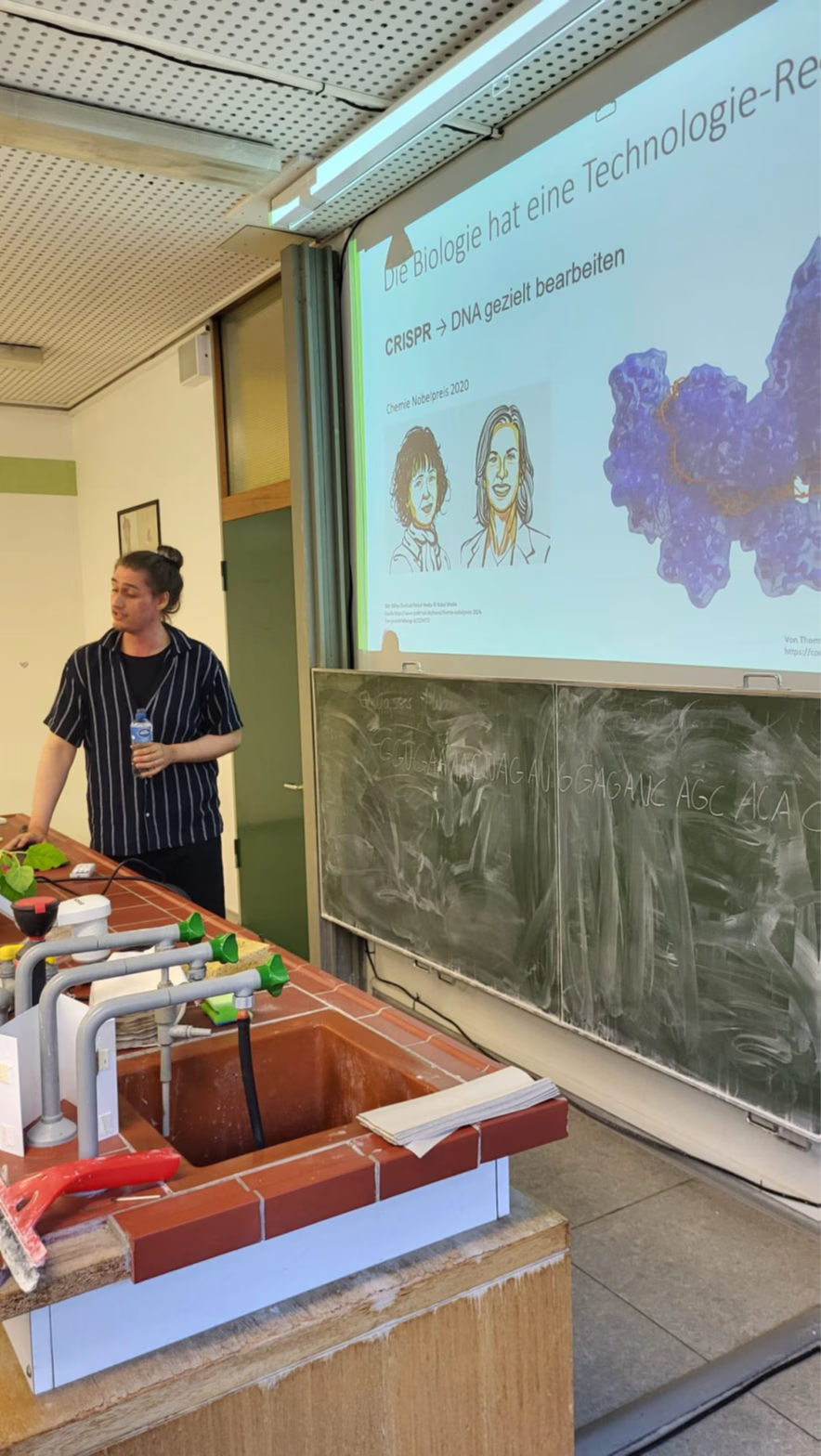
As further Education activities, we wanted to introduce students to modern biotechnology and encourage them to critically engage with genetic engineering, particularly in the context of agriculture. Since our project PotyGuard⁺ aims to contribute to the development of transgenic crops with resistance against potyviruses, we considered it especially important to communicate not only the possibilities of genetic engineering but also the underlying biological principles needed to evaluate its applications.
After reaching out to biology teachers at several schools, we connected with an enthusiastic teacher at Rhein-Sieg-Gymnasium, who invited us to visit two biology classes, one in grade 10 and one in grade 11. Each visit consisted of a 90-minute session combining scientific explanations, discussions, and practical activities.
Our educational goals extended beyond simply introducing our project. We wanted students to understand how genetic information relates to biological functions, how modern technologies allow researchers to study and modify DNA, and how these methods can be applied to agricultural challenges. At the same time, we wanted to create opportunities for students to question scientific claims, reflect on their existing opinions, and develop their own evidence-based perspectives on genetic engineering.
Another motivation was to spark curiosity and enthusiasm for biology itself. By introducing students to current research, modern technologies, and practical laboratory techniques, we hoped to demonstrate how diverse and exciting biological research can be. Particularly for students who had not yet selected their advanced courses, we also hoped to encourage them to consider studying biology in greater depth.
2. Designing an Interactive Learning Experience
From the beginning, we wanted our school visits to be more than conventional lectures. Both sessions started at 8 a.m., and based on our own school experiences, we knew how challenging it can be to remain attentive during a long presentation early in the morning. We therefore designed the sessions around interactive elements that would encourage participation and discussion.
Starting with Opinions Rather Than Facts
We began with an exercise using what we called positioning lines. We presented deliberately thought-provoking statements about genetic engineering and asked students to position themselves along an imaginary line across the classroom, depending on how strongly they agreed or disagreed.
Some of the statements included:
- “I would eat genetically modified food.”
- “Changing genes is unnatural.”
- “Genetic engineering in plants is riskier than conventional breeding.”
- “I would eat genetically modified food if it had undergone appropriate safety assessments.”
We chose this activity for two reasons. First, it encouraged students to move around, become actively involved, and reflect on their own opinions instead of immediately beginning the day by listening to a presentation.
Second, we deliberately selected statements that we could revisit throughout the session. By introducing new biological information and repeatedly returning to the initial claims, we wanted students to reflect on whether their original positions still seemed justified.
One particularly memorable example concerned the statement that genetic engineering is “unnatural.” After explaining how conventional plant breeding also changes the genetic composition of crops, we returned to the question of naturalness. One student independently pointed out that describing genetic engineering as unnatural seemed questionable when conventional breeding also involves genetic changes.
This observation was particularly encouraging because the conclusion came from the student rather than being presented by us. Several students explicitly stated that the information they had learned had changed how they viewed some of the initial statements.
For us, these moments indicated that the exercise had achieved an important educational goal: Students were not simply memorizing facts but actively using new information to reconsider their own assumptions.
The positioning lines became a recurring reference point throughout both sessions, particularly during the second visit, where they contributed to ongoing discussions.
Encouraging Questions and Critical Thinking
At the beginning of each session, we explicitly encouraged students to interrupt us whenever something was unclear or when they wanted to learn more about a particular topic. We wanted them to feel comfortable asking questions rather than waiting until the end of the presentation.
During both visits, we were impressed by how readily students questioned our statements and asked us to provide concrete examples.
One particularly interesting situation occurred when we discussed the potential applications of genetic engineering in agriculture. We mentioned that genetic engineering could be used to develop crops with improved drought tolerance, increased resistance against pests, or altered nutritional properties.
Initially, we did not provide specific examples because we wanted to save time. However, students immediately asked us to name actual applications supporting these claims.
In response, we introduced Bt maize as an example of genetically engineered insect resistance and Golden Rice as an example of modifying the nutritional composition of crops through genetic engineering.
We appreciated these questions because they demonstrated that students were not simply accepting broad scientific statements without further explanation. They wanted to understand how the possibilities we described translated into concrete applications.
After the first presentation, we consciously decided to retain this approach for our second visit. Rather than immediately presenting examples ourselves, we again introduced the potential applications in general terms, leaving room for students to ask for more specific information.
We did not explicitly prompt them to challenge our claims. Nevertheless, students once again independently requested concrete examples.
What had initially been a decision motivated by time constraints therefore became a deliberate part of our educational approach. We realized that leaving room for students to formulate their own questions could encourage active engagement and allow them to influence the direction of the discussion.
Maintaining Attention and Encouraging Dialogue
To help students remain attentive throughout the 90-minute sessions, we planned approximately five-minute breaks after every 30 minutes.
We also made it clear that questions and discussions were welcome at any point during the presentation. Our intention was to avoid delivering a continuous monologue and instead create an environment in which students could actively participate in shaping the session.
As we later discovered, encouraging this level of participation also introduced challenges for our time management.
3. From DNA to Synthetic Biology
A central challenge in preparing our presentations was deciding which biological concepts were essential and how much previous knowledge we could reasonably assume.
Before each school visit, we consulted the biology teacher to find out which topics the respective class had already covered. We then adapted our introduction accordingly, aiming to establish a common foundation before moving on to more advanced technologies.
Establishing the Molecular Foundations
We began by introducing the central dogma of molecular biology, focusing on the relationship between DNA, RNA, and proteins.
Our main message was that DNA contains genetic information, which can be transcribed into RNA and, in the case of protein-coding genes, translated into proteins. We emphasized that proteins perform many of the functions within living cells and that changes in genetic information can influence biological processes.
We considered these concepts essential for understanding genetic engineering and synthetic biology.
At the same time, we deliberately limited the level of detail. Concepts such as promoters, terminators, regulatory sequences, and other non-coding DNA elements were initially excluded because we believed that introducing them would make the explanation unnecessarily complicated.
Our goal was to establish the biological principles needed for the following sections without overwhelming students with additional molecular details.
Reading, Editing, and Writing DNA
Building on this foundation, we introduced several technological developments that have fundamentally changed what researchers can do with genetic information.
We structured this part of the presentation around three central capabilities.
Reading DNA: We introduced sequencing technologies, focusing particularly on nanopore sequencing. We explained the basic principle of reading genetic information and brought actual nanopore flow cells to demonstrate how compact modern sequencing equipment has become.
Editing DNA: We introduced CRISPR-Cas as an example of a technology that enables targeted changes to genetic sequences, illustrating how modern genetic engineering can differ from conventional breeding methods.
Writing DNA: We presented DNA synthesis as a means of producing designed genetic sequences, allowing researchers to create biological constructs rather than relying exclusively on DNA already present in nature.
We also introduced AlphaFold to illustrate how computational approaches and artificial intelligence have expanded our ability to predict protein structures.
Together, these technologies provided a foundation for explaining synthetic biology as an engineering-oriented approach to living systems.
Using the Design–Build–Test–Learn cycle, we described how biological systems can be designed, constructed, tested, and improved through repeated iterations.
We wanted students to understand that modern biotechnology does not simply involve observing and describing biological processes. It also allows researchers to use biological knowledge to design systems with specific intended functions.
Connecting Biotechnology to Agricultural Challenges
After introducing the technological possibilities, we discussed why these developments may be relevant to society.
We presented challenges facing agriculture, including climate change, food insecurity, increasing global food demand, and the degradation of agricultural resources.
We then explained the principles of conventional plant breeding and compared them with modern genetic engineering.
Using examples of how cultivated plants have changed through generations of selective breeding, we illustrated that human intervention has influenced the genetic characteristics of crops for thousands of years.
This comparison also allowed us to revisit the statements from our initial positioning exercise, particularly those concerning naturalness and the differences between conventional breeding and genetic engineering.
We wanted students to understand that both approaches can result in genetic changes, while differing in their methods and the degree to which particular modifications can be targeted.
We also introduced questions surrounding the safety assessment of genetically modified crops, encouraging students to think more carefully about what it means for a technology or product to be considered safe.
Rather than presenting genetic engineering as inherently beneficial or harmful, our aim was to provide the scientific background necessary to evaluate specific applications and their potential implications.
4. Making Research Tangible
Although scientific explanations and discussions formed a large part of our sessions, we also wanted students to gain practical experience with methods used in biological research.
We therefore brought laboratory equipment and Nicotiana benthamiana plants to connect the theoretical content of our presentations with the experimental work involved in PotyGuard⁺.
Experiencing the Microliter Scale
In a pipetting exercise, students were offered the opportunity to handle very small liquid volumes, ranging from approximately 0.2 to 1 μl.
Our intention was to give them a feeling for the quantities involved in molecular biology experiments. Volumes that are barely visible to the naked eye can play an important role in experimental procedures and have substantial consequences for their outcomes.
By working with micropipettes themselves, students could gain first-hand experience with the precision required in molecular biology laboratories.
Demonstrating Leaf Infiltration
We also brought Nicotiana benthamiana plants to introduce leaf infiltration, an important technique in our experimental work.
In our project, Agrobacterium-mediated leaf infiltration is used to introduce genetic constructs into plant tissue for experimental investigations.
For the school activity, we used water instead of bacterial suspensions, allowing students to try the physical procedure without performing a genetic transformation.
This demonstration was intended to make the plant-related aspect of our research more tangible. Rather than only hearing about molecular constructs and engineered biological functions, students could experience a procedure closely related to the experiments we perform in the laboratory.
Both activities were designed to allow students to carry out the procedures themselves rather than simply watch a demonstration. We provided the materials and encouraged participation, and several students took advantage of the opportunity.
However, the time available for these practical activities was more limited than we had originally intended.
5. Learning from Feedback
One of our motivations for organizing these school visits was to improve our own science communication skills. We therefore considered the students’ questions, their feedback, and our experiences during both presentations important opportunities for reflection.
Several challenges became particularly apparent when comparing the two visits.
Finding the Right Level of Scientific Detail
During the preparation of our first presentation, we faced a difficult decision concerning the explanation of PotyGuard⁺.
While our project involves mechanisms such as viral protease activity, Cre recombinase, and intein splicing, a comprehensive explanation also requires understanding additional concepts such as gene expression levels, promoters, terminators, and loxP sites.
We considered explaining the protein-level mechanisms potentially manageable, as we had already introduced the relationship between DNA and proteins. However, introducing the regulatory and other non-coding DNA elements would have required a considerably broader molecular biology foundation.
We therefore decided to simplify the explanation of PotyGuard⁺ substantially.
We described the general concept of recognizing a viral infection through the activity of a viral protease and triggering an engineered response in the plant, without explaining all the individual molecular components.
Our assumption was that this approach would make the project easier to understand.
However, when we asked the students for feedback at the end of the first presentation, they told us that they would have liked to learn more about the actual molecular mechanisms behind PotyGuard⁺.
This challenged our initial expectations. In trying to avoid overwhelming the students, we had potentially removed some of the details they found particularly interesting.
Responding to Feedback: When More Detail Becomes Too Much
For our second school visit, we decided to respond directly to this feedback.
We prepared a more comprehensive explanation of PotyGuard⁺, introducing not only the protein-level mechanisms involving viral proteases, Cre recombinase, and intein splicing, but also regulatory DNA elements and their roles in controlling gene expression.
We used illustrations from our project to explain how the individual components interact.
However, this approach created a different problem.
Both the students and their teacher explicitly told us that the explanation had been too complicated. Although we had responded to the request for more detail, we had not succeeded in making the additional molecular concepts sufficiently accessible.
The teacher suggested using physical models, such as building bricks, to illustrate the interactions between the different molecular components.
This suggestion provided us with a concrete idea for improving future explanations. Physical models could potentially make molecular interactions easier to visualize than scientific diagrams, particularly for students who are not yet familiar with interpreting complex biological illustrations.
In retrospect, we believe that we may have overcorrected our original approach.
During the first visit, we simplified the project to the point where students wanted more information. During the second, we attempted to explain so many additional concepts that the overall mechanism became difficult to follow.
These experiences taught us that balancing scientific depth with accessibility is not simply a matter of deciding how much information to include. It also requires considering how that information is introduced, structured, and represented.
For a future presentation, we would therefore aim to introduce the components of PotyGuard⁺ more gradually, potentially using physical models to build up the molecular mechanism step by step.
Balancing Discussion and Hands-on Activities
Another challenge we encountered during both school visits was time management.
We had carefully prepared and rehearsed our presentations beforehand, timing the individual sections and deliberately allocating time for questions.
Nevertheless, we were surprised by both the number and the nature of the questions students asked. Some questions required considerably more explanation than we had anticipated, particularly when students wanted concrete examples or asked us to clarify scientific concepts in greater detail.
We wanted to address these questions properly rather than provide superficial answers or move on without resolving uncertainties.
As a result, our presentations took longer than planned, sometimes extending into the scheduled breaks.
Although we had originally reserved the final 20 minutes for the practical exercises, considerably less time remained for pipetting and leaf infiltration. Consequently, only some students had the opportunity to perform these activities themselves.
This experience highlighted a challenge we had underestimated: even when time is explicitly reserved for questions, the course of an open scientific discussion is difficult to predict.
We deliberately wanted to encourage active participation rather than deliver a monologue, but taking the time to respond to students’ questions sometimes came at the expense of other educational activities.
In future sessions, we would therefore allow greater flexibility for discussions while protecting sufficient time for hands-on experiments.
What We Took Away
Looking back, the school visits provided us with valuable lessons about science communication.
One of the most encouraging observations was that students did not simply accept the information we presented. They questioned broad statements, asked for concrete examples, and used newly acquired knowledge to reconsider their initial opinions.
Their questions about real-world applications of genetic engineering, for example, showed us that general statements about the potential of biotechnology were not sufficient on their own. Students wanted to understand which applications already existed and how they worked.
We also learned that giving students room to formulate their own questions could encourage active engagement. By deliberately leaving certain examples open during our second presentation, we created opportunities for students to request evidence and help determine which aspects of the topic were explored in greater depth.
At the same time, the feedback concerning our explanation of PotyGuard⁺ reminded us that scientific knowledge and the ability to communicate it effectively are different skills.
As university students familiar with complex molecular mechanisms, we sometimes underestimated how difficult scientific diagrams and terminology can be for people encountering them for the first time.
Finally, the unexpected amount of discussion made us reconsider how we plan interactive educational activities. Encouraging questions is important, but meaningful participation also requires sufficient time and flexibility.
Overall, these school visits reinforced our understanding of Education as a two-way learning process. We aimed to provide students with scientific knowledge, opportunities for critical reflection, and practical experiences with laboratory techniques. In return, their questions, observations, and feedback challenged our assumptions about what makes scientific explanations accessible and engaging.
Our most important takeaway was that effective science communication does not mean simply presenting more information or reducing everything to its simplest possible form. It means finding ways to make scientific complexity understandable while leaving room for curiosity, questions, and independent thinking.
Hands-on PCR Workshop with Scouts
As part of our Education activities, we organized a hands-on workshop for a group of teenage scouts, introducing them to the principles of polymerase chain reaction (PCR) and synthetic biology.
We began by explaining how PCR works and why it is such an important technique in molecular biology. Additionally, we also introduced synthetic biology as an engineering-oriented approach to biology, illustrating how biological systems can be studied and deliberately modified.
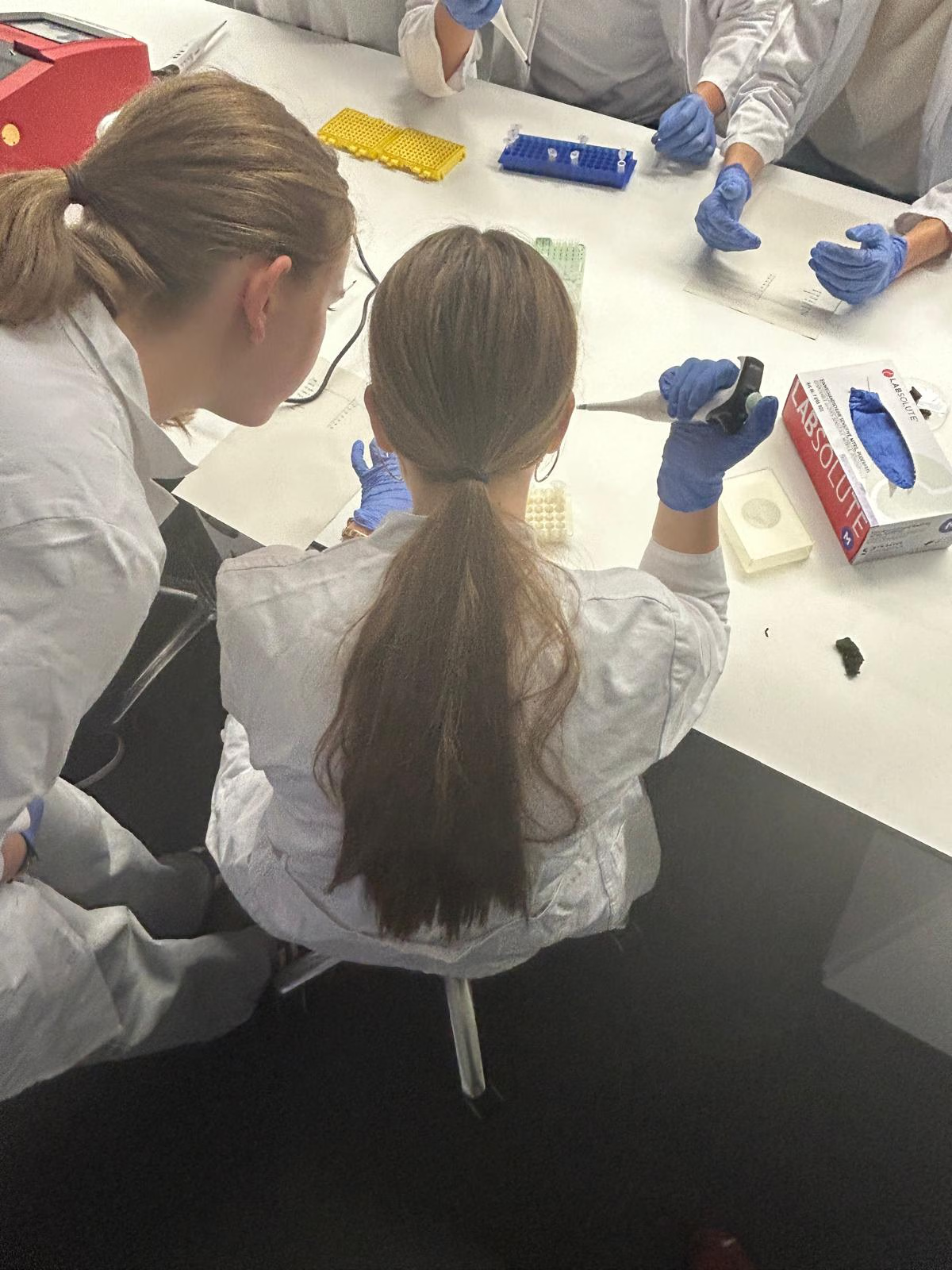
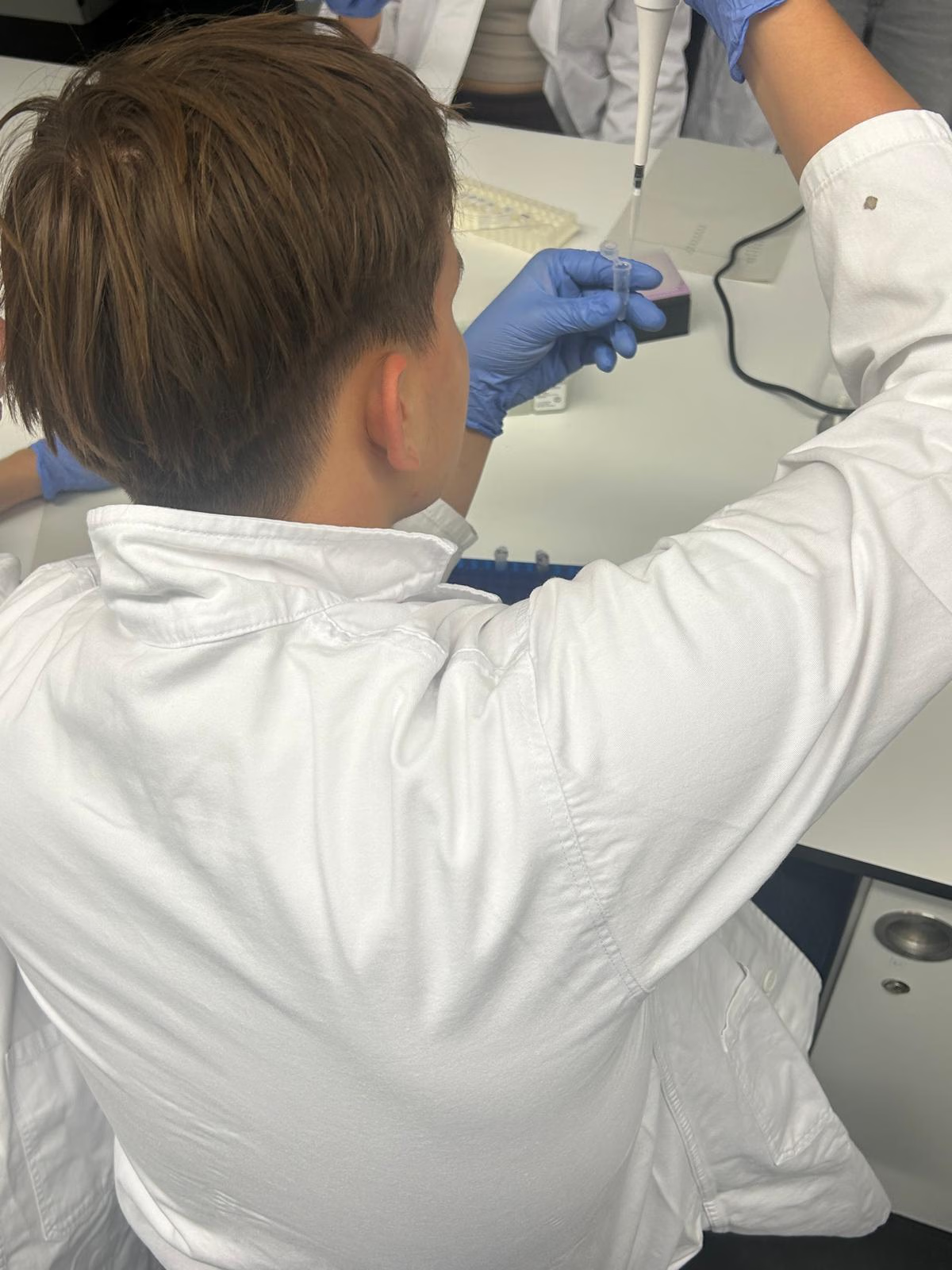
The central part of the workshop consisted of a practical exercise in which participants prepared their own PCR reactions using micropipettes, which allowed them to experience a laboratory technique themselves rather than only learning about it theoretically.
Overall, the workshop was a very positive experience. The participants listened attentively throughout the explanations and seemed particularly enthusiastic about the practical activities. We noticed that they especially enjoyed pipetting, which reinforced our impression that hands-on experiences can be an engaging way to introduce young people to molecular biology.
Discovering DNA – Workshop for Fifth-Grade Girls
As part of our Education activities, we organized a hands-on biology workshop for a group of fifth-grade girls. Our goal was to introduce them to fundamental biological concepts and spark their curiosity about molecular biology.
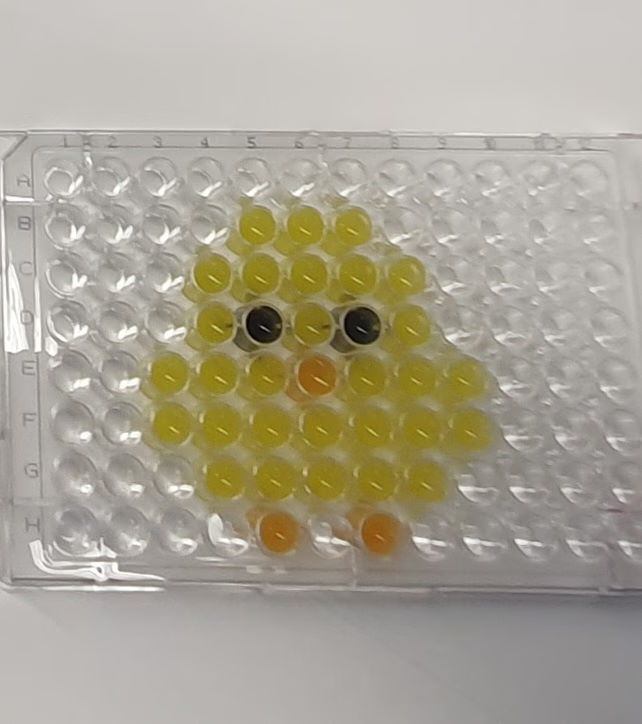
We began by explaining the basic relationship between DNA and proteins, how genetic information is used within cells, and how DNA can be modified. To make these concepts more tangible, the girls extracted DNA from bananas, allowing them to see genetic material with their own eyes. We also organized pipetting exercises using colored liquids in well plates, where participants could recreate small pictures by following color patterns.
Throughout the workshop, the girls showed great curiosity and asked numerous questions, often extending beyond the topics we had originally planned. They wanted to know, for example, why different fruits cannot simply be crossbred, what proteins are and what functions they serve beyond their role in food, and whether all cells in the human body are the same.
While the girls particularly enjoyed the pipetting exercises, what impressed us most was the depth of their questions despite their limited prior knowledge of biology. For us, this was an encouraging reminder that scientific curiosity does not depend on already possessing extensive scientific knowledge. Even complex biological topics can inspire thoughtful questions when children are given the opportunity to explore them in an accessible and engaging environment.
Pint of Science Bonn – Bringing Synthetic Biology to the Pub
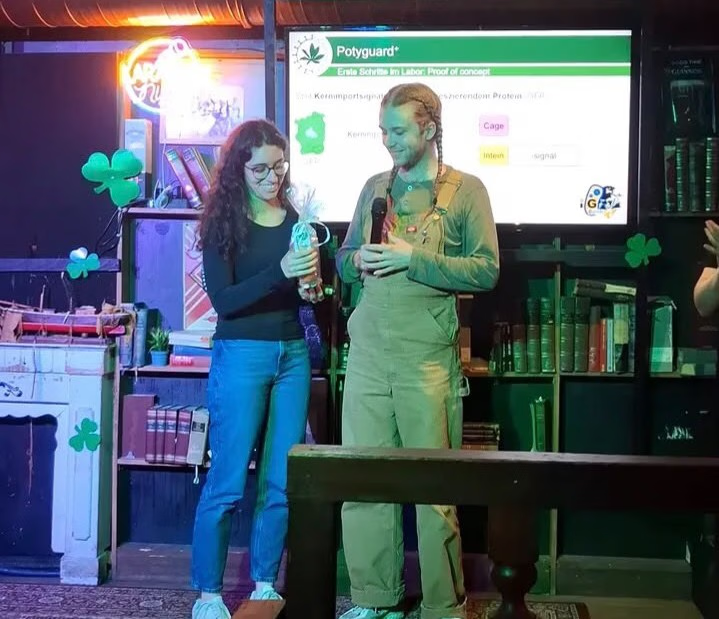
For our public Education efforts, we had the opportunity to present our project at Pint of Science Bonn, an annual international science festival dedicated to sharing scientific research and projects with a public audience.
Knowing that the audience would consist of people with academic and non-academic backgrounds, we were challenged to deliver our project in a manner that would give the listeners an idea of the molecular mechanisms behind our caged intein-based resistance tool, as well as the relevance of researching plant disease in an agricultural context while also keeping our explanation from becoming too science-heavy and hard to follow.
We thus opened our presentation with a short pub quiz on agriculture in Germany, hoping to catch the audience’s attention from the beginning on and making them feel involved in the talk.
Following the presentation, the audience was encouraged to ask questions, which we were happy to receive quite a lot of. These ranged from more broad questions about the use of GMOs in agriculture, to rather technical ones about challenges we faced during our first attempt at a proof of concept as well as the kinds of modifications we would apply to our construct in future experiments.
Overall, while some of the questions we received mirrored ones that we also discussed during our group meetings, others provided us with a better perspective on how people without backgrounds in molecular biology perceive a project like ours.
WDR Television Feature – Bringing Our Research to a Wider Audience
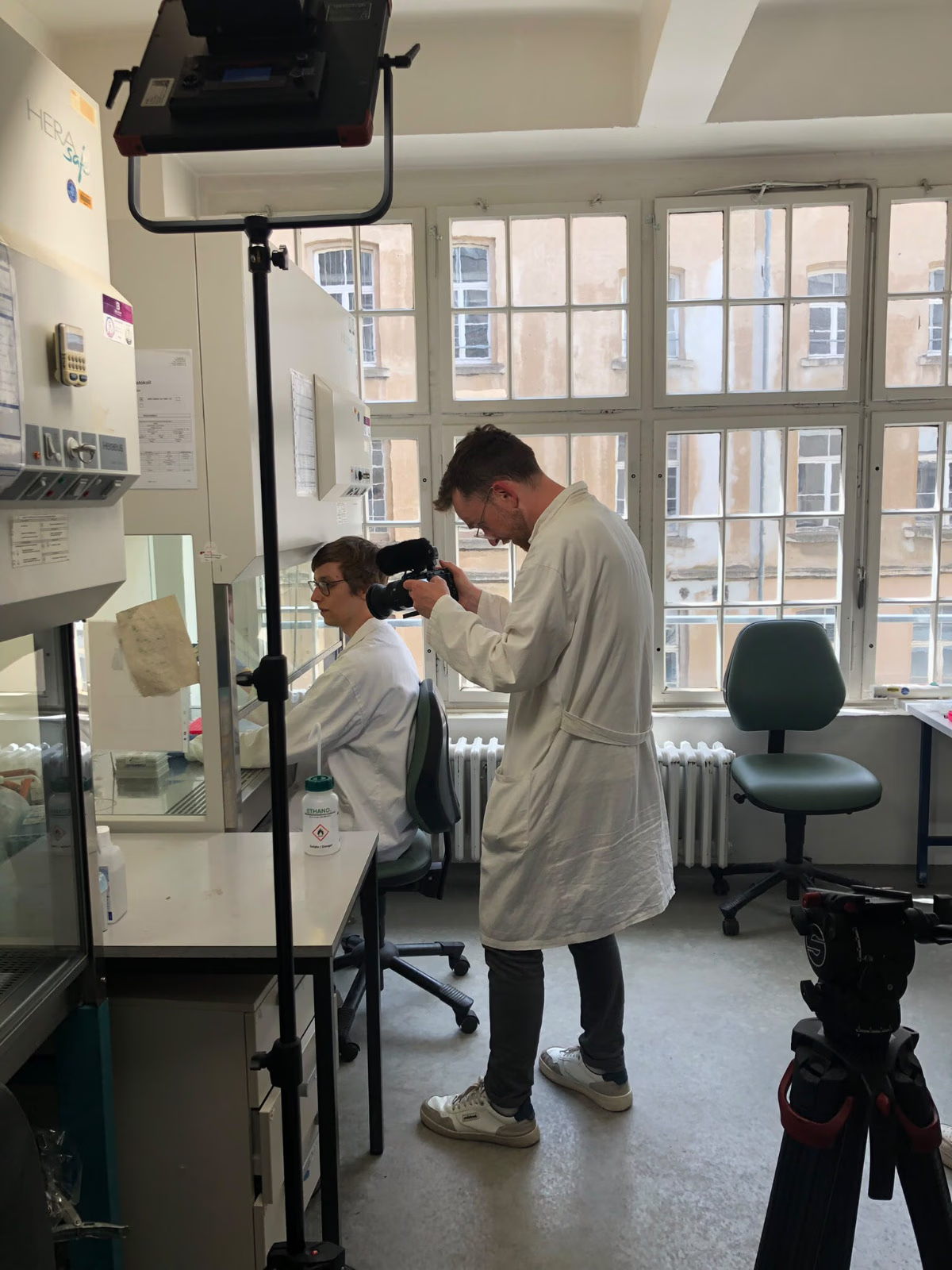
As part of our science communication efforts, a television crew from Westdeutscher Rundfunk (WDR), a German public broadcaster, accompanied us in the laboratory for a day. We used this opportunity to introduce our iGEM team, explain our project PotyGuard⁺, and share our motivation for working on synthetic biology.
During the visit, we demonstrated several aspects of our everyday laboratory work, including pipetting, working at a sterile workbench, and performing Agrobacterium-mediated leaf infiltration, one of the central experimental techniques used in our project. We also answered questions about iGEM, our research, and the ideas behind PotyGuard⁺.
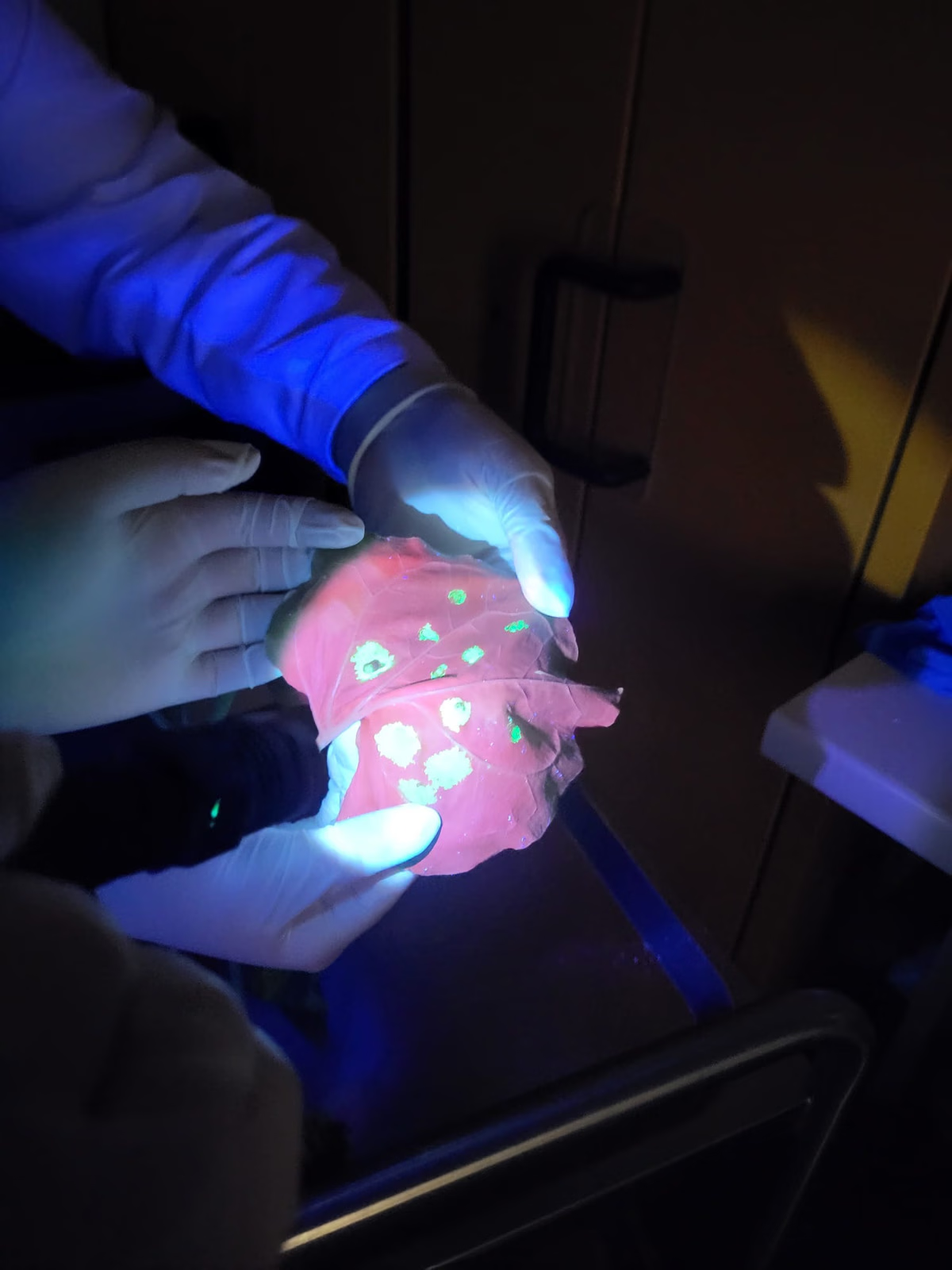
Finally, we showed the television crew the result of a successful leaf infiltration experiment by demonstrating GFP fluorescence in infiltrated plant tissue. This provided a visual example of how we can detect the expression of introduced genetic constructs in plants.
Through the television feature, we had the opportunity to present our research and laboratory work to an audience beyond the university.
Bringing Science to the people: Fact Friday
As part of our educational work, we aimed to use our platform as an iGEM team to create scientific content in a way that is easily accessible and understandable for a public audience. This goal led us to the creation of “Fact Friday”, an Instagram-based educational series consisting of weekly posts to introduce the viewer to different subjects related to our project idea.
Focusing on the development of a modular caged intein-based construct to inhibit the systemic infection of viruses in plants, we started off our series with more general introduction to (plant) viruses. Here, we chose to make a post centered around the so-called Tulip Breaking Virus and its ability to induce the development of stripes and streaks on tulip petals to give the viewer an idea of the effect plant viruses can have. Following an additional posts about the abundance of virus-like particles on earth, we wanted to shift to focus to genetically modified organisms (GMOs), as the play a key role in our project. We thus published a Fact Friday post addressing the definition of GMOs, how they are generated and which benefits they can carry, thereby aiming to bring the subject of GMOs to a broader audience.
Moreover, during our journey as an iGEM team, we realized how many obstacles and challenges one may face when trying to generate funding for a certain project. Hence, we decided to extend our Fact Friday posts to talk about funding and finance-related subjects, too, thereby creating our so-called “Funding Friday” series. Here, we addressed topics such as how to identify sources for funding, especially as a student-based iGEM team, what challenges can be faced in hindsight to increasingly tight budgets and competition, as well as important aspects that a proposal should contain.
Learning Games
Alongside our outreach, we developed a set of small browser games as part of our education concept. They help students and new team members learn lab techniques, lab safety and iGEM-related topics by playing: a quick-fire quiz on lab knowledge and biosafety, a puzzle for rebuilding metabolic pathways, and a memory game on antibiotics and their targets. Every game explains the science behind each answer, so learning happens with every move.