



Phenolic Compounds
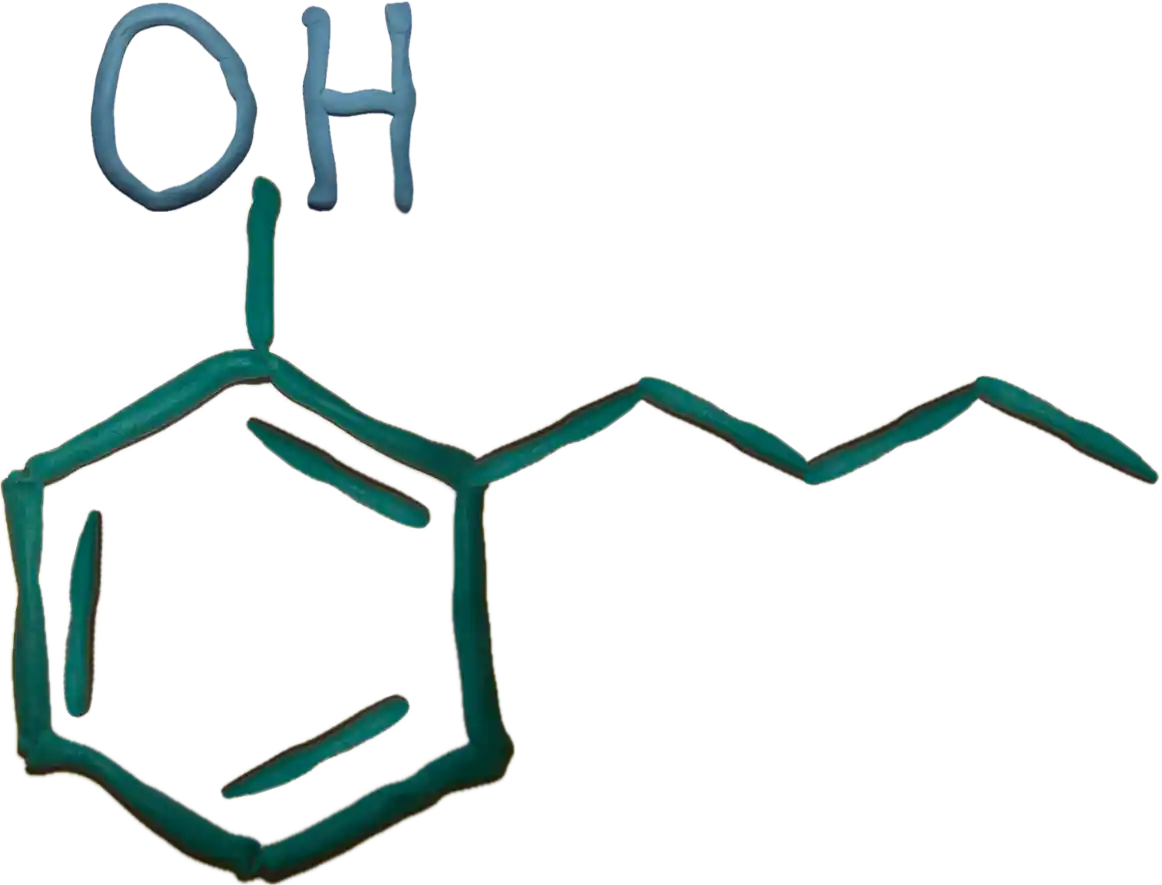
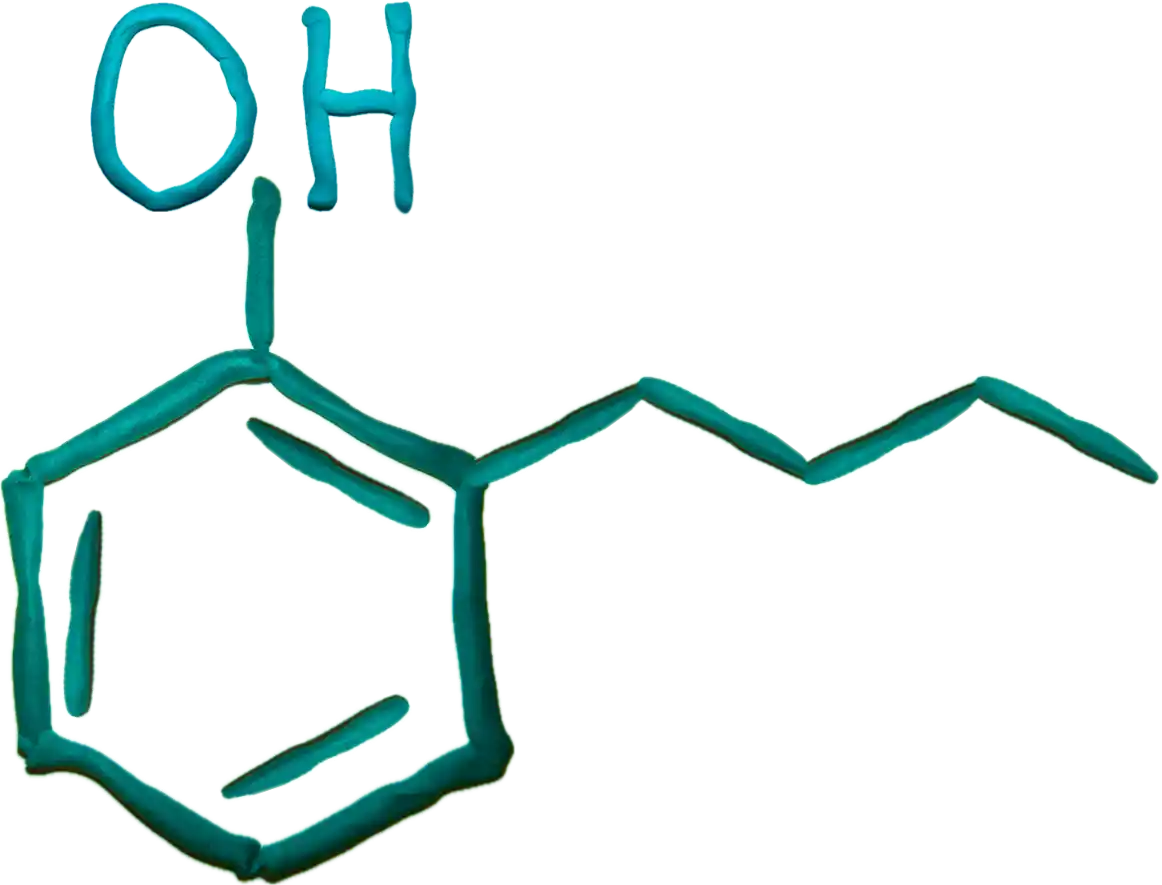
A significant fraction of OMWW consists of phenolic compounds, such as hydroxytyrosol and tyrosol, with antioxidant properties that may inhibit microbial growth.
Turning a toxic byproduct into circular, high-value bioproducts.
For generations, families across Greece have harvested olives and produced olive oil, passing down this tradition from one generation to the next.
However, alongside this valuable product, a problematic by-product is also generated: olive oil mill wastewater (OMWW). Its high organic load, acidic nature, and phenolic content make it difficult to treat. When improperly managed, it can contaminate soil and water, harm aquatic organisms, and inhibit plant growth.
Pressing is concentrated in a handful of Mediterranean countries, and so is everything the mills leave behind.
Share of world olive oil production, 2024/25 crop year (provisional).[4]
The harvest is short and the mills are small, so the cheapest disposal wins: open evaporation lagoons, or spreading straight onto farmland. Neither treats it. The polyphenols that make the water toxic outlast the season, and keep moving through soil and groundwater.[5]
A significant fraction of OMWW consists of phenolic compounds, such as hydroxytyrosol and tyrosol, with antioxidant properties that may inhibit microbial growth.
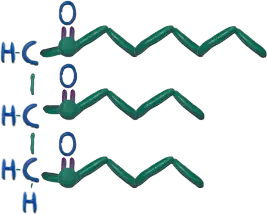
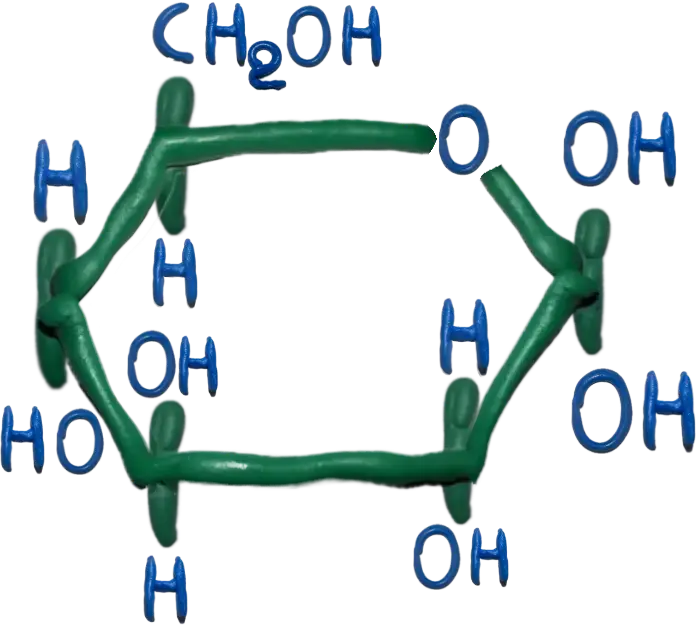
OMWW also contains sugars (glucose and fructose) and lipids, which serve as carbon sources and substrates that bacteria can use for growth and metabolism.
Step 1
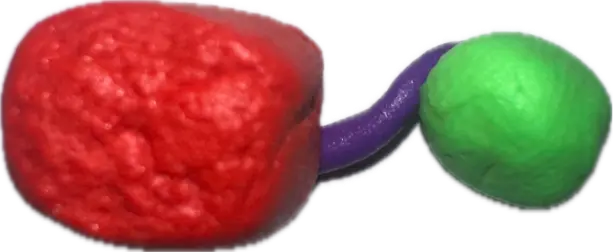
First, we aim to recover hydroxytyrosol, a valuable natural antioxidant, using a chimeric protein designed to selectively bind it and attach to a cellulose based material, creating a filter-like structure.
Step 2
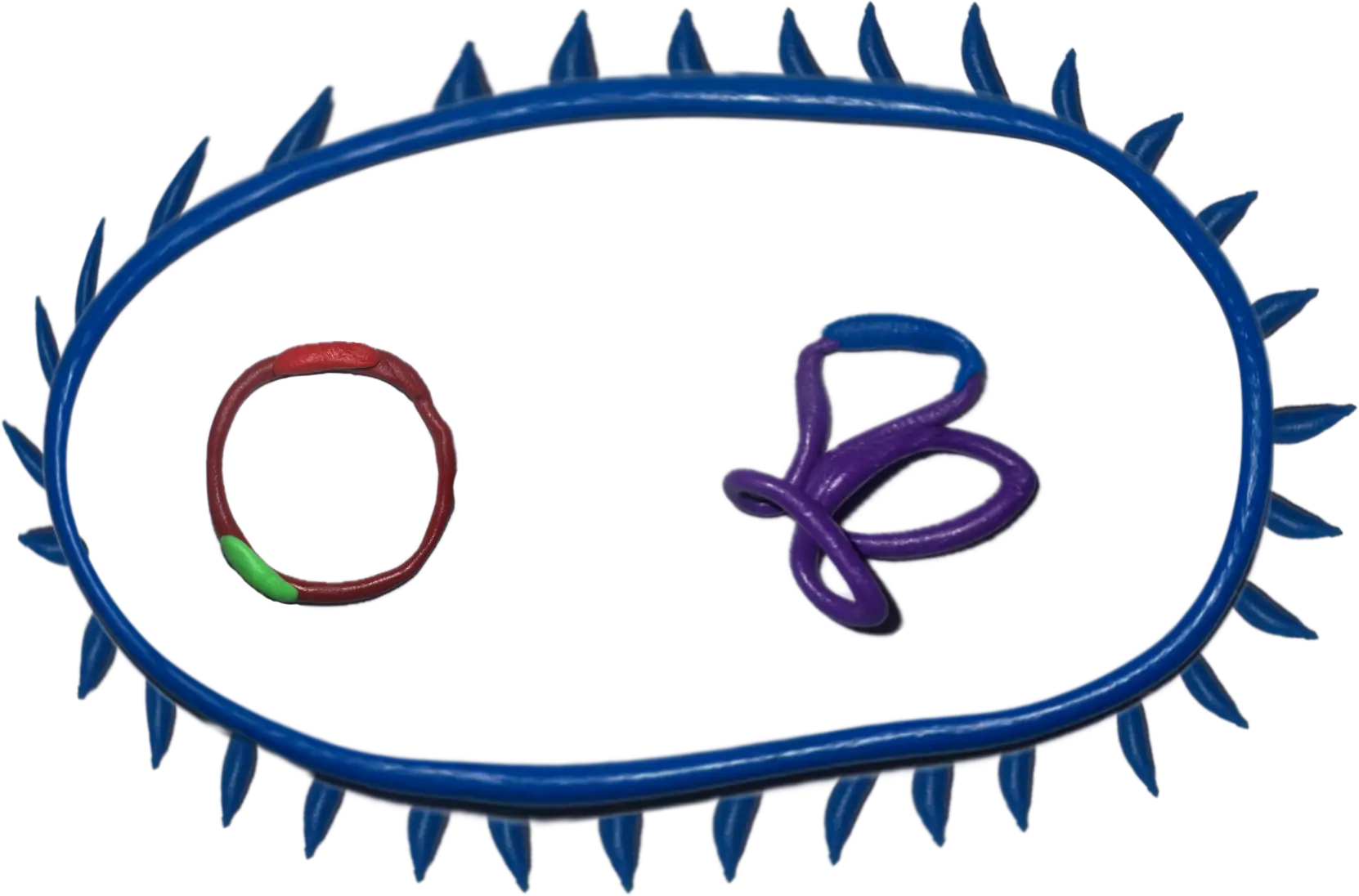
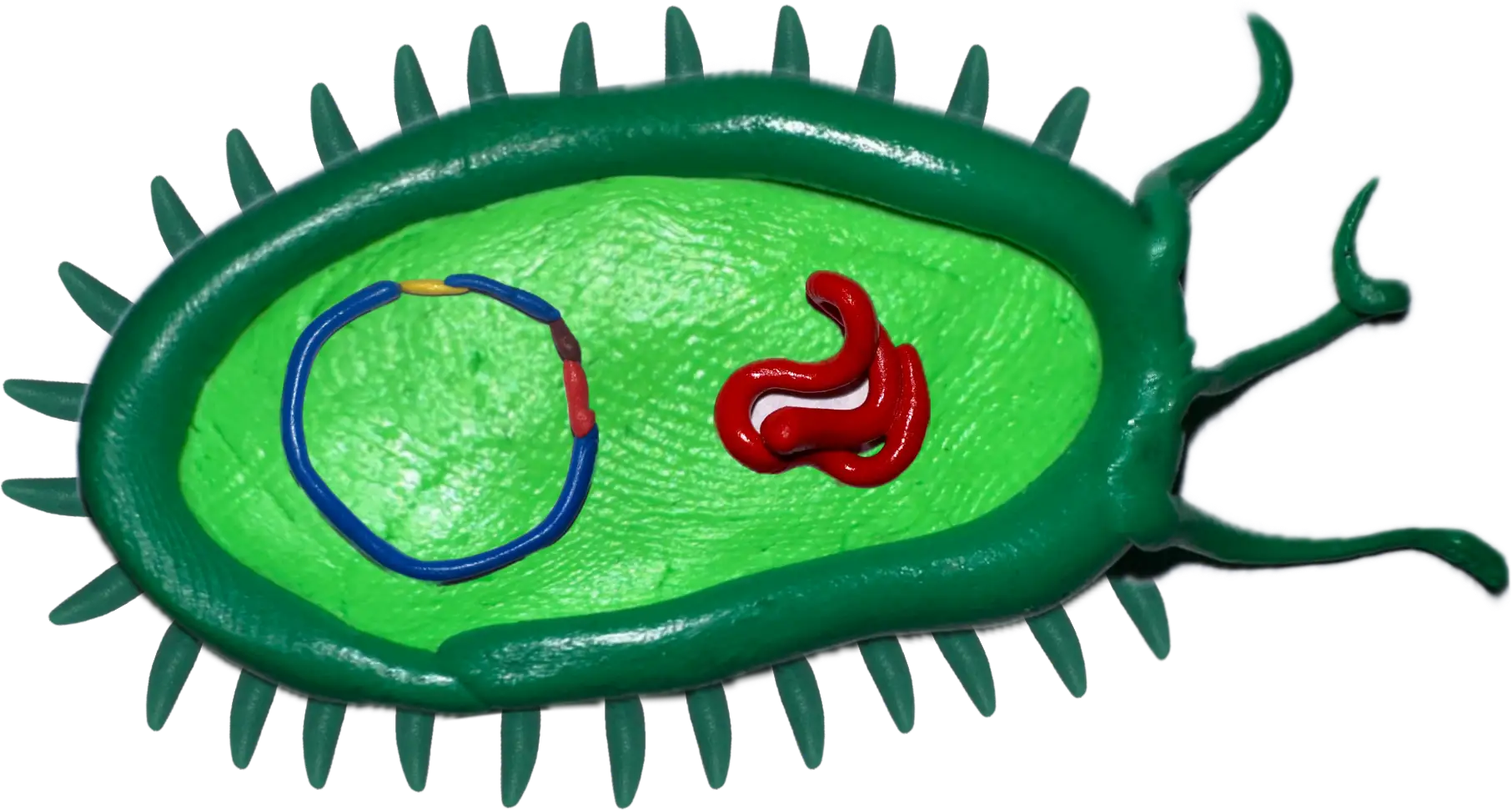
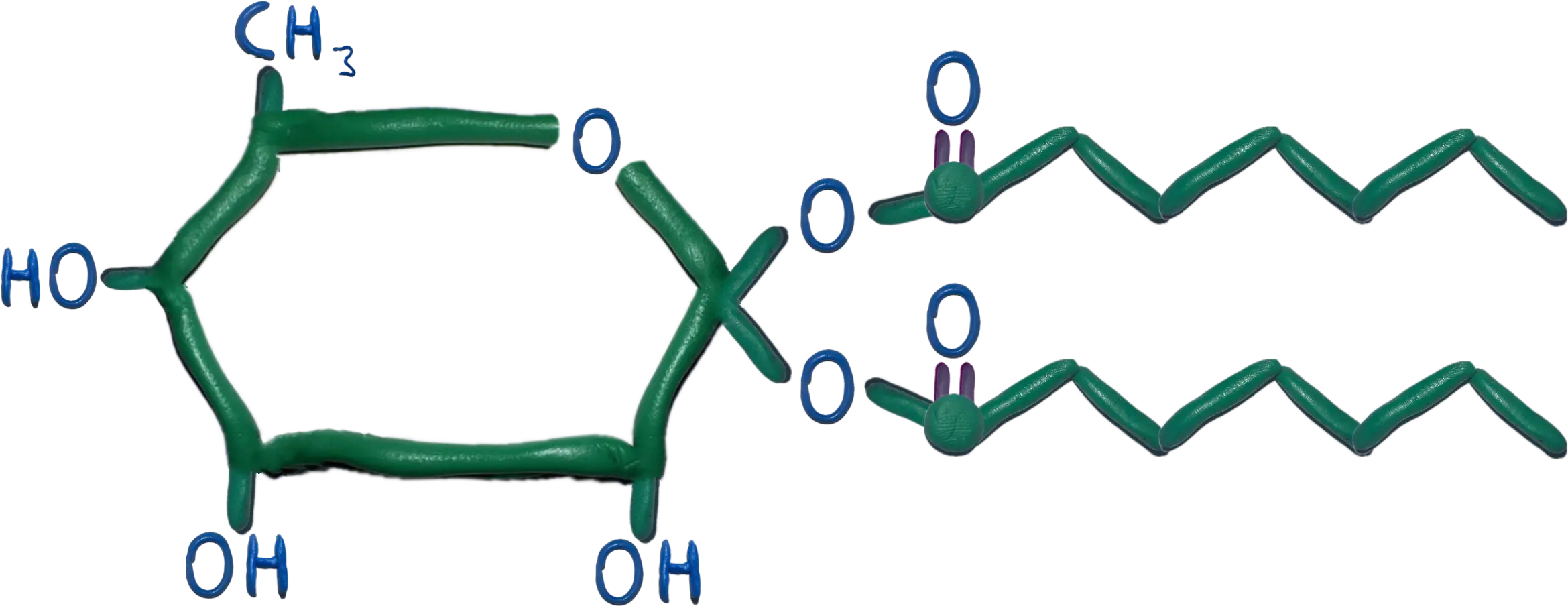
Next, we aim to use the remaining wastewater as a substrate for producing rhamnolipids with engineered Pseudomonas putida. Rhamnolipids are biodegradable biosurfactants with potential applications in detergents, cosmetics, agriculture, and bioremediation.
pET21b(+)
pPS05