















Introducing iGEM Toronto’s 2026 project: PetaBite. We take a byte out of plastic!
iGEM Toronto is a group of 70 students at the University of Toronto working in seven subteams to identify, engineer, and deploy highly efficient plastic-degrading enzymes.iGEM Toronto: 70 students finding, engineering, and deploying plastic-degrading enzymes.
Meet the PETamons! Hover over them to see what they’re up to, and click on them to learn more about what they do.Tap them to see what they’re up to, and tap again to learn more about what they do.
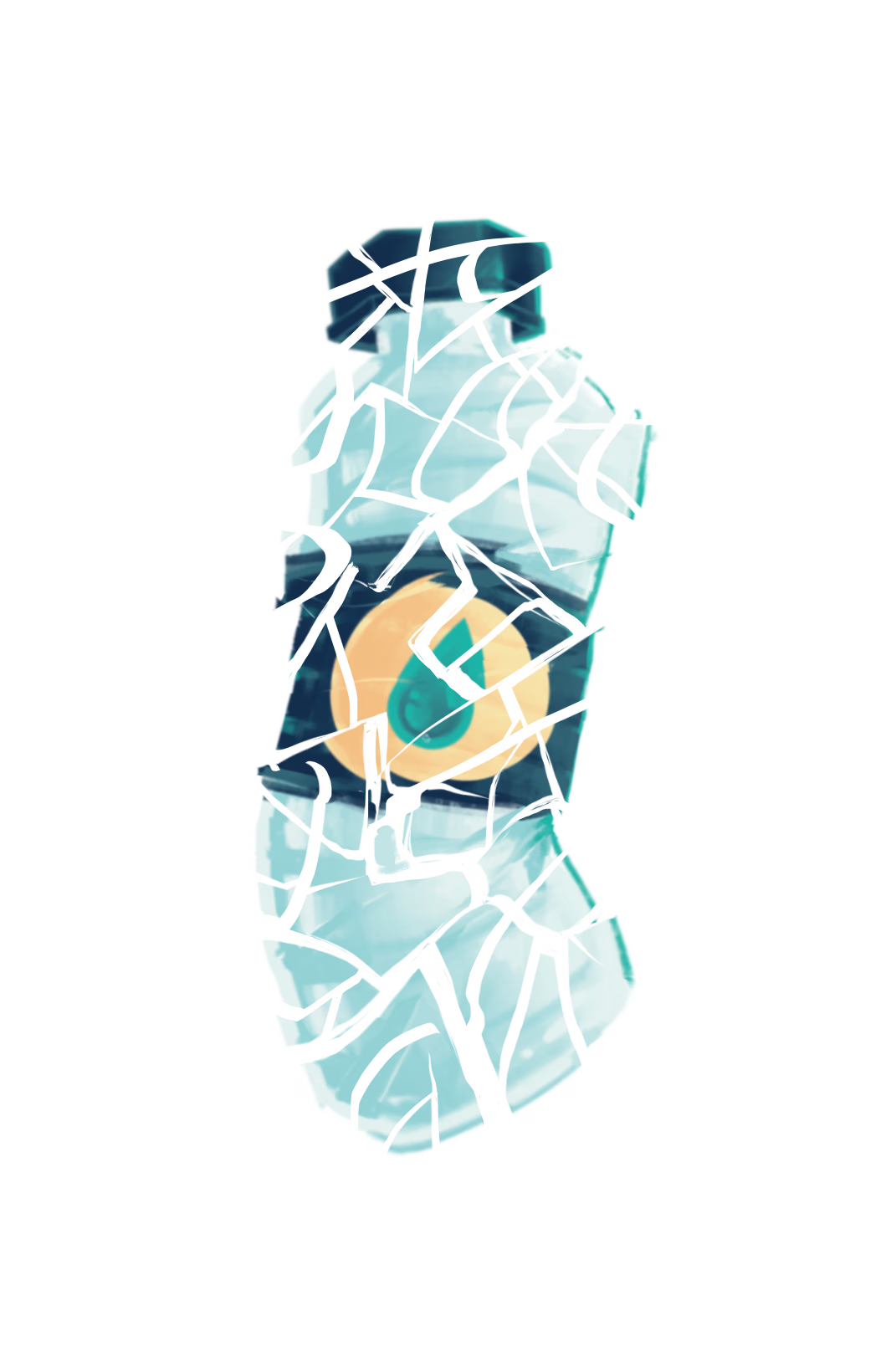
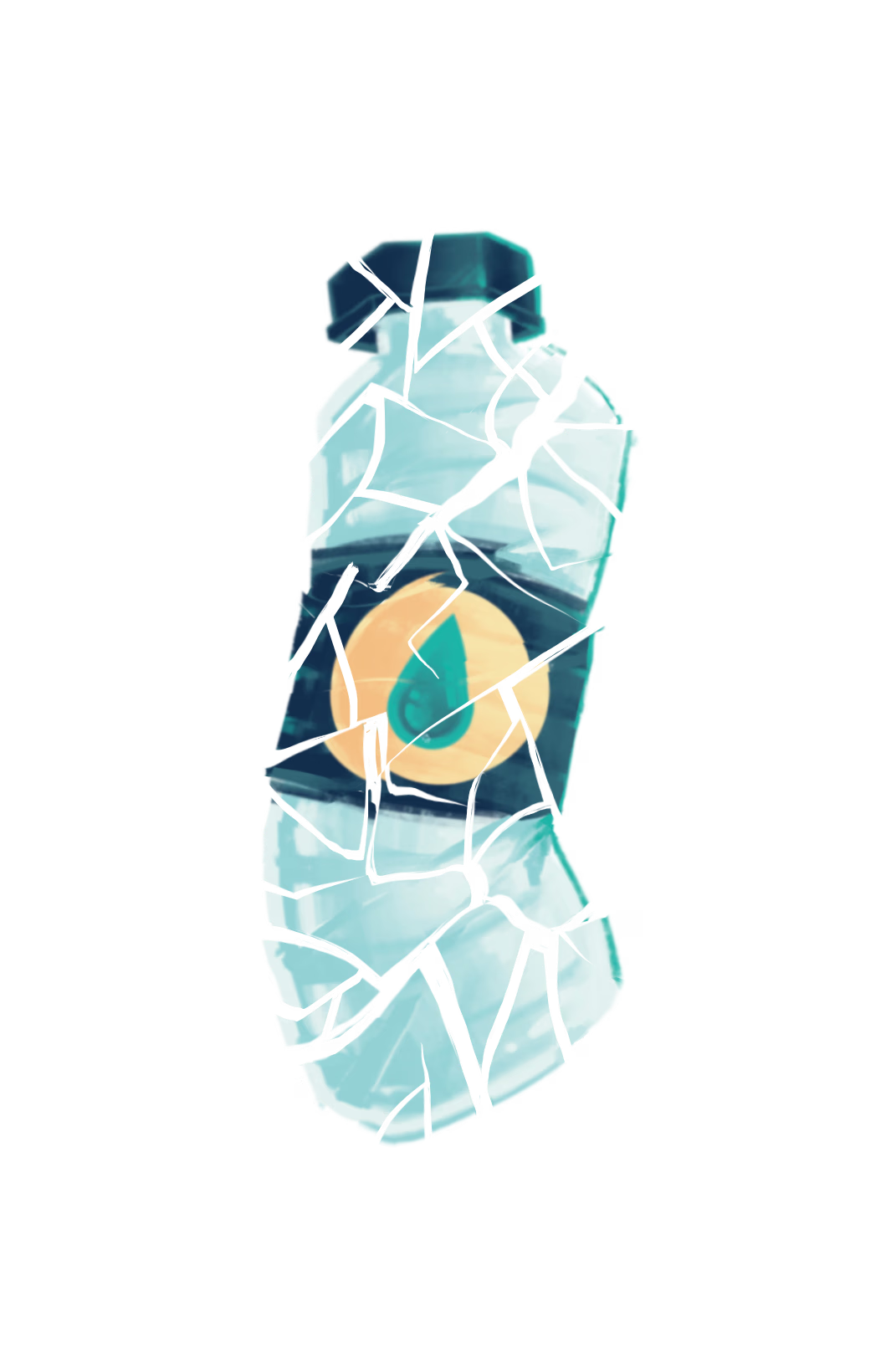
We’ll follow the journey of this discarded water bottle as it travels through storm drains, sewers, rivers and out to sea. It moves through many environments, and we are working to stop it from causing more harm.We’ll follow the journey of this discarded bottle through many places. We want to stop it from causing more harm.
The world produces over 400 million tonnes of plastic each year — only a fraction of that is disposed of responsibly. The rest are left to degrade, fragmenting into microplastics (plastic <5 millimetres in size).
Hover red underlined words for a popup, click to pin it open / close.Tap red underlined words for a popup, tap again to close.Tap red words for a popup, and again to close.Microplastics have been found in ecosystems, infrastructure, and human tissue. Elevated levels of microplastics found in human tissue have been associated with adverse health outcomes, like increased risk of heart disease.









To fight the growing accumulation of microplastics everywhere, we're revolutionizing the field of plastic-degrading enzymes.
PETases are enzymes capable of degrading polyethylene terephthalate (PET). Current PETases used in the plastic degradation industry have a major limitation:
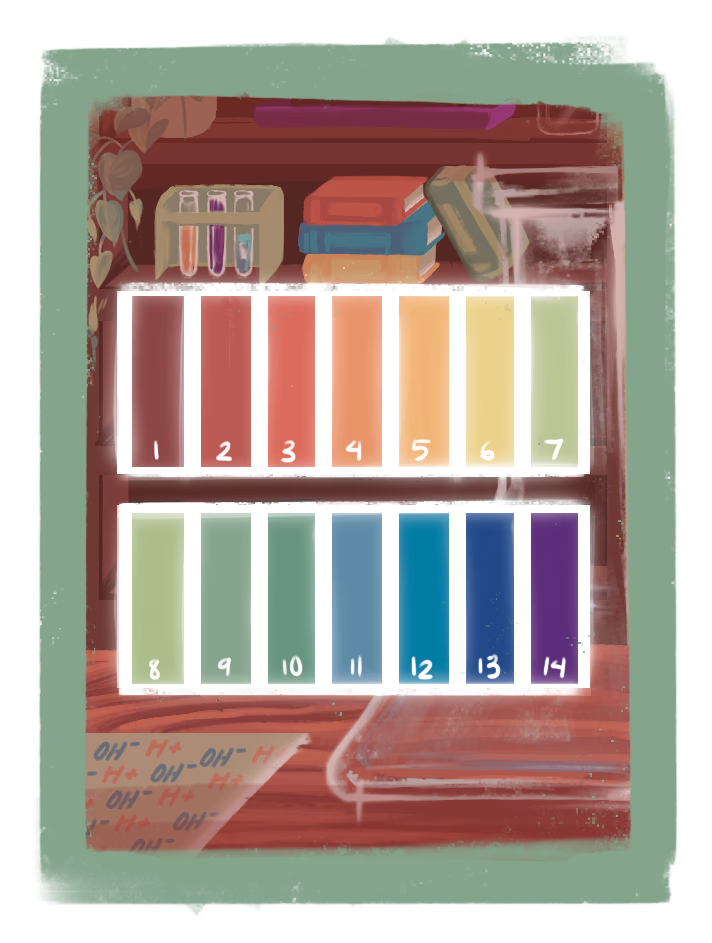
they only function under highly specific conditions…

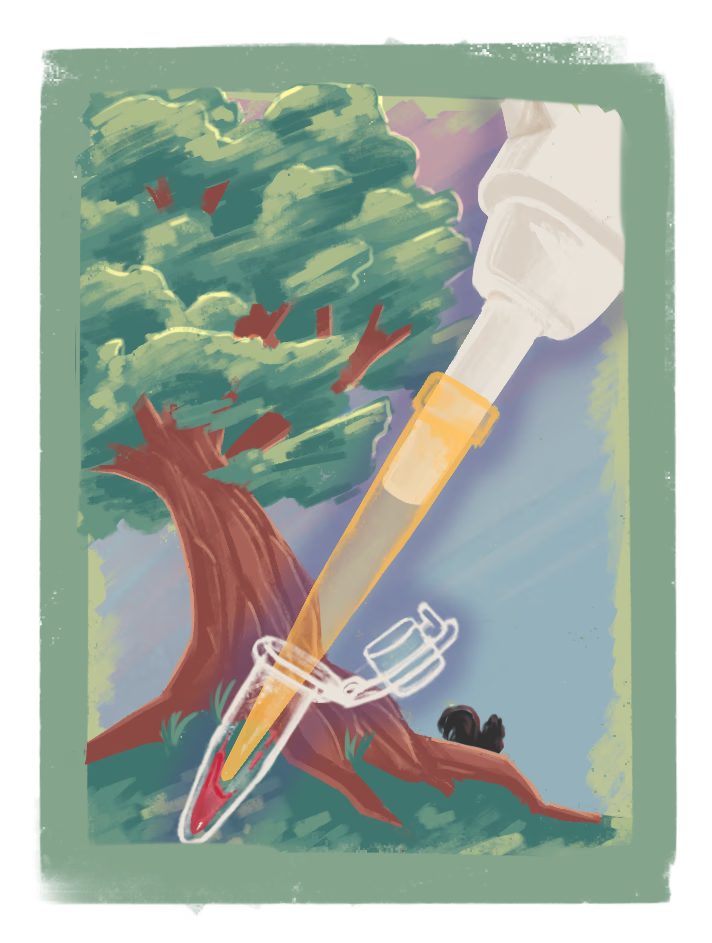
To find PETases that work across a wider range of conditions, our team is using the Logan index (developed by our advisory lab, the RNAlab at UofT and collaborators): a planetary-scale genome search that can discover novel plastic-degrading enzymes. This grants us the ability to find PETases from all over the world.

From 495 known plastic-degrading enzymes
















Before, the field consisted of roughly 495 known plastic-degrading enzymes.
Using Logan, we found 300 million unique candidate enzymes. That's a 600,000-fold increase in enzyme diversity.

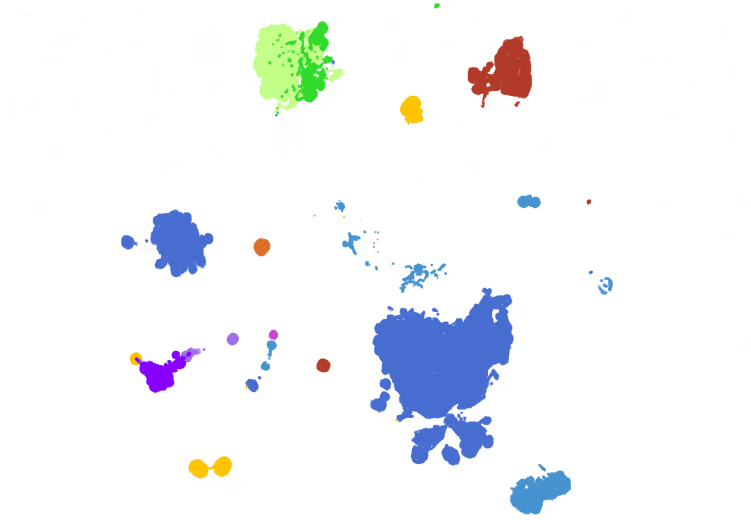



We created a database of these candidates and named it the PETadex. It is entirely open-source, and freely available to browse.
Each star is a protein in this database.
We annotated each with signal peptides, protein domains, the temperature and pH of the environment it originates from, and activity data scraped from existing literature.
Clusters of related proteins form constellations, each mapping to a different enzyme family.
Our Dry Lab team has trained models on this database to rank which candidates to test for each condition.
We also designed a novel algorithm to optimize the DNA library to capture more protein constellations.
Current methods to validate enzymatic performance are inefficient and expensive, so we developed our own…
Our Wet Lab team designed and created two novel high-throughput assays to test and quantify plastic degradation!
In both assays, copper is embedded into PET. When an enzyme begins to degrade the plastic, copper is released and switches on a promoter fused to a marker gene.
In the Biosensor assay, successful breakdown of PET activates the expression of GFP, causing cells to glow green.
In the Selection assay, PET degradation induces the expression of sul1, which confers resistance to the sulfadiazine antibiotic, enabling the growth of colonies on plates coated with sulfadiazine.
The most efficient PETase candidates then need to be tested under real conditions.
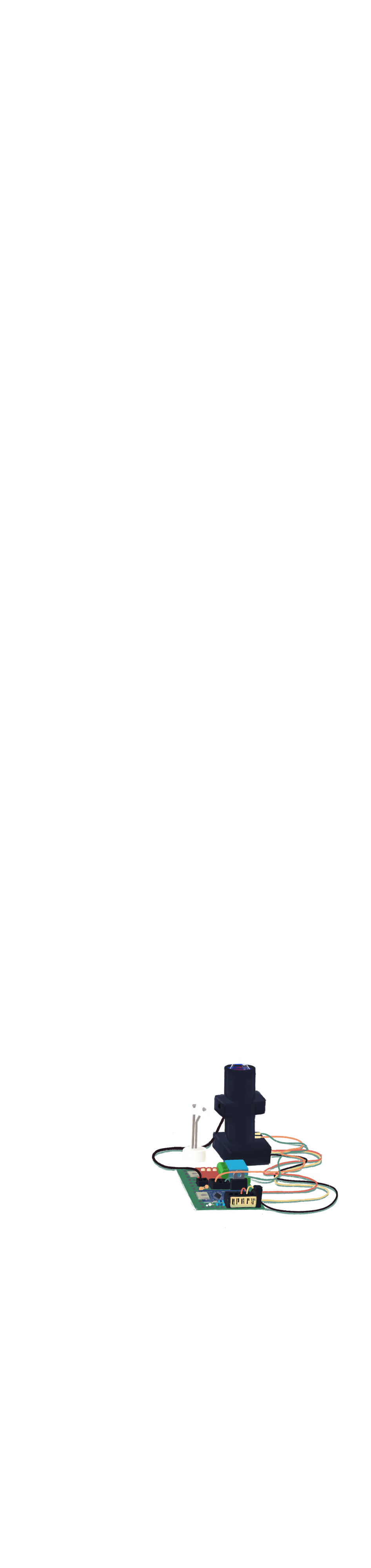
Hardware engineered a low-cost, open-source parallel bioreactor, drawing inspiration from the Pioreactor. This device is equipped with its own optical density sensor, temperature control capabilities, pumps, stir bar, and a live dashboard — all for less than $250.
We aim to scale up to 8 units, so one experiment can compare several enzymes across a range of temperature and pH values.
We can identify which enzymes perform the most efficiently under certain parameters, seeing where and when they optimally function.

But finding optimal enzyme candidates without knowing where to use them doesn't solve the problem.





















Conversations and interviews with customers and recycling plant operators pointed us towards the wastewater treatment plant industry as a highly lucrative use-case, as microplastics continuously accumulate in treatment plants' biosolid sludge.
In addition to wastewater treatment plants, additional verticals can benefit from our enzymes, such as textiles, filtration, and trash recycling streams.
But scientific innovation can only have real impact if it leaves the lab.
Working with regulators, stakeholders, and researchers, our project unites the broader microplastics community. We advocate for responsible solutions to solve the microplastics crisis, and PetaBite provides a viable enzymatic approach to do just that.
In creating the PETadex — the most comprehensive plastic-degrading enzyme database — we combine data and lessons learned into a single resource that can transform the landscape of plastic-active enzymes.
Discover more about PetaBite.




























 Hover over a piece to meet its PETamon, then click to visit their page.Tap a piece to meet its PETamon, then tap again to visit their page.
psst… on each subteam's page, its PETamons are up to something too. Hover over anything there that looks alive (the crabs on this page are in on it too).psst… on each subteam's page, its PETamons are up to something too. Tap anything there that looks alive (the crabs on this page are in on it too).